For months I’ve been trying to decide whether or not I was going to go to my University of Cambridge graduation. The day after my foster dog, Dorothy, was adopted, I woke up and something told me, “Just go. Commit to going and figure it out.”
Once I made the decision, a whole wonderful trip came together around it, including a week in Italy with my sister. (More details on the trip soon – flags for hints )
It all worked out but it required me to make a decision and commit to seeing it through. Nothing would work unless I did. Nothing would move or change unless I moved and changed.
So often we’re in this state of limbo where we just can’t see our way through. We don’t know what to do. When that happens to me, I try to give away my worry. I breathe it out and let the sky take it. I plant my feet into the ground and let the Earth take it. I look out at the sea and let the water take it.
Then I watch where my mind goes when I ask, “What’s the best thing that could happen?” And where my mind goes is the decision I make.
Award-winning artist and NJ native Rich Tu designed the NY/NJ poster intended to “reflect the vibrancy and diversity that define this region.” Image from City of Jersey City Official Government Facebook Page.
The excitement for the 2026 FIFA World Cup is already building, and as New York and New Jersey prepare to host a significant portion of this global spectacle including the final at MetLife Stadium on July 19, 2026, there’s a powerful opportunity to set a new standard for environmentally sustainable mega-events. Large-scale sporting events inherently have a substantial environmental footprint, from carbon emissions due to travel and energy consumption to vast amounts of waste generated. However, by embracing innovative and comprehensive green strategies, the NY/NJ World Cup can truly “score green goals” and leave a lasting positive legacy for our planet.
FIFA has already outlined a sustainability and human rights strategy for the 2026 World Cup, focusing on sustainable infrastructure, mitigating climate impact, reducing air pollution, and promoting water efficiency. Building on this, here’s how New York and New Jersey can lead the way:
1. Transportation Transformation: Moving the Masses Sustainably
Prioritize Public Transit: This is perhaps the single most impactful area. With New York and New Jersey’s extensive public transportation networks, a concerted effort to heavily promote and incentivize their use for fans, staff, and athletes is crucial. This includes clear signage, dedicated routes, extended service hours, and potentially even event-specific transit passes.
Active Travel Promotion: Encourage walking and cycling to venues where feasible. This means creating safe and accessible pedestrian pathways and ample, secure bike parking facilities.
Low-Emission Fleets: For official tournament vehicles, prioritize electric or hybrid vehicles. This extends to shuttle services for teams and VIPs.
Efficient Air Travel: Work with airlines to encourage direct flights and optimize routes to reduce emissions from air travel, which is a major contributor to the event’s carbon footprint.
2. Venue Virtuosity: Sustainable Infrastructure and Operations
Energy Efficiency and Renewables: Leverage existing stadiums like MetLife Stadium and Red Bull Arena. Implement aggressive energy efficiency measures, such as LED lighting and smart HVAC systems. Explore opportunities for on-site renewable energy generation (solar panels) and ensure all electricity used for the tournament is sourced from renewable energy providers.
Waste Not, Want Not: Implement a robust, multi-stream waste management system across all venues and fan zones. This means clearly labeled bins for recycling, composting, and landfill. The goal should be to minimize waste to landfill, focusing on a circular economy approach where materials are reused or recycled. Eliminate Single-Use Plastics: Ban single-use plastic bottles and foodware, encouraging reusable alternatives or offering compostable options. Food Waste Reduction: Partner with local food banks to donate unconsumed food and implement composting programs for food scraps.
Water Conservation: Implement water-saving fixtures and practices at venues and associated facilities. Explore rainwater harvesting for irrigation and other non-potable uses.
Sustainable Procurement: Prioritize sourcing materials, merchandise, and food from local, ethical, and environmentally responsible suppliers. This reduces transportation emissions and supports the local economy. Consider sustainable building certifications for any necessary temporary structures.
3. Fan and Community Engagement: A Collective Effort
Educate and Empower: Use the World Cup platform to raise awareness about environmental issues and promote sustainable practices among fans. This can be done through interactive displays, public service announcements, and engagement campaigns.
“Green Team” Volunteers: Recruit and train a dedicated “green team” of volunteers to assist with waste sorting, guide fans on sustainable transportation, and promote eco-friendly behaviors. If you’d like to get involved as a volunteer for the event in any capacity (green or otherwise!), you can sign up now at https://www.fifa.com/en/tournaments/mens/worldcup/canadamexicousa2026/volunteers
Local Partnerships: Collaborate with local environmental organizations, community groups, and businesses to implement sustainability initiatives and foster a lasting green legacy beyond the tournament.
Carbon Offsetting: While reduction is paramount, for unavoidable emissions, invest in high-quality, verifiable carbon offsetting projects that benefit local communities and ecosystems. However, transparency and accuracy in reporting are crucial to avoid “greenwashing.”
A Lasting Legacy
The 2026 FIFA World Cup offers more than just thrilling matches; it’s a chance for New York and New Jersey to demonstrate global leadership in sustainable event management. By meticulously planning and rigorously implementing these green initiatives, the tournament can inspire future large-scale events and leave a tangible, positive environmental legacy for generations to come. Let’s make the 2026 World Cup a true testament to the power of sport to drive positive change for our planet.
Summer is calling, and with it, the urge to explore! But as nature lovers, we’re always looking for ways to minimize our footprint while maximizing our adventures. Beyond the well-known tips, there are some truly surprising and delightful ways to make your summer travels more sustainable. Get ready to rethink your next getaway!
1. Embrace the “Slow Travel” Revolution (Beyond Just Trains!):
We often hear about taking trains instead of planes, which is fantastic! But “slow travel” can be so much more. This summer, consider:
Barge Holidays: Imagine gently gliding along canals in Europe or the UK, powered by electric or hybrid engines. You unpack once, enjoy stunning scenery, and dock in charming villages – all while leaving a minimal carbon footprint. Many offer bike rentals for shore excursions! Google “barge holidays” and you’ll find so many options. Add a location to your search if you fancy traveling to a specific area.
Long-Distance Cycling Tours (with luggage transport): Not an ultra-cyclist? No problem! Companies now specialize in multi-day cycling tours where your luggage is transported for you. You get the incredible experience of human-powered travel and the joy of exploring at a leisurely pace, truly connecting with the landscape. Intrepid Travel has many global options, caters to cyclists of all skill levels, and they are a B-Corp with a commitment to sustainability and wildlife welfare. Backroads is another great company with destinations all over the world and in the U.S., and they also have a strong purpose-driven commitment to communities and the environment.
River Cruises on Electric/Hybrid Vessels: Look for smaller, eco-conscious river cruise lines that are investing in greener technologies. These offer a unique perspective on landscapes and cultures, often with a focus on local experiences and less mass tourism. Several companies are actively developing and deploying these vessels, with notable examples like A-ROSA Cruises, Viking River Cruises, and Hurtigruten.
2. The Power of the “Micro-Adventure” & Hyper-Local Exploration:
Sustainable travel doesn’t always mean going far. This summer, recharge your personal battery by rediscovering the magic close to home:
Backyard Camping (or Glamping!): Transform your own outdoor space into a nature retreat. It eliminates travel emissions entirely and allows you to enjoy the stars, build a campfire (responsibly), and reconnect with nature right outside your door.
“Staycations” with a Green Twist: Instead of just staying home, actively seek out eco-friendly businesses, farmers’ markets, and natural areas in your own region. Discover hidden gems, support local sustainable initiatives, and reduce your travel impact significantly.
Paddle Power Adventures: Kayaking, canoeing, or stand-up paddleboarding on local lakes, rivers, or coastlines offers an incredible way to experience nature from a new perspective, with zero emissions. Pack a picnic and make a day of it!
3. Rethink Your Accommodation (Beyond Eco-Lodges):
While dedicated eco-lodges are wonderful, there are other creative sustainable options:
Farm Stays: Many working farms now offer accommodation, allowing you to connect with the land, learn about sustainable agriculture, and often enjoy farm-to-table meals. It’s an authentic, low-impact way to experience rural life. Farmstay has U.S. locations and Farm Stay Planet has global locations. These are two of many organizations that can help you find this type of accommodation. If you’re interested in spending some time working on an organic farm, check out WWOOF.
House Swapping/Sitting: Exchange homes with someone in a different location. This not only saves money on accommodation but also minimizes the environmental impact associated with building and maintaining commercial lodging. Plus, you get to live like a local! HomeExchange is one platform that facilitates home swaps and they’re also a B Corp.
Camping (Low-Impact Style): Even traditional camping can be made more sustainable. Choose designated campsites, practice Leave No Trace principles diligently, use reusable cooking gear, and minimize your water and energy consumption. Backcountry’s free online guide is a good place to start to learn about this style of camping.
4. The Art of Packing Light & Smart:
This isn’t just about avoiding baggage fees; it’s about reducing the fuel needed to transport heavier loads.
Multi-Purpose Items: Think sarongs that double as towels, blankets, or skirts. Solid shampoo bars that eliminate plastic bottles. Travel-sized, concentrated products.
Sustainable Fabrics: Choose clothing made from natural, breathable, and durable fabrics that don’t require frequent washing (e.g., merino wool, hemp, organic cotton).
This is a tough one for me so I’m consulting REI’s free online guide with step-by-step tips and starter packing list.
This summer, let’s challenge ourselves to travel not just for leisure, but with intention. By embracing these surprising sustainable travel methods, we can nurture our wanderlust while protecting the very natural world that inspires it. Happy and sustainable travels!
In this moment in time, I’m looking for comfort and advice in nature and books. I recently read The Finnish Way: Finding Courage, Wellness, and Happiness Through the Power of Sisu by journalist Katja Pantzar. A Canadian with Finnish heritage, she moved to Finland for work. What she never expected and found is that embracing the Finnish lifestyle would radically transform her mental and physical health. Curious to see if I could adopt these lessons myself in my Brooklyn life, this is what I’ve tried and how it’s going:
Nature heals
Finns spend time outside in all sorts of weather all year long, even when the days are short and cold. They bike to work. They go out of their way to take the scenic route, spending as much time in nature as they can. They take winter swims (or dunks!) in the frigid sea followed by warm and cozy saunas. Cold water dips have been shown to have health benefits: circulation, reduced inflammation, and enhanced mood, along with a possible boost to the immune system. (However, if you have heart issues, please consult a doctor before trying cold water swimming.)
People in Finland put away their technology and embrace being together with others, often outside and in natural settings. They see nature as a generous neighbor. Yes, it takes effort and time, but the benefits far exceed the work and planning required to experience them.
Once Pantzar took on this view of nature, and practices like cold water swims and warm saunas, she noticed her mental and physical health improve. She felt clear-headed and physically stronger. Her gratitude for nature grew. Her relationships flourished.
My take:
I’m fortunate to live close to Prospect Park in Brooklyn. It’s a sprawling green space of over 500 acres. I’ve been trying to get there more often, even when it’s cold, either before or after work or at lunch time. I’ve also been trying to spend time in nature with others, a walking meet up.
I’m about a 20-minute subway ride from the ocean. However, there’s no sauna close by so I’ve not done the cold plunges in the open water. Instead, at the end of my morning shower, I turn the water to cold and try to bear 10 seconds. Though I can’t say I love the cold water, I have found them helpful. From the first time I tried this, I felt a rush afterwards. Something about doing this makes me smile. I feel alert and ready to take on the day.
Doing things that are difficult carries a certain level of pride and accomplishment. When we realize we can do hard things, our confidence grows. Whether that’s a cold-water swim, a strenuous hike or bike ride, learning a new skill, or simply getting through a long and difficult winter, there is joy to be found in overcoming obstacles and challenges. We don’t need to shy away from something because we’re afraid of failing, nor because we’re complete beginners trying to find out way. We can embrace that, one step at a time.
My take:
I really love being a beginner. I’m always trying to do new things, with varying degrees of success and learning! Whether it’s learning a new language, cooking and baking, in my writing and paper collage work, a new academic pursuit, or new sports, workouts, and physical challenges, I approach things with curiosity. The older I get, the more comfortable I am saying, “I have no idea how to do this but I’m just going to see how it goes.” I’ve especially loved taking on tasks that I initially think are way too difficult for me to do. I like practice. I like seeing progress and improvement, however small. And when I do make it up that mountain, the views are really spectacular.
Food and exercise
When it comes to diet and exercise, Finns take a sensible approach. They eat more vegetables and fruit than anything else. They bake movement and exercise into their everyday routines. And they make it all fun and engaging. Feeding themselves and exercising is not work; they’re essential to their well-being and a source of joy.
My take:
Having been through cancer, I have seen how what I eat and how I exercise can improve my health outcomes. I got through cancer treatment and continue to get through my current medication side effects largely through diet and exercise rather than taking more medications with even more side effects. My medications impact my muscles, joints, mental health, bone health, and everyday life. They’re not a picnic to manage, but I find when I eat well and move more, I feel better, and the side effects are lessened. Being in good physical shape also helps my medications be as effective as possible. Diet and exercise are within my control, and therefore empowering. Though I’m an omnivore, I’m a plant-based eater and I love cooking and baking. I exercise every day. For my health, I gave up alcohol. I’ve never felt better!
Body-mind communication
One of the many things I admire about the Finns is their growth mindset at every age. They understand the connection between their minds and bodies as part of their culture. Reducing stress is a big part of their motivation of how they live their lives.
My take:
In different chapters of my life, I’ve gone back and forth on whether the body influences the mind more than the mind influences the body. Now I see them as truly equal partners. Sometimes, my mind helps my body level up. Other times, embracing physical challenges helps clear and calm my mind. Their partnership makes me whole.
Though I live over 4,000 miles from Finland, this book helped me bring a bit of the Finnish lifestyle to Brooklyn. I’m excited to keep exploring and to see where this all leads.
With everything happening in the world now, hope may feel in short supply. I’ve got something that will help. I had the honor of being a guest on the Art Heals All Wounds podcast with host Pam Uzzell.
During our conversation, I share my journey from growing up on a rural apple farm amidst adversity to becoming a climate advocate. I talk about my passion for reshaping the narratives and storytelling around sustainability and human design, and how my process of healing from cancer in the depths of the pandemic gave me perspective on healing the planet and the collective responsibility we all share for our planet’s future. This echos what the climate scientist, Dr. Michael Mann, calls “channeling dooming into doing.”
I also make the case for kindness (especially in urban settings), the urgency of transitioning to clean energy, and my plans for fostering environmental restoration, rewilding, and community engagement so we grow stronger together. Thank you, Pam, for the opportunity to talk about everything I love.
On Thursday night I wound my way through Brooklyn’s Navy Yard. Past industrial buildings, natural gas smoke stacks, and heavy machinery, I found myself at building 269 to celebrate a sustainability milestone in our city.
For 10 years, Billion Oyster Project has used the nature-based solution of oyster restoration to clean the water of the Hudson River to a level unprecedented in the last century. Restored oyster reefs will also protect the coastline from storm surges, a threat the city faces from climate change. To commemorate all their work, and look toward the future, 2,000 guests gathered together this week to sample trays of freshly harvested oysters, enjoy small bites and drinks from over 20 of New York’s best restaurants, and celebrate the efforts of oyster over 50 oyster farmers from all over the country at the organization’s 10th Anniversary Billion Oyster Party — Back to Nature, Back to Health.
New York City used to be the oyster capital of the world, home to half of the world’s oysters. When the Dutch arrived in the 1600s, New York Harbor’s oysters measured up to 10 inches long, the city was known for them, and the oyster industry helped lay the foundation for the city. Liberty and Ellis Islands where the Statue of Liberty now stands and where millions of immigrants landed to begin new lives here were originally known as Oester (Oyster) Islands. New York’s oyster industry ended due to overharvesting, water pollution, and shoreline build-outs from the city’s rapid expansion. The pollution of the river prompted a typhoid scare, and the city shut down oyster farming in 1927.
The book The Big Oyster: History on the Half Shell by Mark Kurlansky tells the fascinating history of New York’s oysters. The Billion Oyster Project is creating its future. The city’s 220,000 acres of oyster reefs were once homes to whales, dolphins, seals, seahorses, herring, striped bass, and hundreds of other species. Thanks to Billion Oyster Project, they’re on their way to being this home again. Today, the organization has 18 active oyster restoration sites across 16 acres of New York Harbor. Their efforts have restored 100 million juvenile oysters to the harbor. Oysters are starting to reproduce in the Harbor — a clear sign that this once booming industry can be revived and be self-sustaining. Billion Oyster Project’s goal for the next 10 years is to restore one billion oysters to New York Harbor by 2035.
The Beatles statue. Royal Albert Dock, Liverpool. Photo by Christa Avampato.
I love a gritty city – one peppered with history, music, art, and salt-of-the-earth people. I fell for Liverpool as soon as I arrived. I walked out of the train station and into the cool morning light. I immediately felt at home. The food is delicious, the people are kind, and the city is thriving with art and music everywhere. It’s also very affordable. I could easily live there and be very happy!
Some highlights:
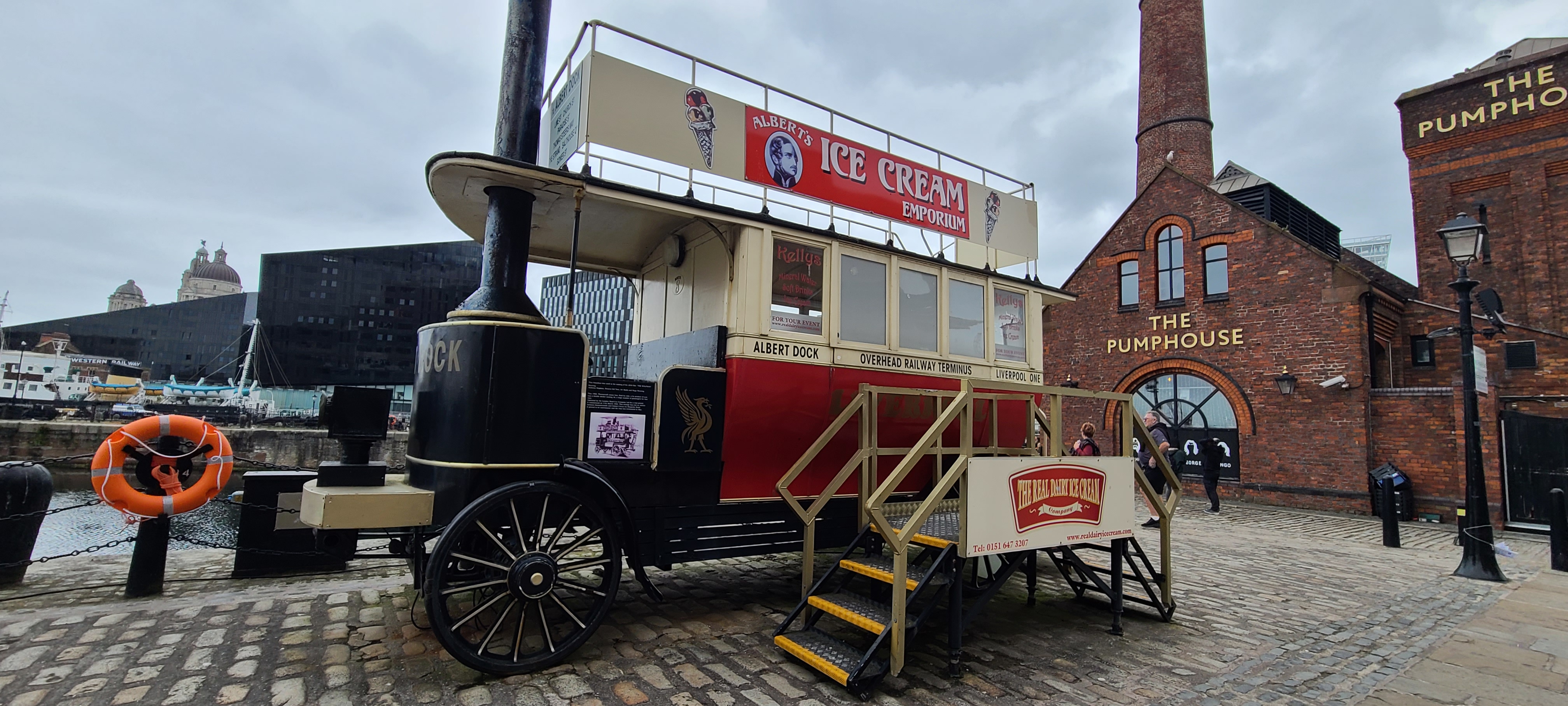
As a port city, Liverpool has an extensive dock area. It’s been refurbished as the Royal Albert Dock, filled with restaurants, cafes, bakeries, pubs, and art. It’s a fun area to spend an afternoon. (Rough Handmade is one of the greatest bakeries I’ve ever been to anywhere!)
Bold Street is one of the main commercial areas filled with shops, food, and bookstores. Open early to late, there’s something for everyone there. I spent an event there at Mowgli, enjoying some of the best Indian food I’ve ever had. There are a few Mowgli locations in Liverpool and each of them is beautiful, buzzy, and relaxed.
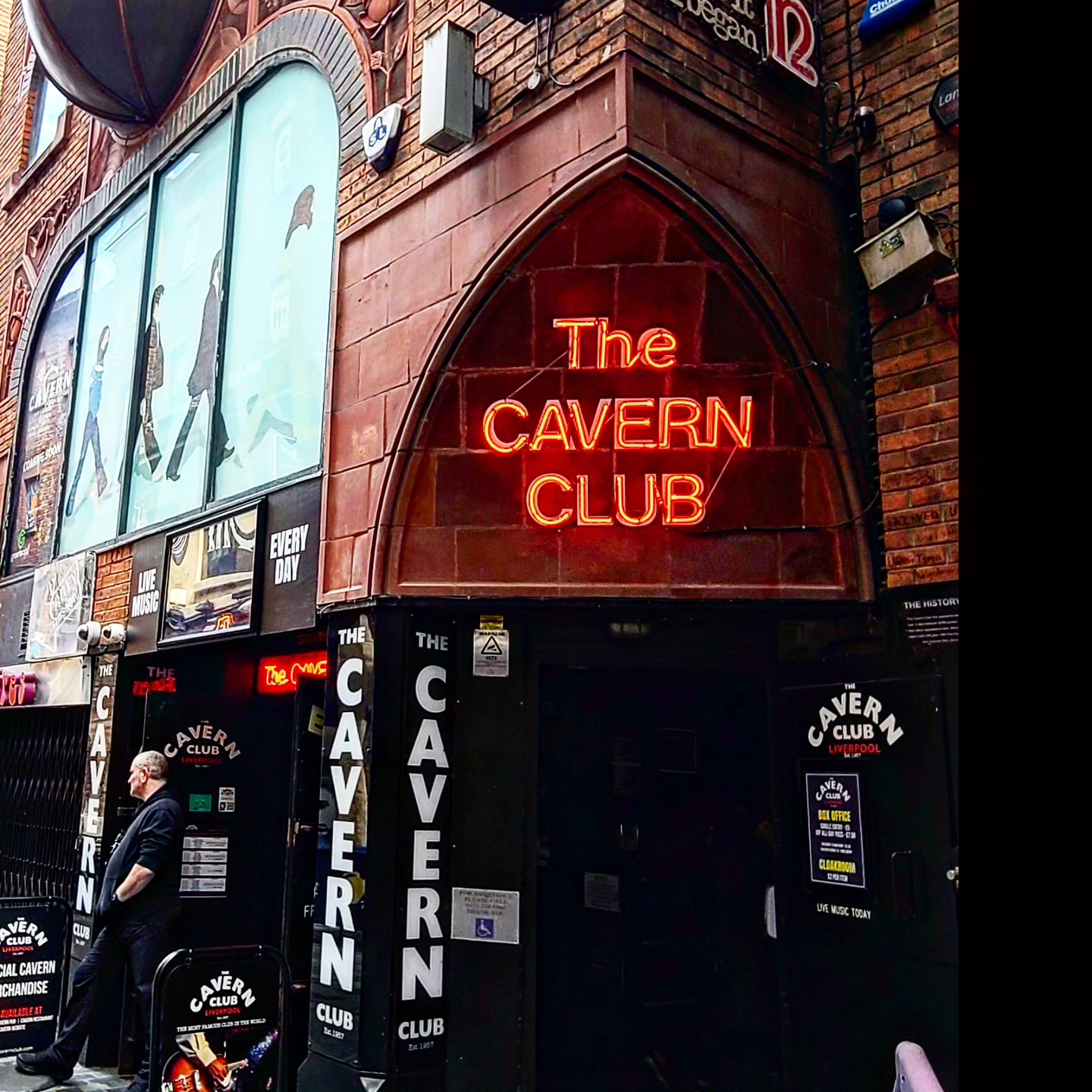
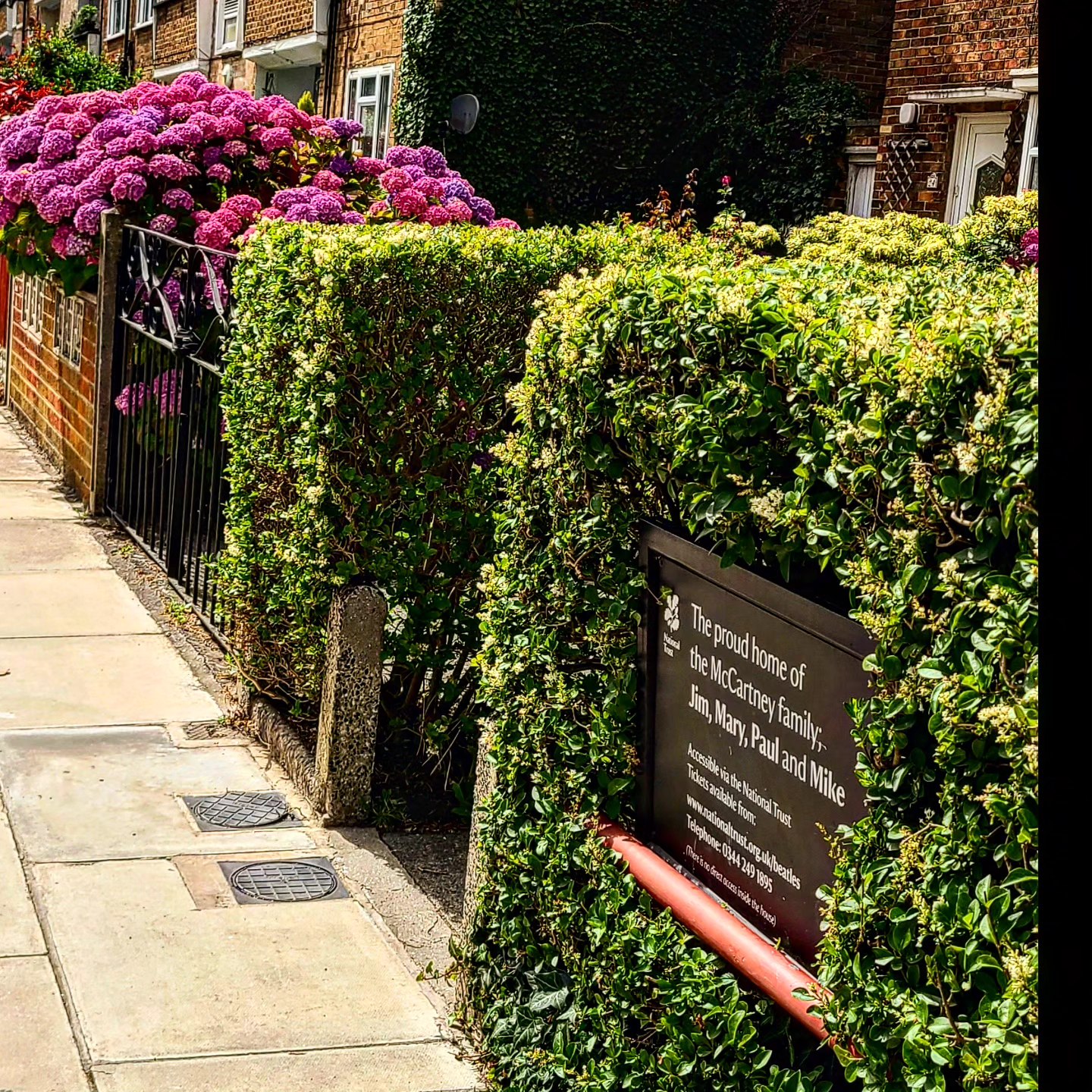
Seeing the Beatles childhood homes and the Cavern Club was the main reason I went to Liverpool. I love their story and music. My old neighborhood on the Upper West Side has the Dakota, the last home of John Lennon, and Strawberry Fields in Central Park where the “Imagine” sundial honors John’s legacy. The two childhood homes of John Lennon and Paul McCartney in Liverpool are very different from one another. They’re time capsules that tell their story of friendship and happenstance in the wake of WWII. No pictures are allowed inside the houses, but you can get excellent indoor tours with the National Trust. The tour picks up at Speke Hall, another great National Trust home (that’s 400 years old!) and grounds that I highly recommend seeing. Become a member of the National Trust and this tour (as well as Speke Hall), along with many other UK sites, are deeply discounted or free.
Liverpool is home to many museums, my favorite being the Maritime Museum. It pays homage to the Titanic because the White Star Line, the ship’s owner, was based there. The museum also exposes the city’s horrific role in the transatlantic slave trade. While many cities and countries attempt to sweep tragedy under the rug, Liverpool addresses directly and honestly in this museum and throughout the city.
The Resident is a fantastic boutique hotel that emphasizes sustainability and is a repurposed factory. Incredible service and great accommodations, it’s located very close to Bold Street and within walking distance of all the great sites of the city.
While Liverpool isn’t as flashy as some other European destination, it’s filled with heart and soul. It’s well worth a visit. I’m already looking forward to visiting again.
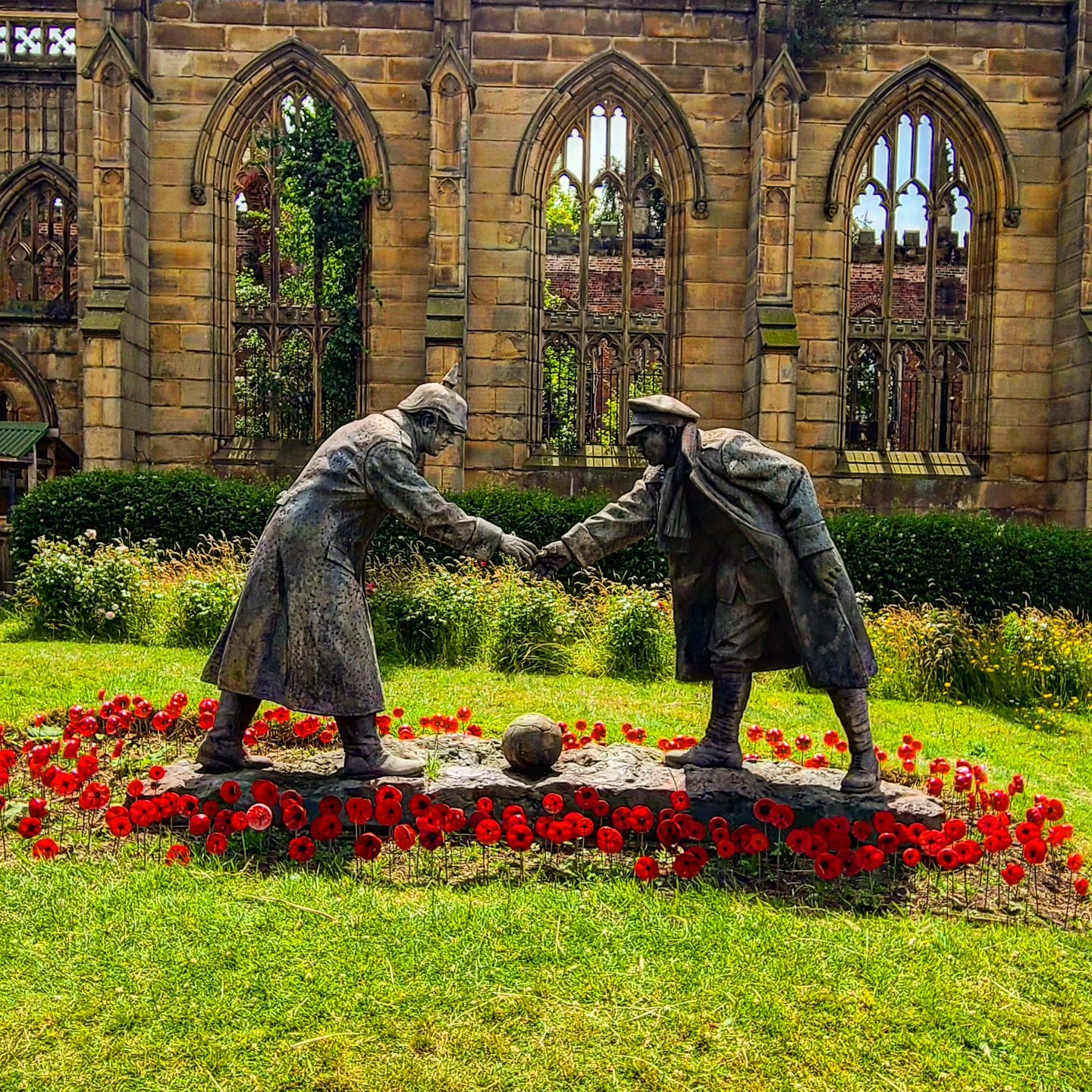
The collage below are my favorite photos from Liverpool, all taken by me.
Though I’m working on my dissertation for most of this weekend, I took a little time out to dream about my ancestral homeland thanks to Ben Tish’s gorgeous cookbook, Sicilia: A Love letter to the Food of Sicily. More than just recipes, Ben gives us a glimpse into the rich arid land, history, and the bustling society that is so prevalent on this island (and the many islands dotted along its coast). I particularly love his vivid descriptions of the food markets, each with its own unique spin on street food. I can’t wait to see and experience them myself.
Sicily’s history is dotted with many influences from many places and peoples. It’s not a melting pot, but rather an amalgam, a collage, with all the parts clearly visible and working together to create something none of them could do alone. Sicily isn’t one culture but many. Its food is its historical archive.
Arab and North African influences are some of the strongest we can find in Sicily’s cuisine, including both its ingredients and preparation. The Moors and the Islamic culture they brought are closely tied to Spain. However, they are just as prevalent, perhaps even more so, in Sicily. Pistachios and honey, oranges and lemons, saffron and pomegranates, sorbet and granite, couscous and sardines, almonds and pine nuts, raisins and fennel. If you love anything deep fried (and who doesn’t?), thank the Arabs who ruled Sicily in the 9th and 10th centuries for infusing that cooking preparation into Sicily and then on into the rest of Europe.
This island’s sprawling variety, so much packed into such a small amount of real estate, reminds me a lot of my home in New York. Here, Sicilian culture, along with hundreds of other cultures, can be seen and experienced all the time everywhere. Maybe my bloodline to Sicily is why I feel at home everywhere and with everyone–because my ancestors were diverse, people who came from all over to this plot of land that connects east and west, north and south, and celebrates its many influences.
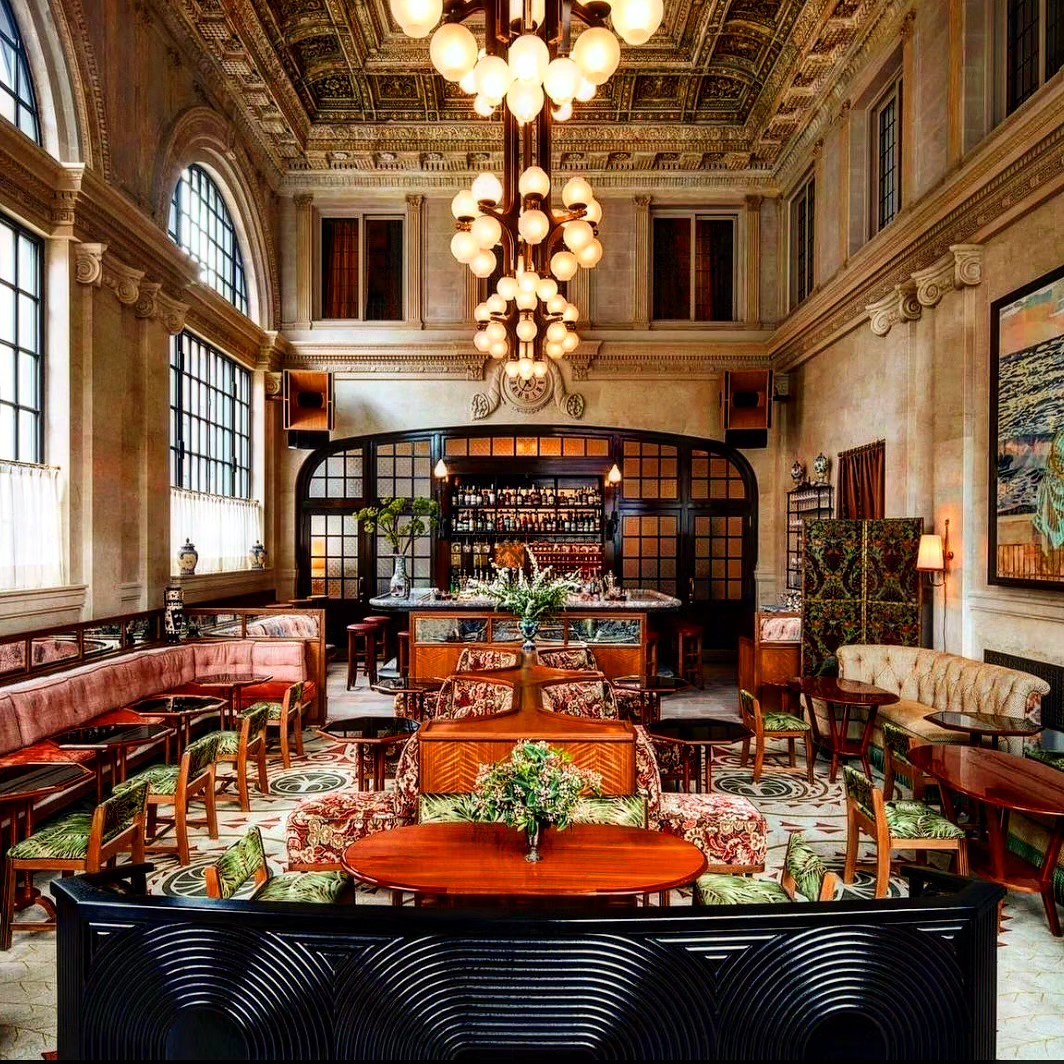
The Swan Room at Nine Orchard. Photo by Nine Orchard.
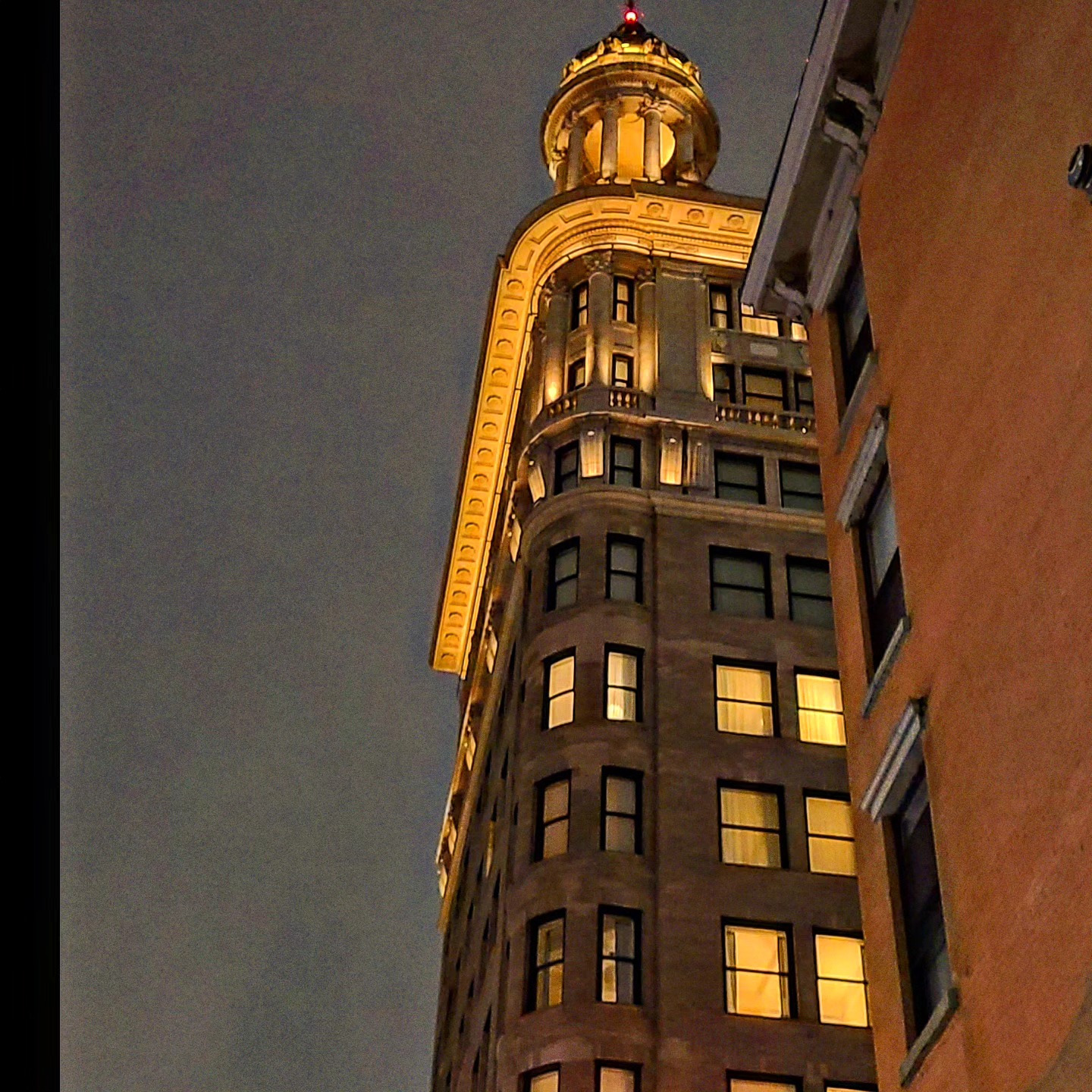
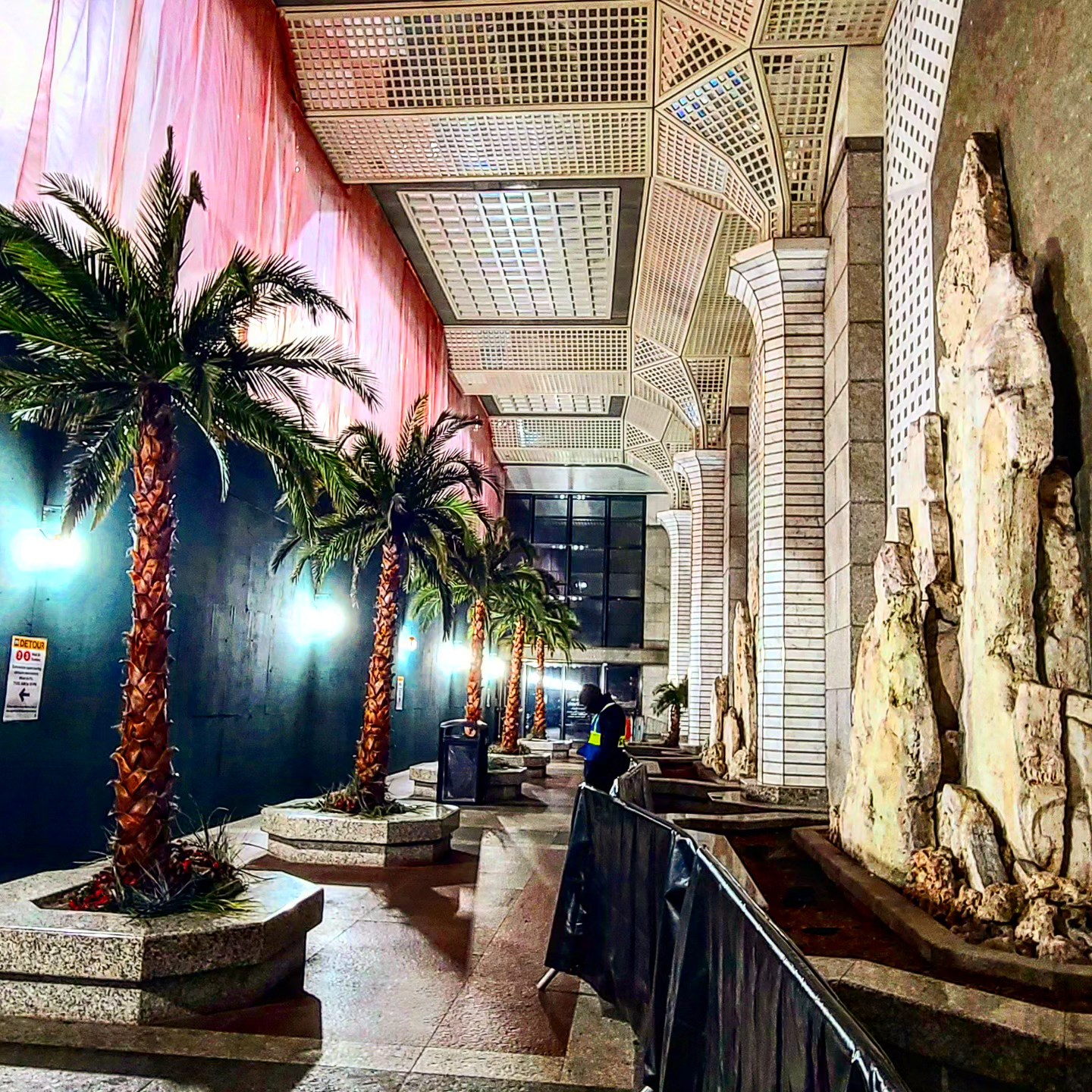
One thing I love about New York are the incredible locations to gather that are hidden in plain sight. This week, I got to spend time in three of these incredible gems: the Swan Room and East Room at Nine Orchard and the retro interior public space at 60 Wall Street before its complete demolition.
Nine Orchard is now a hotel that was the Jarmulowsky Bank over 100 years ago. The Swan Room is their main bar downstairs. Pictures are not allowed once it’s operational because they don’t want their patrons photographed (it’s quite a scene with more than a few celebrities enjoying being like the rest of us regular New Yorkers.) The East Room is a private event space upstairs that used to be the office of Sender Jarmulowsky, the founder of the bank. It’s cozy, dark, and moody. It looks down over the Swan Room where Sender was rumored to have been able to keep an eye on his bank employees and customers. (I’m thinking about the East Room as a possible space for my book launch party!) There’s a roof deck as well which is undergoing some renovations before spring arrives and I can’t wait to check it out when the weather gets warm.
The East Room and exterior of Nine Orchard. Photos by Christa Avampato.
60 Wall Street’s interior is currently being demolished. Thanks to The Municipal Art Society of New York, I was able to be one of the last people to see this weird retro space before the demolition is complete. We bid a fond farewell to the ticky tacky decor before it’s likely to become very minimalist. This is a public space where Wall Streeters have enjoyed their brown bag lunches for decades, and I think it will return as such once the lobby renovation is complete.
The East Room and exterior of Nine Orchard. Photos by Christa Avampato.
New York’s architecture, like the city, is ever-changing. What stays the same are all the delightful surprises around every corner in this magical place I’m so lucky to call home. If you ever find yourself here and you’re up for some urban exploring, I’d love to take you around and put my official New York City tour guide license to good use!
Redwoods in California show new shoots after a forest fire. Photo by Melissa Enright – US Forest Service
“Sometimes I think heaven is just a new pair of glasses…if I put on the better pair of glasses, I really notice what’s still working [well in this world].” ~Anne Lamott
As I look around at our world plagued by war, the climate crisis, and a seemingly endless stream of difficulties, I’ve been thinking a lot about Anne Lamott’s quote about putting on a better pair of glasses and operating from that lens. It doesn’t mean I’m ignoring the challenges and their scale; I’m seeing them alongside the progress, joy, and good news that’s alive in the world. A sampling of good news if you need a boost:



 )
)