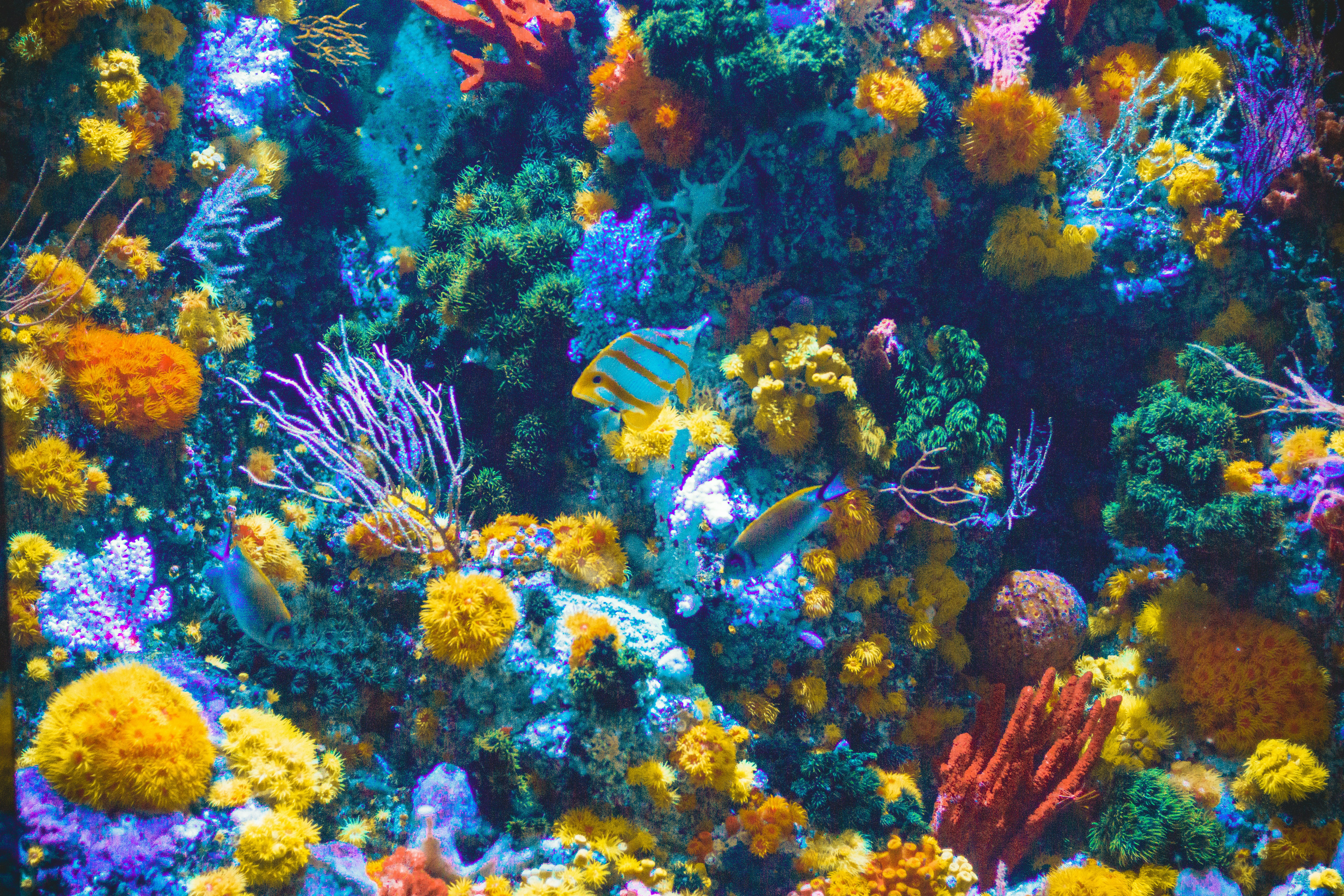
We know how good it feels to get a hug from our loved ones. Science has shown that physical touch is vital for human health. For infants, a lack of regular physical contact, cuddling, and responsive care disrupts core physiological, hormonal, and neurological development. It turns out that on coral reefs, a healing touch can restore health, too.
When ocean temperatures spike, coral reefs across the globe experience sudden trauma and expel the microscopic, colorful algae living inside their tissues that supply up to 90% of the coral’s daily food through photosynthesis. Without them, the coral bleaches, starves, and often dies within weeks.
We’ve long believed bleached corals are a lost cause. A recent accidental laboratory discovery shattered that assumption. It turns out that healthy corals can resuscitate their bleached family members.
An Accidental Tumble in a Stanford Lab
The breakthrough began not with complex computer models, but with a physical accident in a laboratory at Stanford University.
Marine ecologist Steve Palumbi noticed that two small finger-coral fragments in an aquarium tank in his Stanford University lab had toppled over and landed against each other. One fragment was healthy; the family member of that coral was bleached.
Where they pressed together, Palumbi spotted something startling: a thin band of vibrant color was creeping across the bleached coral’s pale tissue. The healthy coral was quite literally giving their coral relative life.
He took pairs of genetically identical coral clones—one bleached, one healthy.
In five tanks, he placed the pairs directly in physical contact.
In five matching control tanks, he set the pairs apart without touching.
The results arrived with stunning clarity.
Every coral pair placed in physical contact thrived within days. The healthy partner acted as a living bridge, funneling microscopic algae directly into their starving relative. Within seven weeks, all five touching corals regained full color, rebuilt their algal populations, and made a complete recovery.
In the control tanks, every isolated coral died. Proximity alone did nothing. Physical contact between relatives made all the difference.
Nature’s Living Pipeline
Corals might look like colorful ocean rocks, but they are colonies of tiny soft animals building shared homes. When two fragments share the same DNA, their immune systems recognize family rather than an invading enemy. The healthy coral pumps life-giving tenants to their relative, giving emergency care.
This simple mechanism challenges how we think about ecological recovery. We often picture resilience as an individual trait—a single tough organism weathering a storm alone. Here, survival depends entirely on direct, physical connection. Communing is a matter of life and death.
Practical Hope for Global Reef Restoration
Ocean warming caused by climate change remains the single greatest threat to marine ecosystems. This discovery of coral touch gives restoration teams a powerful, low-cost tool.
Reimagining Coral Nurseries: Reef restoration groups often grow coral fragments on underwater ropes or metal frames with wide gaps between them to prevent competition. Grouping genetic twins together so they can touch could create built-in mutual support systems when temperatures rise.
Rapid Response Triage: Rather than waiting months for bleached wild reefs to slowly absorb free algae from murky waters, divers could actively graft healthy nursery clones onto bleached colonies immediately after heatwaves pass, jumpstarting recovery by months.
Accessible Conservation: This technique requires no expensive machinery, chemical injections, or proprietary technology. It relies solely on understanding natural behavior and arranging related living organisms with intention.
The Togetherhood Takeaway
Nature repeatedly solves existential crises through cooperation rather than isolation.
Look for Simple Physical Bridges: The most durable resilience solutions often look less like high-tech interventions and more like thoughtful, natural arrangements.
Prioritize Direct Connection: Whether designing community shade canopies, restoring salt marsh shorelines, or nurturing neighborhood ecosystems, survival increases when individual pieces link into a shared network to help one another.
Stay Open to Accidental Clues: Breakthroughs often hide in plain sight when experiments do not go according to plan. Keen observation of living systems reveals pathways that theory sometimes overlooks or simply never considered.
When healthy living beings reach out and link arms with those in need, recovery begins and restoration can happen at speeds once thought impossible. It’s true for related corals, and it’s true for us, too.
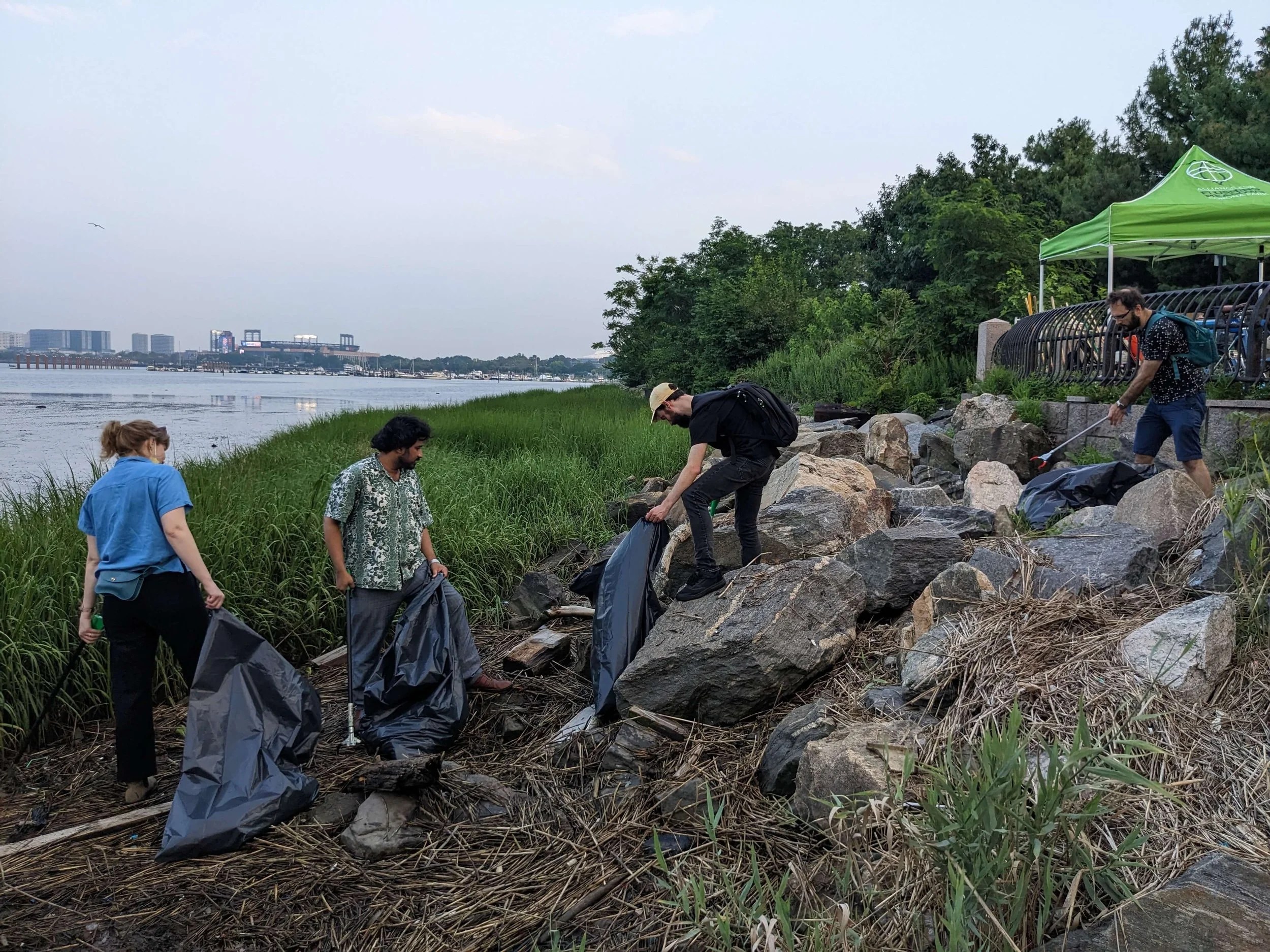
For decades, the waters edging northern Queens, a borough in New York City where I’ve lived several times throughout my long history as a proud New Yorker, carried the forgotten weight of industrial disregard. Abandoned boats, half-sunken barges, rotting docks, and tangled metal debris choked Flushing Bay and Flushing Creek, turning a vital tidal waterway into an urban blight.
These vessels did far more than ruin the view. The boats leach motor oil, toxic antifouling paints, microplastics from decaying fiberglass, and heavy metals directly into the mud and water. They trap plastic waste, smother native marsh grasses, and block natural water flow, creating stagnant, low-oxygen conditions that choke out fish and marine life. For surrounding communities—largely working-class, immigrant-rich neighborhoods that have historically borne the brunt of environmental neglect—the shoreline became an obstacle as well as a health hazard.
Now, a major cleanup and removal effort spearheaded by local advocates and supported by federal funding led by Representative Alexandria Ocasio-Cortez is finally clearing this neglected waterway from the bottom up.
Removing the Ghosts of Industry
Hauling decades-old derelict vessels out of shallow tidal water is meticulous, physical work. It requires specialized cranes, marine salvagers, environmental containment booms, and coordinated stewardship across federal, state, and local agencies. This web of cooperation is difficult to assemble and even harder to manage, and it is through the incredible efforts of organizations such as the Guardians of Flushing Bay, Riverkeeper, and the DEC, along with elected officials and the residents, that this is happening. The physical salvage work on the ground is being run directly by NYC Parks through their newly launched Office of Marine Debris Disposal and Vessel Surrendering, funded in partnership with NOAA and bolstered by Representative Ocasio-Cortez.
Each extracted hull delivers an immediate win for the local ecosystem:
Unlocking the Natural Tidal Circulation: Removing massive obstructions allows natural currents and tides to flush sediment and oxygenate the water, reversing chronic stagnation and literally bringing the waters back to life.
Stopping Chemical Leaks: Lifting out old fuel tanks and the vessels that have peeling lead paint along with chemically treated lumber removes continuous sources of toxicity that are poisoning this waterway and those who live there.
Restoring Shoreline Habitats: Clear mudflats and shorelines give native plants, sea life, and foraging shorebirds space to return and anchor natural coastal resilience.
Restoring Community Access: Clearing navigational hazards opens the water safely to human-powered boats, youth rowing programs, community science projects, and vital environmental research.
Ecological Health is Community Justice
A waterfront cleanup is never just about aesthetics. In a city where water surrounds us every day, access to clean, thriving shorelines is a core issue of equity and public health. A healthy waterfront also provides joy, curiosity, wonder, and positive experiences with nature.
When we leave waterways in working-class neighborhoods clogged with industrial trash, we send a subtle message about whose neighborhood deserves beauty and care. Reclaiming Flushing Creek and Flushing Bay proves that urban ecological repair and community dignity walk hand-in-hand. When dedicated neighbors, grassroots advocates, and elected leaders refuse to accept neglect, even our most damaged waterways can breathe again.
The Togetherhood Takeaway
Restoring our shared natural spaces begins with noticing the neglected corners of our neighborhoods and demanding better for the ecosystems that sustain us.
Support Local Waterway Advocates: Follow and support grassroots groups on the frontlines of NYC waters, such as Guardians of Flushing Bay, Newtown Creek Alliance, and Bronx River Alliance. Their tireless monitoring and organizing drive large-scale cleanup efforts.
Join a Shoreline Cleanup: Hands-on community cleanup days give you a direct, intimate look at the health of your local waterfront while keeping plastics and debris out of marine food webs.
Advocate for Equal Waterfront Access: Speak up at community board meetings and civic forums, or write op-eds and letters to the editor, to demand that waterfront revitalization projects prioritize public park space, natural shorelines, and water access for frontline communities over private luxury development.
Our urban waters are not dumping grounds—they are the living network of our city. When we clean up the debris of the past, we make room for life to flourish.
“Going home doesn’t feel like triumph. It feels like relief.” ~Dr. John Bucher, Joseph Campbell Foundation executive director
A few weeks ago, I had the great fortune to listen to my friend and mentor, John Bucher, talk about The Odyssey at Los Angeles’s Getty Villa. The title of his talk was “No Place Like Home: Why The Odyssey Is the Story We Keep Retelling”. (His talk is streaming on YouTube and you can watch here.)
I’ve been thinking about the idea of home a lot recently. Homer’s ancient Greek epic The Odyssey follows Odysseus, king of Ithaca, as he spends 10 years trying to get home after the Trojan War. While he faces monsters, storms, and gods, his wife, Penelope, and son Telemachus fight off aggressive suitors taking over his palace. As John explains, it’s about the war after the war and finding an answer to the question, “How do we go home when home no longer exists?”
It struck me so clearly that Odysseus’s journey is in many ways like a quest all of us have had. For me, his journey parallels my healing from cancer. My 10-year medication journey like his 10-year trek. The dog who is waiting for him so faithfully and then passes once he’s sure of his father’s return – much like how Phinny passed once he knew I would be okay in every way. Odysseus’s home was nothing like the one he left. Neither is my body.
John went on to say, “We might prefer to skip the journey. What we learn is that the journey is worth it.” And I feel that in my every cell of my body. I hate that I got cancer. It’s not a journey I ever wanted to take, not a community of survivors I ever wanted to join. But I had no choice. The journey back to wellness was forced on me. I had to fight, or die. And I wanted to live, so I fought. It was worth it because I learned what I was made of at my core. I learned how people feel about me while I’m still among the living. Best of all, I got to help so many others by lighting the way along their own difficult journeys.
Home isn’t a place, at least not for me. Home is love. Home is belonging. Home is friendship. Home is being a part of something bigger than myself. Home is purpose. Home is something I carry with me, always, in all ways, everywhere I go.
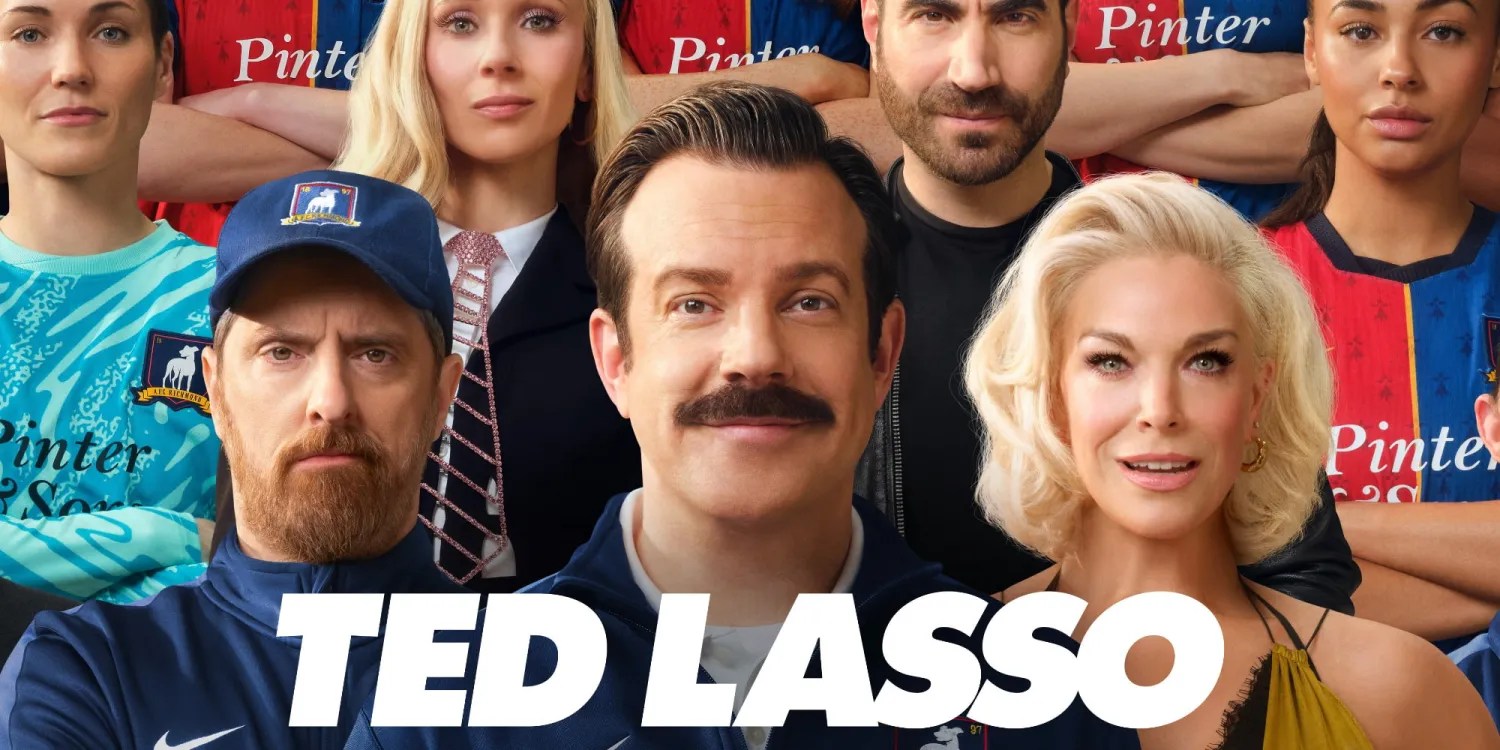
With the premiere of the 4th season of Ted Lasso launching today on Apple TV, millions of us are tuning back in for a dose of something that feels increasingly rare in the real world: unbridled optimism, radical empathy, and a deep commitment to collective care.
At first glance, a show about an American football coach running an English soccer team feels like pure entertainment. But at its heart, Ted Lasso is a masterclass in human connection. When we talk about building resilient cities, adapting to a changing world, rewilding, or strengthening our neighborhoods and ecosystems, we often focus on physical and tactile systems we can see. But none of those matter if we don’t have the trust and love that form the foundational connections to hold us together in both joyful and difficult times.
Ted and the Richmond crew give us a living playbook for how to care for our communities and each other. Here is a look at the show’s wisdom on leadership, cooperation, mental health, friendship, and why work must be about more than trading hours for a paycheck.
1. Leadership: Be Curious, Not Judgmental
“Guys have underestimated me my entire life… and it used to really bother me. Then one day, I was driving my son to school, and I saw this quote by Walt Whitman, and it was painted on the wall there. It said, ‘Be curious, not judgmental.’ I like that.” — Ted Lasso, Season 1, Episode 8 “The Diamond Dogs”
Ted’s famous dart-game ethos is the ultimate lesson for navigating complex times. When faced with opposition or someone we just don’t understand, our knee-jerk reaction is often to either dismiss their point-of-view or try to win the argument.
True leaders lead with inquiry instead of authority. Whether you’re managing a team at work or organizing a community event or collaborative creative project, leading with curiosity lowers defenses and opens the door to genuine connection. You can’t build a strong community if you’ve already decided who someone is before listening to their story.
2. Cooperation: Build for the Team, Not the Ego
“For me, success is not about the wins and losses. It’s about helping these young fellas be the best versions of themselves on and off the pitch.” — Ted Lasso,Season 1, Episode 3 “Trent Crimm: The Independent”
Richmond doesn’t succeed because one star player carries the team; they succeed when every person—from the star striker to the kit man to the back office team members—recognizes their worth and supports the collective whole.
In community life, ego breaks things apart. Real cooperation requires psychological safety: creating an environment where people feel safe to make mistakes, speak up, and bring their full selves to the table. When Jamie Tartt learns to pass the ball instead of hogging the spotlight, the entire team rises. When everyone feels ownership over the group’s wellbeing, the whole neighborhood thrives. (This is also the leadership mindset of Jalen Brunson as the captain of the Championship New York Knicks basketball team – more on that in a forthcoming post!)
3. Work as Purpose: Life Is Too Short to Stay Miserable
Ted: “Why the heck weren’t you at the press conference?” Trent: “Because I am no longer a reporter. I was fired when they found out I revealed an anonymous source.” Ted: “Oh, snap. I… I didn’t say anything, I promise.” Trent: “No, I know, Ted. I did. I’m looking for something different. Deeper.” Season 2, Episode 12 “Inverting the Pyramid of Success”
A heartbreaking reminder crossed my inbox: a long-time colleague at work who retired in 2019 passed away this week. He got just seven years in retirement. None of us know how much time we have on this planet, and trading our most precious, non-renewable resource—time—for a job that drains our soul is not only a shame, but wasteful. We deserve so much better. We deserve work that fills us up.
Every central character on Ted Lasso reaches a moment where staying in a toxic, comfortable, or soul-crushing situation threatens their spirit, forcing them to make a terrifying leap:
Rebecca Welton transforms AFC Richmond from a weapon of revenge against her ex-husband into a sanctuary of collective joy, choosing vulnerability and genuine leadership over bitterness and anger.
Keeley Jones walks away from being a model to work in PR that ultimately leads to her building her own PR firm from scratch, trusting her innate emotional intelligence.
Nate Shelley has to confront his desperate desire for status and unlearn the belief that title equals worth before finding his way back to honest connection. It’s a rocky journey for him, and he makes some difficult and painful turns before learning the deeper lessons.
Roy Kent has to retire from playing the game that defined his entire identity. He mourns that loss, and discovers who he is and what he’s capable of when the crowd stops cheering.
Ted leaves his comfort zone in the U.S. to step into an environment where everyone expects him to fail, prioritizing human growth over safe routine, all while navigating massive changes in his family life and confronting his past and his own mental health challenges.
When a job becomes a source of misery rather than purpose, leaving isn’t just a career move—it’s an act of self-preservation, self-care, and self-love. Work should be a place where we grow, connect, and serve others, not a place where we park our spirits while waiting for life to start.
4. Mental Health: Carrying Heavy Loads Together
“I promise you there is something worse out there than being sad, and that is being alone and being sad. Ain’t nobody in this room alone.” — Ted Lasso, Season 1, Episode 10 “The Hope that Kills You”
Perhaps the most radical move the show ever made was pulling back the curtain on Ted’s signature relentless optimism to reveal his deep pain and the mental health challenges he’s been hiding his whole life. Behind the jokes and baked goods, Ted was carrying the devastating grief of his divorce, the heartbreaking distance from his son Henry back in Kansas, the loss of his father in tragic circumstances, and severe panic attacks that left him incapacitated on the pitch, in his office and locker room, and at home.
Ted’s journey to his therapy sessions with Dr. Sharon Fieldstone teaches us that toxic positivity and denial won’t save us. Real resilience isn’t pretending everything is fine when your world is falling apart; it’s having the courage to say, “I’m not okay, and I need help.”
We cannot build strong, caring communities with exhausted people who feel forced to suffer in silence while wearing a brave face that’s just a mask. Normalizing therapy as a resource to help us speak openly about anxiety and accept care when we’re down to nothing aren’t signs of failure—they are how we survive and stay whole (or become whole again) so we can thrive.
5. Friendship: The Power of the “Diamond Dogs”
“To believe in yourself, to believe in one another. Man, that’s fundamental to being alive.” — Ted Lasso,Season 3, Episode 5 “Signs”
Adult friendship is often treated as a luxury in a world obsessed with professional output. But Ted Lasso shows us that intentional, vulnerable friendship is a vital life-support system.
When Ted, Higgins, Coach Beard, Nate, and Roy gather as the Diamond Dogs, they don’t meet to give unsolicited advice or fix each other’s problems with aggressive solutions. They meet to listen, offer perspective, hold space, and normalize each other’s emotional struggles. (Of course, there’s a big plot twist late in Season 2 that shows what happens when that trust is broken.)
In a world plagued by an epidemic of loneliness, building your own Diamond Dogs—a circle of friends or peers where you can drop the tough exterior and speak honestly—is one of the most revolutionary acts of community care available to us.
6. Being in Community: Belonging Over Fitting In
“I suppose the best brand is just being yourself.” — Ted Lasso, Season 1, Episode 3 “Trent Crimm: The Independent View”
True community isn’t about conformity or changing who you are to be accepted; it’s about creating a space where everyone belongs as their authentic selves. Ted doesn’t try to make Roy Kent act like Keeley, or Sam act like Jamie. He honors their distinct backgrounds, cultures, and personalities while weaving them into a cohesive support system.
Building community in our neighborhoods and workplaces works the exact same way. It isn’t about flattening our differences—it’s about building a big enough table so that everyone’s unique lived experience strengthens the whole.
7. Career Resilience: How to Bounce Back from Difficulty
“You know what the happiest animal on Earth is? It’s a goldfish. You know why? It’s got a 10-second memory. Be a goldfish.” — Ted Lasso, Season 1, Episode 2 “Biscuits”
In our careers and personal growth, we often carry the weight of past missteps, failed projects, or awkward interactions like heavy baggage. Ted’s advice to Sam Obisanya after a tough play is a lesson in professional grace and resilience.
Progress requires letting go of perfectionism. The most fulfilling, impactful careers aren’t built by people who never make mistakes; they’re built by people who process a setback, learn the quick lesson, forgive themselves, and get right back to lifting up the team.
Takeaways
Resilience isn’t just about what we build—it’s about the love, care, courage, and camaraderie we offer each other while building it.
Reframe Your Time: Take an honest audit of where you spend your energy this week. If you’re staying in a toxic situation out of habit or fear, start exploring what a leap toward purpose might look like.
Practice Radical Curiosity: The next time you encounter a perspective in your workplace or neighborhood that frustrates you, pause before reacting. Channel your inner Ted and ask one genuinely curious question to understand where they are coming from.
Form Your Diamond Dogs: Create a safe space with a few trusted friends, neighbors, or colleagues where you can speak openly about your personal challenges without fear of judgment.
Normalize the Check-In: Make a practice of reaching out and checking in with friends or colleagues so that if and when difficulties arise for them, they know you are someone they can turn to for support.
Like Ted says, taking on a challenge is a lot like riding a horse. If you’re comfortable while you’re doing it, you’re probably doing it wrong. Let’s keep leaning into the uncomfortable, beautiful work of caring for one another—and making every moment count.
Custom cupcakes I made for my friend’s book launch party
Today my dear friend, Amy Scher, published her first novel, The Unexpected Afterlife of Salon Rose. I’m so excited I got the chance to make her custom cupcakes for her book launch tonight in NYC.
My friends are my family and I will make the time, even when I’m short on time to do something special for them. Pouring love into our friendships, we get back so much more than we give.
The community we build carries us through difficulties, shares in our celebrations, and makes life better in every way. It’s the resource and gift that keeps on giving. It’s worthy of our time and attention.
I don’t know where I’d be without my friends, and I’m grateful I’ll never have to know.
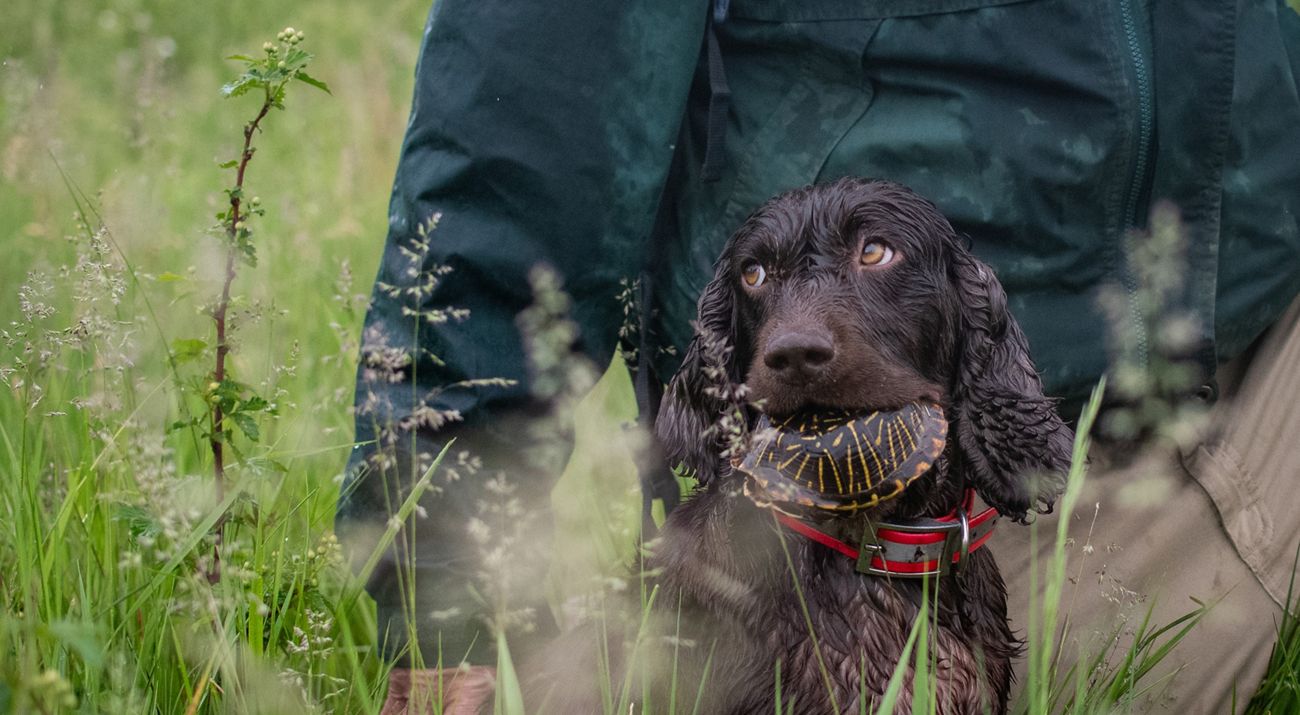
One of John Rucker’s Boykin Spaniels delicately carrying an ornate box turtle to safety. Photo from Nature Conservancy
I’m hoping that this year I will be able to adopt a dog. My foster dogs have helped me heal from the loss of my soul dog, Phineas. I will never get over losing him, and I’m also ready to welcome another dog into my life for their whole life. One thing I’d love to do with my future dog is to train to be a therapy team in chemo units and for kids reading to dogs programs at the New York and Brooklyn Public Libraries. Today, I learned about another opportunity that I’d love to look into, merging my love of dogs with my love for nature.
When we talk about climate adaptation and wildlife restoration, our minds usually jump to solutions that range from high-tech solutions like satellite tracking or automated drone monitoring to letting nature take her course and reclaim the land and seas. But across the world, some of the most effective conservation tools ever deployed run on four legs—or a quick game of fetch.
Conservation dogs are quietly transforming how we protect fragile ecosystems and wildlife. By training dogs to use their olfactory superpowers—which are tens of thousands of times more sensitive than ours—scientists and local communities are locating endangered species, tracking invasive pests, and stopping illegal wildlife trafficking in fractions of the time it takes human teams. (A mind-blowing fact about the sensitivity of a dog’s nose: Bloodhounds have an olfactory capability that can even reach up to10 million timesas sensitive as ours!)
My love for dogs runs as deep as my love for nature so learning how dogs can promote conservation has me wondering if this is a future career path for me, and a type of work I can do with my future dog. The talent of these pups is a powerful reminder that our smartest path forward often isn’t trying to out-engineer nature or just leaving nature to clean up our mess, but learning how to partner with her for the good of all species, including humans.
Precision Tracking in the Field
The real-world impacts of conservation canines span across oceans, prairies, and geographic borders:
Prairie Turtle Monitors: At The Nature Conservancy’s Nachusa Grasslands in Illinois, a famous squad of retired Boykin spaniels (trained by handler John Rucker, a retired high school English teacher from North Carolina) helped scientists track threatened ornate box turtles hidden deep in tallgrass prairie. Thanks to their soft mouths, the dogs gently picked up and retrieved the turtles without causing a single injury, locating more turtles in two hours than human researchers could find in a full week. Talk about efficiency!
Pangolin and Ivory Detection: Organizations like Working Dogs for Conservation (WD4C) deploy sniffer dogs to transit hubs and border checkpoints across Africa and Asia. These dogs detect hidden ivory, rhino horn, and pangolin scales with breathtaking accuracy, disrupting illegal poaching networks before products leave the region.
Saving the Right Whale: Off the coast of New England and Canada, specialized detection dogs ride on the bows of research boats to sniff out North Atlantic Right Whale scat from over a mile away. Finding these samples allows marine biologists to assess whale stress levels, pregnancy rates, and diet without ever disturbing these critically endangered and majestic ocean giants.
Invasive Species Eradication: In New Zealand and Hawaii, local conservation teams rely on dogs to hunt down invasive pests like rats, stoats, and Argentine ants that threaten native bird populations. What would take human teams weeks of destructive searching, a trained dog can pinpoint in a single afternoon. Give these dogs a raise!
Locating Invisible Plants: In the American West, dogs sniff out invasive weeds before they bloom above ground, allowing land managers to eradicate problem plants before they overtake native grasslands and fuel wildfire risks. How devastating can invasive plants be if left to run amok? Kudzu, a fast-growing climbing vine known is know as “the vine that ate the South” because it’s now so pervasive and seemingly unstoppable. It was brought to the U.S. from Japan in 1876. 150 years on, we’re still dealing with its destruction.
A Model for Local Agency
What makes working conservation dogs so compelling for community resilience is their low barrier to technology and high degree of local agency. You don’t need a multi-million-dollar lab or proprietary software to run a successful conservation dog program. You need dedicated handlers, strong local knowledge, a deep respect for animal behavior, and imagination.
It re-centers conservation work on human-animal partnerships, bringing local communities directly into the field as active custodians of their own ecosystems.
The Togetherhood Takeaway
True resilience means expanding our toolkit beyond human tech and recognizing the ecological allies already around us.
Reframe How We View Nature’s Capabilities: Technology is vital, but biological solutions are often faster, cheaper, and less invasive. Look for opportunities in your own community where natural processes (a community members of all species!) can solve structural problems.
Support Local Working Dog Programs: Look into organizations like Working Dogs for Conservation or Rogue Detection Teams. Supporting non-profits that train shelter dogs or rescue breeds for wildlife research gives animals a second life while protecting vital habitats.
Become an Active Observer: Dogs succeed because they pay hyper-detailed attention to their environment. Take a cue from our four-legged partners this week: practice active observation in your local parks or urban green spaces to better understand the biodiversity right outside your doorstep.
We can’t tackle the ecological crisis alone. One of our best partners in building a sustainable future is sitting right at our feet, tail wagging and ready to help.
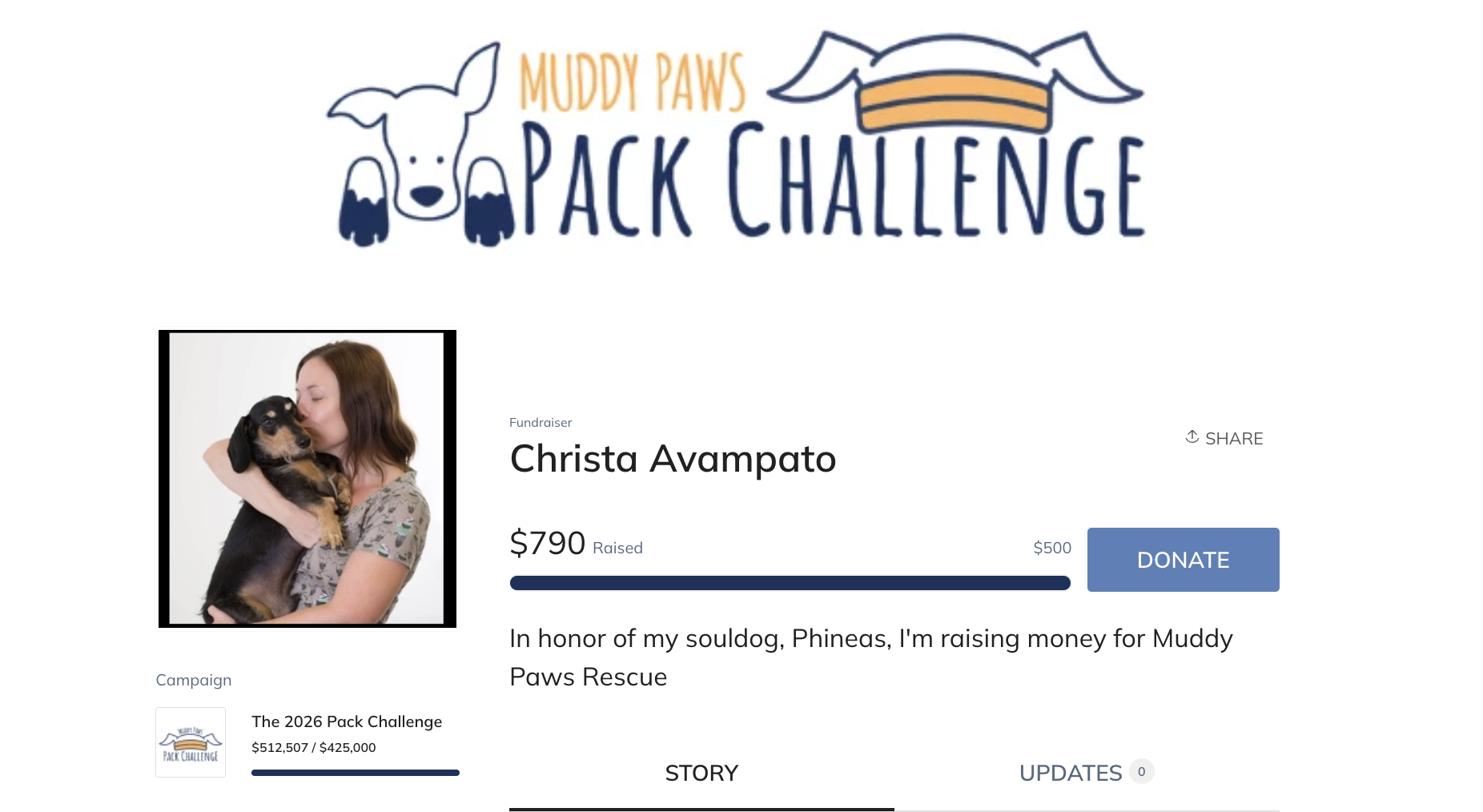
THANK YOU to everyone who contributed to my fundraising efforts for the Muddy Paws Rescue Pack Challenge! You helped me exceed my goal and every dollar will go toward life saving care for dogs looking for their forever homes. Beyond grateful to have you as part of the pack.
Fostering and volunteering with Muddy Paws is some of the most meaningful work I do and because of your generosity, we will keep going!
Though the Pack Challenge is over, the page remains open and still accepts donations so if you’d like to give, go to Give.muddypawsrescue.org/phineas2026
Together, we’re saving lives every day!
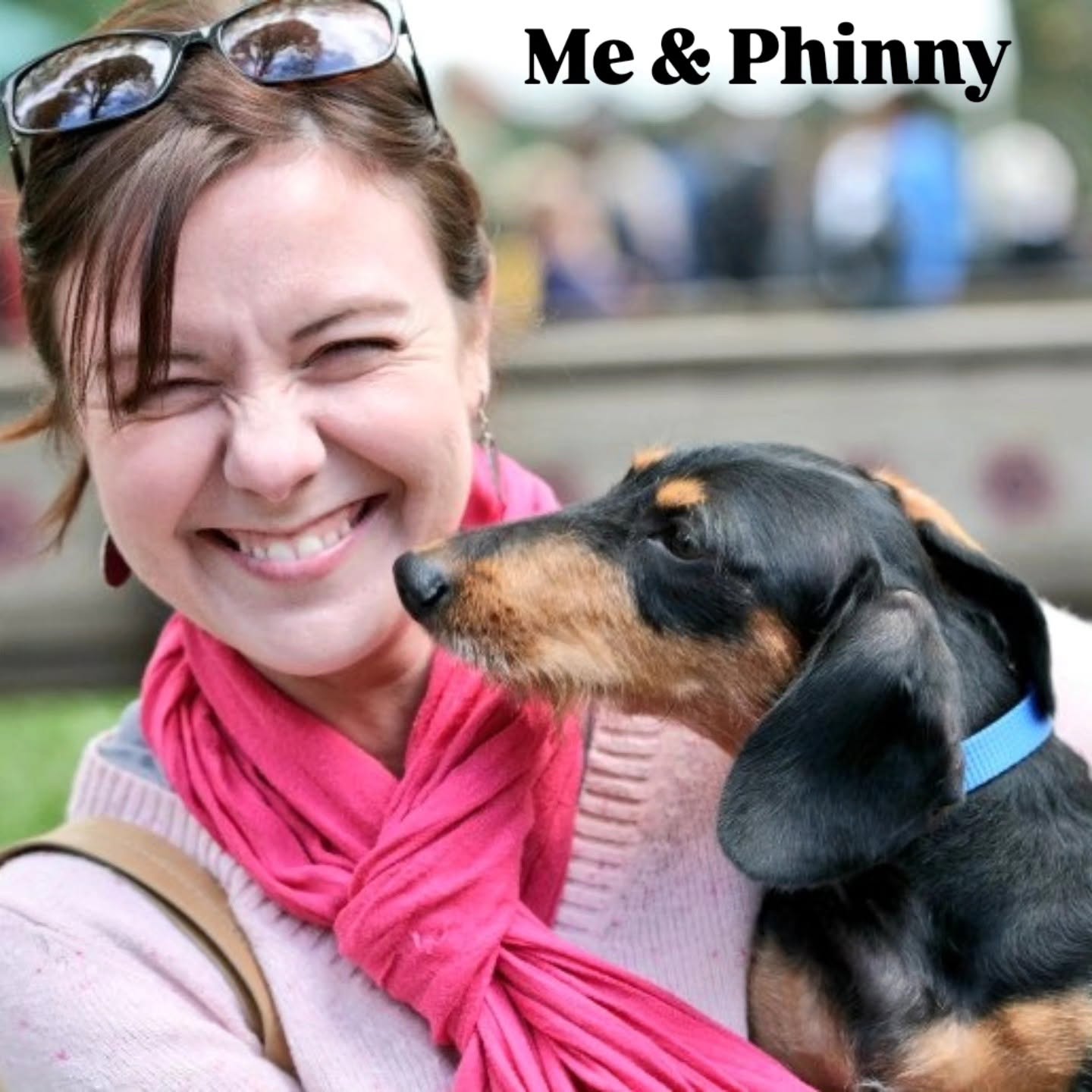
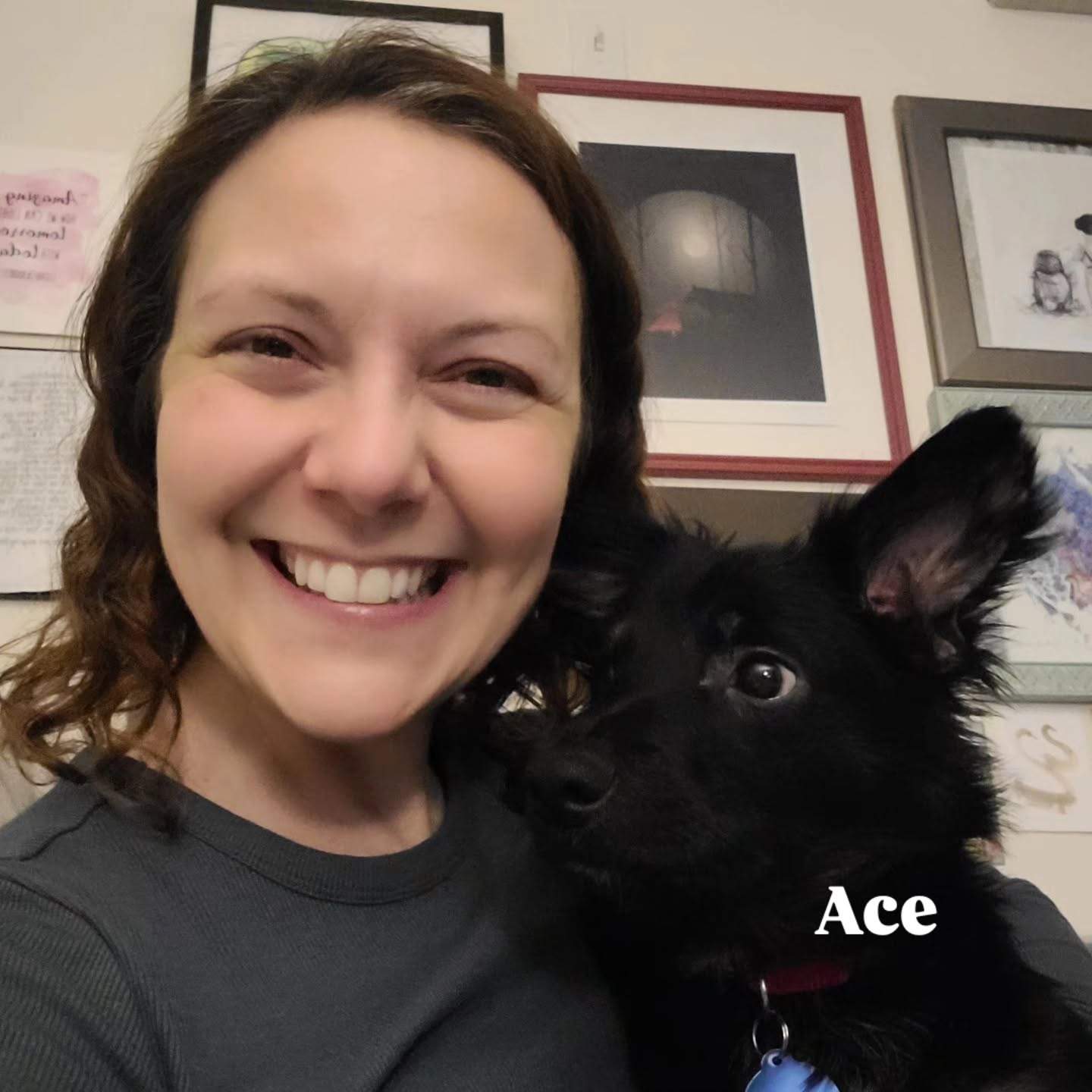
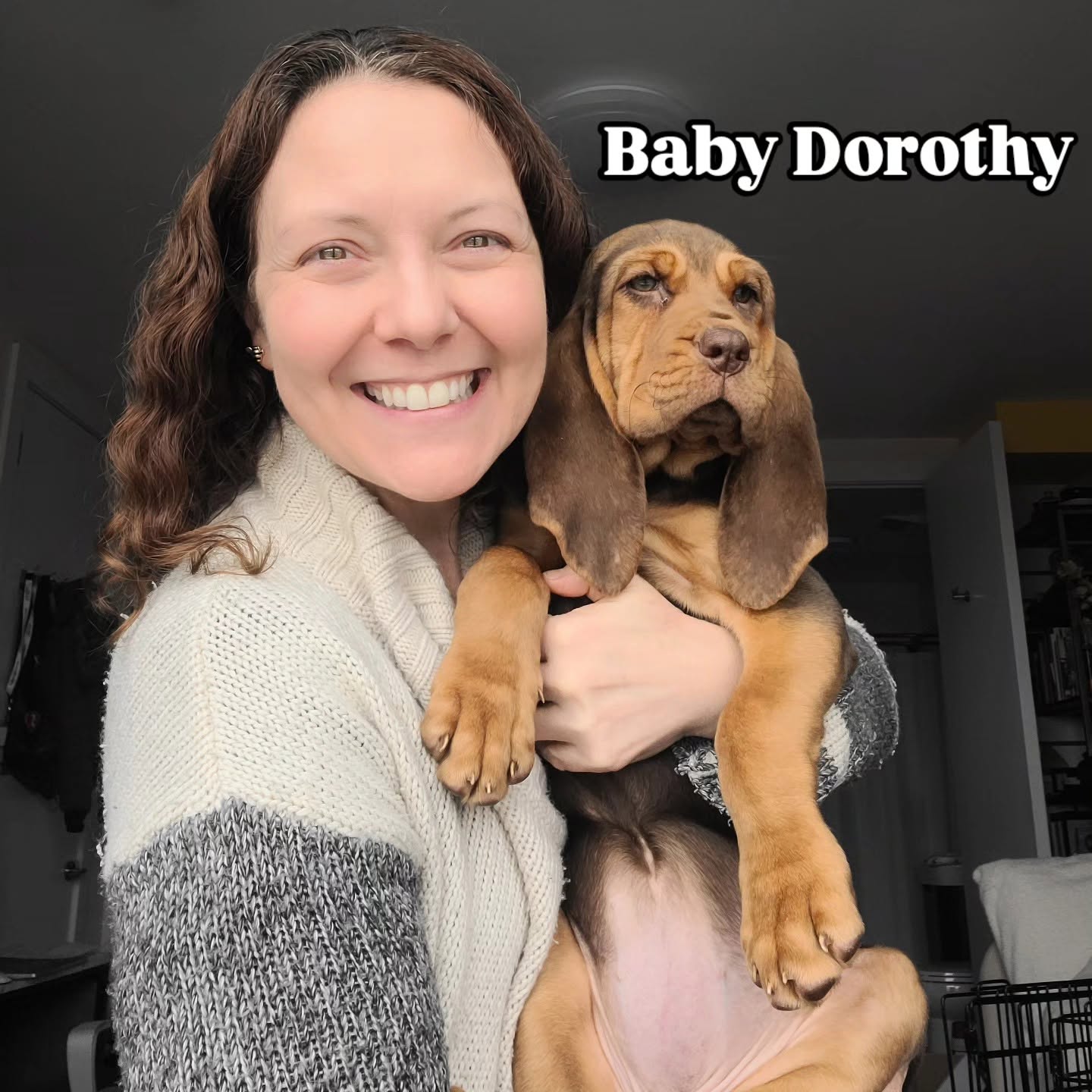
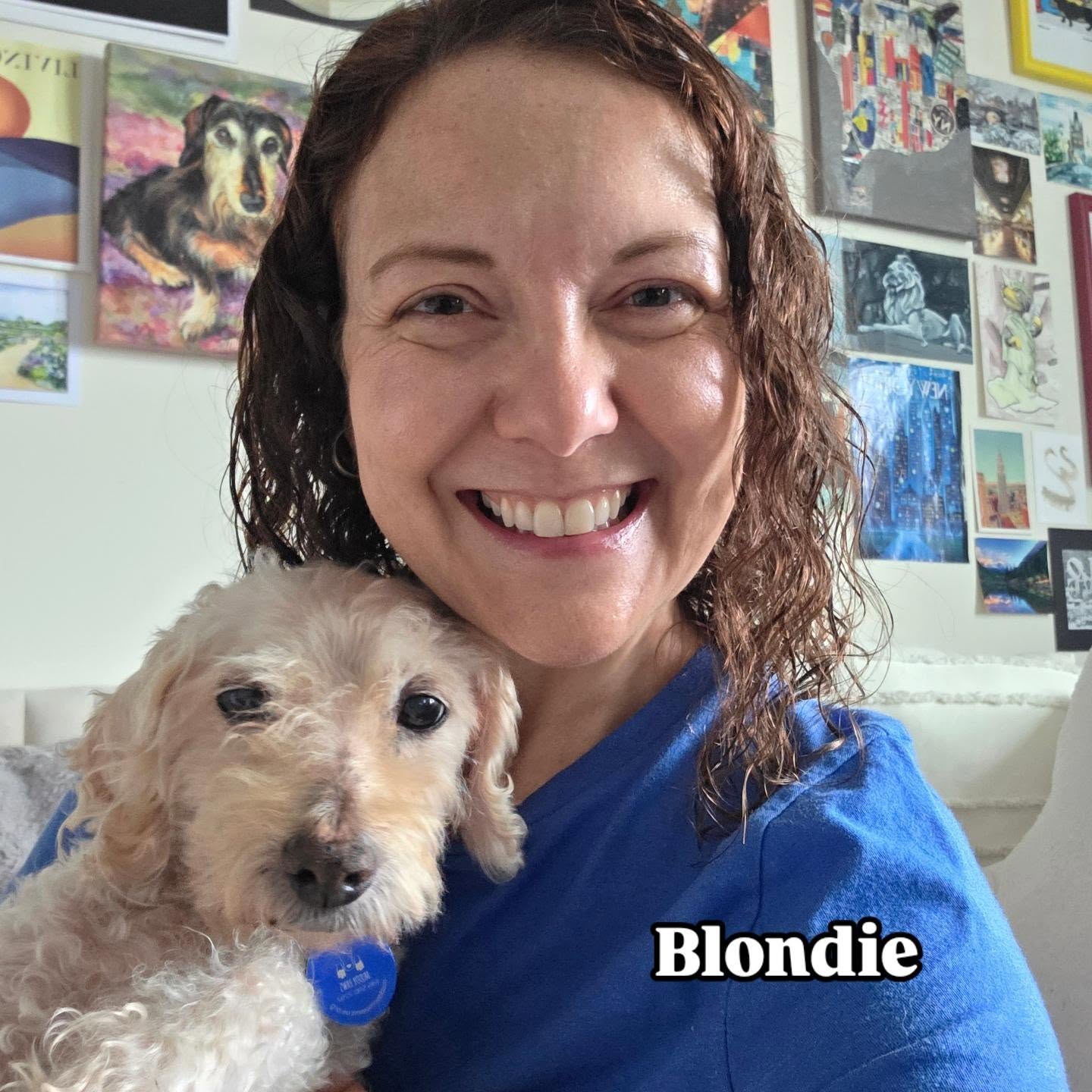
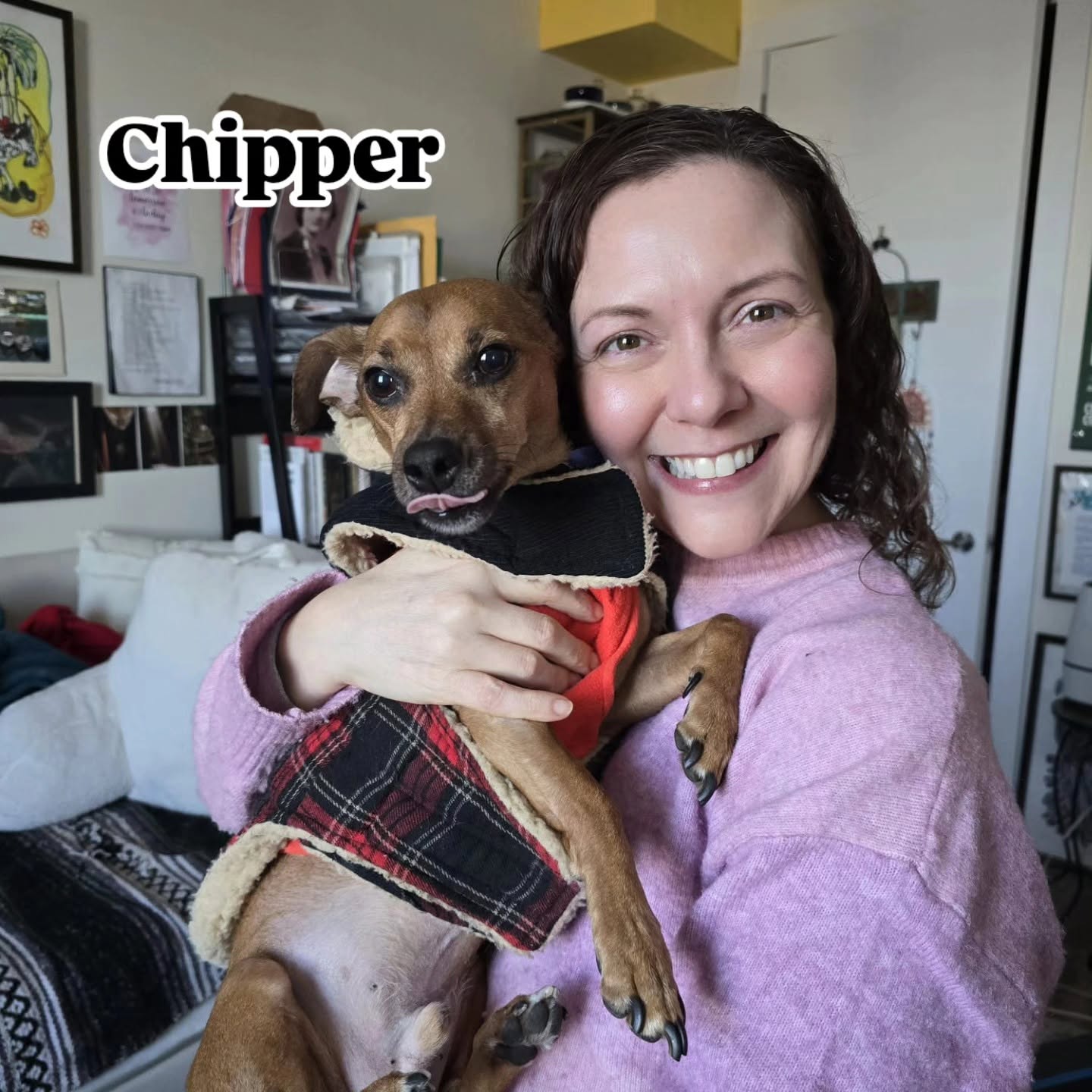
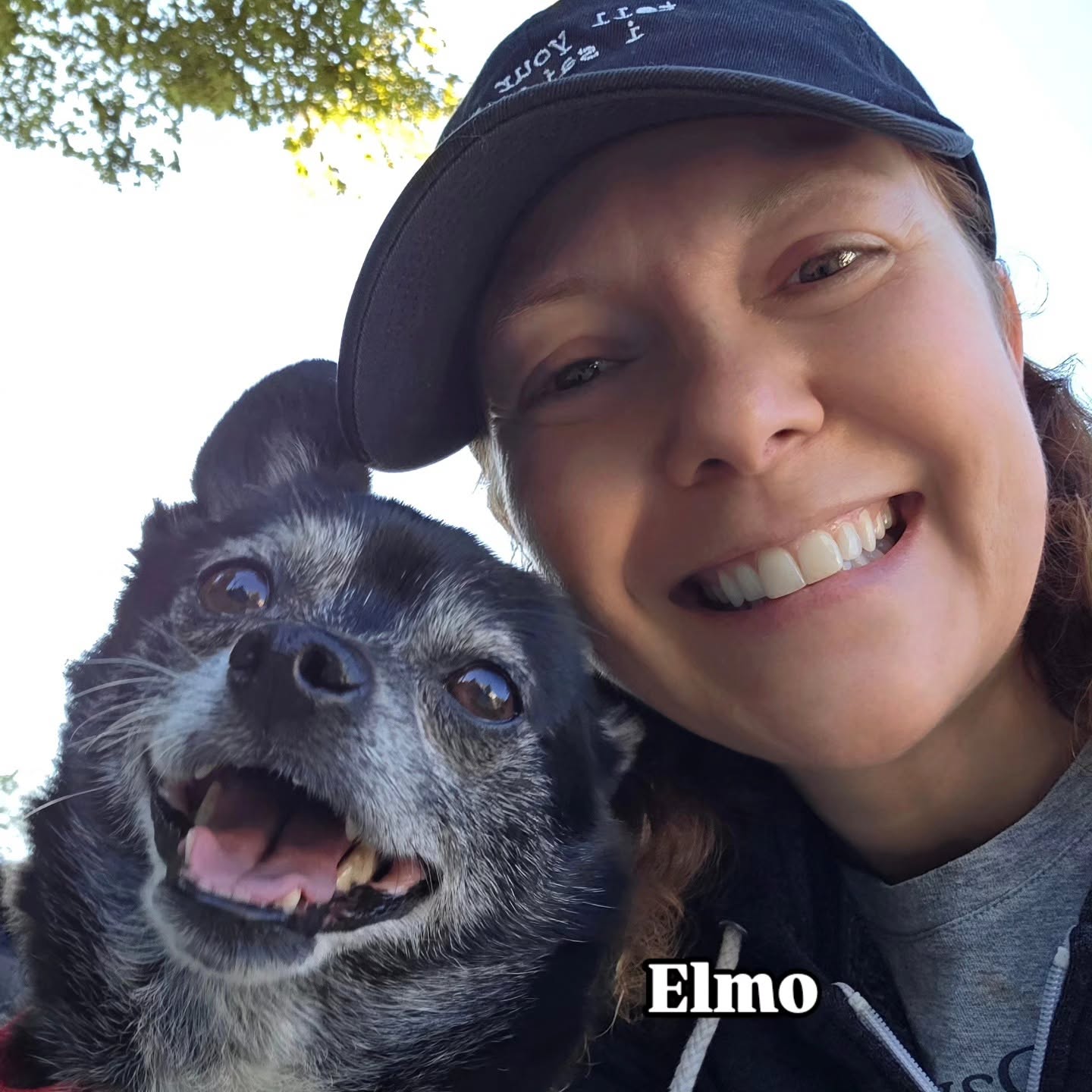
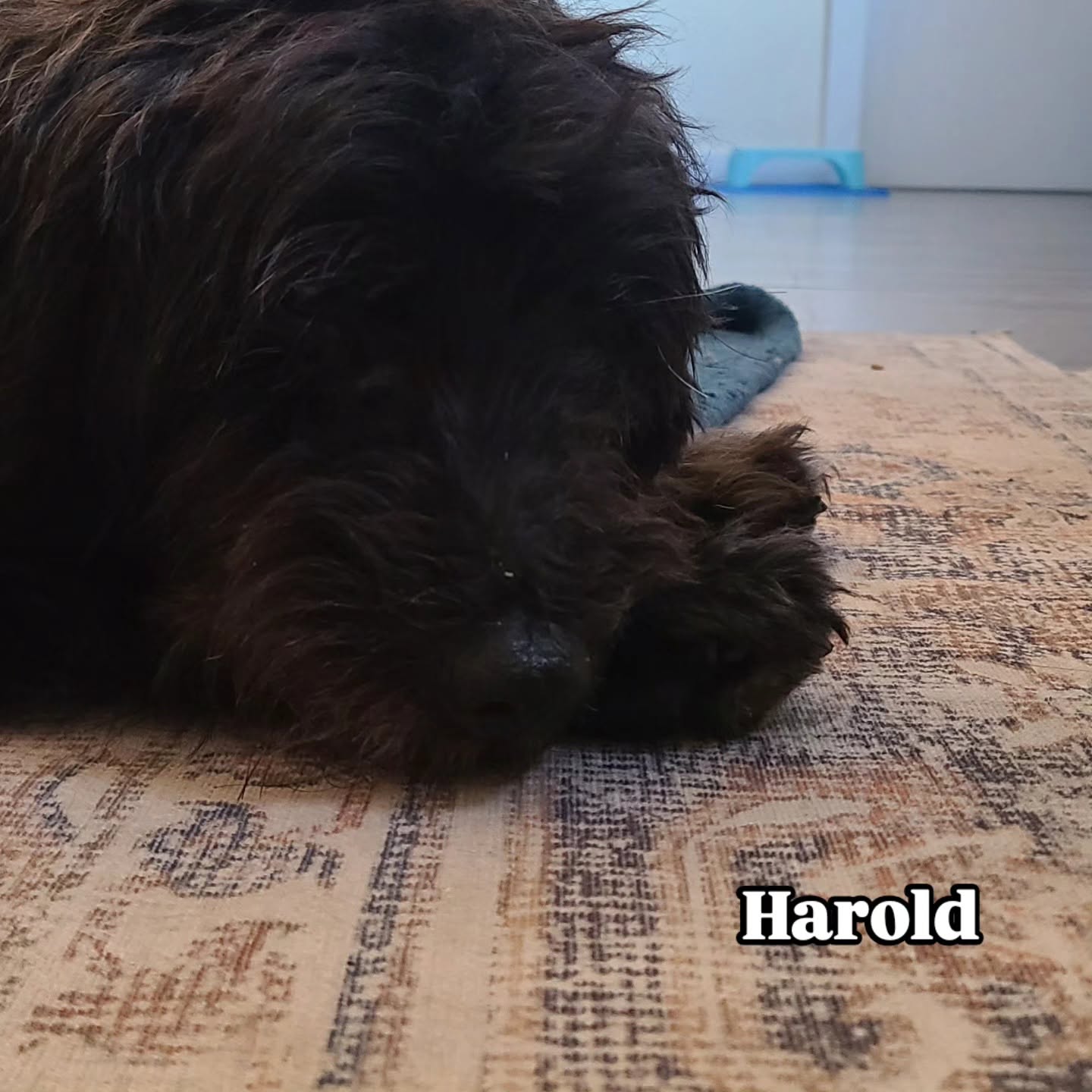
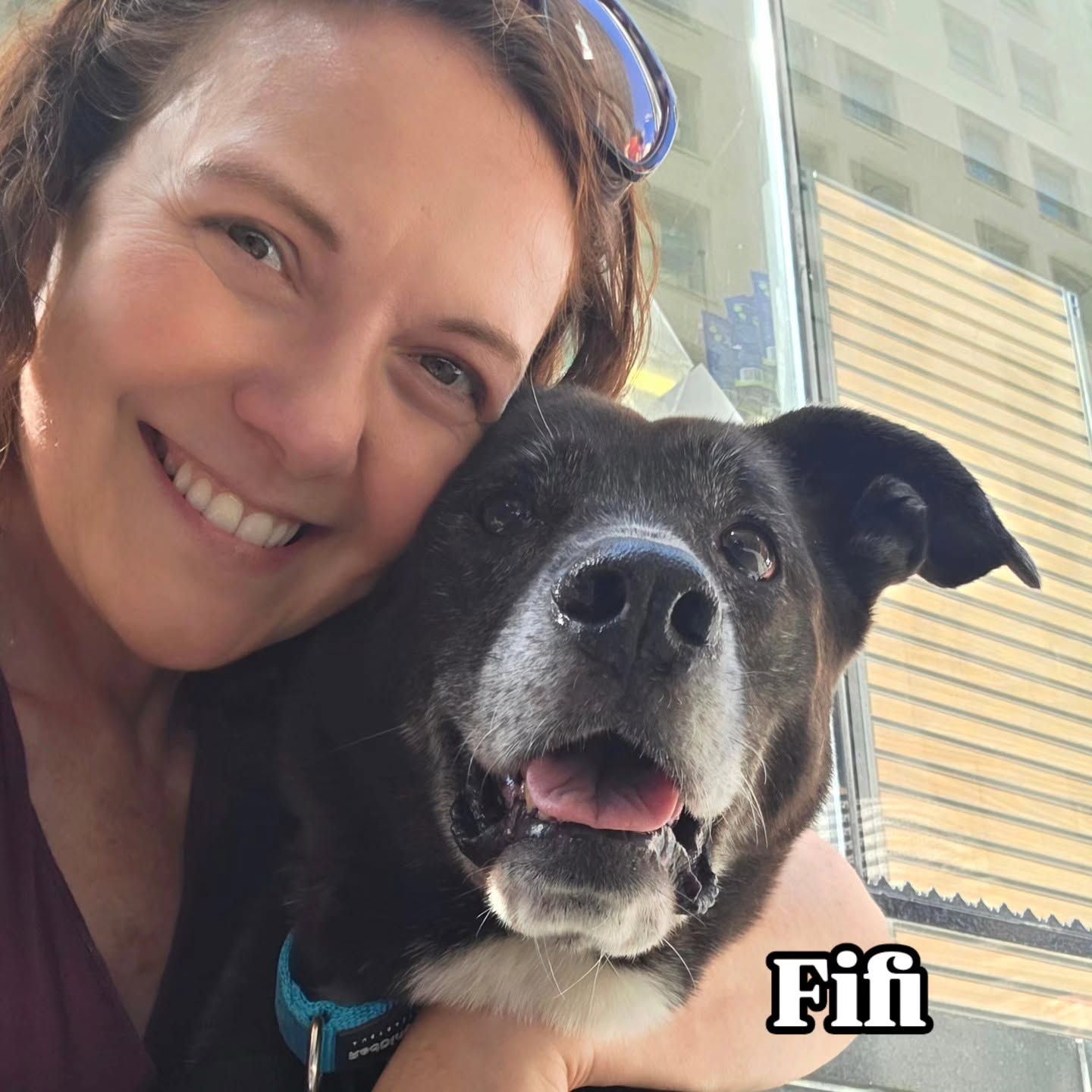
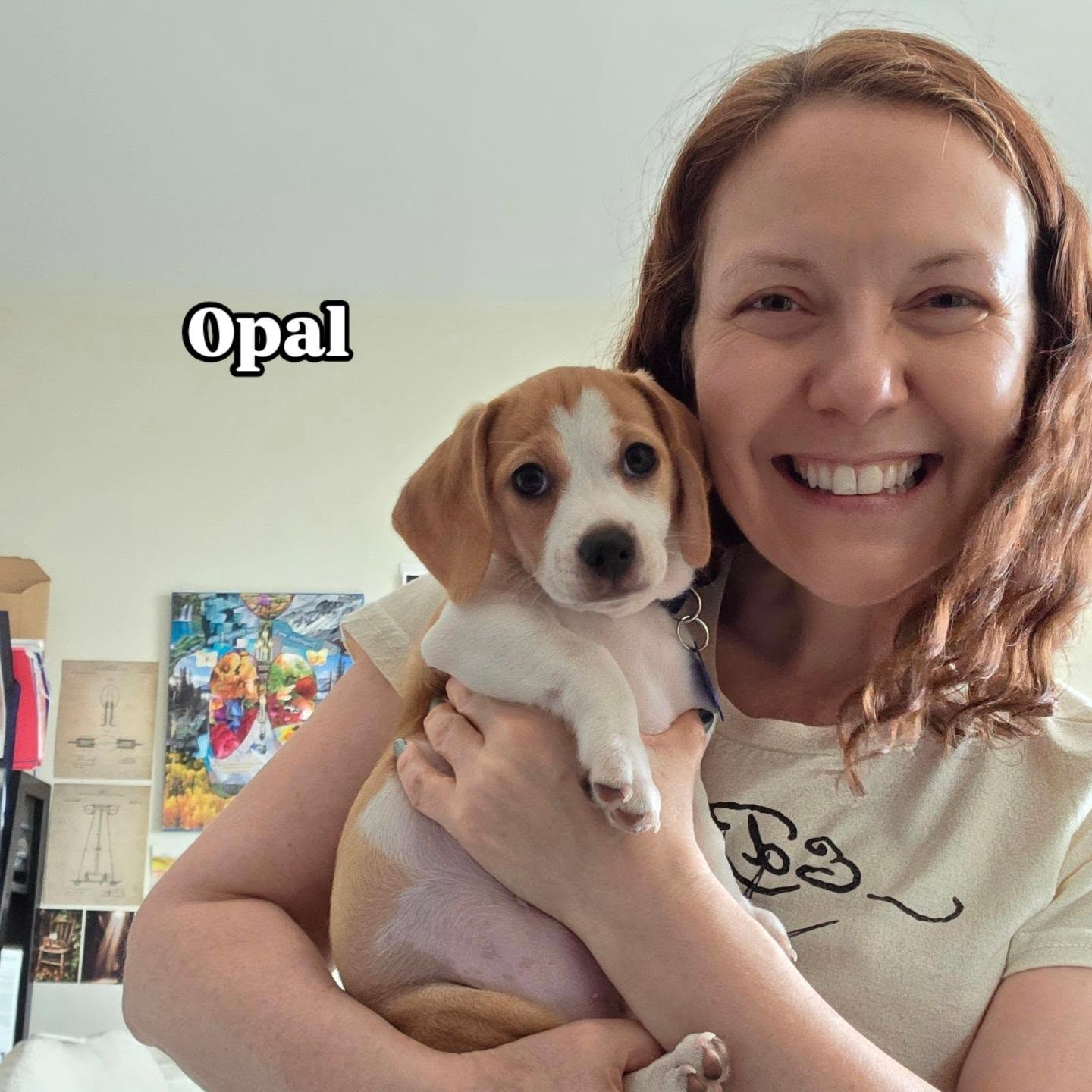
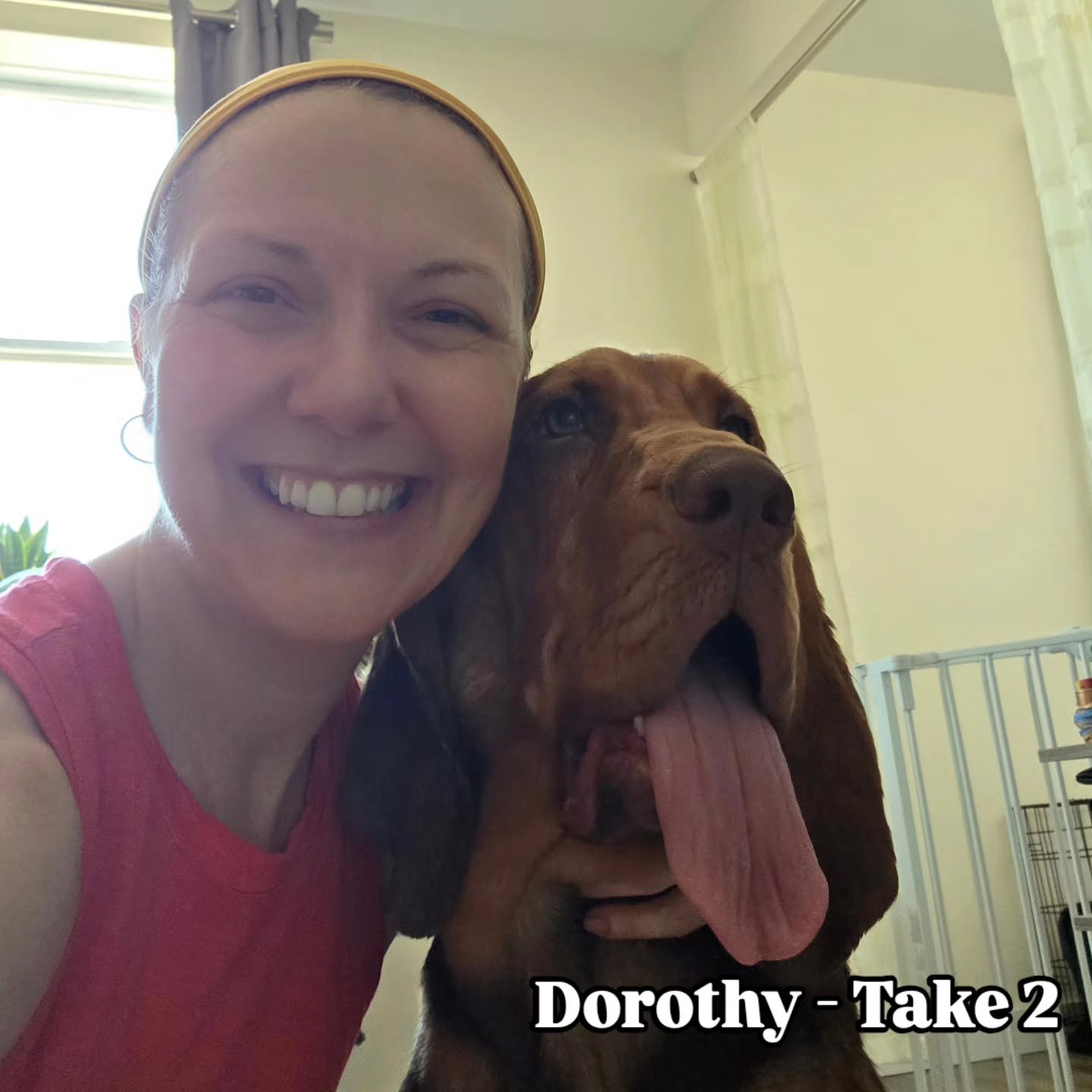
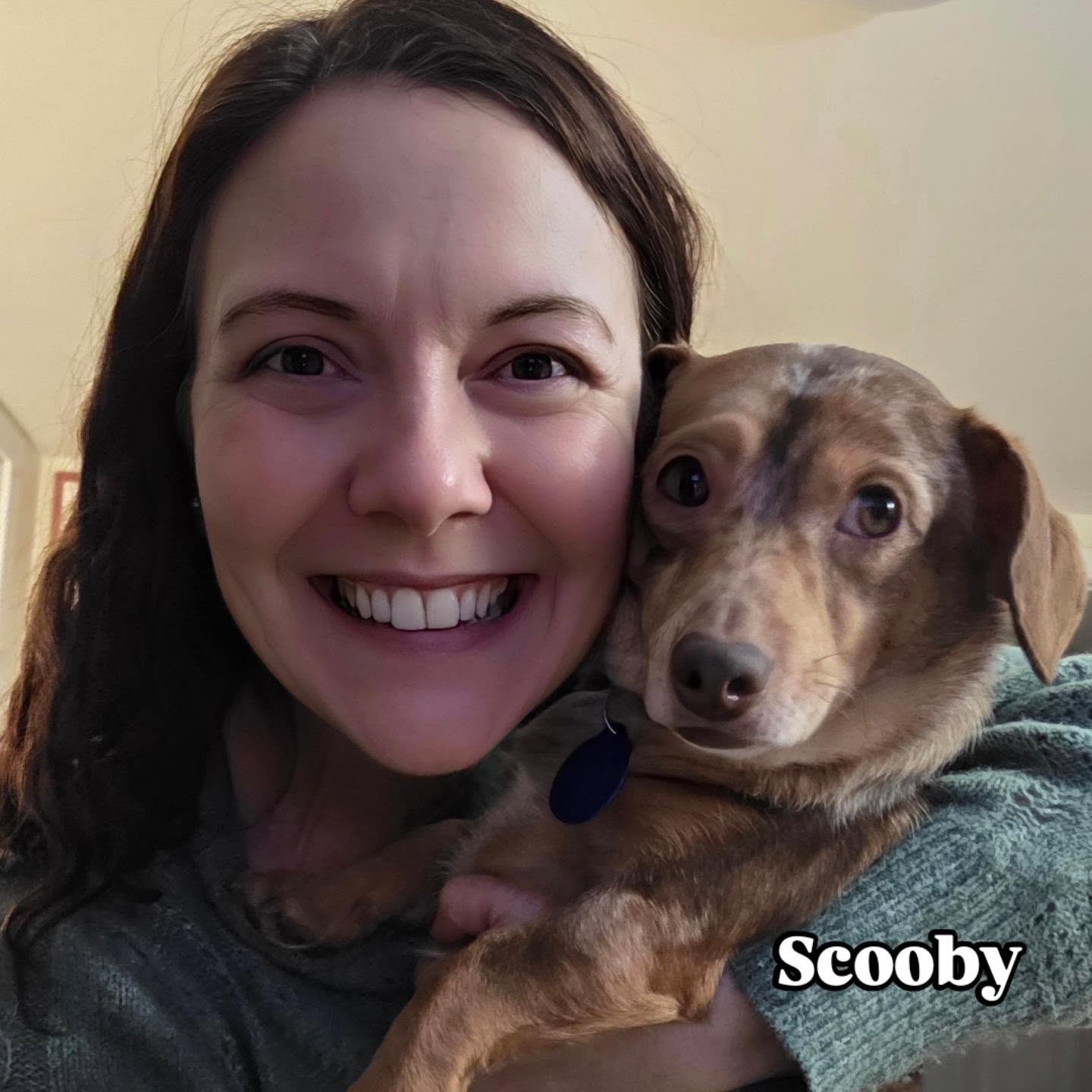
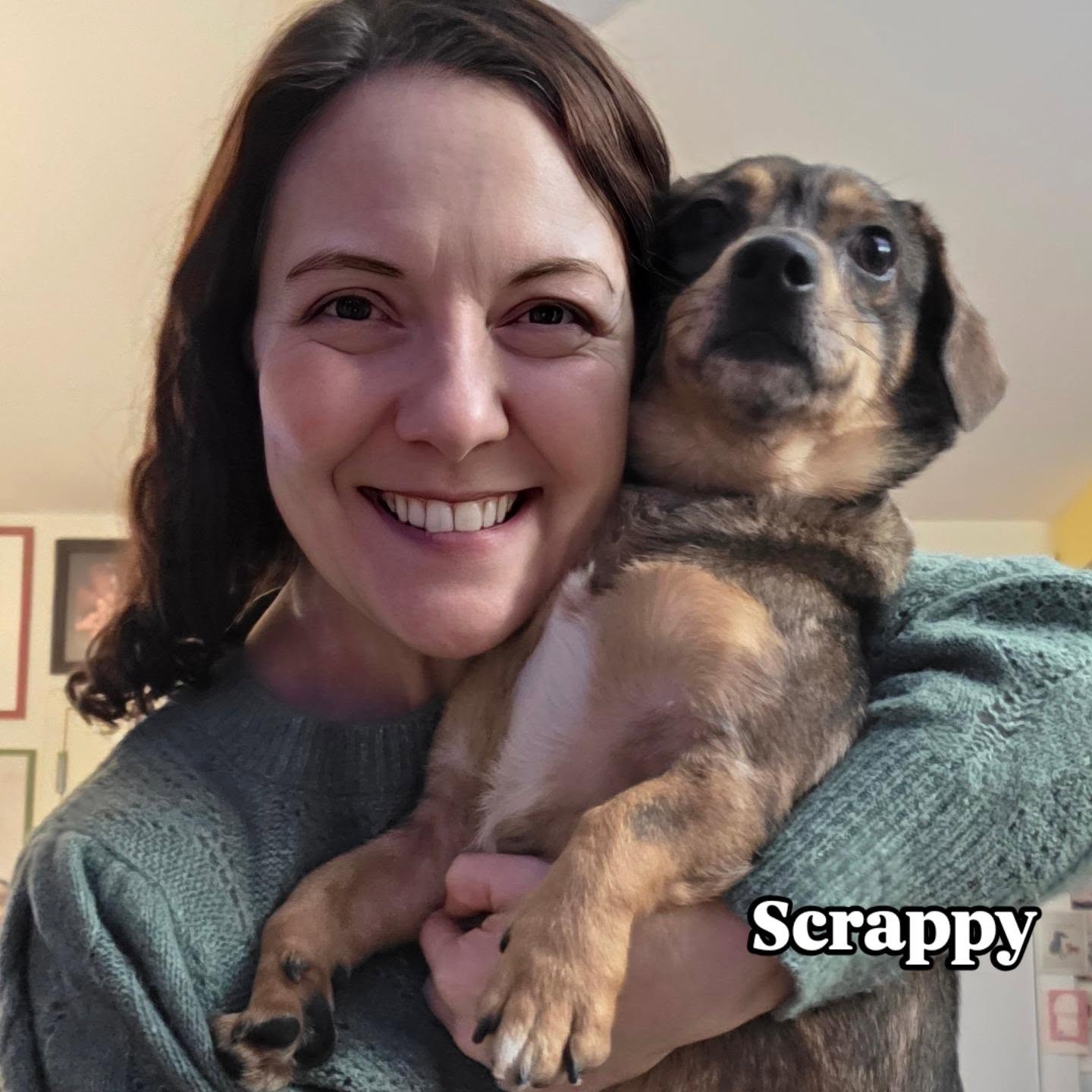
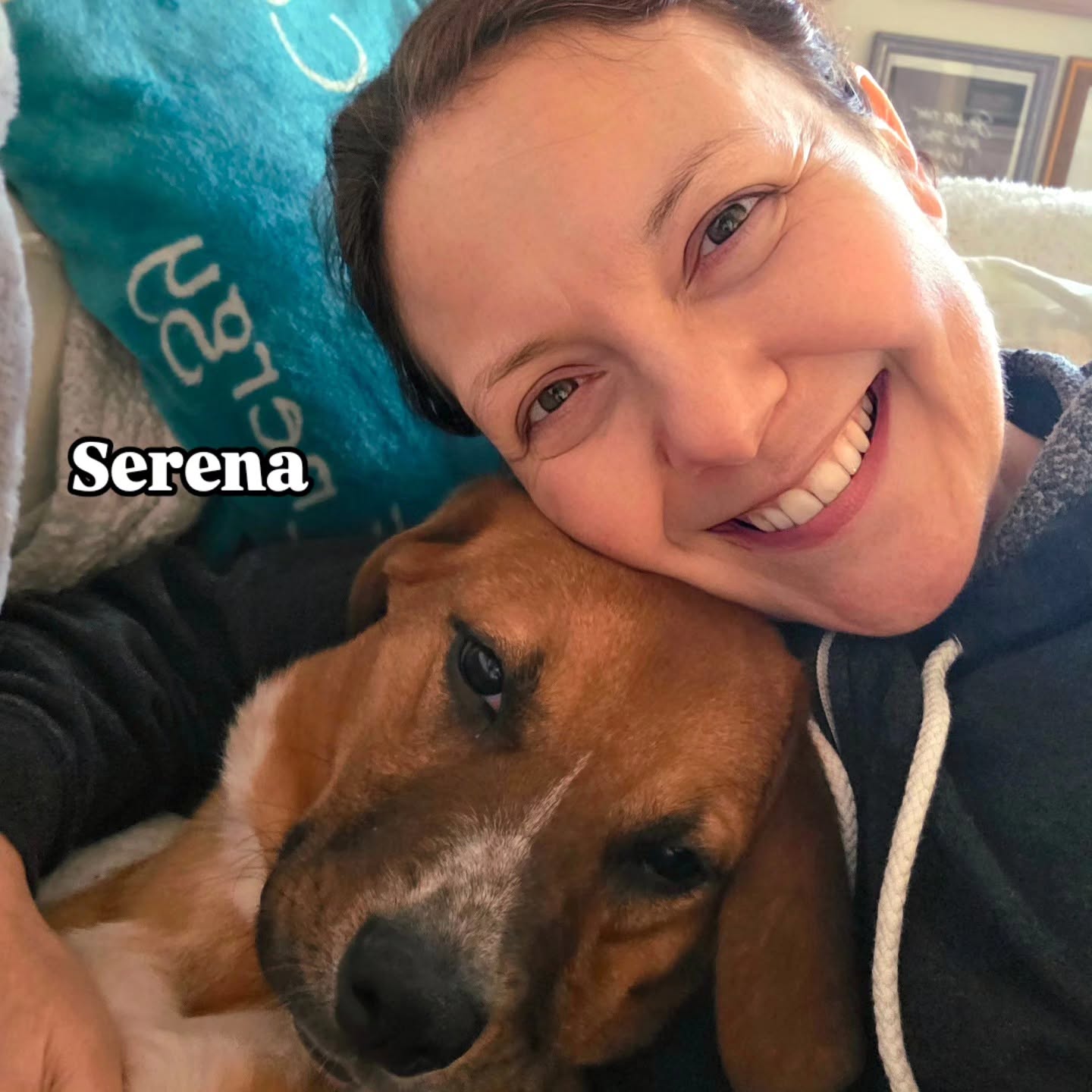
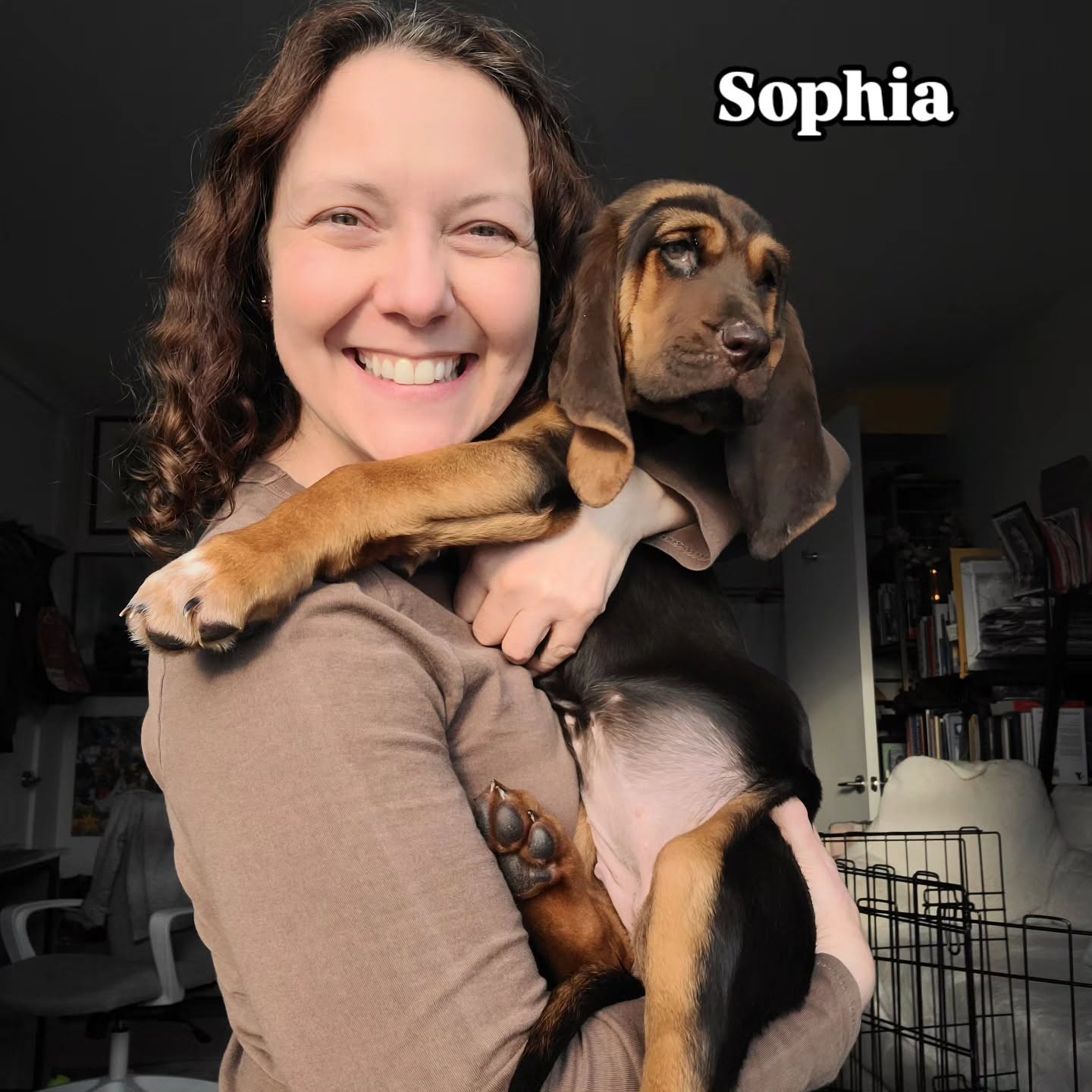
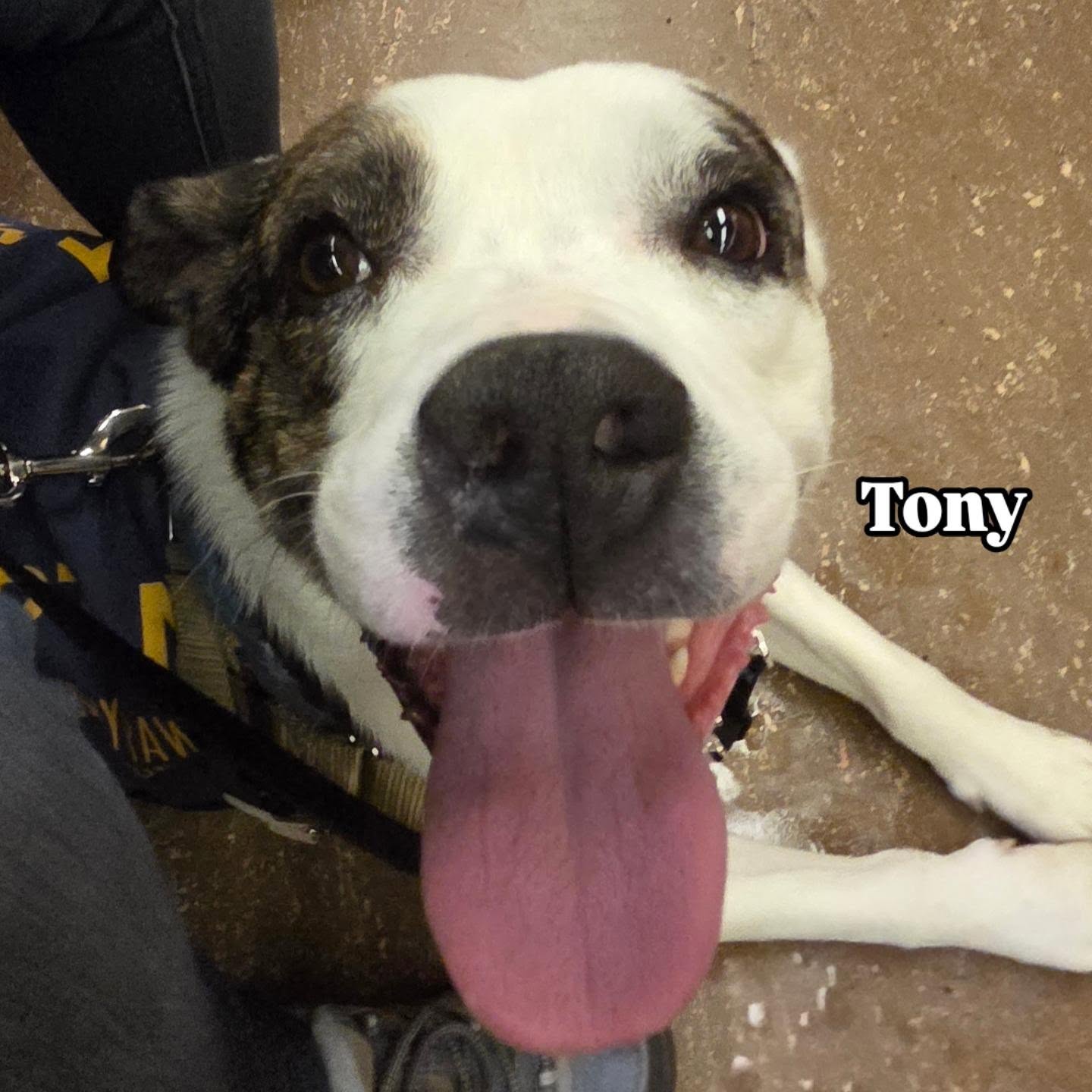
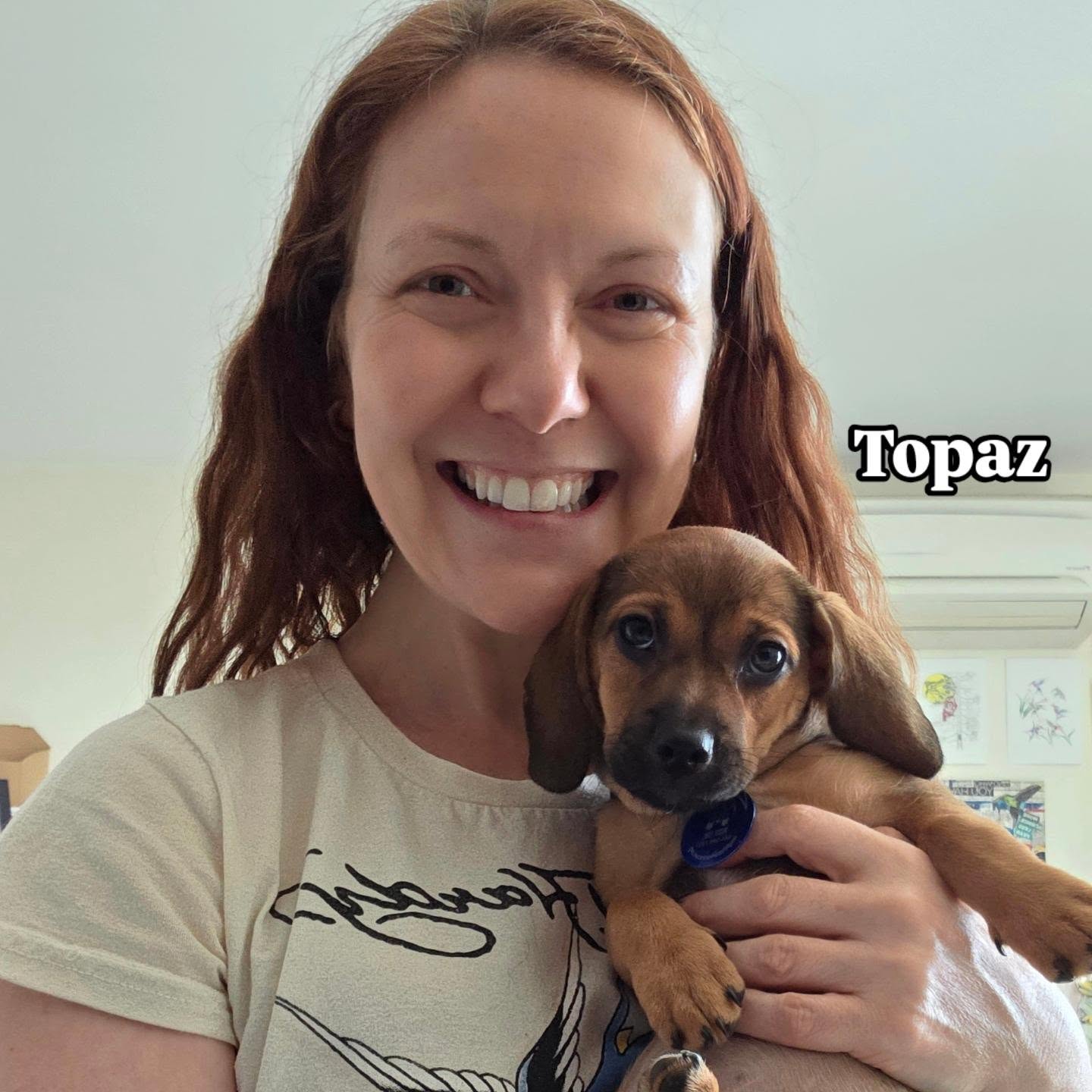
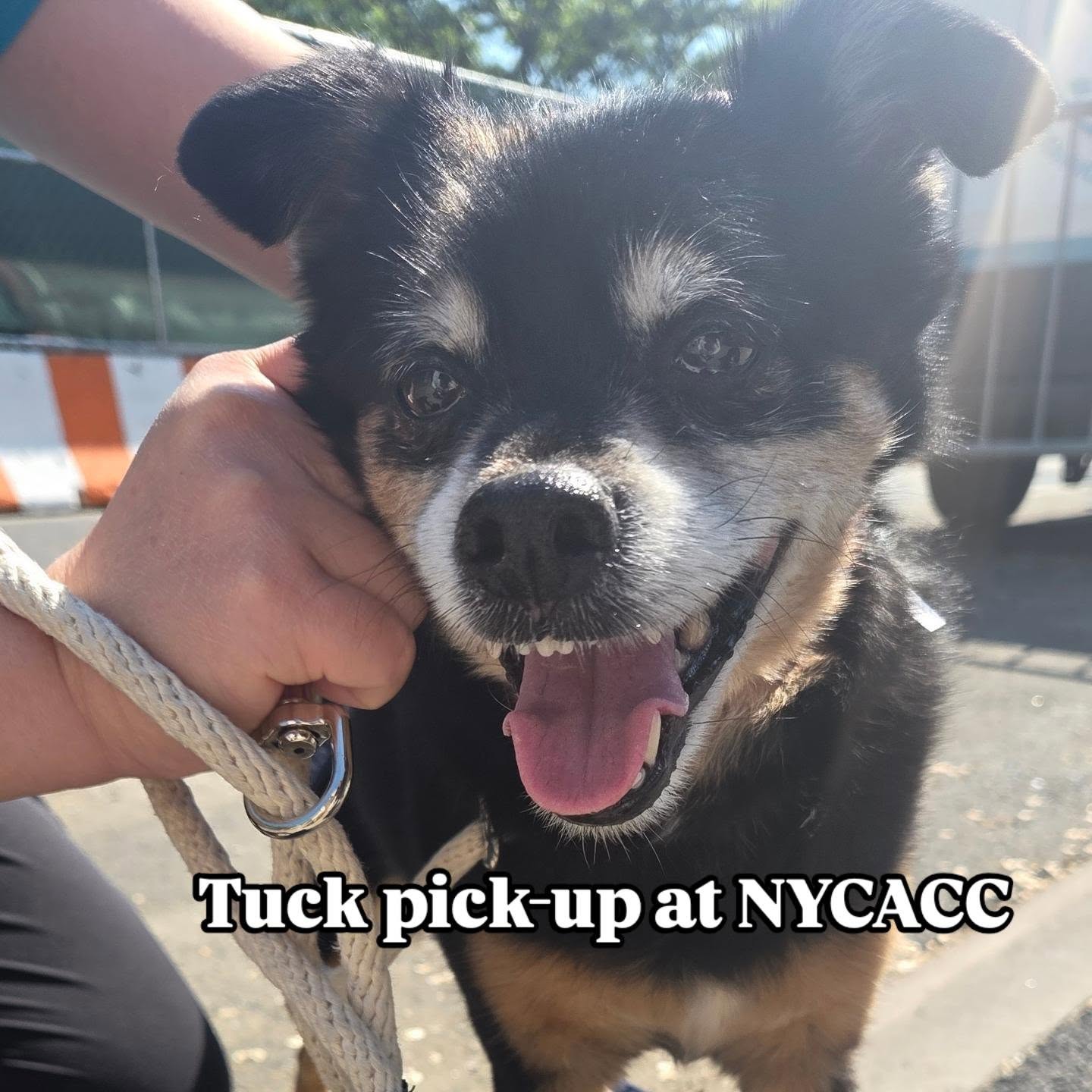
Here are photos of all my foster dogs from NYC ACC, ASPCA, and Bowling Green Warren County Humane Society, and my soul dog, Phinny, who I honor by fostering. 🌈💛🐾
I’ve never cried during a halftime show of a sports event until today. During the FIFA World Cup between Spain and Argentina, the halftime show had a theme of love and the unifying power of music. For each other and for ourselves. Chris Martin of Cold Play and Global Citizen created it. I danced around my living room and sang along, so excited to see the breadth and depth of the performers from across the world: The Muppets including Sesame Street characters and The Electric Mayhem, Shakira with Burna Boy and Ghetto Kids, Staten Island’s PS22 Chorus, Jason Sudeikis in full Ted Lasso mode, conductor Gustavo Dudamel leading the New York Philharmonic and the Simón Bolívar Symphony Orchestra, Madonna, BTS, Justin Bieber, and Emmanuel Kelly. I’ll be watching it on repeat here. An eclectic mashup full of unbridled joy is the boost I needed.
Joy was part of my care plan when I went through cancer. Every day, no matter what happened, I found something that brought me joy. Sometimes it was a song, a show or movie, a friend, a good test result, my dog, something delicious, taking a walk with my sister, sunshine. It didn’t take long after I was diagnosed to realize the secret of life is to love and be loved. It’s that simple and that complex.
Love saved me more than once on that journey – friends who got me to the ER and took care of my dog, care packages, cards, flowers, texts, phone calls, and emails when I needed to know I wasn’t alone in all this, my sister staying with me for many weeks while I recovered from surgeries, friends who got me grocery gift cards that I used when I was finally strong enough to shop for myself again, my business school friends who put together a recorded zoom and daily emails to spell out a secret message – “Stay Strong And Full Of Light.” I’m going to get that as a tattoo.
I’m reminded that in the midst of tragedy and sadness, a beauty emerges that isn’t always as apparent in good times. Maybe that’s because difficulty strips away some kind of inhibition that holds us back too often from saying and showing how we feel. During cancer I had the chance to hear things from people that are often only said during someone’s eulogy. One of the great gifts of cancer and almost dying is that I got to hear those things while very much alive. I’ll always be grateful for that and all the love that surrounded me. When I was down to nothing, love shone brighter than ever. Isn’t that something?
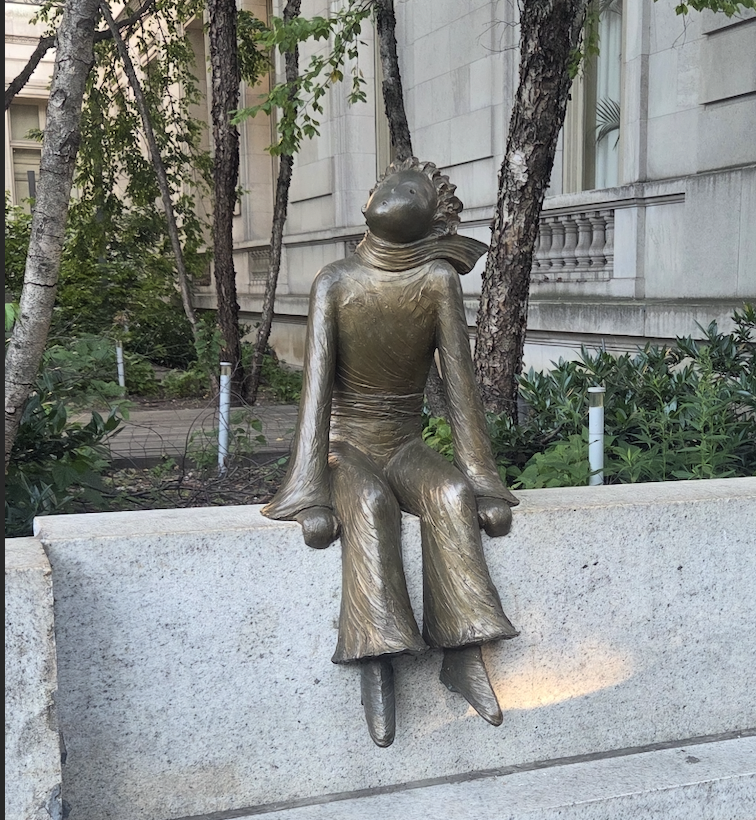
The Little Prince statue outside of Villa Albertine. NYC. Photo by Christa Avampato
“You never know how strong you are until being strong is your only choice.” ~Bob Marley
When I was going through cancer, a lot of people said to me that they couldn’t do what I was doing if faced with the same situation. They meant it as a compliment and I absolutely appreciated it. The truth is that strength was my only option. The choice was be strong or die. Blunt but true (this is basically the best description of me. Ha!)
A few years ago a dear friend of mine was diagnosed with breast cancer and she had to start making the lightning fast decisions I had to make. When I was going through it, she sent me care packages and messages of love and support. The first time I saw her after her diagnosis, she gave me a huge hug and said, “I knew you were going through a lot but I had no idea just how much it was. And you had to do it during the pandemic and on your own.”
She almost sounded apologetic. I told her very truthfully, “There’s no way you could have know. There’s no way to explain to someone what it’s like to have to face a bilateral mastectomy, reconstruction, chemo, radiation, and heavy doses of medications for a decade to try to save my life.” There just aren’t words to sum up all of that – the physical, mental, emotional, and spiritual strain. The only people who really understand are people who live it.
I recently heard about a program called Camp Breastie, a summer camp of sorts for breast cancer survivors organized by the nonprofit The Breasties. The article said one of the most profound benefits of the camp is that attendees don’t have to explain what they went through or how it felt because everyone there just knows. Everyone gets it. And there’s a real freedom in that. And so, I’m thinking about going next year. I’ve coached a number of people through cancer and health challenges after surviving my own. I think going to this kind of event would be a way to fill my own cup, to care for myself. It could be another source of strength; after all, building community builds us up.
Healing is a group sport. None of us do it alone. My team is enormous and varied, clinically and personally, earth-bound and spiritually. We’re all involved in an intricate dance where even the steps that seem backward in the moment are just part of how this journey unfolds in real-time. Healing isn’t linear. It can’t be. The world and our bodies are forever in motion on the macro and micro levels. Life is chancey and we never know exactly what’s around the bend.
I see this unfold with my foster dogs on an accelerated timeline. I think it’s one of the great tragedies that our beloved best furry friends (bffs) never live long enough no matter how many years we have them. The best we can do is make every day a great day with them.
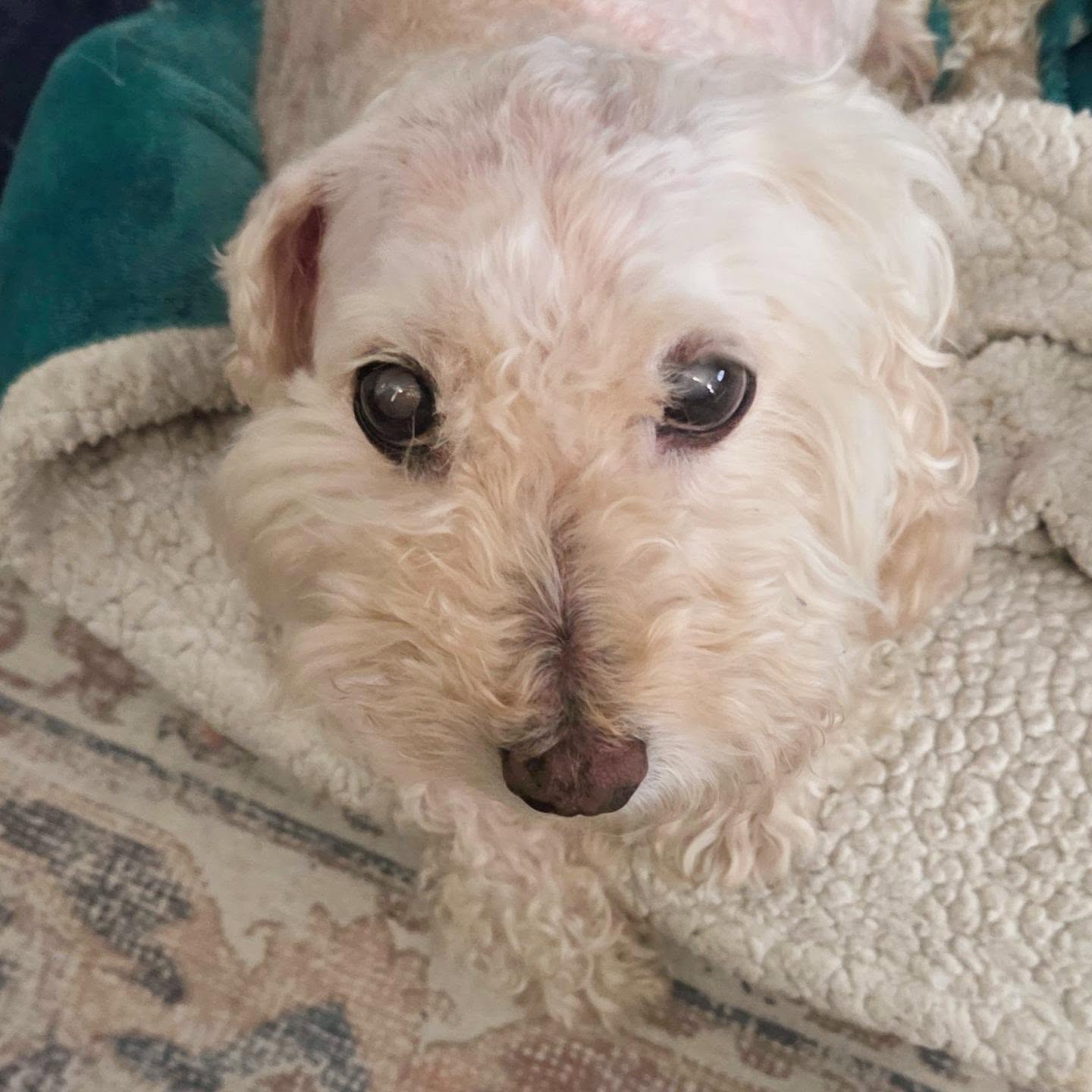
My current foster is Blondie. She may be familiar to you. I picked up this little senior lady at Animal Care Centers of NYC last summer and fostered her for Muddy Paws. She was adopted quickly because she’s a sweetheart and sadly returned .
On top of the very difficult life she had prior to being found running alone and terrified through traffic on the BQE (!) and taken to the ACC by a good samaritan, she’s faced a number of health challenges recently.
Now she’s back with me. Thanks to the INCREDIBLE care provided by our rockstar Muddy Paws vet team (YES, we have a veterinarian and vet tech on staff in our very own vet clinic!), I’m nursing her back to health and looking for the perfect adopter to help this very deserving girl have a comfortable, joyful retirement chapter.
Second, to help Blondie and the 1,000+ dogs we find homes for EVERY YEAR, a generous donor is matching all donations made TODAY. Every $1 you donate instantly becomes $2!
If you’d like to make a donation of any size to my fundraising page (truly, EVERY SINGLE DOLLAR HELPS!), that amount will be matched and go directly to helping our dogs find their happy forever homes.
Here is the link to my page and an enormous thank you in advance for helping me, my fosters like Blondie, and the Muddy Paws pack save the lives of more dogs every day: https://give.muddypawsrescue.org/phineas 2026.
Sending lots of love and gratitude to you always! I am so grateful to all of you who support me in my health journey and the dogs in the Muddy Paws pack. We couldn’t heal without you, and healing is the greatest gift we can ever give anyone.






 and sadly returned
  .
. and taken to the ACC by a good samaritan, she’s faced a number of health challenges recently.