creativity

Day 1: What these meds taught me

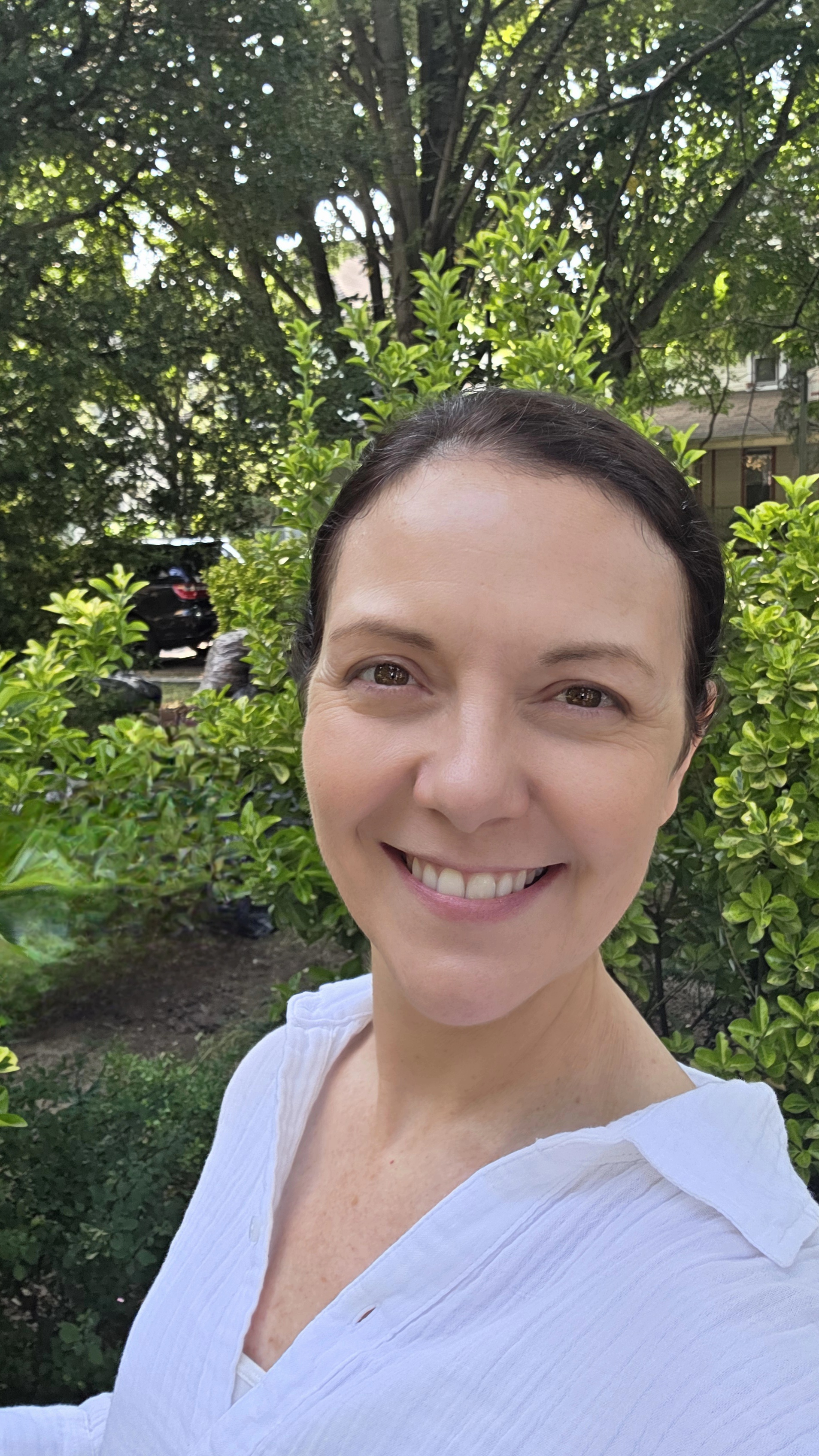
Photo of me after acupuncture this week

And here we go! This morning, I took my last pill of letrozole. This afternoon, I will see my oncologist, get the prescription for my new medication that will hopefully have fewer side effects and help me feel better, and start a cutting edge monitoring program that detects even a hint of recurrence at the cellular level. (More on that in a later post.) Happily, I will NOT have to get a lupron shot as part of my appointment; I’m done with those, too.

Just before I woke up this morning, I had a dream where I was standing at a podium, talking about what I learned from cancer. I woke up and wrote down as much as I could remember. Cancer taught me:

1.) to give myself grace and give myself a break

2.) I have the right to feel all my feelings

3.) to be tough and more empathetic

4.) I can feel complex, conflicting emotions

5.) to be fearless

6.) how to ask for help and stopped feeling any shame about anything

7.) to let my light shine.

8.) there’s absolutely nothing wrong with loving the crap out of everything.

9.) to go for it, whatever it is.

10.) to tell my friends I love them all the time.

11.) I don’t need to spend time doing anything I don’t want to do. If I can’t do it with my whole heart, then I just don’t do it. If I’m in the midst of something and getting no joy from it, I stop.

12.) stop pushing through just to prove I could. To live, sure. Out of of some made up obligation, nah. The word “should” has left my vocabulary.

13.) to love working out every day.

14.) to take a lot of pride in taking care of my health – my diet, my stress level, my mental, physical, and emotional health. I’m healthier and more whole than I’ve ever been. 

15.) to be grateful for all of it.

Thank you to everyone who helped me along this journey. I still have 5 more years of medications, and I’m celebrating this milestone. I’ll take every win I can get. Long may they continue.
creativity

Day 2: Our Own Odyssey

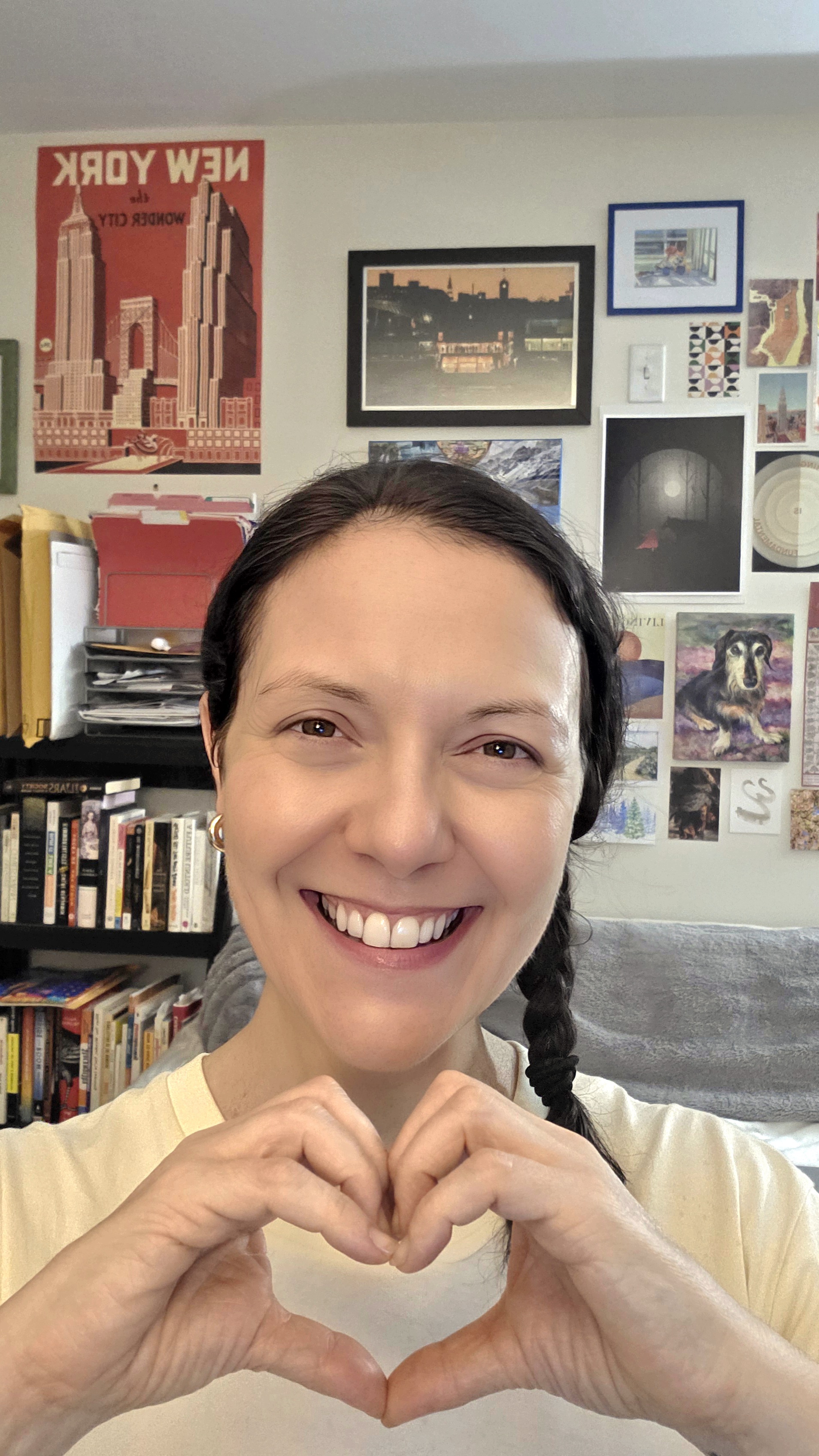
Me at home

“Going home doesn’t feel like triumph. It feels like relief.” ~Dr. John Bucher, Joseph Campbell Foundation executive director

A few weeks ago, I had the great fortune to listen to my friend and mentor, John Bucher, talk about The Odyssey at Los Angeles’s Getty Villa. The title of his talk was “No Place Like Home: Why The Odyssey Is the Story We Keep Retelling”. (His talk is streaming on YouTube and you can watch here.)

I’ve been thinking about the idea of home a lot recently. Homer’s ancient Greek epic The Odyssey follows Odysseus, king of Ithaca, as he spends 10 years trying to get home after the Trojan War. While he faces monsters, storms, and gods, his wife, Penelope, and son Telemachus fight off aggressive suitors taking over his palace. As John explains, it’s about the war after the war and finding an answer to the question, “How do we go home when home no longer exists?”

It struck me so clearly that Odysseus’s journey is in many ways like a quest all of us have had. For me, his journey parallels my healing from cancer. My 10-year medication journey like his 10-year trek. The dog who is waiting for him so faithfully and then passes once he’s sure of his father’s return – much like how Phinny passed once he knew I would be okay in every way. Odysseus’s home was nothing like the one he left. Neither is my body.

John went on to say, “We might prefer to skip the journey. What we learn is that the journey is worth it.” And I feel that in my every cell of my body. I hate that I got cancer. It’s not a journey I ever wanted to take, not a community of survivors I ever wanted to join. But I had no choice. The journey back to wellness was forced on me. I had to fight, or die. And I wanted to live, so I fought. It was worth it because I learned what I was made of at my core. I learned how people feel about me while I’m still among the living. Best of all, I got to help so many others by lighting the way along their own difficult journeys.

Home isn’t a place, at least not for me. Home is love. Home is belonging. Home is friendship. Home is being a part of something bigger than myself. Home is purpose. Home is something I carry with me, always, in all ways, everywhere I go.

creativity

Day 9: What’s the hardest thing you can do to make an impact?

Photo by Denny Müller on Unsplash

“Instead of asking what’s the easiest thing you can do to mitigate climate change, ask yourself what’s the hardest thing you can do. That’s where you can have the most impact.” ~ Dr. Ken Lacovara

My friend, mentor, and science hero said this during a recent talk he gave at the Harvard Club. With climate change, or any massive problem, we tend to focus on what’s the path of least resistance. “How can we get ourselves and others engaged in action with minimal effort?’ is the common refrain. But what if we did the hardest thing we can imagine, as Ken suggests? What might happen then?

I’ve been turning this idea over in my mind for weeks since Ken said it. What’s the hardest thing I can do to stop climate change? What’s the hardest thing I can do to build a happy, fulfilling life? What’s the hardest thing I can do to help my foster dogs and honor my soul dog, Phineas? What’s the hardest thing I can do to move forward after 5 years of cancer treatment? What’s the hardest thing I can do to be good at my job, to be a better writer, to be a better entertainment producer, to be a better friend, to make my community and the greater world a better place?

These are questions I’m thinking about a lot right now. The one I have an answer to is how to move forward after these 5 years. I’m moving forward without fear, and full of love and hope and gratitude. It’s one of the hardest things I’ve ever had to do, and Ken helped me see it’s how I can do the most good. So on I go…

creativity

Day 11: Minding Our Time

Photo by Aron Visuals on Unsplash

This week I was working on a big self-imposed deadline. I’ve been chipping away at a nonfiction book proposal for a publisher’s open call. I’ve thrown a lot of time and heart into this proposal. I was almost to the finish line. I had polished one of the sample chapter and had two more to go.

And I just didn’t want to finish it. Not like this for this publisher. I was frustrated and stressed. So I stopped. That’s when a valuable question rose to the surface: What am I really trying to do with this deadline?

I was going to spend my entire long weekend exhausted to churn out something that wouldn’t be representative of what I wanted to do for a publisher that, while aligned with my ethos and perspective of the world, wouldn’t be able to offer much support for my book. They have a big heart but limited resources and an even more limited track record.

So I stopped. I’m proud of the work I did on it, and I can use that work for other projects. But I let myself cross this off my to-do list without getting it done right now in this way for this purpose. Once I made that choice, I breathed a sigh of relief.

One thing this past 5 years has taught me is that our most precious resource is time. We can’t make more of it. Once it’s spent, it’s gone. I don’t spend time doing anything I don’t want to do. If I can’t do it with my whole heart, then I don’t do it. If I’m in the midst of something and getting no joy from it, I stop. I don’t feel obligated to continue. I stopped pushing through just to prove I could. To live, sure. Out of of some made up obligation? Nah.

The word “should” has left my vocabulary. Good riddance to it.

creativity

Day 19: A Bit Better Every Day Adds Up

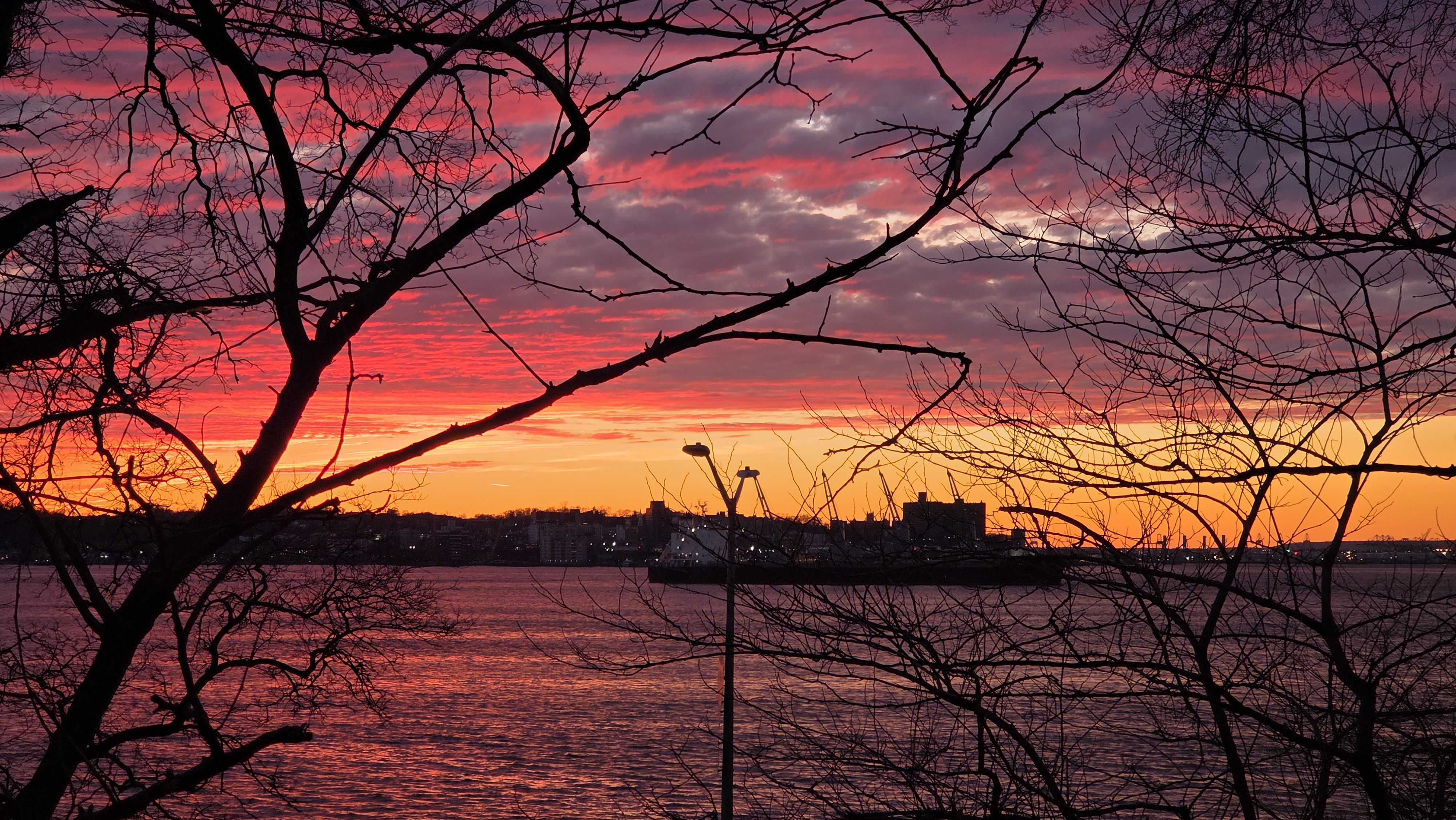
Sunset from Bay Ridge, Brooklyn. Photo by Christa Avampato.

“If you can get 1 percent better each day for one year, you’ll end up thirty-seven times better by the time you’re done.” ~James Clear, Atomic Habits

I don’t need to shoot up like a rocket in any facet of my life to have the life I want. Instead, I’m consistent. Every day I try to be a bit better, do a bit better. Those small consistent changes are sustainable and measurable. They add up and they matter. This might feel slow. Some days I feel like I’m not making any progress toward something that’s really important to me.

But then I look back a month, a year, two years, five years. I see how far I’ve come. I look at old pictures and I see how sick I looked. I remember how sick I felt all the time. I still feel sick a lot but I’ve learned to not dwell on it. I acknowledge it.

“I see you trying, body,” I say. “Okay, we’ll rest for a moment.”

I take a deep breath. I pull myself up. I remind myself every day how far I’ve come. I keep going. I do things that make me happy. Things that bring me joy.

And tomorrow, I’ll do it all over again, I hope. Universe willing. For many, many days to come. Long may it continue.

creativity

Spring Is Already Here (You Just Can’t See It Yet)

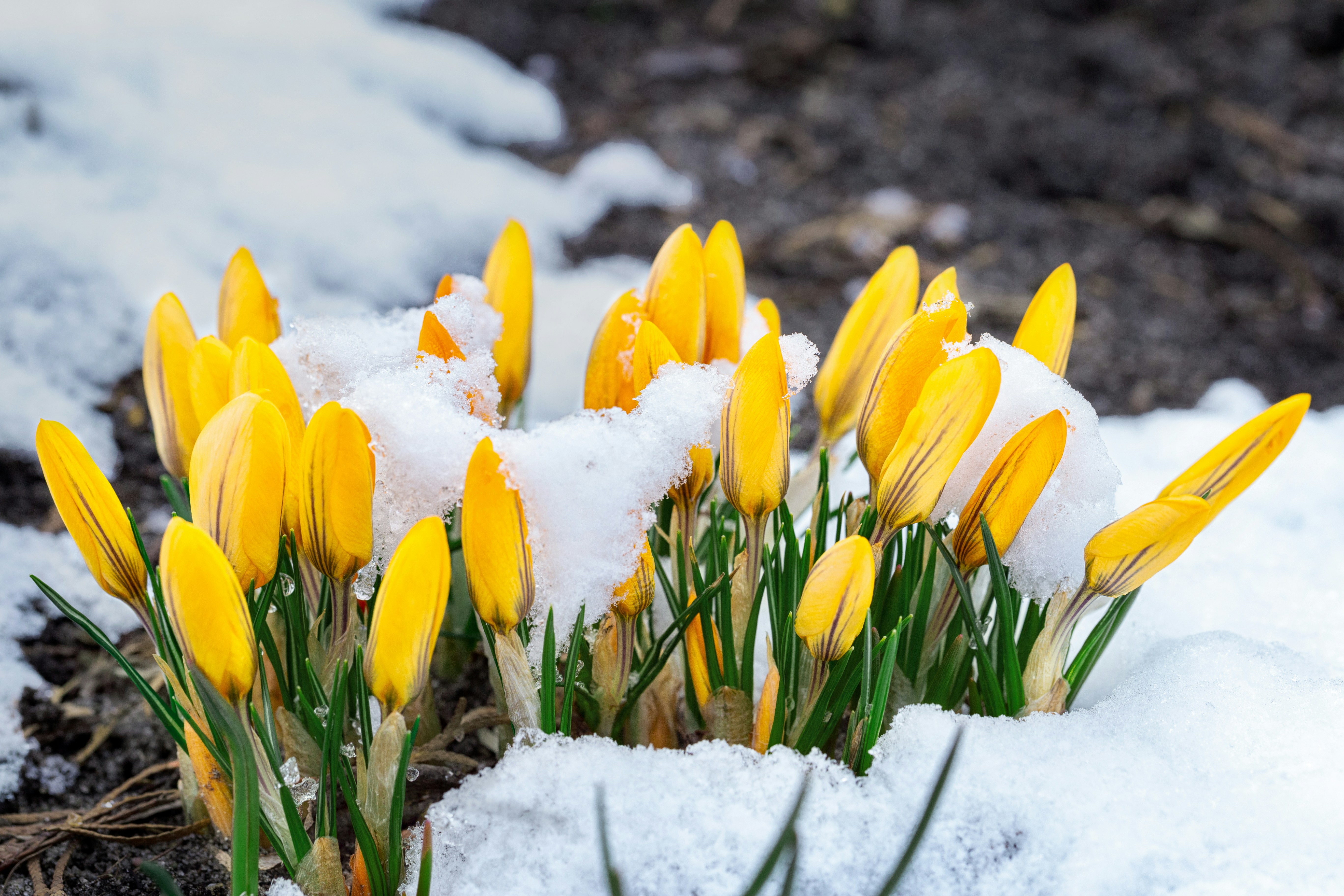
Crocuses in the snow. Photo by Alexandra Vo on Unsplash.

We think spring begins when the first flower blooms. But biologically, it starts right now—in the freezing cold.

If you’ve spent this winter in New York City like me, you’ve likely been dreaming of the arrival of spring during the freezing, snowy, and gray days. You also probably shook your fists at the sky when the groundhogs saw their shadow on February 2nd.

“When will this end?” you thought.

But if you ask a sugar maple or a wildflower seed, they will tell you that spring started while the snow was falling.

We tend to measure the season by what we can see—the green bud, the crocus, the robin. But nature does her most important preparation underground, long before the visuals arrive. In fact, she uses the harshness of late winter to fuel the growth of spring. Without the present cold, there is no future warmth—literally and figuratively, for nature and for us.

Here is how nature is prepping for spring right now in this last month of winter, and what we can learn from her and translate into our own lives.

1. The Cold Is the Key (Stratification)

We often complain about the bitter cold, gray skies, and damp days of February, wishing them away. But for many native plants, this weather in this season is non-negotiable. It’s the foundation of their flourishing future.

This process is called stratification. Seeds like milkweed, coneflower, and lavender have tough outer shells that keep them dormant. They literally cannot grow until they have gone through a period of intense cold and moisture. The freeze acts as a signal, softening the shell and telling the embryo inside that it is safe to wake up.

Without the hard winter, there is no spring bloom. The obstacle is also the key that turns the lock.

2. Use the Pressure and Change (Sap Flow)

Right now, maple syrup farmers are busy. Why? Because the sap is running.

But sap doesn’t run just because it gets warm. It runs because of the fluctuation. While the shifts in transitions may drive us crazy, it’s the alternation between freezing nights and thawing days that creates pressure changes inside the sugar maple trees, acting as a natural pump to move sugar from the roots up to the branches.

The tree uses the instability of the season to fuel its growth. Being off-balance all the time helps the tree find their secure center.

The Togetherhood Takeaway

We often want to jump straight from winter rest to full-bloom success. We want the project to launch, the book to sell, or the answer to appear.

But right now, today, nature is in the stratification phase. We are, too.

If you feel like nothing is happening right now, that you’re stuck and that the world is off-kilter, or if things feel cold and hard and impossible right now in your local community and our global community, remember the seed. You aren’t stuck. You’re just softening your shell so you can break through in the days ahead as the light and warmth return.

Use this time, today, tomorrow, and the rest of this month before spring, to prepare your roots. Organizing, planning, and laying the groundwork for our future—collectively and individually—is active growth, even if no one else can see it yet.

Spring is coming. But the work starts now.

creativity

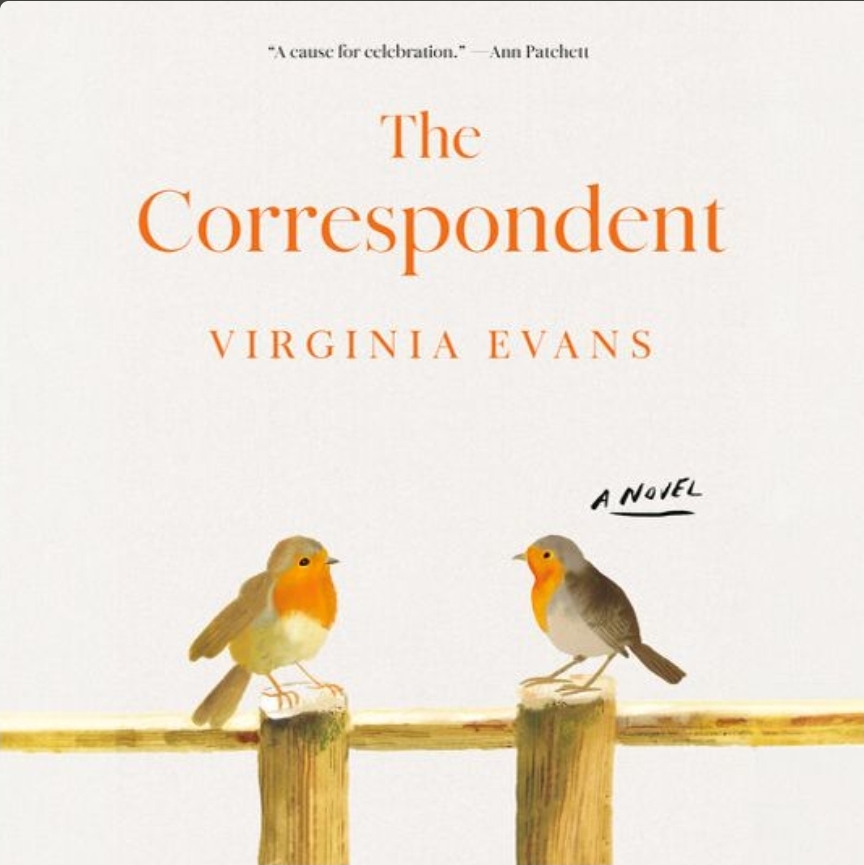
The Correspondent by Virginia Evans

The Correspondent by Virginia Evans

The Correspondent by Virginia Evans is a stunning novel. There is a small handful of books that I have wanted to hold close to my chest when I finished them. When I read (or heard) the final word, I was sad. I felt I had lost a friend. Not wanting them to be over, I had the impulse to read (or listen) to them all over again. These are books that make me want to keep being a writer. They are books that make me hope one day I will write one sentence that reaches someone in a way that these books have reached me. The Correspondent is one of those books.

I got the audiobook from the Brooklyn Public Library because so many people I know said how much they loved it, and in particular how much they loved the audiobook. Rather than being read by one narrator, this book has a different reader for nearly every character and I loved that as much as I loved the letters themselves. It felt more like the reading of a play than a book.

Rather than defining my to-be-read list by formal book reviews, I tend to read books that are recommended to me by people who know me. The fact that The Correspondent has become such a breakout success almost made me skip it because many times books that are this popular have left me wondering what everyone else sees that I don’t. So I got The Correspondent out of curiosity, but not expecting much from it. I was absolutely wrong.

A handful of minutes into the audiobook, I found myself being unable to do much else until I finished it. I found myself imagining the settings and the characters as my neighbors and friends even though the book has very little physical description. It is a series of letters (and emails and postcards) to and from different people in the book, most of them originating from or addressed to the main character, Sybil Van Antwerp, a forthright and articulate retiree in her 70s with steadfast opinions and deep, secret regrets.

By the end of the book we understand the arc of Sybil’s life that led to her talents, flaws, and circumstances. I laughed out loud, cried heavy tears, and learned so much about the human condition. The book made me want to give myself and others more grace, forgiveness, and love. It made me want to write more letters. It made me want to keep journaling. It reminded me that worlds don’t need to be fantastical to be poignant or wonder-filled. Our ordinary every day lives hold a magic of their own.

In the end we all become stories, as Margaret Atwood so beautifully articulated, and The Correspondent has that theme at its heart. It made me think about which stories people will tell about me. By the end of my time, what will I have done that will be worth remembering? Can living with the end in mind make our days more meaningful for us, and also for the people who will live beyond our last day?

I don’t have any answers to those questions. But I am enormously grateful to author Virginia Evans for planting those seeds in my mind and heart, and I will be thinking about them for a very long time. Perhaps I’ll write her a letter to let her know.

creativity

Someday is Today: Moving Into the New Year Without Fear

In November 2025, a college friend of mine passed away. He was just two years older than me. He had recently decided to leave his long-term job, where he’d been very successful, to finally pursue a passion project in this next season of his life. Six months later, he was diagnosed with an aggressive form of cancer. Eighteen months after that, he was gone. He was so young, and his battle was both short and harrowing.

If you could know how and when your life would end, would you want to know? And what would you do with that information? How might you live differently when you know the end?

Start at the End

When I write anything, I either write backwards or, at least, with the end in mind. That’s also how I live life—knowing just how precious it always is and knowing that it may very well be much shorter than I’d like.

This isn’t just a somber reflection; it’s a necessary call to action. I recently heard an interview with the actor Minnie Driver where she said: “Don’t wait. For anything. What are you waiting for? Go live! Right now!” I feel that in my bones. That element of time is always front of mind for me. Maybe it’s a bit too front of mind sometimes, but in my opinion, that’s better than not thinking of it at all.

The Gift of “Extra” Time

I know how short life can be. I know how short my life almost was while I was going through cancer treatment and all the complications I faced. Because of that, I know this is all “extra.” I know I’m lucky to be here at all, and lucky to be healthy and able-bodied.

So, I don’t wait. I’m doing my passion projects now. I spend my time exactly the way I want and with whom I want. I don’t care about titles and money and prestige. Those things were meaningless when I was lying in a hospital bed surrounded by the whirring of breathing machines hoping to live to see the sunrise the next day.

All I wanted then was my dog and my friends. That’s it. That’s all I want now, too. Instead of chasing a title, I choose work that brings me joy. Instead of prestige, I choose the creative projects that might never make a dime but make me feel alive.

The Heartbreaking Truth

Since that hospital stay, my soul dog and several of my friends and family members have passed away. The time with them was too brief. We never, ever get enough time with those we love. That is the powerful and heartbreaking truth of life: It is never long enough, no matter how long it is.

My wish for all of us as we head into a new year is that we don’t wait another second to live a life we love. Do exactly what you want to do right now and every day you have. Don’t wait on passion projects. Don’t wait on love—for yourself, the beings you care about, and your community.

Don’t wait for “someday.” None of us have that luxury.

Someday is today.

creativity

Philosophy in figs

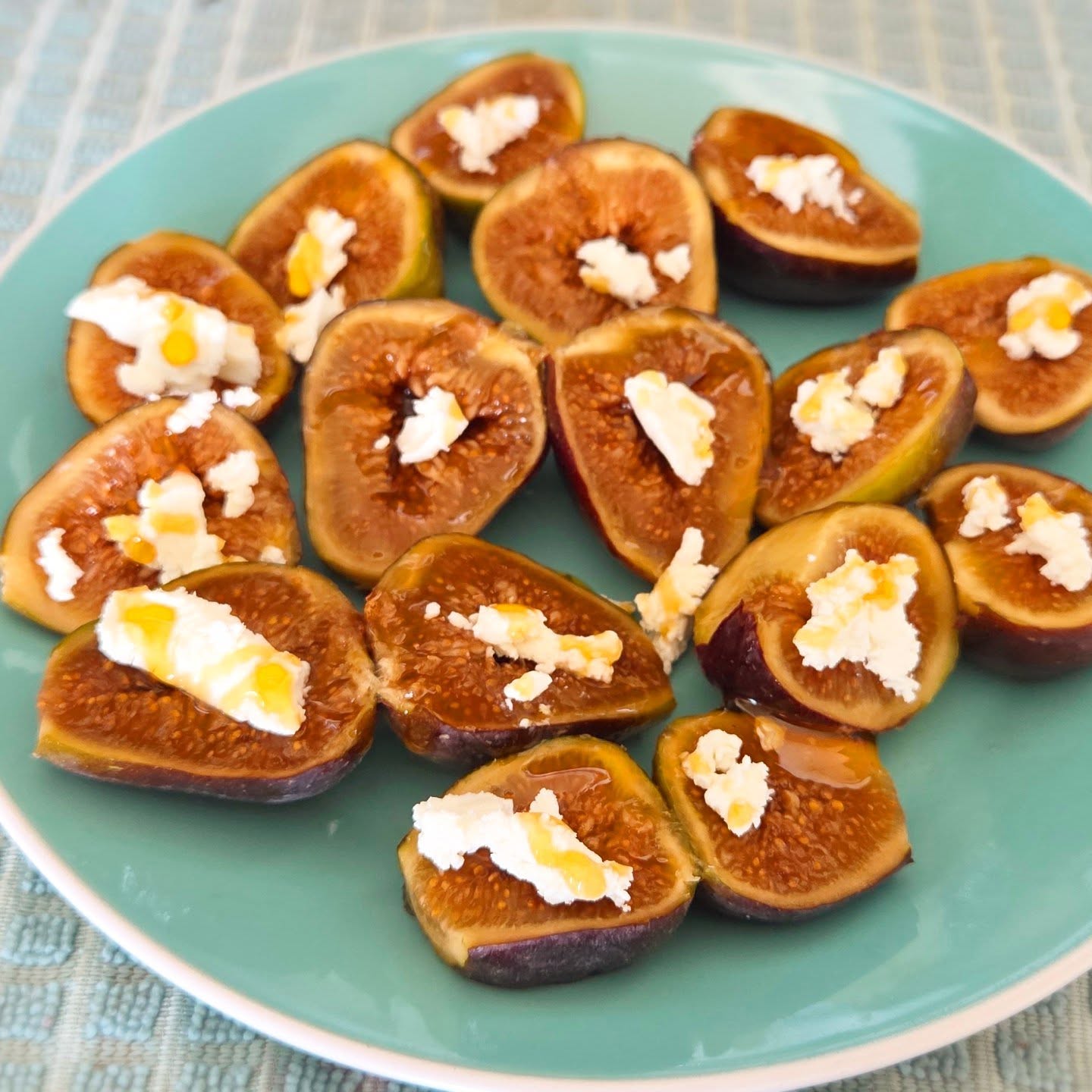
It’s fresh fig season! I picked up these beauties at my neighborhood produce market. My favorite way to have them is sliced with a dab of goat cheese and drizzled with honey. (I’m so lucky to have delicious local honey from a beekeeper friend.)

As I prepared my plate, I felt a twinge of sadness that fresh fig season is so short – only a few weeks. Yes, you can dry them or turn them into jam but nothing beats fresh figs.

Loving every bite, I reminded myself that maybe the short window for anything – produce, cherry blossoms, and even the blip of a long life on the scale of deep time – is exactly the point. Savor what we have while we have it so that we always have the memory to enjoy.

creativity

Sharks were my career coaches

Photo by David Clode on Unsplash

I became a biomimicry scientist because of sharks.

I was on my way to work in 2018 listening to an episode of the Ologies podcast with Alie Ward. She was interviewing Dr. Chris Lowe, a leading shark researcher. He explained that sharks have an incredible self-healing adaptation. The ocean is a dangerous place, and sharks often sustain deep wounds. To stave off infection and promote rapid healing of their wounds, they have mucus on their skin that’s rich in a complex carbohydrate called glycan that has a unique composition. When Dr. Lowe talked about this, my product developer mind started spinning. If we could determine what unique component of the shark mucus promotes healing, we could apply that knowledge to healing human wounds. (This research is on-going, and in 2023, researchers determined mucus on the skin of sharks is rich in a complex carbohydrate called glycan that has a unique composition distinct from other fish.)

Years before I listened to this Ologies podcast episode, my boss, Bob G., had introduced me to Janine Benyus and her work in biomimicry — the sustainable application of adaptations in the natural world to the human-designed world. Working with Bob was my first product development job.

Growing up, I was a science and math kid. I abandoned my dream of being a scientist because a college professor my freshman year told me I, “had no mind for physics.” (More on that experience and how I DO have a mind for physics in a future article!) Instead, I majored in economics and history, continuing to love science as a personal passion. This Ologies episode promoted me to look into biomimicry as a bridge between my love for science and my business career in product development.

When I got to work, I Googled to see if there might be a biomimicry class I could take. What I found was that Arizona State University and Janine Benyus had just established a biomimicry graduate program. It was virtual, relatively affordable, and the application window was open. I applied, got accepted, and graduated. After that experience, I went on to get a master’s degree in Sustainability Leadership at University of Cambridge, and I’m working on bringing together all the aspects of my career — writing, storytelling, business, product development, and biomimicry — to build a better world for all beings. Biomimicry changed my life and career, and continues to help me evolve, grow, and thrive.

Looking back, I see now how all those threads made their way into my life through different avenues because I’ve always followed my curiosity, wonder, and joy. We don’t always know how the pieces of our lives and career will fit together. It sometimes takes longer than we’d like because the circumstances of our world need to evolve to catch up with us. Trust the timing of your life. Keep learning. Do the best you can with what you have where you are right now. What you seek is also seeking you. Eventually, you’ll find what’s meant for you and it will be worth all the effort.