In the Season 1 Finale episode, I talk about what I learned from the 20 episodes in Season 1 of JoyProject, what’s coming up for Season 2, and how I’d love for you to be involved.
Topics discussed in this episode:
- A tribute to Christa’s stepfather, Joe Nucci, who loved this podcast and who sadly passed away on December 11, 2022
- The inspiration for the name and content of this podcast
- A brief recap of all the interviews in Season 1
- What’s in store for Season 2
- How you can be involved in Season 2
Links to resources:
- The website for JoyProject with all the episodes, show notes, and links – https://christaavampato.com/JoyProject
- Christa on Twitter – @christanyc
- Christa on Instagram – @christarosenyc
- Christa on Facebook – @AuthorChrista
- Christa on Medium – @christaavampato
- Christa’s website – ChristaAvampato.com
About Christa:
Christa Avampato is an award-winning author, business leader, and biomimicry scientist. She is the creator and host of the JoyProject podcast. She is equally inspired by ancient wisdom and modern technology. She’s a proliferator of goodness, champion of nature, opener of doors, fan of laughter, and proud New Yorker.
Transcript:
Hi everyone. I’m Christa Avampato and I’m your host. This is the finale episode of Season 1 of the JoyProject podcast. In a nutshell, I started this podcast because I wanted to spread more joy to more people in more places. That simple premise was something my stepfather, Joe Nucci, loved. He felt it would help anyone who listened to it and that with each conversation I’d make the world a better place. I’m sad to share that after a long and difficult health battle, my stepfather passed away on December 11th. So, this one’s for him.
This podcast started out as a short film I titled JoyProject. I wanted to interview people about what brings them joy and then film their joyful acts. When COVID-19 hit New York and shut down our city, filming people became nearly impossible. So did finding joy. 6 months later, I was diagnosed with cancer and because of the pandemic I had to go to almost all my treatments alone. In addition to the privilege of having great medical care and modern science, I knew I had to do everything I could to keep up my spirits. As a yoga and meditation teacher, I have experienced and witnessed the power of the mind-body connection. I wanted my body to heal, and I knew that meant I had to maintain an optimistic frame of mind. I had to believe to my core that I would restore my health. Finding joy became my daily practice. I’d start every day by asking myself what brings me joy, and then I’d write it down. I made it my mission to find joy, especially in the lowest, most frightening moments. When I had my bilateral mastectomy. When all my hair fell out and I sobbed in the shower so I wouldn’t scare my dog. When I was hospitalized and almost died, twice, because I had a life-threatening allergy to a common chemo drug that tried to shut down my lungs. When I had to teach myself to breathe again. When radiation left a baseball-sized burn over my heart. When my expanders under my chest muscles caused constant pain for 14 months. When I had to start medication to put my body into medical menopause. The darker things became, the more joy I became determined to find. I refused to give up. The more the world pushed me down, the harder I worked to reach for the light. As the late great Babe Ruth said, it’s hard to beat a person who never gives up. And I would not give up.
Joy became my constant companion. The more I looked for it, the more of it I found. Joy was, and is, everywhere. Once I was officially declared cancer-free and vaccines against COVID-19 were readily available, the idea of JoyProject came back to me with more purpose than ever. After all we’d survived, it was time to inspire and spread joy as far and wide as possible. And while I could do that with a film, a podcast felt more approachable and would allow me to connect and talk to people all over the world. I wanted to ask anyone and everyone the same question I had asked myself for nearly a year, what brings you joy?
That’s what every episode of this podcast is about. The answers and conversations are varied and wide and beautiful. I’m not the only one who is finding joy everywhere, far from it. There are so many of us who are joy seekers and joy makers. If you’re here and listening to this podcast, welcome to our joyful community. I’m so glad you’re here.
The title for each episode is “the joy of” followed by whatever the subject is about. When I was a kid my Uncle Tom and Aunt Mary bought me the book The Joy of Cooking because I loved being in the kitchen. I still love being in the kitchen and I still love cooking. It is one of the things that brings me a lot of joy. So, it’s no surprised that 4 of the interviews in Season 1 center around food: The Joy of Pizza with Rachel Josar, The Joy of Baking Birthday Cakes with Dana Phillips, the Joy of Baking Challah with Vicki Eastus, and The Joy of The Great British Bake Off with Abby Anklam. Food brings people together and these foodies were a delight to interview.
I also love to travel and in 2022, I returned to traveling a bit more now that we have COVID vaccines and my health is restored. The Joy of Travel Planning with Dr. Edith Gonzalez and The Joy of Airports with Felicia Sabartinelli reignited by wish to get out into the world, meet new people, see new sights, and have new experiences. In 2023, I’ll be taking a few more trips and some of those will involve what’s coming up in Season 2. More on that in just a moment.
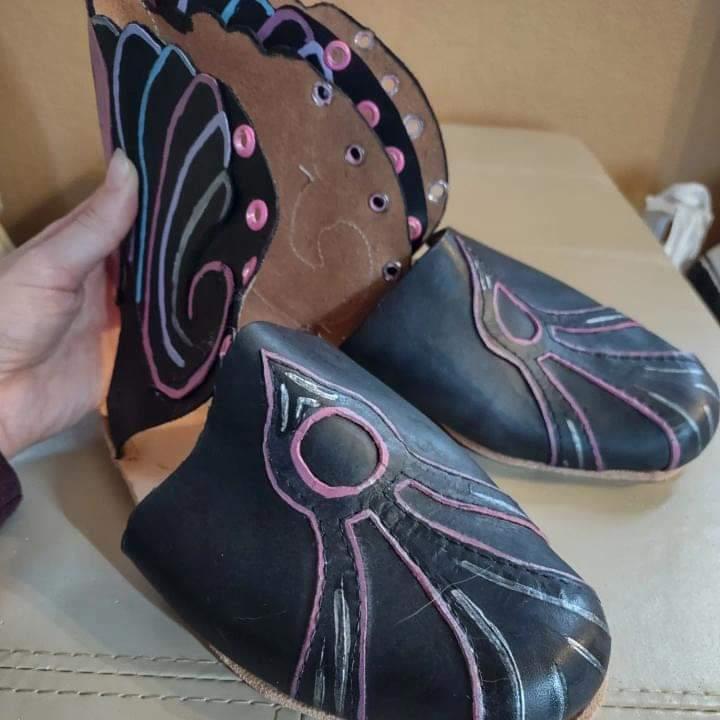
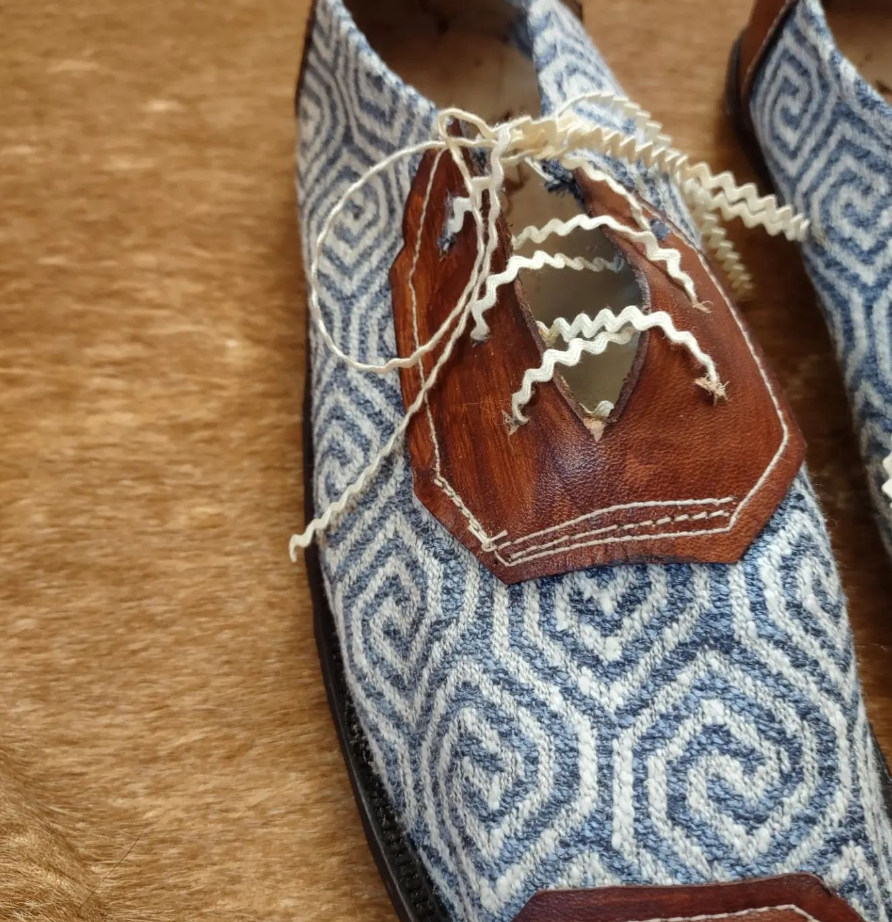
Passion is a common theme through all of the interviews in Season 1. Quite a few of them involved interviewing people about their passion projects. The Joy of Book Clubs with Libby Seiter Nelson, The Joy of Making Shoes with Kaylee Scoggins Herring, The Joy of Fostering Animals with Mary Talalay, The Joy of Winnie-the-Pooh with Christine Caccipuoti, The Joy of Water Skiing with Kate McGormley, The Joy of Old Time Radio Shows with Zachary Lennon-Simon, and The Joy of Podcasting and Neurodivergent Stories with Carolyn Kiel showed me that joy can truly be found anywhere and everywhere. Their passions inspired me to try new things and revel in the joy of being a beginner. I also want to give a shot out to Carolyn Kiel. Her podcast, Beyond 6 Seconds, recently won 2 podcasting awards and I’m so proud of her.
Three of our podcast guests have turned their passions into their careers. The Joy of the Unknown with Eric Fisher, The Joy of Photography with Amy Selwyn, and The Joy of Old Things with Ashley Semrick inspired me to bring my own passion projects that comprise my career into this podcast. And that’s exactly what I’ll be doing in Season 2.
Speaking of Season 2, here’s what’s on tap and how I’d love for you to be involved. This year, I started a new Masters Program at University of Cambridge in Sustainability Leadership. In 2023, I will start the year-long process of writing my dissertation. Protecting the health of the planet is a passion of mine, and with my dissertation, I’ll combine my love of storytelling and science. To do this, I’ll be interviewing people all over the world who are expert storytellers. I want to learn from them about the elements of the most joyful, uplifting stories that inspire people to take action in their own lives, and I want to apply that learning to inspire everyone to help restore and the health of the planet which supports the health of all beings. My hope is that some of the people I interview will allow me to share our conversations about storytelling during the second season of JoyProject.
Now here’s where I could use your help. Are you an expert storyteller? Do you know an expert storyteller? Have you ever heard a story that changed your life? I’m looking for stories and storytellers from every corner of the globe on any topic. The only requirement is that the stories and storytellers are so captivating that you can’t forget them and that you couldn’t help but change something about your life because of them. Got something (or someone) that fits that bill? Please get in touch with me.
You can find me on Twitter at @christanyc, on Instagram at @christarosenyc, via email at christa.avampato@gmail.com, and through the website for this podcast christaavampato.com/joyproject. The website has all of Season 1’s episodes, links to everything we talk about on the podcast, and links to our incredible guests.
Thanks to all of you for spending this season with me and JoyProject. I hope you’re finding joy in some way every day. Take care of yourself and take care of those in your corner of the world. Season 2 will begin in 2023. Stay tuned for the launch date! I hope the episodes in Season 1 inspire you as much as they inspire me. I hope joy becomes a daily practice for you. I hope you create it, revel in it, and share it. I’m Christa Avampato and I’m so excited for what’s next. I hope you are, too. Happy New Year and I’ll talk with you again about joy and storytelling in 2023.