creativity

My letter to President Biden after the World Central Kitchen tragedy in Gaza

From World Central Kitchen. https://wck.org/

In the aftermath of the World Central Kitchen tragedy that took the lives of 7 humanitarian aid workers in Gaza this week, I wrote a letter to President Biden on Wednesday evening. The text of my letter is below. My hope is that my letter will inspire other people to not just post on social media but also to write to all of their elected officials and policy makers as a way of pushing for change at a system level.

“Dear President Biden,

On the news tonight, I heard you’re speaking to Prime Minister Netanyahu tomorrow. I know you receive a multitude of letters and that mine will likely never reach you but I’ve been so racked by grief at the tremendous loss of life in Gaza, especially the aid workers from World Central Kitchen, that I had to write to you.

This war’s made it unsafe for Americans to be abroad and unsafe to be Jewish, even in a city as diverse and accepting as New York City, where I live. This war is starving millions of people. It’s killed tens of thousands, the majority children and women. It’s maimed, disabled, and orphaned an untold number of innocent people. The people of Gaza are penned in with nowhere to go, no safe passage out and no safe space within.

I know the situation is complicated. I know the Jewish people have suffered for decades, for centuries. I know October 7th was a horrific unspeakable act by Hamas. And I also know what Netanyahu’s government is doing now is as cruel and inhumane as what has been done to them. The people of Gaza and Israel deserve better. They deserve peace. Netanyahu will never give them peace. And so, we have to use every resource we have to stand for peace: A stop on weapons, funding, and support for Netanyahu.

The second term of your presidency is on the line, and with it the future of our nation and the world. We’re asking you to lead, to protect us, to stand on the side of humanity and peace, and that means we cannot stand with Netanyahu. That way lies another Trump presidency, more anti-Semitism, and more anti-American sentiment. We and the world cannot afford any of that.

This war must end and Netanyahu must go. And you must be the one to take that stand. It’s as simple and as complex as that. I know it’s painful. I know it’s difficult. It must be done and you must do it, for all our sakes.

Sincerely yours,
Christa Avampato”

creativity

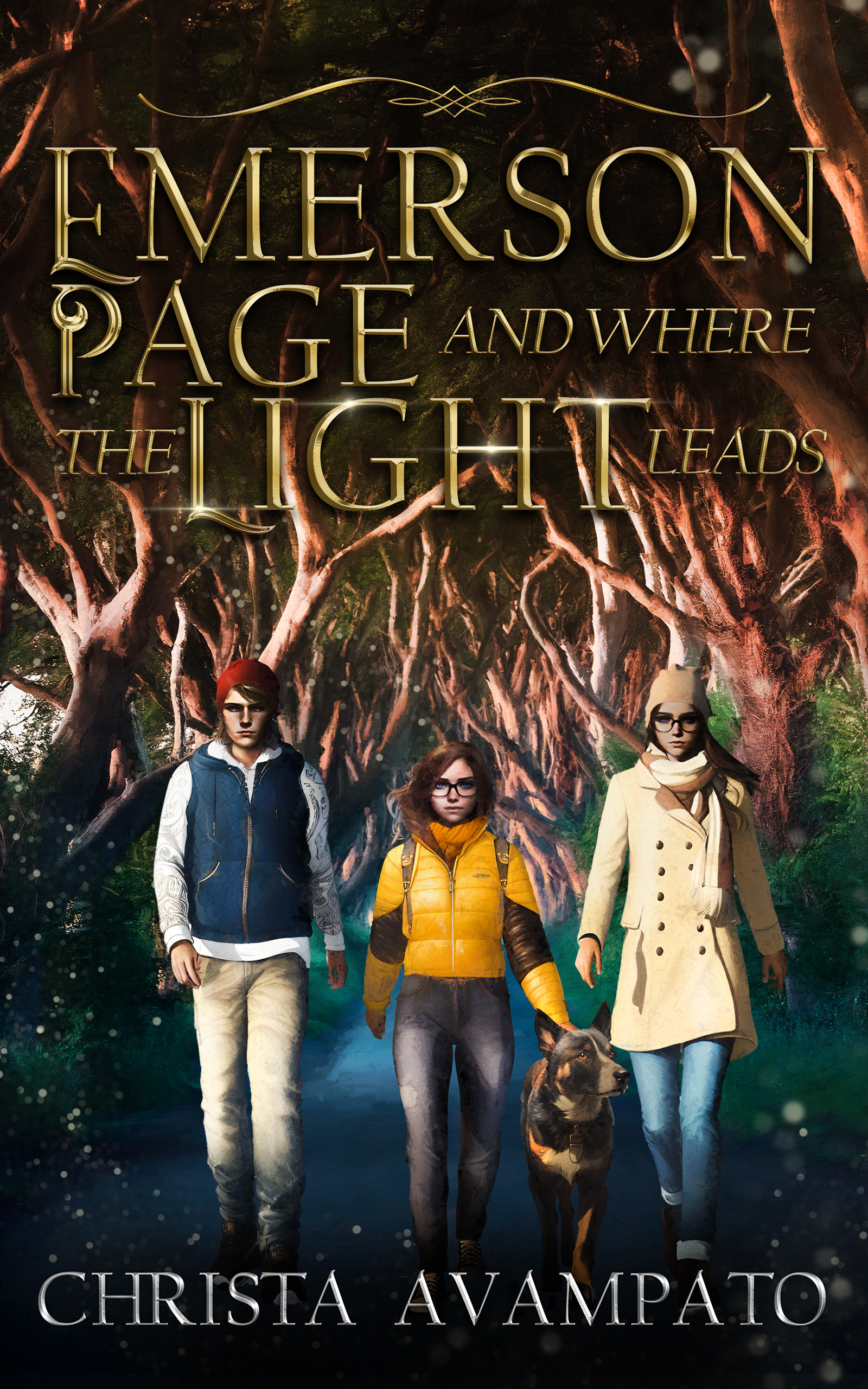
Early reviews for my upcoming Emerson Page novel releasing May 14, 2024 are in!

Emerson Page and Where the Light Leads by Christa Avampato

Five 5-star reviews for my upcoming novel, Emerson Page and Where the Light Leads, which will be released on May 14th everywhere books are sold! I cried big, happy, overjoyed tears reading these reviews. They express everything I hope readers think and feel in Emerson’s story.

Some highlights:
“It’s Indiana Jones for young adults with much more magic and lore”
“A mythic quest exploring grief, creativity, and what it means to step into one’s power”
“Captivates from the first page to the last”
“Every fantasy lover’s dream book”
“Sleek and highly detailed”
“I couldn’t put it down”
“Unforgettable”

Longer reviews:
“A mythic quest exploring grief, creativity, and what it means to step into one’s power. Avampato’s ability to weave themes of inner exploration, imagination, and loss into an epic adventure is second to none. From the hectic streets of Times Square to Dublin to worlds unknown, I’d follow Emerson Page (and Friday) wherever their light will take me! I wish I had this book when I was a teenager!” ~Torri Yates-Orr, Emmy-Nominated history and mythology communicator, writer, host, and creator of the “On This Day in History” series

“With a healthy dose of adventure, mystery, and magic, Emerson Page and Where the Light Leads captivates you from the first page to the last. Christa Avampato has built an immersive fantasy world featuring talking trees, superpowered teenage protagonists, faeries, and a host of other magical creatures. Imagine Indiana Jones for young adults with much more magic and lore, and you will end up with something like this. Keeping a brisk pace to the narrative, Avampato weaves an absorbing plot that keeps you hooked with unexpected reveals and twists and turns you never see coming. Emerson is a likable main character who finds it easy to make friends. She is someone you want to root for. I found the book very entertaining, and if you enjoy YA urban fantasy, this will be right up your alley.” ~Pikasho Deka, Pittsburg Post-Gazette, and NBC, ABC, and Fox affiliates

“Since Christa Avampato has incorporated the necessary details from the first book, I had no trouble picking up the threads. However, I advise readers to read the previous book first because everyone should enjoy this amazing series to the fullest. I loved how Avampato included lush descriptions of a cozy bookstore boasting giant tomes, a club brimming with memorabilia from daring adventures, a planetarium with a view into the infinite world of stars, and the Library of Imagination with all its grandeur. The visuals made me feel like I was there with Emerson, soaking up the moments. Although the story depends on the death of a parent and even portrays Emerson’s grief, it is nonetheless full of positivity. With talking and moving statues, hidden rooms inside ancient trees, and secret underground pathways, Avampato transports readers to an alternate reality. Featuring an unseen world teeming with folkloric beings, hard bargains, and strange rules, Emerson Page and Where the Light Leads is every fantasy lover’s dream book.” ~Shrabastee Chakraborty, The Chrysalis BREW Project

“Christa Avampato’s beautiful storytelling builds a magical world where human creativity has a tangible quality, and controlling it is the difference between life and death. The characters are crafted nicely with noticeable traits that the reader will easily connect with. Avampato impresses upon the reader the importance of developing an interest in adventure, honing leadership qualities, and appreciating what one can learn from books. Avampato’s storytelling is sleek and highly detailed, describing the magical creatures to such an extent that the reader will have no difficulty imagining what they look like. With its even pace and Avampato’s knack for dropping subtle clues in unusual parts of the plot, Emerson Page and Where The Light Leads is a balanced story that YA adventure fans will love.” ~Essien Asian, OnlineBookClub.org

“Emerson Page and Where the Light Leads has unique and creative lore that makes it unforgettable. Christa Avampato is a skilled writer who blends familiar mythology with imaginative elements to craft a compelling tale. Her descriptions are clear and detailed, painting vivid scenes that bring the story to life. The characters are interesting, with diverse personalities, backgrounds, and motives. What sets this book apart from other young adult adventures are the lesson-filled stories woven into the main plot and the thought-provoking riddles that serve as clues for Emerson’s quest. I could not put the book down because I did not want to miss anything crucial to Emerson’s journey.” ~Luwi Nyakansaila, Readers’ Favorite

“Emerson Page and Where the Light Leads is a captivating book that features intriguing characters and elements of Greek and Celtic mythology. The book is well-written, with a smooth flow and a unique plot. The lessons she learned along the way served their purpose in the final chapter. I highly recommend this book to all young adult adventure fans.” ~Doreen Chombu,  Readers’ Favorite

creativity

To write well, we must read well and take a break

After a two-day break from dissertation literature review writing, I’m back at it today. It’s amazing the clarity we get from stepping back, focusing on other things, and returning with fresh eyes. I would have loved to take a longer break to let the words accumulate a good thick layer of dust but deadlines and NYC Climate Week next week demand otherwise.

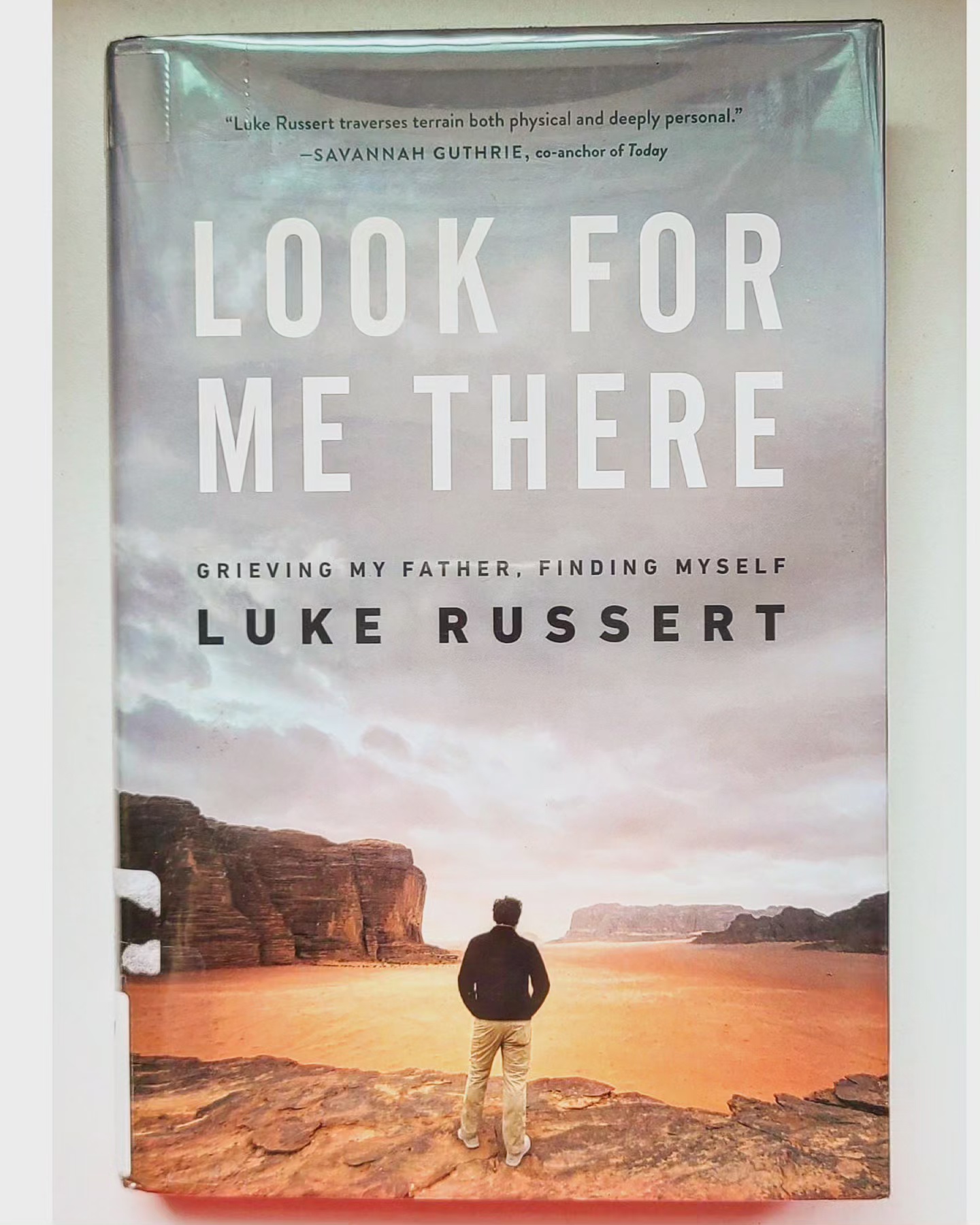
I spent the last couple days doing work for clients, reaching out to potential collaborators for interviews, finally hanging up art in my apartment, and reading two beautiful books that I highly recommend: Unreasonable Hospitality by top-notch restauranteur Will Guidara and Look for Me There, Luke Russert‘s stunning memoir about the life he’s built in the wake of the sudden and untimely passing of his larger-than-life dad, Tim Russert, whom I still dearly miss, especially in these trying times of U.S. politics.

Now with a more colorful space, inspired by the writing of others, some items off the to-do list, and my top-tier dream collaborators booked for the project, I’m re-writing, editing, and honing what I hope will be a decent first draft for my supervisor to review. As my first year tutor Angus always said to me, we’ll see how it goes in prose.

Will Guidara so beautifully writes, “Most important, we have an opportunity—a responsibility—to make magic in a world that desperately needs more of it.” I’ll do my best to make good on that opportunity and responsibility in my writing.

creativity

When writing feels like play

Photo by Nick Morrison on Unsplash

Even though it’s Labor Day weekend, I’m laboring away at the outline for my University of Cambridge dissertation with the goal of having a single page of my literature review written and edited by the end of the day.

The weird and wonderful part of the work at this point is that it doesn’t feel like work at all, but play. Like a set of LEGO blocks, I’m linking the information and data to support the story, synthesizing everything I’ve learned after all this reading and note taking into a cohesive, communicable form that helps people and the planet.

I’m sure there will be rough spots along the way where I get jammed up on the journey. I’ve a long way to go over the next year. But for now, I’m excited to begin writing and using prose for purpose. Happy days.

creativity

Will writers be replaced by OpenAI, makers of ChatGPT?

This week I’m working with one of my biomimicry clients to explore the use of OpenAI, makers of ChatGPT. It has several models within it, including Davinci which we’ve found has the most detailed, natural sounding results but not necessarily the most accurate information. We are using this technology to ingest a wide variety of scientific papers and produce plain-language text that can be used by designers and engineers who want to explore nature-based solutions and biomimicry inventions and applications.

We tried five tests with different biomimicry topics. I compared the source papers and the two versions of AI-generated text to assess them. Of the five tests, four were decent first drafts that need a human editor to refine them. Most of the scientific data was presented in a plain text way that maintained accuracy and integrity. It missed some key findings that would be valuable for engineers and designers, and the tests need to be edited for clarity. It had some trouble extrapolating the information into potential biomimicry applications and nature-based solutions. In other words, it could create plain-language text based on complicated, jargon-filled text reasonably well as a first draft. It could not creatively interpret the data to imagine many new possibilities. The one failed test completely missed the mark on the main points of the scientific paper.

Overall, it was exciting to see how this innovation could democratize access to information that is concealed in jargon. As with any simplification task, the accuracy has to be evaluated by someone who can reliably translate from language that needs deep expertise to language that’s accessible to those without that expertise. Proliferation of misinterpreted, oversimplified, and inaccurate translations is a risk and a danger. We’re in the early days of this tool and it will undoubtedly improve over time.

Some have expressed concern that writers will no longer be needed and that all writers will be forced into becoming editors. As a writer and an editor, I don’t share that fear. Human creativity, ingenuity, and imagination will never be obsolete. My hope is that tools like AI-generated text will free up our time, energy, and headspace to spend more time on creative projects.

creativity

Ending a relationship with a writing client

Photo by Ross Findon on Unsplash

Today I ended my relationship with a client I’ve worked with since 2015. Over 8 years, 5 editors, and hundreds of interviews, I wrote 50+ pieces for them on education, travel, healthcare, science, and culture. It was a wonderful experience and I’m very grateful for all of the opportunities I had with them. I wish them all the best. Now I’m excited to write for new publications and I’m open to referrals, ideas, and suggestions.

To be true to ourselves, sometimes we have to move on from where we’ve been. It’s not easy to let go of clients or to turn down work, especially when the work is comfortable and easy. But in this new chapter of my life, I’ve committed to only doing work I can do with my whole heart. That means that I have to make tough choices, but I know they’re the right choices for me. I’m excited to see how this space I’ve created in my client book will take shape.

creativity

How (and Why) to Write Your First Draft Fast

Photo by Kelly Sikkema on Unsplash

Writing a book can feel like such a daunting task that you may feel paralyzed before you even begin. Once you talk yourself down off the ledge and actually start writing, the grind can feel slow and painful. It might be such a huge lift that you abandon the project when you hit a rough patch or reach the inevitable messy middle. You run out of steam before you get a first full draft. 

This can leave you feeling inadequate and frustrated, as if you’re a failure for not finishing what you started. Then that tiny voice of doubt in your mind becomes a nonstop scream fest. It can become so loud that getting back to writing can feel too difficult. 

Then as if on cue, other ideas for other books start to enter your mind, and they start to look like a much better use of your time. Before you know it, you have files of half-started books and not a single finished manuscript. 

Sound familiar?

We’ve all been there. Truly. Every writer has half-finished work sitting on their laptop and in notebooks to get to “someday”. And that’s frustrating for all of us. 

Maybe you’re like me and truly dislike first drafts. I can’t stand them. I want to get them done as fast as possible so I can get to editing, refining, adding in details, and making that first awful draft (yes, all first drafts by all writers, even the greatest luminaries, are awful) shine brighter and brighter with every turn. 

Now that I’m writing my third book in the Emerson Page series, I’ve finally figured out how to get first drafts done quickly so I can get on with the editing and re-writing I love: I dumped the idea of getting to any specific word count on any day, for any scene, and for the book as a whole. 

What? How can I possibly forget about word count when I’m writing a book? 

Here’s how—the first draft is about one thing and one thing only: getting from the start of my story to the end, and getting to the end as fast as possible. 

Here’s my process for getting a first draft done fast:

First, I’m a cartographer:
Outlines are like roadmaps. They tell me where to go next to reach my final destination. They’re functional, not aesthetically pleasing. I write mine first on index cards—one scene per card—and then move them around to create the order of my story. This is my map for my journey.  

Second, I’m a painter:
Then when I’m happy with the flow on my index cards, I put all of the scenes into Scrivener (the software I use to write my first draft) with some additional details I’ve found in my research. I make notes about who’s in each scene, what the action is, why the scene matters to the story, and what the reader will learn by the end of the chapter that will make them want to turn the page. 

A painter starts by sketching on a blank canvas. That’s what I’m doing as a writer when I create this more detailed outline. 

Third, I’m a mason:
Now I’m ready to write. Once I have the detailed outline sketched out, I start to lay down the foundation of the story, scene by scene, brick by brick. I make tons of notes along the way, highlighted in my manuscript, of more details I eventually want to add. 

But those details aren’t my concern right now. I’m just trying to get the most basic text down so I can get to the end of the first draft. I make a note of the details I want to add and then I keep going. 

My first draft doesn’t look like much to celebrate except it absolutely is. I turned my outline and notes into prose. I got from the beginning of my story to the end. I got some dialogue down. I wrote the action sequences. Now I have something to work with. Huzzah—time to party!

Now I take a break
What? Take a break? Shouldn’t I crank away day after day until my book is a masterpiece? No. 

I write the first draft and put it away until I forget what I wrote. For me, that’s about a month. This way I come back to it with fresh eyes, ready to edit, rewrite, and get to the detail work I love. In that time, I may work on another project. Or I might take a break from writing altogether. 

Now, I’m a sculptor
With that first draft, now I’m ready to add in all those details I love. I’m ready to make that dialogue sing and make it believable. Now is the time for poetry. Now I’m really getting into my craft, and all because I’ve got something functional to work with. The edit and the rewrite (many times over in my case) is where I fix everything and make it better. 

I spend the vast majority of my writing time re-writing, and that’s exactly how I like it. I love to take something from awful to something I’m proud of. I love the detail. I love the refinement. I love incorporating all the research I’ve done, and I do plenty more research in the edit. It’s my happy place. But I can’t do any of that if I don’t have a first draft to work with so my goal is to go from idea to draft a fast as I possibly can. Let it be the stinkiest, ugliest, messiest thing I’ve ever created. I don’t care. It just has to exist. 

No one has ever read a first draft of my work. And no one ever will. The first draft is for me and only me. And there’s a freedom in that. It took me years to really get this and act on it. It’s really only now, with this third Emerson book, that I’m embracing the hideous first draft and reveling in its creation. 

And all those partially finished first drafts I have? Well, after this third Emerson book is done, I’m going to pick up each partially written first draft and get it over the line. They’ll all be the worst thing I’ve ever written, at first, and I couldn’t be happier about it.

creativity

How I found the main setting for my third Emerson Page novel

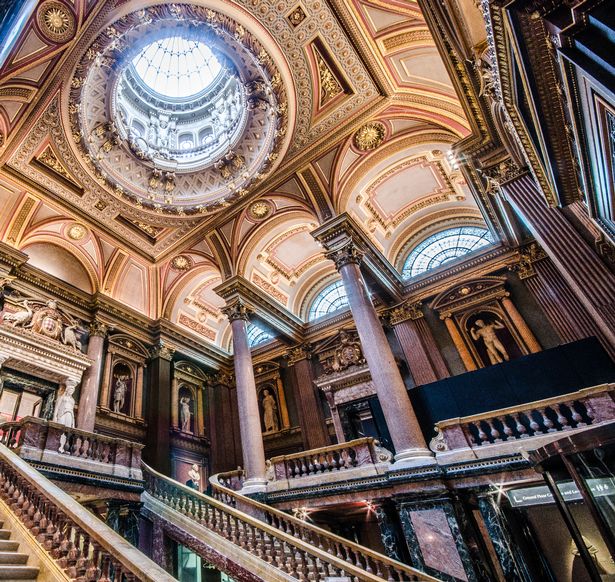
The Fitzwilliam Museum entrance

For me, the setting of a novel is a character. It sets the stage for the action and houses the many revelations of a story. Right now I’m outlining and crafting the story of my third Emerson Page novel. I’ve had some ideas of what will happen but I was struggling with where to place this action. I wanted a spectacular, magical setting. Frustrated that I couldn’t find it, I put it away and focused on something else.

I opened up Google Maps and decided to look at the street view of my walk from Fitzwilliam College, my college at Cambridge University, to the building where I’ll be taking my classes. It’s a winding 30-minute route dotted with shops and eateries tucked into centuries-old architecture through what looks like Diagon Alley. It goes past Fitzwilliam Museum, Cambridge’s main museum. I looked up some images of the museum and the second I saw the entrance, I knew I’d found the main setting for the novel.

The museum is free for all, houses a spectacular collection of antiquities and rare books and manuscripts, and has a stunning library. It’s exactly what the books needs. Get ready for more museum adventures!

creativity

How writing my Emerson Page novel trilogy saved my life—my conversation with Dr. Ed Freeman on The Stakeholder Podcast

In June 2022, I had the great good fortune to speak to my professor, mentor, and dear friend, Dr. Ed Freeman from the Darden School, on The Stakeholder Podcast.  

Link to the podcast episode: https://stakeholdermedia.libsyn.com/christa-avampato

Ed and I chat about:

  • how writing my Emerson Page novel trilogy saved my life
  • my live storytelling shows, screenwriting, and passion projects
  • my love for history, being a NYC tour guide, and how I got a tattoo live on stage
  • how product development helps me as a writer, and how being a writer helped me as a product developer 
  • living through difficult times and mental health challenges through creative work
  • my multi-faceted and varied career
  • making a living through a creative life
  • business and product development
  • building a better, more sustainable world

Ed is a treasure. He’s been one of the greatest influences on my work and life. He recently won University of Virginia’s highest honor: The Thomas Jefferson Award. Ed’s pioneering work on stakeholder theory changed the way we think about business and how businesses all over the world make decisions to create value. 

If you’ve ever used the word “stakeholder,” you can tip your cap to Ed. His writing about sustainability and stakeholder theory is what put UVA’s Darden School on the map for me, why I applied, and why I was honored to attend and graduate from the school with my MBA. He changed my life in incredible ways and I’m forever grateful for him. Thanks to Ed and producer, Ben Freeman, for having me on the podcast as a guest. 

creativity

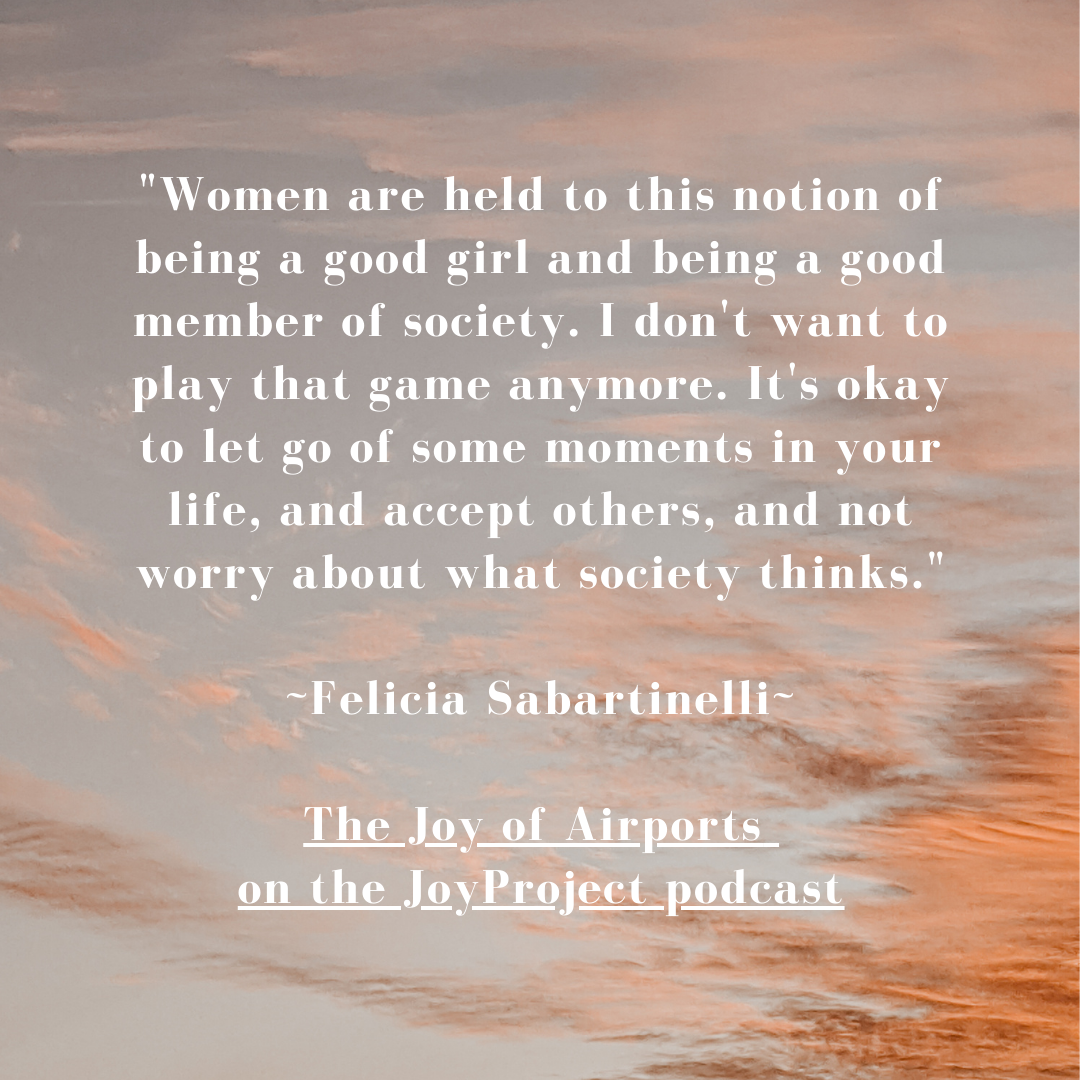
The start of summer has me thinking about travel and writing

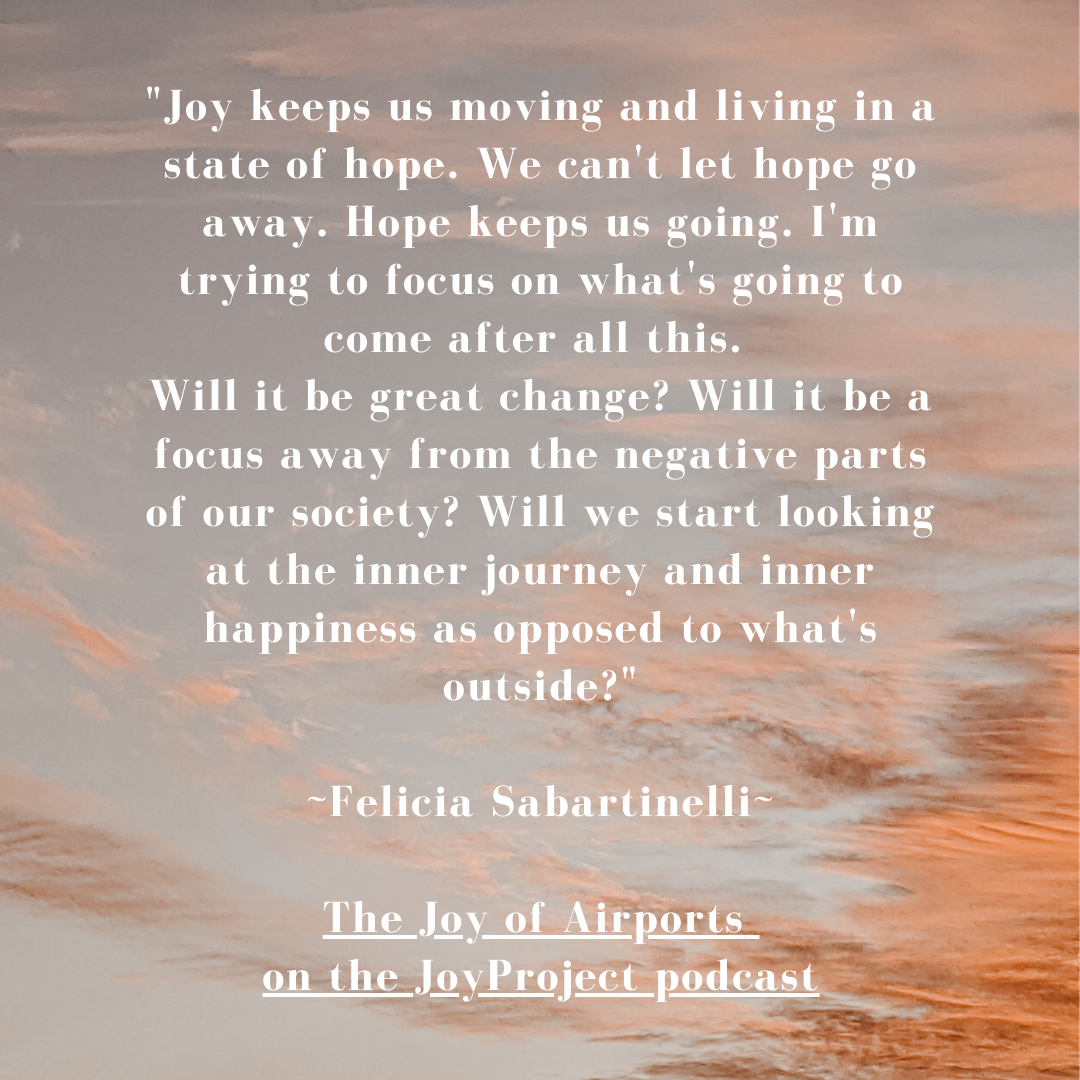
This week was the official start of summer, and that has me thinking about travel and writing. It also has me thinking about all of the wisdom around joy and travel that writer Felicia Sabartinelli packed into The Joy of Airports episode on the JoyProject podcast. Here are some of my favorite quotes. Listen to our conversation at https://christaavampato.com/the-joy-of-airports-with-felicia-sabartinelli-june-14-2022/ and wherever you get your podcasts.