creativity

NYC’s Harbor is cleaner and more resilient. Thank the oysters.

Billion Oyster Party. Photo by Christa Avampato.

On Thursday night I wound my way through Brooklyn’s Navy Yard. Past industrial buildings, natural gas smoke stacks, and heavy machinery, I found myself at building 269 to celebrate a sustainability milestone in our city. 

For 10 years, Billion Oyster Project has used the nature-based solution of oyster restoration to clean the water of the Hudson River to a level unprecedented in the last century. Restored oyster reefs will also protect the coastline from storm surges, a threat the city faces from climate change. To commemorate all their work, and look toward the future, 2,000 guests gathered together this week to sample trays of freshly harvested oysters, enjoy small bites and drinks from over 20 of New York’s best restaurants, and celebrate the efforts of oyster over 50 oyster farmers from all over the country at the organization’s 10th Anniversary Billion Oyster Party — Back to Nature, Back to Health. 

New York City used to be the oyster capital of the world, home to half of the world’s oysters. When the Dutch arrived in the 1600s, New York Harbor’s oysters measured up to 10 inches long, the city was known for them, and the oyster industry helped lay the foundation for the city. Liberty and Ellis Islands where the Statue of Liberty now stands and where millions of immigrants landed to begin new lives here were originally known as Oester (Oyster) Islands. New York’s oyster industry ended due to overharvesting, water pollution, and shoreline build-outs from the city’s rapid expansion. The pollution of the river prompted a typhoid scare, and the city shut down oyster farming in 1927. 

The book The Big Oyster: History on the Half Shell by Mark Kurlansky tells the fascinating history of New York’s oysters. The Billion Oyster Project is creating its future. The city’s 220,000 acres of oyster reefs were once homes to whales, dolphins, seals, seahorses, herring, striped bass, and hundreds of other species. Thanks to Billion Oyster Project, they’re on their way to being this home again. Today, the organization has 18 active oyster restoration sites across 16 acres of New York Harbor. Their efforts have restored 100 million juvenile oysters to the harbor. Oysters are starting to reproduce in the Harbor — a clear sign that this once booming industry can be revived and be self-sustaining. Billion Oyster Project’s goal for the next 10 years is to restore one billion oysters to New York Harbor by 2035.  

To grow the oyster population 10-fold in the next 10 years, they need our help. Volunteer, become a member or donate, share their mission through education efforts, dine at their restaurant partners, or attend an event

All photos taken at Billion Oyster Party by Christa Avampato.

creativity

I fell hard for Liverpool; you will, too.

The Beatles statue. Royal Albert Dock, Liverpool. Photo by Christa Avampato.

I love a gritty city – one peppered with history, music, art, and salt-of-the-earth people. I fell for Liverpool as soon as I arrived. I walked out of the train station and into the cool morning light. I immediately felt at home. The food is delicious, the people are kind, and the city is thriving with art and music everywhere. It’s also very affordable. I could easily live there and be very happy!

Some highlights:

As a port city, Liverpool has an extensive dock area. It’s been refurbished as the Royal Albert Dock, filled with restaurants, cafes, bakeries, pubs, and art. It’s a fun area to spend an afternoon. (Rough Handmade is one of the greatest bakeries I’ve ever been to anywhere!)

Bold Street is one of the main commercial areas filled with shops, food, and bookstores. Open early to late, there’s something for everyone there. I spent an event there at Mowgli, enjoying some of the best Indian food I’ve ever had. There are a few Mowgli locations in Liverpool and each of them is beautiful, buzzy, and relaxed.

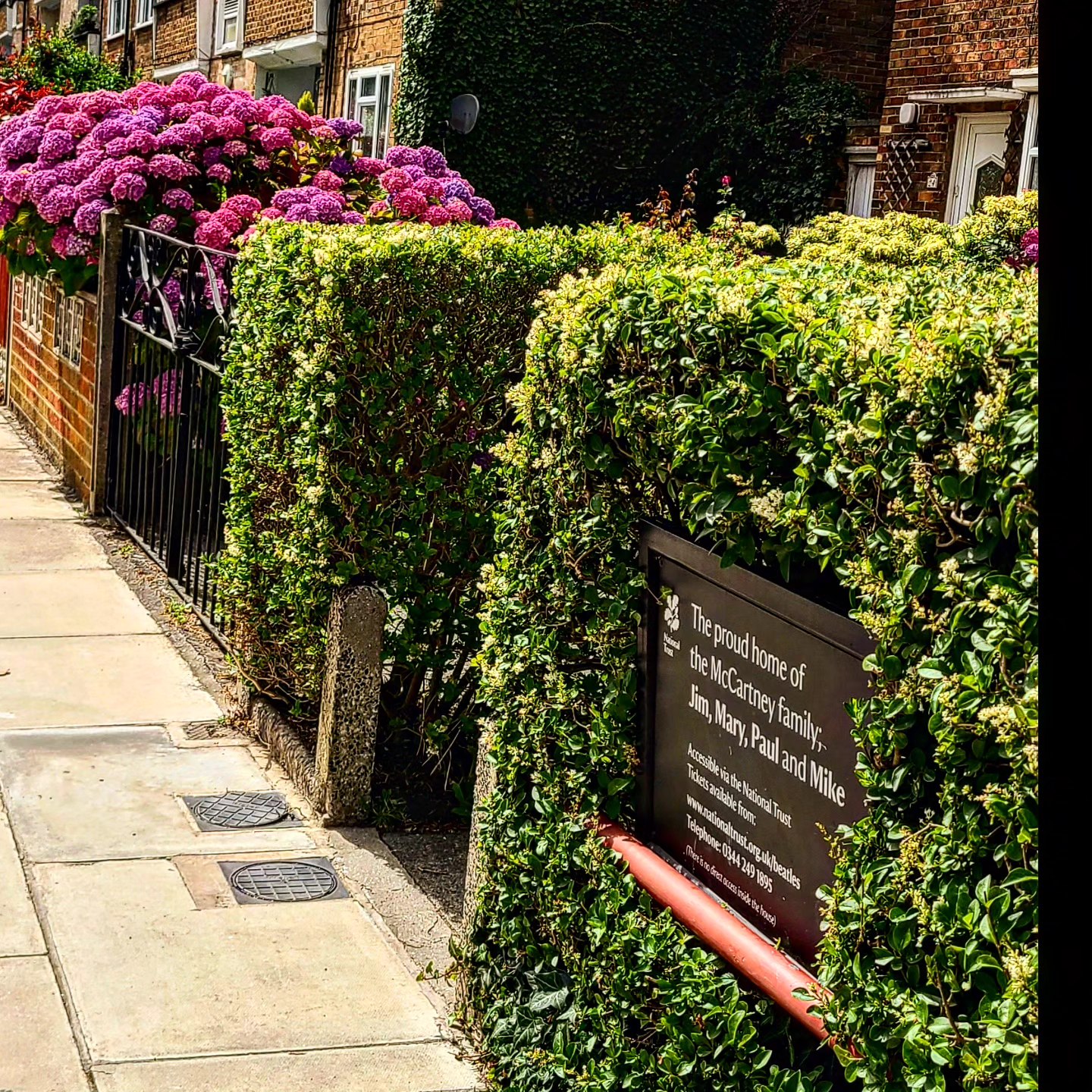
Seeing the Beatles childhood homes and the Cavern Club was the main reason I went to Liverpool. I love their story and music. My old neighborhood on the Upper West Side has the Dakota, the last home of John Lennon, and Strawberry Fields in Central Park where the “Imagine” sundial honors John’s legacy. The two childhood homes of John Lennon and Paul McCartney in Liverpool are very different from one another. They’re time capsules that tell their story of friendship and happenstance in the wake of WWII. No pictures are allowed inside the houses, but you can get excellent indoor tours with the National Trust. The tour picks up at Speke Hall, another great National Trust home (that’s 400 years old!) and grounds that I highly recommend seeing. Become a member of the National Trust and this tour (as well as Speke Hall), along with many other UK sites, are deeply discounted or free.

Liverpool is home to many museums, my favorite being the Maritime Museum. It pays homage to the Titanic because the White Star Line, the ship’s owner, was based there. The museum also exposes the city’s horrific role in the transatlantic slave trade. While many cities and countries attempt to sweep tragedy under the rug, Liverpool addresses directly and honestly in this museum and throughout the city.

The Resident is a fantastic boutique hotel that emphasizes sustainability and is a repurposed factory. Incredible service and great accommodations, it’s located very close to Bold Street and within walking distance of all the great sites of the city.

While Liverpool isn’t as flashy as some other European destination, it’s filled with heart and soul. It’s well worth a visit. I’m already looking forward to visiting again.

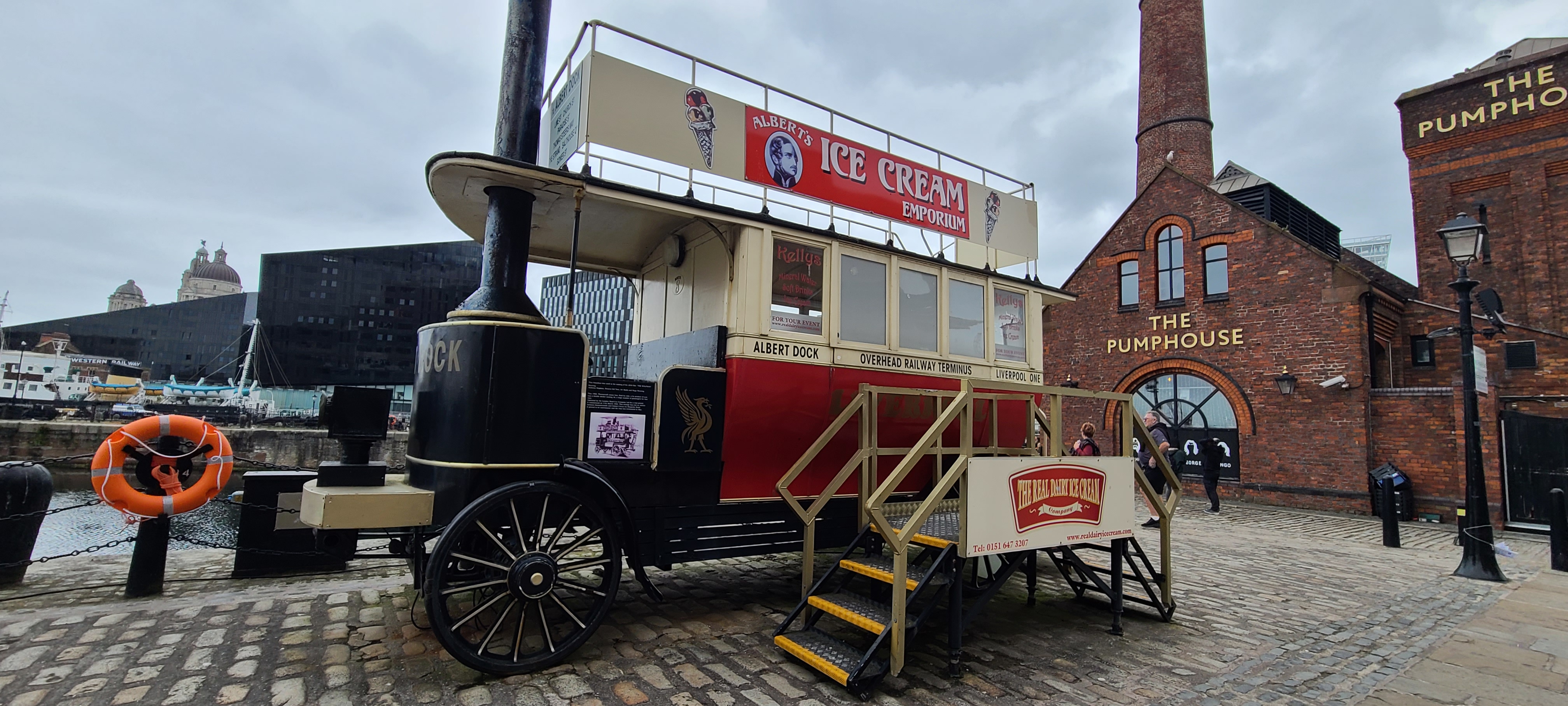
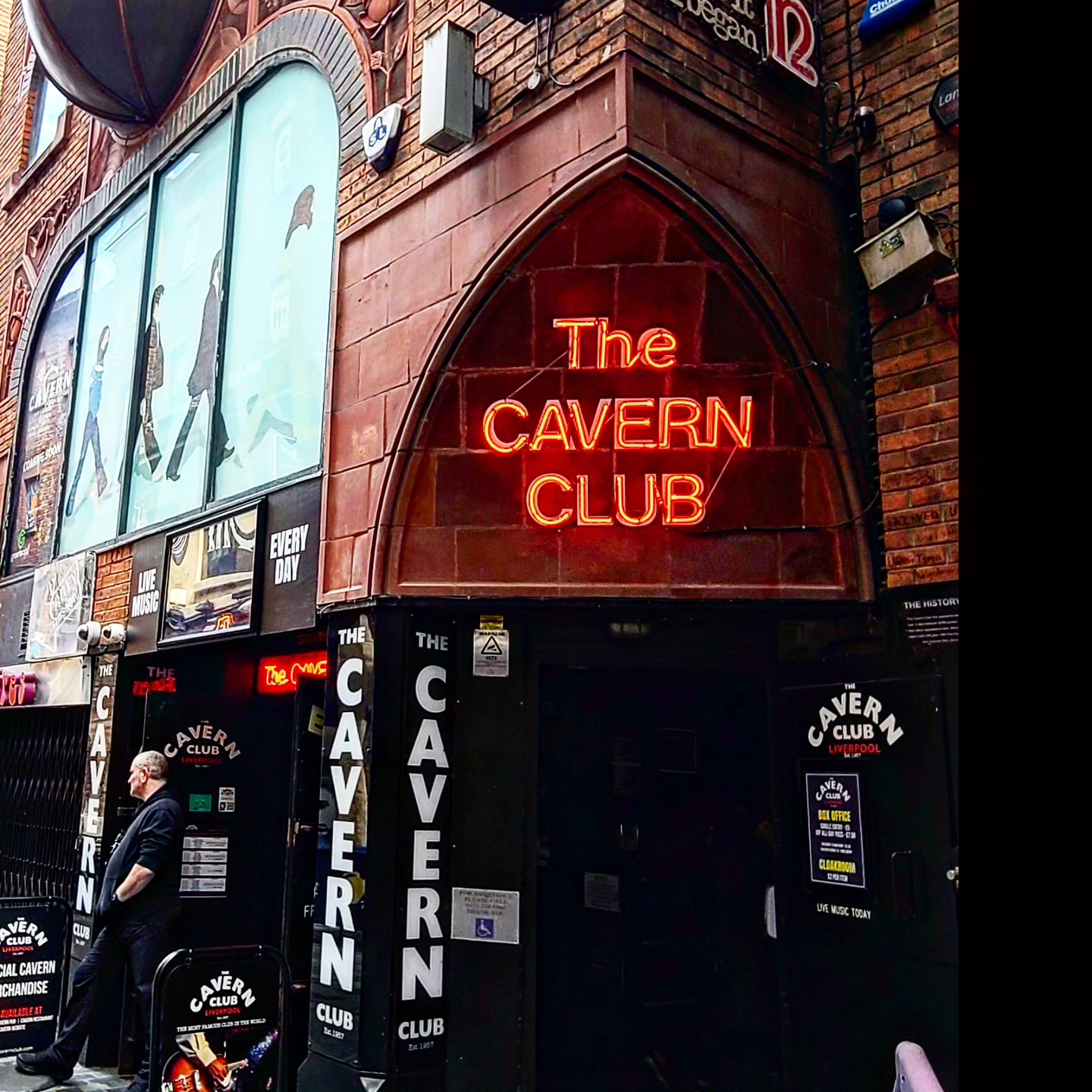
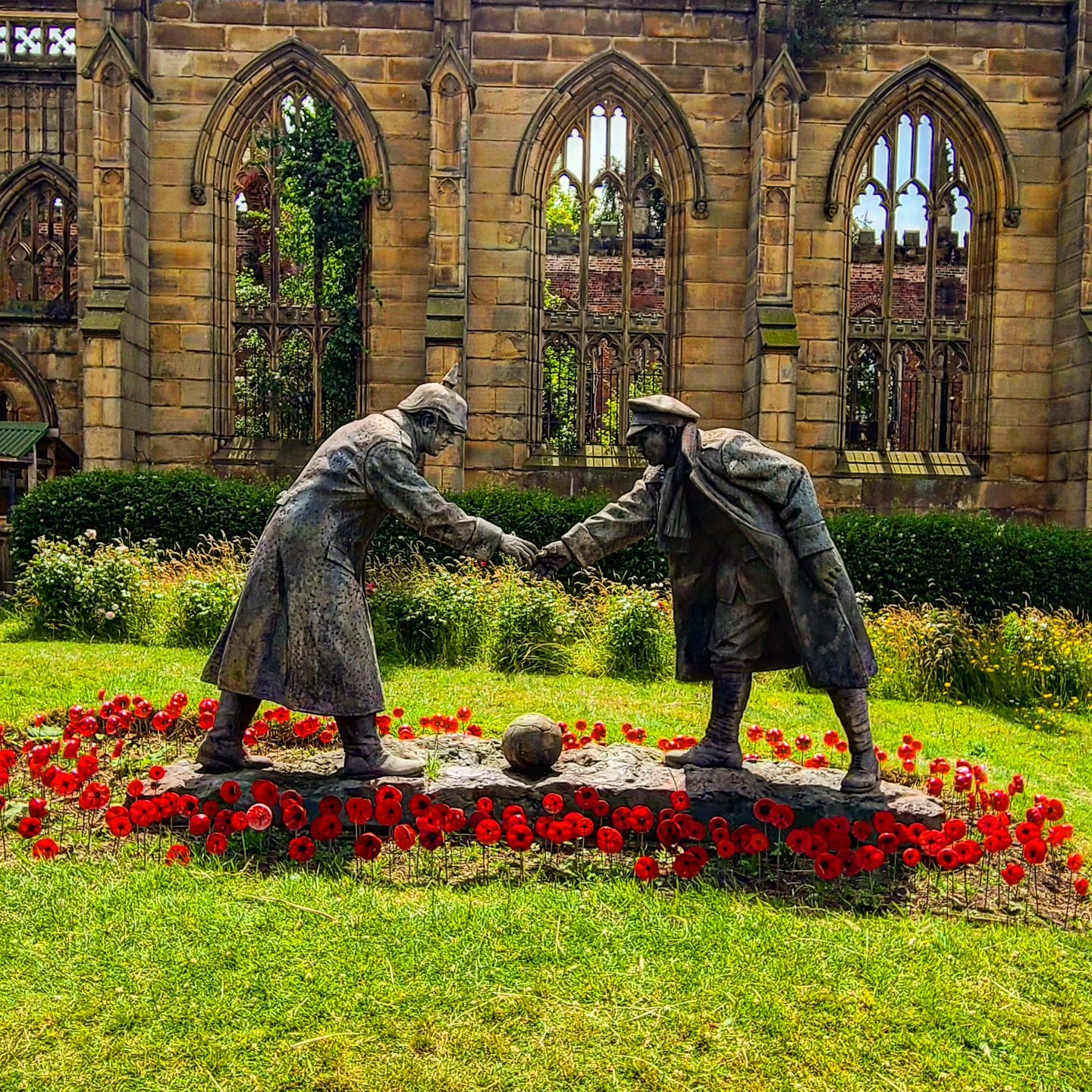
The collage below are my favorite photos from Liverpool, all taken by me.

creativity

Dreaming of Sicily through food

Sicilia: A Love Letter to the Food of Sicily. Photo by Christa Avampato.

Though I’m working on my dissertation for most of this weekend, I took a little time out to dream about my ancestral homeland thanks to Ben Tish’s gorgeous cookbook, Sicilia: A Love letter to the Food of Sicily. More than just recipes, Ben gives us a glimpse into the rich arid land, history, and the bustling society that is so prevalent on this island (and the many islands dotted along its coast). I particularly love his vivid descriptions of the food markets, each with its own unique spin on street food. I can’t wait to see and experience them myself.

Sicily’s history is dotted with many influences from many places and peoples. It’s not a melting pot, but rather an amalgam, a collage, with all the parts clearly visible and working together to create something none of them could do alone. Sicily isn’t one culture but many. Its food is its historical archive. 

Arab and North African influences are some of the strongest we can find in Sicily’s cuisine, including both its ingredients and preparation. The Moors and the Islamic culture they brought are closely tied to Spain. However, they are just as prevalent, perhaps even more so, in Sicily. Pistachios and honey, oranges and lemons, saffron and pomegranates, sorbet and granite, couscous and sardines, almonds and pine nuts, raisins and fennel. If you love anything deep fried (and who doesn’t?), thank the Arabs who ruled Sicily in the 9th and 10th centuries for infusing that cooking preparation into Sicily and then on into the rest of Europe. 

This island’s sprawling variety, so much packed into such a small amount of real estate, reminds me a lot of my home in New York. Here, Sicilian culture, along with hundreds of other cultures, can be seen and experienced all the time everywhere. Maybe my bloodline to Sicily is why I feel at home everywhere and with everyone–because my ancestors were diverse, people who came from all over to this plot of land that connects east and west, north and south, and celebrates its many influences.

creativity

New York’s hidden places to gather

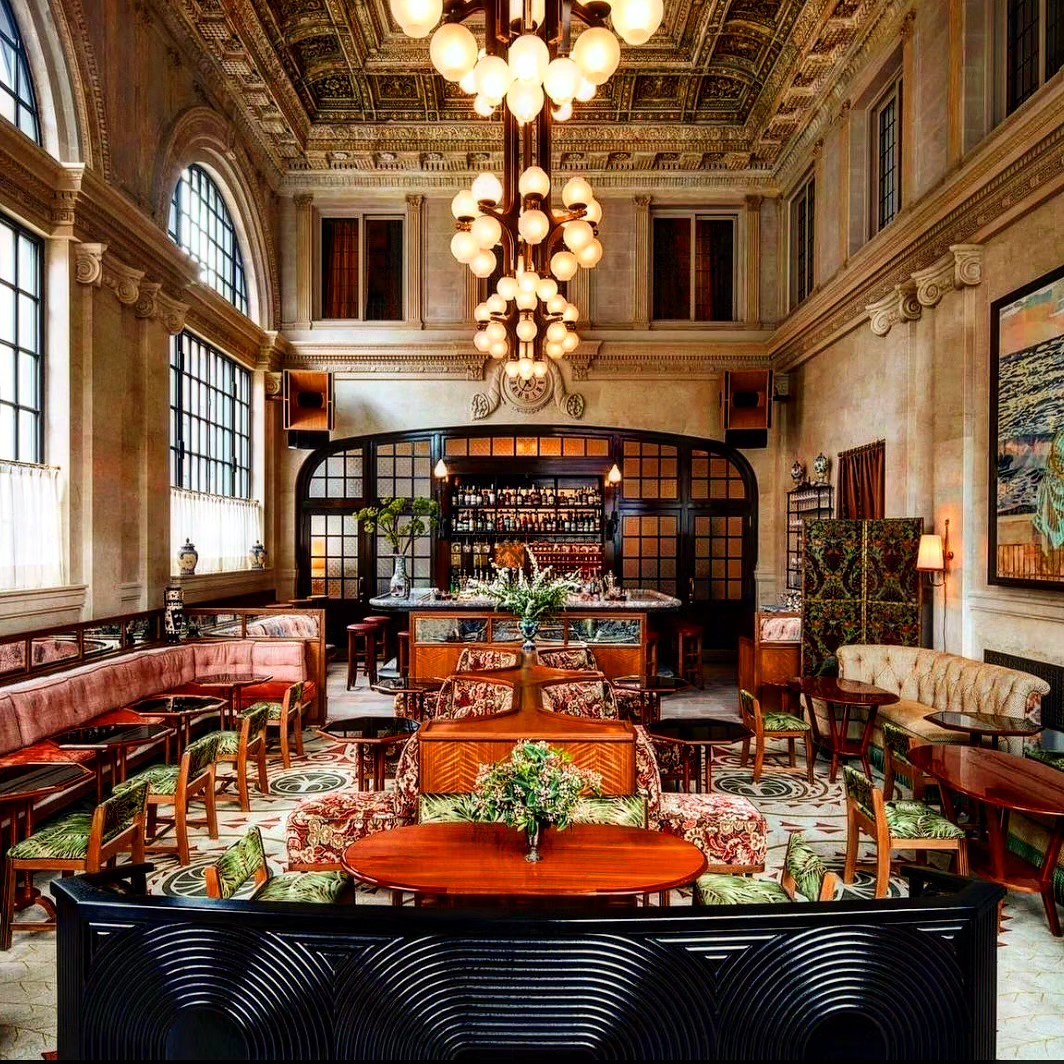
The Swan Room at Nine Orchard. Photo by Nine Orchard.

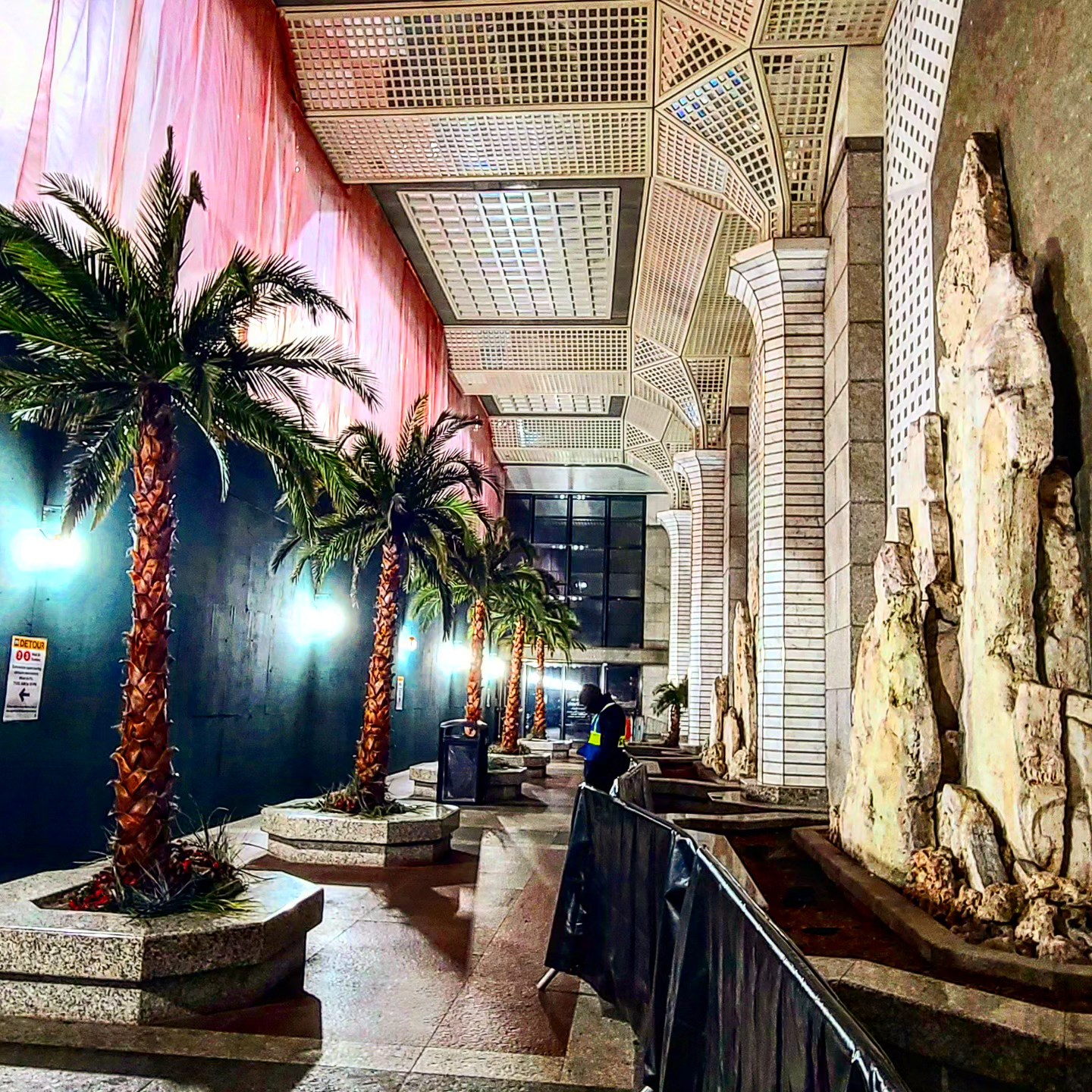
One thing I love about New York are the incredible locations to gather that are hidden in plain sight. This week, I got to spend time in three of these incredible gems: the Swan Room and East Room at Nine Orchard and the retro interior public space at 60 Wall Street before its complete demolition.

Nine Orchard is now a hotel that was the Jarmulowsky Bank over 100 years ago. The Swan Room is their main bar downstairs. Pictures are not allowed once it’s operational because they don’t want their patrons photographed (it’s quite a scene with more than a few celebrities enjoying being like the rest of us regular New Yorkers.) The East Room is a private event space upstairs that used to be the office of Sender Jarmulowsky, the founder of the bank. It’s cozy, dark, and moody. It looks down over the Swan Room where Sender was rumored to have been able to keep an eye on his bank employees and customers. (I’m thinking about the East Room as a possible space for my book launch party!) There’s a roof deck as well which is undergoing some renovations before spring arrives and I can’t wait to check it out when the weather gets warm.

The East Room and exterior of Nine Orchard. Photos by Christa Avampato.
60 Wall Street’s interior is currently being demolished. Thanks to The Municipal Art Society of New York, I was able to be one of the last people to see this weird retro space before the demolition is complete. We bid a fond farewell to the ticky tacky decor before it’s likely to become very minimalist. This is a public space where Wall Streeters have enjoyed their brown bag lunches for decades, and I think it will return as such once the lobby renovation is complete.

The East Room and exterior of Nine Orchard. Photos by Christa Avampato.

New York’s architecture, like the city, is ever-changing. What stays the same are all the delightful surprises around every corner in this magical place I’m so lucky to call home. If you ever find yourself here and you’re up for some urban exploring, I’d love to take you around and put my official New York City tour guide license to good use!

creativity

The good news from 2023

Redwoods in California show new shoots after a forest fire. Photo by Melissa Enright – US Forest Service

“Sometimes I think heaven is just a new pair of glasses…if I put on the better pair of glasses, I really notice what’s still working [well in this world].” ~Anne Lamott

As I look around at our world plagued by war, the climate crisis, and a seemingly endless stream of difficulties, I’ve been thinking a lot about Anne Lamott’s quote about putting on a better pair of glasses and operating from that lens. It doesn’t mean I’m ignoring the challenges and their scale; I’m seeing them alongside the progress, joy, and good news that’s alive in the world. A sampling of good news if you need a boost:

Transplanted corals in the Caribbean showed a 98% survival rate

A newly discovered bacteria eats carbon dioxide at an astonishing rate and if scaled, could be a partial solution to our climate crisis

Brightline, the first new privately-held train company in the U.S. in 100 years, began operations in Florida

In 2023, the U.S. spent $8.2 billion USD for new rail projects in 44 states, including the first bullet train that goes from Los Angeles to Las Vegas in 2 hours

Electric car sales are up 68% over last year

– The FDA approved the first medication for postpartum depression and the first over-the-counter birth control pills, improving access to necessary healthcare for millions of women. New treatments for Alzheimer’s, diabetes, and obesity were also released, along with the use of AI to find breast cancer at its earliest stages when it is often missed in traditional mammograms.

– The new President of Brazil has slowed deforestation by 48% in only the last 8 months

A 10-year project turned Latin America’s largest landfill into a thriving mangrove forest

The California wildfires in 2023 damaged numerous redwood trees that can live for 2500+ years. However, in the process we learned these redwoods have always had a backup plan – new green shoots of new redwoods, harbored for centuries in the damaged trees, have sprung to life and carry the hope of repopulating those forests.

AI has also been used to identify the beginning of wildfires before any people ever knew they were happening, allowing them to be extinguished before they burned out of control.

A hole in the ozone layer is on track to completely disappear

A universal flu vaccine begins trials

Southern white rhinos are now back in the Congo after 17 years

A new drug to treat Parkinson’s begins Phase III trials

creativity

To create a joyful life, imagine these 3 versions of your career

Photo by Denys Nevozhai on Unsplash

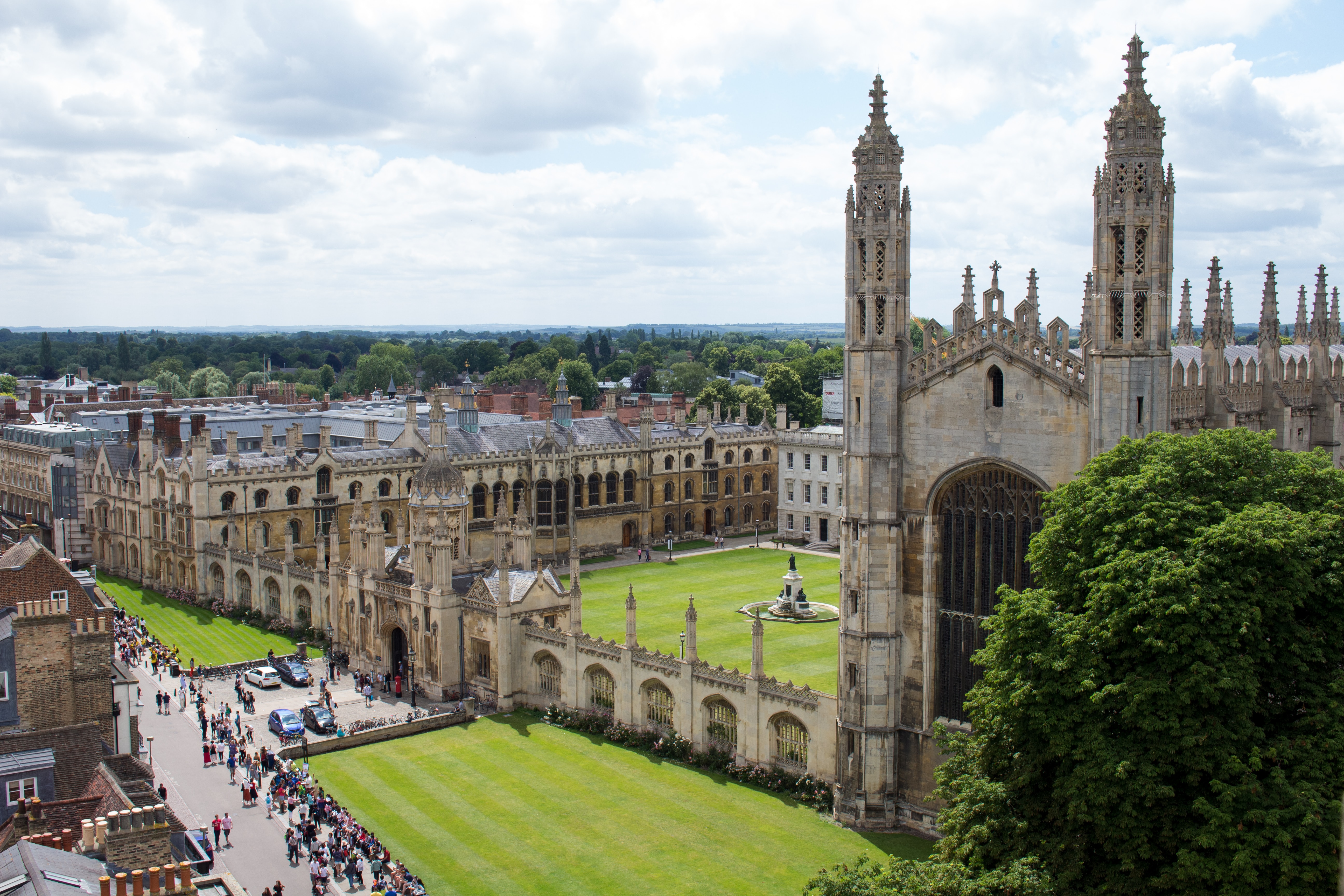
What would you do if the work you do right now ended tomorrow? I’ve been thinking about this question since I was at University of Cambridge / Cambridge Institute for Sustainability Leadership (CISL) in December for my Masters in Sustainability Leadership program. My wonderful friend, Karen, in my cohort found me one morning to show me a Stanford TEDx talk titled 5 Steps to Designing the Life You Want by Bill Burnett that she felt I needed to see. She was right.

The whole talk is worth watching and the part that affected me most is a future visioning exercise called 3 lives. You imagine the next 5 years of your career in these scenarios:

1. Keep doing exactly what you’re doing now and it’s going to turn out great. What does great look like? In your career and life?

2. What would you do if what you’re doing right now ends tomorrow? How would your career and life change? What would that look and feel like?

3. Now for your wildcard plan. You have enough money to pursue any career you want, and no one would laugh at you for it. What would you do? What would your life and career look like then?

Which of these lives feels like the best path? Put aside the inner critic. Which one makes you happier and more fulfilled? For various reasons, that one may not be the one you choose to pursue but having a sense of these different paths helps us get unstuck.

Futures visioning is a part of my Cambridge dissertation so doing this exercise was a part of practicing what I preach. I sat down and sketched out these 3 lives for myself. It helped me uncover hidden ideas, interests, and desires I didn’t even know I had. It also helped me realize a few things that Bill speaks to in his talk:

1. The really interesting opportunities present themselves in our periphery. They are the things we didn’t see coming and didn’t plan for. Realizing this encourages me to be open to new people, information, learnings, ideas, and opportunities.

2. Bill encourages us to look at these three lives with our head and our heart. Decisions made from your emotions are just as valid, if not more so, than those made from our logic and reasoning. Emotions have much more wisdom than we give them credit for.

3. There isn’t one way to build a life or career. We can and will grow into different lives, and that can happen at any and every age. There is no timeline that we must follow. We can trust the timing of our lives and career. Things unfold in ways we don’t always understand. That’s okay. Be open, and be prepared to be lucky.

Let me know how it goes for you if you try this exercise. I’d love to hear about what you discover and I’d also love to support your journey.

Bill’s TEDx talk in here: https://www.youtube.com/watch?v=SemHh0n19LA

He also has several books with Bill Evans on the topic of designing a joyful life and career: https://www.amazon.com/stores/Bill-Burnett/author/B01KVOW2RS?ref=ap_rdr&isDramIntegrated=true&shoppingPortalEnabled=true

creativity

Let love lead

Dinner at Selwyn College. Photo by Mitch Reznick.

I’m flying back to the U.S. now after a week at University of Cambridge / Cambridge Institute for Sustainability Leadership (CISL) with passionate, intelligent, and inspiring classmates, presenters, professors, and the CISL team. This time I grew as much personally as professionally. I was able to ask questions, have discussions, and voice ideas I’ve previously struggled to articulate. I couldn’t have done that without my classmates and friends who listened, provided kind and constructive feedback, and offered their ideas, perspectives, and experiences. This is a gift I carry with me now. I’m so grateful for all of it.

Humour, play, creativity, and imagination played a role in many of our classes and social activities, and they helped bring joy, light, hope, and optimism into this challenging field. The work we do, on this course and in our lives as we attempt to tackle climate change issues from many different angles, is intense. It can also be intensely fun.

On a personal note, I began the week thinking of my stepfather who was my Dad-by-choice. My family lost him a year ago exactly on the day this workshop at Cambridge began. I honoured him in my pecha kucha presentation by sharing the last words he ever said to me in-person. I went to see my family right before our first workshop in September 2022. He said to me, “Hey, I know you’ll work hard at Cambridge, but please try to have some fun over there, too.”

My Dad knew me well, and it’s been difficult to lose someone who was always in my corner and read every piece of writing I’ve ever published. I could feel his spirit with me all week, encouraging me to embrace laughter and love whenever possible, especially during challenging times. Love and laughter serve as resources to help us stay with the trouble. They make us resilient. When we lead with love, we can open people up so that we deeply connect, collaborate, and create to tackle the most serious challenges together.

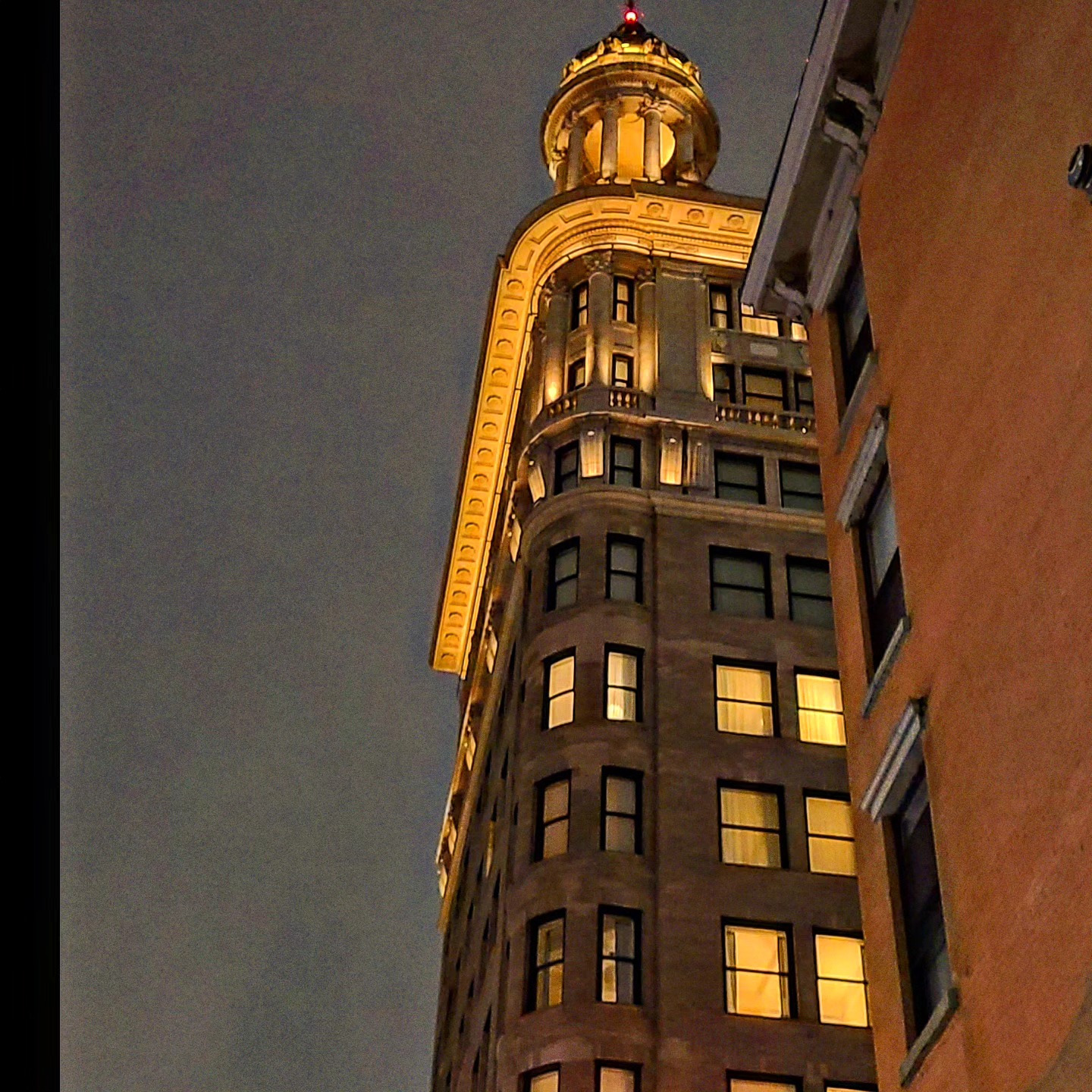
These photos show our formal dinner together at Selwyn College, my view from the train leaving Cambridge, and my Pops. As I go back to my New York life, I will do my best to put into action everything I learned in this beautiful, inspiring sanctuary with these beautiful, inspiring people. I’m already looking forward to July when we’ll be together again in Cambridge. I’m the luckiest person to be a part of this.

My view from the train – Cambridge to London. Photo by Christa Avampato.
creativity

Two locations in my second Emerson Page novel: The Dark Hedges and Trinity College Library’s Long Room

When I took my book writing research trip to Ireland in 2018, I had two must-see places on my list: the Long Room at Trinity College Library and the Dark Hedges (which is the inspiration for the cover of my second Emerson Page novel). The photos below show me at both locations. They feature prominently in the book.

What I didn’t know before I arrived in Ireland is that so many other places would also find their way into the book. Everywhere I went, from the local pubs to the ancient sites to the natural settings, inspired my imagination and creativity, and filled me with wonder. So much of my trip was completely unplanned. I let the spirits and good people of Ireland direct me and guide me, and not once did I falter (which is a rarity for me, especially while traveling, because I often get myself into trouble that makes for interesting stories later on!) I carried a copy of Emerson’s first book with me everywhere and I often felt her nudge me in certain directions. I was never disappointed to follow her lead. 

Other than New York, Ireland is the only place I’ve ever been that immediately felt like home, as if I’d been there before and was fated to be there at that very moment. Certainly a piece of my heart remains there now. For this reason, New York and Ireland are where Emerson spends all her time in this second book in the trilogy. Her New York and Ireland are filled with mythology, magic, and fantastical beings, experiences, and objects, and in the book I’ve done my best to transport readers into her world of adventure.

Some more fun facts about the Long Room and the Dark Hedges:

1.) The Long Room is 65 metres, nearly 300 years old, and filled with 200,000 of the library’s oldest books as well as gorgeous sculptures and an ancient harp that dates to the 15th century. The harp inspired the coat of arms of Ireland as well as the logo for Guinness beer. The scent in the Long Room is unlike anything I’ve ever experienced before or since. Known as Biblichor, from the Greek words, Biblos (meaning book) and Ichor (meaning “fluid that flows in the veins of gods”), it is related to the word Petrichor, a pleasant smell that frequently accompanies the first rain after a long period of warm, dry weather. The Irish are serious about a number of things that are dear to me—stories and books, history, music, beer, and nature, not necessarily in that order. No wonder I feel so at home in this country!

It sits above a chamber that holds the Book of Kells, a 9th century handwritten illuminated manuscript of the four gospels of the New Testament, filled with ornate Latin text and intricate illustrations, many of them quite cheeky and containing secret messages that the Celtic monks who created it wrote to each other. I love the Irish for so many reasons, and their humor is among my favorite of their attributes.


2.) The Dark Hedges (in Irish:Na Fálta Dorcha) is an avenue of beech trees along Bregagh Road between Armoy and Stranocum in County Antrim, Northern Ireland. The majority of them are 250 years old, and form a tunnel that from the start seems never-ending. The fields on either side are abandoned cemeteries, lending to the ghostly feeling I had as soon as I arrived. It’s as if the trees whisper to each other through the wind. The trees are rumored to be haunted by many mythological beings—namely the Grey Lady and the Mórrígan (Mór-Ríoghain in modern Irish) who is the fierce Celtic goddess of battle, destiny, fertility, and death (a heavy workload!) and often appear as or is be accompanied by a crow or wolf. They’re badass women who know what they want and don’t tolerate nonsense. Did I mention I felt very at-home here, too?! 😉

Beech trees are linked with time and knowledge, especially written wisdom as thin slices of beech were used to write the very first books. Whatever words were inscribed on beech took on the power and magic of the gods. This is why the beech tree was held in such awe in those early days of books, and still is today. Beech trees were called ‘Boc’ by the Anglo-Saxons, which later became the word ‘book’. I didn’t know any of this until I arrived at the Dark Hedges, and it felt serendipitous since Emerson’s entire journey in the trilogy revolves around finding the first book ever written. 

As a writer, you think you’re leading the story but what I’ve often found is that the story is always leading me to a far better place than I could ever create on my own. The art of writing a novel is a long and winding road, the path meandering but always with purpose. If I just sit as a willing scribe, the story finds me. My job is just to get it down as honestly and vividly as possible. All it takes is time. It’s the great mystery of imagination—I don’t know where the story comes from but I’m honored that it found me and continues to guide me. 

I’m excited to share more behind-the-scenes about the book in future posts leading up to its release in Spring 2024. I’m so excited to be back in Emerson’s world, and revisiting my fond memories of Ireland, a country I hope to return to very soon.

creativity

My dream plan for summer 2024

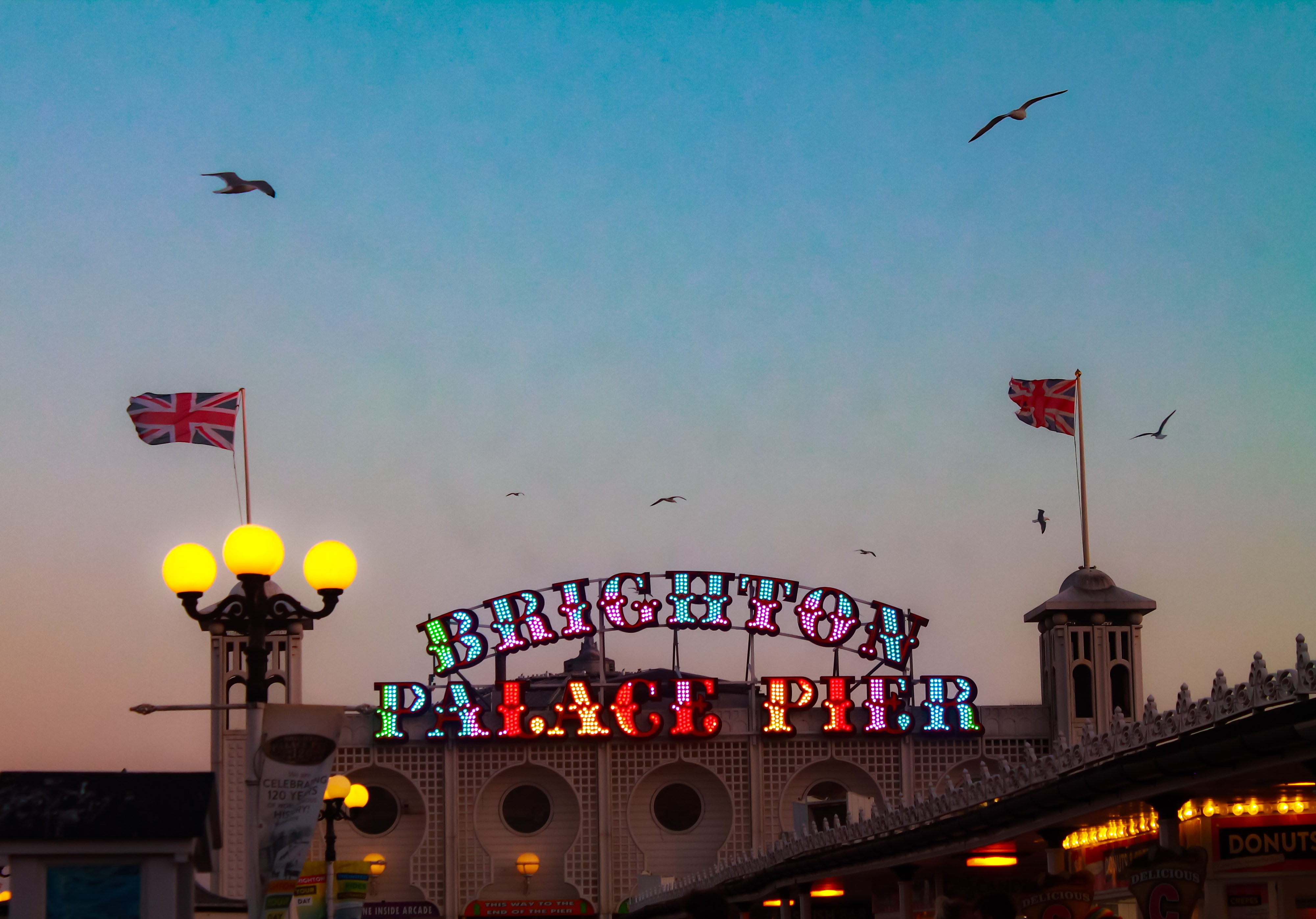
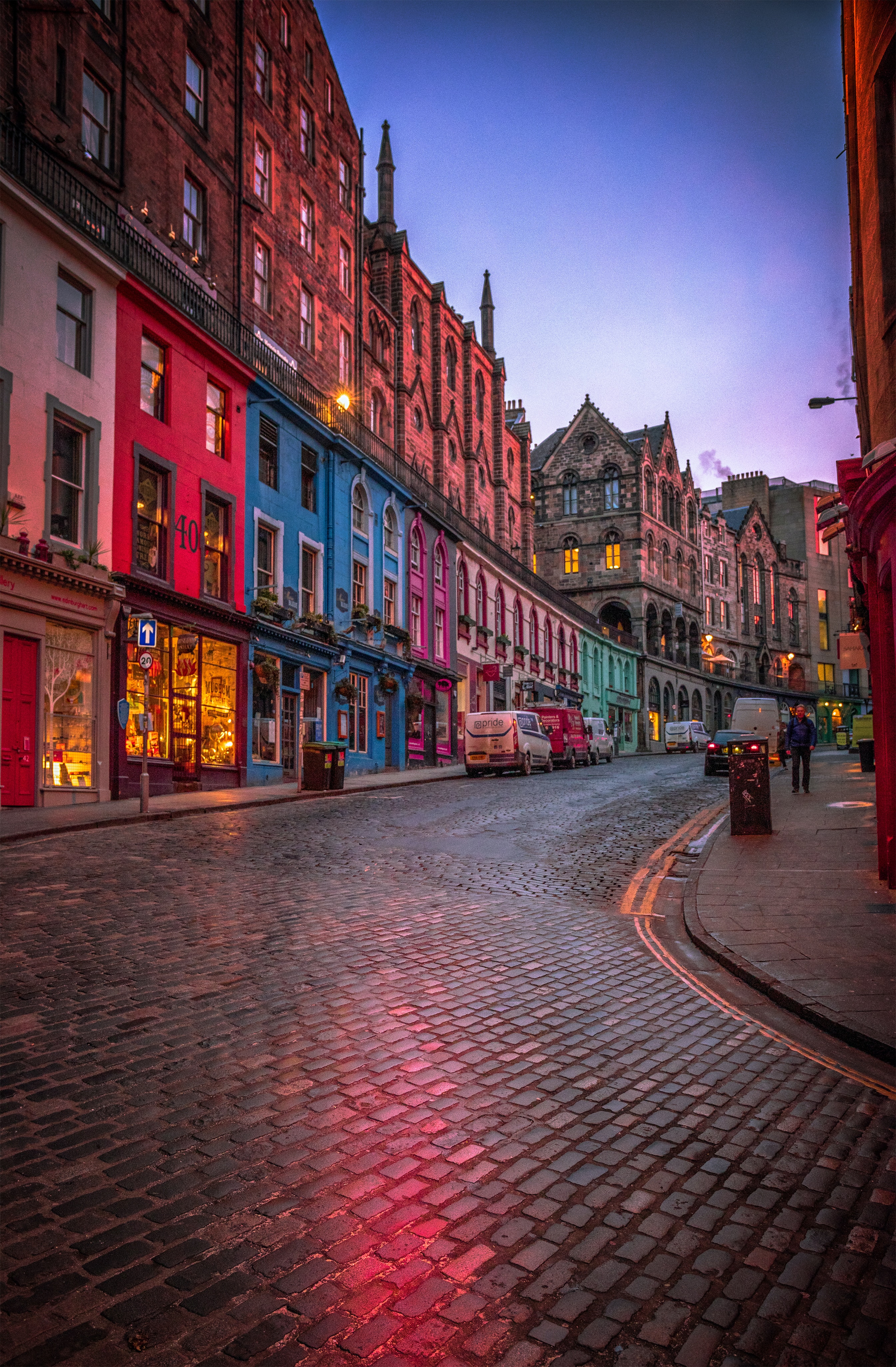
As the sun begins to set on summer, I’m speaking plans for next summer into existence. I’ll be at University of Cambridge for my final Masters in Sustainability Leadership residency in early July 2024. I’d like to go a bit early to check out beautiful Brighton. Then after my residency, I would stay on in Cambridge to work remotely and finish my dissertation. After I turn it in at the end of July, I’d like to spend August in Scotland for the Edinburgh Fringe and Book Festivals. My dream summer 2024.💗

What are you dreaming of for next summer?

creativity

JoyProject podcast: The Joy of Photography with Amy Selwyn

The Joy of Photography with Amy Selwyn

Smartphones have turned all of us into photographers. We take pictures of our friends and family, our food, pets, art, selfies, sunsets, gorgeous vistas. If we can see it, we’re taking photos of it. Smartphones changed the way we see and capture our world and experiences. 

Less than a year before the pandemic started, photographer Amy Selwyn gave herself a gift that completely and unexpectedly changed nearly every aspect of her life. A trip to Cuba not only transformed her career, but it gave her a totally new way of seeing the world and her place in it.

At the end of the podcast, I share something that brought me joy this week related to the episode. As she adjusts her life to make room for making more art, she’s downsizing her home. That inspired me to re-arrange my own home and declutter my life. Apartment Therapy is an Instagram account and website that offers fantastic ideas on how to organize and decorate a small space for it’s beautiful and functional.

Topics discussed in this episode:
– How Amy got interested in photography
– Traveling to Cuba and falling in love with street photography
– The joy of being a beginner
– Discovering and living out your passions at any age
– Mental health and the artist mindset

Links to resources:
– Amy on Instagram – @amyselwynphotographer
– Amy on Twitter – @amyselwyn
– Amy’s website – amyselwyn.photography
– Christa on Twitter – @christanyc
– Christa on Instagram – @christarosenyc
– Christa on Facebook – @AuthorChrista 
– Christa on Medium – @christaavampato
– Christa on TikTok – @christanyc
– Christa’s website – ChristaAvampato.com
– Apartment Therapy – www.apartmenttherapy.com

About Amy:
Amy Selwyn is a writer and fine arts photographer, and an utterly devoted dog mom to a sassy and adorable French Bulldog. 

Amy spent over 35 years working for and with news organizations around the world, including the BBC, The New York Times, the European Broadcasting Union,  and The Associated Press. Stories and storytelling are a lifelong passion. 

Amy is currently in a 3-year MFA program at Maine Media in Rockport, Maine, studying photography. This month, Amy will have one of her works in a juried show at the South East Center For Photography in Greenville, South Carolina. 

Originally from Hartford, CT, Amy and her beloved pup are currently based in Portsmouth, New Hampshire.