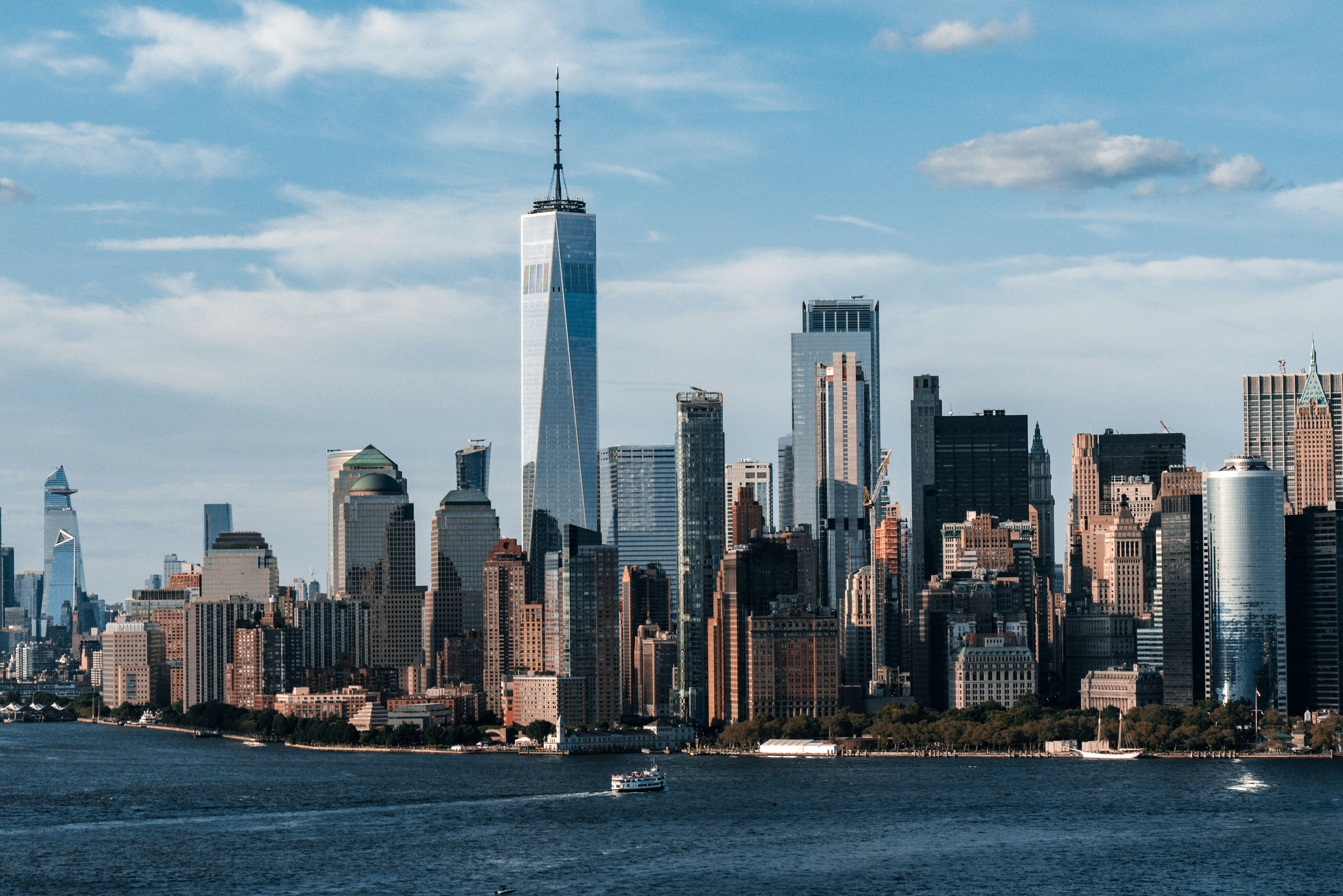
We’re seeing a lot of headlines and finger pointing about NYC’s budget crisis. Here’s a clear-eyed breakdown I wrote of what’s actually happening and why, and what we can do about it.
New York City is currently staring down a projected budget gap of $12.6 billion over the next two fiscal years ($2.2 billion for 2026 and $10.4 billion for 2027). While headlines often focus on political blame, the math behind this crisis is driven by three specific, documented factors:
1. The “Funding Cliff”
During the pandemic, the city received billions in one-time federal aid. This money was used to launch or expand recurring programs, such as 3-K, mental health services, and summer youth employment. Now that the federal funds have dried up, the city must either find its own tax revenue to pay for them or shut the programs down. This “cliff” accounts for roughly $700 million to $1 billion in new annual costs.
2. Chronic Underbudgeting
Non-partisan watchdogs like the IBO have flagged a trend of “underbudgeting” known expenses. This occurs when the city’s budget lists a cost (like police overtime or housing vouchers) far below what history suggests will actually be spent.
The Reality: In FY 2026 alone, unbudgeted costs for rental assistance (CityFHEPS), uniformed overtime (NYPD/FDNY), and special education legal cases are projected to create a $3.8 billion hole that wasn’t fully accounted for in initial plans.
3. State Mandates
New York State laws often require the city to spend more without providing the full funding to cover it. The most significant example is the Class Size Mandate, which requires smaller classes in NYC schools. The IBO estimates this will cost the city an additional $700 million to $1.6 billion annually by 2027.
What Can Be Done? (Mamdani & Levine’s Path Forward)
Mayor Zohran Mamdani and Comptroller Mark Levine are now tasked with closing this gap. Here is what they are proposing (or could do) to mitigate the crisis in both the short and long term:
Short-Term Fixes (Closing the 2026 Gap)
Targeted Efficiency (PEGs): The Mayor can implement a Program to Eliminate the Gap (PEG). Rather than across-the-board cuts, this targets “administrative efficiencies”—like consolidating back-office functions or reducing the $1 billion spent annually on vacant positions that haven’t been filled in years.
Re-evaluating the “Rainy Day Fund”: The city currently has billions in reserves. While monitors warn against using these for recurring costs, a one-time draw could prevent immediate, “destabilizing” service cuts while more permanent solutions are negotiated.
Revenue Generation: Mayor Mamdani has proposed taxing the city’s highest earners and most profitable corporations. This would require state approval and is a central part of his strategy to avoid “austerity” cuts to services.
Long-Term Solutions (Stabilizing the 2027+ Gaps)
Healthcare Savings: The Citizens Budget Commission (CBC) has suggested that rebidding the city’s massive health insurance contracts for employees could save upwards of $1 billion annually without reducing benefits, by leveraging the city’s massive size to get better rates.
Budgetary Transparency: Comptroller Levine has pushed for a “Truth in Budgeting” approach. This means accurately budgeting for overtime and housing vouchers from day one, rather than pretending the costs will be lower. This prevents mid-year “surprises” and allows for more honest long-term planning.
State Level Negotiation: The city is currently pushing Albany to foot more of the bill for the Class Size Mandate and to increase the city’s share of state tax revenue. (Currently, NYC provides over 50% of state revenue but receives back much less in aid).
For further reading and raw data, visit these non-partisan resources:
The Citizens Budget Commission (CBC): A non-profit civic watchdog dedicated to constructive change in the finances and operations of New York City and State.
Happy New Year! Each year I select a word to guide my thoughts and actions. In 2025, I chose Rebuild. Now, with that foundation, I’m ready to scale the efforts I’ve loved most.
2026 at a Glance:
The Word:Momentum (finding the moment within the movement).
The Focus: Scaling NYC’s Secrets & Lies, adopting a heart dog, and publishing in a dream publication.
The Goal: Moving from “rebuilding” to intentional acceleration in community, health, and creativity.
Within the word “Momentum” is the word “Moment”. That’s where I want to be in 2026 – in the moment, in every moment. I want to focus on my lived experience each day.
Even with all the challenges and difficulties in the world, in 2025 I found ways to build community through longer tables and creative projects that inspire wonder and curiosity. It’s made me so happy to reflect on that and think about how that can continue in 2026.
Here are some of the areas that interest me most. What are you thinking of in 2026?
Storytelling
I am beyond thrilled that my show NYC’s Secrets & Lies is back and that so many lovely people have filled out audience and graced the stage with their knowledge and humor. This show encapsulates so many things I love: storytelling, a celebration of NYC, history, laughter, and awe. I know how lucky I am to call this city home and I love nothing more than sharing all the wild stories of our collective past that still exists on every street. I’ve also made some of my very best friends because of this show, and those relationships have saved and transformed my life.
We started doing location-based shows with partners in 2025, the dream I always had, and I can’t wait to create more of those immersive environments for our audiences in 2026. Our show at the Seaport Museum was a huge success and they were wonderful to work with so I’m hoping we can do more projects together.
We’re already working on some fun plans during this very momentous year in our city’s history to celebrate:
NYC’s 400th anniversary
The country’s 250th anniversary
100th anniversary of Houdini‘s death on Halloween (yep – he was a New Yorker!)
National Pet Adoption Week in March
Our first outdoor show in April with Natural Areas Conservancy for Earth Day
Climate Week shows in San Francisco (nature in the San Francisco area) and in NYC (NYC food history)
A few things we’re considering in addition to our shows:
Free field trips where a group of us go to an interesting location in NYC and learn about its history
Reading club on historical topics
Potluck dinners with historical recipes
Entering the Great Borough Bake-off at Museum of the City of New York
Dogs
In January 2024, I lost my soul dog, Phineas, after 13 1/2 years together.2024 was a painful year. Sometimes I could barely breathe because the grief was so heavy. It was the worst grief I’ve ever felt. At the very end of 2024 and through 2025, I fostered 10 dogs through Muddy Paws Rescue and became an active volunteer with the organization. I never imagined I would become as involved as I am. More than anything else I’ve done, fostering and volunteering to save shelter dogs has helped me heal. I still miss Phinny every single day. I will miss him every day for the rest of my life.
2025 taught me how to carry the grief of losing Phinny and the joy of rescuing other dogs like him. He never left me, not really. I feel his spirit with me always. There are, sadly, so many shelter dogs who need forever homes. In 2026, I want to get even more involved with helping more shelter dogs. I don’t know exactly what that looks like yet.
I am ready to adopt my heart dog and especially excited to go through therapy dog training with them. My hope is that we’ll become a certified team so we can visit chemo patients and participate in library programs where kids read to dogs.
Writing
At the end of 2025, I pitched an article to my dream publication and they accepted it! This is the good news I hinted at yesterday—I’m so thrilled to finally share it. I’m working on the piece right now and will share it once it’s published.
I spent 2025 further honing my writing skills in different genres and formats, and now I’m excited to put more of it out into the world in more publications and platforms. I learn so much as a writer by reading, and I’m trying to read more books and better track the books I read in a fun analog way.
Learning
2025 brought me many opportunities to learn new skills and grow my areas of expertise. Some of them came through work and many of them I explored on my own. I continued my language learning and I want to build on that in the new year. I signed up for Masterclass again because a few of their courses caught my eye and there was a massive 50% off sale for the new year. My interests vary widely so a platform like Masterclass is perfect for me. I loved their programs that I took a few years ago so I’m excited to dive back into it. I’d also like to find more opportunities to learn alongside others.
Nature
In 2025, I graduated with my Master’s in Sustainability Leadership at University of Cambridge. That was an enormous personal and professional accomplishment. I fulfilled my dream of studying abroad with the most incredible group of people who inspire me every day.
I had hoped to transition my full-time work into climate but political circumstances being what they are in the U.S., that didn’t happen. Through writing my Togetherhood newsletter, storytelling, and advocacy work, I’ve been able to be involved with the climate community and aid collective efforts. In 2026, I’d like to explore more ways that I can help even if my full-time work is not rooted in sustainability. Sometimes, dreams take longer than we’d like. The route isn’t as clear as we planned. The planet needs tending, and in 2026 I want to find opportunities to use what I have where I am to be useful.
Travel
In 2025, I finally got to Italy and Scandinavia, two places that have been on my list for some time. In June, I’ll skip back across the pond to reunite with my Cambridge classmates in London for our now-annual get-together. I’m already looking forward to that. I also decided to plan more weekends away. That’s something I don’t typically do. I’m not sure why I’ve not planned that more often – maybe because I love NYC so much and there is always a lot to do here.
In 2026, I’m going to make the effort to explore more and visit more friends who live outside of NYC. I’m hoping to finally get to Asia, another area of the world I’ve not yet visited.
Home and Finance
I’m very lucky to have a stable living situation after years of being a market-rate renter in a city that is insanely expensive. I love my Brooklyn neighborhood and my apartment. In 2025, I crunched the numbers many times and it didn’t make financial sense to buy a place of my own because of the deal I have in my place now and the soaring interest rates and downpayment requirements. I’ll continue to keep an eye on that in 2026 to see if anything changes. In the meantime, I’m working closely with my financial planner to save for a home down the line. I’m also refreshing my space with some new design touches.
Love Dating apps did not bring me joy in 2025. Even the mechanics of them are off-putting to me. I know they work for lots of people, so I’ve not abandoned them completely. I’d like to put myself in situations to meet more people who share my interests, and maybe that will also include a partner who is as wonderful as my friends. That’s the only kind of partner I’m interested in having. It’s worth trying. At the very least, I’ll meet interesting people who become friends.
Health
And finally, my health is the basis of all my dreams. It’s really true that health is the first wealth. I learned a lot in 2025 about medicine, nutrition, exercise, and the value of rest. I healed from a few injuries and in the process learned how to better care for my body. In 2026, I’d like to refocus on more meditation – that’s a practice I fell away from in 2025 and I always feel better when it’s part of my routine. I experimented a lot with new recipes, and loved the art and eating of cooking and baking. I want to continue that and invite more people to have meals with me in my home.
2025 marked 5 years since my cancer diagnosis and I’m grateful for my restored health. In 2026, I’ll mark 5 years since the end of active treatment and finish taking one of my medications that may also lead to a change in another of my medications. While these are all positive changes, I’m always wary of new meds and med changes because of past experiences I’ve had. I’m exploring ways to support myself in that process – maybe through acupuncture, saunas, and other holistic modalities.
Some closing thoughts
2025 saw a lot of upheaval and pain around the world. Through donations to and volunteering with organizations doing work, I was able to help others and that is something I will always continue to do. Improving the lives of all beings and the planet has to happen as a collective, and I’m looking forward to using my good health, resources, and skills to further cultivate community and cheer loudly for others in 2026.
Happy New Year. I’m glad we’re here together. Long may that continue.
What is one area where you’re looking to find momentum this year?
This week I did my annual review with my financial advisor, Zachary Clark, at Fidelity Investments. I want to shout out how thoughtfully and thoroughly he went through all of my accounts and assets. Even more importantly, he took the time to really listen to my goals to make specific recommendations and adjustments to my finances. These times are uncertain and the economy is challenging. It helps to know that this company has my back and is looking out for me. I don’t think it’s true for a lot of financial institutions; it’s definitely true for Fidelity. I highly recommend them.
Below are a few brief bullets about the advice and counsel my financial advisor had. Please keep in mind these are specific to me. That’s the beauty of Fidelity’s goal-based management. It’s designed for me, my financial situation, my goals, and my risk-tolerance. Your plan, because it’s designed for you, could be different.
I acknowledge I’m extremely fortunate to have been able to work hard to get to this point in my financial life. I grew up very poor and struggled financially for many years. To now be in a position to make these choices is a privilege I never take for granted. I’m very grateful.
My plan: 1.) I opened a managed brokerage account I’m maxing out my 403(b) (my retirement account from my nonprofit employer) and Roth IRA contributions. I have an emergency fund saved in a high-yield savings account. I have no debt. I wanted to know what else I could do.
He suggested a managed brokerage account to help my mid-term (5-10 years) money do more for me. I don’t know what I want to do with that money yet so this option gives me flexibility while also earning more than it would in a savings account. This account is a different goal from my retirement account as I will likely use it for a purpose other than retirement. For example, I may decide to use it to buy a home, start a business, or invest in a business. You may use this kind of account for any goal you want – saving for college, a trip, wedding, baby, etc. No penalties for withdrawal and the potential to earn more interest than I would get by just having it in a CD or high-yield savings account.
2.) I decided not to buy an apartment right now Interest rates are high. NYC prices and maintenance fees are high. The housing market is uncertain. I have an incredible rental deal. Taking all this into consideration, we decided it makes sense for me to continue renting for now and re-evaluate if and when markets shift. Fidelity has a rent vs buy calculator to help with this decision.
3.) My Roth IRA is now managed by Fidelity, matches my risk profile, and is funded by auto-debit My Roth IRA has had a 35 / 65 split between stocks and bonds / cash. I’m quite a few years from retirement so it makes sense for it to have the 85 / 15 split my rollover IRA has. (My rollover IRA is the money from 401K and 403b accounts I had with former employers.) I also set up monthly auto-debit from my savings account to my Roth IRA so I make sure to max it out every year. Doing this over the course of the year helps me even out the volatility of the market. Fidelity managing it, with my personalized goals in mind, means I don’t worry about managing it myself.
I hope this info about Fidelity’s tools and advice are helpful. If you’ve got other questions, feel free to ask in the comments or DM me.
As spring flourishes in all its glory (hello, sunshine!), you might be eyeing that lawnmower with a familiar sigh. But what if I told you less work for you could mean more life in your lawn? This week, let’s talk about a trend that’s buzzing with benefits: letting your lawn go a little wild!
Forget the pressure of a perfectly manicured green carpet. In reality, that perfect lawn is nearly dead. A wilder lawn isn’t about letting things run completely rampant (unless that’s your jam!). It’s about consciously creating a more natural, vibrant, and wonderfully low-maintenance space that’s teeming with life. And that wild lawn has benefits for you, your bank account, wildlife, and this beautiful planet we all share.
Why Let Your Lawn Loosen Up? More Buzz, Less Fuss!
Become a Local Wildlife Hotspot: Think of it — your very own mini-nature reserve! Longer grasses and native “weeds” (I prefer “wildflowers-in-disguise” like clover and dandelions) become a five-star restaurant and hotel for bees, butterflies, ladybugs, and songbirds. You’ll be amazed at who shows up!
Kick Back & Relax (More!) and Save Money: Less mowing, less watering, less fertilizing… need we say more? A wilder lawn means more time for you to actually enjoy your outdoor space, not just work on it. And it also saves you money.
Better For You, Better for the Planet: Wild lawns are surprisingly powerful. Their diverse plant life helps soak up rainwater (reducing runoff), improves soil health, and even captures more carbon. You’ll also naturally reduce (or eliminate!) the need for chemical pesticides and fertilizers, which is a win for everyone. And again, it saves you money.
A Feast for the Senses: Swap out the monotonous green for a shifting tapestry of textures, colors, and gentle movement. Watch wildflowers bloom and seed, listen to the hum of happy pollinators, and discover the intricate beauty of a natural ecosystem right outside your door.
Ready to Embrace Your Lawn’s Wild Side? It’s Easier (and Less Expensive) Than You Think!
Going wild doesn’t mean your yard needs to look messy. It’s about intentional choices that welcome and embrace nature. Here’s how to get started:
Start Small, Mow Tall: You don’t have to go all-in at once. Designate a section of your lawn — maybe the back corner, or a strip along the fence — to let grow longer. Even raising your mower blades to 3–4 inches on the parts you do mow makes a big difference for tiny critters and plant health.
“No Mow May” (and Beyond!): You might have heard of “No Mow May” — it’s a fantastic initiative by Bee City USA, a nonprofit that connects communities of people and pollinators in mutually-beneficial ways, to give emerging pollinators a head start! Why not extend the idea? Try mowing less frequently throughout the growing season. Every two weeks? Once a month for certain areas? Experiment and see what works for you.
Love Your “Weeds”: Those dandelions? Early spring food for bees! Clover? It’s a nitrogen-fixer, meaning it naturally fertilizes your soil, and pollinators adore it. There’s a lot to love about these volunteer plants.
Sprinkle Some Native Charm: Consider overseeding parts of your lawn with native low-growing wildflowers (spread wildflower seed over an existing lawn without disturbing the soil) or a “bee lawn” mix suitable for your geographic region. These plants are adapted to our climate and provide the best resources for local wildlife. A quick search for “bee lawn” mix or a visit to a local native plant nursery can provide great options.
Create “Cues to Care”: Worried about what the neighbors might think? Keep the edges of your wilder areas neatly mown. This creates a look of “intentional wildness” and shows your landscape is cared for, not neglected. A small, friendly sign explaining your lawn is a “Pollinator Paradise” or “Wildlife Life” area can also work wonders and tell your story, raising awareness, advocating for wildlife, and encouraging your neighbors to give it a try, too.
Patience is Your Superpower: Transforming a conventional lawn into a mini-meadow takes time. Don’t get discouraged. Enjoy observing the changes each week and season. You’re creating a living landscape, and every small step is a win.
Wild Fact: Allowing your grass to grow taller encourages deeper root systems, making your lawn more drought-tolerant. Less watering for you, less money spent, fewer resources used, and more resilience for your yard!
Ready to trade some mowing time for more butterflies and birdsong? Letting your lawn go a little wild is a simple, rewarding way to make a big difference for your local ecosystem and your own well-being.
Photo by National Cancer Institute on Unsplash. Chanelle Case Borden, Ph.D., a postdoctoral fellow in the National Cancer Institute’s Experimental Immunology Branch, pipetting DNA samples into a tube for polymerase chain reaction, or PCR, a laboratory technique used to make multiple copies of a segment of DNA.
Earlier this week, I wrote in my Togetherhood newsletter about the history and scientific research of Gila monster venom that led to Novo Nordicks’s medications Ozempic and Wegovy. This research began at the National Institutes of Health and led to some of the most profitable and promising drugs. These types of advances are now in danger because the Trump administration has frozen much of the $47 billion the US spends annually on biomedical research like this through 60,000 NIH grants.
The US houses the world’s leading medical labs that research cancer, dementia and Alzheimer’s, heart disease, child health, and diabetes to name just a few. NIH grants provide significant funding to these labs. To make sure the grants are used efficiently and ethically, there’s an extensive review process of grant applications. When the Trump administration froze the funding, they stopped all these review processes. These frozen funds also caused many research labs and universities that house them to halt hiring and PhD and post-doc admissions. Even if they released the funding today, it would take weeks or months to restart all these processes.
Additionally, freezing these funds is negatively impacting the economy and US competitiveness on the world stage. Every $1 of NIH spending generates more than $2 dollars in US economic activity. Healthcare is the biggest industry in the US. Without the foundation of NIH-funded research, the industry is in crisis. The US produces more influential health science research than the next 10 leading countries, combined. Every day that goes by, lives and livelihoods of Americans are in jeopardy. Please call your reps today and tell them to fight to restore NIH funding. Your life and the lives of those you love depend on it.
Representative Alexandria Ocasio-Cortez is doing regular Instagram Live events about what’s happening in this new administration and actions we can all take. These events help us understand what underpins everything that’s happening and why it’s happening. Knowing this information can help us stay calm and focus our energy into actions that will move the needle.
I didn’t know 99% of what AOC explains in this week’s Live event, and I read all day, every day. I watch the news constantly. The media and the opinions of friends and family members, no matter their jobs and past experience, are not facts. Many think they’re experts in what’s happening and almost no one is because what’s happening is unprecedented. Past experience isn’t a guide because we’re not living in the same world we were in two weeks ago. The only people who actually see the entire landscape are those on the ground right now, in the room where it happens inside the Capitol Building. That’s exactly why AOC is doing these Live events.
Here is the biggest thing you need to know: A massive tax break for the rich with a looming deadline, Medicaid, Department of Defense spending and the tech industry (including AI), immigration, prisons, and the GOP are all connected.
Tax breaks In 2017, this president and the GOP forced through one of the biggest tax giveaways to the rich in U.S. history — a total of ~$4 trillion. For example, they include tax write-offs on private jets and yachts. These tax breaks sunset this year. Not only does this administration want to extend them but they also want to expand them.
Medicaid Where will they find $4 trillion to extend and expand these tax breaks? I thought I would be from raising taxes on people who make less than $350,000. Nope. That’s only going to give them a fraction of the $4 trillion. They’re going after Medicaid because they think they can get $2 trillion from there. This explains why they want us to think people on Medicaid are lazy and that they’re the enemy. This explains why they tried to freeze Medicaid portals, except that massively backfired on them, and they had to reopen them.
Department of Defense spending and tech companies (including AI) You know what government waste they won’t cut? Defense spending. Why? Because most tech companies whose products we use every day, and the billionaires who own them, make a massive amount of money from defense contracts. Defense contractors price gouge constantly. The Pentagon has yet to pass an audit. They want us to believe supporting Defense spending proves we’re patriots and love our country; if we question anything to do with the Defense spending, we’re not patriots. We’re the enemy. This is how they pit us against one another. Don’t fall for it.
Immigration, prisons, and the GOP They want us to think they’re focused on immigration and mass deportation for our safety. Nope. They know they can’t do mass deportations all at once so what will they do with the people they round up? Detain them. Where? Prisons (like the news about the 30,000 people they want to hold at Guantánamo.) Who makes money from prison construction and management? The private prison industry. Who owns the prison industry? Billionaires. Who finances a lot of Republican campaigns? The private prison industry.
What actions can we take? No action is too small. We are all grains of sand in these giant gears and if enough of us mobilize, we can at least slow them down. If a lot of us mobilize, we can stop them. When your mind says, “we can’t do anything”, STOP. Breathe. Do it anyway. When we are relentless, they will fatigue. Draw them out. Do not comply in advance.
File your Federal taxes directly FOR FREE For years AOC and many others have been fighting against the lobbyists at TurboTax, H&R Block, and others who make massive amounts of money off of people filing their taxes. IRS Free File could potentially cause those companies to lose a lot of money this year. That’s why this administration is trying to kill IRS Free File. This administration cares about making money for big businesses, not about protecting working class people. I’ve used a company to file for years. I’ll file my taxes for free this year with IRS Free File.
If you’re exhausted and have no time Look up your rights, whether you’re a U.S. citizen, green card holder, visa holder, or undocumented. You can also help your neighbors know their rights. AOC put a Know Your Rights flyer on her website in English, Spanish, Bangla, Mandarin, and Arabic.
If you have a little more energy Print out the Know Your Rights flyer. Take them around to your local shops, business, food carts, and libraries, and ask if you can put them up for people to read.
If you have a medium amount of energy Call your senators. No matter what party they’re in, tell them you want them to vote no on every single cabinet appointment. Even if your call just slows them down a fraction, it’s effective. No matter how they vote, your voice matters. Your anger matters, even if they make you think it doesn’t. Their skin is thin. And so is this administration’s. And so is this batch of billionaires’.
Call your House Reps. No matter how they vote, no matter what party they’re in, express your dismay. You might think it doesn’t matter, especially if they support this administration, but it matters. The tallies of who calls and what those callers say is reported to them every single day. Call them.
If you’re a federal worker Don’t take the buy-out. They’re counting on you giving up and walking away so they can do whatever they want. Make them make you leave. Don’t consent in advance.
If ICE comes to your home, workplace, school, house of worship, or community center You don’t have to open the door. They need a judicial warrant with a judge’s signature to enter. You can ask them to leave. You don’t have to give them any personal information. You don’t have to answer any of their questions. You don’t need to sign anything. You can ask for an attorney. California and New York provide attorneys for everyone, even those who are undocumented. Outside those states, you can ask to speak to an attorney. You can stay silent, even if you’re detained.
In summary Take a breath Focus Know your rights and help others know theirs Call your senators and House reps
The words “ecology” and “economy” originate from the same Greek word “oikos”, meaning “home”. Ecology and economy both involve studying and managing the environment in which we live — ecology being a nature-made home and economy being a human-made home.
With that shared history between “ecology” and “economy”, Dr. Kimmerer asks how we might model nature’s generosity to transform our human-made capitalist economy that works best for the wealthy into one that is healthy, high-functioning, and inclusive so that everyone thrives.
How might we move from a paradigm of haves and have-nots to everyone-has-enough? Can our capitalist economy transform into one rooted in generosity? What would that look like? How would it function?
Nature shows us that the key to generosity is trust. A serviceberry plant freely offers its delicious berries to animals knowing those animals will disperse its seeds. It’s part of their ecological agreement — an equal give and take that benefits everyone. This same type of equitable reciprocity exists throughout natural ecosystems, each member giving its resources and taking what it needs in return. Nature doesn’t hoard abundance, nature shares.
In this new year, already fraught with difficulties and loss on a massive scale, we can emulate the generosity of the serviceberry plant. We all have an abundance of something — talents, abilities, training and education, time, resources, kindness, love. We also all have needs. Somebody somewhere needs what we have, and somebody somewhere has what we need.
That matchmaking, that trust that if a call goes out it will be answered, is what’s helped nature flourish for millennia. We’re a part of nature, and it’s no different for us. Offer what you have to someone who needs it. Trust that when you ask for help in some form, someone who has an abundance of what you need will step forward. Nature shows us that navigating through difficulty is easier when we travel together.
If we can begin to bake nature’s example of trust and generosity into our own lives and extend it into our workplaces, schools, communities, and governments, we can start that shift that Dr. Kimmerer and ecological economists envision for us. Like the serviceberry plant, we’ll find generosity is a gift that returns to us season after season, creating the virtuous loop that is nature’s foundation and can be the bedrock of our future economy and society if we choose for it.
This is the face of someone who just paid off her student loans! I started 2025 completely debt free for the first time in my adult life. I put myself through undergrad and three grad programs. I’m grateful for everything I learned, and more importantly, for all the people I met who’ve become friends and mentors.
Sure, I wish the Biden student debt relief that applied to me hadn’t been stopped by the courts and politicians who lack empathy. I wish I’d gotten some scholarship, bursary, or employer funding. Still, my education is the best investment I’ve ever made. I’m proud of myself for working hard, saving, and reaching this milestone. I’m very lucky, and I’ll pay it all forward now that I’m done paying back all these loans.
Today is Giving Tuesday, a day during the holiday season that raises awareness for giving to nonprofit organizations. I’ve worked professionally in the nonprofit space for many years in different capacities including fundraising, product development and product management, program direction, strategy, operations, and communications. These have been some of my most gratifying career experiences. I’ve also been fortunate to be an active volunteer and donor.
If you want to make donations this holiday season, and / or get more involved with nonprofit organizations, here is a list of the ones I support as a donor and volunteer:
Animals and Pets Muddy Paws Rescue I’m a foster parent for dogs through Muddy Paws Rescue. The support, guidance, advice, and services they provide to dogs, fosters, and adopters is unparalleled. Through a partnership with Tito’s Vodka, donations today will be matched.
Animal Care Centers of NYC (NYCACC) This is our city shelter system for animals who are homeless. They don’t turn away any animals and work closely with groups such as Muddy Paws to help these animals find forever homes. With the help of the Mayor’s Office of Animal Welfare, they also provide support for people who are struggling financially to take care of their pets with food assistance and medical care so that people can keep their beloved pets. With the help of the pet food company, Ollie, I’ve arranged to have an entire pallet of Ollie treats shipped to NYCACC to support the shelter pups.
White Whiskers Senior Dog Sanctuary I learned about this organization when I wanted to make a gift to a senior dog organization in honor of my soul dog, Phineas, who passed away in January. I love their mission to find loving homes for sweet senior pups.
15/10 Foundation This organization is doing the tough work of providing funds for medical care for pets to help them find forever homes. This is the same group that runs We Rate Dogs, famous for their joyful posts on social media that make everyone’s day. I adore them. I became a monthly donor as a way to thank all the people who have supported my Emerson Page novels which feature Friday, Emerson’s service dog who is also a rescue!
Climate and Environment Prospect Park Alliance I moved to Brooklyn in June 2023, a short 15-minute walk to Prospect Park. I love having that nature sanctuary as my backyard and I’m happy to support them. Today, your donations will be doubled.
National Parks Association The U.S. is so fortunate to have so much protected public land in our national parks. In 2025, they will need our help more than ever as we navigate a new federal administration. Today, all donations will be tripled!
Arbor Day Foundation Trees provide us with so many gifts – clean air, water filtration, food, and storm protection to name just a few! A gift to the Arbor Day Foundation makes sure our trees receive the protection and care they deserve.
The Climate Reality Project Since 2006, Vice President Al Gore has trained over 45,000 climate leaders and change makers in all 50 states and 190 countries, me included. (I was trained in NYC in April 2024.) Today, all gifts will be matched.
Humanitarian and Health World Central Kitchen Hands-down, World Central Kitchen founded by Chef Jose Andres is the premiere organization for humanitarian relief. With a small staff, mostly employing local people on the ground in areas they serve, they feed anyone and everyone in need. I’m a proud monthly donor.
Coalition for the Homeless This year I provided a donation to support their back-to-school program that provides new backpacks filled with new school supplies for New York City children who are homeless. They do so much to help our most vulnerable neighbors.
Fisher House Foundation Most of the members of my small family have served in the U.S. military. As a Christmas gift every year for my uncle who served in Vietnam, I donate to Fisher House. With 98 locations, they have housed 500,000 military families for free when a loved one is in the hospital.
Education Brooklyn Public Library I use my local library all the time and our city is made better for all of the services our library systems provide to everyone. All donations to Brooklyn Public Library will be matched today!
Letters to a Pre-Scientist (LPS) I’m now in my second year of being a STEM pen pal for students in grades 5 through 10 in low-income communities. LPS pairs students with a worldwide network of STEM professionals for a yearlong pen pal program during science class. We help broaden students’ awareness of what STEM professionals look like and do at work and inspire all students to explore a future in STEM.
Thanksgiving is 2 weeks from today and menu planning is in full swing. There are strategies you can put in place right now to save money and reduce food waste. These strategies will protect your finances and the natural world. Food prices today are 28% higher than they were in 2019 because of corporate price gouging, and the higher production costs and lower available supply caused by world events like the war in Ukraine.
~316 million pounds of groceries worth $556 million will be wasted on Thanksgiving Day alone in 2024. If saved, this could provide 5 meals for each one of the 47.4 million Americanswho are hungry.
It took 105 billion gallons of water to make all this wasted food — the equivalent of every American taking 18 showers
Over half of the food wasted on Thanksgiving comes from two items — turkey and milk. This is equivalent to 8.2 million whole turkeys.
The greenhouse gas emissions from Thanksgiving food waste are 798,568 metric tons — equivalent to driving 190,000 gas-powered cars for an entire year.
When the Thanksgiving food waste decomposes in landfills, it will release 5,000 metric tons of methane gas (a potent and poisonous greenhouse gas)— equivalent to the electricity used by 26,000 homes for an entire year.
Here are 5 ways you can reduce food waste, saving you money and protecting the health of the planet:
1.) Ask about your guests’ food preferences now Make sure you know everyone’s dietary restrictions and allergies ahead of time. Build your menu around them so you don’t make any dishes that people can’t eat.
2.) Make everyone’s favorites While it’s always fun to try new recipes, when prepping for large group meals stick to everyone’s favorites that are likely to be eaten and likely to be taken home by guests as leftovers. Ask them for their favorite recipes or ask them to bring their favorite dish. Share the full menu ahead of time so everyone knows what to expect and so you can catch any dietary restrictions or allergies before the big day.
3.) Use the free “Save the Food” Guestimator to make the right amount of food This guestimator helps you estimate how much food you need to make for everyone at your table to be full and happy. It’s free to use, and customizable by number of guests, appetite level of each guest, how many leftover meals you want to have when dinner is done, and the food type (classic Thanksgiving dinner, vegetarian, or a bit of each). It accounts for the main dishes, sides, and dessert. Savethefood has additional great tools to reduce food waste including storage info for different foods, meal planning and prepping, and recipes.
4.) Plan to give some leftovers to all of your guests to take home Have lots of containers on-hand so everyone can take some leftovers home to enjoy or ask guests to bring containers with them. You could also ask them in advance which types of leftovers they’d like to take and how much they want to build into your planning with the guestimator tool above.
5.) Clean out your fridge and freezer Your fridge and freezer are great tools to save food waste and have food to enjoy in the days, weeks, and even months ahead! Frozen meals, when properly stored (see Savethefood’s storage tool for more info on that!), can last for months and will help you have a nutritious meal in minutes during the busy holiday season.
All of these strategies and tools can be used for any food gathering you’re having at any time of year and will help you waste less food (and less money) all year long. Happy holidays!




 Christa Avampato