During my Masters program at University of Cambridge, I’ve been researching how video games can inspire and foster climate action. Today I had the chance to play the vertical slice (the beginning prototype) for the game that I’ve been working on. It’s beautiful, emotional, and challenging — all characteristics of a game that connect with players, and connect those players to something far beyond their screens.
3 billion people across the globe play video games. However, storytelling through video games has largely been absent from the climate change conversations that involve policy makers, governments, businesses, climate scientists, academics, and climate communicators. As someone who belongs to all of those communities and has worked in all of those sectors, I hope that I can be a bridge that not only brings them together but also helps them to collaborate and work together toward their common goal for a healthy, sustainable planet for all.
This game could be a game changer, and I can’t wait to see where this goes. More details soon as the prototype grows toward the market launch in Fall 2024.
“If I don’t work, I don’t eat so I have to be out here, even when there’s a flood.” This was a quote from a NYC delivery worker on the news during the September 29th, 2023 flash floods. His electric bike failed in the knee-deep water. He was pushing it against the current to deliver food.
NYC now has the largest income gap of any large city in the country — the top 20% make 53 times more than the bottom 20%. We’re failing our people with no social safety net, no protection from climate hardship, and few pathways out of their circumstances. City workers often live in temporary shelter and public housing because they don’t earn enough to make rent but residency is often required for their jobs.
This city is run by service workers. They are the lifeblood that keeps the city moving. Failing them will cause the city to crumble.
We also have the migrant crisis. Right now at the U.S.-Mexico border, the city is distributing these fliers:
I cried reading it. This has been the city of dreams for decades. Now it is the city of dreams only for those who are already of means. That cannot continue.
New York is a city of immigrants. It always has been. They enrich and enliven the social and economic fabric on which this city’s creativity thrives. Without them, we lose who we are and what we stand for.
The economics and business side of my brain spends the bulk of my waking hours thinking about how to support New Yorkers, present and future. How do we boost the economy and provide opportunity to everyone who wants to be a New Yorker? How do we rebuild this city, not just for the privileged few but for all the huddled masses yearning to be free so that everyone wins together?
The historian and storyteller side of my brain always sifts the sands of the past to see what I can find and use. As the late great John Lewis, who was at one time a New Yorker and is one of my greatest inspirations, often said, “We must make a way out of no way.”
That’s just a start of how NYC can work with nature so that everyone is cared for. There are dozens of other solutions that are relatively low-cost, efficient, and proven to clean the air, water, and land—benefits that benefit every resident, visitor, and commuter.
This doesn’t have to be a concrete jungle. It can be a green, verdant, healthy, thriving place for all beings who want to be New Yorkers. It’s going to take a massive mobilization, and the relentless pursuit to match needs with resources to transform our challenges into opportunities. We have to do this work, and we have to do it now while we still have time. I’m tired of a dirty, flooded, and unequal New York. Aren’t you? I love this city. I love New Yorkers. And I want us to do better. We have to do better, and we can—together.
South Brooklyn during Friday’s floods. Photo by Christa Avampato.
A river flowed from Prospect Park through my neighborhood in South Slope, Brooklyn on Friday when we were pummeled with 7+ inches of rain in ~12 hours. I didn’t realize NYC’s floods were international news until I started getting messages from friends outside the country. With over 13 inches of rain in September, this is the 2nd wettest September since NYC began keeping weather records in 1920.
I took this photo of the flooding from my apartment at 8am. As I watched the water gushing through the streets, I thought about a conversation I had with my friend, Alex MacLennan, almost a decade ago. He told me the climate models then predicted the western half of the US would grow increasingly drier and hotter while the eastern half would be regularly flooded. How right they were.
NYC is an archipelago that sits mostly at sea-level surrounded by brackish water with the busiest shipping port in the US. Though it looms large on the national and international stages as a financial, cultural, political, and media capital, area-wise it’s small and easily overwhelmed by water.
It is, in many ways, a climate disaster waiting to happen. It’s the mostly densely populated city in the U.S. with nearly 28,000 people per square mile and has the largest population with almost 9 million people, more than double the size of the next largest city. The population doubles during the workday with as many commuters as residents. It’s also a city of hard surfaces (though we have 7 million trees and the tree canopy covers 21% of the city). Aged infrastructure and a subterranean subway that is 100+ years old further compound threats from flash flooding, coastal storms, and sea level rise. Flooding here is a crisis that must be urgently and unrelentingly addressed.
The country and world can’t afford to lose New York. While some strides have been made to protect the city from climate change, it’s not nearly enough. But all that may be changing, and fast.
These floods will become more frequent and intense in the coming years. We have to mitigate and adapt at the same time with nature-based solutions like biophilic architecture, mangroves, reefs, rooftop farms, and the transformation of vacant lots into bioswales. They are proven, efficient, and relatively inexpensive solutions. I hope the work at Governor’s Island can make these ideas realities.
Like all investments, nature-based solutions take time to create and scale. We have no more time to waste. We have to get started now, and it’s my hope that I can do my part to push this work forward.
In the last 13 years, the U.S. has used 1.5 trillion gallons of water for fracking. That’s the amount of water used annually by the state of Texas with a population of nearly 30 million people. It’s a triple whammy against the planet by America — the emissions created by these fossil fuels, the extensive use of water to complete fracking exercises to get those fossil fuels out of the ground, and the immense damage done to ecosystems by fracking, a process that creates vast amounts of wastewater, emits greenhouse gases such as methane, releases toxic air pollutants and generates noise, destroys animal and plant habitats, causes species decline, disrupts animal migrations, and degrades land.
I used to be grateful that he was in the climate conversation. Now, I’m disappointed by yet another prominent scientist who has gone off-the-rails and is ignoring science. Maybe it’s fear. Maybe it’s wishful thinking. Maybe it’s desperation at the dire state of the planet.
This is what I know to be true — the wisdom of nature far exceeds any wisdom of any human who has ever lived. To claim otherwise, is the height of ignorance and arrogance. It’s dangerous to listen to someone who puts himself above nature, especially when he has one of the highest personal carbon footprints in the world and the health of the natural world underpins half of global GDP (~$40 trillion).
Nature knows how to create conditions conducive to life. The human track record on supporting life, including our own, is abysmal. I’m banking on nature’s wisdom every single day. She’s an ally, not an adversary, and we must listen and respect her before it’s too late. Nature made our existence possible.
Human ingenuity, while offering many gifts, has given us climate change, fracking, and perhaps the recipe for our own extinction. The most ingenious actions humans could take now are to listen to and learn from nature, and work with her, not against her. She’s ready to play ball. She always has been. The question now is, are we?
I spent last week inspired by storytelling, a mechanism of empathy as Neil Gaiman calls it, during Climate Week NYC. I met dozens of family office leaders and their advisors. My dissertation for University of Cambridge focuses on this intersection — how storytelling can galvanize family office investment in nature-based solutions.
A few take-aways:
Language matters I went to a New York Public Library event with Eliza Reid and Dr. Jenni Haukio, the First Ladies of Iceland and Finland. The discussion was moderated by Neil Gaiman, my favorite author. All three of them emphasized the importance of language and how the words we choose are intimately tied to our culture, geography, and ecology.
When talking about climate change, we can feel overwhelmed by inertia. One way to break that inertia is to go out into nature and listen to the stories she tells. The beauty and wonder of nature, and the inspiration she provides, is worth protecting, saving, and sacrificing for. Stories, in any medium and format, can center nature in powerful ways that emotionally connect us to one another and the natural world.
Art is vital to the climate conversation Science, governance, and finance matter enormously in climate. Art matters just as much. It is the way in for many people. The expression of climate change’s impact on a personal level sticks with people more than facts and figures. We save things we love, that hold meaning for us, and art is a way to convey love and meaning. I want to create more climate talks and actions that are cross-sector, cross-generational, cross-geography. Let’s tear down the walls that divide us in favor of the bridges that connect us. I didn’t see a single talk at Climate Week that includes scientists, artists, policy makers, and financiers together on one stage. I’d like to make that the norm.
Where there are helpers, there is hope I went to E2’s session on how New York (City and State) can make the most of the Inflation Reduction Act, the largest climate investment ever made by the U.S. government. I met three entrepreneurs who are doing innovative product development in the energy space. All are career switchers. They sincerely want to help, and that gives me hope.
Passion drives progress I spoke to some financiers trying to serve family offices. I asked them what they love about what they do. They looked at me wide-eyed and silent. They have no idea what they love about what they do. They’ve never thought about it. They’re working on climate because as they said, “it’s what’s next”.
I emphatically encouraged them to consider the why as much as the what. If they are just in this for their piece of the pie, that distracts from and hinders the movement. This work is too important, too vital to the well-being of every being to be in this just for the money they think they can make. Passion is the driving force for progress. Money is fuel for the journey. Let’s not get it twisted.
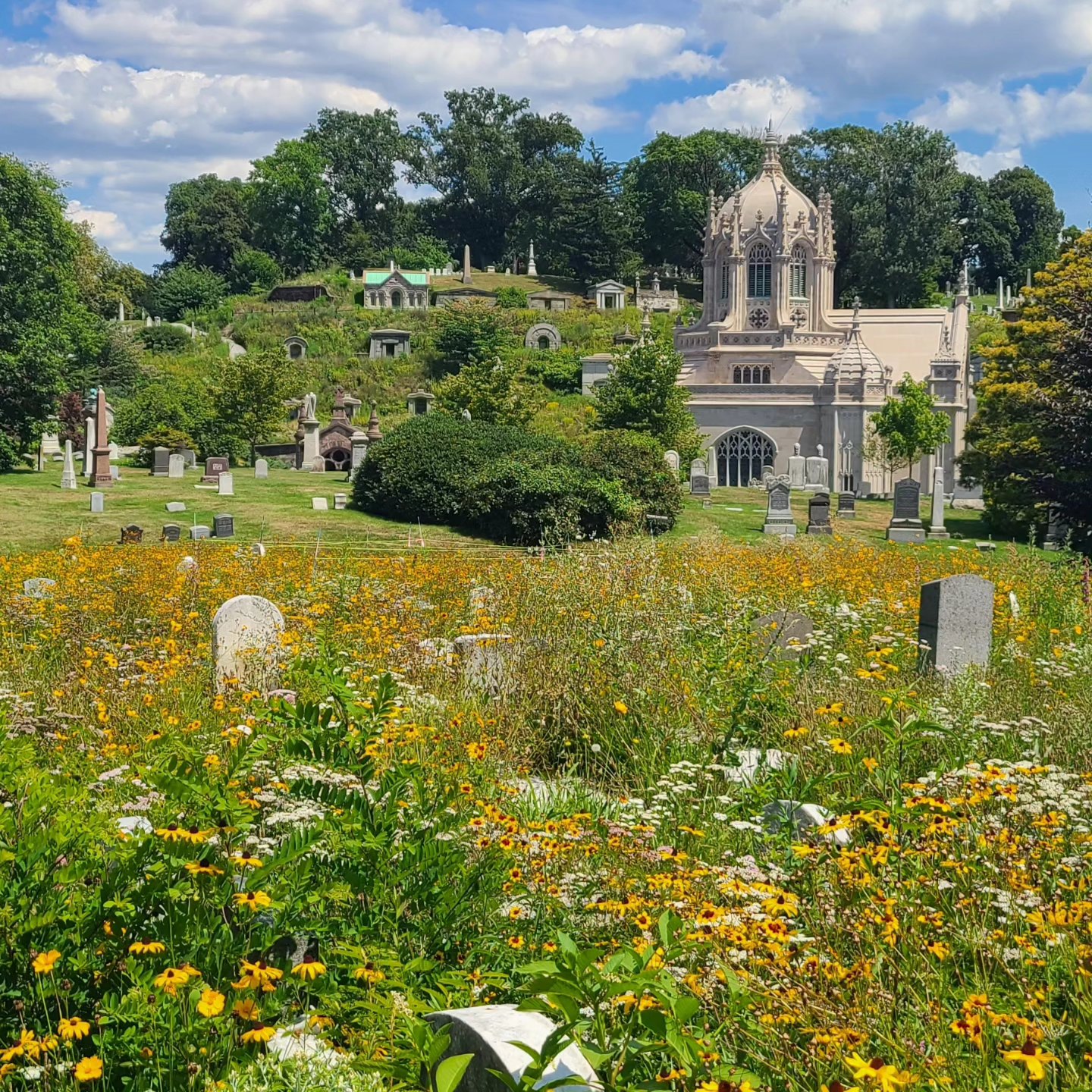
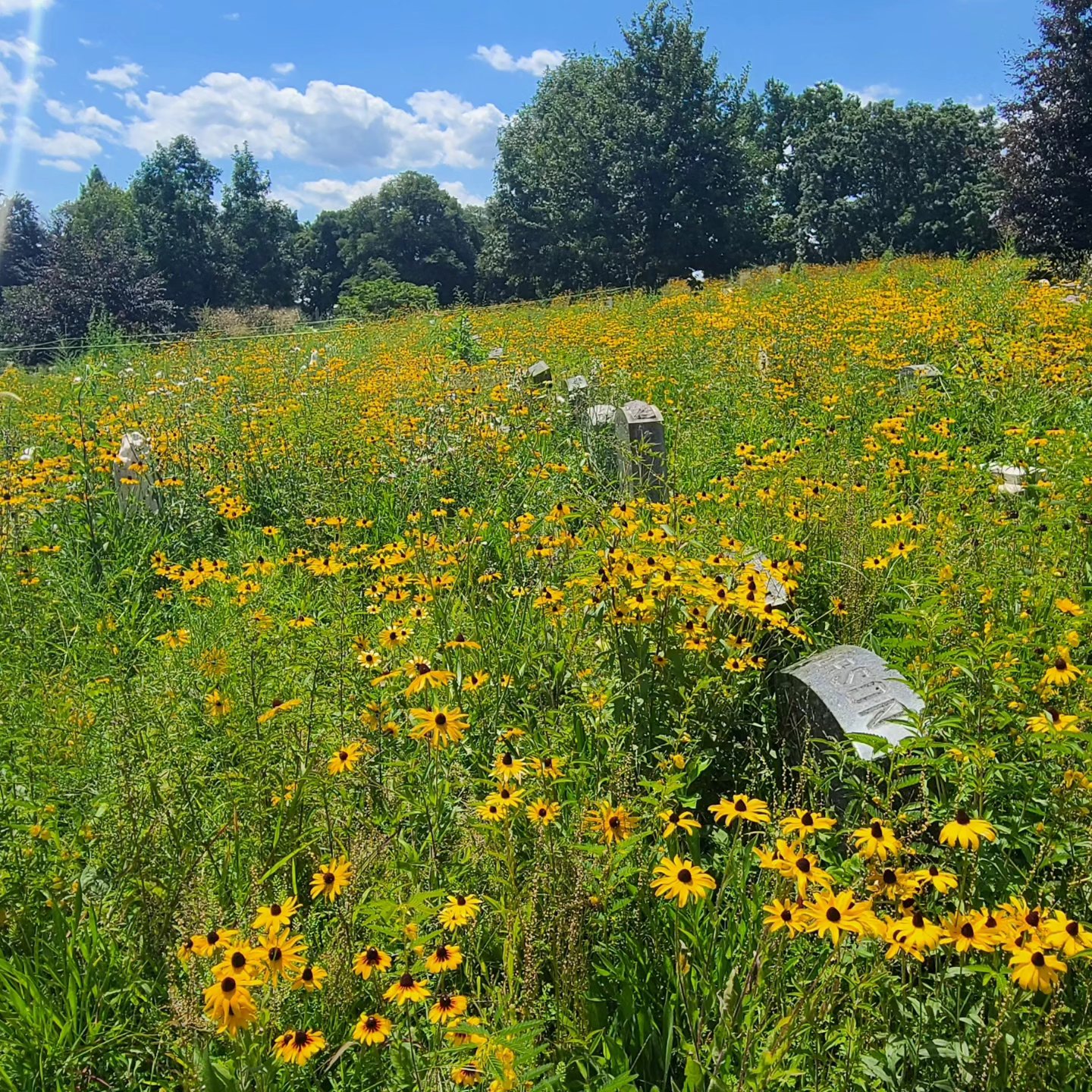
Brooklyn’s Green-Wood Cemetery is much more than a final resting place for over 600,000 people. It’s also an arboretum, wildlife sanctuary, and a community resource to mitigate climate change where life and death exist side-by-side. A 30-minute walk from my apartment, it’s a place I visit often as I get to know my new borough.
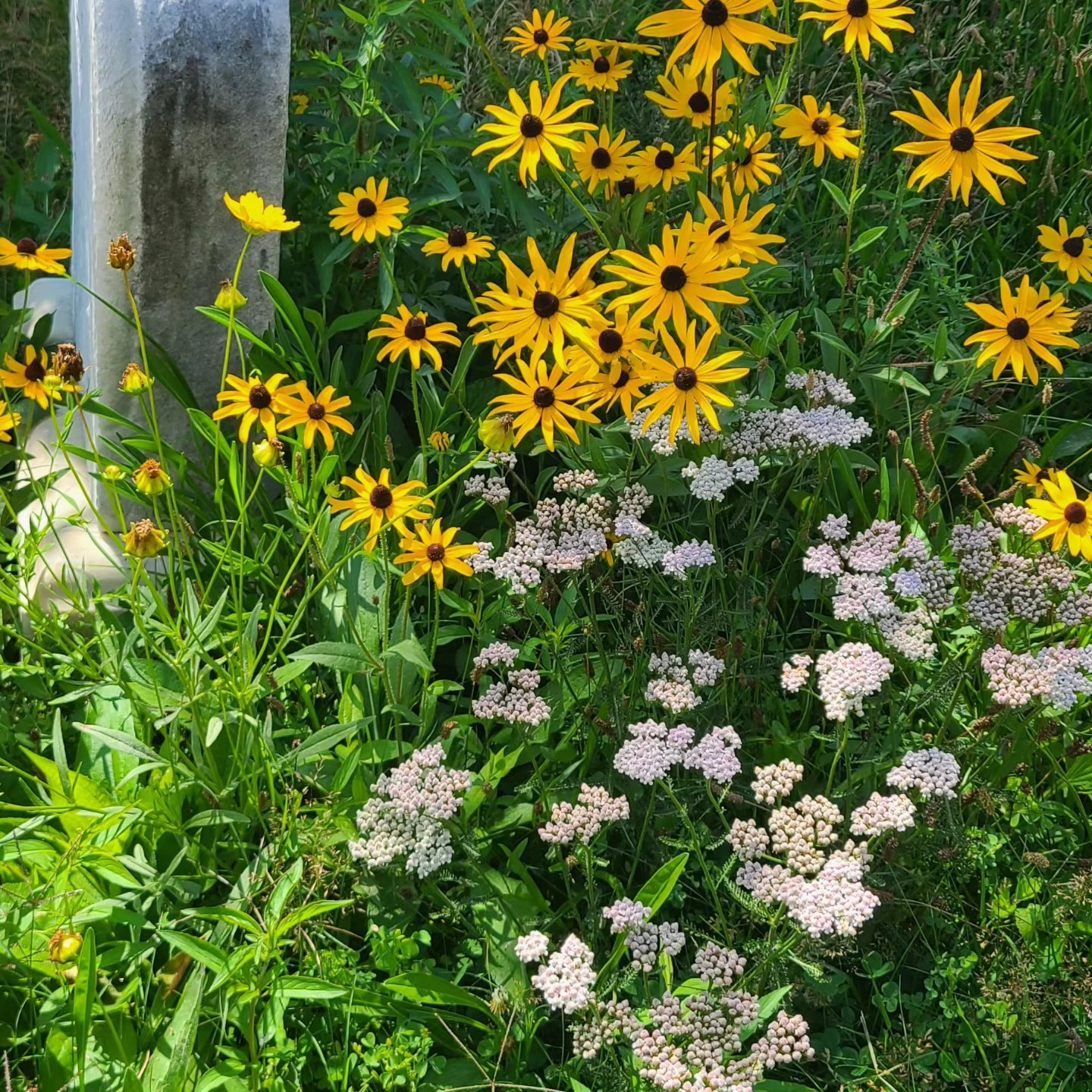
With 478 acres, Green-Wood is home to over 7,000 trees from 690 different species, 216 species of birds (including the Argentinian monk parrots who make their home in the architecture of the entrance gates!), and dozens of species of mammals, fungi, and insects, especially pollinators thanks to their beehives and wildflower meadows. Each new planting is selected for its climate adaptiveness, wildlife value, enhancement of the beauty of the landscape, and resilience. Every year Green-Wood’s living collection is responsible for sequestering 264,000 lbs. of carbon dioxide, removing 12,000 lbs. of pollution from the air we breathe, and mitigating 2,620,000 gallons of stormwater from overwhelming Brooklyn’s sewage system.
Founded in 1838, Green-Wood was Brooklyn’s first public park during a period of rapid urbanization. It became so popular, that it inspired the competition to build both Central Park in Manhattan and nearby Prospect Park in Brooklyn. Olmsted and Vaux won both competitions and designed both parks. After designing Central Park, they said that “Prospect Park is everything we wanted Central Park to be.” How very Brooklyn of them!
Green-Wood is also filled with gorgeous art. Inside the chapel, there’s currently a beautiful art installation paying homage to the stories of lesser known souls who are buried on its grounds. I’ve been to classical music concerts inside the crypt, whiskey tastings on its many sprawling lawns, and a Halloween Party that felt like a New Orleans carnival. It is one of the city’s treasures. No wonder it attracts over 500,000 visitors every year.
I love cemeteries and seek them out when I travel. If you find yourself in New York and want to get a sense of our history, ecology, culture, Green-Wood should be high on your list.
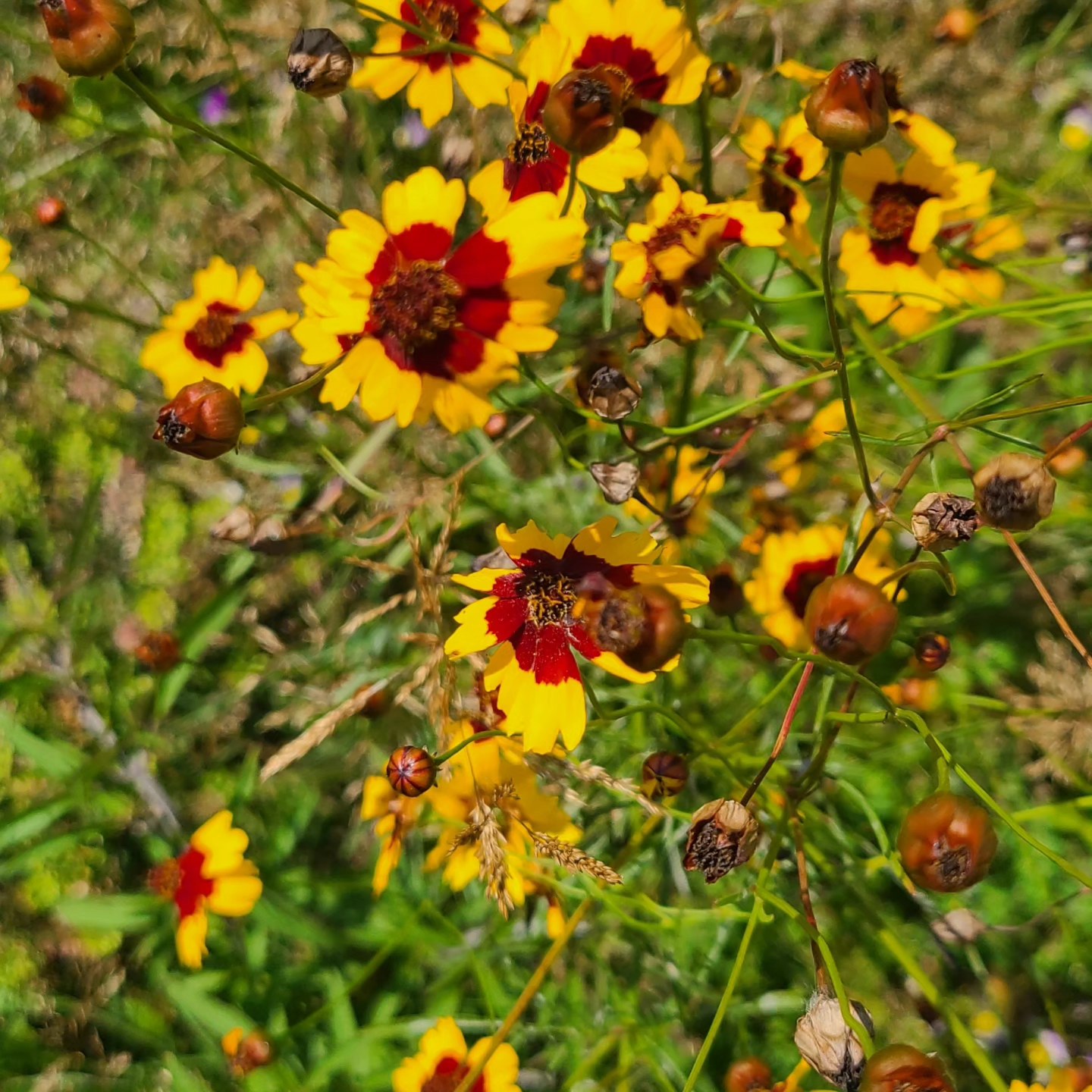
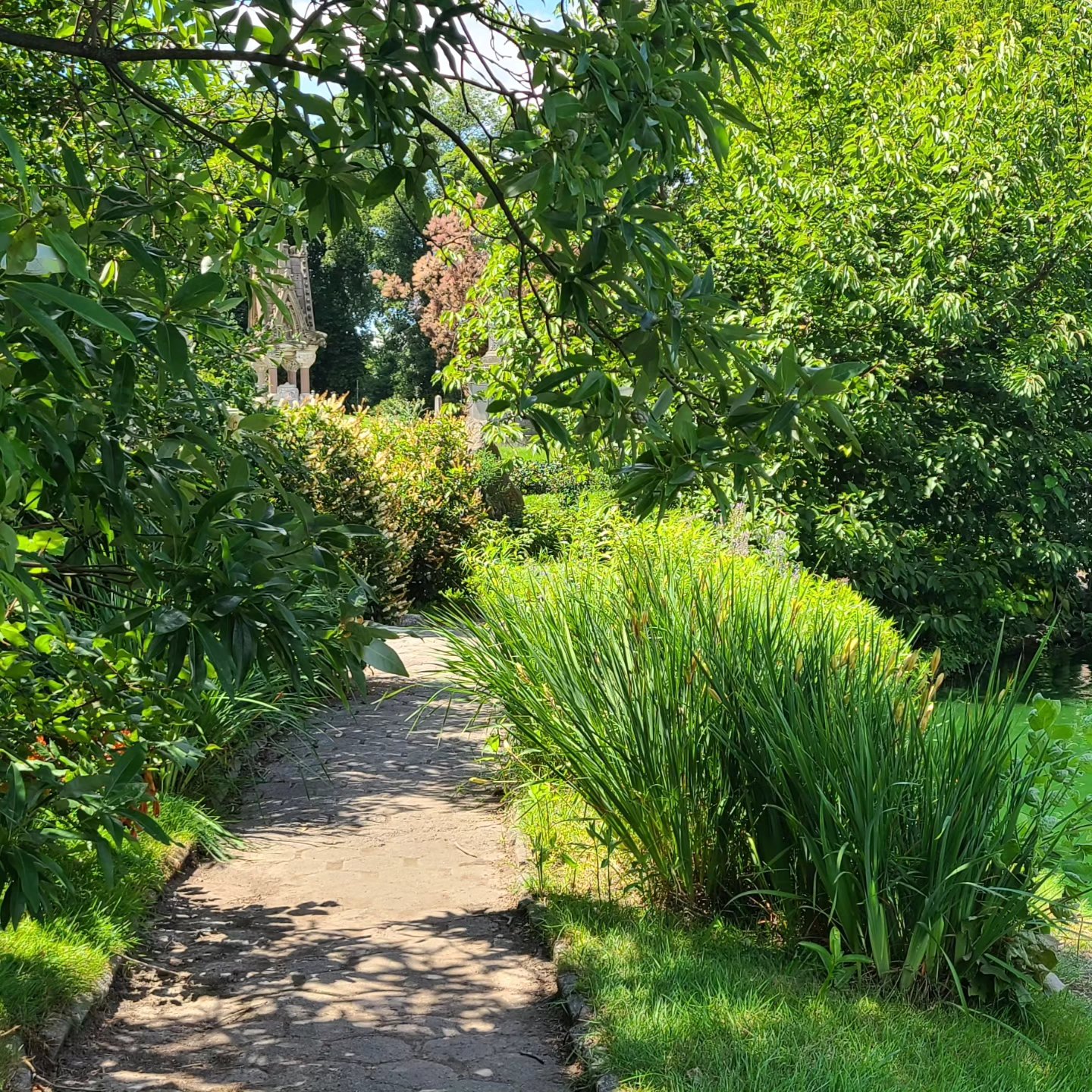
All photos below were taken by me at Green-Wood. You’re welcome to use them as long as they are attributed to me. Thank you.
I spent my first year at University of Cambridge researching and writing about the role of video games to encourage climate action. I was fortunate to collaborate with the incredible team at ustwo Games on this work, especially Jennifer Estaris who is a shining star in the games for good space. They are a group of passionate, talented, and deeply committed people. Through our work, I realized that video games can and will play a part in building a healthier, more joyful, safer, and more sustainable world.
Games are for everyone. They unify people across cultures, continents, and every demographic designation. Their stories are timely and timeless. They allow us to reconcile with our past, make sense of our present, and simulate our future with a high degree of accuracy and an abundance of empathy. They help us not only to imagine a better and brighter future, but also create the roadmap to get there. Games can do what so many other tools can’t: they can transcend politics, cross the chasm of experience, and help establish common ground. They are a map, a compass, and a guidebook to the very highest calling of humanity—to be humane to all beings.
Today I’m at the United Nations for the inaugural Games and SDG (Sustainable Development Goals) Summit at the UN Headquarters, the kick-off to the 20th Games for Change Festival. I’m honored to be invited with industry professionals, government officials, and sustainable development experts, and look forward to all of the incredible conversations, ideas, and ambitions that will flow through each and every person in the room. Together, we’re building the path to higher ground, and I can’t wait to see what we find.
My dissertation proposal has been accepted by University of Cambridge and I have a fantastic supervisor who is based at The London School of Economics and Political Science, Grantham Research Institute on Climate Change and the Environment.
I’ll spend the next year developing a framework for climate change storytelling to connect sustainability advocates with family offices investigating sustainable investments and business decisions. I’m passionate about creating win-win-win opportunities for these families, the planet, and all beings who share this home.
The capital shortfall is a massive challenge for the shift to a sustainable society, and my hope is that my dissertation can help contribute a piece of the solution. Here we go!
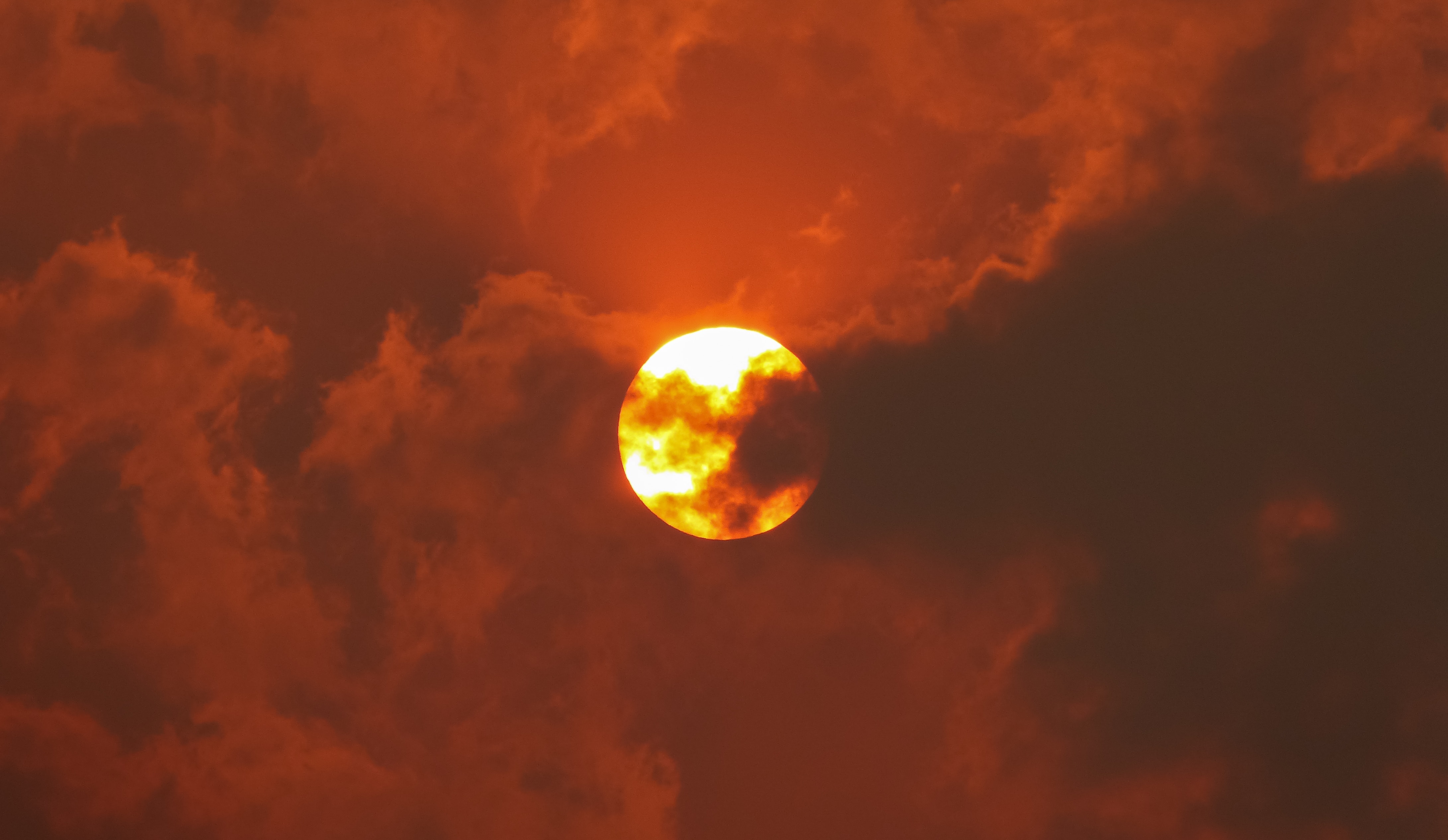
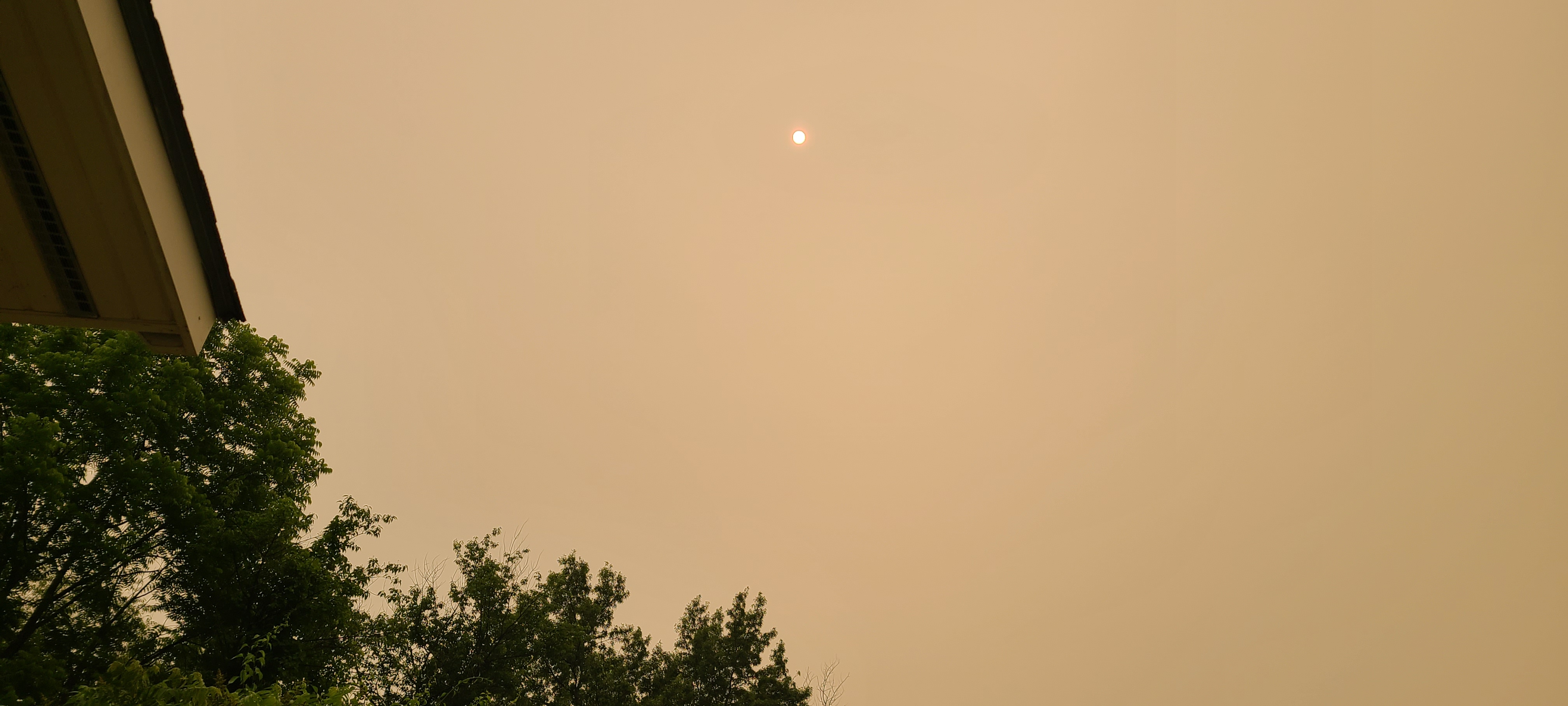
The U.S. loves a good blame game. I’ve seen some journalists and talking heads blame Canada for New York City’s hideous air quality that is now migrating south, and others call these fires “natural”. Let’s debunk both these myths.
Don’t blame Canada Canada is not the enemy, just the stage for this latest environmental tragedy. The wildfires were caused by years of extreme temperatures and drought, driven by climate change, drying out forests and making them hotter. This is a great recipe for kindling. Canada’s millions of acres of forest are tinderboxes.
These Canadian wildfires are not “natural” Climate deniers love to throw around the word “natural”. There is nothing natural about the fires except for the fact that they are impacting nature in profound ways that will, if left unchecked, leave this planet and us in jeopardy. There’s nothing natural about massive consumption far beyond our needs, our outrageous generation of trash and pollution, and the intense love affair we have with fossil fuel use. This wildfire season has started earlier, is already more fierce than any in history, and will last longer. All of these circumstances are driven by an accelerated rate of climate change, rate being the opportune word.
Yes, climate changes over time, and so does weather. Another myth to debunk—climate and weather are not the same. Climate is a pattern over time; weather is an acute event. They are linked, but they are not the same. We expect weather to change. We expect, and need, climate to be stable.
We still have time to fix this As treacherous as this situation is now, all is not lost, yet. We can change our behaviours. We can change how we live on and with this planet, and all the species who call it home. We can eat more plants and fewer animal products. We can use less energy, and create more of it from sustainable sources. We can have honest conversations, and take more responsibility as individuals, communities, governments, and businesses. We can be alarmed, maintain hope, and use tragedy as fuel to turn pain and peril into power through our actions.
What we can’t do is lie, bury our heads in the sand, prey off of people’s fears, and be complacent. It’s time to rise together to protect the planet. Our own lives and livelihoods hang in the balance.
It’s forcing New Yorkers indoors to protect their health. The city has asked that if they must go outdoors, they should dig out and wear those KN95 masks they thought were in their COVID-19 rearview mirrors. They are being encouraged to work from home is possible, and many events are being cancelled across the city, including after-school activities.
During the War of 1812, Master Commandant Oliver Perry wrote to Major General William Henry Harrison, “We have met the enemy, and they are ours.” He could easily write the same line today with respect to climate change. We are the problem, and we are also the solution.
Synchronistically, I am in upstate New York taking a break as I wait for my new Brooklyn apartment to be ready and I am working my way through the climate segment of my Masters degree in Sustainability Leadership at University of Cambridge. For the record, I don’t like to be away from my city when there’s a crisis. As a proud and committed New Yorker, I feel responsible for my home, my neighbors, and our collective future, particularly when it comes to environmental sustainability.
The inequality in New York is also causing a disparity in impact with this latest air quality warning. I feel for the elderly, those with health challenges intensely impacted by this situation, those in neighborhoods who are already disproportionately impacted by climate change and health challenges, and essential workers such as sanitation workers who again are being asked to show up in our city for our sake.
My biggest goal in my life is to make New York the healthiest and most sustainable city on the planet. We have much to do, and a long way to go. This latest air quality warning proves we must go together.