creativity

How our memories shape what we see

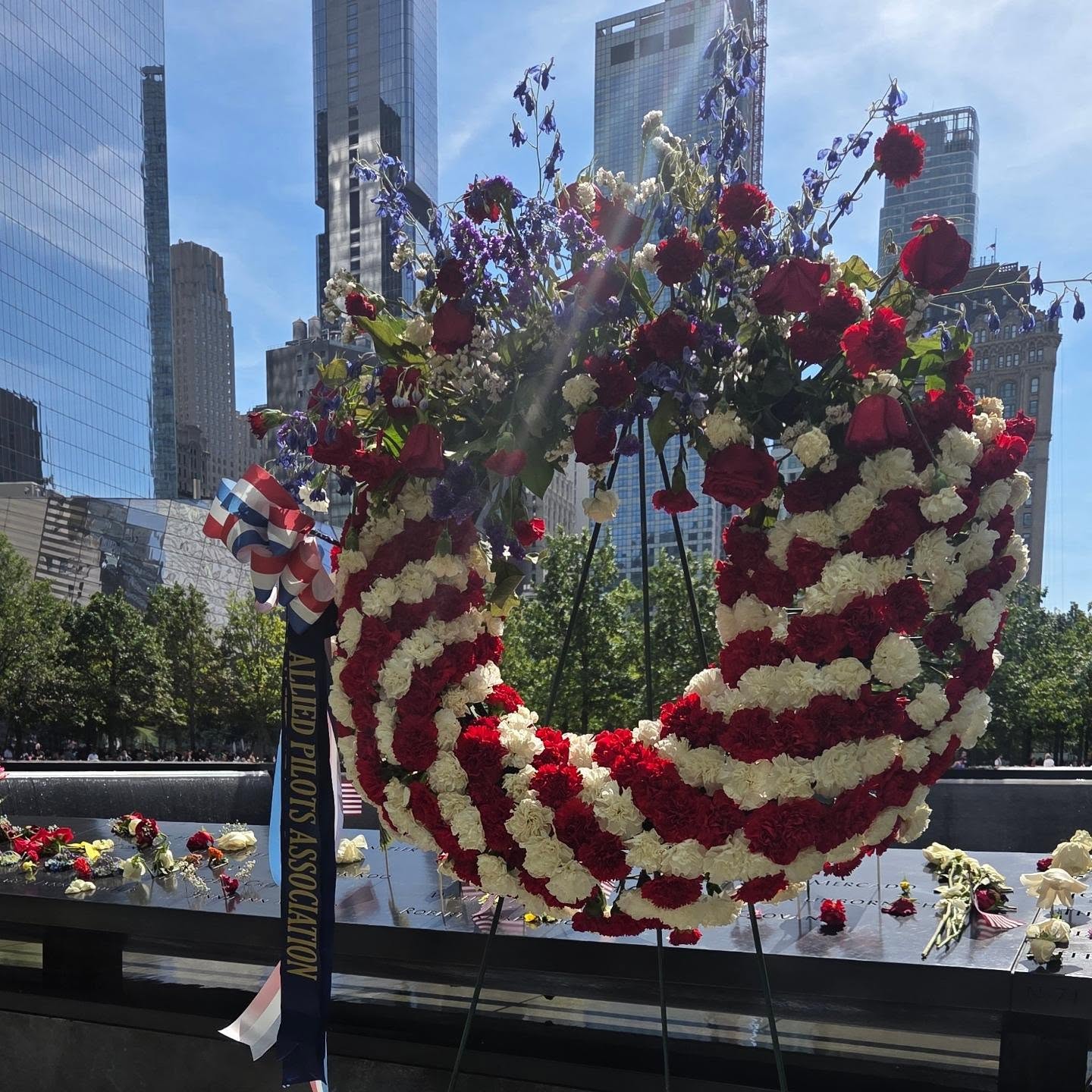
Wreath at 9/11 Memorial, NYC. Photo by Christa Avampato.

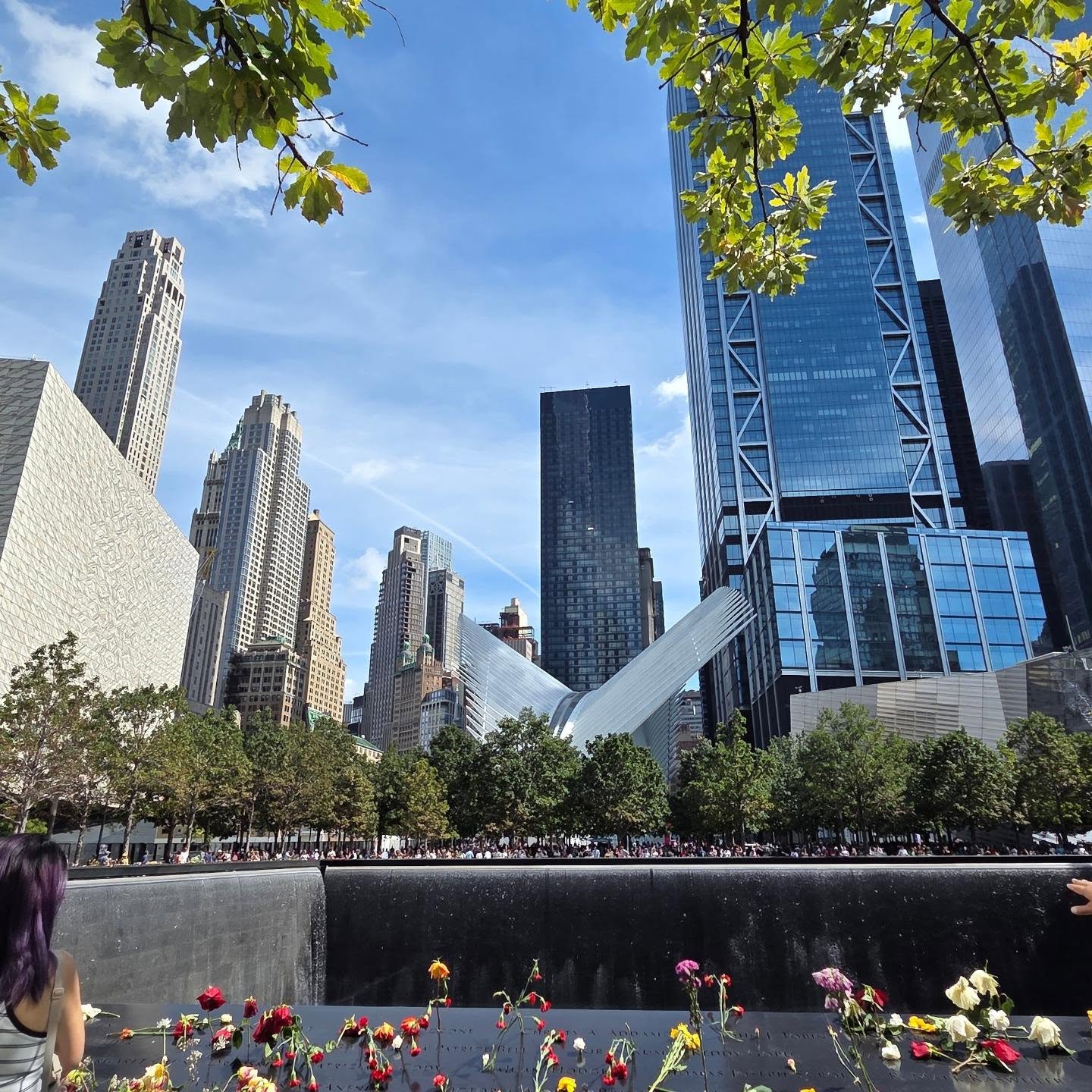
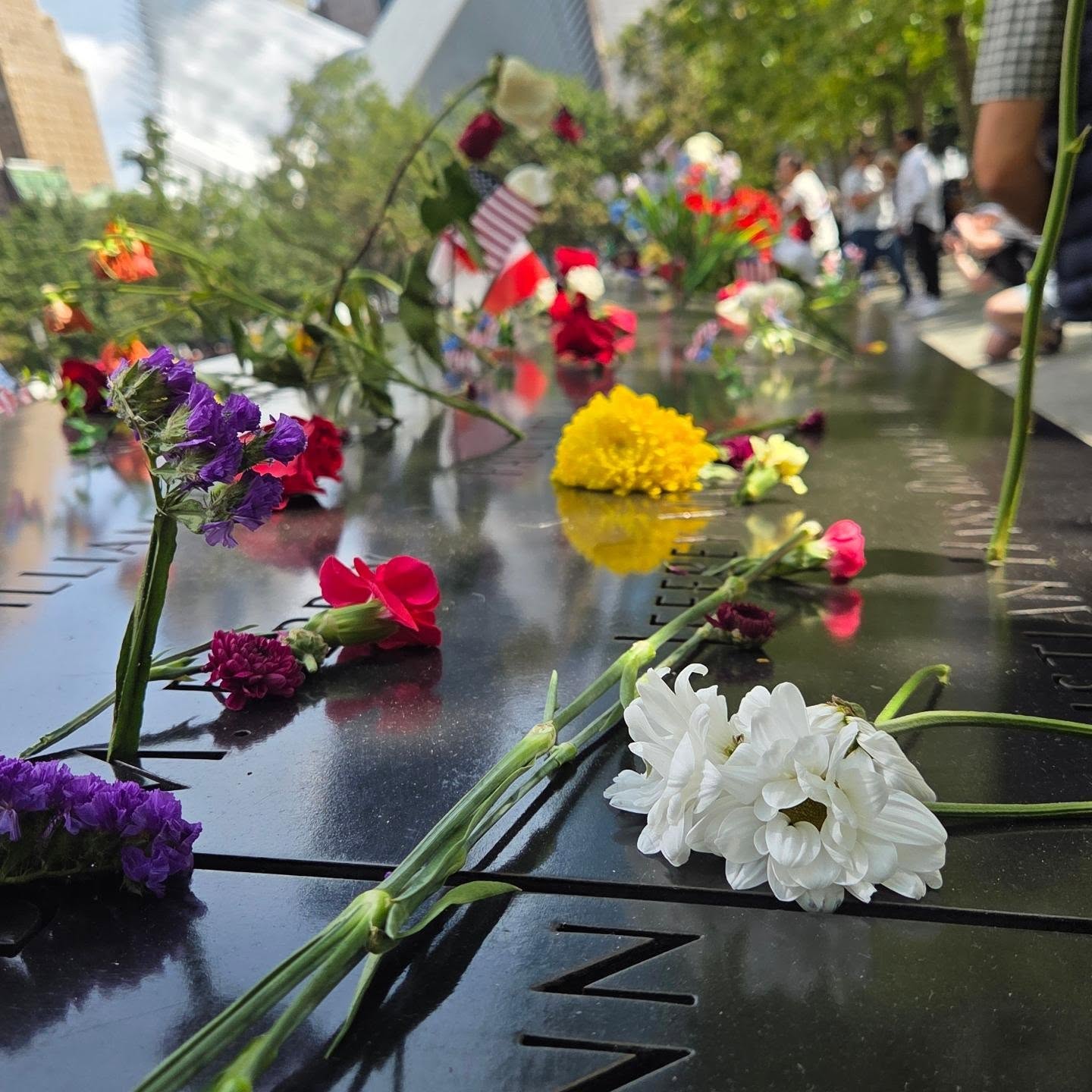
It’s my tradition to visit the 9/11 Memorial on September 12th to honor all of the challenges our city has faced every day since that tragic day. Though many people are always there, it often maintains a quiet that can be hard to find in that area of NYC. People put their hands on the names etched into the panels surrounding the pools of water flowing into the ground outlining the footprints of the 2 towers.

Last week, I read a piece where a teenager insightfully said he believes people who were alive during 9/11 look at that memorial and see something that’s no longer there, existing only in their memories. It’s such a true and beautiful observation.

I am always surprised when I go to that area now because it’s never how I imagine it. When I think of that area, I recall the many, many years it was an open pit with construction crews facing numerous hurdles while building the memorial and museum that honors everyone we lost and everyone impacted by 9/11. I worked at American Express for 4 years, and every day I walked over a footbridge that crossed that construction site. All of that is gone now, but it continues to live in my mind from those formative years of my career.

Every year, I’m reminded of how powerful memory is. How memory is often just as alive, if not more so, than what physically exists in the present. I think about how much these beloved people have missed. How much they are missed. How much they will always be missed. I think about how many people are still impacted by illnesses caused by that terrible day and the many days after. And how all of them, and all who love them, deserve justice and are still waiting for it.
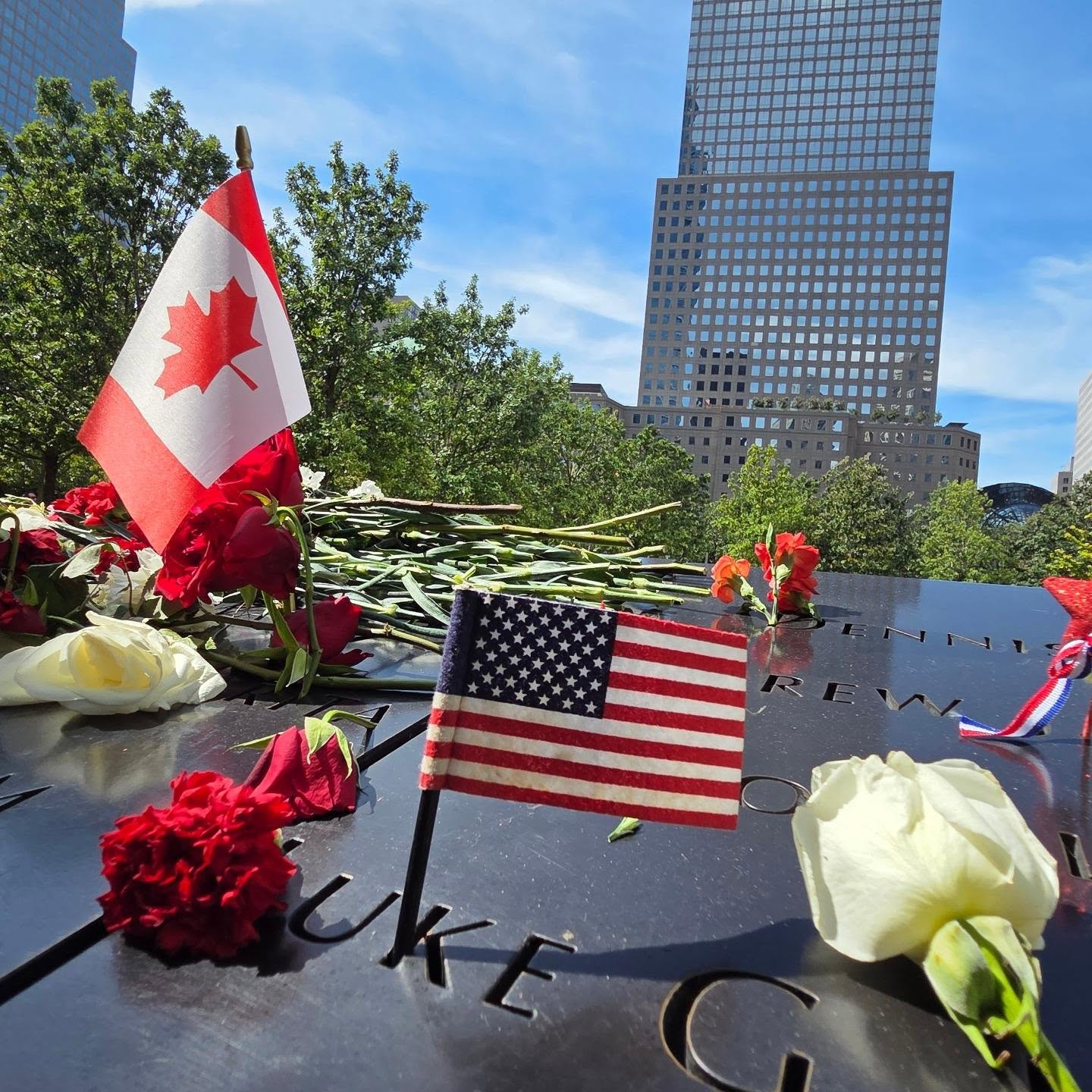
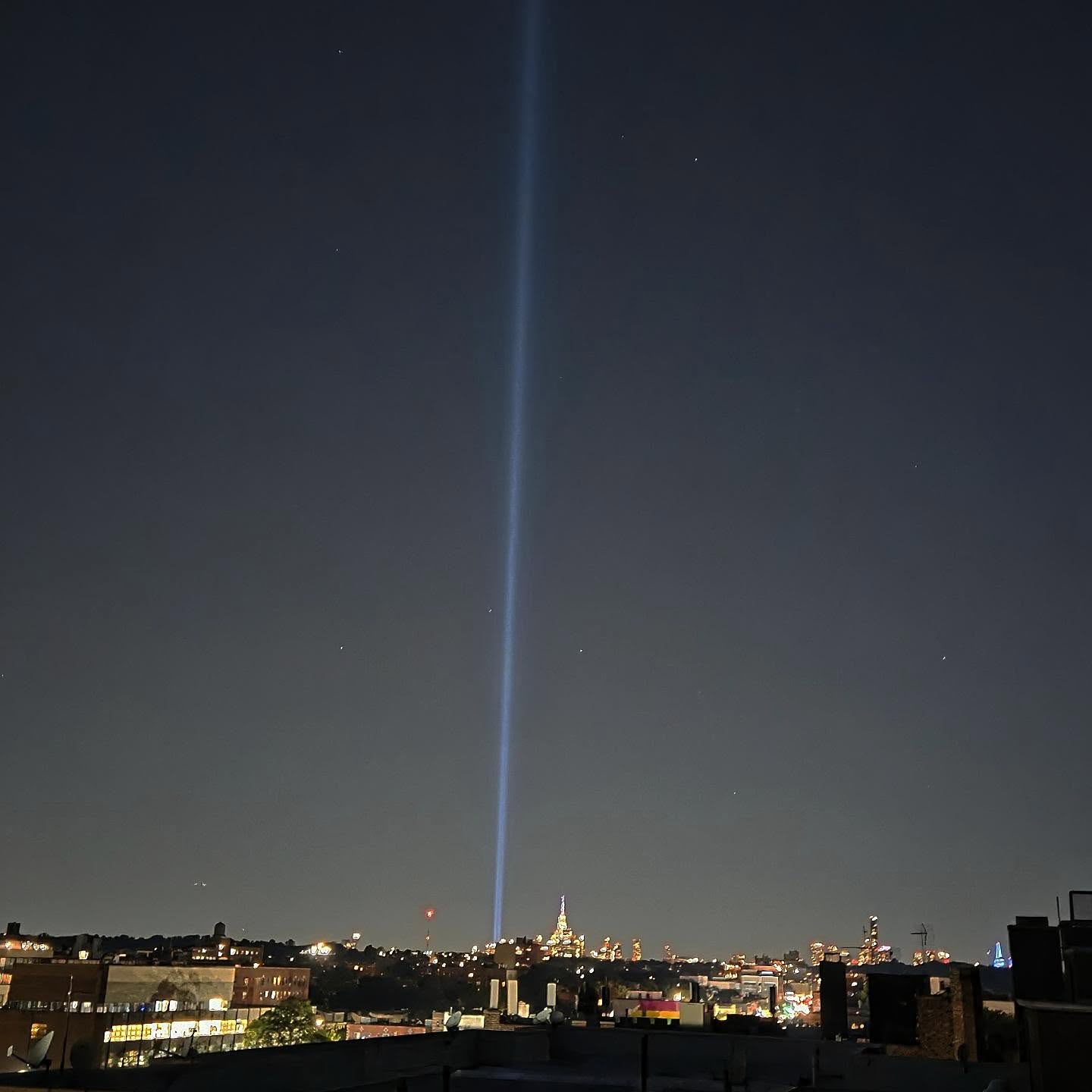
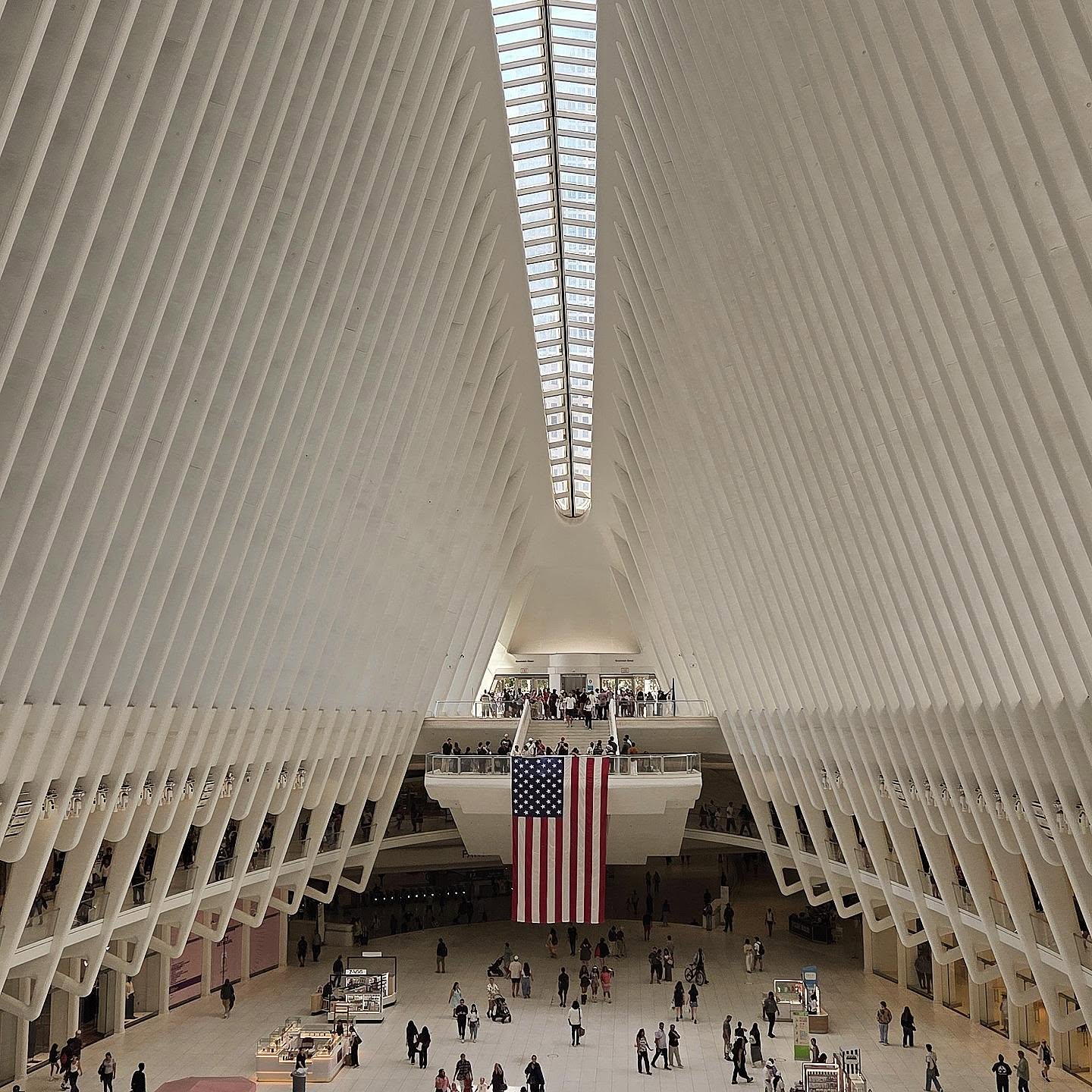
Photos of the 9/11 Memorial, the Oculus, and the light beams symbolizing the towers blazing toward the sky last week from the roof of my apartment building in Brooklyn. Photos by Christa Avampato.
creativity

Your story is not about you

Photo by Brett Jordan on Unsplash

Had the most fascinating conversation with an expert in audience segmentation who is an oceanographer and thinks deeply about climate change communications. For our climate message to reach someone in a way that impacts their behavior, he said we need to be entrenched in the minds of the audience member we want to reach and be willing to change our story and language so it is created in that audience member’s mind in the way we want and need it to be. In this way, our story is not our story in the traditional sense. Our story is the imprint we want the audience member to experience and visualize when they hear our story.

He gave me this analogy: if someone wants to send a microwave signal across the city of Los Angeles, that signal will be distorted and filtered between the start and end points. Therefore, the person sending the signal needs to re-engineer the signal they send so the signal at the end point is what they want it to be.

Our stories are no different. They are filtered through an audience member’s language, prior life experience, biases, hopes, wants, needs, and fears. This is information that isn’t and can’t be aligned with an audience member’s base demographics that are easy to collect. Understanding an audience member on this level requires deep, intense, curious, and radically empathetic listening, a skill that is sadly in short supply in today’s world.

We also need to let go of the idea that there is one story to communicate one goal or one experience to a general audience. This understanding of the audience requires us as storytellers in any form to develop a library of stories that will reach audiences that are more thoroughly and thoughtfully segmented.

How to do this is the crux of my dissertation for University of Cambridge. I don’t know the answers yet, but I’m excited to find out as this dissertation unfolds. My hope is that my research will move the ball forward for the climate community in a way that benefits all beings.

creativity

In the pause: A life in moments

unnamed“We do not remember days. We remember moments.” ~Cesare Pavese

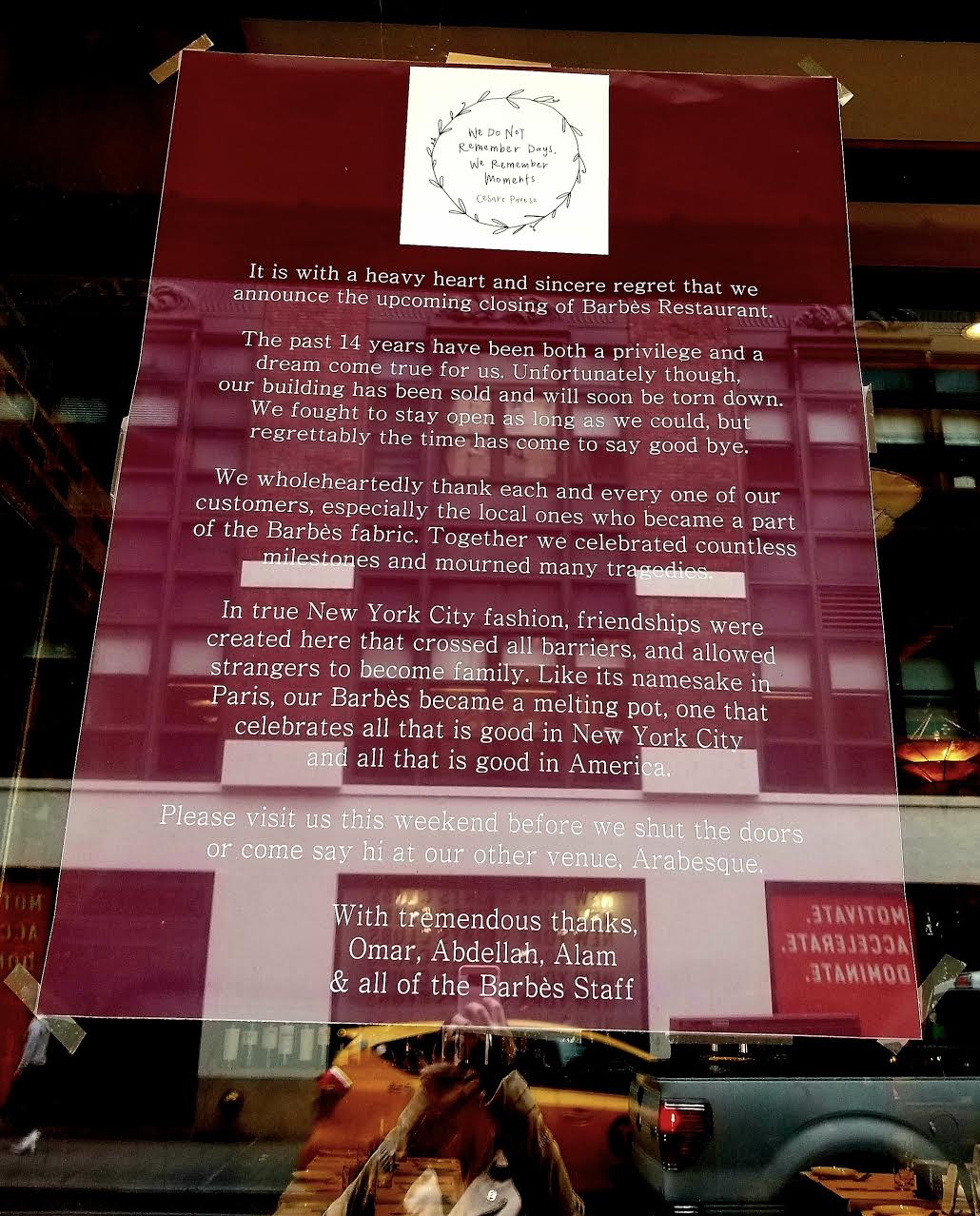
I passed by this sign on the street about a month ago, and it’s message hit me so hard my eyes teared up. I was especially struck by this line: “In true New York fashion, friendships were created here that crossed all barriers, and allowed strangers to become family. Like its namesake in Paris, our Barbès became a melting pot, one that celebrates all that is good in New York City and all that is good in America.”

A month later, I’m still think about this message to take a moment to have a moment that we will treasure long after the moment has passed. This is a note of thanks from the owners and staff of Barbès Restaurant in midtown that’s closing because the building is being knocked down. This happens a lot in New York. We tear things down. We build new things. People arrive. People leave. The constant turnover of places and people is a way of life here.

But something about this particular note hit me hard. The sentiment, gratitude, and deep sadness of the situation was so authentic in this simple sign taped to the window. And despite the sorrow at the end of its life, there was joy and gratitude. I looked in, and saw many people of all different ages, colors, and faiths enjoying a meal there. They were having a moment, made all the more poignant by the fact that this place would no longer exist in a very short time. It would live only in their memories. And I think that’s the very best we can to do with our time—to create memories that will outlast us by welcoming people into our lives.