creativity

From Scenic Retreat to Stormwater Sponge: Inside Central Park’s $35 Million Flood Overhaul in NYC

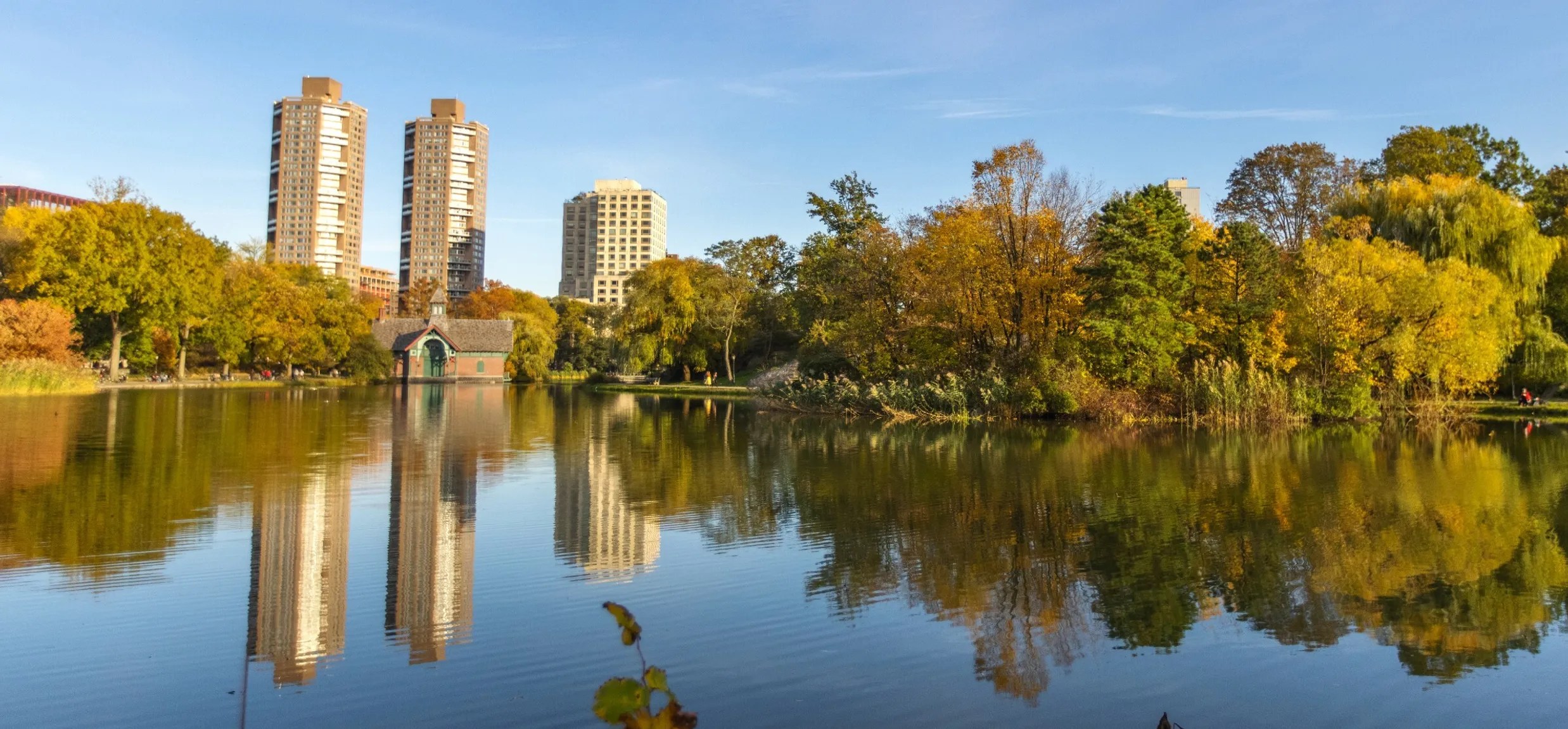
Harlem Meer. Photo from Central Park Conservancy. https://www.centralparknyc.org/locations/harlem-meer

Standing near the edge of the Harlem Meer this week, NYC’s Mayor Zohran Mamdani framed an ambitious underground civil engineering project in an unexpected way. Evoking the animated lore of Avatar: The Last Airbender, he introduced the city’s newest infrastructure overhaul as an act of civic waterbending: steering the flow of water across urban landscapes to serve and protect neighborhoods rather than swamp them with flood waters during storms.

For over 160 years, New Yorkers have seen Central Park as a scenic sanctuary—a place to wander wooded trails, watch seasonal and resident birds drift across calm ponds and soar from tree to tree, and take refuge from the city’s busyness.

Yet behind that tranquil landscape lies an ongoing operational dilemma:

  1. To keep the north end water bodies full during dry spells, the city continually pumps in roughly 175 million gallons of municipal drinking water every year.
  2. When severe storms hit, heavy runoff cascades off park terrain and adjacent streets, overwhelming local storm sewers and forcing floodwaters into basements, subway entrances, and avenues across Central and East Harlem.

The newly launched $35.7 million North End Recirculation Project transforms this 19th-century scenic retreat into an active, protective stormwater sponge.

The Unseen Problem: Drinking Water In, Storm Sewage Out

Frederick Law Olmsted and Calvert Vaux shaped the northern park waterways between 1862 and 1865, creating three interconnected bodies of water: The Pool, The Loch, and The Harlem Meer.

While these ponds look natural, their levels are maintained by the city. Every year, Central Park draws an estimated 175 million gallons of clean municipal drinking water simply to keep those ponds replenished.

Meanwhile, extreme rainfall events are increasing across New York City. The surrounding combined sewers can’t manage that sudden deluge. Runoff rapidly fills the Meer to capacity, backing up local drainage lines and forcing sewage-laden water into street intersections and ground-floor homes along the park’s boundaries.

Treating park water bodies purely as decorative scenery wastes clean drinking water during heatwaves and floods neighbors during storms.

How Central Park Acts as a Living Sponge Works

Rather than excavating massive subterranean concrete holds, the project uses the natural slope of Olmsted’s original layout across a 204-acre watershed.

  • Closed-Loop Recirculation: During dry periods, water from the Harlem Meer is continuously pumped back up to the top of The Pool, flowing downhill by gravity through The Loch and back into the Meer. Natural filtration keeps the water clean and circulating, eliminating the need to top off the ponds with city tap water.
  • Protective Catchment: When meteorologists forecast a heavy storm, park managers will lower the water level of the Harlem Meer in advance so it can take on the extra water and keep it in the park rather than flood the surrounding streets.
  • The Neighborhood Benefit: By temporarily draining part of the Meer, the city creates a vast empty space right before the storm. Rainwater from park hills and surrounding streets surges naturally into the Meer instead of rushing into neighborhood storm drains.

Once the storm passes, the captured water is filtered and recirculated, keeping 132 million gallons of stormwater out of neighborhood sewers every year—a massive 90% drop in sewer runoff from this watershed.

Environmental Justice at the Park Boundaries

Resilience infrastructure must protect the communities that face the greatest risk.

For years, East Harlem residents and advocates from organizations like WE ACT for Environmental Justice have highlighted how low-lying northern Manhattan streets bear the brunt of storm waters. Basement apartments flood, street corners become like impassable lakes, and sewer overflows dump untreated waste into open waterways and onto the streets.

By reimagining Central Park not just as a respite (which it certainly is!), but also as protective green infrastructure for Central and East Harlem, this project proves that green spaces can do the heavy lifting to help people as climate change intensifies.

The Togetherhood Takeaway

Every public green space can play an active defensive role against extreme weather.

  • Rethink Decorative Water: Examine ponds and decorative fountains in your neighborhood. Advocate for retrofits that replace tap-water top-offs with recirculating, naturally filtered systems.
  • Demand Dynamic Infrastructure: Storage basins should not sit full during storms. Urge city managers to install smart valves and retention ponds that empty ahead of storms to catch neighborhood runoff.
  • Connect Park Boundaries to Community Needs: Beautiful parks should never be disconnected from the streets around them. Ensure public investments protect adjacent neighborhoods from runoff and sewer back-ups.

When we turn greenspaces into allies and collaborators, we save our drinking water, protect homes and businesses, and maintain the health of all beings who live in our communities.
creativity

A Healing Touch: How Healthy Corals Reached Out to Save Bleached Corals

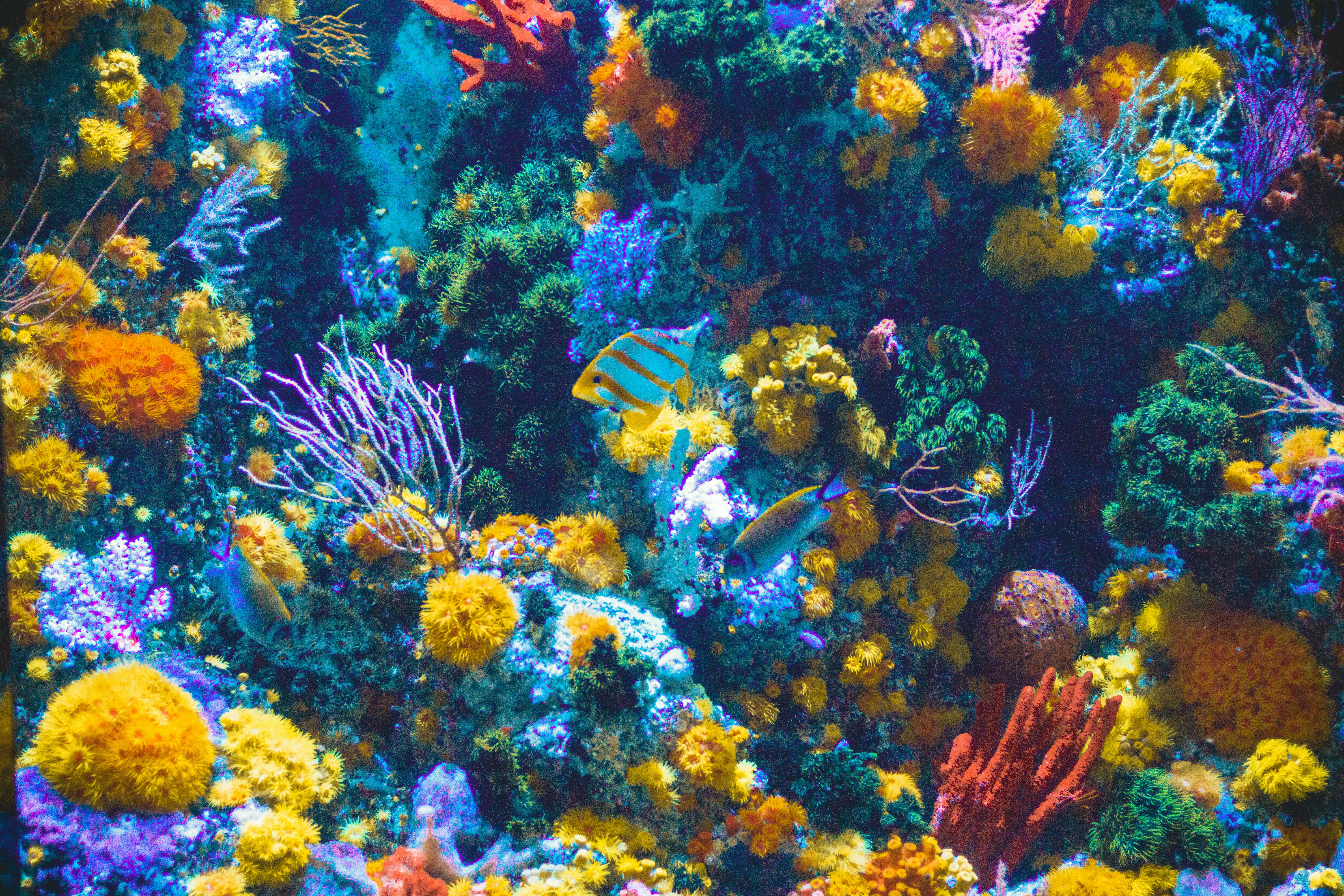
Coral Reef. Photo by Shaun Low on Unsplash

We know how good it feels to get a hug from our loved ones. Science has shown that physical touch is vital for human health. For infants, a lack of regular physical contact, cuddling, and responsive care disrupts core physiological, hormonal, and neurological development. It turns out that on coral reefs, a healing touch can restore health, too.

When ocean temperatures spike, coral reefs across the globe experience sudden trauma and expel the microscopic, colorful algae living inside their tissues that supply up to 90% of the coral’s daily food through photosynthesis. Without them, the coral bleaches, starves, and often dies within weeks.

We’ve long believed bleached corals are a lost cause. A recent accidental laboratory discovery shattered that assumption. It turns out that healthy corals can resuscitate their bleached family members.

An Accidental Tumble in a Stanford Lab

The breakthrough began not with complex computer models, but with a physical accident in a laboratory at Stanford University.

Marine ecologist Steve Palumbi noticed that two small finger-coral fragments in an aquarium tank in his Stanford University lab had toppled over and landed against each other. One fragment was healthy; the family member of that coral was bleached.

Where they pressed together, Palumbi spotted something startling: a thin band of vibrant color was creeping across the bleached coral’s pale tissue. The healthy coral was quite literally giving their coral relative life.

Researcher Daniel Collins set up a simple experiment to test what happened:

  • He took pairs of genetically identical coral clones—one bleached, one healthy.
  • In five tanks, he placed the pairs directly in physical contact.
  • In five matching control tanks, he set the pairs apart without touching.

The results arrived with stunning clarity.

Every coral pair placed in physical contact thrived within days. The healthy partner acted as a living bridge, funneling microscopic algae directly into their starving relative. Within seven weeks, all five touching corals regained full color, rebuilt their algal populations, and made a complete recovery.

In the control tanks, every isolated coral died. Proximity alone did nothing. Physical contact between relatives made all the difference.

Nature’s Living Pipeline

Corals might look like colorful ocean rocks, but they are colonies of tiny soft animals building shared homes. When two fragments share the same DNA, their immune systems recognize family rather than an invading enemy. The healthy coral pumps life-giving tenants to their relative, giving emergency care.

This simple mechanism challenges how we think about ecological recovery. We often picture resilience as an individual trait—a single tough organism weathering a storm alone. Here, survival depends entirely on direct, physical connection. Communing is a matter of life and death.

Practical Hope for Global Reef Restoration

Ocean warming caused by climate change remains the single greatest threat to marine ecosystems. This discovery of coral touch gives restoration teams a powerful, low-cost tool.

  • Reimagining Coral Nurseries: Reef restoration groups often grow coral fragments on underwater ropes or metal frames with wide gaps between them to prevent competition. Grouping genetic twins together so they can touch could create built-in mutual support systems when temperatures rise.
  • Rapid Response Triage: Rather than waiting months for bleached wild reefs to slowly absorb free algae from murky waters, divers could actively graft healthy nursery clones onto bleached colonies immediately after heatwaves pass, jumpstarting recovery by months.
  • Accessible Conservation: This technique requires no expensive machinery, chemical injections, or proprietary technology. It relies solely on understanding natural behavior and arranging related living organisms with intention.

The Togetherhood Takeaway

Nature repeatedly solves existential crises through cooperation rather than isolation.

  • Look for Simple Physical Bridges: The most durable resilience solutions often look less like high-tech interventions and more like thoughtful, natural arrangements.
  • Prioritize Direct Connection: Whether designing community shade canopies, restoring salt marsh shorelines, or nurturing neighborhood ecosystems, survival increases when individual pieces link into a shared network to help one another.
  • Stay Open to Accidental Clues: Breakthroughs often hide in plain sight when experiments do not go according to plan. Keen observation of living systems reveals pathways that theory sometimes overlooks or simply never considered.

When healthy living beings reach out and link arms with those in need, recovery begins and restoration can happen at speeds once thought impossible. It’s true for related corals, and it’s true for us, too.

creativity

From Runway to Resilience: Turning a Brooklyn Airfield into an Outdoor Public School Campus

Runway Green

At the southern edge of Brooklyn, where Flatbush Avenue dead-ends into Jamaica Bay, lies Floyd Bennett Field.

For decades, this massive stretch of historic aviation runways and decommissioned hangars has felt suspended in time. It was New York City’s first municipal airport, the takeoff point for historic transatlantic flights, and an active naval air station during World War II. Before that, it was Barren Island, absorbing the discarded waste of a rapidly developing city.

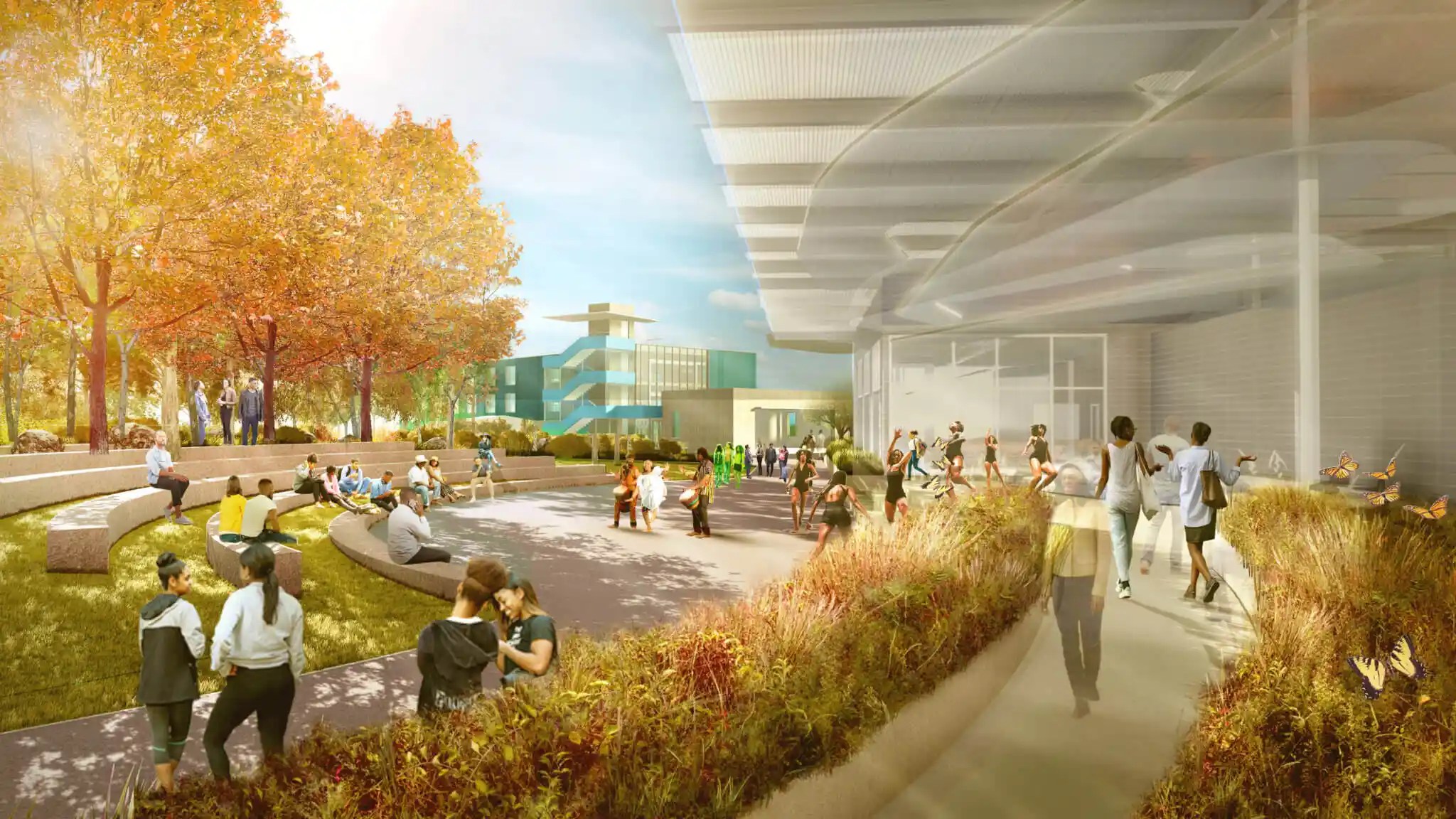
Today, this federal land is getting a new lease on life—an outdoor educational campus dedicated entirely to New York City public school students.

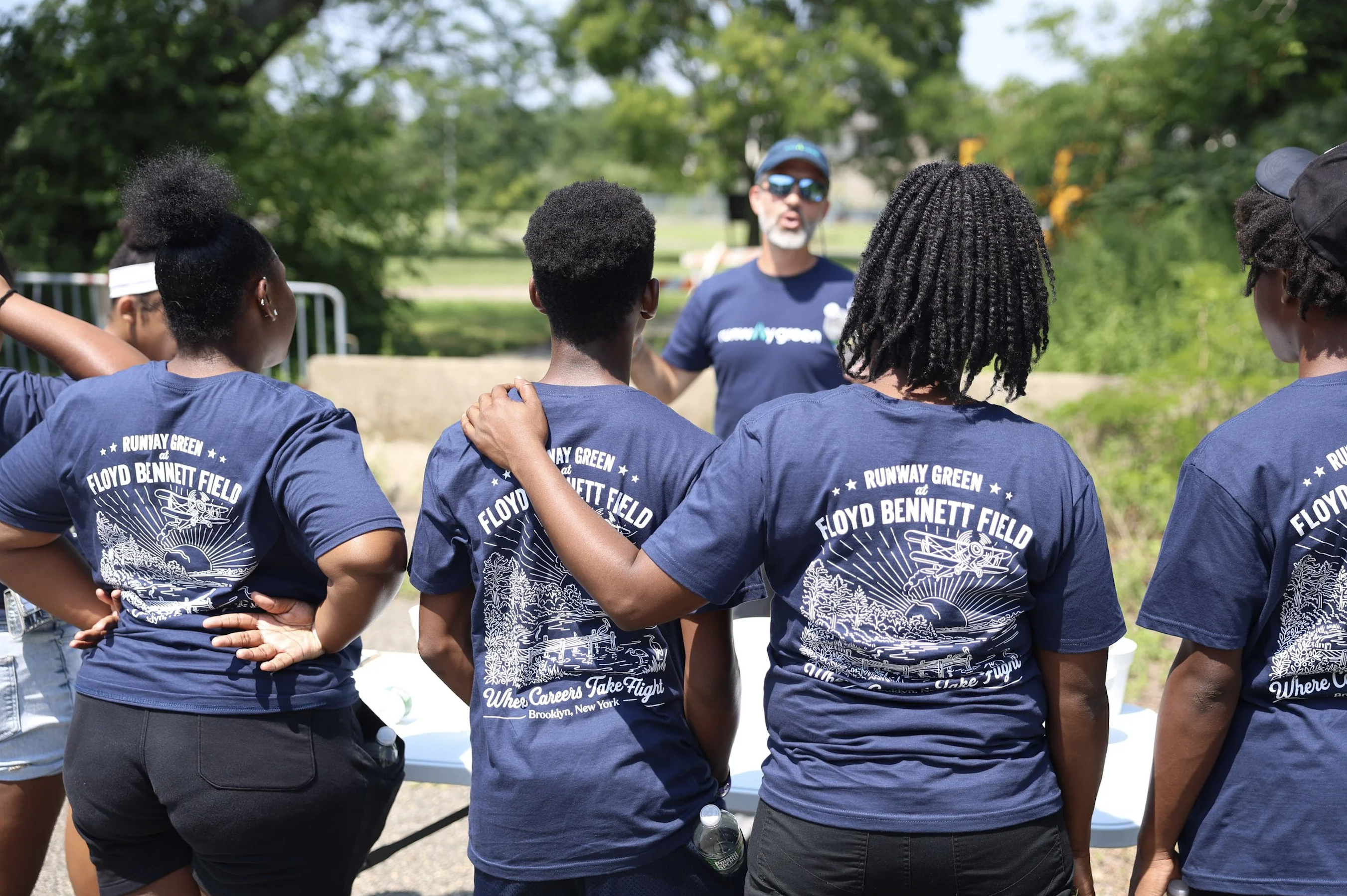
Runway Green, an ambitious nonprofit initiative founded by Brooklyn educator Geoff Roehm, recently secured a 60-year lease on seven acres of this airfield. Six decades of guaranteed land access for public education is an extraordinary civic commitment that builds the city’s resilience to climate change.

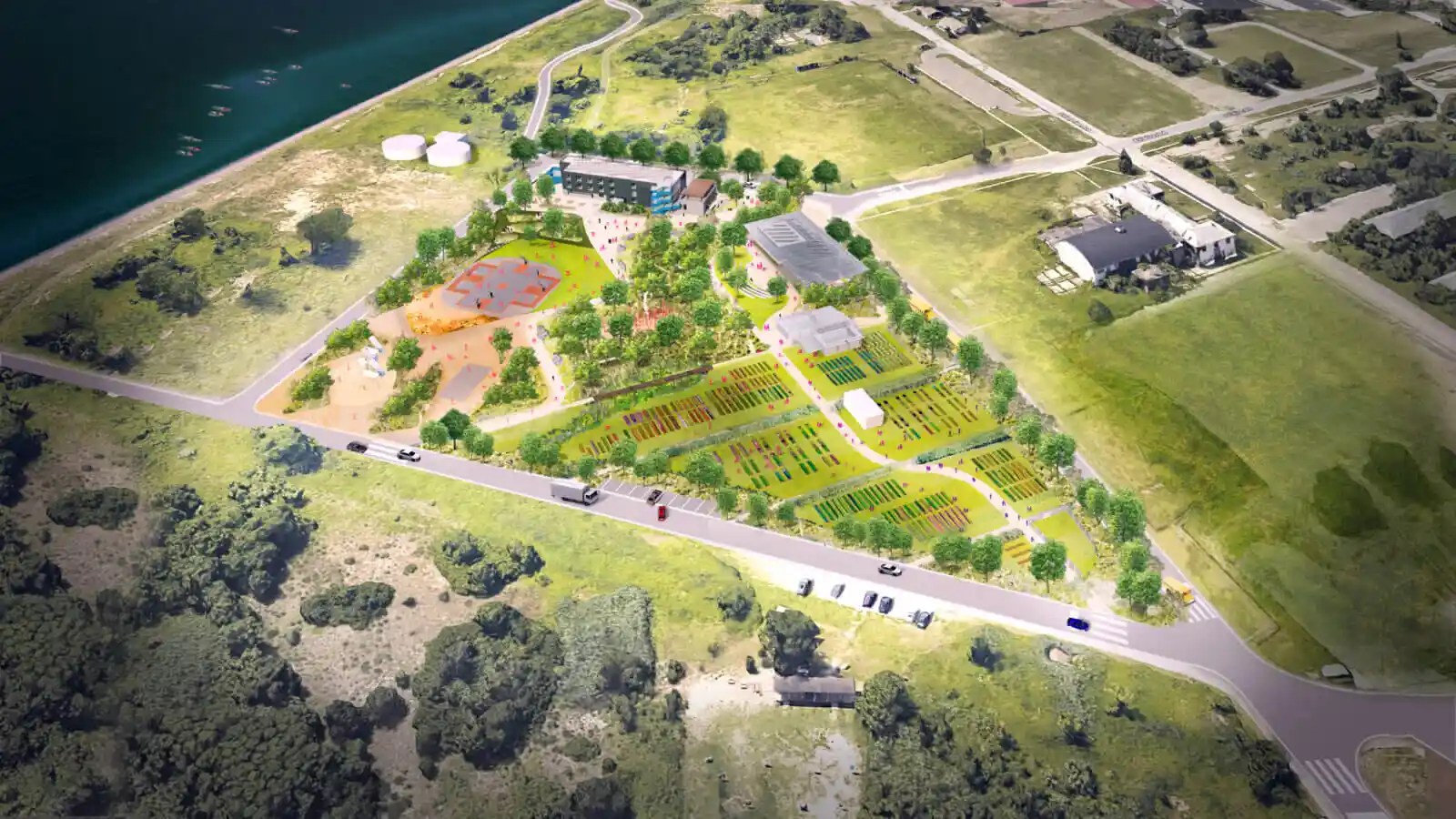
Breaking ground in 2027, the site will begin its first phase: turning three acres into a productive urban farm and ecological training ground in partnership with The Campaign Against Hunger.

More Than a Field Trip

Traditional environmental education in New York often looks like a four-hour school bus excursion outside the city. Runway Green is creating an interconnected, multi-organization ecosystem where students move from curious visitors to credentialed practitioners within the five boroughs.

  • Hands-on Exposure: A student might start with a single-day visit, getting their hands dirty in a maritime garden or exploring living shorelines with partners like Billion Oyster Project and New York Sun Works.
  • Immersive Fieldwork: Through partnerships with New York City Outward Bound Schools, teenagers can participate in multi-day leadership intensives and overnight camping on the bay.
  • Dual College Credit: Through a new collaboration with CUNY Kingsborough Community College, students will earn both high school and college credits through hands-on courses based directly on the field’s unique ecosystems.
  • Career Pathways: Instead of abstract career days, high schoolers will spend dedicated days each week working alongside environmental scientists, urban farmers, and green infrastructure builders, graduating with concrete credentials for clean-economy careers.
A rendering of the future charter school campus at Floyd Bennett Field. Photo courtesy of Launch at Floyd Bennett Field.

The Power of Place-Based Problem Solving

Climate resilience is best taught and learned when immersed in nature. Coastal ecology, food security, and storm surge management require tactile, multi-sensory engagement with the natural world.

By placing this campus directly inside Jamaica Bay’s dynamic coastal zone, the landscape becomes the teacher. Students will study the layered history of Barren Island and historic municipal flight while simultaneously restoring salt marshes, monitoring soil health, tracking wildlife, and learning how nature-based solutions protect southern Brooklyn neighborhoods from storm surges and flooding.

As emerging technologies and automated systems reshape our workforce (particularly entry-level white-collar desk jobs), the demand for grounded, physical problem-solving is increasing. Practical knowledge—how to restore a shoreline, construct a community solar project, manage a sustainable farm, and repair community infrastructure—will become ever-more important.

‘An unprecedented opportunity’ Brooklyn charter school plans new campus on Floyd Bennett Field.Courtesy of Launch Floyd Bennett Field.

The Togetherhood Takeaway

Community collaboration and visionary long-term capital can generate solutions that benefit people and the planet.

  • Reimagine Public Lands: Look at underused federal, state, and city plots in your own borough. Advocate for long-term leases that protect parkland and dedicate space to civic, educational, and ecological renewal that benefits the entire community.
  • Support Hands-On Career Pipelines: Follow and champion organizations like Runway Green and The Campaign Against Hunger as they build pathways for city students to enter green trades, coastal restoration, and local food production.
  • Bridge Classrooms with Living Systems: Encourage your local school districts and community boards to invest in experiential, place-based learning partnerships where students earn college credits by solving neighborhood environmental challenges.

This transformation of Floyd Bennett Field does more than teach students about the environment. It empowers them to imagine and physically craft their future, and gives them a direct stake in protecting and running the city they call home.

creativity

When music moves you – a story from Carnegie Hall’s Opening Night

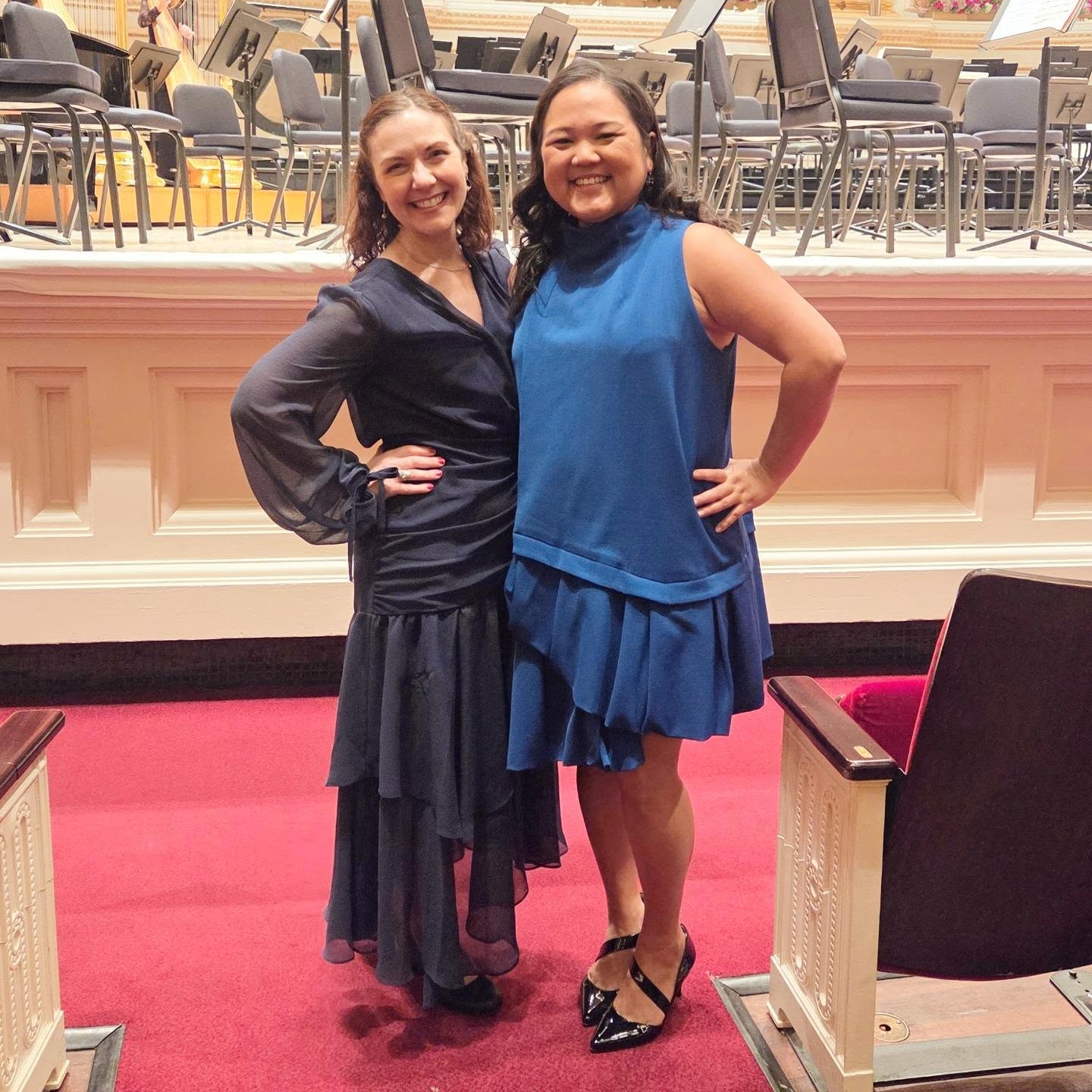
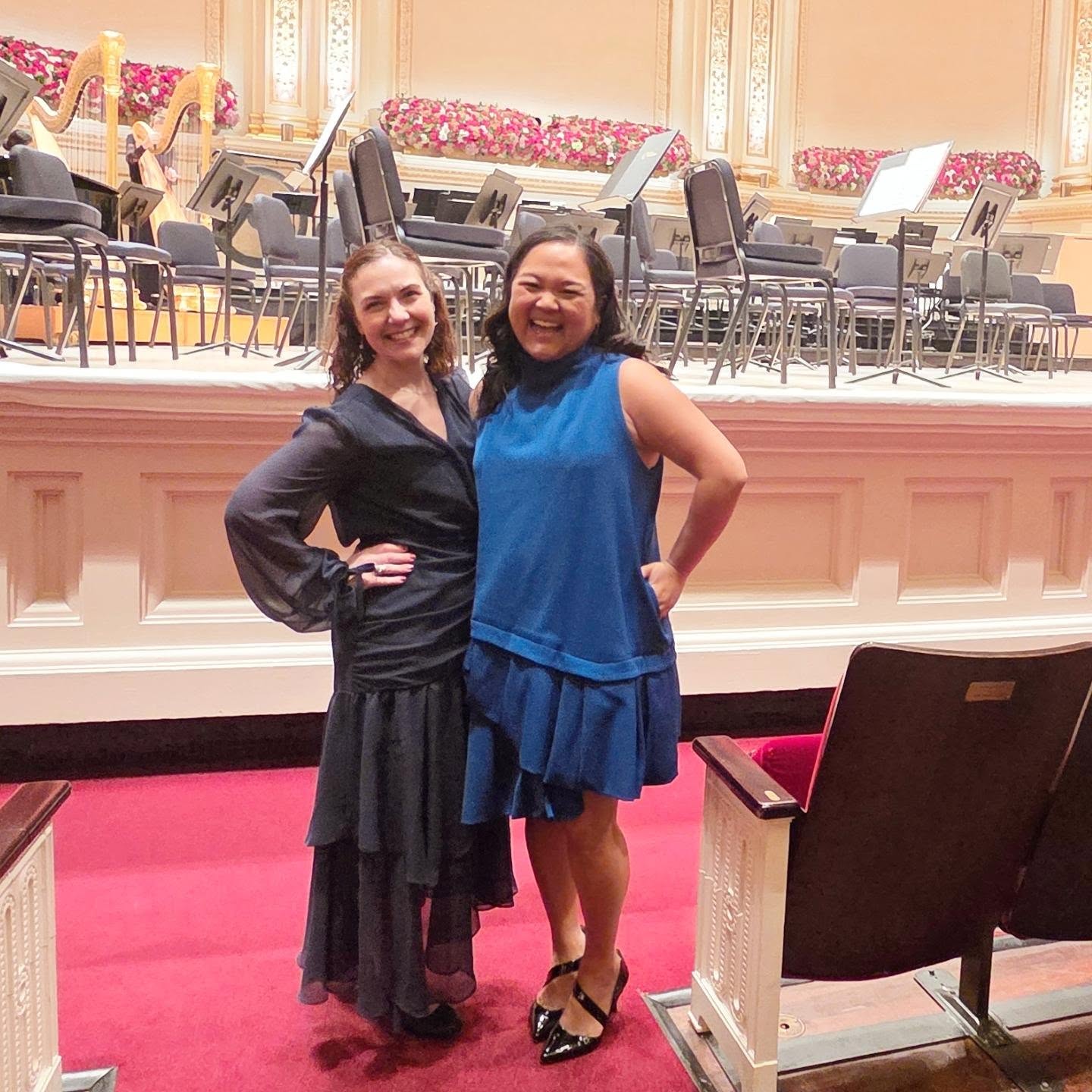
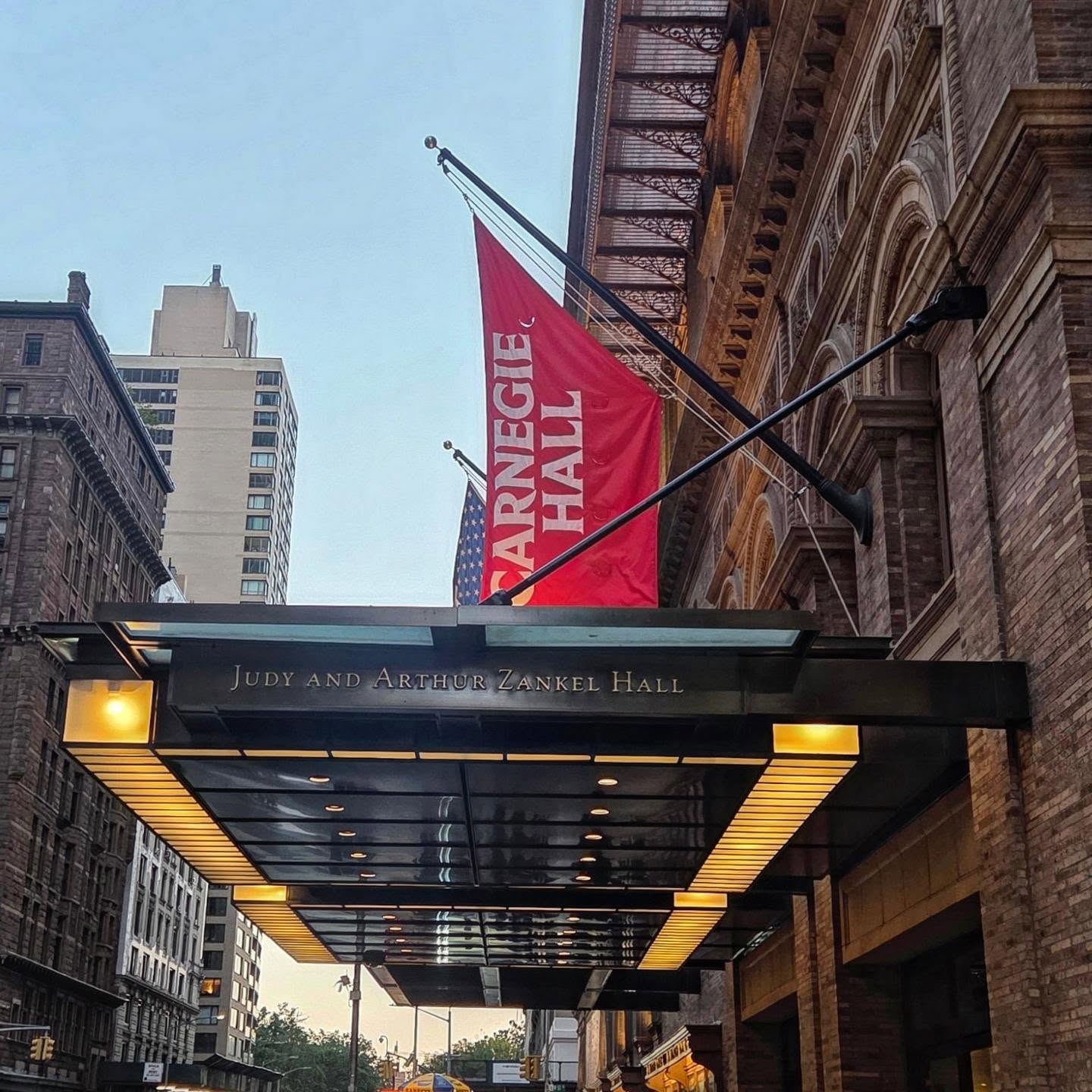
Opening Night at Carnegie Hall – 2026

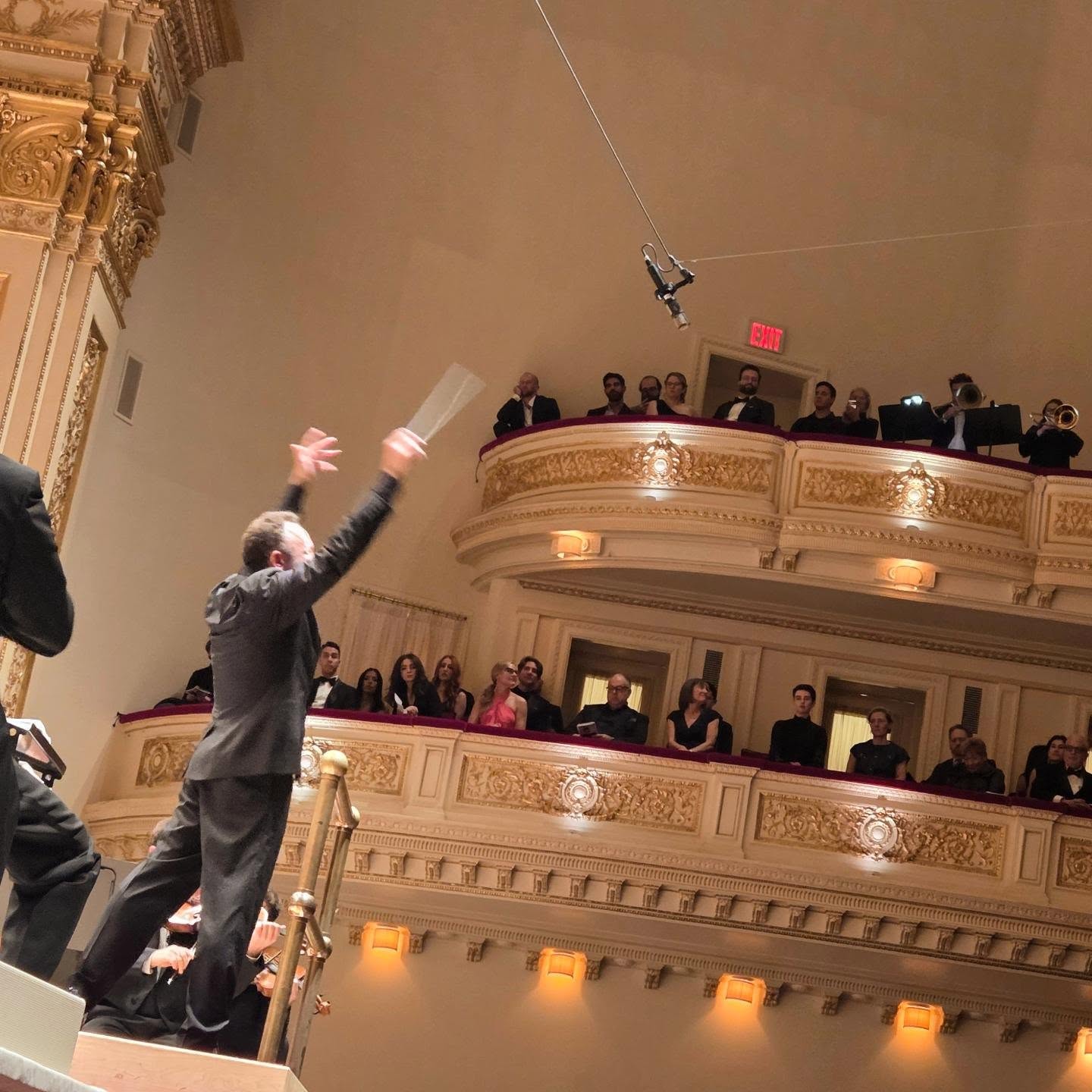
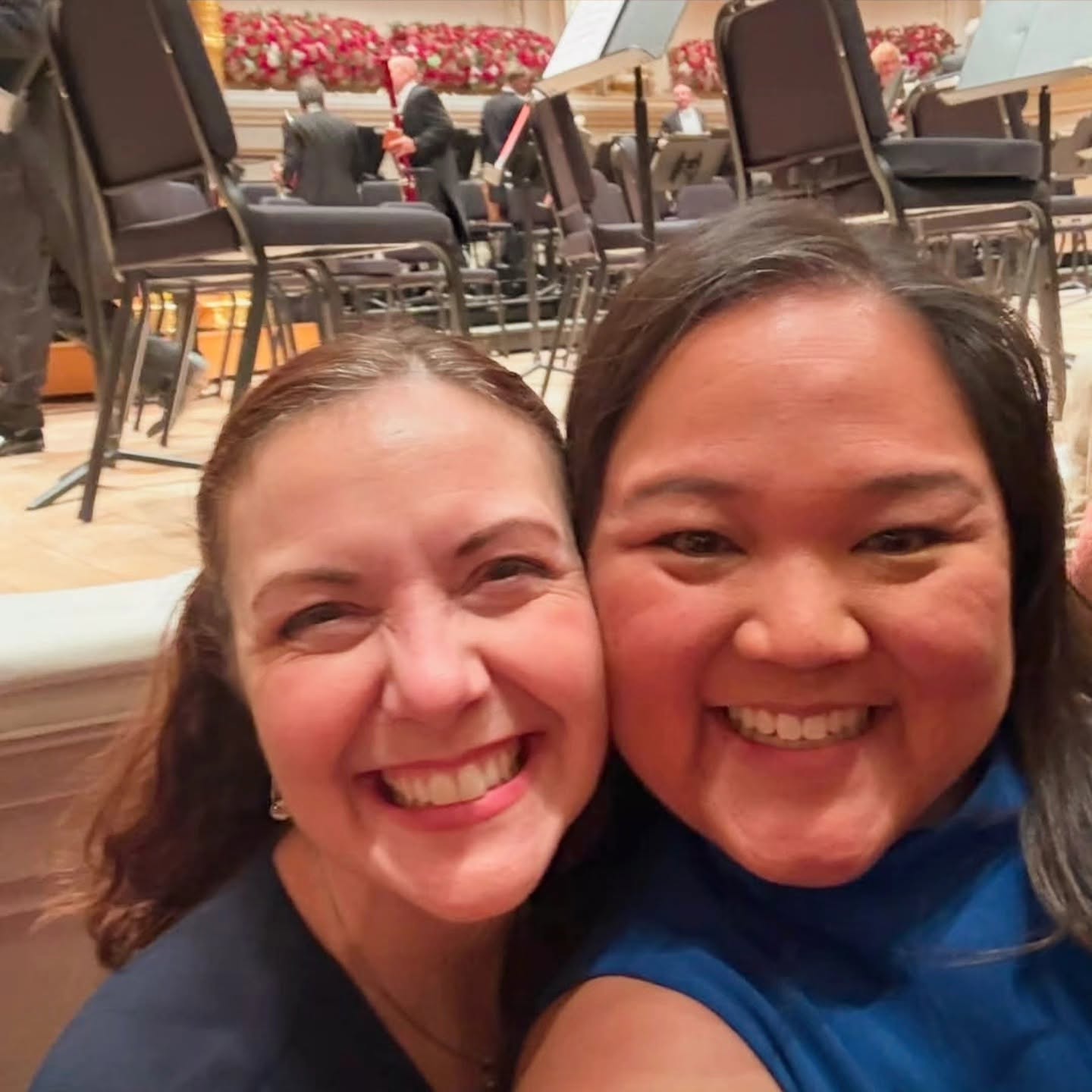
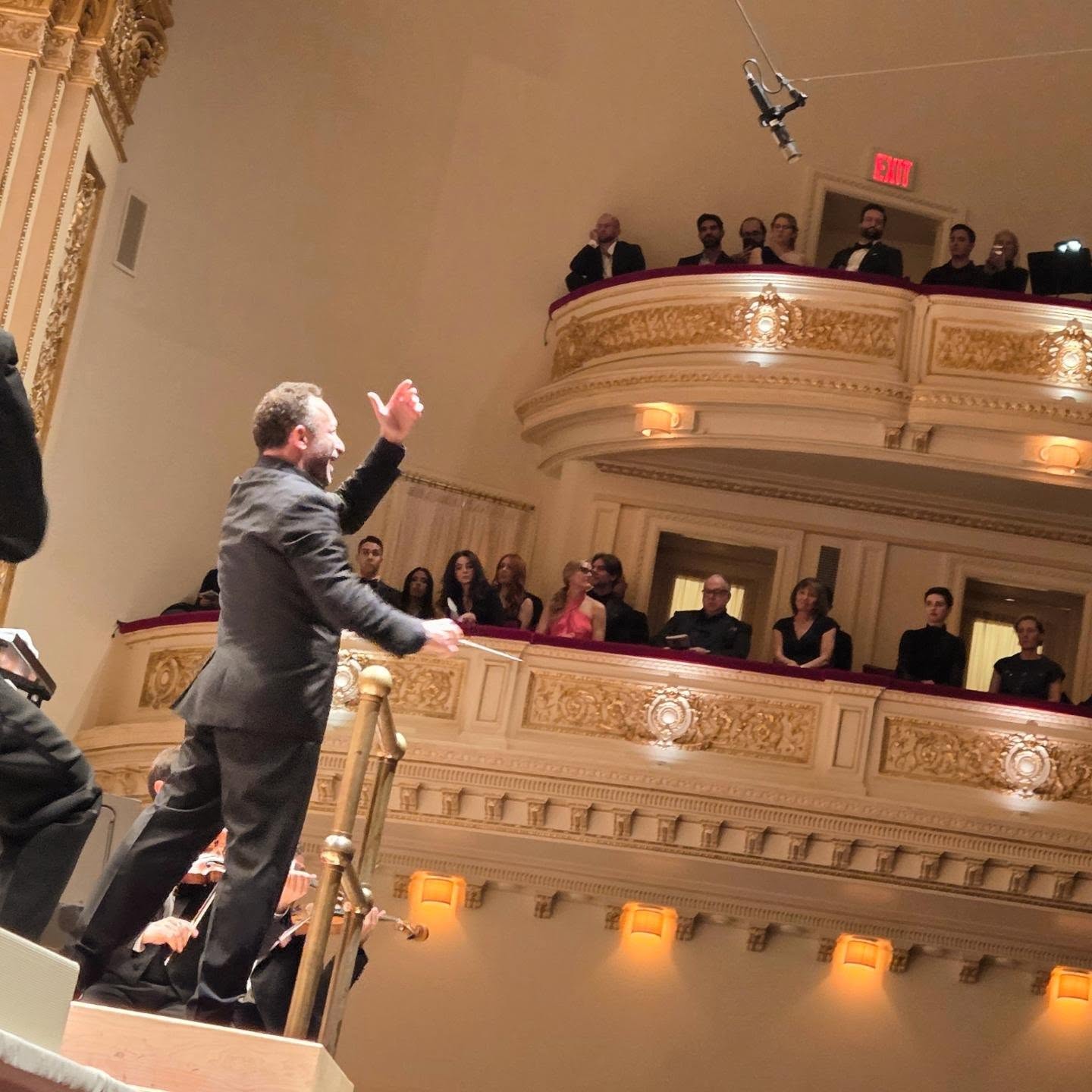
It’s always such a special experience to feel music as well as hear it. That’s what happened at Carnegie Hall‘s opening night this week when I sat in the front row with my fabulous friend, Tara. The Berlin Philharmonic was conducted by Kirill Petrenko with Jonas Kaufmann as the soloist. Because we were sitting so close, we could see every expression and feel the emotion from Petrenko and every performer on the stage. We were immersed in the physicality of their performance, feeling their joy, pain, regret, and inspiration.

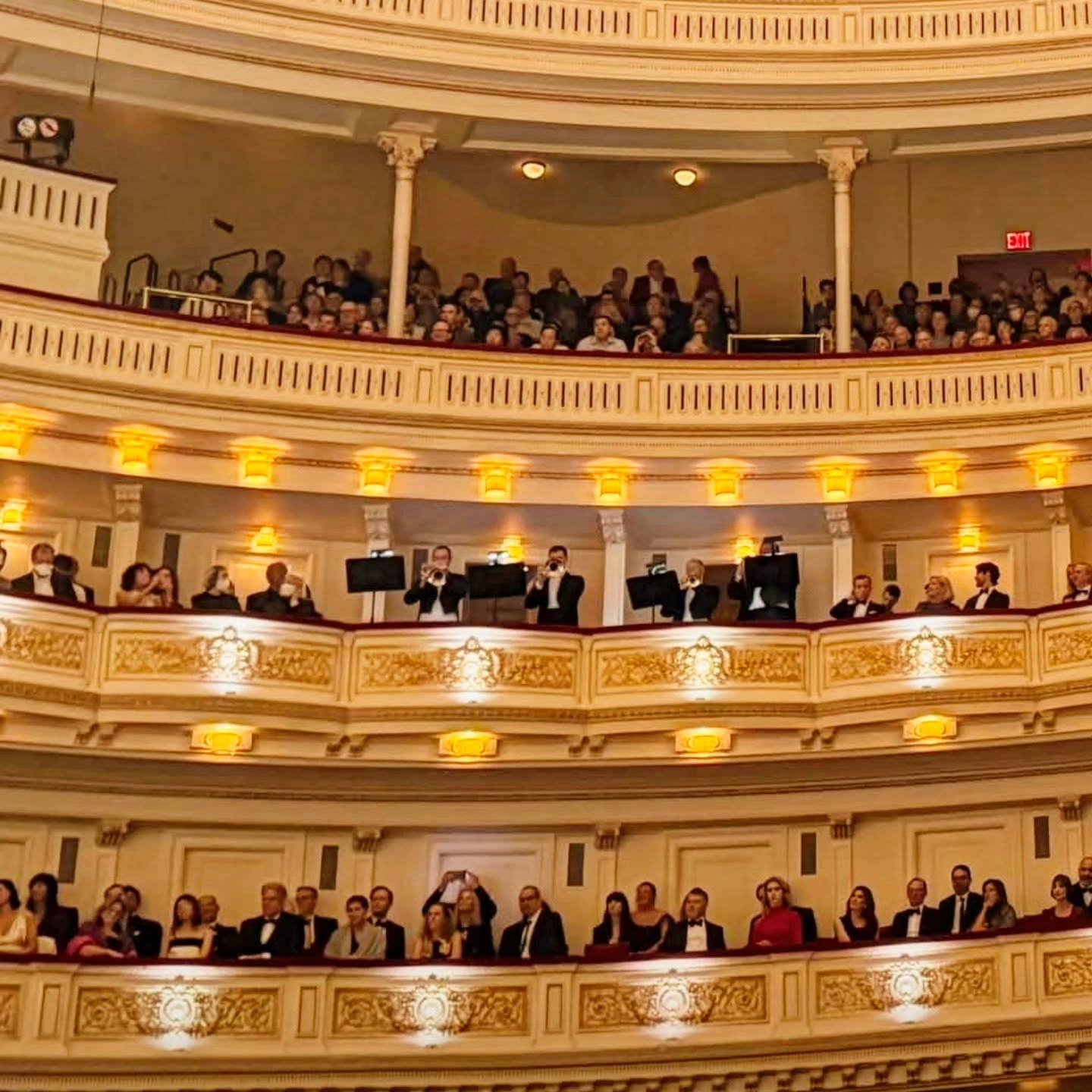
While I loved every piece, the one that still has me smiling is Pini di Roma (Pines of Rome) by Ottorino Respighi. I had never heard of the piece or the composer. It premiered in the U.S. 100 years ago at Carnegie Hall, performed by the New York Philharmonic. Its 4 sections are alternately playful, solemn, wonder-filled, frightening, and triumphant. To close out the piece and the performance, horn players were staged in the balcony of the Hall, announcing the hope and victory of better days. My eyes were misty and so were Tara’s. The audience jumped up for a standing ovation. Petrenko was thrilling to watch. Smiling and cheering for the orchestra members, and having them acknowledge the praise, elevated the whole evening for us.

I feel lucky to work for an organization that gives people this kind of experience—one that stays with them long after the final note, an organization that connects people through music, an organization that is an instrument of peace, awe, curiosity, and sheer happiness.

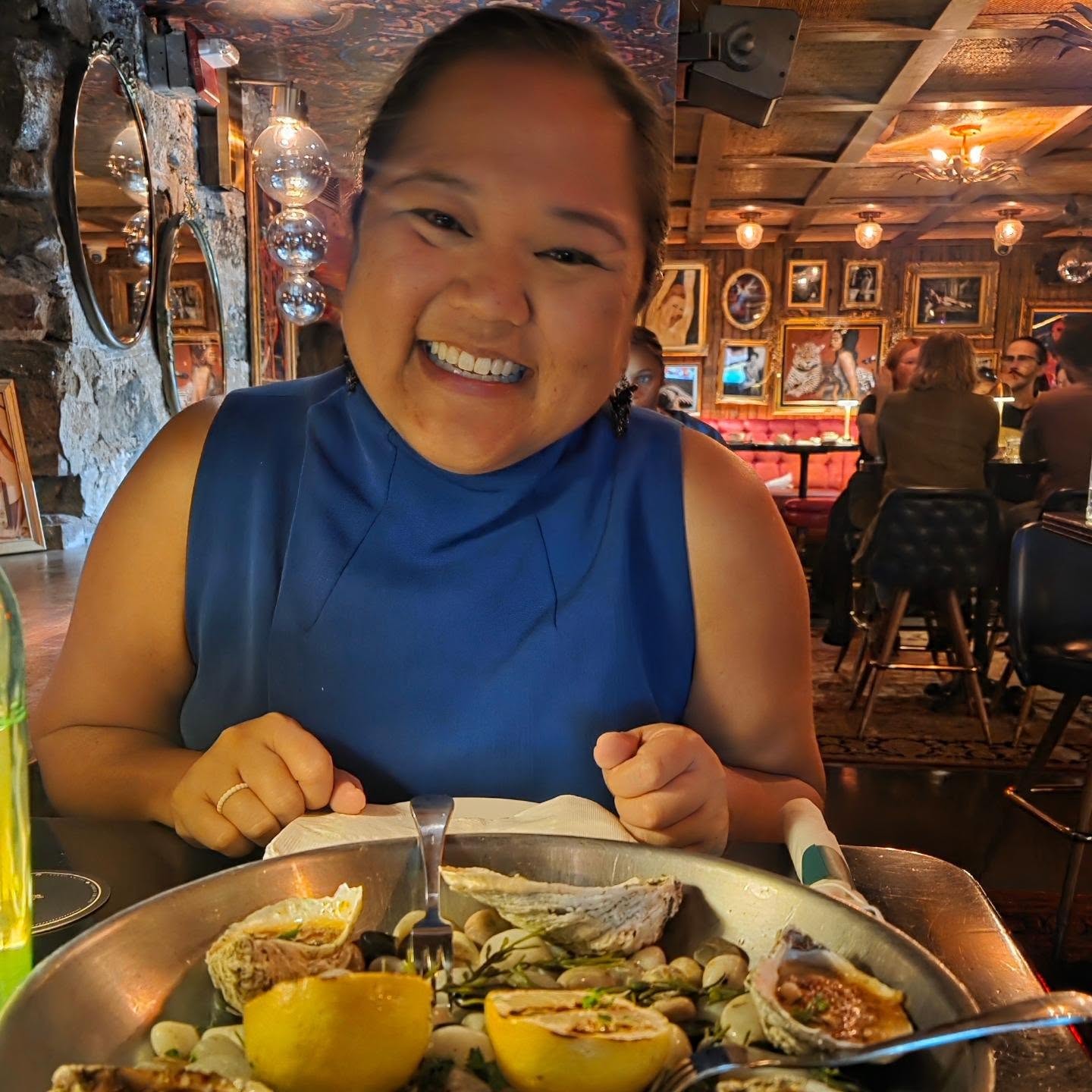
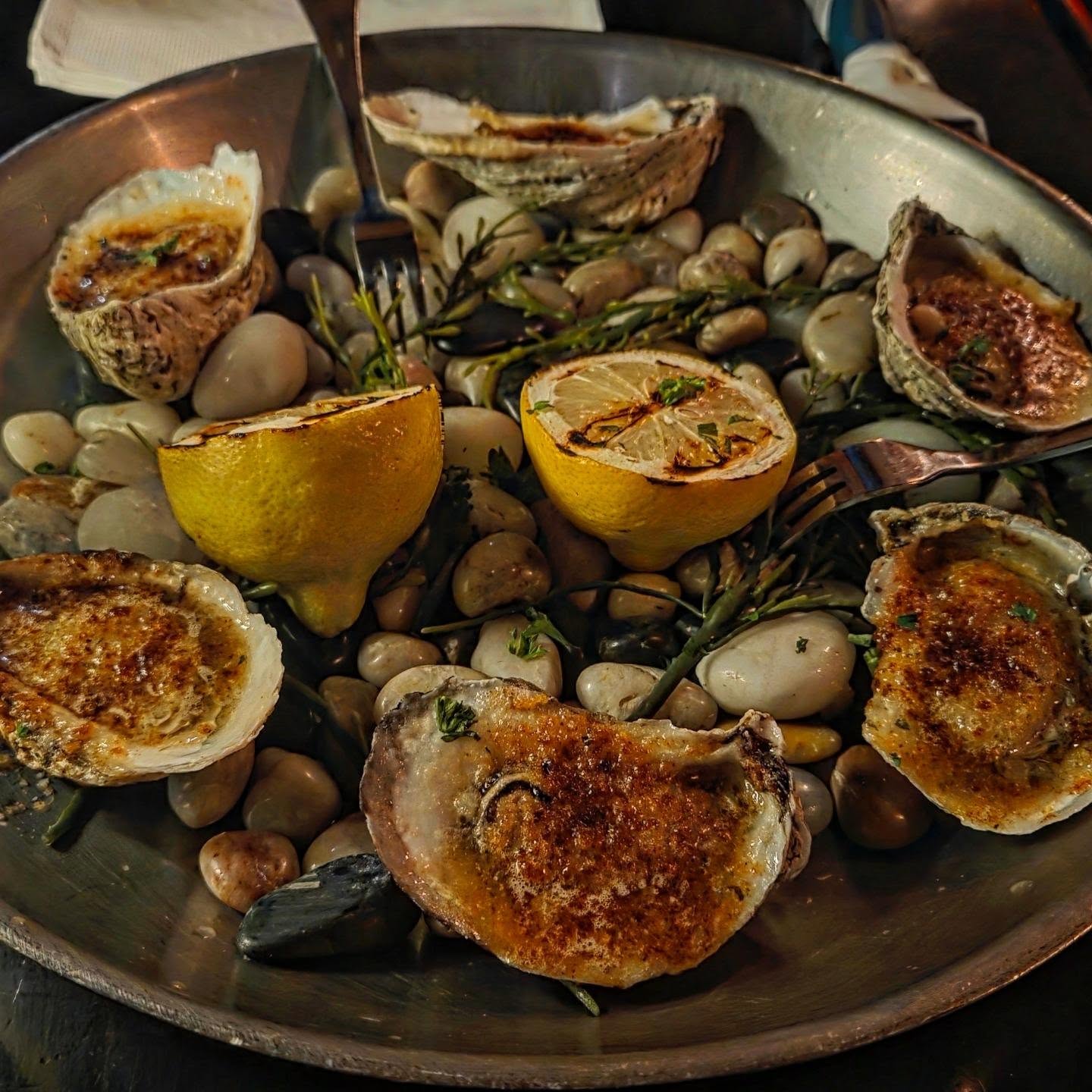
(And of course we had to round out the evening with delicious charbroiled oysters and NA prosecco at Tanner Smith’s, one of my favorite places in the neighborhood!)

creativity

6 Years Ago Today

Photo of me the day I found out I had breast cancer

October has always held a special place in my heart. Fall is my favorite season and I relish all the abundance that comes with it. October was also the month I was diagnosed with breast cancer and had my bilateral mastectomy. This month is filled with milestone anniversaries, and today, October 5th, is a big one.

Today, 6 years ago, I sat in the NYU Langone office of my breast surgeon, Dr. Freya Schnabel, and she definitively told me I had breast cancer. My friend, Meg, was next to me. Dr. Schnabel walked me through everything she knew from my biopsies: the stage, the aggressiveness, the location, and my options. She asked if I knew what I wanted to do. I did not cry. My voice did not shake. I told her I wanted a bilateral mastectomy with reconstruction as soon as possible. She told me it was the right decision. And so it began.

The pre-surgical MRI revealed much more, showing my case was worse than we originally thought. Then surgery revealed I needed a second surgery days later because the pathology showed an even tougher road ahead. There would be chemo, radiation, more surgeries, and waves of intense medications that would persist for years with horrendous side effects that impacted my physical and mental health.

Today I look back at that stoic version of me who sat in that chair 6 years ago, knowing nothing about what was ahead, and I smile. She was so brave. So focused. So damn determined to live and heal and rise up stronger and healthier than ever. She decided right then and there, in that chair, that she was going to kick the ever-loving shit out of cancer.

And she did. We did.

So many people helped make that possible and I will never stop saying THANK YOU to all of you for all of it. Every single kind word and act that so many of you gave to me is permanently etched in my memory forever. I’m beyond grateful to you. 

I’m grateful for every day, the bad days included, because living and living well is a privilege denied to so many. I never take any of this beautiful, messy, imperfect, joyful life for granted. I’m doing my best to make the most of it.