
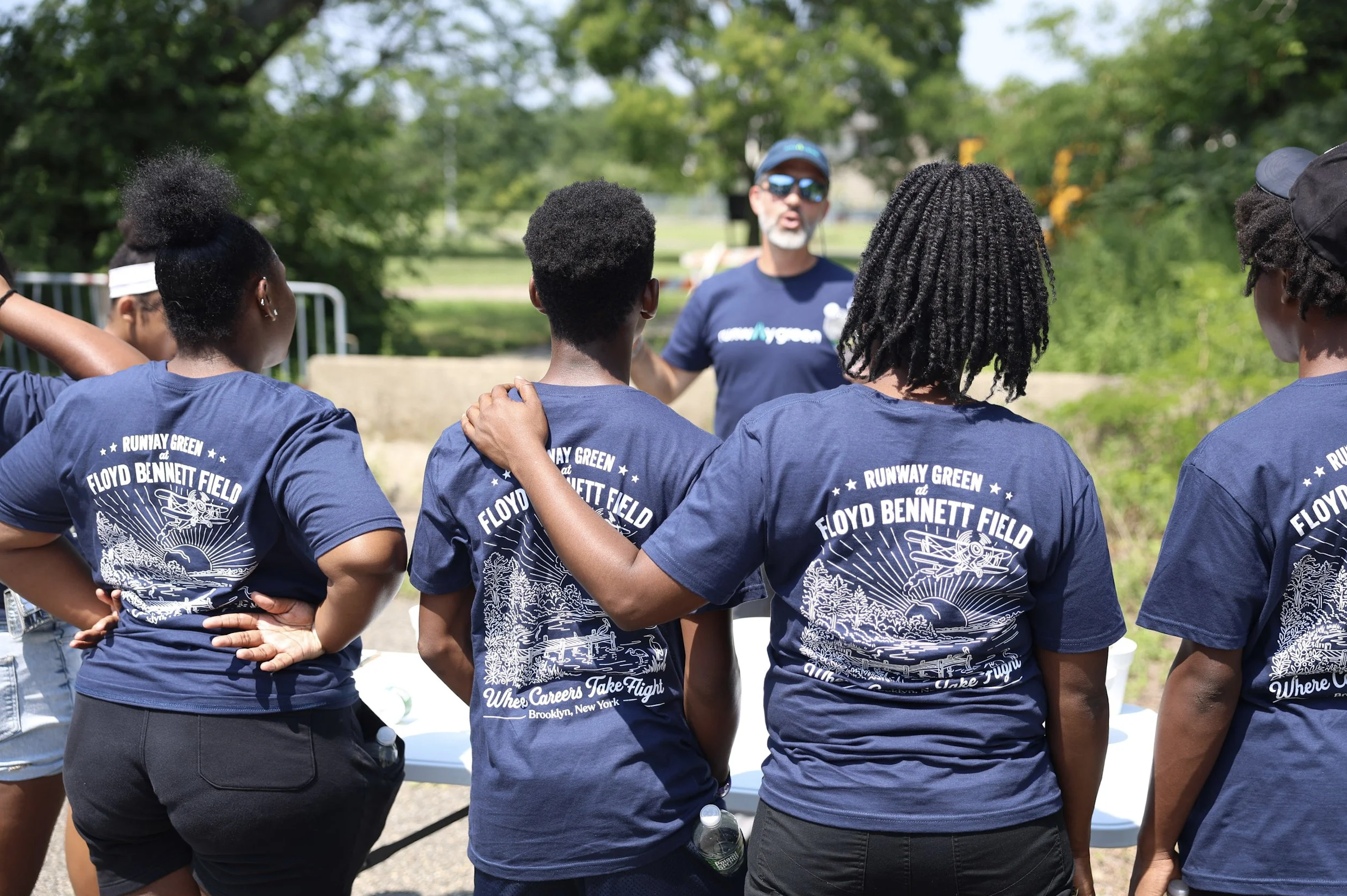
At the southern edge of Brooklyn, where Flatbush Avenue dead-ends into Jamaica Bay, lies Floyd Bennett Field.
For decades, this massive stretch of historic aviation runways and decommissioned hangars has felt suspended in time. It was New York City’s first municipal airport, the takeoff point for historic transatlantic flights, and an active naval air station during World War II. Before that, it was Barren Island, absorbing the discarded waste of a rapidly developing city.
Today, this federal land is getting a new lease on life—an outdoor educational campus dedicated entirely to New York City public school students.
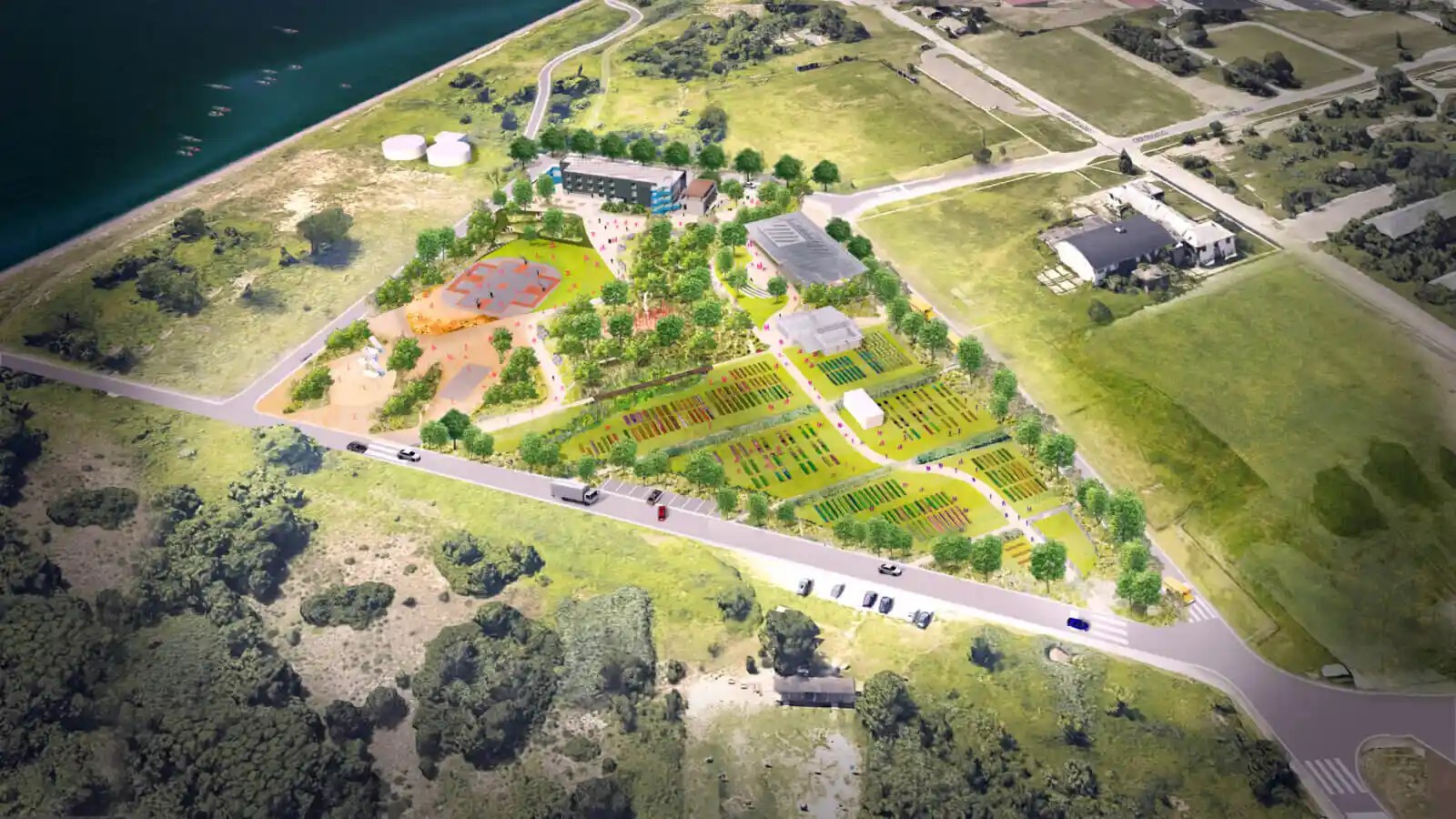
Runway Green, an ambitious nonprofit initiative founded by Brooklyn educator Geoff Roehm, recently secured a 60-year lease on seven acres of this airfield. Six decades of guaranteed land access for public education is an extraordinary civic commitment that builds the city’s resilience to climate change.
Breaking ground in 2027, the site will begin its first phase: turning three acres into a productive urban farm and ecological training ground in partnership with The Campaign Against Hunger.
More Than a Field Trip
Traditional environmental education in New York often looks like a four-hour school bus excursion outside the city. Runway Green is creating an interconnected, multi-organization ecosystem where students move from curious visitors to credentialed practitioners within the five boroughs.
- Hands-on Exposure: A student might start with a single-day visit, getting their hands dirty in a maritime garden or exploring living shorelines with partners like Billion Oyster Project and New York Sun Works.
- Immersive Fieldwork: Through partnerships with New York City Outward Bound Schools, teenagers can participate in multi-day leadership intensives and overnight camping on the bay.
- Dual College Credit: Through a new collaboration with CUNY Kingsborough Community College, students will earn both high school and college credits through hands-on courses based directly on the field’s unique ecosystems.
- Career Pathways: Instead of abstract career days, high schoolers will spend dedicated days each week working alongside environmental scientists, urban farmers, and green infrastructure builders, graduating with concrete credentials for clean-economy careers.
The Power of Place-Based Problem Solving
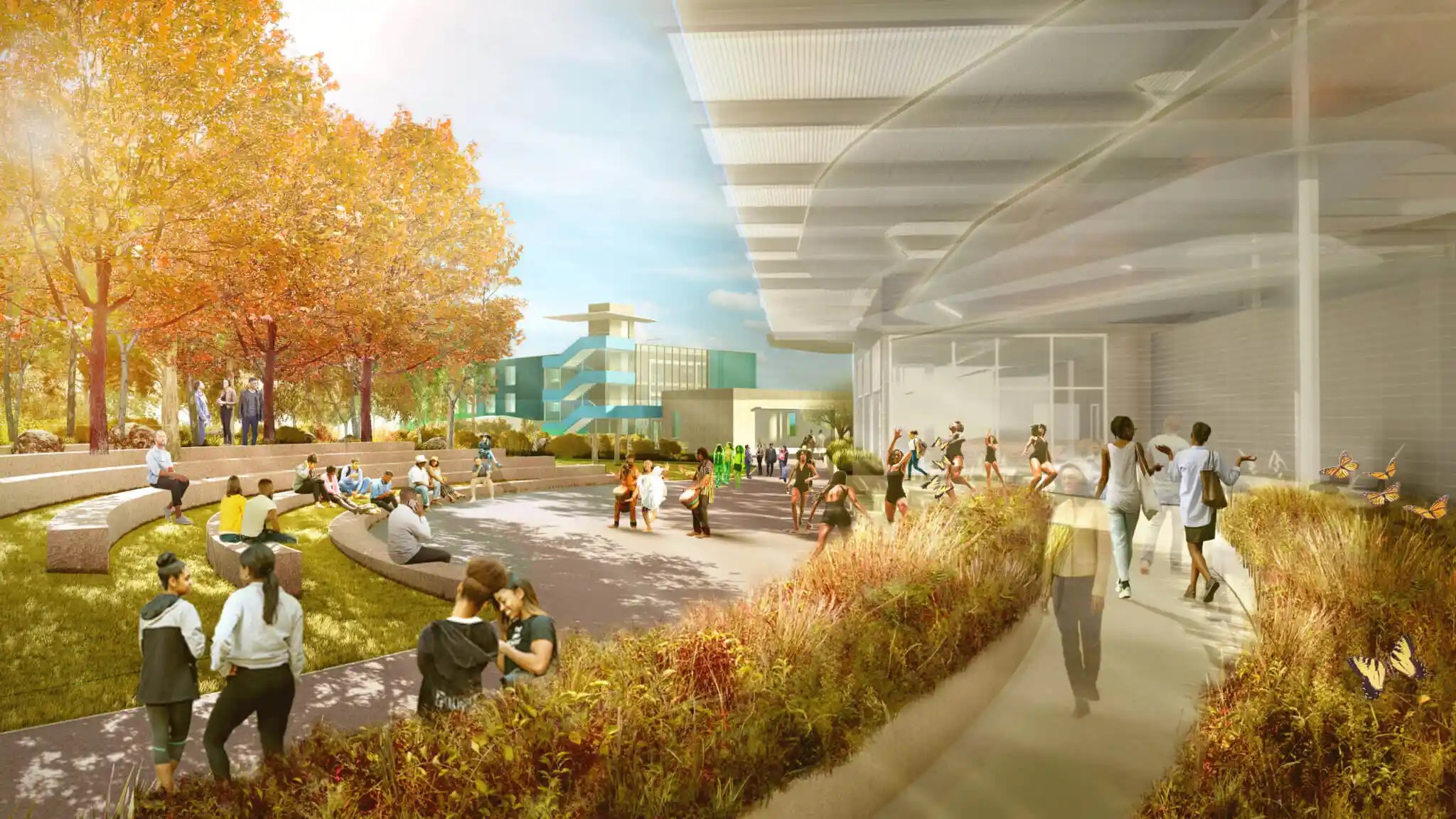
Climate resilience is best taught and learned when immersed in nature. Coastal ecology, food security, and storm surge management require tactile, multi-sensory engagement with the natural world.
By placing this campus directly inside Jamaica Bay’s dynamic coastal zone, the landscape becomes the teacher. Students will study the layered history of Barren Island and historic municipal flight while simultaneously restoring salt marshes, monitoring soil health, tracking wildlife, and learning how nature-based solutions protect southern Brooklyn neighborhoods from storm surges and flooding.
As emerging technologies and automated systems reshape our workforce (particularly entry-level white-collar desk jobs), the demand for grounded, physical problem-solving is increasing. Practical knowledge—how to restore a shoreline, construct a community solar project, manage a sustainable farm, and repair community infrastructure—will become ever-more important.
The Togetherhood Takeaway
Community collaboration and visionary long-term capital can generate solutions that benefit people and the planet.
- Reimagine Public Lands: Look at underused federal, state, and city plots in your own borough. Advocate for long-term leases that protect parkland and dedicate space to civic, educational, and ecological renewal that benefits the entire community.
- Support Hands-On Career Pipelines: Follow and champion organizations like Runway Green and The Campaign Against Hunger as they build pathways for city students to enter green trades, coastal restoration, and local food production.
- Bridge Classrooms with Living Systems: Encourage your local school districts and community boards to invest in experiential, place-based learning partnerships where students earn college credits by solving neighborhood environmental challenges.
This transformation of Floyd Bennett Field does more than teach students about the environment. It empowers them to imagine and physically craft their future, and gives them a direct stake in protecting and running the city they call home.

