creativity

How Fungi Are Illuminating a Sustainable Future

Photo by Igor Omilaev on Unsplash

Imagine a future where the gentle, natural glow of wood guides you along a park path or illuminates your home, all without a single watt of electricity. This isn’t a scene from a fantasy movie; it’s a groundbreaking reality being forged by scientists who are harnessing the power of nature itself to create a sustainable alternative to traditional lighting. At the forefront of this innovation is Francis Schwarze, a fungal researcher at the Swiss Federal Laboratories for Materials Science and Technology (Empa), and his team, whose work on bioluminescent wood is nothing short of revolutionary..

In their research, Schwarze’s team demonstrated a remarkable example of biomimicry, the practice of drawing inspiration from nature to solve human design challenges. They looked to the forest floor and the eerie phenomenon of “foxfire,” the natural glow emitted by certain fungi in decaying wood. By isolating and studying the ringless honey fungus (Desarmillaria tabescens), they were able to understand and then replicate this process in a controlled laboratory setting. The team discovered that this particular fungus could be introduced into wood in a way that maintains the wood’s structural integrity while it is imbued with the fungus’s natural ability to glow.

The magic of the glow comes from a natural chemical reaction involving an enzyme called luciferase, the very same enzyme that makes fireflies light up the night. When the fungus-treated wood is exposed to air, the enzyme triggers a reaction that produces a soft, green light. The result is a completely self-sustaining, non-toxic, and non-electric light source that could one day transform our approach to lighting.

While the current glow is comparable to the light of a candle and lasts for about 10 days, the research represents a crucial proof of concept. The team, including researcher Giorgia Giovannini, is actively working on optimizing the process to increase the brightness and longevity of the luminescence.

The practical applications of this innovative material are as numerous as they are inspiring. Imagine urban spaces where bus shelters and street signs are naturally illuminated, reducing light pollution and energy consumption. Think of a park where benches and pathways glow gently, eliminating the need for harsh electric lamps. In homes, this biohybrid material could be used for designer furniture, artistic wall panels, or even subtle safety markers, all glowing without a power source. This innovation could also inspire a new class of biomimicry products, moving beyond wood and into other materials that could be made to self-illuminate or possess other natural properties.

Ultimately, this research highlights the immense potential of looking to nature for solutions. By collaborating with living organisms, scientists are not just creating a new product; they are pioneering a new field of sustainable materials science. The work of Schwarze and his team is a shining example of how understanding and working in harmony with the natural world can lead to a brighter, more sustainable future for us all. It reminds us that some of the most profound innovations aren’t about building something entirely new, but about learning from and enhancing what already exists.

creativity

A dream realized – I graduated from University of Cambridge

It happened! A dream deferred, but not denied. The hope of going to and graduating from University of Cambridge was part of what kept me alive during my cancer journey in 2020 / 2021. On Friday, that hope became a reality — I graduated with my Master’s in Sustainability Leadership with my friends, family, and faculty there.

The best part of these years has been to do this programme with such a stunning group of people who have inspired me from day one when we started down this path together in September 2022 – students, faculty, and staff. No one’s more fortunate than me to have had this experience with them and to call them dear friends.

In this uncertain world, I’m not sure what my next chapter holds. I do know I’m on my way and all the better for having these gorgeous people as fellow travelers.

A profound thank you full of love and an enormous congratulations to everyone in Cohort 13. I’m beyond proud to be one of you and I’m already looking forward to our next reunion.💚 (Happy photos below!)

creativity

I’m raising money for Muddy Paws Rescue in honor of Phineas

From now until August 12th, I’m raising money for Muddy Paws Rescue, an organization that has allowed me to honor the memory of my soul dog, Phineas, through fostering dogs. I’ve fostered 7 dogs so far – Ace, Chipper, Harold, Sophia, Dorothy, Serena, and Blondie! Every single dollar helps us save more dogs and no donation is too small to honor my Phinny. You can make a donation in his memory at https://give.muddypawsrescue.org/Phineas

Thank you for being part of this life-saving work! Phinny’s spirit guides me every day in every way, and by saving shelter dogs our love story continues. I can’t wait to see who my next foster will be.

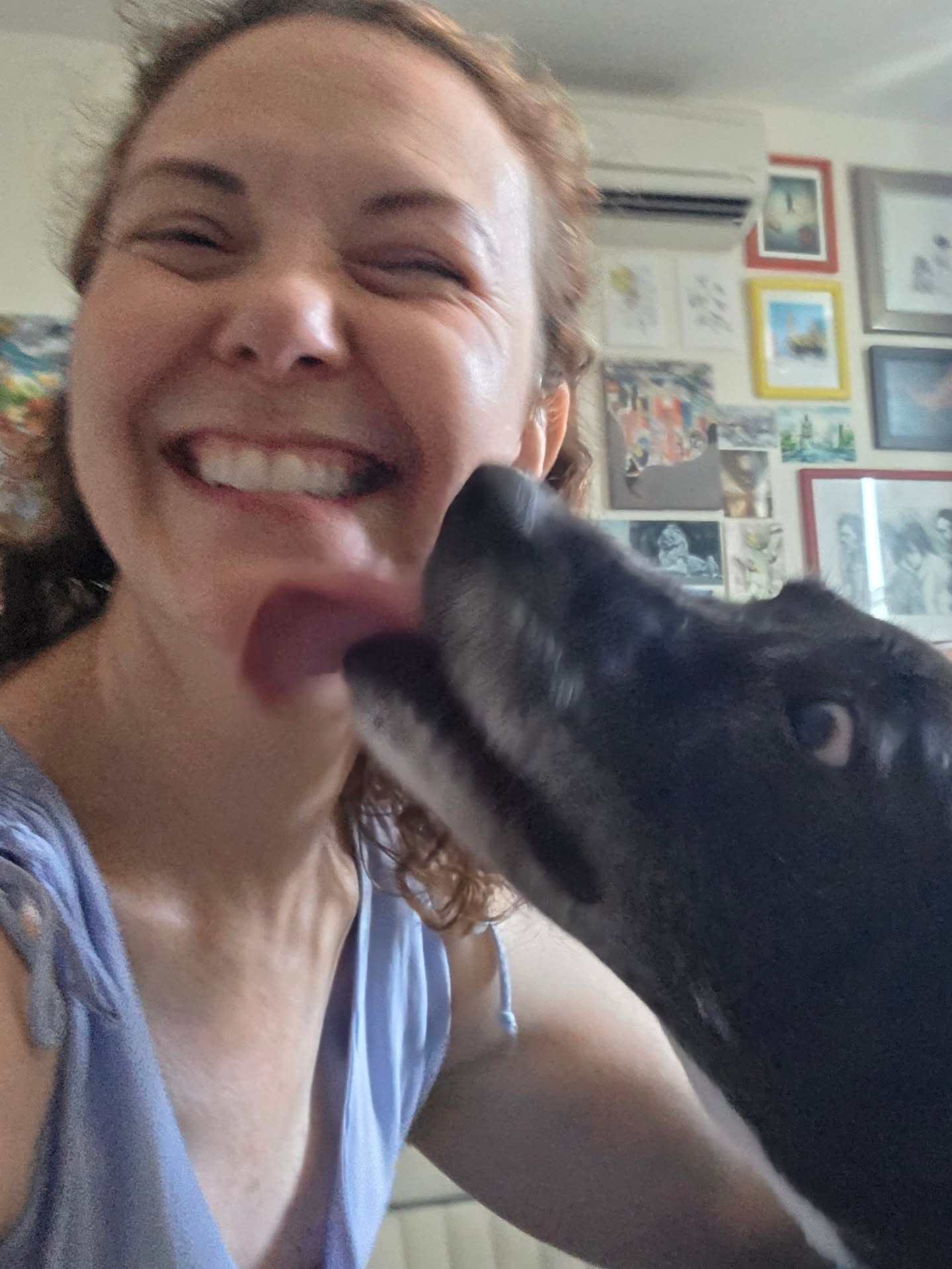
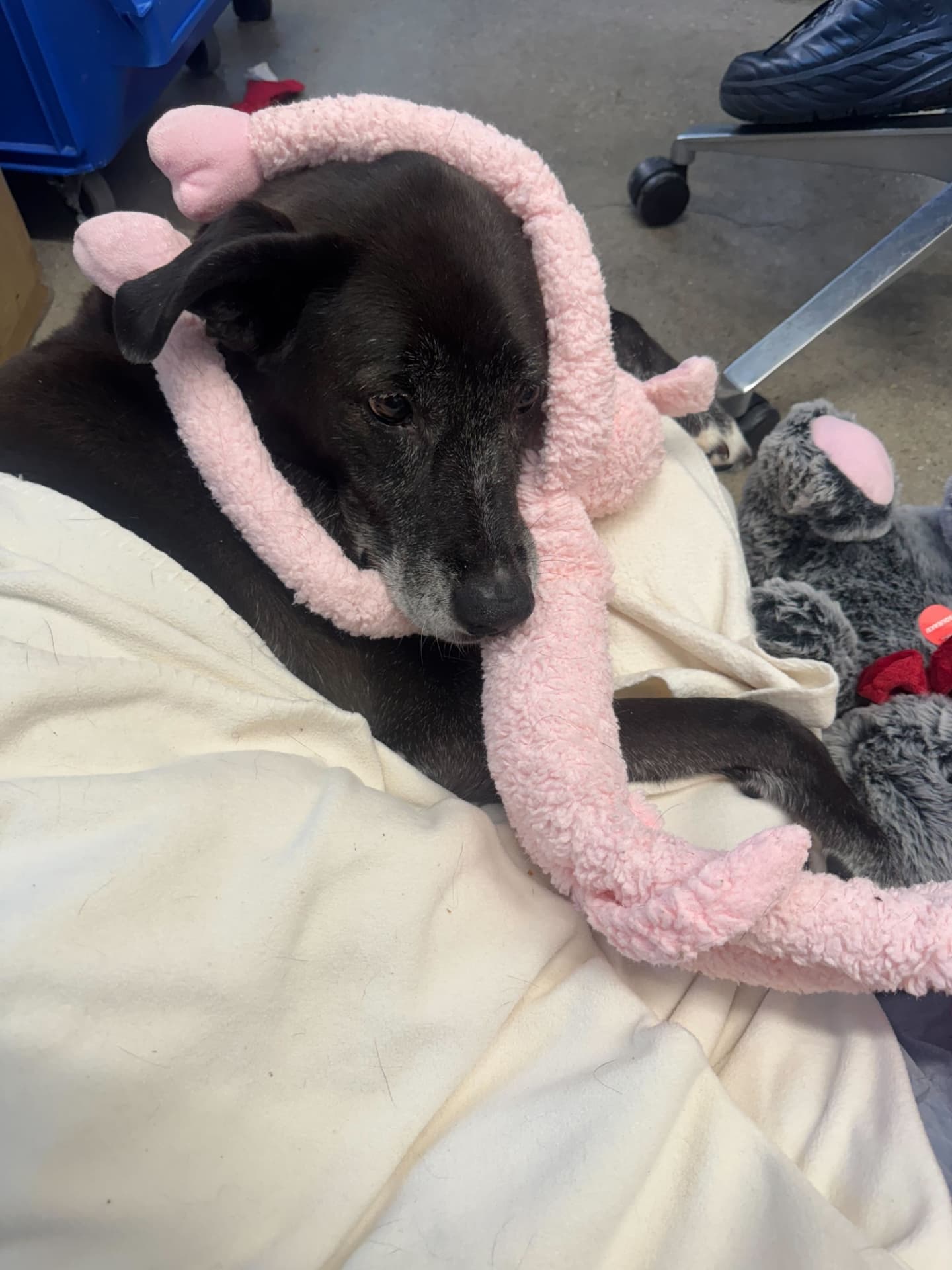
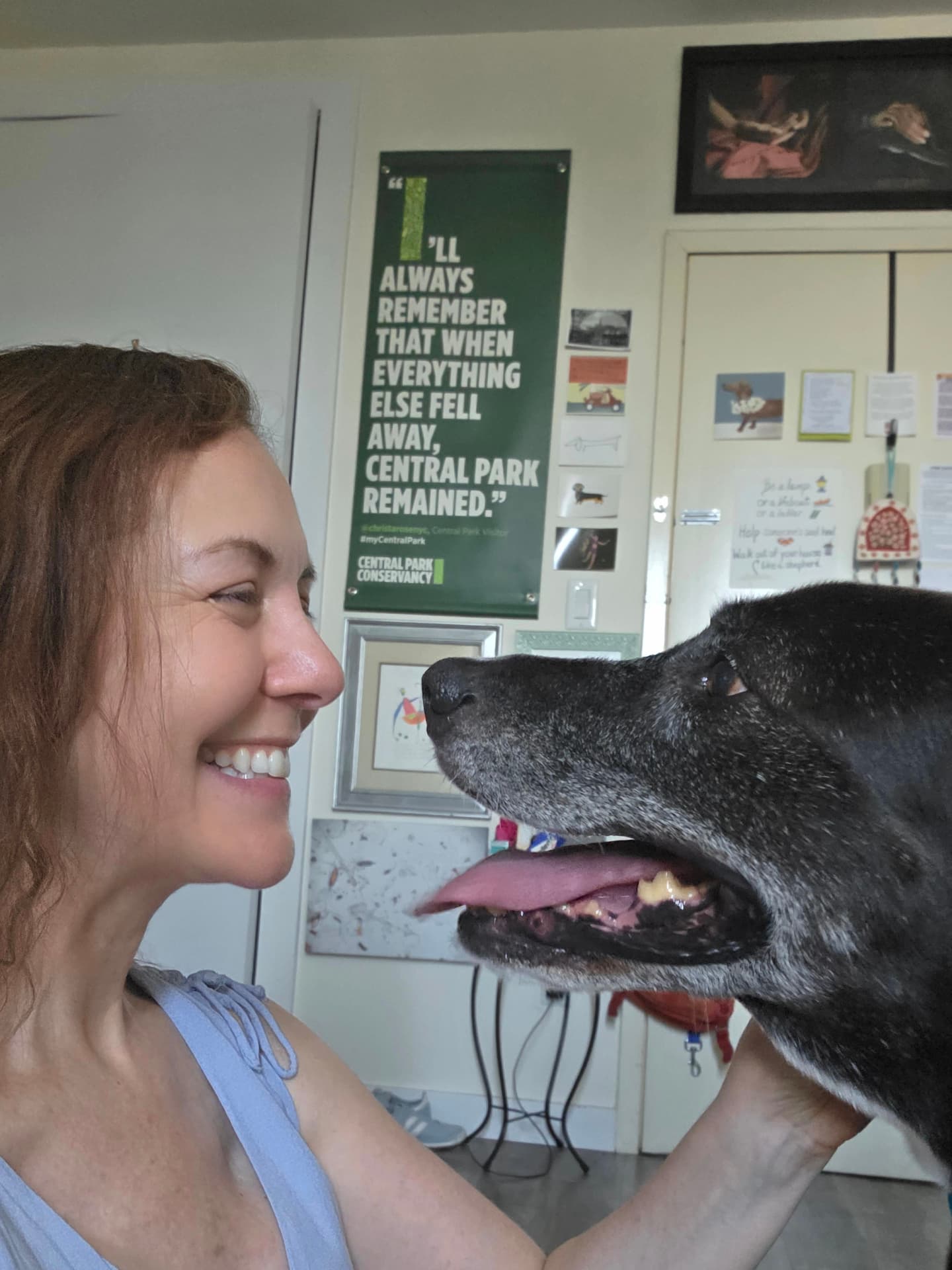
Me and my fosters: Ace, Chipper, Harold, Sophia, Dorothy, Serena, and Blondie. And, of course, my Phinny

creativity

A Call to Action: Building Resilience in the Face of Flooding

The Mississippi River regularly floods in Davenport, Iowa. Photo by Kelly Sikkema on Unsplash

The recent, heartbreaking floods in Texas have served as a stark reminder of nature’s raw power and the ravaging impact it can have on our communities. Along the Guadalupe River, the water rose 26 feet in less than an hour. I’m devastated seeing all of those who are affected by the loss of life, homes, and livelihoods.

Texas, particularly regions like “flash flood alley,” is inherently susceptible to rapid and severe flooding due to its unique topography and intense rainfall events. When large volumes of rain fall quickly on dry, compacted soil, the water has nowhere to go but to rush across the surface, swelling rivers and overwhelming infrastructure.

While we cannot control the weather, we can learn from these events and take proactive steps to mitigate future flooding risks, working with nature, not against it. So, what can we do, as individuals and communities, to better coexist with the forces of nature and reduce the impact of these catastrophic events?

Embracing Nature-Based Solutions

Many effective flood mitigation strategies involve working in harmony with our natural environment. These “green infrastructure” approaches often offer multiple benefits beyond just flood control:

  • Protecting and Restoring Wetlands and Floodplains: These natural sponges are crucial for absorbing excess water, slowing its flow, and filtering pollutants. Preserving and restoring these vital ecosystems can significantly reduce downstream flooding.
  • Creating Rain Gardens and Bioswales: In urban and suburban areas, these beautifully designed landscape features use plants and specially engineered soils to capture and slowly release stormwater runoff, preventing it from overwhelming drainage systems.
  • Promoting Permeable Surfaces: Swapping out concrete and asphalt for permeable pavers or gravel allows rainwater to infiltrate the ground naturally, reducing surface runoff and recharging groundwater supplies.
  • Planting Trees and Vegetation: Trees and other plants help absorb rainfall, reduce soil erosion, and stabilize banks along rivers and streams. Their root systems create pathways for water to penetrate the soil, further reducing runoff.
  • Implementing Riparian Buffers: Establishing vegetated zones along waterways helps to slow floodwaters, trap sediment, and improve water quality, creating healthier aquatic ecosystems.

Community-Wide Efforts and Individual Actions

Beyond nature-based solutions, broader efforts and individual preparedness are essential:

  • Improved Flood Warning Systems: Timely and effective communication is paramount. Communities need robust warning systems that reach everyone in flood-prone areas, especially during the critical overnight hours.
  • Responsible Land Use Planning: Developing in harmony with natural floodplains, rather than building in high-risk areas, is crucial. This includes updating zoning laws and building codes to promote resilient construction.
  • Investing in Infrastructure: While nature offers powerful solutions, traditional “gray infrastructure” like detention basins, levees, and improved drainage systems also play a vital role, especially in existing developed areas.
  • Individual Preparedness: “Turn Around, Don’t Drown” remains a critical message. Knowing your flood risk, having an emergency plan, securing important documents, and considering flood insurance are vital steps for everyone.

The recent events in Texas are a solemn reminder that we must prioritize flood resilience. By understanding the natural processes that lead to flooding and implementing strategies that work with, rather than against, nature, we can build stronger, safer communities for generations to come.

Let’s all commit to being better stewards of our environment and more prepared neighbors in the face of nature’s challenges. Additionally, we must hold every single one of our elected officials responsible for doing the same by voting and calling their offices regularly to voice our concerns.

creativity

Using science to build strong bones as a cancer survivor

Me at Ravinia when I visited friends in Chicago this weekend

Some personal health news and a story about the power of science. 2 years ago, I went for a bone density test. Unsurprisingly it showed that my current “f*ck cancer” meds had decreased my bone density numbers into the osteopenia range with 1 number from my low back on the border for osteoporosis.

At that point, my oncology team and I decided to play defense. I added the equivalent of Harry Potter’s Skele-gro to my arsenal of daily weight-bearing exercises, a very healthy diet, and no alcohol that I was already doing. The hope was the new med would stabilize my numbers and keep osteoporosis at bay.

I just had my 2 year bone density test. Some of my numbers have improved by a lot. A couple stayed the same. The number for my low back tipped by -.1, taking me into osteoporosis.

I bursted into tears. I spend an incredible amount of time and effort looking after my health. Ani DiFranco wasn’t joking when she sang, “self-preservation is a full-time occupation.” How was this fair? What else was I supposed to do to stop this?

I pulled myself together and messaged my oncologist to ask about next steps.

I took myself for a walk and gave myself a pep talk. The med is working. Healing isn’t linear. I know this. Like an arrow, sometimes we have to be pulled back a bit to fly forward.

By the time I got home, my oncologist had responded. I expected to see a recommendation for more meds. “This is status quo. You’re on protective meds and will be done with the meds causing this side effect in a year. This will get better.”

The new medications I’ll switch to in a year, which will mark 5 years since the end of my active cancer treatment, don’t diminish bone density. They will likely protect my bone health and possibly improve my numbers. And my oncologist will keep me on the Skele-gro until I’m out of osteoporosis land.

My bone health isn’t where I want it to be. Not yet. I’ll get there, one day at a time, thanks to science.

creativity

Fighting hunger in NYC with City Harvest

Me outside the Javits Center on Tuesday to volunteer with City Harvest

I’m smiling because this week I completed my first volunteer shift with City Harvest. With a group of 200 volunteers and staff, we rescued over 75,500 pounds of food after the close of the Fancy Food Show on Tuesday evening at the Javits Center. This food will be distributed to food pantries, soup kitchens, and community organizations all over the city to people who need our support. This work is deeply personal to me. I grew up with food insecurity (meaning we worried about where our next meal would come from) and I was a free lunch kid. 

The hunger issue in NYC is dire. 50% of working-age households in NYC are struggling to make ends meet. 1.4 million New Yorkers are food insecure. That’s nearly 1:6 New Yorkers, including 1:4 children. 

This work is also personal to me because of my passion to protect our natural world. On Tuesday, we also saved all of this food and packaging from ending up in the trash. 30% — 40% of the food in the U.S. (108 billion pounds!) is wasted every year, to say nothing of all the resources it took to create that food and packaging. This costs Americans $473 billion every year. Nearly 1/4 of all landfill waste in the U.S. is food, and it is one of the largest producers of methane gas, which is causing climate change, weather-related disasters, and hunger.

Given the scale of this challenge, I’m excited about doing more work with City Harvest and helping more New Yorkers. I hope you’ll join me — there are so many ways to be a volunteer! Visit https://www.cityharvest.org/volunteer/ to learn more.

Below are some pictures from the Tuesday event! All photos by City Harvest.

creativity

Embracing stakeholder theory in Finland this summer

Photo from https://events.tuni.fi/stakeholdertheory/sustainability/

Finland, I can’t wait to meet you! I was accepted into the 2025 Summer Seminar in Stakeholder Theory at Tampere University with University of Virginia Darden School of Business (my alma mater), Darden-The Institute for Business in Society (IBIS), and RESPMAN Research Group. I’ll join an incredible global group of faculty, researchers, and PhD students to learn and share how to best integrate stakeholder theory into my work in sustainability and climate change mitigation. As part of the program, I’m revising and refining the work I started in my University of Cambridge / Cambridge Institute for Sustainability Leadership (CISL) dissertation on the role of storytelling to engage family offices in climate investments. I’ve spent the last 2 months editing (cutting it in half!) and am excited to get feedback on it. In addition to that paper, I’ll also work on 3 more research projects:

  • The Stories We Eat: Narratives to Shape Stakeholder Behavior and Policy for Sustainable Food Futures
  • Narrative Power: Using Digital Media to Convey the Voice of Future Generations and Nature in Sustainability Storytelling
  • From Self-Interest to Shared Benefit: How to Adapt Finland’s Exemplar of Public Trust Amidst Power Asymmetries in U.S. Businesses

I’m so grateful for this opportunity to learn and engage with these incredible people in one of the most sustainable communities in the world. I’m most looking forward to spending time with my professor, mentor, and dear friend R. Edward Freeman, who is one of my heroes and the founder of the seminar. As the originator of stakeholder theory that transformed business ethics, his work has fundamentally changed how businesses and business leaders around the world operate. He’s the reason I went to Darden and he changed how I see the world and my role in it. I’m honored to have had his support and encouragement for all these years.

It’s going to be an incredible summer of learning. I’m excited to experience all of it and to see where it leads! Nähdään pian, Finland!

creativity

Feeling the Heat? How Cities Worldwide Are Cooling Down!

A worker who is part of the Cool LA initiative applying a pavement cooling coating. https://streetsla.lacity.org/marquerite-street-cool-pavement

Ever stepped out of an air-conditioned building into a city street and felt like you’d walked into an oven? That’s exactly how I felt last week in New York City. This is known as the urban heat island (UHI) effect. It makes cities significantly warmer than their surrounding rural landscapes, particularly at night. Why does this happen, and what are cities doing about it?

The Science Behind the Sizzle:

The UHI effect is largely a byproduct of how we build our cities. Here’s a quick breakdown of the culprits:

  • Dark Surfaces & Materials: Concrete, asphalt, and dark rooftops absorb and store vast amounts of solar radiation during the day. Unlike natural landscapes (think forests or water bodies) that reflect more sunlight and release moisture, these urban materials slowly re-emit that stored heat into the surrounding air, keeping temperatures elevated long after sunset.
  • Lack of Vegetation: Trees and plants provide natural cooling through shade and a process called evapotranspiration (where they release water vapor, like sweating). Cities, with their limited green spaces, miss out on these vital cooling benefits. The apartment building where I live straddles a city block. On one side, it’s a tree-lined street that’s almost completely shaded. On the other side of the building, there aren’t any trees at all. The temperature difference between the two entrances is often 10 degrees or more.
  • Urban Geometry: Tall buildings and narrow streets can create “urban canyons” that trap heat and block wind flow, preventing cooler air from circulating and dissipating trapped warmth.
  • Waste Heat: All the human activity in a city – cars, factories, air conditioning units – generates a significant amount of waste heat, further contributing to the overall temperature rise.

The consequences of the UHI effect are serious: increased energy consumption (more AC means more power plants working overtime), elevated air pollution and greenhouse gas emissions, and significant health risks, especially for vulnerable populations, including heat-related illnesses and even fatalities. In the United States, heat is indeed the deadliest weather-related hazard, claiming more lives annually than other extreme weather events like hurricanes, floods, or tornadoes

Cities Taking Innovative Action:

The good news is that cities around the world are recognizing this challenge and implementing clever, innovative solutions to cool down from cool pavement surfaces to using plants as part of walls, roofs, corridors, and increased green spaces. Here are a few inspiring examples:

  • Singapore: The “Garden City” Goes Further Singapore is a leader in green infrastructure. Beyond its lush parks, the city-state is integrating vegetation into buildings with impressive “green walls” and “sky gardens.” They’re also exploring district-level cooling systems, which are more energy-efficient than individual air conditioning units, and prioritizing science-based policies to reduce urban heat risks. Their commitment to planting millions of trees and creating numerous parks is paying off in tangible temperature reductions.
  • Los Angeles, USA: Paving the Way with Cool Pavements Known for its expansive roadways, Los Angeles has been actively experimenting with “cool pavements.” These lighter-colored surfaces reflect more sunlight and absorb less heat than traditional asphalt, significantly reducing surface temperatures. The city has already coated over a million square feet of pavement with these innovative materials. It is also experimenting with applying this coating to rooftops as well.
  • Rotterdam, Netherlands: Embracing Green Rooftops Rotterdam is literally building a cooler future from the top down. The city is actively promoting and implementing green rooftops on a massive scale, aiming to green over 900,000 square meters of rooftops. These vegetated roofs not only reduce ambient temperatures by acting as insulation and through evapotranspiration but also help with stormwater management.
  • Medellín, Colombia: Cultivating Green Corridors Medellín has transformed its urban landscape by creating a network of 30 “green corridors.” These shaded routes, lined with thousands of native trees, palms, and other plants, offer cooler pathways for people to travel and gather, directly combating heatwaves and improving air quality.
  • Paris, France: Creating “Cool Islands” Paris is tackling its urban heat with a strategic approach to “cool island” spaces. The city has identified and is creating 800 such spaces, including parks, water fountains, and public buildings like swimming pools and museums, which are significantly cooler than surrounding streets. They also have ambitious plans to plant 170,000 trees by 2026.
  • Seville, Spain: A “Policy of Shade” In a city accustomed to scorching summers, Seville has adopted a “policy of shade.” This includes installing more awnings, planting 5,000 trees annually, switching to heat-reflective construction materials, and installing more public fountains – all aimed at providing respite from the intense heat.

These examples demonstrate that while the urban heat island effect is a significant challenge, it’s not insurmountable. By embracing a combination of green infrastructure, cool materials, and thoughtful urban design, cities worldwide are proving that a cooler, more livable urban future is within reach.

What can you do?

Even as individuals, we can contribute to mitigating the UHI effect. Consider:

  • Support local initiatives for tree planting and green spaces.
  • Call your reps and offer these examples as something your city could try.
  • Choose lighter-colored materials for your own property if applicable.
  • Advocate for sustainable urban planning in your community.

Let’s work together to make our cities cooler, healthier, and more sustainable for everyone!

creativity

NYC’s Secrets & Lies is back!

Tickets on sale now: https://www.eventbrite.com/e/nycs-secrets-lies-tickets-1442698131949

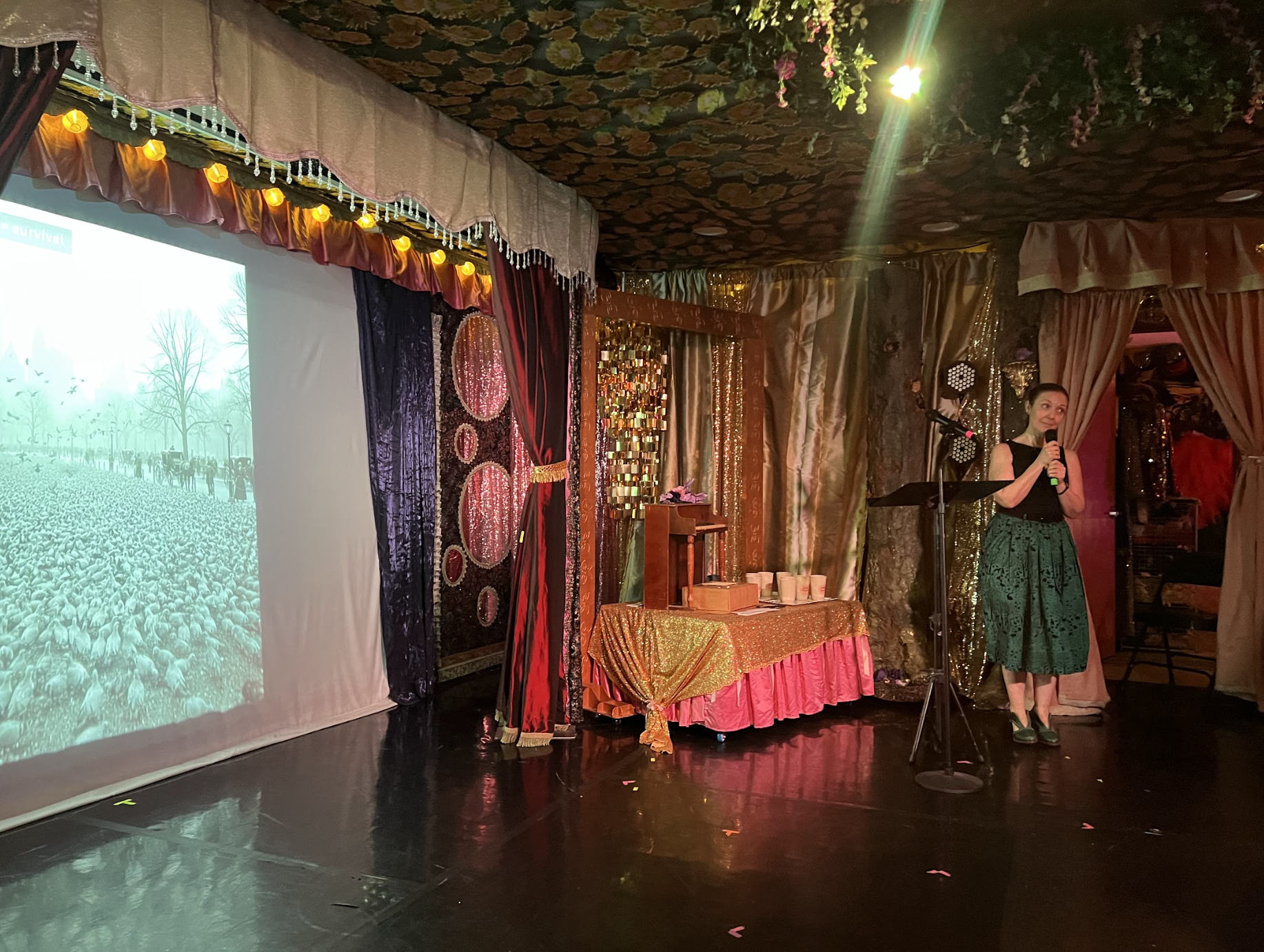
My live storytelling gameshow, NYC’S Secrets & Lies, about the secret history of New York City is coming back with our first show on Tuesday, September 23rd at 8pm. Tickets are now on sale at https://www.eventbrite.com/e/nycs-secrets-lies-tickets-1442698131949

This time we’re staging it in a beautiful secret theater hidden inside Manhattan’s Port Authority Bus Terminal. Yep, you read that right – inside Port Authority. There will be prizes, and it’s BYOB and BYOF(ood) if you’d like!

Can you tell the difference between a secret and a lie? Four entertaining storytellers spin incredible tales about NYC’s secret past. All the stories are true except for one. If you can guess who’s the liar, you’ll go into the raffle to win a fantastic prize for you and your friends. Whether you love history, all things NYC, learning new stories to dazzle the people in your life, being part of a game show, or all of the above, this show is for you!

All the stories in September’s show will be around the theme of nature in NYC to celebrate Climate Week NYC.

NYC’s Secrets & Lies is created and hosted by me! Ashley Semrick, Vicki Eastus, and two other surprise guests will be featured in this show.

Tucked away in a secret corner of the the world’s busiest bus terminal, The Hidden Jewel Box Theater is a space like none other, a bohemian haven mixing decorative elements drawing from Rococo paintings, Victorian boudoirs, 1970s discotheques and Grimm fairy tales. Get your tickets now and become part of the secret, only at The Hidden Jewel Box Theater. Exact location and instructions for theater entrance (including the secret password) will be emailed upon ticket purchase.

creativity

Unraveling Ocean Mysteries: The Deep-Sea Spiders Powered by Methane

Sericosura sea spiders in this study and maps where they’re found.
From https://www.pnas.org/doi/full/10.1073/pnas.2501422122

The ocean’s depths have always held secrets, a vast, unexplored frontier teeming with life that defies our conventional understanding. Just when we think we’ve seen it all, nature delivers another astonishing revelation. Recently, a groundbreaking discovery has captivated the scientific community and nature enthusiasts alike: the first-ever methane-powered sea spiders, thriving in the extreme conditions of the ocean floor.

Imagine a world where sunlight never penetrates, where pressures are crushing, and life seems impossible. Yet, in these seemingly inhospitable environments, vibrant ecosystems flourish, often fueled by chemosynthesis—a process where organisms derive energy from chemical reactions rather than sunlight. While hydrothermal vents and cold seeps are known hubs for such life, the discovery of methane-powered sea spiders introduces a new, fascinating chapter to this narrative.

These remarkable creatures, belonging to the ancient order of Pycnogonida, or “sea spiders,” have long been a source of wonder with their spindly legs and delicate forms. But what makes this new find truly extraordinary is their unique metabolic pathway. Scientists have observed these deep-sea arachnids congregating around methane seeps, areas where hydrocarbon gases leak from the seafloor. Through meticulous research, it was determined that these spiders don’t just live near the methane; they actively utilize it.

The research suggests a symbiotic relationship, perhaps involving specialized bacteria within the spiders’ gut or on their external surfaces, that can metabolize methane. This process converts the potent greenhouse gas into a usable energy source for the spiders, allowing them to thrive in an environment previously thought devoid of complex life forms that could directly tap into methane as fuel. It’s a biological marvel, showcasing evolution’s incredible adaptability.

This discovery has profound implications. It expands our understanding of life’s resilience and the diverse ways organisms can harness energy. It prompts us to reconsider the potential for life in other extreme environments, both on Earth and perhaps beyond. Furthermore, studying these methane-powered spiders could offer insights into novel biochemical processes, potentially leading to advancements in areas like bioremediation or sustainable energy.

The deep sea continues to be an endless source of inspiration and scientific inquiry. The methane-powered sea spider is not just a new species; it’s a testament to the ocean’s boundless capacity for wonder, reminding us that even in the most extreme corners of our planet, life finds a way, often in the most unexpected and awe-inspiring forms. As we continue to explore, who knows what other incredible adaptations await discovery in the mysterious depths below?