I process my grief through writing, and I thought it might be helpful to process all of this together. In the coming days, I’ll share stories that I hope inspire and heal you in the days, weeks, and months ahead. If you need to cocoon and not look at screens for a while, I understand. If you’re looking for something to read that could be a light in the darkness, I want to provide that for you. Please know you’re not alone in any of this. More soon…
Prospect Park, Brooklyn. Photo taken by Christa Avampato.
Prospect Park, Brooklyn – Fall 2024. Photo by Christa Avampato.
On this difficult day, I have some things to say about gratitude, storytelling and leadership. Hundreds of thousands of people heeded the call ~100 days ago to not do something but do everything to try to help Vice President and Governor Walz win. I’m sorry neither of them took the stage at Howard University last night to say thank you, so I will. I’m abundantly grateful to all of you, and for everything you taught me during this campaign. You showed up, generously giving your money, time, and talents. That means a lot to me. You mean a lot to me.
On leadership: It was a huge missed opportunity that they didn’t address supporters and the nation last night. Even though we didn’t know the final count, it was important to say something, anything, and then say they’d be back today to say more. We needed them, and they left without saying a word. That’s not leadership. It doesn’t matter how disappointed they were. We’re all disappointed. They had a real opportunity to maintain a connection with people and they didn’t. They went out the back door and sent the campaign manager to talk to the crowd at Howard and the nation. Vice President Harris will deliver remarks at Howard University today at 4pm. That’s too late. They missed the moment. And sadly, tragically, their opponents didn’t. There’s a lesson in that for us, too. Leaders have to lead, even when they lose. Especially when they lose.
On storytelling: We have to take a long, hard look in the mirror, and at the words we said and didn’t say in this campaign. We need to meet the audience where they are, listen, understand, and work together to craft a better story for all of us. We didn’t do that and the election results show it. How things have been done on campaigns in the past no longer matters because we’re no longer living in the time of “how things are done.” We need better stories and methods. We need to be better listeners and storytellers. Plato said, “Those who tell stories rule society.” That’s true then and true now.
So that’s my focus moving forward – leadership and storytelling. I’ll stay curious, keep learning, improve my craft, and get better. I’ll continue to “be a lamp, or a lifeboat, or a ladder,” as Rumi so beautifully said. I will continue to, “walk out of my house like a shepherd” every single day. I will listen and love. I hope you’ll join me.
These are more energizing scenes from my long weekend of canvassing in New York, New Jersey, and Pennsylvania with Senator Cory Booker, Sue Altman, Mondaire Jones, and for Vice President Kamala Harris and Governor Tim Walz.
Now election day is here! My heart is full of hope. The great Congressman John Lewis said so beautifully, “Freedom isn’t a state; it’s an act.” So is democracy. So is joy.
Voting is how we reaffirm and recommit to our well-being, to each other, to the world, and for our collective future. It is how we evolve this grand experiment of a country. It is, like our favorite characters in novels and throughout history, deeply flawed and deeply loved. Today is the day we exercise our right to make it better for all of us. Please vote.
With everything happening in the world now, hope may feel in short supply. I’ve got something that will help. I had the honor of being a guest on the Art Heals All Wounds podcast with host Pam Uzzell.
During our conversation, I share my journey from growing up on a rural apple farm amidst adversity to becoming a climate advocate. I talk about my passion for reshaping the narratives and storytelling around sustainability and human design, and how my process of healing from cancer in the depths of the pandemic gave me perspective on healing the planet and the collective responsibility we all share for our planet’s future. This echos what the climate scientist, Dr. Michael Mann, calls “channeling dooming into doing.”
I also make the case for kindness (especially in urban settings), the urgency of transitioning to clean energy, and my plans for fostering environmental restoration, rewilding, and community engagement so we grow stronger together. Thank you, Pam, for the opportunity to talk about everything I love.
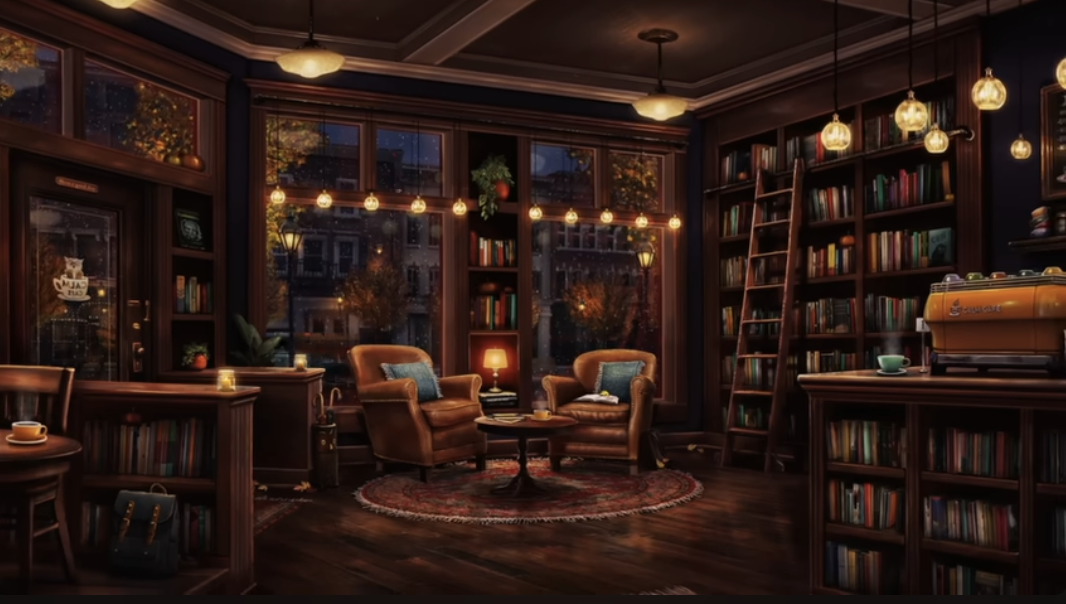
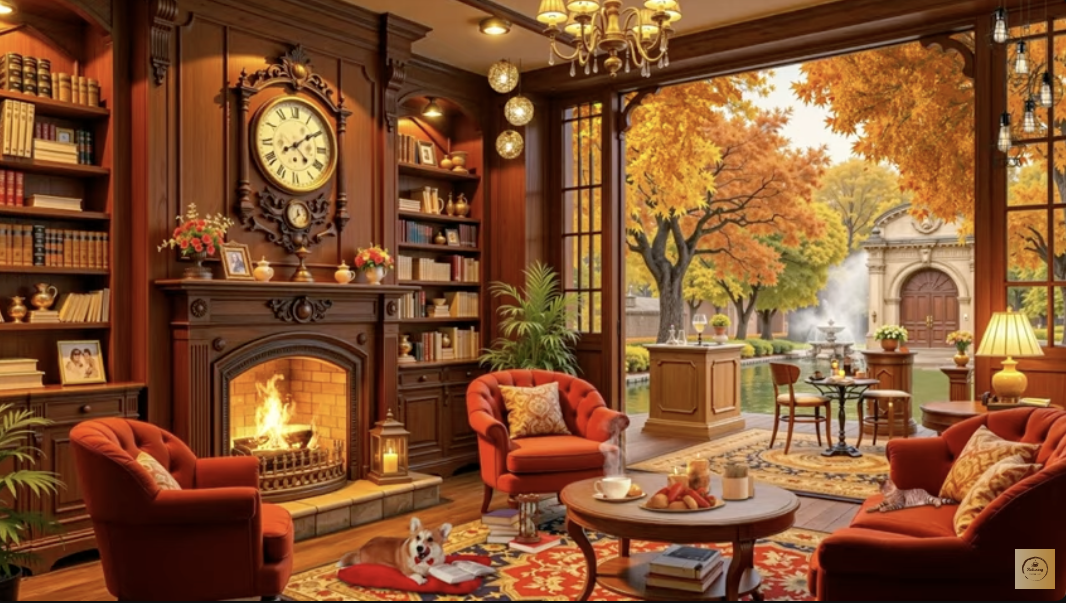
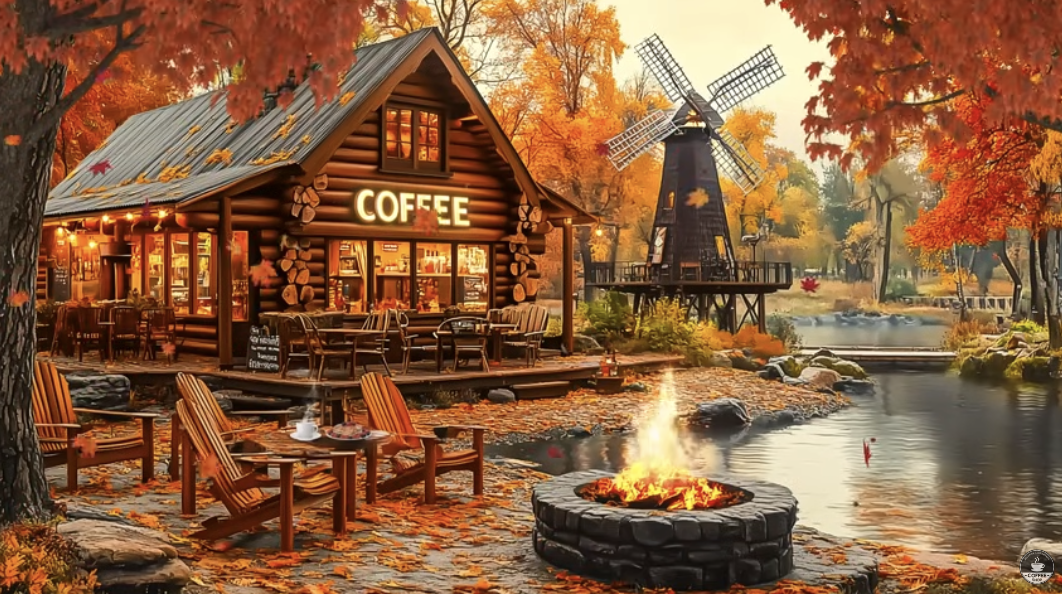
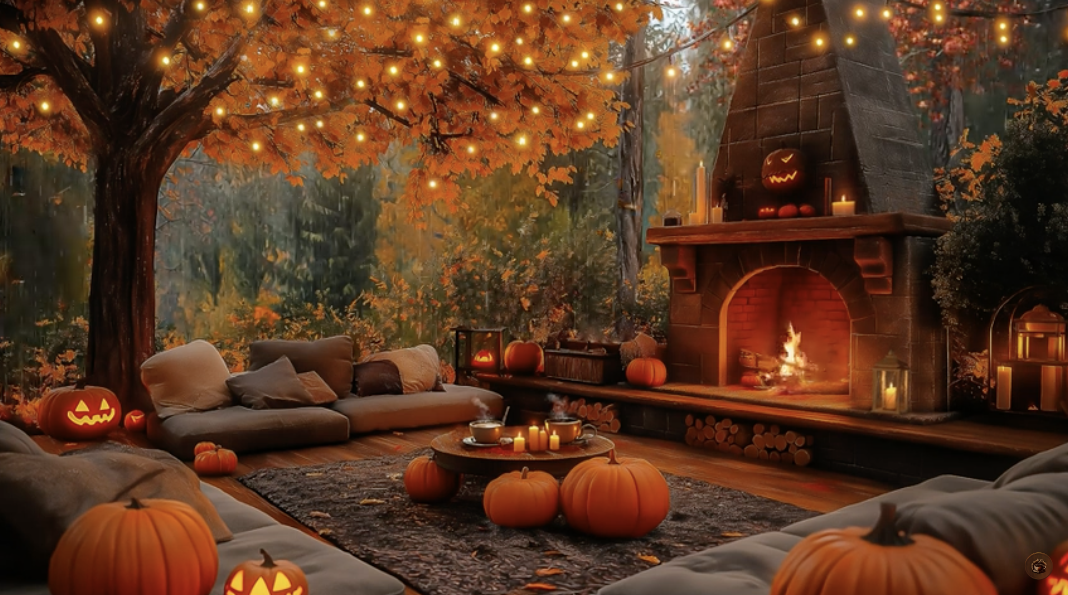
Crawl into one that looks inviting. Take a few deep breaths. Relax your face, neck, and shoulders. These scenes and this music are easy on all the senses. Even a few minutes of conscious relaxation will do wonders for your mind, body, and spirit. After some rest, you’ll bring a whole new perspective to your to-do list.
You’re doing the best you can. It’s okay to rest for a bit. Take care of you so you can take care of others.
Me today — 4 years post-surgery — outside of Perlmutter Cancer Center in New York City
Sunday marked 4 years since the bilateral mastectomy that removed cancer from my body and saved my life. I dropped off my absentee ballot for the election on October 26th, 2020 during early voting and in the depths of the pandemic before vaccines. The next day I went to NYU Langone Medical Center. The surgery was long and difficult. The recovery was painful. The many months of treatment and two additional surgeries, life-threatening setbacks, and healing were even worse. I didn’t know about any of that when I arrived at the hospital that day. All I knew then was I wanted to live, and I might not. My only goal was to wake up from that surgery and see the sunrise. And I did. Step 1, done.
After I woke up from anesthesia, I watched Harry Potter on my iPad, trying to invoke some kind of magic of my own. My angel nurse, Esther, ran all over the hospital to find me a sandwich since meal service had ended. To this day, that ordinary turkey sandwich was the best damn thing I’ve ever eaten. Then she showed me how to care for the 4 drains coming out of my body, a necessary evil after an extensive surgery.
When Dr. Schnabel, my surgeon, came to visit me, I thanked her for saving my life. Neither of us could see each other’s smiles because we were both double-masked. I remember her eyes looking deep into mine. “I’m just part of the team. Everyone in this hospital has one goal — to get you up and over the mountain. It won’t always feel like this. Someday you’re going to be very grateful you chose to take the hard road today.”
My friend, Marita, picked me up at the hospital and gave me the gentlest of hugs. I had a giant bag of meds. “How do you feel?” she asked me once I was settled into her car. I said, “I don’t know.”
Marita drove me home and handed me off to my sister, who dropped her whole life in Florida to take care of me (and my dog). My next goal was to be able to walk around my neighborhood by Halloween with my dog dressed as a pumpkin and my sister to see all the decorations and find some joy in my favorite season. Step 2, done.
My next goals — stay alive, restore my health, and thrive. Steps 3, 4, and 5, done, done, and a daily process.
I went for my annual check-up with my surgeon this morning. All clear! It happened to fall on the anniversary of that conversation we had about the choice to take the hard road. As I walked to the subway to head home in the sunshine, I thought about how right she was — she’s always right. I don’t feel the way I felt 4 years ago. Today, I’m hopeful and thankful for all of it, even cancer. We got up and over that mountain. There are so many people who made this trek possible. I was never alone in it. There were angels, guides, and teachers everywhere. There still are. The journey continues, and I’m very grateful for that.
Below: images from four years ago pre- and post-surgery.
Early voting starts in New York and New Jersey today, October 26, 2024. In New York City, we have a number of races and proposals on our ballot. Here are informational links about them. Thank you for being a voter, encouraging your friends, family members, and neighbors to vote, and participating in our democracy.
Early voting days, times, and location
Saturday, October 26, 2024 — Sunday, November 3, 2024. Hours vary by day
The location of your early voting polling station may be different than your election day polling station.
November 5th is the last day to postmark your early mail ballot and absentee ballot return envelope. It is also the last day to deliver a ballot in person at the Board of Elections or drop it off at a poll site. Find your poll site at https://findmypollsite.vote.nyc/
Candidates on the New York City ballot this year
We will be voting for candidates for the following offices: President and Vice President U.S. Senate Congressional district State Assembly State Senate
Here is the name and direct link to each proposal that explains what it means as well as arguments for and against it. Proposal 1 aims to prevent discrimination and enhance civil rights. Proposals 2 — 6 grant increased power to the mayor and the mayor’s appointees.
This week, I had a short-lived health scare. A recent test came back with abnormal results. I was asymptomatic, as I was when diagnosed with cancer 4 years ago, so this threw me for a loop. It turned out to be a new side effect from my long-term meds that prevent cancer recurrence.
My doctor prescribed medication for a month to clear the inflammation and dietary changes to manage it since I have to stay on the meds causing this. It’s annoying. It’s also a relief that it was caught early and is reversible. I learned a lot with this recent scare. I’m leaning into these insights:
Slow down I’m terrible at sitting still. Between the election in less than 2 weeks, climate change, and a myriad of other challenges in the world, there is a push to go go go. Do more, and faster. While this is true, it is also true that we have to rest. Take a walk. Eat well. Care for ourselves and others. Health is the greatest wealth. We are no good to anyone if we aren’t also good to ourselves. It’s not either or. It’s and.
Mortality No matter how well we take care of ourselves, none of us will live forever. Time is our most precious resource, and we would do well to spend it on who, what, and where matters most to us.
Write Around this time of year, I set my near-term priorities and creative focus. While writing is always a big part of my life, in 2025, it’ll be the central work I’ll do because storytelling is the work I love most & the greatest need I see in the world. I have quite a few writing projects in various states. It’s time to get them all polished up and out into the world. More on this soon.
Betting on me Betting on myself is the best bet. I’ve never regretted it, even when things went horribly wrong. This is how I’ve learned and grown the most in my career and life. This is another reason I’m focusing on my writing in 2025.
Community Caring for ourselves and betting ourselves is not work we do alone. It takes a village. My community and my medical team is central to my health, well-being, and creative work. I’m never alone in it. Neither are you.
Thank you for being on this journey of discovery with me. Let’s enjoy the ride. We’re all just walking each other home.
On Sunday, I hopped on a bus in New York and made my way to Philadelphia, Pennsylvania to canvas for Kamala Harris and Tim Walz with the organization Swing Left. This is the first time I’ve ever gone door-to-door for a candidate and I wanted to tell you about my positive experience. With only 3 weeks left before Election Day on Tuesday, November 5th , and early voting and vote by mail already in full swing in many states, now is the time to do everything we can to get out the vote.
Structure of the day: At 9:30am, our bus left from 34th Street and 11th Avenue in Manhattan near the Jacob Javits Center.
We received training on the bus with a sample script that we were encouraged to make our own. We used an app called Minivan that had our voter lists and the script (more on that below). We pair up with another volunteer on the bus to canvass together.
At 11:15am, we arrived at campaign headquarters in Northeast Philadelphia. We had one more quick training with the campaign team, downloaded our voter lists into the Minivan app, and someone drove us to the area where we were going to canvas.
At 12 noon, we started working down our voter lists, knocking on each door. We had a lot of wonderful conversations with voters about the issues that mattered to them. We encouraged them to vote and explained that Pennsylvania is one of the swing states in this election that would likely decide the final outcome. A lot of voters didn’t know how much their vote matters!
There were a few people who weren’t interested in talking to us. That’s okay. We thanked them, wished them a good Sunday, and left. With limited time, we have to focus on those who want to engage. If people weren’t home, we left literature for them at their door.
We kept track of our conversations and if someone was home or not in the Minivan app so that the campaign got all of this information. Once we were comfortable, we split our lists — I took one side of the street and my buddy took the other. We visited 205 homes with 322 voters. (Collectively, our bus visited 4,000 homes!)
At 4pm, we finished our lists. Someone from the campaign picked us up and brought us back to headquarters. We gave feedback to the campaign. Once everyone returned, we got on the bus, debriefed with the Swing Left bus captains, and were back in New York by 8pm.
Messaging: We were not there to be policy experts. The basic script is to knock on the door, smile, state our name, and explain we’re with the Harris Walz campaign. Then we hit the 3 main points: thank them for being a voter, explain we’re talking to their neighbors who support Kamala and Tim, and ask them about the details of their plan to vote (where, when, and how they plan to vote). We could also ask who they support and why, and which issues matter most to them. What matters most in this work is listening to these voters, and sharing our stories about why we support Kamala and Tim. Before leaving, we thanked them for their time.
Research shows door-to-door canvassing is the single best way to engage voters and turn them out at the polls, increasing voter turnout for a candidate by as much as 10%. Phone banking as well as writing letters and postcards to voters are also effective ways to reach voters, increasing turnout between 1% and 3%. While that might sound small, remember that this is a tight election and every single vote matters. With 21 days left, the race is on. Do everything you can to turn out the vote!
Last night I had the great honor of joining a sold out crowd to open Carnegie Hall’s 2024–2025 season, and I’m so happy my friend, Ashley, could enjoy it with me. There were so many surprises and delights as the program mixed well-known favorites with first-of-their kind discoveries during a thrilling concert.
Conductor Gustavo Dudamel is beloved among classical music lovers and Hollywood as one of the greatest of our time. He gives a full-body experience to his conducting and the joy he gets from leading the exceptional Los Angeles Philharmonic is evident to everyone who has the good fortune to see him do the work he loves. What knocked me out was the absence of a physical score. He conducted entirely from memory and never missed a beat. Even among world-class conductors, this was an incredible feat.
Lang Lang joined Dudamel as the soloist for Rachmaninoff’s well-known Piano Concerto №2 in C Minor, Op. 18. At turns sweeping, fun, serious, and heartfelt, it spans the range of human emotion. Like Dudamel, Lang Lang gives his entire being to the music and also performs entirely from memory. At multiple points in this piece, Lang Lang’s hands and fingers were moving so quickly they appeared to blur. He’s an absolute wonder to see live and the audience was on their feet as soon as the piece ended demanding an encore, which Lang Lang happily gave.
The second half of the program was anchored by baritone soloist Gustavo Castillo performing Estancia, Op. 8 by Alberto Ginastera. The lyrics derive from José Hernández’s poem Martín Fierro, a heartbreaking story of the plight of the gaucho (a farmer or cattle herder in Argentina) losing his rural way of life. Last night this work received its first complete Carnegie Hall performance on record, demonstrating the Hall’s dedication to lesser-known works deserving of the spotlight. Castillo, Dudamel, and the Philharmonic kept the audience’s rapt attention right to the end.
There’s no better way to spend a year than reveling in music, familiar and new. See the full program and purchase tickets at https://www.carnegiehall.org/.









 Christa Avampato