creativity

Start at the ending, in writing and life

Photo by Monty Allen on Unsplash

“Let’s start at the very beginning. A very good place to start.” Julie Andrews, Do-Re-Mi in The Sound of Music

As writers, sometimes we have to start at the end. In my previous books, I started at the beginning and wrote all the way through to the end. It’s how I outline, too. But with this third Emerson Page book, I have to take a different approach.

I started to write the beginning with my trusty outline in-hand and quickly found myself in murky waters. So murky that I was procrastinating, which I never do. I was afraid to sit down and write, and that fear was getting in the way of delivering my draft manuscript to my publisher under a tight deadline.

I have to find another way in. I stopped writing in my usual progression of beginning to end, and flipped it on its head. Today, I’m writing the last chapter of the book, the end of Emerson’s story arc. I know where it needs to take place and what needs to happen there. With that confidence, I’ll walk backward one step, one chapter, at a time.

To be honest, I don’t like that I have to do this. I’m a creature of habit and I like my writing habits. But this leg of Emerson’s journey is the most complicated of the three books. It has many more twists, turns, and surprises. The stakes are higher, and I have to give readers an ending that’s satisfying and true to Emerson’s spirit. To do that, I have to adjust my process.

Maybe you’re facing something similar, in your writing or in your life. Something isn’t progressing as you hoped. A surprise popped up that has thrown you off-track. You’re stuck, disappointed, frustrated, or maybe you’re all of those things.

Back up and look for a different path. How can you adjust what you’re doing? Is there another way forward, even it requires you to get comfortable with being uncomfortable? Maybe like me, you have to put things in reverse. Start with the goal. Then instead of asking, “and then what happened?”, ask “how did I get here? And here? And here?”

It may turn out that the ending is the very best place to start.

creativity

In writing and life, have a sculptor’s mindset

Photo by Ilia Zolas on Unsplash

First drafts, of writing and any project in life, can be difficult. The proverbial blank page stares at us and we’re so concerned about getting things exactly as we want them to be in the end that we forget all creative acts are a process of becoming. Nothing springs to anyone fully-formed and perfectly-worded. 

I’m in the process of writing the first draft of my third novel. You’d think this would get easier with time. It hasn’t for me. I still approach each first draft, each first attempt of all of my creative projects, with trepidation and anxiety. What if this time I’m a total failure? What if what I’m trying to do doesn’t land and I can’t do anything to make it even decent, much less something I’m proud of? 

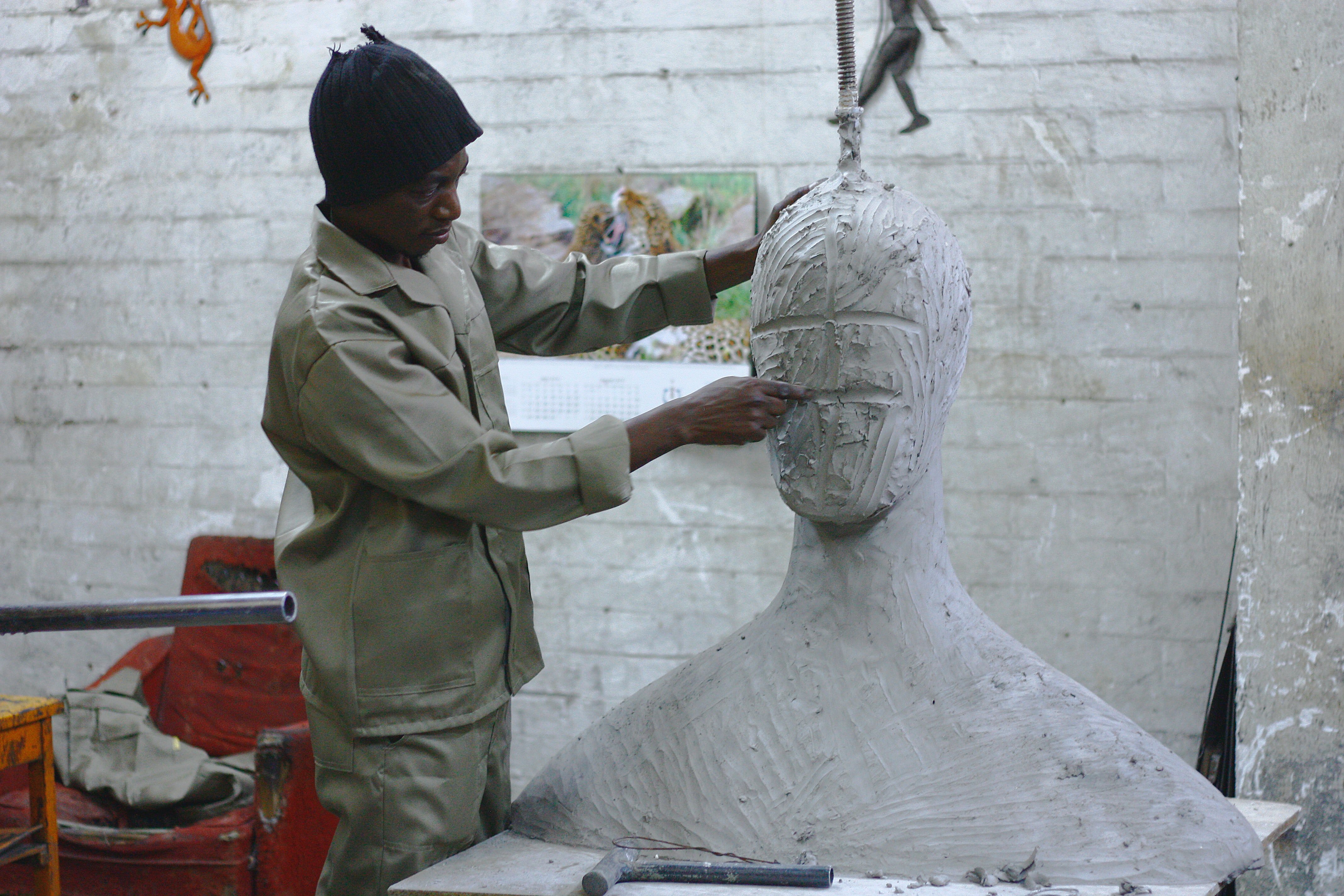
In moments like this that make it difficult for me to even begin, I remind myself that I’m a sculptor. This blank page, this new project idea, is a block of marble. And like the sculptor, I’m taking away tiny bits here and there. It will take many rounds of refining to bring the sculpture to life from this block. It will not happen overnight. It will not happen quickly. My only job is to begin, a tiny tap here, a tiny tap there. Over and over again with intention, curiosity, and openness. I don’t need to be brilliant. I don’t need to be perfect. I just need to show up. What I don’t get right in this round, I can attempt in the next. And on and on it goes. 

We consume and admire the work of others at its end stage. All we see and experience in the finished product, not the many long and arduous hours, wrong turns, edits, messiness, doubt, and about-face maneuvers it took to get to that ending when it’s ready for the public. So we compare our work-in-progress to work that has already progressed. 

The sculptor’s mindset is the one we need as we begin. Pick up the hammer and chisel and chip away at the smallest task of your grand dream. It’s how all great work starts, and how all great work makes its way, slowly and surely, into the world. 

creativity

For writers: FREE resources on query letters, nonfiction book proposals, finding an agent, and social media from Eric Smith

Eric Smith from his website https://www.ericsmithrocks.com/

Hello, lovely writers. Do you know Eric Smith, author and agent extraordinaire? If not, please get to know him because he’s a ray of light in the writing community. As both a successful author and agent, he understands both points-of-view and helps demystify a lot of things in the writing and publishing world that many other people don’t.

It’s incredible how much wonderful advice he puts out into the world for authors for FREE! There are a lot of organizations out there who want to charge you a lot of money for this advice—I’ve paid some of them for it and I can promise you I should have just read Eric’s website because the advice I paid for was exactly the same as what Eric offers. 

Here’s a summary of what he has on his website:

Query letters
The good ol’ query letter is what we put together when looking for an agent or publisher who accepts unagented queries. You can read the query letter that helped me find my publisher for my Emerson Page young adult adventure trilogy here. Eric offers up 17 successful query letters from authors he’s worked with and he also explains why their pitches worked so well. In my pitch to my publisher, I did so many things that conventional wisdom said not to do. If you’d like to read my article on that, it’s here: A Publisher Bought My YA Novel Trilogy — Here’s Everything I Did Wrong.

Crafting nonfiction book proposals
I’ve been working on a nonfiction book proposal for about 6 months and Eric’s advice has helped me tremendously. He provides several successful nonfiction book proposals from authors he’s worked with and again offers his explanation of why they worked for those authors. There are definitely paid services out there that could be valuable for you to use but I recommend you try following his advice to create your proposal first, send it out, and see how it lands with agents and publishers.

Author and editors whom you can work with
If you’ve decided you’re at the point where you need an author or editor to look at your work and offer specific advice on your manuscript, proposal, or query, Eric has a long list of recommendations of people he trusts. He’s used the services of these people himself, as an author and as an agent. 

Looking up literary agents
Eric’s blog, which he updates regularly, is chock full of other advice for writers. One question I always get is, “How do I find an agent?” If you’re in the market for an agent, it takes legwork and research to find them. Eric offers advice on looking up agents and reaching out to them in this blog post.

Social media for authors
Ah, social media for authors. Do you love it? Do you hate it? It matters, and it doesn’t have to take over your life. Eric offers all kinds of advice on what to share on social media, platforms to use, and how it’s helped him as a writer and as a person. 

Building a platform
“You have to have a platform.” I have heard this for years and I still hear it all day every day to this day. Platform matters. It can also be fun to build one. There is so much to learn. There are so many people in the world doing really interesting work. While building your platform, you’ll meet and befriend so many terrific people you may not meet otherwise. That’s certainly been my experience and it’s brought me a lot of joy over the years. Eric offers up advice on building a platform as well

If you’re in need of writing and publishing advice (and who among us isn’t?!), hop over to Eric’s website and use his free resources for writers to the max. Happy writing and I can’t wait to read your stories!

creativity

How I found the main setting for my third Emerson Page novel

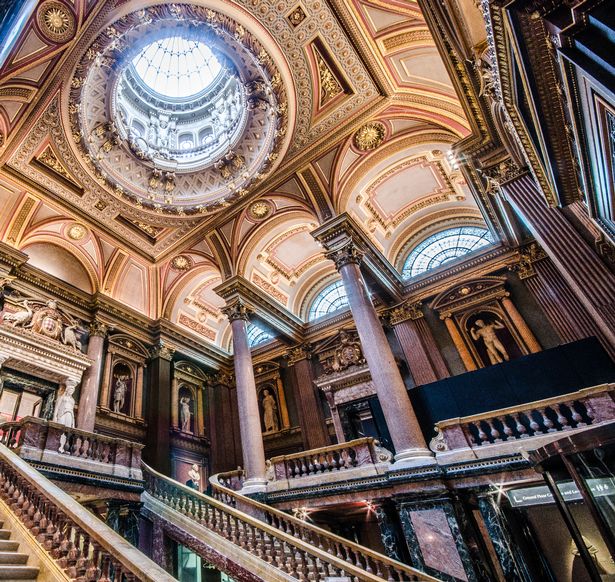
The Fitzwilliam Museum entrance

For me, the setting of a novel is a character. It sets the stage for the action and houses the many revelations of a story. Right now I’m outlining and crafting the story of my third Emerson Page novel. I’ve had some ideas of what will happen but I was struggling with where to place this action. I wanted a spectacular, magical setting. Frustrated that I couldn’t find it, I put it away and focused on something else.

I opened up Google Maps and decided to look at the street view of my walk from Fitzwilliam College, my college at Cambridge University, to the building where I’ll be taking my classes. It’s a winding 30-minute route dotted with shops and eateries tucked into centuries-old architecture through what looks like Diagon Alley. It goes past Fitzwilliam Museum, Cambridge’s main museum. I looked up some images of the museum and the second I saw the entrance, I knew I’d found the main setting for the novel.

The museum is free for all, houses a spectacular collection of antiquities and rare books and manuscripts, and has a stunning library. It’s exactly what the books needs. Get ready for more museum adventures!

creativity

How writing my Emerson Page novel trilogy saved my life—my conversation with Dr. Ed Freeman on The Stakeholder Podcast

In June 2022, I had the great good fortune to speak to my professor, mentor, and dear friend, Dr. Ed Freeman from the Darden School, on The Stakeholder Podcast.  

Link to the podcast episode: https://stakeholdermedia.libsyn.com/christa-avampato

Ed and I chat about:

  • how writing my Emerson Page novel trilogy saved my life
  • my live storytelling shows, screenwriting, and passion projects
  • my love for history, being a NYC tour guide, and how I got a tattoo live on stage
  • how product development helps me as a writer, and how being a writer helped me as a product developer 
  • living through difficult times and mental health challenges through creative work
  • my multi-faceted and varied career
  • making a living through a creative life
  • business and product development
  • building a better, more sustainable world

Ed is a treasure. He’s been one of the greatest influences on my work and life. He recently won University of Virginia’s highest honor: The Thomas Jefferson Award. Ed’s pioneering work on stakeholder theory changed the way we think about business and how businesses all over the world make decisions to create value. 

If you’ve ever used the word “stakeholder,” you can tip your cap to Ed. His writing about sustainability and stakeholder theory is what put UVA’s Darden School on the map for me, why I applied, and why I was honored to attend and graduate from the school with my MBA. He changed my life in incredible ways and I’m forever grateful for him. Thanks to Ed and producer, Ben Freeman, for having me on the podcast as a guest. 

creativity

The start of summer has me thinking about travel and writing

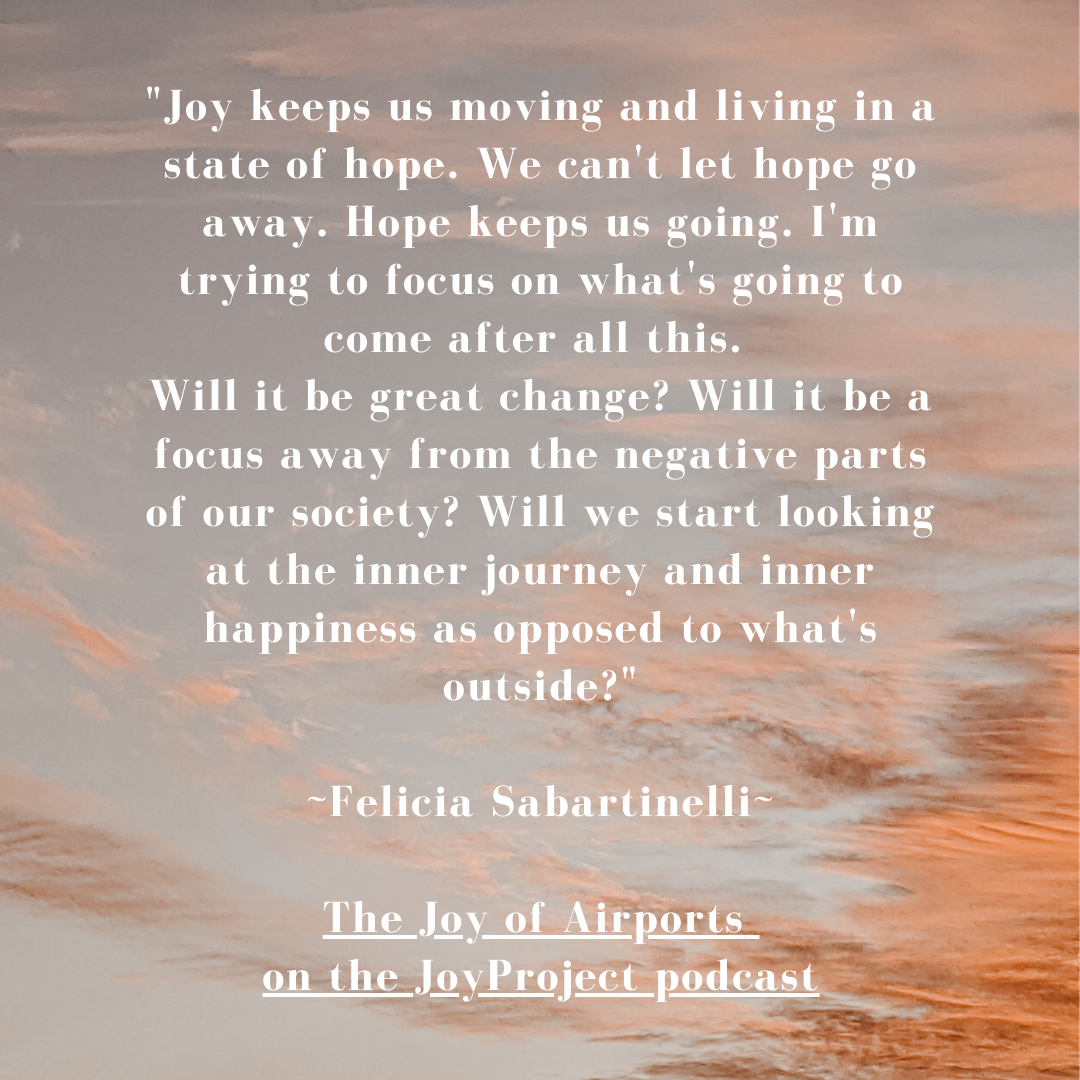
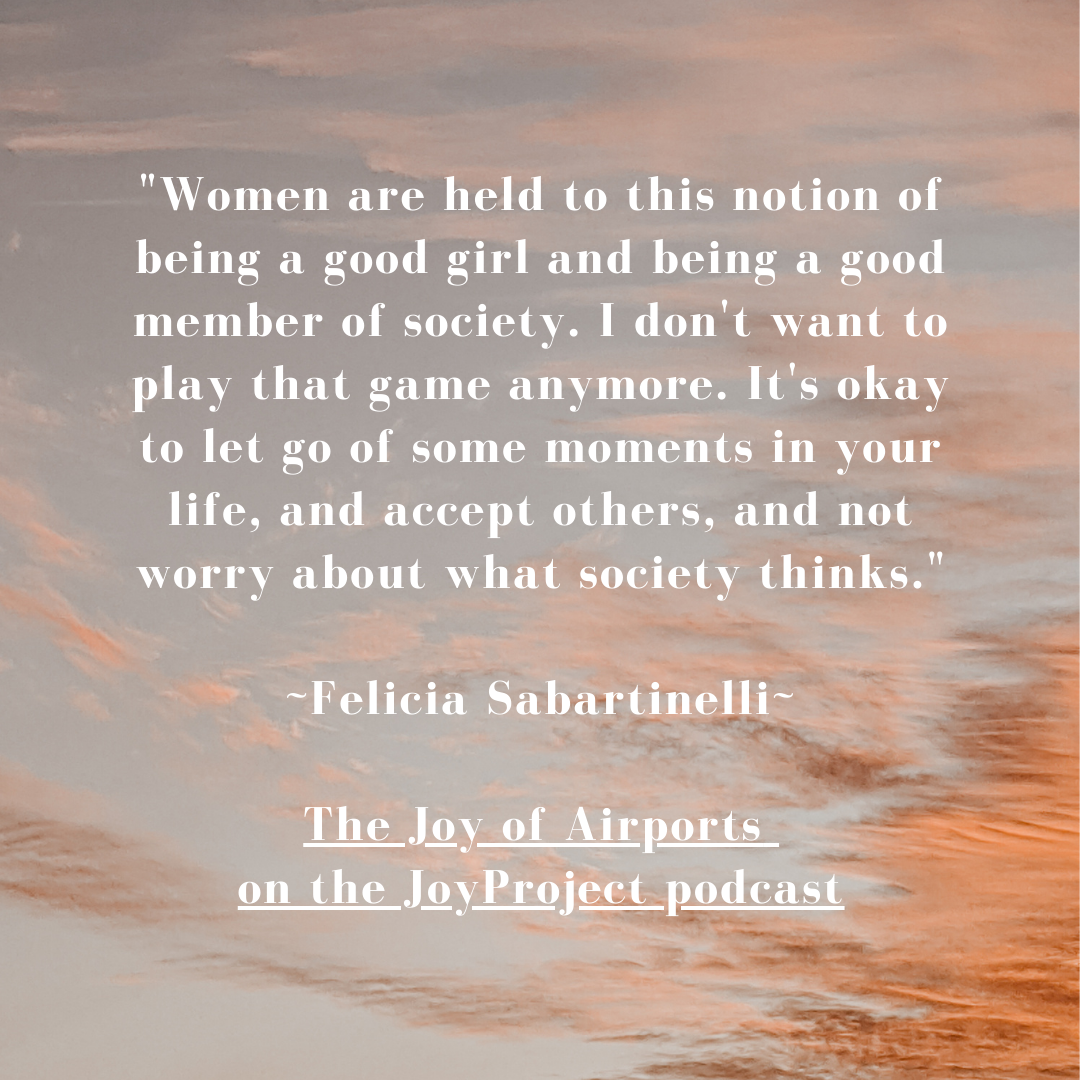
This week was the official start of summer, and that has me thinking about travel and writing. It also has me thinking about all of the wisdom around joy and travel that writer Felicia Sabartinelli packed into The Joy of Airports episode on the JoyProject podcast. Here are some of my favorite quotes. Listen to our conversation at https://christaavampato.com/the-joy-of-airports-with-felicia-sabartinelli-june-14-2022/ and wherever you get your podcasts.

creativity

JoyProject podcast: The Joy of Airports with Felicia Sabartinelli

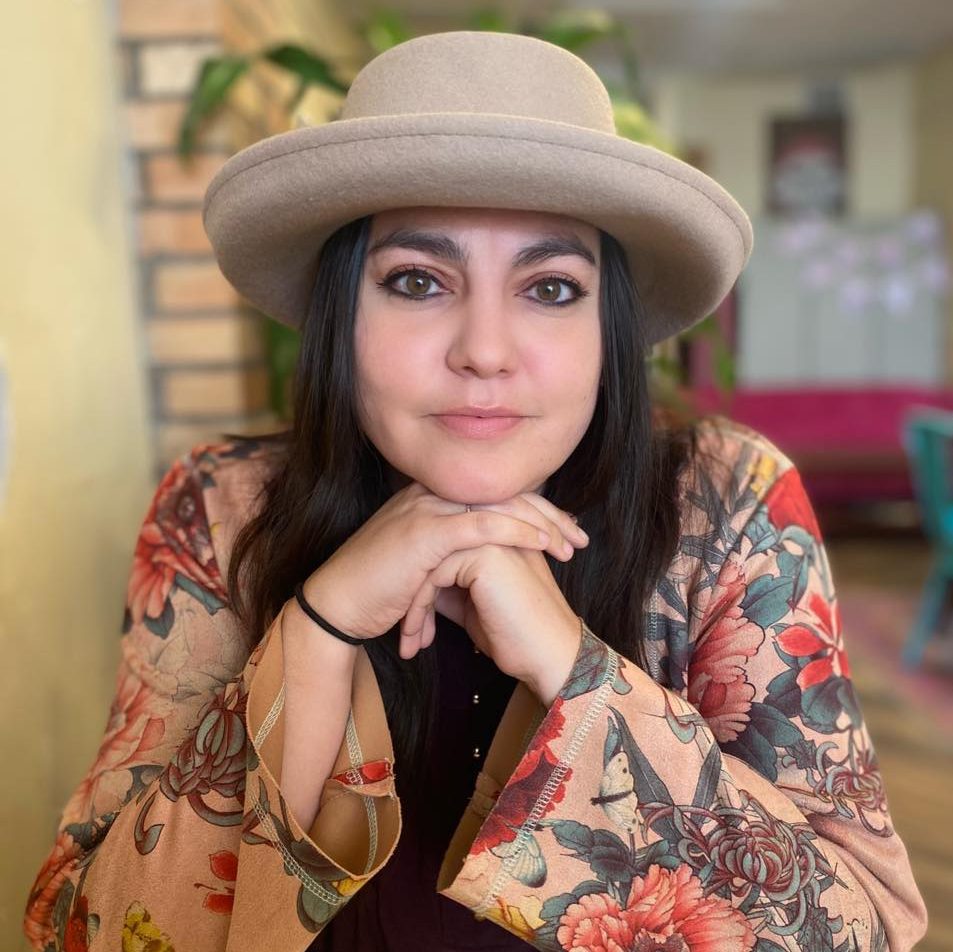
Felicia Sabartinelli

The latest episode of the JoyProject podcast is live—The Joy of Airports with Felicia Sabartinelli!

Think you can’t find joy in an airport? Think again! Felicia Sabartinelli is a seasoned world traveler and once you hear her wax poetic about airports, you’ll see them and experience them differently. She explains that airports are the rarest of gems that help us to discover “a state of childlike wonderment.”

At the end of the podcast, I share something that brought me joy this week. It was a stressful and frightening one for me, and I say a heartfelt and grateful thank you to the Animal Medical Center of New York doctors and staff who saved my dog’s life when I was afraid I may have to say goodbye to him too soon.

The Joy of Airports with Felicia Sabartinelli

Topics discussed in this episode:
– Felicia’s definition of joy
– The importance of finding joy during the most challenging times
– All the places to find and experience joy in an airport
– How airports are becoming a destination
– Felicia’s travels to Spain, Turkey, Iceland, Sweden, China, Alaska, Finland, Mexico, Jamaica, and Austria
– Her upcoming book, Good Girl
– Writing while traveling
– The Denver airport and the mysteries it holds
– The art of the Seattle airport
– Her upcoming Masters program in the UK
– How the joy of musicals found their footing in society after WWII

Links to resources:
– Felicia’s website – https://www.feliciasabartinelli.com
– Felicia on Instagram – @Sabartinelli
– Felicia on TikTok – @Sabartinelli
– Christa on Twitter – @christanyc
– Christa on Instagram – @christarosenyc
– Christa’s website – ChristaAvampato.com
– The Animal Medical Center of NY

A little bit about Felicia:
Felicia Sabartinelli is a fifth-generation Coloradoan whose poetry and personal essays have been published in major magazines, newspapers, and anthologies. Many of her personal essays are still in wide circulation today like, My Miscarriages Ruined My MarriageThe Invisible Hierarchy of Grief which recently won a Writer’s Digest award, and I’m So Allergic, Event Fruits and Veggies Can Kill Me.  When she is not writing, you can find her acting, painting, traveling the world, binge-watching her favorite TV shows, or speaking on the topics of creativity and self-realization.

creativity

How research helps writers get unstuck

Photo by Emily Morter on Unsplash

Have you ever been in the messy middle of a writing project? It’s the point where you’re not quite sure how to get from the middle of the narrative to the satisfying conclusion you have planned. It feels like you’re in quicksand, unable to clearly see the path forward. Your characters look to you for guidance, you look to them for guidance, and none of you have any answers so you just spin place, or worse—you abandon the project altogether. 

The wisdom and guidance you need to get out of the messy middle is research. Right now I’m working on a historical fiction novel. The main tentpoles of the plot have remained the same but I’ve brought in many new details to make the script come alive. It’s set in an Italian bakery in New York City in 1910, a dynamic and wild time in the city, country, and world. A myriad of historical events would have had an outsized impact on my characters so I have to research that time to get the details just right. It’s a heavy lift, and ultimately worth the time and attention.

I got myself out of that messy middle by digging into The New York Times archive for specific dates and events that figure prominently into the lives of my characters. In that research I found a plethora of information, and that information created the map I needed to find my way to the conclusion. 

If you’re in the messy middle now and ready to throw in the towel out of frustration, take a deep breath and go to the archives. Let history be your guide. Research your way across the channel to safely emerge on shore on the other side. It’s only a matter of time. The world needs your story.

creativity

Research is a writer’s best friend

Art by CJ Bown of the Arcade in Central Park that hangs in my apartment

I’m under contract to write the third novel in my Emerson Page trilogy. I’ve struggled to find my footing with this one. I’ve written out over half a dozen concepts and nothing felt genuine. It all felt like a forced narrative. This has been going on for months.

I had a hunch that the book should begin in the Arcade near Central Park’s Bethesda Fountain. I wasn’t sure how or why, but that space has called to me for years. I have a huge photograph of it hanging in my apartment, and it’s one of my favorite pieces of art. For months I’ve been looking for interesting aspects of the arcade and the fountain, hoping to find some link to Emerson’s story. Nothing.

So I went back to the primary source—Greensward, the original plan for Central Park written by Olmsted and Vaux in 1858. Bethesda Fountain and Terrace, along with the Arcade, are considered the heart of the Park. Ralph Waldo Emerson’s essay Nature had an enormous influence on the design of Central Park. Both Olmsted and Vaux admired him. My protagonist, Emerson Page, is named after Emerson.

From there, I did more research on Emerson, Olmsted, and Vaux and found a number of links to the muses of Greek mythology who figure prominently in Emerson Page’s story. All the pieces I’d been struggling to find fell into place one by one and before I knew it, my outline of the third book was humming after so many false starts.

If you find yourself stuck in your writing, I highly encourage a detour into research and into primary sources. The answers to our present challenges often have roots in the past. Our job as writers is to uncover them and bring them into the light.

creativity

This blog is also a podcast

Photo by Will Francis on Unsplash

WordPress and Anchor make it easy to turn a blog into a podcast so I did it! Curating a Creative Life is now available on Anchor, iTunes, Spotify, Google Podcasts, Amazon Music and Audible, Castbox, RadioPublic, and Stitcher.

I wanted to expand this distribution to make this blog more accessible to more people in more places. From the blog, you can click the “listen on Spotify” icon at the top of the posts that are on the podcast, go to the links above or search “Curating a Creative Life Through Writing” on any of the platforms where it’s available, or go to this website for all of the direct links: https://anchor.fm/christa-avampato.

If you’d like to turn your WordPress blog into a podcast, here are the step-by-step instructions. Happy listening!