creativity

Campaign communications are bringing the fun and rallying voters

Image by Swifties4Kamala.com

Something fascinating and fantastic is happening with campaign communications in 2024 and it warms my story loving heart. In the past, voters have rallied around their political party, social issues, geography, and demographics such as age, race, religion, and ethnicity. This year we’re seeing people rally around their interests, passions, and affinities in support of Kamala Harris and Tim Walz. From comedy and food to pets and music, there is a group for all of us. These groups and their respective Zoom events are using trusted messengers — people with whom we share a common bond and who make us feel safe—to relate to voters on a personal level. 

This week I went to two online incredible online events: Swifties for Kamala organized by Taylor Swift fans and Cooking for Kamala organized by professional celebrity chefs. (They were both recorded so you can watch them at the links below.) Swifties raised over $144,000 and the chefs raised over $225,000 from event attendees. They got people registered to vote, helped people check their voter registration, talked about issues related to their interests (in these cases, corporate monopolies like Ticketmaster and food security, respectively), provided resources for people to volunteer on the campaign to knock on doors, send postcards, make phone calls, combat disinformation and misinformation, and most importantly activate their friends, family members, and communities to turn out the vote this November. 

Swifties for Kamala has a full website, social media accounts, merch for the cause, friendship bracelets (of course!) and a newsletter called Paint the Town Blue where they are continuing to activate their community after the event. What’s even more impressive about Swifties for Kamala is that it’s organized and run only by fans, not celebrities. Taylor herself is not involved, and they had Senator Elizabeth Warren and Carole King attend the event as special guests.

Collectively, all these affinity events and efforts are also doing the important work of reminding all of us that politics is about people and policies. It’s personal. It’s about who we are and who we want to be. It’s about how we live together in community, in harmony. It’s about the world we’re building for ourselves and future generations. While disagreements will inevitably happen, politics can only be effective if it’s about unity and open, clear communications. These affinity events are putting the heart back into government, and they’re giving us hope. 

Some media outlets have said joy is not a strategy. These events show joy is not only a strategy; it’s also a way of being and doing. And it’s working. 

Swifties for Kamala website, social media accounts, and event rewatch:
https://swifties4kamala.com/
https://linktr.ee/swifties4kamala
https://www.youtube.com/live/r9lQlWzQLPQ

Cooking for Kamala event rewatch:
https://pages.hovercast.live/cooking-for-kamala/live

creativity

How to get microplastics out of your body

0.5% of human brain weight today is from microplastics, according to the latest scientific research. It’s also collecting in human lungs, placentas, reproductive organs, livers, kidneys, knee and elbow joints, blood vessels and bone marrow. It contributes to cardiovascular disease, infertility, memory loss, and learning impairment.

These are frightening statistics, and there we can do something about it TODAY to protect ourselves and our families. Many of the answers are in our kitchens. An article in the New York Times interviewed 3 medical doctors and a research scientist about how to reduce our exposure.

1.) Eliminate plastic bottled water (and I’d add eliminate paper to-go cups because they have a plastic lining, especially for hot coffee). Instead, use metal, silicone, or glass to store your water.

2.) Have effective water filtration at home. Brita’s elite filter is a good choice.

3.) Don’t cook with utensils such as plastic spatulas or plastic mixing spoons. Use silicone, wood, or metal.

4.) Don’t store any food or drinks in plastic (especially if they are acidic or warm). Even if they come in plastic from the grocery store, take them out of the plastic when you get home and store in glass, metal, or silicone. Never leave food or drink in plastic exposed to heat (such as in a car).

5.) Don’t reuse packaged food containers you may have like those from butter, yogurt, etc. to store food. Put those right into the recycling bin.

6.) Don’t microwave plastic, no matter what the packaging says is okay.

7.) Hand wash plastic rather than running it through the dishwasher, and use cold water to wash it, no matter what the packaging says is okay.

8.) Replace your plastic cutting boards with wood or bamboo cutting boards.

9.) I would also add don’t eat with plastic utensils, plastic bowls or plates, or paper plates that have a plastic coating on them.

10.) Filter your air at home and vacuum regularly to remove microplastics that enter our home from the air and that we track in from outside.

It’s unfortunate that completely eliminating exposure to microplastics in our modern world is nearly impossible until we have safe, alternative materials to fossil fuel-based plastic. What we can do is limit our exposure as much as possible with these tips.


creativity

I fell hard for Liverpool; you will, too.

The Beatles statue. Royal Albert Dock, Liverpool. Photo by Christa Avampato.

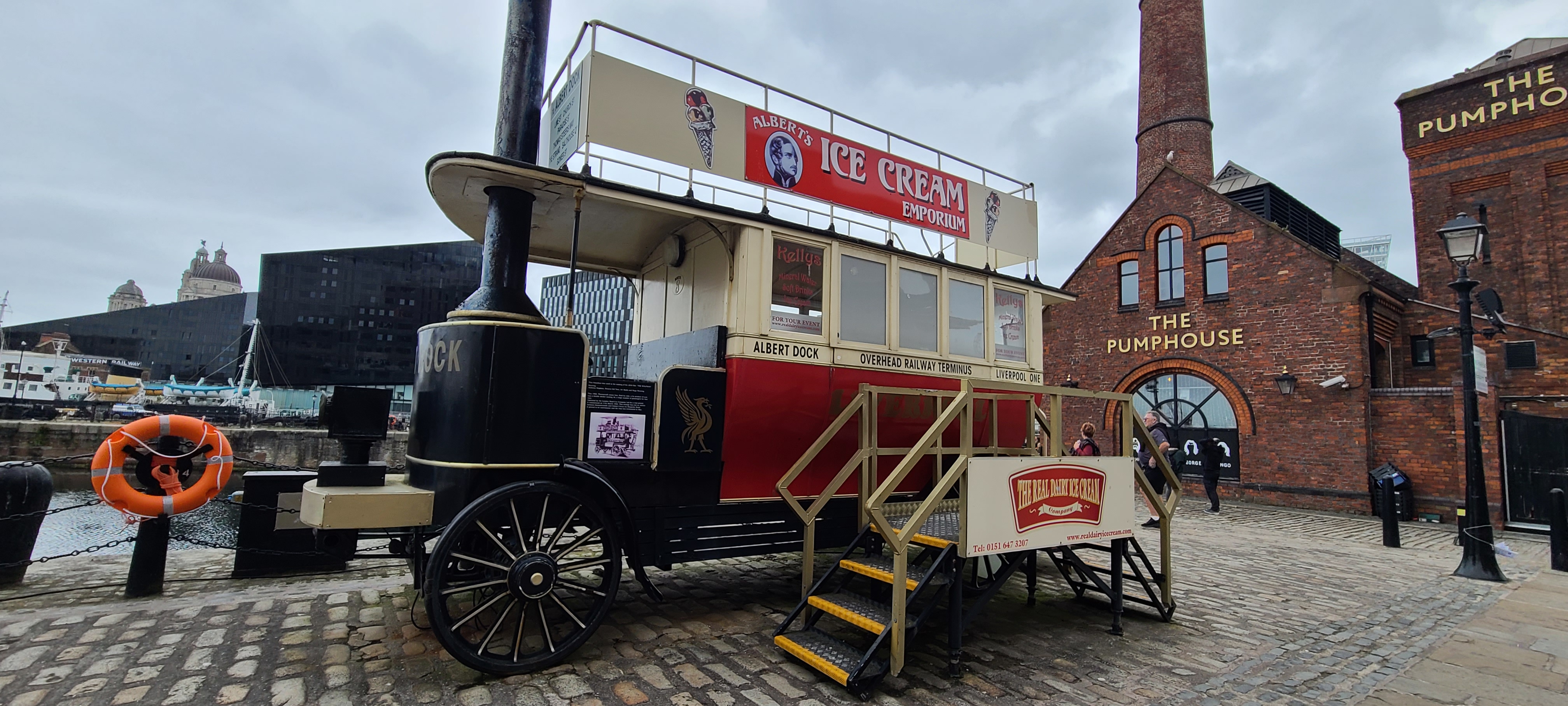
I love a gritty city – one peppered with history, music, art, and salt-of-the-earth people. I fell for Liverpool as soon as I arrived. I walked out of the train station and into the cool morning light. I immediately felt at home. The food is delicious, the people are kind, and the city is thriving with art and music everywhere. It’s also very affordable. I could easily live there and be very happy!

Some highlights:

As a port city, Liverpool has an extensive dock area. It’s been refurbished as the Royal Albert Dock, filled with restaurants, cafes, bakeries, pubs, and art. It’s a fun area to spend an afternoon. (Rough Handmade is one of the greatest bakeries I’ve ever been to anywhere!)

Bold Street is one of the main commercial areas filled with shops, food, and bookstores. Open early to late, there’s something for everyone there. I spent an event there at Mowgli, enjoying some of the best Indian food I’ve ever had. There are a few Mowgli locations in Liverpool and each of them is beautiful, buzzy, and relaxed.

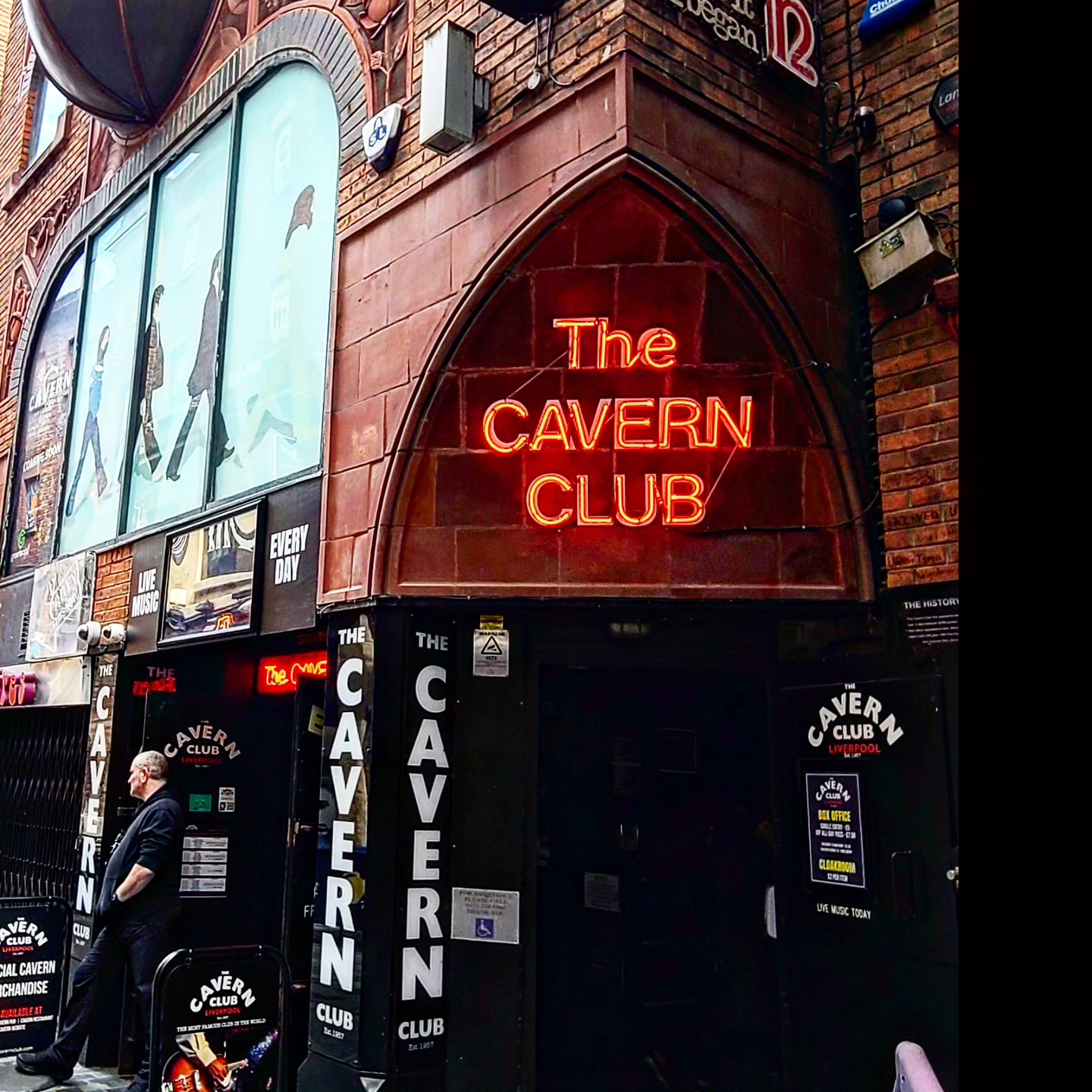
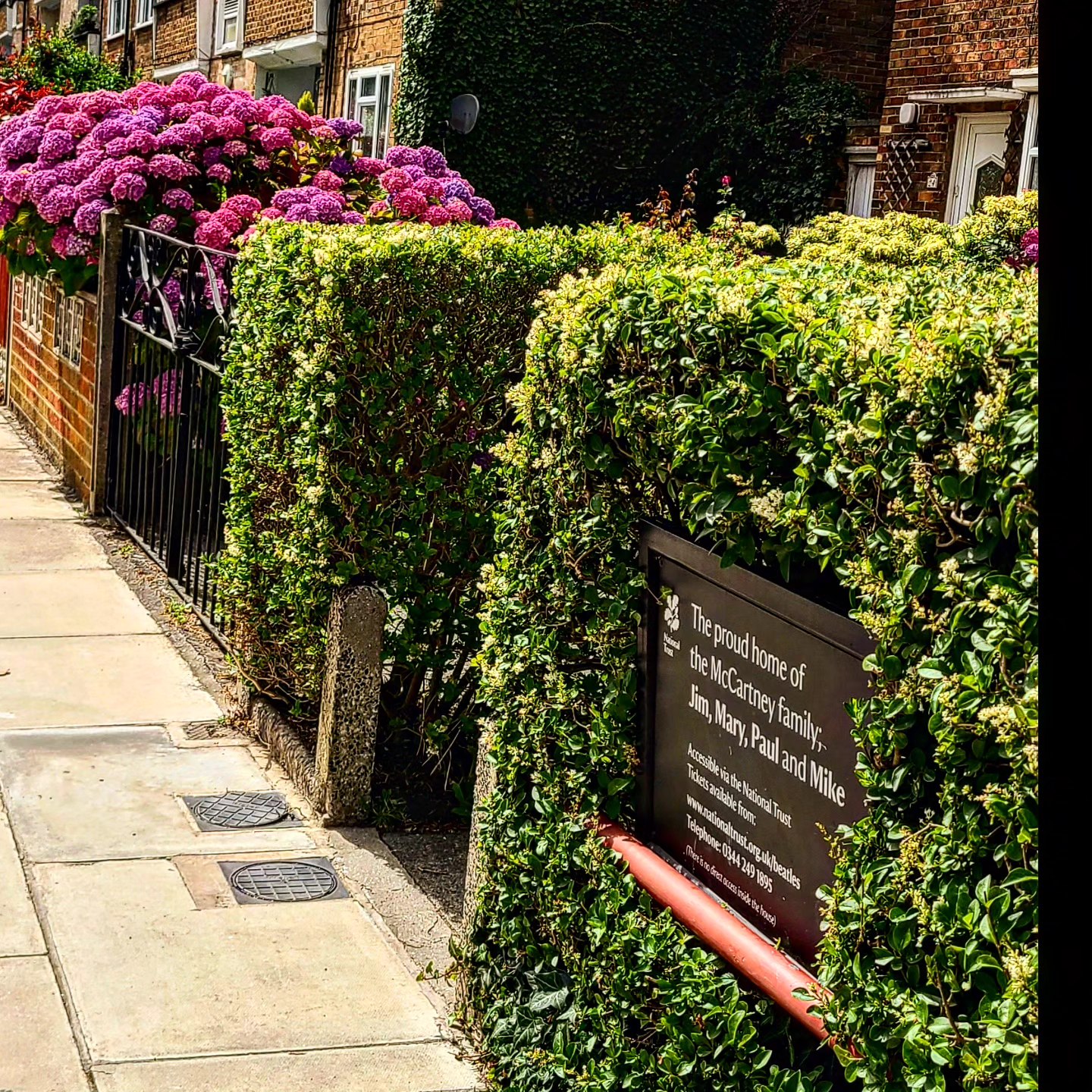
Seeing the Beatles childhood homes and the Cavern Club was the main reason I went to Liverpool. I love their story and music. My old neighborhood on the Upper West Side has the Dakota, the last home of John Lennon, and Strawberry Fields in Central Park where the “Imagine” sundial honors John’s legacy. The two childhood homes of John Lennon and Paul McCartney in Liverpool are very different from one another. They’re time capsules that tell their story of friendship and happenstance in the wake of WWII. No pictures are allowed inside the houses, but you can get excellent indoor tours with the National Trust. The tour picks up at Speke Hall, another great National Trust home (that’s 400 years old!) and grounds that I highly recommend seeing. Become a member of the National Trust and this tour (as well as Speke Hall), along with many other UK sites, are deeply discounted or free.

Liverpool is home to many museums, my favorite being the Maritime Museum. It pays homage to the Titanic because the White Star Line, the ship’s owner, was based there. The museum also exposes the city’s horrific role in the transatlantic slave trade. While many cities and countries attempt to sweep tragedy under the rug, Liverpool addresses directly and honestly in this museum and throughout the city.

The Resident is a fantastic boutique hotel that emphasizes sustainability and is a repurposed factory. Incredible service and great accommodations, it’s located very close to Bold Street and within walking distance of all the great sites of the city.

While Liverpool isn’t as flashy as some other European destination, it’s filled with heart and soul. It’s well worth a visit. I’m already looking forward to visiting again.

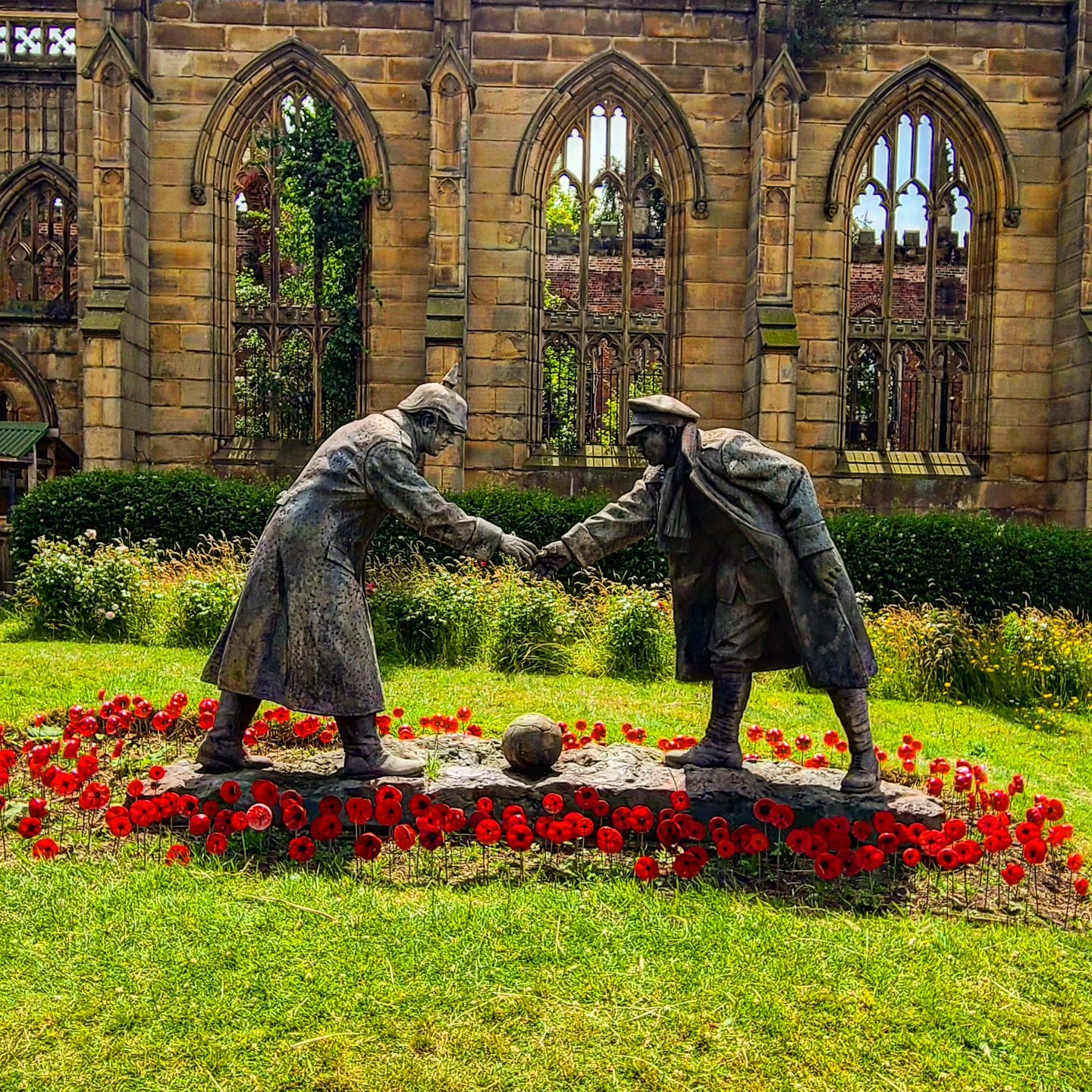
The collage below are my favorite photos from Liverpool, all taken by me.

creativity

Dreaming of Sicily through food

Sicilia: A Love Letter to the Food of Sicily. Photo by Christa Avampato.

Though I’m working on my dissertation for most of this weekend, I took a little time out to dream about my ancestral homeland thanks to Ben Tish’s gorgeous cookbook, Sicilia: A Love letter to the Food of Sicily. More than just recipes, Ben gives us a glimpse into the rich arid land, history, and the bustling society that is so prevalent on this island (and the many islands dotted along its coast). I particularly love his vivid descriptions of the food markets, each with its own unique spin on street food. I can’t wait to see and experience them myself.

Sicily’s history is dotted with many influences from many places and peoples. It’s not a melting pot, but rather an amalgam, a collage, with all the parts clearly visible and working together to create something none of them could do alone. Sicily isn’t one culture but many. Its food is its historical archive. 

Arab and North African influences are some of the strongest we can find in Sicily’s cuisine, including both its ingredients and preparation. The Moors and the Islamic culture they brought are closely tied to Spain. However, they are just as prevalent, perhaps even more so, in Sicily. Pistachios and honey, oranges and lemons, saffron and pomegranates, sorbet and granite, couscous and sardines, almonds and pine nuts, raisins and fennel. If you love anything deep fried (and who doesn’t?), thank the Arabs who ruled Sicily in the 9th and 10th centuries for infusing that cooking preparation into Sicily and then on into the rest of Europe. 

This island’s sprawling variety, so much packed into such a small amount of real estate, reminds me a lot of my home in New York. Here, Sicilian culture, along with hundreds of other cultures, can be seen and experienced all the time everywhere. Maybe my bloodline to Sicily is why I feel at home everywhere and with everyone–because my ancestors were diverse, people who came from all over to this plot of land that connects east and west, north and south, and celebrates its many influences.

creativity

What does a sustainable New York City look like?

What does a sustainable New York City look like to you? I imagine lush micro gardens, biophilic architecture (a building methods that connects people with nature), rooftop farms, and clean transit, air, and water as pathways that give people, plants, and wildlife the opportunity to live side-by-side-by-side in ways that benefit all.

In biomimicry, we begin our design process by asking how nature would solve a specific problem we have with a question framed as “How would nature (the problem we want to solve)?”. My question above would be framed as “How would nature build a sustainable New York City?” This is a question that has occupied by headspace for years as I traverse through different projects and future visioning sessions.

In the spirit of an image being worth 1,000 words, I created these images with Canva Magic Studio AI to show how nature might build a sustainable New York. Is this a city you’d like to visit? Is this a city where you’d be happy to live? What are the first steps we can take now to make this our New York?

creativity

The Joy of Pizza with Rachel Josar

The Joy of Pizza with Rachel Josar

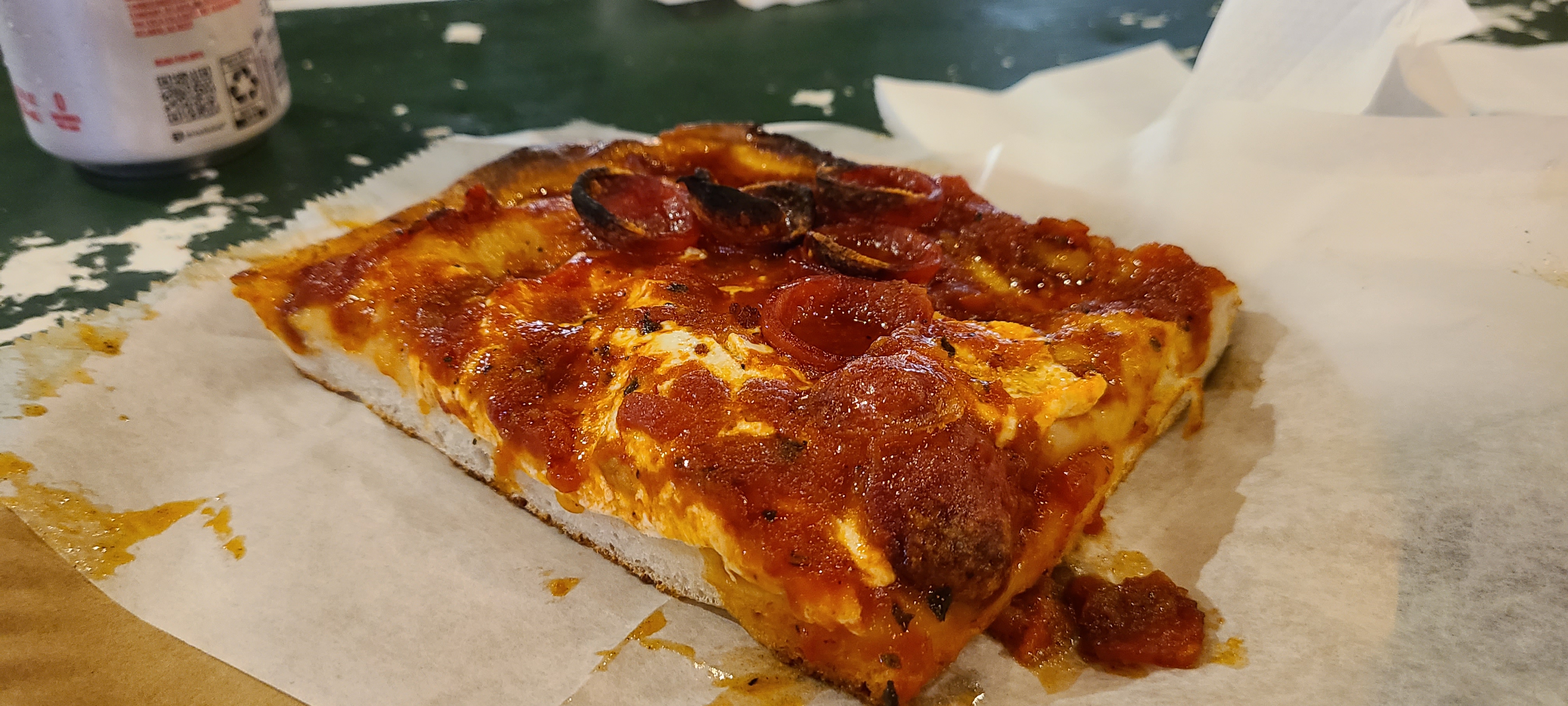
Pizza. The word alone brings an immediate smile to our faces. We can’t contain the joy it sparks, and nowhere is the joy of pizza more prevalent than in New York City. Rachel Josar, the creator and host of the They Had Fun podcast, joins the JoyProject podcast to talk about all things pizza, her weekly tradition with her husband, her passion for this incredible city, and the history and culture that is entwined with food. After 250 weeks of Friday night pizza, Rachel gives her expert opinion on where to get the best pizza in New York.

About Rachel
Rachel is the host of the podcast, They Had Fun, where she talks to real New Yorkers about the most fun they’ve ever had in the city. She’s lived in NYC for 16 years and enjoys fries at the bar, gallery walks, talking to anyone who will listen about why New York is still great, and of course, negronis and pizza on Fridays.

Topics discussed in this episode:

  • The best places in New York to get pizza
  • Rachel’s weekly pizza tradition with her husband
  • The history of pizza and it’s place in New York city culture
  • The quote about pizza in the New York Times that helped Rachel and Christa connect and become friends
  • Rachel’s amazing podcast, The Had Fun
  • Why New York City is the greatest city
  • New York’s restaurant scene and supporting restaurants through the pandemic
  • Christa’s favorite childhood memory about pizza

Links to resources:

creativity

JoyProject podcast: The Joy of Baking Challah with Vicki Eastus

The Joy of Baking Challah with Vicki Eastus

What could be better than freshly baked challah? Talking about baking challah with one of my nearest and dearest friends! In this episode of the JoyProject podcast, Vicki tells us how she got started baking challah with her daughter during the COVID-19 lockdown. She shares her baking process, the traditions of challah, and the joy and memories that food provides for all of us. We also talk about the storytelling community that brought us together and the stories that connect us to our past, to history, and to one another.

About Vicki:
Vicki Eastus is a lawyer, teacher, improviser and storyteller. A native Texan, Vicki declared herself a feminist at age 10 and started her long career as an advocate for women. She has been a campus advocate on sexual harassment issues, a lawyer for the largest group of women to ever successfully sue the government for sex discrimination, and a Title IX Coordinator. Vicki earned her B.A. in Russian literature, focusing on Russian formalist criticism and the distinction between plot and story. She carried those concepts into her legal career, bending traditional legal writing rules to make her clients’ stories more compelling. Now a professor at New York Law School, she integrates storytelling and improvisational techniques into her classes on legal analysis and advocacy. She has given presentations at national and international legal conferences on using storytelling and improvisation to teach legal analysis and to help law students find their legal voices.

Topics discussed in this episode:

  • How Vicki bucked her fear and started baking her own challah with her daughter
  • Some of the traditions and history around challah baking
  • The memories and joy we can all find in homemade and home baked food
  • The inspiring work of Jose Andres and his organization, World Central Kitchen
  • The Instagram account @challahbakeoff

Links to resources:

creativity

JoyProject podcast: The Joy of The Great British Bake Off with Abby Anklam

The Joy of The Great British Bake Off with Abby Anklam

If ever there was a television show founded on pure joy, it’s The Great British Bake Off. Professional writer and home baker Abby Anklam joins us on the JoyProject podcast to talk about how she started watching Bake Off and her favorite parts of the show that make it a delight to watch. Abby also shares the bakes she tried at home that were inspired by the show and the bakes she plans to try after everything she’s learned as an avid watcher and fan. We also chat about her job as a writer and illustrator of children’s books.

About Abby:
Abigail Anklam is a writer and illustrator who writes books for young readers.

Growing up, she loved reading about fantastic adventures in incredible places and longed to have adventures of her own, just like Lucy in Narnia, Mowgli in the Jungle, or White Fang in the Arctic. So it’s no wonder that she left her Virginia home to find adventure in faraway places, like Arkansas, Italy, Arizona, & China.

During her adventures, Abigail has filled many roles. She has been a student, an actor, a zookeeper, an artist, a teacher, a bookseller, an archer, and more! She loves to learn new skills, visit new places, and try new things. Along the way, she’s experienced different ways of life, met all kinds of wonderful people, and learned about all sorts of fascinating animals. Many of those experiences and interests have found their way into her writing and art.

Right now, Abigail is working on her first children’s novel. It’s a mystery story that involves a bear, an animal trainer, and an escape from the circus. To read a sample of Abigail’s published work, click here. You’ll find an excerpt from According to Their Kinds, a collection of short animal-related stories (for adults).​

Topics discussed in this episode:

  • What makes The Great British Bake Off such a joy to watch
  • How Bake Off is different (and better!) than U.S.-based competition shows
  • What fans of Bake Off learn from the show and apply to their own baking
  • Those adorable illustrations of the bakes that have become a hallmark of the show
  • Abby’s work as a writer and illustrator of children’s books
  • The Story community where I met Abby
  • Junior Bake Off — the newest show in the Bake Off franchise now on Netflix in the U.S.
  • A quote about joy from Jaiya John sent to me by my wonderful friend, artist Rachael Harms Mahlandt

Links to resources:

creativity

JoyProject podcast episode: Joyful News 5.31.22

Joyful News 5.31.22

Put some joyful news in your day!

Joyful News is a set of stories I’ve gathered from around the world that spark joy. In this episode I share these joyful news stories about books, exercise, meditation, food, and travel:

Listen here https://christaavampato.com/joyful-news-5-31-22/ and wherever you get your podcasts.

creativity

Write every day: 2 ways to give help and 2 ways to get help

Screen Shot 2020-04-04 at 8.24.43 AMThis morning here are two easy ways to give help and two ways to get help if you need it:

Give help:
1.) Buy and donate cookies from the Girl Scouts for yourself, loved ones, and our brave healthcare workers!

This year the Girl Scouts had to cancel all of their in-person cookie drives which go to fund a lot of their activities and help girls around the world. So they moved the whole operation online with delivery. Online you can buy cookies for yourself, send cookies to others, or donate them to our brave healthcare workers!

Link: https://www.girlscouts.org/en/cookie-care.html

2.) #Chalk4Joy
Share JOY on the Sidewalks of the World today! A global chalk painting celebration for you to do at home. Share what JOY looks like to YOU by:
– Doing a chalk drawing on your sidewalk outside (at a safe social distance from others) or on paper at home with anything you have.
– Share photos of your work on social media with the hashtags #ChalkTheWalk #Chalk4Joy
– Send pictures of your art to chalk4peace@gmail.com

Get help:
1.) Free food for all New Yorkers in need
If you or anyone you know in NYC needs food, 3 free meals will be available for ALL New Yorkers at more than 400 Meal Hubs, Monday – Friday: http://schools.nyc.gov/freemeals. No questions asked. Please help spread the world about this.

2.) Call your financial institutions if you need help
A lot of people are struggling financially right now and that’s causing a tremendous amount of stress. Many banks and financial institutions like Bank of America (which has been my bank for many years) have stepped up to say that they will work with customers, cancel certain fees, and offer extra assistance. Don’t be afraid or embarrassed to call them to ask for help. They have the means and they want to help you get through this. Call the toll-free number on the back of your card or contact them via their website to explore your options. Please tell your neighbors, friends, and family about this.