creativity

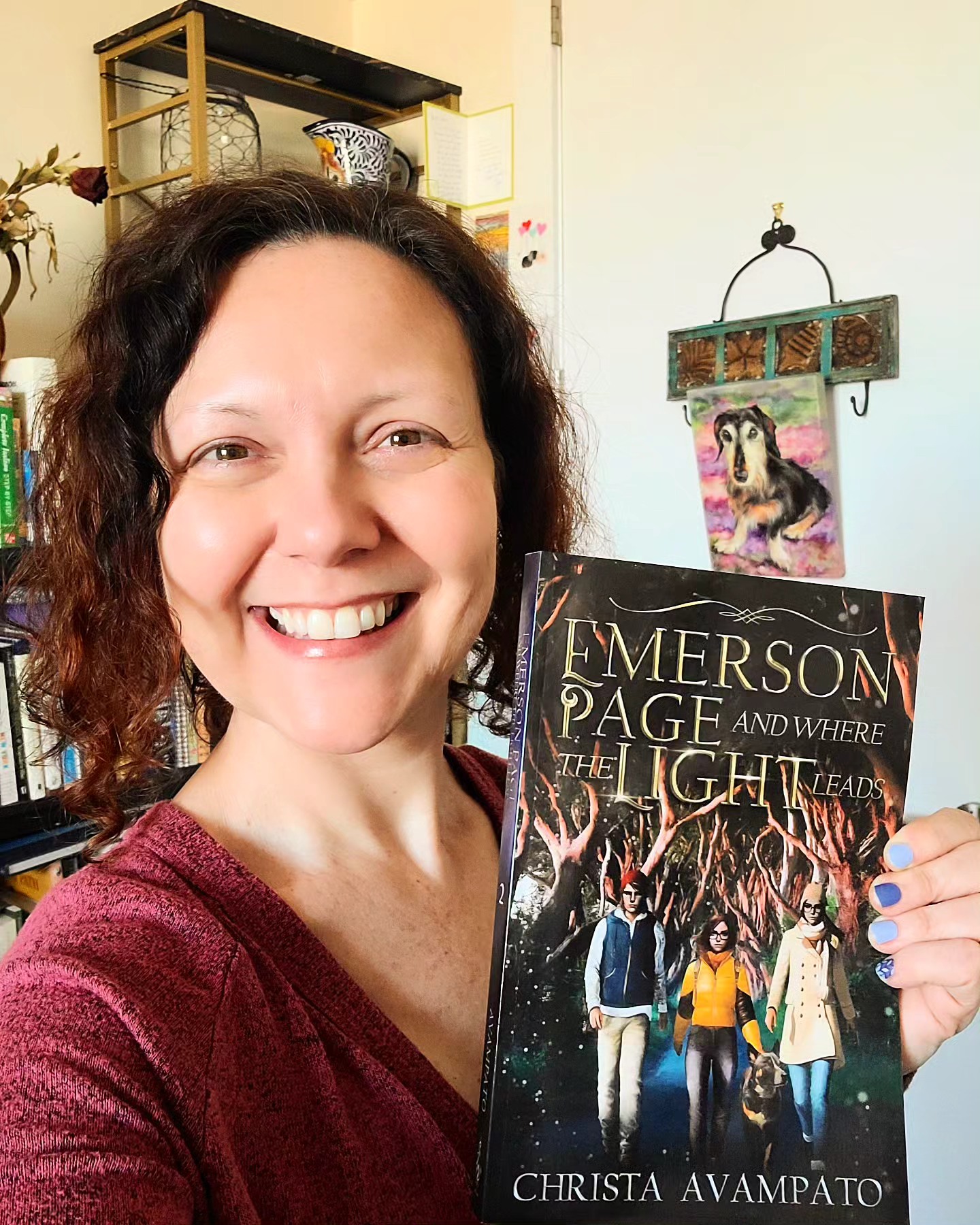
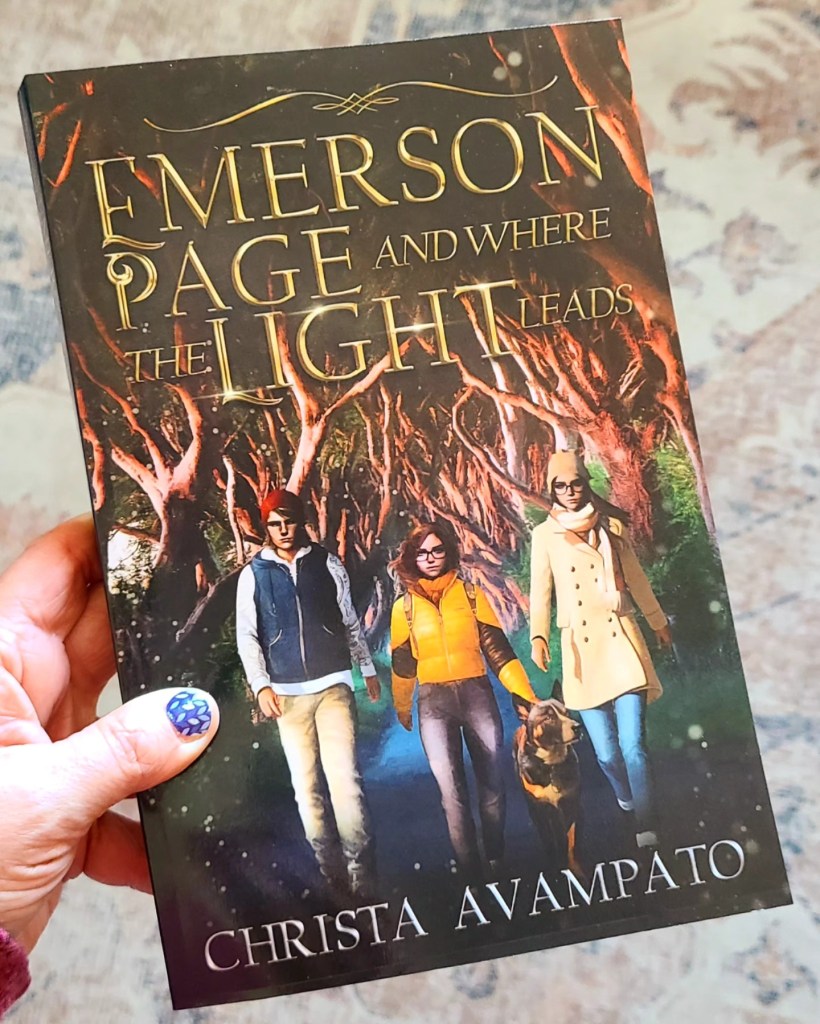
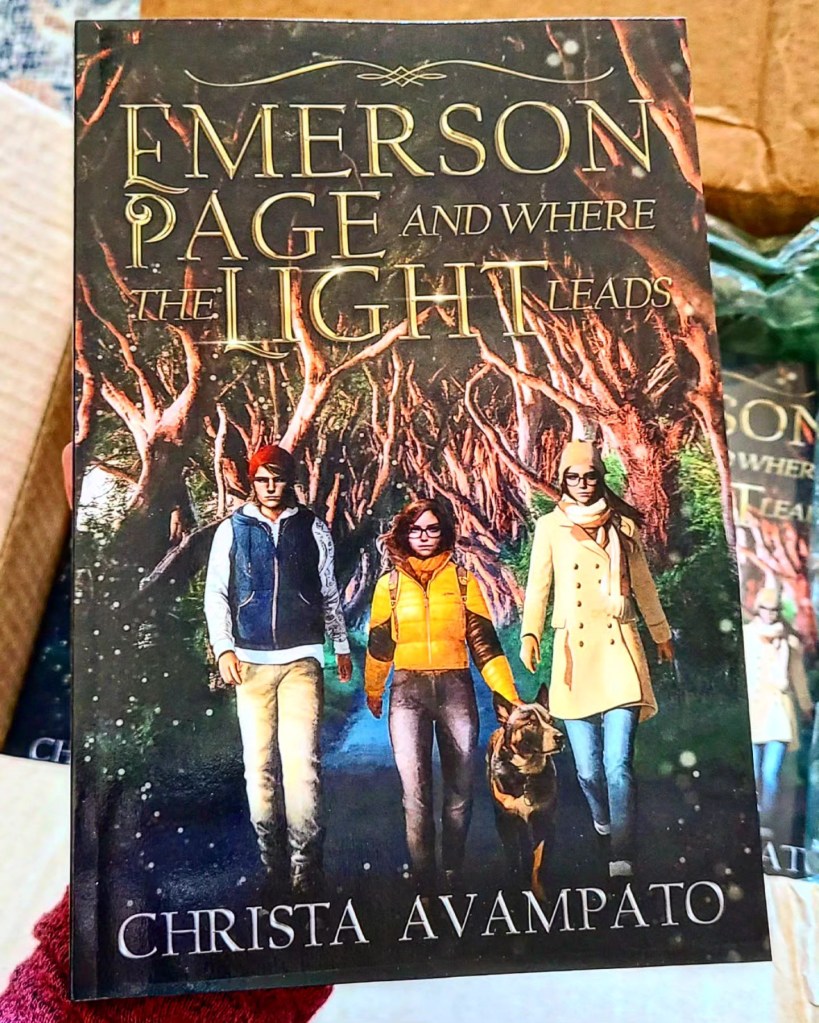
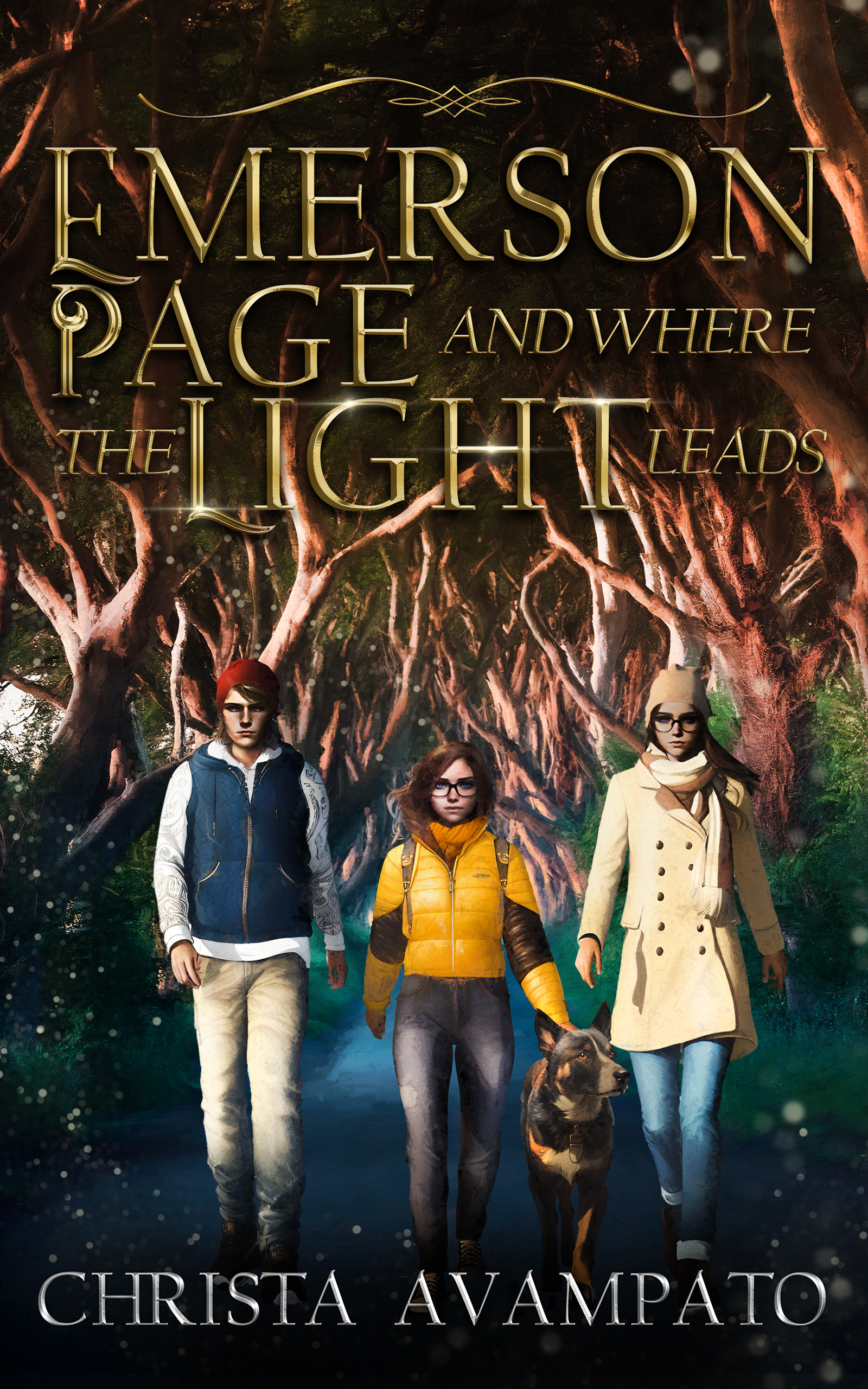
My novel, Emerson Page and Where the Light Leads, is an official selection at the 2024 New Media Film Festival

https://emersonpagebook.wordpress.com/shop/

Closing out the week on a high! I just found out that my upcoming novel, Emerson Page and Where the Light Leads, is an official selection for the 2024 New Media Film Festival in Los Angeles in June. One of my big goals for Emerson is to have her story made into a film or series so bumps like this within the film industry mean a lot. I’m grateful for this honor and I’m hoping I can get to LA for the festival in June.

On Coverfly, a platform that curates film, book, and media awards, my book is ranked in the top 34% of over 135,000 projects in all genres and formats, and top 19% of books and manuscripts.

Thank you to everyone who continues to champion Emerson and support me in my creative work. Your encouragement means everything to us.

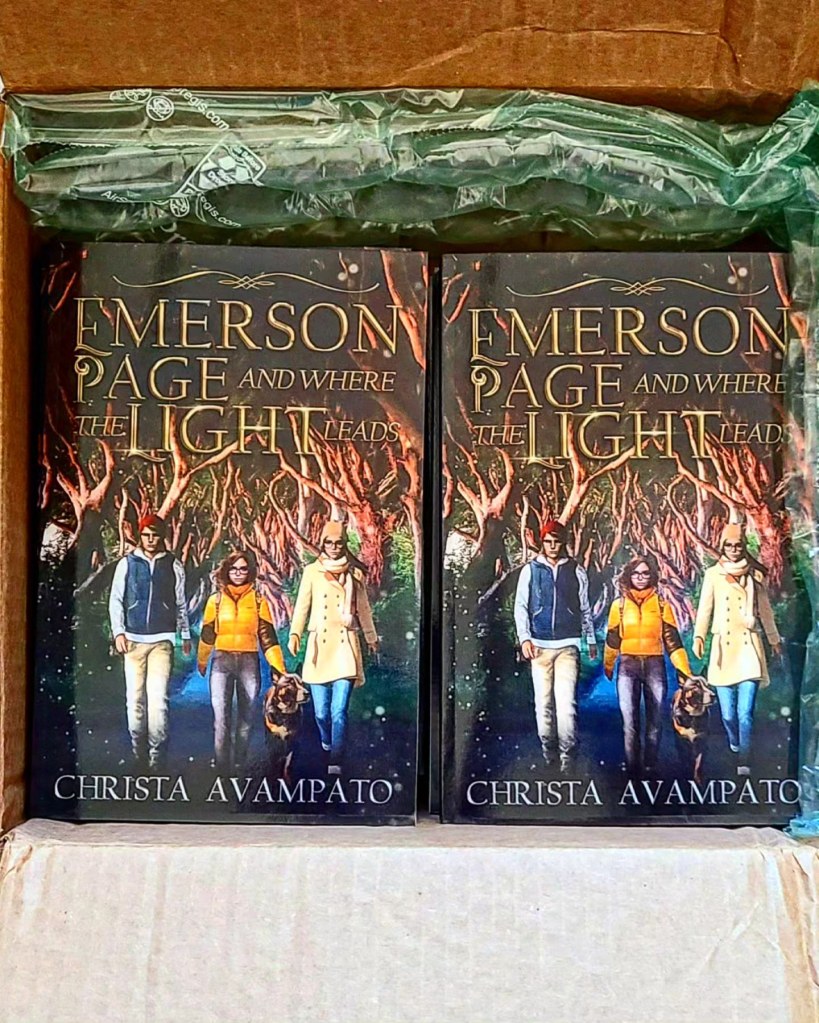
On May 14th, the book will be available everywhere books and eBooks are sold. Pre-orders can be placed now on Amazon, Bookshop, and Barnes & Noble. The first book in the series, Emerson Page and Where the Light Enters, is available now in paperback and as an eBook everywhere books are sold.

creativity

My letter to President Biden after the World Central Kitchen tragedy in Gaza

From World Central Kitchen. https://wck.org/

In the aftermath of the World Central Kitchen tragedy that took the lives of 7 humanitarian aid workers in Gaza this week, I wrote a letter to President Biden on Wednesday evening. The text of my letter is below. My hope is that my letter will inspire other people to not just post on social media but also to write to all of their elected officials and policy makers as a way of pushing for change at a system level.

“Dear President Biden,

On the news tonight, I heard you’re speaking to Prime Minister Netanyahu tomorrow. I know you receive a multitude of letters and that mine will likely never reach you but I’ve been so racked by grief at the tremendous loss of life in Gaza, especially the aid workers from World Central Kitchen, that I had to write to you.

This war’s made it unsafe for Americans to be abroad and unsafe to be Jewish, even in a city as diverse and accepting as New York City, where I live. This war is starving millions of people. It’s killed tens of thousands, the majority children and women. It’s maimed, disabled, and orphaned an untold number of innocent people. The people of Gaza are penned in with nowhere to go, no safe passage out and no safe space within.

I know the situation is complicated. I know the Jewish people have suffered for decades, for centuries. I know October 7th was a horrific unspeakable act by Hamas. And I also know what Netanyahu’s government is doing now is as cruel and inhumane as what has been done to them. The people of Gaza and Israel deserve better. They deserve peace. Netanyahu will never give them peace. And so, we have to use every resource we have to stand for peace: A stop on weapons, funding, and support for Netanyahu.

The second term of your presidency is on the line, and with it the future of our nation and the world. We’re asking you to lead, to protect us, to stand on the side of humanity and peace, and that means we cannot stand with Netanyahu. That way lies another Trump presidency, more anti-Semitism, and more anti-American sentiment. We and the world cannot afford any of that.

This war must end and Netanyahu must go. And you must be the one to take that stand. It’s as simple and as complex as that. I know it’s painful. I know it’s difficult. It must be done and you must do it, for all our sakes.

Sincerely yours,
Christa Avampato”

creativity

What does a sustainable New York City look like?

What does a sustainable New York City look like to you? I imagine lush micro gardens, biophilic architecture (a building methods that connects people with nature), rooftop farms, and clean transit, air, and water as pathways that give people, plants, and wildlife the opportunity to live side-by-side-by-side in ways that benefit all.

In biomimicry, we begin our design process by asking how nature would solve a specific problem we have with a question framed as “How would nature (the problem we want to solve)?”. My question above would be framed as “How would nature build a sustainable New York City?” This is a question that has occupied by headspace for years as I traverse through different projects and future visioning sessions.

In the spirit of an image being worth 1,000 words, I created these images with Canva Magic Studio AI to show how nature might build a sustainable New York. Is this a city you’d like to visit? Is this a city where you’d be happy to live? What are the first steps we can take now to make this our New York?

creativity

Humans aren’t wired to protect nature—but that’s not the whole story

“People partner with nature”. I created this image with the help of Canva’s Magic Media AI tool 

As a storyteller and sustainability advocate I focus on people who aren’t committed (yet) to protecting nature because that’s where the greatest change happens. This means I’m often faced with people who deny climate change, feel hopeless, or think technology and / or someone else will restore the planet’s health. 

As you can imagine, I have to employ a number of tactics to remain optimistic and motivated. One way I do this is by listening to podcasts about people doing incredible work in nature. I’m passionate about rewilding, or as David Balharry, CEO of Scotland’s John Muir Trust, reframes it “nature’s freedom to repair itself”. This passion led me to Ben Goldsmith’s Rewilding the World podcast. Ben spoke to David in episode 1 of the second season. They discuss rewilding the Scottish Highlands, an area I’m hoping to visit this summer. 

The entire episode is enlightening, and one point in particular helped me. No species in history, humans included, has ever been hardwired to protect the planet. They (we) are hardwired to promote the successful perpetuation of our genetics. Said another way, at their base all living things first focus on their future generations surviving and thriving. This means people aren’t naturally focused on environmental conservation. It must be intentional. It’s a skill that takes practice. Therefore, the work I’m doing with naysayers, the hopeless, and technocrats is training and re-skilling them. I’m a teacher, a guide, and learning takes times. That reframe is helping me think about my work with more compassion and patience. 

I also want to be clear that our instinct for genetic survival is only part of who we are. Human beings have an enormous cerebral cortex unique (as far as we know) in the animal kingdom. Our brains simultaneously act and reflect on our actions to inform our future behavior and shape our thoughts. We can think long-term, imagine future scenarios, and bring them to fruition, even if we don’t always exercise that ability as deftly as we could

Our long-term planning capabilities make us unique and distinct from other species. This doesn’t mean we’re smarter, wiser, or superior. It means we have a responsibility to be conscientious global citizens who care for each other and future generations, other species with whom we share this planet, and ecosystems that make our existence possible. 

Over half of our global GDP depends on nature, in addition to providing our basic needs for clean air, water, and food. We can’t live without nature. If we’re thoughtful about our behavior, we can help nature help us. Scientist Dr. Robin Wall Kimmerer’s research shows humans can assist and enhance nature’s regeneration. That’s a partnership and story well worth the investment of our time, efforts, and money. 

creativity

Pre-order links for my new novel, Emerson Page and Where the Light Leads, are live

Breaking news! My new novel, Emerson Page and Where the Light Leads, will be released on May 14th, and the pre-order links are live. You can order it in paperback or in eBook format via Amazon now. The book will be available everywhere books are sold on May 14th. If you’d like to get a copy of the first book, Emerson Page and Where the Light Enters, it’s available now in paperback and eBook. You can order it on Amazon or request it at your favorite local bookstore.

I’m so excited for this next chapter of her adventure to be out in the world. A million thanks to everyone who’s loved us and cheered us on through our journey.

creativity

Second season of JoyProject podcast in the works

Season 2 of my podcast JoyProject is in the works!

In 2022, I started this podcast to ask people what brings them joy and share our conversations with listeners so they feel like they’re at the table with us. I booked the guests, recorded and edited all the episodes, and did all of the marketing and promotion. Joy was a big part of my daily care plan when I was going through cancer treatment during the pandemic in 2020–2021, and I wanted to create a podcast that amplified joy in its many forms and the healing it provides.

With my Masters program at University of Cambridge and my book launch this spring, I had to hold off on a second season of JoyProject because I didn’t have the time to do it well. Later this year, I’m going to release another season and I’m now in the story planning phase for it. I’m very excited to get back to it and can’t wait to find and meet the new guests.

I’d love for you to listen and let me know what you think. You can hear the first season here or anywhere you listen to podcasts: https://christaavampato.com/joyproject/

creativity

Your story is not about you

Photo by Brett Jordan on Unsplash

Had the most fascinating conversation with an expert in audience segmentation who is an oceanographer and thinks deeply about climate change communications. For our climate message to reach someone in a way that impacts their behavior, he said we need to be entrenched in the minds of the audience member we want to reach and be willing to change our story and language so it is created in that audience member’s mind in the way we want and need it to be. In this way, our story is not our story in the traditional sense. Our story is the imprint we want the audience member to experience and visualize when they hear our story.

He gave me this analogy: if someone wants to send a microwave signal across the city of Los Angeles, that signal will be distorted and filtered between the start and end points. Therefore, the person sending the signal needs to re-engineer the signal they send so the signal at the end point is what they want it to be.

Our stories are no different. They are filtered through an audience member’s language, prior life experience, biases, hopes, wants, needs, and fears. This is information that isn’t and can’t be aligned with an audience member’s base demographics that are easy to collect. Understanding an audience member on this level requires deep, intense, curious, and radically empathetic listening, a skill that is sadly in short supply in today’s world.

We also need to let go of the idea that there is one story to communicate one goal or one experience to a general audience. This understanding of the audience requires us as storytellers in any form to develop a library of stories that will reach audiences that are more thoroughly and thoughtfully segmented.

How to do this is the crux of my dissertation for University of Cambridge. I don’t know the answers yet, but I’m excited to find out as this dissertation unfolds. My hope is that my research will move the ball forward for the climate community in a way that benefits all beings.

creativity

The book Storyworthy by Matthew Dicks is a masterpiece about storytelling

The book Storyworthy: Engage, Teach, Persuade, and Change Your Life through the Power of Storytelling by Matthew Dicks is to storytelling what The Elements of Style by Strunk & White is to writing. Reading it immediately improves our craft because the advice is approachable and applicable. For every audience about any topic in any medium, every page of Storyworthy shows us how and why to tell stories, including the behind-the-scenes processes that make stories memorable and vehicles that can change hearts, minds, and behaviors.

When I first picked up Storyworthy, I didn’t expect much. I’ve read dozens of books on storytelling and many of them offer similar advice. When one of my best friends recommended Storyworthy, I was skeptical. However, my friend is a law professor who teaches writing and argument construction, and she is an exceptional storyteller whom I’ve worked with on storytelling shows. With her recommendation, I figured I could spend a few minutes flipping through it. My dissertation at University of Cambridge is centered around storytelling so if nothing else, I figured maybe I’d pick up one or two pointers that might be useful. 

By the time I got to page 2 of the preface, I was completely hooked even though Matt hadn’t yet given a scrap of advice on storytelling. His honesty is what got me. He opens the book with the first time he ever contemplated telling a story live on stage. He’s deeply conflicted about it. He has so much respect for the art form and he’s completely terrified of being judged. The stakes are high. His nervousness becomes my nervousness. I’ve felt that sick feeling in the pit of my stomach. I feel it every time I tell a story or do any kind of presentation in front of an audience. Terrified, he just goes for it. He takes his shot, and decides if his name gets picked he’ll just tell a story scared. He’s my kind of guy. I love risk-takers. I root for them. 

The book unfolds chapter after chapter with advice, exercises, and samples of Matt’s stories. These aren’t platitudes like “people love an underdog” or “start at the end and work backwards” that I’ve read in other storytelling how-to books multiple times. Both of those ideas are generally true and helpful but Matt goes so much further than that kind of advice. 

He explains exactly why and how he chooses his beginnings, endings, and the arc that connects them. He talks about pacing and timing, content and structure, word selection, story strategy, and storytelling devices to grab and hang onto an audience’s attention. Storyworthy is a playbook and it works for every story by every storyteller. It’s a compass, map, flashlight, and go-bag for everyone who has something to say that someone else needs to hear. It’s for all of us.

At one point, a friend of Matt’s whom I know and have told stories for, grabs his arm and tells him that he absolutely can’t tell anyone his secrets (or hers!) about how to create and tell a story. He laughs, ignores her, and thankfully we have Storyworthy. He’s given us the tools he has and uses every day. 

This might sound counterintuitive. Shouldn’t he keep some of this to himself so he can continue to make money from workshops, consulting, writing, and shows? Shouldn’t he hold back just a little? He’s the real trick: by telling his secrets I can’t wait to take a class with him to show him how I’m using these tools and to get his feedback so I can level up even further. 

Actually, I have to take a class with him. Here’s why: Matt is a lifelong learner. He wrote Storyworthy five years ago. I bet he’s got even more tools, tips, and advice to share now, especially after the pandemic. And I want to know all of them. 

My dissertation about storytelling involves interviewing storytelling experts. I want to interview Matt. My friend who recommended Storyworthy to me said he probably won’t agree to an interview. He’s busy. A man-in-demand. I wrote him an email anyway. Even if he said no or never responded, at least he’d know how much his book means to me and how much it’s helped me become a better storyteller and a better human. 

I’m a big believer in the idea that unexpressed gratitude is a horrible waste of a resource. Imagine what kind of world we’d have if people just said thank you more often.

So I go to Matt’s website. I navigate to his online contact form and put the advice in his book to work to craft my pitch. I was honest to the point of gushing about the book. All of it true. I gave some hints about my life. I told him about my dissertation’s research question and why it’s so important to me. I closed it by saying that this kind of request from someone he doesn’t know may feel a bit out of left field. It may not be of any interest to him, and if that’s the case that’s okay. Again I tell him that if all this message does is explain how much I appreciate the time and effort he took to write Storyworthy, then that’s what matters the most.

I click “submit form” and close my laptop. I take my dog outside for walk. I worry about my dissertation. I have to interview 30 — 40 experts. People are busy. What if they all say no? What if no one wants to talk to me? I better come up with a plan B just in case the worst happens. I should start that plan today because I have no idea how I’m going to explain this to Cambridge and keep my dignity. 

I go back up to my apartment and open my email. A note from Matt. “Well this is the second fastest rejection I’ve ever gotten,” I think. The first was from a literary agent I queried a few years ago when I was shopping my first novel. The response from the agent came back less than a minute after I sent it, and it had just one word. “No.” I should dig it out from my email archive and send it into the Guinness World Records. Fastest rejection ever—what a record to hold. 

I take a deep breath and open up Matt’s message. He says he appreciated my kind words about the book and he’s glad it helped me. Well, at least it’s a nice rejection, I think. 

Then he writes if we can make the timing work, he’d be happy to be interviewed. Hand to heart, I danced around my apartment. We figured out a date in short order and it’s in the calendar. I’ve got a few months to prepare for this interview, and I can’t wait for everything I’ll learn during it. Saying thanks really is an under-rated way to build a connection. 

creativity

Bringing storytelling through video games into the climate change movement 

During my Masters program at University of Cambridge, I’ve been researching how video games can inspire and foster climate action. Today I had the chance to play the vertical slice (the beginning prototype) for the game that I’ve been working on. It’s beautiful, emotional, and challenging — all characteristics of a game that connect with players, and connect those players to something far beyond their screens.

3 billion people across the globe play video games. However, storytelling through video games has largely been absent from the climate change conversations that involve policy makers, governments, businesses, climate scientists, academics, and climate communicators. As someone who belongs to all of those communities and has worked in all of those sectors, I hope that I can be a bridge that not only brings them together but also helps them to collaborate and work together toward their common goal for a healthy, sustainable planet for all.

This game could be a game changer, and I can’t wait to see where this goes. More details soon as the prototype grows toward the market launch in Fall 2024.

creativity

Two locations in my second Emerson Page novel: The Dark Hedges and Trinity College Library’s Long Room

When I took my book writing research trip to Ireland in 2018, I had two must-see places on my list: the Long Room at Trinity College Library and the Dark Hedges (which is the inspiration for the cover of my second Emerson Page novel). The photos below show me at both locations. They feature prominently in the book.

What I didn’t know before I arrived in Ireland is that so many other places would also find their way into the book. Everywhere I went, from the local pubs to the ancient sites to the natural settings, inspired my imagination and creativity, and filled me with wonder. So much of my trip was completely unplanned. I let the spirits and good people of Ireland direct me and guide me, and not once did I falter (which is a rarity for me, especially while traveling, because I often get myself into trouble that makes for interesting stories later on!) I carried a copy of Emerson’s first book with me everywhere and I often felt her nudge me in certain directions. I was never disappointed to follow her lead. 

Other than New York, Ireland is the only place I’ve ever been that immediately felt like home, as if I’d been there before and was fated to be there at that very moment. Certainly a piece of my heart remains there now. For this reason, New York and Ireland are where Emerson spends all her time in this second book in the trilogy. Her New York and Ireland are filled with mythology, magic, and fantastical beings, experiences, and objects, and in the book I’ve done my best to transport readers into her world of adventure.

Some more fun facts about the Long Room and the Dark Hedges:

1.) The Long Room is 65 metres, nearly 300 years old, and filled with 200,000 of the library’s oldest books as well as gorgeous sculptures and an ancient harp that dates to the 15th century. The harp inspired the coat of arms of Ireland as well as the logo for Guinness beer. The scent in the Long Room is unlike anything I’ve ever experienced before or since. Known as Biblichor, from the Greek words, Biblos (meaning book) and Ichor (meaning “fluid that flows in the veins of gods”), it is related to the word Petrichor, a pleasant smell that frequently accompanies the first rain after a long period of warm, dry weather. The Irish are serious about a number of things that are dear to me—stories and books, history, music, beer, and nature, not necessarily in that order. No wonder I feel so at home in this country!

It sits above a chamber that holds the Book of Kells, a 9th century handwritten illuminated manuscript of the four gospels of the New Testament, filled with ornate Latin text and intricate illustrations, many of them quite cheeky and containing secret messages that the Celtic monks who created it wrote to each other. I love the Irish for so many reasons, and their humor is among my favorite of their attributes.


2.) The Dark Hedges (in Irish:Na Fálta Dorcha) is an avenue of beech trees along Bregagh Road between Armoy and Stranocum in County Antrim, Northern Ireland. The majority of them are 250 years old, and form a tunnel that from the start seems never-ending. The fields on either side are abandoned cemeteries, lending to the ghostly feeling I had as soon as I arrived. It’s as if the trees whisper to each other through the wind. The trees are rumored to be haunted by many mythological beings—namely the Grey Lady and the Mórrígan (Mór-Ríoghain in modern Irish) who is the fierce Celtic goddess of battle, destiny, fertility, and death (a heavy workload!) and often appear as or is be accompanied by a crow or wolf. They’re badass women who know what they want and don’t tolerate nonsense. Did I mention I felt very at-home here, too?! 😉

Beech trees are linked with time and knowledge, especially written wisdom as thin slices of beech were used to write the very first books. Whatever words were inscribed on beech took on the power and magic of the gods. This is why the beech tree was held in such awe in those early days of books, and still is today. Beech trees were called ‘Boc’ by the Anglo-Saxons, which later became the word ‘book’. I didn’t know any of this until I arrived at the Dark Hedges, and it felt serendipitous since Emerson’s entire journey in the trilogy revolves around finding the first book ever written. 

As a writer, you think you’re leading the story but what I’ve often found is that the story is always leading me to a far better place than I could ever create on my own. The art of writing a novel is a long and winding road, the path meandering but always with purpose. If I just sit as a willing scribe, the story finds me. My job is just to get it down as honestly and vividly as possible. All it takes is time. It’s the great mystery of imagination—I don’t know where the story comes from but I’m honored that it found me and continues to guide me. 

I’m excited to share more behind-the-scenes about the book in future posts leading up to its release in Spring 2024. I’m so excited to be back in Emerson’s world, and revisiting my fond memories of Ireland, a country I hope to return to very soon.