creativity

Could the northeast earthquake on April 5th be a result of climate change?

USGS Shake Map for April 5, 2024 New Jersey earthquake https://earthquake.usgs.gov/earthquakes/eventpage/us7000ma74/shakemap/intensity

Yesterday while the northeast coast of the U.S. was reeling from a 4.8-magnitude earthquake and aftershocks, I was wondering if climate change could be playing any role in it. In a word, yes it can. Because of climate change, we may be at the beginning of a wave of increased seismic activity. Here’s the short of it from the World Economic Forum and The Conversation:

  • Climate change could cause more earthquakes and volcanic eruptions by increasing the weight of water on the Earth’s crust from increased precipitation and glacial melt.
  • When glaciers melt, the water can seep into cracks in the Earth’s crust, causing them to widen and weaken.
  • This can lead to earthquakes, especially in areas that are already seismically active.
  • Climate change can also cause more volcanic eruptions by increasing the amount of magma in the Earth’s mantle.

The tristate area has been caught in a seemingly endless cycle of storms and torrential rain so far in 2024. In March, New York City had double the amount of rain it usually has and April’s pattern is predicted to be similar. Geologists have previously explored the relationship between heavy rainfall and tremors in the Earth’s crust. Heavy downpours have triggered a pattern of seismic activity in some parts of the world such as the Himalayas but exactly how much rain is needed and what the full causal impact is still requires more research. Some climate models show more precipitation related to climate change is likely to trigger earthquakes and volcanoes in areas prone to them. 

The impact on seismic activity isn’t limited to precipitation. Remember, the determining factor is the change in the weight of water in the Earth’s crust. We must also account for the impact of climate change on the melting of glaciers as well. As the glaciers melt not only does that water seep into the Earth’s crust, but the melting glaciers also reduce the weight and pressure on the land that was under the glaciers. This release causes the land to rise, similar to a spring that was compressed and then releases once that compression is removed. When the last ice age ended ~10,000 years ago, the receding of the glaciers caused some of the land in Scotland to rise 45 meters above sea level! This kind of release can cause a spike in earthquakes, and historically some of these spikes have been severe in areas such as Scandinavia

In short, climate change may deliver a triple threat for earthquake activity: increasing the weight of water in the Earth’s crust from both an increased amount of rainfall and rapidly melting glaciers, and the added risk to the rising of land once the weight of those glaciers lightens or disappears altogether. The interconnections between all of the Earth’s systems and features is a delicate balance. Life on Earth has benefitted from a long stretch of stability and harmony. Our exploitation of nature, particularly our addiction to the drilling for and burning of fossil fuels, has put that stability and balance in jeopardy on numerous levels, many of which we’re only just beginning to understand. 

Nature is talking to us. Nature is warning us. Her voice and warnings will grow louder if we don’t listen and take action. Our artificial systems and incentives that we’ve invented in our economy and society will be no match for the wrath of nature. No amount of money nor ingenuity nor technology will protect us nor immunize us from the impacts of destroying the balance of natural systems on which we all depend. 

Every action we take now to reduce warming matters. The impacts of climate change are not for some distant generation. They are happening to us right now, and they will continue to happen and increase in intensity until we realize harmony with nature is the surest path to prosperity, health, wealth, and wellbeing for all beings. 

creativity

What does a sustainable New York City look like?

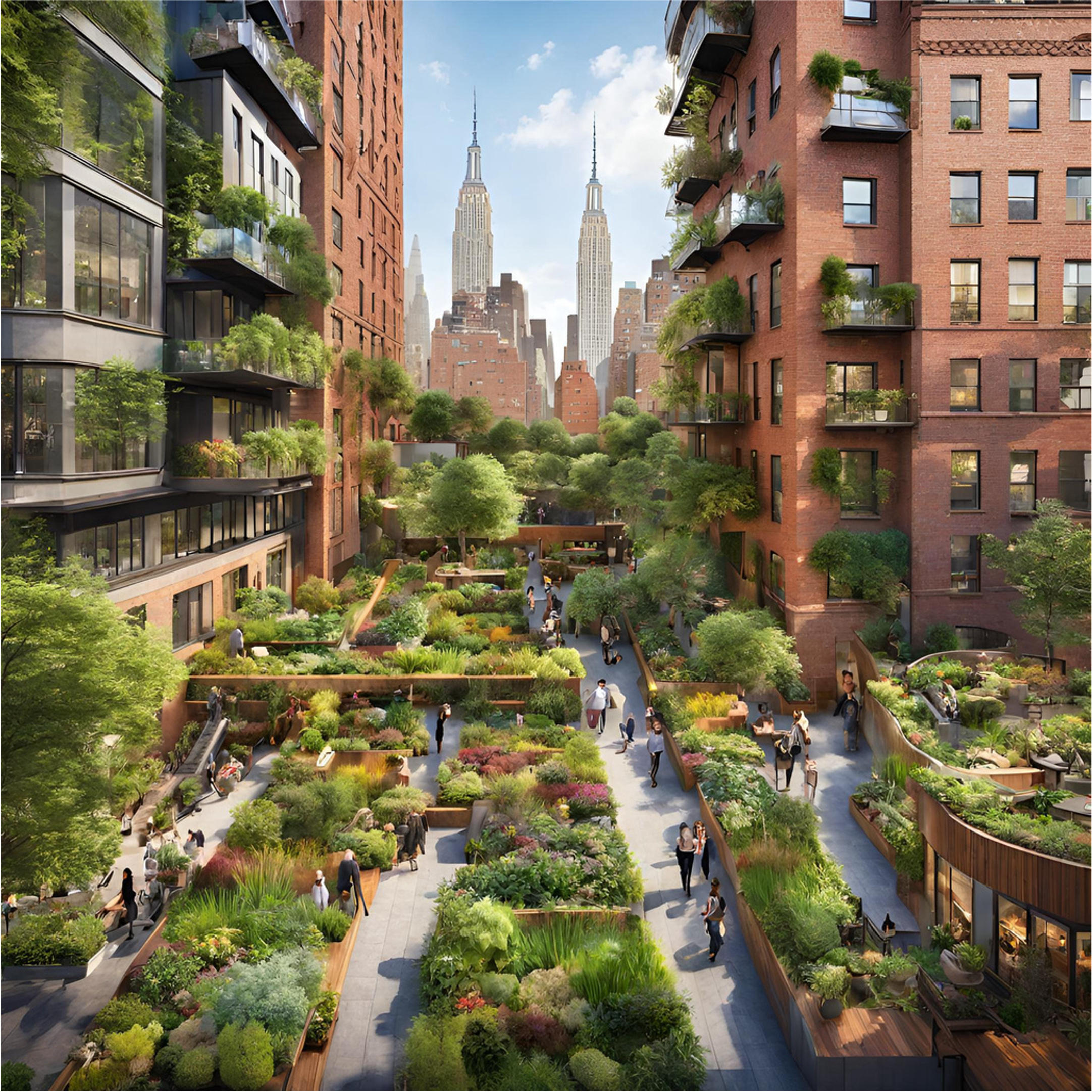
What does a sustainable New York City look like to you? I imagine lush micro gardens, biophilic architecture (a building methods that connects people with nature), rooftop farms, and clean transit, air, and water as pathways that give people, plants, and wildlife the opportunity to live side-by-side-by-side in ways that benefit all.

In biomimicry, we begin our design process by asking how nature would solve a specific problem we have with a question framed as “How would nature (the problem we want to solve)?”. My question above would be framed as “How would nature build a sustainable New York City?” This is a question that has occupied by headspace for years as I traverse through different projects and future visioning sessions.

In the spirit of an image being worth 1,000 words, I created these images with Canva Magic Studio AI to show how nature might build a sustainable New York. Is this a city you’d like to visit? Is this a city where you’d be happy to live? What are the first steps we can take now to make this our New York?

creativity

Humans aren’t wired to protect nature—but that’s not the whole story

“People partner with nature”. I created this image with the help of Canva’s Magic Media AI tool 

As a storyteller and sustainability advocate I focus on people who aren’t committed (yet) to protecting nature because that’s where the greatest change happens. This means I’m often faced with people who deny climate change, feel hopeless, or think technology and / or someone else will restore the planet’s health. 

As you can imagine, I have to employ a number of tactics to remain optimistic and motivated. One way I do this is by listening to podcasts about people doing incredible work in nature. I’m passionate about rewilding, or as David Balharry, CEO of Scotland’s John Muir Trust, reframes it “nature’s freedom to repair itself”. This passion led me to Ben Goldsmith’s Rewilding the World podcast. Ben spoke to David in episode 1 of the second season. They discuss rewilding the Scottish Highlands, an area I’m hoping to visit this summer. 

The entire episode is enlightening, and one point in particular helped me. No species in history, humans included, has ever been hardwired to protect the planet. They (we) are hardwired to promote the successful perpetuation of our genetics. Said another way, at their base all living things first focus on their future generations surviving and thriving. This means people aren’t naturally focused on environmental conservation. It must be intentional. It’s a skill that takes practice. Therefore, the work I’m doing with naysayers, the hopeless, and technocrats is training and re-skilling them. I’m a teacher, a guide, and learning takes times. That reframe is helping me think about my work with more compassion and patience. 

I also want to be clear that our instinct for genetic survival is only part of who we are. Human beings have an enormous cerebral cortex unique (as far as we know) in the animal kingdom. Our brains simultaneously act and reflect on our actions to inform our future behavior and shape our thoughts. We can think long-term, imagine future scenarios, and bring them to fruition, even if we don’t always exercise that ability as deftly as we could

Our long-term planning capabilities make us unique and distinct from other species. This doesn’t mean we’re smarter, wiser, or superior. It means we have a responsibility to be conscientious global citizens who care for each other and future generations, other species with whom we share this planet, and ecosystems that make our existence possible. 

Over half of our global GDP depends on nature, in addition to providing our basic needs for clean air, water, and food. We can’t live without nature. If we’re thoughtful about our behavior, we can help nature help us. Scientist Dr. Robin Wall Kimmerer’s research shows humans can assist and enhance nature’s regeneration. That’s a partnership and story well worth the investment of our time, efforts, and money. 

creativity

The generosity of people I’m interviewing for my dissertation in sustainability leadership

Photo by Niilo Isotalo on Unsplash

I’m astounded by the generosity of people I’m interviewing for my University of Cambridge dissertation in Sustainability Leadership. I’ve had or scheduled interviews with over 40 family office leaders, experienced climate communicators, and seasoned storytellers who have provided me with an incredible number and array of insights. I’m so grateful to all of them. My research question is how to use storytelling to connect family offices with climate entrepreneurs for mutual benefit and to safeguard the health of the planet as nature underpins half of our global GDP. If you or someone you know may be interested in talking to me, I’d love to chat. Let’s build a healthy world for all beings, together.

creativity

#Sundaybuffet – January 7, 2024

Every Sunday on Instagram (@christarosenyc), I create a #Sundaybuffet post that highlights the top 10 things that inspired me, brought me joy and wonder, and made me laugh that week as part of my gratitude practice. I’d love to have you join me on Instagram and I’d love to know what inspires you. The images below are my #Sundaybuffet this week, along with a description, attribution, and the Instagram accounts for each one.

Here’s to being alive, healthy, and grateful in this beautiful world. I hope your Sunday is filled with love in all its wondrous forms.

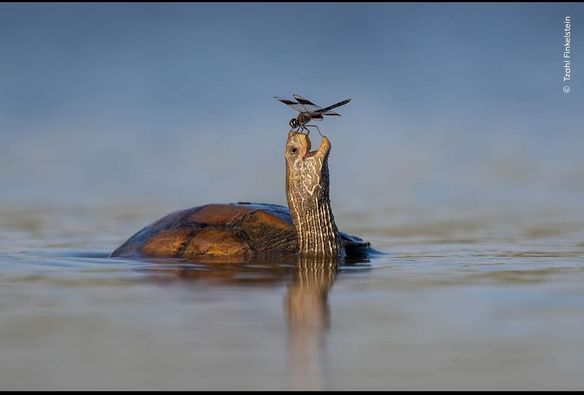
@smithsonianmagazine @tzahi_finkelstein -Tzahi’s image of the happy turtle and dragon fly was short-listed for Wildlife Photographer of the Year People’s Choice Award at London’s @natural_history_museum

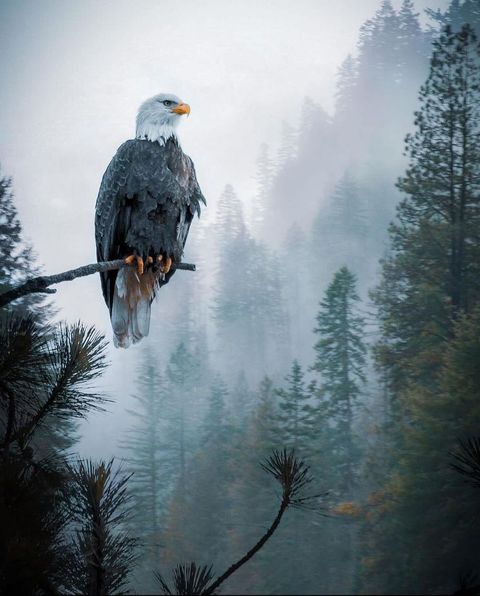
@USinterior @hikester_ –January 5th was National Bird Day. This photo of a bald eagle in Idaho was taken by Derek Butler, an Irish photographer. There was a record number of bald eagles observed at Lake Coeur d’Alene in Idaho in December – 409

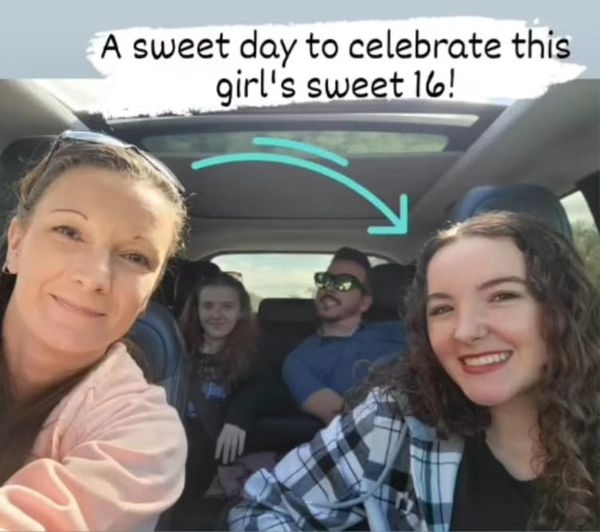
January 5th was also my awesome niece, @lorelei_waldrep_08 ’s, 16th birthday. I remember the exact moment I first met her as a baby, and she is one of the reasons I’m so passionate about protecting the health of the planet—so she has a future to look forward to.

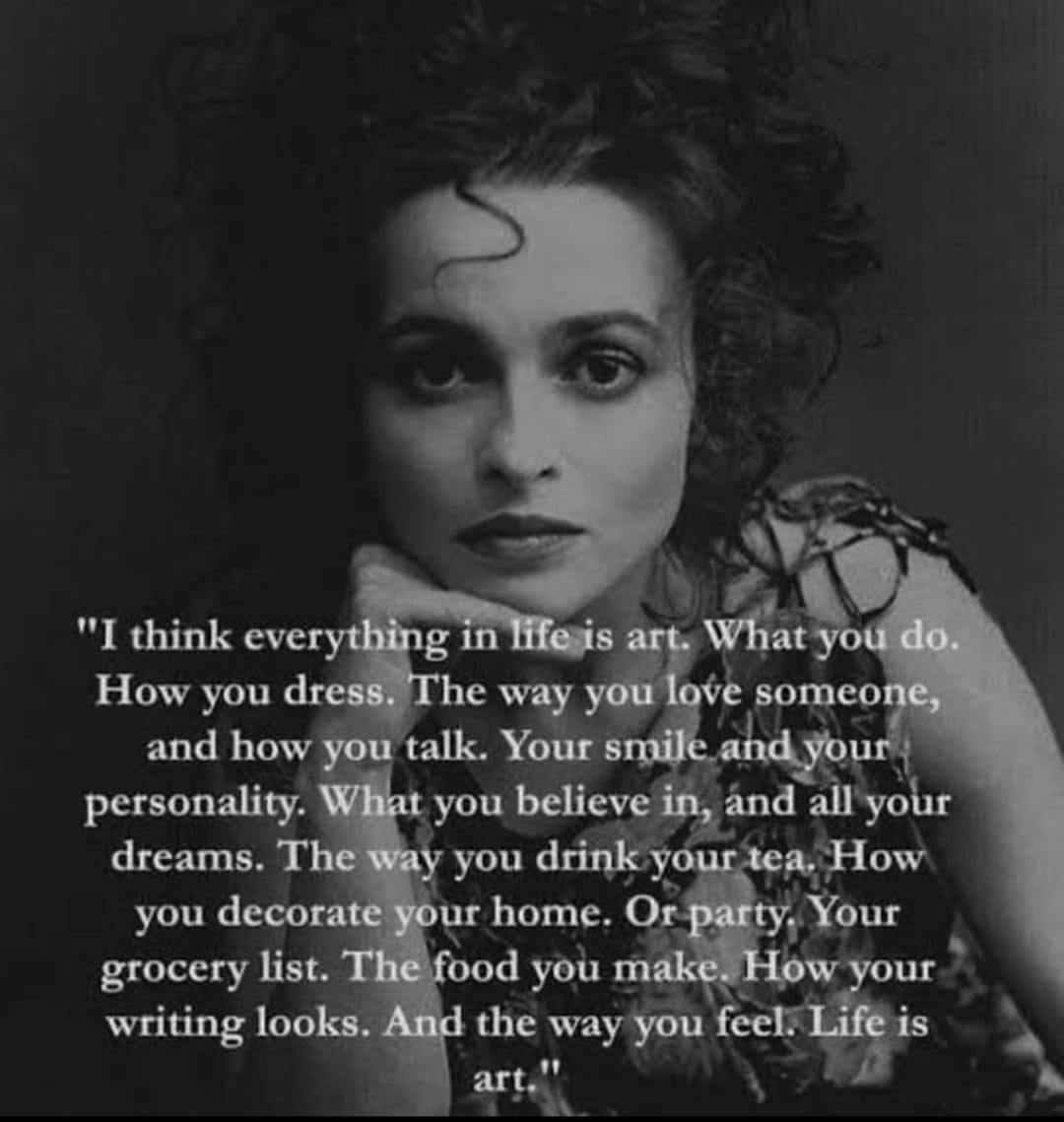
@Blacksun_awaken –Helena Bonham Carter is a queen. I love her perspective on the art in everything

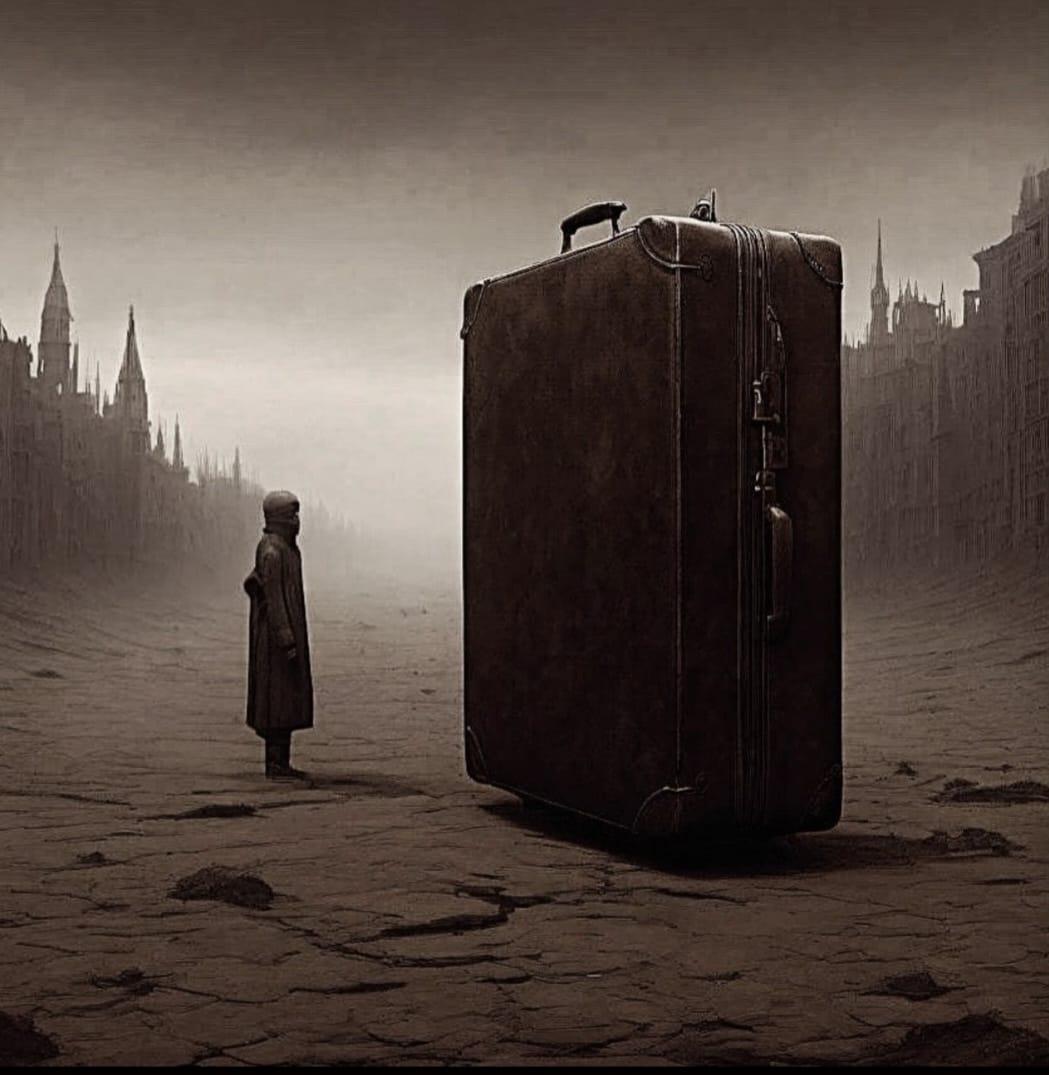
@amyselwynphotographer –Stunning image “the journey felt enormous” is a collaboration between her imagination and AI platform @mid.journey. I’m really interested in learning more about AI for visual climate storytelling, and Amy’s work is a beacon of how to do this well.

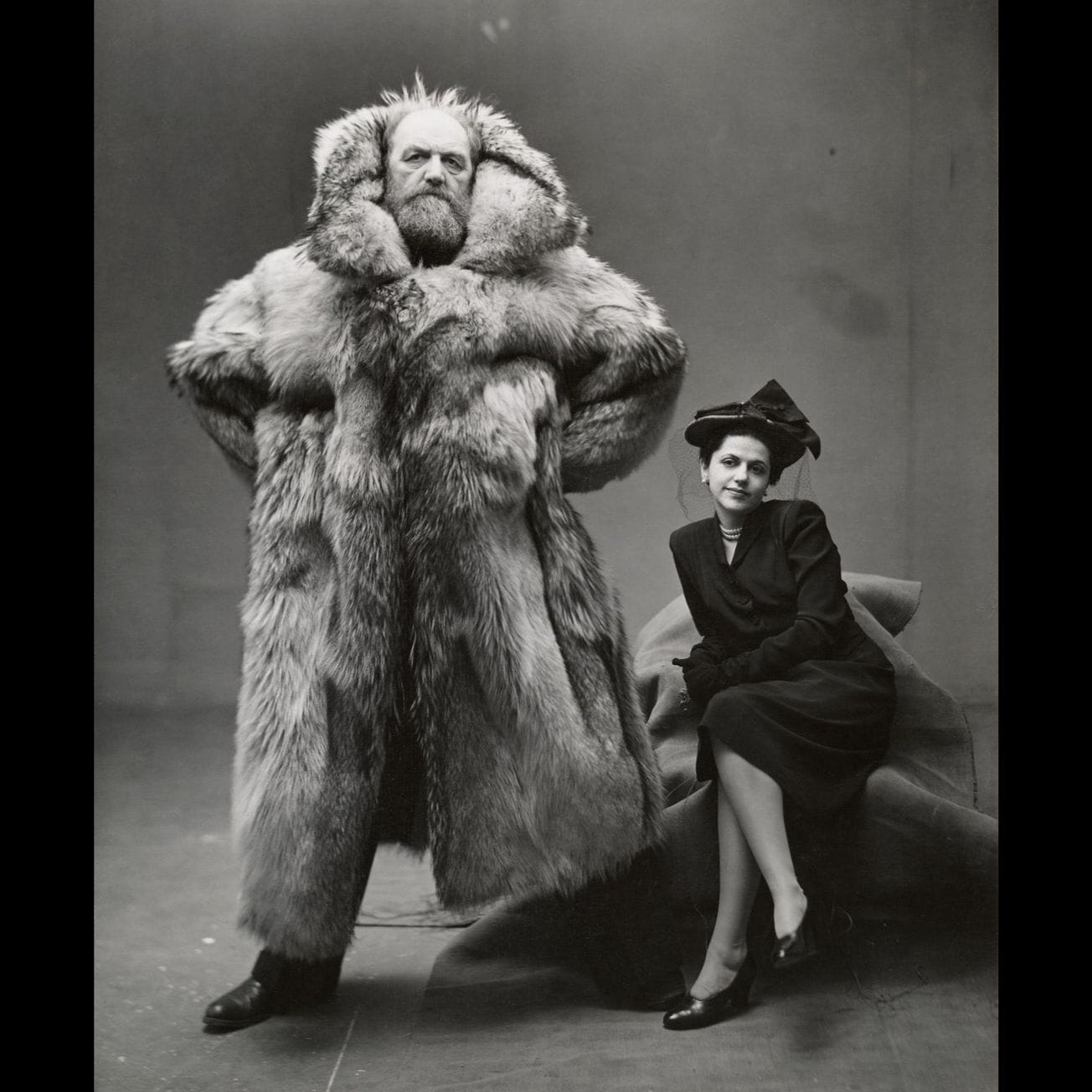
@NewYorkerMag @rachsyme @the.irving.penn.foundation @vogue –Arctic explorer Peter Freuchen & his chic wife, Dagmar Cohn. Opposite attract!

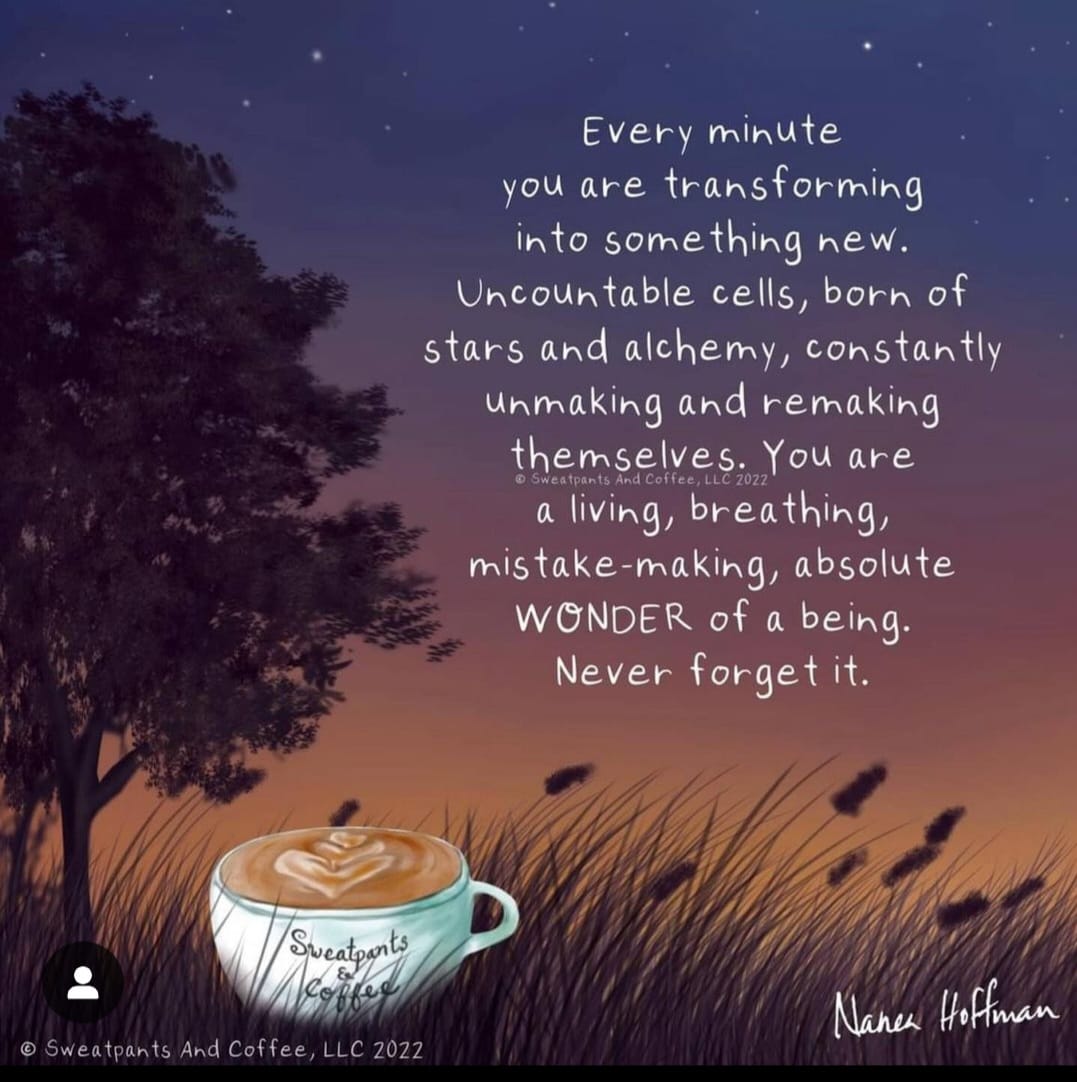
@Sweatpantsandcoffee –How I like to spend every Sunday morning if I’m honest – in sweatpants, coffee in hand, and reading inspiring words. This post by writer and artist Nanea Hoffman about how we are born of stars is the crux of my @iamEmersonPage novels.

@Victoriaericksonwriter –Let love in!

@Secret.London @AshCrossan –Nothing better than a cozy pub on a blustery day. In the U.S., we don’t have the Sunday roast tradition but I’m going to start making Sunday roast in my Brooklyn apartment to make winter more joyful.

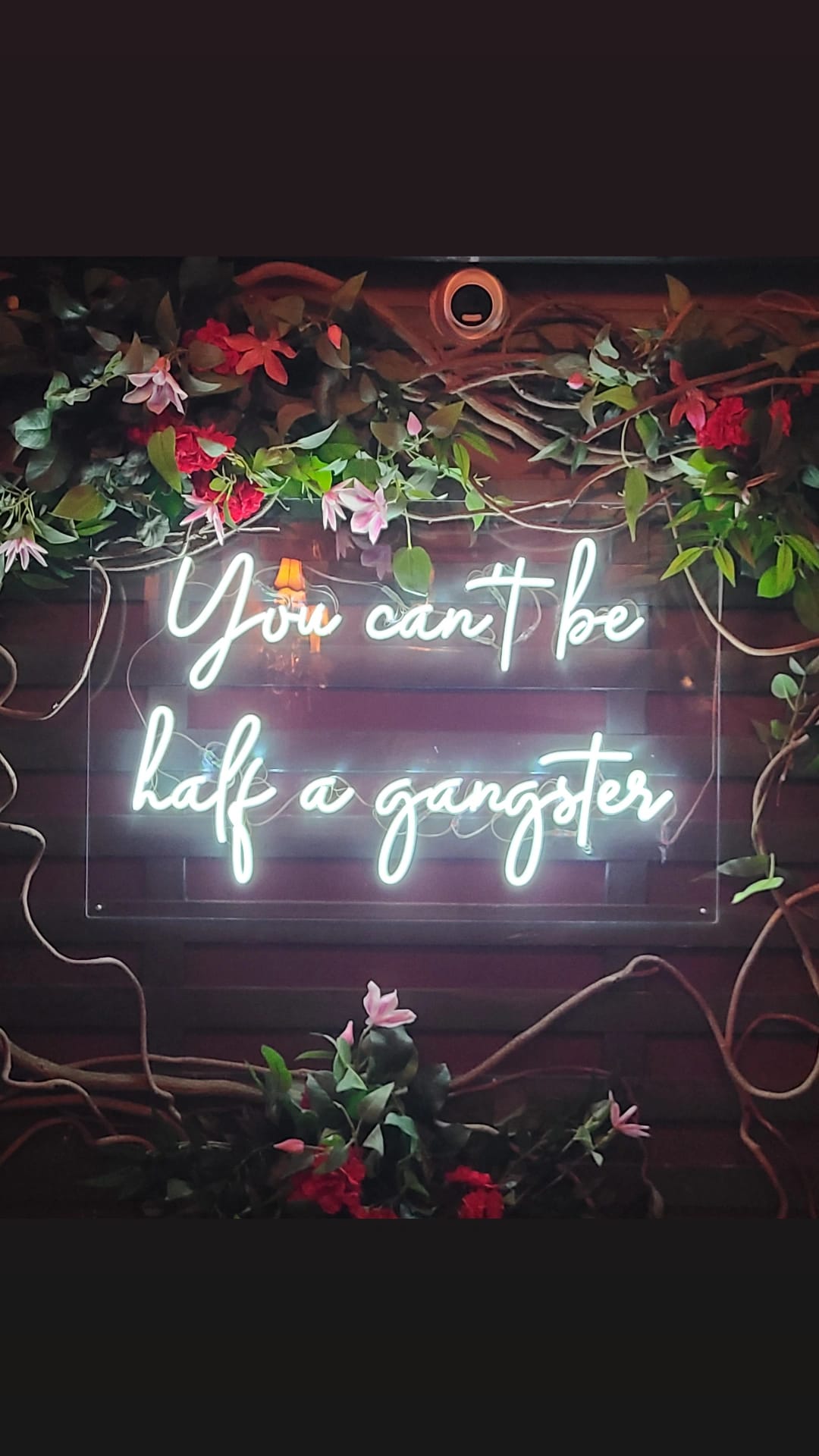
@tanner_smiths –shabby chic meets gangster-inspired décor at this speakeasy in midtown Manhattan. It looks unassuming from the outside and is a favorite spot of mine to meet up with friends. They’re all-in on the steampunk /1920s aesthetic I love. Their cocktail (and mocktail!) list as well as their food is top-notch. I was here this week for the launch of @fringepress@bookpipeline’s latest project.

creativity

The good news from 2023

Redwoods in California show new shoots after a forest fire. Photo by Melissa Enright – US Forest Service

“Sometimes I think heaven is just a new pair of glasses…if I put on the better pair of glasses, I really notice what’s still working [well in this world].” ~Anne Lamott

As I look around at our world plagued by war, the climate crisis, and a seemingly endless stream of difficulties, I’ve been thinking a lot about Anne Lamott’s quote about putting on a better pair of glasses and operating from that lens. It doesn’t mean I’m ignoring the challenges and their scale; I’m seeing them alongside the progress, joy, and good news that’s alive in the world. A sampling of good news if you need a boost:

Transplanted corals in the Caribbean showed a 98% survival rate

A newly discovered bacteria eats carbon dioxide at an astonishing rate and if scaled, could be a partial solution to our climate crisis

Brightline, the first new privately-held train company in the U.S. in 100 years, began operations in Florida

In 2023, the U.S. spent $8.2 billion USD for new rail projects in 44 states, including the first bullet train that goes from Los Angeles to Las Vegas in 2 hours

Electric car sales are up 68% over last year

– The FDA approved the first medication for postpartum depression and the first over-the-counter birth control pills, improving access to necessary healthcare for millions of women. New treatments for Alzheimer’s, diabetes, and obesity were also released, along with the use of AI to find breast cancer at its earliest stages when it is often missed in traditional mammograms.

– The new President of Brazil has slowed deforestation by 48% in only the last 8 months

A 10-year project turned Latin America’s largest landfill into a thriving mangrove forest

The California wildfires in 2023 damaged numerous redwood trees that can live for 2500+ years. However, in the process we learned these redwoods have always had a backup plan – new green shoots of new redwoods, harbored for centuries in the damaged trees, have sprung to life and carry the hope of repopulating those forests.

AI has also been used to identify the beginning of wildfires before any people ever knew they were happening, allowing them to be extinguished before they burned out of control.

A hole in the ozone layer is on track to completely disappear

A universal flu vaccine begins trials

Southern white rhinos are now back in the Congo after 17 years

A new drug to treat Parkinson’s begins Phase III trials

creativity

Rewilding the World with Ben Goldsmith

If you’re interested in rewilding—the practice of restoring and protecting wild places and the many species who call those wild places home — the podcast Rewilding the World with Ben Goldsmith is incredible. Ben speaks to some of the most influential people behind the most exciting and dramatic rewilding projects across the globe including Turkey, the Balkans, Chile, Argentina, Africa’s Sahel, India, England, Scotland, the UK, Spain, Portugal, Western North America, Kazakhstan, Saudi Arabia, the Sinai peninsula, Transylvania, Carpathia, Romania, and the Great Plains of the U.S. (What a list!)

Not only has this podcast further ignited my passion for rewilding and the promise it holds to make this a healthier, more sustainable world for all beings, but it’s also grown my list of places to travel to, my reading list, and my desire to care for wild places in any and every way I can. In a world that’s often dark and difficult, rewilding is a bright light of hope and joy that shows us what’s possible when we realize we are a part of nature, not apart from nature. 

Right now there are 20 episodes to enjoy, and Ben will be back again with a fresh set of episodes in early 2024. I’m so grateful for his efforts and the work being done by all of his inspiring guests.

creativity

The season of soft things

My view on the train to Bristol, UK. Photo by Christa Avampato.

It is the season of soft things. Warm tea. Thick blankets. Crackling fires. Cozy sweaters. Candle light. Woollen socks. Hugs. Laughter. Kindness. Whispers. Dreams. The world seems especially hard right now, with sharp edges that cut and harm. I find myself craving comfort, ease, and quiet. Seeking out people who exude warmth, welcome, and joy.

Our world, especially our working world, often demands structure and immutable processes. Too often telling us what is and has been must continue to be. This relentless beat can make me tired and worn. It’s in these moments that I remind myself the value of flexibility, the ability to bend so we don’t break.

We so often prize efficiency and abhor redundancy, until we recognize that nature in all her glorious wisdom has survived and thrived for nearly 4 billion years because of her integrated systems that are stronger than the sum of the parts, with pieces that back up one another so that as a united whole they can weather the storms, accommodate change, and retain balance, even and especially in crisis. And there are always storms, and change, and crises.

Nature built herself to flex, to make room, to expect the unexpected, to support. What if that became our goal, for ourselves, our organizations, our government, our world? How then might be change, grow, evolve, and be? I suspect that in this season of soft things, I may find answers to those questions by the time the light of spring returns.

creativity

How Rilke and the forest became part of my graduate school dissertation

Me surrounded by ginko gold in Prospect Park

I’m deep into the work of my University of Cambridge dissertation. The more I learn, the more questions I have. I’m sitting at my laptop, looking at the research and also monitoring the news. Where do I begin with all of the problems, pain, and promise in the world? How can I make a difference?

I close my laptop and go to the forest, where I always go when I don’t know what to do. My forest is Prospect Park in Brooklyn. The ginko trees are putting on a show—my favorite kind of gold. Walking there among the crunchy colorful leaves on the forest floor, the autumn sun on my face, breathing in the cool dry air, I think of Rilke and his beautiful quote about living the questions in the book Letters to a Young Poet

“Be patient toward all that is unsolved in your heart and try to love the questions themselves, like locked rooms and like books that are now written in a very foreign tongue. Do not now seek the answers, which cannot be given you because you would not be able to live them. And the point is, to live everything. Live the questions now. Perhaps you will then gradually, without noticing it, live along some distant day into the answer.” ~Rainer Maria Rilke

Maybe the point of my dissertation is not to find an answer, but instead to find a way to ask powerful questions that help readers live into answers of their own making and choosing. Maybe I’ve been trying to make my dissertation a solution when what’s really needed is a mirror, using stories to reflect individual truths back to people who haven’t yet seen them on their own, to help them stand in the power they don’t know they have to shape the world in a way where everyone brings their gifts and resources to the table and uses them to collaboratively to win together. 

This is how a forest operates, the flora and fauna sharing with and caring for one another, each taking what they need and giving what they have. Diversity is celebrated, and necessary for health. Abundance is created through deep cooperation. Imagine a human society like that. Maybe I’ve found an answer after all. 

creativity

The National Climate Assessment shows us we can save the world

Photo by Shane Rounce on Unsplash

Look at your hands. Coupled with your mind and heart, your hands, joined with mine and with people across the globe, have the power to save the world. We can choose to be the artificers of our own bright and bountiful future.

Today we have a once-in-human-existence opportunity — the chance to create a healthy, vibrant, sustainable world for all beings. And not just for our children and grandchildren, but for ourselves and all beings alive right now.

The 2023 National Climate Assessment released Tuesday in the U.S. lays out the dire possibilities from global warming. It also shows that collectively we have all the knowledge, money, and creativity we need to halt emissions that cause global warming. There is proof the solutions work. Climate solutions are being deployed nationwide in every region and annual emissions dropped 12% from 2013–2019. We need them to drop much more but this is progress.

The one remaining hold out is us. Do we have the will to save ourselves and life on Earth?

“How much more the world warms depends on the choices societies make today,” states the report. “The future is in human hands.”

The report is hefty and so is the opportunity before us. Let’s not waste it.