creativity

Two locations in my second Emerson Page novel: The Dark Hedges and Trinity College Library’s Long Room

When I took my book writing research trip to Ireland in 2018, I had two must-see places on my list: the Long Room at Trinity College Library and the Dark Hedges (which is the inspiration for the cover of my second Emerson Page novel). The photos below show me at both locations. They feature prominently in the book.

What I didn’t know before I arrived in Ireland is that so many other places would also find their way into the book. Everywhere I went, from the local pubs to the ancient sites to the natural settings, inspired my imagination and creativity, and filled me with wonder. So much of my trip was completely unplanned. I let the spirits and good people of Ireland direct me and guide me, and not once did I falter (which is a rarity for me, especially while traveling, because I often get myself into trouble that makes for interesting stories later on!) I carried a copy of Emerson’s first book with me everywhere and I often felt her nudge me in certain directions. I was never disappointed to follow her lead. 

Other than New York, Ireland is the only place I’ve ever been that immediately felt like home, as if I’d been there before and was fated to be there at that very moment. Certainly a piece of my heart remains there now. For this reason, New York and Ireland are where Emerson spends all her time in this second book in the trilogy. Her New York and Ireland are filled with mythology, magic, and fantastical beings, experiences, and objects, and in the book I’ve done my best to transport readers into her world of adventure.

Some more fun facts about the Long Room and the Dark Hedges:

1.) The Long Room is 65 metres, nearly 300 years old, and filled with 200,000 of the library’s oldest books as well as gorgeous sculptures and an ancient harp that dates to the 15th century. The harp inspired the coat of arms of Ireland as well as the logo for Guinness beer. The scent in the Long Room is unlike anything I’ve ever experienced before or since. Known as Biblichor, from the Greek words, Biblos (meaning book) and Ichor (meaning “fluid that flows in the veins of gods”), it is related to the word Petrichor, a pleasant smell that frequently accompanies the first rain after a long period of warm, dry weather. The Irish are serious about a number of things that are dear to me—stories and books, history, music, beer, and nature, not necessarily in that order. No wonder I feel so at home in this country!

It sits above a chamber that holds the Book of Kells, a 9th century handwritten illuminated manuscript of the four gospels of the New Testament, filled with ornate Latin text and intricate illustrations, many of them quite cheeky and containing secret messages that the Celtic monks who created it wrote to each other. I love the Irish for so many reasons, and their humor is among my favorite of their attributes.


2.) The Dark Hedges (in Irish:Na Fálta Dorcha) is an avenue of beech trees along Bregagh Road between Armoy and Stranocum in County Antrim, Northern Ireland. The majority of them are 250 years old, and form a tunnel that from the start seems never-ending. The fields on either side are abandoned cemeteries, lending to the ghostly feeling I had as soon as I arrived. It’s as if the trees whisper to each other through the wind. The trees are rumored to be haunted by many mythological beings—namely the Grey Lady and the Mórrígan (Mór-Ríoghain in modern Irish) who is the fierce Celtic goddess of battle, destiny, fertility, and death (a heavy workload!) and often appear as or is be accompanied by a crow or wolf. They’re badass women who know what they want and don’t tolerate nonsense. Did I mention I felt very at-home here, too?! 😉

Beech trees are linked with time and knowledge, especially written wisdom as thin slices of beech were used to write the very first books. Whatever words were inscribed on beech took on the power and magic of the gods. This is why the beech tree was held in such awe in those early days of books, and still is today. Beech trees were called ‘Boc’ by the Anglo-Saxons, which later became the word ‘book’. I didn’t know any of this until I arrived at the Dark Hedges, and it felt serendipitous since Emerson’s entire journey in the trilogy revolves around finding the first book ever written. 

As a writer, you think you’re leading the story but what I’ve often found is that the story is always leading me to a far better place than I could ever create on my own. The art of writing a novel is a long and winding road, the path meandering but always with purpose. If I just sit as a willing scribe, the story finds me. My job is just to get it down as honestly and vividly as possible. All it takes is time. It’s the great mystery of imagination—I don’t know where the story comes from but I’m honored that it found me and continues to guide me. 

I’m excited to share more behind-the-scenes about the book in future posts leading up to its release in Spring 2024. I’m so excited to be back in Emerson’s world, and revisiting my fond memories of Ireland, a country I hope to return to very soon.

creativity

My second novel has a publishing date

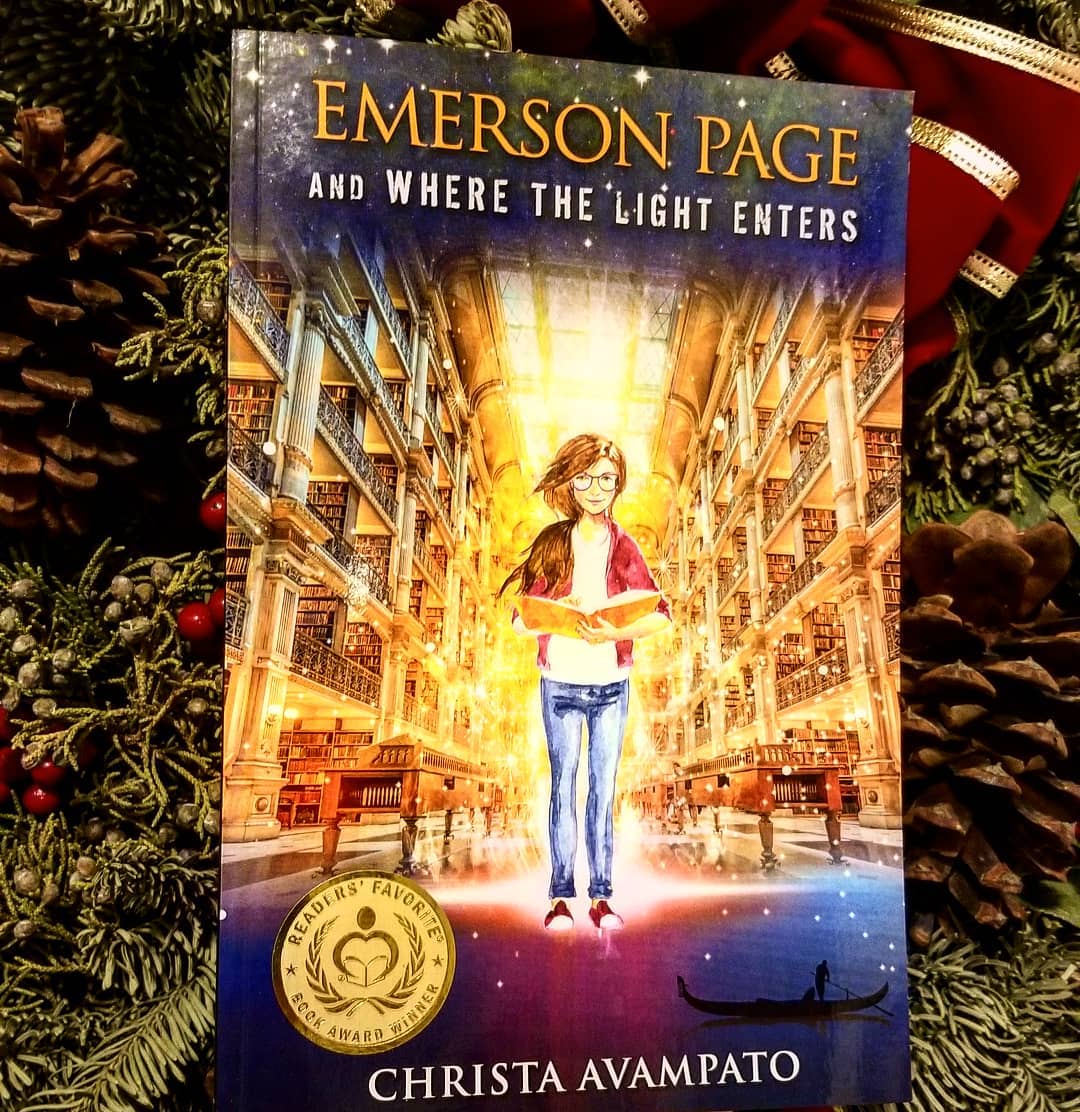
Breaking news: my second novel, Emerson Page and Where the Light Leads, will be released in Spring 2024!

The publisher is working on the final steps and around the holidays we’ll have a better sense of a set release date along with pre-order links. On Wednesday, September 27th, I’ll post a cover reveal sneak peek on here.

Set in a mgaical version of New York City, and Ireland’s Dublin, the Dark Hedges, and Newgrange, I can’t wait to share this next chapter of Emerson’s adventures with you. Thank you to everyone who has cheered me on these many years in a million different ways. Writing novels is a solo art form that takes a village to bring to life. I’m grateful to be in this village with all of you.

Leading up to publication, I’ll be sharing loads of info on the book, the process of book publication, querying, storytelling and writing, and other behind-the-scenes goodies and giveaways. Book publishing can feel like such a mystery from the outside, so come on inside with me and I’ll show you around this wild and always-changing world!

More details soon and stay tuned on Wednesday for the gorgeous cover. In the meantime, you can read my Medium post titled A Publisher Bought My YA Novel Trilogy—Here’s Everything I Did Wrong and Emerson’s first book, Emerson Page and Where the Light Enters.

creativity

When writing feels like play

Photo by Nick Morrison on Unsplash

Even though it’s Labor Day weekend, I’m laboring away at the outline for my University of Cambridge dissertation with the goal of having a single page of my literature review written and edited by the end of the day.

The weird and wonderful part of the work at this point is that it doesn’t feel like work at all, but play. Like a set of LEGO blocks, I’m linking the information and data to support the story, synthesizing everything I’ve learned after all this reading and note taking into a cohesive, communicable form that helps people and the planet.

I’m sure there will be rough spots along the way where I get jammed up on the journey. I’ve a long way to go over the next year. But for now, I’m excited to begin writing and using prose for purpose. Happy days.

creativity

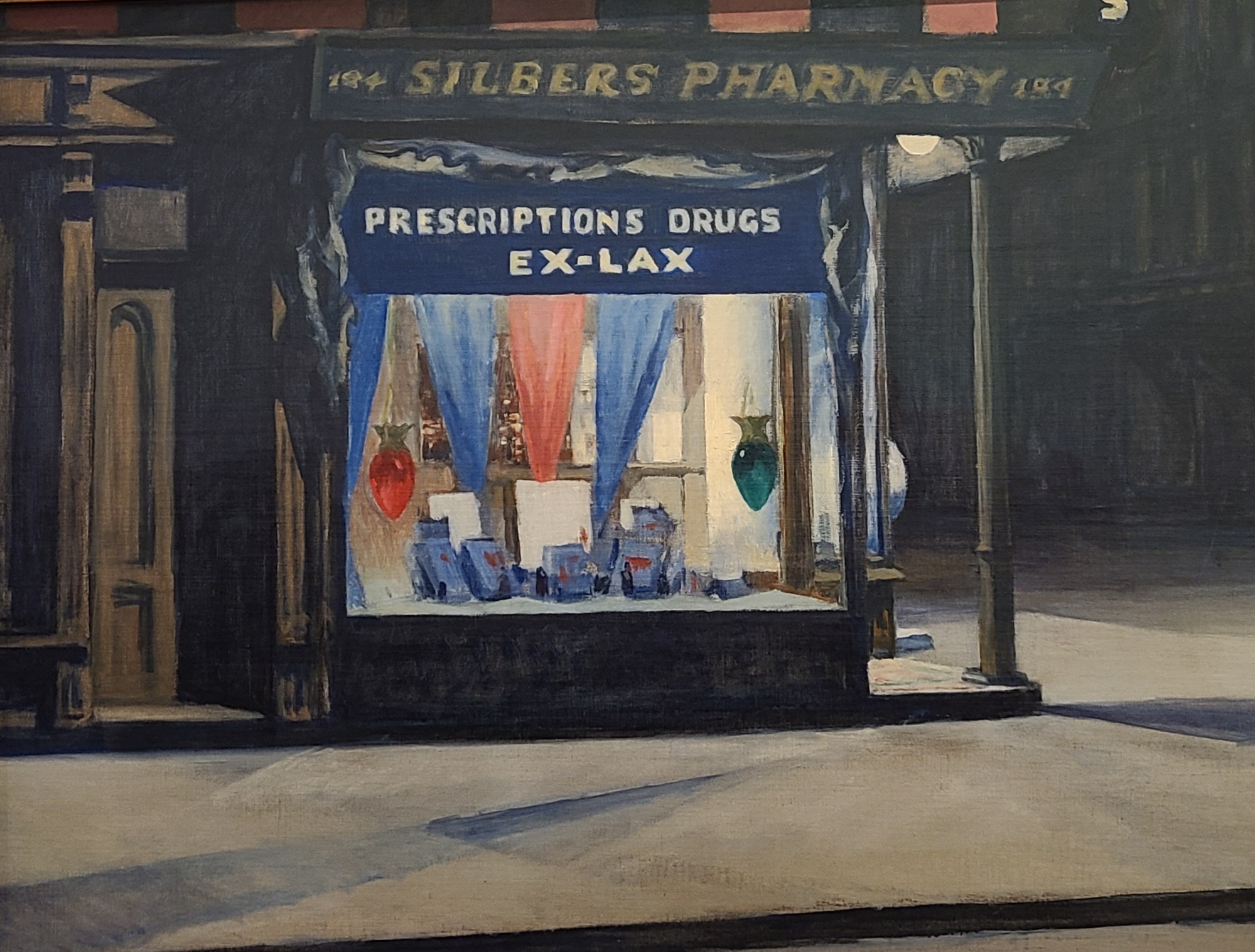
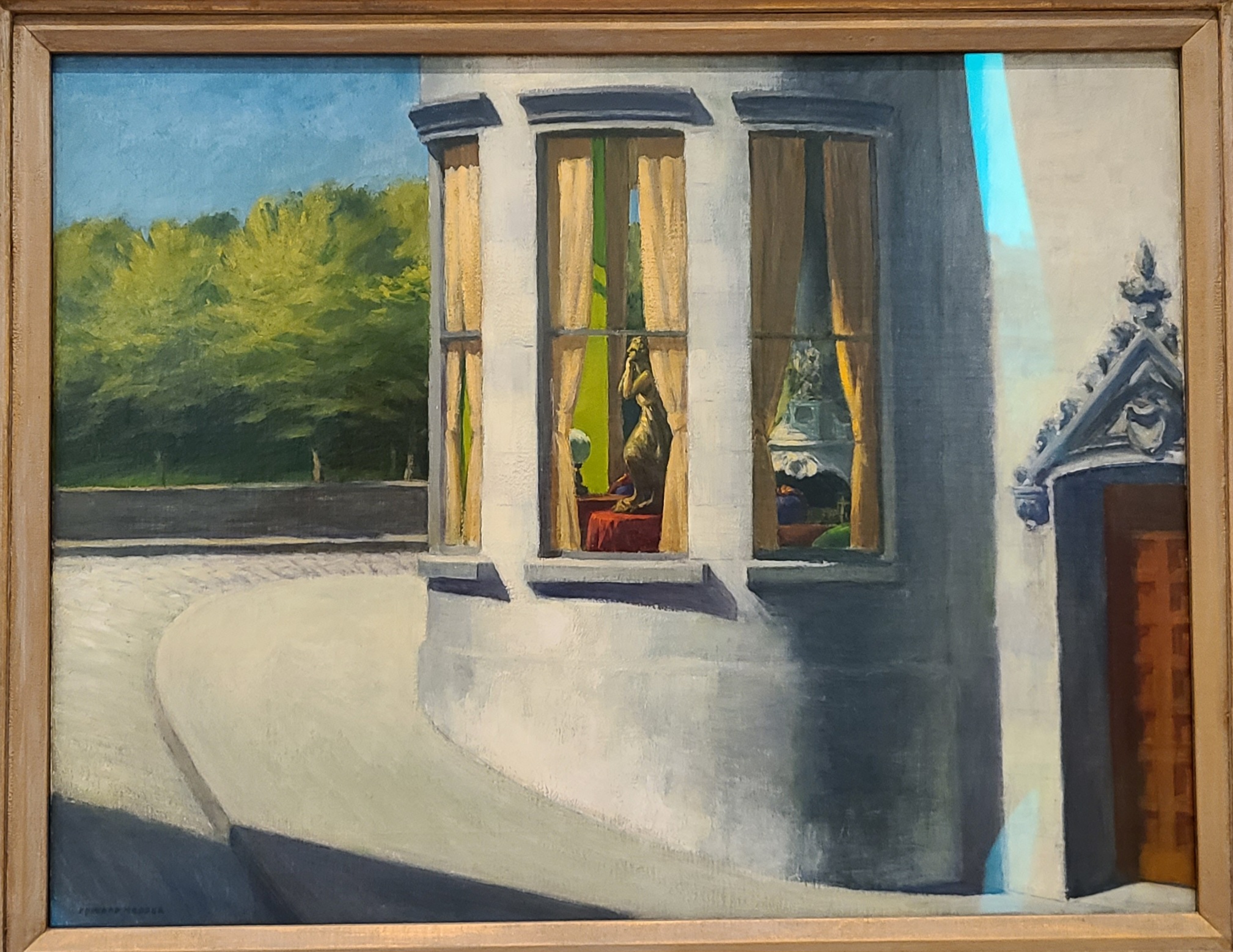
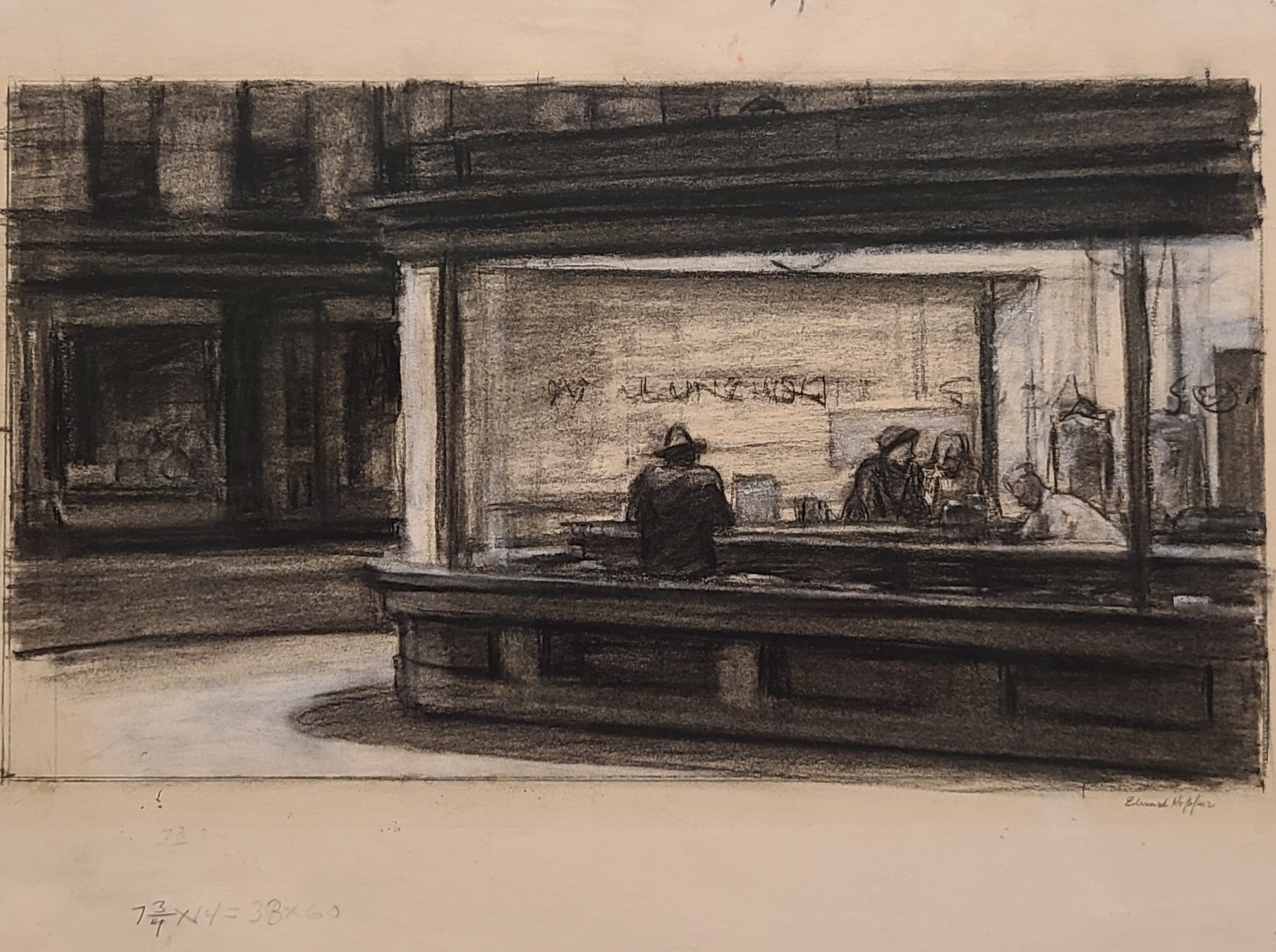
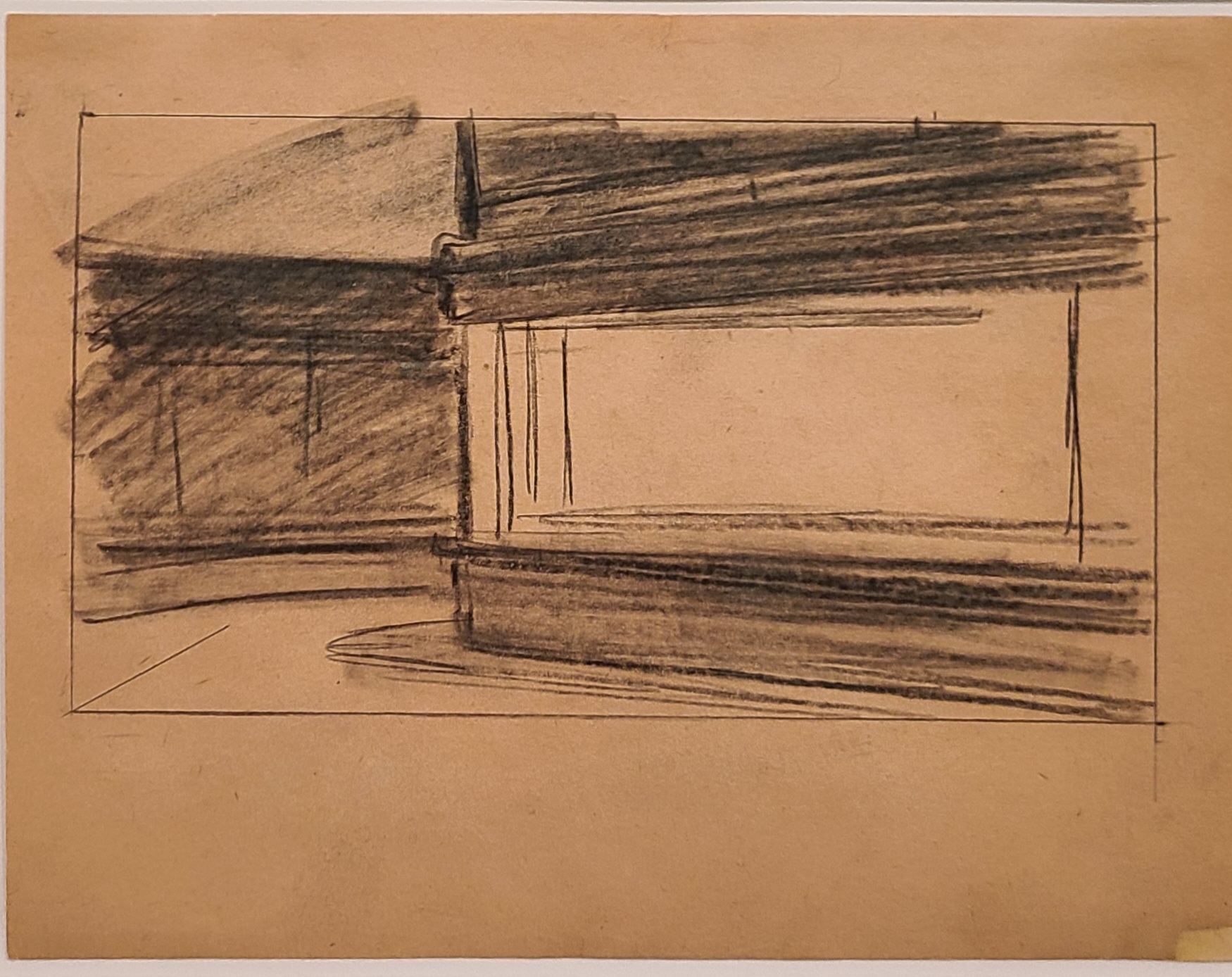
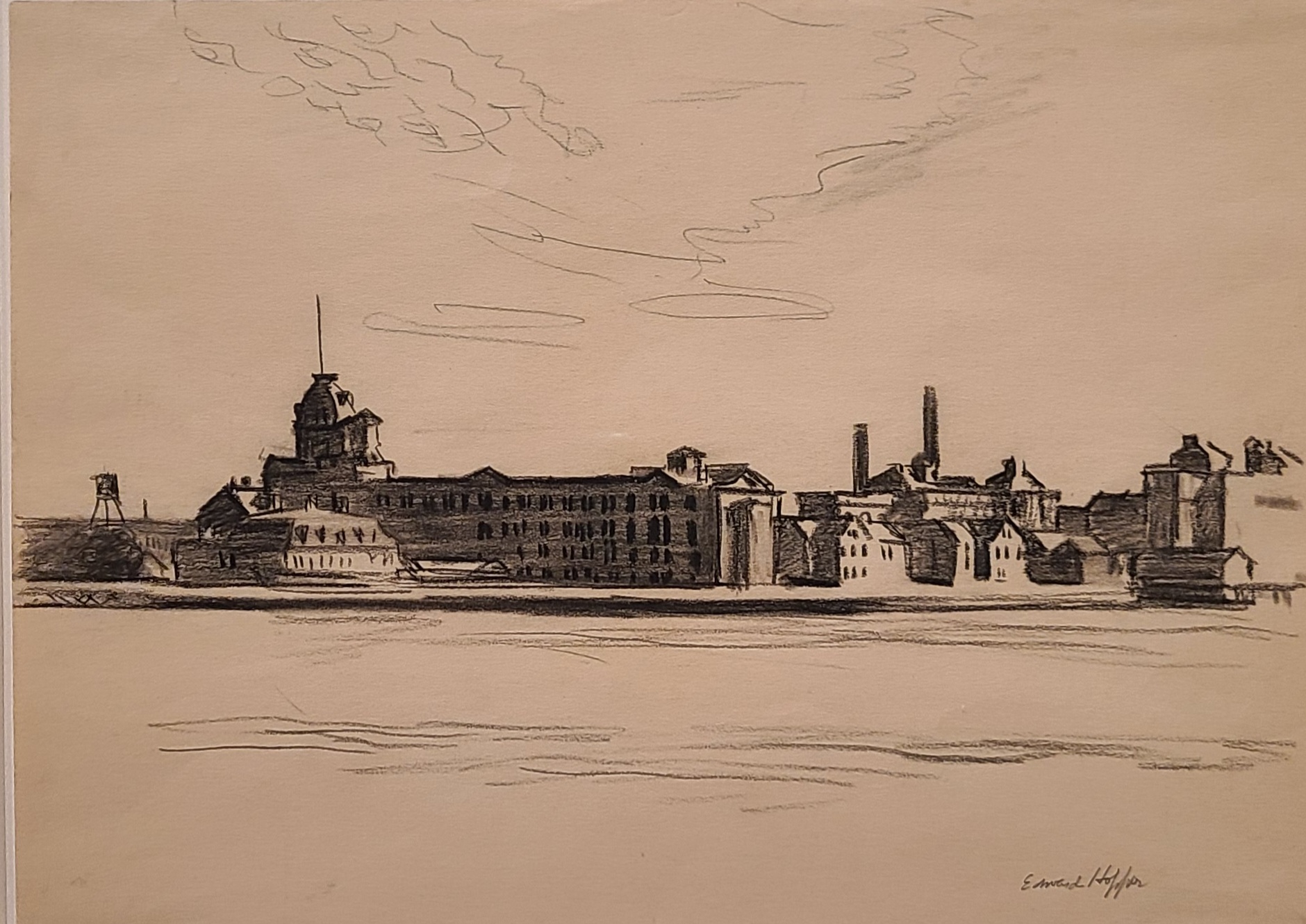
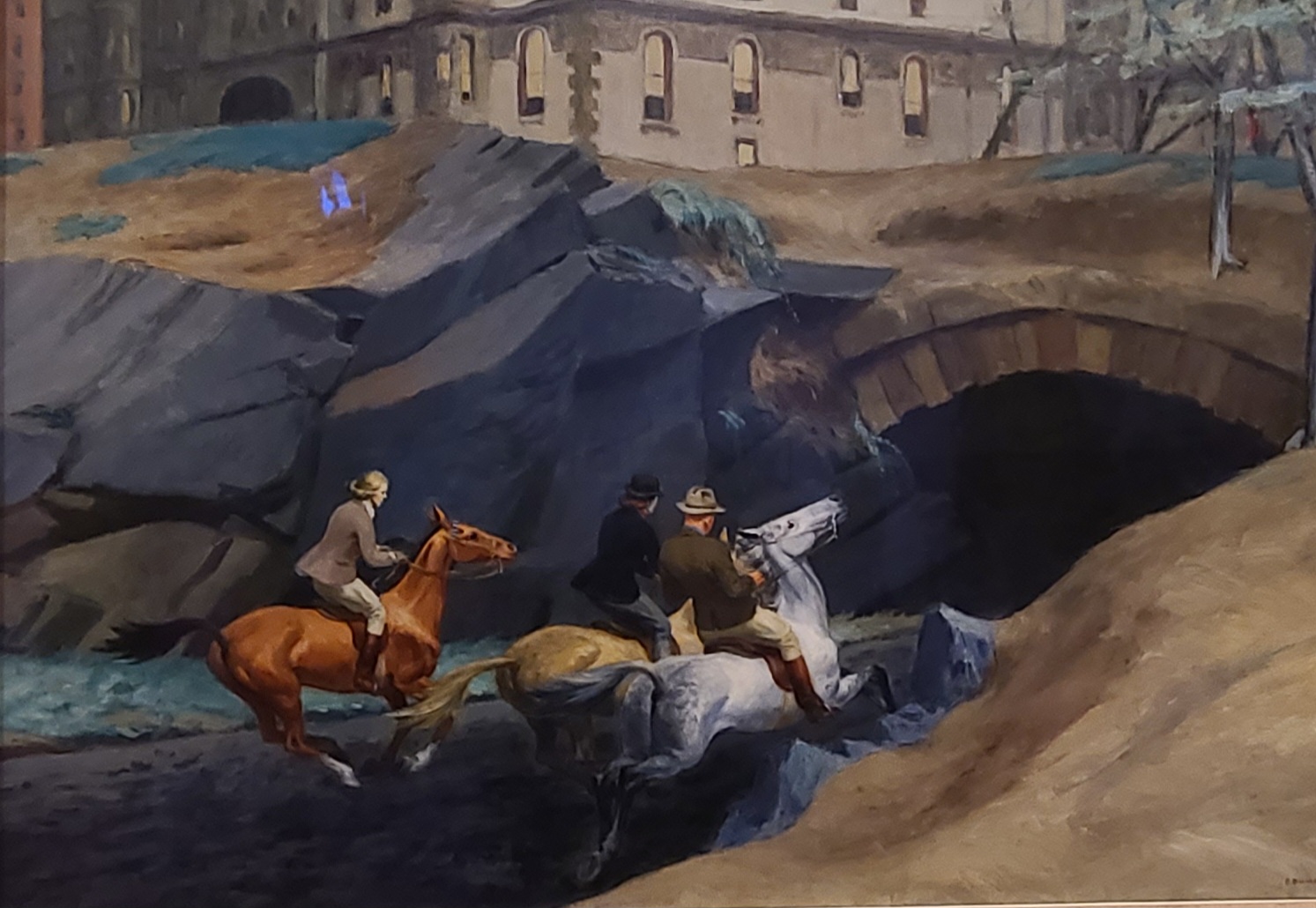
Edward Hopper’s New York at the Whitney Museum

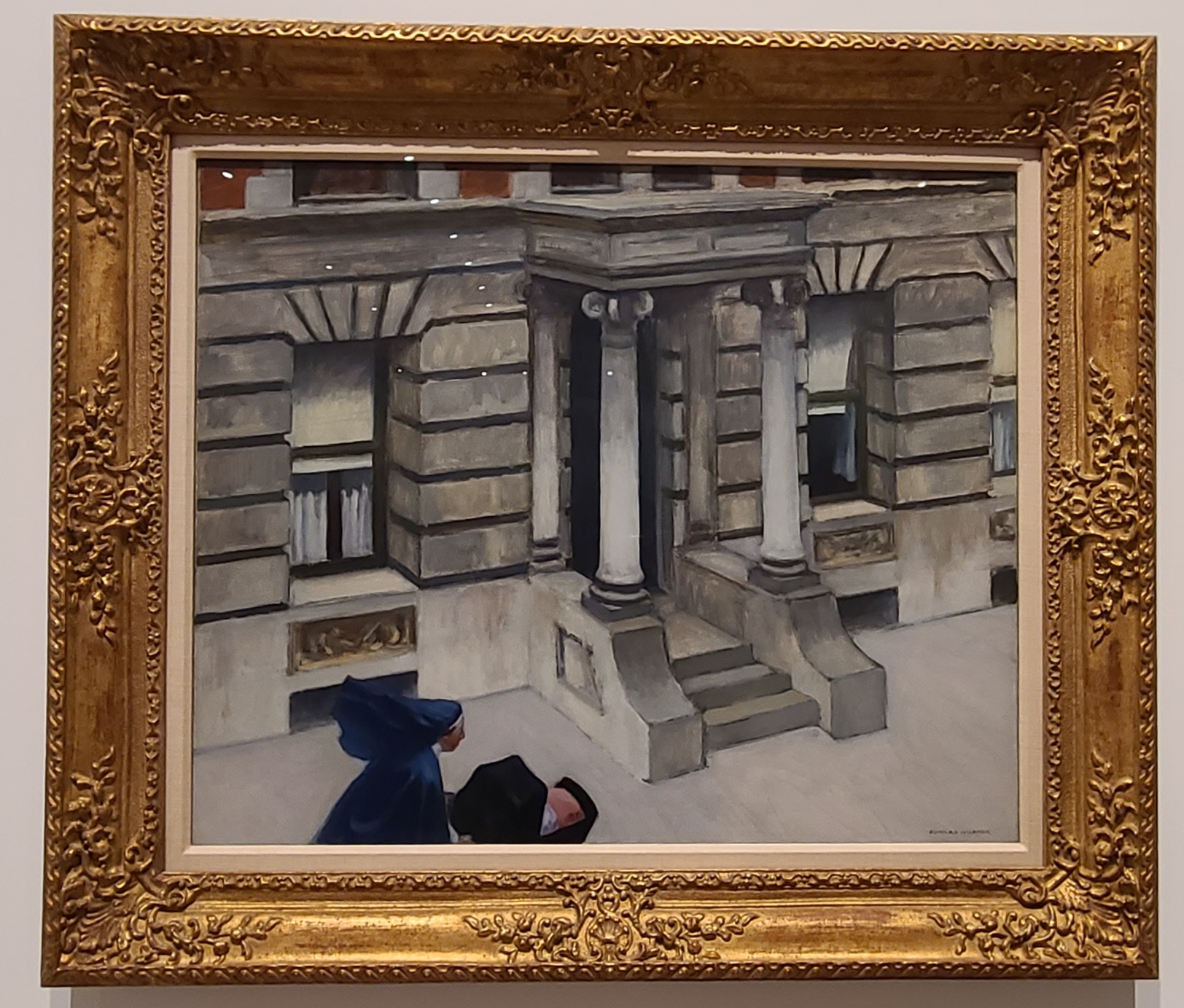
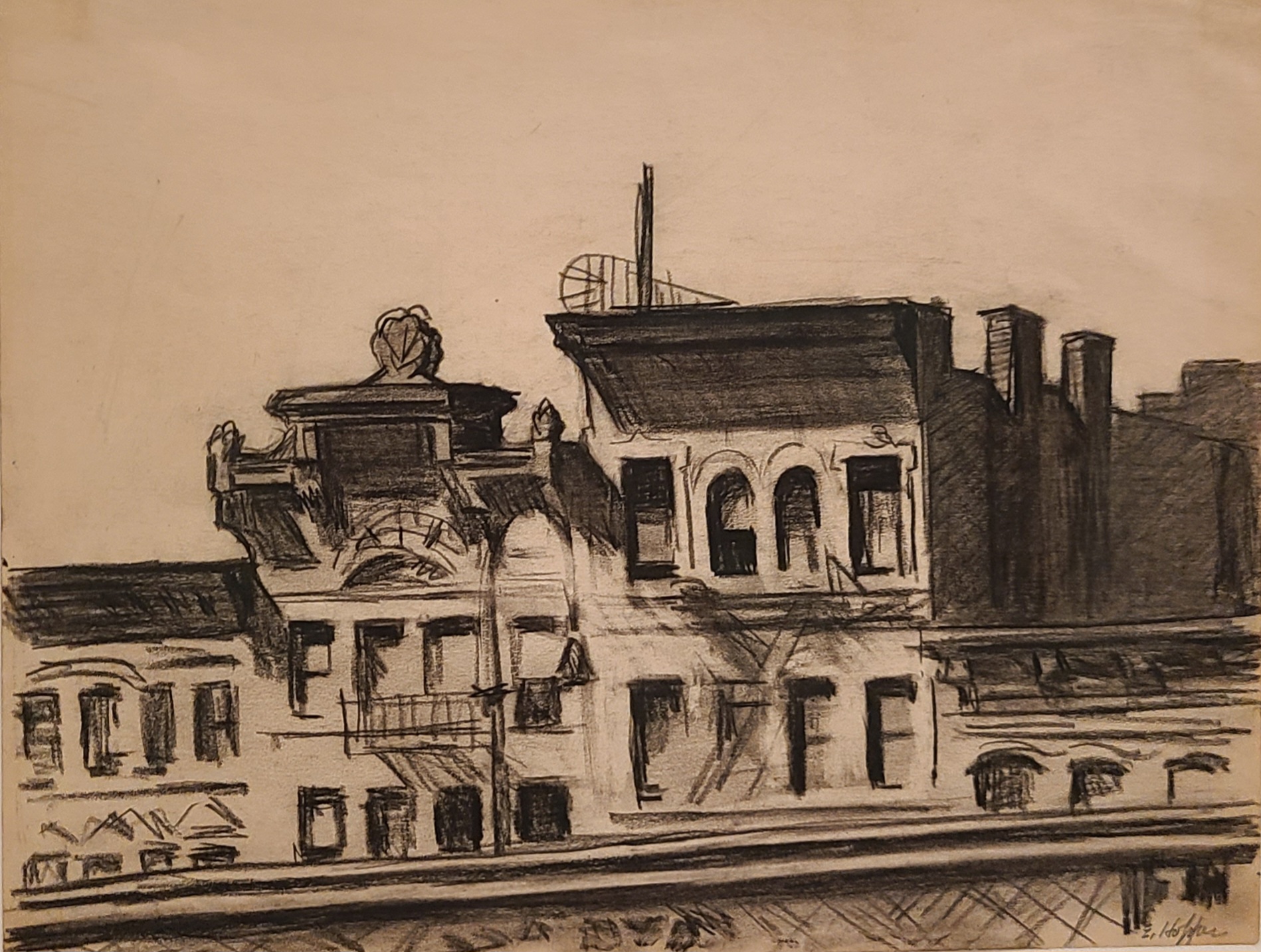
Sunlight on Brownstones by Edward Hopper

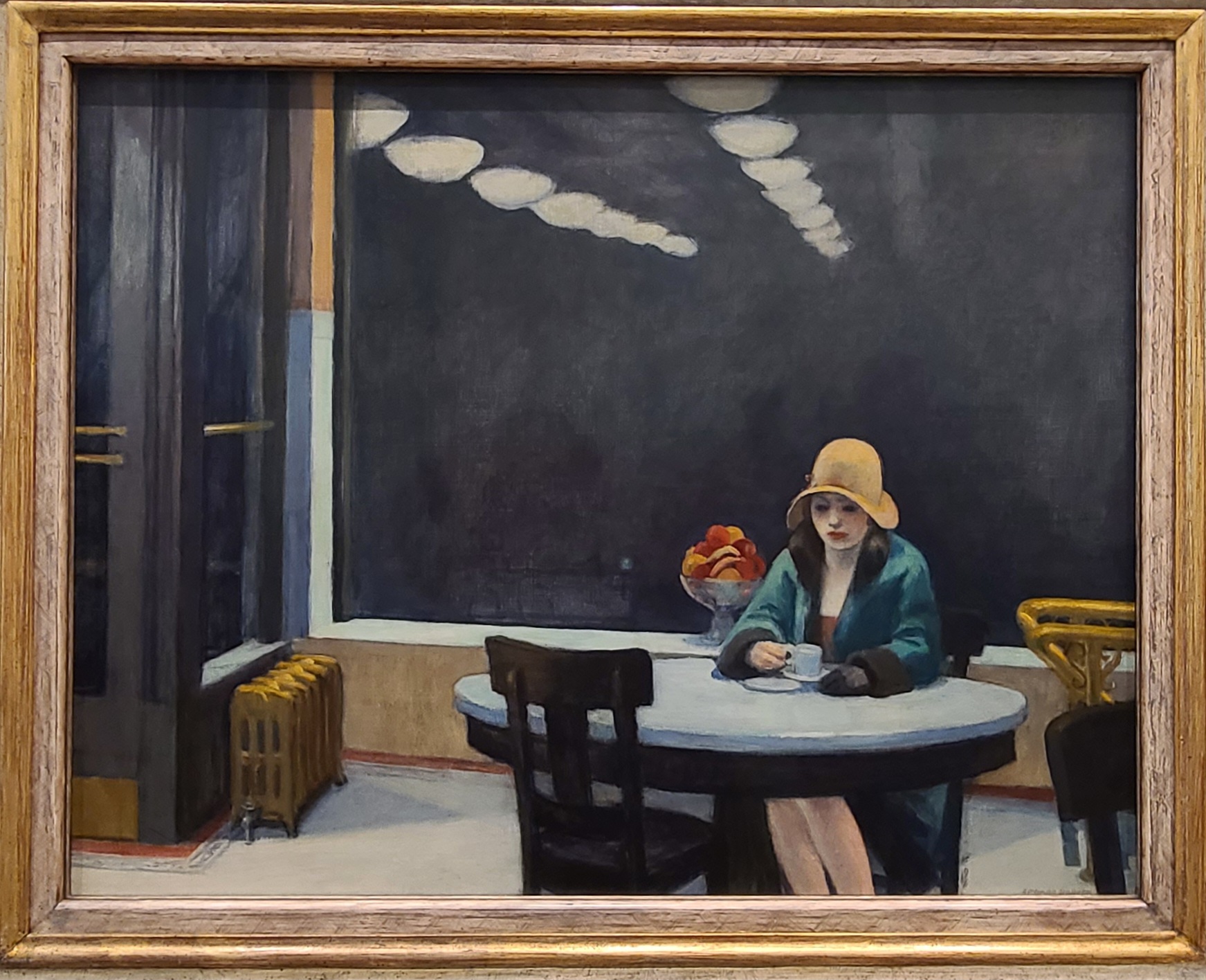
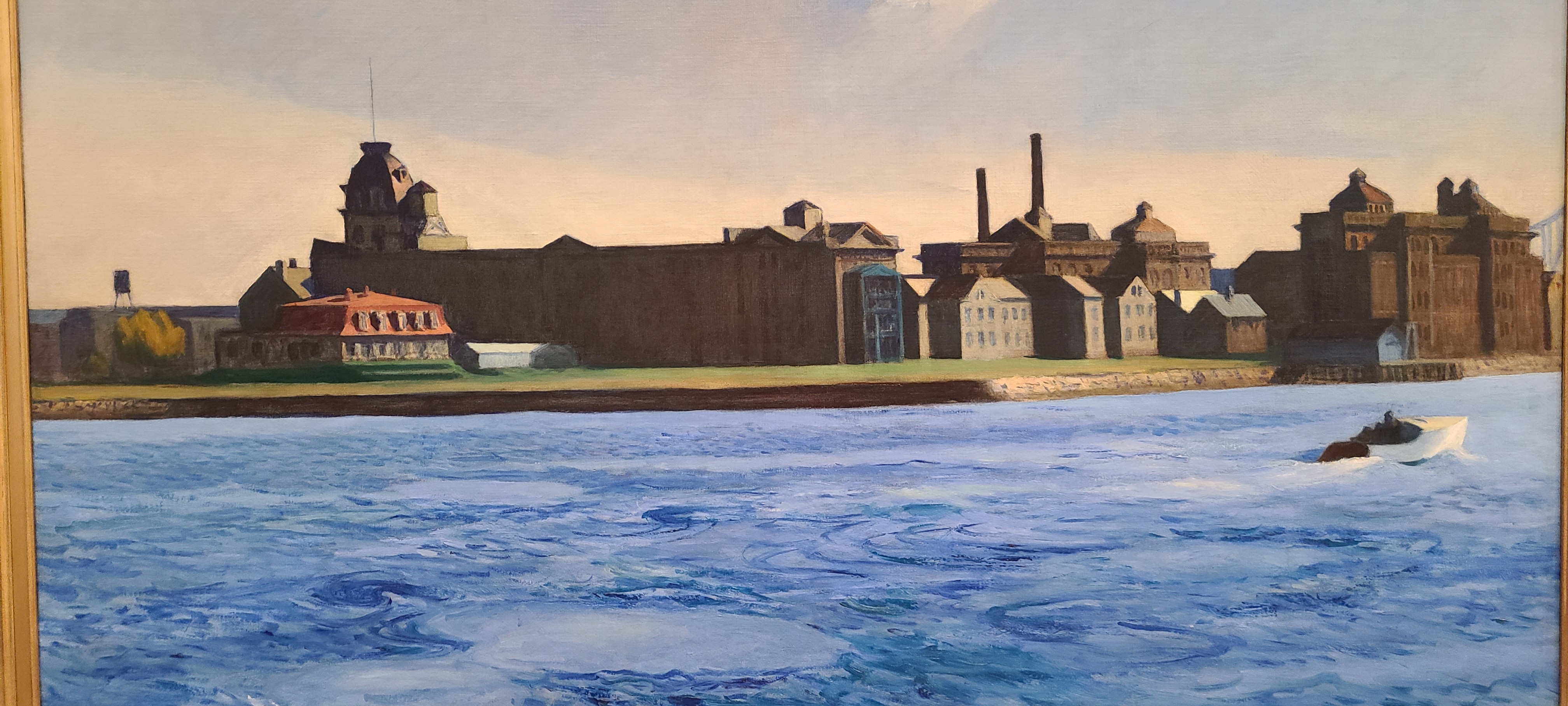
If you’re in New York this weekend, run don’t walk to the expansive and breath-taking art exhibit Edward Hopper’s New York at the Whitney Museum. New York was Hopper’s muse, second only to his wife Josephine “Jo” Nivison Hopper who was also a talented and accomplished painter. (Some of her works are featured in the exhibit as well and they’re stunning.) We see Automat, which reminds me of my heady early adult days in New York when I was scraping by working in Broadway theaters, as well as Early Sunday Morning, Room in New York, Bridle Path, Two Comedians, Drug Store, Tables for Ladies, New York Interior, From Williamsburg Bridge, Approaching the City, Sunlight on Brownstones, New York Pavements, Boy and the Moon, and the exhibit goes on and on with one gorgeous work after the next. 

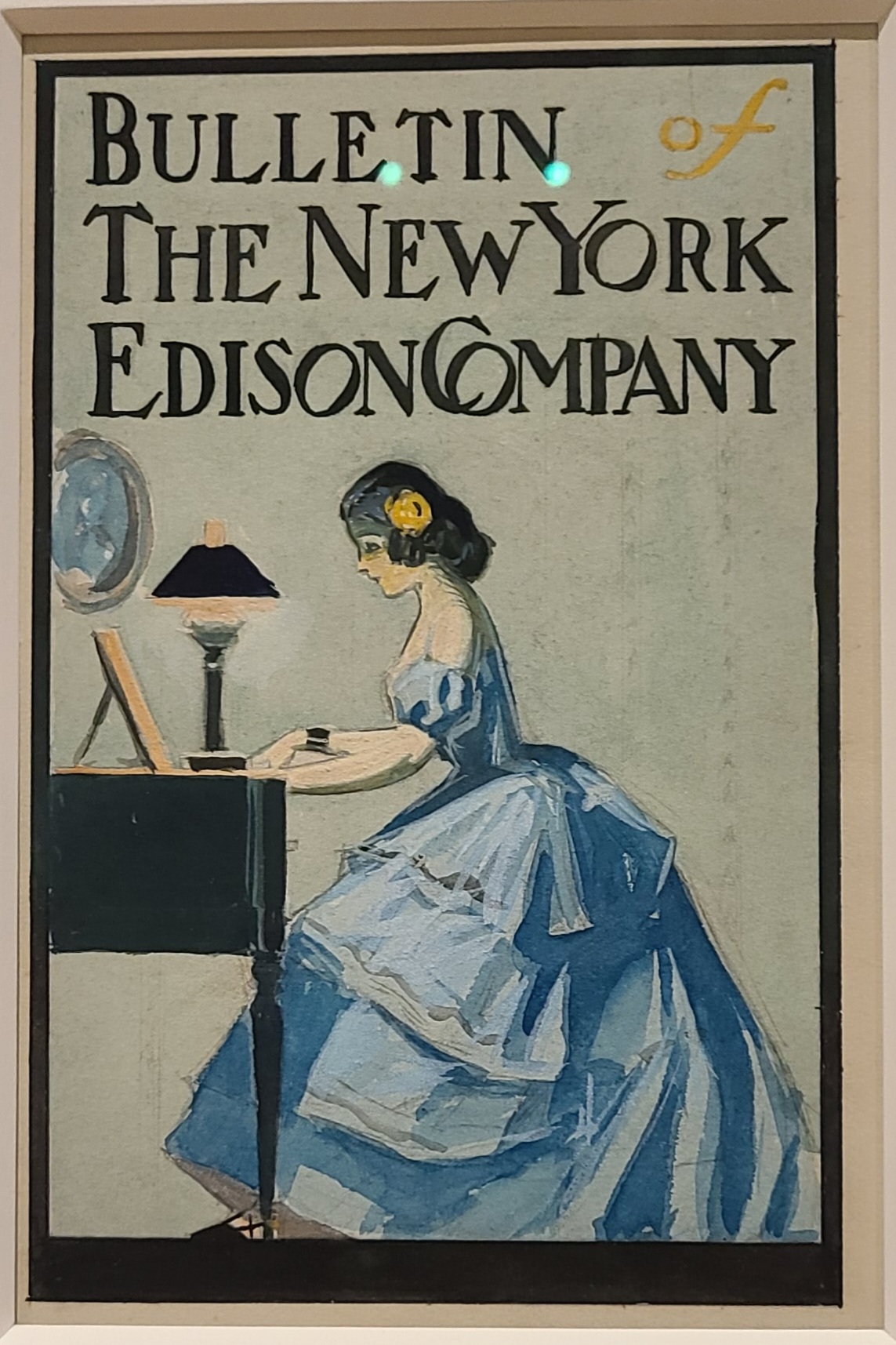
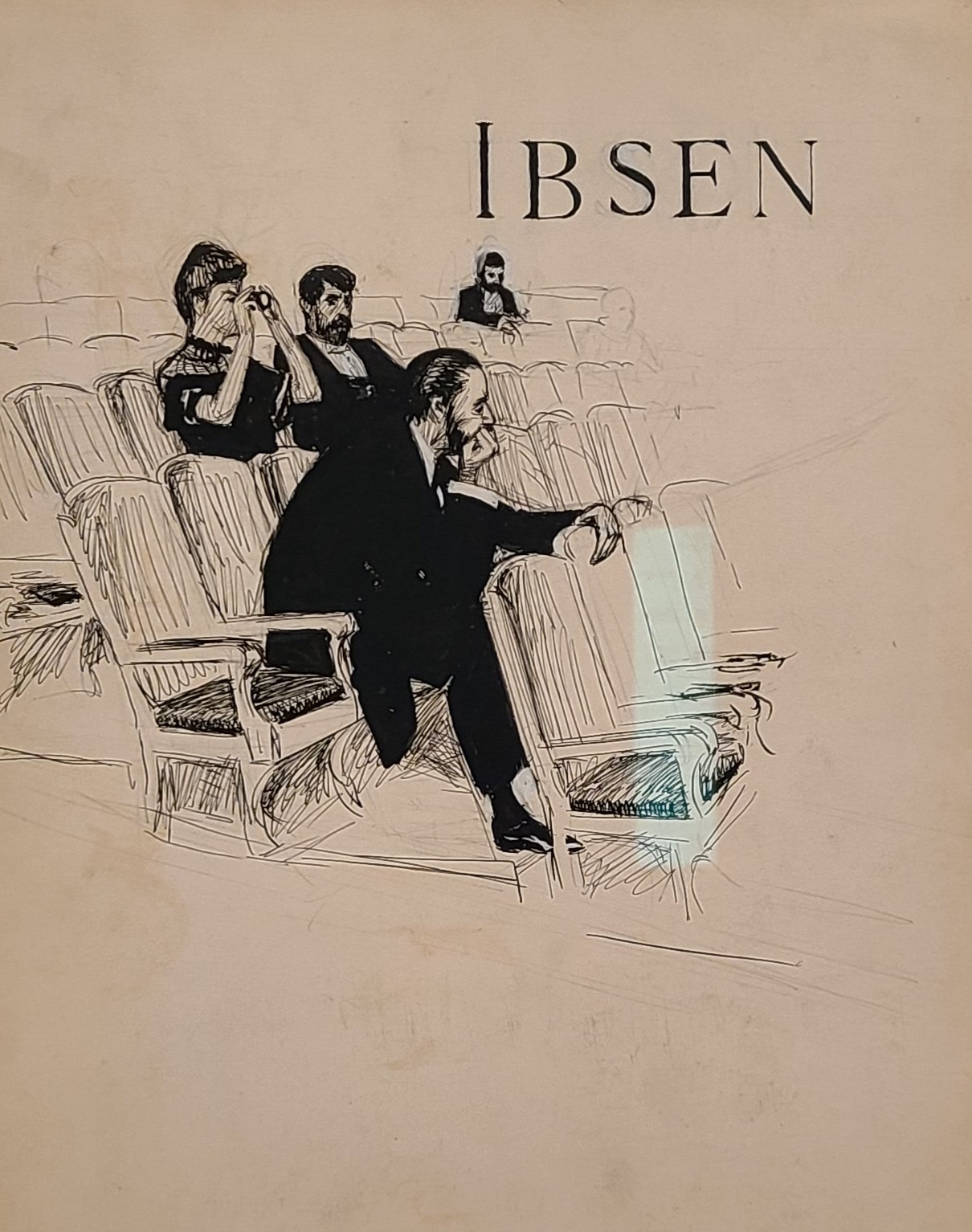
We also find his illustrations, which I never knew he did, and an extensive set of his theater stubs that he saved. He and Nivison Hopper were massive theater fans and often went there to sketch not the show, but the audience and staff. Hopper was obsessed with depicting the lives of everyday people in ordinary and intimate moments of their lives. This entire exhibit is a celebration of not just New York, but New Yorkers. We could be, and perhaps have been, many of the people in these works. They feel familiar to us because they are. In our city, we have all lived these moments in the course of our average days. 

What Hopper helps us realize is the extraordinary in our ordinary. In his work, we find the sliver of light through the window of our small apartment, the summer sunshine and shadows in Central Park, the very first moments of our mornings when we are still between sleeping and waking, the views from our trains and ferries as we rush to our next appointment, that burnt orange hat or sky blue dress that we love to wear, and that moment when we round the corner and spot our friends seated around the bar at our third home where everyone knows our name. 

The one sadness I felt is that his most famous work, Nighthawks, is not there. I asked a guard where that painting is, and was told, “It’s at The Art Institute of Chicago and they weren’t giving it up. But, the sketches of it are in the side room.” My dear friend, Vicki, who prompted me to catch this exhibit with her before it closes on March 5th, and I hustled over to that side room and it was filled with Hopper’s sketches of many of his best known works. We found them equally fascinating as the final pieces because they show his meticulous, studious process of perspective and the clarity of vision via the clean lines with which he’s synonymous.

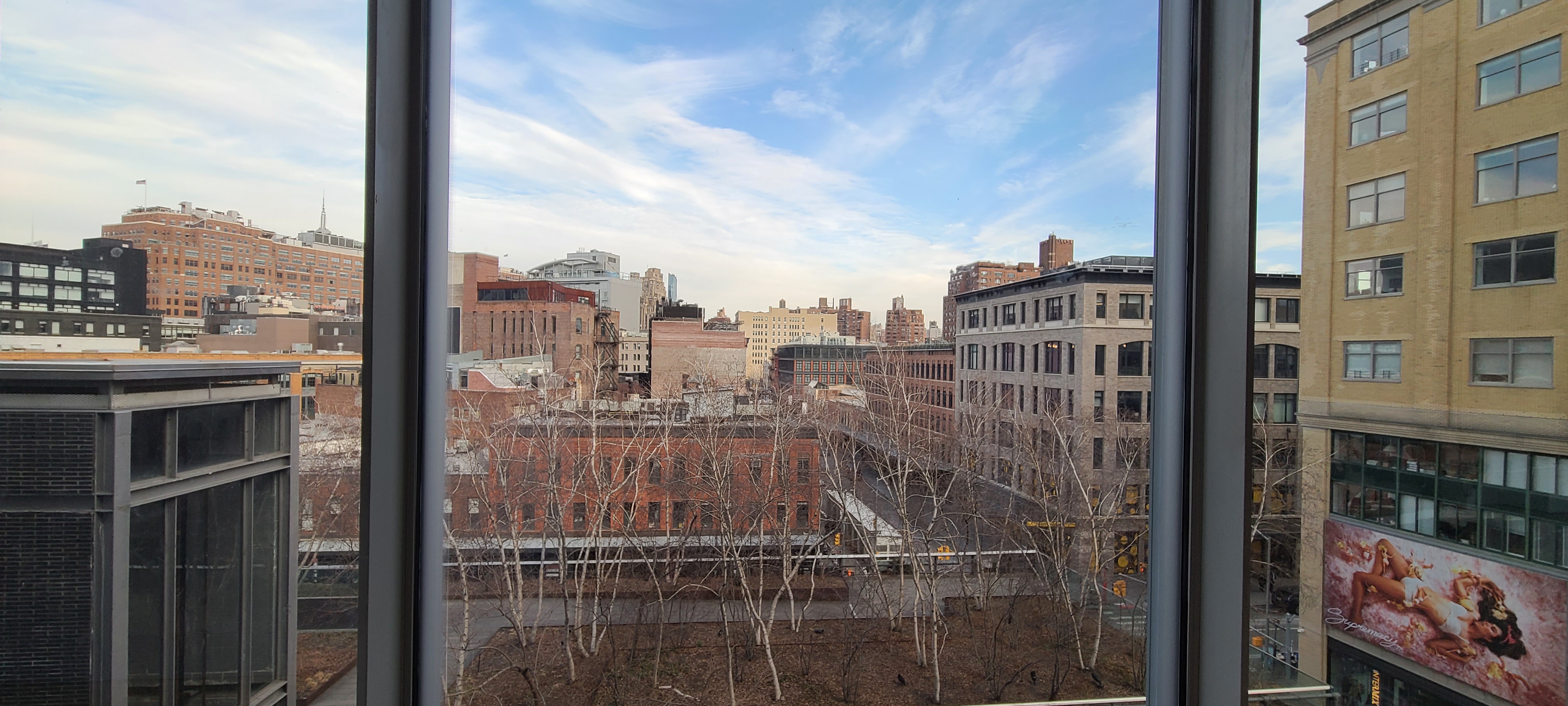
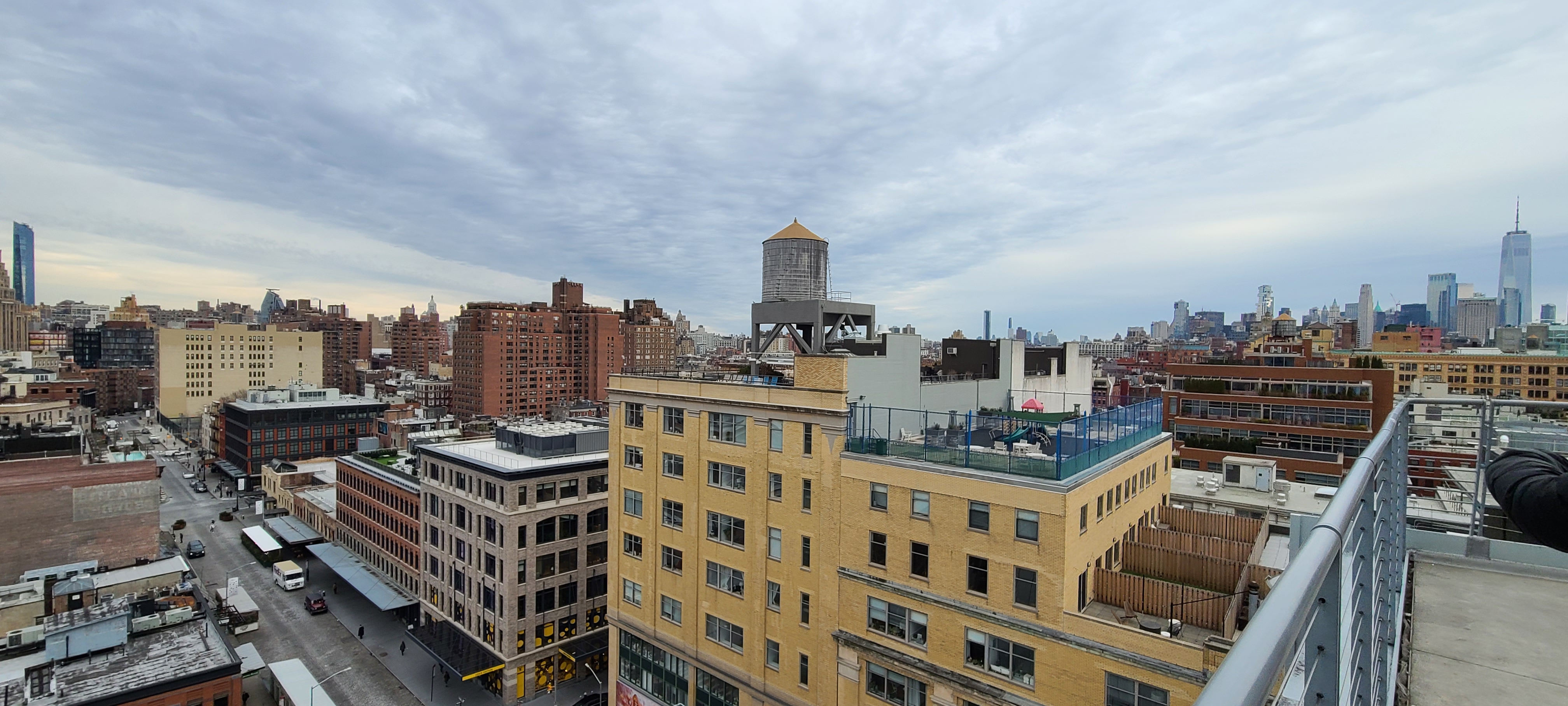
To enhance the exhibit even further, don’t miss the views of New York from the Whitney roof. Though it was freezing, Vicki and I ventured out there to see the sculptures and the views of New York that still look so much like the views Hopper saw. “Christa, we live here,” Vicki said to me. “We get to live here.” My heart was filled with gratitude for this city, this time with my dear friend, and for Hopper and Nivison Hopper whose visionary works endure.

creativity

Big dreams are built from small actions

My Frida Kahlo puzzle

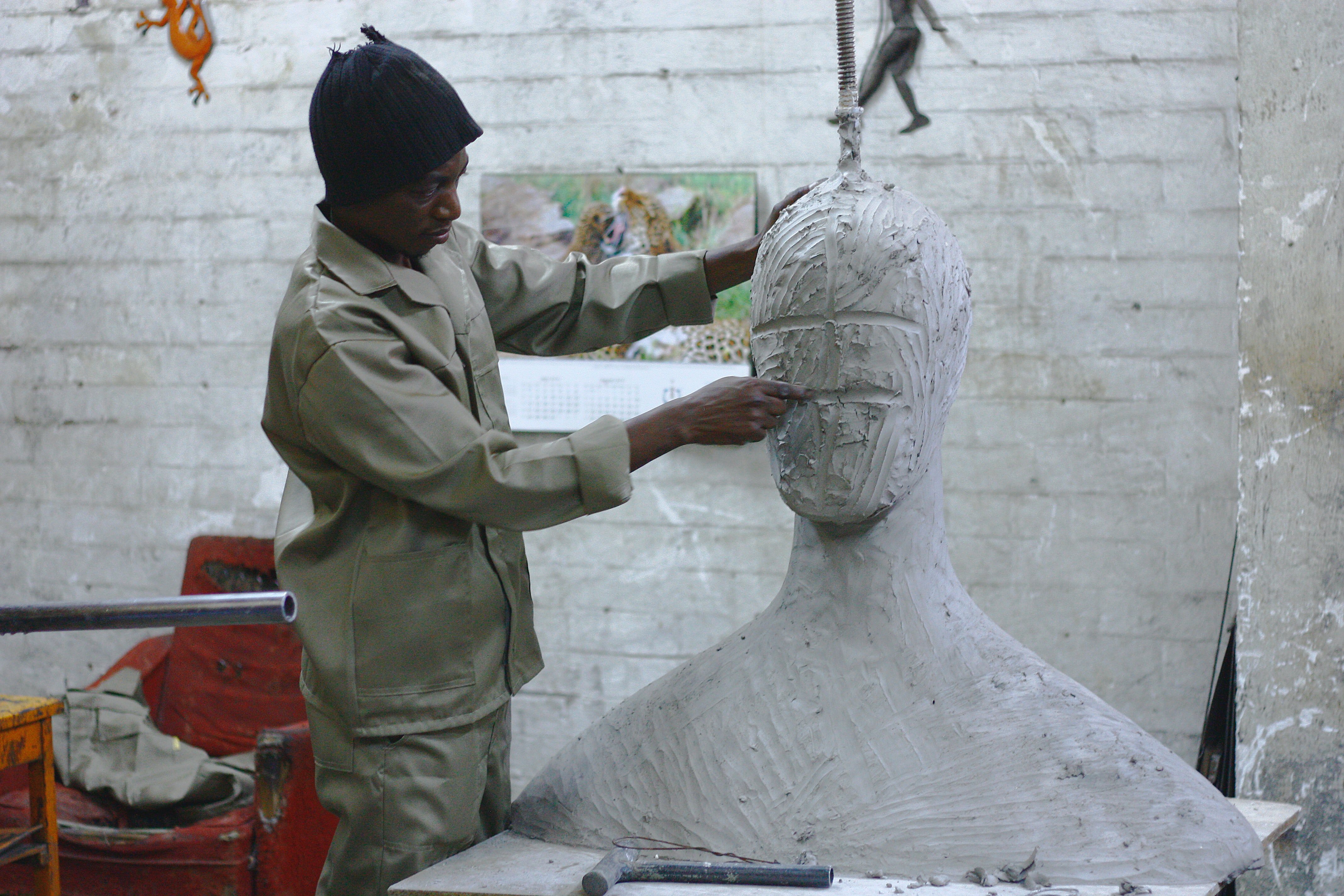
I just completed a challenging jigsaw puzzle of Frida Kahlo that I started with my mom when she was here visiting last week. It got me thinking about dreams. All dreams are built by small pieces put together one after another after another. Small steps forward in a clear, focused direction. Tiny actions that each make the full picture clearer. The final product is greater than the sum of its parts. 
Maybe in this start of the second month of 2023, you have dreams on tap, goals you’d like to achieve. Maybe these dreams and goals are so audacious and daunting that you don’t know where to begin. I often feel that way. Can I do this? Should I do this? What do I do first?
Step back. Take a breath. Break it down. What’s one small action you could do today, in the next ten minutes, that would help? Read a news article. Write a paragraph or draw a picture. Make a phone call. Send an email. Phone a friend. Say your dream out loud or write it on a post-it. Something. Anything. Every little thing is progress. 

I’m working on a fun experiment right now that I haven’t told anyone about. I wrote down my idea and then came up with a few different actions to get me to step one. Yesterday, I sent a few emails to people who could possibly help me get some raw materials to put together a tiny prototype. It felt good to do something, to make one micro-dent on an outsized project. Once I get the raw materials, then I’ll work on some different ways to assemble these parts, and then I’ll ask a few friends to test out the prototype and let me know what they think. 

I’m sure I’ll fail 100 times. That’s okay. The dream is big but the stakes are small. I’m beginning. I’m just trying something out to see if this idea has legs. 

I hope you’ll join me on this journey of baby-stepping it. What’s your dream? What’s the one small thing you’ll do today to get yourself just a tad closer to realizing it? Let me know. Let’s cheer for each other and lift each other up along the way. 

creativity

How writers using multi-sensory storytelling will save the planet

Photo by Marc Wieland on Unsplash

“If you want to build a ship, don’t drum up people to collect wood and don’t assign them tasks and work, but rather teach them to long for the endless immensity of the sea.” ~ Antoine de Saint Exupéry, author of The Little Prince (among many others)

Today I want to talk to you about how storytelling has a vital role to play in saving the planet. Over the past few weeks, I’ve been consumed with getting ready to start my new graduate program in Sustainability Leadership at University of Cambridge. I’ve completed my first set of assignments and the first (very long!) reading list. I’ve read well over a thousand pages of documents, reports, data collections, and science journal articles. I have 10 new books on my to-be-read list, many relating to the connections between the economy, nature, and societal structure. It will come as no surprise that much of it is bleak, and there is some hope sprinkled in here and there.

Here’s what I didn’t find on a single page I read: what will our world look, feel, sound, smell, and taste like when humans learn how to live on this planet in a sustainable way?

The science matters. We have to have the reporting and data to show what’s happening in real-time right now, and explain what can happen if we don’t turn things around and fast. We need the urgency provided by the dire warnings. The doomsday scenarios are true possibilities and we’re on a collision course with them.

We also have to give people hope by explaining all we stand to gain if we change our ways, systems, governments, businesses, cities, economies, and — here’s the kicker — our values.

For decades we’ve been obsessed with efficiency and convenience, and in the process have caused a massive number of extinctions and destroyed priceless ecosystems that we’ll never see again. We stand to lose much more if we don’t realize we must value nature because nature underpins every aspect of our lives and livelihoods.

We have no future without nature and we need to wake up to that reality.

I’ve been thinking a lot about what it would take to give people an experience of what a truly sustainable world will be like. How can we make it an experience that sticks with people long after the experience is over, motivates them to make changes in their lives, and causes them to demand change from the businesses they patronize and the governments of which they’re citizens?

How can we, in the words of Antoine de Saint Exupéry, make them long for the healthy, thriving, clean sea, literally and figuratively?

I’ve been immensely inspired by the immersive exhibits that are all the rage right now — Van Gogh: The Immersive Experience and Imagine Picasso are two examples of the tech-centric, projection-based exhibits that are everywhere. In February, The New Yorker wrote a long, exceptional piece on this trend. For many years, I’ve been a fan of immersive theater like the wildly popular Sleep No More that’s a bit like Clue meets haunted house meets Eyes Wide Shut, complete with masks for all guests so you feel like you’re at a costume party. Since I was a child, I’ve loved choose-your-own-adventure stories. And let’s be honest; I still love choose-your-own-adventure stories.

So here’s my proposal — what if we take the:

  • technology of immersive art exhibits
  • participatory storytelling of immersive theater
  • user-guided choice of choose-your-own-adventure stories
  • science of climate change

to not tell, not show, but allow people to experience how climate change will look, sound, smell, taste, and feel if we continue on our current trajectory and if we make the needed, massive changes to save the planet, save ourselves, and save all the species who call Earth home? There would then we an online component that would connect people to one another and provide support for making the changes we need and charting collective and individual progress because as we know, what gets measured gets done.

Would that be a way to use multi-sensory storytelling as a tool to motivate people, open their hearts and minds, and give us a fighting chance at building a sustainable society together? If executed flawlessly and meaningfully with heart, I think this might be part of the solution we need that doesn’t yet exist. What do you think?

creativity

Start at the ending, in writing and life

Photo by Monty Allen on Unsplash

“Let’s start at the very beginning. A very good place to start.” Julie Andrews, Do-Re-Mi in The Sound of Music

As writers, sometimes we have to start at the end. In my previous books, I started at the beginning and wrote all the way through to the end. It’s how I outline, too. But with this third Emerson Page book, I have to take a different approach.

I started to write the beginning with my trusty outline in-hand and quickly found myself in murky waters. So murky that I was procrastinating, which I never do. I was afraid to sit down and write, and that fear was getting in the way of delivering my draft manuscript to my publisher under a tight deadline.

I have to find another way in. I stopped writing in my usual progression of beginning to end, and flipped it on its head. Today, I’m writing the last chapter of the book, the end of Emerson’s story arc. I know where it needs to take place and what needs to happen there. With that confidence, I’ll walk backward one step, one chapter, at a time.

To be honest, I don’t like that I have to do this. I’m a creature of habit and I like my writing habits. But this leg of Emerson’s journey is the most complicated of the three books. It has many more twists, turns, and surprises. The stakes are higher, and I have to give readers an ending that’s satisfying and true to Emerson’s spirit. To do that, I have to adjust my process.

Maybe you’re facing something similar, in your writing or in your life. Something isn’t progressing as you hoped. A surprise popped up that has thrown you off-track. You’re stuck, disappointed, frustrated, or maybe you’re all of those things.

Back up and look for a different path. How can you adjust what you’re doing? Is there another way forward, even it requires you to get comfortable with being uncomfortable? Maybe like me, you have to put things in reverse. Start with the goal. Then instead of asking, “and then what happened?”, ask “how did I get here? And here? And here?”

It may turn out that the ending is the very best place to start.

creativity

JoyProject podcast: The Joy of Photography with Amy Selwyn

The Joy of Photography with Amy Selwyn

Smartphones have turned all of us into photographers. We take pictures of our friends and family, our food, pets, art, selfies, sunsets, gorgeous vistas. If we can see it, we’re taking photos of it. Smartphones changed the way we see and capture our world and experiences. 

Less than a year before the pandemic started, photographer Amy Selwyn gave herself a gift that completely and unexpectedly changed nearly every aspect of her life. A trip to Cuba not only transformed her career, but it gave her a totally new way of seeing the world and her place in it.

At the end of the podcast, I share something that brought me joy this week related to the episode. As she adjusts her life to make room for making more art, she’s downsizing her home. That inspired me to re-arrange my own home and declutter my life. Apartment Therapy is an Instagram account and website that offers fantastic ideas on how to organize and decorate a small space for it’s beautiful and functional.

Topics discussed in this episode:
– How Amy got interested in photography
– Traveling to Cuba and falling in love with street photography
– The joy of being a beginner
– Discovering and living out your passions at any age
– Mental health and the artist mindset

Links to resources:
– Amy on Instagram – @amyselwynphotographer
– Amy on Twitter – @amyselwyn
– Amy’s website – amyselwyn.photography
– Christa on Twitter – @christanyc
– Christa on Instagram – @christarosenyc
– Christa on Facebook – @AuthorChrista 
– Christa on Medium – @christaavampato
– Christa on TikTok – @christanyc
– Christa’s website – ChristaAvampato.com
– Apartment Therapy – www.apartmenttherapy.com

About Amy:
Amy Selwyn is a writer and fine arts photographer, and an utterly devoted dog mom to a sassy and adorable French Bulldog. 

Amy spent over 35 years working for and with news organizations around the world, including the BBC, The New York Times, the European Broadcasting Union,  and The Associated Press. Stories and storytelling are a lifelong passion. 

Amy is currently in a 3-year MFA program at Maine Media in Rockport, Maine, studying photography. This month, Amy will have one of her works in a juried show at the South East Center For Photography in Greenville, South Carolina. 

Originally from Hartford, CT, Amy and her beloved pup are currently based in Portsmouth, New Hampshire. 

creativity

In writing and life, have a sculptor’s mindset

Photo by Ilia Zolas on Unsplash

First drafts, of writing and any project in life, can be difficult. The proverbial blank page stares at us and we’re so concerned about getting things exactly as we want them to be in the end that we forget all creative acts are a process of becoming. Nothing springs to anyone fully-formed and perfectly-worded. 

I’m in the process of writing the first draft of my third novel. You’d think this would get easier with time. It hasn’t for me. I still approach each first draft, each first attempt of all of my creative projects, with trepidation and anxiety. What if this time I’m a total failure? What if what I’m trying to do doesn’t land and I can’t do anything to make it even decent, much less something I’m proud of? 

In moments like this that make it difficult for me to even begin, I remind myself that I’m a sculptor. This blank page, this new project idea, is a block of marble. And like the sculptor, I’m taking away tiny bits here and there. It will take many rounds of refining to bring the sculpture to life from this block. It will not happen overnight. It will not happen quickly. My only job is to begin, a tiny tap here, a tiny tap there. Over and over again with intention, curiosity, and openness. I don’t need to be brilliant. I don’t need to be perfect. I just need to show up. What I don’t get right in this round, I can attempt in the next. And on and on it goes. 

We consume and admire the work of others at its end stage. All we see and experience in the finished product, not the many long and arduous hours, wrong turns, edits, messiness, doubt, and about-face maneuvers it took to get to that ending when it’s ready for the public. So we compare our work-in-progress to work that has already progressed. 

The sculptor’s mindset is the one we need as we begin. Pick up the hammer and chisel and chip away at the smallest task of your grand dream. It’s how all great work starts, and how all great work makes its way, slowly and surely, into the world. 

creativity

For writers: FREE resources on query letters, nonfiction book proposals, finding an agent, and social media from Eric Smith

Eric Smith from his website https://www.ericsmithrocks.com/

Hello, lovely writers. Do you know Eric Smith, author and agent extraordinaire? If not, please get to know him because he’s a ray of light in the writing community. As both a successful author and agent, he understands both points-of-view and helps demystify a lot of things in the writing and publishing world that many other people don’t.

It’s incredible how much wonderful advice he puts out into the world for authors for FREE! There are a lot of organizations out there who want to charge you a lot of money for this advice—I’ve paid some of them for it and I can promise you I should have just read Eric’s website because the advice I paid for was exactly the same as what Eric offers. 

Here’s a summary of what he has on his website:

Query letters
The good ol’ query letter is what we put together when looking for an agent or publisher who accepts unagented queries. You can read the query letter that helped me find my publisher for my Emerson Page young adult adventure trilogy here. Eric offers up 17 successful query letters from authors he’s worked with and he also explains why their pitches worked so well. In my pitch to my publisher, I did so many things that conventional wisdom said not to do. If you’d like to read my article on that, it’s here: A Publisher Bought My YA Novel Trilogy — Here’s Everything I Did Wrong.

Crafting nonfiction book proposals
I’ve been working on a nonfiction book proposal for about 6 months and Eric’s advice has helped me tremendously. He provides several successful nonfiction book proposals from authors he’s worked with and again offers his explanation of why they worked for those authors. There are definitely paid services out there that could be valuable for you to use but I recommend you try following his advice to create your proposal first, send it out, and see how it lands with agents and publishers.

Author and editors whom you can work with
If you’ve decided you’re at the point where you need an author or editor to look at your work and offer specific advice on your manuscript, proposal, or query, Eric has a long list of recommendations of people he trusts. He’s used the services of these people himself, as an author and as an agent. 

Looking up literary agents
Eric’s blog, which he updates regularly, is chock full of other advice for writers. One question I always get is, “How do I find an agent?” If you’re in the market for an agent, it takes legwork and research to find them. Eric offers advice on looking up agents and reaching out to them in this blog post.

Social media for authors
Ah, social media for authors. Do you love it? Do you hate it? It matters, and it doesn’t have to take over your life. Eric offers all kinds of advice on what to share on social media, platforms to use, and how it’s helped him as a writer and as a person. 

Building a platform
“You have to have a platform.” I have heard this for years and I still hear it all day every day to this day. Platform matters. It can also be fun to build one. There is so much to learn. There are so many people in the world doing really interesting work. While building your platform, you’ll meet and befriend so many terrific people you may not meet otherwise. That’s certainly been my experience and it’s brought me a lot of joy over the years. Eric offers up advice on building a platform as well

If you’re in need of writing and publishing advice (and who among us isn’t?!), hop over to Eric’s website and use his free resources for writers to the max. Happy writing and I can’t wait to read your stories!