
creativity

4 Wins for Nature in 2026

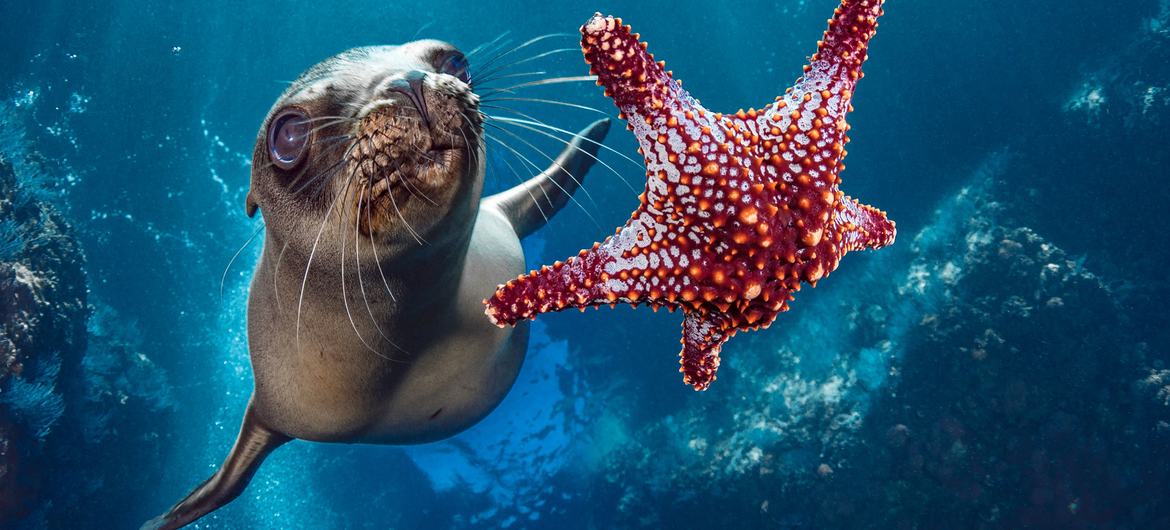
A sea lion swims past a starfish, highlighting the vibrant marine life the High Seas Treaty aims to protect. Photo: © Ocean Image Bank/Hannes Klost (via UN News https://news.un.org/en/story/2025/09/1165901)

Last week, we closed out the year by looking at the victories nature secured in 2025 that didn’t get enough coverage. Today, let’s look forward.

It is easy to dread the headlines this coming year. We know the challenges we face—political headwinds, climate tipping points, and the sheer noise of it all. But if we only look for the fires, we miss the flowers.

2026 is shaping up to be a landmark year for the wild world. From the icy steppes of Kazakhstan to the open ocean (and even the sun itself), there are massive moments on the horizon worthy of celebration.

Here are three dates I’m circling in red on my calendar this year.

1. January 17: The Ocean Gets a Shield

We don’t have to wait long for the first massive win. On January 17, the High Seas Treaty officially enters into force.

You might remember we talked about this last year when it hit the ratification threshold, but next week it becomes international law. This is the legal “go” signal that finally allows the world to establish Marine Protected Areas (MPAs) in international waters—the vast blue “wild west” that covers nearly two-thirds of our ocean. For the first time, we have a mechanism to protect life in the deep sea from unregulated exploitation.

2. Spring 2026: The Return of the Tiger

This spring, a roar is expected to return to Central Asia for the first time in 70 years. In a historic reintroduction project, conservationists are scheduled to release Amur Tigers back into the Ili-Balkhash Nature Reserve in Kazakhstan.

This project has been years in the making. It involves not just moving cats, but restoring an entire ecosystem—bringing back the prey species (like Bukhara deer) and the riparian forests the tigers need to survive. It is a powerful reminder that we can do more than just protect what is left; we can rebuild what we’ve lost.

3. August 12: The Sun Disappears (in a good way)

On August 12, nature is putting on its own show. A Total Solar Eclipse will sweep across the Arctic, Greenland, Iceland, and northern Spain.

This will be the first total eclipse visible from mainland Europe since 1999. While it’s a celestial event, I always view eclipses as a profound “nature check.” They are one of the few things powerful enough to make millions of people stop, look up, and realize we are all connected and standing on the same spinning rock.

4. The Theme for 2026: Rangelands & Resilience

Finally, the UN has officially designated 2026 as the International Year of Rangelands and Pastoralists.

It doesn’t sound “sexy,” but rangelands cover nearly half of the Earth’s land surface. They are the carbon sinks, biodiversity hotspots, and cultural heartlands that sustain millions of people and animals (including our friend the Jaguar!). Expect to hear a lot more about the grasslands this year—they are finally getting their moment in the sun.

We have a lot of work to do this year, Togetherhood community. But we also have a lot to look forward to.

Let’s get to it.

Share the hope: If you know others who would enjoy this weekly dose of nature news, please click the “Share” button at the top of this post or forward them this link: https://www.linkedin.com/build-relation/newsletter-follow?entityUrn=7273771832221089792

Thank you for being part of this community and helping it grow!
creativity

Yes, Nature Won in 2025, Too. Here’s What Gives Me Hope.

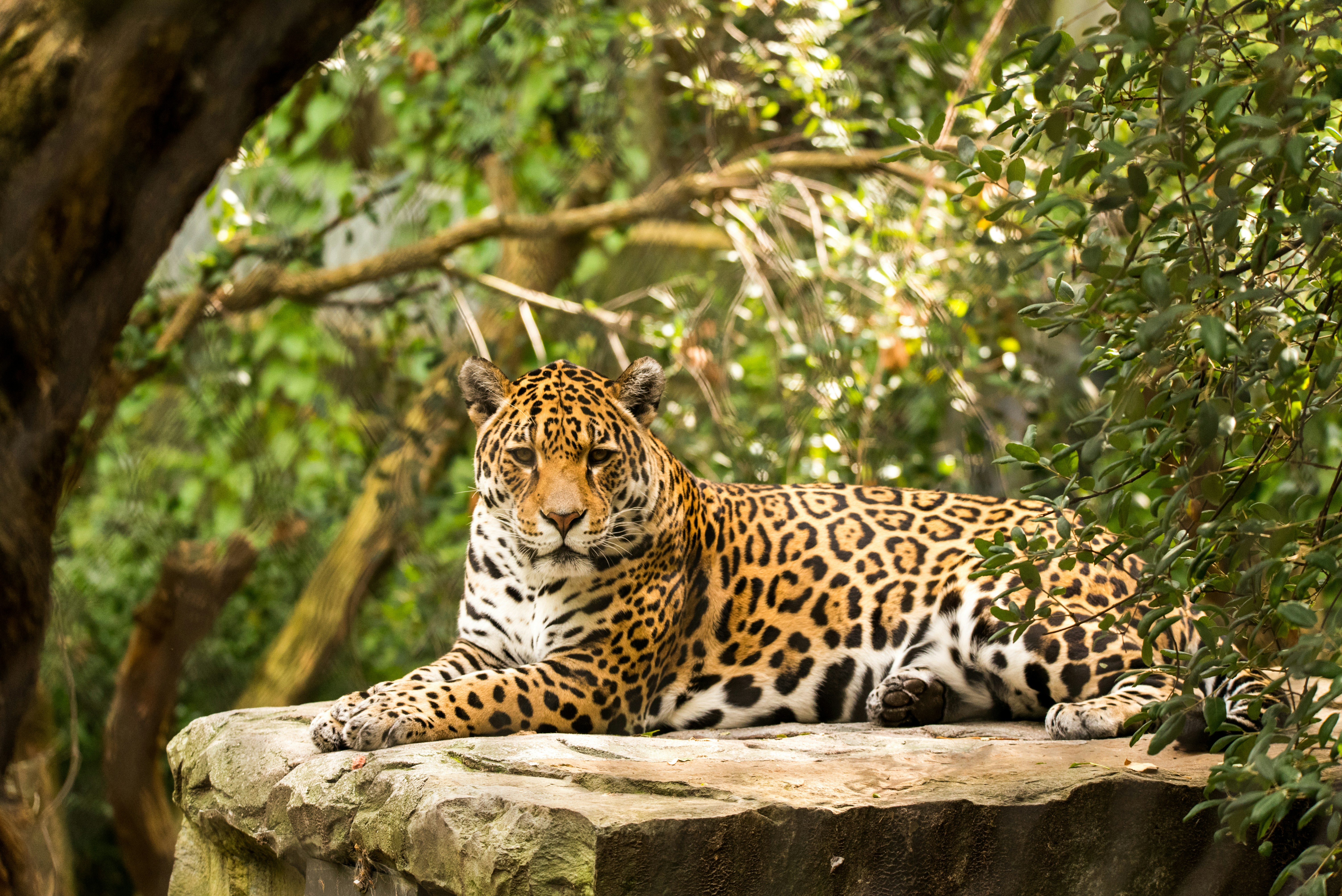
A jaguar in the wild—a symbol of the resilience we are seeing return to the American Southwest. Photo by Ramon Vloon on Unsplash

I started Togetherhood, my weekly nature newsletter, exactly one year ago, and I am so grateful to every one of you who has subscribed, read, shared, and commented on my nature stories along the way.

To mark this one-year anniversary—and the arrival of 2026—I wanted today’s post to focus on the wins nature secured in 2025. Yes, there were heartbreaking losses that felt like a gut punch. But there were also moments of joy and triumph that received far too little coverage. While we must be clear-eyed about the darkness, we must also give the light her due.

Yesterday, CBS Sunday Morning aired a segment with David Pogue on the good news of 2025. It was a perfect reminder that innovation and compassion are still alive and well. Here are two of the standout nature stories from that segment, plus a few other big wins from around the globe that we should celebrate.

The End of “Forever” Plastic? David Pogue highlighted a game-changer happening right now in Massachusetts. A company called Black Earth Compost is proving that single-use doesn’t have to mean forever. They are utilizing a new kind of “plastic” made entirely from sugar cane. Unlike the “biodegradable” labels of the past that didn’t really work, this stuff actually breaks down alongside household food scraps, turning into nutrient-rich compost rather than microplastics in our soil. It’s a closed-loop win we desperately need.

Farmers & Birds: A Surprise Alliance In California, a program is flipping the script on the usual farmer-vs-environmentalist narrative. Pogue spoke with Katie Riley from The Nature Conservancy about the “BirdReturns” program. In this initiative, farmers (like the Zuckerman family in Lodi, CA) are paid to flood their fields during specific times of the year. These pop-up wetlands create crucial rest stops and feeding grounds for migratory birds like Sandhill Cranes. The result? Farmers get a new revenue stream, and bird populations that were struggling are getting a massive lifeline.

Renewables Finally Beat Coal: This isn’t just a projection anymore; it’s a fact. In October, energy think tank Ember confirmed that for the first time in history, renewables generated more electricity globally than coal (34.3% vs 33.1%) in the first half of the year. Solar alone is doing the heavy lifting, meeting 83% of the increase in global power demand.

The High Seas Are Officially Protected: On September 19, we hit a massive milestone: The High Seas Treaty secured its 60th ratification (thanks to Morocco!), which is the magic number needed to make it international law. This triggers the treaty’s entry into force in January 2026, finally allowing us to create marine sanctuaries in the “Wild West” of the open ocean.

Species Bouncing Back:

It’s going to be a tough year ahead, but these stories prove that when we give nature half a chance—or when we get smart about solutions—it has an incredible ability to heal.

See you in 2026! We’ve got work to do, and we’ll work together with nature to make this a better world for all beings.

creativity

Why I’m taking “Secrets & Lies” to San Francisco: Discussing climate disinformation and the power of storytelling on the Earthworks podcast

Me at home in Brooklyn (and I took that photo behind me of a branch frosted with ice!)

I am so honored to be the first guest on Marina Psaros‘s new podcast, Earthworks.

We sat down to talk about two things that are deeply personal to me: the urgency of climate action and the power of a good story. Specifically, we discussed how I relaunched my live storytelling game show, NYC’s Secrets & Lies, at the Climate Group‘s Climate Week NYC this year.

Why mix storytelling with climate science? My goal has always been to combat misinformation and disinformation, particularly in climate. In a world of noise, storytelling promotes critical thinking and builds the kind of community and critical thinking we need to tackle big challenges. When we pique someone’s curiosity and wonder, which is what I do with the show and secret history, that encourages the audience want to take action and join a movement.

Big News: We are going to the West Coast! Marina actually reached out to me via LinkedIn when she saw my original post about the show at Climate Week NYC. That one connection has sparked a new plan: We are working to bring NYC’s Secrets & Lies (as San Francisco’s Secrets & Lies!) to SF Climate Week in San Francisco in April 2026!

Listen to our Earthworks episode here: https://www.marinapsaros.com/earthworks/christaavampato

I’d love to hear what you think about the intersection of history, nature, and storytelling. And to my friends in the Bay Area—stay tuned. We can’t wait to see you and tell stories together!

creativity

Head, Heart, and Hands: The Great Triumvirate of Change

Image created by Christa Avampato.

I just attended Dr. Katharine Hayhoe’s Climate Week NYC talk at the American Museum of Natural History, and it was the most empowering climate message I’ve ever heard. It reframes the entire discussion around three simple ideas: Head, Heart, and Hands.

A research-backed truth: Dr. Hayhoe shared that most people in this country and in the world (~60% on both counts) are worried about climate change. We, the worried, don’t need more doom and damning data to get us concerned because we’re already there.

The challenge: Even though we’re worried, we aren’t taking enough action to alleviate our worry because we don’t know what to do about it.

The solution: Sync up our head, heart, and hands – what I’m calling the great triumvirate of change – and sync with others.

Well, that’s all well and good, but how do we do that? Dr. Hayhoe’s advice: Get clear about what we care about, how climate change will impact what we care about, find others who care about what we care about, and start talking!

Here’s our action plan:

Head: Define Your Why. Clearly identify exactly why you’re worried. Finish this sentence: “I care about climate because I care about…” How is your personal well-being, favorite place, or dearest value already being affected by climate change? Keep it simple, personal, and jargon-free.

Heart: Connect to Community. Now that you know what you care about, find communities, groups, and individuals who share that passion and are also affected by climate change.

Hands: Turn Conversation into Action. Get in touch with those communities and start talking about your shared worries and values. That act of conversation and connection will lead to meaningful, collaborative action or project to protect what you care about.

Climate change will affect everything everywhere all at once. It is a global issue, and no one will escape it so no matter what you care about, it will be impacted and there are communities of people who care about it, too. Let’s dive into an example from my personal life to see this action plan come to life.

An example:

Head: I’m worried about climate change because I love New York City. Since most of our city is at or near sea level, we will be subject to serious impacts from sea level rise, and we have a lot of issues now with rain flooding the streets and subways – our main modes of transportation. We also have a lot of people living in a small amount of space so there is a lot of pollution that impacts our health and well-being, and often crowds out green space, which is causing more heat, dirtier air, and health issues.

Heart: I love this city, and I do believe we can make it greener, cleaner, and healthier for all beings who live here – people, pets, wildlife, and plants. I want to find other people who also care about nature in NYC.

Hands: I run a live storytelling game show called NYC’s Secrets & Lies all about the secret history of NYC. This month, I decided to make the show all about stories related in nature in NYC and applied to have it become an official Climate Week NYC event. They accepted it (hooray!). I found a terrific venue – a hidden theater inside Port Authority Bus Terminal (a great tie into the transportation issues impacted by climate change here in NYC!) We had a wonderful cast of storytellers who were enthusiastic about the topic and told a wide range of stories. I also invited Josh Otero from the Natural Areas Conservancy to be our special guest to talk about all of the amazing work they do to make NYC greener and healthier. We had a sold-out show with a waitlist of 33 people, and all of the stories talked about interesting aspects of the history of nature in NYC. We had so much fun, and it was a great way to get the message out there! This show gave me a place to put my worries about climate change and turn them into action with others. I’m planning to do more of these shows – stay tuned!  

Our climate anxiety is reaching new heights and as Dr. Hayhoe explained, the way to use that anxiety for good is through stories. Storytelling is about conversations. Every great idea, every meaningful action, every ounce of change – it all begins with a conversation. Get out there, start talking, and see what change you can create with others.

creativity

A Call to Action: Building Resilience in the Face of Flooding

The Mississippi River regularly floods in Davenport, Iowa. Photo by Kelly Sikkema on Unsplash

The recent, heartbreaking floods in Texas have served as a stark reminder of nature’s raw power and the ravaging impact it can have on our communities. Along the Guadalupe River, the water rose 26 feet in less than an hour. I’m devastated seeing all of those who are affected by the loss of life, homes, and livelihoods.

Texas, particularly regions like “flash flood alley,” is inherently susceptible to rapid and severe flooding due to its unique topography and intense rainfall events. When large volumes of rain fall quickly on dry, compacted soil, the water has nowhere to go but to rush across the surface, swelling rivers and overwhelming infrastructure.

While we cannot control the weather, we can learn from these events and take proactive steps to mitigate future flooding risks, working with nature, not against it. So, what can we do, as individuals and communities, to better coexist with the forces of nature and reduce the impact of these catastrophic events?

Embracing Nature-Based Solutions

Many effective flood mitigation strategies involve working in harmony with our natural environment. These “green infrastructure” approaches often offer multiple benefits beyond just flood control:

  • Protecting and Restoring Wetlands and Floodplains: These natural sponges are crucial for absorbing excess water, slowing its flow, and filtering pollutants. Preserving and restoring these vital ecosystems can significantly reduce downstream flooding.
  • Creating Rain Gardens and Bioswales: In urban and suburban areas, these beautifully designed landscape features use plants and specially engineered soils to capture and slowly release stormwater runoff, preventing it from overwhelming drainage systems.
  • Promoting Permeable Surfaces: Swapping out concrete and asphalt for permeable pavers or gravel allows rainwater to infiltrate the ground naturally, reducing surface runoff and recharging groundwater supplies.
  • Planting Trees and Vegetation: Trees and other plants help absorb rainfall, reduce soil erosion, and stabilize banks along rivers and streams. Their root systems create pathways for water to penetrate the soil, further reducing runoff.
  • Implementing Riparian Buffers: Establishing vegetated zones along waterways helps to slow floodwaters, trap sediment, and improve water quality, creating healthier aquatic ecosystems.

Community-Wide Efforts and Individual Actions

Beyond nature-based solutions, broader efforts and individual preparedness are essential:

  • Improved Flood Warning Systems: Timely and effective communication is paramount. Communities need robust warning systems that reach everyone in flood-prone areas, especially during the critical overnight hours.
  • Responsible Land Use Planning: Developing in harmony with natural floodplains, rather than building in high-risk areas, is crucial. This includes updating zoning laws and building codes to promote resilient construction.
  • Investing in Infrastructure: While nature offers powerful solutions, traditional “gray infrastructure” like detention basins, levees, and improved drainage systems also play a vital role, especially in existing developed areas.
  • Individual Preparedness: “Turn Around, Don’t Drown” remains a critical message. Knowing your flood risk, having an emergency plan, securing important documents, and considering flood insurance are vital steps for everyone.

The recent events in Texas are a solemn reminder that we must prioritize flood resilience. By understanding the natural processes that lead to flooding and implementing strategies that work with, rather than against, nature, we can build stronger, safer communities for generations to come.

Let’s all commit to being better stewards of our environment and more prepared neighbors in the face of nature’s challenges. Additionally, we must hold every single one of our elected officials responsible for doing the same by voting and calling their offices regularly to voice our concerns.

creativity

Embracing stakeholder theory in Finland this summer

Photo from https://events.tuni.fi/stakeholdertheory/sustainability/

Finland, I can’t wait to meet you! I was accepted into the 2025 Summer Seminar in Stakeholder Theory at Tampere University with University of Virginia Darden School of Business (my alma mater), Darden-The Institute for Business in Society (IBIS), and RESPMAN Research Group. I’ll join an incredible global group of faculty, researchers, and PhD students to learn and share how to best integrate stakeholder theory into my work in sustainability and climate change mitigation. As part of the program, I’m revising and refining the work I started in my University of Cambridge / Cambridge Institute for Sustainability Leadership (CISL) dissertation on the role of storytelling to engage family offices in climate investments. I’ve spent the last 2 months editing (cutting it in half!) and am excited to get feedback on it. In addition to that paper, I’ll also work on 3 more research projects:

  • The Stories We Eat: Narratives to Shape Stakeholder Behavior and Policy for Sustainable Food Futures
  • Narrative Power: Using Digital Media to Convey the Voice of Future Generations and Nature in Sustainability Storytelling
  • From Self-Interest to Shared Benefit: How to Adapt Finland’s Exemplar of Public Trust Amidst Power Asymmetries in U.S. Businesses

I’m so grateful for this opportunity to learn and engage with these incredible people in one of the most sustainable communities in the world. I’m most looking forward to spending time with my professor, mentor, and dear friend R. Edward Freeman, who is one of my heroes and the founder of the seminar. As the originator of stakeholder theory that transformed business ethics, his work has fundamentally changed how businesses and business leaders around the world operate. He’s the reason I went to Darden and he changed how I see the world and my role in it. I’m honored to have had his support and encouragement for all these years.

It’s going to be an incredible summer of learning. I’m excited to experience all of it and to see where it leads! Nähdään pian, Finland!

creativity

Feeling the Heat? How Cities Worldwide Are Cooling Down!

A worker who is part of the Cool LA initiative applying a pavement cooling coating. https://streetsla.lacity.org/marquerite-street-cool-pavement

Ever stepped out of an air-conditioned building into a city street and felt like you’d walked into an oven? That’s exactly how I felt last week in New York City. This is known as the urban heat island (UHI) effect. It makes cities significantly warmer than their surrounding rural landscapes, particularly at night. Why does this happen, and what are cities doing about it?

The Science Behind the Sizzle:

The UHI effect is largely a byproduct of how we build our cities. Here’s a quick breakdown of the culprits:

  • Dark Surfaces & Materials: Concrete, asphalt, and dark rooftops absorb and store vast amounts of solar radiation during the day. Unlike natural landscapes (think forests or water bodies) that reflect more sunlight and release moisture, these urban materials slowly re-emit that stored heat into the surrounding air, keeping temperatures elevated long after sunset.
  • Lack of Vegetation: Trees and plants provide natural cooling through shade and a process called evapotranspiration (where they release water vapor, like sweating). Cities, with their limited green spaces, miss out on these vital cooling benefits. The apartment building where I live straddles a city block. On one side, it’s a tree-lined street that’s almost completely shaded. On the other side of the building, there aren’t any trees at all. The temperature difference between the two entrances is often 10 degrees or more.
  • Urban Geometry: Tall buildings and narrow streets can create “urban canyons” that trap heat and block wind flow, preventing cooler air from circulating and dissipating trapped warmth.
  • Waste Heat: All the human activity in a city – cars, factories, air conditioning units – generates a significant amount of waste heat, further contributing to the overall temperature rise.

The consequences of the UHI effect are serious: increased energy consumption (more AC means more power plants working overtime), elevated air pollution and greenhouse gas emissions, and significant health risks, especially for vulnerable populations, including heat-related illnesses and even fatalities. In the United States, heat is indeed the deadliest weather-related hazard, claiming more lives annually than other extreme weather events like hurricanes, floods, or tornadoes

Cities Taking Innovative Action:

The good news is that cities around the world are recognizing this challenge and implementing clever, innovative solutions to cool down from cool pavement surfaces to using plants as part of walls, roofs, corridors, and increased green spaces. Here are a few inspiring examples:

  • Singapore: The “Garden City” Goes Further Singapore is a leader in green infrastructure. Beyond its lush parks, the city-state is integrating vegetation into buildings with impressive “green walls” and “sky gardens.” They’re also exploring district-level cooling systems, which are more energy-efficient than individual air conditioning units, and prioritizing science-based policies to reduce urban heat risks. Their commitment to planting millions of trees and creating numerous parks is paying off in tangible temperature reductions.
  • Los Angeles, USA: Paving the Way with Cool Pavements Known for its expansive roadways, Los Angeles has been actively experimenting with “cool pavements.” These lighter-colored surfaces reflect more sunlight and absorb less heat than traditional asphalt, significantly reducing surface temperatures. The city has already coated over a million square feet of pavement with these innovative materials. It is also experimenting with applying this coating to rooftops as well.
  • Rotterdam, Netherlands: Embracing Green Rooftops Rotterdam is literally building a cooler future from the top down. The city is actively promoting and implementing green rooftops on a massive scale, aiming to green over 900,000 square meters of rooftops. These vegetated roofs not only reduce ambient temperatures by acting as insulation and through evapotranspiration but also help with stormwater management.
  • Medellín, Colombia: Cultivating Green Corridors Medellín has transformed its urban landscape by creating a network of 30 “green corridors.” These shaded routes, lined with thousands of native trees, palms, and other plants, offer cooler pathways for people to travel and gather, directly combating heatwaves and improving air quality.
  • Paris, France: Creating “Cool Islands” Paris is tackling its urban heat with a strategic approach to “cool island” spaces. The city has identified and is creating 800 such spaces, including parks, water fountains, and public buildings like swimming pools and museums, which are significantly cooler than surrounding streets. They also have ambitious plans to plant 170,000 trees by 2026.
  • Seville, Spain: A “Policy of Shade” In a city accustomed to scorching summers, Seville has adopted a “policy of shade.” This includes installing more awnings, planting 5,000 trees annually, switching to heat-reflective construction materials, and installing more public fountains – all aimed at providing respite from the intense heat.

These examples demonstrate that while the urban heat island effect is a significant challenge, it’s not insurmountable. By embracing a combination of green infrastructure, cool materials, and thoughtful urban design, cities worldwide are proving that a cooler, more livable urban future is within reach.

What can you do?

Even as individuals, we can contribute to mitigating the UHI effect. Consider:

  • Support local initiatives for tree planting and green spaces.
  • Call your reps and offer these examples as something your city could try.
  • Choose lighter-colored materials for your own property if applicable.
  • Advocate for sustainable urban planning in your community.

Let’s work together to make our cities cooler, healthier, and more sustainable for everyone!

creativity

My favorite organizations for Giving Tuesday

Photo by Sticker Mule on Unsplash

Today is Giving Tuesday, a day during the holiday season that raises awareness for giving to nonprofit organizations. I’ve worked professionally in the nonprofit space for many years in different capacities including fundraising, product development and product management, program direction, strategy, operations, and communications. These have been some of my most gratifying career experiences. I’ve also been fortunate to be an active volunteer and donor.

If you want to make donations this holiday season, and / or get more involved with nonprofit organizations, here is a list of the ones I support as a donor and volunteer:

Animals and Pets
Muddy Paws Rescue
I’m a foster parent for dogs through Muddy Paws Rescue. The support, guidance, advice, and services they provide to dogs, fosters, and adopters is unparalleled. Through a partnership with Tito’s Vodka, donations today will be matched.

Animal Care Centers of NYC (NYCACC)
This is our city shelter system for animals who are homeless. They don’t turn away any animals and work closely with groups such as Muddy Paws to help these animals find forever homes. With the help of the Mayor’s Office of Animal Welfare, they also provide support for people who are struggling financially to take care of their pets with food assistance and medical care so that people can keep their beloved pets. With the help of the pet food company, Ollie, I’ve arranged to have an entire pallet of Ollie treats shipped to NYCACC to support the shelter pups.

White Whiskers Senior Dog Sanctuary
I learned about this organization when I wanted to make a gift to a senior dog organization in honor of my soul dog, Phineas, who passed away in January. I love their mission to find loving homes for sweet senior pups.

15/10 Foundation
This organization is doing the tough work of providing funds for medical care for pets to help them find forever homes. This is the same group that runs We Rate Dogs, famous for their joyful posts on social media that make everyone’s day. I adore them. I became a monthly donor as a way to thank all the people who have supported my Emerson Page novels which feature Friday, Emerson’s service dog who is also a rescue!

Climate and Environment
Prospect Park Alliance
I moved to Brooklyn in June 2023, a short 15-minute walk to Prospect Park. I love having that nature sanctuary as my backyard and I’m happy to support them. Today, your donations will be doubled.

National Parks Association
The U.S. is so fortunate to have so much protected public land in our national parks. In 2025, they will need our help more than ever as we navigate a new federal administration. Today, all donations will be tripled!

Arbor Day Foundation
Trees provide us with so many gifts – clean air, water filtration, food, and storm protection to name just a few! A gift to the Arbor Day Foundation makes sure our trees receive the protection and care they deserve.

The Climate Reality Project
Since 2006, Vice President Al Gore has trained over 45,000 climate leaders and change makers in all 50 states and 190 countries, me included. (I was trained in NYC in April 2024.) Today, all gifts will be matched.

Humanitarian and Health
World Central Kitchen
Hands-down, World Central Kitchen founded by Chef Jose Andres is the premiere organization for humanitarian relief. With a small staff, mostly employing local people on the ground in areas they serve, they feed anyone and everyone in need. I’m a proud monthly donor.

Coalition for the Homeless
This year I provided a donation to support their back-to-school program that provides new backpacks filled with new school supplies for New York City children who are homeless. They do so much to help our most vulnerable neighbors.

Fisher House Foundation
Most of the members of my small family have served in the U.S. military. As a Christmas gift every year for my uncle who served in Vietnam, I donate to Fisher House. With 98 locations, they have housed 500,000 military families for free when a loved one is in the hospital.

Education
Brooklyn Public Library
I use my local library all the time and our city is made better for all of the services our library systems provide to everyone. All donations to Brooklyn Public Library will be matched today!

Letters to a Pre-Scientist (LPS)
I’m now in my second year of being a STEM pen pal for students in grades 5 through 10 in low-income communities. LPS pairs students with a worldwide network of STEM professionals for a yearlong pen pal program during science class. We help broaden students’ awareness of what STEM professionals look like and do at work and inspire all students to explore a future in STEM.

creativity

Hope is a Renewable Resource

With everything happening in the world now, hope may feel in short supply. I’ve got something that will help. I had the honor of being a guest on the Art Heals All Wounds podcast with host Pam Uzzell. 

During our conversation, I share my journey from growing up on a rural apple farm amidst adversity to becoming a climate advocate. I talk about my passion for reshaping the narratives and storytelling around sustainability and human design, and how my process of healing from cancer in the depths of the pandemic gave me perspective on healing the planet and the collective responsibility we all share for our planet’s future. This echos what the climate scientist, Dr. Michael Mann, calls “channeling dooming into doing.”

I also make the case for kindness (especially in urban settings), the urgency of transitioning to clean energy, and my plans for fostering environmental restoration, rewilding, and community engagement so we grow stronger together. Thank you, Pam, for the opportunity to talk about everything I love.

Listen to our conversation at https://www.buzzsprout.com/2053590/episodes/16000698

creativity

How the brown ocean effect changes everything we know about hurricanes

This satellite image shows Hurricane Ida bearing down on the Gulf Coast in 2021, a storm fed by the brown ocean effect. Image from NOAA.

When Helene devastated North Carolina, it had been downgraded from a hurricane to a tropical storm. (Sustained wind speed alone is what determines the type and category of a storm.) North Carolina didn’t get the eye of the storm either. That didn’t matter. What devastated North Carolina was the amount and rate of rainfall

The mountains of western North Carolina were thought to be as climate proof as a place could be. 350 miles from the coast. Over 2,000 feet above sea level. Helene showed us a dangerous aspect of storms that means there are no more climate havens — the brown ocean effect

Hurricanes become especially dangerous when they can spend extended periods of time over warm water. Conventional thinking and history have shown us that when a hurricane reaches land, the land dissipates its strength and the storm, eventually, fizzles. This is why coasts have historically been in greater danger that inland areas. The brown ocean effect changes that. 

When land is warm and saturated with water, as happened in Western North Carolina, it acts as something akin to ocean. While it doesn’t typically kick up the wind speed of a storm like Helene, it provides an excess of moisture and heat. Because the ground is saturated, the massive amount of rain can’t be absorbed. This leads to flooding and landslides. The devastation, loss of life, and high number of missing people in Western North Carolina caused by Helene is partially from the brown ocean effect. The heavy rains dumped on saturated land ravaged everything in their path from houses to infrastructure to power and communication lines. There is even footage of a casket unearthed from a cemetery and carried away by the rushing water. 

The brown ocean effect can happen anywhere there’s land. As rains become heavier and more frequent from climate change and global warming, it can take hold in many more places. Every land mass can provide ocean-like fuel for a storm. 

At the time of this writing, Hurricane Milton is barreling toward Florida. It’s a Category 5 with winds at 180 miles per hour, spinning over the hot waters of the Gulf of Mexico. Stronger than Hurricane Katrina. Even if it weakens, it still has all that water in it that it will drop when it hits land. Also, weakening in this case may be every bit as devastating as wind because it may slow down and pick up even more moisture from the Gulf. The land in Florida is already saturated, as the land in North Carolina was before Helene arrived. It’s a frightening alignment of circumstances. 

On Monday night I watched hurricane specialist John Morales get choked up on air giving the news update on Milton becoming a Category 5. These storms are no longer once-in-a-century, once-in-a-lifetime, and perhaps not even once-in-a-season. This may now be our new normal that is anything but normal.