During my Masters program at University of Cambridge, I’ve been researching how video games can inspire and foster climate action. Today I had the chance to play the vertical slice (the beginning prototype) for the game that I’ve been working on. It’s beautiful, emotional, and challenging — all characteristics of a game that connect with players, and connect those players to something far beyond their screens.
3 billion people across the globe play video games. However, storytelling through video games has largely been absent from the climate change conversations that involve policy makers, governments, businesses, climate scientists, academics, and climate communicators. As someone who belongs to all of those communities and has worked in all of those sectors, I hope that I can be a bridge that not only brings them together but also helps them to collaborate and work together toward their common goal for a healthy, sustainable planet for all.
This game could be a game changer, and I can’t wait to see where this goes. More details soon as the prototype grows toward the market launch in Fall 2024.
South Brooklyn during Friday’s floods. Photo by Christa Avampato.
A river flowed from Prospect Park through my neighborhood in South Slope, Brooklyn on Friday when we were pummeled with 7+ inches of rain in ~12 hours. I didn’t realize NYC’s floods were international news until I started getting messages from friends outside the country. With over 13 inches of rain in September, this is the 2nd wettest September since NYC began keeping weather records in 1920.
I took this photo of the flooding from my apartment at 8am. As I watched the water gushing through the streets, I thought about a conversation I had with my friend, Alex MacLennan, almost a decade ago. He told me the climate models then predicted the western half of the US would grow increasingly drier and hotter while the eastern half would be regularly flooded. How right they were.
NYC is an archipelago that sits mostly at sea-level surrounded by brackish water with the busiest shipping port in the US. Though it looms large on the national and international stages as a financial, cultural, political, and media capital, area-wise it’s small and easily overwhelmed by water.
It is, in many ways, a climate disaster waiting to happen. It’s the mostly densely populated city in the U.S. with nearly 28,000 people per square mile and has the largest population with almost 9 million people, more than double the size of the next largest city. The population doubles during the workday with as many commuters as residents. It’s also a city of hard surfaces (though we have 7 million trees and the tree canopy covers 21% of the city). Aged infrastructure and a subterranean subway that is 100+ years old further compound threats from flash flooding, coastal storms, and sea level rise. Flooding here is a crisis that must be urgently and unrelentingly addressed.
The country and world can’t afford to lose New York. While some strides have been made to protect the city from climate change, it’s not nearly enough. But all that may be changing, and fast.
These floods will become more frequent and intense in the coming years. We have to mitigate and adapt at the same time with nature-based solutions like biophilic architecture, mangroves, reefs, rooftop farms, and the transformation of vacant lots into bioswales. They are proven, efficient, and relatively inexpensive solutions. I hope the work at Governor’s Island can make these ideas realities.
Like all investments, nature-based solutions take time to create and scale. We have no more time to waste. We have to get started now, and it’s my hope that I can do my part to push this work forward.
I spent last week inspired by storytelling, a mechanism of empathy as Neil Gaiman calls it, during Climate Week NYC. I met dozens of family office leaders and their advisors. My dissertation for University of Cambridge focuses on this intersection — how storytelling can galvanize family office investment in nature-based solutions.
A few take-aways:
Language matters I went to a New York Public Library event with Eliza Reid and Dr. Jenni Haukio, the First Ladies of Iceland and Finland. The discussion was moderated by Neil Gaiman, my favorite author. All three of them emphasized the importance of language and how the words we choose are intimately tied to our culture, geography, and ecology.
When talking about climate change, we can feel overwhelmed by inertia. One way to break that inertia is to go out into nature and listen to the stories she tells. The beauty and wonder of nature, and the inspiration she provides, is worth protecting, saving, and sacrificing for. Stories, in any medium and format, can center nature in powerful ways that emotionally connect us to one another and the natural world.
Art is vital to the climate conversation Science, governance, and finance matter enormously in climate. Art matters just as much. It is the way in for many people. The expression of climate change’s impact on a personal level sticks with people more than facts and figures. We save things we love, that hold meaning for us, and art is a way to convey love and meaning. I want to create more climate talks and actions that are cross-sector, cross-generational, cross-geography. Let’s tear down the walls that divide us in favor of the bridges that connect us. I didn’t see a single talk at Climate Week that includes scientists, artists, policy makers, and financiers together on one stage. I’d like to make that the norm.
Where there are helpers, there is hope I went to E2’s session on how New York (City and State) can make the most of the Inflation Reduction Act, the largest climate investment ever made by the U.S. government. I met three entrepreneurs who are doing innovative product development in the energy space. All are career switchers. They sincerely want to help, and that gives me hope.
Passion drives progress I spoke to some financiers trying to serve family offices. I asked them what they love about what they do. They looked at me wide-eyed and silent. They have no idea what they love about what they do. They’ve never thought about it. They’re working on climate because as they said, “it’s what’s next”.
I emphatically encouraged them to consider the why as much as the what. If they are just in this for their piece of the pie, that distracts from and hinders the movement. This work is too important, too vital to the well-being of every being to be in this just for the money they think they can make. Passion is the driving force for progress. Money is fuel for the journey. Let’s not get it twisted.
Even though it’s Labor Day weekend, I’m laboring away at the outline for my University of Cambridge dissertation with the goal of having a single page of my literature review written and edited by the end of the day.
The weird and wonderful part of the work at this point is that it doesn’t feel like work at all, but play. Like a set of LEGO blocks, I’m linking the information and data to support the story, synthesizing everything I’ve learned after all this reading and note taking into a cohesive, communicable form that helps people and the planet.
I’m sure there will be rough spots along the way where I get jammed up on the journey. I’ve a long way to go over the next year. But for now, I’m excited to begin writing and using prose for purpose. Happy days.
For my University of Cambridge dissertation, I’ve been thinking about ways to bring my passion for biomimicry into the research without causing my own scope creep. Now deep into my literature review reading, I found a way to not only avoid scope creep but to use biomimicry and my intense love for nature-based solutions as a way to focus my dissertation. I’m so firmly planted in my happy place now that the hours of work fly by until my sweet old dog toddles over to my desk to tell me it’s time to go out for a walk.
Charles Darwin, legendary naturalist and Cambridge alum, is one of my fun at work icons. He wrote tens of thousands of personal letters over the course of his lifetime. (A collection of the 15,000 that have been found to-date are accessible in the University of Cambridge’s collections). What those letters communicate that his formal academic writing does not show is that his work was so much fun for him that it felt more like play. If Darwin can have fun while doing his research, then I can, too.
So whatever you’re doing today from wherever you are in the world, I hope you’re having fun and that your work lights you up in a way that also lightens your spirit. It’s not too much to ask.
I’ve had moments in my career when my work felt like drudgery. I’m really glad and grateful that I made the changes to change that. It wasn’t easy but for me it was worth it.
Enric Sala, NationalGeographic Explorer in Residence and Pristine Seas Founder, is seen exploring the reefs in Palau. Manu San Félix — National Geographic Pristine Seas
Enric Sala is having a moment, and I hope it never ends. His passion for and commitment to the oceans inspires me. In addition to the gorgeous cover story of TIME this week about his work and explorations, the feature on 60 Minutes about his sperm whale research in Dominica’s Nature Island is a must-view.
The stunning footage of these sperm whales instills a deep love and respect for these animals and the ecosystems they inhabit. To see these gentle giants is a spiritual experience. You can’t help but be in awe of their language and beauty. They have the largest known brains to ever exist, upwards of five times the size of a human brain.
“I left academia because one day I realized I was writing the obituary of the ocean,” said Sala. Now with his organization Pristine Seas, he’s offering the cure to heal the ocean, the only cure that has been proven to work: the creation of marine protected areas where all damaging human impacts are illegal and banned.
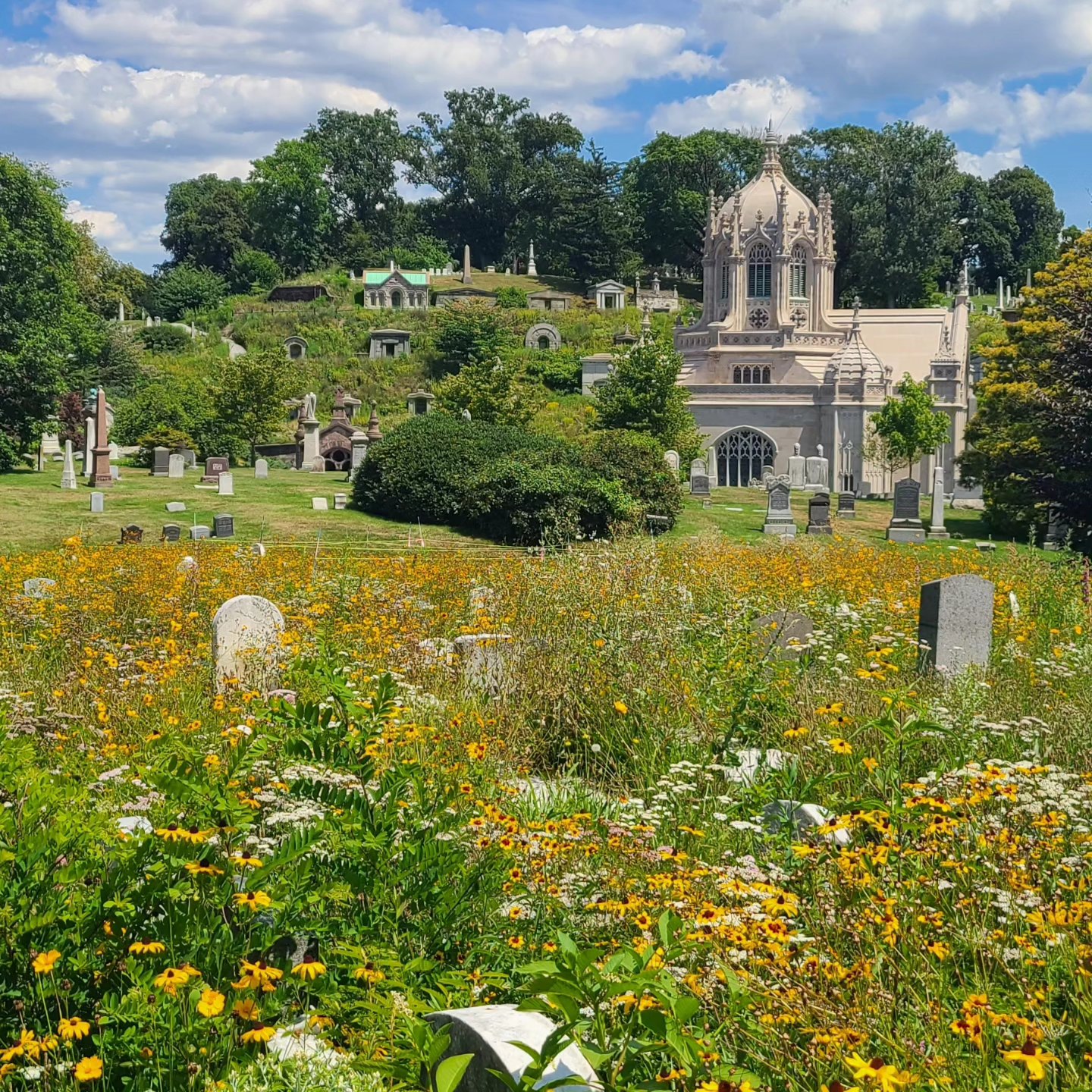
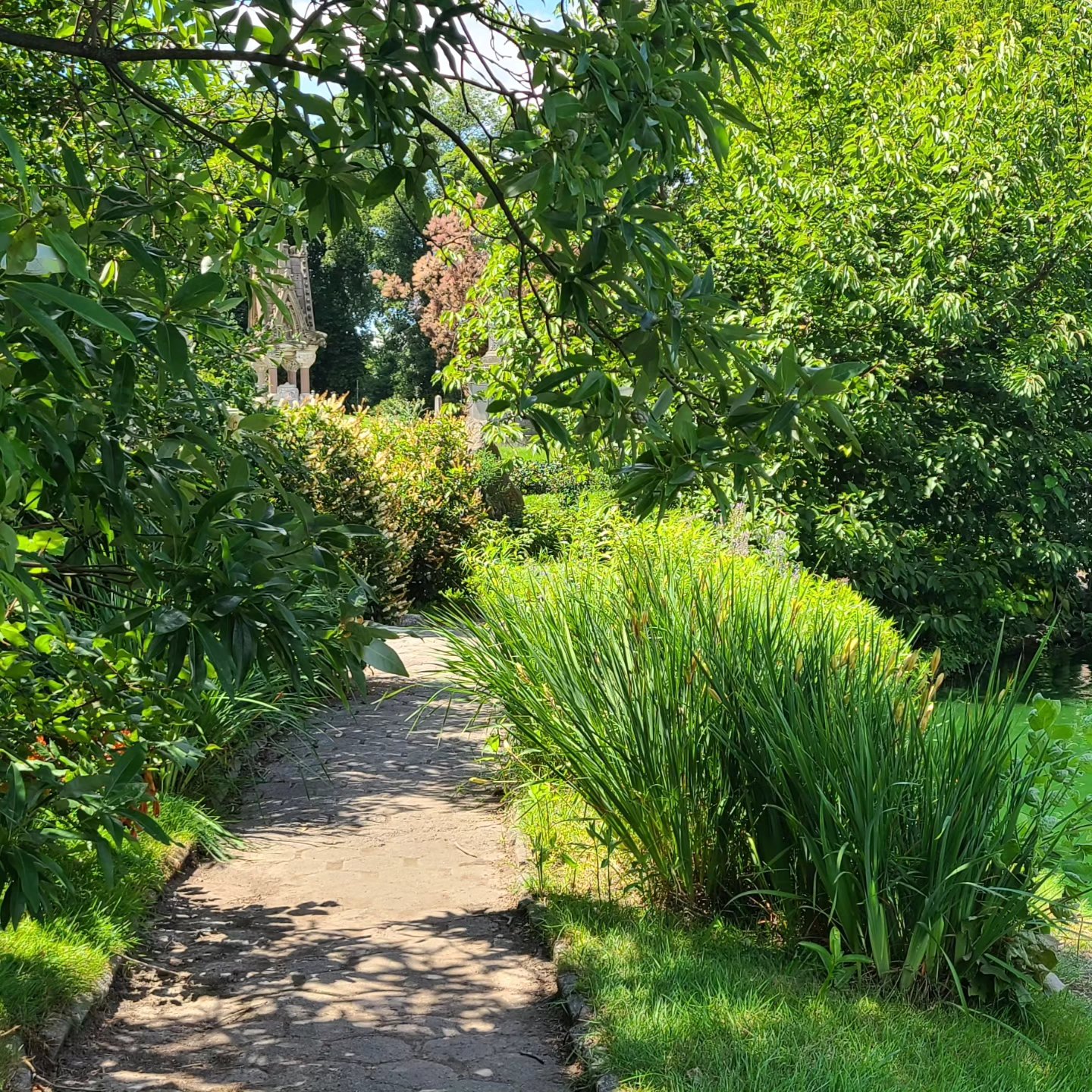
Brooklyn’s Green-Wood Cemetery is much more than a final resting place for over 600,000 people. It’s also an arboretum, wildlife sanctuary, and a community resource to mitigate climate change where life and death exist side-by-side. A 30-minute walk from my apartment, it’s a place I visit often as I get to know my new borough.
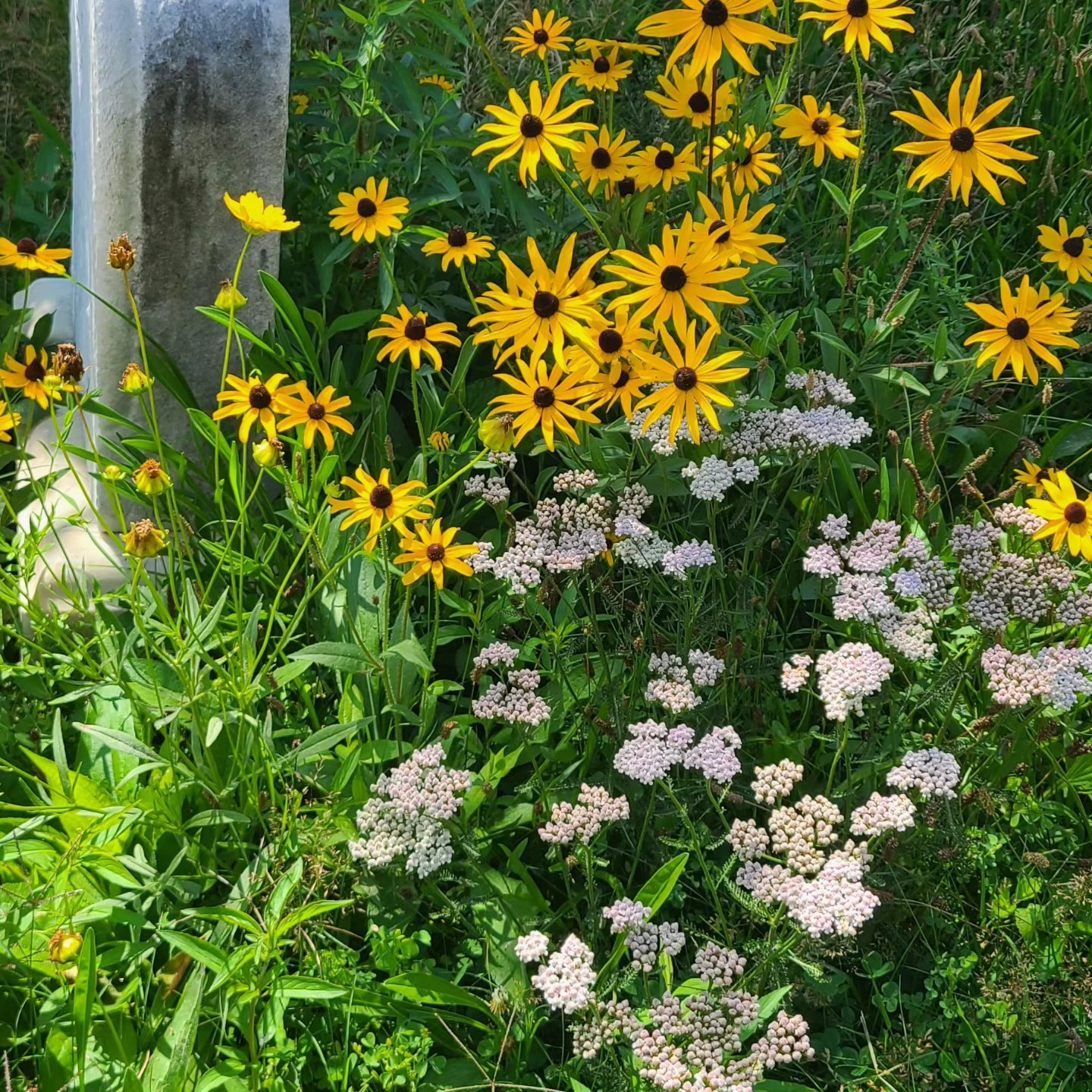
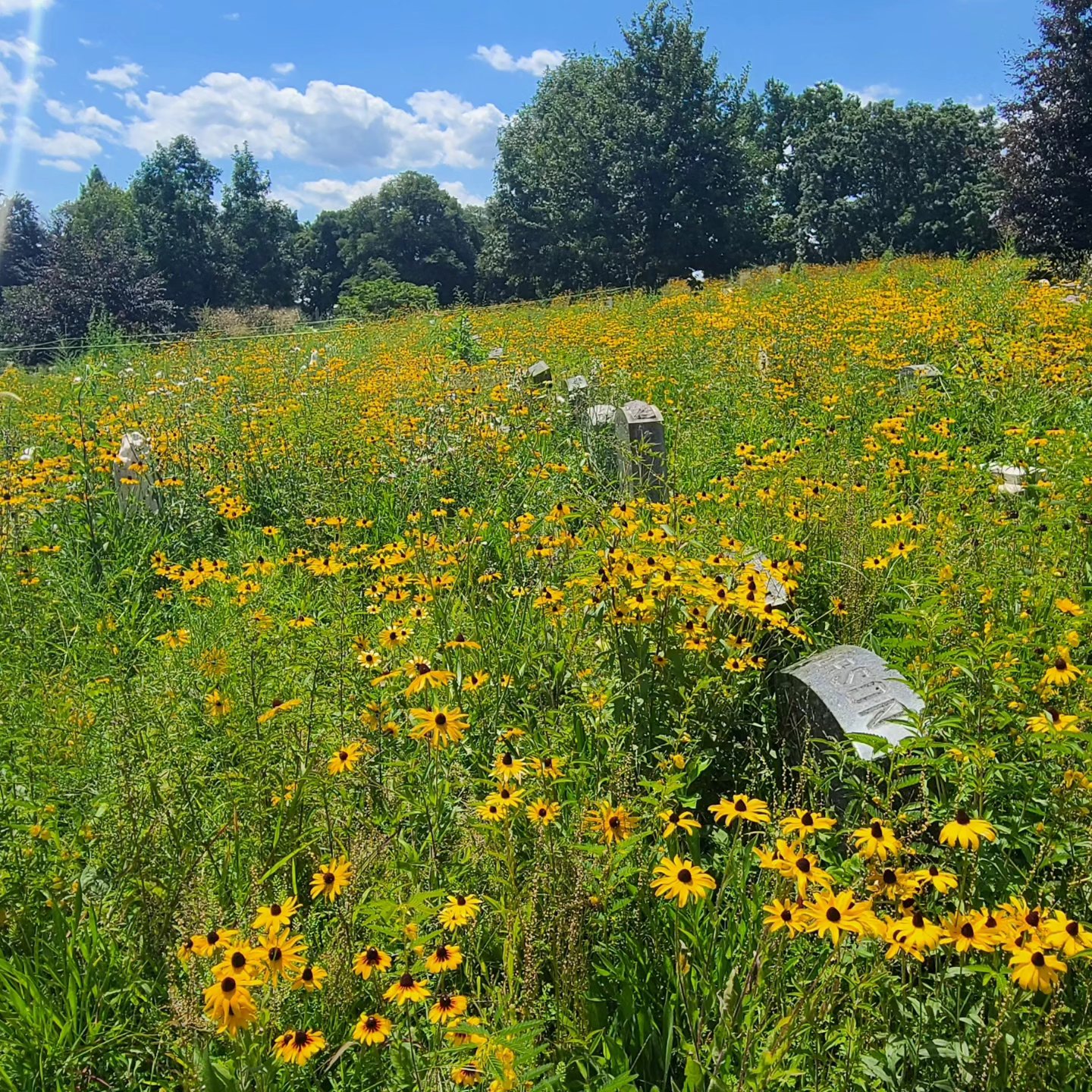
With 478 acres, Green-Wood is home to over 7,000 trees from 690 different species, 216 species of birds (including the Argentinian monk parrots who make their home in the architecture of the entrance gates!), and dozens of species of mammals, fungi, and insects, especially pollinators thanks to their beehives and wildflower meadows. Each new planting is selected for its climate adaptiveness, wildlife value, enhancement of the beauty of the landscape, and resilience. Every year Green-Wood’s living collection is responsible for sequestering 264,000 lbs. of carbon dioxide, removing 12,000 lbs. of pollution from the air we breathe, and mitigating 2,620,000 gallons of stormwater from overwhelming Brooklyn’s sewage system.
Founded in 1838, Green-Wood was Brooklyn’s first public park during a period of rapid urbanization. It became so popular, that it inspired the competition to build both Central Park in Manhattan and nearby Prospect Park in Brooklyn. Olmsted and Vaux won both competitions and designed both parks. After designing Central Park, they said that “Prospect Park is everything we wanted Central Park to be.” How very Brooklyn of them!
Green-Wood is also filled with gorgeous art. Inside the chapel, there’s currently a beautiful art installation paying homage to the stories of lesser known souls who are buried on its grounds. I’ve been to classical music concerts inside the crypt, whiskey tastings on its many sprawling lawns, and a Halloween Party that felt like a New Orleans carnival. It is one of the city’s treasures. No wonder it attracts over 500,000 visitors every year.
I love cemeteries and seek them out when I travel. If you find yourself in New York and want to get a sense of our history, ecology, culture, Green-Wood should be high on your list.
All photos below were taken by me at Green-Wood. You’re welcome to use them as long as they are attributed to me. Thank you.
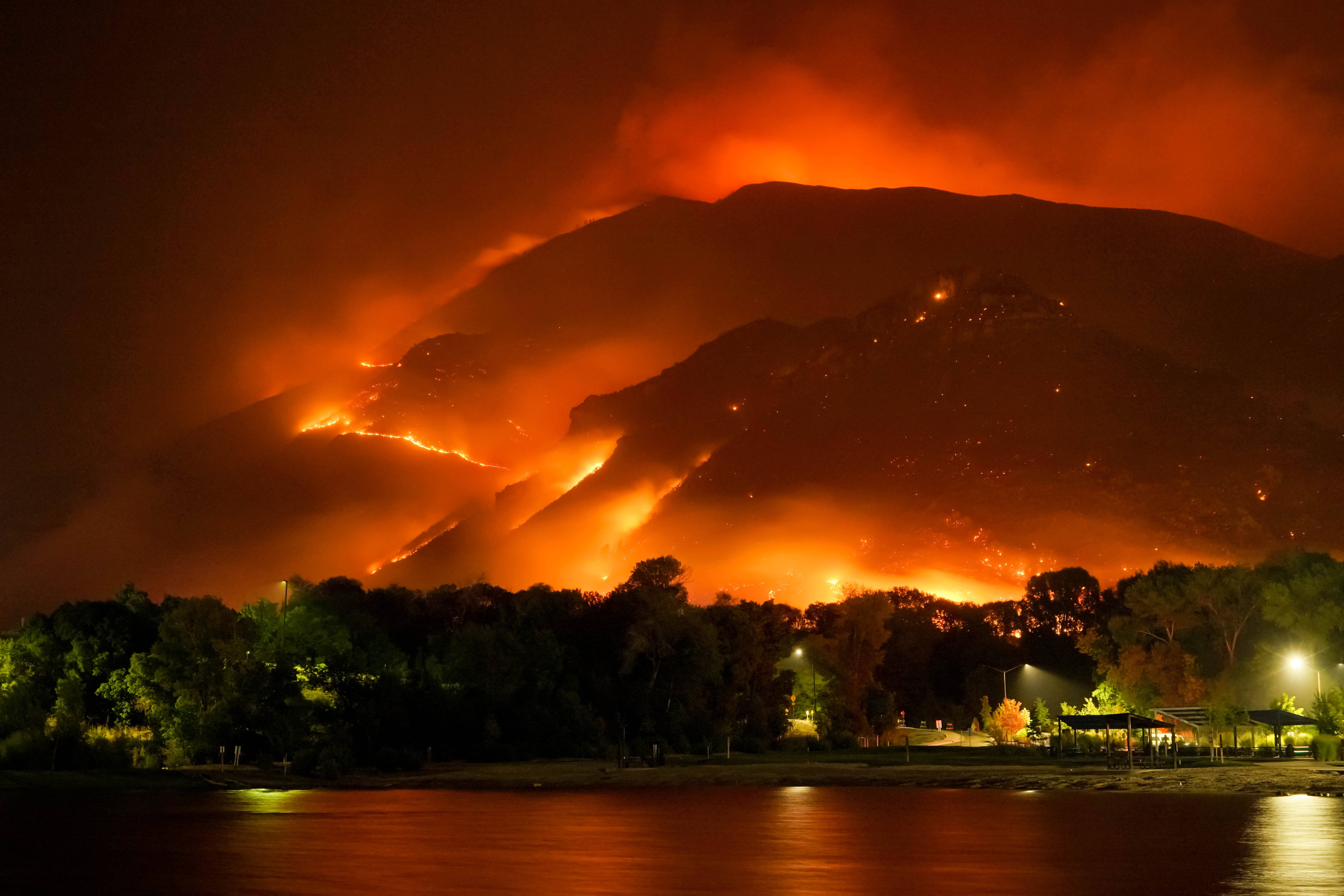
My eyes started to fill up watching the footage from Maui, Hawaii. I’ve struggled to put my emotions into words as I poured over the coverage. Nearly 14 years to the day, I lost almost everything, including my life, to an apartment building fire on the Upper West Side of New York City. I know the fear of running for my life, away from flames and into the emptiness of the aftermath. The smell of that noxious smoke is still in my nose and memory. I think it always will be.
I wish I could be in Maui to help. Whether using my logistics and operations experience to get survivors supplies and basic needs, or just being there to comfort people knowing exactly how they feel to have lost everything, I can’t help but think that my life and career could be of use in the midst of this horrible tragedy.
Already Maui’s fires are prompting conversations in the sustainability community. When we talk about sustainability solutions, we look at mitigation (halting and reversing climate change and its impacts) and adaptation (preparing ourselves for the impacts of a warming world on our lives). Now in my second year at University of Cambridge studying sustainability, I’m beginning to formulate my career plans for what comes next. I’m using this mitigation and adaptation split as a frame for my future work:
What can I do to preserve the natural world we have now and rewild, restore, renew, and regenerate what’s been lost?
What can I do to prevent the devastation that will continue, and worsen, because of climate change so we protect lives and natural areas?
Can I do both, or do I have to choose where I think I can be the most value?
My Cambridge dissertation involves securing funding from the wealthiest people in the world to fill the climate finance gap. One thing I’ll test is which of these strategic objectives, mitigation or adaptation, resonates most with these funders. Maybe they’ll also see the value in both. I suspect this research will help me figure out where I fit into the puzzle, and how my skills can best be utilized as we begin the fight for and battle of our lives. I’m ready to take the journey, wherever it leads.
“Go further than you think you can, or should. Push that boundary of what you could do into the uncomfortable zone because that’s where you know change is happening.” ~ Mathias Gredal Nørvig, CEO of SYBO
Because 1/3 of the world population plays games, games need to be a tool for every organization working in sustainability. If you’re interested in learning more about that, please get in touch! I’d love to share ideas of how you can get started! I also encourage anyone and everyone to look into Playing 4 The Planet, the UN’s inspiring games initiative with resources and data for every size of organization.
The summit was filled with incredible presentations about what’s already been done with games, projects that are underway, and the mountain of work ahead. There is one idea that I can’t shake, one perspective that completely changed my point-of-view about my work and my place in the world. It was from Mathias Gredal Nørvig, CEO of gaming company Sybo. He talked about how his company is pushing the boundaries in their communications and storytelling so far that there was a bit of backlash from their community. Rather than seeing this as a mistake or misstep, he saw this as a victory to be celebrated, a milestone that showcases progress. On this border, he saw evolution, change, and a provocative call-to-action. He closed his talk by saying he hopes all of us will have the courage to go further than we think we can, and to push our companies to do the same.
Over the next few weeks and months, I’m going to think about what that boundary is for me and how I can push past it to create breakthrough change. How can I extend myself beyond what I think I’m capable of doing? How can I take a bigger risk, step outside of my comfort zone to do something extraordinary that I’m not certain I can accomplish? How can I dare greatly?
I don’t know the answers to any of those questions right now, but I’m excited and eager to find them and share them. I hope you’ll join me in that quest to rise higher, to go further and faster together. The future of our planet, and all species with whom we share it, depends on it.
I spent my first year at University of Cambridge researching and writing about the role of video games to encourage climate action. I was fortunate to collaborate with the incredible team at ustwo Games on this work, especially Jennifer Estaris who is a shining star in the games for good space. They are a group of passionate, talented, and deeply committed people. Through our work, I realized that video games can and will play a part in building a healthier, more joyful, safer, and more sustainable world.
Games are for everyone. They unify people across cultures, continents, and every demographic designation. Their stories are timely and timeless. They allow us to reconcile with our past, make sense of our present, and simulate our future with a high degree of accuracy and an abundance of empathy. They help us not only to imagine a better and brighter future, but also create the roadmap to get there. Games can do what so many other tools can’t: they can transcend politics, cross the chasm of experience, and help establish common ground. They are a map, a compass, and a guidebook to the very highest calling of humanity—to be humane to all beings.
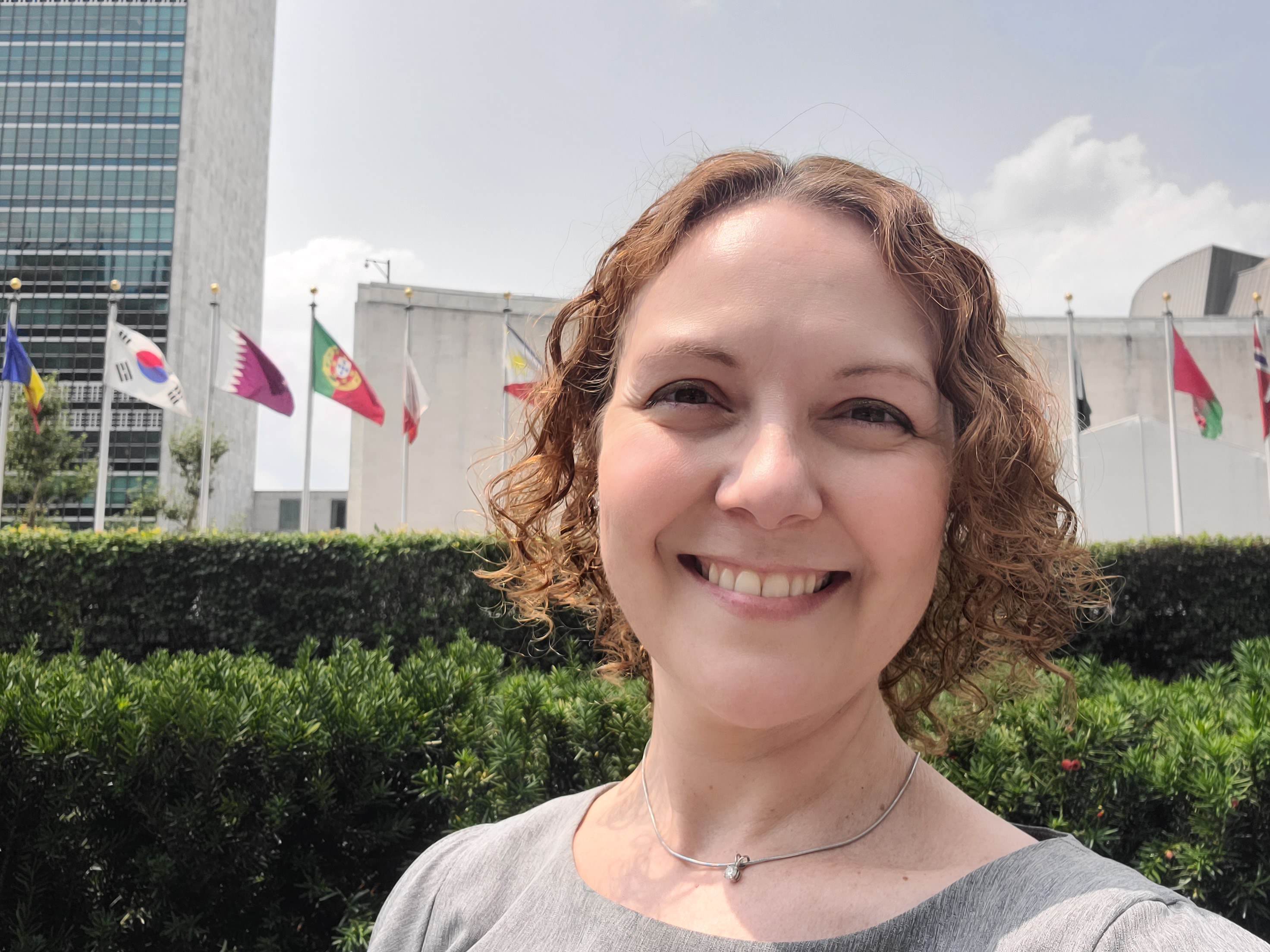
Today I’m at the United Nations for the inaugural Games and SDG (Sustainable Development Goals) Summit at the UN Headquarters, the kick-off to the 20th Games for Change Festival. I’m honored to be invited with industry professionals, government officials, and sustainable development experts, and look forward to all of the incredible conversations, ideas, and ambitions that will flow through each and every person in the room. Together, we’re building the path to higher ground, and I can’t wait to see what we find.