With everything happening in the world now, hope may feel in short supply. I’ve got something that will help. I had the honor of being a guest on the Art Heals All Wounds podcast with host Pam Uzzell.
During our conversation, I share my journey from growing up on a rural apple farm amidst adversity to becoming a climate advocate. I talk about my passion for reshaping the narratives and storytelling around sustainability and human design, and how my process of healing from cancer in the depths of the pandemic gave me perspective on healing the planet and the collective responsibility we all share for our planet’s future. This echos what the climate scientist, Dr. Michael Mann, calls “channeling dooming into doing.”
I also make the case for kindness (especially in urban settings), the urgency of transitioning to clean energy, and my plans for fostering environmental restoration, rewilding, and community engagement so we grow stronger together. Thank you, Pam, for the opportunity to talk about everything I love.
Utilizing the methodology from my University of Cambridge / Cambridge Institute for Sustainability Leadership (CISL) dissertation, I’m conducting interviews with food retailers, rescue organizations, distribution organizations, institutional food providers, and policy makers to find an unmet need in the market that would help prevent food waste. Today I had my first interview with the largest food rescue organization in NYC. It went very well. I’m excited to continue these conversations and work on this idea.
Solving this dual challenge of food waste and food insecurity is important to me personally as well as from an environmental and business perspective. I grew up in a home that was food insecure and we often didn’t have enough food to eat. We were lucky to have the free lunch program at school. So many are not fortunate enough to have that kind of safety net. My goal with this business is to serve them and protect the planet. If you know someone or an organization I can talk to, I’d love any referrals.
On Thursday night I wound my way through Brooklyn’s Navy Yard. Past industrial buildings, natural gas smoke stacks, and heavy machinery, I found myself at building 269 to celebrate a sustainability milestone in our city.
For 10 years, Billion Oyster Project has used the nature-based solution of oyster restoration to clean the water of the Hudson River to a level unprecedented in the last century. Restored oyster reefs will also protect the coastline from storm surges, a threat the city faces from climate change. To commemorate all their work, and look toward the future, 2,000 guests gathered together this week to sample trays of freshly harvested oysters, enjoy small bites and drinks from over 20 of New York’s best restaurants, and celebrate the efforts of oyster over 50 oyster farmers from all over the country at the organization’s 10th Anniversary Billion Oyster Party — Back to Nature, Back to Health.
New York City used to be the oyster capital of the world, home to half of the world’s oysters. When the Dutch arrived in the 1600s, New York Harbor’s oysters measured up to 10 inches long, the city was known for them, and the oyster industry helped lay the foundation for the city. Liberty and Ellis Islands where the Statue of Liberty now stands and where millions of immigrants landed to begin new lives here were originally known as Oester (Oyster) Islands. New York’s oyster industry ended due to overharvesting, water pollution, and shoreline build-outs from the city’s rapid expansion. The pollution of the river prompted a typhoid scare, and the city shut down oyster farming in 1927.
The book The Big Oyster: History on the Half Shell by Mark Kurlansky tells the fascinating history of New York’s oysters. The Billion Oyster Project is creating its future. The city’s 220,000 acres of oyster reefs were once homes to whales, dolphins, seals, seahorses, herring, striped bass, and hundreds of other species. Thanks to Billion Oyster Project, they’re on their way to being this home again. Today, the organization has 18 active oyster restoration sites across 16 acres of New York Harbor. Their efforts have restored 100 million juvenile oysters to the harbor. Oysters are starting to reproduce in the Harbor — a clear sign that this once booming industry can be revived and be self-sustaining. Billion Oyster Project’s goal for the next 10 years is to restore one billion oysters to New York Harbor by 2035.
Nespresso Colombian coffee farm using agroforestry. Photo from Nespresso.
As I sip my morning coffee, I am grateful for trees. What do trees have to do with our coffee? In Colombia, everything. Trees are changing Colombian coffee, and the planet, for the better.
Arabica coffee grows at altitudes between 1,500 and 2,000 feet, on the sides of steep mountains. Colombian farmers have to consider ways to decrease soil erosion and increase biodiversity to pollinate their coffee crops. Collaborating with Nespresso, Cornell Lab of Ornithology, and PUR, they are rewilding their land and everyone is benefitting.
At Climate Week NYC, Andrew Nobrega at PUR, Julie Reneau at Nespresso, and Viviana Ruiz-Gutierrez at Cornell Lab of Ornithology reviewed their research, actions, and inspiring outcomes. Below, the picture on the left is a coffee monoculture in Colombia just south of Bogotá, meaning it only has coffee planted. The picture on the right shows agroforestry and regenerative agriculture— same amount of land, same amount of coffee planted, and filled in with other tree and plant species.
Nespresso presentation at 2024 Climate Week NYC. Photo by Christa Avampato.
In less than a decade, biodiversity above and below ground has increased between 10% and 20%. Farmers have diversified their income streams with additional crops, improved soil quality and water resources, decreased soil erosion, increased land resilience to storms and other climatic events, and sequestered carbon. Most importantly to the farmers, they have improved the quality of their coffee.
Coffee was never meant to be a monoculture. It’s a forest plant that thrives in shade, which is exactly the optimal environment that agroforestry and regenerative agriculture practices provide. For more information on these programs at Nespresso, visit https://www.sustainability.nespresso.com/regenerative-agriculture.
Image created by Christa Avampato using Canva Magic Media
When you think about ways to improve the health of human babies, you may not immediately think of helping bats stay healthy. You should. The journal Science published a shocking paper this month linking a rise in human infant mortality to a declining bat population.
Plagued by an outbreak of the deadly white-nose syndrome, a fungal disease that kills bats, North American bat populations are dropping. This means there are fewer bats to eat insects that infest crops. That’s caused farmers to use more chemical insecticide. This insecticide leaches into crops, land, and water. This toxin has increased infant mortality. It’s also lowered crop yields, decreasing farmers’ crop revenue and the availability of fresh fruits and vegetables.
This is just the latest study to show how the health of ecosystems is directly linked to human health and the economy. As much as I’d love for municipalities and companies to care about the planet because we depend on nature for our survival, as climate communicators and nature advocates we often have to make the economic business case to drive change. Studies like the one in Science linking bats and infant mortality provide a solid example of how to quantify the cost and value of biodiversity and ecosystem health.
I often hear the media vilify animals like bats without recognizing the vital role they play in our lives and in nature. If we can’t get people to care about bats because they are sentient beings and a part of nature, maybe now we can get people to care about them because they affect babies, the food supply, and our economy. If that’s the argument that works, it’s the argument I’ll make, backed up with research-based science and facts.
Something fascinating and fantastic is happening with campaign communications in 2024 and it warms my story loving heart. In the past, voters have rallied around their political party, social issues, geography, and demographics such as age, race, religion, and ethnicity. This year we’re seeing people rally around their interests, passions, and affinities in support of Kamala Harris and Tim Walz. From comedy and food to pets and music, there is a group for all of us. These groups and their respective Zoom events are using trusted messengers — people with whom we share a common bond and who make us feel safe—to relate to voters on a personal level.
This week I went to two online incredible online events: Swifties for Kamala organized by Taylor Swift fans and Cooking for Kamala organized by professional celebrity chefs. (They were both recorded so you can watch them at the links below.) Swifties raised over $144,000 and the chefs raised over $225,000 from event attendees. They got people registered to vote, helped people check their voter registration, talked about issues related to their interests (in these cases, corporate monopolies like Ticketmaster and food security, respectively), provided resources for people to volunteer on the campaign to knock on doors, send postcards, make phone calls, combat disinformation and misinformation, and most importantly activate their friends, family members, and communities to turn out the vote this November.
Collectively, all these affinity events and efforts are also doing the important work of reminding all of us that politics is about people and policies. It’s personal. It’s about who we are and who we want to be. It’s about how we live together in community, in harmony. It’s about the world we’re building for ourselves and future generations. While disagreements will inevitably happen, politics can only be effective if it’s about unity and open, clear communications. These affinity events are putting the heart back into government, and they’re giving us hope.
Some media outlets have said joy is not a strategy. These events show joy is not only a strategy; it’s also a way of being and doing. And it’s working.
0.5% of human brain weight today is from microplastics, according to the latest scientific research. It’s also collecting in human lungs, placentas, reproductive organs, livers, kidneys, knee and elbow joints, blood vessels and bone marrow. It contributes to cardiovascular disease, infertility, memory loss, and learning impairment.
These are frightening statistics, and there we can do something about it TODAY to protect ourselves and our families. Many of the answers are in our kitchens. An article in the New York Times interviewed 3 medical doctors and a research scientist about how to reduce our exposure.
1.) Eliminate plastic bottled water (and I’d add eliminate paper to-go cups because they have a plastic lining, especially for hot coffee). Instead, use metal, silicone, or glass to store your water.
2.) Have effective water filtration at home. Brita’s elite filter is a good choice.
3.) Don’t cook with utensils such as plastic spatulas or plastic mixing spoons. Use silicone, wood, or metal.
4.) Don’t store any food or drinks in plastic (especially if they are acidic or warm). Even if they come in plastic from the grocery store, take them out of the plastic when you get home and store in glass, metal, or silicone. Never leave food or drink in plastic exposed to heat (such as in a car).
5.) Don’t reuse packaged food containers you may have like those from butter, yogurt, etc. to store food. Put those right into the recycling bin.
6.) Don’t microwave plastic, no matter what the packaging says is okay.
7.) Hand wash plastic rather than running it through the dishwasher, and use cold water to wash it, no matter what the packaging says is okay.
8.) Replace your plastic cutting boards with wood or bamboo cutting boards.
9.) I would also add don’t eat with plastic utensils, plastic bowls or plates, or paper plates that have a plastic coating on them.
10.) Filter your air at home and vacuum regularly to remove microplastics that enter our home from the air and that we track in from outside.
It’s unfortunate that completely eliminating exposure to microplastics in our modern world is nearly impossible until we have safe, alternative materials to fossil fuel-based plastic. What we can do is limit our exposure as much as possible with these tips.
The Beatles statue. Royal Albert Dock, Liverpool. Photo by Christa Avampato.
I love a gritty city – one peppered with history, music, art, and salt-of-the-earth people. I fell for Liverpool as soon as I arrived. I walked out of the train station and into the cool morning light. I immediately felt at home. The food is delicious, the people are kind, and the city is thriving with art and music everywhere. It’s also very affordable. I could easily live there and be very happy!
Some highlights:
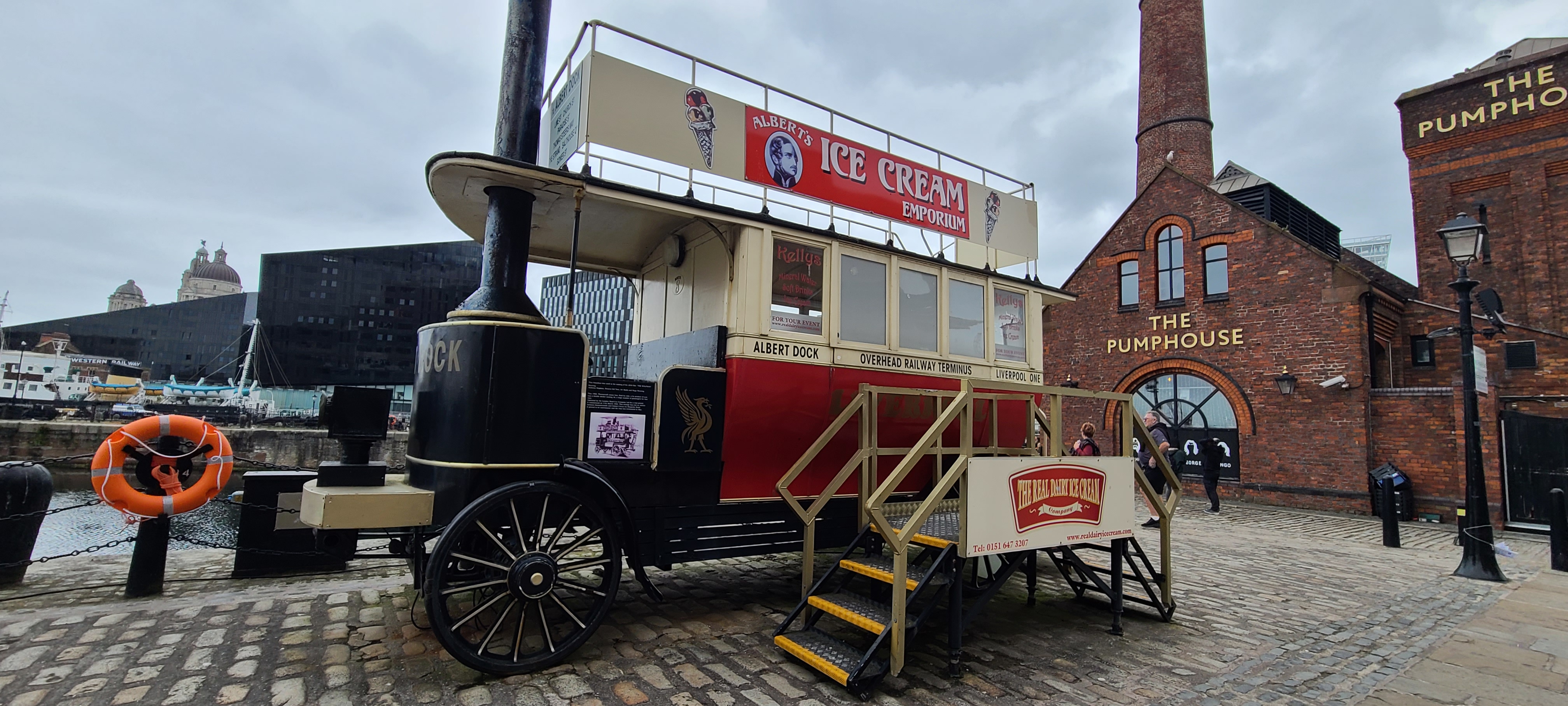
As a port city, Liverpool has an extensive dock area. It’s been refurbished as the Royal Albert Dock, filled with restaurants, cafes, bakeries, pubs, and art. It’s a fun area to spend an afternoon. (Rough Handmade is one of the greatest bakeries I’ve ever been to anywhere!)
Bold Street is one of the main commercial areas filled with shops, food, and bookstores. Open early to late, there’s something for everyone there. I spent an event there at Mowgli, enjoying some of the best Indian food I’ve ever had. There are a few Mowgli locations in Liverpool and each of them is beautiful, buzzy, and relaxed.
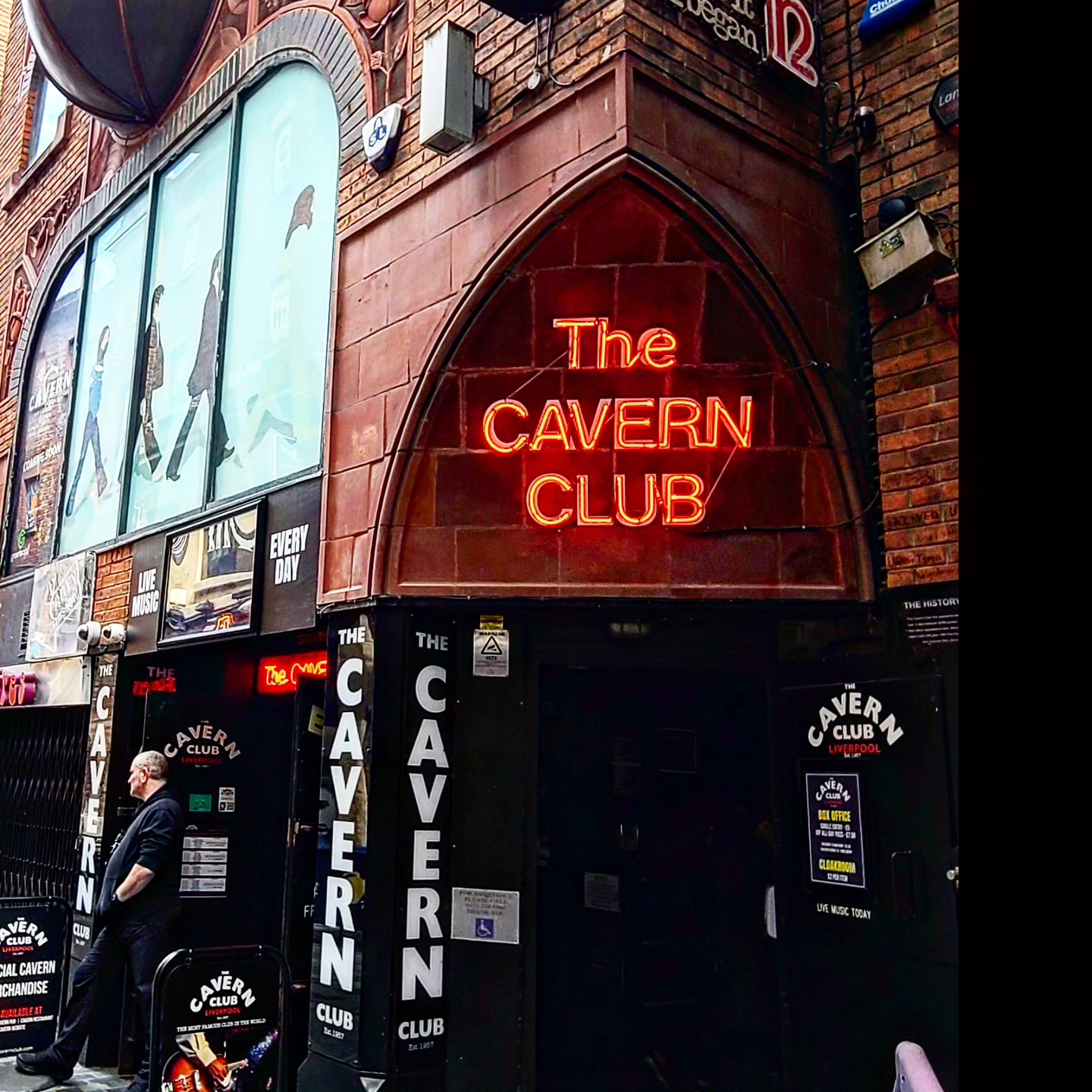
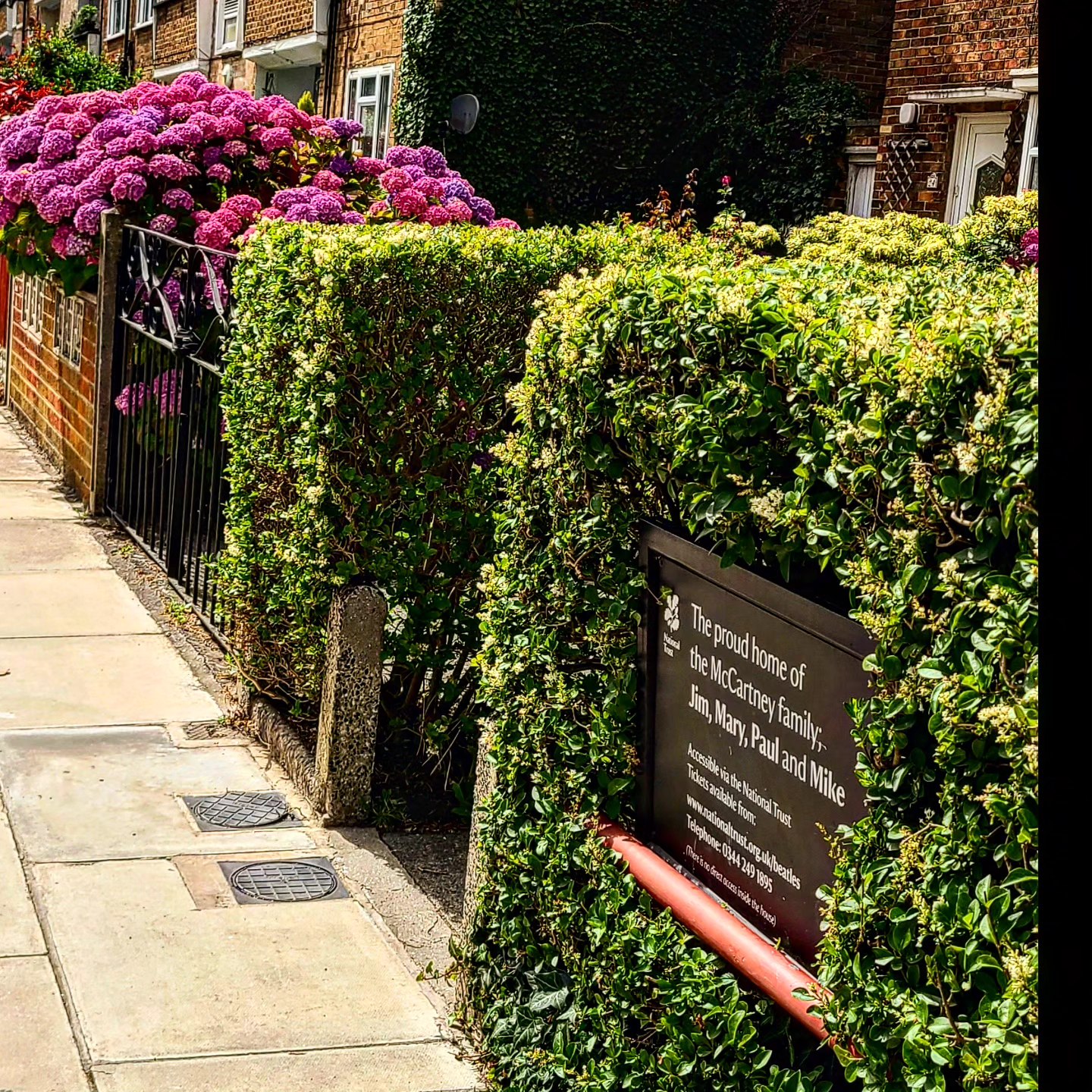
Seeing the Beatles childhood homes and the Cavern Club was the main reason I went to Liverpool. I love their story and music. My old neighborhood on the Upper West Side has the Dakota, the last home of John Lennon, and Strawberry Fields in Central Park where the “Imagine” sundial honors John’s legacy. The two childhood homes of John Lennon and Paul McCartney in Liverpool are very different from one another. They’re time capsules that tell their story of friendship and happenstance in the wake of WWII. No pictures are allowed inside the houses, but you can get excellent indoor tours with the National Trust. The tour picks up at Speke Hall, another great National Trust home (that’s 400 years old!) and grounds that I highly recommend seeing. Become a member of the National Trust and this tour (as well as Speke Hall), along with many other UK sites, are deeply discounted or free.
Liverpool is home to many museums, my favorite being the Maritime Museum. It pays homage to the Titanic because the White Star Line, the ship’s owner, was based there. The museum also exposes the city’s horrific role in the transatlantic slave trade. While many cities and countries attempt to sweep tragedy under the rug, Liverpool addresses directly and honestly in this museum and throughout the city.
The Resident is a fantastic boutique hotel that emphasizes sustainability and is a repurposed factory. Incredible service and great accommodations, it’s located very close to Bold Street and within walking distance of all the great sites of the city.
While Liverpool isn’t as flashy as some other European destination, it’s filled with heart and soul. It’s well worth a visit. I’m already looking forward to visiting again.
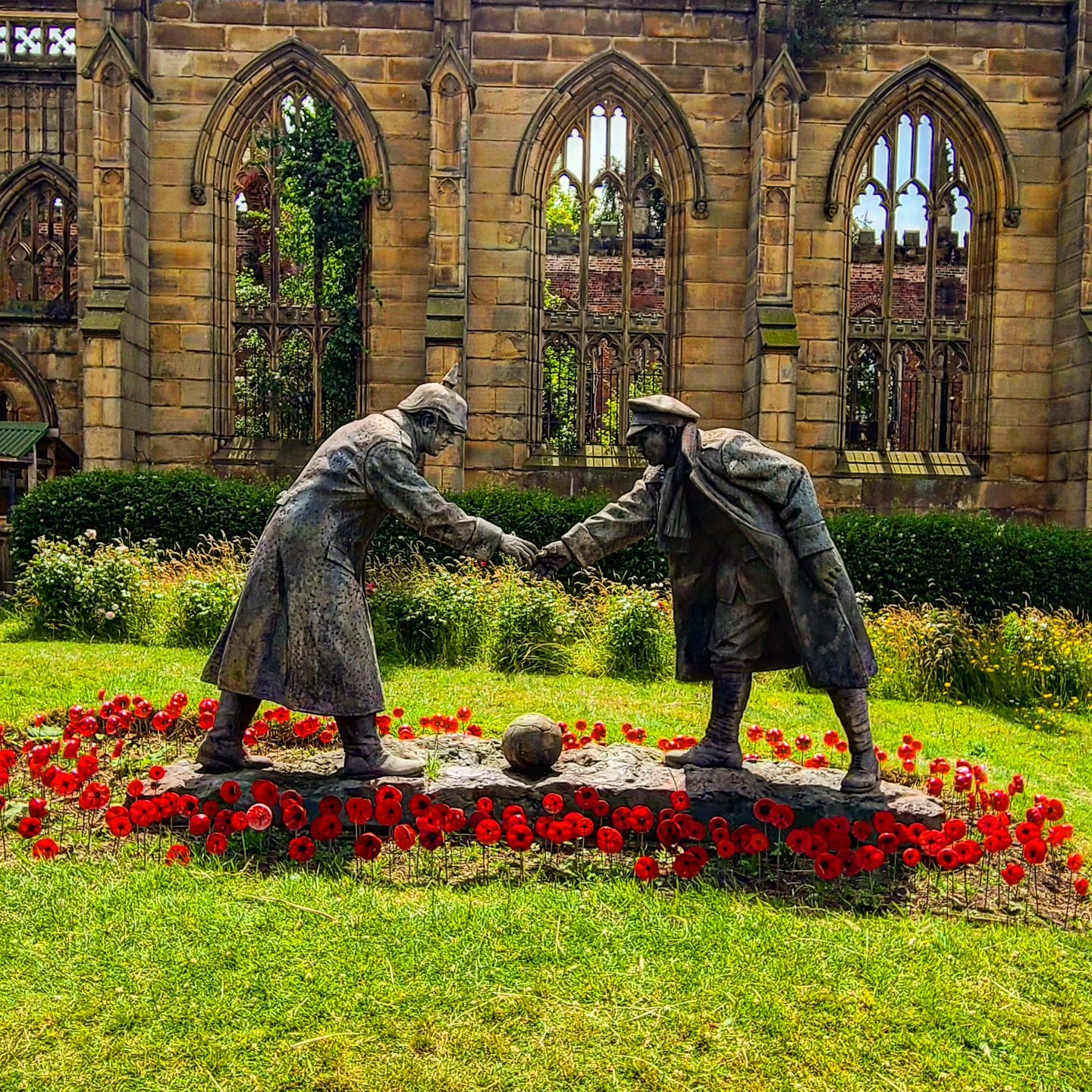
The collage below are my favorite photos from Liverpool, all taken by me.
Though I’m working on my dissertation for most of this weekend, I took a little time out to dream about my ancestral homeland thanks to Ben Tish’s gorgeous cookbook, Sicilia: A Love letter to the Food of Sicily. More than just recipes, Ben gives us a glimpse into the rich arid land, history, and the bustling society that is so prevalent on this island (and the many islands dotted along its coast). I particularly love his vivid descriptions of the food markets, each with its own unique spin on street food. I can’t wait to see and experience them myself.
Sicily’s history is dotted with many influences from many places and peoples. It’s not a melting pot, but rather an amalgam, a collage, with all the parts clearly visible and working together to create something none of them could do alone. Sicily isn’t one culture but many. Its food is its historical archive.
Arab and North African influences are some of the strongest we can find in Sicily’s cuisine, including both its ingredients and preparation. The Moors and the Islamic culture they brought are closely tied to Spain. However, they are just as prevalent, perhaps even more so, in Sicily. Pistachios and honey, oranges and lemons, saffron and pomegranates, sorbet and granite, couscous and sardines, almonds and pine nuts, raisins and fennel. If you love anything deep fried (and who doesn’t?), thank the Arabs who ruled Sicily in the 9th and 10th centuries for infusing that cooking preparation into Sicily and then on into the rest of Europe.
This island’s sprawling variety, so much packed into such a small amount of real estate, reminds me a lot of my home in New York. Here, Sicilian culture, along with hundreds of other cultures, can be seen and experienced all the time everywhere. Maybe my bloodline to Sicily is why I feel at home everywhere and with everyone–because my ancestors were diverse, people who came from all over to this plot of land that connects east and west, north and south, and celebrates its many influences.
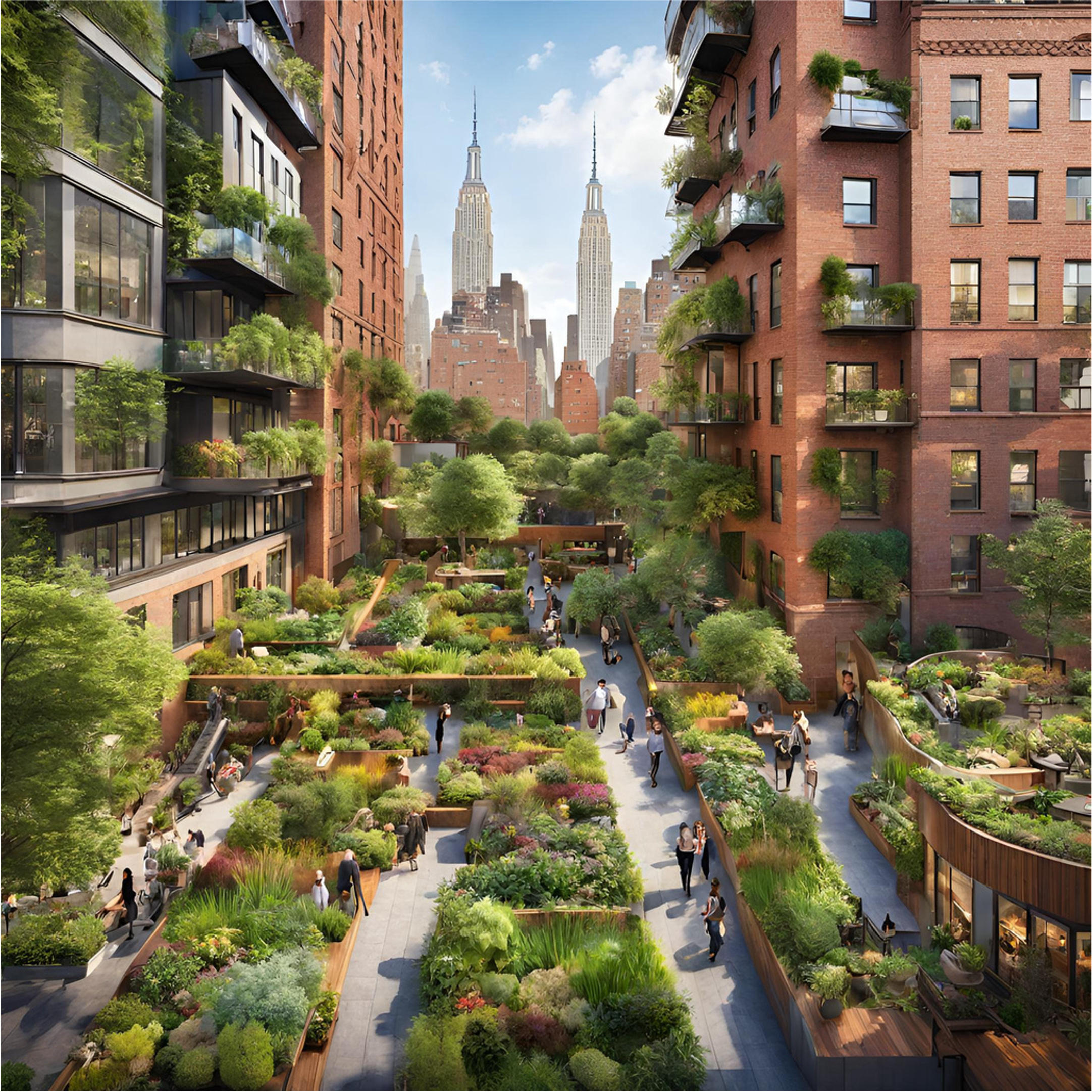
What does a sustainable New York City look like to you? I imagine lush micro gardens, biophilic architecture (a building methods that connects people with nature), rooftop farms, and clean transit, air, and water as pathways that give people, plants, and wildlife the opportunity to live side-by-side-by-side in ways that benefit all.
In biomimicry, we begin our design process by asking how nature would solve a specific problem we have with a question framed as “How would nature (the problem we want to solve)?”. My question above would be framed as “How would nature build a sustainable New York City?” This is a question that has occupied by headspace for years as I traverse through different projects and future visioning sessions.
In the spirit of an image being worth 1,000 words, I created these images with Canva Magic Studio AI to show how nature might build a sustainable New York. Is this a city you’d like to visit? Is this a city where you’d be happy to live? What are the first steps we can take now to make this our New York?