creativity

New data shows Europe has more cancer incidence and mortality than the U.S.

Photo by National Cancer Institute on Unsplash. “KRAS Protein Structure. RAS genes are mutated in approximately one-third of all human cancers.”

Did you know cancer incidence and cancer mortality rates are higher in Europe than the U.S.? I was shocked to learn this since I often hear the exact opposite. The World Health Organization’s International Agency for Research on Cancer compiled a study of 2022 data and the disparities cross the world are stark. Considering men and women, and all types of cancer, Europe had 4,471,422 cases in 2022 (22.4% of global cancer cases) and the U.S. had 1,832,550 cases (9.8%). When looking at mortality from cancer, the picture is even more disparate: Europe 1,972,982 (20.4%) and the U.S. 600,970 (6.2%). This ranking holds even when standardized for age. 

As a cancer survivor and advocate, I spend a lot of time poring through statistics. Lately I’ve been reading a lot of about cancer disparity between countries. I was prompted to investigate this after a cancer survivor in Canada told me one of the medications I took to prevent recurrence (Verzenio) is only available in Canada to those who have much more advanced cases than I had. 

Why are there global disparities between Europe and the U.S.? 3 main reasons: 

1.) U.S. Medicare covers cancer screening and treatments more generously
Once Americans hit age 65, they receive Medicare benefits. Since cancer afflicts more people over 65, they have access to benefits like cancer screening and treatments such as immunotherapy and clinical trials through Medicare. These Medicare benefits in the U.S. are more generous than those in Europe. This means cancer is caught earlier and there are many more options for treatments in the U.S. Both of these factors help detect and treat cancer more effectively.

Is Medicare perfect? No. It can and must be improved. In the case of cancer, it’s actually doing well when compared to care and coverage in Europe.

Smoking rates
We’ve heard it for decades now: smoking increases the risk of many types of cancer. In Europe, 26% of the population aged 15 and over smokes daily. In the U.S., 11.5% smoke either daily or some days. 

The U.S. market and government structure prompts cancer research and treatment development
Cancer research and treatment development requires significant financial investment because only 13.8% of medications make it through the first phase of clinical trials. To get the scale they need to conduct and fund cancer research, European countries need to collaborate

However, each country maintains its own regulatory policies, procedures, and data collection and analysis processes for cancer treatment. To collaborate they need to agree on these policies, procedures, and processes, and they must agree to share data, which has proven difficult. This causes delays and the scrapping of research projects. 

The U.S. regulatory system grinds slowly as well. Still, it needs only to contend with itself, not with another country’s issues. 

A global vision for cancer detection and treatment
As a cancer survivor, it’s been challenging and emotional for me to consider all of this global data. I’m privileged that I live in New York City, I had insurance through the Affordable Care Act when I went through my cancer diagnosis and active treatment, and have access to the best cancer care in the world. Had I lived anywhere else, my cancer likely would have gone undetected until a later stage. I may not have had access to the many treatments I’ve had (and will continue to have for another 7 years). 

There is a lot of hope and promise in the Biden Cancer Moonshot, started by Dr. Jill Biden and President Joe Biden. While the initial focus is domestic, there are already global efforts underway to expand access to screening and treatments to every corner of the world. 

We may never be able to completely prevent cancer from happening. We can vastly diminish its power, transforming it from the “Big C” into something that happens that we can manage and cure. That will take a global effort, and I know I want to be a part of that journey. 

creativity

Celebrating National Cancer Survivors Month

This year I learned June is National Cancer Survivors Month. I ended active treatment (for me, that was the end of primary surgeries, intravenous chemotherapy, and radiation) at the end of May 2021 so it perfectly coincides with my official cancer-free anniversary. 3 years on and I’m feeling terrific!

Being a survivor is daily work. Diet, exercise, medication, meditation, mindfulness, sleep, and stress-reduction are incredibly important parts of my routine helping me stay cancer-free. It can sometimes be a lonely road. Unless someone has walked this path themselves, it’s difficult to understand how it feels. My body does not look nor feel the way my pre-cancer body did. It never will. I’ve had to make peace with a new normal, scars and all. I miss my pre-cancer body and I’m grateful for the one I have. We can simultaneously carry mourning and gratitude. I carry them every day.

What I never lose sight of, not for a single moment, is that I’m extraordinarily lucky to be here at all. Even luckier still to be living a life I love and to be healthy. 2024 thus far has been challenging for me — personally, academically, and professionally. The world is a difficult place. My corner of the world is difficult, too, albeit for very different reasons. And still, I’m finding and cultivating beauty, wonder, joy, and love every day, in my work and in my life.

It’s a beautiful coincidence that this morning Brian Andreas, one of my favorite artists, posted this image that he created called Superpower. I’ll be buying this one to hang in my bedroom. It’s me. My superpower is waking up every day constantly amazed at being alive. Long may it continue.

creativity

How I endured 2 years taking Verzenio

My last dose of Verzenio. Photo by Christa Avampato.

A little over two years ago, I wrote an article about my decision to take Verzenio to prevent breast cancer recurrence. On April 14th, I took my last dose of the medication and now I feel like a new person. Taking Verzenio at the maximum dose for two years was one of the most challenging parts of cancer treatment. Still, I’m glad I took it as part of doing everything I possibly can to stay healthy. I’m beyond grateful that the medication was delivered to my door every month free of charge to me because my health insurance paid the entire cost – $14,000 per month for a grand total of $336,000.

The indignities of cancer treatment are many, and I’ve experienced most of them. Verzenio certainly caused me a lot of anguish. Every day I had at least a low-grade stomach ache, and often much worse. I carried medication to deal with these issues everywhere I went, and often had to use it. Alcohol and grapefruit were off limits. I worried about everything I ate because anything could make me sick at any time. I had to constantly manage fatigue that sleep couldn’t fix, insomnia, depression, hair thinning, dry and sensitive skin, weight gain and aching joints, decreasing bone density, and the possibilities of developing liver and lung issues, being immunocompromised, and having anemia. Mercifully, my blood work was always normal when it was checked by my oncologist every three months – partly from my constant management of my diet and partly because I was very lucky.

Despite all that, that were bright spots, too, when I would discover something that helped, at least for some amount of time. Probiotics lessened the stomach issues, and I stopped drinking coffee, paired everything with carbs, upped my protein intake, and limited spicy, acidic, adventurous food. Audiobooks, an eye mask, and meditating helped me sleep, or at least rest. When I couldn’t sleep, I would often imagine myself traveling over coral reefs in the company of my dog, Phin, with a whale tour guide whom my imagination named Blue. Creativity was a great help on sleepless nights.

Shampoo and conditioner bars from Kitsch slowed the hair thinning. The dryness of my skin was eased by products from Good Molecules, Cetaphil, and HyaloGyn. Daily exercise and fish oil supplements eased my aching joints. The Zometa infusions I get every six months are helping me regrow the bone density I’ve lost. I kept anemia at bay with daily protein shakes. I bought a digital scale to monitor my weight every day, and experimented with recipes that were high nutrition, low-calorie, economical, and not too complicated to make.

Managing depression required a daily recalibration. My dog, Phineas, was my biggest support in that effort. Losing him in January of this year was a devastating loss and the grief at times felt unbearable. Verzenio made his passing even worse. To keep my head up, I did something every day that brought me joy – I spent time with friends, listened to music, watched movies, read books, visited museums, and did things I loved to do – writing, learning from and about nature, running, taking long walks, making art, and studying for my master’s program in sustainability. Joy was one of my saviors during active treatment and it helped with Verzenio, too. Though sometimes I had no choice but to just let myself feel sad, frustrated, and depressed. I cried a lot. Knowing the depression was driven by the medication helped. Knowing this was my now and not my forever encouraged me to keep going, to keep moving.

If all this sounds exhausting, I can assure you it was. Now that I’ve been off the medication for nearly a month, I can see how much effort it took to be on it. In the moment, I tried my best not to acknowledge that. I’ve spent most of the past four years since my diagnosis with my head down, focused on getting to this finish line.

Now that I feel better and lighter, I’m lifting my gaze. Right now, the field of my future is wide open. That’s equal parts exciting, and scary. I don’t know what lies ahead. Sometimes I feel like I’m on the edge of a cliff. And that’s okay because even on the cliff, I’m dancing, fully alive. I’m just glad to be here, and to be healthy. Verzenio was a part of making that possible.

So, if I had it to do over again, would I take Verzenio? Absolutely, unequivocally, yes. This is a life worth fighting for.

creativity

The benefits of Zometa for early-stage breast cancer survivors

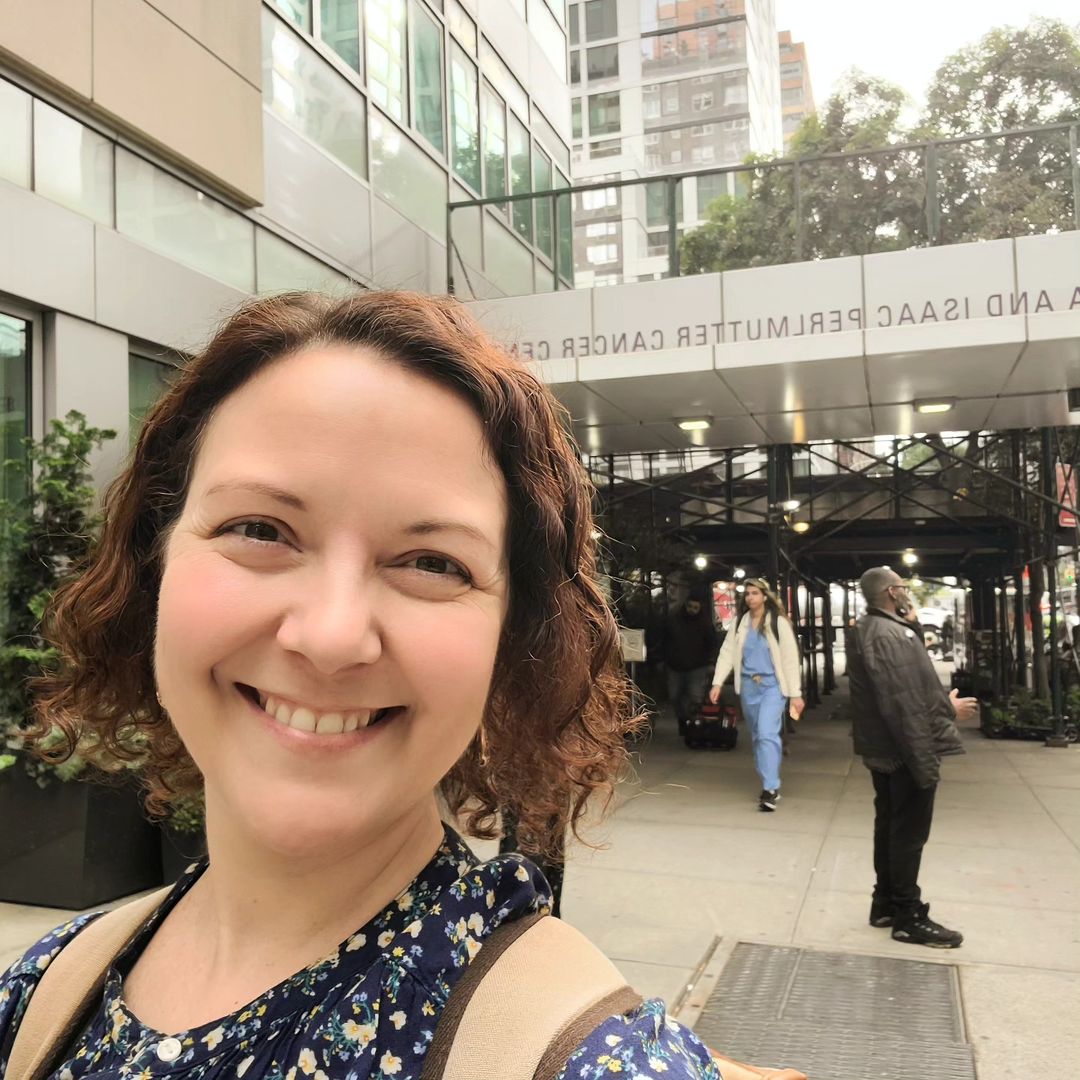
Me getting my recent Zometa infusion at Perlmutter Cancer Center

This is me at Perlmutter Cancer Center this week getting an infusion of Zometa, my own version of the Harry Potter Skele-Gro potion. The medications I take to prevent cancer recurrence have the unfortunate side-effect of decreasing my bone density. Zometa has the dual benefit of regrowing bone and reducing the risk of breast cancer recurrence. Isn’t that cool? The hope is I’ll only need 4 infusions (once every 6 months) so I’m halfway there! I also got all my annual bloodwork done and it’s perfect.

I get this infusion once every 6 months in the same chemo ward I went to during those dark days of active treatment in the midst of the pandemic before vaccines. I remember how sick and scared I was, how my dreams were on hold, and maybe out of reach. I’d flip through pictures of University of Cambridge and University of Oxford having put my graduate school applications to study environmental sustainability on hold, hoping I’d live to pursue those dreams.

Now I’m 3 months from finishing my degree at Cambridge Institute for Sustainability Leadership. The dream came true. It was a dream delayed but not a dream denied, thanks to the incredible care I received and the many people who made it possible for me to heal. Science and medicine are incredible. Better living through chemistry.

Managing through ongoing care can be exhausting. I’m also extraordinarily lucky to have access to the best medical care in the world. There are so many who don’t. And if this is what it takes to maintain my health and live the life I imagine, that’s fine with me. There is so much I’m learning on the journey, and I’m grateful to be able to use it to help others.

creativity

How I came to see cancer as a gift

Filmed by Jen Aks for The Power of Gesture

As breast cancer awareness month comes to a close, I wanted to share this clip of me that was filmed by Jen Aks from The Power of Gesture just as I completed active treatment in 2021. (You can see the full interview at https://www.youtube.com/playlist?list=PLF8SWzj5Blq1S8KGan6FXCl8tvxTPUVZm). My hair had started to grow back after chemo and I was on heavy doses of steroids to repair my body from a near-lethal case of pulmonary pneumonitis (lung inflammation) caused by chemo.

Healing and hopeful, I turned my attention to my mental health, something we don’t talk enough about as it relates to physical illness. I made the conscious choice to see cancer as a gift, something that honed me as it harmed me. Though I don’t want anyone to ever go through cancer, I wouldn’t erase it from my own history if I could. It made me stronger, wiser, braver, kinder, and more compassionate. It taught me to ask for help and advocate for myself and all others who walk this road.

Because of what I went through, patients at my cancer center now have better care. My personal health data from this battle has been presented at medical conferences and written about in medical journals to better train doctors and researchers. I continue to contribute to research for better treatments and cures.

From food drops at my front door to gifts of comfort to messages of encouragement in every communication channel I have, my community had my back every step of the way. Though physically alone for much of my journey, they made sure I was never spiritually alone. They brought me joy and hope, and many times that was all I had to hang onto. There is no healing without grieving, and so I gave myself the space to grieve and mourn everything I lost. That process allowed me to recognize that while I can never get back my pre-cancer life and body, I can have something better—the life I have now. If we can let go of a dream that’s died, we can create something new and better.

Healing isn’t linear nor easy, but now on this side of history I can say that it’s absolutely worth every ounce of effort. So no matter what you’re going through now, keep going. There’s something beautiful waiting for you.

creativity

3 years cancer-free today

Me happily cancer-free for 3 years

3 years ago today I had the surgery that eradicated cancer from my body – a bilateral mastectomy with reconstruction. I had my annual checkup with my brilliant surgeon, Dr. Freya Schnabel at Perlmutter Cancer Center – part of NYU Langone Health, today and I’m happily NED – no evidence of disease. Forever grateful and enjoying my life and health to the max! Thank you to everyone who’s been in the trenches with me and helped me up and over this mountain. So happy to pay it forward and help others on their journey.

creativity

This is the secret of life

If you get to the end of this story, I’ve got a secret to share with you. The upper left picture is me exactly two years ago right before I had a bilateral mastectomy and reconstructive surgery for early-stage breast cancer. My “Good Trouble” photo. The lower left is me the next morning at sunrise. My “I Survived” photo. The right is my official matriculation photo from the University of Cambridge taken last month as I began my graduate studies there in sustainability leadership. My “A Dream Deferred, but Not Denied” photo.

I have so much empathy for the woman on the left. It was the first time in my life I’d ever been admitted to a hospital and the first time I’d ever had surgery. I was terrified and also determined to be brave and evict cancer from my body.

With surgery I placed my life in someone else’s hands. I told Brian, my therapist, a few days before that I was terrified of surgery because there was no way for me to product manage the operation. He listened patiently, as always, and said, “Honey, you’re talented but even you can’t give yourself surgery. You have to trust someone else. The only way to conquer fear is to run right at it.”

It was a 5-hour tag-teamed procedure to remove all my breast tissue and 37 lymph nodes, and place chest expanders under my chest muscle. 14 months of constant pain later, they were swapped for much comfier implants. I smiled through the prep, thanking the nurses who helped me, determined not to crack.

Before entering the surgical suite that looked like a NASA space station, Dr. Schnabel, my breast surgeon, and Dr. Cohen, my plastic surgeon, visited with me. Dr. Schnabel looked me in the eye and said, “Sweetie, you’ve been stoic through this. It’s okay to have a moment. Then we go into battle.” Good trouble. I wanted to be as brave as John Lewis whom Audrey, my friend Stephanie’s daughter, painted onto my mask. That photo is the last day I had any cancer in my body.

I decided to walk into the surgical suite on my own two feet, even if my only armor was my surgical gown. I was scared and I ran right at it. This was going to be the last day that I had any cancer in my body. My last thought before closing my eyes was I hoped I lived to see the sunrise the next morning.

I have no memory of the surgery. I closed my eyes at NASA and woke up in the cloud of the recovery room. I was told they’d given me just a touch too much fentanyl and my blood pressure took a nosedive. I thought this was hilarious and laughed hysterically. Then I asked for some apple juice. Ah, narcotics.

I was in recovery for a long time and wasn’t admitted to a regular room until the wee hours of the morning. My dear recovery nurse, Esther, ran all over the hospital trying to find me a fresh turkey sandwich. I hadn’t eaten solid food in 24 hours and that plain turkey sandwich was one of the best things I’d ever eaten.

I told her my wish to see the sunrise and she was determined to make it a reality. I watched Harry Potter and munched on my turkey sandwich until daybreak. Maybe it was the drugs but I did feel like a witch with magical powers, as bandaged and bruised as I was.

Esther came back as soon as the sun started to come up. She helped me walk to a corner room where I could see the east river and the first rays of light illuminate my beautiful city. She left me alone to have my moment. I survived.

Back in my room, Dr. Schnabel and Dr. Cohen visited me. When I saw Dr. Schnabel, I cried for the first time. Again she looked me in the eye, two warriors on the other side of this one battle in a series of many more to come in this war. “Sweetie, it won’t always feel like this. You’re going to get to the other side. There’s a whole team of people focused on getting you there.”

I thanked her for saving my life, and she said, “I’m just part of the team. Team Christa.”

A few hours later my friend, Marita, picked me up at the hospital to take me home to where my sister who was graciously waiting for me with my dog, Phin. I had a giant bag of meds and surgical drains hanging out of my body. “How do you feel?” Marita asked once we got into her car. “I lived,” I said. “You did,” she said. “And you will.”

Fast-forward two years after climbing mountain after difficult mountain. That war on cancer was more epic than I ever imagined it would be. I nearly died, twice, from a severe and rare chemo allergy that shut down my lungs. I lost my long wavy hair to chemo and regrew 1940s ringlets. I was badly burned by radiation and completely healed. Now I’ve got new hard-earned boobs the same size as my OG boobs. That day in surgery was the last day there was ever any sign of cancer in my body—two years clear. Dr. Schnabel was right. I did get to the other side and I don’t feel the way I did before my surgery. This journey made me fearless.

When I was first diagnosed, I was just about to hit submit on my graduate school applications for Cambridge and Oxford. Then cancer struck and I had to put those applications away, afraid I may never get to submit them. I would sit in the chemo suite and dream about those far off places, dream that someday I would swap my surgical gown for an academic robe.

In September 2022, that dream happened. I took the train from platform 9 at King’s Cross to Cambridge, my own version of the Hogwarts Express just ¾ of a platform off. I thought about how I had watched Harry Potter’s train chug along on my TV screen in my hospital room two years before.

When I arrived at Cambridge, I dragged by very large bag that felt like a trunk onto the platform. I had myself a good cry in that train station. Here it was—my dream deferred, but not denied.

At my recent appoint to get the all-clear and graduate to annual checkups rather than 6 month checkups, Dr. Schnabel called my healing and this new academic chapter of my life a triumph. The dream became a reality, and I’m beyond grateful to everyone who helped me get here.  

I’ll never get back the life I had before the photos on the left, before cancer and COVID. I mourn the loss of that life. I miss it. But in exchange, I got something better. Environmental pollution was one of the main contributors to my cancer. Now I’m healed and dedicated to healing the planet.

Now for that secret I promised you at the start of this story. Along the way on this painful and difficult journey, I learned the secret of life. It’s love.

To love fiercely and be loved that way in return. To love whom we spend time with, the place we live, and the work we do. To love the planet that gives us everything and asks in return only to persist and continue giving to all of us. To love this life so much that our heart swells with gratitude for every day we’re given, the good and the bad, the ugly and the beautiful. To love and honor your time, and the time of others.  That’s it. That’s the secret, and it will transform us and our planet for the better.

Get into good trouble; the planet is counting on us. Survive, and then share your story because your story’s going to save someone else. Even if you have to put some dreams on hold right now, you can still make them happen bit by bit and they’ll be sweeter when you do get there.

Love, this and every moment. That’s the only secret there is, and the only work we really have to do.

creativity

Another hopeful cancer milestone

Today I graduated from 6 month exams with my breast surgeon to 1 year exams. Being 2 years cancer-free is a huge milestone because the risk of recurrence drops significantly.

I’m so grateful to my medical team at NYU Langone Health, friends, and family who helped me restore my health. Celebrating today and every day.

If you or someone you love is facing cancer, please know there are millions of us out here with stories of triumph, resilience, and renewal. We may get knocked down but we can rise stronger, braver, wiser, and healthier with more love and more compassion than ever.

This is my story and it can be yours, too. Eyes up. Keep going.

creativity

Spend time with trees to fight cancer

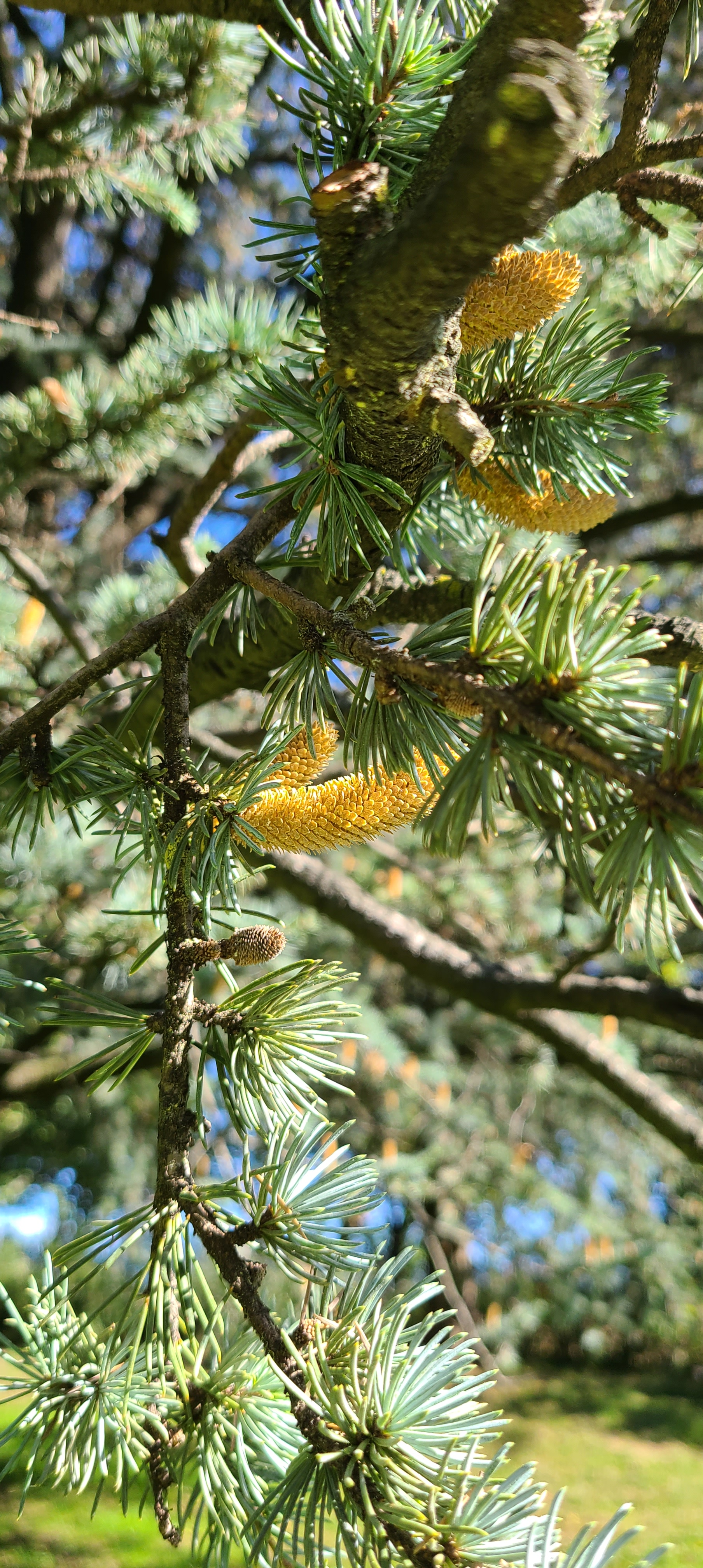
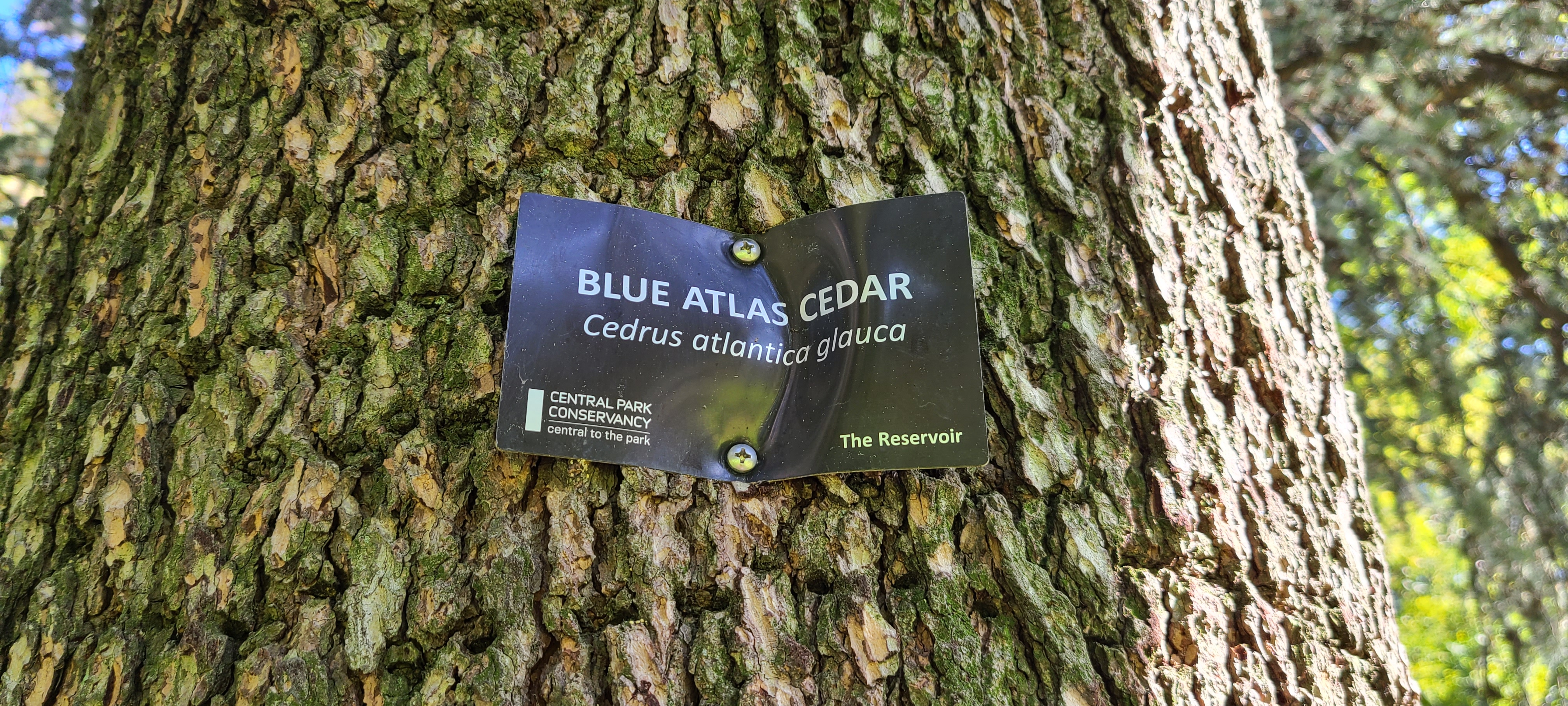
Blue Atlas Cedar tree in Central Park – photo by Christa Avampato

Last week I went to a talk by Dr. Diana Beresford-Kroeger, a botanist and medical biochemist. She’s also the author of one of my favorite books, To Speak for the Trees: My Life’s Journey from Ancient Celtic Wisdom to a Healing Vision of the Forest. She was speaking at the New York Times event titled How Can Art and Technology Help Us Tackle the Climate Crisis? You can watch it on YouTube and Dr. Beresford-Kroeger’s talk is from 1:55:35 — 2:30:38.

How forest bathing reduces cancer risk
In her talk and her book she advocates for 15 minutes of month forest bathing, particularly near evergreen trees, as a way to reduce cancer risk. As a cancer survivor, I do everything I can to prevent recurrence. Sadly, there’s a lot of nonsense out there and plenty of products that claim to prevent cancer. Most of it is just slick marketing taking advantage of people through scare tactics. But does this recommendation from Dr. Beresford-Kroeger have scientific research to back up the claim? Can 15 minutes a month with trees really help us reduce the risk of cancer? It does and it can. 

Numerous scientific studies (here, here, and here to call out just a few) have found that the biochemicals in our immune systems (collectively referred to as Natural Killer (NK) cells such as lymphocytes) are strengthened with even brief 15- to 20-minute visits to wooded areas and the effects can last more than 30 days. These research findings support Dr. Beresford-Kroeger’s recommendation and the ancient wisdom she’s studied and accumulated her entire life.

Combining indigenous knowledge with modern medicine for optimal health
Now, does this mean we can substitute forest visits for regular checkups and exams with our doctors or forgo medical treatments if we are diagnosed with cancer? No, I would not recommend that course of action. Modern medicine found and treated my cancer, and I’m forever grateful for the care I received at NYU. But did I also benefit from good nutrition, exercise, my time in nature, and my determination to find joy every day to keep up my spirits during the darkest days of my life? Yes, I did. 

Preventing and fighting cancer requires a multi-pronged approach. We can benefit from ancient wisdom and modern technology. I used both to keep myself healthy before, during, and after treatment. I’ll use both for the rest of my life that I’m so fortunate to have. 

Why I still got cancer even though I live a healthy lifestyle
Now, you might be thinking, “Well, Christa, you go to Central Park every day and you still got cancer. So how do you explain that?”

Yes, that’s true. I did get cancer even though I have no genetic predisposition to any kind of cancer, I eat a healthy plant-based diet, I exercise regularly, I’m a healthy weight, I control my stress levels, I spend a lot of time outside in nature, and I see my doctors regularly. Cancer is a sneaky set of diseases. It wears a lot of costumes and disguises in its attempts to thwart our immune system. Even in the best of circumstances, a cell can get past our immune system, not because we’re weak but because cancer is such a deft and relentless shape-shifter. All it takes is one microscopic cell. 

The Hudson Valley is a cancer hotspot
We also live in an increasingly toxic world, which can wear us down without our awareness. I grew up on an apple orchard in the Hudson Valley of New York State in the 1980s and 1990s. Sounds bucolic, right? In many ways it was. 

But what you may not know is during that time the rampant use of chemical pesticides was practiced all over that area. I have vivid memories of bright red tankers full of pesticides being sprayed in the air on neighboring orchards for months on end to keep the apples pest-free. Those farmers didn’t realize their sprays were poisoning our food, air, soil, and water. 

At the same time, General Electric (GE) dumped 1.3 million pounds of polychlorinated biphenyls (PCBs) into the Hudson River from its capacitor manufacturing plants in Hudson Falls and Fort Edward, New York. Though they ended that practice in the last 1970s, the PCBs remain in the river sediment to this day. PCBs are known carcinogens (meaning they cause cancer). 

These practices of farmers and GE have partially caused the Hudson Valley to become a cancer hotspot. My family had well water. The toxic chemicals from the pesticides and GE’s practices seeped into the water table, not to mention were directly linked to our food and air. The truth is we can do everything right as individuals but collectively, the practices of others can harm us and we are powerless to avoid the impacts once they’ve happened. 

Though it’s difficult to prove, my cancer was likely caused, at least in part, by environmental pollution I was exposed to as a child. As the New York Department of Health explains, “Cancers develop slowly in people. They usually appear five to 40 years after exposure to a cancer causing agent. This is called the latency period. This is one of the reasons it is difficult to determine what causes cancer in humans. Also, many people move during this period of time, making it hard to link exposure to a cancer causing agent to where a person lives.” 

So, yes, I live a healthy lifestyle and yes, I still got cancer. But as my doctors always point out, because I was so healthy when I was diagnosed, I was able to withstand intense surgeries and treatments, and emerge on the other side healthier than ever. The combination of my good health, modern medicine, and indigenous knowledge saved me.

Fighting climate change is another way to fight cancer
Preserving and expanding natural areas and mitigating the impacts of climate change is another important piece of the puzzle to maintain our health. Said another way, our best defense is a good offense. We need to have nature on our side to maintain our environments, and that means we must care for natural and wild areas. 

This is why I advocate for the planting, maintenance, enhanced access, and expansion of forested areas, particularly in cities like New York where I now live and where trees are necessary for our health and wellbeing. Trees save and enhance our lives in so many ways by cleaning our air and water, lowering our stress levels, and enhancing our immune systems.

My forest bathing practice in Central Park
I’m fortunate to live near one of New York’s City’s green gems, Central Park. Forest bathing doesn’t mean you need to retreat to the far corners of the wilderness (though if you can, I recommend that kind of trip as well). Urban forest bathing once a month (or more) is highly effective, easy to do, and accessible. 

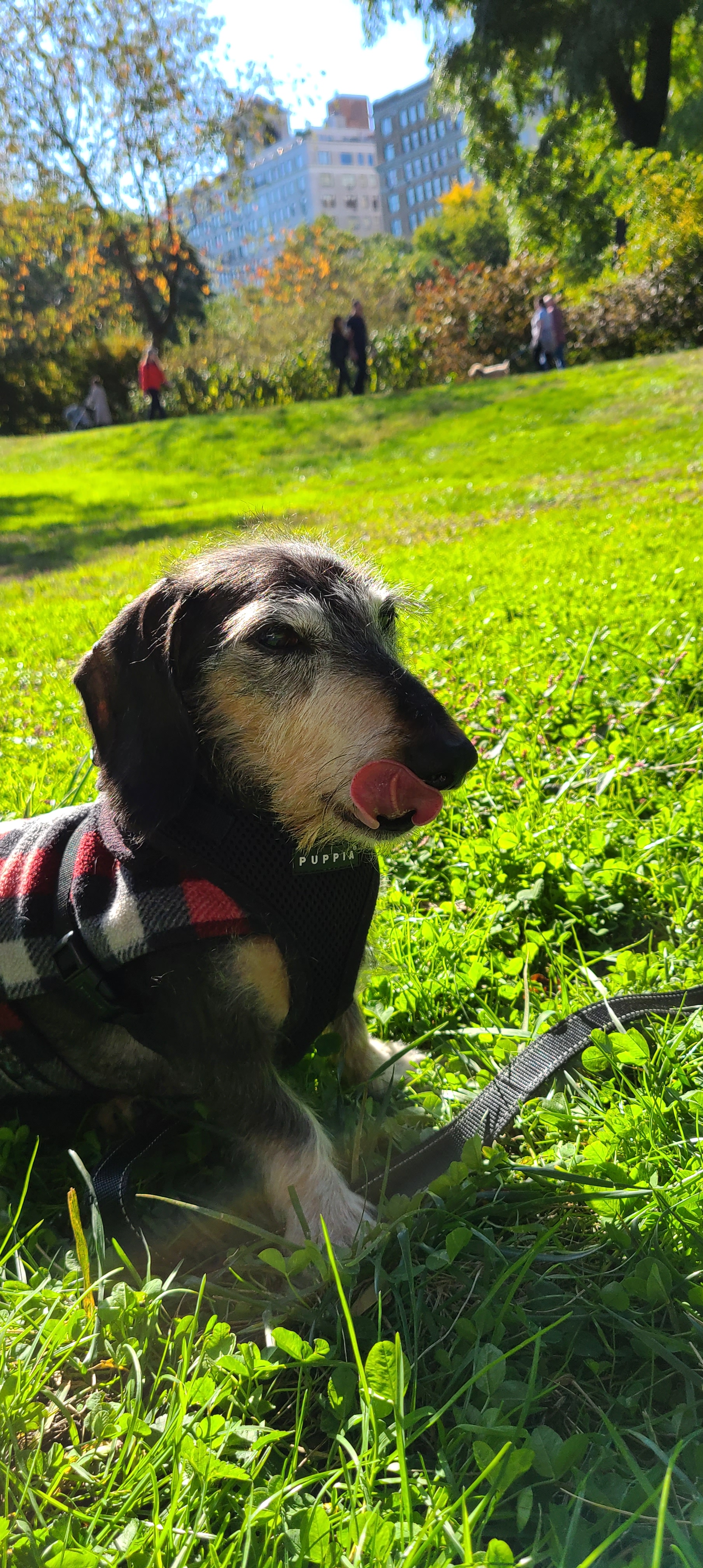
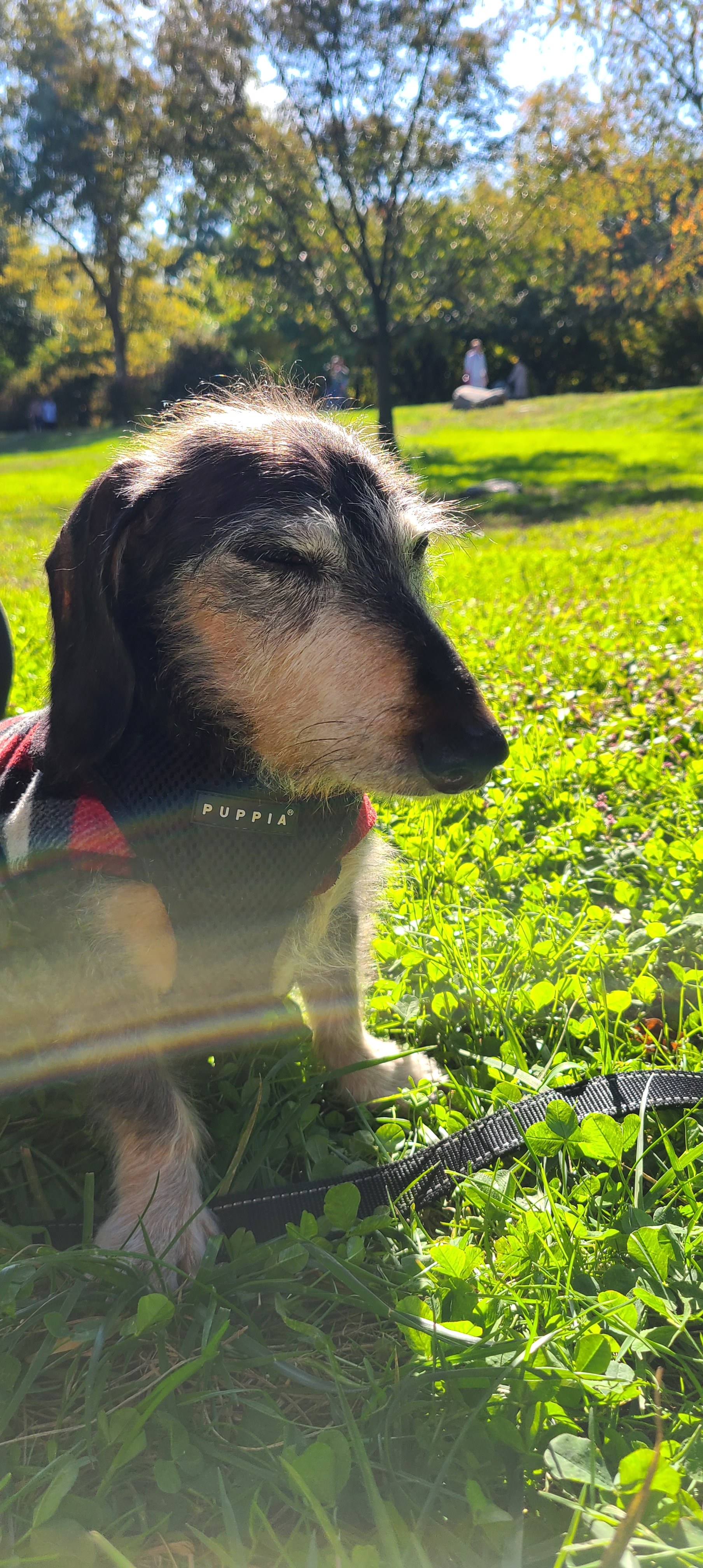
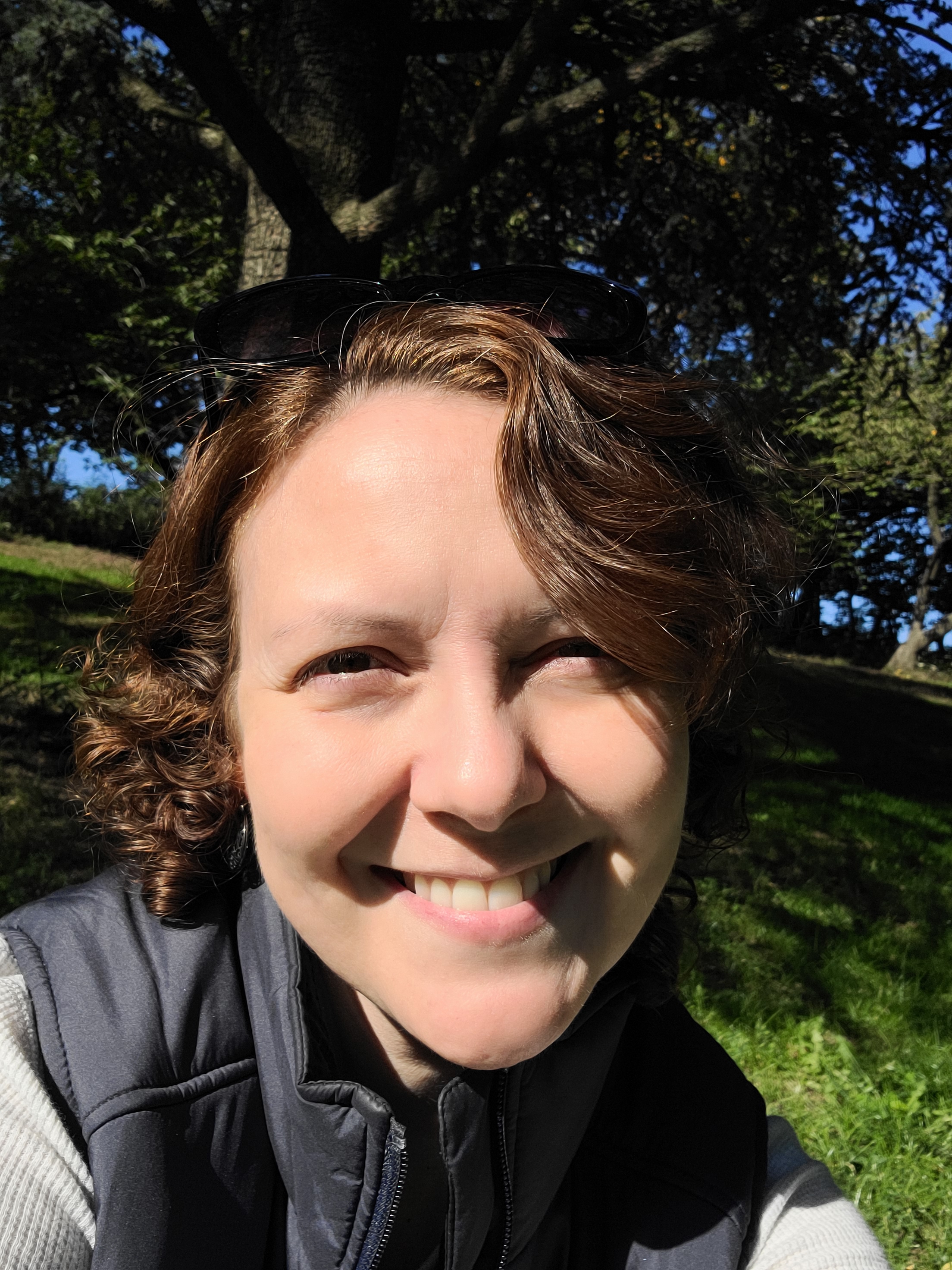
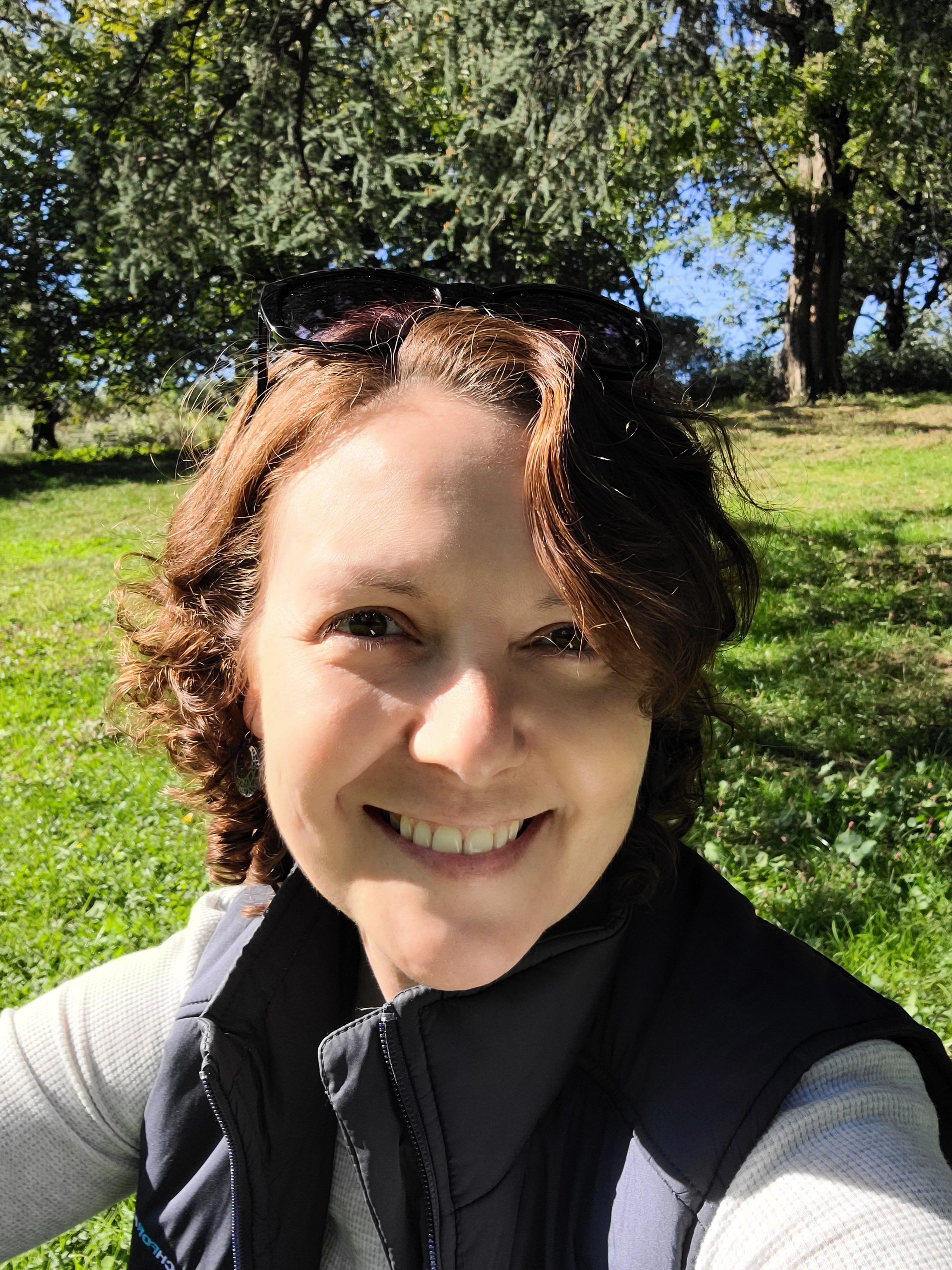
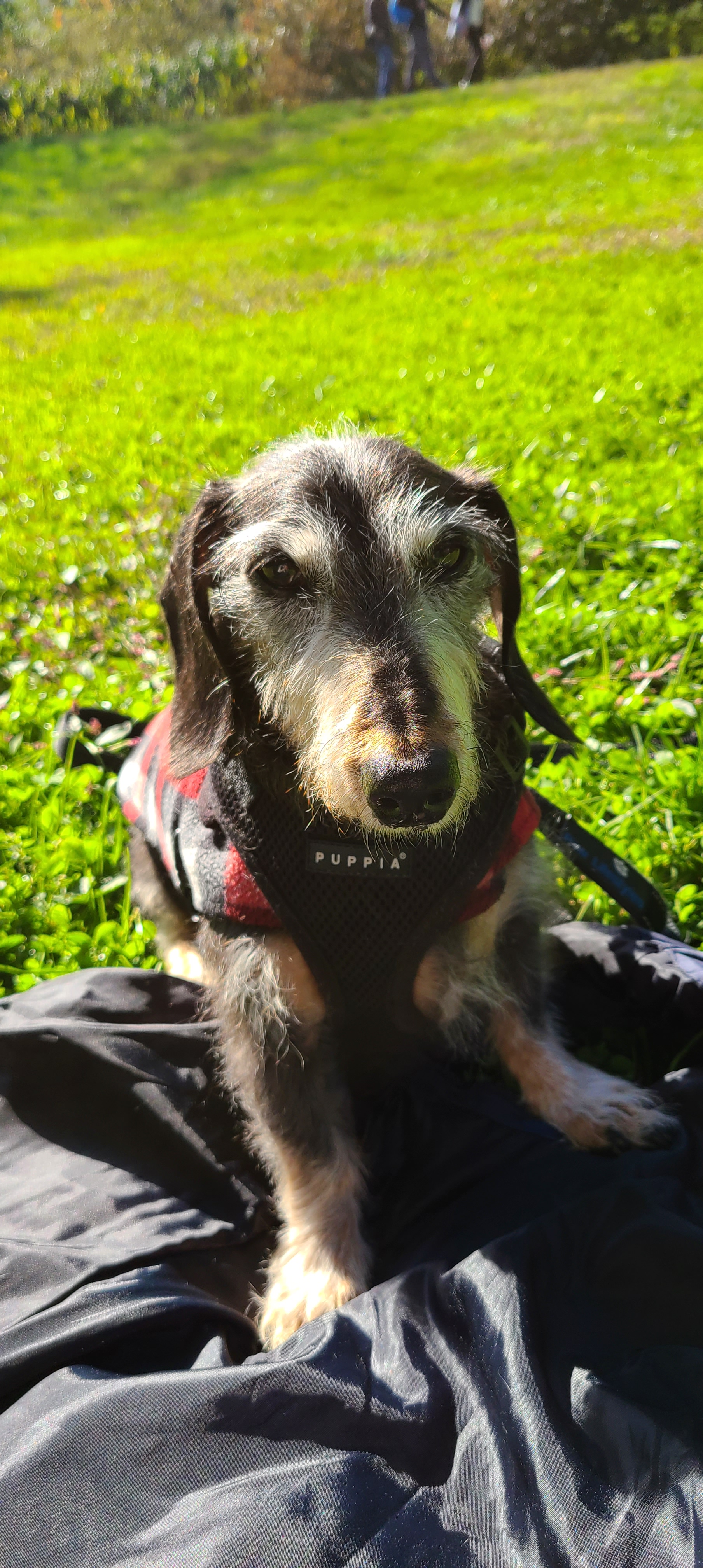
On a sunny Saturday, I went to Central Park with my dog, Phineas. For 15 minutes, we sat near a majestic Blue Atlas Cedar (Cedrus atlantica glauca) that stands near the Reservoir. The effects for both of us were palpable. Phin closed his eyes and went to sleep as I soaked up the sun and clean air, all the time quietly expressing my gratitude to this tree. 

When we got up to go home, I bowed to the tree in reverence for what this beautiful being had freely given me. “I’ll see you again soon,” I whispered.

I left with my heart and lungs full with all good things, thankful for what nature offers us if only we will take the time to accept her gifts and wisdom. When we take care of nature, nature can then take care of us. Go sit near a tree for 15 minutes once a month. You’ll be better for it. 

(Below are a few photos of me and my dog, Phineas, on our most recent forest bathing trip to Central Park).

creativity

A big milestone this week

This week marks 2 years since my early-stage breast cancer diagnosis. I worried I may never feel whole again. Now I feel great—physically, mentally, and emotionally. I’m grateful for every day and for everyone who helped me get here. Onward!❤️

For those now waging their own battles with cancer and to all the people who love and care for them, please know that healing is possible. There will come a day when you look back and see how far you’ve come and how far your life stretches out in front of you, full of dreams and hopes fulfilled. You’ll be there. Keep your eyes up. Keep your head up. Keep going. And when you feel like you can’t, please call me and I’ll remind you that yes you can. And you will.