creativity

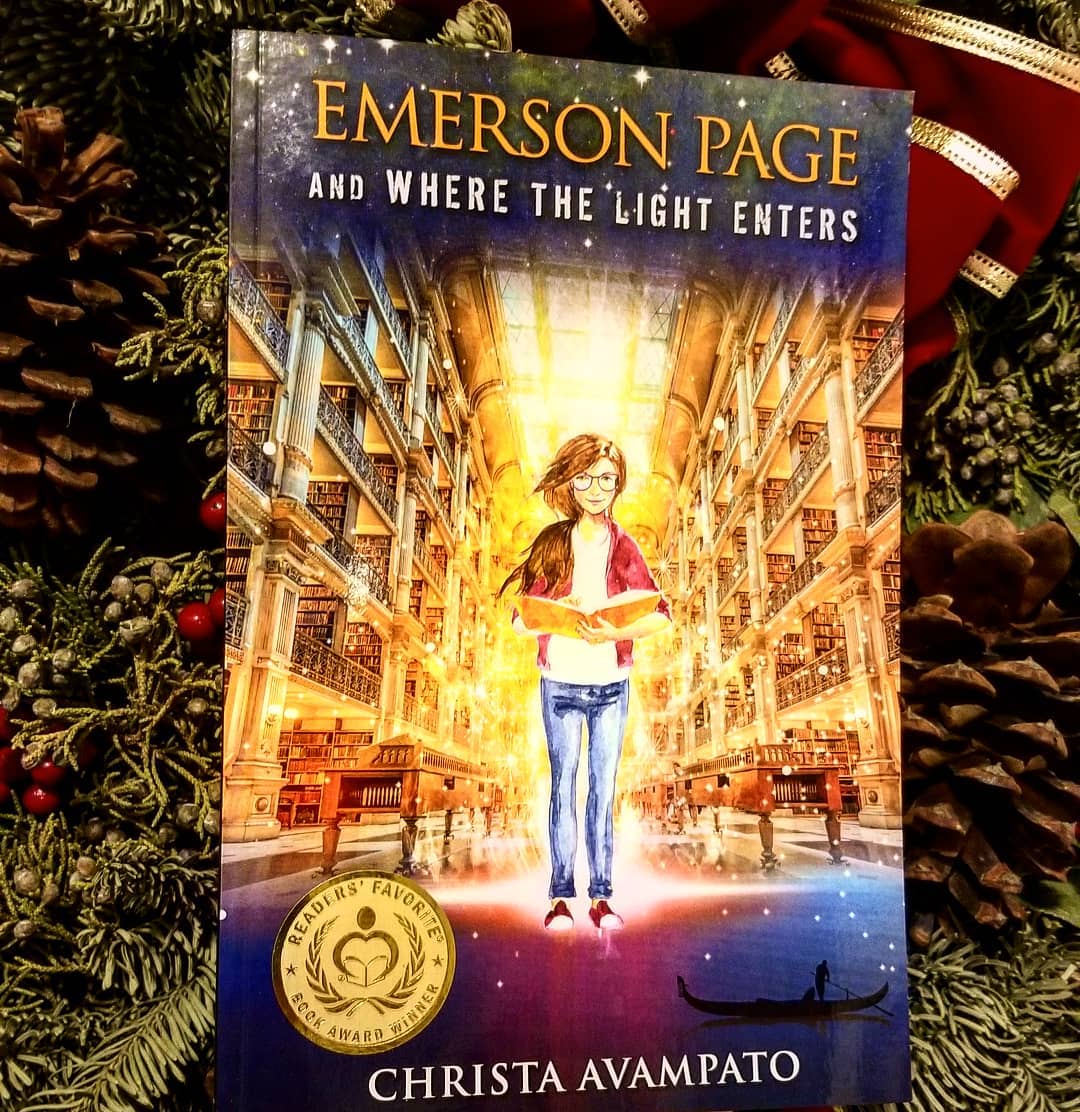
Cover reveal for my second novel, Emerson Page and Where the Light Leads

Emerson Page and Where the Light Leads by Emerson Page

Drumroll please! Here is the book cover for my second novel, Emerson Page and Where the Light Leads. What do you think?! 

Emerson’s joined here by her three best friends: Skylar, Truman, and her service dog, Friday. This scene captures the moment when they arrive at a magical location where they encounter several mythological creatures who never quite reveal themselves as friends or foes. Can you guess the real-life location in Northern Ireland that inspired the cover? Can you guess which mythological creatures they find there and what they reveal to our favorite quartet?

I’ll share the answers tomorrow along with some fun photos and stories. For now, I’d love to hear your reactions to the cover and your guesses to the two questions above.

creativity

My second novel has a publishing date

Breaking news: my second novel, Emerson Page and Where the Light Leads, will be released in Spring 2024!

The publisher is working on the final steps and around the holidays we’ll have a better sense of a set release date along with pre-order links. On Wednesday, September 27th, I’ll post a cover reveal sneak peek on here.

Set in a mgaical version of New York City, and Ireland’s Dublin, the Dark Hedges, and Newgrange, I can’t wait to share this next chapter of Emerson’s adventures with you. Thank you to everyone who has cheered me on these many years in a million different ways. Writing novels is a solo art form that takes a village to bring to life. I’m grateful to be in this village with all of you.

Leading up to publication, I’ll be sharing loads of info on the book, the process of book publication, querying, storytelling and writing, and other behind-the-scenes goodies and giveaways. Book publishing can feel like such a mystery from the outside, so come on inside with me and I’ll show you around this wild and always-changing world!

More details soon and stay tuned on Wednesday for the gorgeous cover. In the meantime, you can read my Medium post titled A Publisher Bought My YA Novel Trilogy—Here’s Everything I Did Wrong and Emerson’s first book, Emerson Page and Where the Light Enters.

creativity

To write well, we must read well and take a break

After a two-day break from dissertation literature review writing, I’m back at it today. It’s amazing the clarity we get from stepping back, focusing on other things, and returning with fresh eyes. I would have loved to take a longer break to let the words accumulate a good thick layer of dust but deadlines and NYC Climate Week next week demand otherwise.

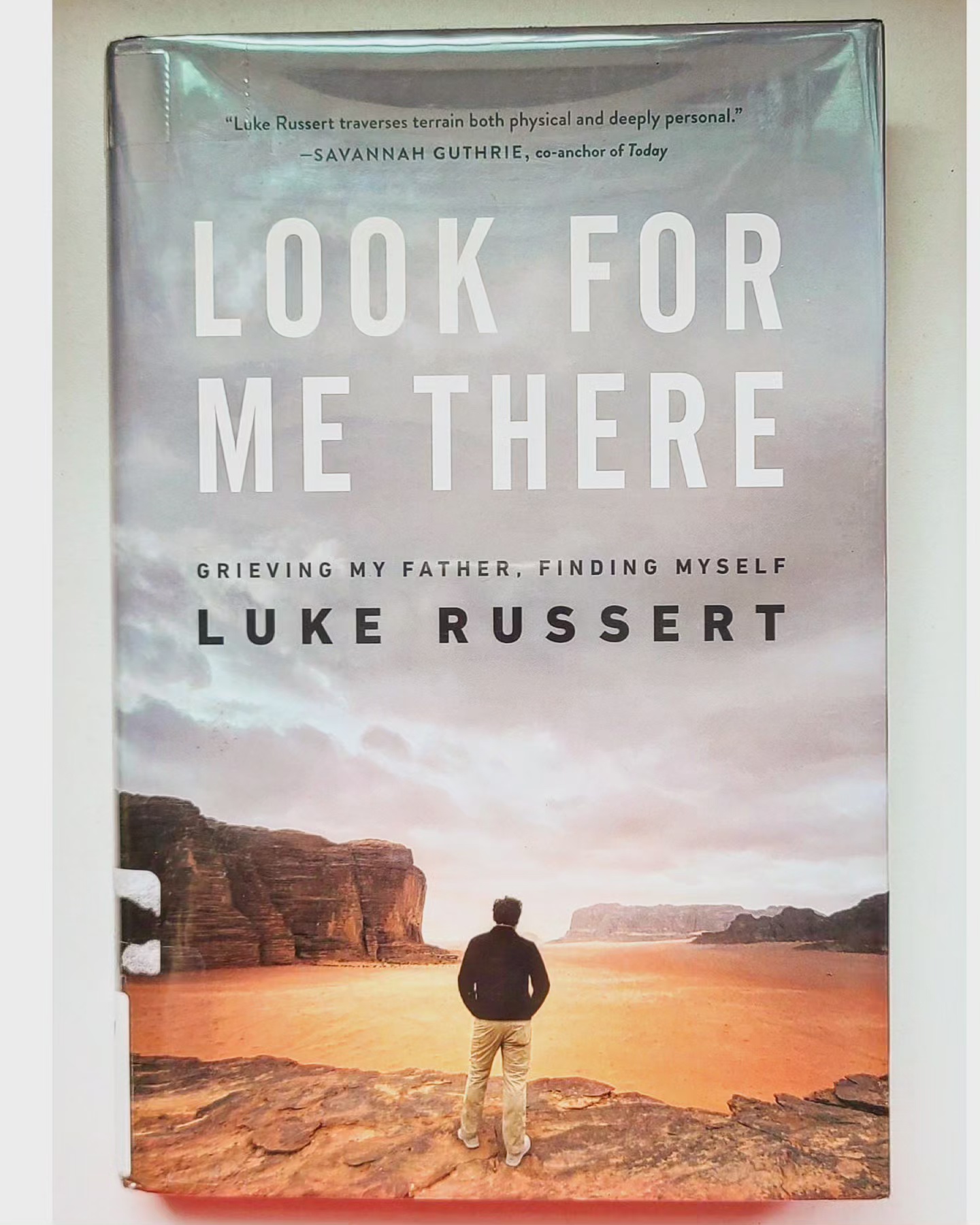
I spent the last couple days doing work for clients, reaching out to potential collaborators for interviews, finally hanging up art in my apartment, and reading two beautiful books that I highly recommend: Unreasonable Hospitality by top-notch restauranteur Will Guidara and Look for Me There, Luke Russert‘s stunning memoir about the life he’s built in the wake of the sudden and untimely passing of his larger-than-life dad, Tim Russert, whom I still dearly miss, especially in these trying times of U.S. politics.

Now with a more colorful space, inspired by the writing of others, some items off the to-do list, and my top-tier dream collaborators booked for the project, I’m re-writing, editing, and honing what I hope will be a decent first draft for my supervisor to review. As my first year tutor Angus always said to me, we’ll see how it goes in prose.

Will Guidara so beautifully writes, “Most important, we have an opportunity—a responsibility—to make magic in a world that desperately needs more of it.” I’ll do my best to make good on that opportunity and responsibility in my writing.

creativity

The danger of Texas school libraries becoming “discipline centers”

Photo by Joe Ciciarelli on Unsplash

“Libraries are about freedom. Freedom to read, freedom of ideas, freedom of communication. They are about education, about entertainment, about making safe spaces, and about access to information. We need libraries. We need books. We need literate citizens. I hope we can give our children a world in which they will read, and be read to, and imagine, and understand.” ~Neil Gaiman

When I was a kid, the school library was my refuge. I’d go there when I felt bullied, sad, and lost, and I wanted to escape. I would go to books to go into new worlds that weren’t my physical world. Through them I could travel, find adventure, and be anywhere except where I was when my world was not where I wanted to be. I returned stronger, wiser, and braver because of libraries. 

As I got older, I realized I was not alone in finding my haven in books and libraries. So many kids all over the country, and all over the world, did the same thing if they were fortunate enough to have a library. I also learned millions of children didn’t have libraries to escape to, and that broke my heart and opened my wallet to support libraries, books, authors, reading, writing, and creating in every way I could. When I became a journalist, then an essayist, and then a novelist, my dedication to libraries, books, readers, and writers grew even bigger.

So it’s with devastation that I learned last week about the dire state of school libraries in Houston, Texas that are part of the Houston independent school district (HISD). Superintendent Mike Miles will turn the city’s school libraries into “discipline centers”, and librarian and media-specialist positions will be eliminated. Teachers will be able to send “misbehaving students” to these centers to learn remotely. This is a state decision, not a city decision, and Miles was given this post by the Texas Education Agency. He thinks this will improve student performance in Texas’s largest school district and the 8th largest district in the country.

HISD has 276 schools and 196,943 students. 90% of students identify as ethnic minorities, and 59.4% are economically disadvantaged. They are students who need libraries, extra educational support, and places of refuge. I know this because I was an economically disadvantaged student. Libraries, librarians, and books saved me. They helped me dream of a better life than I had as a kid, and it’s largely because of libraries, librarians, and books that I have the life I have now, a life I love where I make a living through my creativity every day. 

I don’t live in Houston, but I care deeply about these students and what happens to them because they will eventually grow into adults who will go out into our shared world on their own. Without libraries and books, and with goodness knows what goes on in a “discipline center”, imagine how angry and deprived they will be. Imagine how deprived every student in these schools will be without libraries and librarians. What message are we sending all students by denying them free access to books, and the ideas and freedom they afford those who face an unjust uphill climb in our current society? 

Here’s my great hope for the HISD and the city of Houston: that the students, administrators, teachers, voters, politicians, and residents will rise up against Mike Miles. I hope they won’t allow students to be deprived of books, reading, and librarians, and I hope all of us outside of Houston will support them in every way they need. The students of HISD deserve better than this policy, and better than Mike Miles. We can’t allow one man to take their books and their futures from them.

creativity

The Joy of Book Clubs with Libby Seiter Nelson

Talking about books is one of the greatest joys, and to have a conversation about books with Libby is a treat for all book lovers. In December 2015 Libby was going through a time of intense grief and participating in the POPSUGAR annual reading challenge gave her the joy she needed. To amplify that joy, Libby posted about the challenge on Facebook to see if she could get a few friends to read with her through 2016. That Facebook group, 2022 Reading Challenge, started with a small group of friends and now has grown to almost 500 members in 2022. Anyone and everyone who loves to read books and talk about them is welcome. It’s all online through Facebook with zero pressure and a source of joy for everyone in the group. And yes, you’re invited to join us! We’d love to have you read with us in 2023.

Topics discussed in this episode:

  • The value of meaningful conversations
  • Libby’s coaching work and the work of Dr. Brené Brown – https://brenebrown.com/
  • Introverted extroverts and extroverted introverts
  • How joy helps us survive and heal during grief, sickness, and life’s challenges
  • The love of reading that started for Libby and Christa when they were children
  • Books Libby recommends for listeners
  • Books Christa recommends for listeners
  • Rising through fear
  • The power of storytelling and memoirs
  • Women in science, the stories of women lost to history, and how much we love books where character submerge into a new world and re-emerge transformed by their experiences
  • The books of Anne Lamott, Bill Bryson, Nelson Mandela, John Lewis, John Doerr
  • John Bucher and his love for mythology – https://www.tellingabetterstory.com/
  • How Libby’s book club has helped us discover books we wouldn’t otherwise know about
  • Walking in the shoes of other people through books
  • The work of StoryCorps – https://storycorps.org/

Links to resources:


About Libby:
Libby Seiter Nelson is a highly skilled and extensively trained certified professional coaching. She is an Executive Coach and Facilitator in an innovative coaching program that helps parents with the critical transition to life as a working parent. Her coaching is especially focused on the return to work — an underestimated challenge that impacts gender equity and inclusion. She facilitates courses and group coaching, and teaches seminars focused on the realities of the current work environment, offering tangible solutions for the challenges of being a working parent. Libby is a Certified Daring Way Facilitator, a program created and run by Dr. Brené Brown. 

creativity

Join me on Literati to talk about Elektra with the Joseph Campbell Foundation

Elektra by Jennifer Saint

In November I’m facilitating a month-long discussion about the book Elektra by Jennifer Saint on the Literati app for the Joseph Campbell Foundation Myth & Meaning book club. This will be an exciting reading adventure. 

Authors of new books rooted in mythology are asking fascinating questions of classic stories and providing provocative answers. Jennifer Saint’s glittering retelling of the classic tale Elektra is a brilliant example. 
 
 She showcases forgotten women of Greek mythology, ties that bind them to one another, and betrayals that threaten to sever those ties forever. With alternating chapters from their perspectives, Saint gives us a front row seat to their psyches as they grapple with a family legacy entangled with an ancient curse.

Vivid and evocative descriptions from page one carry us away into their tale of rebellion, revenge, and redemption where no one escapes unscathed and everyone is utterly transformed.

Throughout November, I’ll be posting some thoughts about the book as we read it together over the month. This is a highly interactive experience, and I’m excited to read and learn with all of you. 

I hope you’ll join me. To sign up, hop on over to the Joseph Campbell Foundation’s Myth & Meaning book club on Literati. The cost is $22 / month if billed annually and $26 if you pay monthly. It includes the book shipped to your address.

A special thank you to Torri Yates-Orr and John Bucher for bringing me into the Editorial Advisory Group. I’m honored to join such a fantastic group of thinkers and myth devotees. 

creativity

Spend time with trees to fight cancer

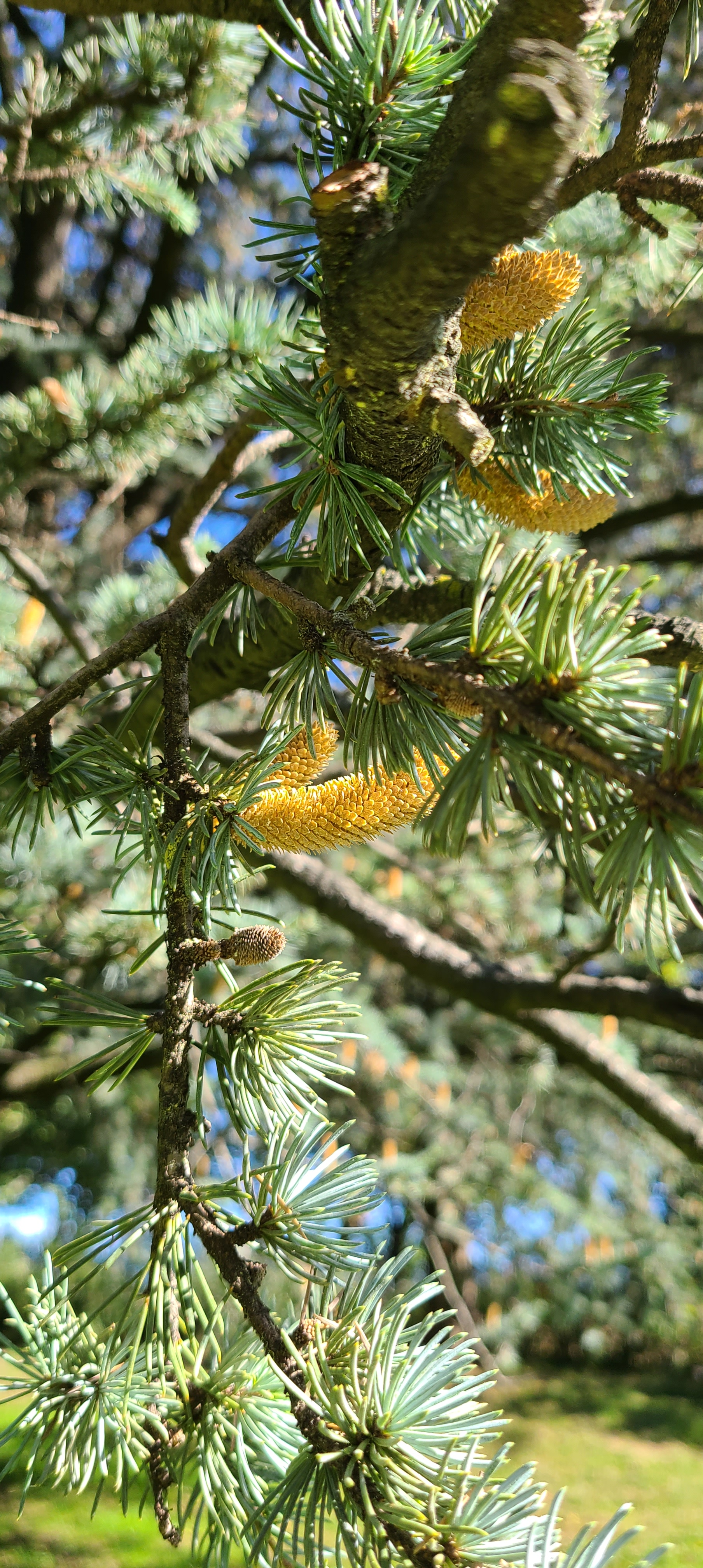
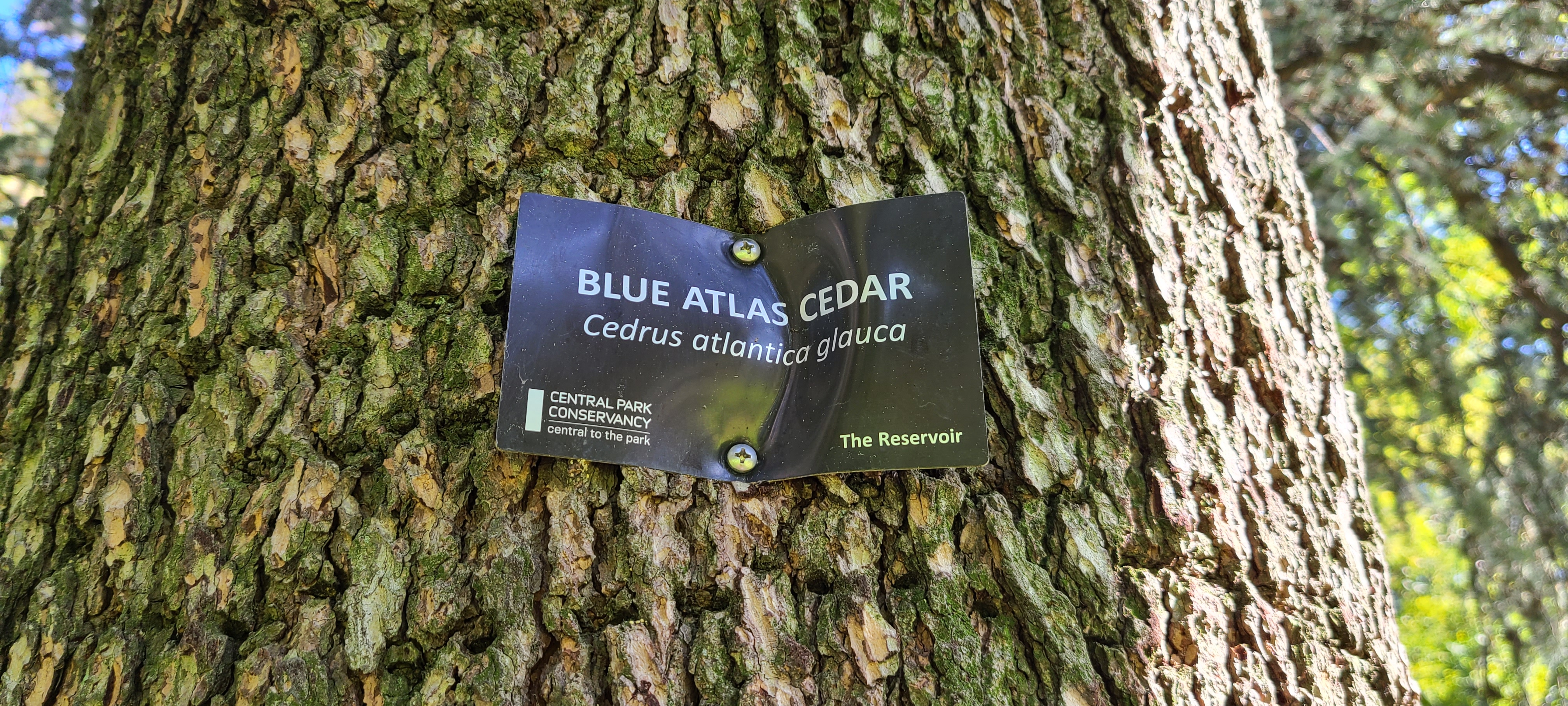
Blue Atlas Cedar tree in Central Park – photo by Christa Avampato

Last week I went to a talk by Dr. Diana Beresford-Kroeger, a botanist and medical biochemist. She’s also the author of one of my favorite books, To Speak for the Trees: My Life’s Journey from Ancient Celtic Wisdom to a Healing Vision of the Forest. She was speaking at the New York Times event titled How Can Art and Technology Help Us Tackle the Climate Crisis? You can watch it on YouTube and Dr. Beresford-Kroeger’s talk is from 1:55:35 — 2:30:38.

How forest bathing reduces cancer risk
In her talk and her book she advocates for 15 minutes of month forest bathing, particularly near evergreen trees, as a way to reduce cancer risk. As a cancer survivor, I do everything I can to prevent recurrence. Sadly, there’s a lot of nonsense out there and plenty of products that claim to prevent cancer. Most of it is just slick marketing taking advantage of people through scare tactics. But does this recommendation from Dr. Beresford-Kroeger have scientific research to back up the claim? Can 15 minutes a month with trees really help us reduce the risk of cancer? It does and it can. 

Numerous scientific studies (here, here, and here to call out just a few) have found that the biochemicals in our immune systems (collectively referred to as Natural Killer (NK) cells such as lymphocytes) are strengthened with even brief 15- to 20-minute visits to wooded areas and the effects can last more than 30 days. These research findings support Dr. Beresford-Kroeger’s recommendation and the ancient wisdom she’s studied and accumulated her entire life.

Combining indigenous knowledge with modern medicine for optimal health
Now, does this mean we can substitute forest visits for regular checkups and exams with our doctors or forgo medical treatments if we are diagnosed with cancer? No, I would not recommend that course of action. Modern medicine found and treated my cancer, and I’m forever grateful for the care I received at NYU. But did I also benefit from good nutrition, exercise, my time in nature, and my determination to find joy every day to keep up my spirits during the darkest days of my life? Yes, I did. 

Preventing and fighting cancer requires a multi-pronged approach. We can benefit from ancient wisdom and modern technology. I used both to keep myself healthy before, during, and after treatment. I’ll use both for the rest of my life that I’m so fortunate to have. 

Why I still got cancer even though I live a healthy lifestyle
Now, you might be thinking, “Well, Christa, you go to Central Park every day and you still got cancer. So how do you explain that?”

Yes, that’s true. I did get cancer even though I have no genetic predisposition to any kind of cancer, I eat a healthy plant-based diet, I exercise regularly, I’m a healthy weight, I control my stress levels, I spend a lot of time outside in nature, and I see my doctors regularly. Cancer is a sneaky set of diseases. It wears a lot of costumes and disguises in its attempts to thwart our immune system. Even in the best of circumstances, a cell can get past our immune system, not because we’re weak but because cancer is such a deft and relentless shape-shifter. All it takes is one microscopic cell. 

The Hudson Valley is a cancer hotspot
We also live in an increasingly toxic world, which can wear us down without our awareness. I grew up on an apple orchard in the Hudson Valley of New York State in the 1980s and 1990s. Sounds bucolic, right? In many ways it was. 

But what you may not know is during that time the rampant use of chemical pesticides was practiced all over that area. I have vivid memories of bright red tankers full of pesticides being sprayed in the air on neighboring orchards for months on end to keep the apples pest-free. Those farmers didn’t realize their sprays were poisoning our food, air, soil, and water. 

At the same time, General Electric (GE) dumped 1.3 million pounds of polychlorinated biphenyls (PCBs) into the Hudson River from its capacitor manufacturing plants in Hudson Falls and Fort Edward, New York. Though they ended that practice in the last 1970s, the PCBs remain in the river sediment to this day. PCBs are known carcinogens (meaning they cause cancer). 

These practices of farmers and GE have partially caused the Hudson Valley to become a cancer hotspot. My family had well water. The toxic chemicals from the pesticides and GE’s practices seeped into the water table, not to mention were directly linked to our food and air. The truth is we can do everything right as individuals but collectively, the practices of others can harm us and we are powerless to avoid the impacts once they’ve happened. 

Though it’s difficult to prove, my cancer was likely caused, at least in part, by environmental pollution I was exposed to as a child. As the New York Department of Health explains, “Cancers develop slowly in people. They usually appear five to 40 years after exposure to a cancer causing agent. This is called the latency period. This is one of the reasons it is difficult to determine what causes cancer in humans. Also, many people move during this period of time, making it hard to link exposure to a cancer causing agent to where a person lives.” 

So, yes, I live a healthy lifestyle and yes, I still got cancer. But as my doctors always point out, because I was so healthy when I was diagnosed, I was able to withstand intense surgeries and treatments, and emerge on the other side healthier than ever. The combination of my good health, modern medicine, and indigenous knowledge saved me.

Fighting climate change is another way to fight cancer
Preserving and expanding natural areas and mitigating the impacts of climate change is another important piece of the puzzle to maintain our health. Said another way, our best defense is a good offense. We need to have nature on our side to maintain our environments, and that means we must care for natural and wild areas. 

This is why I advocate for the planting, maintenance, enhanced access, and expansion of forested areas, particularly in cities like New York where I now live and where trees are necessary for our health and wellbeing. Trees save and enhance our lives in so many ways by cleaning our air and water, lowering our stress levels, and enhancing our immune systems.

My forest bathing practice in Central Park
I’m fortunate to live near one of New York’s City’s green gems, Central Park. Forest bathing doesn’t mean you need to retreat to the far corners of the wilderness (though if you can, I recommend that kind of trip as well). Urban forest bathing once a month (or more) is highly effective, easy to do, and accessible. 

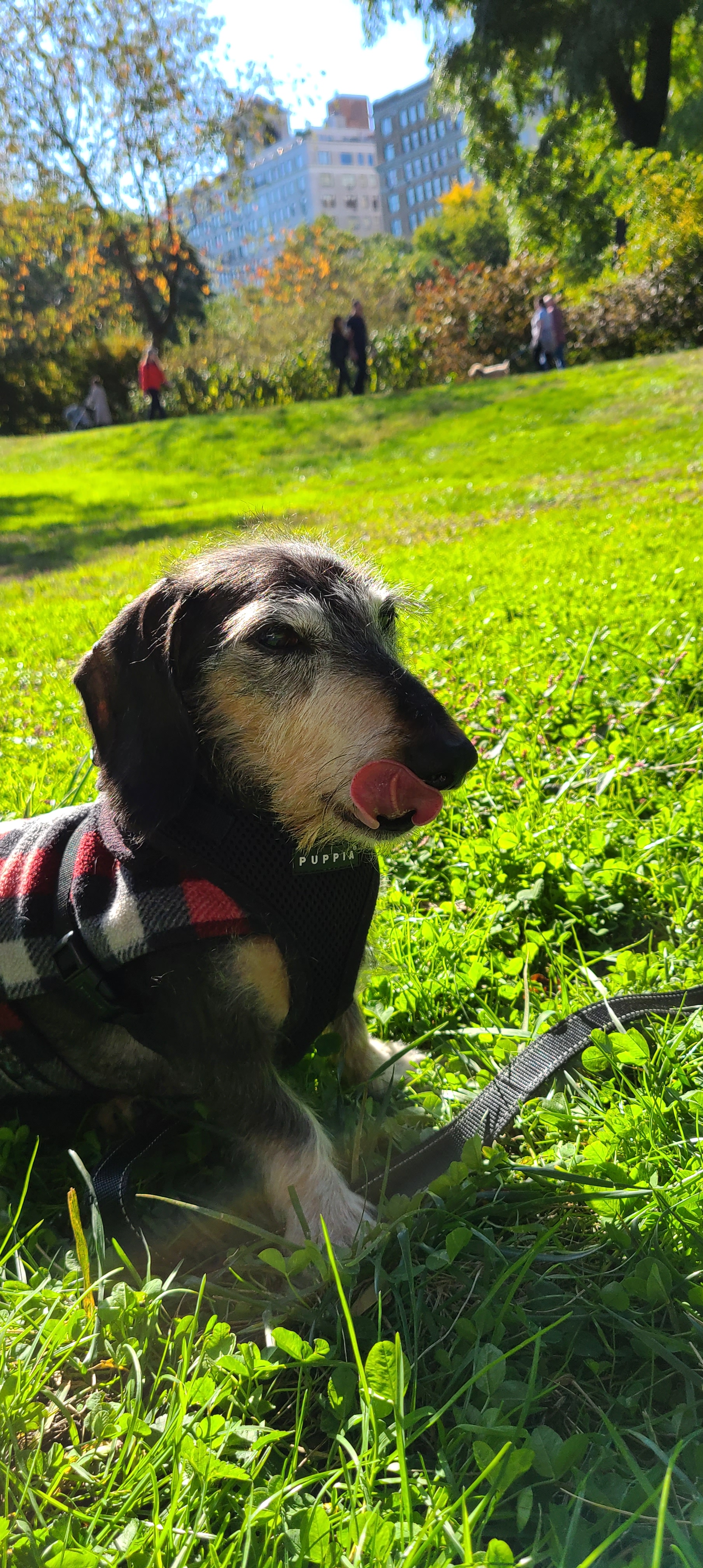
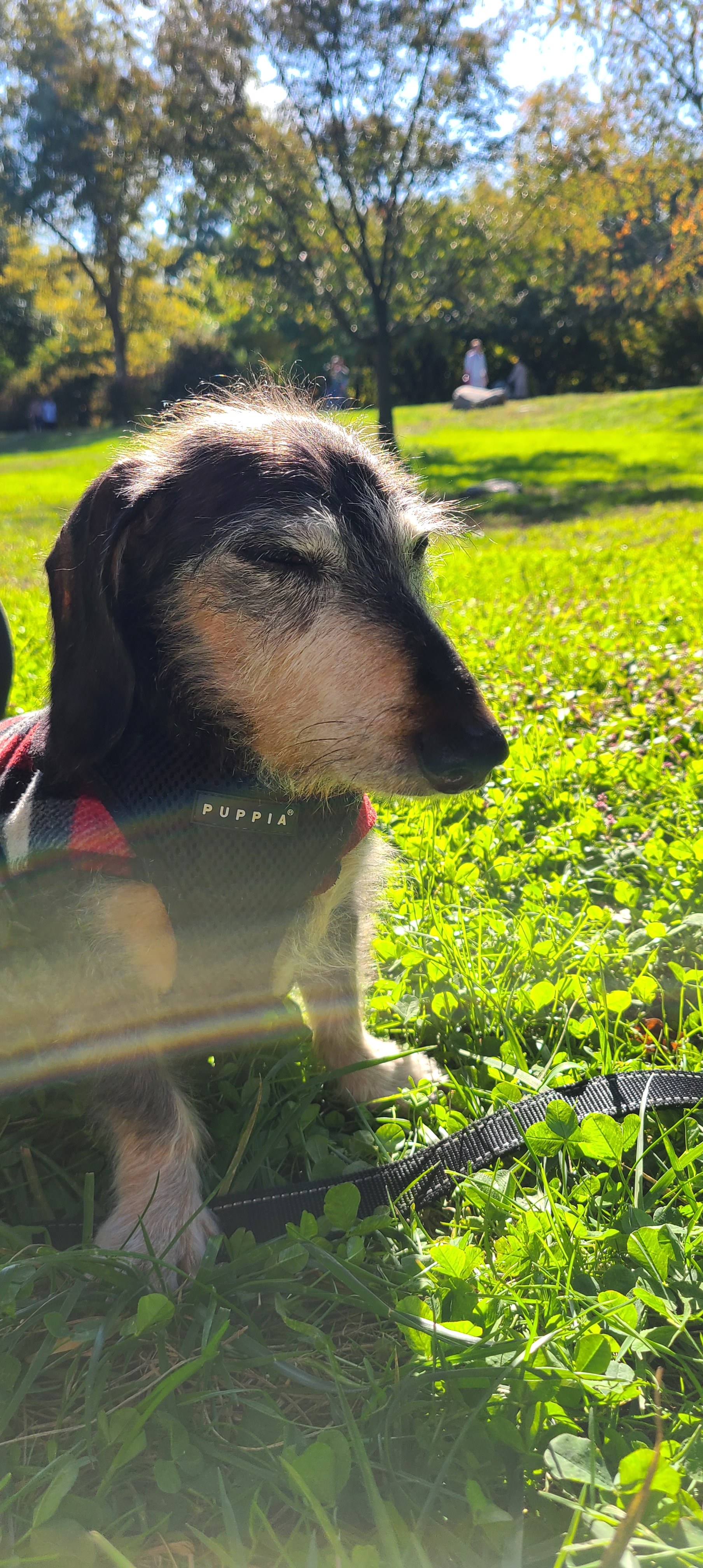
On a sunny Saturday, I went to Central Park with my dog, Phineas. For 15 minutes, we sat near a majestic Blue Atlas Cedar (Cedrus atlantica glauca) that stands near the Reservoir. The effects for both of us were palpable. Phin closed his eyes and went to sleep as I soaked up the sun and clean air, all the time quietly expressing my gratitude to this tree. 

When we got up to go home, I bowed to the tree in reverence for what this beautiful being had freely given me. “I’ll see you again soon,” I whispered.

I left with my heart and lungs full with all good things, thankful for what nature offers us if only we will take the time to accept her gifts and wisdom. When we take care of nature, nature can then take care of us. Go sit near a tree for 15 minutes once a month. You’ll be better for it. 

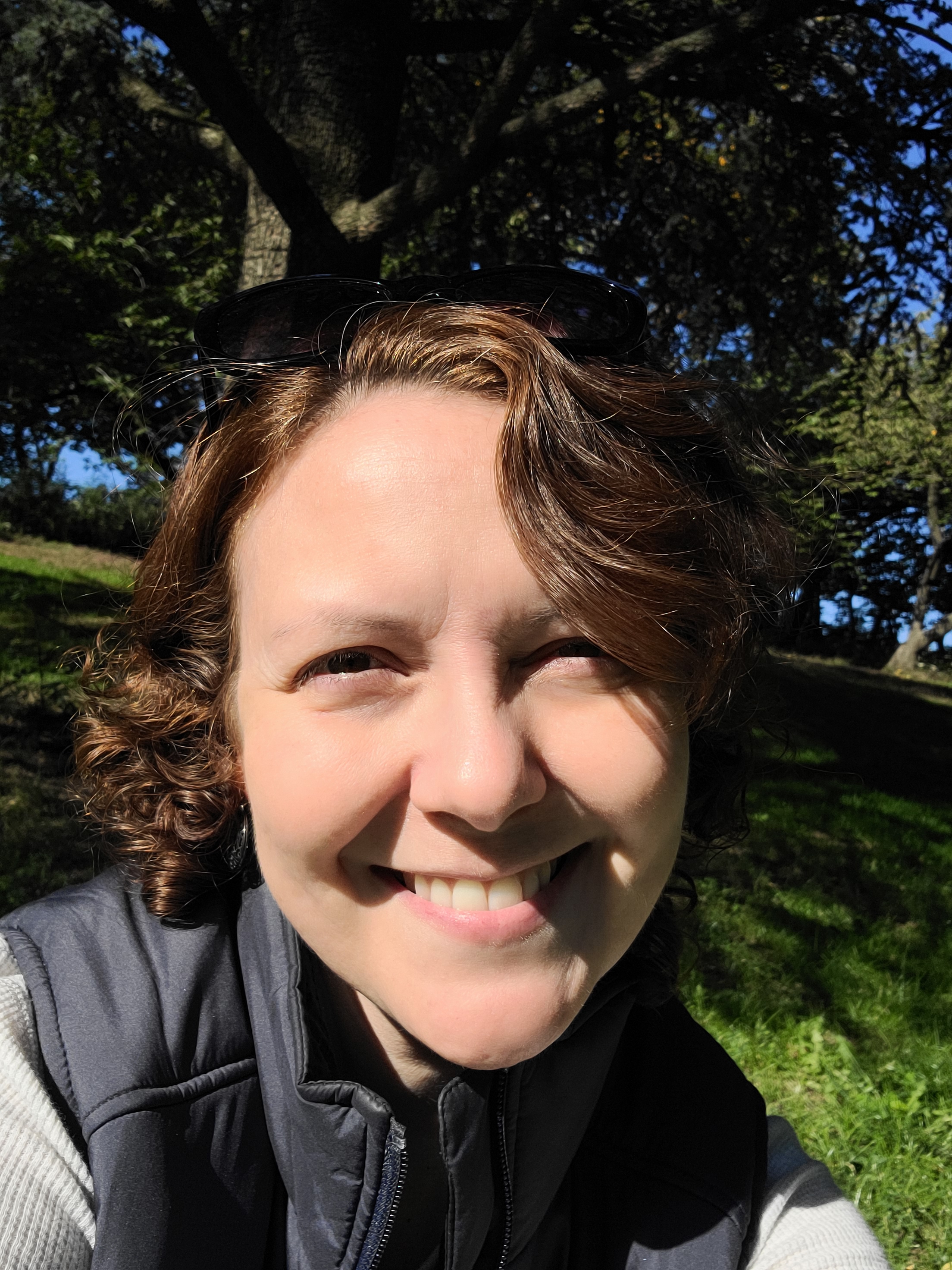
(Below are a few photos of me and my dog, Phineas, on our most recent forest bathing trip to Central Park).

creativity

Why we create art—inspired by the words of Scottish actor, Robbie Coltrane

Photo by Allison Batley on Unsplash

“50 years on, my children’s children will sit down to watch these [Harry Potter] films. Sadly, I won’t be here. But Hagrid will.” -Robbie Coltrane, Scottish actor

This is the most true thing I’ve ever read about art and the motivation of artists. It’s our chance to be immortal, to get down stories and put them out into the world. They will be here long after we’re gone. Someone will see them or read them or hear them and a part of us will be there. Our energy, our hopes, our dreams, our fears, our disappointments, our joy.

It will mean something to someone across space and time who we never had the honor to meet on this plane. And maybe they will feel less alone.

They will find in our art someone like them, someone who validates everything they’re feeling, someone who makes them feel seen and heard, who helps them see that they matter. Art is the gift that never stops giving. It becomes our home, in the truest sense of the word, the place where we will always belong.

This week we lost Robbie Coltrane, the actor who immortalized Hagrid, a character who is dear to so many of us. His memory lives on in his work and his art.

creativity

JoyProject podcast: The Joy of The Great British Bake Off with Abby Anklam

The Joy of The Great British Bake Off with Abby Anklam

If ever there was a television show founded on pure joy, it’s The Great British Bake Off. Professional writer and home baker Abby Anklam joins us on the JoyProject podcast to talk about how she started watching Bake Off and her favorite parts of the show that make it a delight to watch. Abby also shares the bakes she tried at home that were inspired by the show and the bakes she plans to try after everything she’s learned as an avid watcher and fan. We also chat about her job as a writer and illustrator of children’s books.

About Abby:
Abigail Anklam is a writer and illustrator who writes books for young readers.

Growing up, she loved reading about fantastic adventures in incredible places and longed to have adventures of her own, just like Lucy in Narnia, Mowgli in the Jungle, or White Fang in the Arctic. So it’s no wonder that she left her Virginia home to find adventure in faraway places, like Arkansas, Italy, Arizona, & China.

During her adventures, Abigail has filled many roles. She has been a student, an actor, a zookeeper, an artist, a teacher, a bookseller, an archer, and more! She loves to learn new skills, visit new places, and try new things. Along the way, she’s experienced different ways of life, met all kinds of wonderful people, and learned about all sorts of fascinating animals. Many of those experiences and interests have found their way into her writing and art.

Right now, Abigail is working on her first children’s novel. It’s a mystery story that involves a bear, an animal trainer, and an escape from the circus. To read a sample of Abigail’s published work, click here. You’ll find an excerpt from According to Their Kinds, a collection of short animal-related stories (for adults).​

Topics discussed in this episode:

  • What makes The Great British Bake Off such a joy to watch
  • How Bake Off is different (and better!) than U.S.-based competition shows
  • What fans of Bake Off learn from the show and apply to their own baking
  • Those adorable illustrations of the bakes that have become a hallmark of the show
  • Abby’s work as a writer and illustrator of children’s books
  • The Story community where I met Abby
  • Junior Bake Off — the newest show in the Bake Off franchise now on Netflix in the U.S.
  • A quote about joy from Jaiya John sent to me by my wonderful friend, artist Rachael Harms Mahlandt

Links to resources:

creativity

How (and Why) to Write Your First Draft Fast

Photo by Kelly Sikkema on Unsplash

Writing a book can feel like such a daunting task that you may feel paralyzed before you even begin. Once you talk yourself down off the ledge and actually start writing, the grind can feel slow and painful. It might be such a huge lift that you abandon the project when you hit a rough patch or reach the inevitable messy middle. You run out of steam before you get a first full draft. 

This can leave you feeling inadequate and frustrated, as if you’re a failure for not finishing what you started. Then that tiny voice of doubt in your mind becomes a nonstop scream fest. It can become so loud that getting back to writing can feel too difficult. 

Then as if on cue, other ideas for other books start to enter your mind, and they start to look like a much better use of your time. Before you know it, you have files of half-started books and not a single finished manuscript. 

Sound familiar?

We’ve all been there. Truly. Every writer has half-finished work sitting on their laptop and in notebooks to get to “someday”. And that’s frustrating for all of us. 

Maybe you’re like me and truly dislike first drafts. I can’t stand them. I want to get them done as fast as possible so I can get to editing, refining, adding in details, and making that first awful draft (yes, all first drafts by all writers, even the greatest luminaries, are awful) shine brighter and brighter with every turn. 

Now that I’m writing my third book in the Emerson Page series, I’ve finally figured out how to get first drafts done quickly so I can get on with the editing and re-writing I love: I dumped the idea of getting to any specific word count on any day, for any scene, and for the book as a whole. 

What? How can I possibly forget about word count when I’m writing a book? 

Here’s how—the first draft is about one thing and one thing only: getting from the start of my story to the end, and getting to the end as fast as possible. 

Here’s my process for getting a first draft done fast:

First, I’m a cartographer:
Outlines are like roadmaps. They tell me where to go next to reach my final destination. They’re functional, not aesthetically pleasing. I write mine first on index cards—one scene per card—and then move them around to create the order of my story. This is my map for my journey.  

Second, I’m a painter:
Then when I’m happy with the flow on my index cards, I put all of the scenes into Scrivener (the software I use to write my first draft) with some additional details I’ve found in my research. I make notes about who’s in each scene, what the action is, why the scene matters to the story, and what the reader will learn by the end of the chapter that will make them want to turn the page. 

A painter starts by sketching on a blank canvas. That’s what I’m doing as a writer when I create this more detailed outline. 

Third, I’m a mason:
Now I’m ready to write. Once I have the detailed outline sketched out, I start to lay down the foundation of the story, scene by scene, brick by brick. I make tons of notes along the way, highlighted in my manuscript, of more details I eventually want to add. 

But those details aren’t my concern right now. I’m just trying to get the most basic text down so I can get to the end of the first draft. I make a note of the details I want to add and then I keep going. 

My first draft doesn’t look like much to celebrate except it absolutely is. I turned my outline and notes into prose. I got from the beginning of my story to the end. I got some dialogue down. I wrote the action sequences. Now I have something to work with. Huzzah—time to party!

Now I take a break
What? Take a break? Shouldn’t I crank away day after day until my book is a masterpiece? No. 

I write the first draft and put it away until I forget what I wrote. For me, that’s about a month. This way I come back to it with fresh eyes, ready to edit, rewrite, and get to the detail work I love. In that time, I may work on another project. Or I might take a break from writing altogether. 

Now, I’m a sculptor
With that first draft, now I’m ready to add in all those details I love. I’m ready to make that dialogue sing and make it believable. Now is the time for poetry. Now I’m really getting into my craft, and all because I’ve got something functional to work with. The edit and the rewrite (many times over in my case) is where I fix everything and make it better. 

I spend the vast majority of my writing time re-writing, and that’s exactly how I like it. I love to take something from awful to something I’m proud of. I love the detail. I love the refinement. I love incorporating all the research I’ve done, and I do plenty more research in the edit. It’s my happy place. But I can’t do any of that if I don’t have a first draft to work with so my goal is to go from idea to draft a fast as I possibly can. Let it be the stinkiest, ugliest, messiest thing I’ve ever created. I don’t care. It just has to exist. 

No one has ever read a first draft of my work. And no one ever will. The first draft is for me and only me. And there’s a freedom in that. It took me years to really get this and act on it. It’s really only now, with this third Emerson book, that I’m embracing the hideous first draft and reveling in its creation. 

And all those partially finished first drafts I have? Well, after this third Emerson book is done, I’m going to pick up each partially written first draft and get it over the line. They’ll all be the worst thing I’ve ever written, at first, and I couldn’t be happier about it.