creativity

A dream realized – I graduated from University of Cambridge

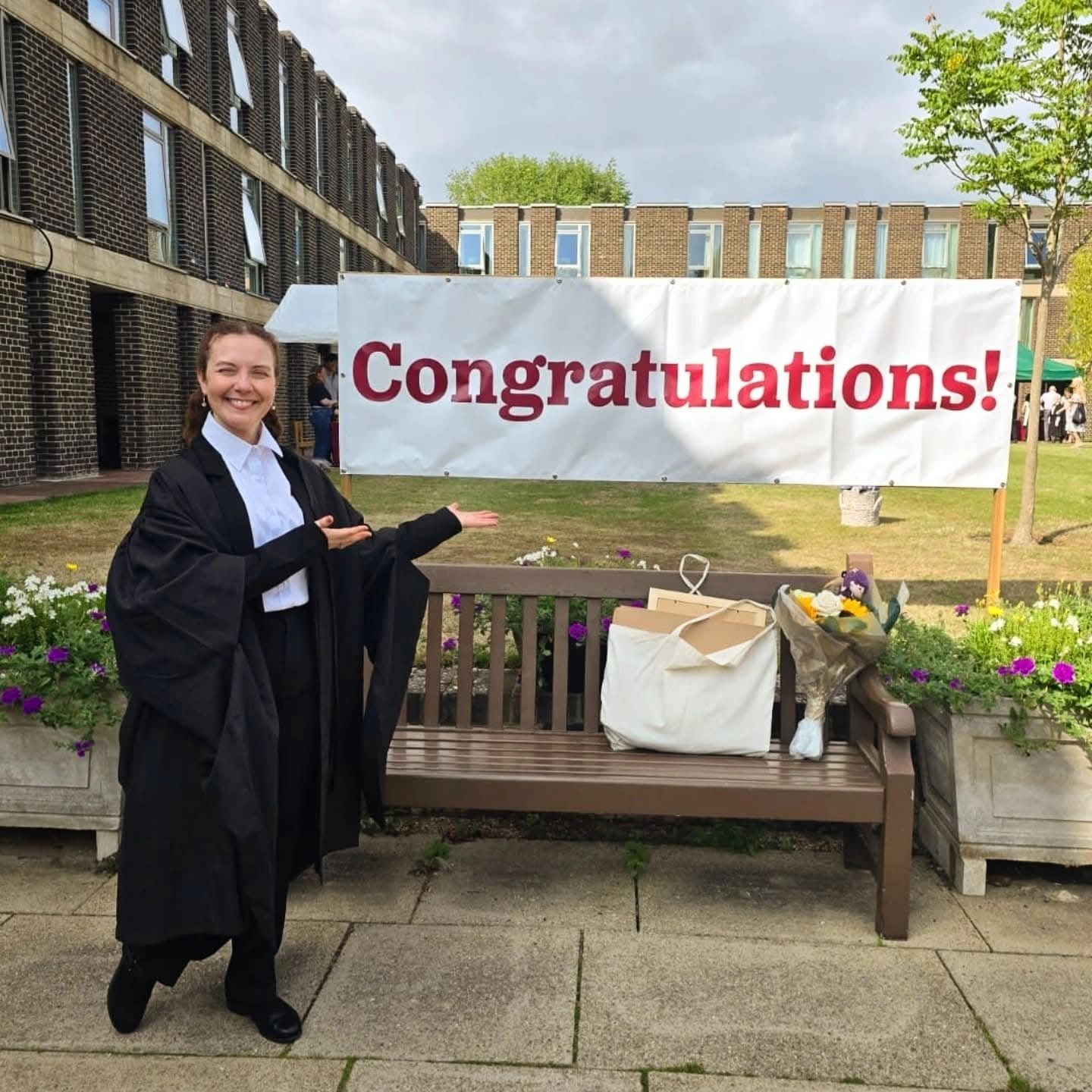
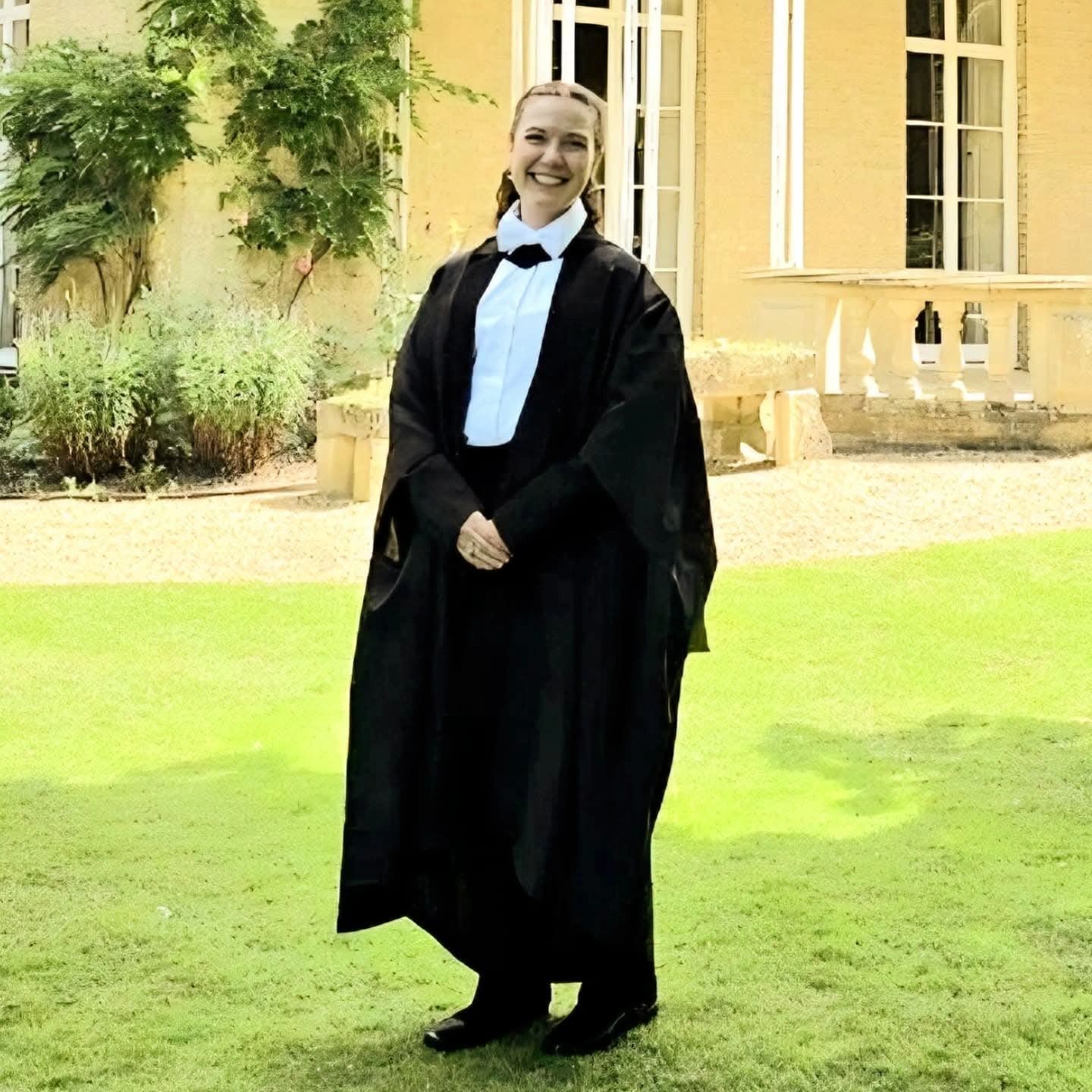
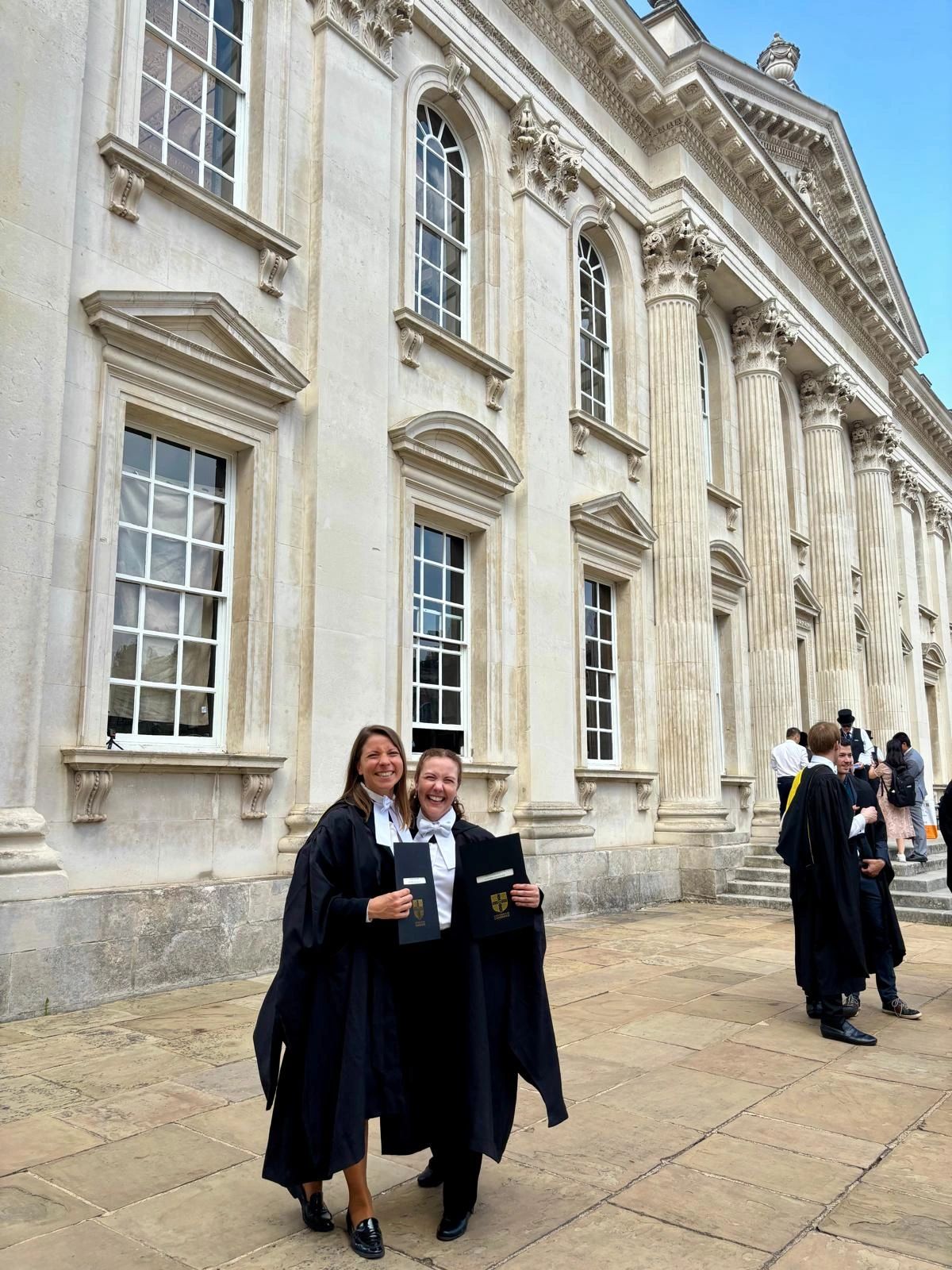
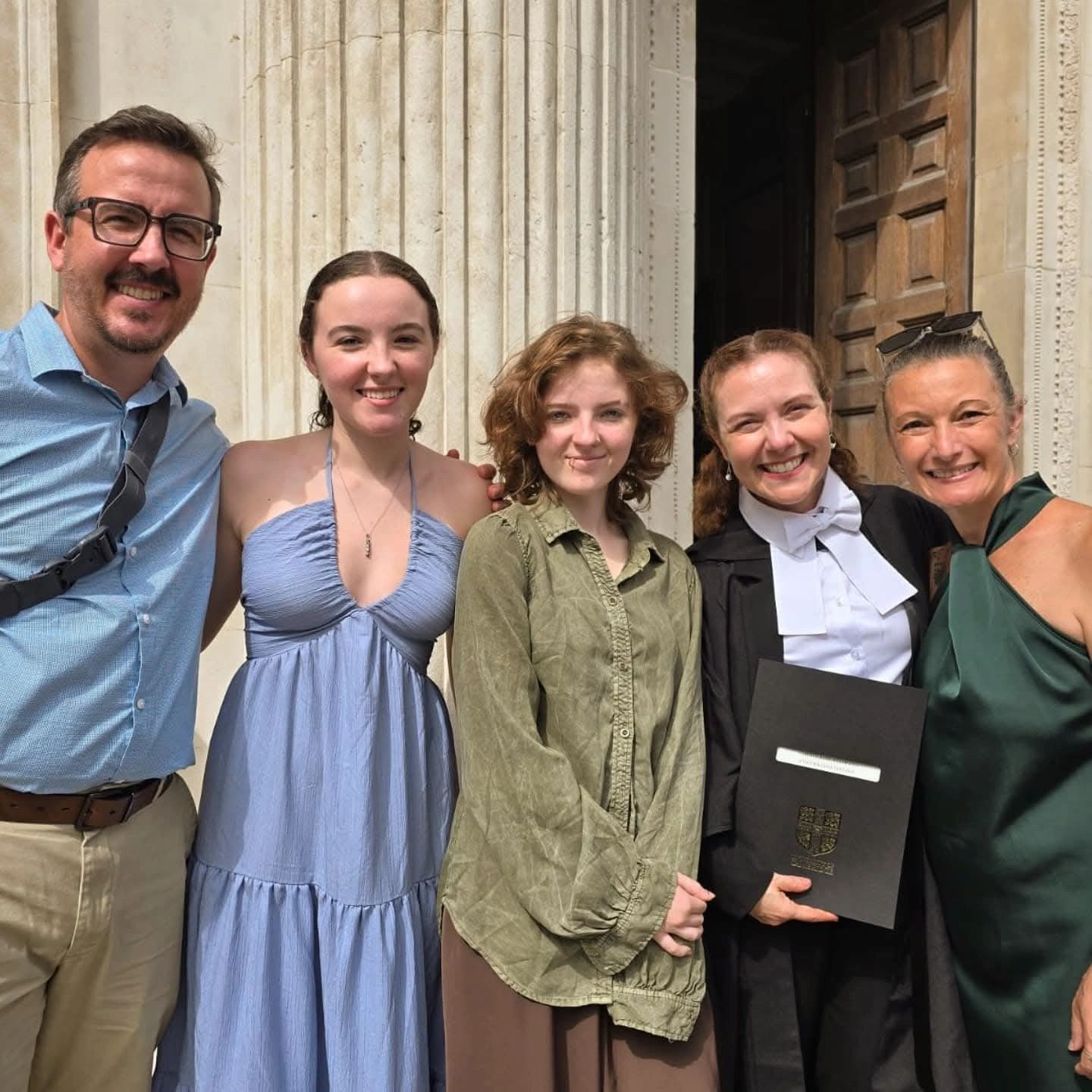
It happened! A dream deferred, but not denied. The hope of going to and graduating from University of Cambridge was part of what kept me alive during my cancer journey in 2020 / 2021. On Friday, that hope became a reality — I graduated with my Master’s in Sustainability Leadership with my friends, family, and faculty there.

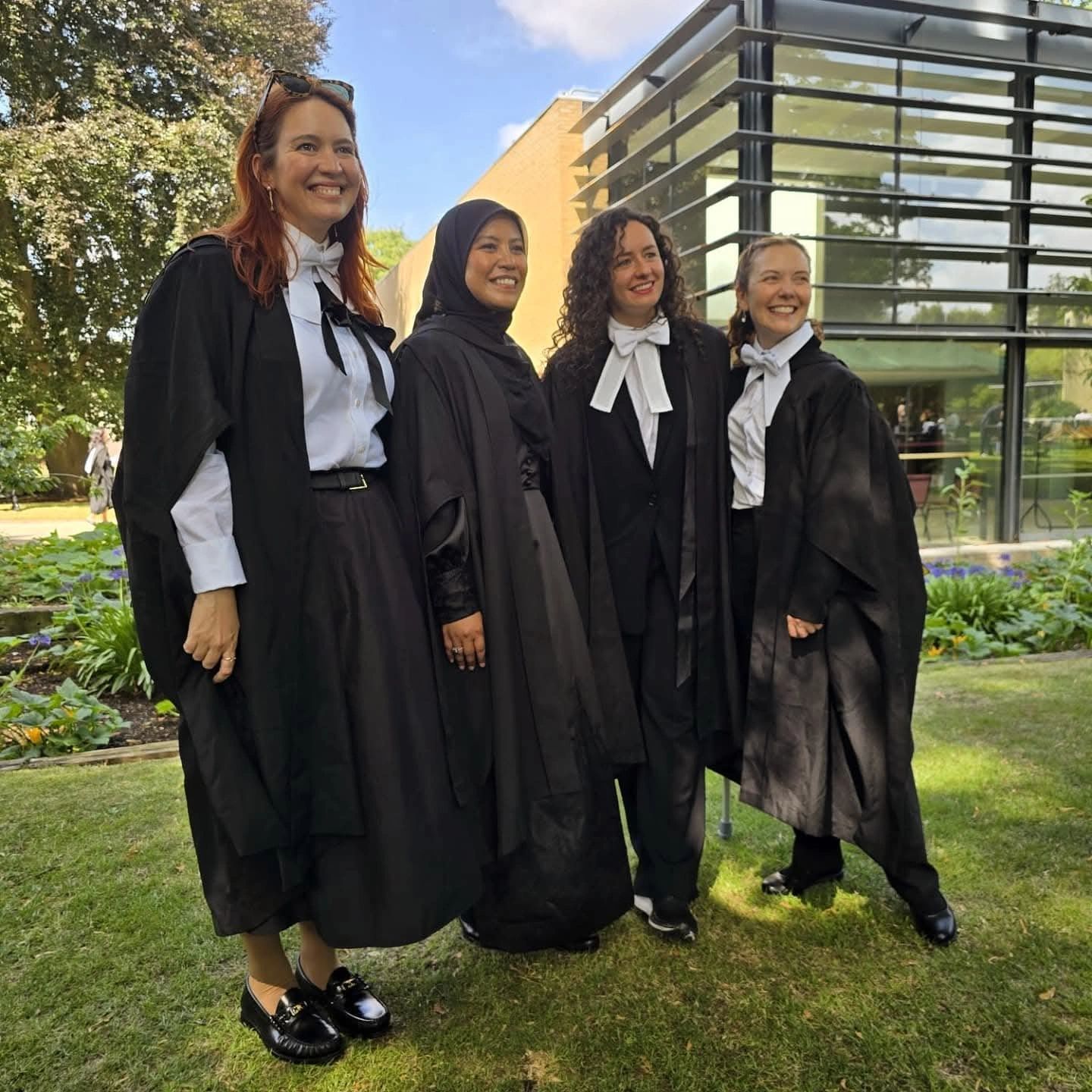
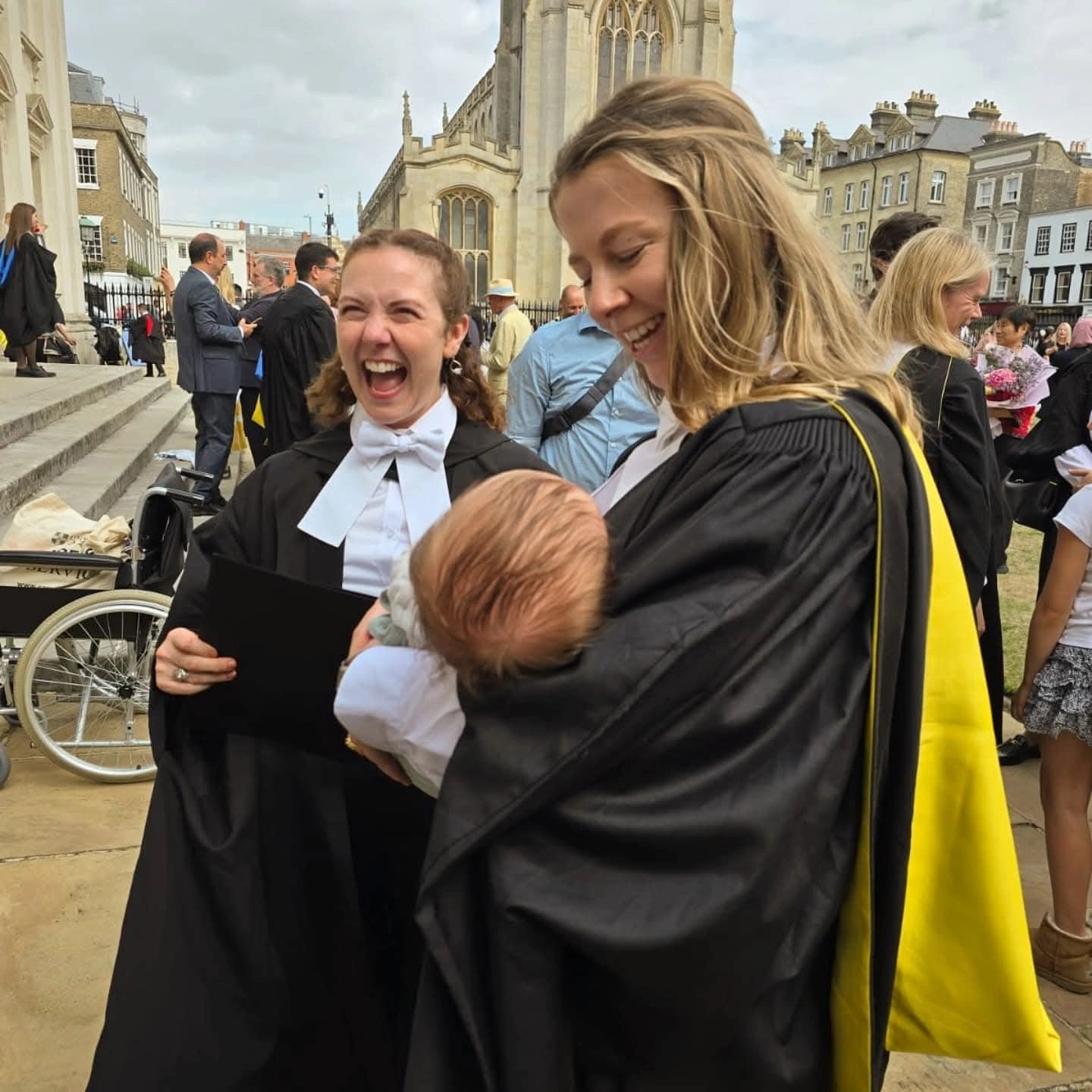
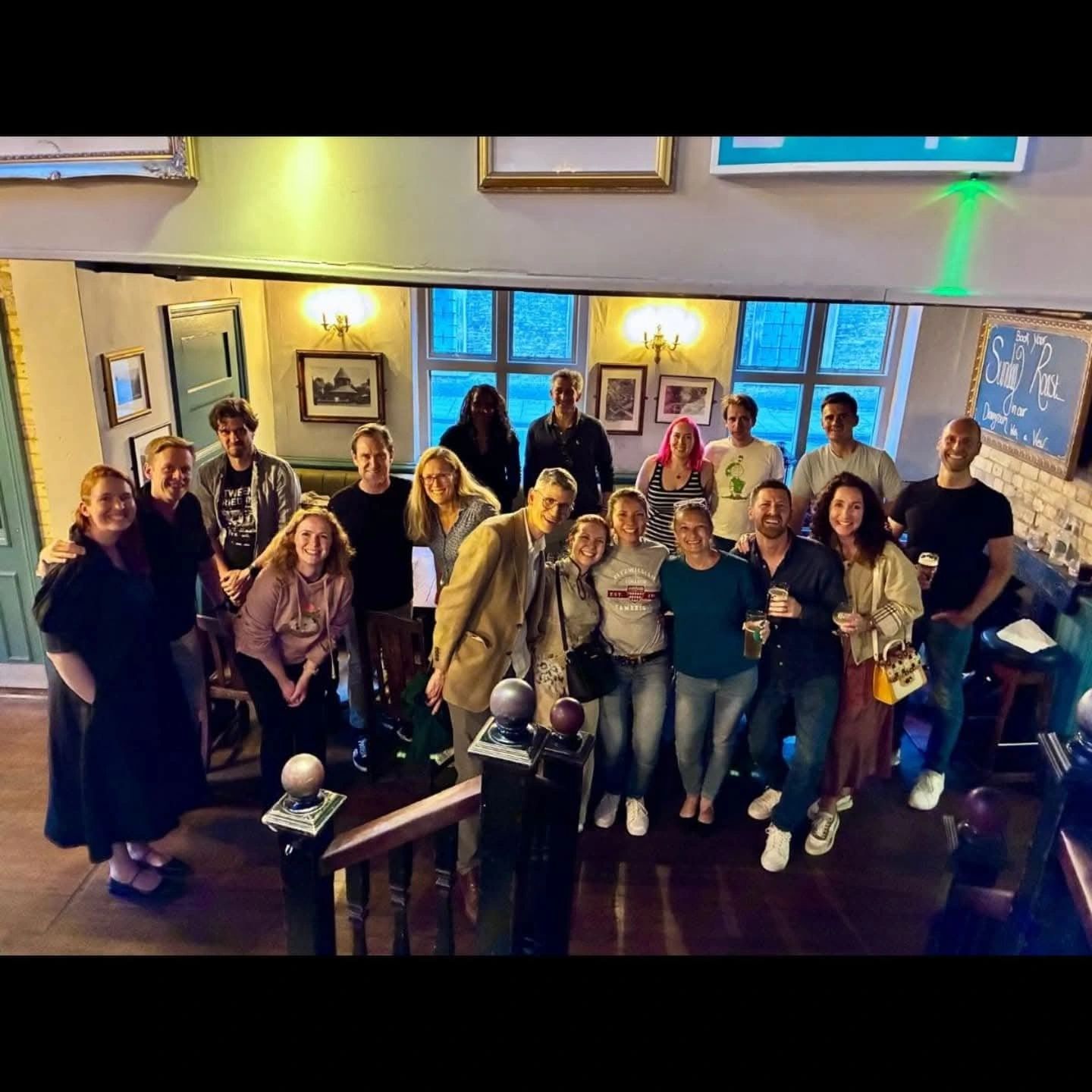
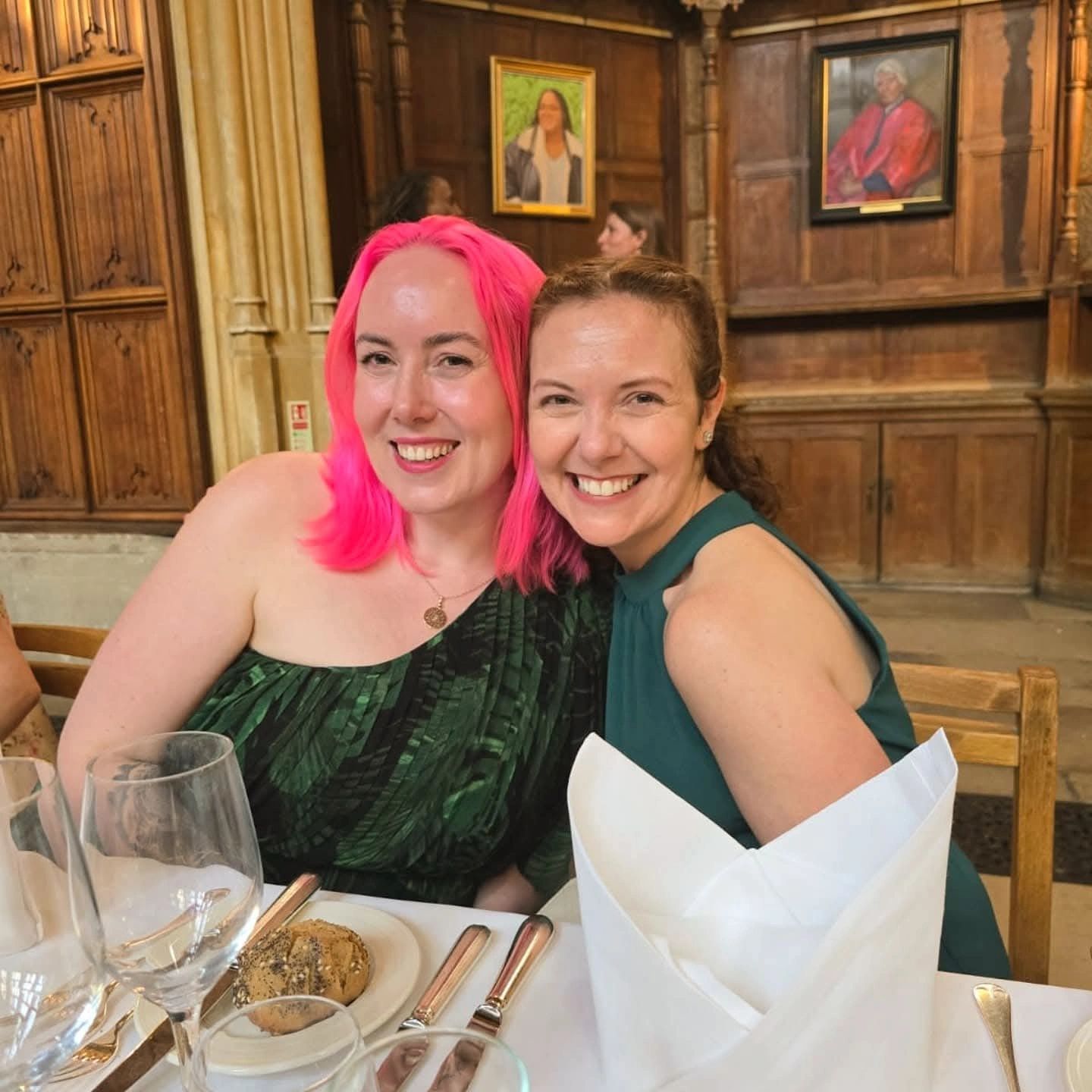
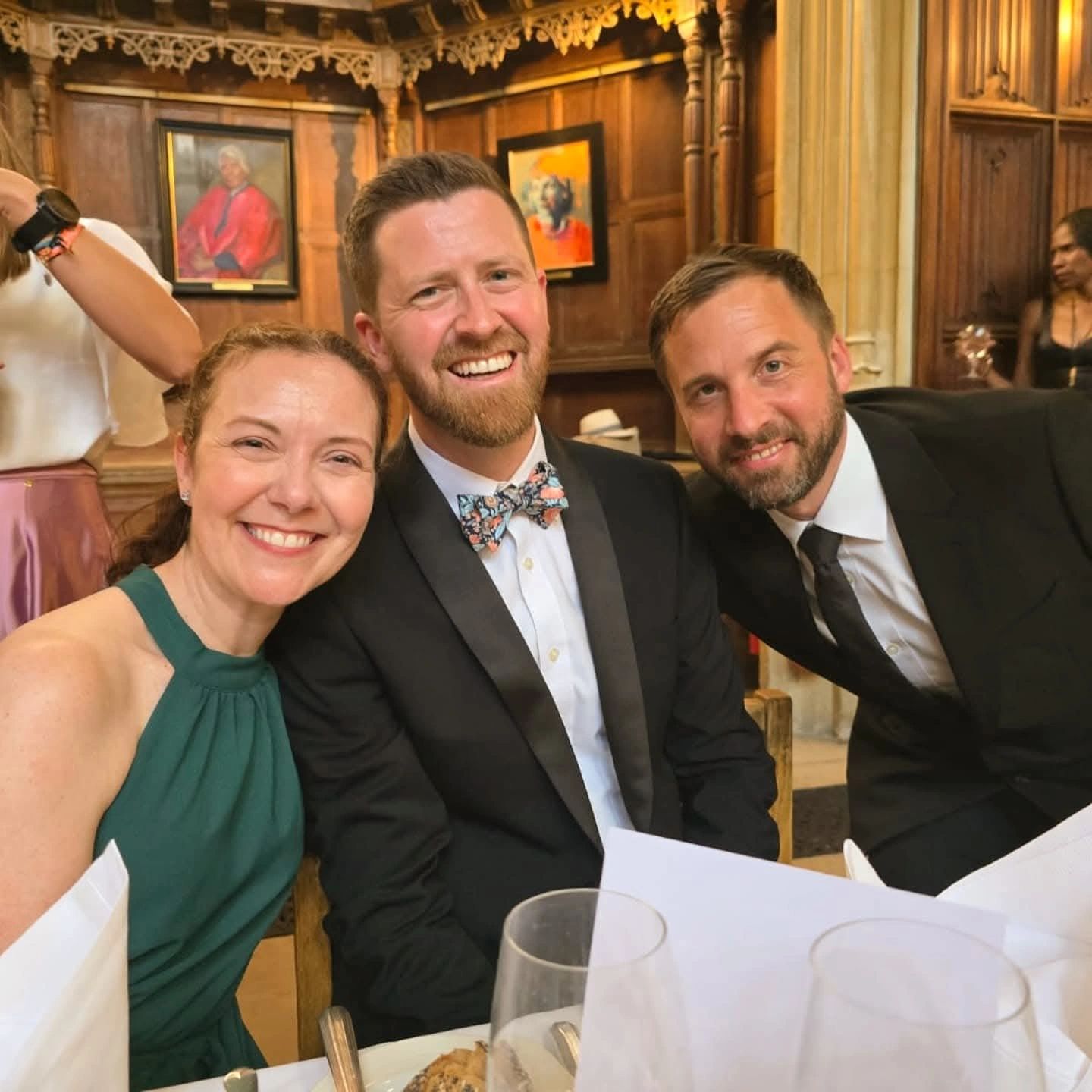
The best part of these years has been to do this programme with such a stunning group of people who have inspired me from day one when we started down this path together in September 2022 – students, faculty, and staff. No one’s more fortunate than me to have had this experience with them and to call them dear friends.

In this uncertain world, I’m not sure what my next chapter holds. I do know I’m on my way and all the better for having these gorgeous people as fellow travelers.

A profound thank you full of love and an enormous congratulations to everyone in Cohort 13. I’m beyond proud to be one of you and I’m already looking forward to our next reunion.💚 (Happy photos below!)

creativity

I’m raising money for Muddy Paws Rescue in honor of Phineas

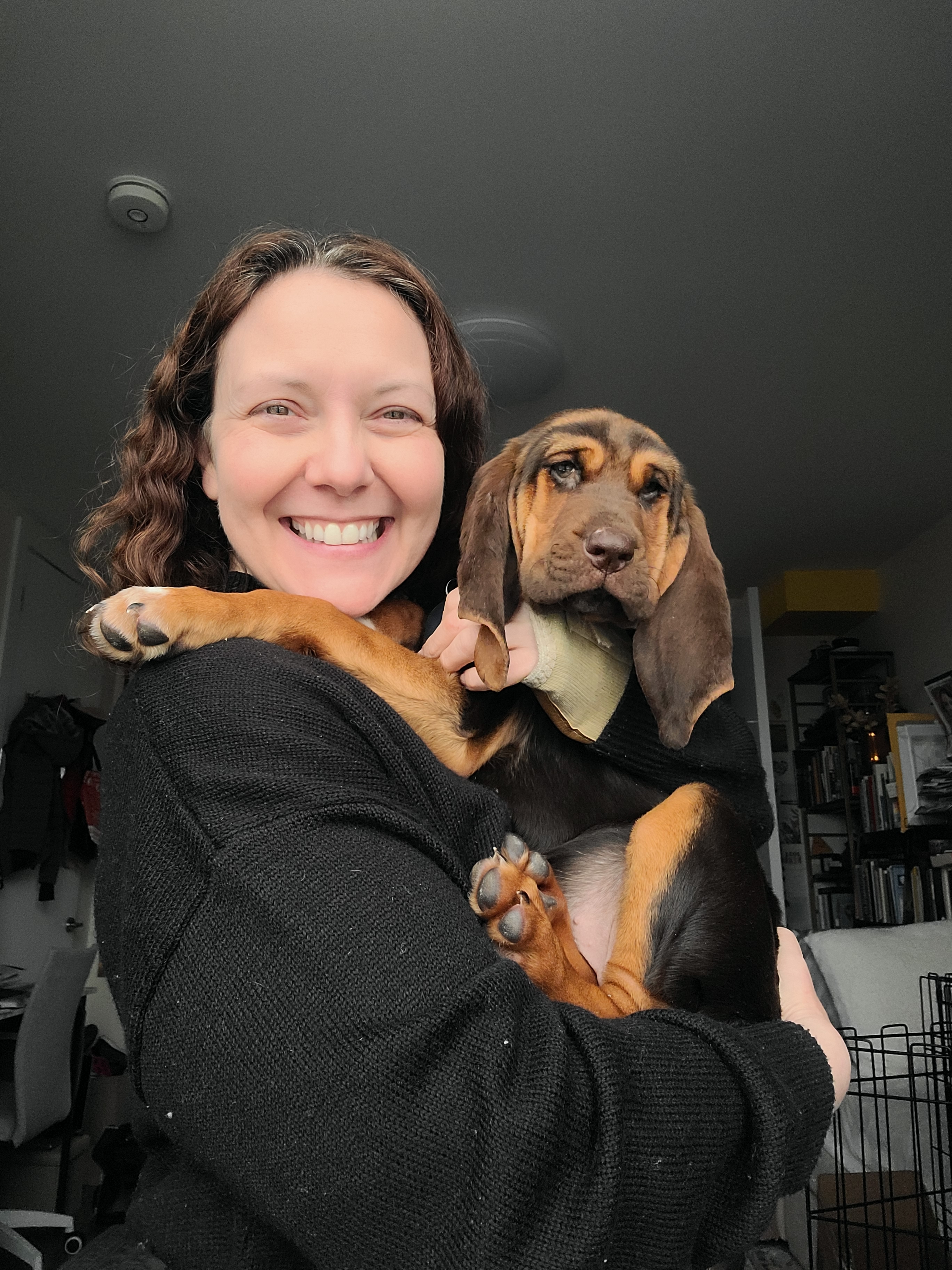
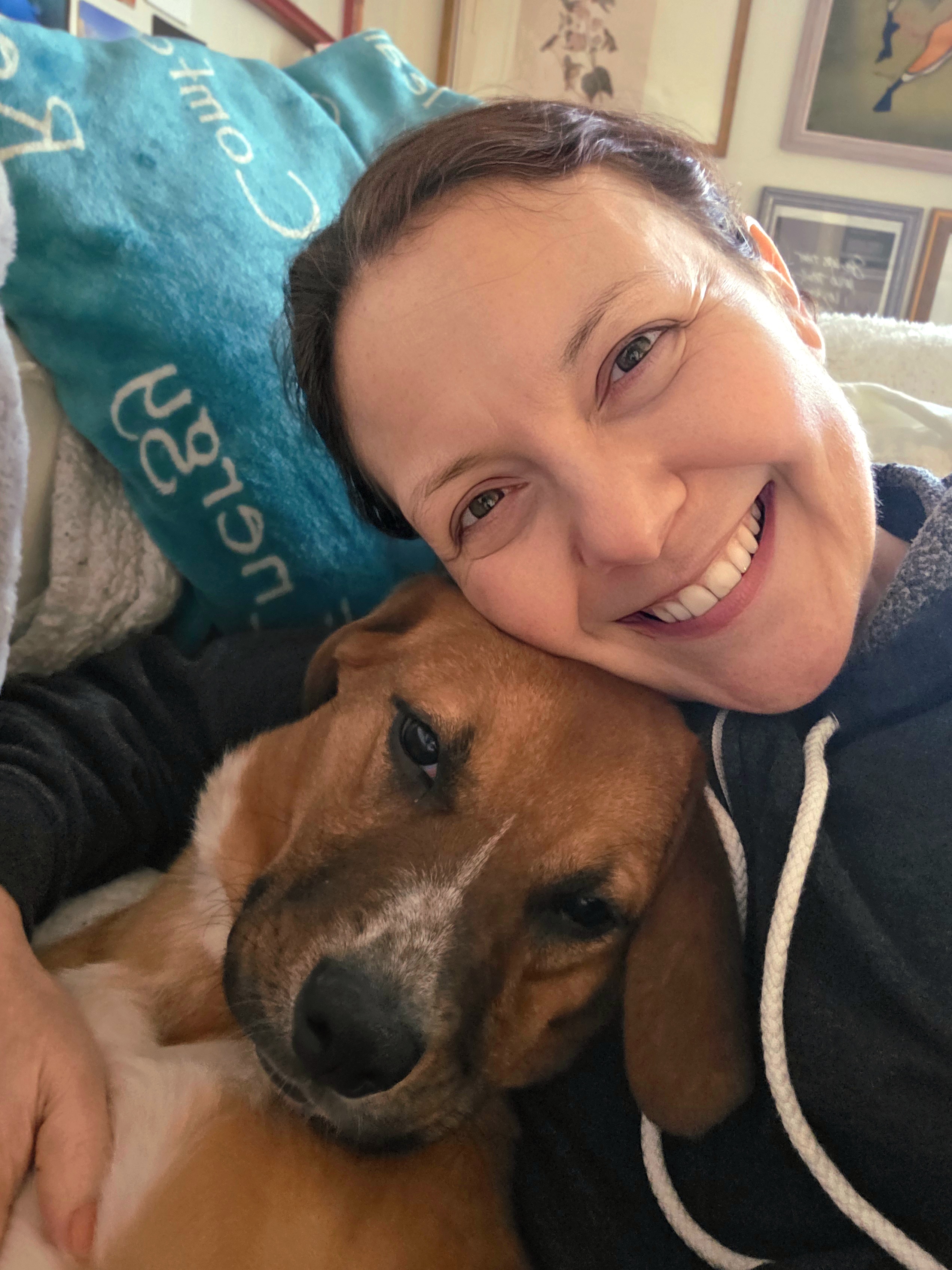
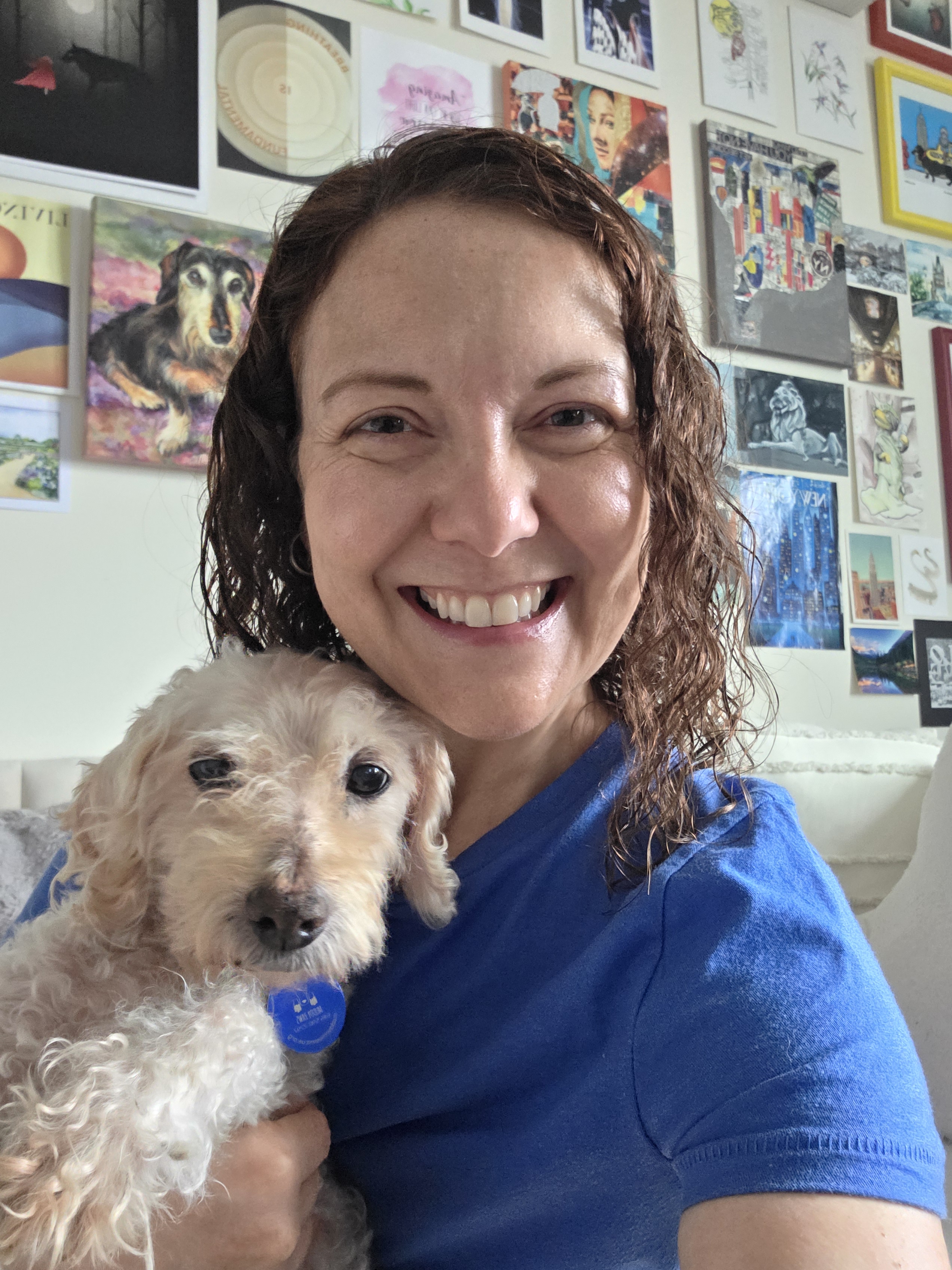
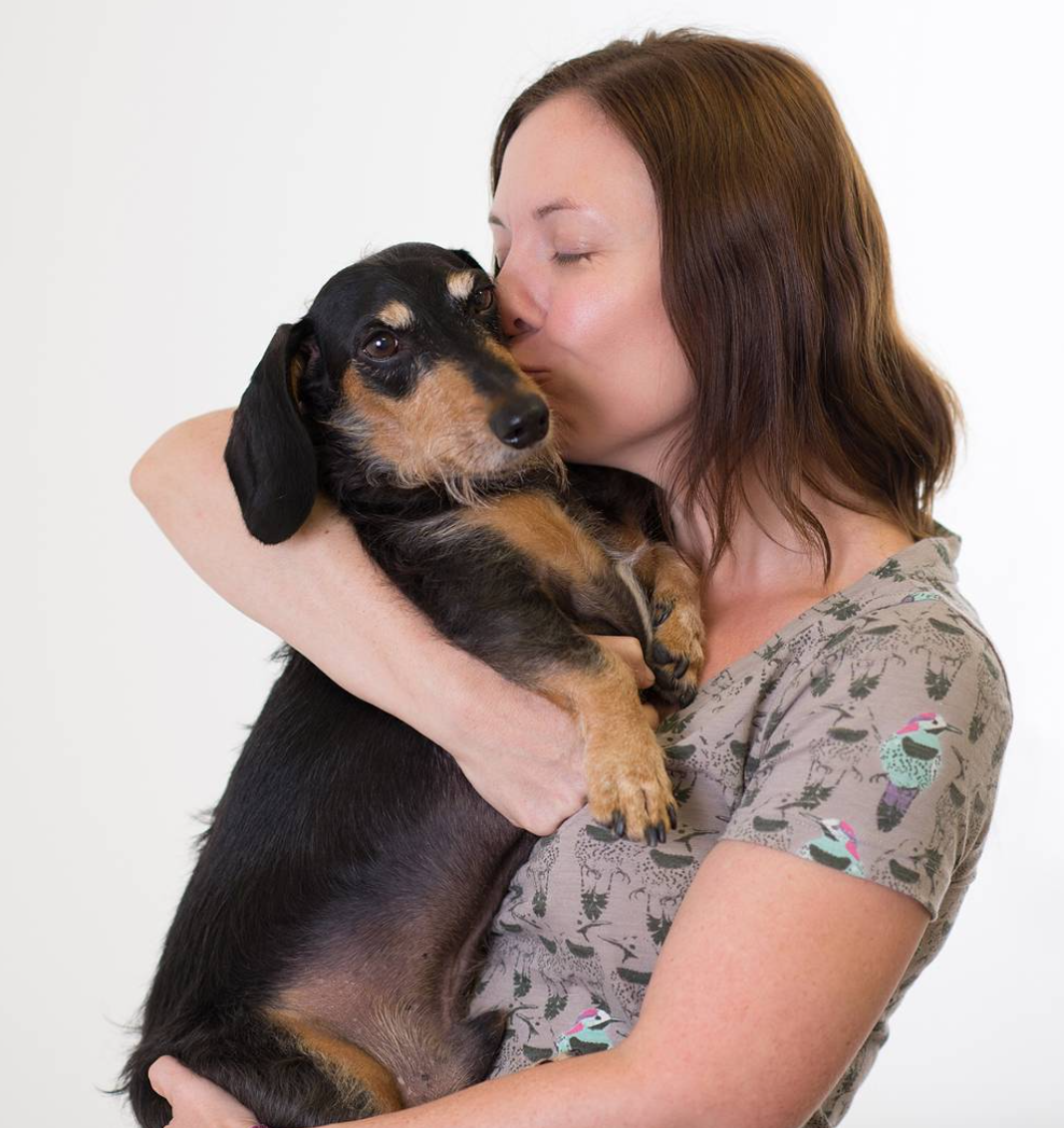
From now until August 12th, I’m raising money for Muddy Paws Rescue, an organization that has allowed me to honor the memory of my soul dog, Phineas, through fostering dogs. I’ve fostered 7 dogs so far – Ace, Chipper, Harold, Sophia, Dorothy, Serena, and Blondie! Every single dollar helps us save more dogs and no donation is too small to honor my Phinny. You can make a donation in his memory at https://give.muddypawsrescue.org/Phineas

Thank you for being part of this life-saving work! Phinny’s spirit guides me every day in every way, and by saving shelter dogs our love story continues. I can’t wait to see who my next foster will be.

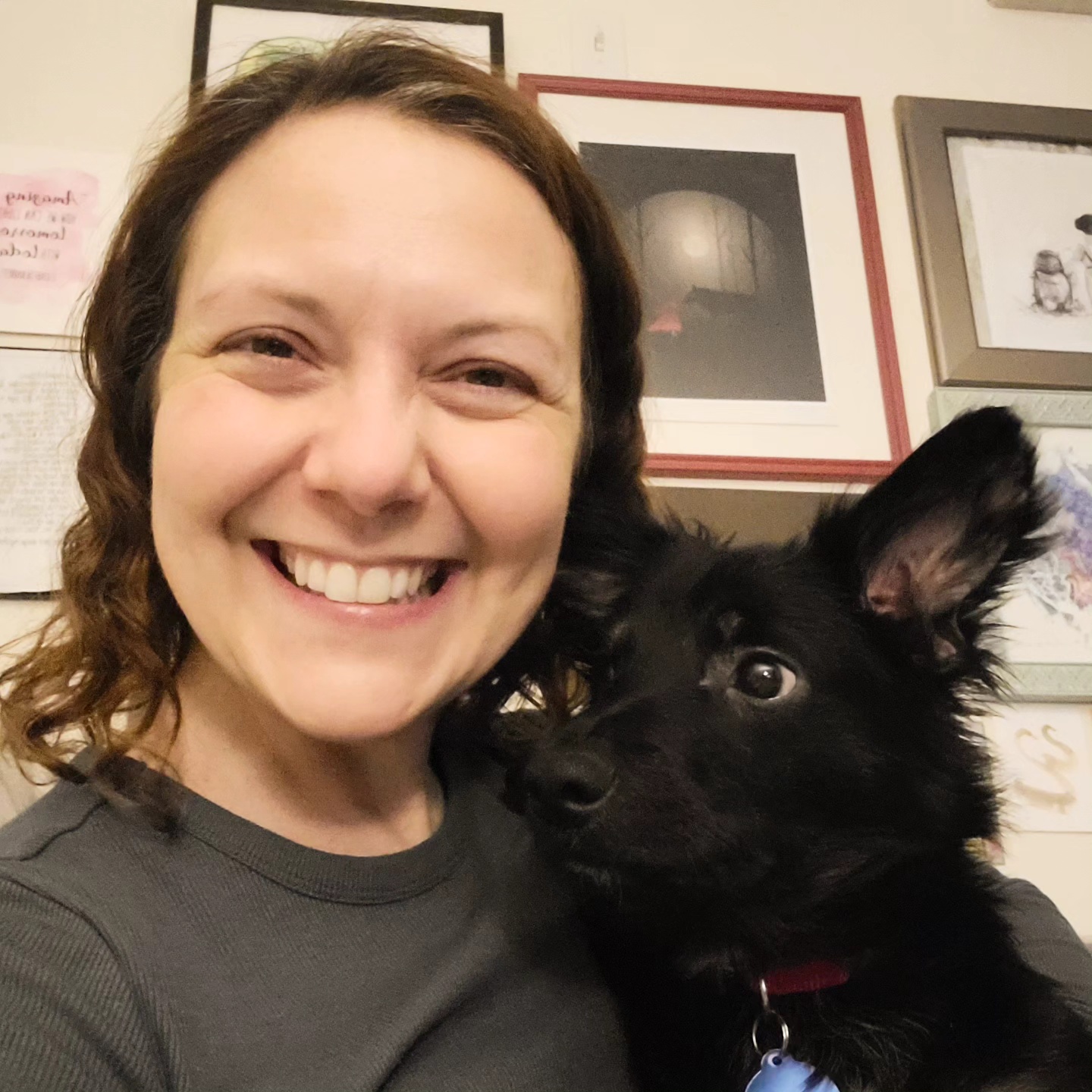
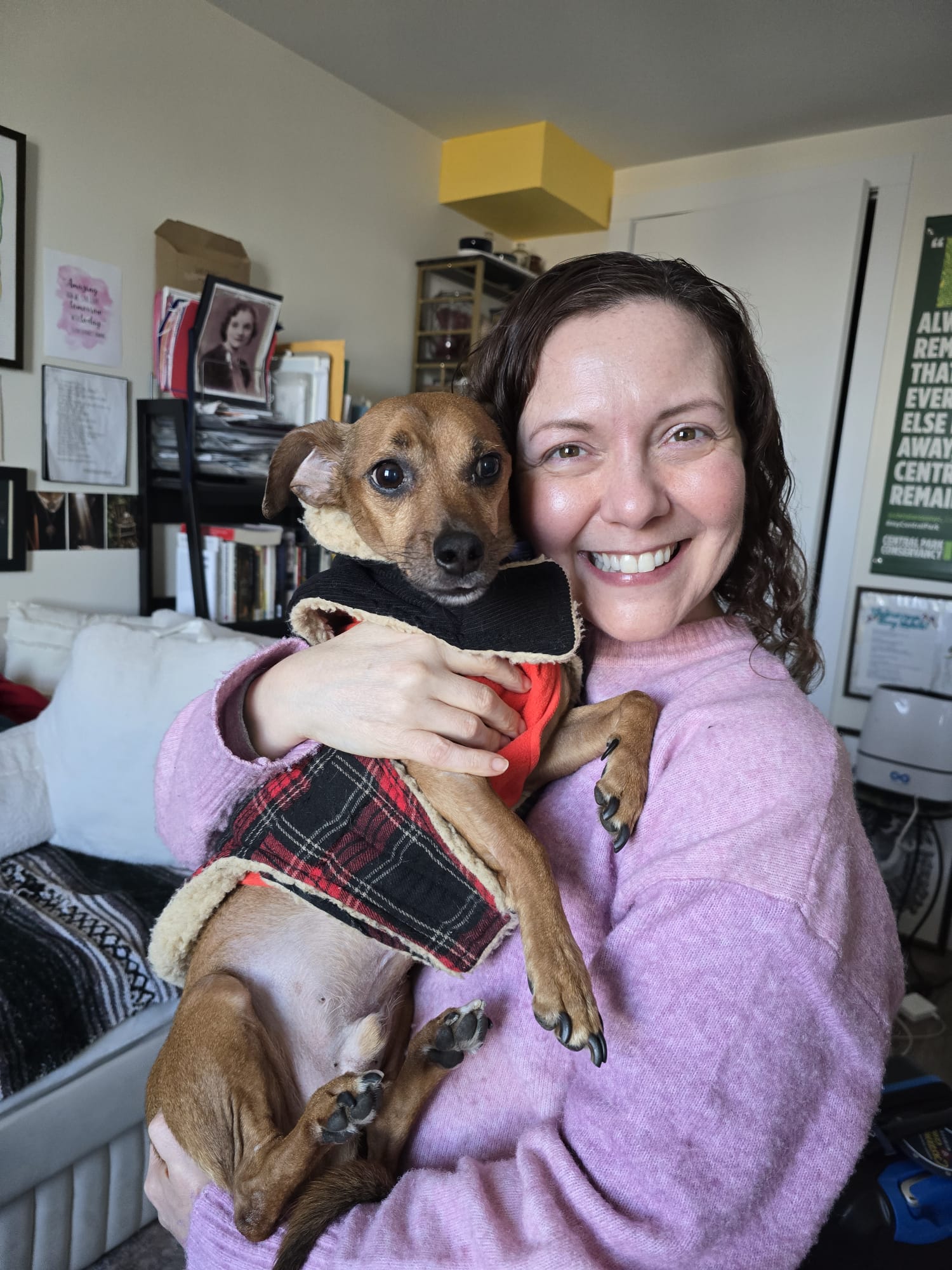
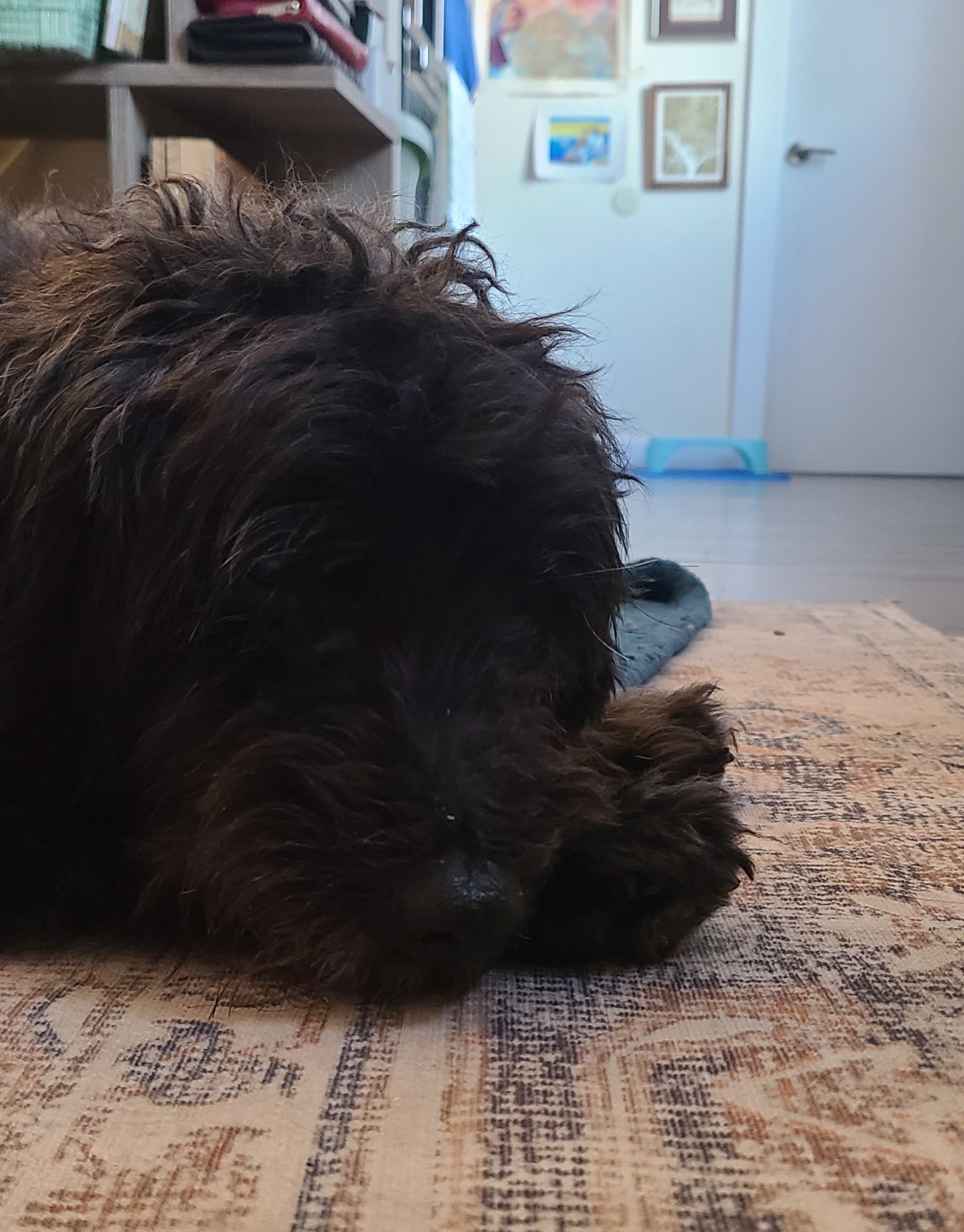
Me and my fosters: Ace, Chipper, Harold, Sophia, Dorothy, Serena, and Blondie. And, of course, my Phinny

creativity

A Call to Action: Building Resilience in the Face of Flooding

The Mississippi River regularly floods in Davenport, Iowa. Photo by Kelly Sikkema on Unsplash

The recent, heartbreaking floods in Texas have served as a stark reminder of nature’s raw power and the ravaging impact it can have on our communities. Along the Guadalupe River, the water rose 26 feet in less than an hour. I’m devastated seeing all of those who are affected by the loss of life, homes, and livelihoods.

Texas, particularly regions like “flash flood alley,” is inherently susceptible to rapid and severe flooding due to its unique topography and intense rainfall events. When large volumes of rain fall quickly on dry, compacted soil, the water has nowhere to go but to rush across the surface, swelling rivers and overwhelming infrastructure.

While we cannot control the weather, we can learn from these events and take proactive steps to mitigate future flooding risks, working with nature, not against it. So, what can we do, as individuals and communities, to better coexist with the forces of nature and reduce the impact of these catastrophic events?

Embracing Nature-Based Solutions

Many effective flood mitigation strategies involve working in harmony with our natural environment. These “green infrastructure” approaches often offer multiple benefits beyond just flood control:

  • Protecting and Restoring Wetlands and Floodplains: These natural sponges are crucial for absorbing excess water, slowing its flow, and filtering pollutants. Preserving and restoring these vital ecosystems can significantly reduce downstream flooding.
  • Creating Rain Gardens and Bioswales: In urban and suburban areas, these beautifully designed landscape features use plants and specially engineered soils to capture and slowly release stormwater runoff, preventing it from overwhelming drainage systems.
  • Promoting Permeable Surfaces: Swapping out concrete and asphalt for permeable pavers or gravel allows rainwater to infiltrate the ground naturally, reducing surface runoff and recharging groundwater supplies.
  • Planting Trees and Vegetation: Trees and other plants help absorb rainfall, reduce soil erosion, and stabilize banks along rivers and streams. Their root systems create pathways for water to penetrate the soil, further reducing runoff.
  • Implementing Riparian Buffers: Establishing vegetated zones along waterways helps to slow floodwaters, trap sediment, and improve water quality, creating healthier aquatic ecosystems.

Community-Wide Efforts and Individual Actions

Beyond nature-based solutions, broader efforts and individual preparedness are essential:

  • Improved Flood Warning Systems: Timely and effective communication is paramount. Communities need robust warning systems that reach everyone in flood-prone areas, especially during the critical overnight hours.
  • Responsible Land Use Planning: Developing in harmony with natural floodplains, rather than building in high-risk areas, is crucial. This includes updating zoning laws and building codes to promote resilient construction.
  • Investing in Infrastructure: While nature offers powerful solutions, traditional “gray infrastructure” like detention basins, levees, and improved drainage systems also play a vital role, especially in existing developed areas.
  • Individual Preparedness: “Turn Around, Don’t Drown” remains a critical message. Knowing your flood risk, having an emergency plan, securing important documents, and considering flood insurance are vital steps for everyone.

The recent events in Texas are a solemn reminder that we must prioritize flood resilience. By understanding the natural processes that lead to flooding and implementing strategies that work with, rather than against, nature, we can build stronger, safer communities for generations to come.

Let’s all commit to being better stewards of our environment and more prepared neighbors in the face of nature’s challenges. Additionally, we must hold every single one of our elected officials responsible for doing the same by voting and calling their offices regularly to voice our concerns.

creativity

Using science to build strong bones as a cancer survivor

Me at Ravinia when I visited friends in Chicago this weekend

Some personal health news and a story about the power of science. 2 years ago, I went for a bone density test. Unsurprisingly it showed that my current “f*ck cancer” meds had decreased my bone density numbers into the osteopenia range with 1 number from my low back on the border for osteoporosis.

At that point, my oncology team and I decided to play defense. I added the equivalent of Harry Potter’s Skele-gro to my arsenal of daily weight-bearing exercises, a very healthy diet, and no alcohol that I was already doing. The hope was the new med would stabilize my numbers and keep osteoporosis at bay.

I just had my 2 year bone density test. Some of my numbers have improved by a lot. A couple stayed the same. The number for my low back tipped by -.1, taking me into osteoporosis.

I bursted into tears. I spend an incredible amount of time and effort looking after my health. Ani DiFranco wasn’t joking when she sang, “self-preservation is a full-time occupation.” How was this fair? What else was I supposed to do to stop this?

I pulled myself together and messaged my oncologist to ask about next steps.

I took myself for a walk and gave myself a pep talk. The med is working. Healing isn’t linear. I know this. Like an arrow, sometimes we have to be pulled back a bit to fly forward.

By the time I got home, my oncologist had responded. I expected to see a recommendation for more meds. “This is status quo. You’re on protective meds and will be done with the meds causing this side effect in a year. This will get better.”

The new medications I’ll switch to in a year, which will mark 5 years since the end of my active cancer treatment, don’t diminish bone density. They will likely protect my bone health and possibly improve my numbers. And my oncologist will keep me on the Skele-gro until I’m out of osteoporosis land.

My bone health isn’t where I want it to be. Not yet. I’ll get there, one day at a time, thanks to science.

creativity

Fighting hunger in NYC with City Harvest

Me outside the Javits Center on Tuesday to volunteer with City Harvest

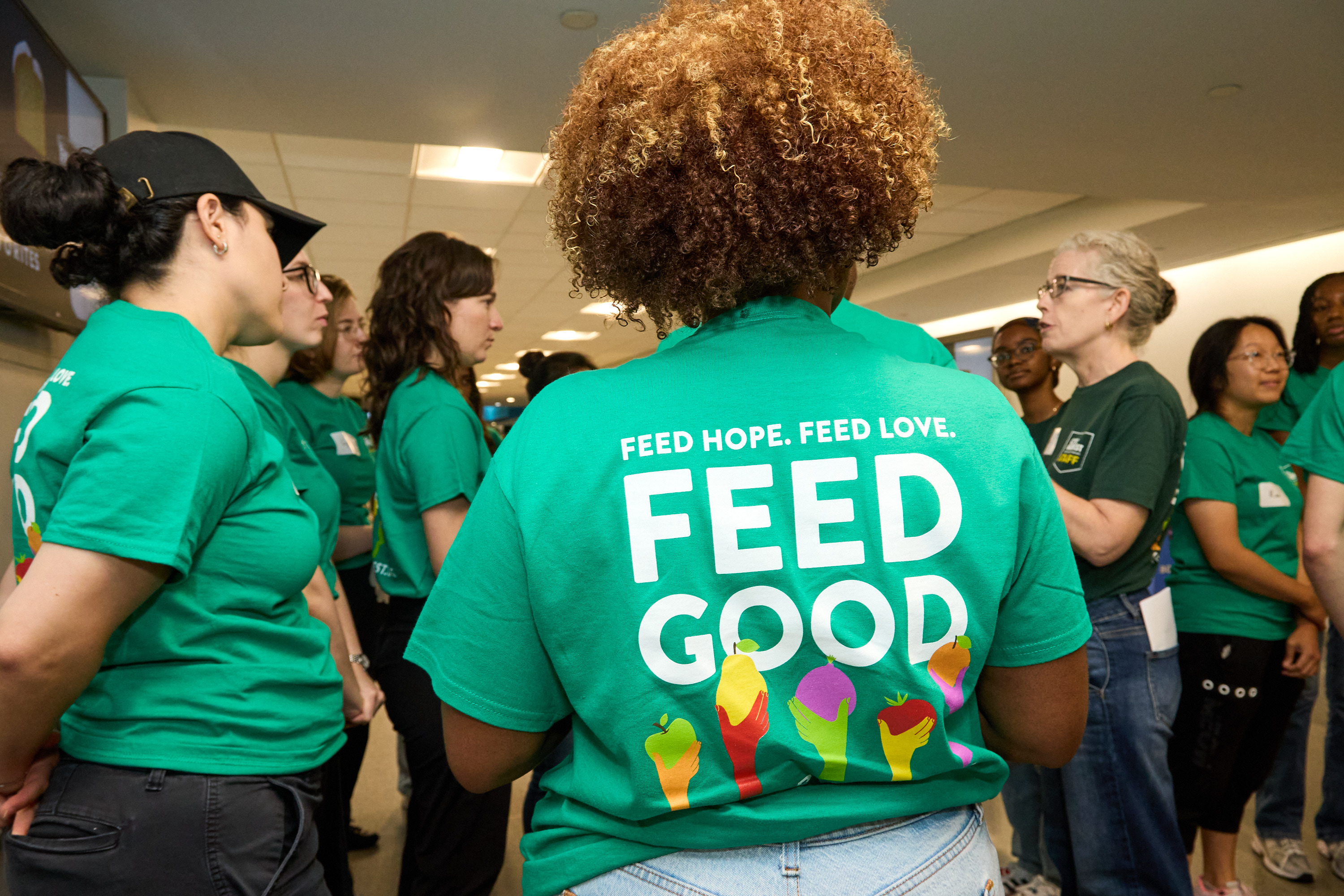
I’m smiling because this week I completed my first volunteer shift with City Harvest. With a group of 200 volunteers and staff, we rescued over 75,500 pounds of food after the close of the Fancy Food Show on Tuesday evening at the Javits Center. This food will be distributed to food pantries, soup kitchens, and community organizations all over the city to people who need our support. This work is deeply personal to me. I grew up with food insecurity (meaning we worried about where our next meal would come from) and I was a free lunch kid. 

The hunger issue in NYC is dire. 50% of working-age households in NYC are struggling to make ends meet. 1.4 million New Yorkers are food insecure. That’s nearly 1:6 New Yorkers, including 1:4 children. 

This work is also personal to me because of my passion to protect our natural world. On Tuesday, we also saved all of this food and packaging from ending up in the trash. 30% — 40% of the food in the U.S. (108 billion pounds!) is wasted every year, to say nothing of all the resources it took to create that food and packaging. This costs Americans $473 billion every year. Nearly 1/4 of all landfill waste in the U.S. is food, and it is one of the largest producers of methane gas, which is causing climate change, weather-related disasters, and hunger.

Given the scale of this challenge, I’m excited about doing more work with City Harvest and helping more New Yorkers. I hope you’ll join me — there are so many ways to be a volunteer! Visit https://www.cityharvest.org/volunteer/ to learn more.

Below are some pictures from the Tuesday event! All photos by City Harvest.

creativity

Embracing stakeholder theory in Finland this summer

Photo from https://events.tuni.fi/stakeholdertheory/sustainability/

Finland, I can’t wait to meet you! I was accepted into the 2025 Summer Seminar in Stakeholder Theory at Tampere University with University of Virginia Darden School of Business (my alma mater), Darden-The Institute for Business in Society (IBIS), and RESPMAN Research Group. I’ll join an incredible global group of faculty, researchers, and PhD students to learn and share how to best integrate stakeholder theory into my work in sustainability and climate change mitigation. As part of the program, I’m revising and refining the work I started in my University of Cambridge / Cambridge Institute for Sustainability Leadership (CISL) dissertation on the role of storytelling to engage family offices in climate investments. I’ve spent the last 2 months editing (cutting it in half!) and am excited to get feedback on it. In addition to that paper, I’ll also work on 3 more research projects:

  • The Stories We Eat: Narratives to Shape Stakeholder Behavior and Policy for Sustainable Food Futures
  • Narrative Power: Using Digital Media to Convey the Voice of Future Generations and Nature in Sustainability Storytelling
  • From Self-Interest to Shared Benefit: How to Adapt Finland’s Exemplar of Public Trust Amidst Power Asymmetries in U.S. Businesses

I’m so grateful for this opportunity to learn and engage with these incredible people in one of the most sustainable communities in the world. I’m most looking forward to spending time with my professor, mentor, and dear friend R. Edward Freeman, who is one of my heroes and the founder of the seminar. As the originator of stakeholder theory that transformed business ethics, his work has fundamentally changed how businesses and business leaders around the world operate. He’s the reason I went to Darden and he changed how I see the world and my role in it. I’m honored to have had his support and encouragement for all these years.

It’s going to be an incredible summer of learning. I’m excited to experience all of it and to see where it leads! Nähdään pian, Finland!