Italians have their priorities straight. I had the privilege to be in Rome for a week with my sister. It’s her favorite city and I see why. (Also huge thanks to her for arranging our entire trip and for taking this photo of St. Peter’s through Rome’s Aventine Keyhole with a line of ornery, inpatient teenagers behind her!) It was so fun to see dear friends, Julie and Brian, who were also in Rome. And Julie was one of the people who encouraged me to take this whole trip!
Rome is a thriving, livable city. It feels comfortable and easy. Forgiving. It takes its time because it knows it has time. Weathering thousands of years of history, often brutal and bloody, gives Romans perspective. People don’t rush in a place that’s eternal. They go out late. They linger. They rest.
Art is everywhere. Everything is art – a statue, the way the water runs through a fountain, a twirl of spaghetti, the language, the winding of a road, a sculpted scoop of gelato, a swirl of rich balsamic vinegar in green-tinted, earthy olive oil. A Roman life is a masterpiece that goes on and on.
Only take what you need. Just enough food. Just enough water. Your salad doesn’t need to drown in dressing. Your house doesn’t need to make a statement. Your tiny car is parked sideways to make room for more people traveling via different modes of transport. Take what you need and leave the rest for others. It’s a minimalist life, not a maximalist one, that offers a greater reward – freedom from the weight of physical things and knowing that neighbors have what they need because you didn’t overindulge.
Walk the streets at any time and be entertained, be joyful, be at ease. It’s not about spectacle. It’s just about living every simple, singular moment. That’s all there is. That’s all there needs to be.
There’s fresh spring water from fountains available to everyone all over the city. More hydration, less plastic bottle trash. Laughter and live music provide the soundtrack for the streets. On these days of simple microjoys, I wanted for nothing. Everything I needed was here. In a city of abundance, I found it made me want less because I wasn’t worried about having enough. What a gift.
Now back home in America, I’m going to keep Roman living top of mind and close to my heart. It has much to teach us about living well and sustainably, thriving in hard times, and caring for our neighbors.
Ever stepped out of an air-conditioned building into a city street and felt like you’d walked into an oven? That’s exactly how I felt last week in New York City. This is known as the urban heat island (UHI) effect. It makes cities significantly warmer than their surrounding rural landscapes, particularly at night. Why does this happen, and what are cities doing about it?
The Science Behind the Sizzle:
The UHI effect is largely a byproduct of how we build our cities. Here’s a quick breakdown of the culprits:
Dark Surfaces & Materials: Concrete, asphalt, and dark rooftops absorb and store vast amounts of solar radiation during the day. Unlike natural landscapes (think forests or water bodies) that reflect more sunlight and release moisture, these urban materials slowly re-emit that stored heat into the surrounding air, keeping temperatures elevated long after sunset.
Lack of Vegetation: Trees and plants provide natural cooling through shade and a process called evapotranspiration (where they release water vapor, like sweating). Cities, with their limited green spaces, miss out on these vital cooling benefits. The apartment building where I live straddles a city block. On one side, it’s a tree-lined street that’s almost completely shaded. On the other side of the building, there aren’t any trees at all. The temperature difference between the two entrances is often 10 degrees or more.
Urban Geometry: Tall buildings and narrow streets can create “urban canyons” that trap heat and block wind flow, preventing cooler air from circulating and dissipating trapped warmth.
Waste Heat: All the human activity in a city – cars, factories, air conditioning units – generates a significant amount of waste heat, further contributing to the overall temperature rise.
The consequences of the UHI effect are serious: increased energy consumption (more AC means more power plants working overtime), elevated air pollution and greenhouse gas emissions, and significant health risks, especially for vulnerable populations, including heat-related illnesses and even fatalities. In the United States, heat is indeed the deadliest weather-related hazard, claiming more lives annually than other extreme weather events like hurricanes, floods, or tornadoes
Cities Taking Innovative Action:
The good news is that cities around the world are recognizing this challenge and implementing clever, innovative solutions to cool down from cool pavement surfaces to using plants as part of walls, roofs, corridors, and increased green spaces. Here are a few inspiring examples:
Singapore: The “Garden City” Goes Further Singapore is a leader in green infrastructure. Beyond its lush parks, the city-state is integrating vegetation into buildings with impressive “green walls” and “sky gardens.” They’re also exploring district-level cooling systems, which are more energy-efficient than individual air conditioning units, and prioritizing science-based policies to reduce urban heat risks. Their commitment to planting millions of trees and creating numerous parks is paying off in tangible temperature reductions.
Los Angeles, USA: Paving the Way with Cool Pavements Known for its expansive roadways, Los Angeles has been actively experimenting with “cool pavements.” These lighter-colored surfaces reflect more sunlight and absorb less heat than traditional asphalt, significantly reducing surface temperatures. The city has already coated over a million square feet of pavement with these innovative materials. It is also experimenting with applying this coating to rooftops as well.
Rotterdam, Netherlands: Embracing Green Rooftops Rotterdam is literally building a cooler future from the top down. The city is actively promoting and implementing green rooftops on a massive scale, aiming to green over 900,000 square meters of rooftops. These vegetated roofs not only reduce ambient temperatures by acting as insulation and through evapotranspiration but also help with stormwater management.
Medellín, Colombia: Cultivating Green Corridors Medellín has transformed its urban landscape by creating a network of 30 “green corridors.” These shaded routes, lined with thousands of native trees, palms, and other plants, offer cooler pathways for people to travel and gather, directly combating heatwaves and improving air quality.
Paris, France: Creating “Cool Islands” Paris is tackling its urban heat with a strategic approach to “cool island” spaces. The city has identified and is creating 800 such spaces, including parks, water fountains, and public buildings like swimming pools and museums, which are significantly cooler than surrounding streets. They also have ambitious plans to plant 170,000 trees by 2026.
Seville, Spain: A “Policy of Shade” In a city accustomed to scorching summers, Seville has adopted a “policy of shade.” This includes installing more awnings, planting 5,000 trees annually, switching to heat-reflective construction materials, and installing more public fountains – all aimed at providing respite from the intense heat.
These examples demonstrate that while the urban heat island effect is a significant challenge, it’s not insurmountable. By embracing a combination of green infrastructure, cool materials, and thoughtful urban design, cities worldwide are proving that a cooler, more livable urban future is within reach.
What can you do?
Even as individuals, we can contribute to mitigating the UHI effect. Consider:
Support local initiatives for tree planting and green spaces.
Call your reps and offer these examples as something your city could try.
Choose lighter-colored materials for your own property if applicable.
Advocate for sustainable urban planning in your community.
Let’s work together to make our cities cooler, healthier, and more sustainable for everyone!
Summer is calling, and with it, the urge to explore! But as nature lovers, we’re always looking for ways to minimize our footprint while maximizing our adventures. Beyond the well-known tips, there are some truly surprising and delightful ways to make your summer travels more sustainable. Get ready to rethink your next getaway!
1. Embrace the “Slow Travel” Revolution (Beyond Just Trains!):
We often hear about taking trains instead of planes, which is fantastic! But “slow travel” can be so much more. This summer, consider:
Barge Holidays: Imagine gently gliding along canals in Europe or the UK, powered by electric or hybrid engines. You unpack once, enjoy stunning scenery, and dock in charming villages – all while leaving a minimal carbon footprint. Many offer bike rentals for shore excursions! Google “barge holidays” and you’ll find so many options. Add a location to your search if you fancy traveling to a specific area.
Long-Distance Cycling Tours (with luggage transport): Not an ultra-cyclist? No problem! Companies now specialize in multi-day cycling tours where your luggage is transported for you. You get the incredible experience of human-powered travel and the joy of exploring at a leisurely pace, truly connecting with the landscape. Intrepid Travel has many global options, caters to cyclists of all skill levels, and they are a B-Corp with a commitment to sustainability and wildlife welfare. Backroads is another great company with destinations all over the world and in the U.S., and they also have a strong purpose-driven commitment to communities and the environment.
River Cruises on Electric/Hybrid Vessels: Look for smaller, eco-conscious river cruise lines that are investing in greener technologies. These offer a unique perspective on landscapes and cultures, often with a focus on local experiences and less mass tourism. Several companies are actively developing and deploying these vessels, with notable examples like A-ROSA Cruises, Viking River Cruises, and Hurtigruten.
2. The Power of the “Micro-Adventure” & Hyper-Local Exploration:
Sustainable travel doesn’t always mean going far. This summer, recharge your personal battery by rediscovering the magic close to home:
Backyard Camping (or Glamping!): Transform your own outdoor space into a nature retreat. It eliminates travel emissions entirely and allows you to enjoy the stars, build a campfire (responsibly), and reconnect with nature right outside your door.
“Staycations” with a Green Twist: Instead of just staying home, actively seek out eco-friendly businesses, farmers’ markets, and natural areas in your own region. Discover hidden gems, support local sustainable initiatives, and reduce your travel impact significantly.
Paddle Power Adventures: Kayaking, canoeing, or stand-up paddleboarding on local lakes, rivers, or coastlines offers an incredible way to experience nature from a new perspective, with zero emissions. Pack a picnic and make a day of it!
3. Rethink Your Accommodation (Beyond Eco-Lodges):
While dedicated eco-lodges are wonderful, there are other creative sustainable options:
Farm Stays: Many working farms now offer accommodation, allowing you to connect with the land, learn about sustainable agriculture, and often enjoy farm-to-table meals. It’s an authentic, low-impact way to experience rural life. Farmstay has U.S. locations and Farm Stay Planet has global locations. These are two of many organizations that can help you find this type of accommodation. If you’re interested in spending some time working on an organic farm, check out WWOOF.
House Swapping/Sitting: Exchange homes with someone in a different location. This not only saves money on accommodation but also minimizes the environmental impact associated with building and maintaining commercial lodging. Plus, you get to live like a local! HomeExchange is one platform that facilitates home swaps and they’re also a B Corp.
Camping (Low-Impact Style): Even traditional camping can be made more sustainable. Choose designated campsites, practice Leave No Trace principles diligently, use reusable cooking gear, and minimize your water and energy consumption. Backcountry’s free online guide is a good place to start to learn about this style of camping.
4. The Art of Packing Light & Smart:
This isn’t just about avoiding baggage fees; it’s about reducing the fuel needed to transport heavier loads.
Multi-Purpose Items: Think sarongs that double as towels, blankets, or skirts. Solid shampoo bars that eliminate plastic bottles. Travel-sized, concentrated products.
Sustainable Fabrics: Choose clothing made from natural, breathable, and durable fabrics that don’t require frequent washing (e.g., merino wool, hemp, organic cotton).
This is a tough one for me so I’m consulting REI’s free online guide with step-by-step tips and starter packing list.
This summer, let’s challenge ourselves to travel not just for leisure, but with intention. By embracing these surprising sustainable travel methods, we can nurture our wanderlust while protecting the very natural world that inspires it. Happy and sustainable travels!
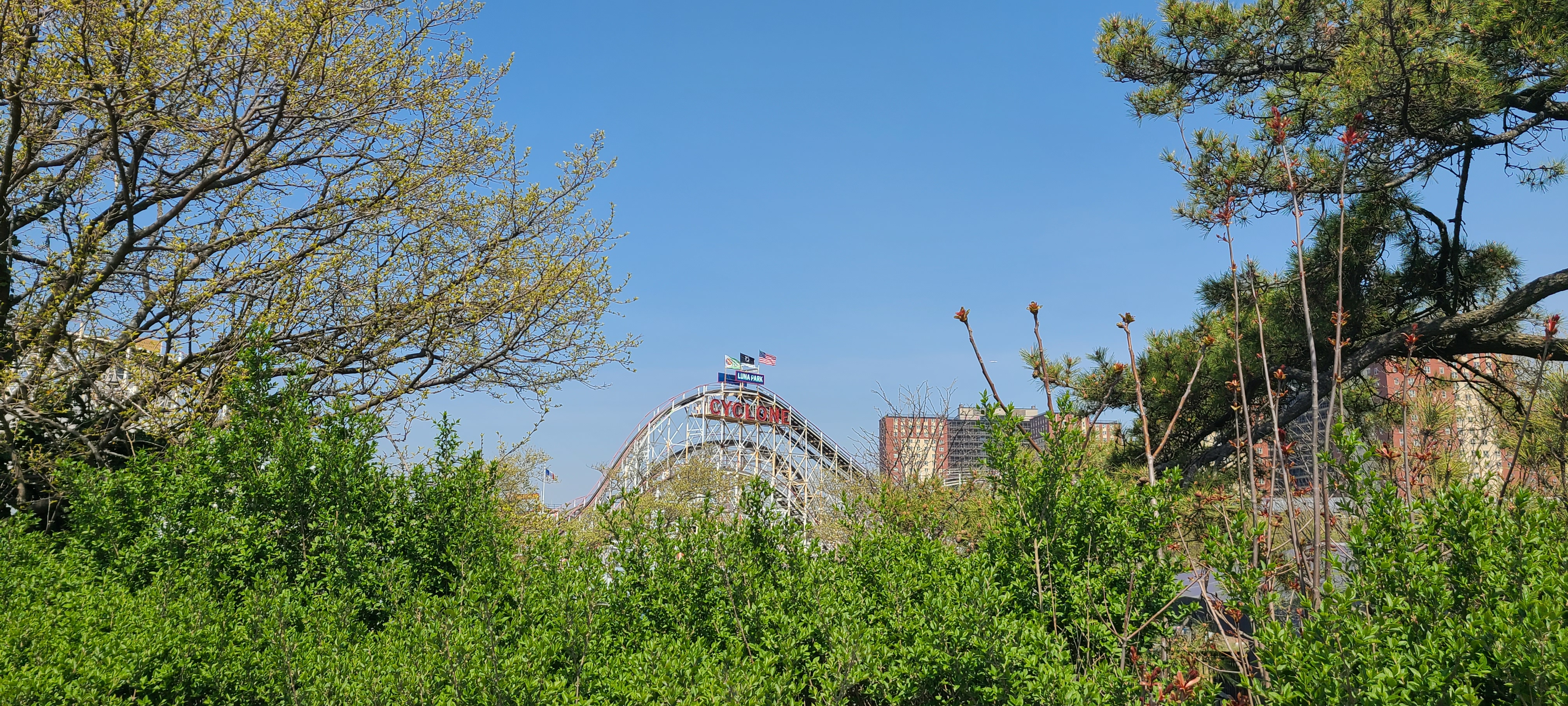
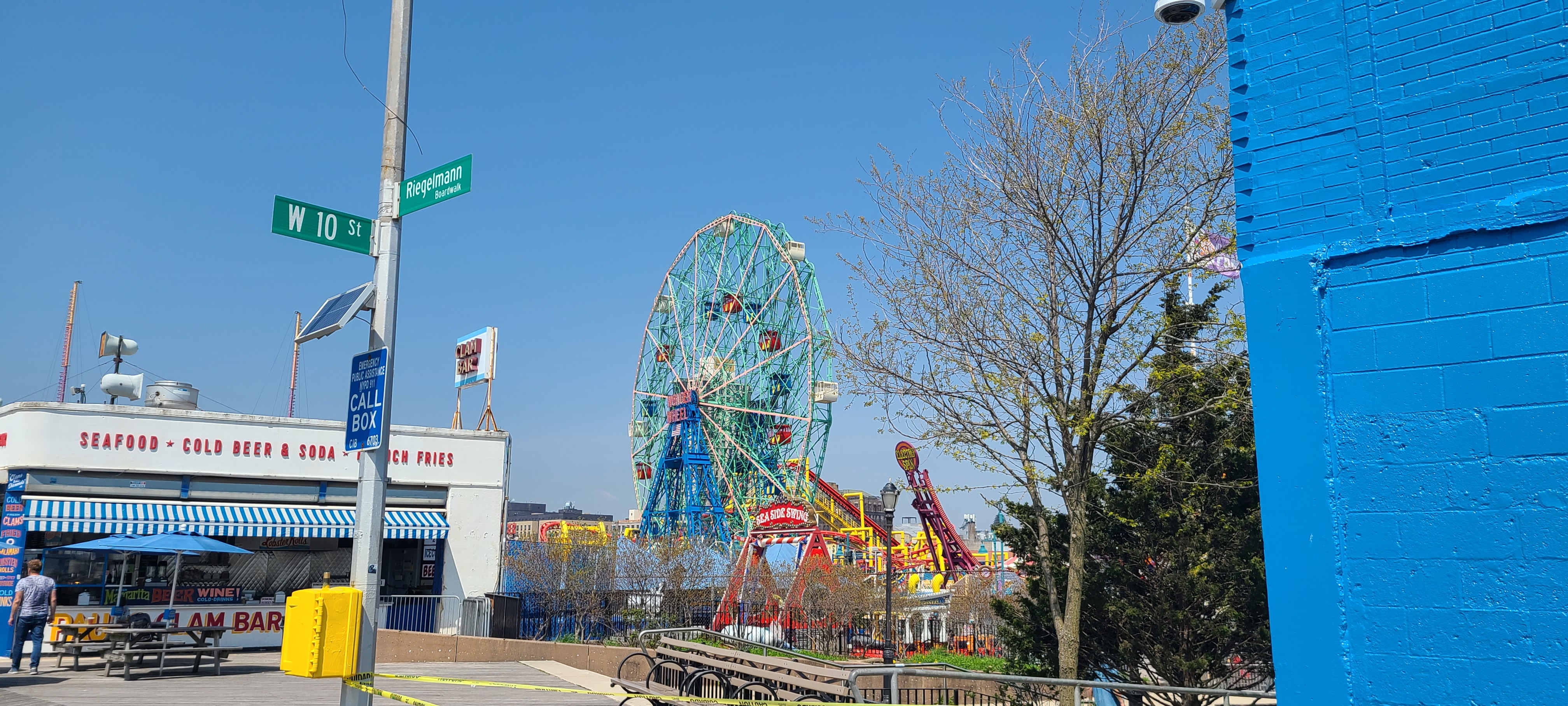
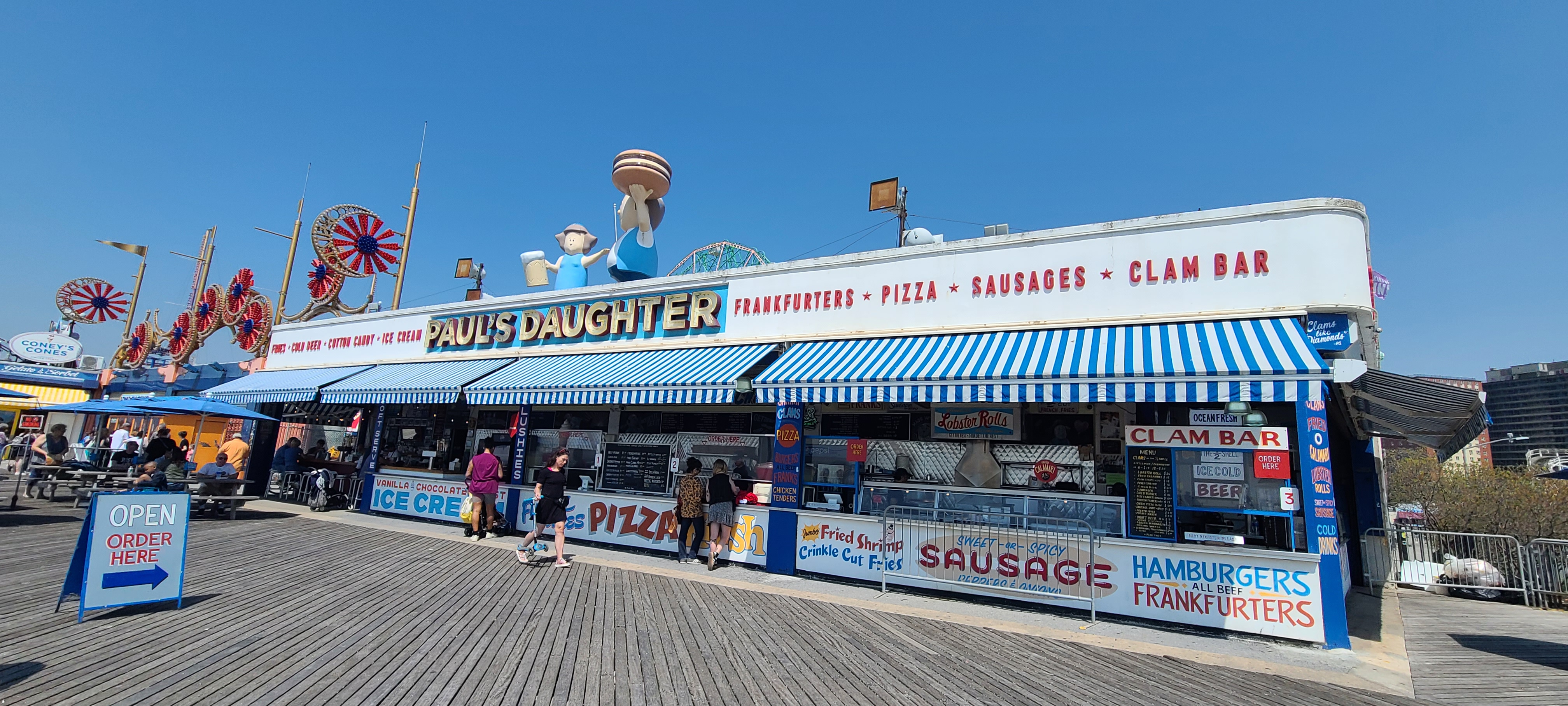
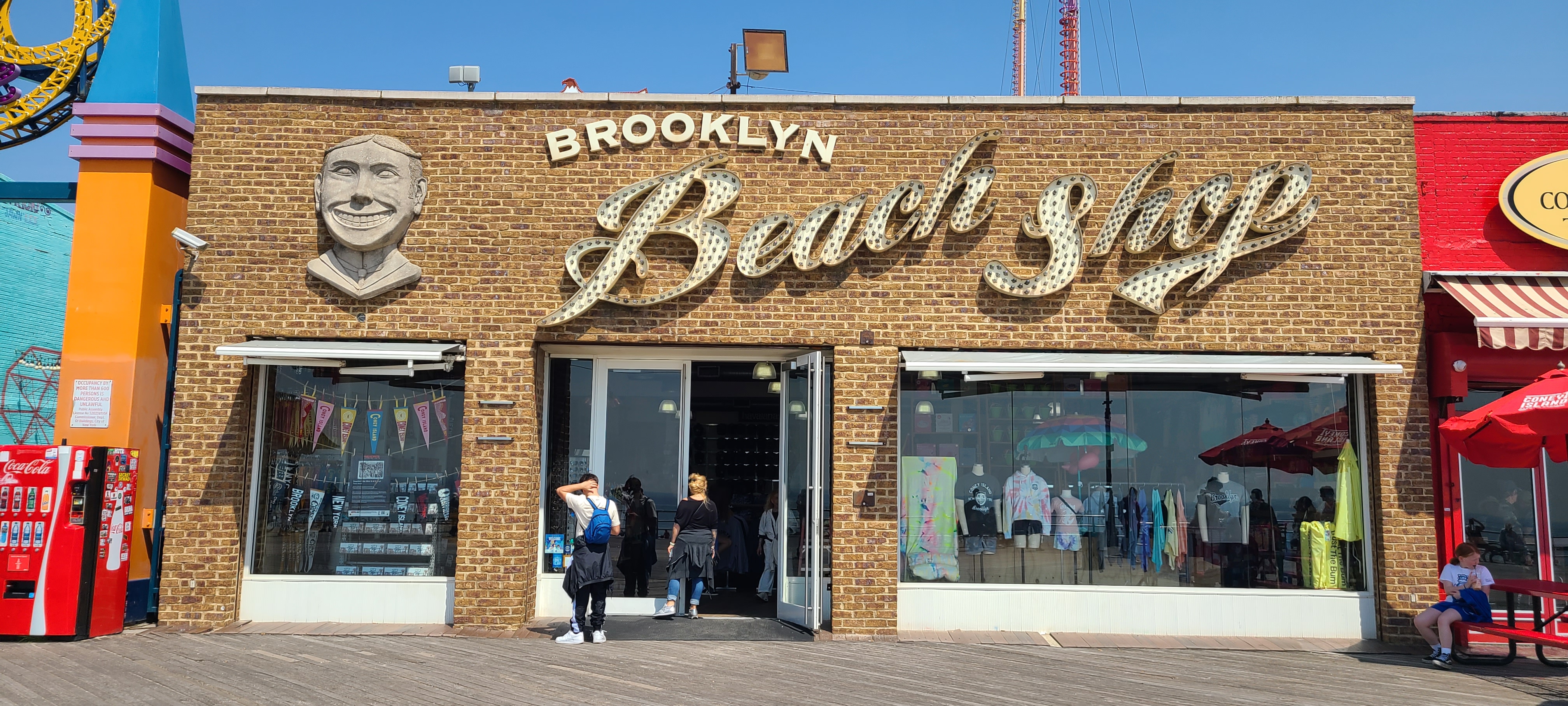
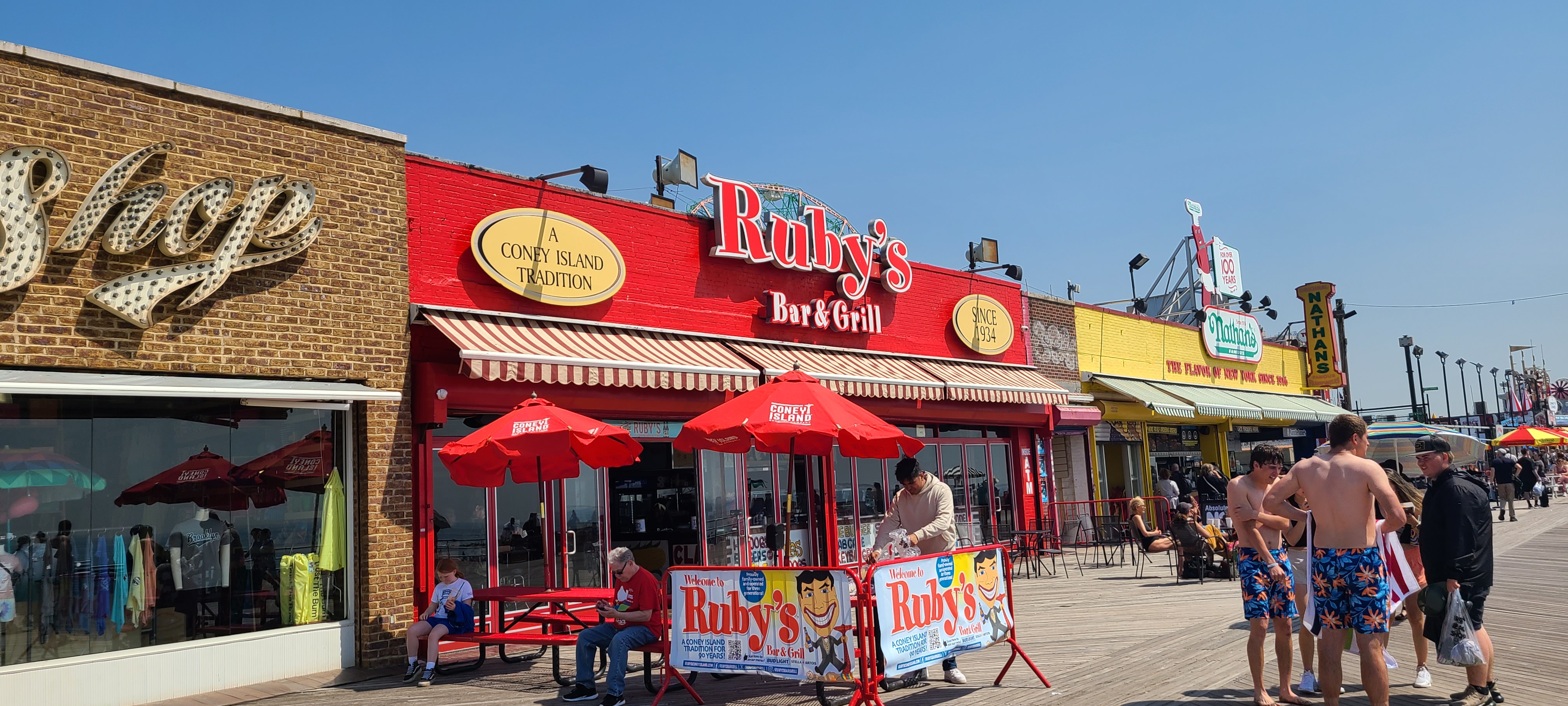
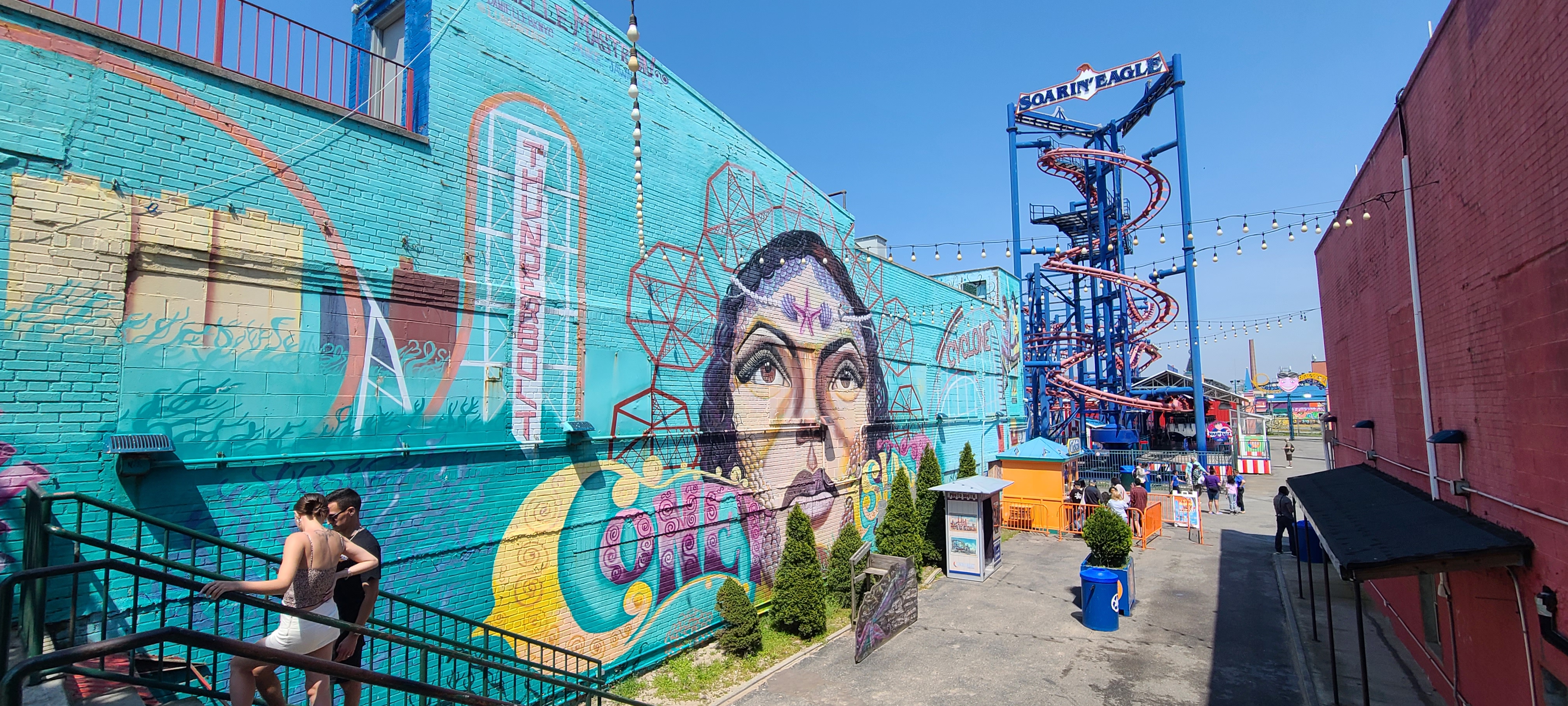
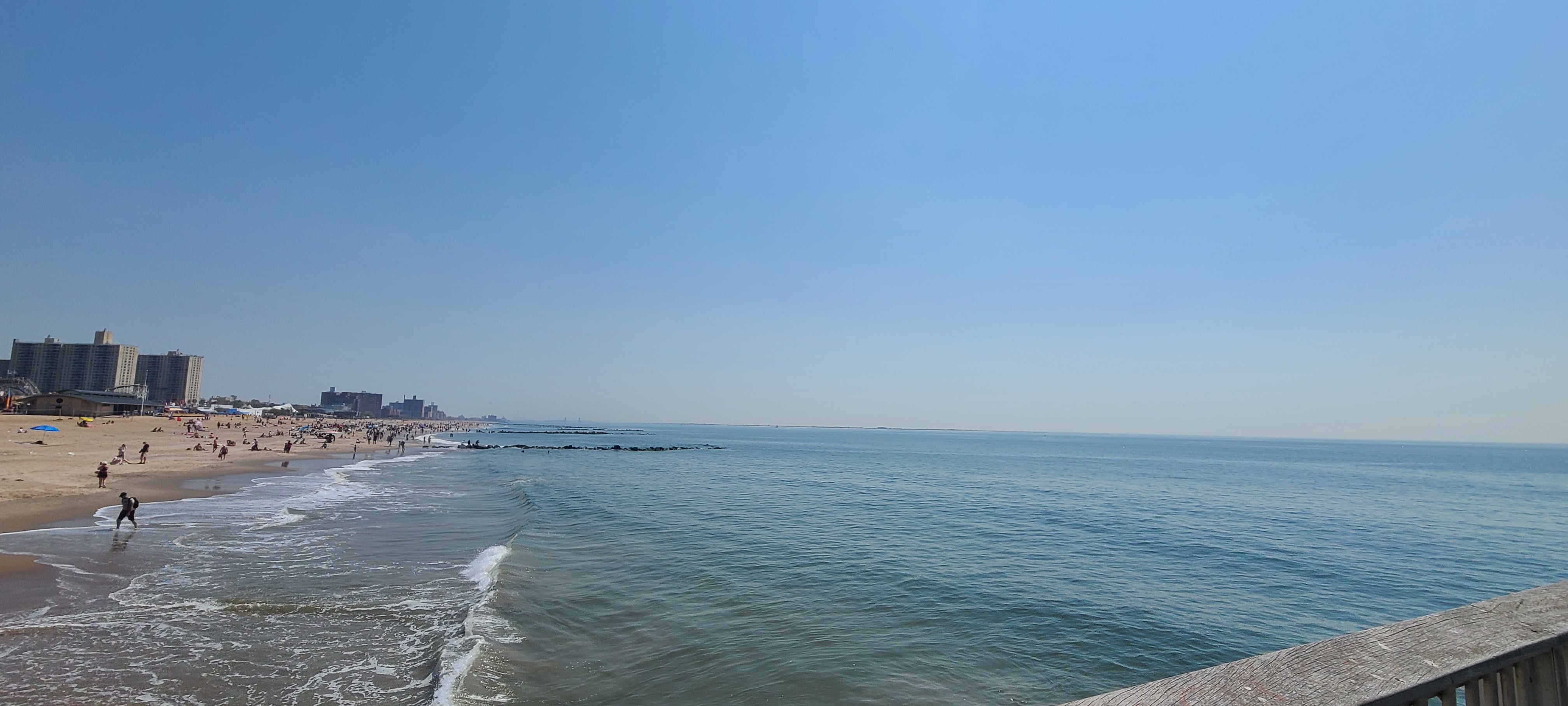
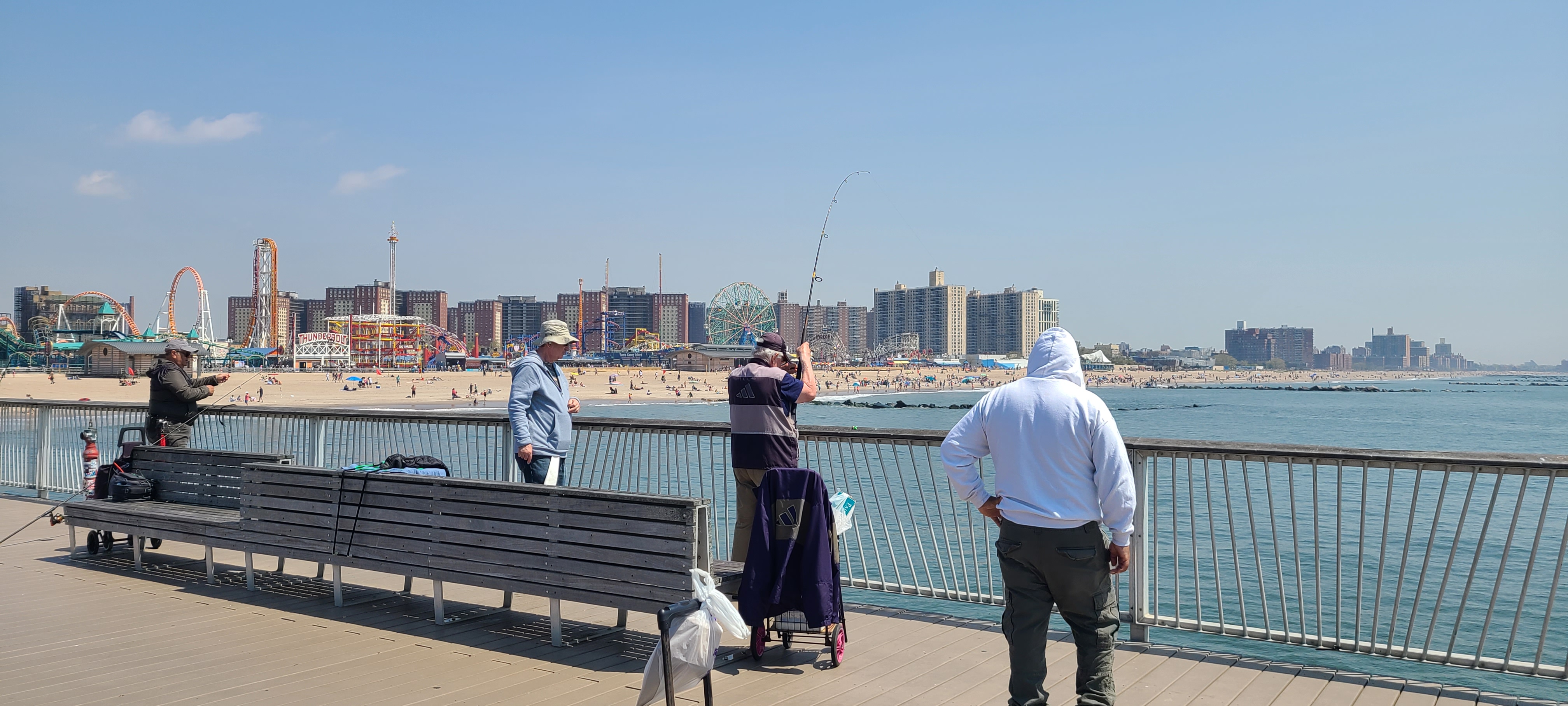
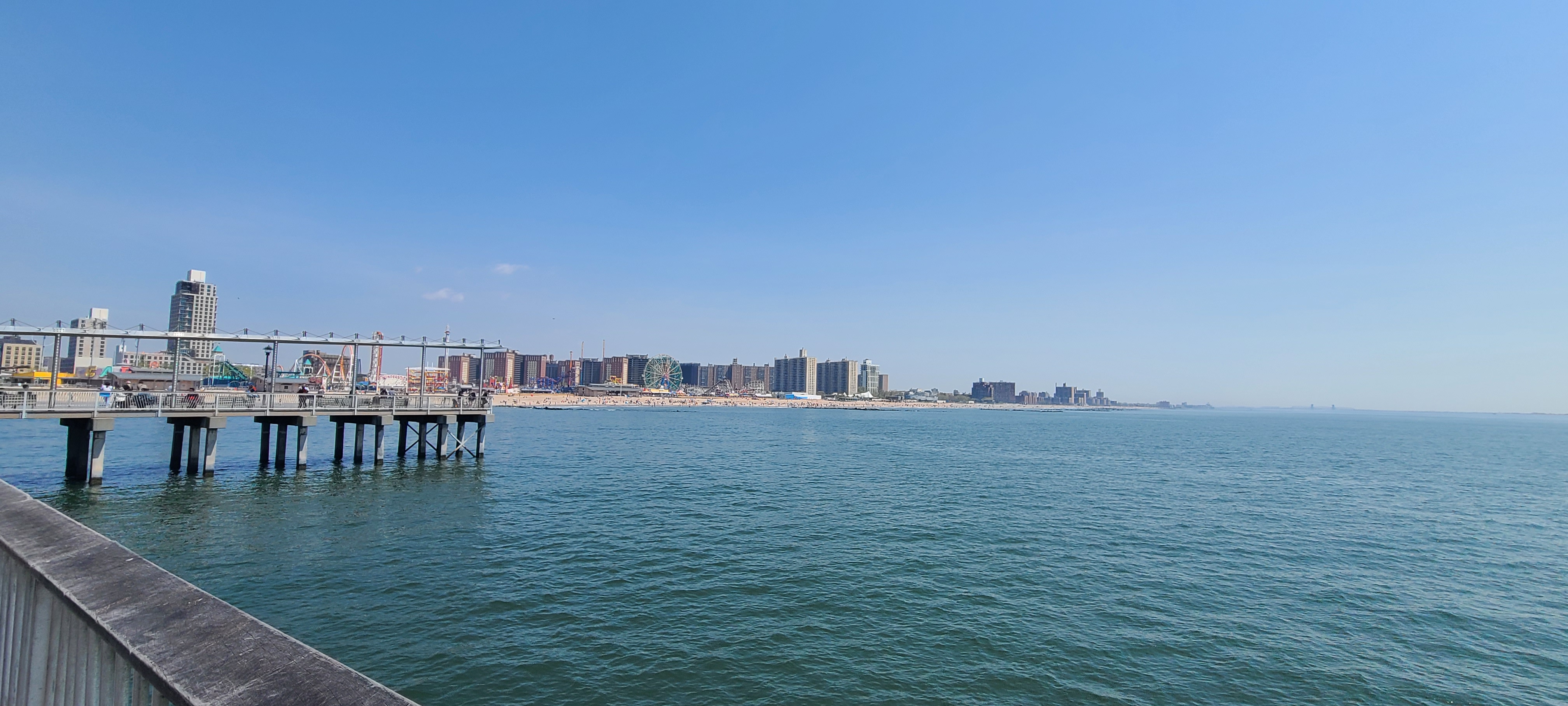
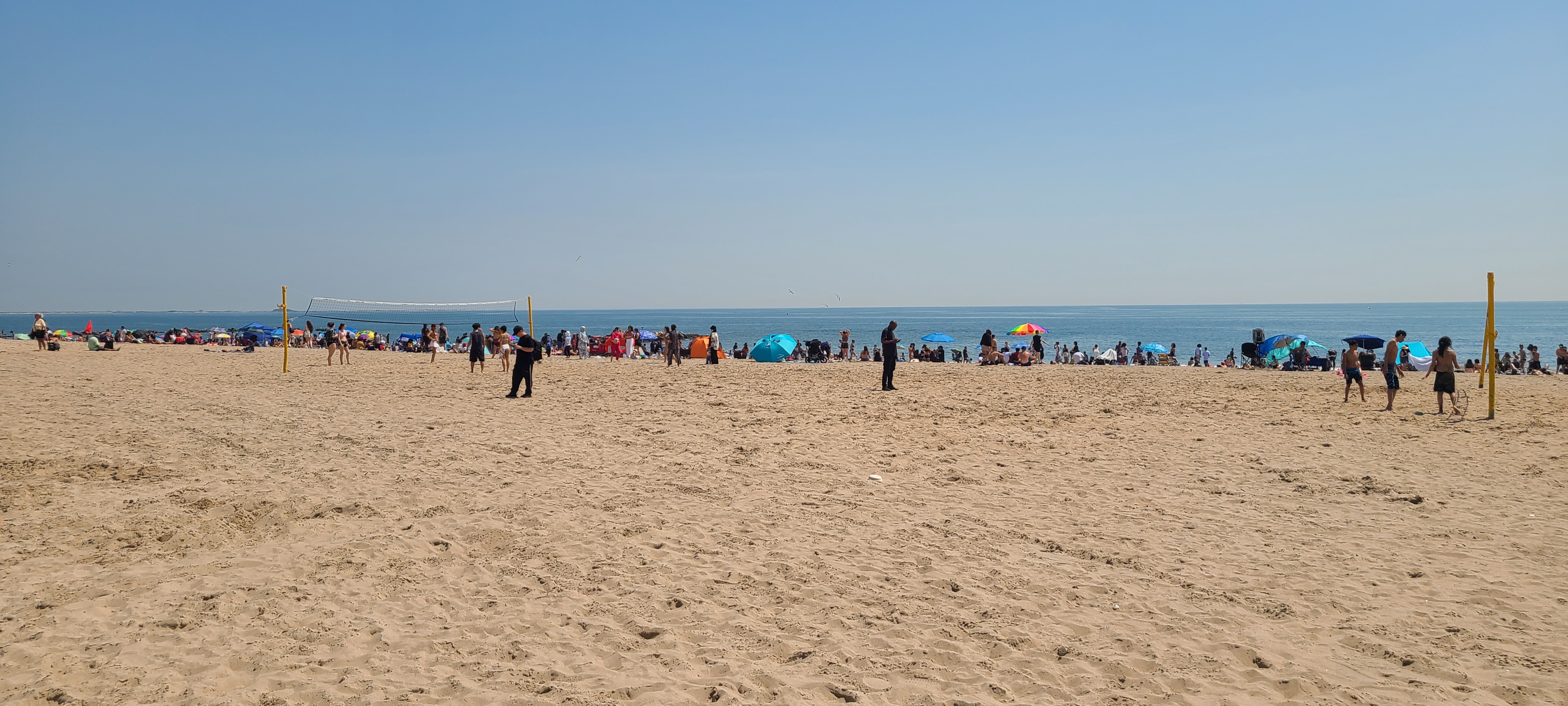
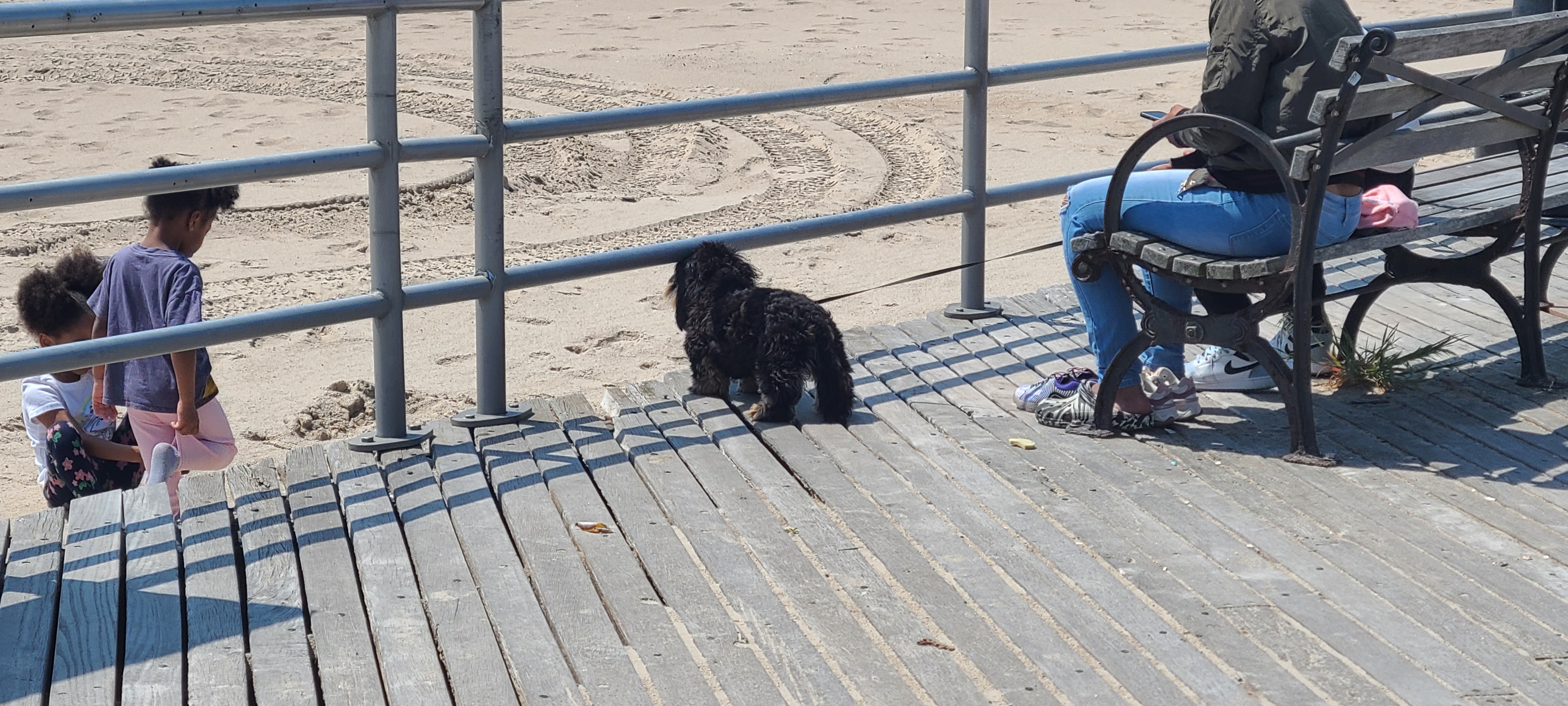
This week, I had my first Brooklyn beach day of 2024 at Coney Island! Since moving from the Upper West Side to Brooklyn almost a year ago, I’ve discovered a number of new joys in New York City. One of the biggest has been Coney Island — named one of the best 25 beaches in the U.S. in 2024 by Travel+Leisure Magazine. Coney Island is a 20-minute subway ride from my apartment. In addition to the beach, there’s a boardwalk loaded with delicious food and drinks, rides, games, a minor league baseball stadium, fun street art, music, city park land, and a load of characters from every walk of life. I look forward to spending many days here this summer.
Fun Coney Island and NYC beach facts: – How Coney Island got its name is widely disputed. Some theories: (1) an Irish boat captain named Peter O’Connor sailed to New York from Ireland in the late 1700s, and named Coney Island after Ireland’s Coney Island, which was and remains a mile from O’Connor’s home in County Sligo and looks remarkably similar to Brooklyn’s Coney Island save for the fact that the island in Ireland is nearly deserted and Brooklyn’s Coney Island is a magnet for locals and tourists alike. (2) The Dutch settled Manhattan in 1624 and inhabited Coney Island soon afterward. It was home to a large population of wild rabbits and the Dutch word for rabbit is “konijn”. (3) The areas was once inhabited by the Konoh, or Bear, tribe. Records from all these times are spotty or non-existent so we may never know exactly how Coney Island got its name.
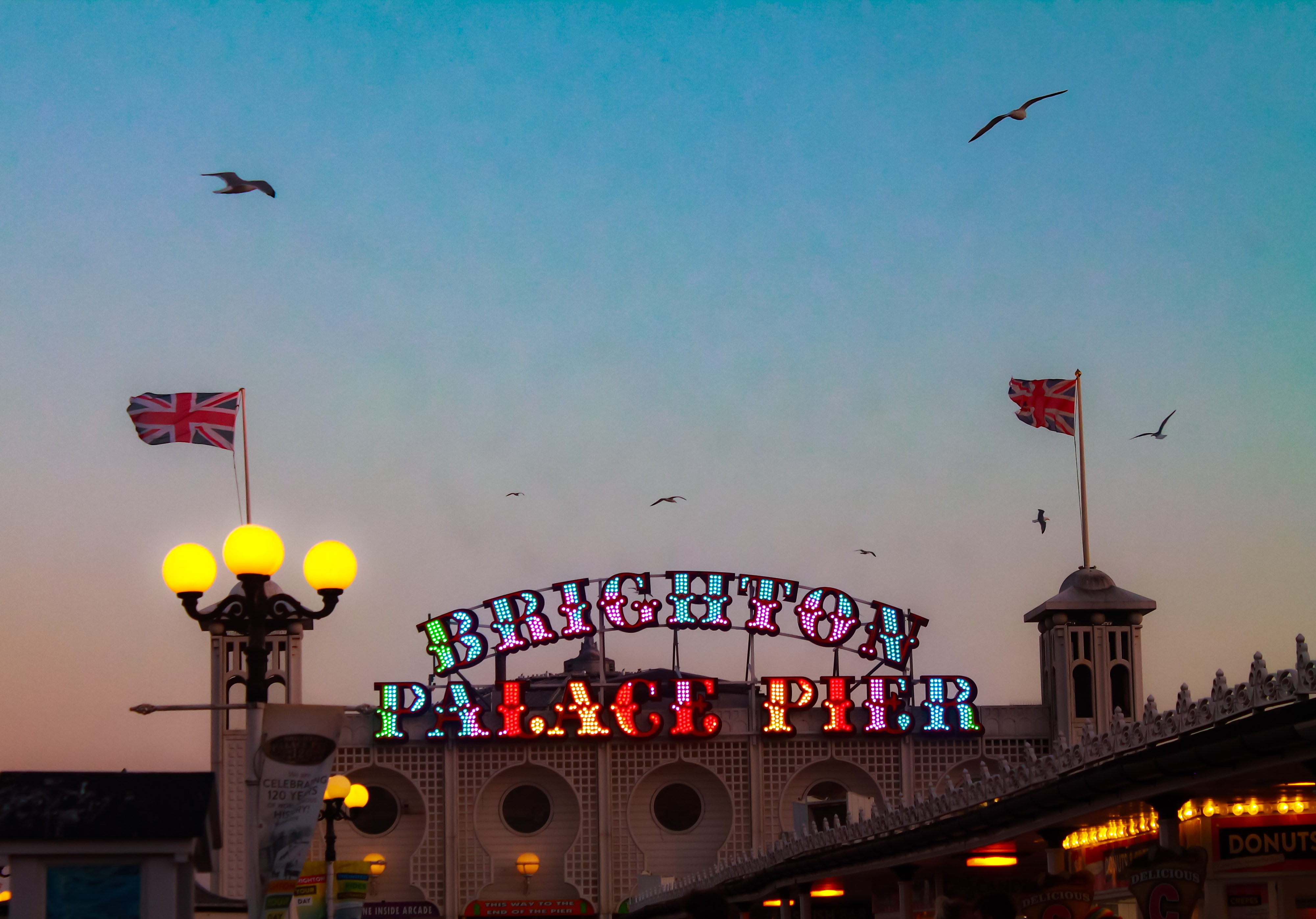
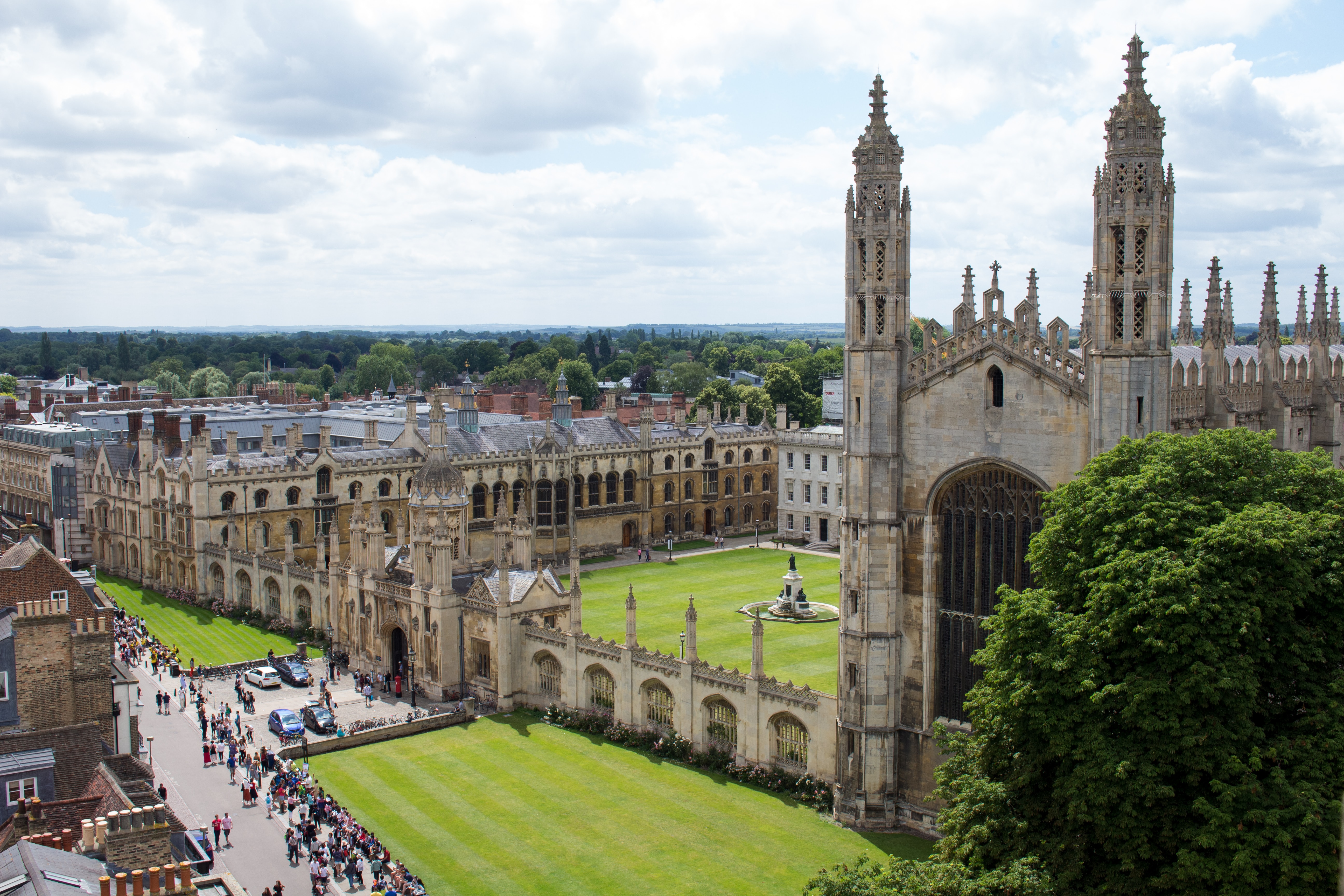
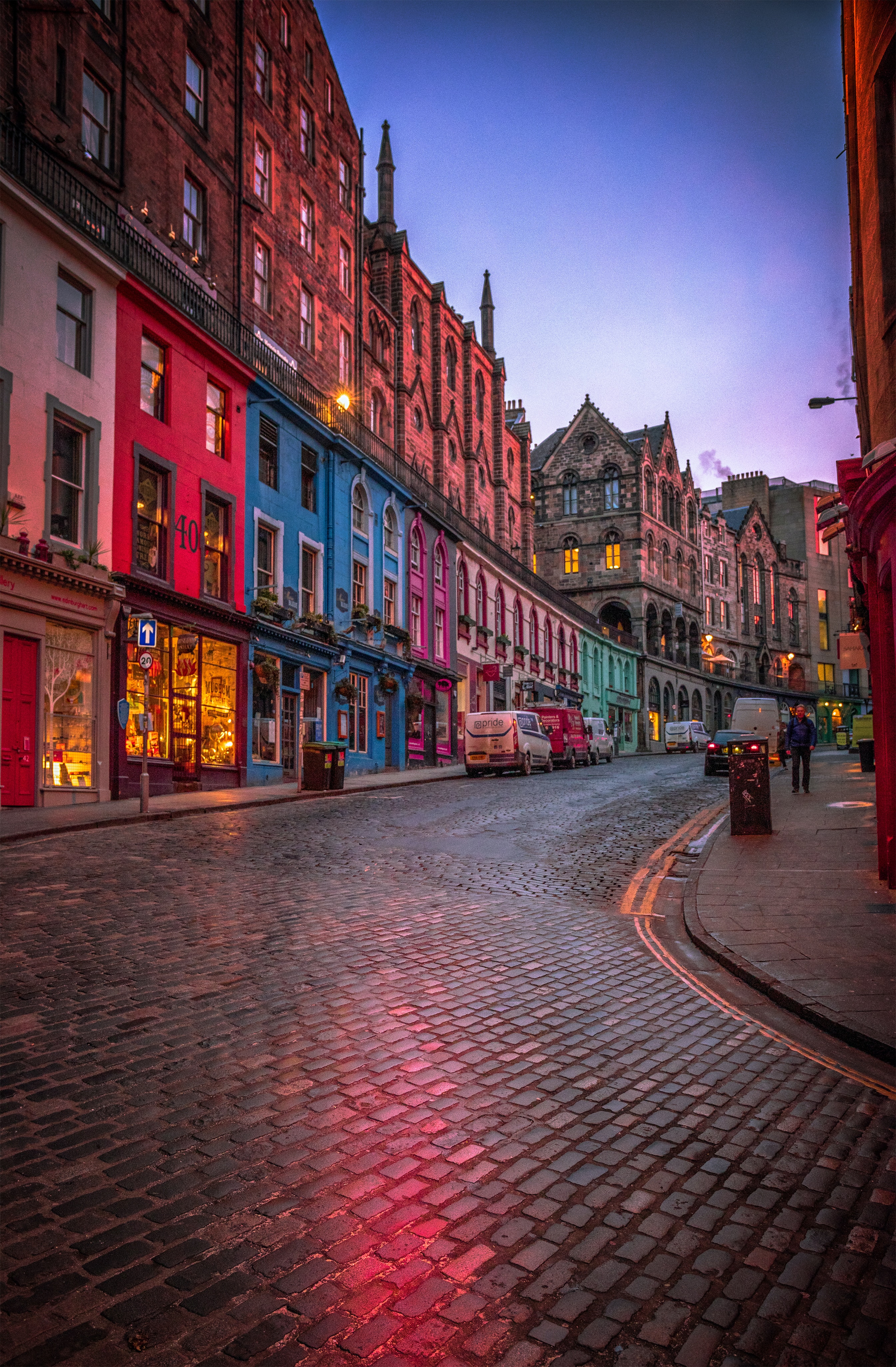
As the sun begins to set on summer, I’m speaking plans for next summer into existence. I’ll be at University of Cambridge for my final Masters in Sustainability Leadership residency in early July 2024. I’d like to go a bit early to check out beautiful Brighton. Then after my residency, I would stay on in Cambridge to work remotely and finish my dissertation. After I turn it in at the end of July, I’d like to spend August in Scotland for the Edinburgh Fringe and Book Festivals. My dream summer 2024.
This summer wasn’t the one I expected or wanted, though it was absolutely the one I needed. The adversity and disappointments made me stronger and more compassionate, and for that I’m very grateful. Welcome, Fall. I’m so happy to see you. I’m ready for whatever you bring.
Today I’ll be in Times Square with thousands of other yogis today celebrating the longest day of the year with the Mind Over Madness event. Come on down and join us in-person or online as we welcome the OM of summer. It’s one of my favorite traditions in the city and I’m so thrilled to be home to join in the festivities. Here’s to a wonderful season of light and love for all of us.
Tired of the election season already? Me, too. To take my mind off of the chaos, I’m excited about REI’s summer of events in and around D.C. just announced on Unitedoutside.com. Want to join me on some of these adventures (and have some s’mores along the way)?
This campaign is heralding the arrival of REI’s flagship store 2 blocks from my apartment in Washington, D.C. To gear up and celebrate its impending arrival on October 21st, REI has put together an incredible slate of events that kick off this week. Most of them are free and all of them are fun. From trivia nights to how-to workshops to outdoor movie screenings, there is something for everyone. They’ve also put together a handful paid excursions to places like Great Falls, Virginia, a kayak tour of the D.C. monuments, and outings to local restaurants like Cappy’s and Birch & Barley.
Getting outside into nature is one of my promises to myself this year and I’m so excited to have REI to help me plan and take those adventures! Let me know if this interests you and we’ll link up!






 Christa Avampato