5 trees, actually, and in my kitchen. Two weeks ago, I planted 12 trees at their most vulnerable stage – grafts from existing trees sent to me by the Arbor Day Foundation that looked like nothing more than twigs. They’re in a planter in my Brooklyn kitchen. Of the 12, 5 now have tiny leaves: 2 Eastern Redbuds, 2 Washington Hawthorns, 1 White Flowering Dogwoods. This is thrilling because most trees at this stage rarely survive, and I’ve never planted trees in this stage before.
I’m very interested in learning more about tree propagation as the impacts of climate change grow more urgent every day. I’m thinking about a few tree-centered startups to pursue after I finish my Masters in Sustainability Leadership at University of Cambridge in two months. Growing these beauties counts as research! Nature’s wisdom is boundless, and I’m so happy to be her forever student.
Before you share one more post on social media about climate doom and gloom, please take a deep breath. And then, please post something else. Anything else.
The goal of sharing climate change stories is to drive actions that will halt and reverse climate change to protect the planet and human well-being. While doom and gloom stories such as alarming statistics (of which there are many, sadly!) drive more sharing, clicks, comments, and engagement on social media than any other type of climate story, the largest research study on the topic recently found they drive the least amount of climate action and do almost nothing to change climate change beliefs or support climate change policies. They actually backfire, even causing people concerned about climate change to take significantly less action than they otherwise would.
How could this be? Doesn’t instilling fear for the survival of our species cause so much alarm that of course we’d change our ways? That is a logical, rational assumption. For many years, this was the prevailing wisdom. If you just show people how much damage climate change can do, they’ll change their behaviors and habits to protect themselves and the people they love. This is why we see country leaders, the Secretary-General of the United Nations, leaders at environment nonprofits, and climate activists all over the world sounding the alarm. This is also why so many of us have posted about the climate emergency so often. It’s also why we aren’t seeing enough action taken at a fast enough rate. These stories depressed and demotivated people right into paralysis.
But if that’s the case, then why is there so engagement on climate stories? The clicks, likes, shares, and comments are through the roof. If there’s so much engagement, why is there not enough action? Being engaged on social media or with mass media isn’t the same as taking action in the real world. These stories have absolutely raised the consciousness around climate change, but they haven’t successfully moved people to physically do something about it. Fear-based messaging is somewhat effective at driving one-time actions. However, most climate action requires behavior, habit, and systems change, not one-time actions so the fear-based climate messages don’t give us the long-term and repeated actions we need.
So, what messages can we share that will drive climate action? That is an excellent question. Research points us to a few options that motivate climate action:
Scientific consensus coupled with a clear call-to-action Sharing the science of climate change, and that the vast majority of scientists agree on it, is critical. However, just providing the science isn’t enough. We also need to give people specific, actions to take. And all the better if we can give them a mix of one-time actions (such as voting) and remind them to take habitual actions (such as buying only the amount of goods we need to reduce waste). And we have to make them as simple as possible to get broad-based engagement.
Appeal to ethics and morality with a clear call-to-action Most people like to see themselves as having strong ethics and values. We want to protect our neighbors. We want to take care of our communities. We want to be healthy and happy, and we want people we love to be healthy and happy, too. Taking care of the planet is a way to take care of ourselves and others, and appealing to our collective nurturing nature makes a difference. And again, give people a clear call-to-action to help them do this.
There are other theories about what may work that need further study. There is a hole in the research about which messages will move people from engagement to action. We desperately need more research on this, so we tell the stories that motivate the actions we need to protect ourselves and all species with whom we share this planet. My master’s dissertation has a few additional findings that I’m excited to share soon, and I’m thinking of continuing this line of research and work because it’s so critical to protecting the health of the planet.
Last month, a study on conservation actions, including protected areas and management, showed they effectively halt and reverse biodiversity loss, and reducing climate change impacts. Over the weekend, CBS aired an interview with Pope Francis, the first he’s granted to a major U.S. television network. About climate change he told Norah O’Donnell, “Unfortunately, we have gotten to a point of no return.” What’s unfortunate is Norah O’Donnell didn’t explain the science that this is not true. We are not at a point of no return with climate change. We need to do more and faster, and there is hope.
I understand it’s probably intimidating to challenge the Pope during an interview on national television. However, what he says is taken as truth by millions of people. If he pointed to the many success cases we have, this would inspire the increase in climate action we need. People need to know they can and do have the opportunity right now to make a difference. We have to spread this message far and wide because time is running out. This next decade could turn the tide one way or the other, and we have the chance to be part of the solution.
The International Union for Conservation of Nature (IUCN) is the global authority on the status of the natural world and the measures needed to safeguard it. It’s documented that 44,000 species are at risk of extinction. If these extinctions happen, ecosystems will collapse and billions of people will struggle to have enough food, clean water, livelihoods such as fishing, homes, and cultural preservation, to name just a few of the severe impacts.
The world’s forests store approximately 861 gigatonnes of carbon, equivalent to nearly a century’s worth of current annual fossil fuel emissions. Tropical rainforests store 50 percent of that. These forests are not just the trees – they’re a whole ecosystem including the fungi, soil, insects, and predators. “When there are pieces of that biodiversity missing, the carbon cycle is incomplete or much less efficient than it would be otherwise,” said Christopher Jordan, Re:wild Latin America director. Storing carbon and keeping it out of the atmosphere needs all parts of the forest. It needs biodiversity. The wild, not human-invented technology, is the most effective solution to the interconnected climate, biodiversity, and human well-being crises.
This is what I wish the Pope had said about climate change because it’s true: There is hope. We have the solutions. Now, we need the will and humility to listen to nature and let her lead for our own sake and hers. We are all interconnected. We need each other.
This is a photo of pure potential and a crazy dream. 12 tree saplings in their youngest and most vulnerable state: 3 eastern redbuds, 2 sargent crabapples, 2 washington hawthorns, 3 white flowering dogwoods, and 2 crapemyrtles. They all begin as a single twig with wispy roots.
The next time you’re looking at a fully grown tree, consider all the energy, effort, and time they took to transform themselves. If you’re thinking of doing something new or growing in a new direction, think of a tree. If they can grow from a fragile shoot into a towering figure who provides shade, clean air, food, and a home for so many species, who stands tall in the face of difficulty, then you can grow into who you want to be.
Over the next few months, I’ll be looking after these little ones in the hopes of giving them to my Brooklyn neighbors to plant in their yards when they’re a bit bigger and stronger. I’m sure there will be many lessons in this botanical endeavor. For now, these are the words they’re speaking to me: surround yourself with love and nourishment, and see how you flourish.
Water bears look like works of science fiction. The microscopic, 8-legged 1,300 species of water bears (tardigrades) are alive and well. Their remarkable abilities to survive and thrive in harsh conditions make them seem even more improbable. They’re one of the most resilient lifeforms that’s ever lived.
When I had 6 weeks of daily radiation to treat cancer, I thought a lot about the perseverance of water bears. The technicians would position me on the table, then close the heavy door behind them as they left the room to protect themselves from the radiation. Click. Through a small window, they’d watched me, alone, unmoving, exposed on a table with no protection from the radiation blasting my body. I imagined myself as a tardigrade, opening to the light and radiation, absorbing it to kill any microscopic cancer cells floating around my body. I would think of Rumi’s quote, “The wound is the place where the light enters you.”
By the end of week six, I had a painful burn the size of a baseball in the middle of my chest. “What would a tardigrade do with a burn like this?”, I wondered. They’d tend to what needed tending. So, that’s what I did. I changed dressings and applied the medication twice a day. I meditated on my wound, imagining it closing and healing. It was painful and frightening to have a wound like that, but like so much along my cancer journey, it passed. To my amazement and my doctors’, it healed in 2 weeks. Today it’s only a few freckles and the tattoo that marks the focus of the radiation beam, the place where the light entered me and healed me.
As we consider how to create a world resilient to climate change impacts, again I’m thinking of tardigrades. How can we withstand hardship, quickly and completely fixing what breaks? How can we endure? Nature-based solutions to our most dire challenges are found all around us if only we look, listen, and seek to understand. In a world where we constantly navigate change and manage difficulty, I want to be a tardigrade — repairing myself, my ecosystem, and all beings with whom I share it.
The wonders of nature amaze me every day, and today a piece of natural news left me in awe. A paper was just published in the journal Nature about an orangutan who was observed self-medicating with remarkable effects that even trained medical doctors would have trouble reproducing.
In Sumatra, a 35-year-old orangutan known to researchers as Rakus had a large, deep, open wound on his face close to his eye. To look at it even made me wince, and I’m not at all squeamish about medical issues! With his teeth, he ground yellow root, an herb he rarely ate that has anti-inflammatory and anti-bacterial properties. He then applied the yellow root paste to his facial wound. In several days, it scabbed over. A little over a month later, it was barely noticeable with no sign of infection. (The images of Rakus above are from the paper in Nature.)
How could Rakus possibly act as his own doctor and healer? Where did he learn this yellow root technique? Scientists don’t know yet. While other animals have been observed in the wild tending to their injuries and the injuries of others, some even administering self-care and preventative-care, this was the first time an animal was observed medicinally treating a wound and with remarkable success.
There is so much we don’t know nor understand about the natural world. This is one of the many reasons why conservation is so vital for the health of people and our planet. Nature-based solutions to what ails us are everywhere, and to allow us to learn from them we must conserve the ecosystems where they occur. Perhaps Rakus has shown us a new medication that we could use to treat human wounds. He and his species are sentient, thoughtful beings who hurt and heal just as we do, deserve respect and concern, and have a right to survive and thrive.
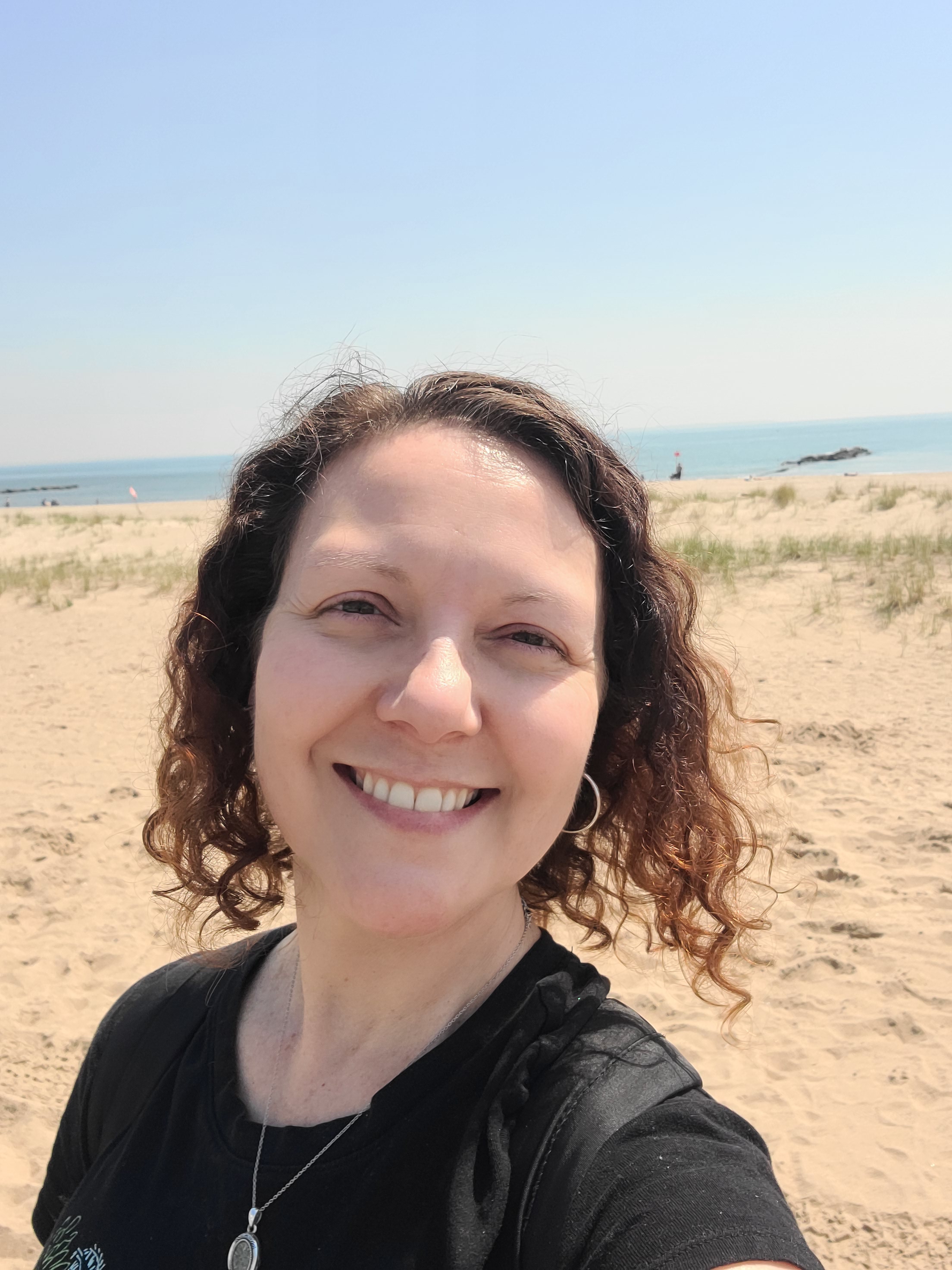
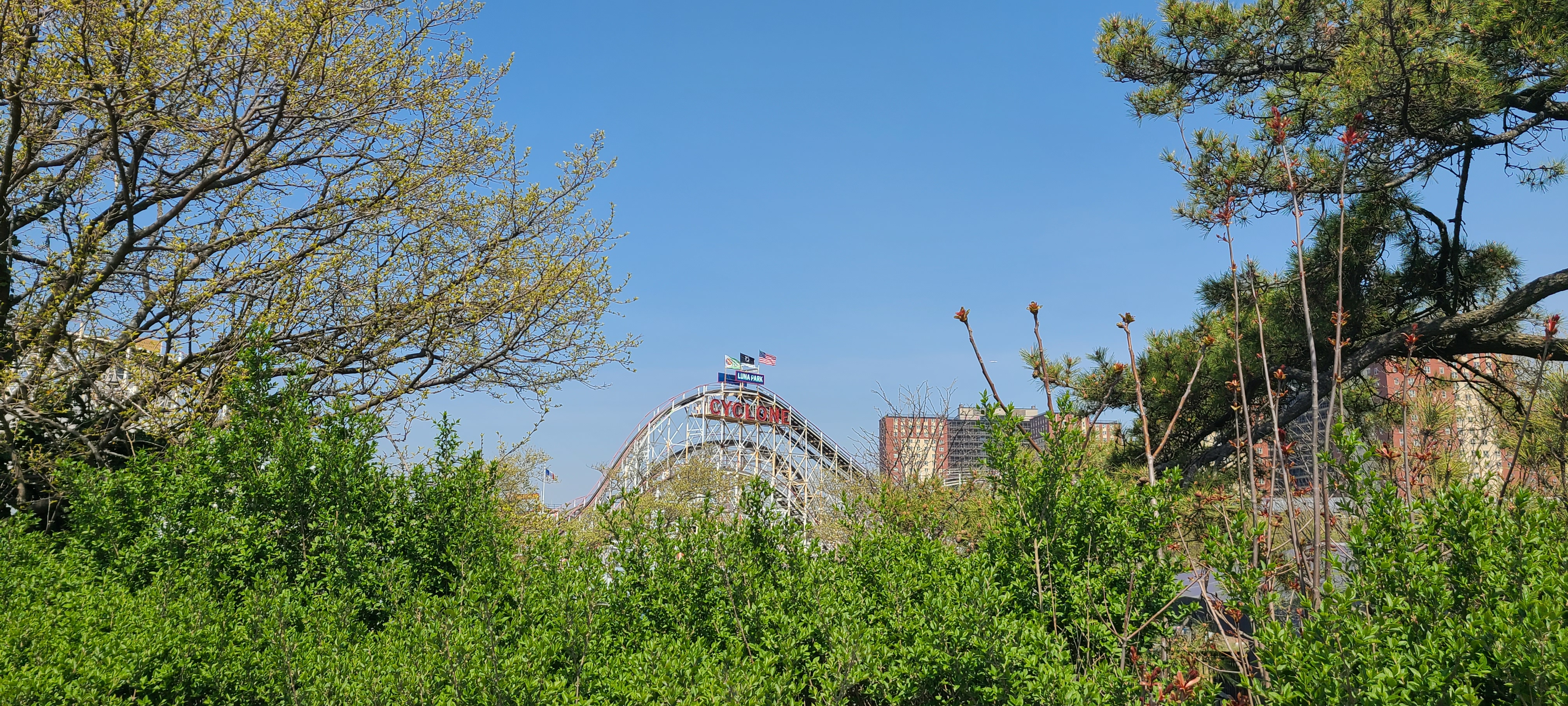
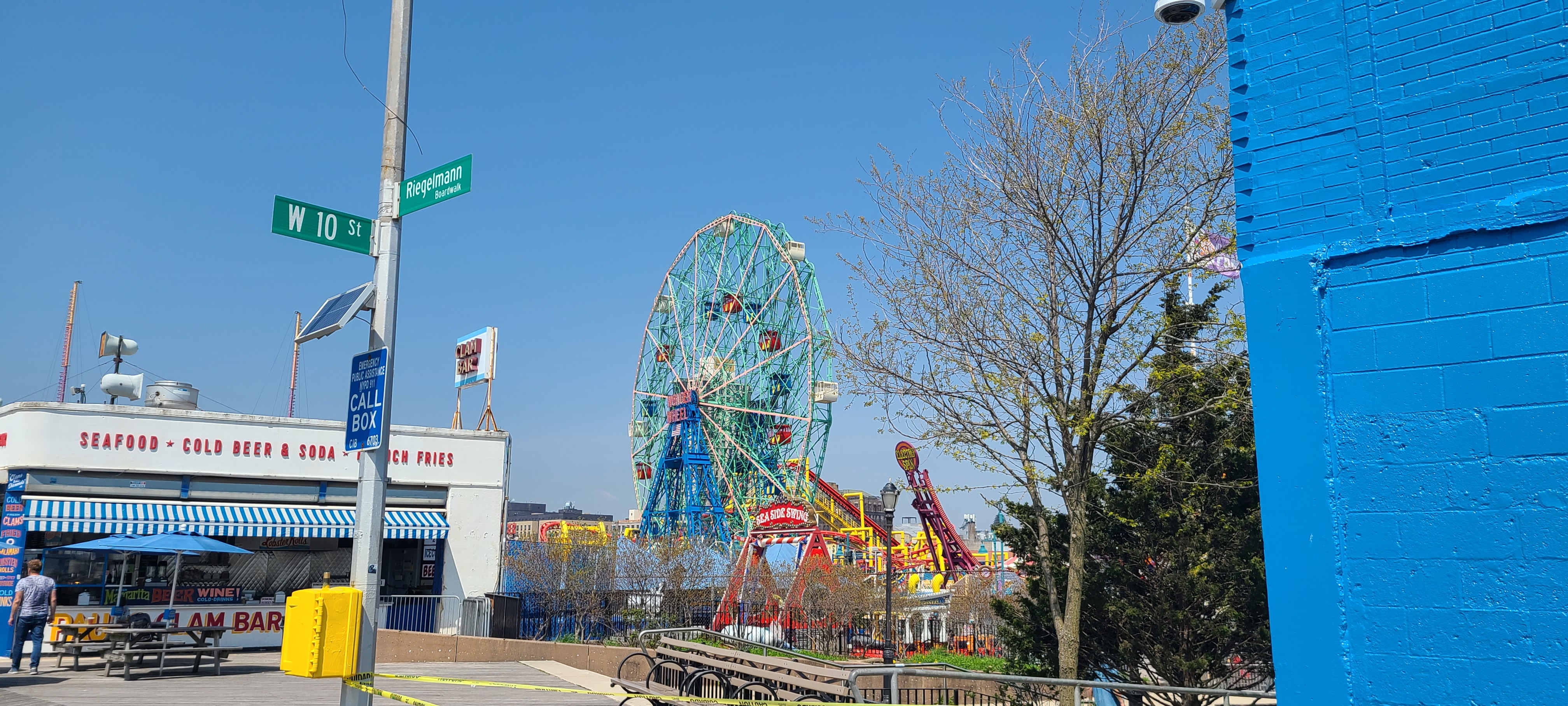
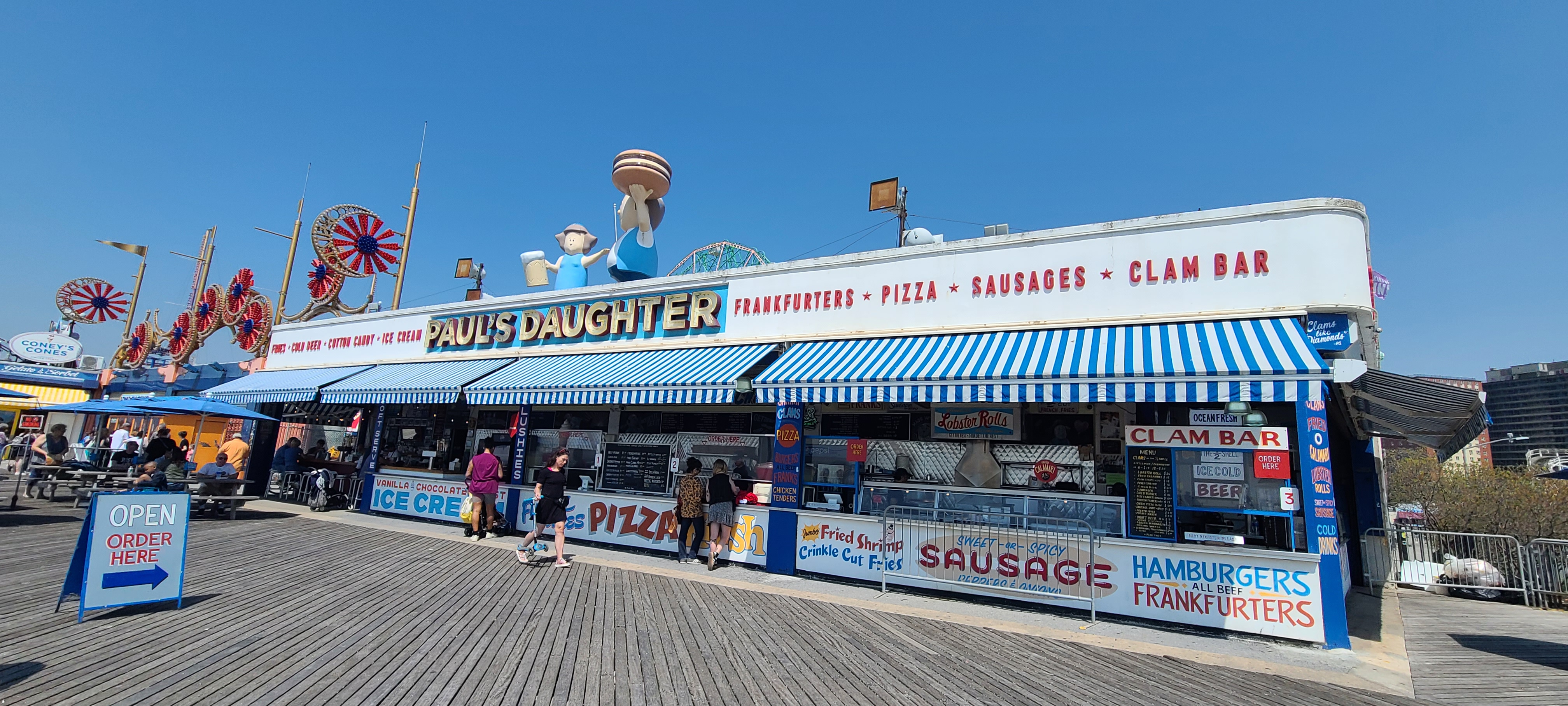
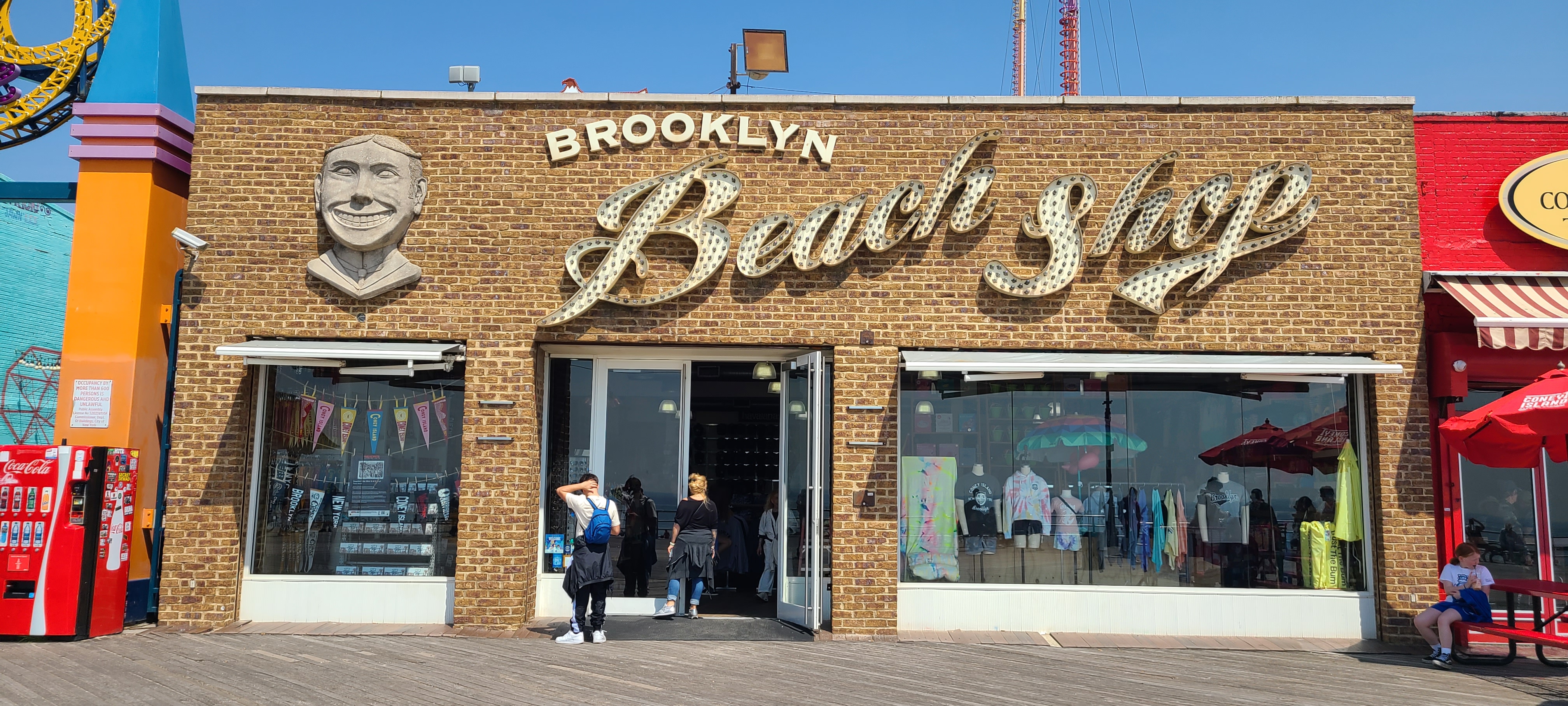
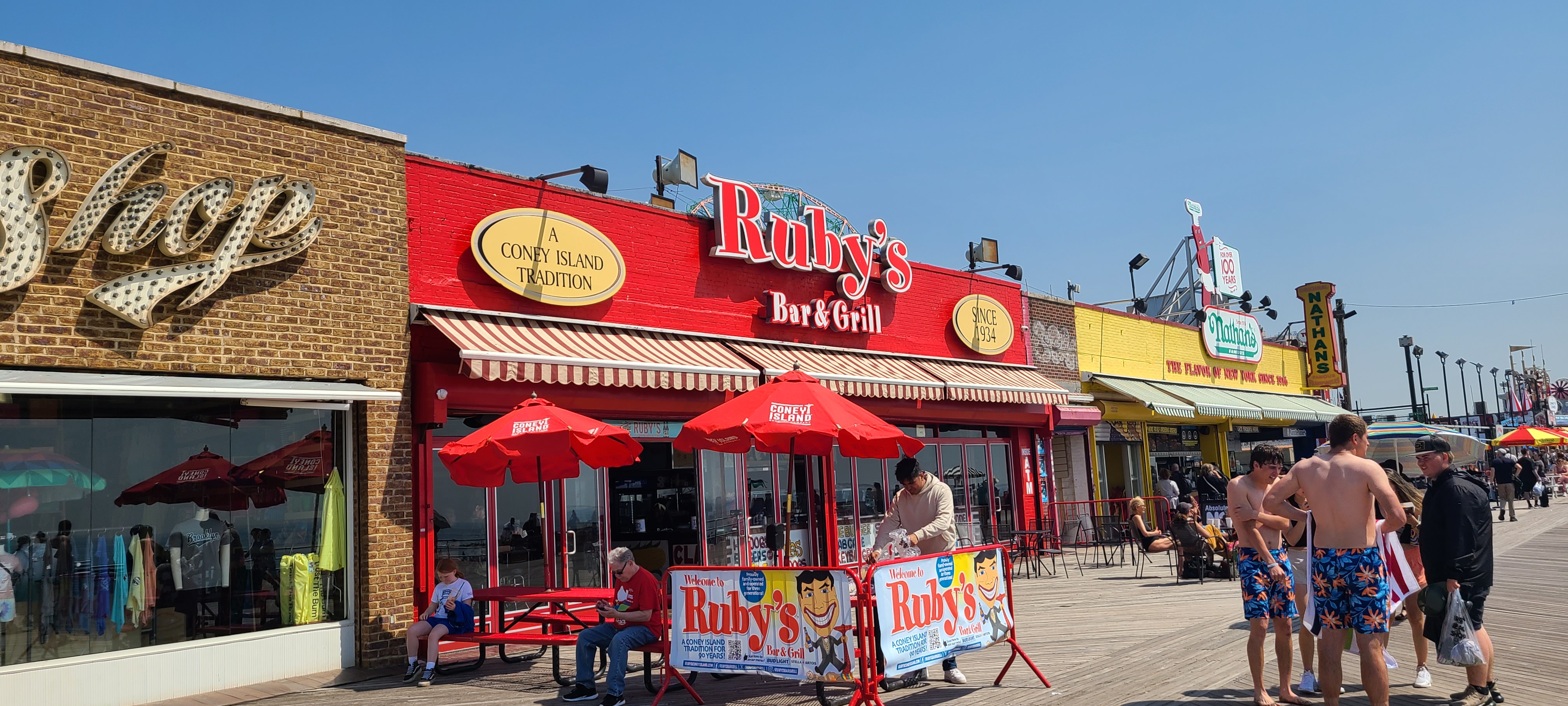
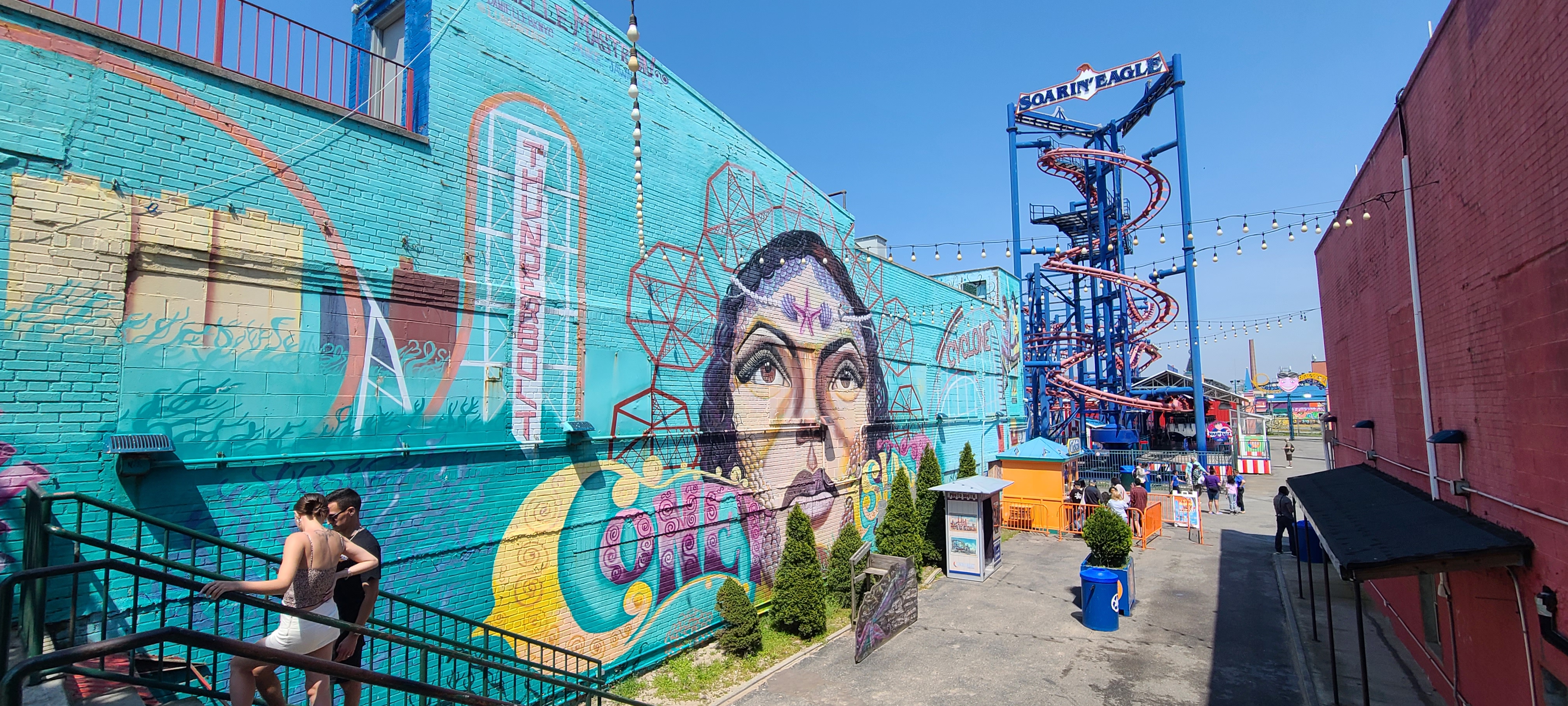
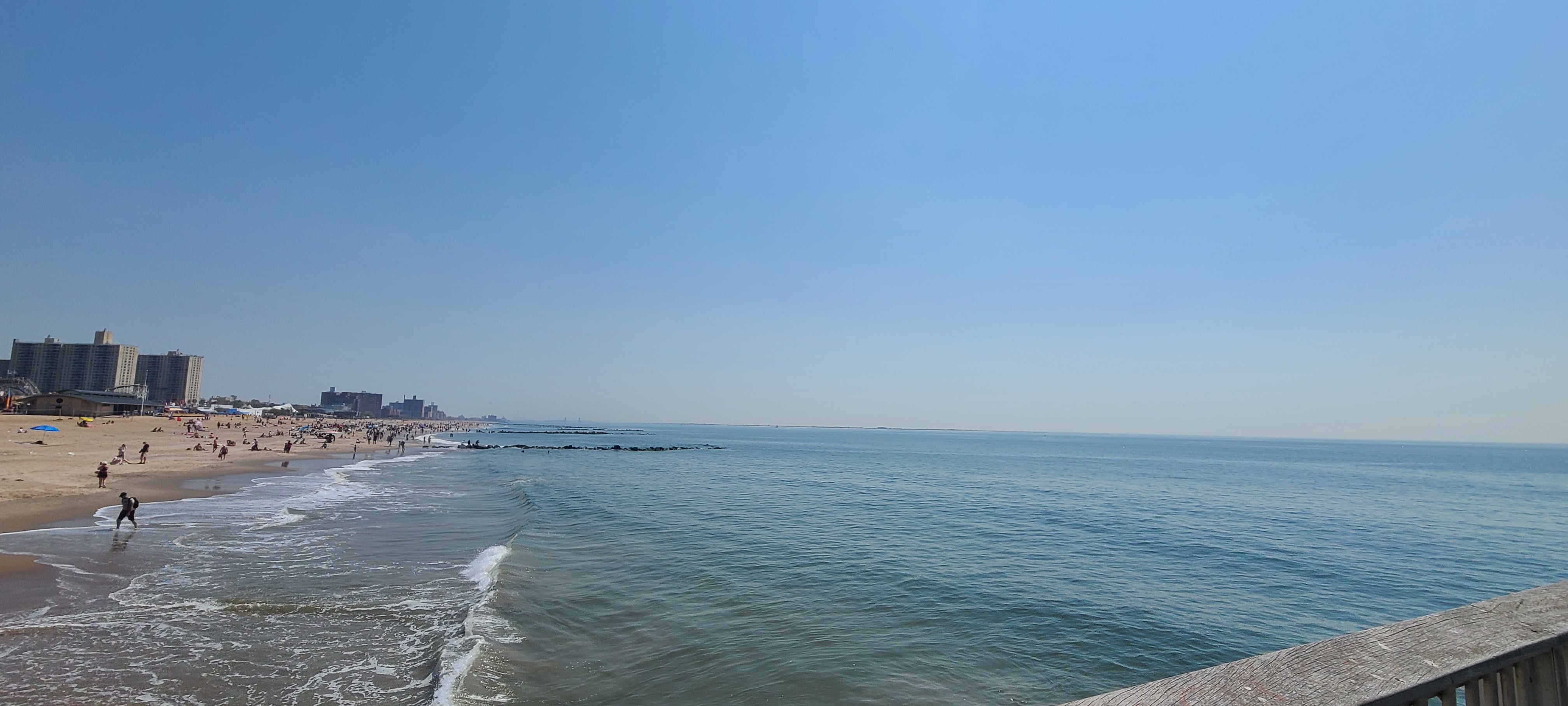
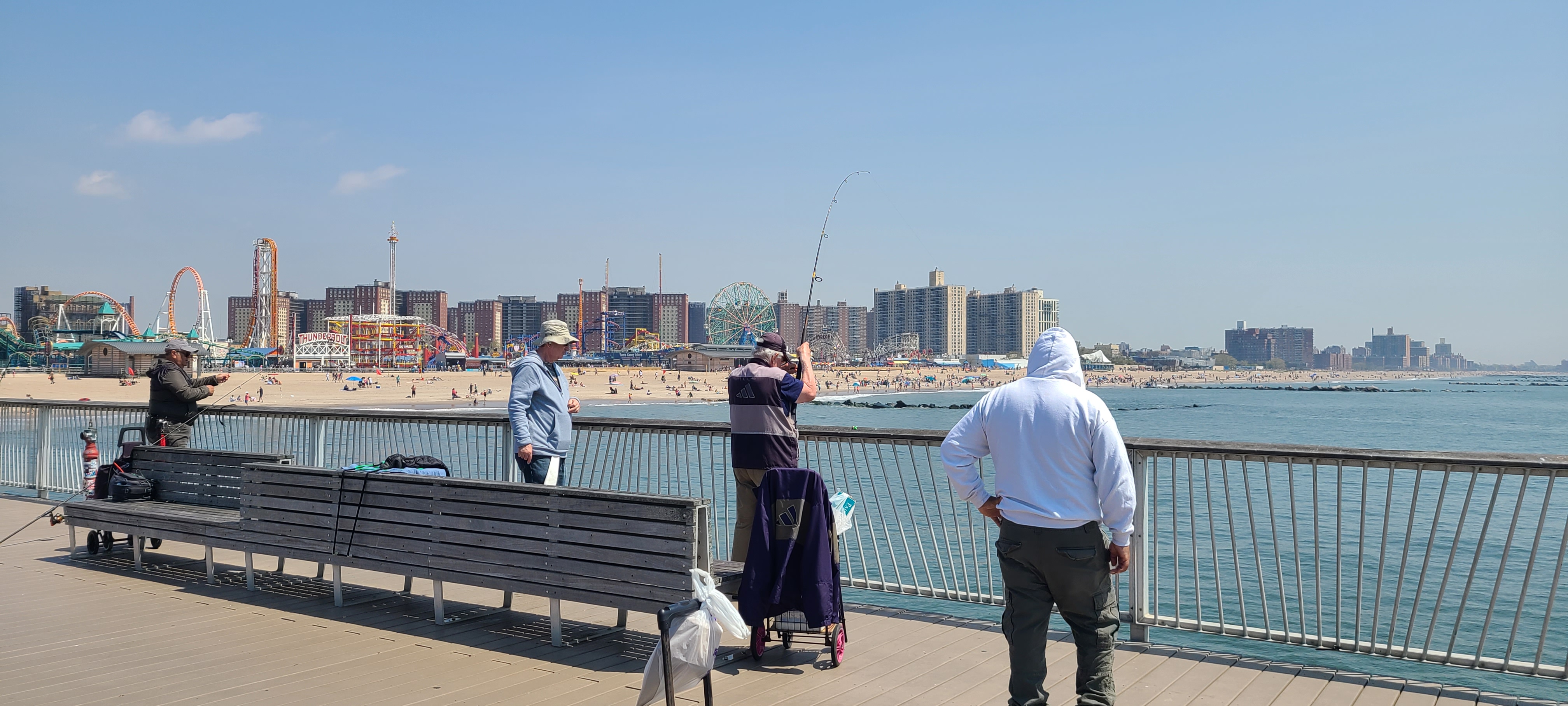
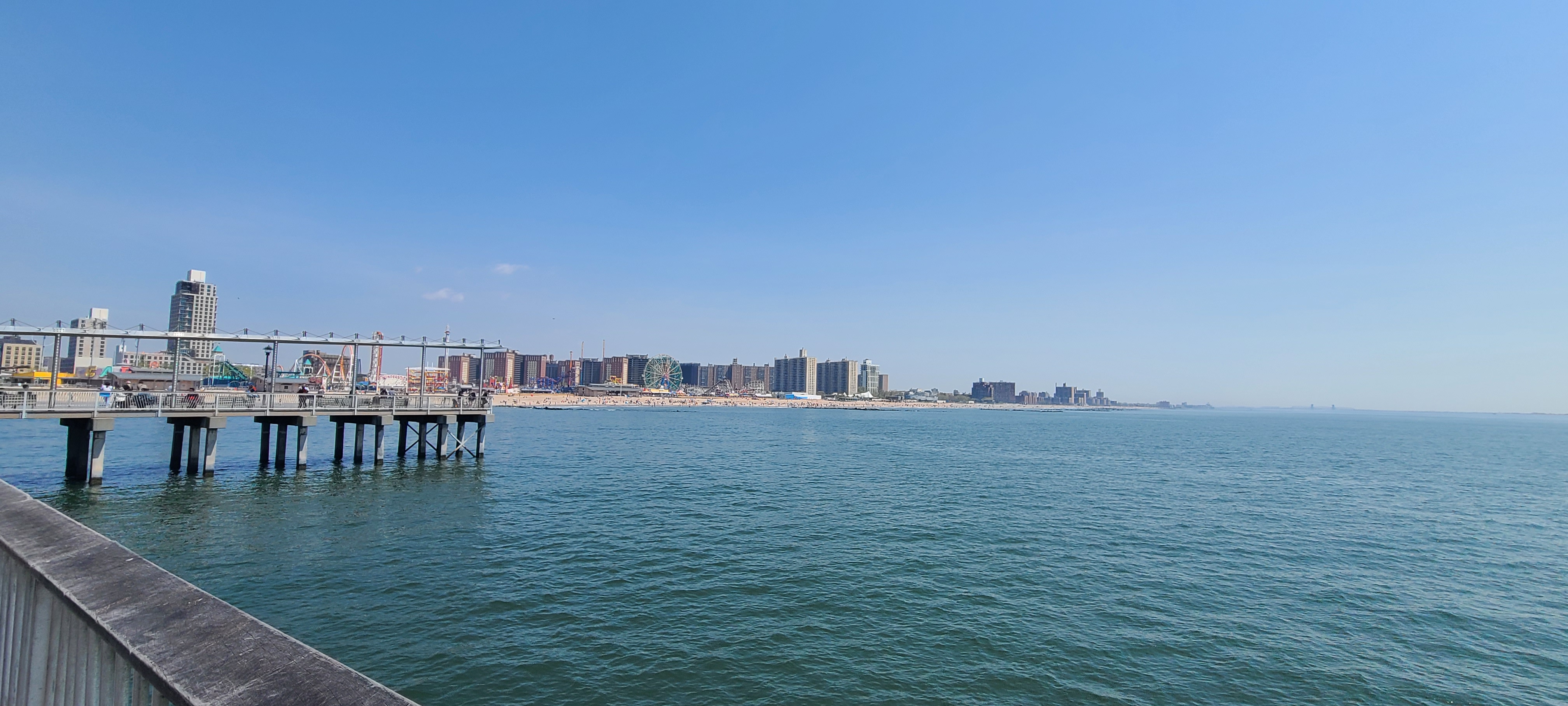
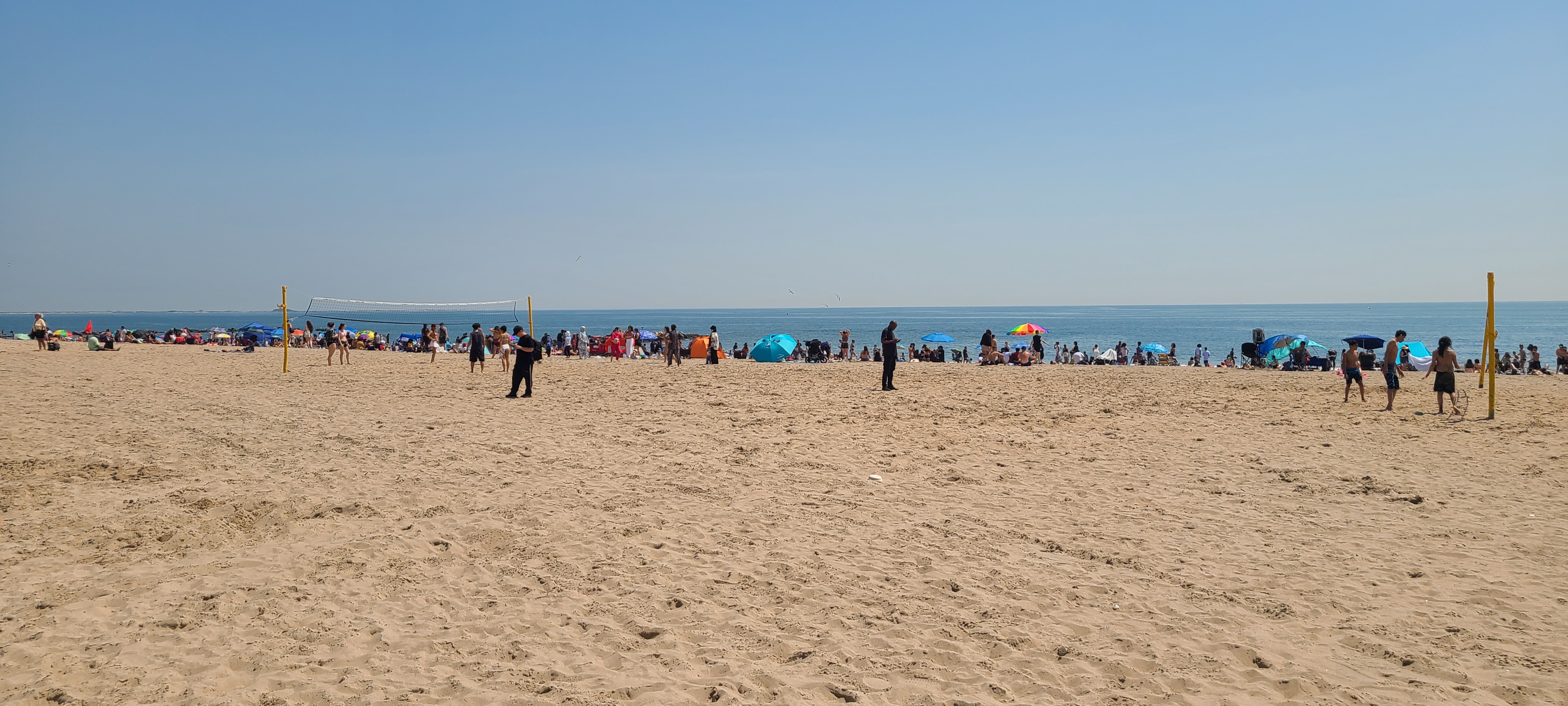
This week, I had my first Brooklyn beach day of 2024 at Coney Island! Since moving from the Upper West Side to Brooklyn almost a year ago, I’ve discovered a number of new joys in New York City. One of the biggest has been Coney Island — named one of the best 25 beaches in the U.S. in 2024 by Travel+Leisure Magazine. Coney Island is a 20-minute subway ride from my apartment. In addition to the beach, there’s a boardwalk loaded with delicious food and drinks, rides, games, a minor league baseball stadium, fun street art, music, city park land, and a load of characters from every walk of life. I look forward to spending many days here this summer.
Fun Coney Island and NYC beach facts: – How Coney Island got its name is widely disputed. Some theories: (1) an Irish boat captain named Peter O’Connor sailed to New York from Ireland in the late 1700s, and named Coney Island after Ireland’s Coney Island, which was and remains a mile from O’Connor’s home in County Sligo and looks remarkably similar to Brooklyn’s Coney Island save for the fact that the island in Ireland is nearly deserted and Brooklyn’s Coney Island is a magnet for locals and tourists alike. (2) The Dutch settled Manhattan in 1624 and inhabited Coney Island soon afterward. It was home to a large population of wild rabbits and the Dutch word for rabbit is “konijn”. (3) The areas was once inhabited by the Konoh, or Bear, tribe. Records from all these times are spotty or non-existent so we may never know exactly how Coney Island got its name.
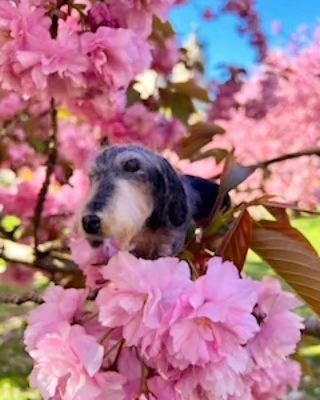
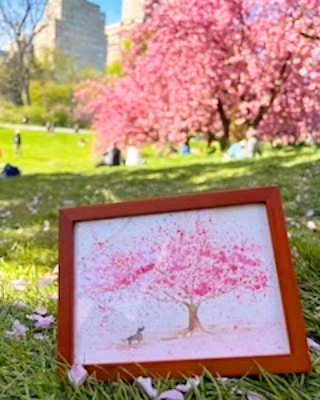
Get yourself a friend like this: Ashley painted my soul dog, not once but twice, and then on her day off from her intense job went with me to Central Park to commemorate him by taking photos under his favorite cherry trees in full bloom of the paintings she painted and the felt likeness of him given to me by another sweet friend.
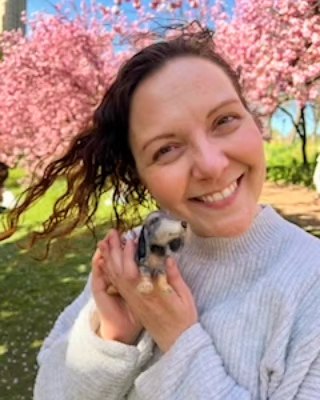
The locket I’m wearing has a lock of Phin’s hair in it. Phinny was certainly with us as we saw 5 dachshunds on our visit. His way of saying, “Hi, Mom! Hi, Ashley! I love you.” A pair of them, Otto and Oliver, were just 7 months old. Their dads had lost their 13-year-old dachshund, Arthur, a year before getting Otto and Oliver. “Nothing can bring the joy of your dog back as much as another dog.”
It’s been 3 months since Phinny passed away in my arms. This visit to his favorite part of the park during his favorite time of year with my dear friend did my broken heart so much good. I realize now this grief will never leave me. I’m learning how to carry it while also finding joy every day. We contain multitudes. Phinny is still teaching me. He’s always teaching me. Our love story continues.
Flowering trees in my Brooklyn neighborhood. Photo by Christa Avampato.
Yesterday I should have been inside working but the warmth and sun kept me outside most of the day. I was walking around gobsmacked by my beautiful Brooklyn neighborhood bursting with flowering trees. Cherry, apple, pink dogwood, lilac, redbud.
I’ve been thinking of buying a small home outside the city. On my walk yesterday I realized my neighborhood has everything I want and then some. Walkable, friendly neighborhood feel, plenty of green space, good public transit, 20 minutes by train to the beach and 20 minutes by train into Manhattan, delicious food, local shops. And unlike most other New York City neighborhoods, it’s mostly single-family homes. I ended up in exactly the right place, exactly where I wanted to be. So now I’m thinking about buying a home right here.
Sometimes, I wish I’d already done certain things. I wish I’d already met the love of my life, owned a home, had or created my dream job. And then I remember how important it is to trust the timing of our lives. Maybe I haven’t been ready for any of those things until now. And because none of that has materialized yet, I did lots of other things that have been wonderful in their own right. Maybe there were certain things I needed to learn first.
It may have taken longer than I would have liked to reach this point in life, but we arrive when we arrive. Maybe I had to travel through many other lives first to fully appreciate this moment, when anything and everything feels possible. I see my dog, Phineas, in all of it. He led me right to where I needed to be, and only then did he know it was okay to go. I just wish he was still here to see own home in springtime.
(Below are photos I took in my Brooklyn neighborhood. I can’t believe I live here!)
This is my first spring in my new neighborhood in Brooklyn and it’s loaded with flowering trees! I went out for a long walks over the last few days, taking in the warmth and light, the scent of flowers, and the explosion of colors. My dog, Phinny, would have loved these days. I loved them for both of us.
Cherry blossoms in historic Green-wood Cemetery, Brooklyn. Photo by Christa Avampato.
It’s hard to believe Phin passed away two months ago. I’ve been looking for a locket for a few months to carry him with me everywhere I go. On Monday, the day of the eclipse!, this one arrived. It has a blue forget-me-not flower pressed into the front. It now holds a lock of Phinny’s fur. All he ever wanted in life was to always be with me. I took him with me whenever I could (and then some!) Spiritually, he’s forever with me. Now, he’s physically with me always, too, and we’re traveling together. Our love story continues.
Me in Prospect Park, Brooklyn, wearing the locket honoring my dog, Phineas.
Today is also the anniversary of the founding of the ASPCA in New York City in 1866. Phinny prompted me to become a monthly donor almost 9 years ago for his birthday. I’m so grateful for their work and honored to support their lifesaving mission for all these years.
My soul dog, Phineas, on a healthy and happy day in Central Park, Manhattan. Photo by Christa Avampato.
It’s also national hug your dog day. I wish I could hug Phineas today, so please hug your dogs for me. They are never with us long enough no matter how long their lives are. Love every day you get with yours. Here are some blooms to brighten your Wednesday.
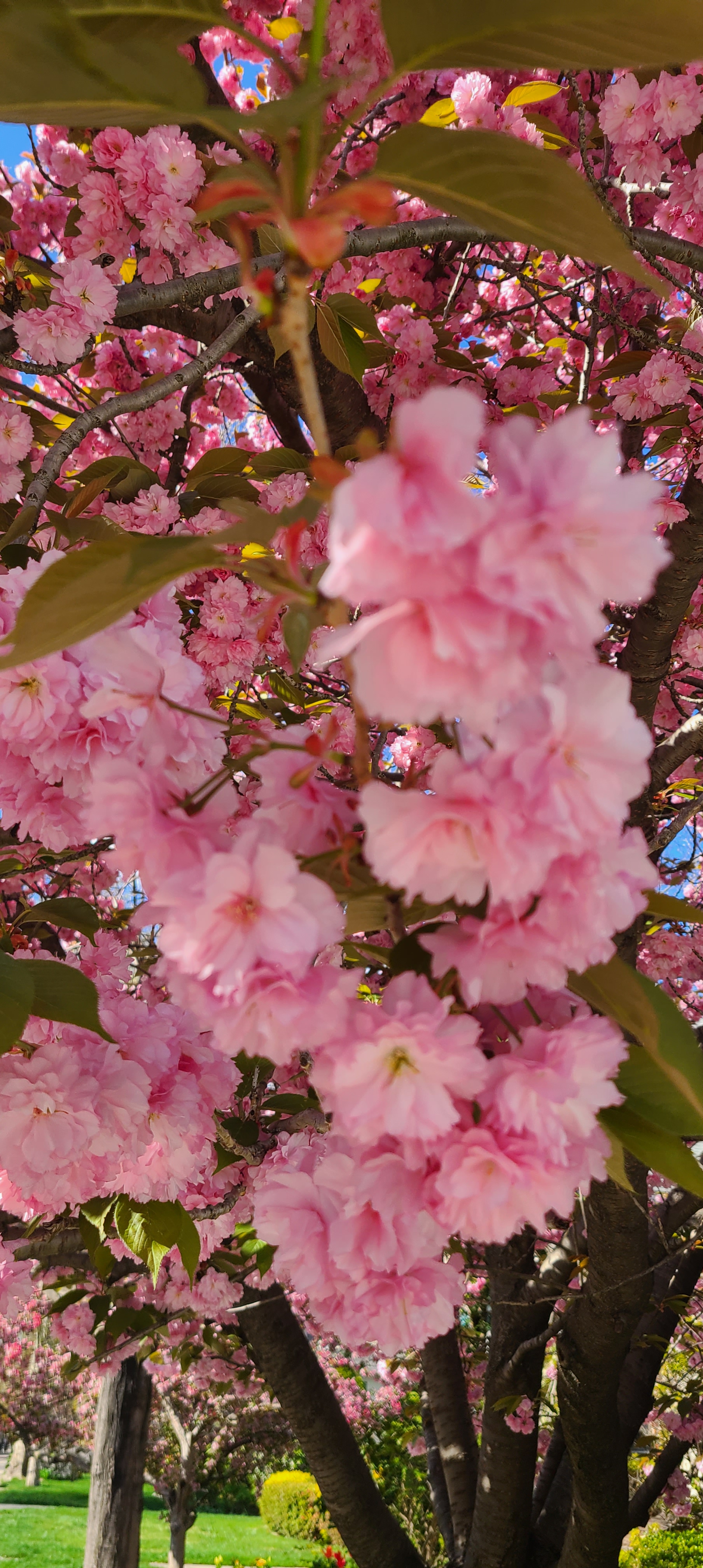
Cherry blossoms in Brooklyn. Photo by Christa Avampato.











 Christa Avampato