A number of years ago, I upgraded my diet to be plant-based. I still eat meat and animal products occasionally, but the bulk of my food comes from plants. I knew this change would be good for my health though I can’t say I was excited about it because I really didn’t know what to do with vegetables other than roast them. Enter the New York Times Cooking app, loaded with thousands of ways to turn vegetables into a feast. Some of my favorite vegetable-centric recipes are by James Beard Award winner Hetty Lui McKinnon whose inventive style and focus on easy preparation makes me feel like a gourmet cook even though I most certainly am not. Australian by birth and Chinese by heritage, she now lives in Brooklyn (as do I).
I recently read Hetty’s beautiful memoir cookbook, Tenderheart: a cookbook about vegetables and unbreakable family bonds. A love letter to both vegetables and her family’s role in stoking the fires of that love for her, Hetty gives us a glimpse into her past, present, and future, and celebrates her family history on every page. Organized by vegetable, the recipes include a snippet about why she loves each one, vegetable swaps and ingredient substitutions that can be made without compromising the flavor. I read cookbooks like they’re novels or biographies, so Hetty’s book is perfect for me. Give me a simple, healthy recipe and then tell me the story behind it.
From cabbage carbonara(-ish) to chocolate eggplant brownies to the not your traditional Sunday roast to her Mum’s velvet potatoes, Hetty now has me dreaming about vegetables. Her recipes have also caused me to seek out vegetables I don’t normally buy because I never knew what to do with them. While vegetables can take a bit more coaxing than other foods, they can be made to be every bit as satisfying and craveable as any other food.
Post-dissertation, I’m happy to be back in my kitchen more now than I’ve been able to be over the past two years. If you want to fall in love with vegetables, please join me in my sun filled apartment. With help from Hetty’s recipes (I’ve now ordered all of her cookbooks!), I’ll be happy to play matchmaker.
This year I learned June is National Cancer Survivors Month. I ended active treatment (for me, that was the end of primary surgeries, intravenous chemotherapy, and radiation) at the end of May 2021 so it perfectly coincides with my official cancer-free anniversary. 3 years on and I’m feeling terrific!
Being a survivor is daily work. Diet, exercise, medication, meditation, mindfulness, sleep, and stress-reduction are incredibly important parts of my routine helping me stay cancer-free. It can sometimes be a lonely road. Unless someone has walked this path themselves, it’s difficult to understand how it feels. My body does not look nor feel the way my pre-cancer body did. It never will. I’ve had to make peace with a new normal, scars and all. I miss my pre-cancer body and I’m grateful for the one I have. We can simultaneously carry mourning and gratitude. I carry them every day.
What I never lose sight of, not for a single moment, is that I’m extraordinarily lucky to be here at all. Even luckier still to be living a life I love and to be healthy. 2024 thus far has been challenging for me — personally, academically, and professionally. The world is a difficult place. My corner of the world is difficult, too, albeit for very different reasons. And still, I’m finding and cultivating beauty, wonder, joy, and love every day, in my work and in my life.
Water bears look like works of science fiction. The microscopic, 8-legged 1,300 species of water bears (tardigrades) are alive and well. Their remarkable abilities to survive and thrive in harsh conditions make them seem even more improbable. They’re one of the most resilient lifeforms that’s ever lived.
When I had 6 weeks of daily radiation to treat cancer, I thought a lot about the perseverance of water bears. The technicians would position me on the table, then close the heavy door behind them as they left the room to protect themselves from the radiation. Click. Through a small window, they’d watched me, alone, unmoving, exposed on a table with no protection from the radiation blasting my body. I imagined myself as a tardigrade, opening to the light and radiation, absorbing it to kill any microscopic cancer cells floating around my body. I would think of Rumi’s quote, “The wound is the place where the light enters you.”
By the end of week six, I had a painful burn the size of a baseball in the middle of my chest. “What would a tardigrade do with a burn like this?”, I wondered. They’d tend to what needed tending. So, that’s what I did. I changed dressings and applied the medication twice a day. I meditated on my wound, imagining it closing and healing. It was painful and frightening to have a wound like that, but like so much along my cancer journey, it passed. To my amazement and my doctors’, it healed in 2 weeks. Today it’s only a few freckles and the tattoo that marks the focus of the radiation beam, the place where the light entered me and healed me.
As we consider how to create a world resilient to climate change impacts, again I’m thinking of tardigrades. How can we withstand hardship, quickly and completely fixing what breaks? How can we endure? Nature-based solutions to our most dire challenges are found all around us if only we look, listen, and seek to understand. In a world where we constantly navigate change and manage difficulty, I want to be a tardigrade — repairing myself, my ecosystem, and all beings with whom I share it.
My last dose of Verzenio. Photo by Christa Avampato.
A little over two years ago, I wrote an article about my decision to take Verzenio to prevent breast cancer recurrence. On April 14th, I took my last dose of the medication and now I feel like a new person. Taking Verzenio at the maximum dose for two years was one of the most challenging parts of cancer treatment. Still, I’m glad I took it as part of doing everything I possibly can to stay healthy. I’m beyond grateful that the medication was delivered to my door every month free of charge to me because my health insurance paid the entire cost – $14,000 per month for a grand total of $336,000.
The indignities of cancer treatment are many, and I’ve experienced most of them. Verzenio certainly caused me a lot of anguish. Every day I had at least a low-grade stomach ache, and often much worse. I carried medication to deal with these issues everywhere I went, and often had to use it. Alcohol and grapefruit were off limits. I worried about everything I ate because anything could make me sick at any time. I had to constantly manage fatigue that sleep couldn’t fix, insomnia, depression, hair thinning, dry and sensitive skin, weight gain and aching joints, decreasing bone density, and the possibilities of developing liver and lung issues, being immunocompromised, and having anemia. Mercifully, my blood work was always normal when it was checked by my oncologist every three months – partly from my constant management of my diet and partly because I was very lucky.
Despite all that, that were bright spots, too, when I would discover something that helped, at least for some amount of time. Probiotics lessened the stomach issues, and I stopped drinking coffee, paired everything with carbs, upped my protein intake, and limited spicy, acidic, adventurous food. Audiobooks, an eye mask, and meditating helped me sleep, or at least rest. When I couldn’t sleep, I would often imagine myself traveling over coral reefs in the company of my dog, Phin, with a whale tour guide whom my imagination named Blue. Creativity was a great help on sleepless nights.
Shampoo and conditioner bars from Kitsch slowed the hair thinning. The dryness of my skin was eased by products from Good Molecules, Cetaphil, and HyaloGyn. Daily exercise and fish oil supplements eased my aching joints. The Zometa infusions I get every six months are helping me regrow the bone density I’ve lost. I kept anemia at bay with daily protein shakes. I bought a digital scale to monitor my weight every day, and experimented with recipes that were high nutrition, low-calorie, economical, and not too complicated to make.
Managing depression required a daily recalibration. My dog, Phineas, was my biggest support in that effort. Losing him in January of this year was a devastating loss and the grief at times felt unbearable. Verzenio made his passing even worse. To keep my head up, I did something every day that brought me joy – I spent time with friends, listened to music, watched movies, read books, visited museums, and did things I loved to do – writing, learning from and about nature, running, taking long walks, making art, and studying for my master’s program in sustainability. Joy was one of my saviors during active treatment and it helped with Verzenio, too. Though sometimes I had no choice but to just let myself feel sad, frustrated, and depressed. I cried a lot. Knowing the depression was driven by the medication helped. Knowing this was my now and not my forever encouraged me to keep going, to keep moving.
If all this sounds exhausting, I can assure you it was. Now that I’ve been off the medication for nearly a month, I can see how much effort it took to be on it. In the moment, I tried my best not to acknowledge that. I’ve spent most of the past four years since my diagnosis with my head down, focused on getting to this finish line.
Now that I feel better and lighter, I’m lifting my gaze. Right now, the field of my future is wide open. That’s equal parts exciting, and scary. I don’t know what lies ahead. Sometimes I feel like I’m on the edge of a cliff. And that’s okay because even on the cliff, I’m dancing, fully alive. I’m just glad to be here, and to be healthy. Verzenio was a part of making that possible.
So, if I had it to do over again, would I take Verzenio? Absolutely, unequivocally, yes. This is a life worth fighting for.
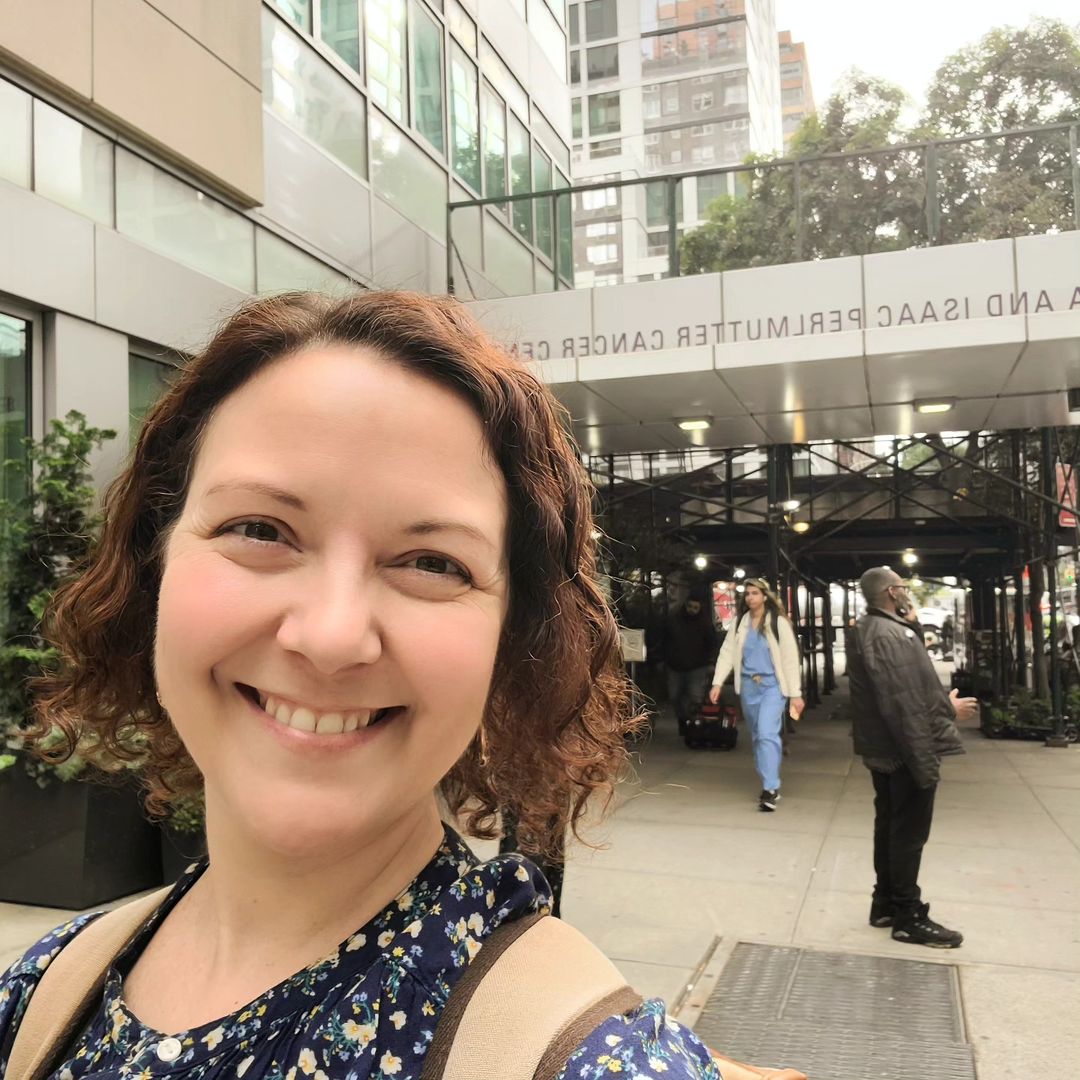
Me getting my recent Zometa infusion at Perlmutter Cancer Center
This is me at Perlmutter Cancer Center this week getting an infusion of Zometa, my own version of the Harry Potter Skele-Gro potion. The medications I take to prevent cancer recurrence have the unfortunate side-effect of decreasing my bone density. Zometa has the dual benefit of regrowing bone and reducing the risk of breast cancer recurrence. Isn’t that cool? The hope is I’ll only need 4 infusions (once every 6 months) so I’m halfway there! I also got all my annual bloodwork done and it’s perfect.
I get this infusion once every 6 months in the same chemo ward I went to during those dark days of active treatment in the midst of the pandemic before vaccines. I remember how sick and scared I was, how my dreams were on hold, and maybe out of reach. I’d flip through pictures of University of Cambridge and University of Oxford having put my graduate school applications to study environmental sustainability on hold, hoping I’d live to pursue those dreams.
Now I’m 3 months from finishing my degree at Cambridge Institute for Sustainability Leadership. The dream came true. It was a dream delayed but not a dream denied, thanks to the incredible care I received and the many people who made it possible for me to heal. Science and medicine are incredible. Better living through chemistry.
Managing through ongoing care can be exhausting. I’m also extraordinarily lucky to have access to the best medical care in the world. There are so many who don’t. And if this is what it takes to maintain my health and live the life I imagine, that’s fine with me. There is so much I’m learning on the journey, and I’m grateful to be able to use it to help others.
I’ll be sharing more about all of this throughout the week. For now, I’m feel so much gratitude for all of this, and for the people who made all of this possible. Thank you, thank you, thank you.
As breast cancer awareness month comes to a close, I wanted to share this clip of me that was filmed by Jen Aks from The Power of Gesture just as I completed active treatment in 2021. (You can see the full interview at https://www.youtube.com/playlist?list=PLF8SWzj5Blq1S8KGan6FXCl8tvxTPUVZm). My hair had started to grow back after chemo and I was on heavy doses of steroids to repair my body from a near-lethal case of pulmonary pneumonitis (lung inflammation) caused by chemo.
Healing and hopeful, I turned my attention to my mental health, something we don’t talk enough about as it relates to physical illness. I made the conscious choice to see cancer as a gift, something that honed me as it harmed me. Though I don’t want anyone to ever go through cancer, I wouldn’t erase it from my own history if I could. It made me stronger, wiser, braver, kinder, and more compassionate. It taught me to ask for help and advocate for myself and all others who walk this road.
Because of what I went through, patients at my cancer center now have better care. My personal health data from this battle has been presented at medical conferences and written about in medical journals to better train doctors and researchers. I continue to contribute to research for better treatments and cures.
From food drops at my front door to gifts of comfort to messages of encouragement in every communication channel I have, my community had my back every step of the way. Though physically alone for much of my journey, they made sure I was never spiritually alone. They brought me joy and hope, and many times that was all I had to hang onto. There is no healing without grieving, and so I gave myself the space to grieve and mourn everything I lost. That process allowed me to recognize that while I can never get back my pre-cancer life and body, I can have something better—the life I have now. If we can let go of a dream that’s died, we can create something new and better.
Healing isn’t linear nor easy, but now on this side of history I can say that it’s absolutely worth every ounce of effort. So no matter what you’re going through now, keep going. There’s something beautiful waiting for you.
3 years ago today I had the surgery that eradicated cancer from my body – a bilateral mastectomy with reconstruction. I had my annual checkup with my brilliant surgeon, Dr. Freya Schnabel at Perlmutter Cancer Center – part of NYU Langone Health, today and I’m happily NED – no evidence of disease. Forever grateful and enjoying my life and health to the max! Thank you to everyone who’s been in the trenches with me and helped me up and over this mountain. So happy to pay it forward and help others on their journey.
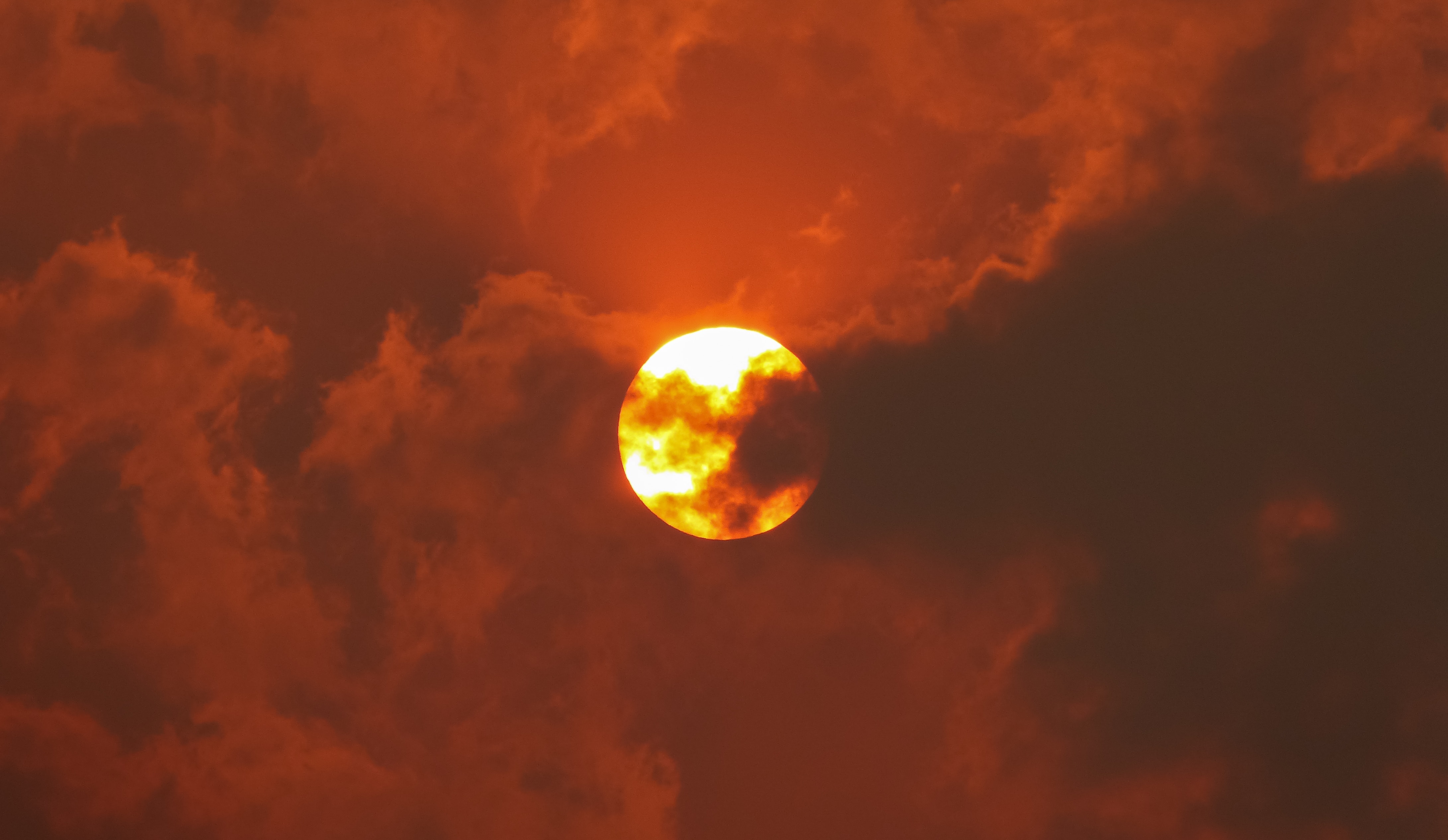
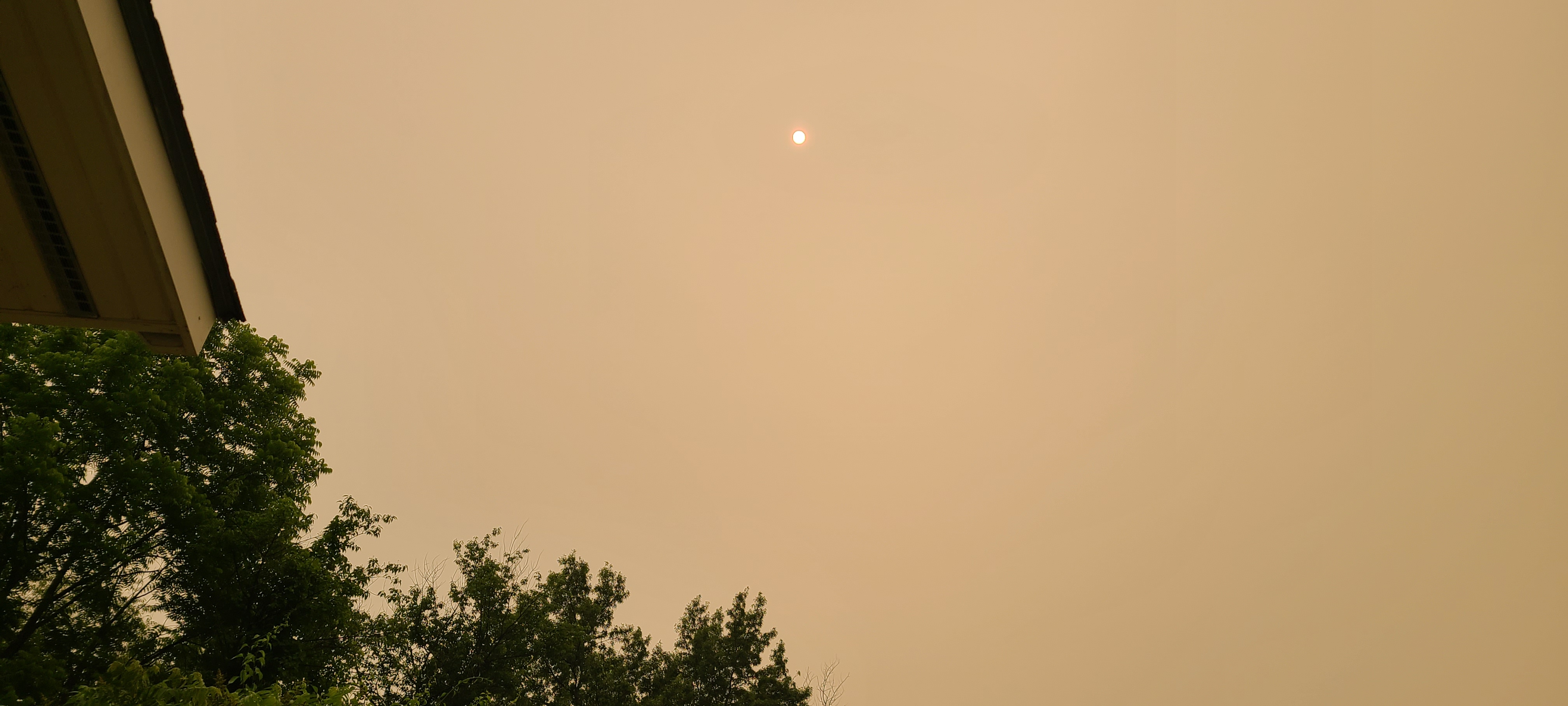
The U.S. loves a good blame game. I’ve seen some journalists and talking heads blame Canada for New York City’s hideous air quality that is now migrating south, and others call these fires “natural”. Let’s debunk both these myths.
Don’t blame Canada Canada is not the enemy, just the stage for this latest environmental tragedy. The wildfires were caused by years of extreme temperatures and drought, driven by climate change, drying out forests and making them hotter. This is a great recipe for kindling. Canada’s millions of acres of forest are tinderboxes.
These Canadian wildfires are not “natural” Climate deniers love to throw around the word “natural”. There is nothing natural about the fires except for the fact that they are impacting nature in profound ways that will, if left unchecked, leave this planet and us in jeopardy. There’s nothing natural about massive consumption far beyond our needs, our outrageous generation of trash and pollution, and the intense love affair we have with fossil fuel use. This wildfire season has started earlier, is already more fierce than any in history, and will last longer. All of these circumstances are driven by an accelerated rate of climate change, rate being the opportune word.
Yes, climate changes over time, and so does weather. Another myth to debunk—climate and weather are not the same. Climate is a pattern over time; weather is an acute event. They are linked, but they are not the same. We expect weather to change. We expect, and need, climate to be stable.
We still have time to fix this As treacherous as this situation is now, all is not lost, yet. We can change our behaviours. We can change how we live on and with this planet, and all the species who call it home. We can eat more plants and fewer animal products. We can use less energy, and create more of it from sustainable sources. We can have honest conversations, and take more responsibility as individuals, communities, governments, and businesses. We can be alarmed, maintain hope, and use tragedy as fuel to turn pain and peril into power through our actions.
What we can’t do is lie, bury our heads in the sand, prey off of people’s fears, and be complacent. It’s time to rise together to protect the planet. Our own lives and livelihoods hang in the balance.
It’s forcing New Yorkers indoors to protect their health. The city has asked that if they must go outdoors, they should dig out and wear those KN95 masks they thought were in their COVID-19 rearview mirrors. They are being encouraged to work from home is possible, and many events are being cancelled across the city, including after-school activities.
During the War of 1812, Master Commandant Oliver Perry wrote to Major General William Henry Harrison, “We have met the enemy, and they are ours.” He could easily write the same line today with respect to climate change. We are the problem, and we are also the solution.
Synchronistically, I am in upstate New York taking a break as I wait for my new Brooklyn apartment to be ready and I am working my way through the climate segment of my Masters degree in Sustainability Leadership at University of Cambridge. For the record, I don’t like to be away from my city when there’s a crisis. As a proud and committed New Yorker, I feel responsible for my home, my neighbors, and our collective future, particularly when it comes to environmental sustainability.
The inequality in New York is also causing a disparity in impact with this latest air quality warning. I feel for the elderly, those with health challenges intensely impacted by this situation, those in neighborhoods who are already disproportionately impacted by climate change and health challenges, and essential workers such as sanitation workers who again are being asked to show up in our city for our sake.
My biggest goal in my life is to make New York the healthiest and most sustainable city on the planet. We have much to do, and a long way to go. This latest air quality warning proves we must go together.



 Christa Avampato