This is a photo of pure potential and a crazy dream. 12 tree saplings in their youngest and most vulnerable state: 3 eastern redbuds, 2 sargent crabapples, 2 washington hawthorns, 3 white flowering dogwoods, and 2 crapemyrtles. They all begin as a single twig with wispy roots.
The next time you’re looking at a fully grown tree, consider all the energy, effort, and time they took to transform themselves. If you’re thinking of doing something new or growing in a new direction, think of a tree. If they can grow from a fragile shoot into a towering figure who provides shade, clean air, food, and a home for so many species, who stands tall in the face of difficulty, then you can grow into who you want to be.
Over the next few months, I’ll be looking after these little ones in the hopes of giving them to my Brooklyn neighbors to plant in their yards when they’re a bit bigger and stronger. I’m sure there will be many lessons in this botanical endeavor. For now, these are the words they’re speaking to me: surround yourself with love and nourishment, and see how you flourish.
Water bears look like works of science fiction. The microscopic, 8-legged 1,300 species of water bears (tardigrades) are alive and well. Their remarkable abilities to survive and thrive in harsh conditions make them seem even more improbable. They’re one of the most resilient lifeforms that’s ever lived.
When I had 6 weeks of daily radiation to treat cancer, I thought a lot about the perseverance of water bears. The technicians would position me on the table, then close the heavy door behind them as they left the room to protect themselves from the radiation. Click. Through a small window, they’d watched me, alone, unmoving, exposed on a table with no protection from the radiation blasting my body. I imagined myself as a tardigrade, opening to the light and radiation, absorbing it to kill any microscopic cancer cells floating around my body. I would think of Rumi’s quote, “The wound is the place where the light enters you.”
By the end of week six, I had a painful burn the size of a baseball in the middle of my chest. “What would a tardigrade do with a burn like this?”, I wondered. They’d tend to what needed tending. So, that’s what I did. I changed dressings and applied the medication twice a day. I meditated on my wound, imagining it closing and healing. It was painful and frightening to have a wound like that, but like so much along my cancer journey, it passed. To my amazement and my doctors’, it healed in 2 weeks. Today it’s only a few freckles and the tattoo that marks the focus of the radiation beam, the place where the light entered me and healed me.
As we consider how to create a world resilient to climate change impacts, again I’m thinking of tardigrades. How can we withstand hardship, quickly and completely fixing what breaks? How can we endure? Nature-based solutions to our most dire challenges are found all around us if only we look, listen, and seek to understand. In a world where we constantly navigate change and manage difficulty, I want to be a tardigrade — repairing myself, my ecosystem, and all beings with whom I share it.
My last dose of Verzenio. Photo by Christa Avampato.
A little over two years ago, I wrote an article about my decision to take Verzenio to prevent breast cancer recurrence. On April 14th, I took my last dose of the medication and now I feel like a new person. Taking Verzenio at the maximum dose for two years was one of the most challenging parts of cancer treatment. Still, I’m glad I took it as part of doing everything I possibly can to stay healthy. I’m beyond grateful that the medication was delivered to my door every month free of charge to me because my health insurance paid the entire cost – $14,000 per month for a grand total of $336,000.
The indignities of cancer treatment are many, and I’ve experienced most of them. Verzenio certainly caused me a lot of anguish. Every day I had at least a low-grade stomach ache, and often much worse. I carried medication to deal with these issues everywhere I went, and often had to use it. Alcohol and grapefruit were off limits. I worried about everything I ate because anything could make me sick at any time. I had to constantly manage fatigue that sleep couldn’t fix, insomnia, depression, hair thinning, dry and sensitive skin, weight gain and aching joints, decreasing bone density, and the possibilities of developing liver and lung issues, being immunocompromised, and having anemia. Mercifully, my blood work was always normal when it was checked by my oncologist every three months – partly from my constant management of my diet and partly because I was very lucky.
Despite all that, that were bright spots, too, when I would discover something that helped, at least for some amount of time. Probiotics lessened the stomach issues, and I stopped drinking coffee, paired everything with carbs, upped my protein intake, and limited spicy, acidic, adventurous food. Audiobooks, an eye mask, and meditating helped me sleep, or at least rest. When I couldn’t sleep, I would often imagine myself traveling over coral reefs in the company of my dog, Phin, with a whale tour guide whom my imagination named Blue. Creativity was a great help on sleepless nights.
Shampoo and conditioner bars from Kitsch slowed the hair thinning. The dryness of my skin was eased by products from Good Molecules, Cetaphil, and HyaloGyn. Daily exercise and fish oil supplements eased my aching joints. The Zometa infusions I get every six months are helping me regrow the bone density I’ve lost. I kept anemia at bay with daily protein shakes. I bought a digital scale to monitor my weight every day, and experimented with recipes that were high nutrition, low-calorie, economical, and not too complicated to make.
Managing depression required a daily recalibration. My dog, Phineas, was my biggest support in that effort. Losing him in January of this year was a devastating loss and the grief at times felt unbearable. Verzenio made his passing even worse. To keep my head up, I did something every day that brought me joy – I spent time with friends, listened to music, watched movies, read books, visited museums, and did things I loved to do – writing, learning from and about nature, running, taking long walks, making art, and studying for my master’s program in sustainability. Joy was one of my saviors during active treatment and it helped with Verzenio, too. Though sometimes I had no choice but to just let myself feel sad, frustrated, and depressed. I cried a lot. Knowing the depression was driven by the medication helped. Knowing this was my now and not my forever encouraged me to keep going, to keep moving.
If all this sounds exhausting, I can assure you it was. Now that I’ve been off the medication for nearly a month, I can see how much effort it took to be on it. In the moment, I tried my best not to acknowledge that. I’ve spent most of the past four years since my diagnosis with my head down, focused on getting to this finish line.
Now that I feel better and lighter, I’m lifting my gaze. Right now, the field of my future is wide open. That’s equal parts exciting, and scary. I don’t know what lies ahead. Sometimes I feel like I’m on the edge of a cliff. And that’s okay because even on the cliff, I’m dancing, fully alive. I’m just glad to be here, and to be healthy. Verzenio was a part of making that possible.
So, if I had it to do over again, would I take Verzenio? Absolutely, unequivocally, yes. This is a life worth fighting for.
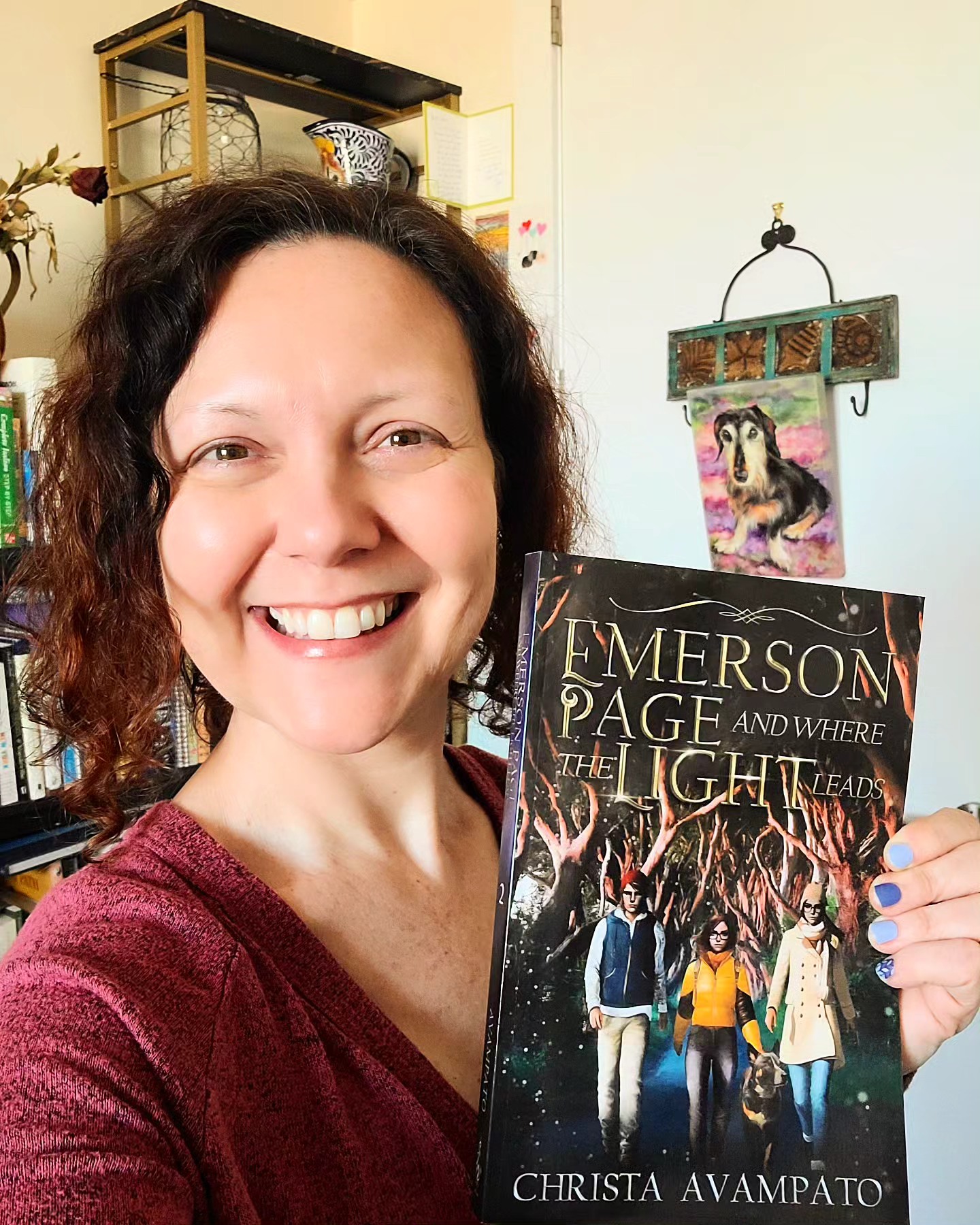
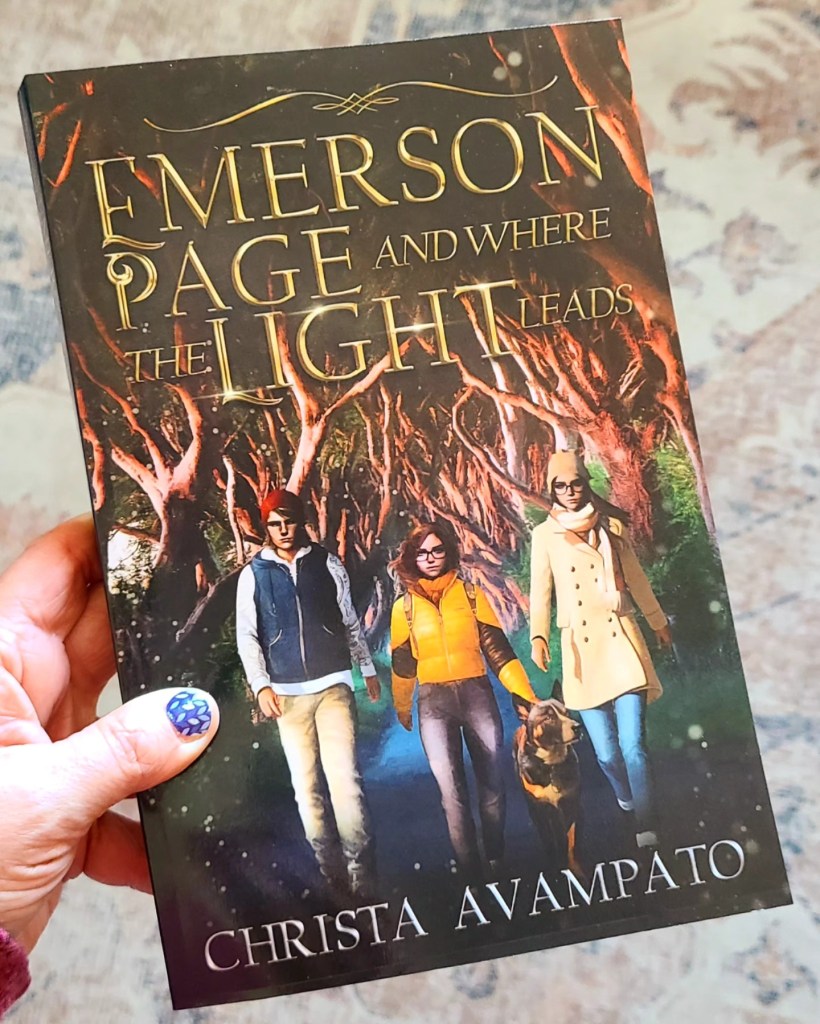
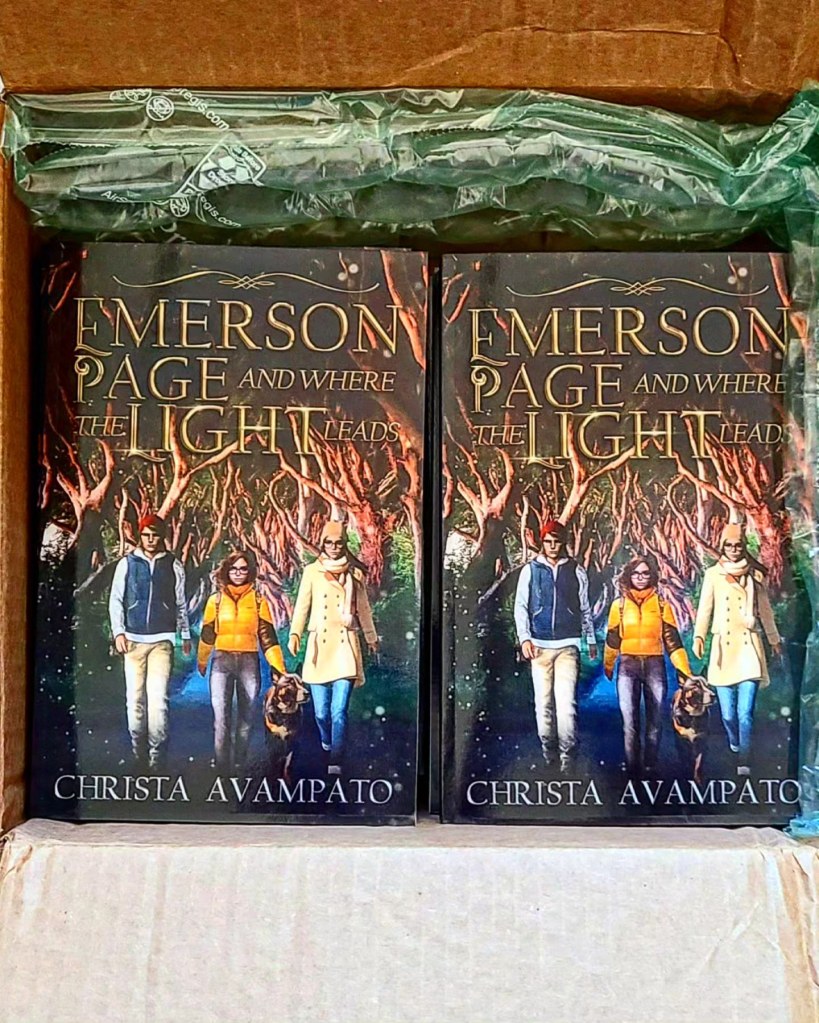
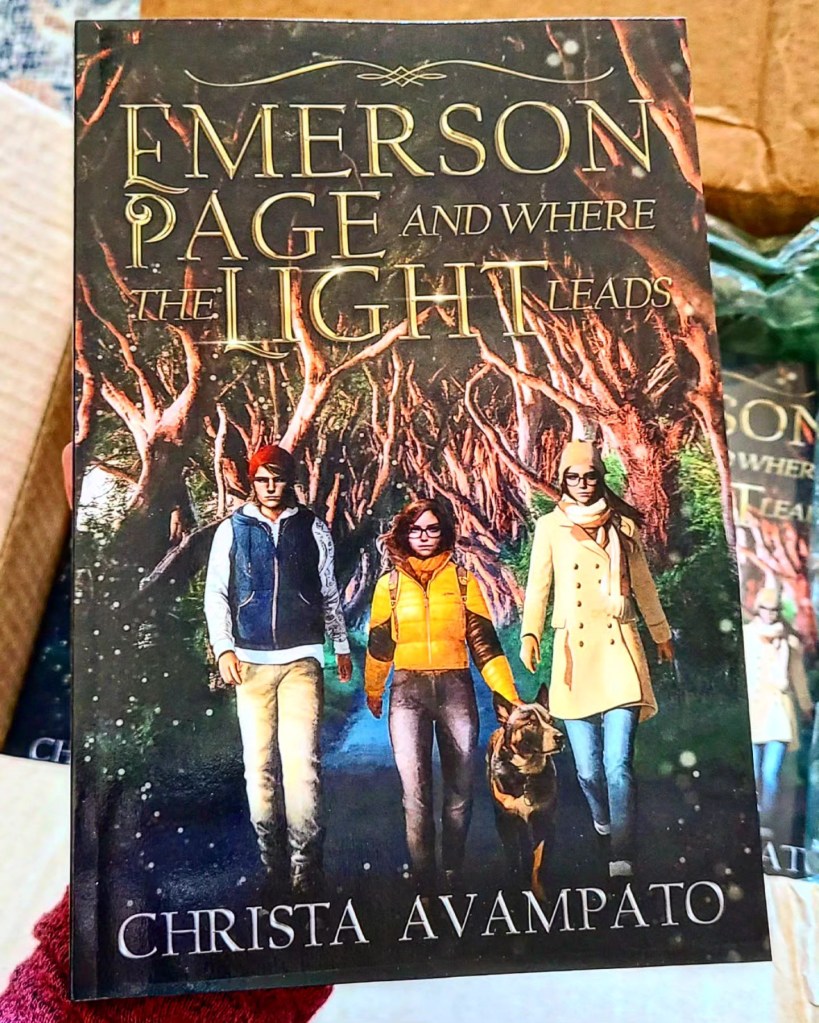
These are the days that make all the years of effort an author puts into a book worthwhile. Today, I got to hold my second novel for the first time, and it was even more magical than I imagined it would be. She’s beautiful! Emerson Page and Where the Light Leads launches globally everywhere books are sold on May 14th, a week from today! Pre-order available now at https://www.amazon.com/Emerson-Page-Where-Light-Leads/dp/1958901806
The wonders of nature amaze me every day, and today a piece of natural news left me in awe. A paper was just published in the journal Nature about an orangutan who was observed self-medicating with remarkable effects that even trained medical doctors would have trouble reproducing.
In Sumatra, a 35-year-old orangutan known to researchers as Rakus had a large, deep, open wound on his face close to his eye. To look at it even made me wince, and I’m not at all squeamish about medical issues! With his teeth, he ground yellow root, an herb he rarely ate that has anti-inflammatory and anti-bacterial properties. He then applied the yellow root paste to his facial wound. In several days, it scabbed over. A little over a month later, it was barely noticeable with no sign of infection. (The images of Rakus above are from the paper in Nature.)
How could Rakus possibly act as his own doctor and healer? Where did he learn this yellow root technique? Scientists don’t know yet. While other animals have been observed in the wild tending to their injuries and the injuries of others, some even administering self-care and preventative-care, this was the first time an animal was observed medicinally treating a wound and with remarkable success.
There is so much we don’t know nor understand about the natural world. This is one of the many reasons why conservation is so vital for the health of people and our planet. Nature-based solutions to what ails us are everywhere, and to allow us to learn from them we must conserve the ecosystems where they occur. Perhaps Rakus has shown us a new medication that we could use to treat human wounds. He and his species are sentient, thoughtful beings who hurt and heal just as we do, deserve respect and concern, and have a right to survive and thrive.
Driven by the university student protests across the country, divestment is a top topic in U.S. media today. I’m currently getting my Masters in Sustainability Leadership at the University of Cambridge. At our December 2023 workshop, I learned about the complexities of the university’s divestment from fossil fuel companies.
I was particularly interested in this topic at my December workshop at Cambridge because in late 2022 at the start of my group project for my program, I tried to completely divest my personal retirement funds from fossil fuels. I had a clear goal of divestment from fossil fuels, and only a few funds at two financial institutions (one from my current job and another for my roll-over accounts from retirement funding I earned at previous jobs). I planned to talk to someone at the financial institutions, make a few changes to my investments, and have my portfolio free from fossil fuels.
Divesting my own small retirement fund from fossil fuels was anything but simple. 18 months, many phone calls, emails, and hours of research later, and I still have some investments in fossil fuel companies despite all my efforts and time. It’s fewer than I had when I started this process, which is progress, but it’s not the perfect change I hoped for. My personal work to divest from fossil fuels in ongoing.
While the divestment process is complex, I wanted to use this post to provide a few insights from the efforts at Cambridge along with links to those who want to dive deeper into this topic and case study. This case study helped me learn more about the divestment process and informs me about how it could be utilized by university administrators, faculty, students, and alumni who want to be actively engaged in the management of a university’s endowment, overall financials, and operations. Of course, this is just one case study at one university and other divestment processes at other universities may differ in their journey and the results.
The form(s) of activism best suited for any individual or organization has many considerations. Examples include organized protests, public letters and other media outreach, contact with elected and appointed officials and policy makers, local actions in a specific community (caring for a natural area through rewilding, replanting, regenerating, clean-ups, etc.), buying goods and services from companies that align with our values, running for elected or appointed office, having conversations with people in our community about our personal experiences, and starting, working, and volunteering for companies, organizations, and partners that align with our values. This is only a small list of possible actions.
One thing I’ve learned in this process is one form of activism is not better, nor more valid, than another. How, when, and why people engage in activism is impacted by many circumstances — our resources of time and money, where we feel we can best contribute and make an impact, personal and professional commitments, and our mental and physical health to name just a few.
Trade-offs, negotiations, and incremental progress Another consideration in all divestment conversations is the topic of trade-offs and negotiations because it is rare (though perhaps not impossible) to find a perfect solution or action to a challenge we want to solve. As an individual, I only have to consider my own trade-offs. A university like Cambridge has many stakeholders to consider so their trade-offs and negotiations are much more complicated than mine as an individual.
Divestment with a clear goal, an agreement on specific tactics and actions, an understanding of trade-offs, negotiations, and incremental progress is a journey. It takes continuous efforts by many people over a long period of time. Lasting change is a collective, collaborative process of coalitions.
Here are the links I refer to in this post for easy access. I hope they’re helpful for anyone interested in learning more about divestment:
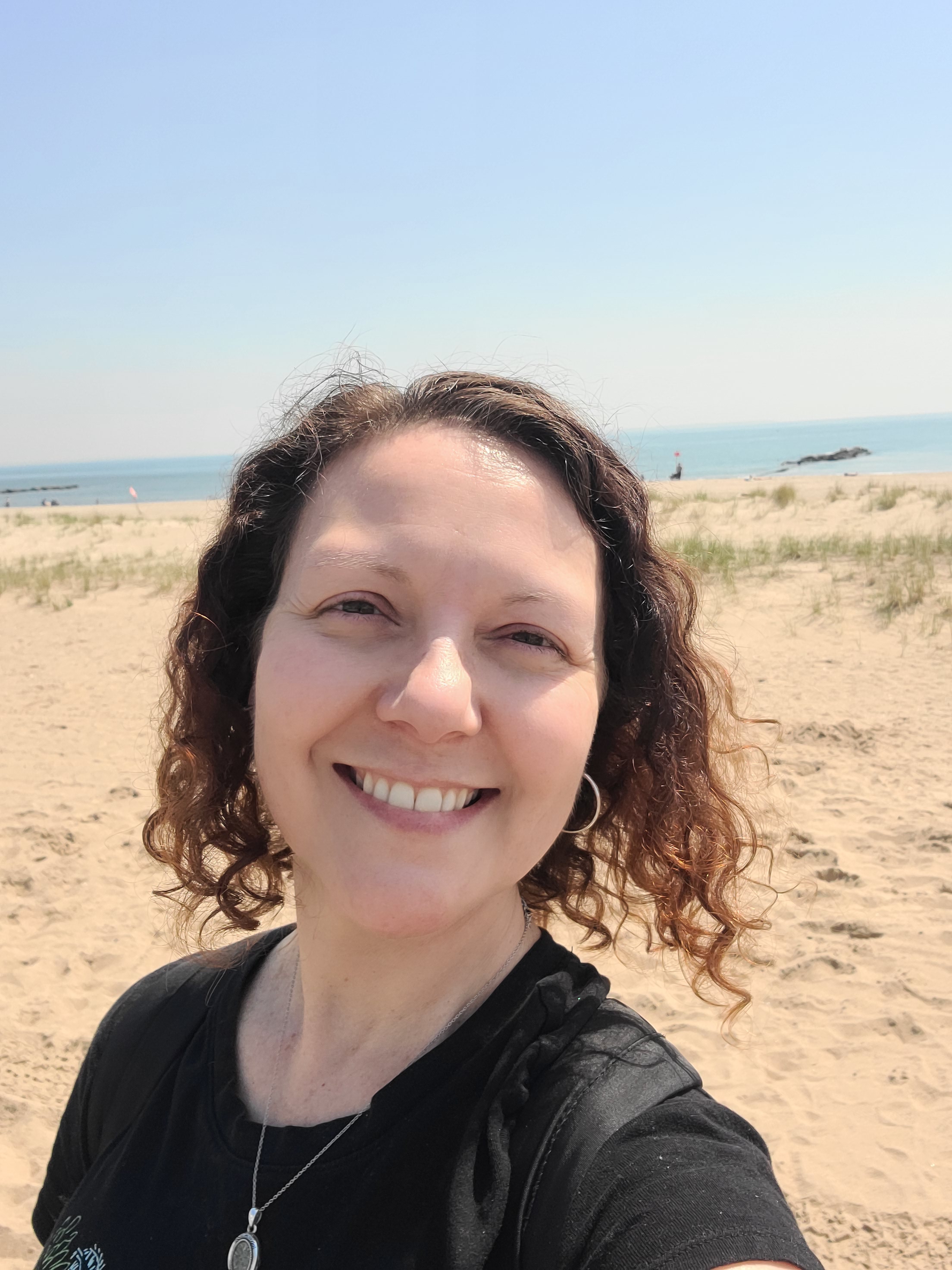
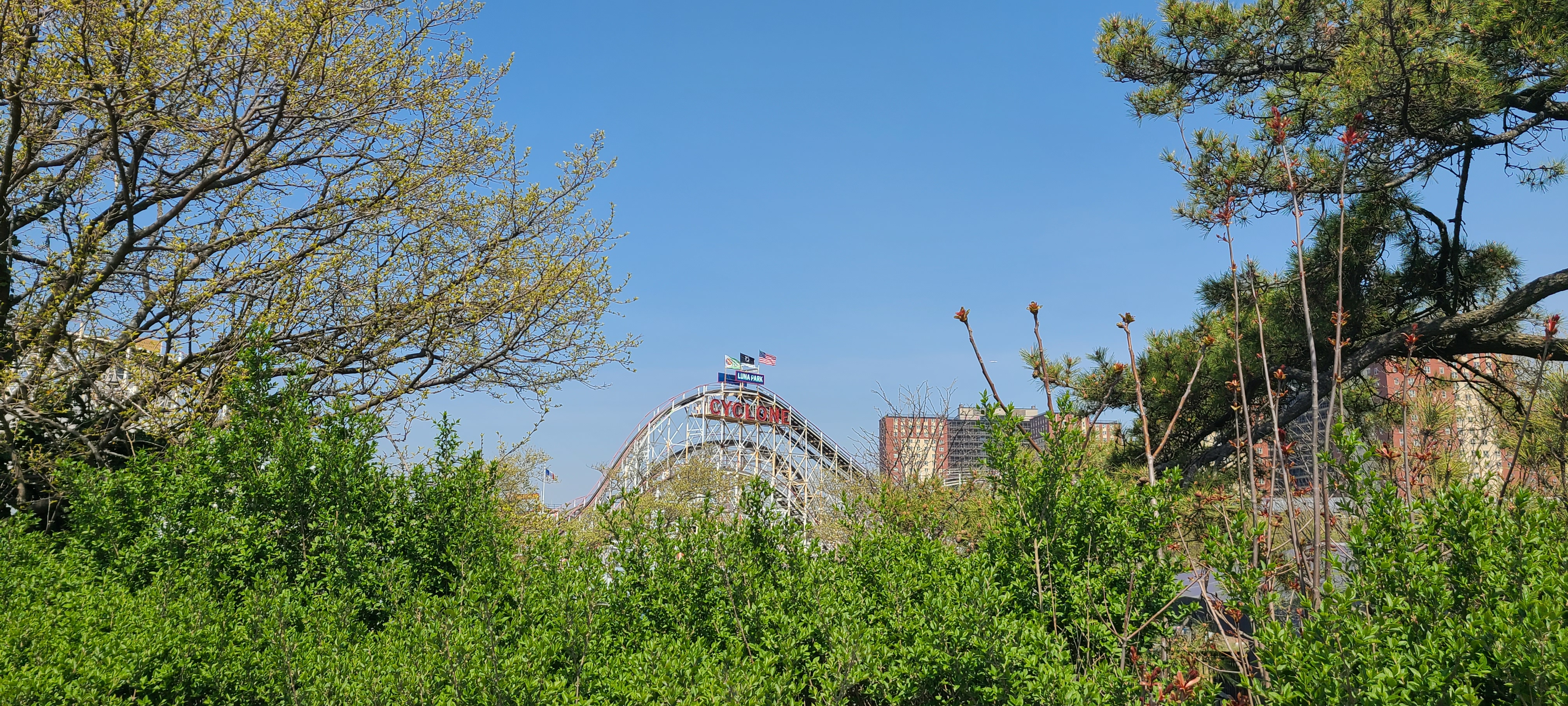
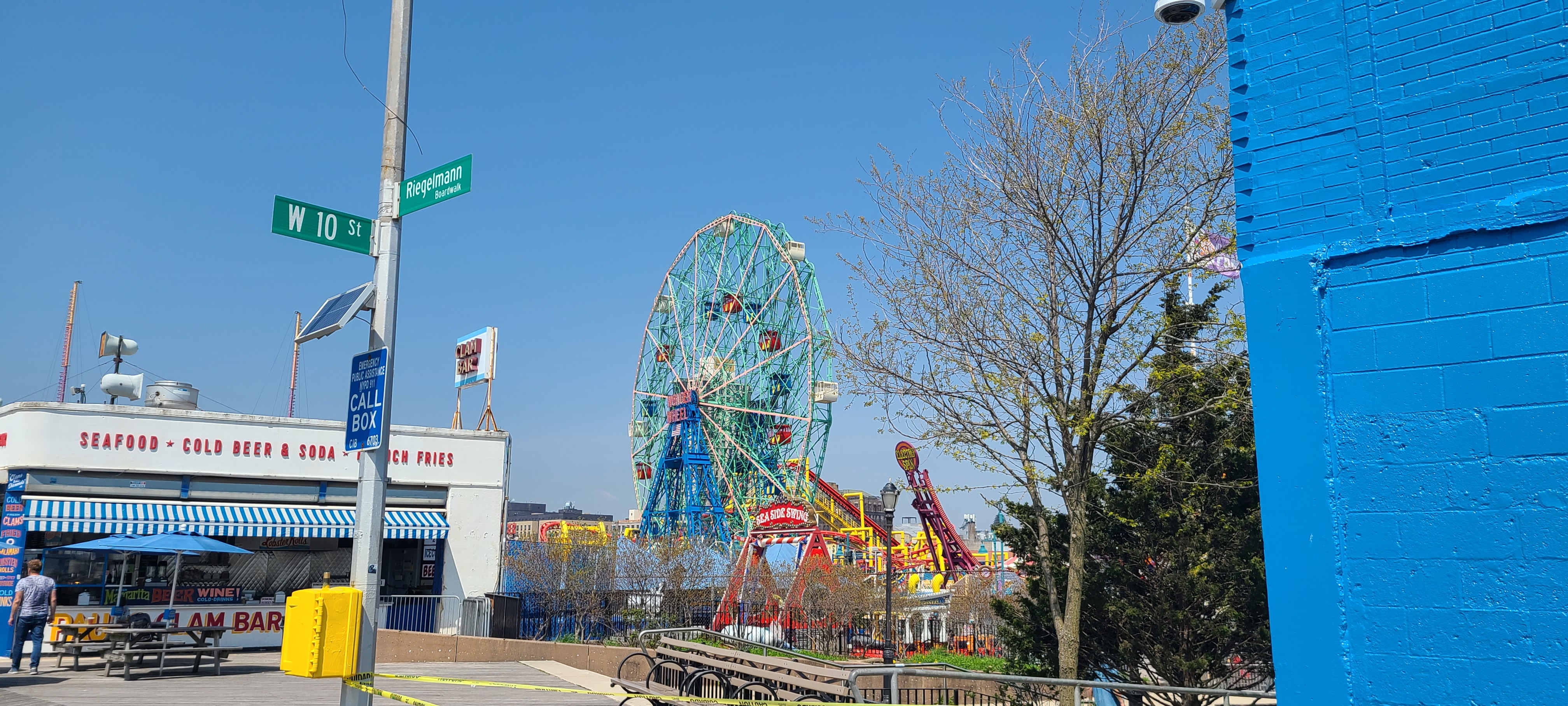
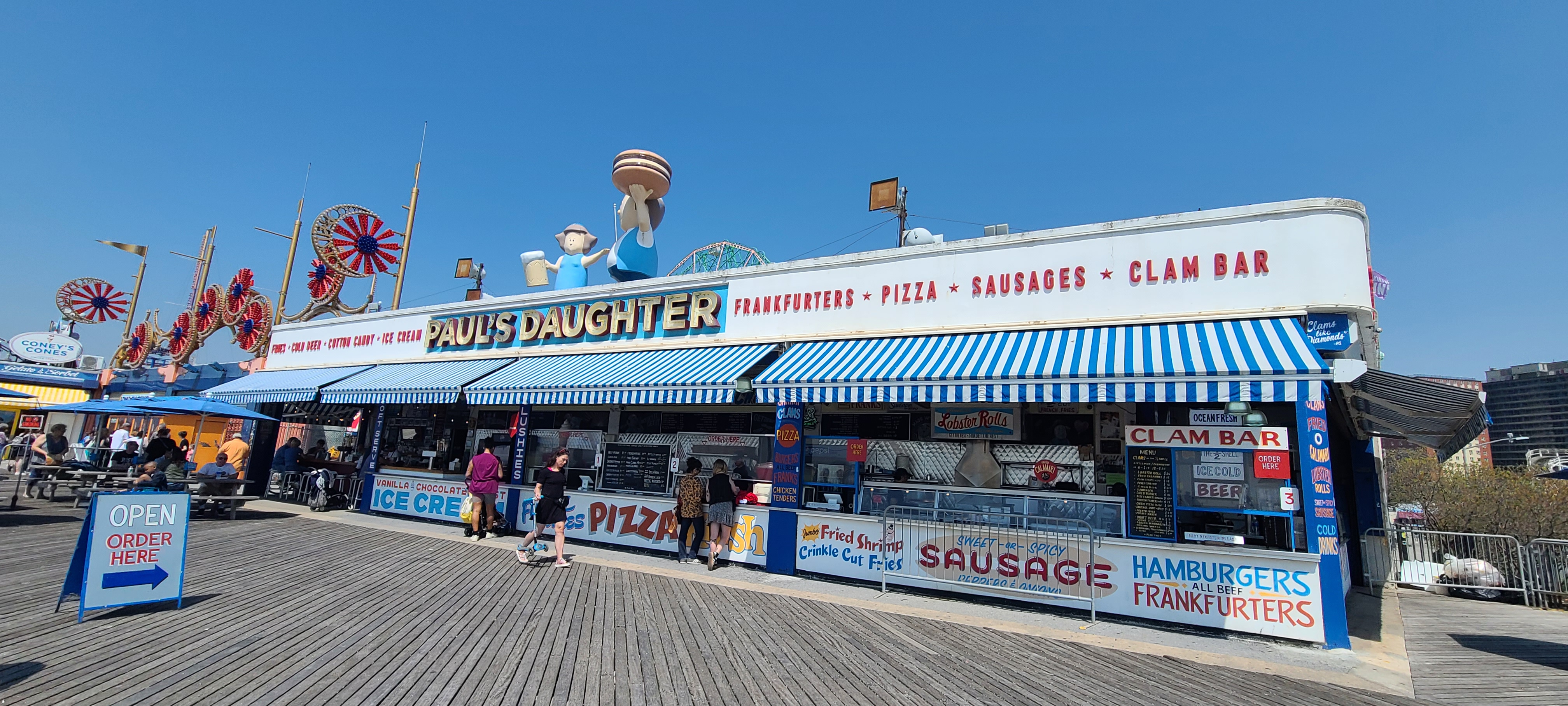
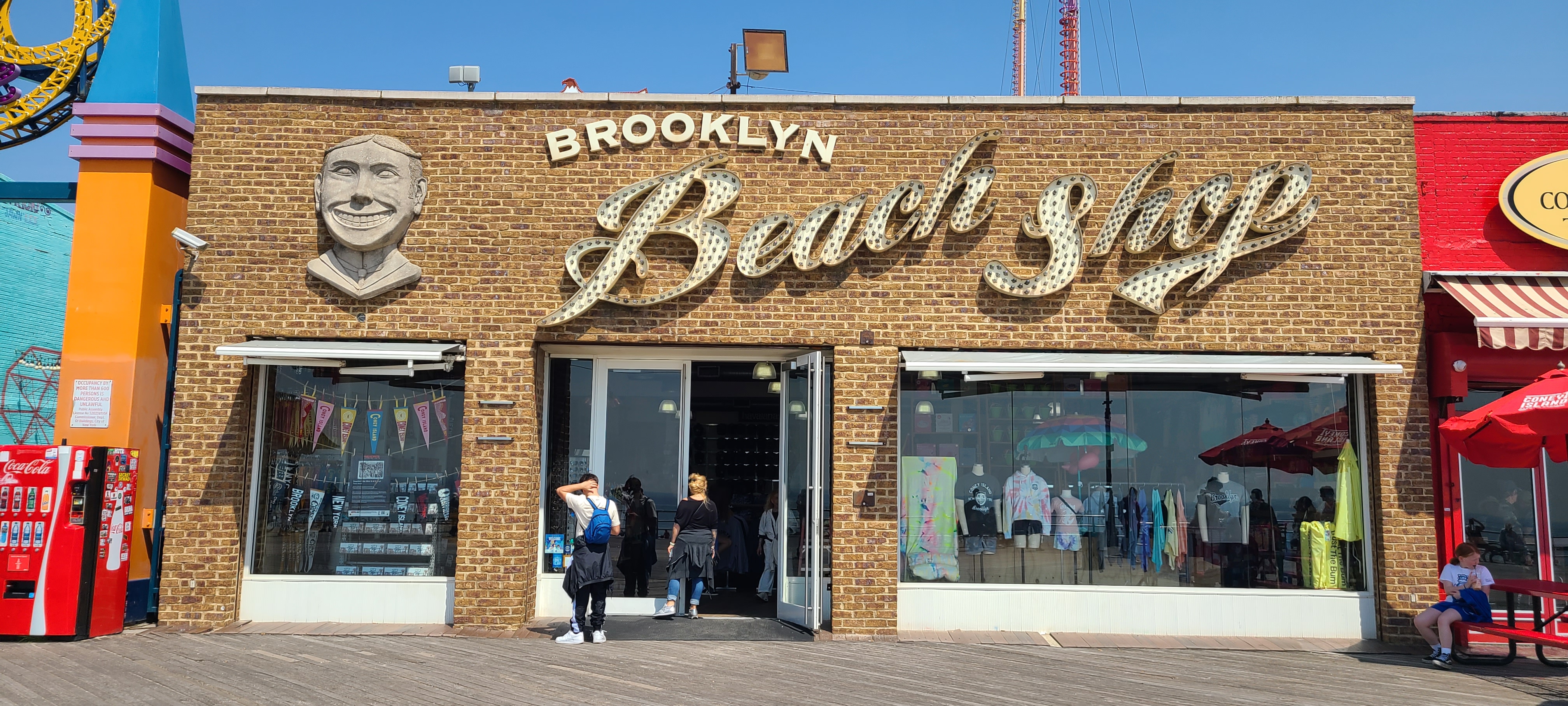
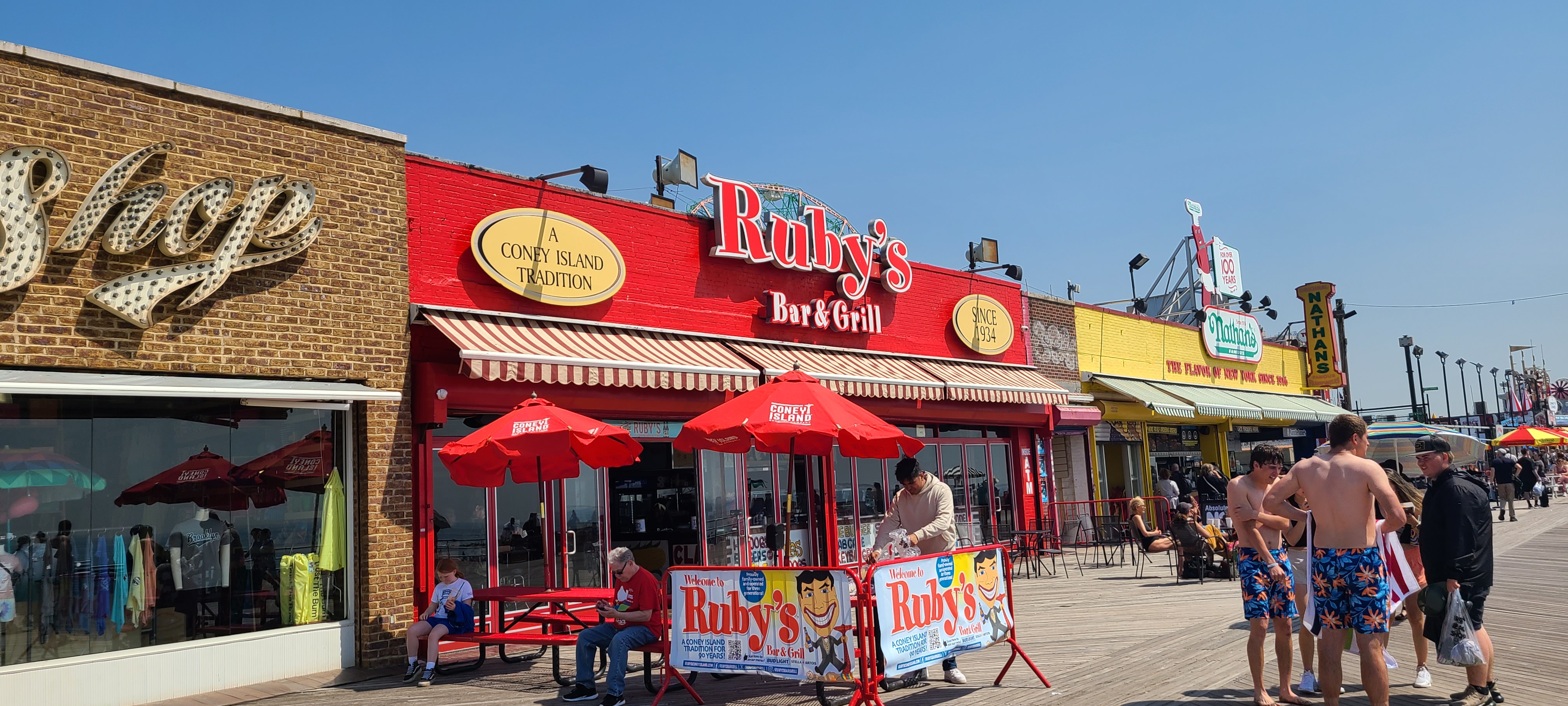
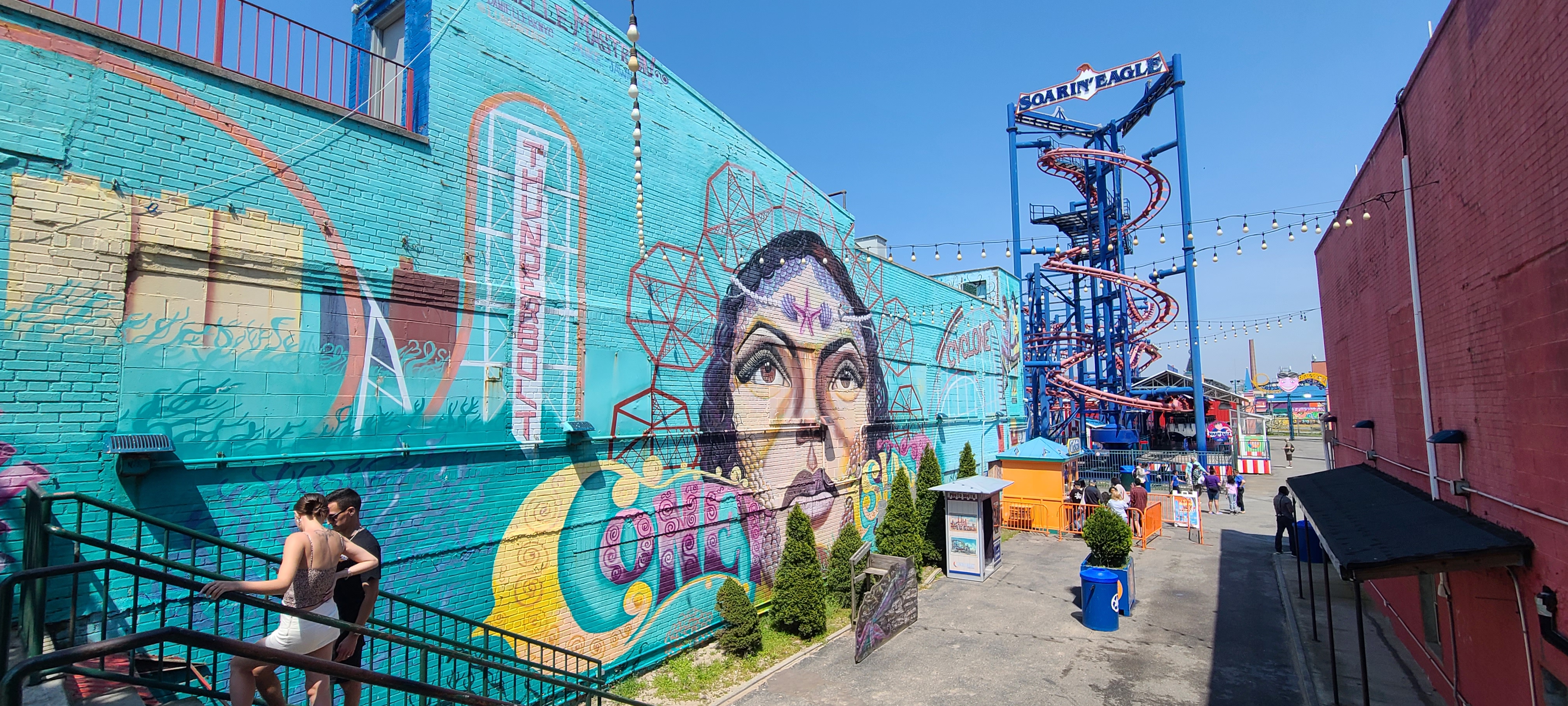
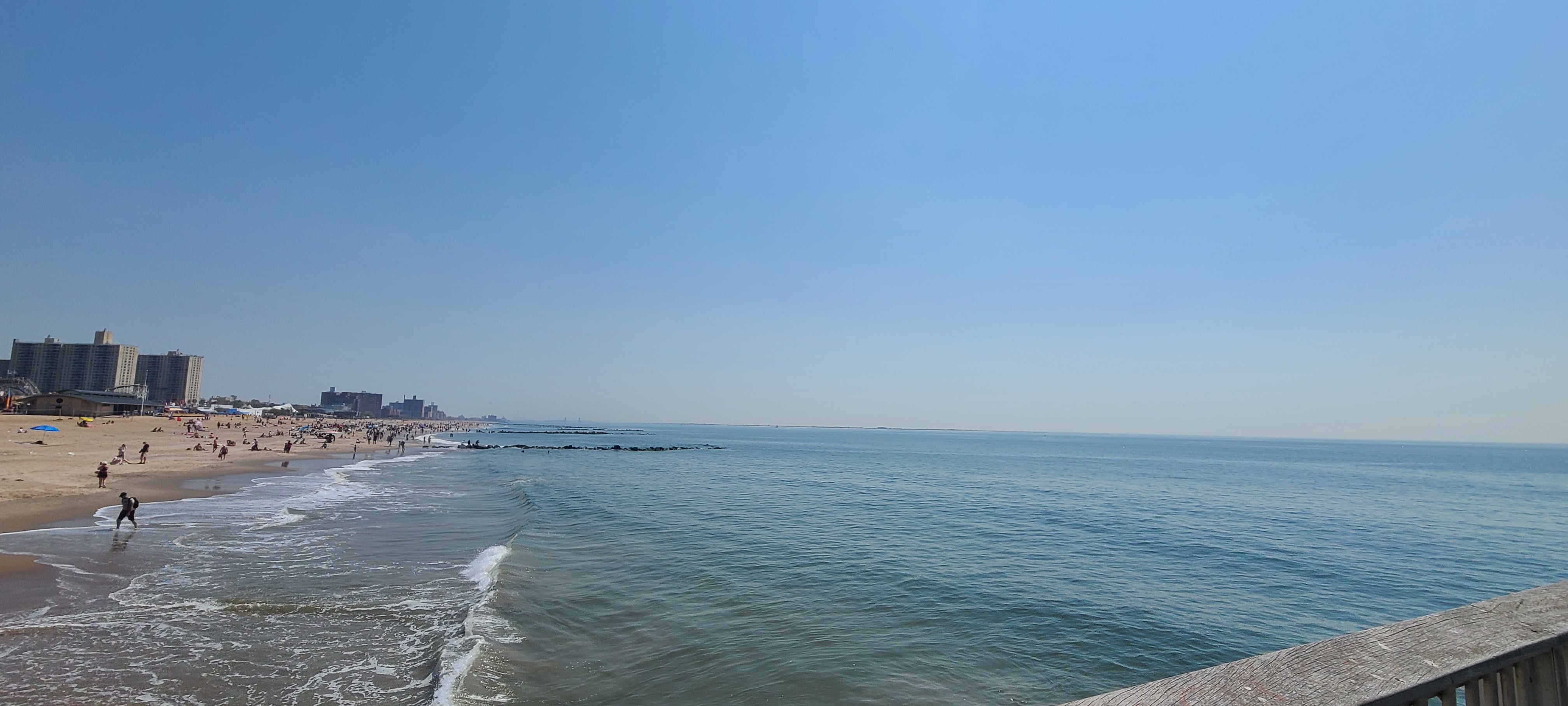
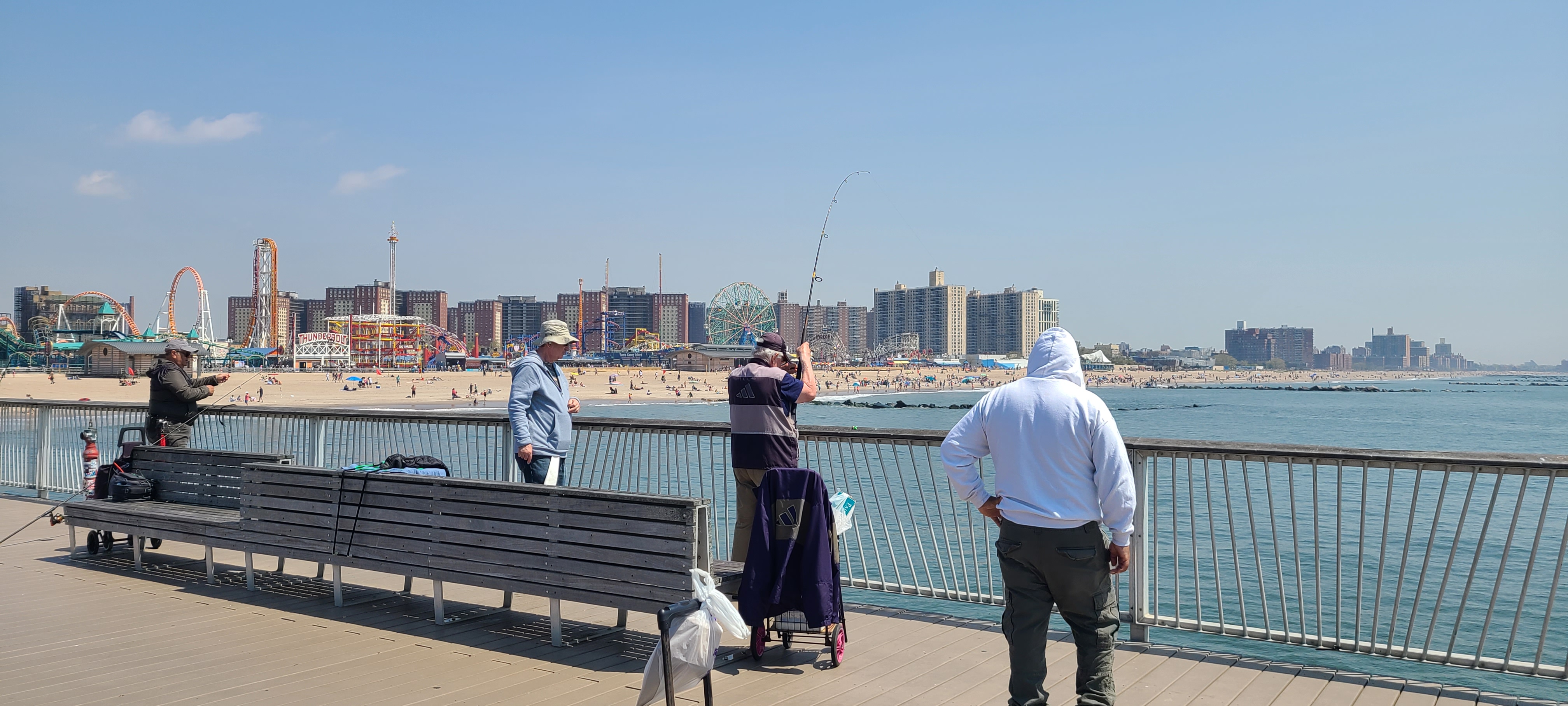
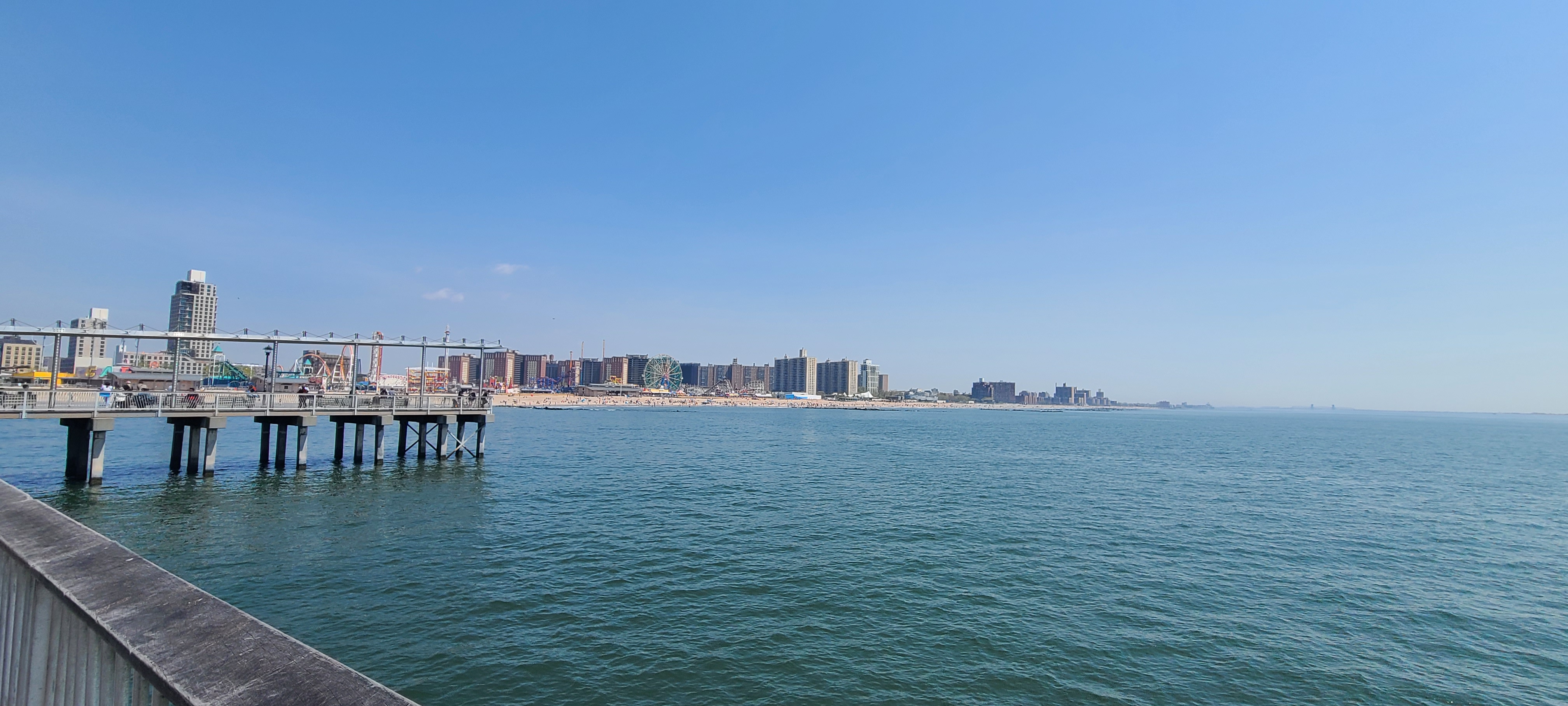
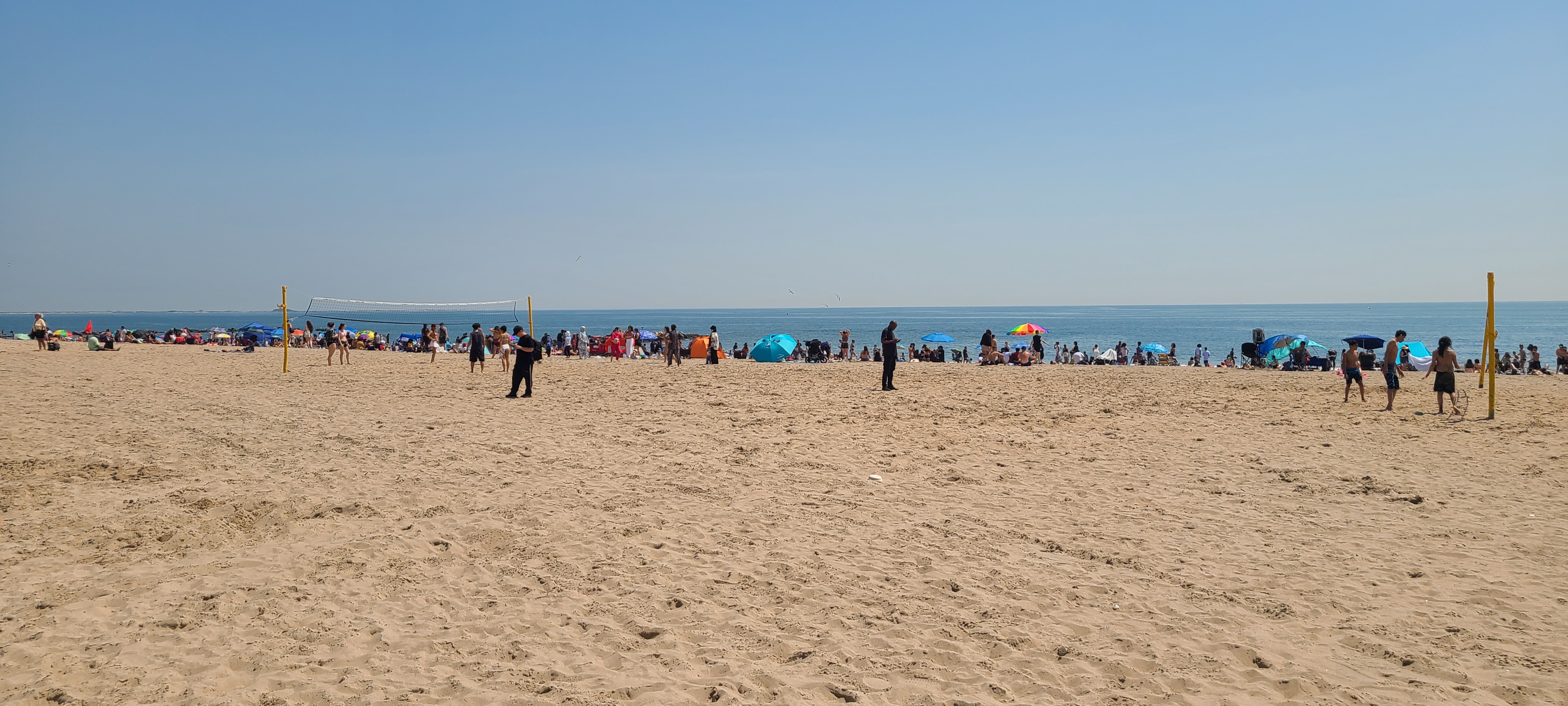
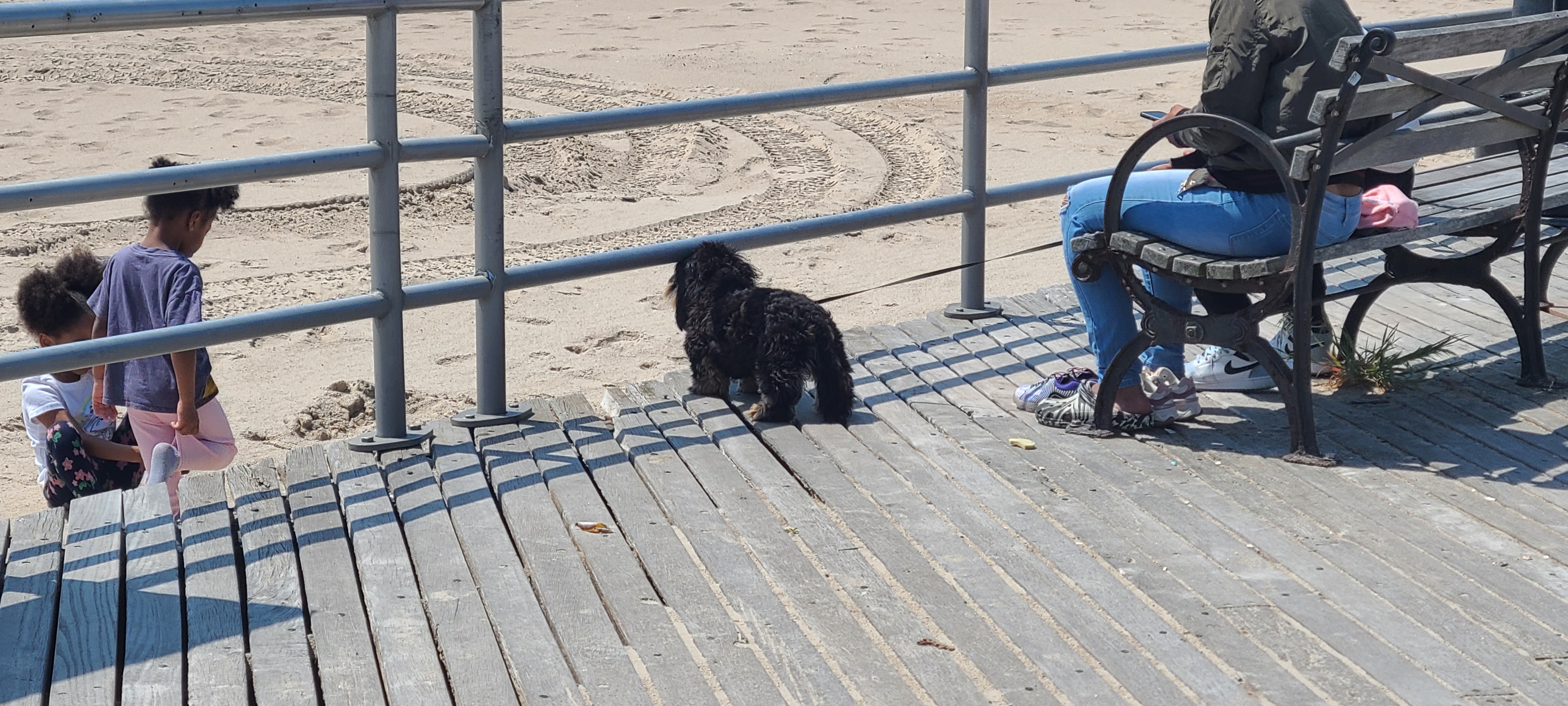
This week, I had my first Brooklyn beach day of 2024 at Coney Island! Since moving from the Upper West Side to Brooklyn almost a year ago, I’ve discovered a number of new joys in New York City. One of the biggest has been Coney Island — named one of the best 25 beaches in the U.S. in 2024 by Travel+Leisure Magazine. Coney Island is a 20-minute subway ride from my apartment. In addition to the beach, there’s a boardwalk loaded with delicious food and drinks, rides, games, a minor league baseball stadium, fun street art, music, city park land, and a load of characters from every walk of life. I look forward to spending many days here this summer.
Fun Coney Island and NYC beach facts: – How Coney Island got its name is widely disputed. Some theories: (1) an Irish boat captain named Peter O’Connor sailed to New York from Ireland in the late 1700s, and named Coney Island after Ireland’s Coney Island, which was and remains a mile from O’Connor’s home in County Sligo and looks remarkably similar to Brooklyn’s Coney Island save for the fact that the island in Ireland is nearly deserted and Brooklyn’s Coney Island is a magnet for locals and tourists alike. (2) The Dutch settled Manhattan in 1624 and inhabited Coney Island soon afterward. It was home to a large population of wild rabbits and the Dutch word for rabbit is “konijn”. (3) The areas was once inhabited by the Konoh, or Bear, tribe. Records from all these times are spotty or non-existent so we may never know exactly how Coney Island got its name.
I talk about my five jobs as a writer: cartographer, painter, mason, tourist, and sculptor. I also discuss how I manage multiple writing projects and critique, my writing process, the relationship between my business experience and my writing, and advice for other writers. Thank you to Julie and Chapter Break for all you do for writers and readers.
Almost all my writing is re-writing. I write my first draft of a book in a month, and then spend many months re-writing and editing. This means a lot of content never makes it into the book. Now, for the first time, I’m sharing a few of these cut scenes with you!
Details: Author Christa Avampato will be in conversation with Matt Misetich, Senior Executive and Partner at Pipeline Media Group, in a reserved space to start the party. There will be delicious food-to-order, 2-for-1 drink specials until 8pm, cake with a bit of magic, raffle prizes, and free giveaways for all guests. Then enjoy the cozy and relaxed bar with a hidden outdoor patio, pool table, and Caribbean vibe.








 Christa Avampato