creativity

A river flows in Brooklyn

South Brooklyn during Friday’s floods. Photo by Christa Avampato.

A river flowed from Prospect Park through my neighborhood in South Slope, Brooklyn on Friday when we were pummeled with 7+ inches of rain in ~12 hours. I didn’t realize NYC’s floods were international news until I started getting messages from friends outside the country. With over 13 inches of rain in September, this is the 2nd wettest September since NYC began keeping weather records in 1920.

I took this photo of the flooding from my apartment at 8am. As I watched the water gushing through the streets, I thought about a conversation I had with my friend, Alex MacLennan, almost a decade ago. He told me the climate models then predicted the western half of the US would grow increasingly drier and hotter while the eastern half would be regularly flooded. How right they were.

NYC is an archipelago that sits mostly at sea-level surrounded by brackish water with the busiest shipping port in the US. Though it looms large on the national and international stages as a financial, cultural, political, and media capital, area-wise it’s small and easily overwhelmed by water.

It is, in many ways, a climate disaster waiting to happen. It’s the mostly densely populated city in the U.S. with nearly 28,000 people per square mile and has the largest population with almost 9 million people, more than double the size of the next largest city. The population doubles during the workday with as many commuters as residents. It’s also a city of hard surfaces (though we have 7 million trees and the tree canopy covers 21% of the city). Aged infrastructure and a subterranean subway that is 100+ years old further compound threats from flash flooding, coastal storms, and sea level rise. Flooding here is a crisis that must be urgently and unrelentingly addressed.

The country and world can’t afford to lose New York. While some strides have been made to protect the city from climate change, it’s not nearly enough. But all that may be changing, and fast.

There are plans underway to transform Governor’s Island in New York Harbor into the largest climate research and entrepreneurial center in the world. We desperately need this. The scale and impact of this project on our city, the country, and the world will be significant. It has to be significant because the climate crisis deepens every day.

These floods will become more frequent and intense in the coming years. We have to mitigate and adapt at the same time with nature-based solutions like biophilic architecture, mangroves, reefs, rooftop farms, and the transformation of vacant lots into bioswales. They are proven, efficient, and relatively inexpensive solutions. I hope the work at Governor’s Island can make these ideas realities.

Like all investments, nature-based solutions take time to create and scale. We have no more time to waste. We have to get started now, and it’s my hope that I can do my part to push this work forward.

creativity

Nature is our ally, not our adversary

Photo by Lukasz Szmigiel on Unsplash

You know what you need to produce oil and gas? Water. Lots of it. For fracking. You know who produces the most oil and gas worldwide? I guessed Saudi Arabia. I was wrong. The U.S. is now the world’s largest oil and gas producer. 

In the last 13 years, the U.S. has used 1.5 trillion gallons of water for fracking. That’s the amount of water used annually by the state of Texas with a population of nearly 30 million people. It’s a triple whammy against the planet by America — the emissions created by these fossil fuels, the extensive use of water to complete fracking exercises to get those fossil fuels out of the ground, and the immense damage done to ecosystems by fracking, a process that creates vast amounts of wastewater, emits greenhouse gases such as methane, releases toxic air pollutants and generates noise, destroys animal and plant habitats, causes species decline, disrupts animal migrations, and degrades land.

But don’t worry, says one of the wealthiest and most prominent scientists in the world, because human ingenuity and technology are going to save us. According to him, nature-based solutions are “nonsense” and “idiotic”. “There are effects on humanity,” he said last week at Climate Week NYC, assessing the overall threats posed by climate change. “The planet, less so. It’s a fairly resilient thing.”

I used to be grateful that he was in the climate conversation. Now, I’m disappointed by yet another prominent scientist who has gone off-the-rails and is ignoring science. Maybe it’s fear. Maybe it’s wishful thinking. Maybe it’s desperation at the dire state of the planet.

This is what I know to be true — the wisdom of nature far exceeds any wisdom of any human who has ever lived. To claim otherwise, is the height of ignorance and arrogance. It’s dangerous to listen to someone who puts himself above nature, especially when he has one of the highest personal carbon footprints in the world and the health of the natural world underpins half of global GDP (~$40 trillion).

Nature knows how to create conditions conducive to life. The human track record on supporting life, including our own, is abysmal. I’m banking on nature’s wisdom every single day. She’s an ally, not an adversary, and we must listen and respect her before it’s too late. Nature made our existence possible. 

Human ingenuity, while offering many gifts, has given us climate change, fracking, and perhaps the recipe for our own extinction. The most ingenious actions humans could take now are to listen to and learn from nature, and work with her, not against her. She’s ready to play ball. She always has been. The question now is, are we?

creativity

Life lessons from my house plants

I’m a bit ashamed about something: though I grew up on a farm, I’ve been unable to keep house plants alive. Until now! After moving in June to a new apartment with loads of natural light and a steady breeze, my house plants are thriving, sprouting new shoots, and happily reaching up and out. I literally danced around and clapped my hands at this new life growing on my windowsill this morning. What an incredible metaphor for life.

In the words of Taylor Swift, with plants, I always thought, “It’s me. Hi. I’m the problem. It’s me.” Turns out it was the environment the plants and I were in that needed to change. Sometimes, a change of scene is the key to a change of self.

I love new beginnings of all shapes and sizes—new jobs and projects, new adventures and travels, new relationships, new friendships. Even something small like these new shoots from my plants and learning to care for them, starting a new book, or walking through a part of town I’ve not been to in a while (or ever, as I’m learning with my new home in Brooklyn!) gives me a whole new lease on life. There’s energy and inspiration in the new. A beginner’s mindset is a wondrous thing.

To help my plants thrive, I let them tell me what they needed. Water. Lots of light and fresh air. Some music. Room to grow, change, and evolve. We’re not so different.

Perhaps the most important bit I’m thinking of today while looking at my plants is that new growth needs extra support. “The world is often unkind to new talent, new creations. The new needs friends,” as Brad Bird wrote. I don’t know what it is about that new that’s so threatening that some will try their best to stamp it out. I’m always happy to befriend and learn from the new. We need the new now more than ever. In a world where we can be anything, let’s be kind, particularly to those just starting a new journey and especially the natural world. We need each other.

creativity

At Brooklyn’s Green-Wood Cemetery, the circle of life continues

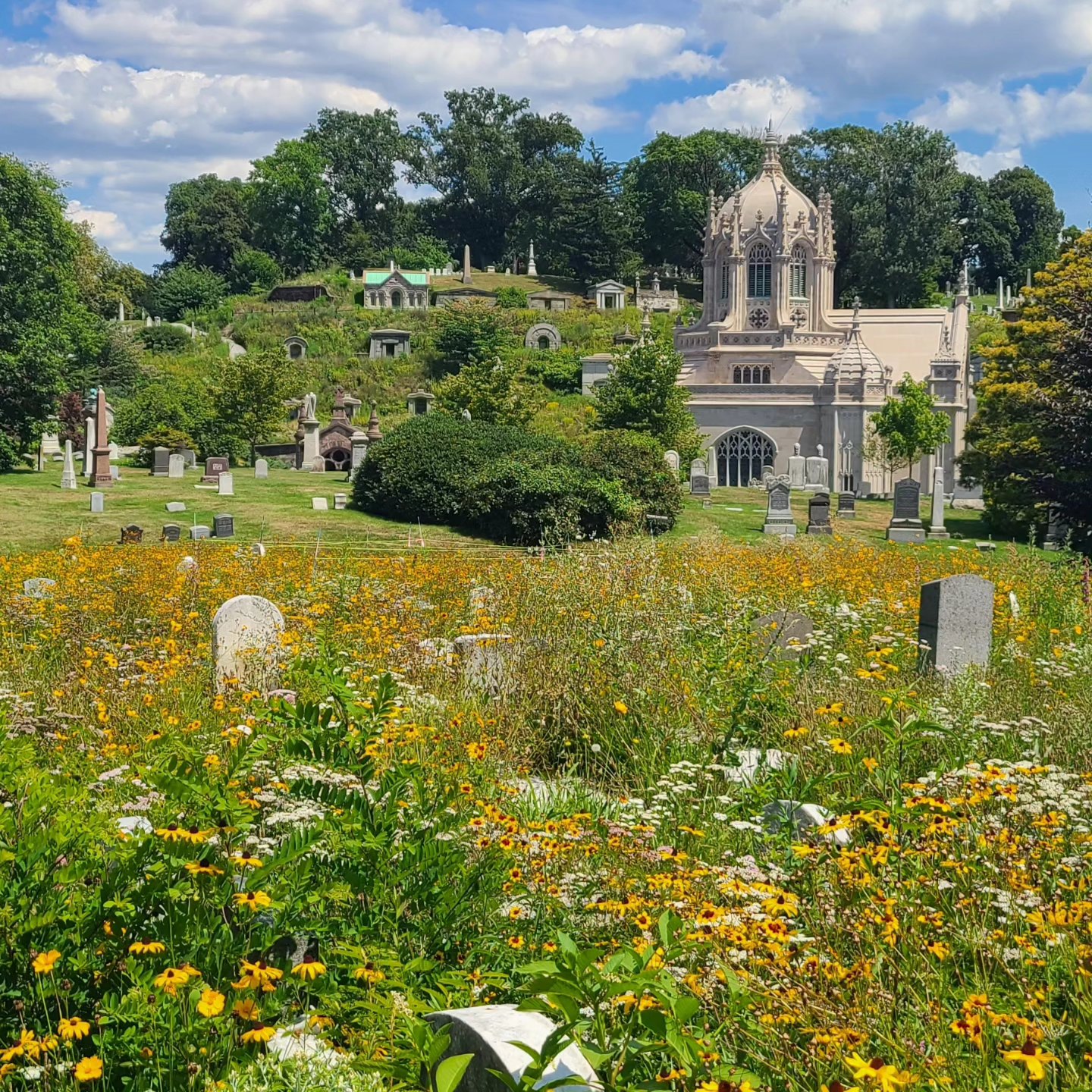
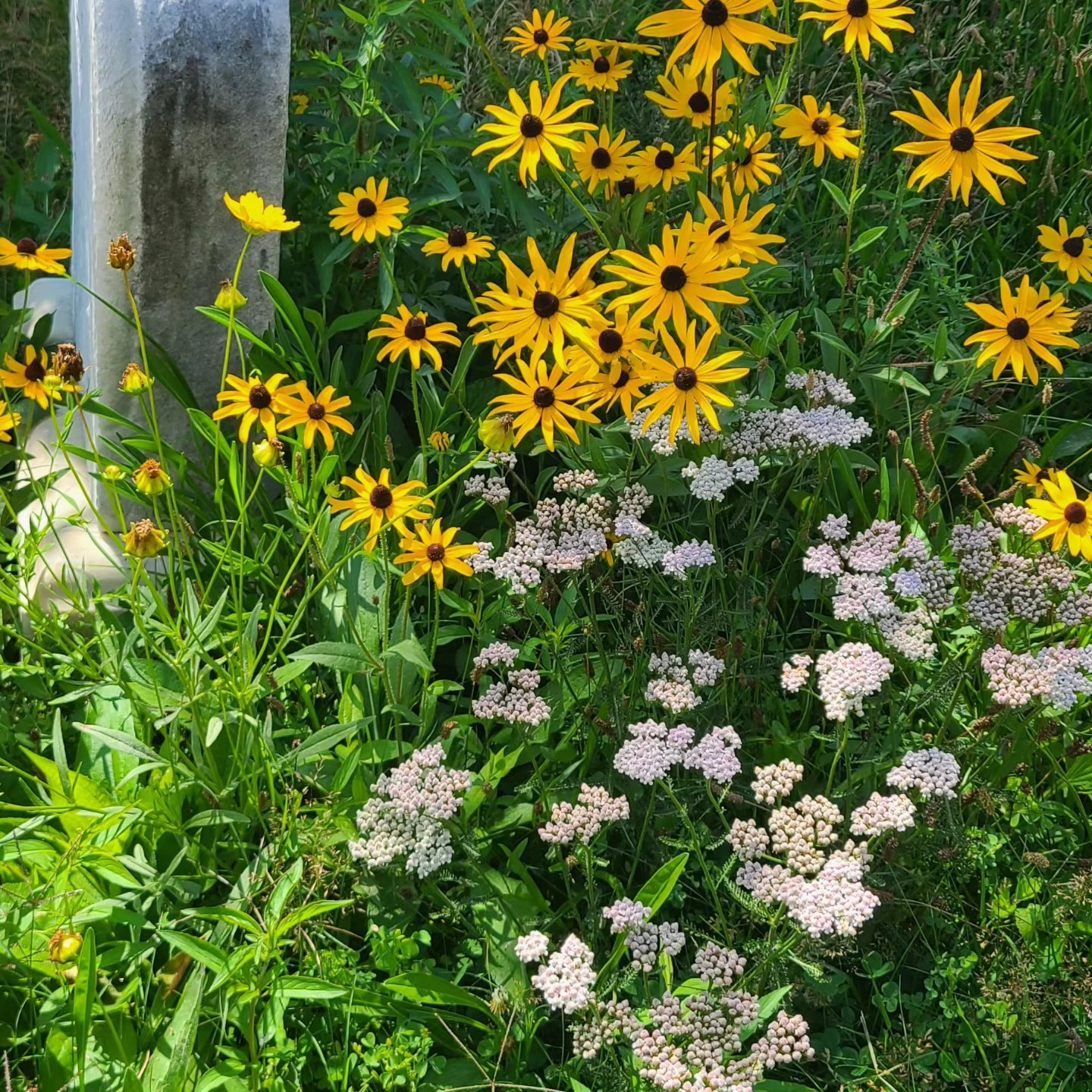
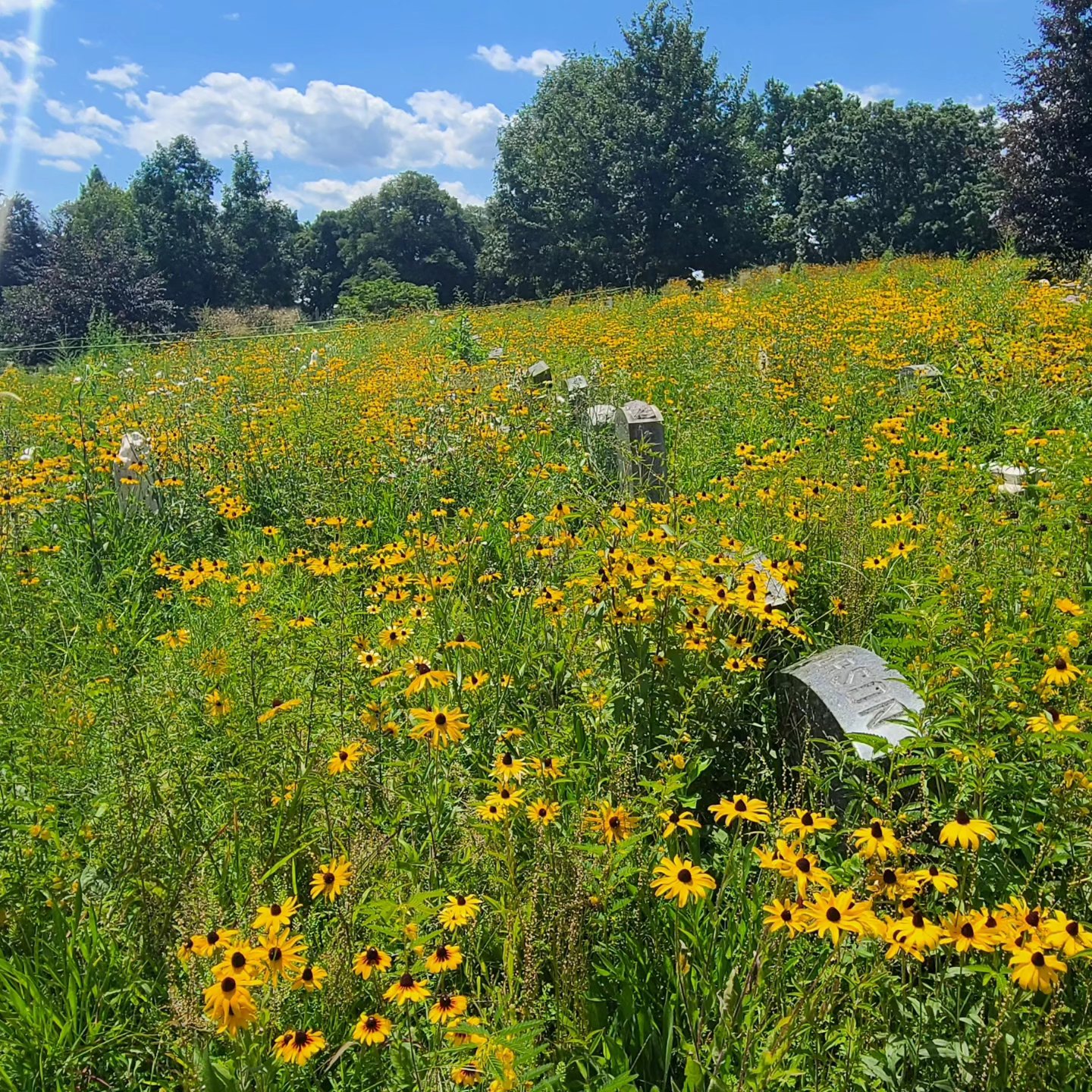
Brooklyn’s Green-Wood Cemetery is much more than a final resting place for over 600,000 people. It’s also an arboretum, wildlife sanctuary, and a community resource to mitigate climate change where life and death exist side-by-side. A 30-minute walk from my apartment, it’s a place I visit often as I get to know my new borough.

With 478 acres, Green-Wood is home to over 7,000 trees from 690 different species, 216 species of birds (including the Argentinian monk parrots who make their home in the architecture of the entrance gates!), and dozens of species of mammals, fungi, and insects, especially pollinators thanks to their beehives and wildflower meadows. Each new planting is selected for its climate adaptiveness, wildlife value, enhancement of the beauty of the landscape, and resilience. Every year Green-Wood’s living collection is responsible for sequestering 264,000 lbs. of carbon dioxide, removing 12,000 lbs. of pollution from the air we breathe, and mitigating 2,620,000 gallons of stormwater from overwhelming Brooklyn’s sewage system.

Founded in 1838, Green-Wood was Brooklyn’s first public park during a period of rapid urbanization. It became so popular, that it inspired the competition to build both Central Park in Manhattan and nearby Prospect Park in Brooklyn. Olmsted and Vaux won both competitions and designed both parks. After designing Central Park, they said that “Prospect Park is everything we wanted Central Park to be.” How very Brooklyn of them!

Green-Wood is also filled with gorgeous art. Inside the chapel, there’s currently a beautiful art installation paying homage to the stories of lesser known souls who are buried on its grounds. I’ve been to classical music concerts inside the crypt, whiskey tastings on its many sprawling lawns, and a Halloween Party that felt like a New Orleans carnival. It is one of the city’s treasures. No wonder it attracts over 500,000 visitors every year.

I love cemeteries and seek them out when I travel. If you find yourself in New York and want to get a sense of our history, ecology, culture, Green-Wood should be high on your list.

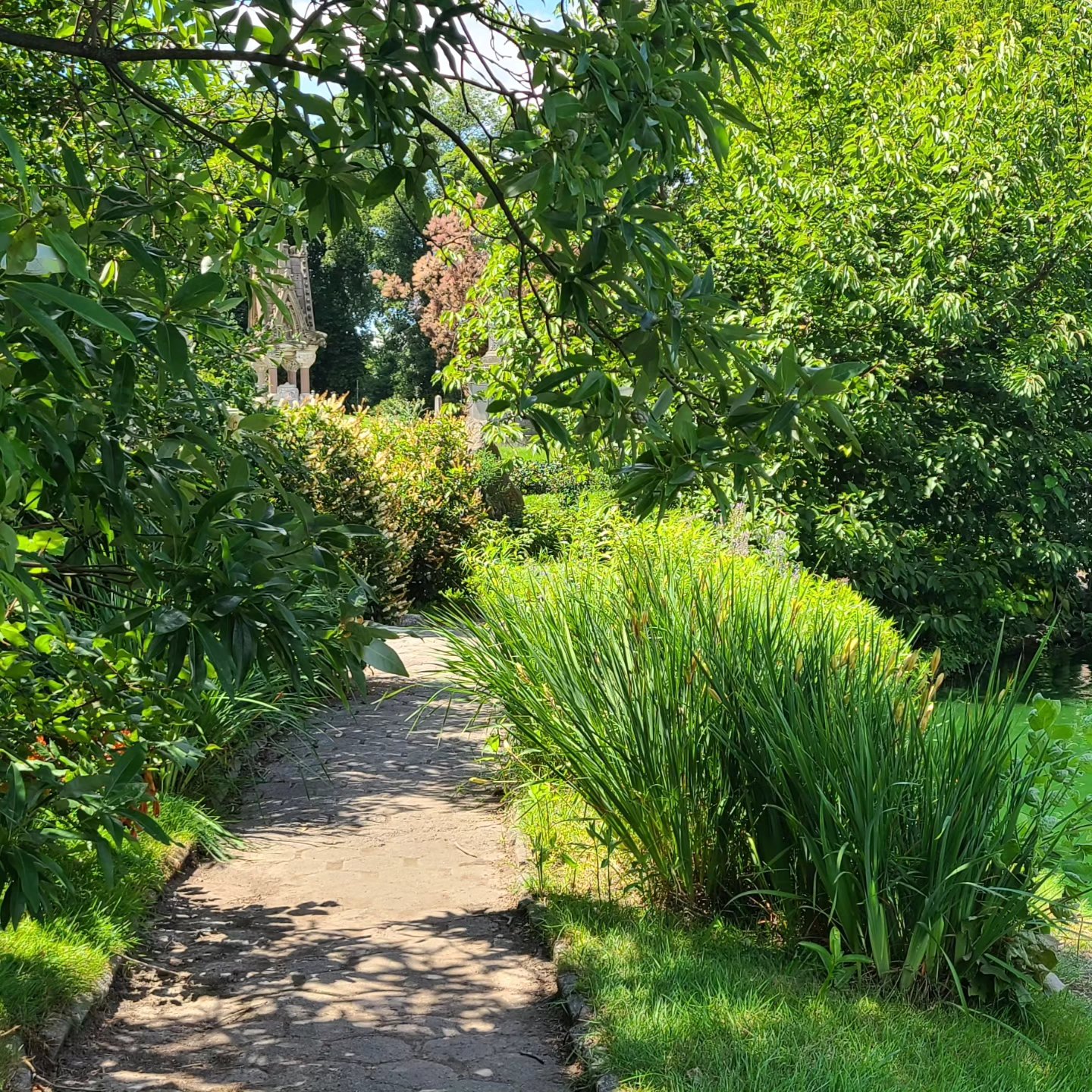
All photos below were taken by me at Green-Wood. You’re welcome to use them as long as they are attributed to me. Thank you.

creativity

Mitigation and adaptation: How to prepare and protect our natural world in the age of climate change

Photo by Mike Newbry on Unsplash

My eyes started to fill up watching the footage from Maui, Hawaii. I’ve struggled to put my emotions into words as I poured over the coverage. Nearly 14 years to the day, I lost almost everything, including my life, to an apartment building fire on the Upper West Side of New York City. I know the fear of running for my life, away from flames and into the emptiness of the aftermath. The smell of that noxious smoke is still in my nose and memory. I think it always will be.

I wish I could be in Maui to help. Whether using my logistics and operations experience to get survivors supplies and basic needs, or just being there to comfort people knowing exactly how they feel to have lost everything, I can’t help but think that my life and career could be of use in the midst of this horrible tragedy.

Already Maui’s fires are prompting conversations in the sustainability community. When we talk about sustainability solutions, we look at mitigation (halting and reversing climate change and its impacts) and adaptation (preparing ourselves for the impacts of a warming world on our lives). Now in my second year at University of Cambridge studying sustainability, I’m beginning to formulate my career plans for what comes next. I’m using this mitigation and adaptation split as a frame for my future work:

  • What can I do to preserve the natural world we have now and rewild, restore, renew, and regenerate what’s been lost?
  • What can I do to prevent the devastation that will continue, and worsen, because of climate change so we protect lives and natural areas?
  • Can I do both, or do I have to choose where I think I can be the most value?

My Cambridge dissertation involves securing funding from the wealthiest people in the world to fill the climate finance gap. One thing I’ll test is which of these strategic objectives, mitigation or adaptation, resonates most with these funders. Maybe they’ll also see the value in both. I suspect this research will help me figure out where I fit into the puzzle, and how my skills can best be utilized as we begin the fight for and battle of our lives. I’m ready to take the journey, wherever it leads.

creativity

The genius of NYC’s London Plan trees that can help us thrive

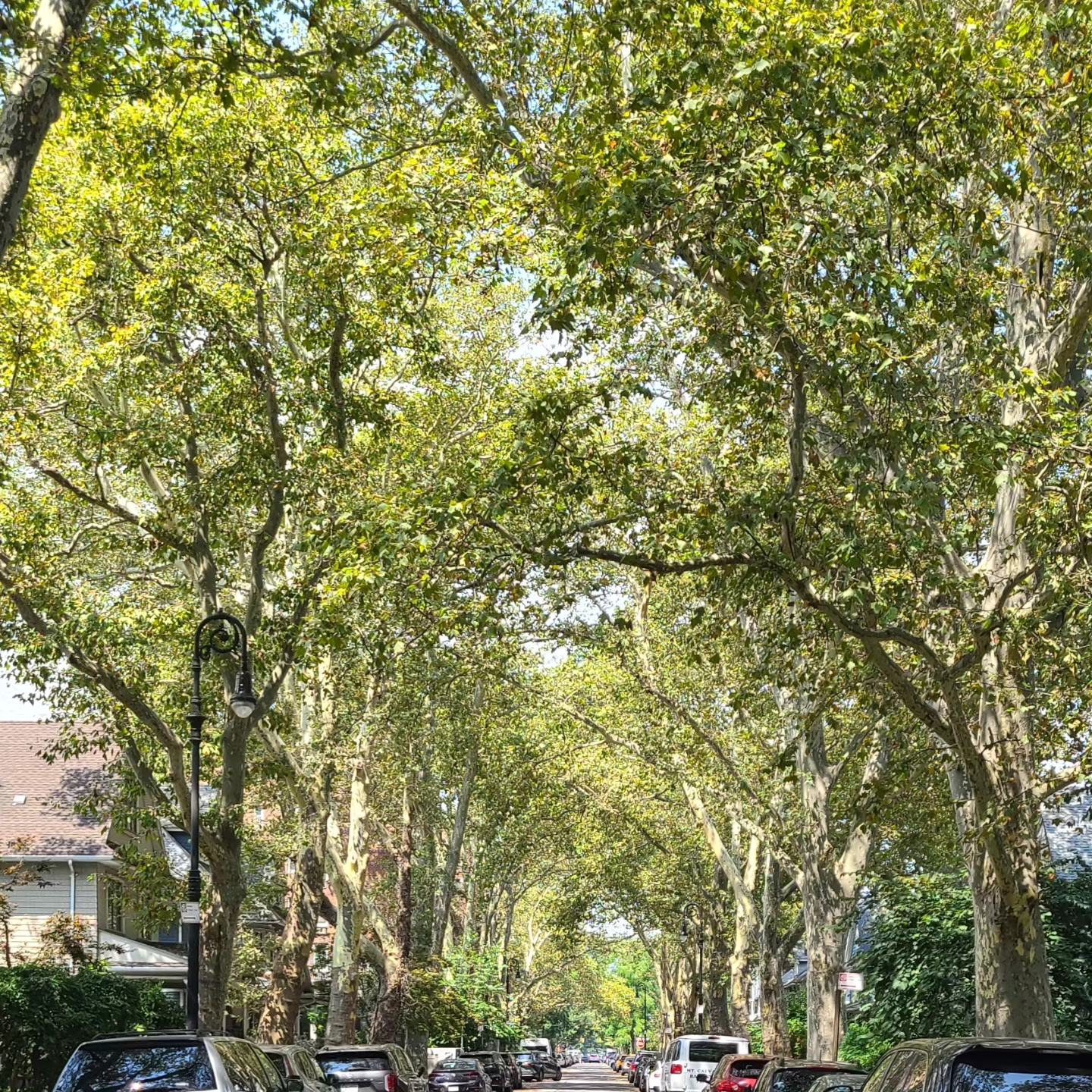
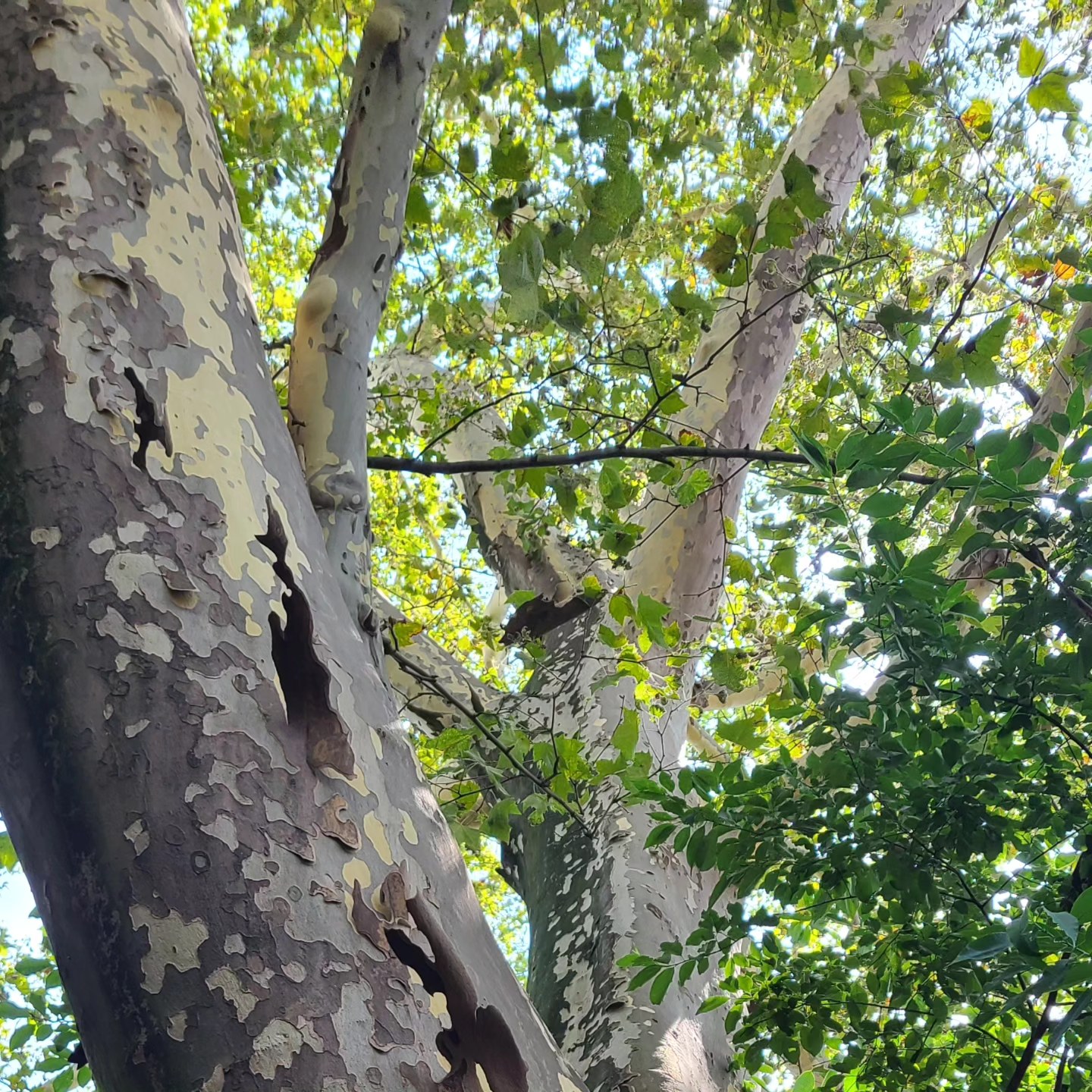
I was worried about my trees. My block in Brooklyn, my whole neighborhood of Ditmas Park, is covered with gorgeous 100+-year-old, 100+-foot-tall London Plane trees. They’re a cross between oriental plane tree and the American sycamore, and so named because they were hardy enough to withstand London’s air pollution during the Industrial Revolution. Its leaf is the NYC Parks Department logo because Robert Moses loved these trees. The comprise 10% of NYC’s 592,130 street trees.

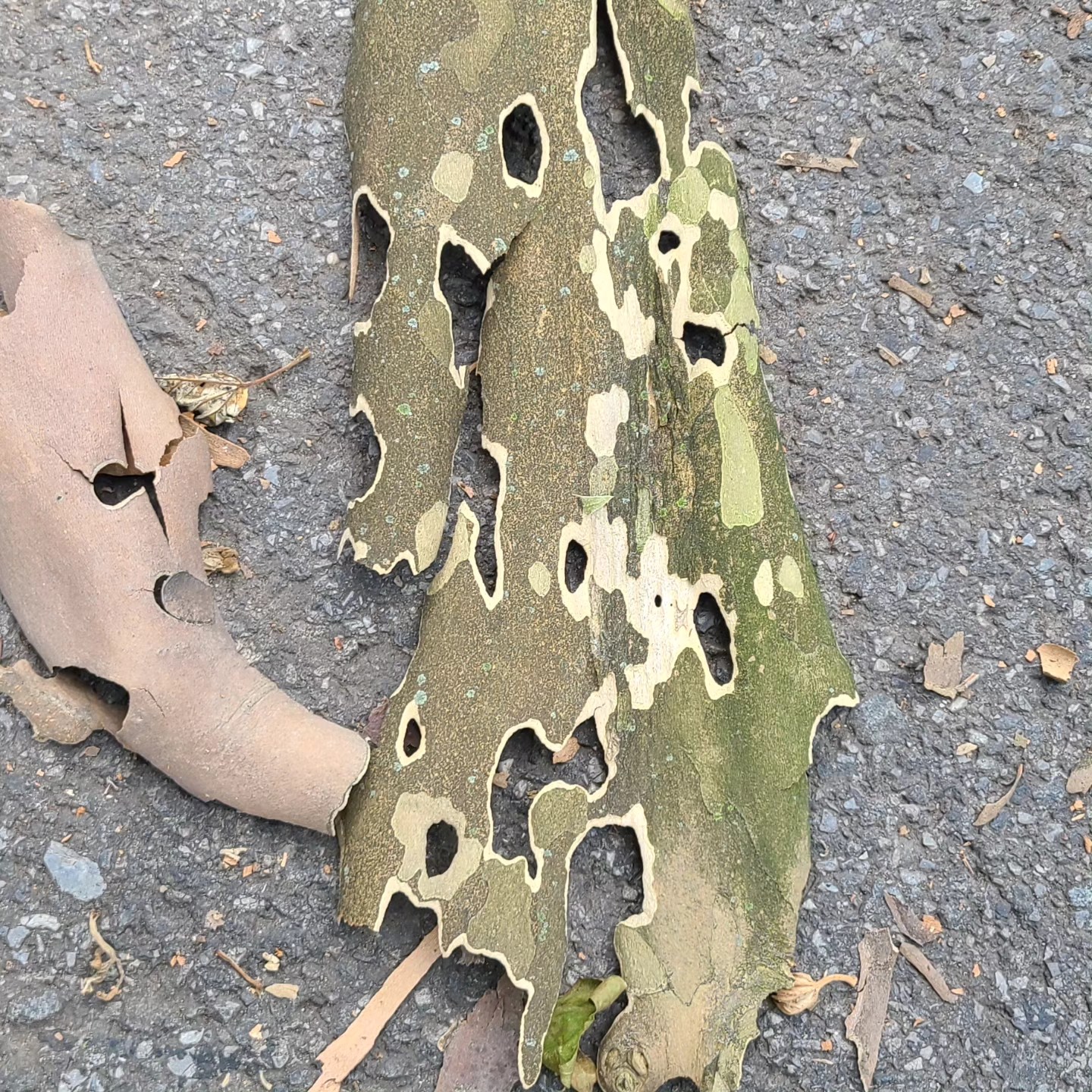
A few weeks ago, during an intense heatwave, they started shedding their bark. And I don’t mean a bit of peeling here and there. It was raining bark, with swaths so big that my dog, Phin, and I had to dodge them on our neighborhood walks. Was the heat, caused by climate change, killing my trees? Were they resilient enough to survive the Industrial Revolution only to be destroyed by the fallout of today’s emissions?

Mercifully, it appears not, for now at least. Thanks to the wonderful team at Madison Square Park I learned this adaptation of bark shedding was developed by London Planes to protect themselves and help them thrive. It happens when they detect some type of enemy invasion, for example by an insect or fungus, or when they are growing, similar to how a snake sheds their skin in order to grow.

Maybe there is something in your life that needs shedding, that is no longer serving you. Like the London Plane, let it go so you can grow and thrive. These trees are our elders, mentors, and guides. We have so much to learn from them about how to live through turbulent times.

I took the photos below of the London Plane trees on my Brooklyn block.

creativity

Thoughts from the inaugural Games and SDG Summit at the UN

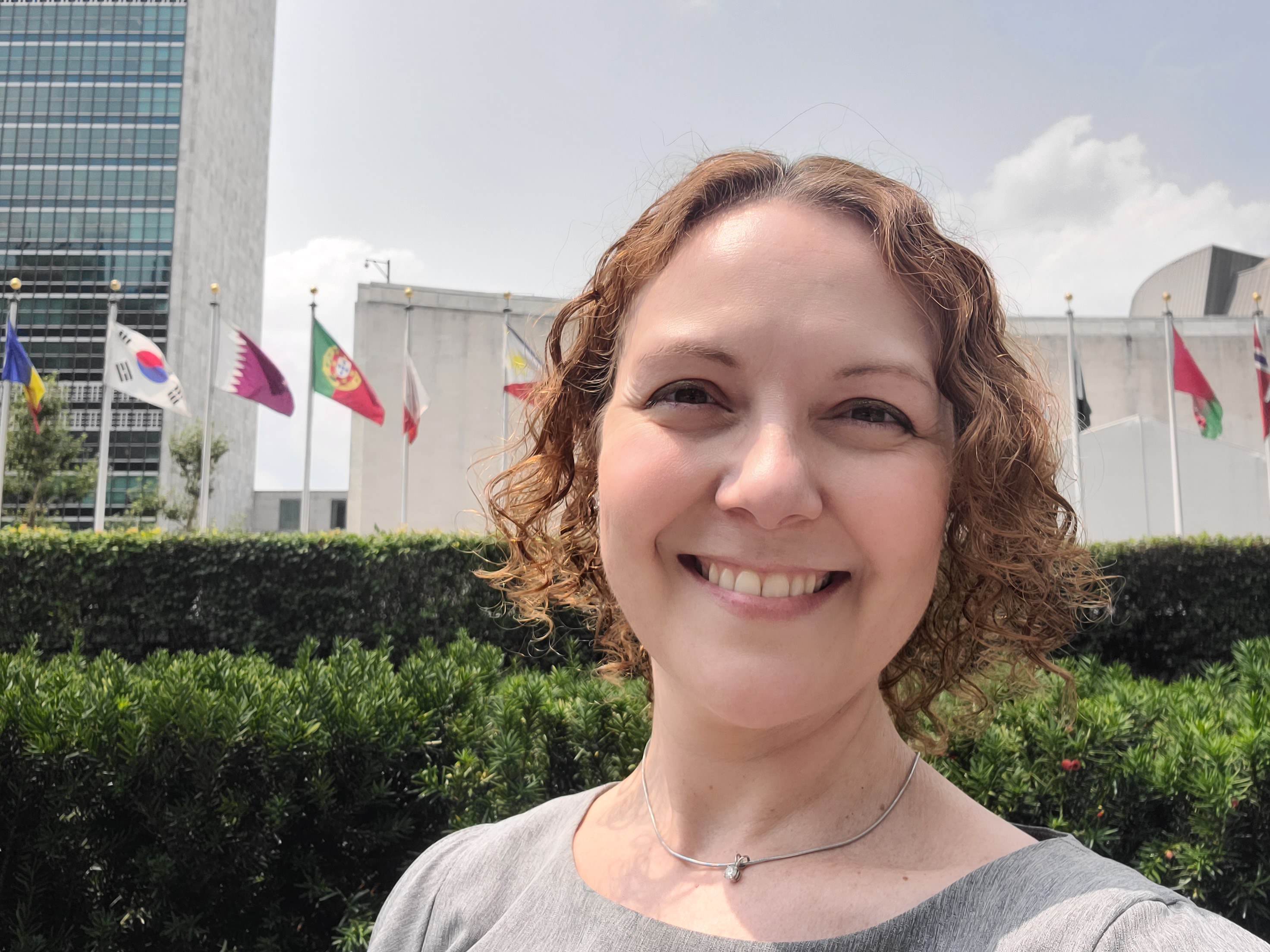
Me at the United Nations

“Go further than you think you can, or should. Push that boundary of what you could do into the uncomfortable zone because that’s where you know change is happening.” ~ Mathias Gredal Nørvig, CEO of SYBO

Being at the United Nations Games for Change Games and SDG (Strategic Development Goals) Summit to talk with attendees across government, academia, industry, and nonprofits about my sustainability in games research at University of Cambridge with ustwo Games, and learn more about the role of games in promoting sustainability, was nothing short of an honor. I know I was privileged to be in the room.

Because 1/3 of the world population plays games, games need to be a tool for every organization working in sustainability. If you’re interested in learning more about that, please get in touch! I’d love to share ideas of how you can get started! I also encourage anyone and everyone to look into Playing 4 The Planet, the UN’s inspiring games initiative with resources and data for every size of organization.

The summit was filled with incredible presentations about what’s already been done with games, projects that are underway, and the mountain of work ahead. There is one idea that I can’t shake, one perspective that completely changed my point-of-view about my work and my place in the world. It was from Mathias Gredal Nørvig, CEO of gaming company Sybo. He talked about how his company is pushing the boundaries in their communications and storytelling so far that there was a bit of backlash from their community. Rather than seeing this as a mistake or misstep, he saw this as a victory to be celebrated, a milestone that showcases progress. On this border, he saw evolution, change, and a provocative call-to-action. He closed his talk by saying he hopes all of us will have the courage to go further than we think we can, and to push our companies to do the same.

Over the next few weeks and months, I’m going to think about what that boundary is for me and how I can push past it to create breakthrough change. How can I extend myself beyond what I think I’m capable of doing? How can I take a bigger risk, step outside of my comfort zone to do something extraordinary that I’m not certain I can accomplish? How can I dare greatly?

I don’t know the answers to any of those questions right now, but I’m excited and eager to find them and share them. I hope you’ll join me in that quest to rise higher, to go further and faster together. The future of our planet, and all species with whom we share it, depends on it.

creativity

Games and Climate Action at the UN’s inaugural Games and SDG Summit

United Nations HQ in NYC – Games for Change

I spent my first year at University of Cambridge researching and writing about the role of video games to encourage climate action. I was fortunate to collaborate with the incredible team at ustwo Games on this work, especially Jennifer Estaris who is a shining star in the games for good space. They are a group of passionate, talented, and deeply committed people. Through our work, I realized that video games can and will play a part in building a healthier, more joyful, safer, and more sustainable world.

Games are for everyone. They unify people across cultures, continents, and every demographic designation. Their stories are timely and timeless. They allow us to reconcile with our past, make sense of our present, and simulate our future with a high degree of accuracy and an abundance of empathy. They help us not only to imagine a better and brighter future, but also create the roadmap to get there. Games can do what so many other tools can’t: they can transcend politics, cross the chasm of experience, and help establish common ground. They are a map, a compass, and a guidebook to the very highest calling of humanity—to be humane to all beings.

Today I’m at the United Nations for the inaugural Games and SDG (Sustainable Development Goals) Summit at the UN Headquarters, the kick-off to the 20th Games for Change Festival. I’m honored to be invited with industry professionals, government officials, and sustainable development experts, and look forward to all of the incredible conversations, ideas, and ambitions that will flow through each and every person in the room. Together, we’re building the path to higher ground, and I can’t wait to see what we find. 

creativity

I’m starting my sustainability dissertation at University of Cambridge

My dissertation proposal has been accepted by University of Cambridge and I have a fantastic supervisor who is based at The London School of Economics and Political Science, Grantham Research Institute on Climate Change and the Environment.

I’ll spend the next year developing a framework for climate change storytelling to connect sustainability advocates with family offices investigating sustainable investments and business decisions. I’m passionate about creating win-win-win opportunities for these families, the planet, and all beings who share this home.

The capital shortfall is a massive challenge for the shift to a sustainable society, and my hope is that my dissertation can help contribute a piece of the solution. Here we go!

creativity

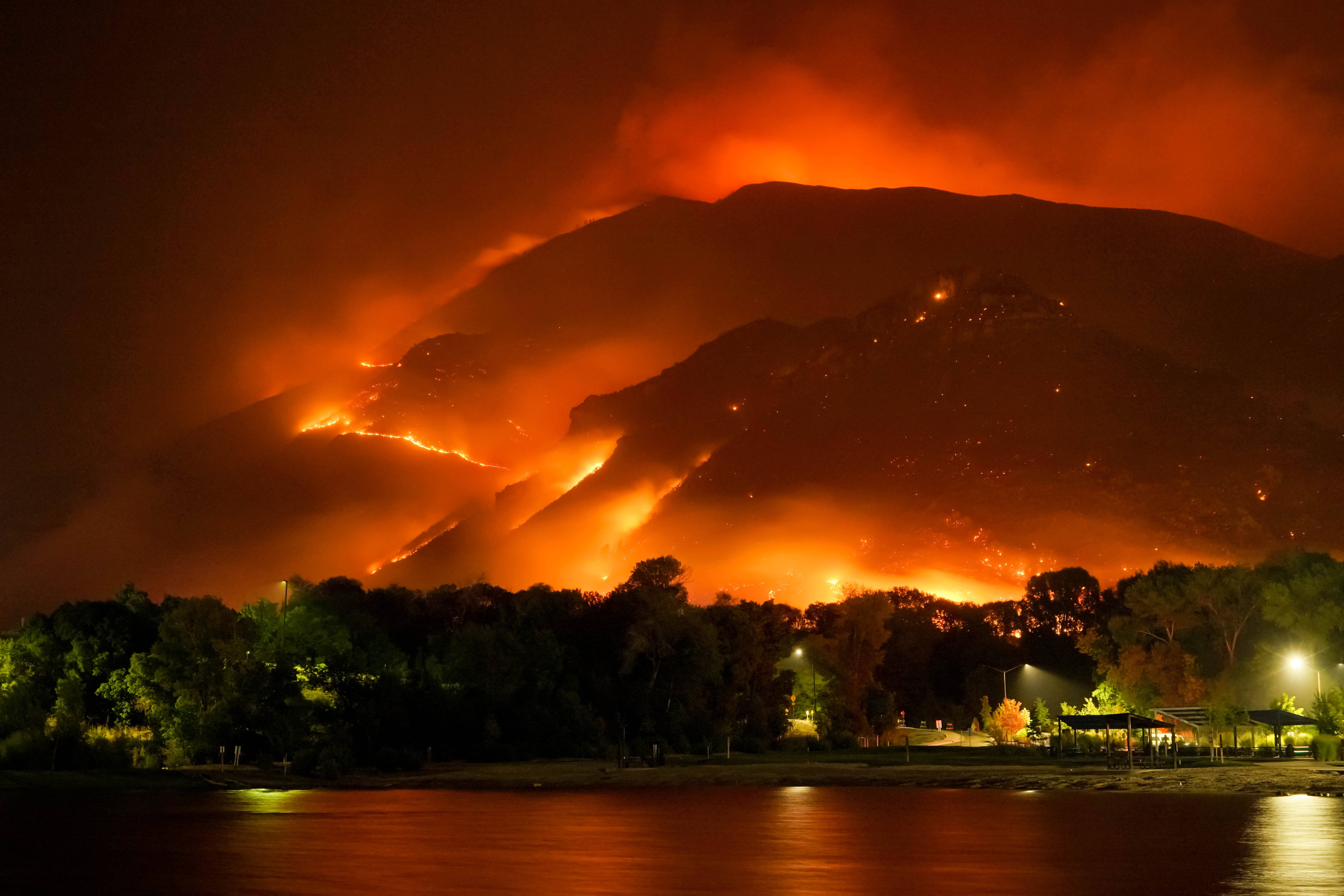
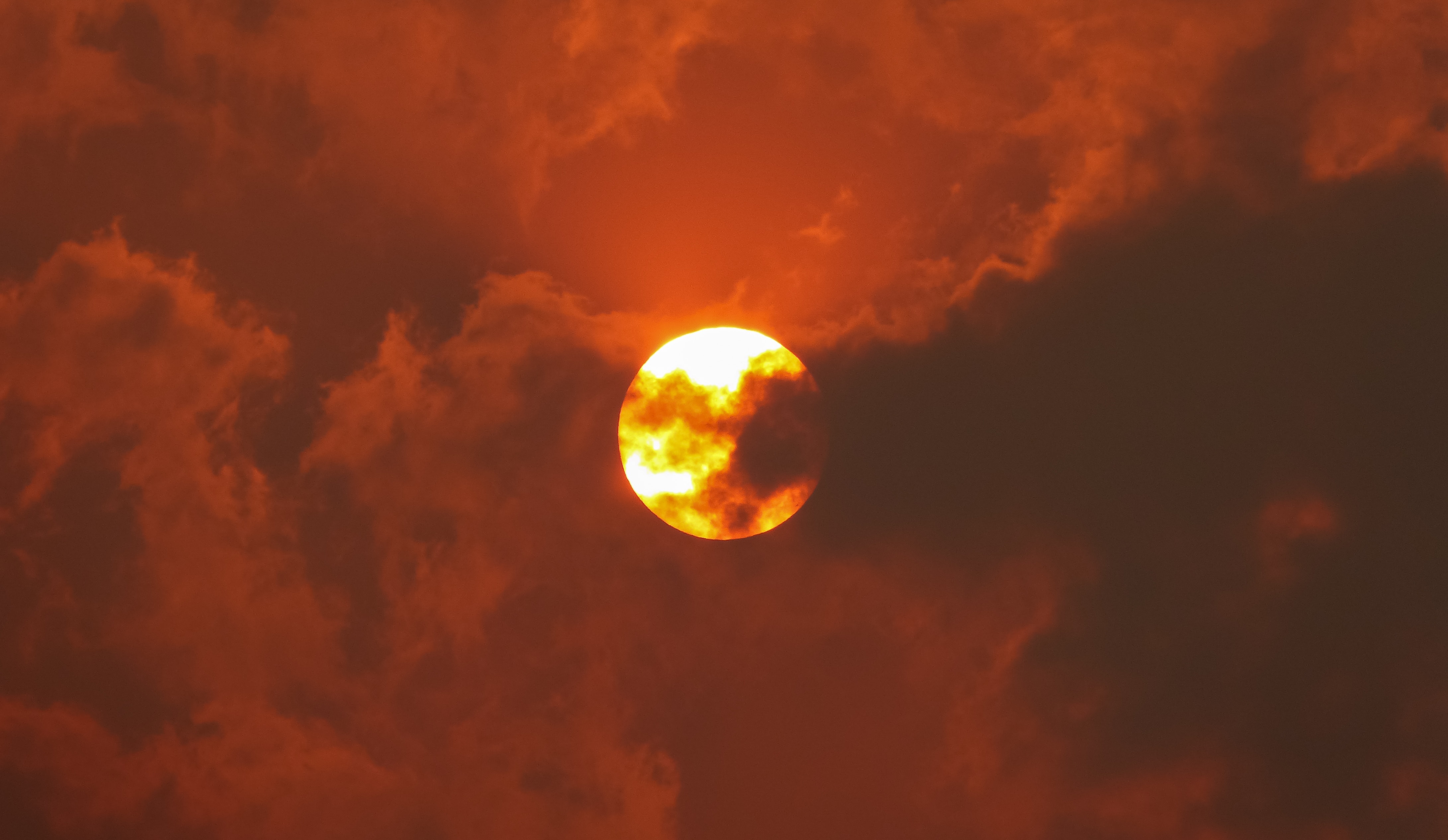
Myth-busting: Canada is not to blame for wildfires impacting NYC, and these fires aren’t “natural”

Photo by Kym MacKinnon on Unsplash

The U.S. loves a good blame game. I’ve seen some journalists and talking heads blame Canada for New York City’s hideous air quality that is now migrating south, and others call these fires “natural”. Let’s debunk both these myths.

Don’t blame Canada
Canada is not the enemy, just the stage for this latest environmental tragedy. The wildfires were caused by years of extreme temperatures and drought, driven by climate change, drying out forests and making them hotter. This is a great recipe for kindling. Canada’s millions of acres of forest are tinderboxes. 

Dry, hot weather also creates more lightning. Lightning starts 50% of Canada’s wildfires that generate 85% of wildfire destruction. The other half of Canada’s wildfires are caused by human activity. Changing our collective behaviour to mitigate the impacts of humanity-driven climate change needs to be our collaborative focus. 

These Canadian wildfires are not “natural”
Climate deniers love to throw around the word “natural”. There is nothing natural about the fires except for the fact that they are impacting nature in profound ways that will, if left unchecked, leave this planet and us in jeopardy. There’s nothing natural about massive consumption far beyond our needs, our outrageous generation of trash and pollution, and the intense love affair we have with fossil fuel use. This wildfire season has started earlier, is already more fierce than any in history, and will last longer. All of these circumstances are driven by an accelerated rate of climate change, rate being the opportune word. 

Yes, climate changes over time, and so does weather. Another myth to debunk—climate and weather are not the same. Climate is a pattern over time; weather is an acute event. They are linked, but they are not the same. We expect weather to change. We expect, and need, climate to be stable.

For the past 12,000 years, the Earth’s climate has been stable with very little change. In the past 150 years, the change to our climate has been substantial, occurred at a rate at which nature cannot adjust and adapt to maintain quality of life, and is due to human activity. This is anything but natural. 

We still have time to fix this
As treacherous as this situation is now, all is not lost, yet. We can change our behaviours. We can change how we live on and with this planet, and all the species who call it home. We can eat more plants and fewer animal products. We can use less energy, and create more of it from sustainable sources. We can have honest conversations, and take more responsibility as individuals, communities, governments, and businesses. We can be alarmed, maintain hope, and use tragedy as fuel to turn pain and peril into power through our actions.

What we can’t do is lie, bury our heads in the sand, prey off of people’s fears, and be complacent. It’s time to rise together to protect the planet. Our own lives and livelihoods hang in the balance.