creativity

Beyond Extraction: How Janine Benyus Reveals Natureโ€™s Universal Patterns for a Thriving Future


In a recent episode of The Common Good from the Garrison Institute, science writer and Biomimicry Institute co-founder Janine Benyus joined host Jonathan F.P. Rose for an illuminating conversation. The topic was profound yet elegantly simple: uncovering โ€œnatureโ€™s universalsโ€โ€Šโ€”โ€Šthe deep, time-tested design patterns that silently guide all living systems, and how we can apply them to the human world.

Benyus, the pioneer behind the biomimicry movement, anchors her work on a single, powerful biological truth: Life creates conditions conducive to life.

This isnโ€™t a romantic notion; itโ€™s a design principle. Over billions of years, successful natural systemsโ€Šโ€”โ€Šfrom the vastness of a forest canopy to the complexity of a coral reefโ€Šโ€”โ€Šhave learned to thrive not through competition and extraction, but through cooperation, self-organization, and elegant networked intelligence. These are the strategies that generate abundance without consuming the system that supports them. When we look at nature, we are looking at a master class in sustainability, efficiency, and resilience.

The Blueprint for Human Innovation

The conversation moved beyond mere observation to practical application, identifying core natural principles that can and must guide human industry and ethics. Two standout concepts for redesigning our civilization are:

  1. Right-Sizing: In nature, nothing is over-engineered. Organisms do what is necessary, but no more, often using modularity and local resources to solve problems. Benyus challenges us to abandon the modern human impulse for massive, centralized, and often brittle systems. Instead, we should mimic natureโ€™s local, tailored, and efficient solutions.
  2. Distributed Abundance: Natureโ€™s design is fundamentally anti-monopoly. Resources and solutions are distributedโ€Šโ€”โ€Šsunlight, nutrients, and water flow through a network, ensuring that the health of the whole system supports the success of individual parts. Applying this principle to economic and social systems means designing for local self-sufficiency and ensuring resources are abundant and regenerative for all, rather than concentrated at the top.

A Call for Biological Literacy

Ultimately, the episode serves as a powerful call to re-embrace our own biological literacy. For too long, Benyus contends, Western culture has viewed the worldโ€Šโ€”โ€Šand our place in itโ€Šโ€”โ€Šas a collection of separate parts to be managed and exploited. This mindset has dictated our industrial processes, our economic models, and even our spiritual disconnection from the living planet.

The discussion highlights that re-embracing these universal patterns is not just about engineering better products; itโ€™s about reshaping our culture and spirituality. By learning from lifeโ€™s inherent genius, we move toward a worldview where we recognize the world as a single, living, interdependent whole. The greatest innovation of the next century will be applying natureโ€™s wisdom to create human systems that are as beautiful, cooperative, and conducive to life as a thriving ecosystem.


Iโ€™d love to hear your thoughts on how we can all embrace natureโ€™s principles to live our best lives and also care for the planet. What do you think?

creativity

Living in gratitude on my 5-year cancer journey

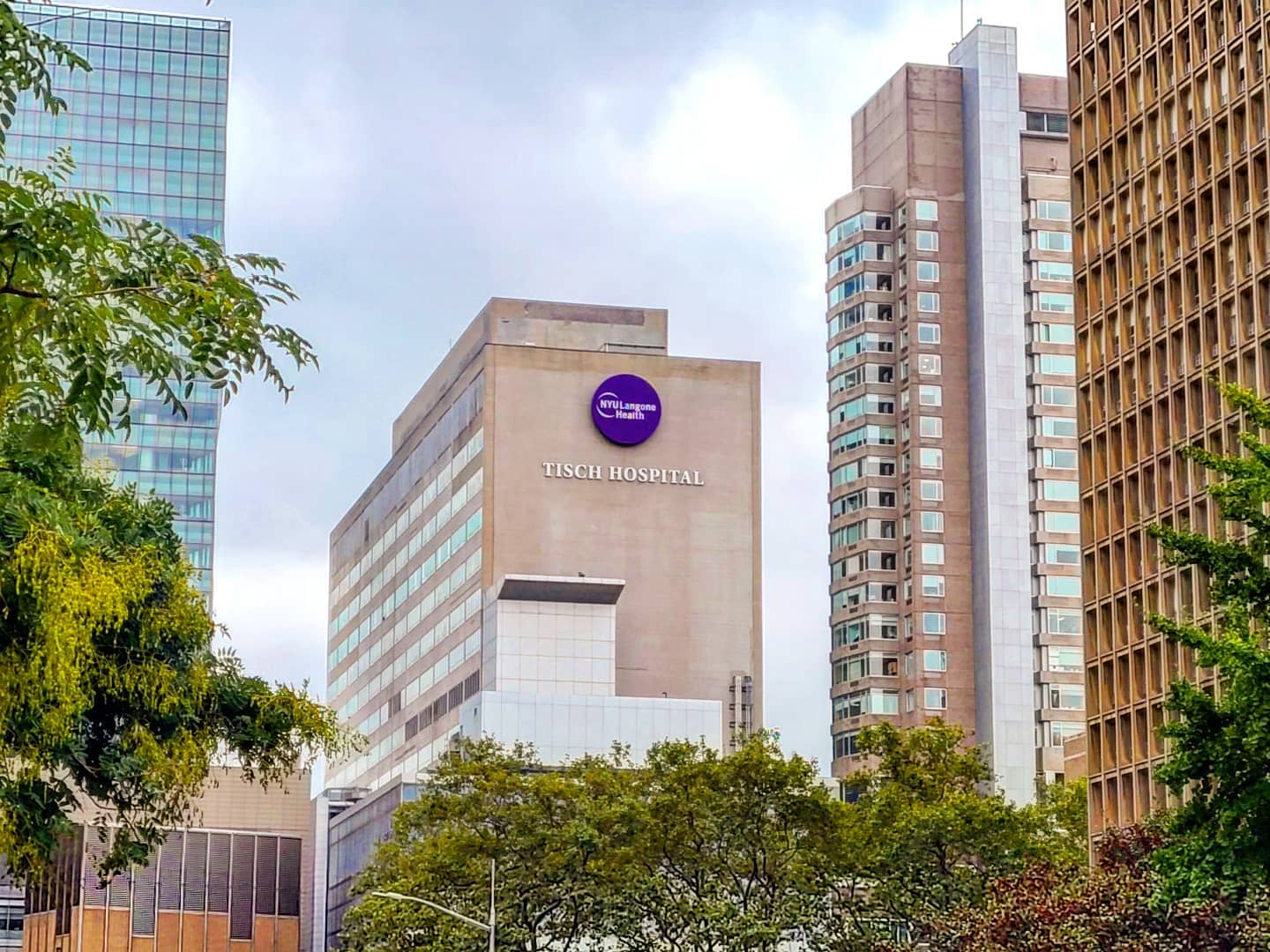
Me outside the Perlmutter Cancer Center in NYC on October 29th after seeing my surgeon on the 5-year anniversary of my discharge from surgery

Last week I celebrated 5 years since the bilateral mastectomy that saved my life and removed any sign of cancer from my body. My friend, Wayne, describes journeys like this as a log flume. When we begin, we’re at the top of a terrifying drop. We’re scared, nervous, unsure, hopeful, confused, anxious. All the emotions of the human condition are raw and tumbled in our minds and hearts. We’re trying to keep our head up and our eyes ahead. we don’t want to take that plunge into the unknown. But we have to. We can’t turn around. The only way out is through.

And so, we take a deep breath, and we let ourselves fall. We face all the things we were afraid of, and then some. In every health challenge journey, circumstances arise that we never expected. In my case, I had to have another surgery 3 weeks later because lymph nodes that biopsied negative came back positive in the pathology. All the nodes from that second surgery were, thankfully, negative. Then I nearly died, twice, from a life-threatening allergy to Taxol, a common chemo drug, that shut down my lungs in the middle of COVID. My oncologist at the time thought I was being overly dramatic about my side effects when in fact I was suffocating. (I fired her from my care team, and she no longer sees patients.) My pulmonology team thought my lungs might be permanently scarred and I may need to have an oxygen tank for the rest of my life. Thanks to science and diligence, I fully recovered and now I’m healthier and stronger than ever.

I spent the evening of my 5-year surgery anniversary producing and hosting NYC’s Secrets & Lies – Ghost Stories. The irony isn’t lost on meโ€”that I nearly became a ghost myself with so much life I still wanted to live and that storytelling and creativity have been two of my greatest teachers and healers.

In the wee hours of the morning after my surgery, I woke up in recovery. High as a kite on a massive amount of drugs, my nurse ran around the hospital to find me a turkey sandwich and to this day it’s the best thing I’ve ever eaten. I happily gobbled it down, watched a Harry Potter film on my tablet, and cried enormous tears of gratitude. There was less of my body in the world, but I was still alive, still breathing, and cancer-free. My greatest wish that morning was to see the sunrise so my nurse got me out of bed and wheeled me to one of the lounge spaces in the recovery wing so I could see the sun come up over the East River and the FDR Drive. I will never forget that view.

My surgery team members came to see me before I was discharged. My plastic surgeon who had placed the first installment of my reconstruction – the tissue expanders that would go on to cause 14 months of constant pain – told me that I woke up from anesthesia very quickly, before I’d even left the operating room. I began gushing how grateful and thankful I was to the whole surgery team. She said the entire team was laughing and crying right along with me. I have zero memory of this, and I wish I’d been fully conscious to remember it. Leave it to me to bring the funny in the darkest of times!

Then my breast surgeon came to check me before discharge. Through our masks, I thanked her for saving me and she said, “Sweetie, I’m just part of the team. And every person in this hospital shows up every day with the only goal being to help you heal. And you will heal. And how you feel now – the pain and the fear – it won’t always feel this way. We’re going to get through this together.” My dear friend, Marita, picked me up from the hospital and drove me home to where my sister and my dog were waiting for me. In the following months, so many beautiful friends sent me care packages, messages, cards, and food, and came to visit me from a distance – outside and masked. The trying times we made it through! I’m so thankful for everyone who cheered me on and helped me in a million different ways. I wouldn’t be here without you.

It’s fitting that exactly 5 years at that exact time she came to see me in recovery that I had my 5-year check-up with my breast surgeon. She gave me a clean bill of health, and we talked about the next 5 years of meds. She eased my mind and soothed my heart, as she always does, with science and compassion. We have a plan to keep me cancer-free, and I feel ready to start this next chapter.

I left her office with tears in my eyes and my head, heart, and spirit filled with gratitude for every second of these past 5 years. I’m even grateful for the worst days on this journey because I got to live them. Every morning, my first thought is, “Whew, I got another one!” Long may that tradition continue.

Below are photos of me on the day of my surgery and the morning after when I woke up and saw the sunrise

creativity

What a Corn Stalkโ€™s DNA Taught Me About Solving the Climate Crisis

The urgent global challenge is feeding a rapidly growing population while fighting the uncertainty of climate change. As a storyteller and a biomimicry scientist, I often ask: How does nature solve a massive, existential crisis? The answer, it turns out, lies not in some distant super-technology, but in the subtle genius of a single plant cell.

New research from the Cold Spring Harbor Laboratory has illuminated a fundamental biological “master switch” in the DNA of food crops like corn, giving us an actual blueprint for creating a resilient, thriving future. This isn’t just botany; it’s a profound lesson in survival written right into the plant kingdom.

The Inner Wisdom of the Plant

Plant growth, from the deepest root to the ripest ear of corn, is governed by its stem cellsโ€”unspecialized cells that hold the potential to become any part of the plant. The challenge facing plant scientists has always been figuring out how to balance these cells: when should they grow and when should they specialize into, say, a fruit or a thick stalk?

In a breakthrough study, scientists mapped the gene expression in these cells, revealing the network of regulators that act as the plantโ€™s precise internal control panel. This network balances growth and stress response, allowing the plant to strategically allocate its resources for survival.

This knowledge is a gift to us all because it shows how nature manages risk. A plant facing drought doesn’t just despair; it shifts resources to deepen its roots. A plant under pest attack doesn’t just succumb; it redirects energy to fortify its cell walls. It’s a marvelous, elegant system of risk mitigation through metabolic flexibility.

A Blueprint for Humanityโ€™s Resilience

As my work focuses on biomimicryโ€”integrating nature’s genius into the human worldโ€”I see in this discovery a direct path to solving our human challenge of food security. We are not meant to struggle endlessly against the elements; we are meant to learn from the masters of endurance.

This plant study provides us with three clear takeaways for building a better world:

  1. Precision over Force: Instead of overwhelming fields with more fertilizer and water, we can use this genetic knowledge to engineer plants to be more efficientโ€”to use nitrogen more effectively and direct energy precisely where it’s needed most for resilience.
  2. Unlocking Latent Potential: We are now able to see and manipulate the plantโ€™s own evolutionary solutions. We can develop crops with deep-seated, natural defenses against drought and disease, built on the plant’s own wisdom, not on chemical dependency.
  3. The Power of the Foundational System: The corn stalk teaches us that true resilience comes from perfecting the foundation. By understanding and replicating the simplest, deepest biological controls, we can build human systems that are robust and adaptable, just like an ecosystem.

A Brighter Future Ahead

This breakthrough is more than just a scientific finding; it is a fundamental shift in our relationship with nature. By finally decoding the genetic “master switch” that plants use to govern their own destiny, we are handed a powerful blueprint for survival. The challenge of global food security has never been greater, but this research proves that the solution is not an endless technological sprint, but a deeper engagement with the patient, profound wisdom of the living world. The era of resilient agriculture is not just on the horizonโ€”it has already begun, written in the complex, hopeful language of a plant’s own DNA.


If you’re interested in learning more about how I apply nature’s genius to human challenges, check out my work on biomimicry here: Christa Avampato: Biomimicry Stories Can Help Us Build a More Sustainable World


Now, I want to hear from you: How can we apply the corn plant’s principle of ‘metabolic flexibility’ to urban planning in our own cities?

creativity

Head, Heart, and Hands: The Great Triumvirate of Change

Image created by Christa Avampato.

I just attended Dr. Katharine Hayhoe’s Climate Week NYC talk at the American Museum of Natural History, and it was the most empowering climate message I’ve ever heard. It reframes the entire discussion around three simple ideas: Head, Heart, and Hands.

A research-backed truth: Dr. Hayhoe shared that most people in this country and in the world (~60% on both counts) are worried about climate change. We, the worried, donโ€™t need more doom and damning data to get us concerned because weโ€™re already there.

The challenge: Even though weโ€™re worried, we arenโ€™t taking enough action to alleviate our worry because we don’t know what to do about it.

The solution: Sync up our head, heart, and hands โ€“ what Iโ€™m calling the great triumvirate of change โ€“ and sync with others.

Well, thatโ€™s all well and good, but how do we do that? Dr. Hayhoeโ€™s advice: Get clear about what we care about, how climate change will impact what we care about, find others who care about what we care about, and start talking!

Hereโ€™s our action plan:

Head: Define Your Why. Clearly identify exactly why youโ€™re worried. Finish this sentence: “I care about climate because I care about…” How is your personal well-being, favorite place, or dearest value already being affected by climate change? Keep it simple, personal, and jargon-free.

Heart: Connect to Community. Now that you know what you care about, find communities, groups, and individuals who share that passion and are also affected by climate change.

Hands: Turn Conversation into Action. Get in touch with those communities and start talking about your shared worries and values. That act of conversation and connection will lead to meaningful, collaborative action or project to protect what you care about.

Climate change will affect everything everywhere all at once. It is a global issue, and no one will escape it so no matter what you care about, it will be impacted and there are communities of people who care about it, too. Letโ€™s dive into an example from my personal life to see this action plan come to life.

An example:

Head: Iโ€™m worried about climate change because I love New York City. Since most of our city is at or near sea level, we will be subject to serious impacts from sea level rise, and we have a lot of issues now with rain flooding the streets and subways โ€“ our main modes of transportation. We also have a lot of people living in a small amount of space so there is a lot of pollution that impacts our health and well-being, and often crowds out green space, which is causing more heat, dirtier air, and health issues.

Heart: I love this city, and I do believe we can make it greener, cleaner, and healthier for all beings who live here โ€“ people, pets, wildlife, and plants. I want to find other people who also care about nature in NYC.

Hands: I run a live storytelling game show called NYCโ€™s Secrets & Lies all about the secret history of NYC. This month, I decided to make the show all about stories related in nature in NYC and applied to have it become an official Climate Week NYC event. They accepted it (hooray!). I found a terrific venue โ€“ a hidden theater inside Port Authority Bus Terminal (a great tie into the transportation issues impacted by climate change here in NYC!) We had a wonderful cast of storytellers who were enthusiastic about the topic and told a wide range of stories. I also invited Josh Otero from the Natural Areas Conservancy to be our special guest to talk about all of the amazing work they do to make NYC greener and healthier. We had a sold-out show with a waitlist of 33 people, and all of the stories talked about interesting aspects of the history of nature in NYC. We had so much fun, and it was a great way to get the message out there! This show gave me a place to put my worries about climate change and turn them into action with others. Iโ€™m planning to do more of these shows โ€“ stay tuned!  

Our climate anxiety is reaching new heights and as Dr. Hayhoe explained, the way to use that anxiety for good is through stories. Storytelling is about conversations. Every great idea, every meaningful action, every ounce of change – it all begins with a conversation. Get out there, start talking, and see what change you can create with others.

creativity

Copenhagen: From Concrete Jungle to Sponge City ๐ŸŒŠ

Photo by Nick Karvounis on Unsplash

Copenhagen, the vibrant capital of Denmark, is renowned for its design, cycling culture, and high quality of life. But beneath the charming canals and green spaces, a pressing challenge looms: managing increasingly intense rainfall due to climate change. Rather than relying solely on traditional infrastructure like pipes and sewers, Copenhagen is embracing nature-based solutions, transforming itself into a “sponge city.”

The sponge city concept, originating in China, focuses on absorbing and retaining rainwater where it falls, mimicking how nature manages water. This involves integrating nature-based solutions into the urban landscape to capture, filter, and slowly release stormwater to mitigate flooding.

โ€œIf you want to survive, you have to be spongy,โ€ says Yu Kongjian, dean of Peking Universityโ€™s College of Architecture and Landscape Architecture, and founder of Turenscape, one of Chinaโ€™s largest landscape architecture firms. โ€œTrying to protect cities with hard, gray infrastructure made of concrete is doomed to fail.โ€

Copenhagen is a frontrunner in the spongey revolution, and its journey offers valuable lessons for cities worldwide grappling with similar climate-related challenges. My dear archipelago home city of New York, Iโ€™m looking at you!

One of the key elements of Copenhagen’s sponge city transformation is the creation of whatโ€™s known as green infrastructure. Parks and green spaces are being redesigned to function as rainwater retention basins during heavy downpours. These areas, often featuring sunken lawns and permeable surfaces, can temporarily store significant volumes of water, reducing the strain on the city’s human-made drainage system and reducing the risk of flooding. For example, Enghaveparken has been renovated to include a large underground reservoir capable of holding approximately 22,700 cubic meters of water. This dual-purpose space serves as a recreational area for residents while providing crucial stormwater management capacity.

Beyond parks, Copenhagen is incorporating blue infrastructure into its urban fabric, giving water a place to flow. The city’s numerous canals and harbors are being leveraged to manage excess water. Innovative solutions like floating wetlands and constructed ponds not only enhance biodiversity but also help to filter and retain stormwater. Furthermore, permeable pavements are being increasingly adopted in streets and public squares, allowing rainwater to seep into the ground rather than running off into drains. This reduces surface runoff and helps to replenish groundwater levels.

The driving force behind Copenhagen’s commitment to becoming a sponge city is its ambitious Cloudburst Management Plan, developed after a severe storm in 2011 caused widespread flooding. This comprehensive plan outlines a series of long-term projects aimed at making the city more resilient to extreme weather events. It emphasizes a collaborative approach involving the municipality, utility companies, businesses, and citizens in implementing nature-based solutions across the urban landscape.

The benefits of Copenhagen’s sponge city approach are manifold. Beyond reducing flood risk and alleviating pressure on drainage systems, these green and blue infrastructure initiatives enhance the city’s livability. They create more green spaces for recreation, improve air quality, support biodiversity, and even help to cool urban heat islands during hot summer months.

Copenhagen’s journey to becoming a sponge city is not without its challenges. Retrofitting existing urban areas with green and blue infrastructure requires careful planning, investment, and community engagement. However, the city’s proactive and integrated approach serves as an inspiring model for how other cities can adapt to the increasing impacts of climate change by working with nature, rather than against it. As extreme weather events become more frequent, the lessons learned in Copenhagen offer valuable insights for building more resilient and sustainable cities for the future.

You can read more about Copenhagenโ€™s plans to manage climate change at https://urbandevelopmentcph.kk.dk/climate.

creativity

How Fungi Are Illuminating a Sustainable Future

Photo by Igor Omilaev on Unsplash

Imagine a future where the gentle, natural glow of wood guides you along a park path or illuminates your home, all without a single watt of electricity. This isn’t a scene from a fantasy movie; it’s a groundbreaking reality being forged by scientists who are harnessing the power of nature itself to create a sustainable alternative to traditional lighting. At the forefront of this innovation is Francis Schwarze, a fungal researcher at the Swiss Federal Laboratories for Materials Science and Technology (Empa), and his team, whose work on bioluminescent wood is nothing short of revolutionary..

In their research, Schwarze’s team demonstrated a remarkable example of biomimicry, the practice of drawing inspiration from nature to solve human design challenges. They looked to the forest floor and the eerie phenomenon of “foxfire,” the natural glow emitted by certain fungi in decaying wood. By isolating and studying the ringless honey fungus (Desarmillaria tabescens), they were able to understand and then replicate this process in a controlled laboratory setting. The team discovered that this particular fungus could be introduced into wood in a way that maintains the wood’s structural integrity while it is imbued with the fungus’s natural ability to glow.

The magic of the glow comes from a natural chemical reaction involving an enzyme called luciferase, the very same enzyme that makes fireflies light up the night. When the fungus-treated wood is exposed to air, the enzyme triggers a reaction that produces a soft, green light. The result is a completely self-sustaining, non-toxic, and non-electric light source that could one day transform our approach to lighting.

While the current glow is comparable to the light of a candle and lasts for about 10 days, the research represents a crucial proof of concept. The team, including researcher Giorgia Giovannini, is actively working on optimizing the process to increase the brightness and longevity of the luminescence.

The practical applications of this innovative material are as numerous as they are inspiring. Imagine urban spaces where bus shelters and street signs are naturally illuminated, reducing light pollution and energy consumption. Think of a park where benches and pathways glow gently, eliminating the need for harsh electric lamps. In homes, this biohybrid material could be used for designer furniture, artistic wall panels, or even subtle safety markers, all glowing without a power source. This innovation could also inspire a new class of biomimicry products, moving beyond wood and into other materials that could be made to self-illuminate or possess other natural properties.

Ultimately, this research highlights the immense potential of looking to nature for solutions. By collaborating with living organisms, scientists are not just creating a new product; they are pioneering a new field of sustainable materials science. The work of Schwarze and his team is a shining example of how understanding and working in harmony with the natural world can lead to a brighter, more sustainable future for us all. It reminds us that some of the most profound innovations aren’t about building something entirely new, but about learning from and enhancing what already exists.

creativity

A Call to Action: Building Resilience in the Face of Flooding

The Mississippi River regularly floods in Davenport, Iowa. Photo byย Kelly Sikkemaย onย Unsplash

The recent, heartbreaking floods in Texas have served as a stark reminder of nature’s raw power and the ravaging impact it can have on our communities. Along the Guadalupe River, the water rose 26 feet in less than an hour. I’m devastated seeing all of those who are affected by the loss of life, homes, and livelihoods.

Texas, particularly regions like “flash flood alley,” is inherently susceptible to rapid and severe flooding due to its unique topography and intense rainfall events. When large volumes of rain fall quickly on dry, compacted soil, the water has nowhere to go but to rush across the surface, swelling rivers and overwhelming infrastructure.

While we cannot control the weather, we can learn from these events and take proactive steps to mitigate future flooding risks, working with nature, not against it. So, what can we do, as individuals and communities, to better coexist with the forces of nature and reduce the impact of these catastrophic events?

Embracing Nature-Based Solutions

Many effective flood mitigation strategies involve working in harmony with our natural environment. These “green infrastructure” approaches often offer multiple benefits beyond just flood control:

  • Protecting and Restoring Wetlands and Floodplains: These natural sponges are crucial for absorbing excess water, slowing its flow, and filtering pollutants. Preserving and restoring these vital ecosystems can significantly reduce downstream flooding.
  • Creating Rain Gardens and Bioswales: In urban and suburban areas, these beautifully designed landscape features use plants and specially engineered soils to capture and slowly release stormwater runoff, preventing it from overwhelming drainage systems.
  • Promoting Permeable Surfaces: Swapping out concrete and asphalt for permeable pavers or gravel allows rainwater to infiltrate the ground naturally, reducing surface runoff and recharging groundwater supplies.
  • Planting Trees and Vegetation: Trees and other plants help absorb rainfall, reduce soil erosion, and stabilize banks along rivers and streams. Their root systems create pathways for water to penetrate the soil, further reducing runoff.
  • Implementing Riparian Buffers: Establishing vegetated zones along waterways helps to slow floodwaters, trap sediment, and improve water quality, creating healthier aquatic ecosystems.

Community-Wide Efforts and Individual Actions

Beyond nature-based solutions, broader efforts and individual preparedness are essential:

  • Improved Flood Warning Systems: Timely and effective communication is paramount. Communities need robust warning systems that reach everyone in flood-prone areas, especially during the critical overnight hours.
  • Responsible Land Use Planning: Developing in harmony with natural floodplains, rather than building in high-risk areas, is crucial. This includes updating zoning laws and building codes to promote resilient construction.
  • Investing in Infrastructure: While nature offers powerful solutions, traditional “gray infrastructure” like detention basins, levees, and improved drainage systems also play a vital role, especially in existing developed areas.
  • Individual Preparedness: “Turn Around, Don’t Drown” remains a critical message. Knowing your flood risk, having an emergency plan, securing important documents, and considering flood insurance are vital steps for everyone.

The recent events in Texas are a solemn reminder that we must prioritize flood resilience. By understanding the natural processes that lead to flooding and implementing strategies that work with, rather than against, nature, we can build stronger, safer communities for generations to come.

Let’s all commit to being better stewards of our environment and more prepared neighbors in the face of nature’s challenges. Additionally, we must hold every single one of our elected officials responsible for doing the same by voting and calling their offices regularly to voice our concerns.

creativity

Using science to build strong bones as a cancer survivor

Me at Ravinia when I visited friends in Chicago this weekend

Some personal health news and a story about the power of science. 2 years ago, I went for a bone density test. Unsurprisingly it showed that my current “f*ck cancer” meds had decreased my bone density numbers into the osteopenia range with 1 number from my low back on the border for osteoporosis.

At that point, my oncology team and I decided to play defense. I added the equivalent of Harry Potter’s Skele-gro to my arsenal of daily weight-bearing exercises, a very healthy diet, and no alcohol that I was already doing. The hope was the new med would stabilize my numbers and keep osteoporosis at bay.

I just had my 2 year bone density test. Some of my numbers have improved by a lot. A couple stayed the same. The number for my low back tipped by -.1, taking me into osteoporosis.

I bursted into tears. I spend an incredible amount of time and effort looking after my health. Ani DiFranco wasn’t joking when she sang, “self-preservation is a full-time occupation.” How was this fair? What else was I supposed to do to stop this?

I pulled myself together and messaged my oncologist to ask about next steps.

I took myself for a walk and gave myself a pep talk. The med is working. Healing isn’t linear. I know this. Like an arrow, sometimes we have to be pulled back a bit to fly forward.

By the time I got home, my oncologist had responded. I expected to see a recommendation for more meds. “This is status quo. You’re on protective meds and will be done with the meds causing this side effect in a year. This will get better.”

The new medications I’ll switch to in a year, which will mark 5 years since the end of my active cancer treatment, don’t diminish bone density. They will likely protect my bone health and possibly improve my numbers. And my oncologist will keep me on the Skele-gro until I’m out of osteoporosis land.

My bone health isn’t where I want it to be. Not yet. I’ll get there, one day at a time, thanks to science.

creativity

Greener Horizons: NYC’s First-Ever Urban Forest Plan Takes Root!

Forest Park, Queens. Photo by Daniel Avila/NYC Parks. https://www.nycgovparks.org/highlights/nyc-parks-most-photogenic-woodland-areas

For a city known for its concrete jungle, New York City is making a bold and exciting commitment to its natural sideโ€Šโ€”โ€Šthe cityโ€™s first-ever Urban Forest Plan, a monumental undertaking that promises to transform our urban landscape and bring the benefits of nature to every corner of the five boroughs.

What is the Urban Forest Plan?

Mandated by Local Law 148 of 2023, this groundbreaking plan sets an ambitious goal: to increase New York City’s tree canopy cover from its current 22% to a robust 30% by 2035. But it’s more than just planting trees; it’s a comprehensive roadmap for managing, protecting, and equitably expanding the city’s entire “urban forest”โ€”which includes over 7 million trees on public and private land, from street trees and parks to natural forests and even private yards.

Why is this Plan So Important?

The benefits of a thriving urban forest are immense and crucial for a city like ours:

  • Cooler City: Trees are natural air conditioners, mitigating the urban heat island effect that makes our city hotter, especially in neighborhoods with less green space. They can lower street temperatures by several degrees, providing vital relief during scorching summers.
  • Cleaner Air: Our urban trees act as natural filters, removing thousands of tons of air pollutants annually, which can significantly improve public health, particularly for those with respiratory issues.
  • Stormwater Management: Tree roots absorb millions of gallons of stormwater runoff, helping to reduce flooding and protect our waterways from pollution.
  • Enhanced Well-being: Studies consistently show that access to green spaces improves mental health, reduces stress, and promotes physical activity. A greener city means a healthier, happier populace.
  • Biodiversity Boost: Expanding the tree canopy creates vital habitats for birds, insects, and other wildlife, enriching the city’s biodiversity.
  • Environmental Justice: Historically, tree canopy has been unequally distributed across the city, with lower-income neighborhoods often having fewer trees and facing greater environmental burdens. This plan aims to address these disparities by prioritizing equitable tree planting in disadvantaged communities.

Community at the Core

One of the most exciting aspects of the Urban Forest Plan is its emphasis on community involvement. The city recognizes that for this plan to truly succeed, it needs the input, experiences, and recommendations of New Yorkers from all walks of life. Various community engagement eventsโ€”including workshops and “walk-shops” in different boroughsโ€”have been held, and a public survey is open (though note that the deadline for input is June 30, 2025 โ€“ so if you haven’t participated, there’s still a brief window!). This collaborative approach ensures that the plan reflects the diverse needs and desires of our neighborhoods.

Looking Ahead

The Urban Forest Plan is a testament to New York City’s commitment to a more sustainable, resilient, and livable future. It acknowledges that trees are not just a luxury, but essential infrastructure that provides invaluable services to our communities. As this plan takes root, we can look forward to a greener, healthier, and more equitable New York City for generations to come.

To learn more and get involved, visit the city’s Urban Forest Plan website at https://www.urbanforestplan.nyc/

creativity

Bees Can Teach Us How to Live and Work

Bees working in their hive. Photo by Shelby Cohron on Unsplash.

Have you ever thought about bees as your life or career coaches? As an aspiring beekeeper, I’m fascinated by how these incredible creatures live and work. Their hives are a model combination of structure and flexibility.

Experts versus generalists

Some bees are genetically predisposed to have certain talents making them suitable for specific jobs. Others prefer to learn new skills and have new experiences, so they may hold a whole host of different jobs. Some have multiple jobs at the same time. Most bees are generalists; they cycle through different jobs at different stages of their lives and depending upon what the hive needs at any one time.

By nature, I’m curious and have an interest in a lot of different areas. None of us is just one thing. We contain multitudes. We can live our lives spherically, in many different directions, and be better for it.

Unified by a common purpose

While each bee has their talents and preferences, all of them work in service of their hive. They have one guiding mission – to perpetuate the health and longevity of their hive long after any one individual has passed away. For example, middle aged bees usually begin foraging. However, if the population of the hive needs to increase to maintain its health, a middle-aged bee will delay the foraging portion of their lives in favor of tending to the brood of baby bees (known as larvae.) Similarly, if the population of the hive is booming and more foragers are needed to collect nectar, pollen, and water to keep the hive healthy, she will begin to forage sooner than middle age.

This reminds of looking at our career choices through three lenses: what are we good at, what does the world need, and what do we enjoy doing? What is our higher purpose, and how do our lives and careers serve that purpose?

Managing career transitions

Though a worker honeybee only lives for a month or two, she often holds many jobs in that time and sometimes has more than one job at once. As soon as she emerges from her cell, a young bee gets to work around the hive, cleaning brood cells (including the one from which she just emerged) so that the queen bee can lay new eggs. Younger bees work inside the hive (like a child learning to do chores around the house) and older, more experienced bees work outside the hive, foraging for nectar, pollen, and water. Bees are never afraid to try something new, to be beginners. They are secure in their abilities, and they believe in one another’s abilities.

Whenever I’m trying something new, I think of bees and try to have the courage and confidence they have. Being part of a team means we’re never alone in our work. We’re all in it together.

Caring for the next generation

Taking care of their community is the north star for bees. Caring for future generations is the whole reason they do what they do. A nurse bee feeds and cares for thousands of developing bees, as well as the adult bees in the hive. Nurse bees also build new comb while caring for their bee family and build it with surprising speed. It’s a collaborative effort, with each bee playing their part in service to all the other bees and their collective future.

No one is an island. Taking care of each other in our community is also a way to take care of ourselves.

Minding their home

In addition to building comb, some bees are especially skilled at helping to maintain the temperature and humidity of the hive as weather conditions change. A hive is a dynamic place. When the temperature rises or plummets, or when drought sets in, environmentally inclined bees get to work using their bodies to heat and cool the hive so that their home and the bees who live there remain in tip top shape.

It’s easy for us to be heads-down on our work and consumed with our own lives. It’s worth taking a look around and seeing how we might be able to help the whole system in which we operate. We’ll be better off, and so will our neighbors, if the whole system works better for everyone.

Adventure awaits

As stated before, middle-aged bees begin the foraging chapter of their lives. They start by taking some test flights close to the hive to get their bearings. Within a matter of hours, they get the lay of the land and begin foraging for nectar, pollen, and water. What they collect, how much they collect, how many foraging trips they take per day, how far they travel, and if they attempt to multi-task by collecting more than one kind of material in a single trip depends upon the needs of the hive and the depth of the bee’s experience. Once she arrives back at her hive with the goods, she passes them off to receivers at the entrance of the hive before she either takes a rest or heads back out to forage again.

We spend a lot of time in our comfort zone. Getting out into the world gives us new perspective and benefits our community when we return with new knowledge and new experience.

Communication

The exchange of goods between foragers and receivers is thought to be a time for the bees to communicate. It’s possible that the receiver is letting the forager know what’s happening around the hive so that the forager is able to head out into the world to collect what the hive needs. The forager is letting the collector know what’s happening outside the hive.

If a forager is waiting a long time for a collector to take what she’s brought back, she will also begin to recruit more bees inside the hive to act as collectors, maximizing the efficiency of all of the foragers. She has agency to create a change. Foragers only travel from sunrise to sunset, and sleep through the night, so time is of the essence during daylight hours. Communication keeps the hive humming, literally and figuratively.

Our communities are healthier and happier when communication flows freely between members. Tell your stories and listen to the stories of others. We’re all better off when we share.

Rest

While we’ve given the proverbial title of worker bee to someone who’s always busy, bees prioritize rest for a very good reason – a tired bee doesn’t communicate nor navigate as well as a rested bee. The world is a treacherous place. To survive and thrive, and help her hive do the same, a bee must be well-rested and well-fed.

How many times do we tell ourselves, “Just push through,” when what we really need is to rest and recharge? Make like a bee and take a break. Nourish yourself. You’ll feel and work better when you take better care of yourself.

Looking to the future

No one home will suit a hive forever. While many bees spend their lives tending to the present needs of the hive, someone has to be on the lookout for what’s next. Scouts, who know the neighborhood well from their foraging, are consistently searching for the next home, and the next food and water sources. They will sometimes overnight in a new place to check it out as a potential future home for her hive. Once a home is chosen by the hive, a scout leads the entire swarm to that home, as she is one of the only bees in the hive to have ever been there.

While it’s important to be present, there’s also value to looking ahead every so often, too. Where might we want to go? What might be a future area of learning and experience for us? How might we refill the well?

So often the way we live and work is out of sync with how nature operates. How might our lives and careers be transformed if we took a page out of the bees’ book, establishing a flexible structure in our lives, careers, and communities that takes care of every member and allows every member to contribute?