creativity

What does a sustainable New York City look like?

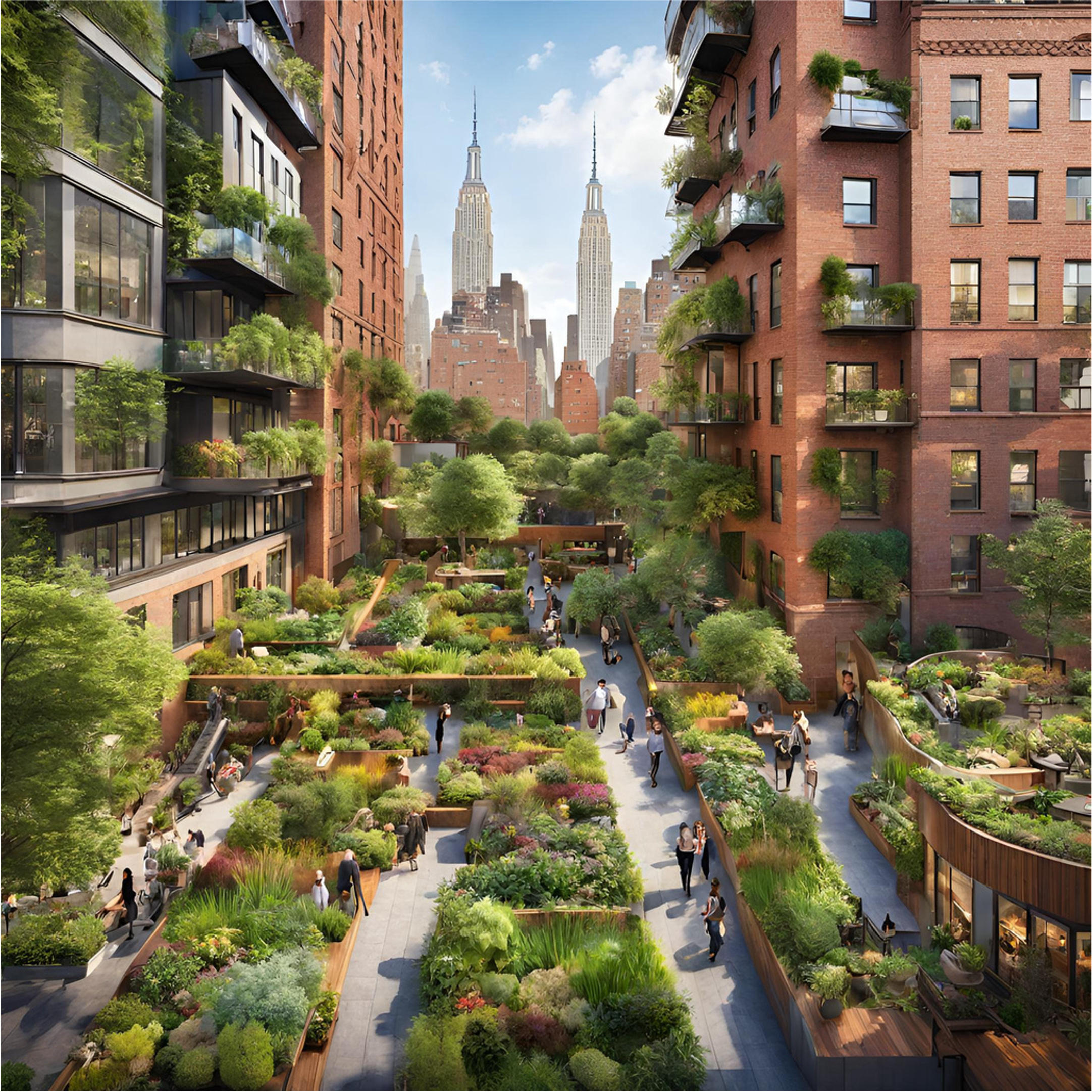
What does a sustainable New York City look like to you? I imagine lush micro gardens, biophilic architecture (a building methods that connects people with nature), rooftop farms, and clean transit, air, and water as pathways that give people, plants, and wildlife the opportunity to live side-by-side-by-side in ways that benefit all.

In biomimicry, we begin our design process by asking how nature would solve a specific problem we have with a question framed as “How would nature (the problem we want to solve)?”. My question above would be framed as “How would nature build a sustainable New York City?” This is a question that has occupied by headspace for years as I traverse through different projects and future visioning sessions.

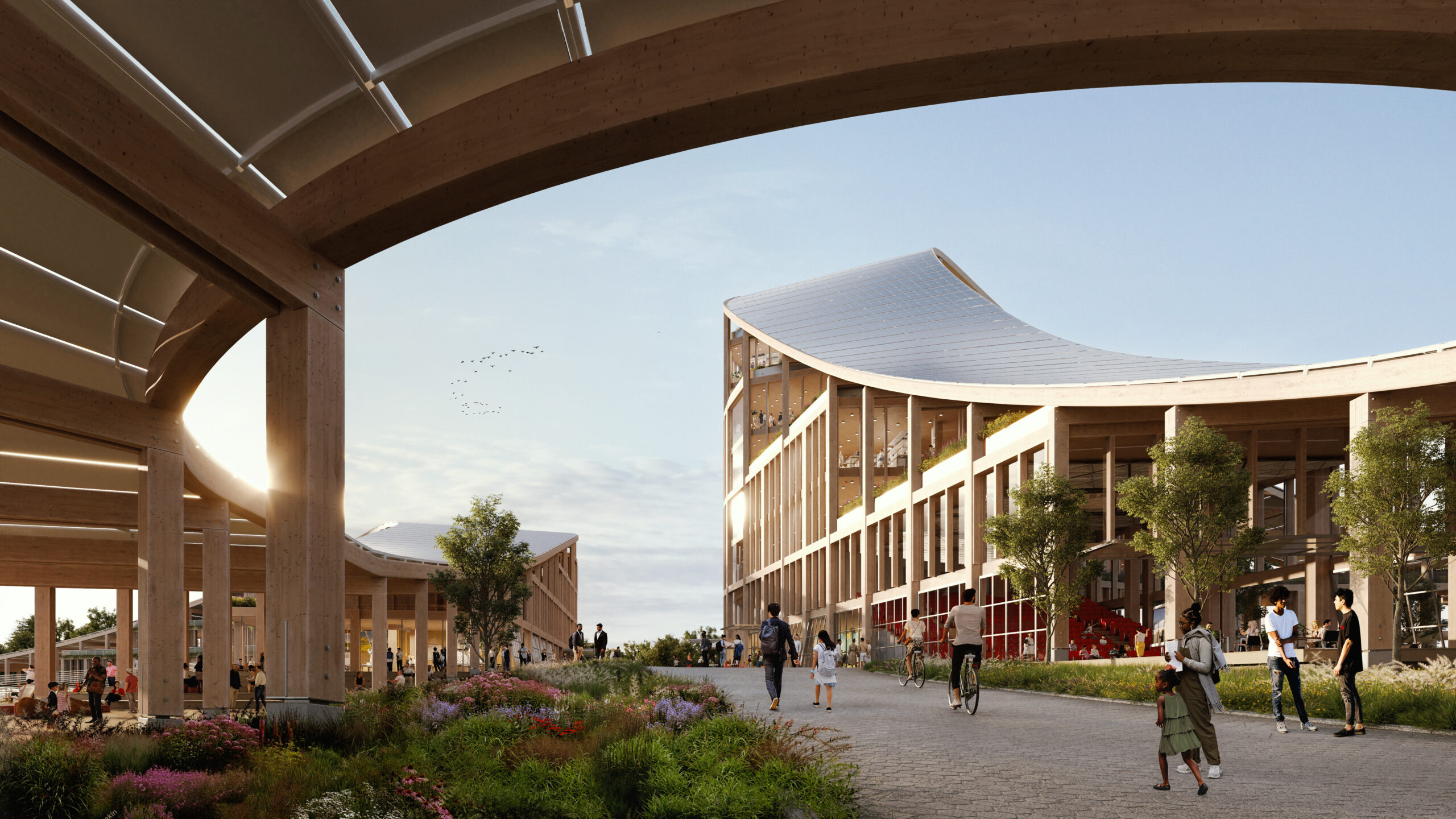
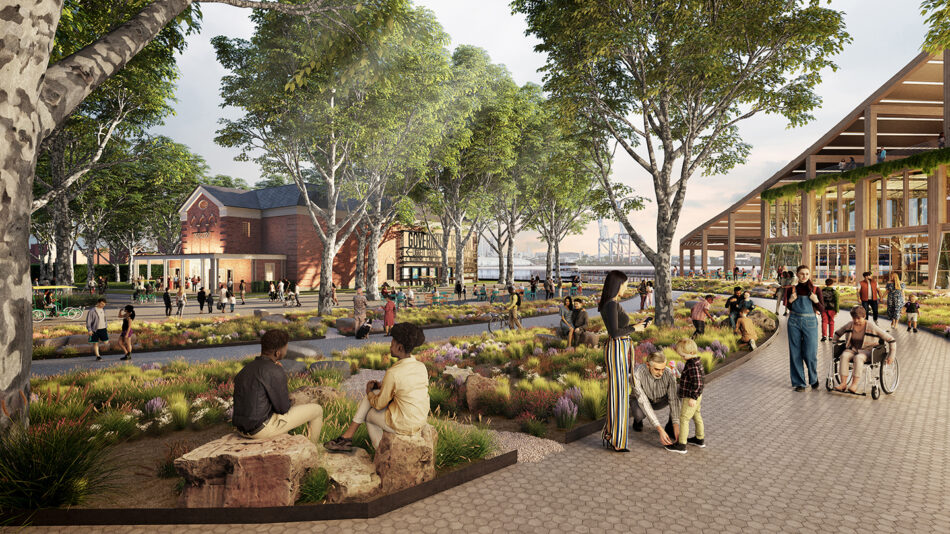
In the spirit of an image being worth 1,000 words, I created these images with Canva Magic Studio AI to show how nature might build a sustainable New York. Is this a city you’d like to visit? Is this a city where you’d be happy to live? What are the first steps we can take now to make this our New York?

creativity

Save the date for my NYC book launch party on Friday, May 31st at 7pm

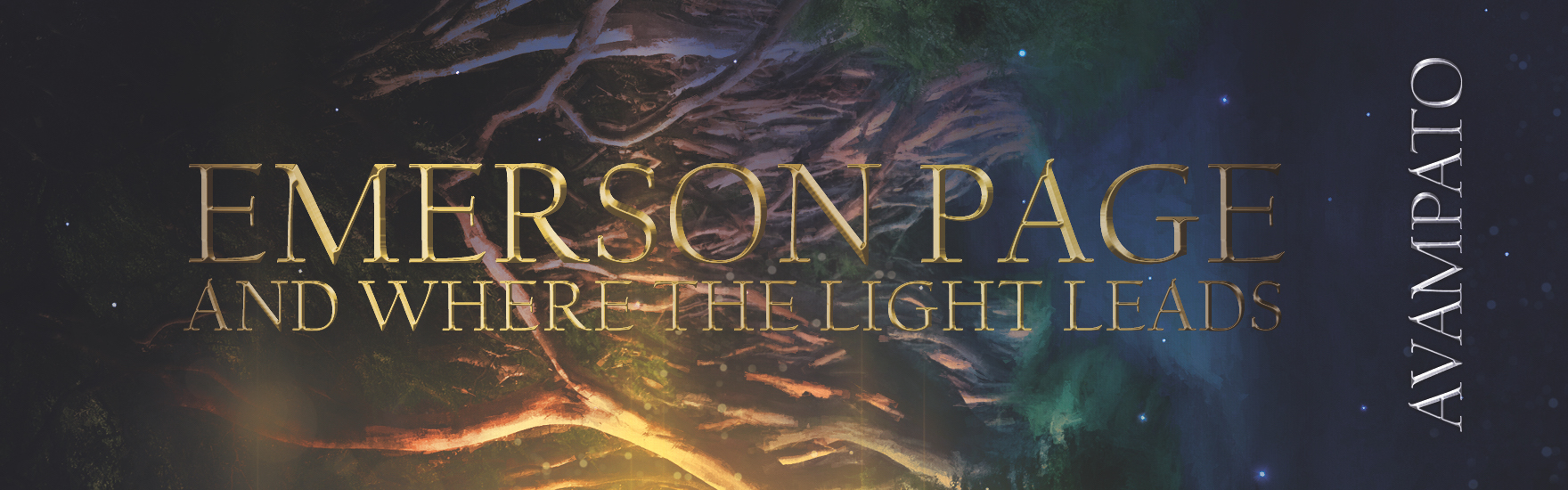
I’m excited to have a book launch party in New York City for my novel, Emerson Page and Where the Light Leads. While I work out some fun details, here is a save the date for Friday, May 31st at 7pm. I hope you’ll add this to your calendar and I look forward to seeing you at the party!

creativity

New York’s hidden places to gather

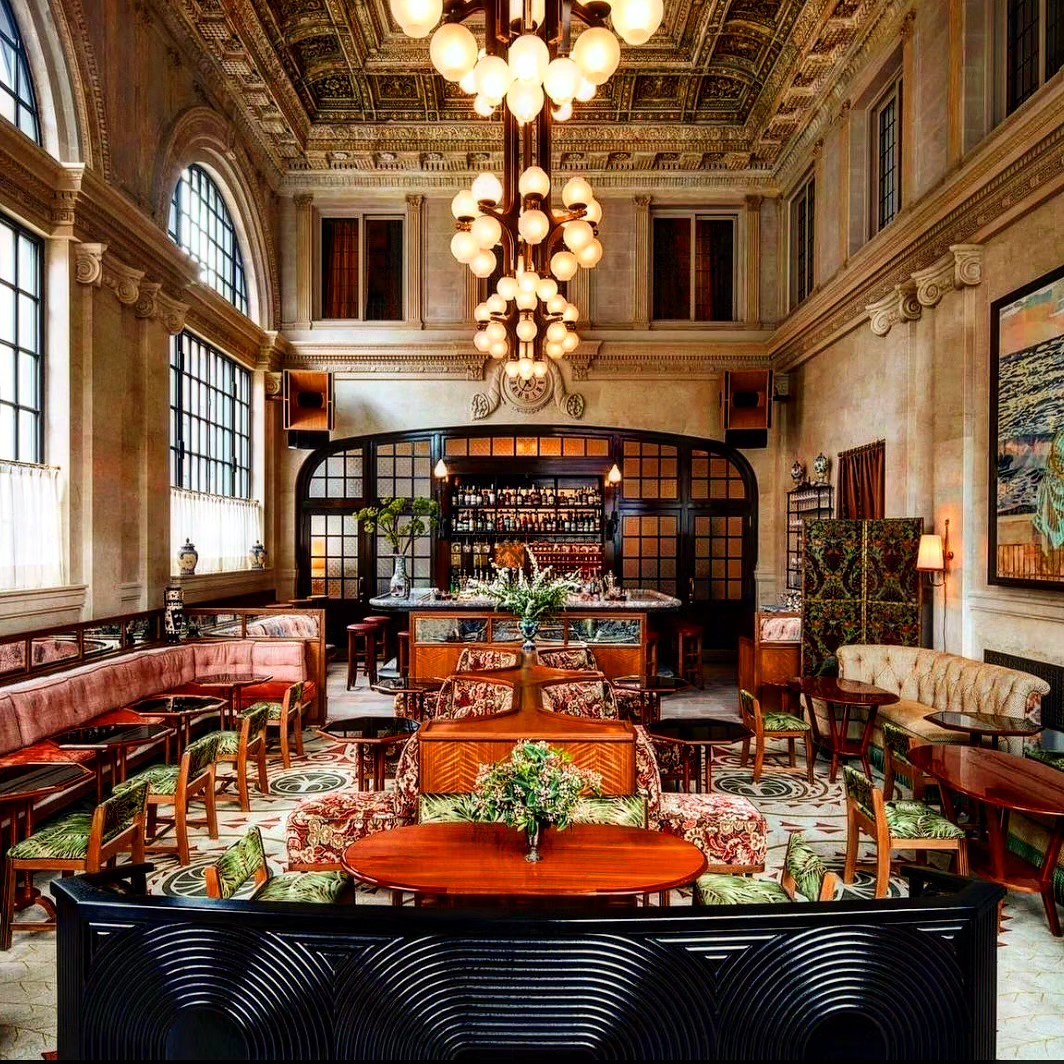
The Swan Room at Nine Orchard. Photo by Nine Orchard.

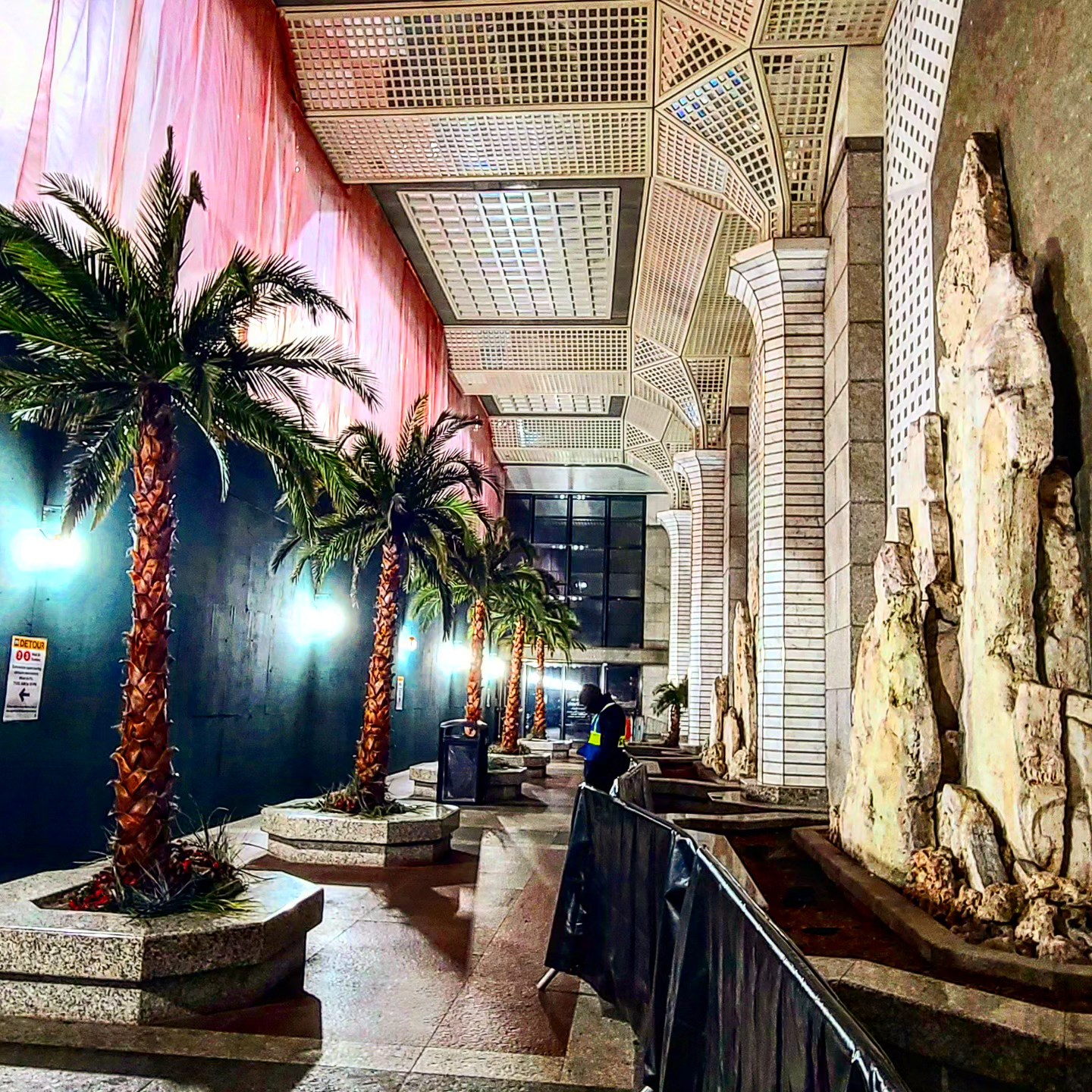
One thing I love about New York are the incredible locations to gather that are hidden in plain sight. This week, I got to spend time in three of these incredible gems: the Swan Room and East Room at Nine Orchard and the retro interior public space at 60 Wall Street before its complete demolition.

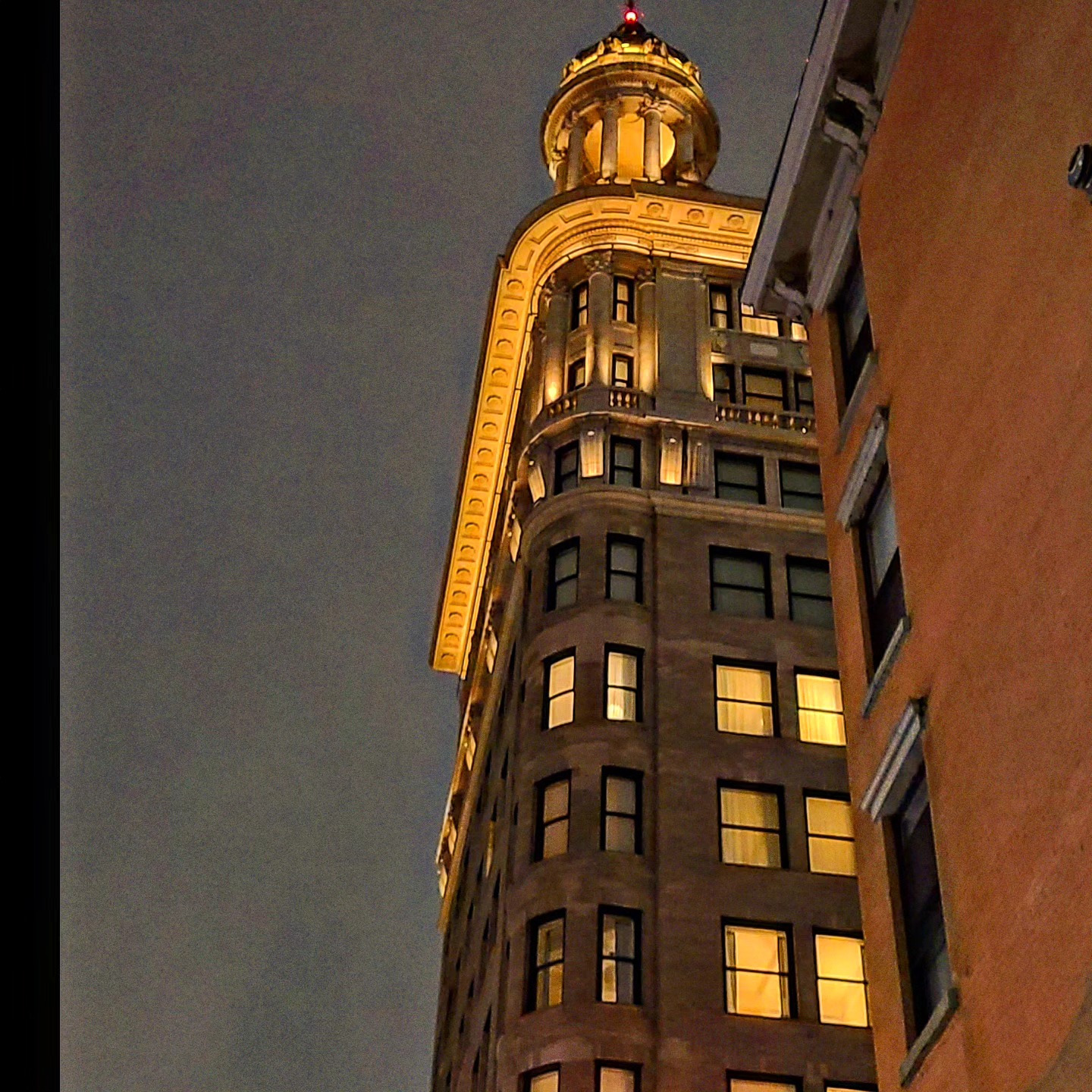
Nine Orchard is now a hotel that was the Jarmulowsky Bank over 100 years ago. The Swan Room is their main bar downstairs. Pictures are not allowed once it’s operational because they don’t want their patrons photographed (it’s quite a scene with more than a few celebrities enjoying being like the rest of us regular New Yorkers.) The East Room is a private event space upstairs that used to be the office of Sender Jarmulowsky, the founder of the bank. It’s cozy, dark, and moody. It looks down over the Swan Room where Sender was rumored to have been able to keep an eye on his bank employees and customers. (I’m thinking about the East Room as a possible space for my book launch party!) There’s a roof deck as well which is undergoing some renovations before spring arrives and I can’t wait to check it out when the weather gets warm.

The East Room and exterior of Nine Orchard. Photos by Christa Avampato.

60 Wall Street’s interior is currently being demolished. Thanks to The Municipal Art Society of New York, I was able to be one of the last people to see this weird retro space before the demolition is complete. We bid a fond farewell to the ticky tacky decor before it’s likely to become very minimalist. This is a public space where Wall Streeters have enjoyed their brown bag lunches for decades, and I think it will return as such once the lobby renovation is complete.

The East Room and exterior of Nine Orchard. Photos by Christa Avampato.

New York’s architecture, like the city, is ever-changing. What stays the same are all the delightful surprises around every corner in this magical place I’m so lucky to call home. If you ever find yourself here and you’re up for some urban exploring, I’d love to take you around and put my official New York City tour guide license to good use!

creativity

I’m having a book launch party for my novel, Emerson Page and Where the Light Leads

On Friday, May 31, 2024, I’ll be hosting a party in New York City (and online!) to celebrate the launch of my book, Emerson Page and Where the Light Leads / welcome summer / being alive. I’d absolutely LOVE to celebrate with wonderful YOU! We’ve all been through a lot in the last few years, the world is heavy, and I’d like to host a party filled with joy, love, laughter, light, food, drinks, music, dancing, gift bags, and general merriment. I’ll be doing a short reading from the book and brief conversation with a very special guest moderator that will also be available online for anyone who can’t make it to New York City for the party.

I’m still securing a venue and exact time. Save the dates will go out soon so if you’d like to know about the in-person or online details, please fill out this Google form below that takes about 10 seconds: https://forms.gle/53ACYqByeG7RQnbY9

Again, I’d absolutely love to celebrate with you!

creativity

My dream job at the New York Climate Exchange

After returning from a week at University of Cambridge / Cambridge Institute for Sustainability Leadership (CISL), I’m thinking a lot of about what’s next for my career after I finish my dissertation in July 2024. I envy people who have a single passion that drives them. I’m interested in so many areas and I’m not sure which path to choose.

At Cambridge, one of my favorite session was run by Louise Drake whose scholarship I deeply admire. She asked us to reflect on CISL’s new Leadership for a Sustainable Future Framework principles: connected, collaborative, creative, and courageous. Our task was to consider how we might move forward our careers in one of these areas. I chose courageous, and it was an emotional reflection for me. Questions that flooded my mind included: How might I be more courageous in my career choices and actions?; What is the most impactful way to use my time and talents?; Am I taking enough chances, risks, and big bets?; How do I ensure I don’t regret how I spend my time?

After this reflection, some of my friends helped me see that my many interests and desire to connect and rally people through storytelling, joy, and hope is my superpower. I believe in breaking down walls and repurposing those walls to build a longer table for people to connect, collaborate, and create together. These friends and Lou helped me reframe what I thought was a distraction into a focus, and I’m immensely grateful for their wisdom.

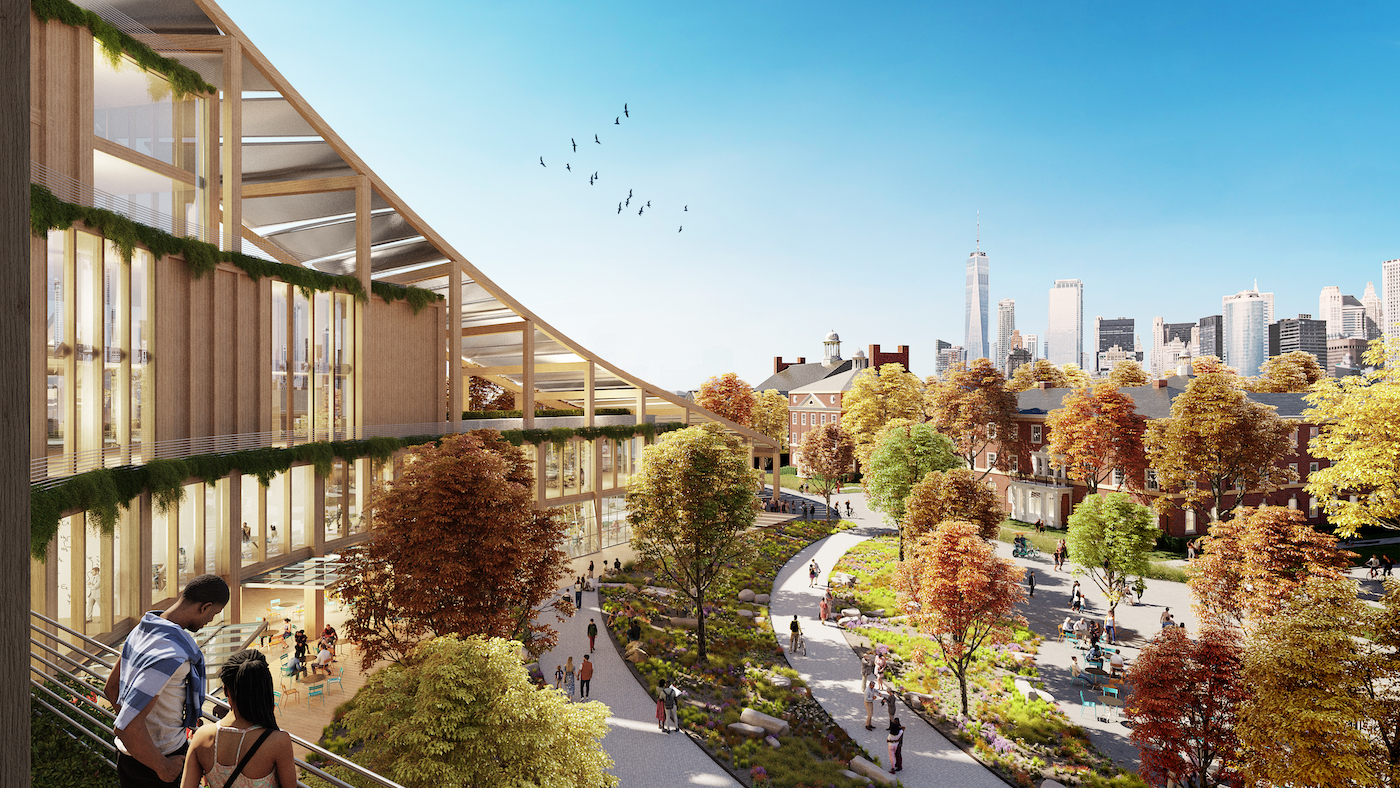
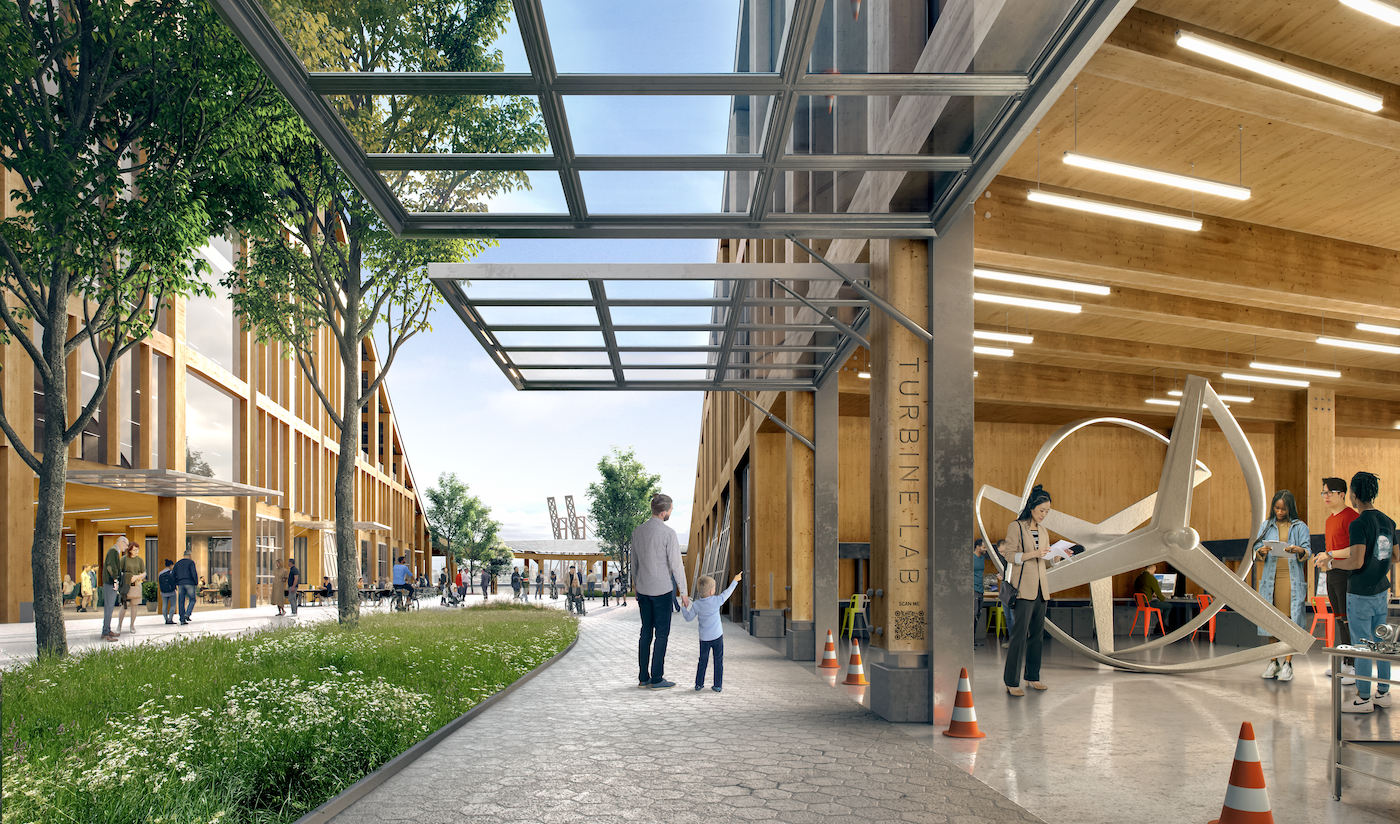
Reflecting on this, I do have a dream job and it’s right in my backyard of New York City where my ancestors entered this country 120 years ago. The New York Climate Exchange (“The Exchange”) is a first-of-its-kind non-profit organization and partnership network based at Governor’s Island in New York Harbor (near the Statue of Liberty and Ellis Island) comprised of leading universities, businesses, and community groups collaborating to accelerate climate change solutions for NYC and beyond. Its mission is to confront urgent climate impacts and issues of environmental injustice, breaking down silos through an innovative, scalable, and sustainable model that will rapidly develop new urban climate solutions. In 2024, I’d love to join the team at The Exchange that’s embarking on this grand adventure.

Already, Domus has named the design of The Exchange’s 400,000 square-foot-campus by Skidmore, Owings, & Merrill (SOM) as one of the best urban regeneration projects of 2023. With a combined ~$700 million investment, construction is anticipated to begin in 2025. Collaborative projects, including research initiatives, programs with community groups, workforce training programs, and K-12 outreach will begin earlier.

This is a place that can be the massive lever for change we need to mitigate, adapt to, and become more resilient to climate change impacts. I hope I can give my talents to such an incredible cause and place. https://nyclimateexchange.org/

All images above are renderings from the New York Climate Exchange website.

creativity

JAY-Z: entertainment, music, and social justice icon

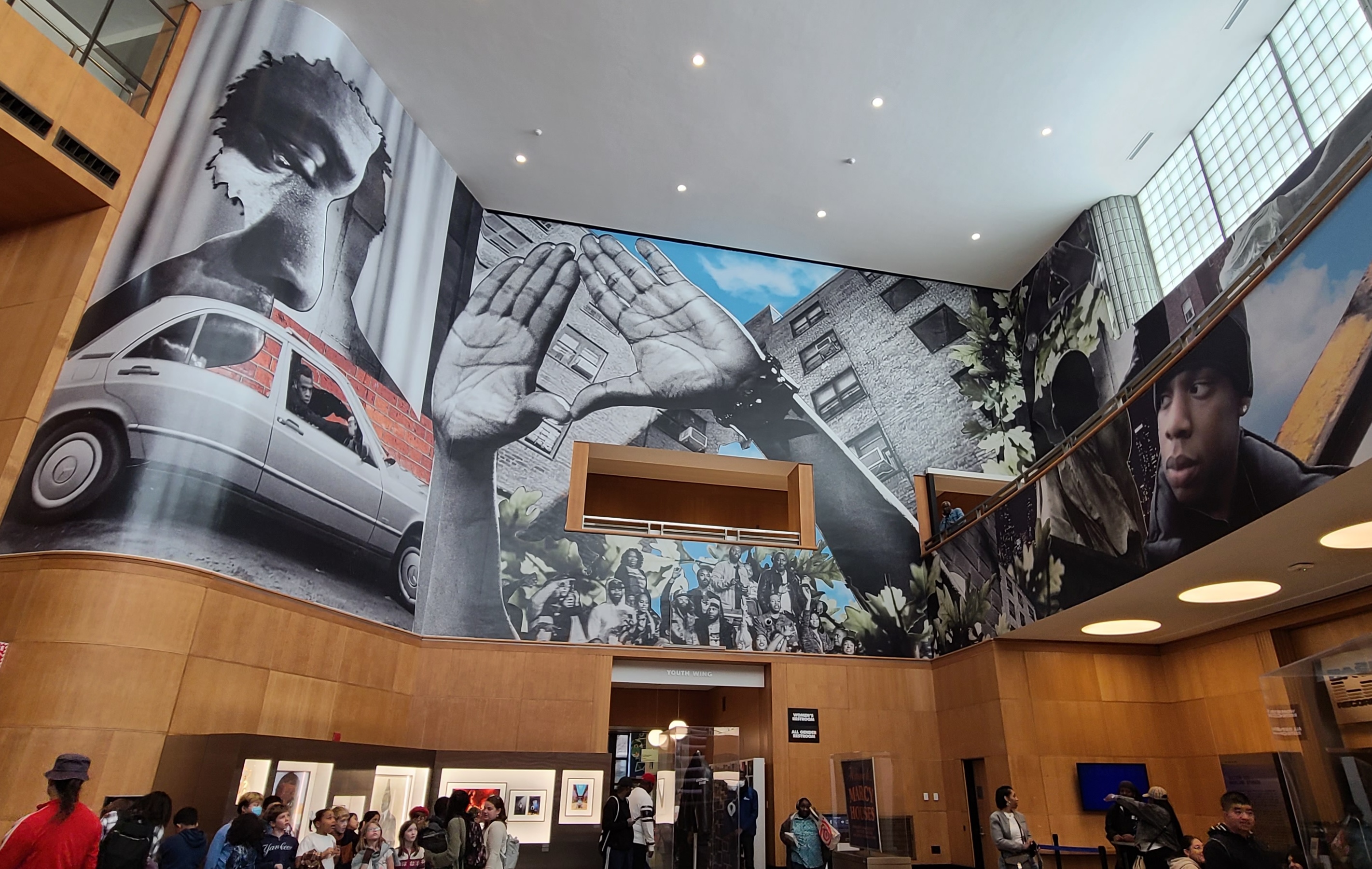
If you see only one cultural exhibition in New York City between now and December 4th, get yourself to the main branch of the Brooklyn Public Library at Grand Army Plaza to see the JAY-Z exhibit—The Book of HOV: A celebration of the life and work of Shawn “JAY-Z” Carter. (HOV is a play on Jehovah, another name for God, because people marveled at his incredible ability to improvise and create whole songs in minutes.) A few weeks ago, I used my morning run to wind my way from my Brooklyn apartment through Prospect Park to the library.

On the terrace in front of the library, pictures of JAY-Z with people such as President Barack Obama and performing on stage rotate on over-sized screens. The front facade of the library is wrapped in lyrics from his music. It brought me so much joy to see so many people — every age, race, and creed — enjoying the library. This is exactly why JAY-Z and his Roc Nation team decided to stage his exhibit here: to have it be free and within walking distance to the Marcy Houses, the public housing project in Bedford-Stuyvesant, Brooklyn neighborhood where he grew up, so everyone could be part of it.

Inside, there are photos of JAY-Z, examples of the many products he’s created, collaborations he’s forged, and awards he’s won. Visitors can play his records on turntables, look at his original masters (which he now owns after making a deal with Def Jam — he agreed to be President of Def Jam for 3 years provided that his masters would then be returned to him), sit inside a re-creation of the main room of his Baseline Recording Studios, walk through an immersive experience celebrating his achievements, and marvel at the array of memorabilia that commemorate his many accomplishments. 

As amazing as all of this is, what absolutely stunned me and what I can’t stop thinking about is how JAY-Z has used his fame and fortune more than any other artist to make the world a better place by standing up for those who could not stand up for themselves. He and his team at Roc Nation were unrelenting in their demands for justice for inmates at Parchman Farm, a maximum-security prison in the Mississippi Delta. They fight rampant racism that runs through businesses and organizations around the world. They hold a social justice summit in New York City. They make documentaries including Time: The Kalief Browder Story and Rest in Power: The Trayvon Martin Story. They stand against hate crimes, gun violence, and police brutality, not only with their words but with funds to provide pro-bono legal support and with their time to walk with the people they’re helping on their journeys. They champion artists, athletes, and Black-owned businesses. The list goes on and on. 

Sometimes celebrities sit back after they leave the stage. They enjoy their retirement, and I don’t begrudge them for that. We all have a right to decide how to live our lives and spend our time. What I find so impressive and admirable about JAY-Z is that he looked at his celebrity and fortune, and rather than take a well-deserved rest, he accelerated. He’s done even more off the stage than he did as a performer. And for someone as prolific and influential in entertainment, that is a feat maybe he didn’t even foresee. 

I’m a fan of JAY-Z’s music, but to be honest, I’m even more of a fan of who he is as a human and what he’s done to further humanity as a whole. He’s still got a long runway ahead and I can’t wait to see what he does next. 

The Book of HOV is on exhibit until December 4th, JAY-Z’s birthday. If you can’t get to New York, the website that accompanies the exhibit is excellent. You can also watch the recording of JAY-Z’s November 14, 2023 prime time interview with Gayle King on CBS.  

All photos taken by Christa Avampato.

creativity

Tell me something good, in this broken world

Photo by Jon Tyson on Unsplash

“Tell me something good.” That’s what one of my neighbors said to me when I saw her outside yesterday when we were walking our dogs. I completely understood why she needed good news right now.

Although this is a very different situation and it’s happening on a geopolitical scale with impacts on many millions of people, I felt the same way my neighbor feels when I went through cancer treatment. A friend of mine sent me an email back then that said he had tried to message me many times but just had no idea what to say. He felt that everything he could say was inadequate considering what I was going through. I said to him exactly what my neighbor said to me. “Tell me something good.” He felt awful talking about anything good because he thought it would make me feel worse about my situation. It did just the opposite for me. His good news lifted me up.

Even in times of mourning and the deepest sorrow, we need light. We need stories. We need moments of joy to give us a boost so that we can keep going. It doesn’t mean that we care any less or that we don’t understand the seriousness of what’s happening. Joy is an act of resistance. Joy is fuel. Joy is how we sustain our courage.

When we don’t know what to say, it’s okay to just be present and listen. So often what people need is not an answer but an ear and a shoulder. And if you have it within you, tell them something good. That may be exactly what they need to hear right now.

creativity

It’s time for a public-private funded climate WPA and PWA in NYC

Screenshot of Brooklyn floods on September 29, 2023 captured by ABC 7 NY

“If I don’t work, I don’t eat so I have to be out here, even when there’s a flood.” This was a quote from a NYC delivery worker on the news during the September 29th, 2023 flash floods. His electric bike failed in the knee-deep water. He was pushing it against the current to deliver food. 

NYC now has the largest income gap of any large city in the country — the top 20% make 53 times more than the bottom 20%. We’re failing our people with no social safety net, no protection from climate hardship, and few pathways out of their circumstances. City workers often live in temporary shelter and public housing because they don’t earn enough to make rent but residency is often required for their jobs. 

This city is run by service workers. They are the lifeblood that keeps the city moving. Failing them will cause the city to crumble. 

We also have the migrant crisis. Right now at the U.S.-Mexico border, the city is distributing these fliers:

Flyer being handed out at the U.S.-Mexico border

I cried reading it. This has been the city of dreams for decades. Now it is the city of dreams only for those who are already of means. That cannot continue. 

New York is a city of immigrants. It always has been. They enrich and enliven the social and economic fabric on which this city’s creativity thrives. Without them, we lose who we are and what we stand for. 

The economics and business side of my brain spends the bulk of my waking hours thinking about how to support New Yorkers, present and future. How do we boost the economy and provide opportunity to everyone who wants to be a New Yorker? How do we rebuild this city, not just for the privileged few but for all the huddled masses yearning to be free so that everyone wins together?

The historian and storyteller side of my brain always sifts the sands of the past to see what I can find and use. As the late great John Lewis, who was at one time a New Yorker and is one of my greatest inspirations, often said, “We must make a way out of no way.” 

We have an immense amount of capital—NYC is the wealthiest city in the world with 340,000 millionaires. We also have staggering gaps in our economy that need attention: 24,000 city jobs vacancies, 20% office space vacancies, and city infrastructure that desperately needs repairs, particularly to prepare for climate impacts. We have people who want to work and make a difference but are being left behind—5.3% unemployment, 11.5% underemployment, 17% youth unemployment, 90,000 migrants and asylum-seekers over the last 18 months, and over 100,000 people without housing.

Now imagine this: New Yorkers of means collaborate hand-in-hand with policy makers and city agencies to put all of this wasted human capital to good use to rebuild this city through a Works Progress Administration / Public Works Administration that focuses on nature-based solutions. Good jobs. Good work. A way out of no way. They fortify our 520 miles of coastline with reefs, mangroves, and natural defenses, clean up, restore, and regenerate the 10,000 vacant lots for productive use like bioswales that reduce floods and the pressure placed on the water, sewer, and transporation systems, install green roofs and rooftop gardens, and build and connect wildlife corridors and habitats. 

That’s just a start of how NYC can work with nature so that everyone is cared for. There are dozens of other solutions that are relatively low-cost, efficient, and proven to clean the air, water, and land—benefits that benefit every resident, visitor, and commuter. 

This doesn’t have to be a concrete jungle. It can be a green, verdant, healthy, thriving place for all beings who want to be New Yorkers. It’s going to take a massive mobilization, and the relentless pursuit to match needs with resources to transform our challenges into opportunities. We have to do this work, and we have to do it now while we still have time. I’m tired of a dirty, flooded, and unequal New York. Aren’t you? I love this city. I love New Yorkers. And I want us to do better. We have to do better, and we can—together.

creativity

A river flows in Brooklyn

South Brooklyn during Friday’s floods. Photo by Christa Avampato.

A river flowed from Prospect Park through my neighborhood in South Slope, Brooklyn on Friday when we were pummeled with 7+ inches of rain in ~12 hours. I didn’t realize NYC’s floods were international news until I started getting messages from friends outside the country. With over 13 inches of rain in September, this is the 2nd wettest September since NYC began keeping weather records in 1920.

I took this photo of the flooding from my apartment at 8am. As I watched the water gushing through the streets, I thought about a conversation I had with my friend, Alex MacLennan, almost a decade ago. He told me the climate models then predicted the western half of the US would grow increasingly drier and hotter while the eastern half would be regularly flooded. How right they were.

NYC is an archipelago that sits mostly at sea-level surrounded by brackish water with the busiest shipping port in the US. Though it looms large on the national and international stages as a financial, cultural, political, and media capital, area-wise it’s small and easily overwhelmed by water.

It is, in many ways, a climate disaster waiting to happen. It’s the mostly densely populated city in the U.S. with nearly 28,000 people per square mile and has the largest population with almost 9 million people, more than double the size of the next largest city. The population doubles during the workday with as many commuters as residents. It’s also a city of hard surfaces (though we have 7 million trees and the tree canopy covers 21% of the city). Aged infrastructure and a subterranean subway that is 100+ years old further compound threats from flash flooding, coastal storms, and sea level rise. Flooding here is a crisis that must be urgently and unrelentingly addressed.

The country and world can’t afford to lose New York. While some strides have been made to protect the city from climate change, it’s not nearly enough. But all that may be changing, and fast.

There are plans underway to transform Governor’s Island in New York Harbor into the largest climate research and entrepreneurial center in the world. We desperately need this. The scale and impact of this project on our city, the country, and the world will be significant. It has to be significant because the climate crisis deepens every day.

These floods will become more frequent and intense in the coming years. We have to mitigate and adapt at the same time with nature-based solutions like biophilic architecture, mangroves, reefs, rooftop farms, and the transformation of vacant lots into bioswales. They are proven, efficient, and relatively inexpensive solutions. I hope the work at Governor’s Island can make these ideas realities.

Like all investments, nature-based solutions take time to create and scale. We have no more time to waste. We have to get started now, and it’s my hope that I can do my part to push this work forward.

creativity

The genius of NYC’s London Plan trees that can help us thrive

I was worried about my trees. My block in Brooklyn, my whole neighborhood of Ditmas Park, is covered with gorgeous 100+-year-old, 100+-foot-tall London Plane trees. They’re a cross between oriental plane tree and the American sycamore, and so named because they were hardy enough to withstand London’s air pollution during the Industrial Revolution. Its leaf is the NYC Parks Department logo because Robert Moses loved these trees. The comprise 10% of NYC’s 592,130 street trees.

A few weeks ago, during an intense heatwave, they started shedding their bark. And I don’t mean a bit of peeling here and there. It was raining bark, with swaths so big that my dog, Phin, and I had to dodge them on our neighborhood walks. Was the heat, caused by climate change, killing my trees? Were they resilient enough to survive the Industrial Revolution only to be destroyed by the fallout of today’s emissions?

Mercifully, it appears not, for now at least. Thanks to the wonderful team at Madison Square Park I learned this adaptation of bark shedding was developed by London Planes to protect themselves and help them thrive. It happens when they detect some type of enemy invasion, for example by an insect or fungus, or when they are growing, similar to how a snake sheds their skin in order to grow.

Maybe there is something in your life that needs shedding, that is no longer serving you. Like the London Plane, let it go so you can grow and thrive. These trees are our elders, mentors, and guides. We have so much to learn from them about how to live through turbulent times.

I took the photos below of the London Plane trees on my Brooklyn block.