creativity

What the Pope got wrong about climate change

Photo by Imat Bagja Gumilar on Unsplash

Last month, a study on conservation actions, including protected areas and management, showed they effectively halt and reverse biodiversity loss, and reducing climate change impacts. Over the weekend, CBS aired an interview with Pope Francis, the first he’s granted to a major U.S. television network. About climate change he told Norah O’Donnell, “Unfortunately, we have gotten to a point of no return.” What’s unfortunate is Norah O’Donnell didn’t explain the science that this is not true. We are not at a point of no return with climate change. We need to do more and faster, and there is hope.

I understand it’s probably intimidating to challenge the Pope during an interview on national television. However, what he says is taken as truth by millions of people. If he pointed to the many success cases we have, this would inspire the increase in climate action we need. People need to know they can and do have the opportunity right now to make a difference. We have to spread this message far and wide because time is running out. This next decade could turn the tide one way or the other, and we have the chance to be part of the solution.

The International Union for Conservation of Nature (IUCN) is the global authority on the status of the natural world and the measures needed to safeguard it. It’s documented that 44,000 species are at risk of extinction. If these extinctions happen, ecosystems will collapse and billions of people will struggle to have enough food, clean water, livelihoods such as fishing, homes, and cultural preservation, to name just a few of the severe impacts.

Re:wild is an incredible resource filled with hope and success stories backed by science. One of their recent article hit home for me because of my passion for nature-based solutions and rewilding: We don’t need to reinvent the planet; we need to rewild it.

The world’s forests store approximately 861 gigatonnes of carbon, equivalent to nearly a century’s worth of current annual fossil fuel emissions. Tropical rainforests store 50 percent of that. These forests are not just the trees – they’re a whole ecosystem including the fungi, soil, insects, and predators. “When there are pieces of that biodiversity missing, the carbon cycle is incomplete or much less efficient than it would be otherwise,” said Christopher Jordan, Re:wild Latin America director. Storing carbon and keeping it out of the atmosphere needs all parts of the forest. It needs biodiversity. The wild, not human-invented technology, is the most effective solution to the interconnected climate, biodiversity, and human well-being crises. 

This is what I wish the Pope had said about climate change because it’s true: There is hope. We have the solutions. Now, we need the will and humility to listen to nature and let her lead for our own sake and hers. We are all interconnected. We need each other.

creativity

What tree saplings teach us about potential

This is a photo of pure potential and a crazy dream. 12 tree saplings in their youngest and most vulnerable state: 3 eastern redbuds, 2 sargent crabapples, 2 washington hawthorns, 3 white flowering dogwoods, and 2 crapemyrtles. They all begin as a single twig with wispy roots.

The next time you’re looking at a fully grown tree, consider all the energy, effort, and time they took to transform themselves. If you’re thinking of doing something new or growing in a new direction, think of a tree. If they can grow from a fragile shoot into a towering figure who provides shade, clean air, food, and a home for so many species, who stands tall in the face of difficulty, then you can grow into who you want to be.

Over the next few months, I’ll be looking after these little ones in the hopes of giving them to my Brooklyn neighbors to plant in their yards when they’re a bit bigger and stronger. I’m sure there will be many lessons in this botanical endeavor. For now, these are the words they’re speaking to me: surround yourself with love and nourishment, and see how you flourish.

creativity

An orangutan practices medicine

The wonders of nature amaze me every day, and today a piece of natural news left me in awe. A paper was just published in the journal Nature about an orangutan who was observed self-medicating with remarkable effects that even trained medical doctors would have trouble reproducing.

In Sumatra, a 35-year-old orangutan known to researchers as Rakus had a large, deep, open wound on his face close to his eye. To look at it even made me wince, and I’m not at all squeamish about medical issues! With his teeth, he ground yellow root, an herb he rarely ate that has anti-inflammatory and anti-bacterial properties. He then applied the yellow root paste to his facial wound. In several days, it scabbed over. A little over a month later, it was barely noticeable with no sign of infection. (The images of Rakus above are from the paper in Nature.)

How could Rakus possibly act as his own doctor and healer? Where did he learn this yellow root technique? Scientists don’t know yet. While other animals have been observed in the wild tending to their injuries and the injuries of others, some even administering self-care and preventative-care, this was the first time an animal was observed medicinally treating a wound and with remarkable success.

There is so much we don’t know nor understand about the natural world. This is one of the many reasons why conservation is so vital for the health of people and our planet. Nature-based solutions to what ails us are everywhere, and to allow us to learn from them we must conserve the ecosystems where they occur. Perhaps Rakus has shown us a new medication that we could use to treat human wounds. He and his species are sentient, thoughtful beings who hurt and heal just as we do, deserve respect and concern, and have a right to survive and thrive.

creativity

When milestones converge

Me on April 14, 2024

Yesterday was a big day for me, marked by many milestones:

I’ll be sharing more about all of this throughout the week. For now, I’m feel so much gratitude for all of this, and for the people who made all of this possible. Thank you, thank you, thank you.

creativity

Humans aren’t wired to protect nature—but that’s not the whole story

“People partner with nature”. I created this image with the help of Canva’s Magic Media AI tool 

As a storyteller and sustainability advocate I focus on people who aren’t committed (yet) to protecting nature because that’s where the greatest change happens. This means I’m often faced with people who deny climate change, feel hopeless, or think technology and / or someone else will restore the planet’s health. 

As you can imagine, I have to employ a number of tactics to remain optimistic and motivated. One way I do this is by listening to podcasts about people doing incredible work in nature. I’m passionate about rewilding, or as David Balharry, CEO of Scotland’s John Muir Trust, reframes it “nature’s freedom to repair itself”. This passion led me to Ben Goldsmith’s Rewilding the World podcast. Ben spoke to David in episode 1 of the second season. They discuss rewilding the Scottish Highlands, an area I’m hoping to visit this summer. 

The entire episode is enlightening, and one point in particular helped me. No species in history, humans included, has ever been hardwired to protect the planet. They (we) are hardwired to promote the successful perpetuation of our genetics. Said another way, at their base all living things first focus on their future generations surviving and thriving. This means people aren’t naturally focused on environmental conservation. It must be intentional. It’s a skill that takes practice. Therefore, the work I’m doing with naysayers, the hopeless, and technocrats is training and re-skilling them. I’m a teacher, a guide, and learning takes times. That reframe is helping me think about my work with more compassion and patience. 

I also want to be clear that our instinct for genetic survival is only part of who we are. Human beings have an enormous cerebral cortex unique (as far as we know) in the animal kingdom. Our brains simultaneously act and reflect on our actions to inform our future behavior and shape our thoughts. We can think long-term, imagine future scenarios, and bring them to fruition, even if we don’t always exercise that ability as deftly as we could

Our long-term planning capabilities make us unique and distinct from other species. This doesn’t mean we’re smarter, wiser, or superior. It means we have a responsibility to be conscientious global citizens who care for each other and future generations, other species with whom we share this planet, and ecosystems that make our existence possible. 

Over half of our global GDP depends on nature, in addition to providing our basic needs for clean air, water, and food. We can’t live without nature. If we’re thoughtful about our behavior, we can help nature help us. Scientist Dr. Robin Wall Kimmerer’s research shows humans can assist and enhance nature’s regeneration. That’s a partnership and story well worth the investment of our time, efforts, and money. 

creativity

New York’s hidden places to gather

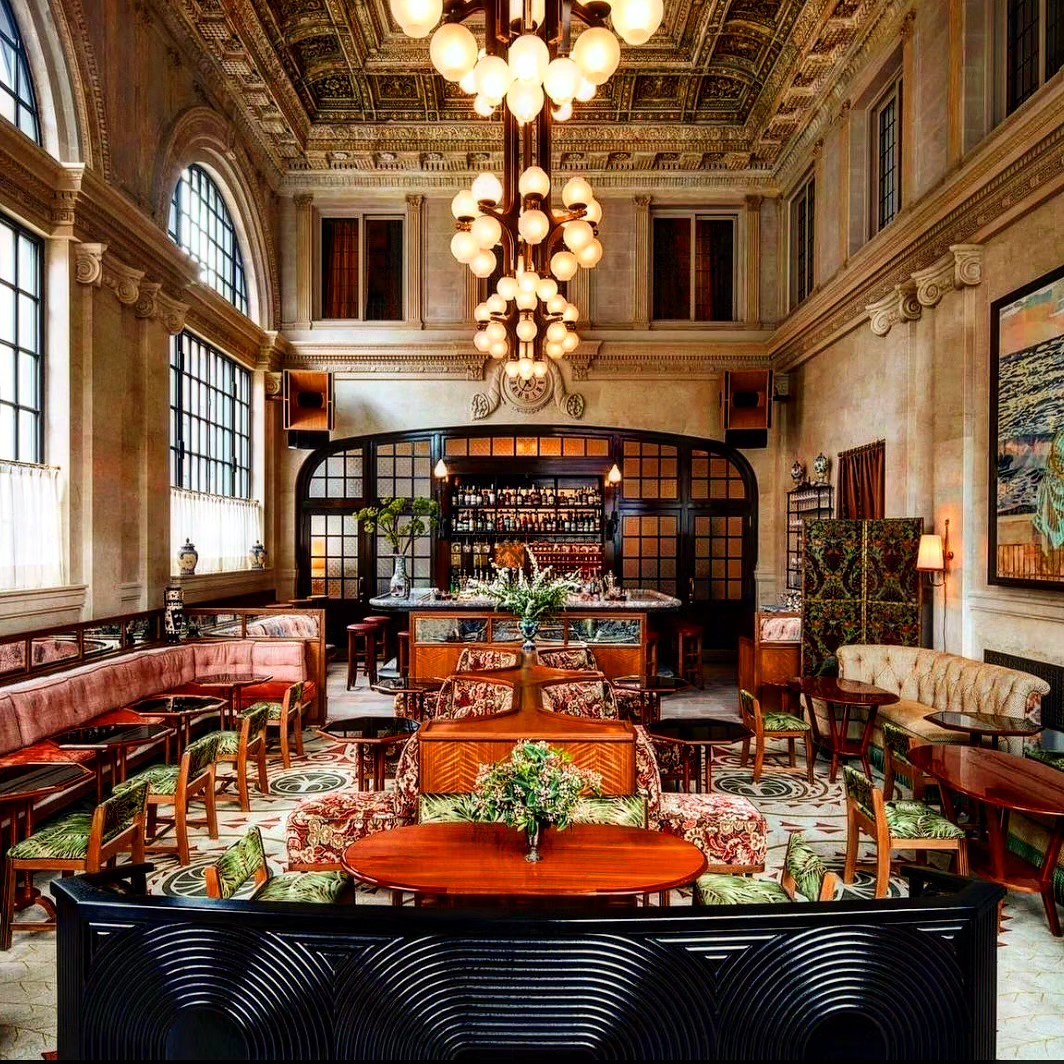
The Swan Room at Nine Orchard. Photo by Nine Orchard.

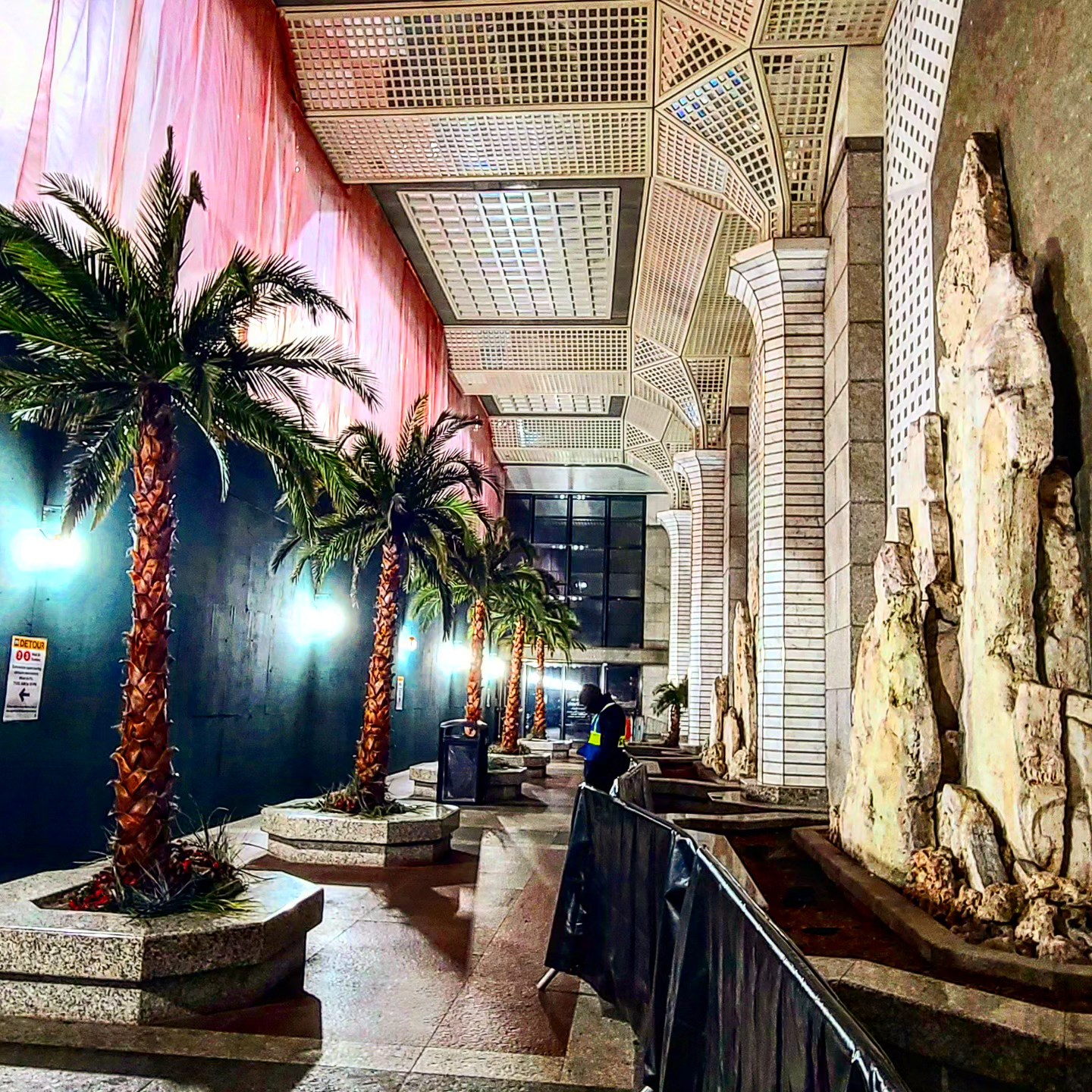
One thing I love about New York are the incredible locations to gather that are hidden in plain sight. This week, I got to spend time in three of these incredible gems: the Swan Room and East Room at Nine Orchard and the retro interior public space at 60 Wall Street before its complete demolition.

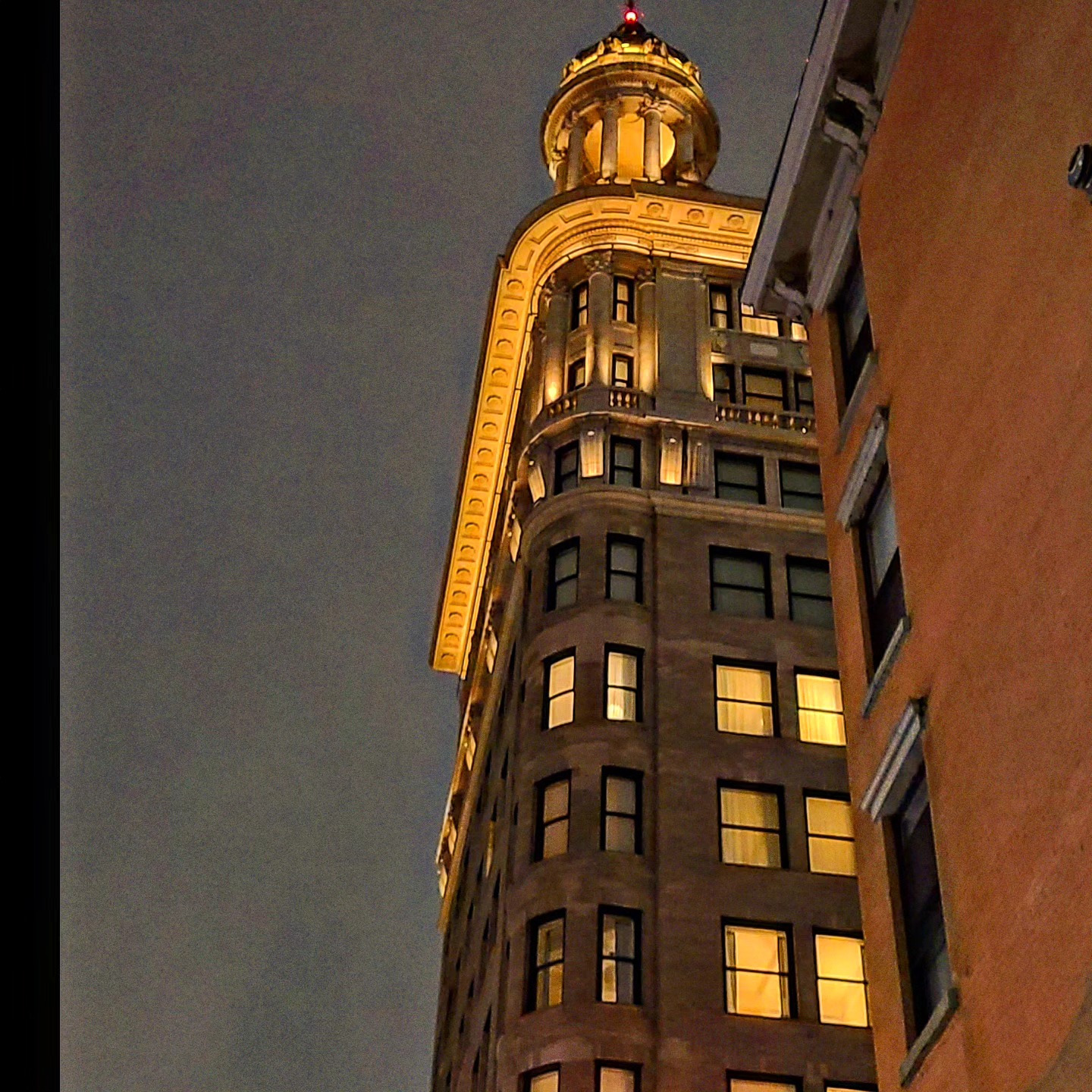
Nine Orchard is now a hotel that was the Jarmulowsky Bank over 100 years ago. The Swan Room is their main bar downstairs. Pictures are not allowed once it’s operational because they don’t want their patrons photographed (it’s quite a scene with more than a few celebrities enjoying being like the rest of us regular New Yorkers.) The East Room is a private event space upstairs that used to be the office of Sender Jarmulowsky, the founder of the bank. It’s cozy, dark, and moody. It looks down over the Swan Room where Sender was rumored to have been able to keep an eye on his bank employees and customers. (I’m thinking about the East Room as a possible space for my book launch party!) There’s a roof deck as well which is undergoing some renovations before spring arrives and I can’t wait to check it out when the weather gets warm.

The East Room and exterior of Nine Orchard. Photos by Christa Avampato.

60 Wall Street’s interior is currently being demolished. Thanks to The Municipal Art Society of New York, I was able to be one of the last people to see this weird retro space before the demolition is complete. We bid a fond farewell to the ticky tacky decor before it’s likely to become very minimalist. This is a public space where Wall Streeters have enjoyed their brown bag lunches for decades, and I think it will return as such once the lobby renovation is complete.

The East Room and exterior of Nine Orchard. Photos by Christa Avampato.

New York’s architecture, like the city, is ever-changing. What stays the same are all the delightful surprises around every corner in this magical place I’m so lucky to call home. If you ever find yourself here and you’re up for some urban exploring, I’d love to take you around and put my official New York City tour guide license to good use!

creativity

The generosity of people I’m interviewing for my dissertation in sustainability leadership

Photo by Niilo Isotalo on Unsplash

I’m astounded by the generosity of people I’m interviewing for my University of Cambridge dissertation in Sustainability Leadership. I’ve had or scheduled interviews with over 40 family office leaders, experienced climate communicators, and seasoned storytellers who have provided me with an incredible number and array of insights. I’m so grateful to all of them. My research question is how to use storytelling to connect family offices with climate entrepreneurs for mutual benefit and to safeguard the health of the planet as nature underpins half of our global GDP. If you or someone you know may be interested in talking to me, I’d love to chat. Let’s build a healthy world for all beings, together.

creativity

How to use your front door to inspire your life in 2024

My front door for 2024. Photo by Christa Avampato.

I decorated my front door for the new year with my 2024 word for the year, a Rumi quote I want to carry with me every day, and a handmade house blessing for my new apartment from my dear friend, Kelly Greenaur.

My word for 2024 — vulnerability
Instead of resolutions, I adopt a word for the year to guide my thoughts and actions, and I write out some of my wishes I hope the word helps me take. In 2023, my word was clarity and I did find more clarity in every area of my life. In 2024, my word is vulnerability. By embracing my own vulnerability and supporting others doing the same, I hope I can bridge the divides in our society, and between people and nature. By recognizing and naming my fears and concerns, I can alleviate them. I can only solve problems and challenges I’m willing to have. By recognizing and naming my hopes and dreams, I can realize them. I can only climb the mountains I’m willing to attempt.

My word for 2024. Photo by Christa Avampato.

Letting myself be vulnerable opens me up to experiences I need and want, and otherwise wouldn’t have. I don’t want to leave anything unsaid. I want to take more chances and risks, asking for what I want, explaining how I feel, and sharing what I believe. I’m excited to see who and what I’ll find on this adventure. I want to be open to the world, and whatever it has to show and teach me, even if that breaks me and cracks me open. With those cracks, more light will find its way in, as Rumi wrote and the late great Leonard Cohen sang.

Rumi
The Rumi quote, “Be a lamp, or a lifeboat, or a ladder. Help someone’s soul heal. Walk out of your house like a shepherd.”, is one I want to use this year to help heal others and the world. We have so much capacity to help each other through this life, and I want to make sure I use mine to the fullest. I’m hopeful the light I find by being more vulnerable will be light I can share with others.

Rumi quote. Art and photo by Christa Avampato.

A handmade house blessing
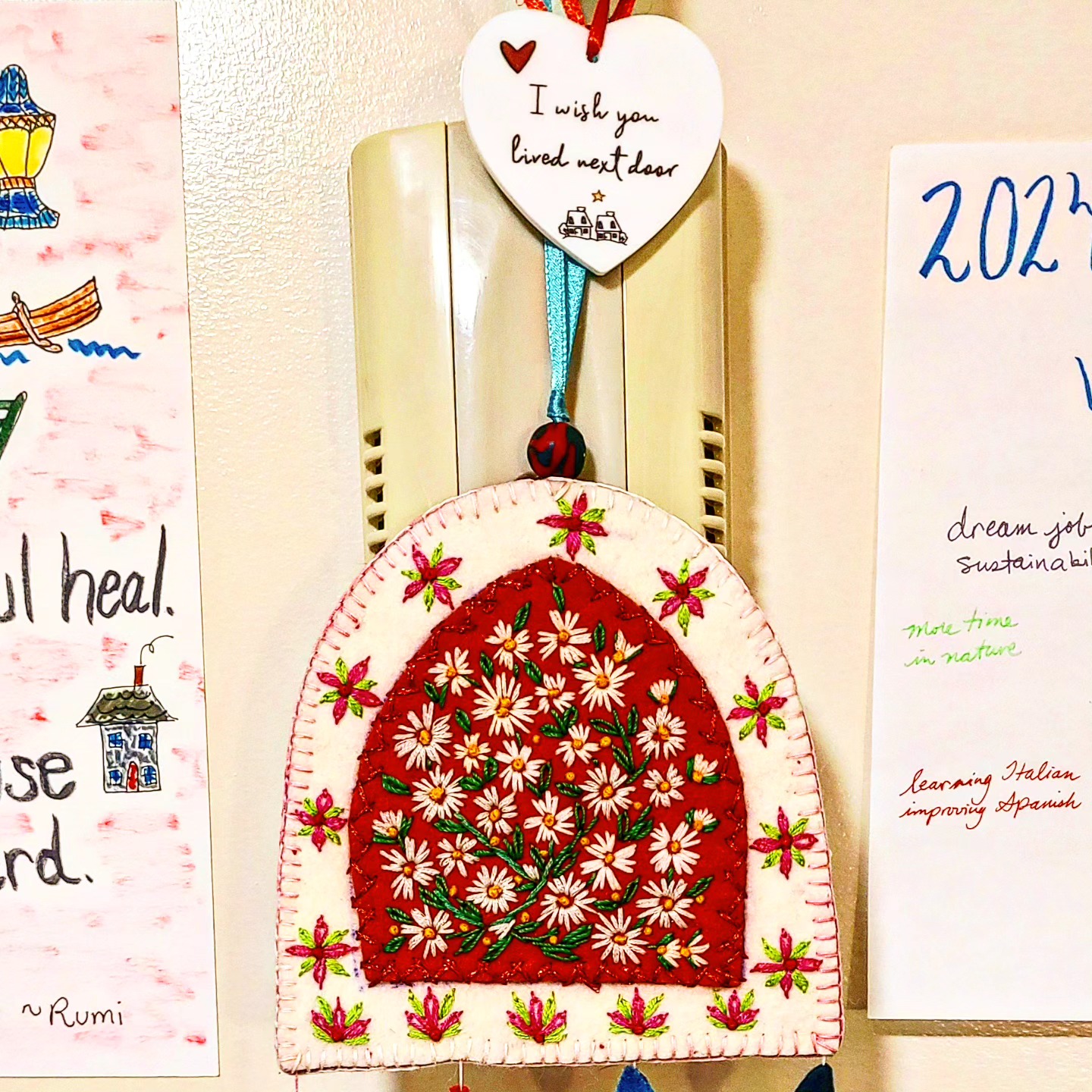
Kelly sent me this house blessing talisman for Christmas, along with a stitched bracelet and an ornament that says, “I wish you lived next door.” (Me, too, Kel!) They were made by two women — Dau Nan from Myanmar and Bina Biswa from Bhutan — who now live in Buffalo, New York and are part of Stitch Buffalo, a textile art center committed to empowering refugee and immigrant women through the sale of their handcrafted goods, inspiring creativity, inclusion, community education, and stewarding the environment through the re-use of textile supplies. These passions of helping people and the environment are ones Kelly and I share, and I’m so grateful for her friendship, love, and support.

Stitch Buffalo crafts. Photos by Christa Avampato.

I hope 2024 is everything you want and need it to be. This year will be turbulent, and holds opportunities for progress, joy, and love. Onward we go, together.

creativity

Rewilding the World with Ben Goldsmith

If you’re interested in rewilding—the practice of restoring and protecting wild places and the many species who call those wild places home — the podcast Rewilding the World with Ben Goldsmith is incredible. Ben speaks to some of the most influential people behind the most exciting and dramatic rewilding projects across the globe including Turkey, the Balkans, Chile, Argentina, Africa’s Sahel, India, England, Scotland, the UK, Spain, Portugal, Western North America, Kazakhstan, Saudi Arabia, the Sinai peninsula, Transylvania, Carpathia, Romania, and the Great Plains of the U.S. (What a list!)

Not only has this podcast further ignited my passion for rewilding and the promise it holds to make this a healthier, more sustainable world for all beings, but it’s also grown my list of places to travel to, my reading list, and my desire to care for wild places in any and every way I can. In a world that’s often dark and difficult, rewilding is a bright light of hope and joy that shows us what’s possible when we realize we are a part of nature, not apart from nature. 

Right now there are 20 episodes to enjoy, and Ben will be back again with a fresh set of episodes in early 2024. I’m so grateful for his efforts and the work being done by all of his inspiring guests.

creativity

My dream job at the New York Climate Exchange

After returning from a week at University of Cambridge / Cambridge Institute for Sustainability Leadership (CISL), I’m thinking a lot of about what’s next for my career after I finish my dissertation in July 2024. I envy people who have a single passion that drives them. I’m interested in so many areas and I’m not sure which path to choose.

At Cambridge, one of my favorite session was run by Louise Drake whose scholarship I deeply admire. She asked us to reflect on CISL’s new Leadership for a Sustainable Future Framework principles: connected, collaborative, creative, and courageous. Our task was to consider how we might move forward our careers in one of these areas. I chose courageous, and it was an emotional reflection for me. Questions that flooded my mind included: How might I be more courageous in my career choices and actions?; What is the most impactful way to use my time and talents?; Am I taking enough chances, risks, and big bets?; How do I ensure I don’t regret how I spend my time?

After this reflection, some of my friends helped me see that my many interests and desire to connect and rally people through storytelling, joy, and hope is my superpower. I believe in breaking down walls and repurposing those walls to build a longer table for people to connect, collaborate, and create together. These friends and Lou helped me reframe what I thought was a distraction into a focus, and I’m immensely grateful for their wisdom.

Reflecting on this, I do have a dream job and it’s right in my backyard of New York City where my ancestors entered this country 120 years ago. The New York Climate Exchange (“The Exchange”) is a first-of-its-kind non-profit organization and partnership network based at Governor’s Island in New York Harbor (near the Statue of Liberty and Ellis Island) comprised of leading universities, businesses, and community groups collaborating to accelerate climate change solutions for NYC and beyond. Its mission is to confront urgent climate impacts and issues of environmental injustice, breaking down silos through an innovative, scalable, and sustainable model that will rapidly develop new urban climate solutions. In 2024, I’d love to join the team at The Exchange that’s embarking on this grand adventure.

Already, Domus has named the design of The Exchange’s 400,000 square-foot-campus by Skidmore, Owings, & Merrill (SOM) as one of the best urban regeneration projects of 2023. With a combined ~$700 million investment, construction is anticipated to begin in 2025. Collaborative projects, including research initiatives, programs with community groups, workforce training programs, and K-12 outreach will begin earlier.

This is a place that can be the massive lever for change we need to mitigate, adapt to, and become more resilient to climate change impacts. I hope I can give my talents to such an incredible cause and place. https://nyclimateexchange.org/

All images above are renderings from the New York Climate Exchange website.