I tell wonder-filled stories about hope and healing
Author: Christa Avampato
The short of it:
Writer. Health, education, and art advocate. Theater and film producer. Visual artist. Product geek. Proud alumnae of the University of Pennsylvania (BA) and the Darden School of Business at the University of Virginia (MBA). Inspired by ancient wisdom & modern tech. Proliferator of goodness. Opener of doors. Friend to animals. Fan of creative work in all its wondrous forms. I use my business skills to create passion projects that build a better world. I’ve been called the happiest New Yorker, and I try hard to live up to that title every day.
The long of it:
My career has stretched across Capitol Hill, Broadway theatre, education, nonprofit fundraising, health and wellness, and Fortune 500 companies in retail, media, entertainment, technology, and financial services. I’ve been a product developer and product manager, theater manager, strategic consultant, marketer, voice over artist, , teacher, and fundraiser. I use my business and storytelling to support and sustain passion projects that build a better world. In every experience, I’ve used my sense of and respect for elegant design to develop meaningful products, services, programs, and events.
While building a business career, I also built a strong portfolio as a journalist, novelist, freelance writer, interviewer, presenter, and public speaker. My writing has appeared in The Washington Post, The Huffington Post, PBS.org, Boston.com, Royal Media Partners publications, and The Motley Fool on a wide range of topics including business, technology, science, health, education, culture, and lifestyle. I have also been an invited speaker at SXSW, Teach for America, Avon headquarters, Games for Change, NYU, Columbia University, Hunter College, and the Alzheimer’s Foundation of America. The first book in my young adult book series, Emerson Page and Where the Light Enters, was acquired by a publisher and launched in November 2017. I’m currently working on the second book in the series.
A recovering multi-tasker, I’m equally at home in front of my Mac, on my yoga mat, walking my rescue dog, Phineas, traveling with a purpose, or practicing the high-art of people watching. I also cut up small bits of paper and put them back together as a collage artist.
My company:
I’m bringing together all of my business and creative career paths as the Founder of Double or Nothing Media:
• I craft products, programs, and projects that make a difference;
• I build the business plans that make what I craft financially sustainable;
• I tell the stories that matter about the people, places, and products that inspire me.
Follow my adventures on Twitter at https://twitter.com/christanyc and Instagram at https://instagram.com/christarosenyc.
When I first started at the Roundabout, Todd showed me what was possible when you bet on yourself. Fresh out of college and not sure where my life or career was going, his example gave me hope, and a roadmap.
Todd went to the University of Pennsylvania for undergrad, as did I. He got an MBA, which I would get 7 years later following his example. He knew his career was not on stage (he acted in only one play), but on the administrative side. The same was true for me as well. He often described himself as an orchestrator with a talent for getting the right people around the table and removing any roadblocks so they could create something incredible together. I think of myself that way, too.
Todd was the first person who helped me realize not only could I love business and the arts equally, but that the two benefit one another. It’s a lesson I’ve never forgotten in all the years since I worked at the Roundabout and it’s been the basis for my entire career and life—to use rock solid business principles to support creative endeavors.
When I found out Todd got cancer in his 40s, I was devastated. Then I was inspired because he kept going in spite of it — for 20 years! — and his star rose higher than ever. I also got cancer in my 40s during the pandemic, and again Todd’s example showed me what’s possible, even in the face of a difficult diagnosis. (I am thankfully now cancer-free.)
Though Todd physically left this world last week after his long battle with cancer, the energy, enthusiasm, and talent he wielded to completely transform Broadway theatre lives on in our beautiful city of New York, artistic communities all over the world, and the many people whom he inspired. Me included, of course.
Yesterday I attended a fundraiser for California’s next senator, the indomitable, authentic, passionate Congresswoman Katie Porter, hosted by Vicki Eastus and Ted Janger. We covered a lot of ground in our conversation: the economy, climate change, agriculture, fair housing, social justice, childcare, and abortion.
Katie is the real deal. She cares deeply about all of her constituents and this country. She is one of only 11 in Congress who do not take money from PACs or lobbyists. She cannot be bought and that’s one of the thing I admire most about her. Her book, I Swear: Politics is Messier Than My Minivan, came out yesterday and she was also on Colbert last night just before the fundraiser.
What we see on TV is exactly who Katie is. I’m so proud to support her, and I hope you will, too!
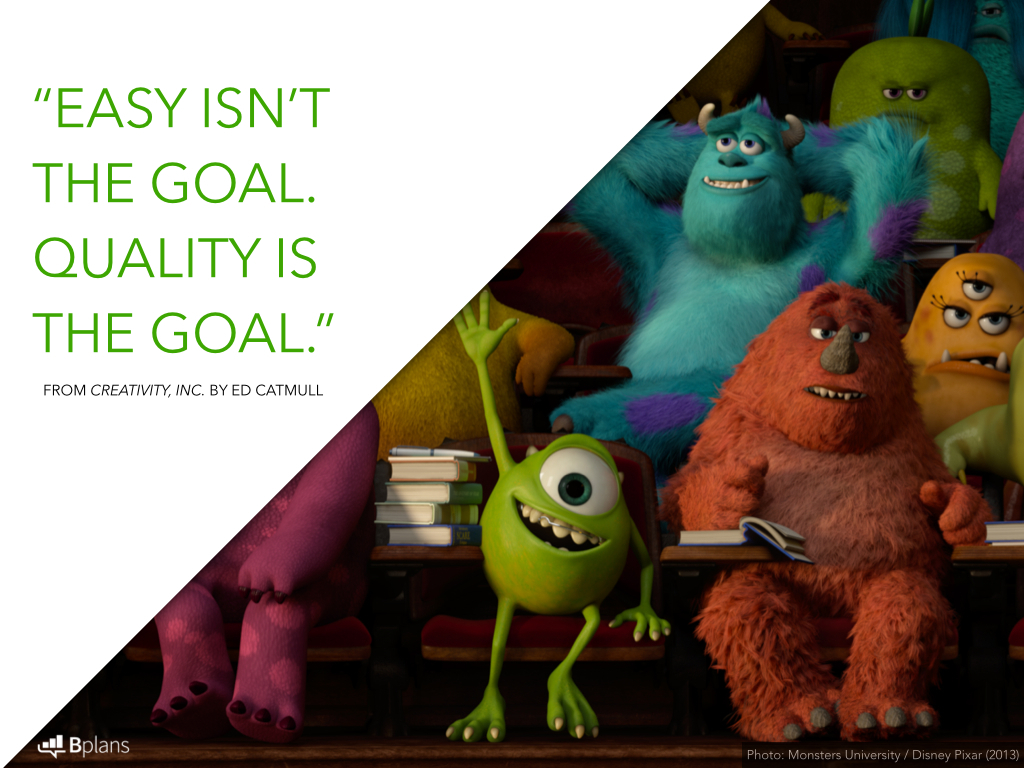
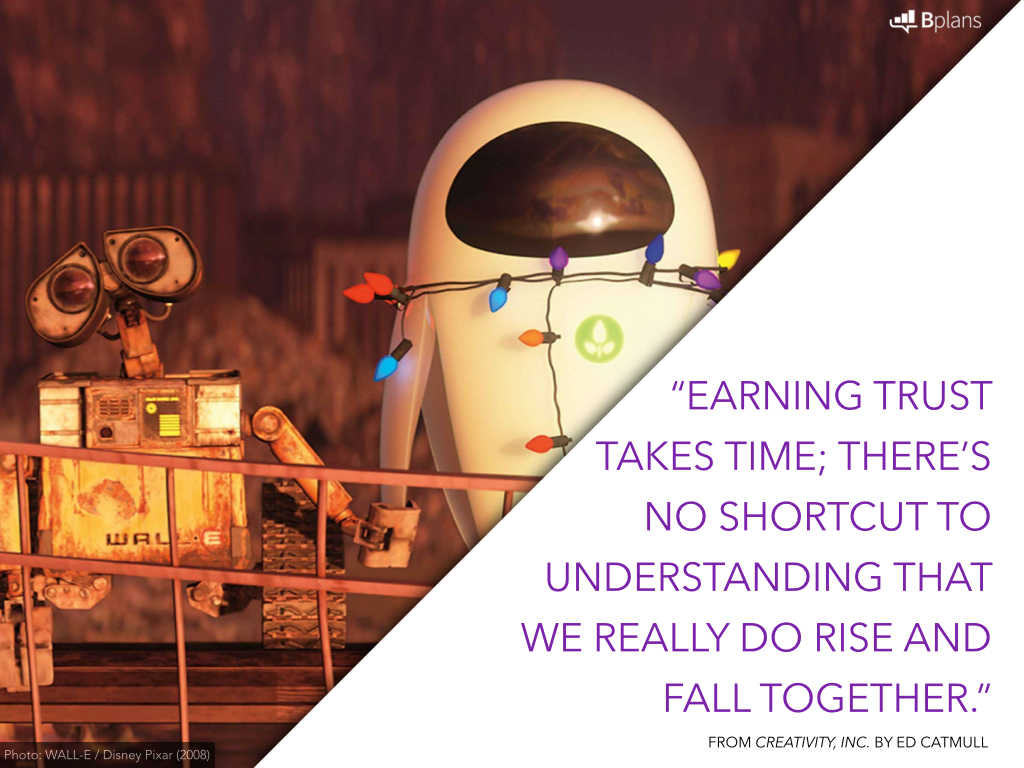
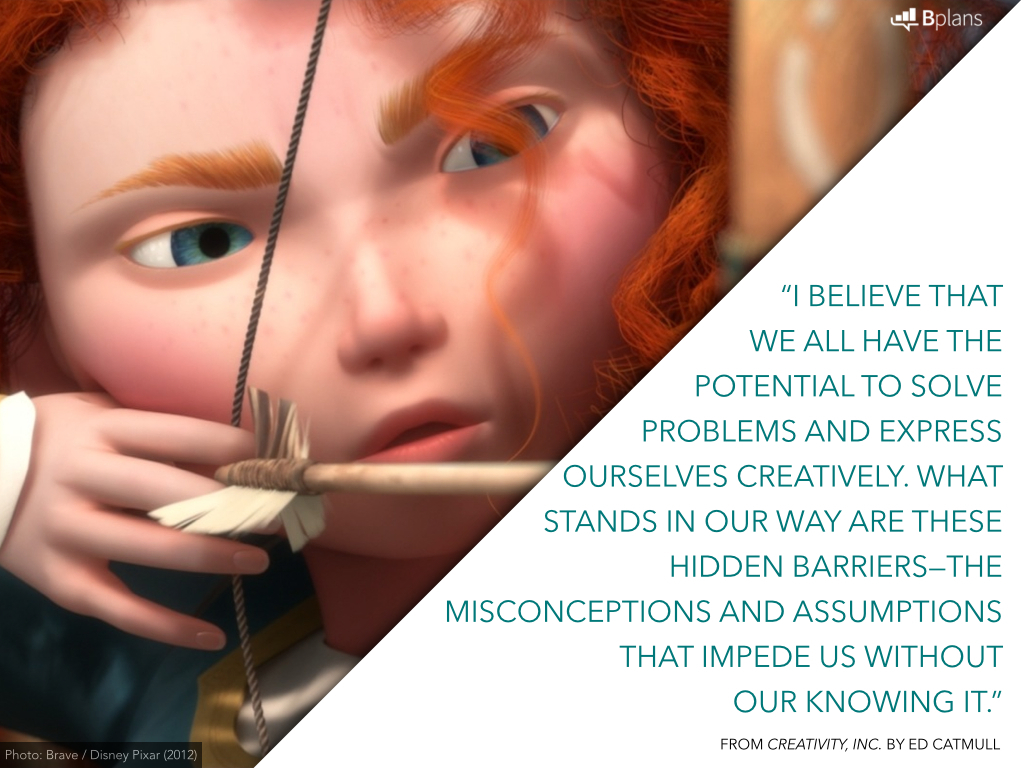
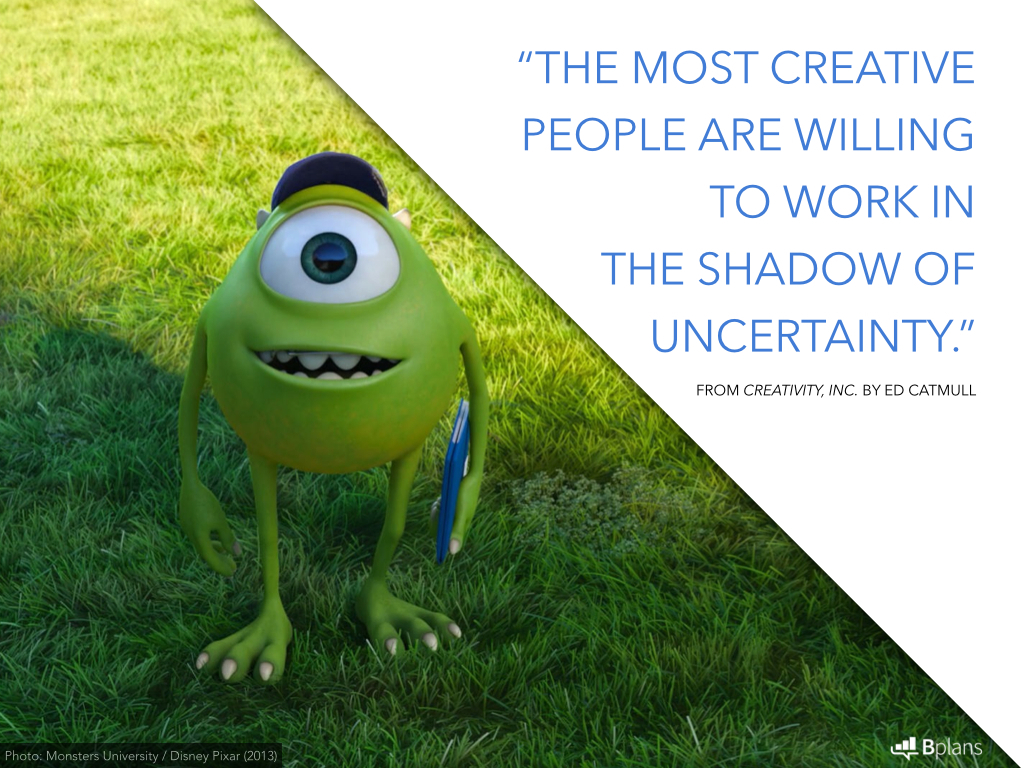
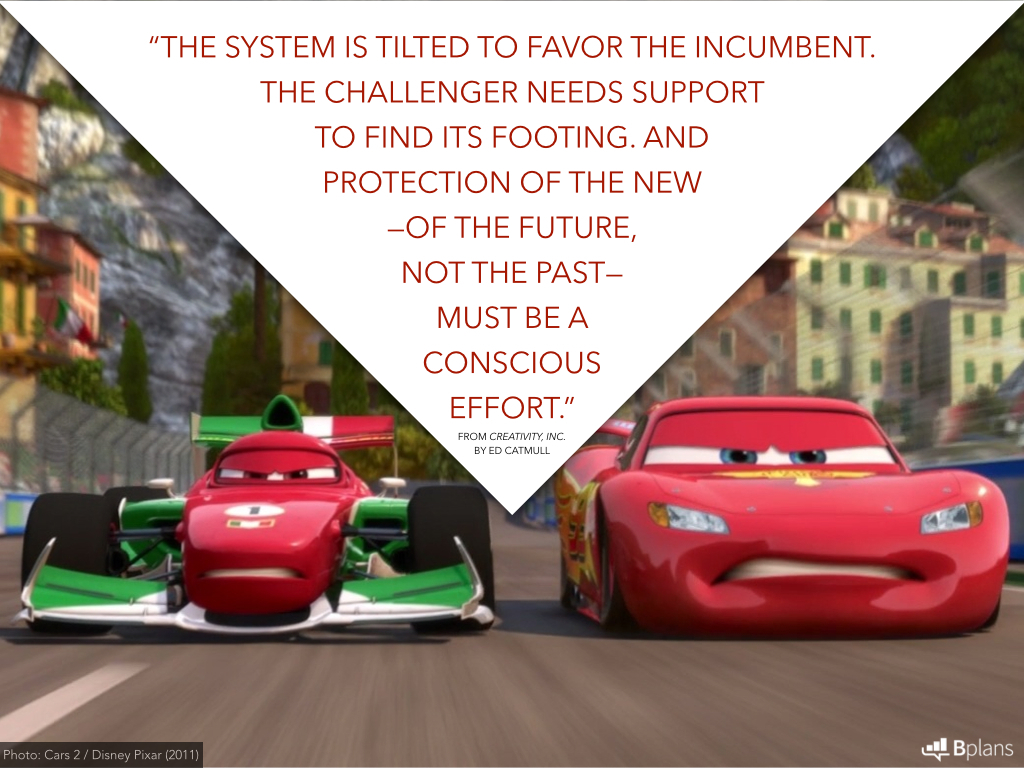
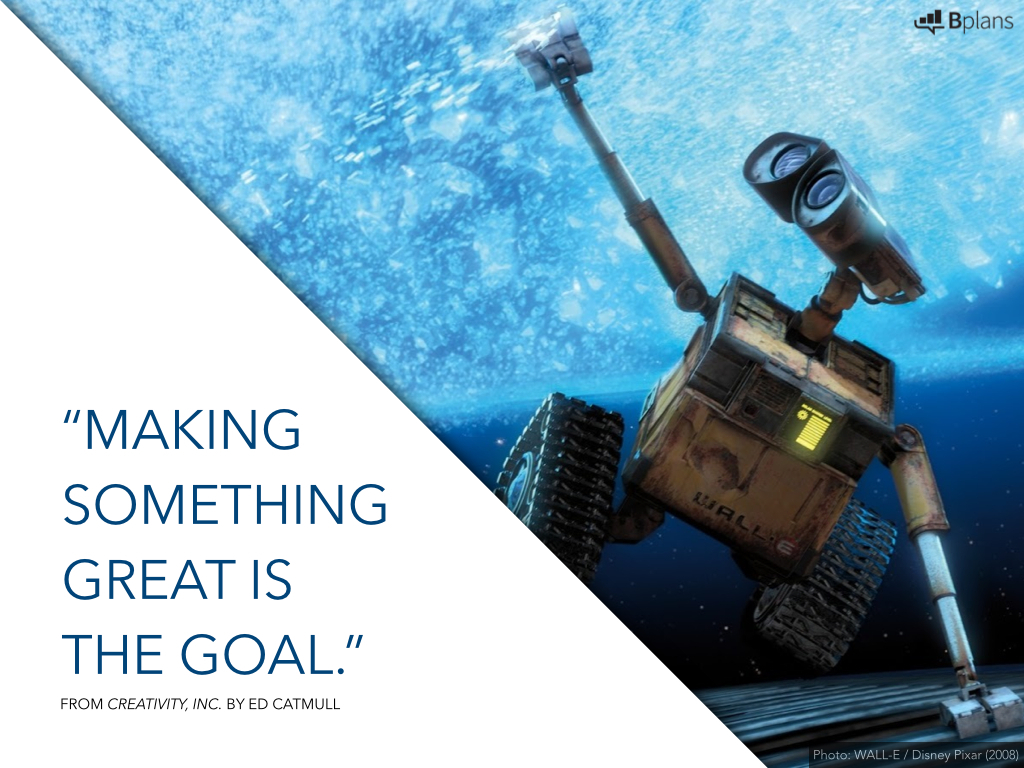
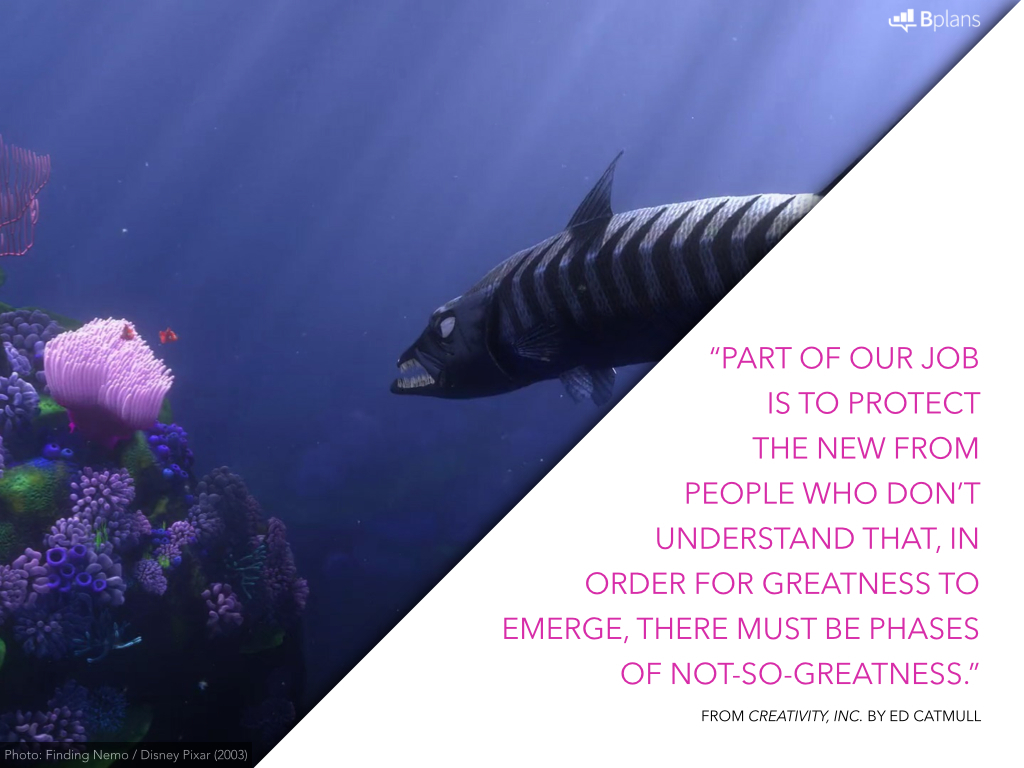
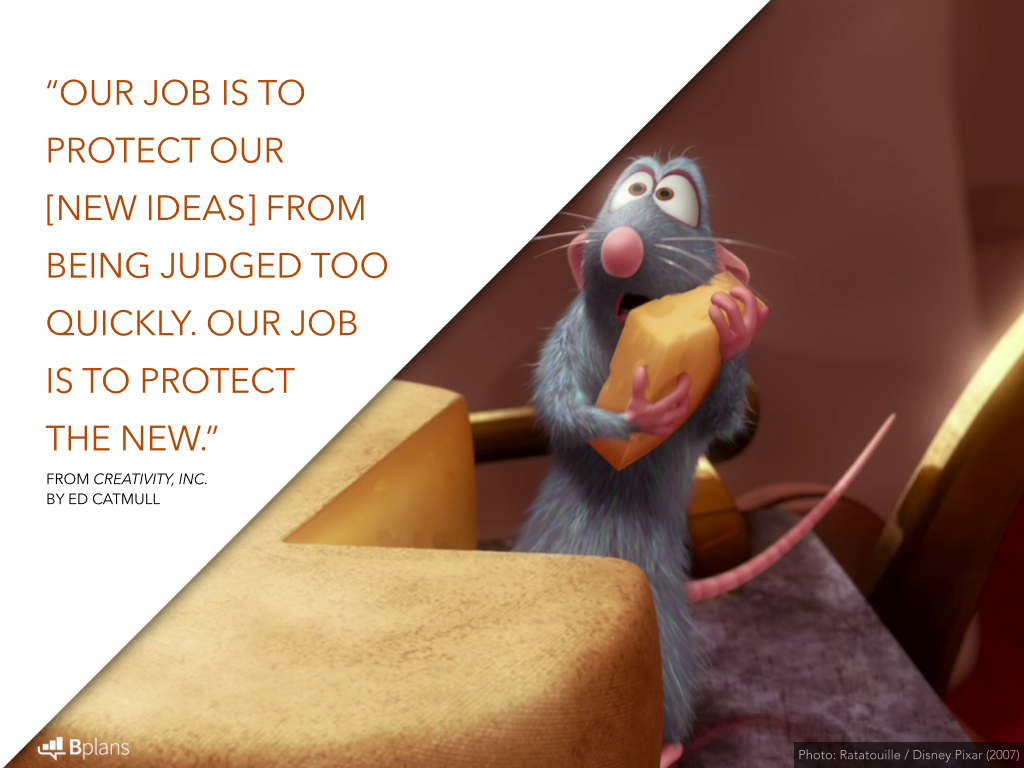
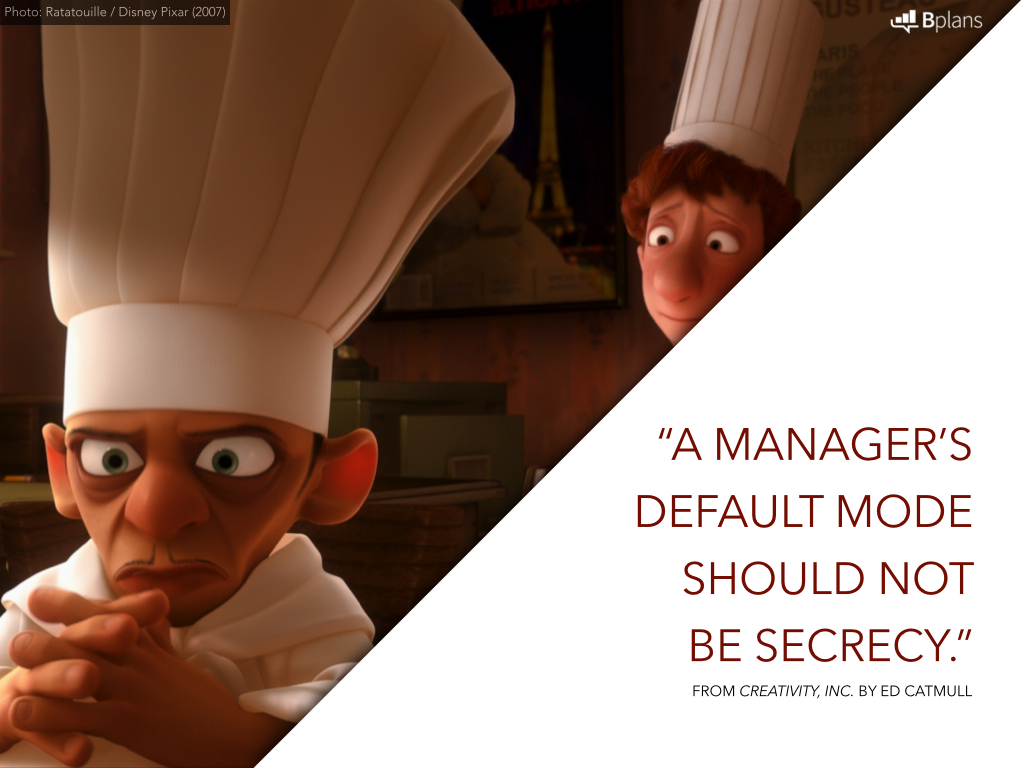
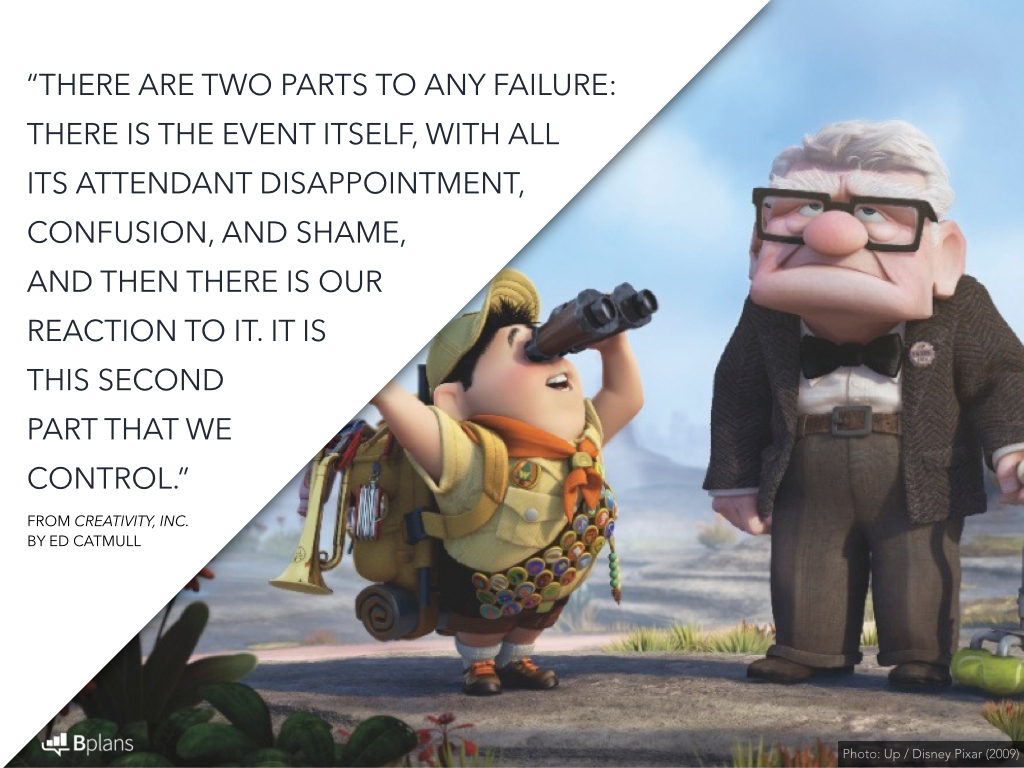
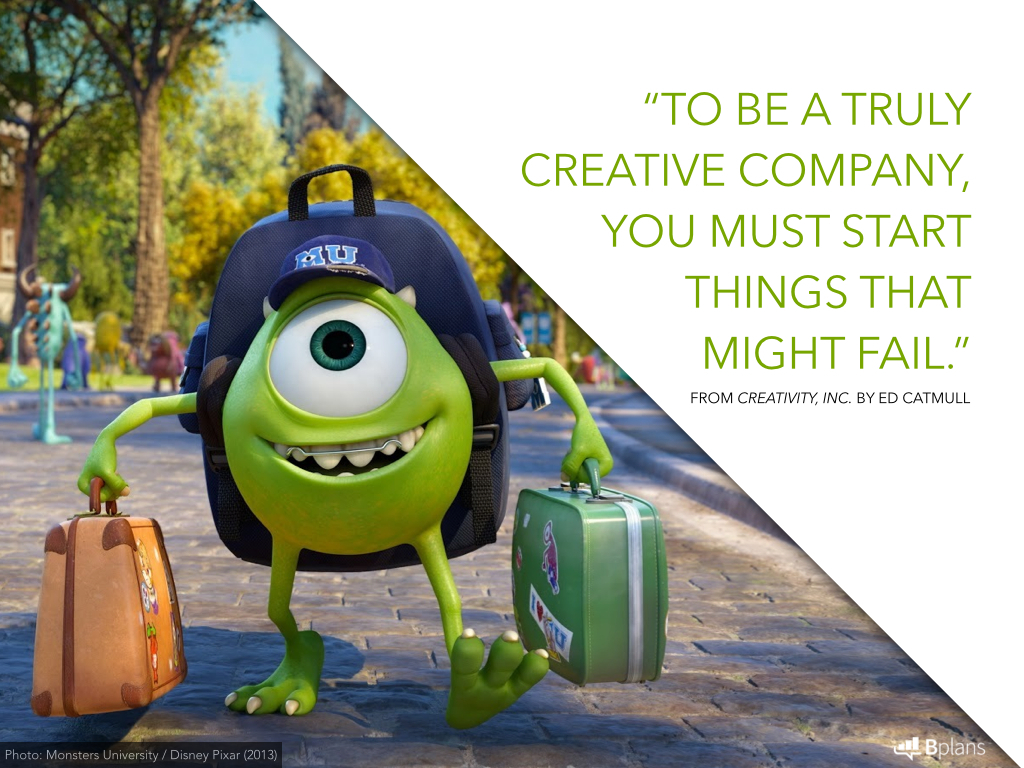
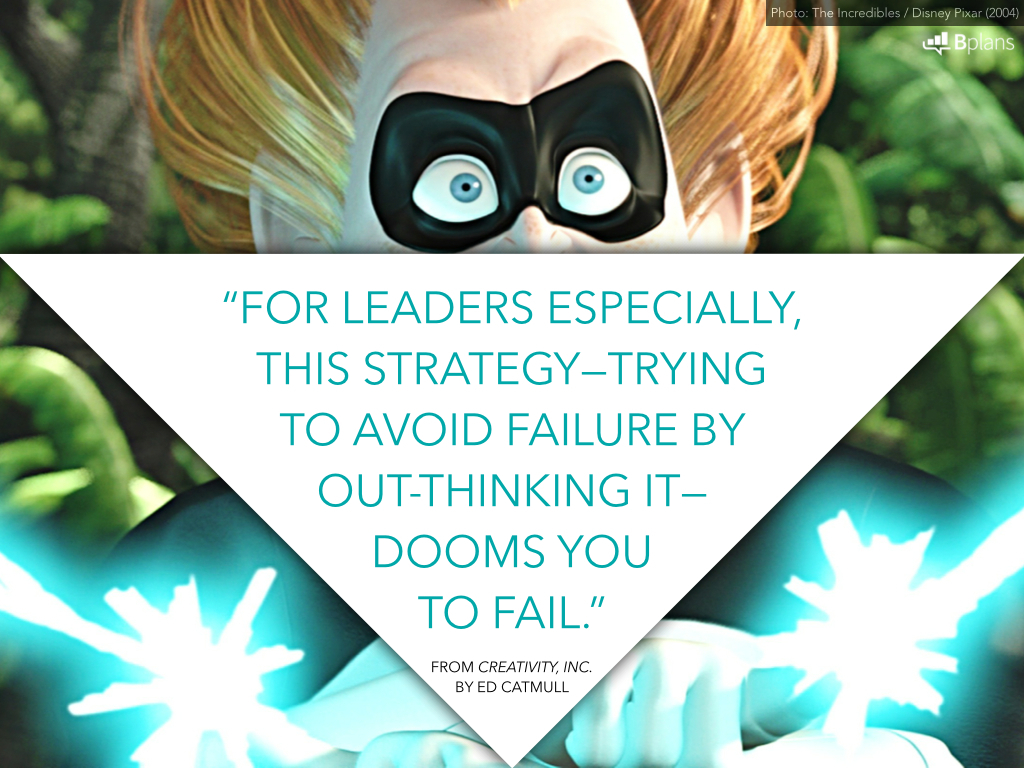
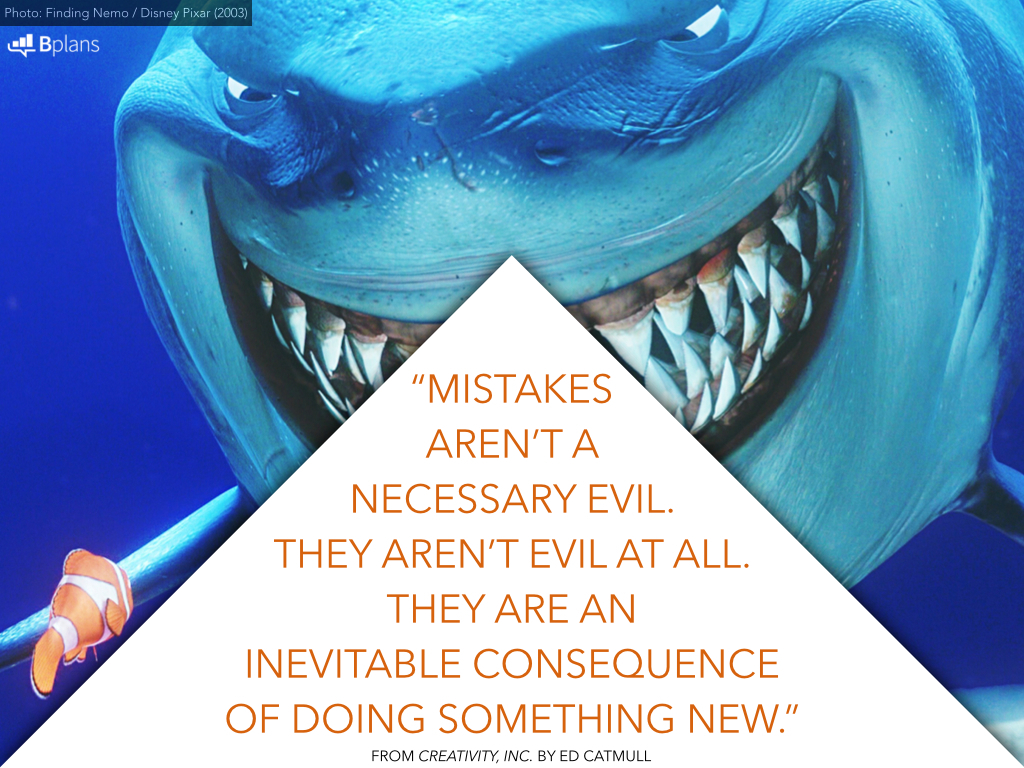
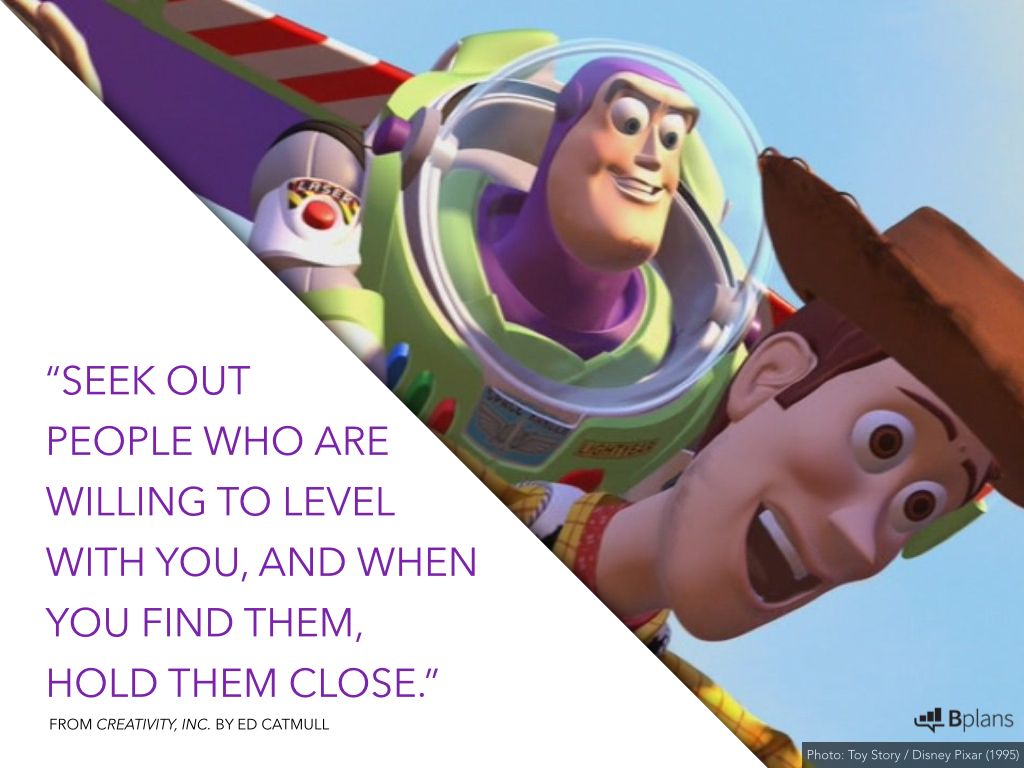
One thing you should know about me is that I’m a huge animated movie nerd. I could spend days watching Pixar movies, and have! As I went looking for inspiration about how small creative teams manage change for my latest academic paper on sustainability leadership, I happily re-discovered Ed Catmull’s book Creativity, Inc.: Overcoming the Unseen Forces that Stand in the Way of True Inspiration.
Catmull is the Co-founder of Pixar and was the President of Walt Disney Animation Studios. His 37 principles of how the company operates, including how they navigate change, hold business and life lessons for all of us.
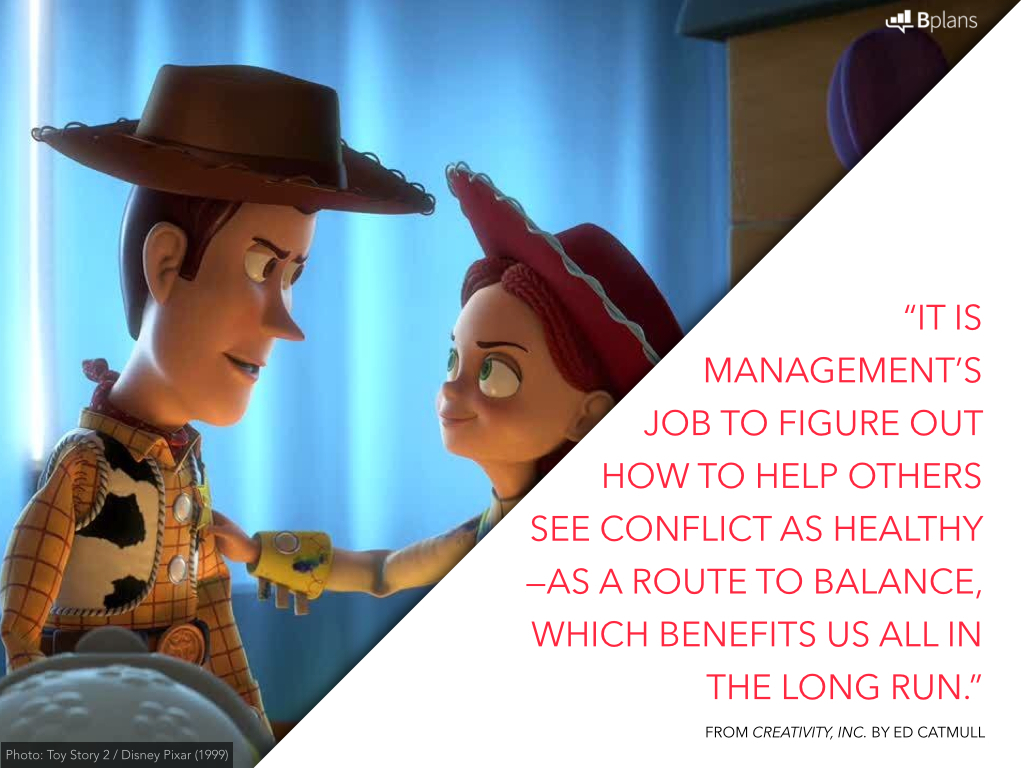
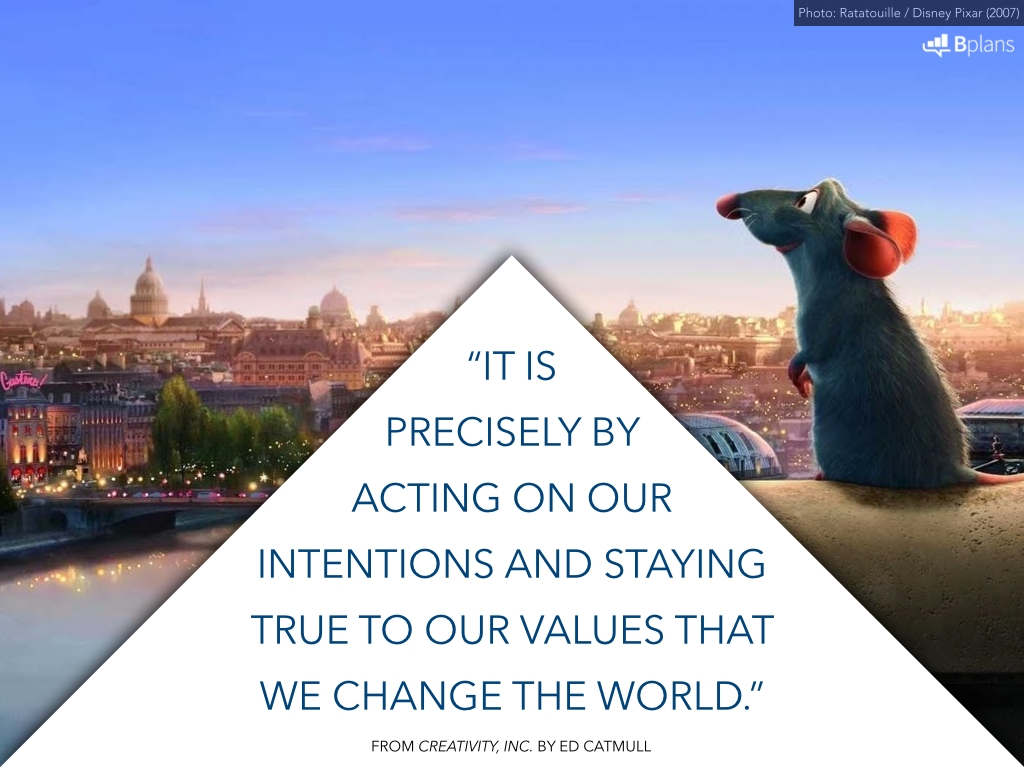
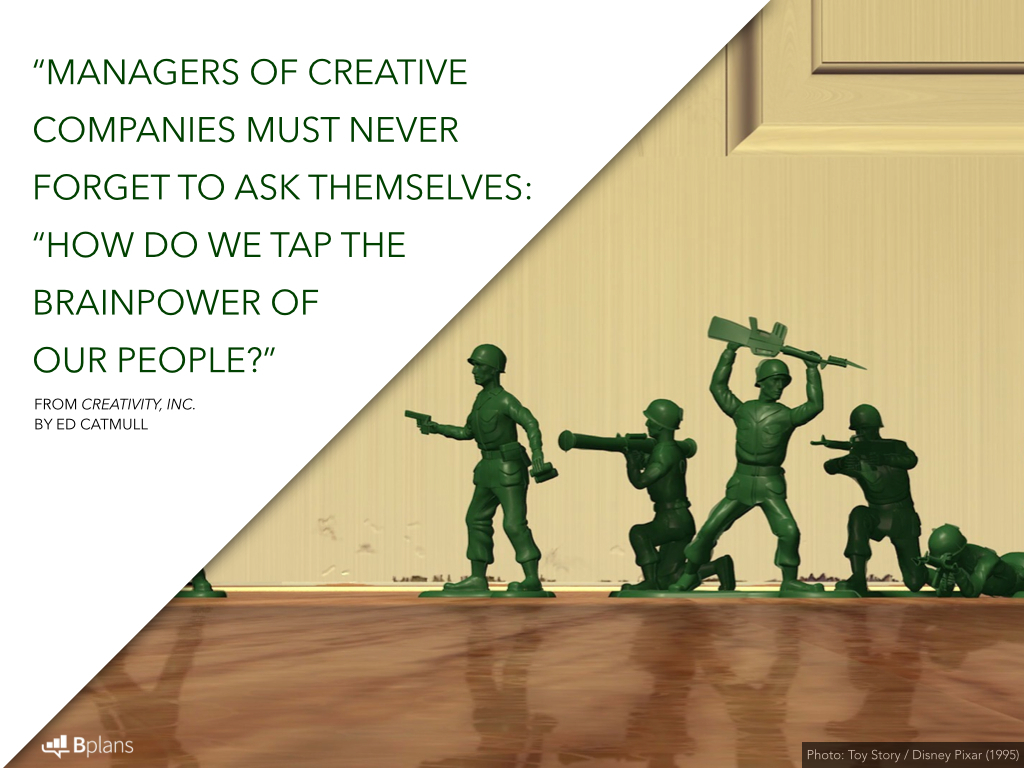
Jonathan Michael from the company Bplans pulled together these Catmull quotes and created a set of graphics with photos from Disney / Pixar that will have your brain buzzing with ideas. I hope you find them as inspirational as I do.
The new NASA global data set combines historical measurements with data from climate simulations using the best available computer models to provide forecasts of how global temperature (shown here) and precipitation might change up to the year 2100 under different greenhouse gas emissions scenarios. Credits: NASA
Over the weekend, I read a disturbing article that quoted a potential presidential candidate who wrote, “We will keep fighting until we put a stop to ESG once and for all!”
ESG stands for Environmental, Social, and Governance and is a set of investment standards for a company’s behaviors. In other words, it’s a set of standards that takes more than profit into account. It was coined by the United Nations in 2005. Originially, the acronym was GES because they believed Governance was the most important of the three. They weren’t wrong then. They aren’t wrong now. They just didn’t know at the time the dire state of our environment in 2023.
The quote above is so incredibly dangerous because if the United States completely gives up on the environment now, catastrophe is certain. Even if we went to net zero today, there’s still no way to keep global warming below 2 degrees Celsius. Above 2 degrees, we will see more intensified storms, extreme heatwaves, dangerous flooding, drought, and fire conditions, crop failures, sea level rise, deathly disease increases, and massive loss of biodiversity in flora and fauna.
To be fair, many parts of the world are already seeing impacts. Whole towns such as Newtok, Alaska moved to avoid climate impacts. Tuvalu, the Pacific island country of 12,000 people halfway between Hawaii and Australia, announced at COP27 its plans to become the world’s first digital country in hopes to preserve its history and heritage. 40% of its capital district is underwater during high tide. Eventually, it will be completely lost to rising seas. The Colorado River, Lake Mead, the Great Salt Lake, and the Mississippi River are rapidly shrinking.
But, climate has always changed. It’s changed many times before in the history of the planet. So why does this chapter of climate change matter? The last time CO2 was as high as it is now was 3 million years ago. Modern humans didn’t exist then. The rapid rate change of CO2 we’ve seen in the last 100 years because of human activity, particularly the burning of fossil fuels, has never happened before in the history of the planet. And it’s that rate that is the key point.
Yes, the planet can adjust to changes. But it can’t adjust this much this quickly. If you lost $1 a month in income, you could adjust and manage for a certain amount of time. If you lost $100 a month, that would require a much bigger adjustment in your budget. If you lost $1000 a month, that would require an enormous adjustment and you may find yourself in serious trouble with basic needs because of that rate of change. The planet is under this same type of pressure.
So why bother doing anything? If we’re on the deck of the climate Titanic, should we just play on? No. Not by a long shot. For every fraction of a degree we can curtail warming, we will see impacts lessened, human lives saved, and species protected from extinction. It’s going to be a difficult ride toward a fully sustainable world, and if we commit to protecting each other, we will eventually get there. It will be painful, expensive, and massively inconvenient to say the least, but not impossible for humans to survive. But life will look different, very different, for centuries.
None of us will be here to see a fully sustainable world, but we all have a responsibility to future generations. Consider how much better off we’d be today if 100 years ago strong governance cared about the environment as much as they cared about money during the Industrial Revolution. Our world would be healthier, cleaner, happier, and more peaceful. It could be that way for future generations if we, and our governments, do the difficult work now of restoring and regenerating the health of our planet. That could be our legacy. We could be known as the generation who saved human life, and the lives of the species with whom we share this planet. Imagine that. That’s our collective goal.
No matter on which side of the aisle you sit, can we all agree that health and happiness are what we all want? Don’t we want clean air, water, and soil? Plentiful healthy food and fresh water? Can we start to talk about ESG not as this divisive, political policy as framed in the quote above but as a means of kindness, care, and concern for all? If that’s woke, then please let’s not allow ourselves to turn a blind eye and go back to sleep. Our survival depends upon our eyes and hearts being wide open.
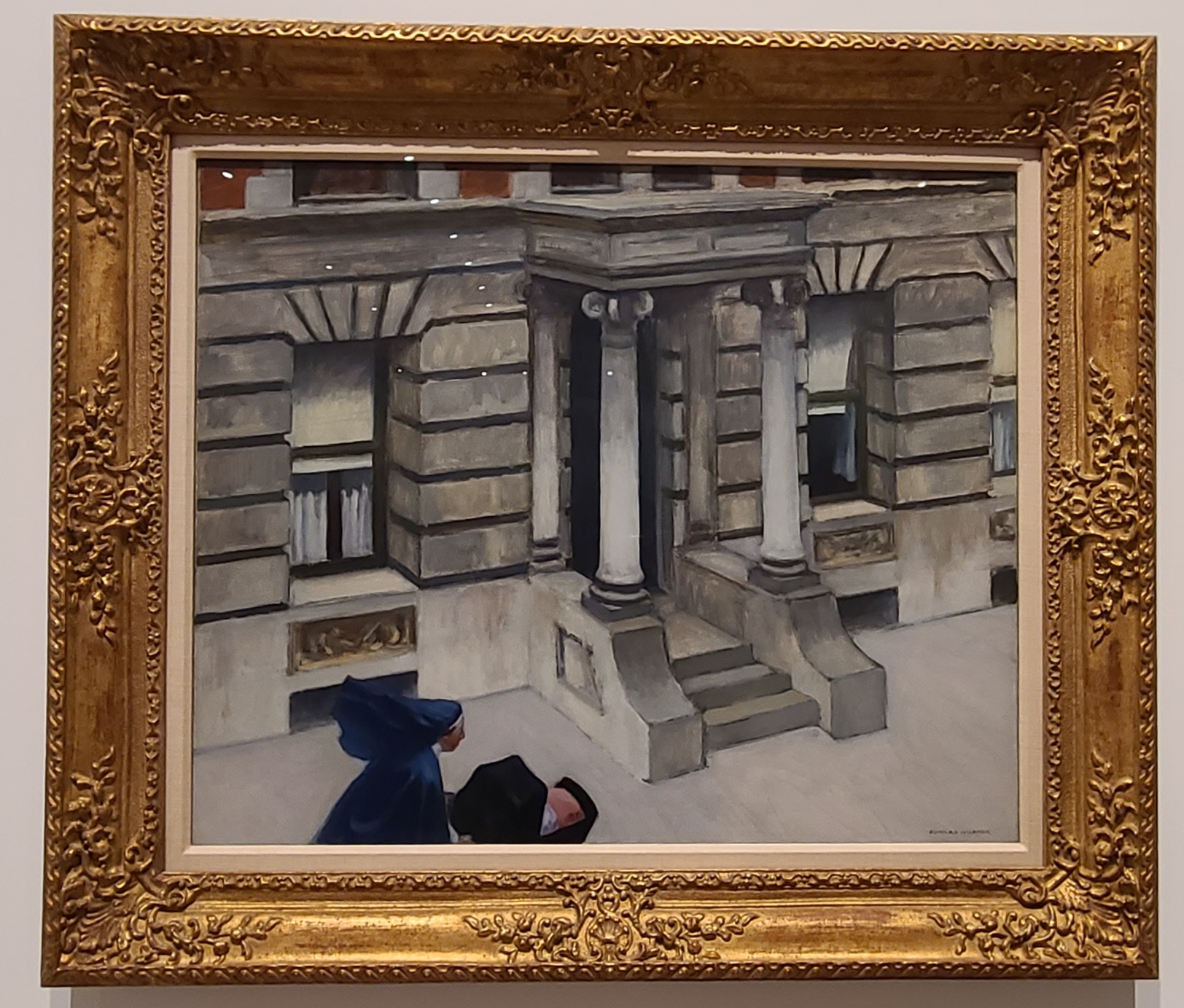
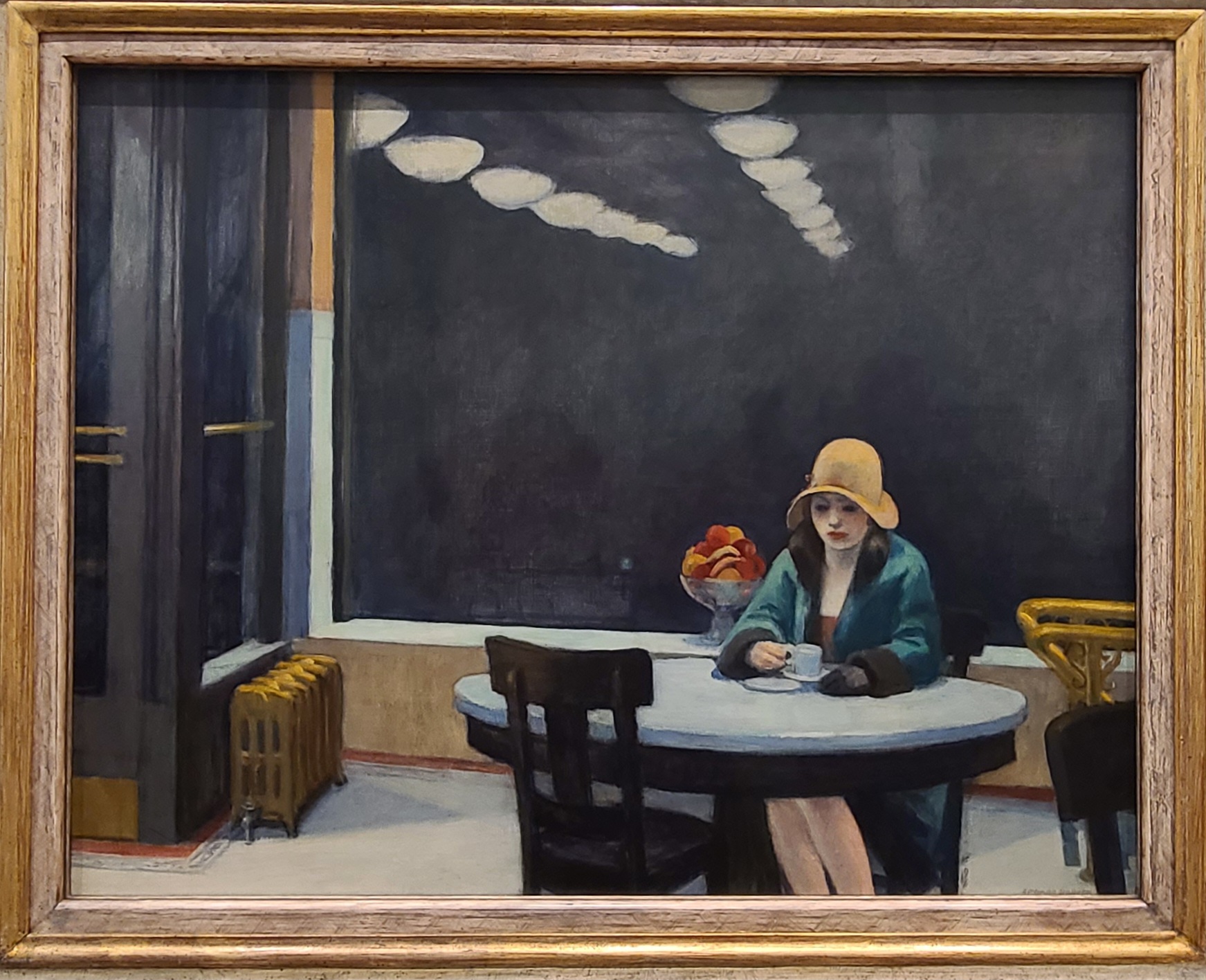
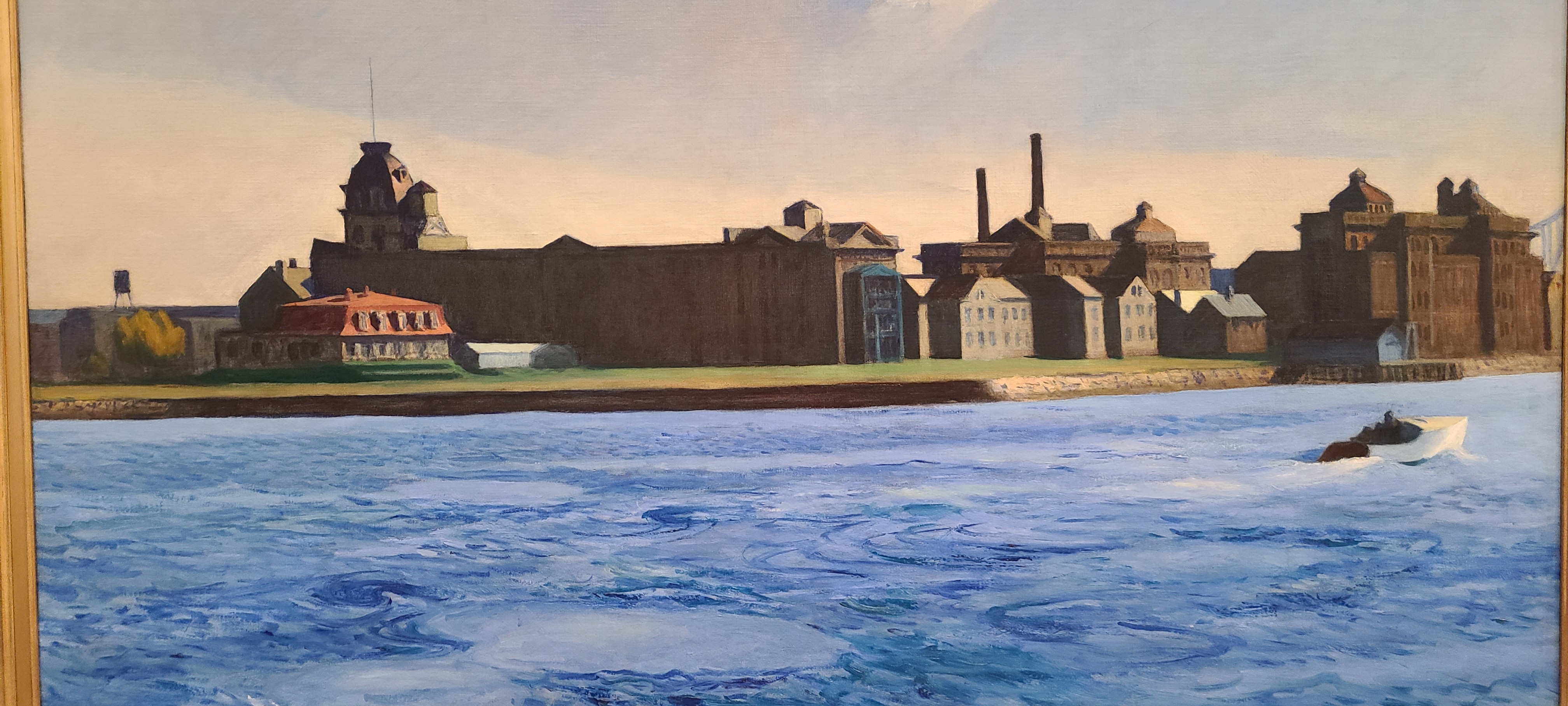
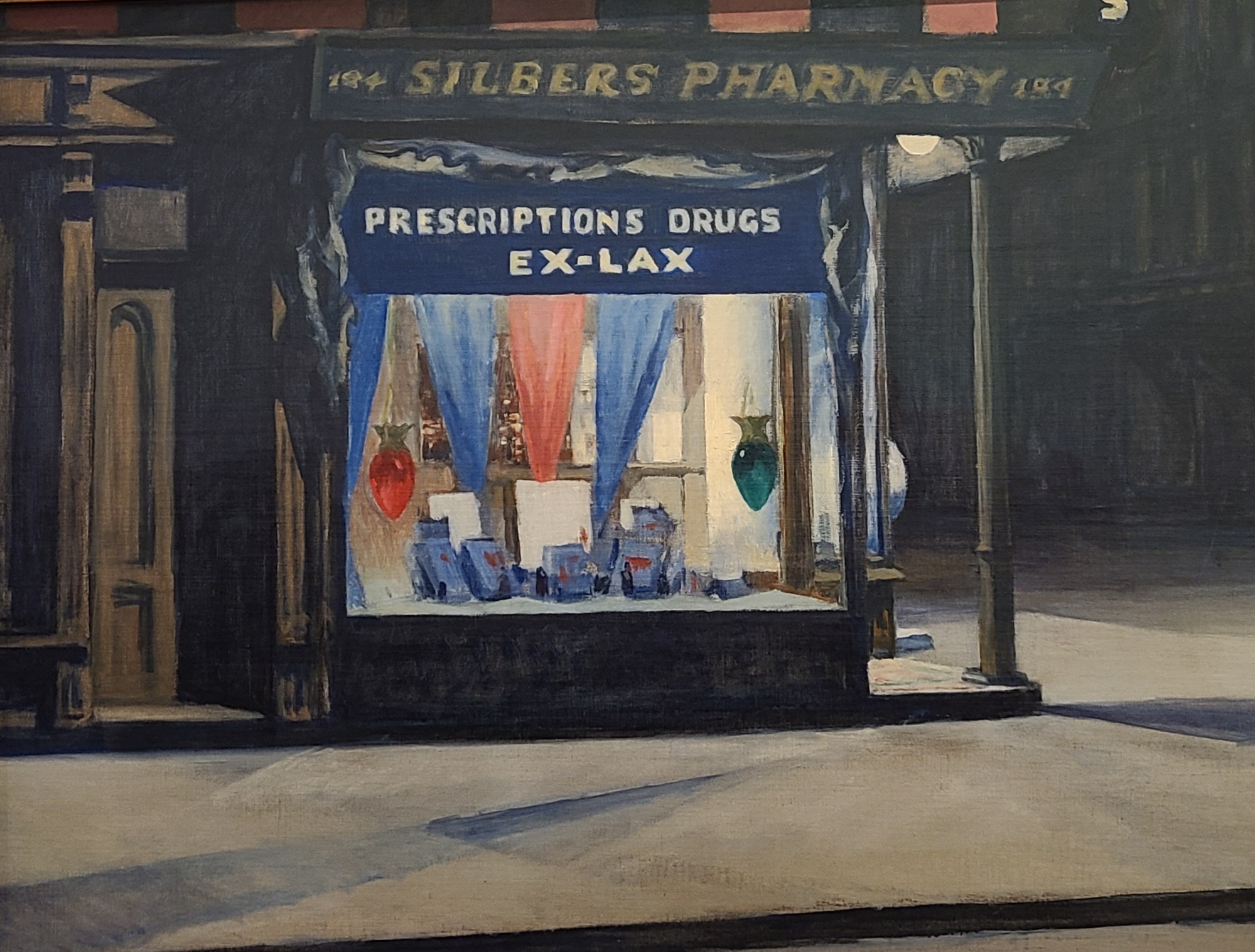
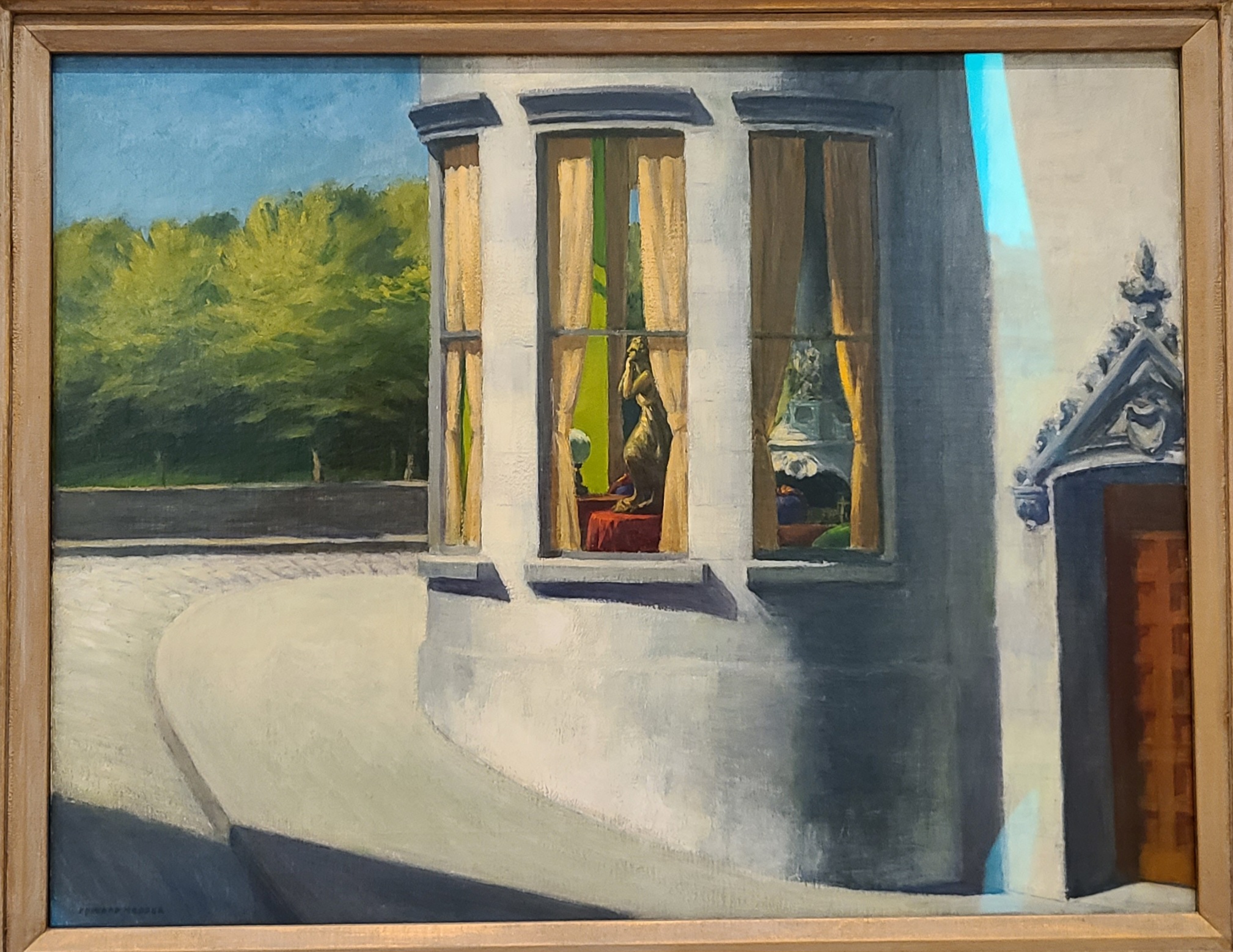
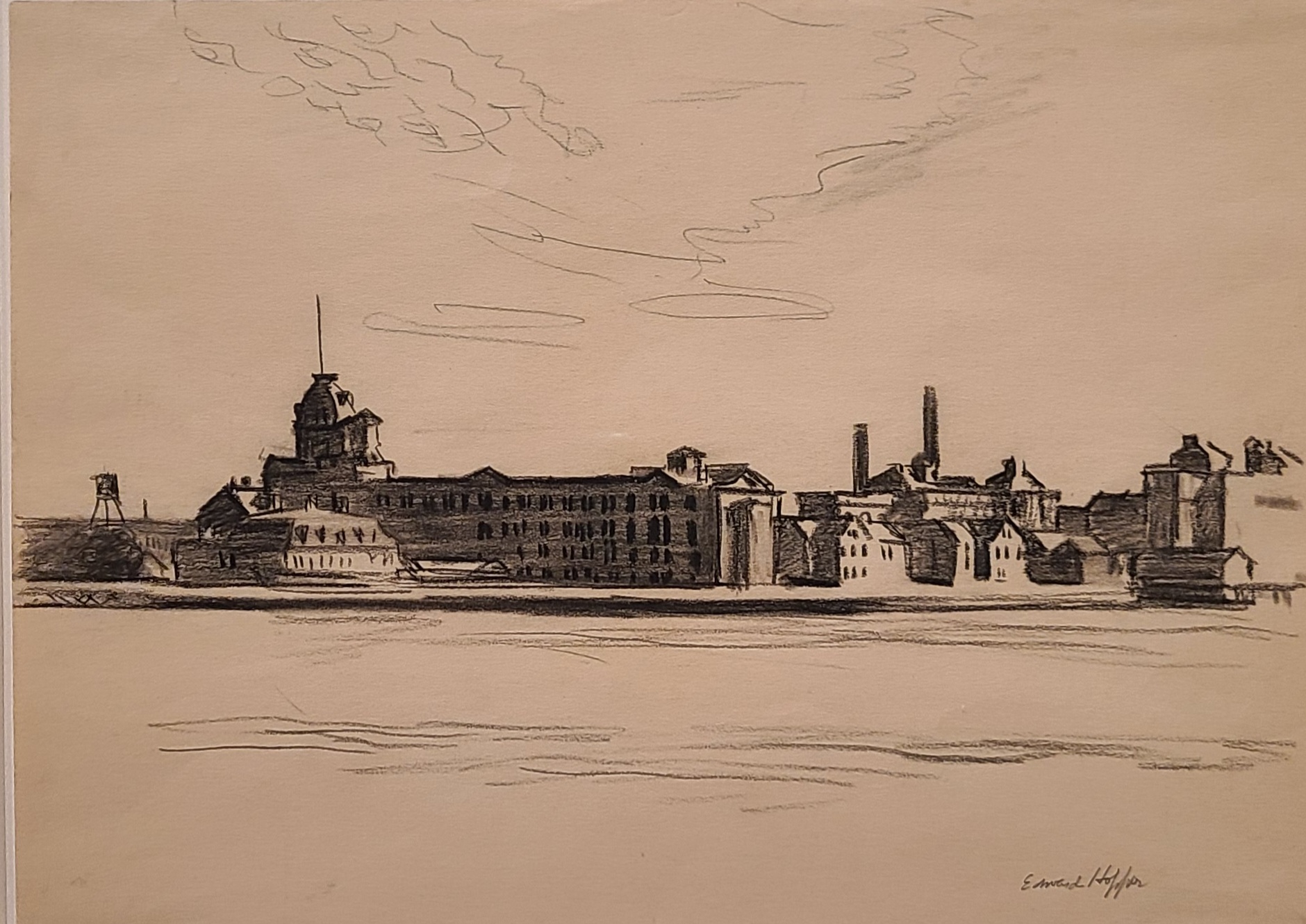
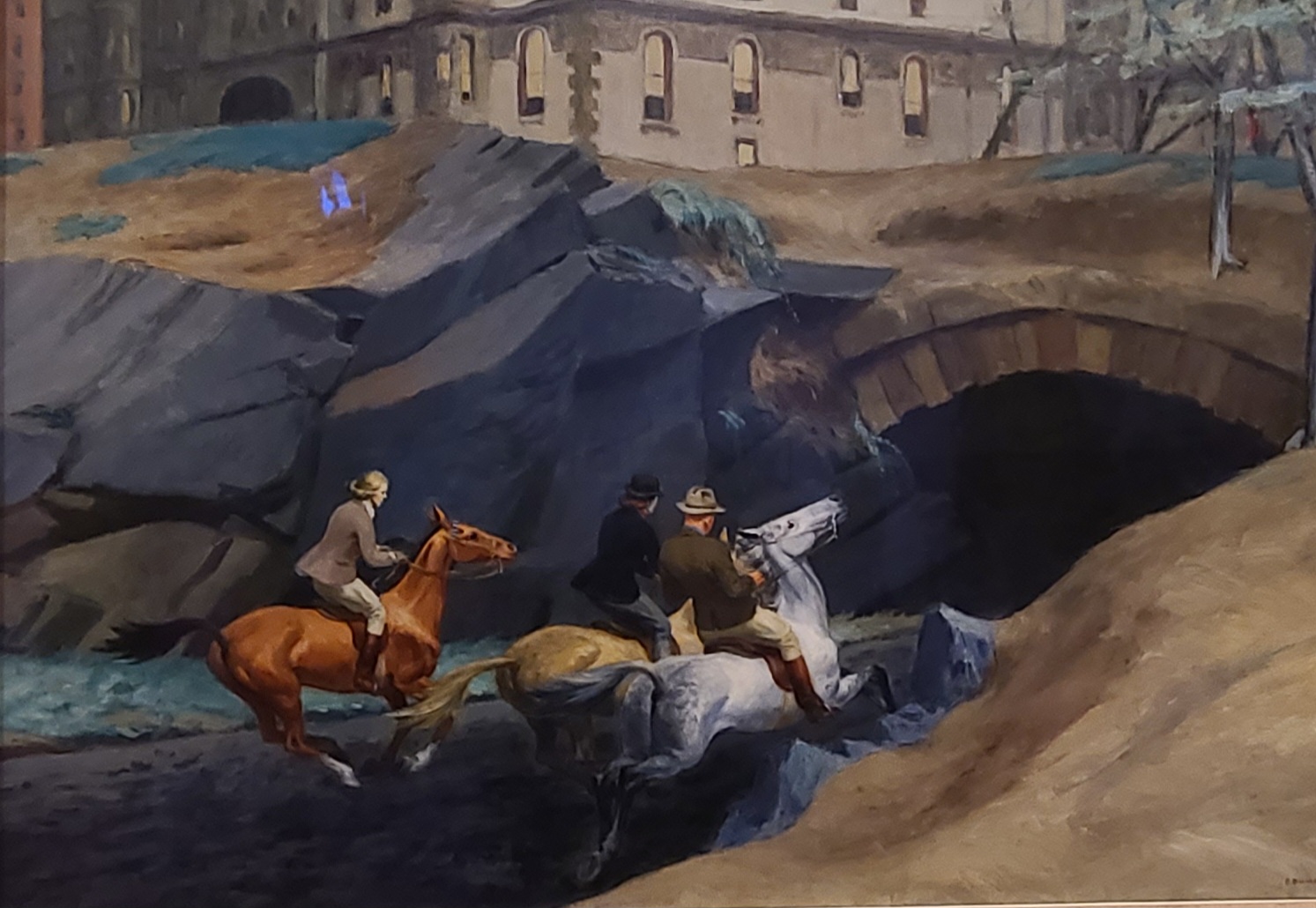
If you’re in New York this weekend, run don’t walk to the expansive and breath-taking art exhibit Edward Hopper’s New York at the Whitney Museum. New York was Hopper’s muse, second only to his wife Josephine “Jo” Nivison Hopper who was also a talented and accomplished painter. (Some of her works are featured in the exhibit as well and they’re stunning.) We see Automat, which reminds me of my heady early adult days in New York when I was scraping by working in Broadway theaters, as well as Early Sunday Morning, Room in New York, Bridle Path, Two Comedians, Drug Store, Tables for Ladies, New York Interior, From Williamsburg Bridge, Approaching the City, Sunlight on Brownstones, New York Pavements, Boy and the Moon, and the exhibit goes on and on with one gorgeous work after the next.
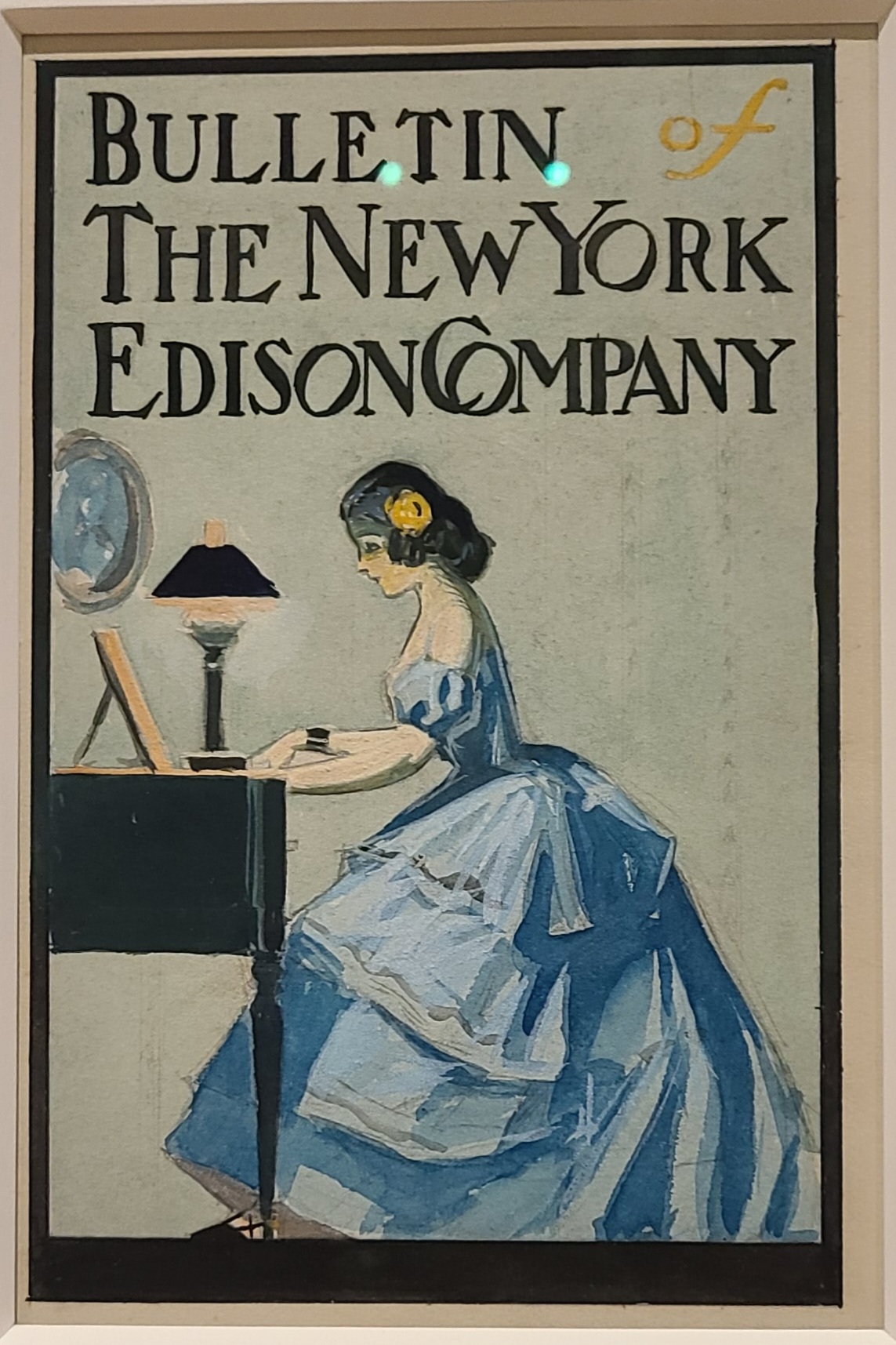
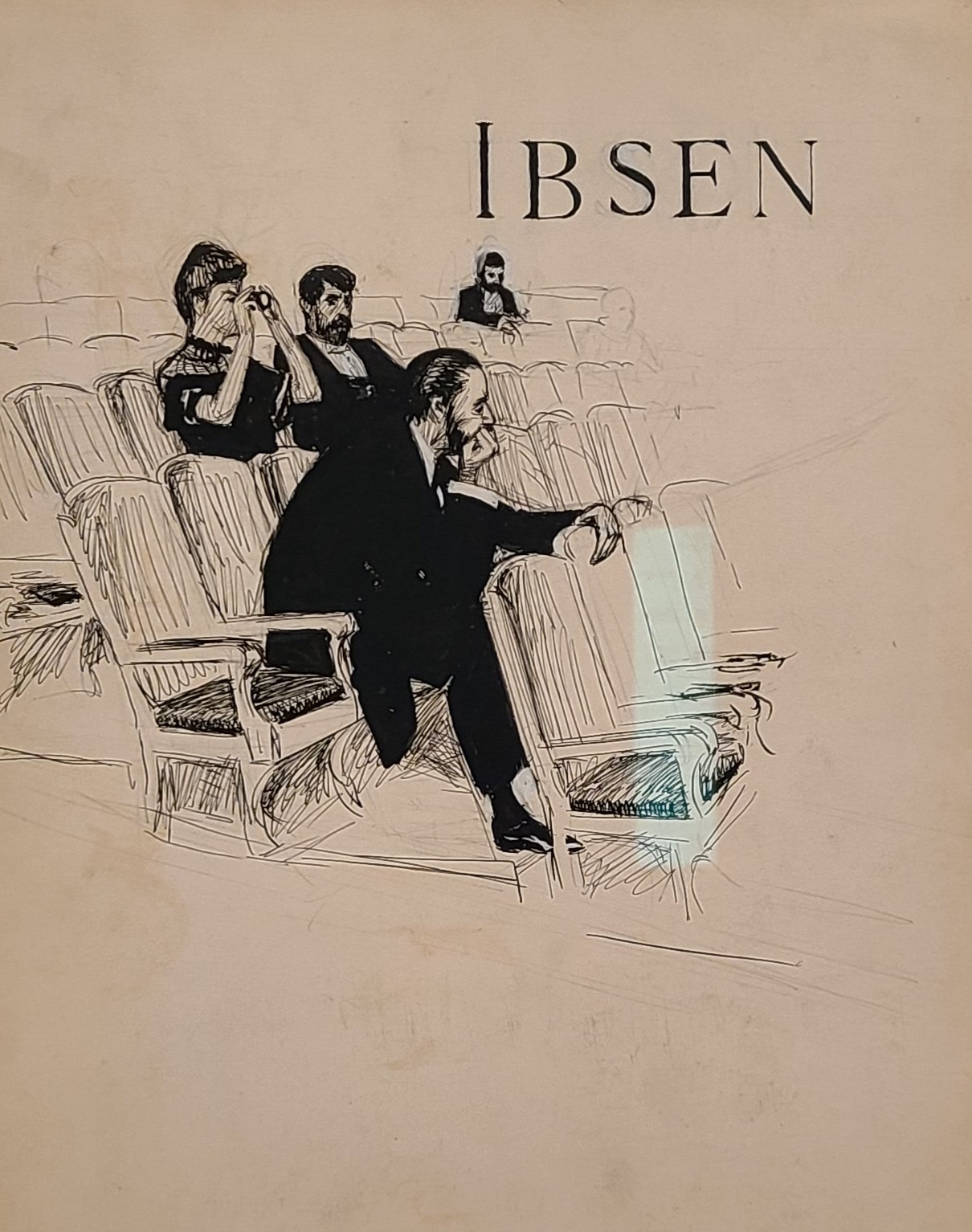
We also find his illustrations, which I never knew he did, and an extensive set of his theater stubs that he saved. He and Nivison Hopper were massive theater fans and often went there to sketch not the show, but the audience and staff. Hopper was obsessed with depicting the lives of everyday people in ordinary and intimate moments of their lives. This entire exhibit is a celebration of not just New York, but New Yorkers. We could be, and perhaps have been, many of the people in these works. They feel familiar to us because they are. In our city, we have all lived these moments in the course of our average days.
What Hopper helps us realize is the extraordinary in our ordinary. In his work, we find the sliver of light through the window of our small apartment, the summer sunshine and shadows in Central Park, the very first moments of our mornings when we are still between sleeping and waking, the views from our trains and ferries as we rush to our next appointment, that burnt orange hat or sky blue dress that we love to wear, and that moment when we round the corner and spot our friends seated around the bar at our third home where everyone knows our name.
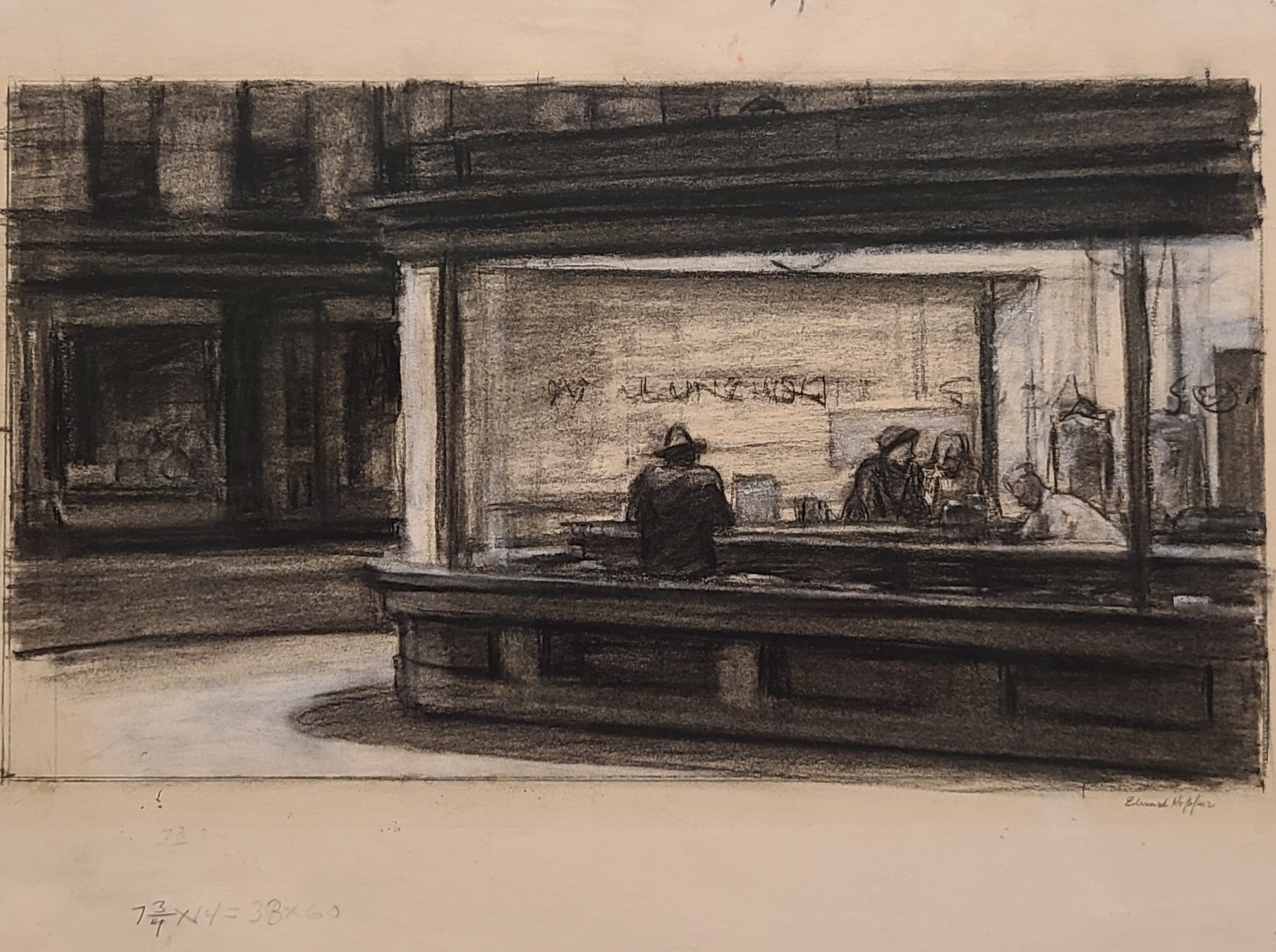
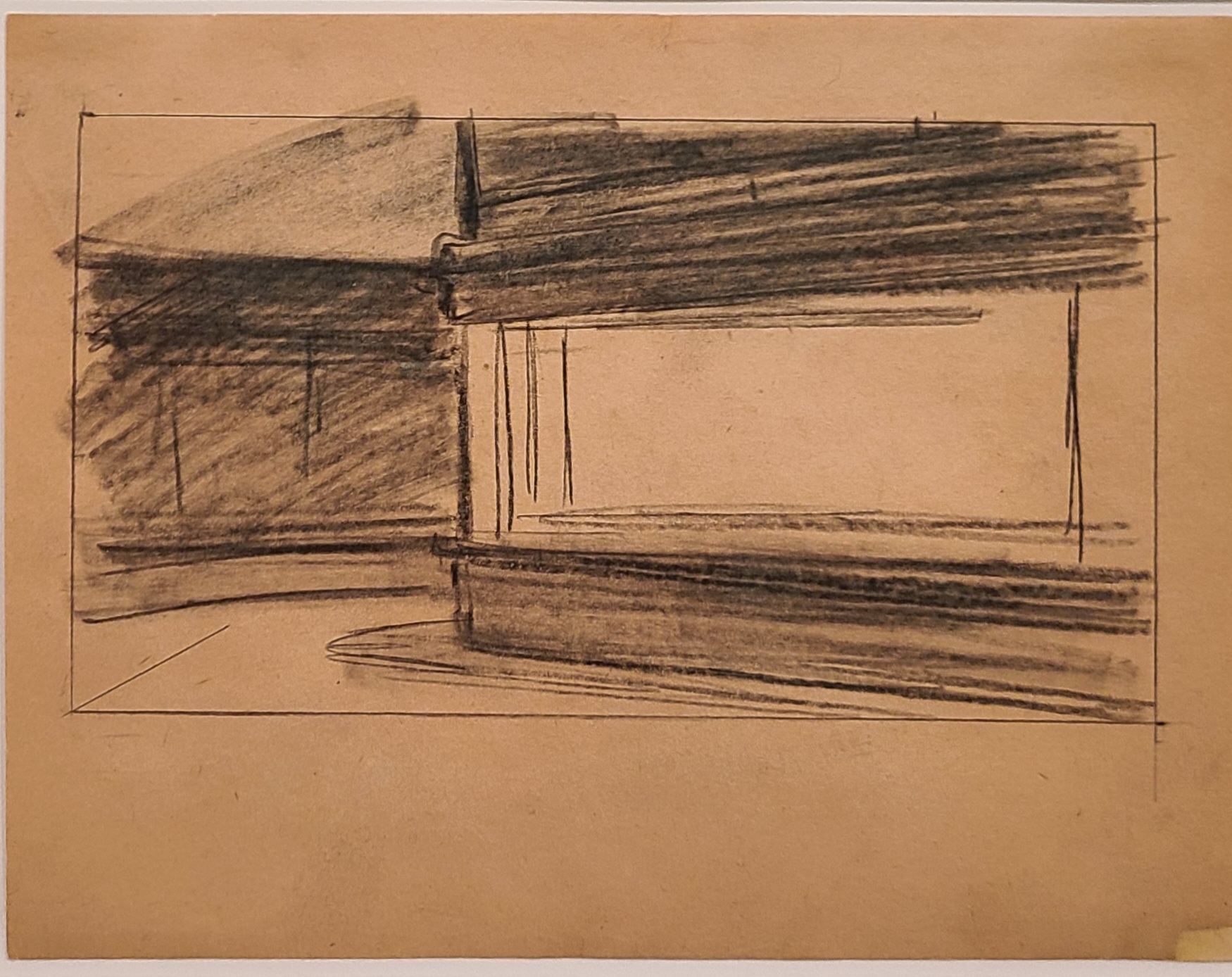
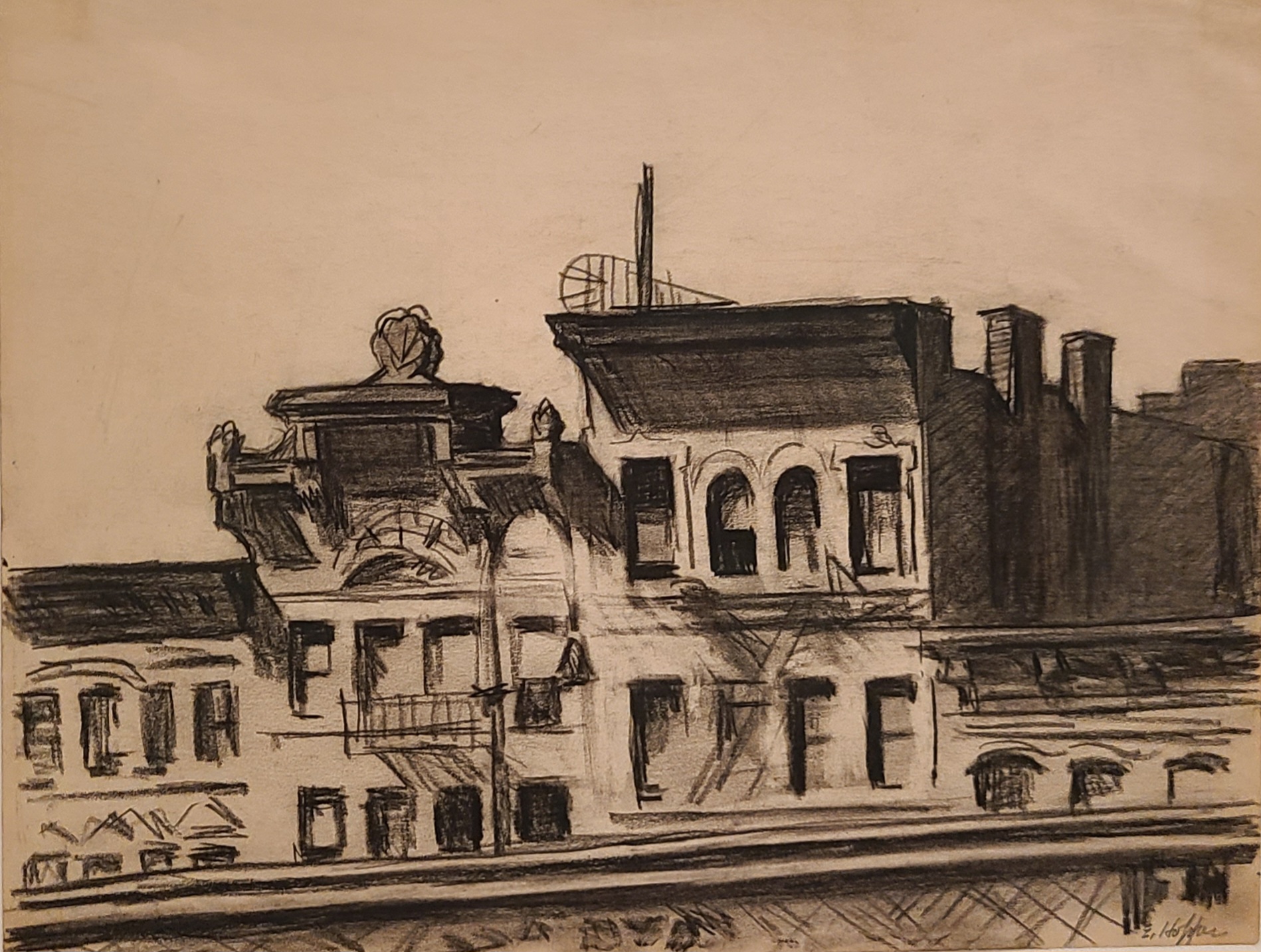
The one sadness I felt is that his most famous work, Nighthawks, is not there. I asked a guard where that painting is, and was told, “It’s at The Art Institute of Chicago and they weren’t giving it up. But, the sketches of it are in the side room.” My dear friend, Vicki, who prompted me to catch this exhibit with her before it closes on March 5th, and I hustled over to that side room and it was filled with Hopper’s sketches of many of his best known works. We found them equally fascinating as the final pieces because they show his meticulous, studious process of perspective and the clarity of vision via the clean lines with which he’s synonymous.
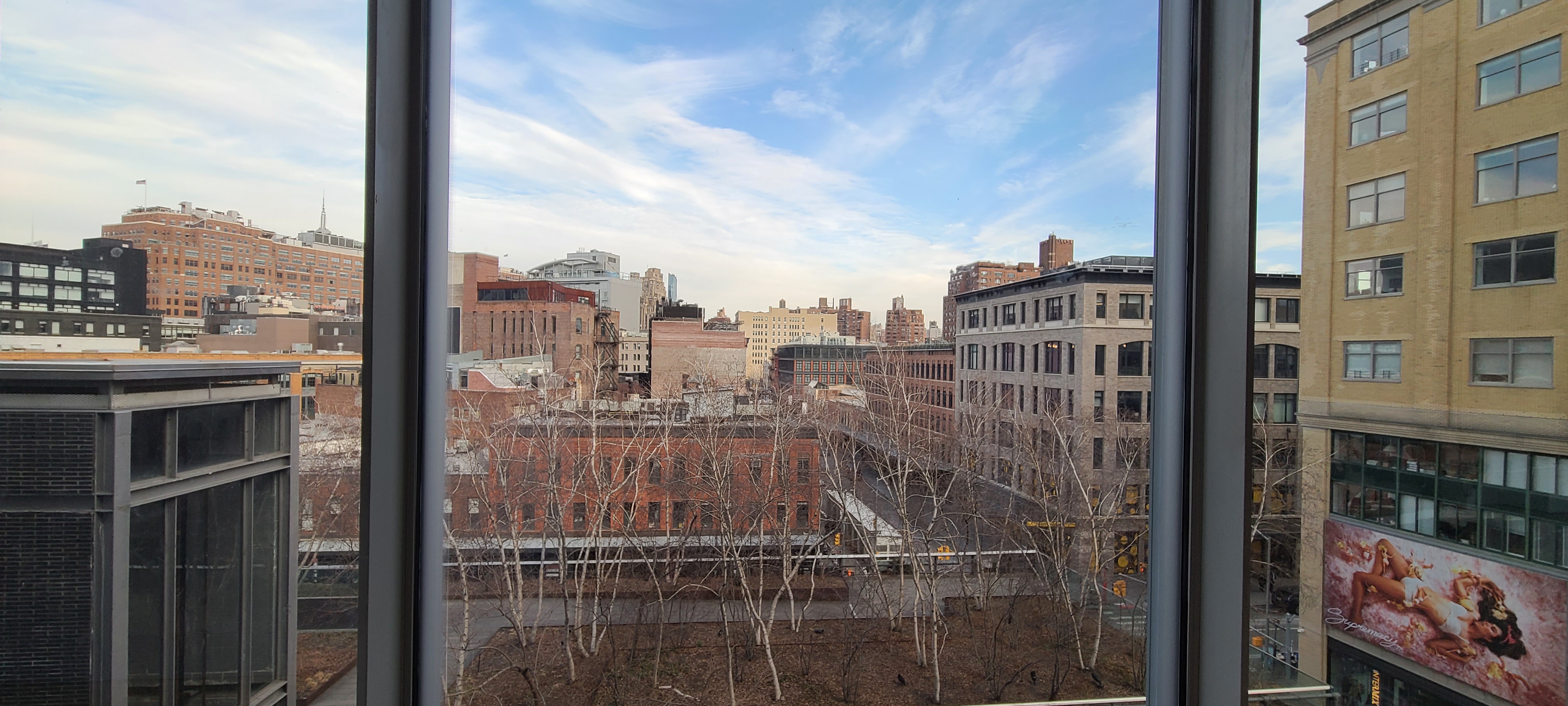
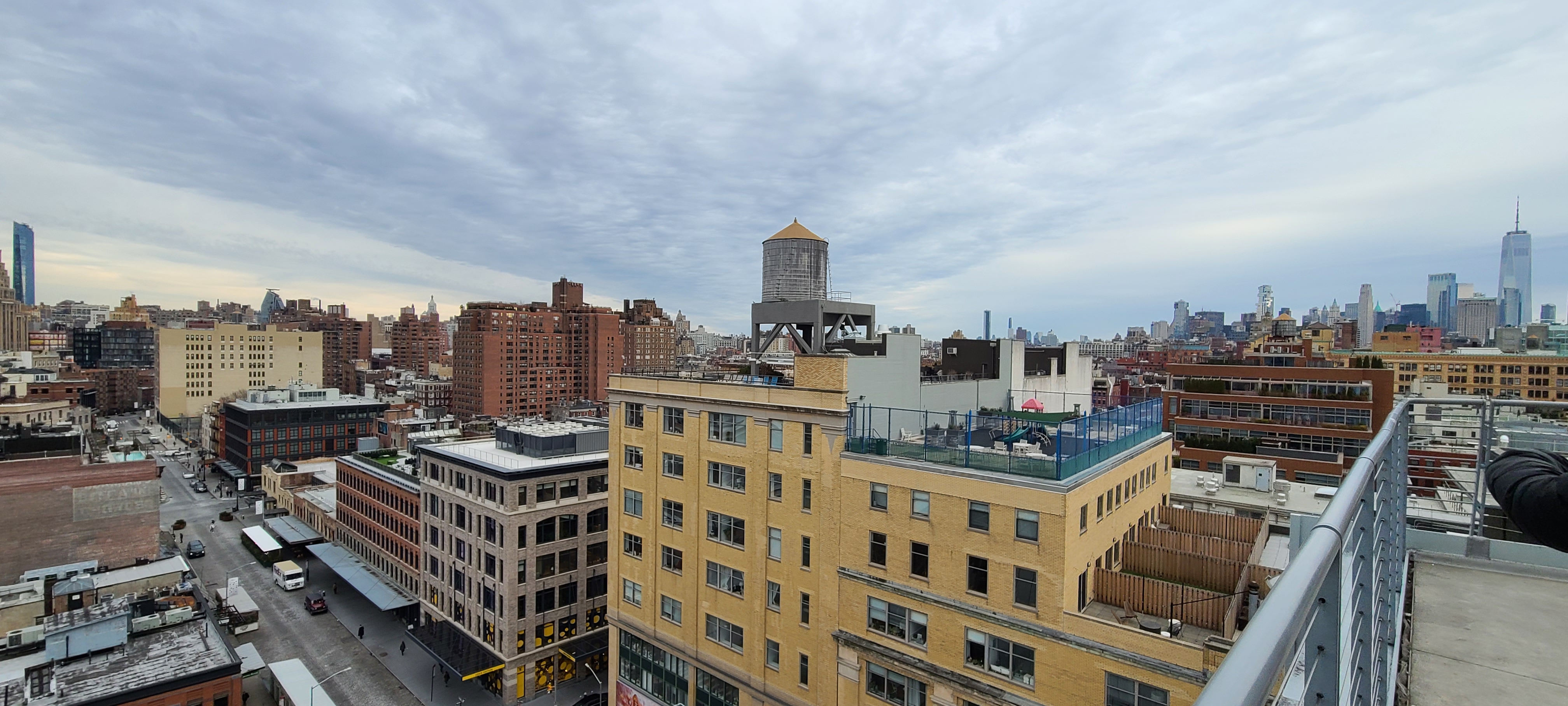
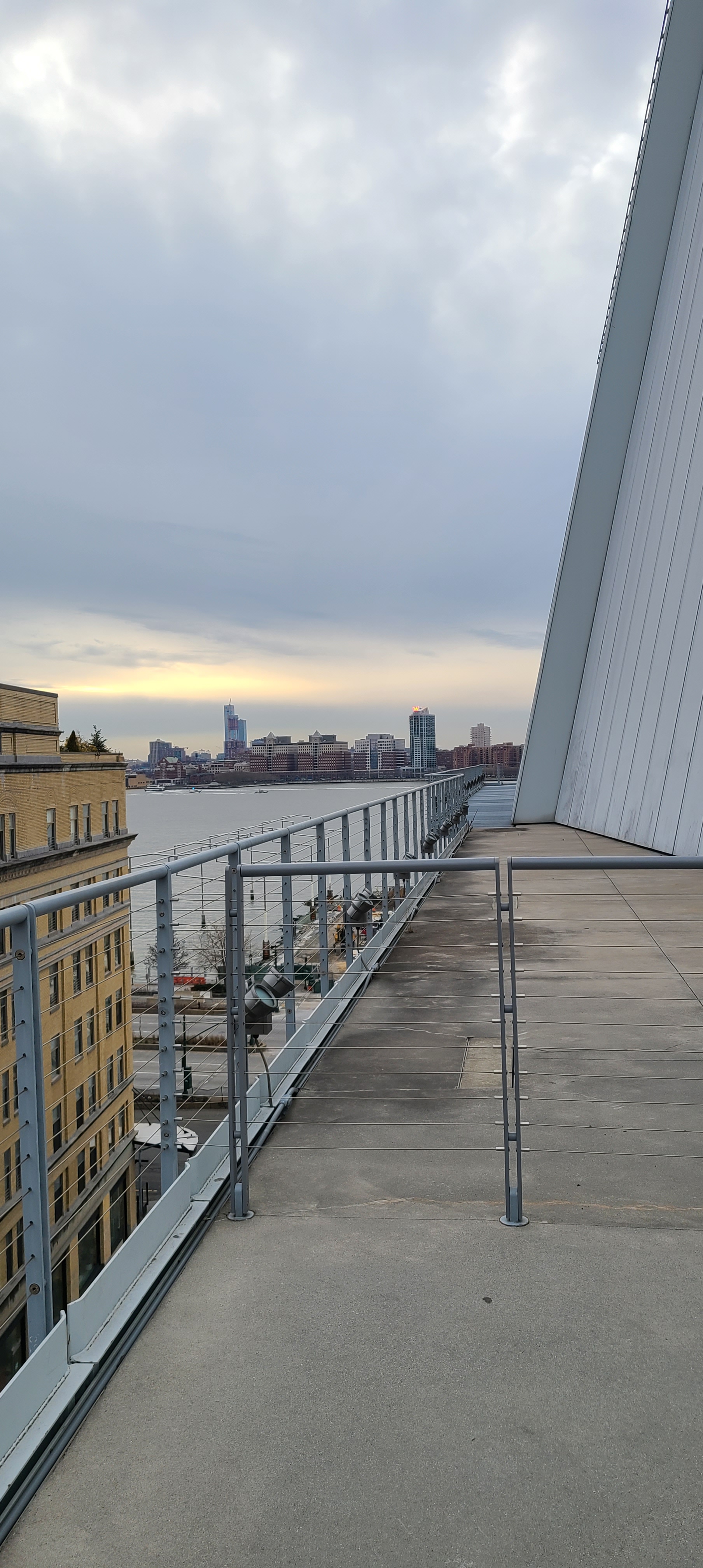
To enhance the exhibit even further, don’t miss the views of New York from the Whitney roof. Though it was freezing, Vicki and I ventured out there to see the sculptures and the views of New York that still look so much like the views Hopper saw. “Christa, we live here,” Vicki said to me. “We get to live here.” My heart was filled with gratitude for this city, this time with my dear friend, and for Hopper and Nivison Hopper whose visionary works endure.
On the Calm app, Matthew McConaughey reads a sleep story titled Wonder. In the earliest days of my cancer diagnosis and treatment, in the middle of the pandemic before vaccines when death tolls were skyrocketing, I waited for biopsy results and surgery. I would lie in bed praying for sleep, knowing cancer was in my body. I’d often wake up in the middle of the night—alone, afraid, and lost.
I would turn on Wonder, and Matthew McConaughey’s voice would help me escape from my panicked and fearful mind. I needed to build my own anchor, and that story one was of my tools. It features a 7-year-old girl named Zoe who loves dinosaurs, art, and the cosmos. Her stargazing grandfather is wise and kind, and lives on a lake. When Zoe can’t sleep because of her worries about the world and her future, he reassures her of the beauty and comfort we can find in the darkness if only we are willing to step into it with curiosity and courage.
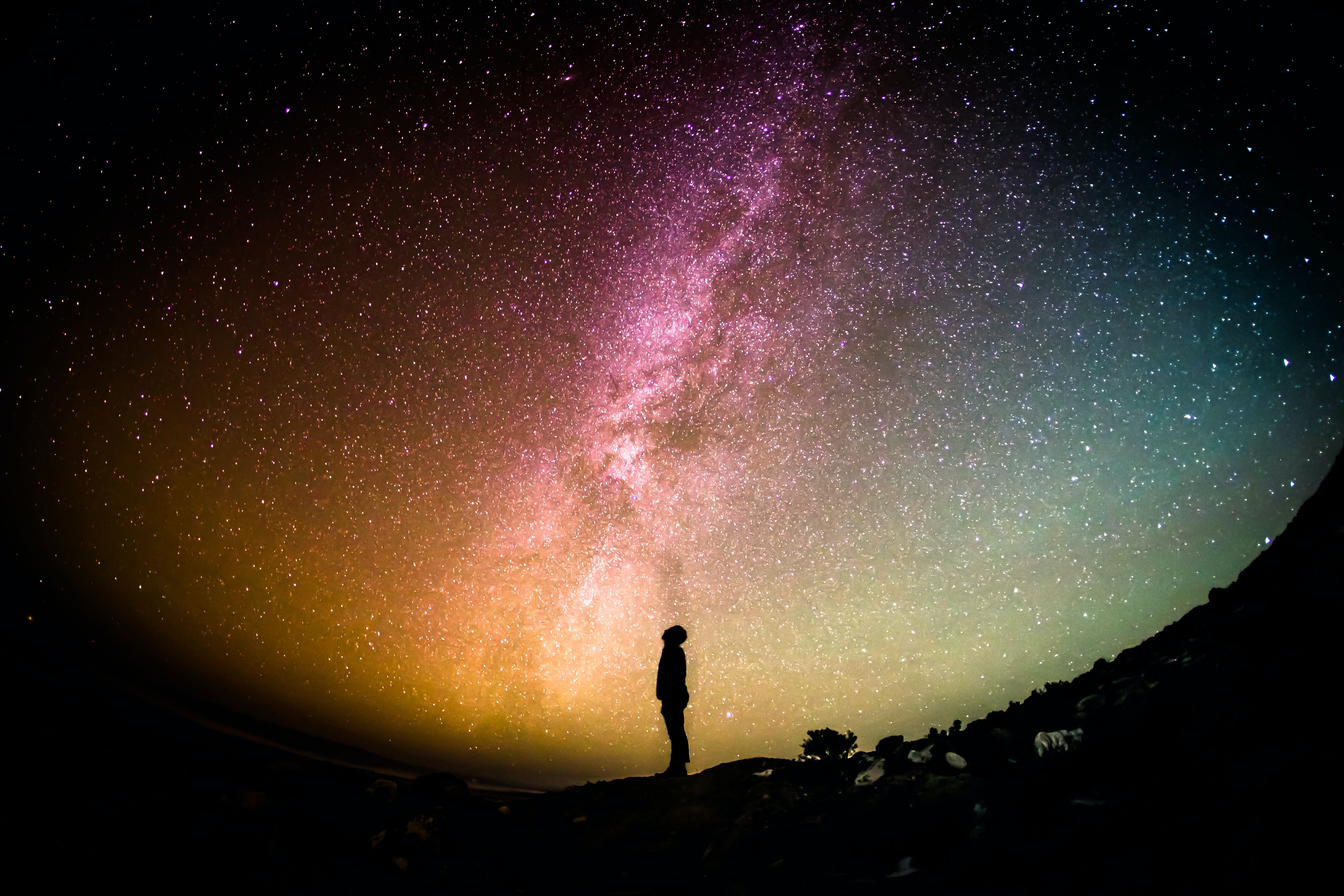
In those nights of drifting liminal space, caught in the sea of time between no longer and not yet, between living and dying, between this world and what’s next, Zoe, her grandfather, and Matthew helped me became limitless, fearless, and amazed. They kept the tiny light within me burning bright. Awe became my salvation.
I was Zoe, and her grandfather and Matthew were my guides. They reminded me again and again that in this moment, I was alive. “What might happen in the future can’t happen now,” they assured me. That truth was my North Star and I clung to it like the life raft that it was. I listened to this story so many times that I could recite it from memory.
Now, over two years cancer-free, I’m in the midst of re-imagining my future home and career. Recently I woke up in the middle of the night, concerned about what’s ahead. I listened to Wonder again for the first time in a long time. Again, as then, Matthew, Zoe, and her grandfather soothed my worried mind. They reminded me of how far I’ve come, how far we’ve all come, since those terrifying nights when, in the wise and timeless words of Ani DiFranco, self-preservation was a full-time occupation (and then some.)
When we are most unsure, we can be certain of this: if we can find something, anything, to help us hang on, there is so much beauty and wisdom to be gained in the struggle. Someday, our struggle and triumph will be the inspiration that helps someone else survive their own long night. That is reason enough to keep going—to have the honor of paying it forward.
I’m moving and looking for a new apartment. Yesterday I received my renewal lease – $2750 / month for 1 year, $2850 / month for 2 years. A $300 / month increase for 1 year, $400 / month for 2 years. This after they raised my rent $210 / month last year. Over a 20% increase over the course of 2 years, and I never got any kind of pandemic deal either. Time to find a new place. Even if they reduced it a bit, it’s still too much for me.
I’m sad to leave. I’ve been in this apartment for 6 years, the longest I’ve ever lived anywhere as an adult. I love my neighborhood and neighbors, and I really like the setup of my cute and quirky apartment. I love the park, and all the conveniences of this area.
This apartment has held so much for me. Over the last few years, I’ve dealt with a lot of heavy and difficult situations and emotions in this apartment. They’re part of my attachment to this place. Maybe this is a sign that I can let go of all that, turn the page, and move forward into a new chapter. I’m dreaming of a place loaded with natural light to start a-new.
So if you’ve got any leads on a great place for me and my very sweet old dog, Phin, I’ll take ’em!
1/3 of the global population plays video games. With engaging climate change storylines and content, video games have the potential to create billions of new climate advocates to protect the health of the natural world, and by extension the health of all beings including us. This is the topic of my first two academic papers at University of Cambridge. I got my mark and feedback on my first paper and my graders were very complimentary saying the paper was of professional quality and has a strong literature review and purposeful recommendations for the company to use going forward. They also liked the persuasive case I made for the value of hope and joy in climate activism.
This is the first time I’ve ever written a paper in this style of academic writing. My topic was unusual for them. I brought my heart and personality into the style and structure of the paper. They said that’s also an unusual choice for academic writing but it works. I wrote the paper I was passionate about creating, and I’m proud of it. I learned a lot in this process that I will use throughout the rest of my graduate degree program and in my career going forward.
A huge thank you to my friend, Jennifer Estaris, and the entire team at ustwo games for inviting me to be a part of this gorgeous video game project that brings me so much joy and hope, and has taught me so much. Thanks also to everyone who cheered me on as I spent more hours on this paper than I’ve ever spent on any one academic assignment.
Now I’m drafting the action plan for my next assignment and preparing for my next workshop in Cambridge in March. I can’t wait to be back together with my cohort in that magical place. On to the next tranche of this adventure with a grateful and open heart and mind…
I just completed a challenging jigsaw puzzle of Frida Kahlo that I started with my mom when she was here visiting last week. It got me thinking about dreams. All dreams are built by small pieces put together one after another after another. Small steps forward in a clear, focused direction. Tiny actions that each make the full picture clearer. The final product is greater than the sum of its parts.
Maybe in this start of the second month of 2023, you have dreams on tap, goals you’d like to achieve. Maybe these dreams and goals are so audacious and daunting that you don’t know where to begin. I often feel that way. Can I do this? Should I do this? What do I do first?
Step back. Take a breath. Break it down. What’s one small action you could do today, in the next ten minutes, that would help? Read a news article. Write a paragraph or draw a picture. Make a phone call. Send an email. Phone a friend. Say your dream out loud or write it on a post-it. Something. Anything. Every little thing is progress.
I’m working on a fun experiment right now that I haven’t told anyone about. I wrote down my idea and then came up with a few different actions to get me to step one. Yesterday, I sent a few emails to people who could possibly help me get some raw materials to put together a tiny prototype. It felt good to do something, to make one micro-dent on an outsized project. Once I get the raw materials, then I’ll work on some different ways to assemble these parts, and then I’ll ask a few friends to test out the prototype and let me know what they think.
I’m sure I’ll fail 100 times. That’s okay. The dream is big but the stakes are small. I’m beginning. I’m just trying something out to see if this idea has legs.
I hope you’ll join me on this journey of baby-stepping it. What’s your dream? What’s the one small thing you’ll do today to get yourself just a tad closer to realizing it? Let me know. Let’s cheer for each other and lift each other up along the way.
You stand in your kitchen, turn on the sink’s tap, and nothing happens. You have no water in your home despite the fact that you live on the banks of the Colorado River, one of the most valuable natural entities in the U.S. It’s not that there’s no water to be had. It’s that an investment banker in New York City sold your water to someone in Los Angeles who was able to pay more money than you.
Think that’s fiction? Think again.
Water profiteers of Wall Street Meet Water Asset Management, a New York investment firm located at 509 Madison Avenue between 52nd and 53rd Streets in midtown Manhattan. Founded by Matthew Diserio and Disque Deane, the company has purchased 2,500 acres of farmland in Colorado for $20 million over the last five years. The founders have no connection or love for Colorado. It’s just a financial transaction like any other except it’s certain to be highly lucrative due to climate change.
Mr. Diserio is quoted as saying water investment is “the biggest emerging market on earth” and “a trillion-dollar market opportunity.” He and his partners at Water Asset Management say their goal is to make water use more efficient. The truth: they intend to harness the water in the Colorado River and other areas like it, and sell it to the highest bidder — namely farmers and municipalities. Water Asset Management and other water profiteers like them are cashing in on climate change.
The situation in the West is so dire that the federal government pays land owners to leave their fields fallow and not use water. That’s a tragic loss for our food system. It’s an easy request and easy money for investment firms like Water Asset Management who have no interest in farming the land.
Solutions to water profiteering: renewable energy, drought-resilient crops, and legislation Though this current situation is both dystopian and predatory, it isn’t hopeless. Decarbonizing the grid and speeding the transition to renewable energy will help tremendously by reducing the incredible amount of water needed to refine oil. Shifting away from thirsty agricultural crops that toward those that require far less water to thrive would also help. Additionally, regenerative agriculture could be part of the solution to lowering water consumption. Food & Water Watch Research Director Amanda Starbuck has publicly spoken about this issue of the privatization of water, the need to stop it, and solutions to this crisis.
Given water’s vital role in all of our lives, Representative Ro Khanna (D-Calif.) and Senator Elizabeth Warren (D-Mass.) introduced The Future of Water Act in March 2022. “Water is a basic human right that must be managed and protected as a public trust resource,” it says. “Water should be affordable, easily accessible, and guarded from markets prone to manipulation and speculation.” In April 2022, it was referred to the Subcommittee on Commodity Exchanges, Energy, and Credit by the House Committee on Agriculture. Further action is pending. If passed, it would outlaw Wall Street’s speculation on water precisely because life requires water.
The fight for water, and the life it supports, is in its nascent days. As climate change progresses, the fight will get more aggressive if we don’t safeguard water rights now. To learn more, take action, and get involved to protect our natural world, visit Food & Water Watch, The Nature Conservancy, and the U.S. EPA.



























 Christa Avampato