
creativity

Macro Grid, Micro Power: The Two Frontiers of New York’s Clean Energy Transition

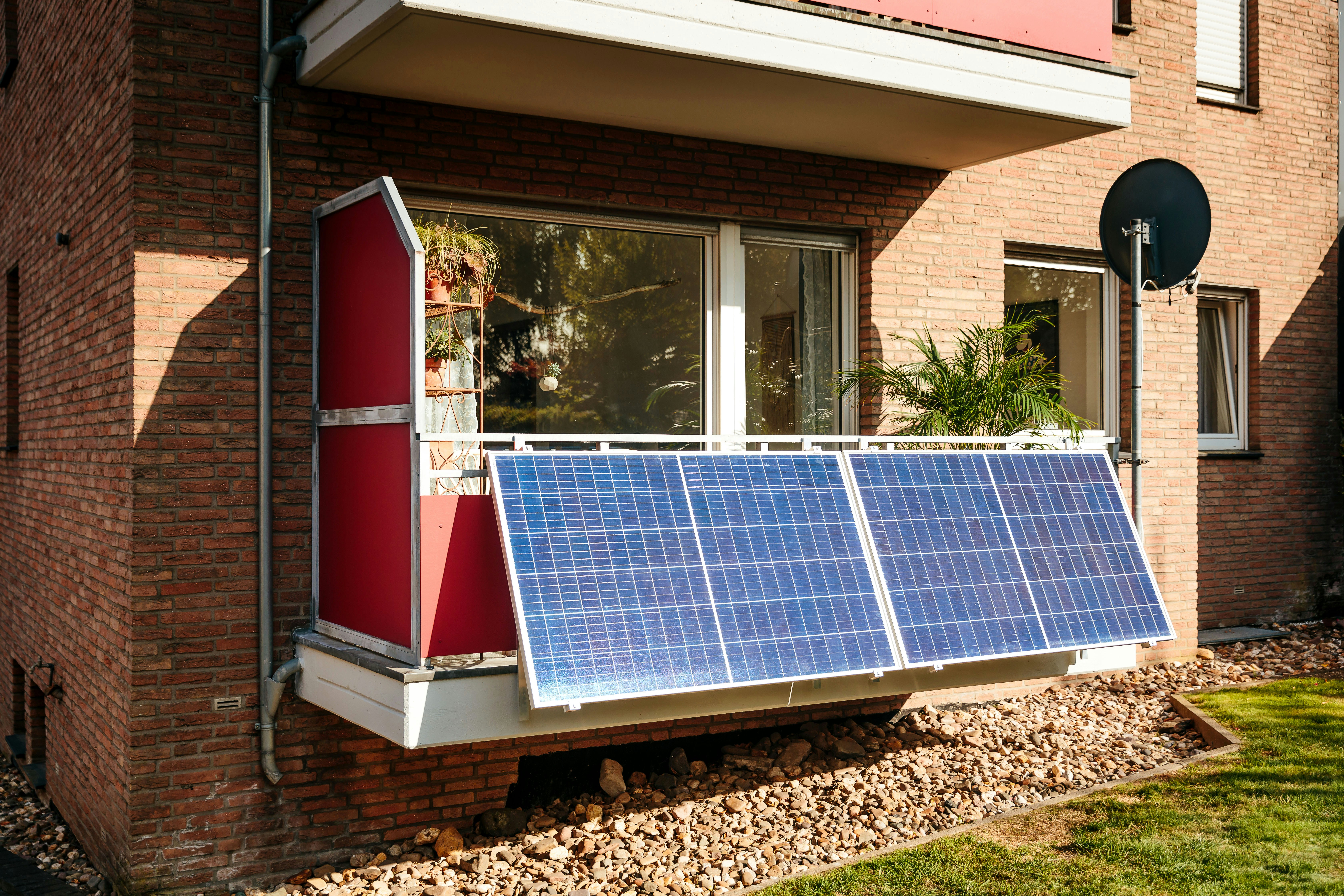
Balcony solar panels. Photo by Yuma Solar on Unsplash

We are currently watching the redrawing of New York City’s energy map from two opposite directions at the exact same time. One boundary is shifting hundreds of miles away in the Canadian wilderness; the other is moving right at your apartment window frame.

For decades, the city’s grid has felt like a massive, untouchable black box managed entirely from the top down. But as the climate transition accelerates, a fascinating dynamic is emerging: we are realizing that achieving true resilience requires a dual strategy—coupling massive, industrial infrastructure with hyper-local, decentralized community power operating at an individual apartment level.

Two recent breakthroughs show exactly how this macro-micro puzzle is coming together.

The Macro Frontier: The Deep Wire from Canada

This month, the energy landscape downstate underwent a monumental shift with the activation of the Champlain Hudson Power Express (CHPE). This 339-mile, high-voltage direct current line runs underground and underwater all the way from Quebec straight into Astoria, Queens.

This is infrastructure engineering on a massive scale, designed to funnel 10.4 terawatt-hours of clean Canadian hydropower directly into our local electricity market—enough to meet up to 20% of New York City’s entire energy load. Since the closure of the Indian Point nuclear plant, the city has leaned heavily on fossil fuel plants, causing local emissions to spike. The arrival of this deep wire is a vital macro-level act of mitigation, helping to displace those dirty peak plants and clean up the regional grid baseline.

The Micro Frontier: The Fight for Balcony Solar

But while the city hooks up to Canadian dams, a parallel revolution is brewing right on our brick facades. The state Legislature just passed the Solar Up Now NY (SUNNY) Act—the balcony solar bill—which is now heading to the governor’s desk.

Historically, participating in clean energy has been a luxury reserved for suburban homeowners with vast roof lines, leaving millions of apartment dwellers entirely shut out of the transition. The SUNNY Act flips this dynamic by allowing New Yorkers to legally hang small, portable solar panels from their windows or balconies and plug them right into a standard wall outlet without needing complex utility agreements.

These plug-in panels max out at 1,200 watts. They won’t power an entire building, but they allow everyday renters to generate their own green electricity to shave money off their utility bills. It turns passive energy consumers into active participants in the grid. Even ConEd has backed the bill, noting that these tiny, localized generation devices pose minimal risk to the broader infrastructure.

The Synergy of the Ecosystem

True urban resilience is built in the space between these two extremes. We cannot run a global metropolis solely on window panels, but we also cannot foster a culture of sustainability if regular citizens feel entirely disconnected from the systems that power their lives.

The macro grid gives us the foundation we need to survive; the micro panels give us the agency to be engaged in the decision-making process for our future.

The Togetherhood Takeaway

Building a clean future means looking at the energy transition as an ecosystem that requires both major public investment and local, individual action.

  • Track Your Baseline: Take a look at your next utility bill. As big projects like the Champlain Hudson line come online, pay attention to where your power is actually sourced and keep an eye on how the regional mix is shifting.
  • Watch Your Windows: Keep an eye on the progress of the SUNNY Act. If it signs into law, audit your own apartment’s sun exposure. Even a small window setup is a vote for decentralized energy independence.
  • Support Local Legislation: Change happens when state and local representatives push bills that democratize access to green technology. Call your representatives and remind them that climate policy needs to work for renters, not just property owners.

The future of energy isn’t just arriving through a massive pipeline in Queens—it’s also setting up shop on our fire escapes and windows.

creativity

Museum of the Dog and NYC’s Secrets & Lies Team Up to Give Knicks Fans Freebies on June 18th!

June 18th: Knicks parade, free admission to AKC Museum of the Dog, and a special storytelling show by NYC’s Secrets & Lies with free snacks, exclusive after-hours museum access, special guests, and raffle prizes!

NYC is PUMPED for the New York Knicks 🏀 parade on Thursday, June 18th! The AKC Museum Of The Dog and NYC’s Secrets & Lies are teaming up to do something special for Knicks fans because the Knicks love dogs – we’ve all seen the viral posts about Jalen Brunson, Josh Hart, and Kona & Stevie (Jalen’s pups!) 🐾🫶

🖼 The Museum of the Dog is offering free admission all day on Thursday June 18th from 11am – 6pm for everyone who wears any Knicks gear 💙🧡

🎤 Then at 6:30pm NYC’s Secrets & Lies is doing a special storytelling show all about NYC dogs! The show requires a ticket and along with the show you get:

🥨 Salty and sweet snacks

🏛️ Exclusive after-hours access to the museum

🐕 A rare chance to meet a real working transit dog and their handler who work the MTA subway every day

🎟 You’ll be entered into a drawing for 2 tickets to the American Kennel Club event Meet the Breeds
Where: AKC Museum of the Dog (101 Park Ave at 40th Street, Manhattan)

When: Thursday, June 18 at 6:30 PM

Info and tickets for the storytelling show: You can buy at the door of the museum or reserve in advance at https://museumofthedog.org/mc-events/good-dogs-of-gotham-the-working-dogs-who-built-new-york/

creativity

The Power Paradox: Can the AI Boom Force the Green Transition?

Illustration by Manuel Campagnoli on Unsplash

We are currently watching two seemingly unstoppable forces collide. On one side is the relentless corporate race to integrate artificial intelligence into every corner of our digital lives. On the other side is a fragile, aging energy grid and communities across the country that are refusing to let massive, resource-hungry data centers steamroll their neighborhoods.

The environmental toll of this digital gold rush is undeniable. A single AI query can use ten times the electricity of a standard internet search, and the data centers required to process these models require billions of gallons of water for cooling and unprecedented amounts of power. Trying to slow down this technological train feels nearly impossible.

But what if the sheer velocity of the AI boom is exactly what forces our hand? What if this crisis becomes the ultimate catalyst that forces tech giants and governments to finally accelerate the green energy transition?

The Corporate Collision Course

For years, tech conglomerates have enjoyed a sterling public relations narrative centered on ambitious net-zero carbon pledges. But the energy and resources demands of generative AI are obliterating those goals. To keep their AI systems running, these companies need power immediately, and they are quickly exhausting the capacity of our current infrastructure.

This is where the leverage lies. Tech giants cannot afford to let their AI ambitions starve for power, but they also cannot afford the reputational destruction of abandoning their climate goals to say nothing about the potential that these ambitions have to create more havoc on an already delicate planet. This paradox could force an unprecedented shift in corporate behavior: Instead of waiting for municipal utilities to green the grid, could tech companies put their massive balance sheets to work—directly funding utility-scale solar, wind, and geothermal projects to create the very clean energy they require and that would benefit people and the planet?

Friction Breeds Innovation

Local communities are proving that they are not passive backdrops for industrial expansion. From Virginia to Oregon, residents are organizing against the noise, land use, and water strain of new data centers.

This hyper-local resistance is creating a massive operational bottleneck for tech companies. When communities refuse to lie down, companies cannot just build bigger; they have to build smarter and they have to listen to these concerns to build partnerships with local residents. This friction could bring about a wave of structural innovation. Advanced liquid cooling systems that eliminate water waste, architectural designs that blend into local landscapes because they’re quiet and unobtrusive, and decentralized data centers that can operate on microgrids without straining the local town’s power supply would be wins for communities, tech companies, and nature.

Government action often lags until a system faces a breaking point. The sheer, unyielding demand of the digital race might be the exact pressure needed to force regulatory policy. Imagine a world where we have modern our grids that run on abundant clean energy and embrace radical efficiency.

The Togetherhood Takeaway

AI often feels like a runaway train, an inevitability. But it needs energy to operate. there isn’t any way around that. If we in the climate community flip the script, it could just be the lever that redirects its energy toward real, meaningful progress.

  • Audit the Corporate Promises: This week, look at the AI tools you use and research the climate pledges of the companies behind them. Hold them accountable to the idea that digital progress cannot come at the expense of ecological stability. Write to them. Call them. And call your reps to demand that they demand these companies keep their climate pledges intact, especially if they want to expand data centers in your city or town.
  • Support Local Demands: When communities near you advocate for stricter zoning laws and resource transparency from data centers, back them up. Local friction is the primary driver of corporate innovation. Show up at meetings and again, call your reps on the local, state, and national levels.
  • Advocate for Grid Modernization: The conversation around data centers is ultimately a conversation about our grid. Support regional policies that prioritize upgrading transmission lines and scaling renewable energy storage. Start with your local utility company. Contact them and find out what they’re doing.

We may not be able to stop the digital race, but we can demand that the machinery running it is built in a way that preserves the planet for all beings who call this home.

creativity

The AI Backstop: Erin Brockovich Maps Human Cost of AI Through Community Voices

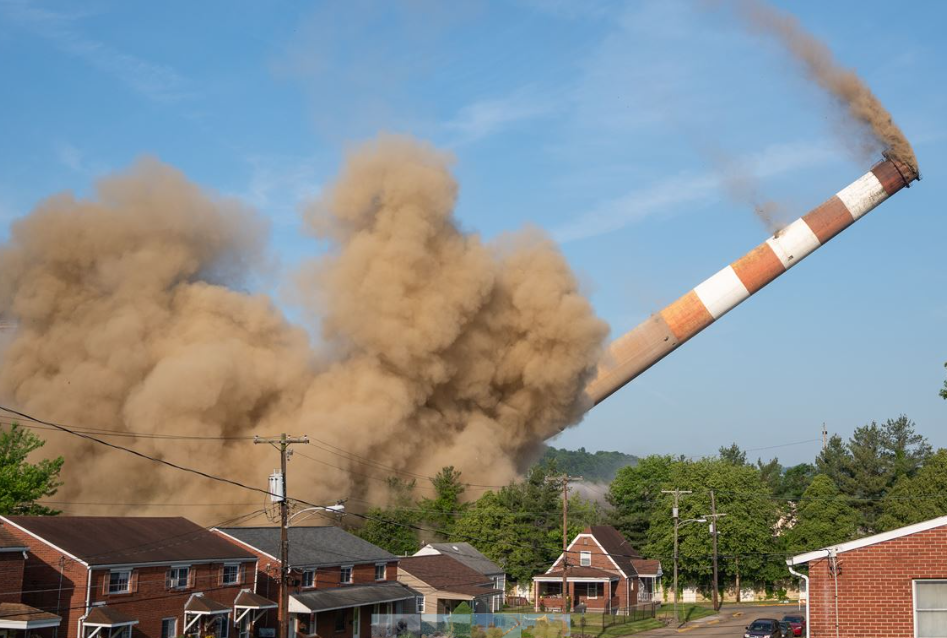
Smokestack collapses as an industrial site is demolished among residential homes. Community photo from Brockovich AI Data Center Reporting website: https://brockovichdatacenter.com/

We’re told the future is in the cloud. But the cloud isn’t an ethereal, weightless concept; it is a physical network of massive, energy-hungry data centers that require vast amounts of land and water to survive. As the race to build out artificial intelligence accelerates, these industrial hubs are quietly rewriting the landscape of rural and suburban communities across the country.

Often, the decisions to build these facilities happen in closed-door corporate and political meetings, leaving local residents to deal with the aftermath without having their voices heard and considered. The results: overburdened power grids that fail to provide for communities; strained water tables that bleed faucets dry; noisy cooling systems generating air pollution; a loss of jobs and decimation to the local economy. The list goes on and on.

To prevent these community voices from being lost or overlooked, environmental advocate Erin Brockovich is flipping the script. She launched Brockovich AI Data Center Reporting, a crowd-sourced mapping initiative designed to track the expansion of AI data centers through the eyes of the people who live next door to them.

Uniting the Collective Voice

Brockovich’s initiative isn’t about halting progress; it’s about establishing radical transparency to make sure the stories and concerns of communities aren’t sidelined by business and politicians. By creating a centralized map where community members can log the location, environmental impacts, and local concerns surrounding data centers, she’s turning isolated complaints into a powerful, unified database.

When a multi-billion-dollar tech company enters a small town, individual residents often feel powerless to ask for accountability. The company is big and powerful, and the individuals are made to feel small. But Brockovich knows data can be an equalizer. When communities unite their voices and aggregate their lived experiences onto a single map, they create a visible, undeniable record – the power of one amplifies with the power of many. They shift the conversation from corporate promises to real-world impacts to people.

The Reality of Local Agency

True sustainability cannot be achieved if we sacrifice the resilience of our local neighborhoods for the sake of digital expansion. Brockovich’s map is a tool for local agency. It reminds us that technology must serve human communities, not the other way around. By tracking these facilities together, people and communities ensure the human and ecological costs of our digital infrastructure are out in the open, where they belong. This projects makes the invisible visible.

The Togetherhood Takeaway

Resilience means refusing to let your local environment be managed entirely from the top down.

  • Check out Erin’s initiative, Brockovich AI Data Center Reporting: At her website for this initiative (https://brockovichdatacenter.com/), Erin has so many resources of information paired with ways you can take action right now. It’s the most comprehensive and actionable resource I’ve ever seen on this topic!
  • Look Beyond the Screen: This week, find out where the data centers that power your digital life are actually located. Are they concentrated in specific regions, and how is their resource consumption affecting local utility bills or water tables? you can start by looking at resources like https://www.datacentermap.com/ and click “Explore Map” to see how the data centers are clustered around the world.
  • Contribute to the Map: If you see data center expansion happening in your region, participate in crowd-sourced tracking initiatives like Erin’s. Sharing local data ensures your neighborhood’s reality is part of the national conversation.
  • Demand Transparency: When local officials debate zoning laws for new industrial technology, show up and ask the hard questions about long-term power and water usage. Contact your local official’s office to find out when these meetings are happening. Collective accountability starts with local inquiry.

The digital future is being built on real ground. We have a responsibility to protect our communities and all beings who call them home.