
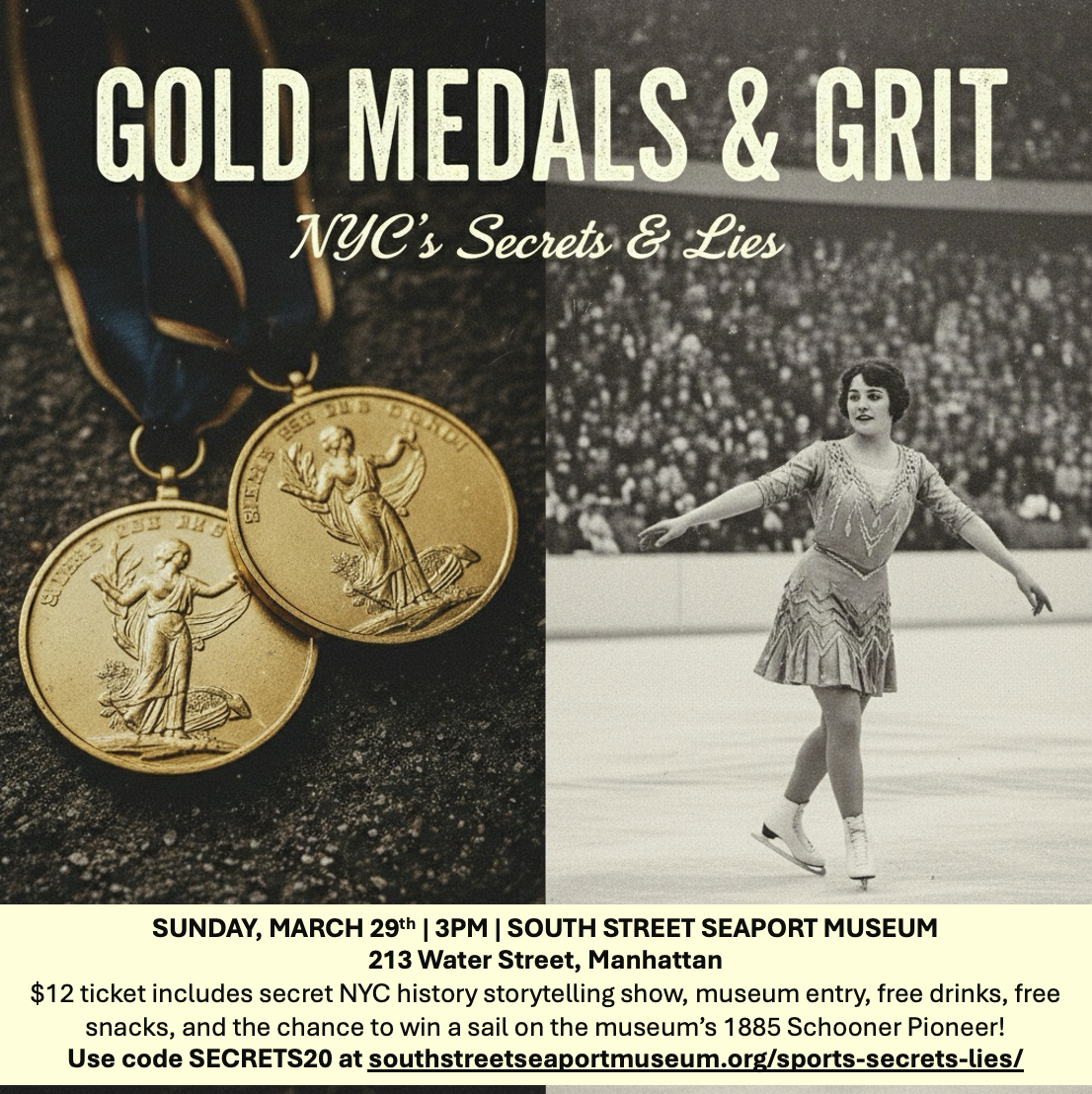
My NYC’s Secrets & Lies storytelling show is heading back to the South Street Seaport Museum on Sunday, March 29th at 3pm. Our first-ever afternoon show and first-ever weekend show. I would love to see you there and I’ve got a special deal available for you!
Buy your tickets at https://southstreetseaportmuseum.org/sports-secrets-lies/. Enter the code SECRETS20 after you put in your billing info and you’ll get the tickets for $12, which includes the show, museum entry, snacks, drinks, and the chance to win a sail on the museum’s 1885 Schooner Pioneer. Did you already buy your tix? Just let me know when you arrive and I’ll give you an extra set of lottery tickets for the prize drawing.
About this show’s theme and cast:
Keep the competitive spirit high with an afternoon of New York City’s most incredible secret sports history stories. We’re excited to dive into the grit and glory of the city’s athletic past, from legendary boxing gyms to behind-the-scenes at the NBA.
We’ve got two special guests for this show (also a first for us!) and they are two elite sports history experts: renowned photojournalist Arlene Schulman, who spent years documenting the raw world of NYC boxing, and Gina Antoniello, Academic Director at NYU’s Tisch Institute for Global Sport and a pioneer in professional sports communications. They will share unbelievable, firsthand accounts of how they broke barriers in NYC sports alongside other rising stars.
Then, the game is on! Public historian Alexa Rast and I will face off in a high-stakes battle, trading increasingly wild mini-stories from NYC’s sports history. All are true—except for one. Can you spot the masterful lie to win an exclusive prize – a sail on the Seaport Museum’s 1885 Schooner Pioneer?
We’ll have plenty of light bites and drinks on hand, included in your ticket. After all, what’s a sporting event without a snack?
I hope you’ll join us on Sunday at 3pm!
Month: March 2026
The Blueprint of Return: What Rewilding Teaches Us About Community
March 20th marks the spring equinox and World Rewilding Day. Around the globe, conservationists and community leaders are celebrating this year’s theme: Choose Our Future.
We often operate under the assumption that we have to engineer our way out of every crisis. We build concrete seawalls to stop flooding and pour chemicals into the soil to force crops to grow. But the rewilding movement offers a radically different approach to leadership and resilience. It suggests that nature already holds the solutions. When we step back, relinquish a little control, and restore the natural balance, the ecosystem heals itself.
We can see this extraordinary transformation happening right now across diverse landscapes and communities.
The Affric Highlands In the central Highlands of Scotland, a groundbreaking, community-led coalition is leading the largest rewilding project in the United Kingdom. For centuries, intensive grazing and logging severely depleted the region, fragmenting the ancient Caledonian pinewoods.
Instead of forcing a heavily engineered recovery, the Affric Highlands project focuses on natural regeneration across 200,000 hectares of land. A diverse group of local landowners, businesses, and volunteers work together to remove barriers and simply allow native birch, rowan, and alder to reclaim the bare hillsides. As the trees return, so do the red squirrels, golden eagles, and black grouse. They are proving that large-scale nature recovery works best when deeply rooted in local collaboration, creating a landscape where both the wildlife and the rural economy thrive together.
The Naval Cemetery Landscape Rewilding does not require thousands of acres; it happens in the densest urban environments. Right here in Brooklyn, a forgotten piece of history recently experienced a profound ecological rebirth. For almost a century, a plot of land at the Brooklyn Navy Yard served as a hospital burial ground before the military decommissioned it.
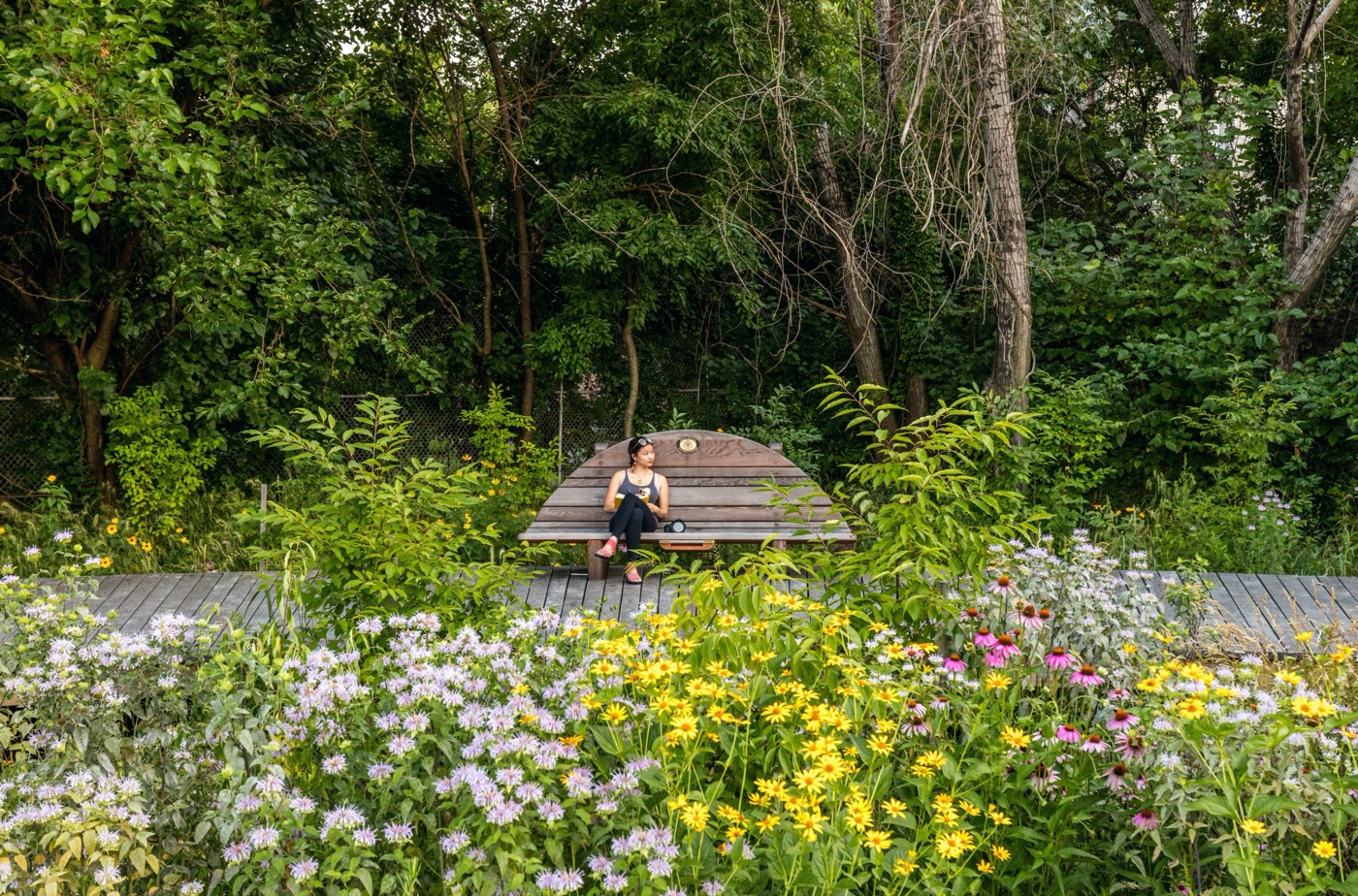
Instead of paving it over for commercial development, the Brooklyn Greenway Initiative transformed the site into the Naval Cemetery Landscape. They planted a 1.8-acre meadow teeming with over fifty native plant species like milkweed, asters, and switchgrass. Today, this formerly restricted land is a public haven buzzing with native bees, moths, and migratory birds. A raised wooden boardwalk allows visitors to experience the vibrant ecosystem without disturbing the soil. By bringing abundant life to a space that memorializes the dead, the community created a powerful sanctuary honoring the cycles of nature.
The Saw Mill River Daylighting In Yonkers, New York, city planners buried the Saw Mill River under a concrete parking lot in the 1920s. For nearly a century, the waterway vanished from the community. Recently, a coalition of residents and environmentalists championed a daylighting project to tear up the concrete and bring the river back to the surface.
Today, a thriving aquatic ecosystem runs right through the downtown plaza. American eels, snapping turtles, and migratory birds returned almost immediately. Uncovering the river revitalized the local economy and proved that removing artificial barriers allows life to rush back in with incredible speed.
The Snowchange Cooperative In Finland, decades of industrial peat mining severely damaged the boreal forests and wetlands. A network of local villages and Indigenous Sámi communities formed the Snowchange Cooperative to buy back the degraded land and restore it.
They block the old drainage ditches and allow the water to flood the peatlands once again. This simple act creates vital habitats for nesting birds and traps massive amounts of carbon. They combine traditional ecological knowledge with modern science, showing that the people who live closest to the land are often its most effective healers.
Green Forests Work Across the Appalachian region of the United States, legacy coal mining left behind millions of acres of compacted, barren land. Traditional reclamation simply planted non-native grasses, creating ecological dead zones.
An organization called Green Forests Work takes a completely different approach. They use heavy machinery to deliberately rip up the compacted earth, loosening the soil so water can penetrate. Then, volunteers plant native hardwood trees like American chestnut and oak. By breaking up the hardened surface, they allow a diverse, native forest ecosystem to replace an extractive wasteland.
The Togetherhood Takeaway Rewilding is more than an ecological strategy; it is a mindset for community building.
When we look at our own neighborhoods, our workplaces, and our creative projects, we often try to force outcomes. We exhaust ourselves trying to micromanage every detail. Rewilding teaches us to focus on the environment instead. When we cultivate healthy soil, encourage diversity, and remove the toxic barriers, we do not have to force growth. It happens naturally.
This spring, consider how you can rewild your own life. Plant native species in your window box. Support local ecosystem restoration projects. If you have a lawn, let it grow wild and free – better for you and better for the planet. Give yourself permission to grow, thrive, and create joy even in times of difficulty. Save room in your life for the unexpected and the not-yet-imagined. Be a joiner and link arms with those around you. Nature teaches us that when we uplift others, we create the conditions for everyone to rise together.
The Power of Local: How Community Energy Builds Global Resilience
The news cycle frequently reminds us how fragile our extractive energy systems truly are. When we rely on distant supply chains and volatile markets to power our homes, a disruption on the other side of the world immediately impacts our local stability. We tether our daily lives to global anxieties.
But true energy independence looks entirely different. It comes from making nature an ally.
When we build symbiotic systems that harness the sun and the wind, we stop relying on extraction and start cultivating true resilience. Renewable energy does more than lower carbon emissions; it insulates our communities from global market shocks. The sun does not care about international borders, and the wind does not respond to market panic. They simply provide.
Across the country, communities are already proving that the best way to weather a global storm is to build a strong local energy ecosystem.
Sunset Park, Brooklyn
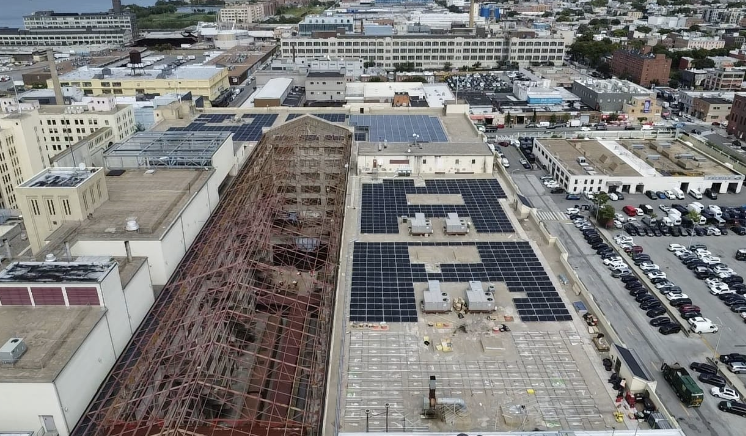
Right in our own backyard in Brooklyn, a grassroots organization called UPROSE is transforming the industrial waterfront. They spearheaded the creation of New York City’s first cooperatively owned community solar project on the roof of the Brooklyn Army Terminal. This massive solar array—a system that links hundreds of individual solar panels together so they function as one unified power plant—provides discounted, clean energy to approximately 150 local households and small businesses. Instead of traditional corporate ownership, UPROSE and the developer Working Power co-own the system alongside the community. They direct the revenue generated by the array into a community wealth fund, allowing residents to finance additional local projects based on their own priorities. This structure empowers Sunset Park residents to vote on spending the profits, such as funding additional local solar initiatives. Instead of waiting for top-down solutions, the neighborhood is building its own climate resiliency and keeping the economic benefits firmly rooted in the community.
Shungnak, Alaska
Inside the Arctic Circle, the remote Iñupiat village of Shungnak historically relied entirely on shipped-in diesel fuel to run its generators. This dependence made energy incredibly expensive (sometimes as much as $15 per gallon) and vulnerable to supply chain issues. Recently, the community installed a hybrid microgrid featuring a 225-kilowatt solar array and an advanced 384-kilowatt-hour lithium iron phosphate battery system. These batteries are grid-forming, meaning they seamlessly take over the electrical load without a flicker. They provide a safer, longer-lasting alternative to standard lithium-ion options. This technology allows the village to completely shut off its diesel engines for hours at a time during the long summer days. The community has recorded stretches of up to 11 straight hours running purely on solar and battery power. The system saves the community 15,000 to 25,000 gallons of diesel fuel annually. This translates to well over $125,000 in savings each year, bringing true energy independence and resilience to the region. This project won Solar Builder Magazine’s Project of the Year Award.
Buffalo, New York
Upstate in Buffalo, New York, a non-profit called PUSH Buffalo transformed a vacant 1927 public school building into a thriving community hub. The renovated School 77 now houses 30 affordable senior apartments, a neighborhood gymnasium, and a local theater company. They installed a 64-kilowatt community-owned solar array on the roof to supply energy to the local grid. PUSH Buffalo offers the resulting energy credits directly to the buildings low-income tenants at a steeply discounted rate compared to the standard utility company. Furthermore, the tenants engage in a participatory budgeting process to decide exactly how to spend any excess revenue generated by the system. While they initially lacked the funding for battery storage, PUSH Buffalo actively plans to add this capacity. This future upgrade will officially turn School 77 into a microgrid and resiliency hub during extreme weather conditions.
The Togetherhood Takeaway These communities are not just changing how they get their power; they are fundamentally changing their relationship with the natural world. They are moving from an extractive model that leaves them vulnerable, to a symbiotic model that makes them remarkably strong.
When we make nature our ally, we stop being passive consumers of a fragile global market and start becoming active builders of a resilient local ecosystem that benefits all beings who call it home.
Taking Action in Your Own Ecosystem Building a resilient local grid starts with small, deliberate steps, and you do not need to own a roof to participate. Here are four ways to start cultivating energy independence in your own community right now:
- Find a Community Solar Farm: Platforms like EnergySage allow you to enter your zip code and find local solar arrays looking for subscribers. You simply connect your utility account and start powering your home with local sun, often at a discount.
- Join a Solar Co-op: Organizations like Solar United Neighbors help neighborhoods band together to bulk-purchase solar installations, driving down costs and building collective community power.
- Support Energy Democracy: Groups like WE ACT for Environmental Justice and the Institute for Local Self-Reliance provide incredible blueprints for advocating for equitable energy policies in your city.
- Advocate Locally: Connect with local chapters of the Climate Reality Project to organize around local infrastructure changes and demand clean energy investments from your elected officials.
Unleashed: How I Used AI to Find Affordable Acupuncture for Cancer Care Relief
On Monday, I felt like I walked through a portal into a different world. Not through a book or movie, but in real life. This is a story about determination, the power of technology to improve our health, and the desire to heal through a combination of Eastern and Western medicine.
The Long Tail of Cancer Treatment
When I went through ACT chemo, a notoriously difficult treatment, I received acupuncture with Ryan Smith after every round. I responded exceptionally well, experiencing fewer side effects than most because of acupuncture. Now five years into cancer survivorship, I face a lot of daily side effects that I need to manage: fatigue, pain, anxiety, hot flashes, insomnia, and weight management are just a few of them. In August, my med regimen changes because I am (thankfully and gratefully!) five years out from active treatment and disease-free. Med changes are frightening for me because when I transitioned from ACT chemo to Taxol, Taxol nearly killed me twice. It turns out I have a deathly allergy to it and I received dense-dose treatment. So, add that to my anxiety load.
I knew acupuncture could help with these side effects and ease my August med transition. However, the cost of regular individual sessions has gotten prohibitive in NYC, where I live. I searched relentlessly for an acupuncturist skilled at cancer survivorship who also took my insurance. I came up empty-handed every time. For years, I heard the common refrain: acupuncturists do not take insurance. Stop looking, bite the bullet, and pay the small fortune as an investment in your health.
And then I tried one last time. I called United Healthcare, my insurance company, to ask if I could submit partial reimbursement for anyone in their network. The agent came back with something even better: a list of medical doctors practicing acupuncture in my insurance network. I was floored. And then I immediately assumed the experience would not match the care I received from Ryan during my chemo days.
Hacking the System with AI
I popped the list of providers into AI, explained my needs, and asked if it could identify a doctor who met my criteria. AI returned one name and identified the perfect provider for me: an MD, MPH, and acupuncturist who takes my insurance, conveniently located in midtown Manhattan at NYU Langone (where I already get all my medical care) with stellar reviews of 4.8 out of 5 stars after almost 3,000 patient ratings. Rather than paying almost $200 per session, I will pay my $40 co-pay. My mouth fell open. Could this be the diamond I searched for all these years?
I went in for my consultation a month ago, and in 15 minutes he showed me exactly how acupuncture could alleviate my side effects because they all stem from my body’s structure. I wrinkled my forehead. Structural? He explained the radiation I received on my left side essentially split my body in half, tightening my entire left side from my neck to my toes, which directly contributed to my symptoms. Through a few quick mobility tasks, he demonstrated that the strength and flexibility of my right and left sides were so different it felt as if I was two different people. All of that tension originated from the radiation on my left side, causing my left shoulder to tighten and roll forward compared to my right. Acupuncture, over time, could unblock all of that, allowing us to reteach my left side how to stay open.
I told him I believed completely in the power of acupuncture, and he said I did not have to believe. I will actually see the effects after every session. We do mobility tests before the treatment, and then we repeat the mobility tests afterward.
The Moment of Release
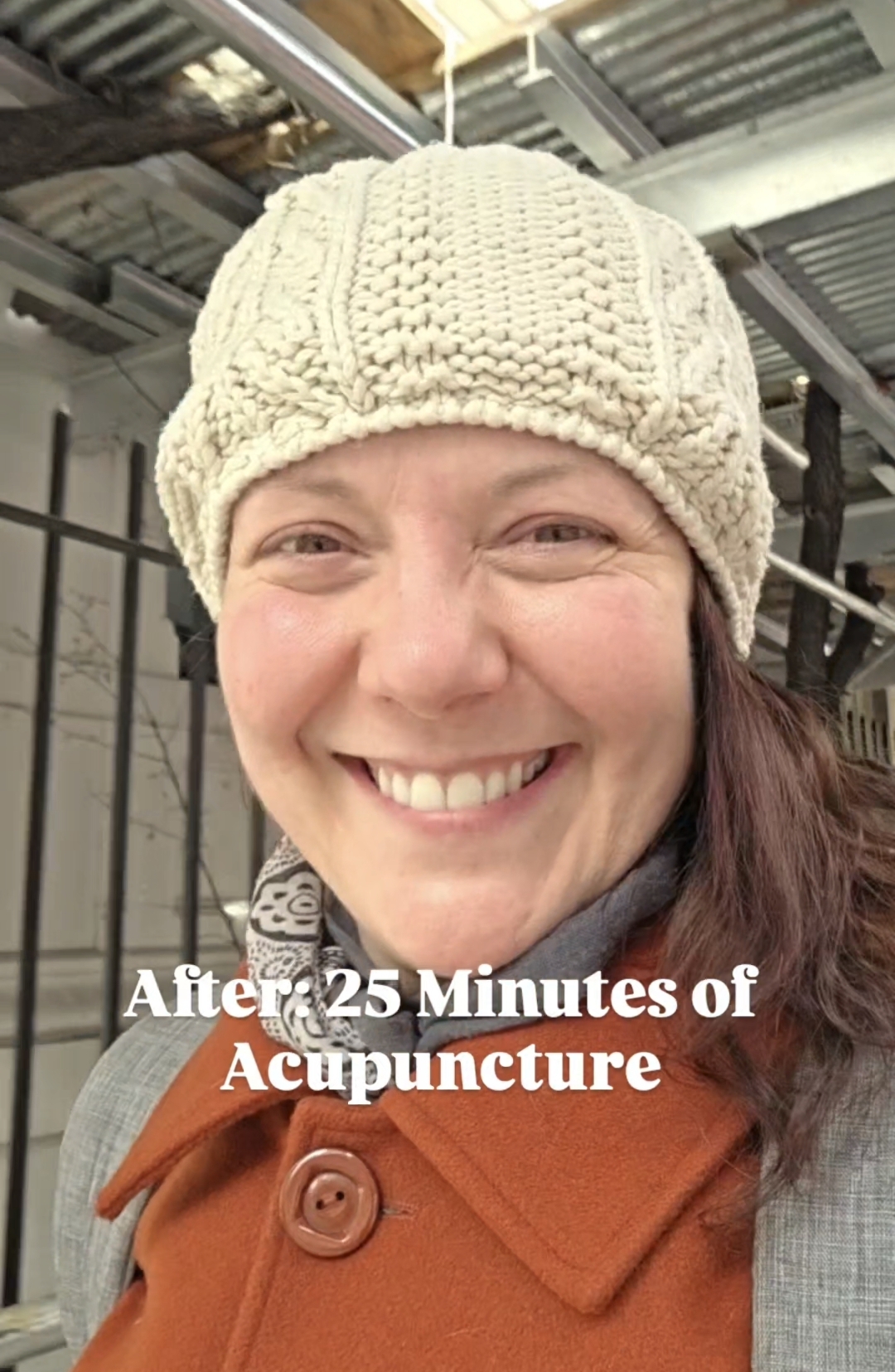
On Monday, he combined acupuncture, heat, and electrode stimulus for my first session. My body accepted the treatment so readily that my left side was actually freer than my right side post-treatment. Even he was surprised at how much my body wants to heal. That release lasted for about 72 hours. Not bad for being crunched for five years. As I left the office, I felt my life begin to shift. I felt unleashed.
What Comes Next
Our plan includes weekly sessions for four weeks. Then we will re-evaluate. We also plan to try a few other complimentary treatments, including a saline drip he developed to release the layers of fascia in my scar tissue from one another. I cannot wait to see what lies ahead, and how healing myself will help heal the world around me. And I cannot wait to share it all with you.
The Blueprint of Reinvention: What Nellie Bly Teaches Us About Leadership
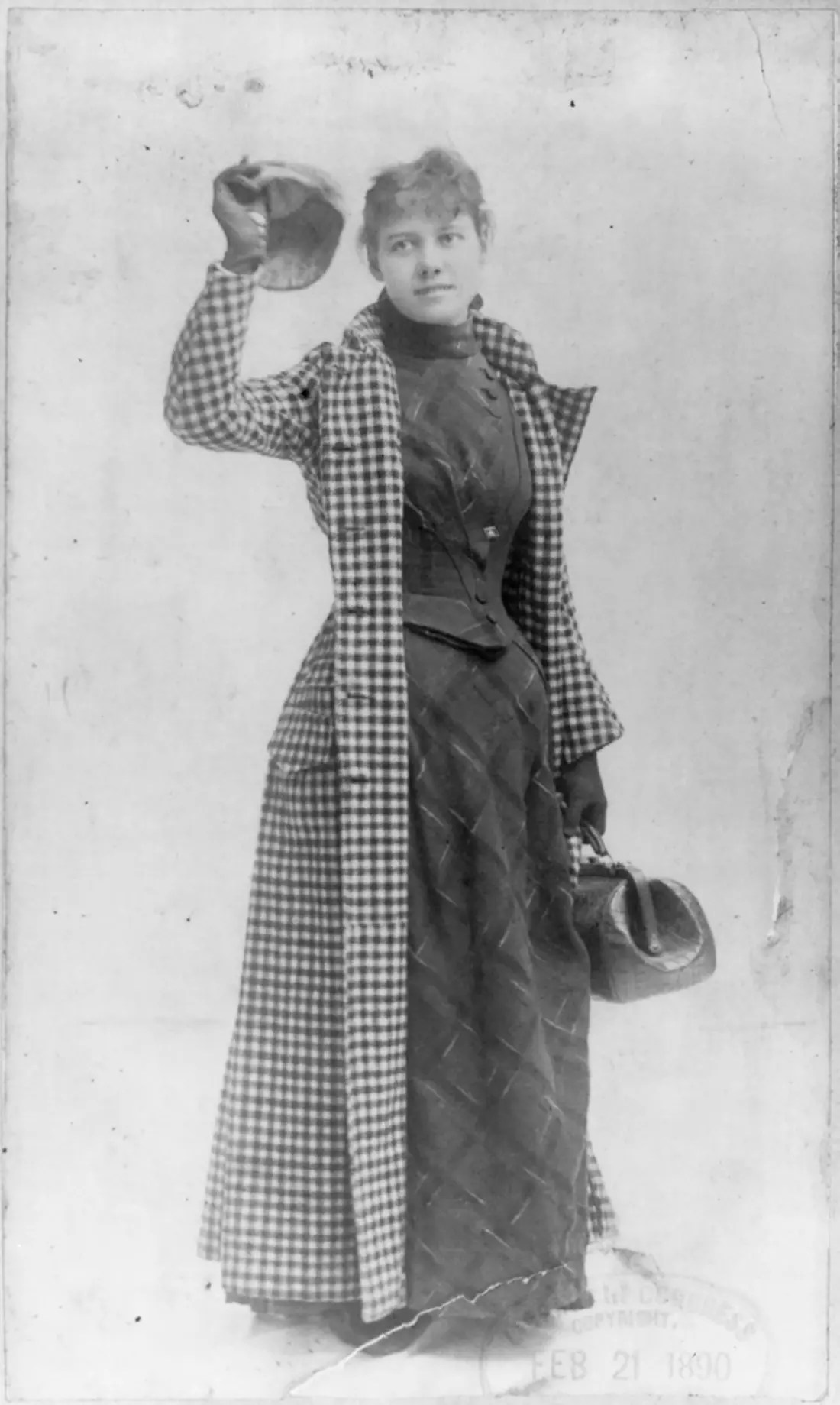
At the top of Women’s History Month, there’s no shortage of women who’ve shaped business in every sector and shown us the economic and human value of heart-centered leadership. When I think of women who’ve given us an example of women who can do anything, the first woman I think of is Nellie Bly.
History often paints Nellie Bly as a two-hit wonder. We know her as the fearless 23-year-old who invented investigative journalism by tricking police into committing her to the Women’s Lunatic Asylum on Blackwell’s Island. She spent ten days there uncovering the abhorrent conditions and unethical reasons women were being imprisoned there. She wrote the exposé that sparked grand jury investigations and reformed mental health care.
We also know her as the 25-year-old who set out to beat a fictional record, traveling around the world alone in just 72 days with nothing but the dress on her back, a coat, and a single handbag the size of a toaster oven.
But at 25, Nellie Bly was just getting started. Over the next six years, she wrote 13 novels and three nonfiction books. Her most radical acts of leadership were still to come.
Leading with Care and Building an Ecosystem At 31, she married Robert Seaman, the millionaire owner of the Iron Clad Manufacturing Company. She retired from reporting to run his Brooklyn factory. She refused to be a mere figurehead; she rolled up her sleeves, learned to weld, and racked up 25 patents to her name.
When her husband died ten years later, the world expected her to become a quiet Gilded Age widow. Instead, at 41, she fully took control of the company and completely changed how a business cares for its workers.
She built her 1,500 employees an on-site gym, a bowling alley, and a library. She became the first person to pay a living weekly wage instead of paying people by the number of pieces they produced on the line. She knew if she treated people well, they’d be happier, more productive, and more loyal. She took care of her people, and she proved that a business thrives when it nourishes the ecosystem that supports it.
Doing the Work That Needs Doing Her trusted managers eventually betrayed her. They forged her signature and spent nearly ten years bleeding her dry, stealing millions. When she caught them, she went to war, spending years in one of the most bitter and expensive legal battles in New York City history. She refused to let them get away with what they did to her and her workers, ultimately losing her fortune, her factory, and her home in the fight.
By age 49, she was broke.
She didn’t have a mid-life crisis; she created a mid-life conquest. Determined to revive her business, she packed her toaster-oven-sized handbag and sailed for Europe just before her 50th birthday to find a financial backer.
World War I broke out days after she landed in Austria. She didn’t head for a bomb shelter. She saw a job that needed doing, talked her way onto the Eastern Front, and became the first woman to report from the trenches. The military even arrested her as a British spy for getting too close to the gunfire. She told the officers they were doing their jobs poorly, filed her dispatches, and kept moving. She never carried literal or emotional baggage; she took what she needed, left the rest behind, and moved faster than anyone else of her era.
A Legacy of Action Returning to New York at 55, she took a job writing a newspaper column and used it to launch an adoption bureau, placing hundreds of orphaned or abandoned children into homes. She personally vetted parents to prevent fraud and abuse, demanding high standards for the welfare of the children.
At 57, Nellie Bly got pneumonia and died in NYC. She wasn’t a millionaire anymore, but she was still telling stories, giving a voice to the voiceless, and terrifying corrupt politicians by standing up, speaking out, and writing about all of it. She effectively used storytelling as a form of social activism, forcing city officials to address the suffering of marginalized people including women, people with mental illness, and children.
The Togetherhood Takeaway We often view our careers as linear paths. Nellie Bly proves our lives have chapters, and they can all be fulfilling. You can be an undercover reporter, an inventor running a factory, a war correspondent, and a social justice advocate all in one lifetime.
If we’re in the midst of reconsidering our careers and the value of our work, Nellie Bly’s story holds valuable examples for all of us. When we look around and see work that needs doing, we can step up and make it happen. When we see someone who needs help, we can be that support. When history places us in circumstances to be of service, we can serve.
Nellie Bly teaches us our prime isn’t a decade; it’s a mindset. We always have agency; we always have the choice to use what we have, where we are, to do the most good that we can.
How I’m celebrating my birthday all month
My birthday is on March 17th – St. Patrick’s Day. 🍀 While I love to see all the decorations and parades, it unfortunately makes going out on my actual birthday a little… messy. So, I choose to celebrate the entire month of March and fill it with joy.
Though some people bemoan getting older, I never do. I know many people who never had the privilege to get older. I almost didn’t either. I’m so grateful to get every minute of this life. I love my birthday, and truthfully I’m so happy to get every day that each one feels like my birthday.
This year, I put together a list of things I’d love to do this birthday month. It’s mostly a list of things I’ve never done before and places I’ve never been. Most of them have been on my list for a long time and I want to mark my birthday by weaving them into the fabric of my life. Some are free. Some are paid. Some are simple. Some are more elaborate. Some are on specific dates and some can be done at any time, or when weather permits.
Have you done any of these things? Are there any I missed that you would add? I’d love your input and ideas.
Here’s the list (so far!) in no particular order:
- The Morgan Library visit (Free Fridays with music)
- Roosevelt Island Tram ride
- A Gratitude Walk in Central Park / Prospect Park (Maybe March 20th – the start of Spring)
- Jim Dale storytelling show (March 9th)
- See Six on Broadway
- Lincoln Center show (March 11th)
- Walk across the Brooklyn Bridge with a bagel and coffee
- ARTECHOUSE visit
- Spa day at World Spa in Brooklyn
- Japan Village in Industry City
- Tea at Brooklyn High Low
- Queens County Farm Museum
- Cooking class – would love suggestions!
- NYC’s Secrets & Lies show at Seaport Museum (March 29th)
- Ghost tour – would love suggestions!
- Catacombs under St. Patrick’s Old Cathedral
- Pizza (See No Evil underground at 50th Street; Arthur & Sons; Roey’s; Paul Gee’s; Williamsburg Pizza)
- Brooklyn Grange tour – they do yoga there, too
- AIA New York Architecture tour by boat
- Go to a reading party with Reading Rhythms
- Ford Foundation garden
- Go to Nonna’s of the World Restaurant
- The NY Earth Room – 141 Wooster Street, New York. The “Broken Kilometer” in SoHo – sister installation to the Earth Room. It’s 500 polished brass rods in a silent, high-ceilinged room. It’s a space designed for pure contemplation. Both are free, silent, and very powerful.
- Paloma the Bakery
- Lectures on Tap (March 24th)
- Redecorating my apartment
- Raphael exhibit at the Met Museum (March 29th)
- See a movie at Rooftop Cinema Club
- A class at Brooklyn Brainery
- A dining oasis inside the 50th Street 1 Station with a cozy cafe Tiny Dancer, craft cocktails at Nothing Really Matters, and See No Evil’s excellent pizza.
- Hilmalayan Salt Cave and Red Light Sauna at FloLo Holistic
- Mani / Pedi
- Acupuncture sessions – started on March 2nd
- Ellicottville visit (Feb 27th – March 1st)
- Spend an hour at a beautiful library (like General Society of Mechanics and Tradesmen on 44th St or The New York Public Library’s East Room) writing a letter to my future self to be opened in 10 years.
- Candlelight Concert at the Church of the Heavenly Rest featuring the best works of Hans Zimmer (Interstellar, Inception, The Lion King). (March 20th)
- Ophelia Lounge’s “Luminosity” – Located at the top of the historic Beekman Tower, this lounge is currently doing an installation called Luminosity. They have filled the space with 1,000 flickering candles and projections of the Northern Lights. It’s quiet, incredibly beautiful, and feels like a literal “temple” to the city.
- “First Light” at Pier 3. Grab a coffee and go to Pier 3 in Brooklyn Bridge Park. It has a “labyrinth” garden made of hedges and is one of the best spots to watch the sun hit the Manhattan skyline.
- Electric Lemon’s Terrace: Perched on the 24th floor in Hudson Yards, this terrace has a massive Jaume Plensa sculpture and incredible, unobstructed views of the Hudson River. It’s much quieter than the nearby “Edge” and feels very sophisticated.
- The Staple Street Skybridge: Go to Tribeca and find this tiny, iconic bridge connecting two buildings over a cobblestone alley. It’s one of the most “old New York” photo ops in the city.
- Sunset from the South Brooklyn Ferry: Instead of a tourist cruise, take the NYC Ferry (South Brooklyn route) from Wall Street to Sunset Park. It’s $2.90 for a 45-minute “cruise” that passes right under the bridges.
- A Sound Bath at Woom Center: They use 3D sound and “vibrational therapy” in a dark room. It’s an incredible way to clear the mental clutter and focus on the health and strength of your body.
- Evening Star at SVA Flatiron Project Space: This is an immersive exhibition (running through March 19th) that explores “feminine folk wisdom” and ancestral magic. It’s a very cool, atmospheric space to wander through.
- Arte Museum New York: A brand-new immersive digital art space in Chelsea that engages sight, sound, and even scent. It features “Eternal Nature” exhibits like crashing waterfalls and blooming flower fields—a perfect sensory celebration of life.
- Gratitude postcard writing
- A “Life at Sea” Visit to the Brooklyn Museum. They have an exhibit right now called Oliver Jeffers: Life at Sea. It is whimsical, meditative, and focuses on our connection to the ocean and the environment. It is a great way to spend a quiet afternoon.
- The Battle of Brooklyn: Fought and Remembered at the Center for Brooklyn History
- Chamber Magic at the Lotte New York Palace. It’s held in a private suite at the Palace Hotel. It’s “parlor magic” for a small audience in cocktail attire.
- The “Lobby of the Future”: Visit the brand-new STORIED Chelsea. It’s a landmark building that was recently restored into a stunning event and art space.
 Christa Avampato