creativity

Mitigation and adaptation: How to prepare and protect our natural world in the age of climate change

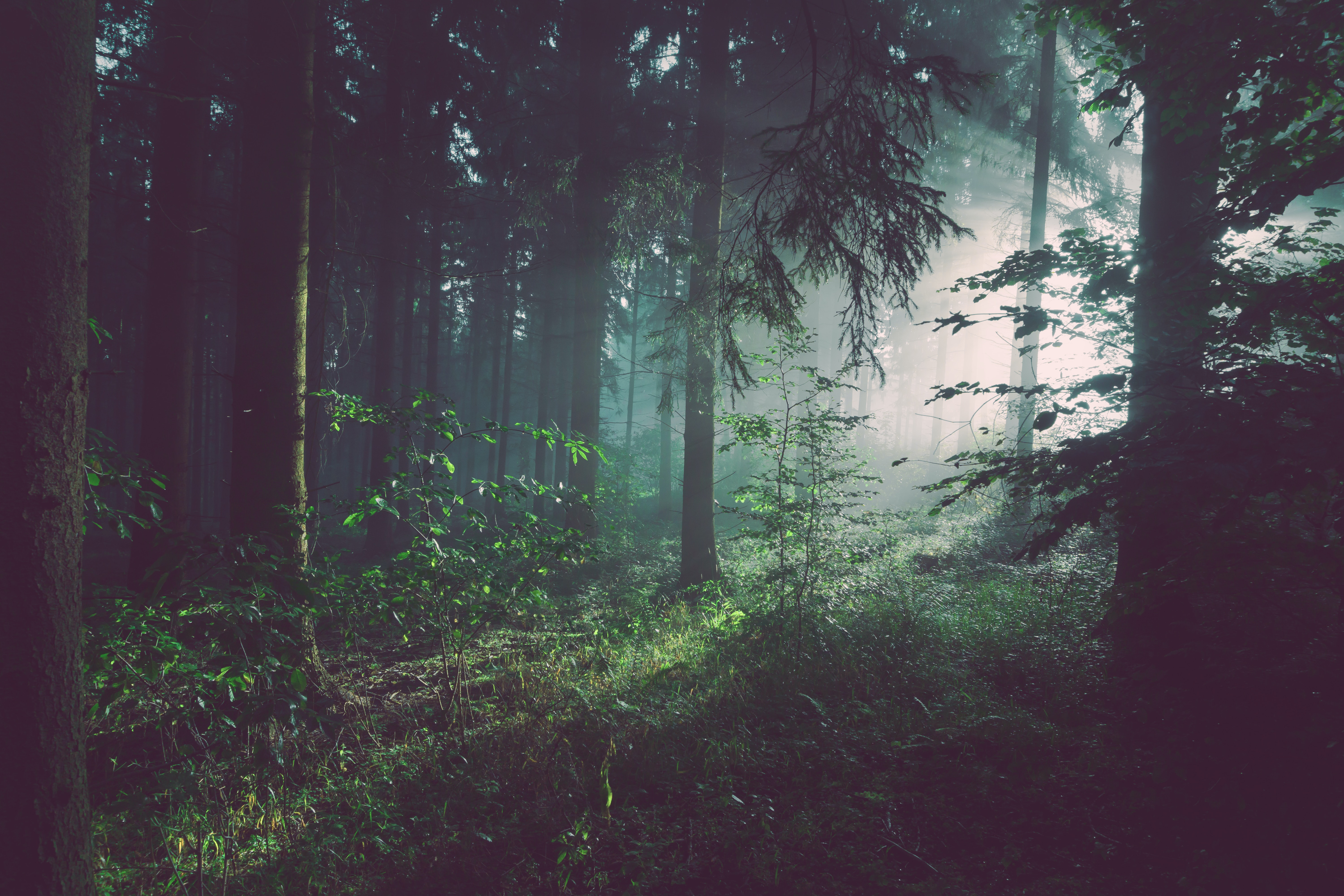
Photo by Mike Newbry on Unsplash

My eyes started to fill up watching the footage from Maui, Hawaii. I’ve struggled to put my emotions into words as I poured over the coverage. Nearly 14 years to the day, I lost almost everything, including my life, to an apartment building fire on the Upper West Side of New York City. I know the fear of running for my life, away from flames and into the emptiness of the aftermath. The smell of that noxious smoke is still in my nose and memory. I think it always will be.

I wish I could be in Maui to help. Whether using my logistics and operations experience to get survivors supplies and basic needs, or just being there to comfort people knowing exactly how they feel to have lost everything, I can’t help but think that my life and career could be of use in the midst of this horrible tragedy.

Already Maui’s fires are prompting conversations in the sustainability community. When we talk about sustainability solutions, we look at mitigation (halting and reversing climate change and its impacts) and adaptation (preparing ourselves for the impacts of a warming world on our lives). Now in my second year at University of Cambridge studying sustainability, I’m beginning to formulate my career plans for what comes next. I’m using this mitigation and adaptation split as a frame for my future work:

  • What can I do to preserve the natural world we have now and rewild, restore, renew, and regenerate what’s been lost?
  • What can I do to prevent the devastation that will continue, and worsen, because of climate change so we protect lives and natural areas?
  • Can I do both, or do I have to choose where I think I can be the most value?

My Cambridge dissertation involves securing funding from the wealthiest people in the world to fill the climate finance gap. One thing I’ll test is which of these strategic objectives, mitigation or adaptation, resonates most with these funders. Maybe they’ll also see the value in both. I suspect this research will help me figure out where I fit into the puzzle, and how my skills can best be utilized as we begin the fight for and battle of our lives. I’m ready to take the journey, wherever it leads.
creativity

Thoughts from the inaugural Games and SDG Summit at the UN

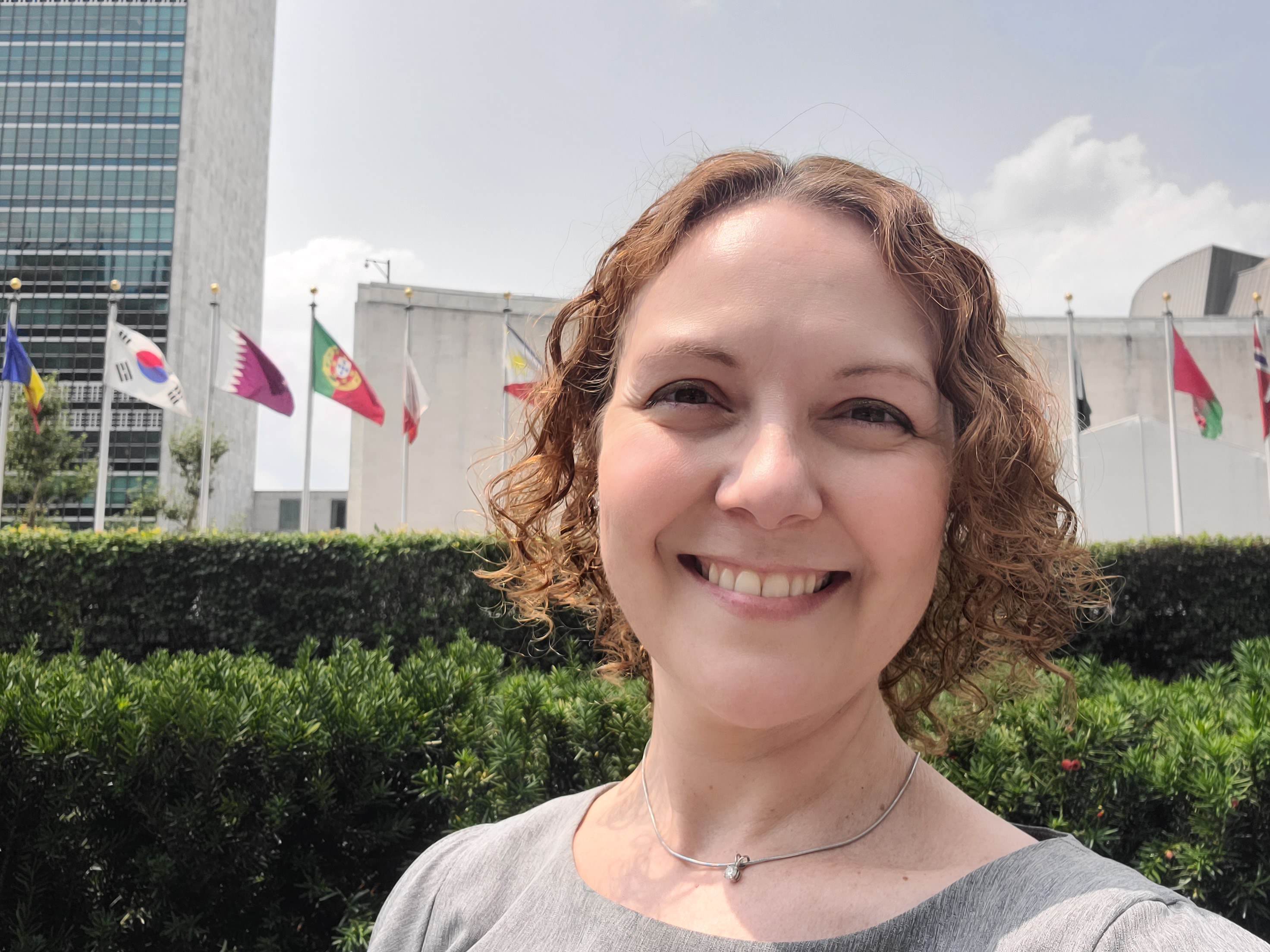
Me at the United Nations

“Go further than you think you can, or should. Push that boundary of what you could do into the uncomfortable zone because that’s where you know change is happening.” ~ Mathias Gredal Nørvig, CEO of SYBO

Being at the United Nations Games for Change Games and SDG (Strategic Development Goals) Summit to talk with attendees across government, academia, industry, and nonprofits about my sustainability in games research at University of Cambridge with ustwo Games, and learn more about the role of games in promoting sustainability, was nothing short of an honor. I know I was privileged to be in the room.

Because 1/3 of the world population plays games, games need to be a tool for every organization working in sustainability. If you’re interested in learning more about that, please get in touch! I’d love to share ideas of how you can get started! I also encourage anyone and everyone to look into Playing 4 The Planet, the UN’s inspiring games initiative with resources and data for every size of organization.

The summit was filled with incredible presentations about what’s already been done with games, projects that are underway, and the mountain of work ahead. There is one idea that I can’t shake, one perspective that completely changed my point-of-view about my work and my place in the world. It was from Mathias Gredal Nørvig, CEO of gaming company Sybo. He talked about how his company is pushing the boundaries in their communications and storytelling so far that there was a bit of backlash from their community. Rather than seeing this as a mistake or misstep, he saw this as a victory to be celebrated, a milestone that showcases progress. On this border, he saw evolution, change, and a provocative call-to-action. He closed his talk by saying he hopes all of us will have the courage to go further than we think we can, and to push our companies to do the same.

Over the next few weeks and months, I’m going to think about what that boundary is for me and how I can push past it to create breakthrough change. How can I extend myself beyond what I think I’m capable of doing? How can I take a bigger risk, step outside of my comfort zone to do something extraordinary that I’m not certain I can accomplish? How can I dare greatly?

I don’t know the answers to any of those questions right now, but I’m excited and eager to find them and share them. I hope you’ll join me in that quest to rise higher, to go further and faster together. The future of our planet, and all species with whom we share it, depends on it.

creativity

Games and Climate Action at the UN’s inaugural Games and SDG Summit

United Nations HQ in NYC – Games for Change

I spent my first year at University of Cambridge researching and writing about the role of video games to encourage climate action. I was fortunate to collaborate with the incredible team at ustwo Games on this work, especially Jennifer Estaris who is a shining star in the games for good space. They are a group of passionate, talented, and deeply committed people. Through our work, I realized that video games can and will play a part in building a healthier, more joyful, safer, and more sustainable world.

Games are for everyone. They unify people across cultures, continents, and every demographic designation. Their stories are timely and timeless. They allow us to reconcile with our past, make sense of our present, and simulate our future with a high degree of accuracy and an abundance of empathy. They help us not only to imagine a better and brighter future, but also create the roadmap to get there. Games can do what so many other tools can’t: they can transcend politics, cross the chasm of experience, and help establish common ground. They are a map, a compass, and a guidebook to the very highest calling of humanity—to be humane to all beings.

Today I’m at the United Nations for the inaugural Games and SDG (Sustainable Development Goals) Summit at the UN Headquarters, the kick-off to the 20th Games for Change Festival. I’m honored to be invited with industry professionals, government officials, and sustainable development experts, and look forward to all of the incredible conversations, ideas, and ambitions that will flow through each and every person in the room. Together, we’re building the path to higher ground, and I can’t wait to see what we find. 

creativity

I’m starting my sustainability dissertation at University of Cambridge

My dissertation proposal has been accepted by University of Cambridge and I have a fantastic supervisor who is based at The London School of Economics and Political Science, Grantham Research Institute on Climate Change and the Environment.

I’ll spend the next year developing a framework for climate change storytelling to connect sustainability advocates with family offices investigating sustainable investments and business decisions. I’m passionate about creating win-win-win opportunities for these families, the planet, and all beings who share this home.

The capital shortfall is a massive challenge for the shift to a sustainable society, and my hope is that my dissertation can help contribute a piece of the solution. Here we go!

creativity

Myth-busting: Canada is not to blame for wildfires impacting NYC, and these fires aren’t “natural”

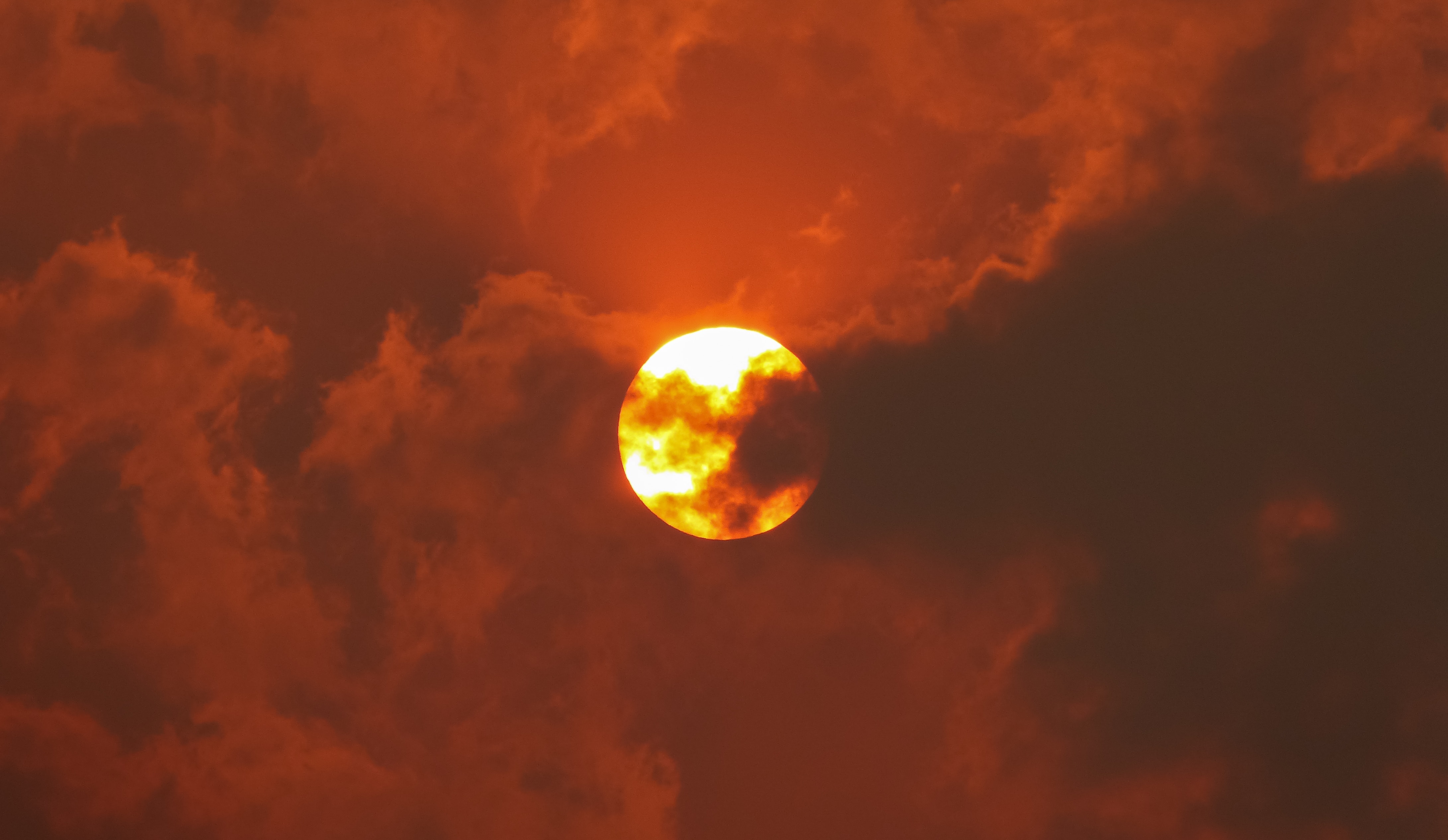
Photo by Kym MacKinnon on Unsplash

The U.S. loves a good blame game. I’ve seen some journalists and talking heads blame Canada for New York City’s hideous air quality that is now migrating south, and others call these fires “natural”. Let’s debunk both these myths.

Don’t blame Canada
Canada is not the enemy, just the stage for this latest environmental tragedy. The wildfires were caused by years of extreme temperatures and drought, driven by climate change, drying out forests and making them hotter. This is a great recipe for kindling. Canada’s millions of acres of forest are tinderboxes. 

Dry, hot weather also creates more lightning. Lightning starts 50% of Canada’s wildfires that generate 85% of wildfire destruction. The other half of Canada’s wildfires are caused by human activity. Changing our collective behaviour to mitigate the impacts of humanity-driven climate change needs to be our collaborative focus. 

These Canadian wildfires are not “natural”
Climate deniers love to throw around the word “natural”. There is nothing natural about the fires except for the fact that they are impacting nature in profound ways that will, if left unchecked, leave this planet and us in jeopardy. There’s nothing natural about massive consumption far beyond our needs, our outrageous generation of trash and pollution, and the intense love affair we have with fossil fuel use. This wildfire season has started earlier, is already more fierce than any in history, and will last longer. All of these circumstances are driven by an accelerated rate of climate change, rate being the opportune word. 

Yes, climate changes over time, and so does weather. Another myth to debunk—climate and weather are not the same. Climate is a pattern over time; weather is an acute event. They are linked, but they are not the same. We expect weather to change. We expect, and need, climate to be stable.

For the past 12,000 years, the Earth’s climate has been stable with very little change. In the past 150 years, the change to our climate has been substantial, occurred at a rate at which nature cannot adjust and adapt to maintain quality of life, and is due to human activity. This is anything but natural. 

We still have time to fix this
As treacherous as this situation is now, all is not lost, yet. We can change our behaviours. We can change how we live on and with this planet, and all the species who call it home. We can eat more plants and fewer animal products. We can use less energy, and create more of it from sustainable sources. We can have honest conversations, and take more responsibility as individuals, communities, governments, and businesses. We can be alarmed, maintain hope, and use tragedy as fuel to turn pain and peril into power through our actions.

What we can’t do is lie, bury our heads in the sand, prey off of people’s fears, and be complacent. It’s time to rise together to protect the planet. Our own lives and livelihoods hang in the balance. 

creativity

New York wakes up to climate change

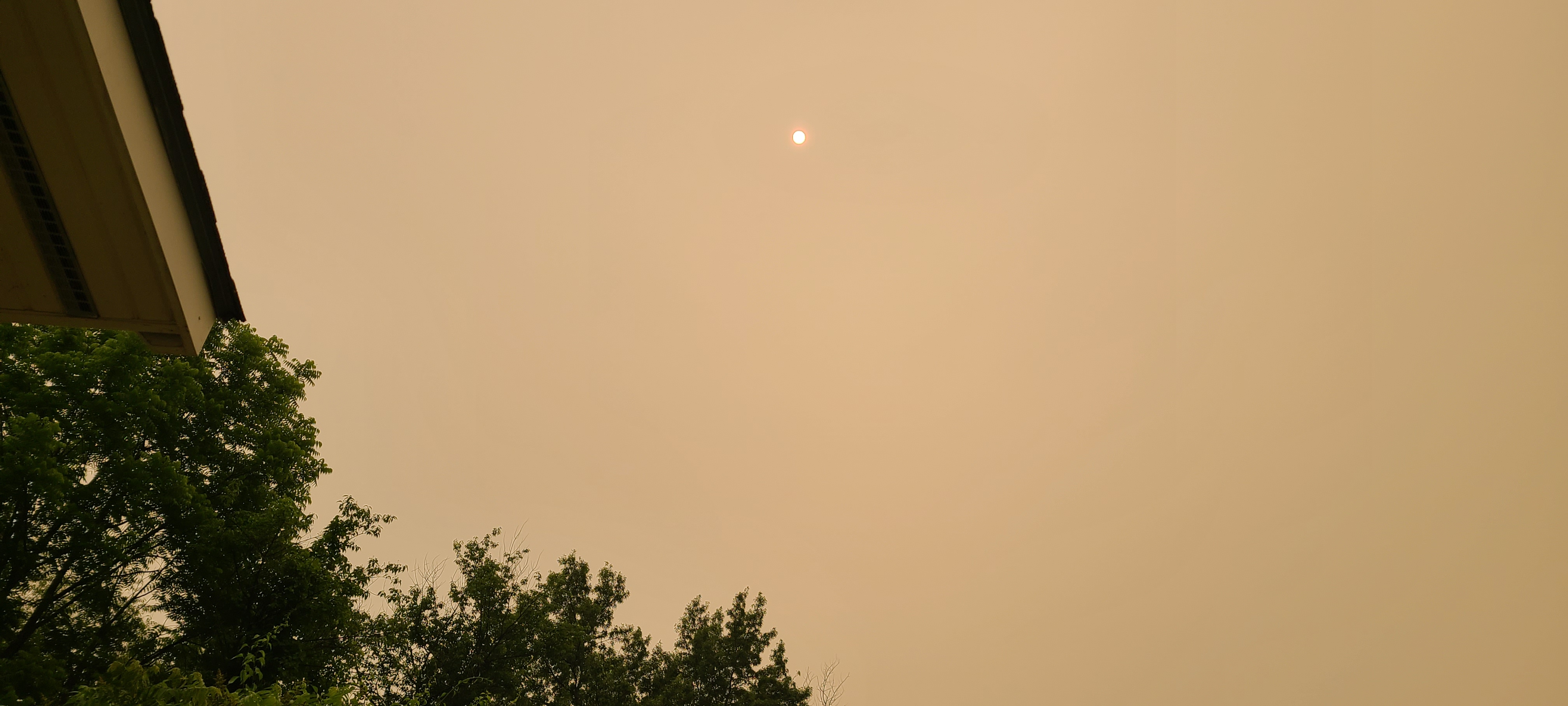
Picture I took this morning of the thick skies in upstate New York

Yesterday, Mayor Adams walked out of Gracie Mansion, smelled the air, looked at the sky, and asked, “What the hell is this?” This, Mr. Mayor, is climate change.

A truly stunning series of events is unfolding in New York. For the first time in recorded history, the AQI (air quality index) was over 200. 218 to be exact—a purple warning, the highest level of the AQI. Right now, it is the second worst air quality in the world. Canadian wildfires are mixing with ground level ozone to create a thick smoky gravy in the skies. 

It’s forcing New Yorkers indoors to protect their health. The city has asked that if they must go outdoors, they should dig out and wear those KN95 masks they thought were in their COVID-19 rearview mirrors. They are being encouraged to work from home is possible, and many events are being cancelled across the city, including after-school activities. 

To my knowledge, the 33-minute press conference that Mayor Adams and his collaborators and staff held this morning on the situation is the first time a New York Mayor has held such an event specifically because of climate change, with that being the dominant message at the event. It won’t be the last. The climate emergency is here, it’s impacting daily life, and it will get worse. 

During the War of 1812, Master Commandant Oliver Perry wrote to Major General William Henry Harrison, “We have met the enemy, and they are ours.” He could easily write the same line today with respect to climate change. We are the problem, and we are also the solution.

Synchronistically, I am in upstate New York taking a break as I wait for my new Brooklyn apartment to be ready and I am working my way through the climate segment of my Masters degree in Sustainability Leadership at University of Cambridge. For the record, I don’t like to be away from my city when there’s a crisis. As a proud and committed New Yorker, I feel responsible for my home, my neighbors, and our collective future, particularly when it comes to environmental sustainability. 

Some environmental facts about New York City may surprise you. New York has more trees than any other U.S. city has people, with 39.2% tree cover, the highest of any city in the world. New York City’s greenhouse gas emissions are 7.1 metric tons per person compared with the national average of 24.5. New Yorkers are collectively responsible for just 1% of the nation’s total greenhouse gas emissions though we comprise 2.7% of the nation’s population. We are the only city in the U.S. where well over half of households do not own a car, and most people regularly take public transit — the highest percentage to do so in the nation. 78% of New Yorkers are personally convinced climate change is happening, slightly higher than the 71% national average

Still, inequality in environmental impacts and health outcomes, often linked to environmental causes, is rampant in New York. It has the third highest cancer instance in the country, the old housing stock and lead paint are ongoing concerns, and pests are so rampant that we have a rat czar (her actual title), Kathleen Corradi, on the city payroll. Though the average New Yorker creates less trash than the national average, we are the largest city by population and collectively generate 14 million tons of trash every year, which is all shipped out of the city for processing.

The inequality in New York is also causing a disparity in impact with this latest air quality warning. I feel for the elderly, those with health challenges intensely impacted by this situation, those in neighborhoods who are already disproportionately impacted by climate change and health challenges, and essential workers such as sanitation workers who again are being asked to show up in our city for our sake. 

I also feel for the animals and natural landscapes who did nothing to precipitate this situation, and now have no protection from the fallout. New York is home to over 7,000 species of plants and animals, and we are in one of the 36 global biodiversity hotspots. We need this biodiversity in flora and fauna, and they need us to change our ways, now more than ever. 

My biggest goal in my life is to make New York the healthiest and most sustainable city on the planet. We have much to do, and a long way to go. This latest air quality warning proves we must go together. 

creativity

Video games can create billions of new climate activists

1/3 of the global population plays video games. With engaging climate change storylines and content, video games have the potential to create billions of new climate advocates to protect the health of the natural world, and by extension the health of all beings including us. This is the topic of my first two academic papers at University of Cambridge. I got my mark and feedback on my first paper and my graders were very complimentary saying the paper was of professional quality and has a strong literature review and purposeful recommendations for the company to use going forward. They also liked the persuasive case I made for the value of hope and joy in climate activism.

This is the first time I’ve ever written a paper in this style of academic writing. My topic was unusual for them. I brought my heart and personality into the style and structure of the paper. They said that’s also an unusual choice for academic writing but it works. I wrote the paper I was passionate about creating, and I’m proud of it. I learned a lot in this process that I will use throughout the rest of my graduate degree program and in my career going forward.

A huge thank you to my friend, Jennifer Estaris, and the entire team at ustwo games for inviting me to be a part of this gorgeous video game project that brings me so much joy and hope, and has taught me so much. Thanks also to everyone who cheered me on as I spent more hours on this paper than I’ve ever spent on any one academic assignment.

Now I’m drafting the action plan for my next assignment and preparing for my next workshop in Cambridge in March. I can’t wait to be back together with my cohort in that magical place. On to the next tranche of this adventure with a grateful and open heart and mind…

creativity

Wall Street is coming for our water: A cautionary tale from Colorado

Photo by Westwind Air Service on Unsplash

You stand in your kitchen, turn on the sink’s tap, and nothing happens. You have no water in your home despite the fact that you live on the banks of the Colorado River, one of the most valuable natural entities in the U.S. It’s not that there’s no water to be had. It’s that an investment banker in New York City sold your water to someone in Los Angeles who was able to pay more money than you.

Think that’s fiction? Think again.

Water profiteers of Wall Street
Meet Water Asset Management, a New York investment firm located at 509 Madison Avenue between 52nd and 53rd Streets in midtown Manhattan. Founded by Matthew Diserio and Disque Deane, the company has purchased 2,500 acres of farmland in Colorado for $20 million over the last five years. The founders have no connection or love for Colorado. It’s just a financial transaction like any other except it’s certain to be highly lucrative due to climate change.

Mr. Diserio is quoted as saying water investment is “the biggest emerging market on earth” and “a trillion-dollar market opportunity.” He and his partners at Water Asset Management say their goal is to make water use more efficient. The truth: they intend to harness the water in the Colorado River and other areas like it, and sell it to the highest bidder — namely farmers and municipalities. Water Asset Management and other water profiteers like them are cashing in on climate change.

Climate change impacts water supply
The Colorado River is the source of survival for 40 million Americans and five million acres of farmland in seven states: Colorado, Utah, New Mexico, Wyoming, Arizona, Nevada, and California. With every one degree increase, the river flow drops five percent. That translates to a 20 percent reduction over the last 100 years. Lake Powell in Arizona and Lake Mead in Nevada are under similar threats and stress.

The situation in the West is so dire that the federal government pays land owners to leave their fields fallow and not use water. That’s a tragic loss for our food system. It’s an easy request and easy money for investment firms like Water Asset Management who have no interest in farming the land.

Solutions to water profiteering: renewable energy, drought-resilient crops, and legislation
Though this current situation is both dystopian and predatory, it isn’t hopeless. Decarbonizing the grid and speeding the transition to renewable energy will help tremendously by reducing the incredible amount of water needed to refine oil. Shifting away from thirsty agricultural crops that toward those that require far less water to thrive would also help. Additionally, regenerative agriculture could be part of the solution to lowering water consumption. Food & Water Watch Research Director Amanda Starbuck has publicly spoken about this issue of the privatization of water, the need to stop it, and solutions to this crisis.

Given water’s vital role in all of our lives, Representative Ro Khanna (D-Calif.) and Senator Elizabeth Warren (D-Mass.) introduced The Future of Water Act in March 2022. “Water is a basic human right that must be managed and protected as a public trust resource,” it says. “Water should be affordable, easily accessible, and guarded from markets prone to manipulation and speculation.” In April 2022, it was referred to the Subcommittee on Commodity Exchanges, Energy, and Credit by the House Committee on Agriculture. Further action is pending. If passed, it would outlaw Wall Street’s speculation on water precisely because life requires water.

The fight for water, and the life it supports, is in its nascent days. As climate change progresses, the fight will get more aggressive if we don’t safeguard water rights now. To learn more, take action, and get involved to protect our natural world, visit Food & Water WatchThe Nature Conservancy, and the U.S. EPA.

creativity

It’s time to stop building on the Florida coast

Photo of a hurricane by NASA on Unsplash

Climate change impacts are hitting Florida hard right now in the midst of an out of season hurricane. Most of my immediate family lives in Central Florida. My sister messaged me this morning. The coast is a mess—houses washed away and no beach to speak of. Even Orlando, smack in the middle of the state, is in shambles. 

Working on climate change issues is necessary and vital to so many all over the world. That fact is motivates me every single day.

A sobering truth: even if we went to net zero across the globe today, there will still be dire impacts over the next few decades because so much damage has already been done. We have to change how we live now and build mitigation plans at the same time. It’s expensive but it’s the only way to secure any kind of healthy future.

Another sobering truth: we need to start relocating people in the United States. It’s tragic and heartbreaking to say that. No one wants to leave their home. The Florida coast is a gorgeous, precious place. Sadly, because we’ve stuck our heads in the sand on climate change and allowed the profits of big oil to persist and grow exponentially, we have no other choice now. 

It will only get worse from here over the next few decades. Building on the Florida coast is no longer viable. Living on the coast of Florida is no longer viable either. The longer we wait to relocate people, the worse it will get. It’s a brutal policy and will be wildly unpopular but the time for retreat has arrived. 

creativity

I’m on my way to the U.K.

Photo by John Cameron on Unsplash. Taken at the Marble Arch in Park Lane, London.

I’m on my way to the U.K. to begin my dream of starting a graduate program in sustainability leadership at University of Cambridge and the Cambridge Institute of Sustainability Leadership. Such a mix of emotions at this pivotal moment in history— gratitude, elation, responsibility, nervousness, excitement, fear, anticipation. All of that is in my heart now as I start this path of purpose to hone all my business, science, and storytelling skills and experience to play a role in saving our planet, our stunning natural world, and all species, including our own.

When I booked this flight months ago, I had no idea how consequential this time would be for the U.K. and the world. The passing of Queen Elizabeth II and the beginning of the reign of King Charles III has brought a new sense of meaning to this trip. For decades, The Royal Family and especially King Charles III have been advocating for economic and social transformations to address climate change. King Charles is a graduate of Cambridge with a close association with the graduate program I’m about to begin, and I feel fortunate to be on this path in this place at this time. I will witness this moment in history, and will share what I experience by posting regularly here on this blog.

I feel a huge sense of responsibility and duty to use my time to protect our only home. This work is personal and professional for me. Everything I’ve been through in the past 2+ years, from the pandemic to my own successful battle against cancer caused by environmental toxins, has been fuel for me to take this journey. With the help of my doctors, modern medicine, innovative science, and my community of friends and family, I healed myself. Now I want to heal the planet.

I am willing to do whatever it takes. The changes we make (or don’t make) now will dictate how the history of our world unfolds for the next several thousand years. The consequences are that profound. We will absolutely turn the corner over the next few years. The question is what awaits us when we do, and that answer is up to all of us, individually and collectively.

I want to thank everyone who helped me to get to this place and cheered me on. There are so many of you who moved mountains and I promise to pay forward all of it. Now, it’s time to go have an adventure and personally witness this momentous time for Britain and the world. I’m excited to bring you with me.