
creativity

Spring Is Already Here (You Just Can’t See It Yet)

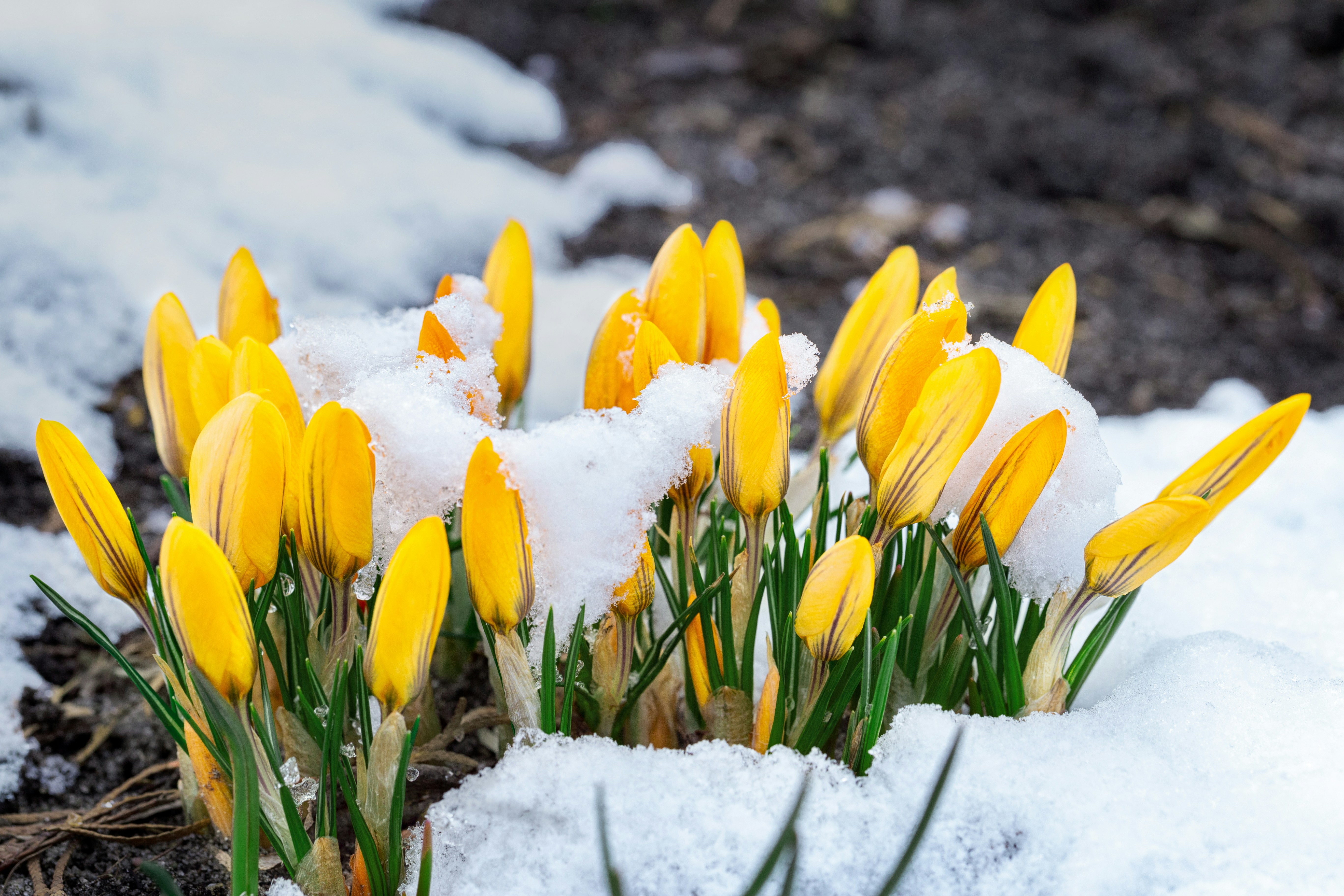
Crocuses in the snow. Photo by Alexandra Vo on Unsplash.

We think spring begins when the first flower blooms. But biologically, it starts right now—in the freezing cold.

If you’ve spent this winter in New York City like me, you’ve likely been dreaming of the arrival of spring during the freezing, snowy, and gray days. You also probably shook your fists at the sky when the groundhogs saw their shadow on February 2nd.

“When will this end?” you thought.

But if you ask a sugar maple or a wildflower seed, they will tell you that spring started while the snow was falling.

We tend to measure the season by what we can see—the green bud, the crocus, the robin. But nature does her most important preparation underground, long before the visuals arrive. In fact, she uses the harshness of late winter to fuel the growth of spring. Without the present cold, there is no future warmth—literally and figuratively, for nature and for us.

Here is how nature is prepping for spring right now in this last month of winter, and what we can learn from her and translate into our own lives.

1. The Cold Is the Key (Stratification)

We often complain about the bitter cold, gray skies, and damp days of February, wishing them away. But for many native plants, this weather in this season is non-negotiable. It’s the foundation of their flourishing future.

This process is called stratification. Seeds like milkweed, coneflower, and lavender have tough outer shells that keep them dormant. They literally cannot grow until they have gone through a period of intense cold and moisture. The freeze acts as a signal, softening the shell and telling the embryo inside that it is safe to wake up.

Without the hard winter, there is no spring bloom. The obstacle is also the key that turns the lock.

2. Use the Pressure and Change (Sap Flow)

Right now, maple syrup farmers are busy. Why? Because the sap is running.

But sap doesn’t run just because it gets warm. It runs because of the fluctuation. While the shifts in transitions may drive us crazy, it’s the alternation between freezing nights and thawing days that creates pressure changes inside the sugar maple trees, acting as a natural pump to move sugar from the roots up to the branches.

The tree uses the instability of the season to fuel its growth. Being off-balance all the time helps the tree find their secure center.

The Togetherhood Takeaway

We often want to jump straight from winter rest to full-bloom success. We want the project to launch, the book to sell, or the answer to appear.

But right now, today, nature is in the stratification phase. We are, too.

If you feel like nothing is happening right now, that you’re stuck and that the world is off-kilter, or if things feel cold and hard and impossible right now in your local community and our global community, remember the seed. You aren’t stuck. You’re just softening your shell so you can break through in the days ahead as the light and warmth return.

Use this time, today, tomorrow, and the rest of this month before spring, to prepare your roots. Organizing, planning, and laying the groundwork for our future—collectively and individually—is active growth, even if no one else can see it yet.

Spring is coming. But the work starts now.

creativity

Ditch the Mower, Find the Wonder! 🌿 Your Guide to a Wild(ish) Lawn

Photo by Elisa on Unsplash

As spring flourishes in all its glory (hello, sunshine!), you might be eyeing that lawnmower with a familiar sigh. But what if I told you less work for you could mean more life in your lawn? This week, let’s talk about a trend that’s buzzing with benefits: letting your lawn go a little wild!

Forget the pressure of a perfectly manicured green carpet. In reality, that perfect lawn is nearly dead. A wilder lawn isn’t about letting things run completely rampant (unless that’s your jam!). It’s about consciously creating a more natural, vibrant, and wonderfully low-maintenance space that’s teeming with life. And that wild lawn has benefits for you, your bank account, wildlife, and this beautiful planet we all share.

Why Let Your Lawn Loosen Up? More Buzz, Less Fuss!

  • Become a Local Wildlife Hotspot: Think of it — your very own mini-nature reserve! Longer grasses and native “weeds” (I prefer “wildflowers-in-disguise” like clover and dandelions) become a five-star restaurant and hotel for bees, butterflies, ladybugs, and songbirds. You’ll be amazed at who shows up!
  • Kick Back & Relax (More!) and Save Money: Less mowing, less watering, less fertilizing… need we say more? A wilder lawn means more time for you to actually enjoy your outdoor space, not just work on it. And it also saves you money.
  • Better For You, Better for the Planet: Wild lawns are surprisingly powerful. Their diverse plant life helps soak up rainwater (reducing runoff), improves soil health, and even captures more carbon. You’ll also naturally reduce (or eliminate!) the need for chemical pesticides and fertilizers, which is a win for everyone. And again, it saves you money.
  • A Feast for the Senses: Swap out the monotonous green for a shifting tapestry of textures, colors, and gentle movement. Watch wildflowers bloom and seed, listen to the hum of happy pollinators, and discover the intricate beauty of a natural ecosystem right outside your door.

Ready to Embrace Your Lawn’s Wild Side? It’s Easier (and Less Expensive) Than You Think!

Going wild doesn’t mean your yard needs to look messy. It’s about intentional choices that welcome and embrace nature. Here’s how to get started:

  1. Start Small, Mow Tall: You don’t have to go all-in at once. Designate a section of your lawn — maybe the back corner, or a strip along the fence — to let grow longer. Even raising your mower blades to 3–4 inches on the parts you do mow makes a big difference for tiny critters and plant health.
  2. “No Mow May” (and Beyond!): You might have heard of “No Mow May” — it’s a fantastic initiative by Bee City USA, a nonprofit that connects communities of people and pollinators in mutually-beneficial ways, to give emerging pollinators a head start! Why not extend the idea? Try mowing less frequently throughout the growing season. Every two weeks? Once a month for certain areas? Experiment and see what works for you.
  3. Love Your “Weeds”: Those dandelions? Early spring food for bees! Clover? It’s a nitrogen-fixer, meaning it naturally fertilizes your soil, and pollinators adore it. There’s a lot to love about these volunteer plants.
  4. Sprinkle Some Native Charm: Consider overseeding parts of your lawn with native low-growing wildflowers (spread wildflower seed over an existing lawn without disturbing the soil) or a “bee lawn” mix suitable for your geographic region. These plants are adapted to our climate and provide the best resources for local wildlife. A quick search for “bee lawn” mix or a visit to a local native plant nursery can provide great options.
  5. Create “Cues to Care”: Worried about what the neighbors might think? Keep the edges of your wilder areas neatly mown. This creates a look of “intentional wildness” and shows your landscape is cared for, not neglected. A small, friendly sign explaining your lawn is a “Pollinator Paradise” or “Wildlife Life” area can also work wonders and tell your story, raising awareness, advocating for wildlife, and encouraging your neighbors to give it a try, too.
  6. Patience is Your Superpower: Transforming a conventional lawn into a mini-meadow takes time. Don’t get discouraged. Enjoy observing the changes each week and season. You’re creating a living landscape, and every small step is a win.

Wild Fact: Allowing your grass to grow taller encourages deeper root systems, making your lawn more drought-tolerant. Less watering for you, less money spent, fewer resources used, and more resilience for your yard!

Ready to trade some mowing time for more butterflies and birdsong? Letting your lawn go a little wild is a simple, rewarding way to make a big difference for your local ecosystem and your own well-being.

Happy wilding!

creativity

In the pause: Dale Chihuly at the New York Botanical Garden

Couldn’t have asked for a better Saturday! I spent it at the New York Botanical Garden with one of my best friends, and it was delightful. I highly recommend a visit. Stop into the Hudson Garden Grill for a wonderful lunch—it was a perfect way to start the afternoon. The Chihuly glass installation is an incredible addition to these stunning grounds and will be on display until October 29th. Relax and renew your spirit with sights like these:


creativity

Wonder: The urban farm on the roof of Union Market

Yesterday I had a great time getting a tour of the hydroponic garden on top of Union Market. The garden is owned, run, and used by the restaurant Bidwell. It inspired me to think about how I might do something like this once I buy my own apartment. It’s possible to farm just about anywhere now thanks to technology. The Breaking Bread podcast might soon be recording surrounded by the food that’s about to be served.

Here are some pictures from the roof garden at Union Market!