creativity

Enric Sala’s passion and advocacy for the ocean

Enric Sala, NationalGeographic Explorer in Residence and Pristine Seas Founder, is seen exploring the reefs in Palau. Manu San Félix — National Geographic Pristine Seas

Enric Sala is having a moment, and I hope it never ends. His passion for and commitment to the oceans inspires me. In addition to the gorgeous cover story of TIME this week about his work and explorations, the feature on 60 Minutes about his sperm whale research in Dominica’s Nature Island is a must-view. 

The stunning footage of these sperm whales instills a deep love and respect for these animals and the ecosystems they inhabit. To see these gentle giants is a spiritual experience. You can’t help but be in awe of their language and beauty. They have the largest known brains to ever exist, upwards of five times the size of a human brain.

“I left academia because one day I realized I was writing the obituary of the ocean,” said Sala. Now with his organization Pristine Seas, he’s offering the cure to heal the ocean, the only cure that has been proven to work: the creation of marine protected areas where all damaging human impacts are illegal and banned.

Oceans underpin our ways of life, our health, and the world economy. The science is proven. We know how to protect and regenerate healthy oceans—leave them alone. Do we have the will to do it? Once we see a sperm whale and all their majesty, how could we not?

creativity

Thoughts from the inaugural Games and SDG Summit at the UN

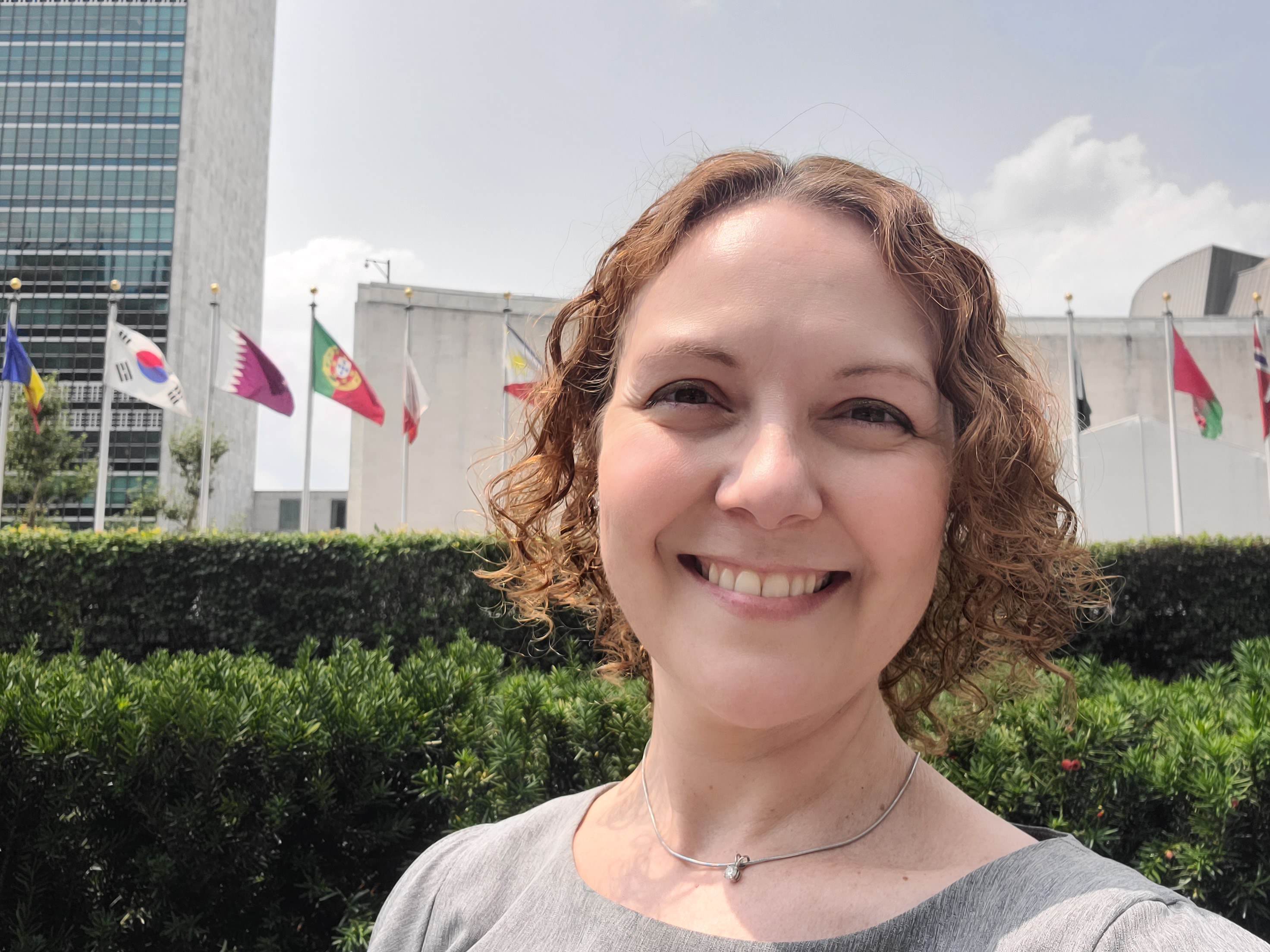
Me at the United Nations

“Go further than you think you can, or should. Push that boundary of what you could do into the uncomfortable zone because that’s where you know change is happening.” ~ Mathias Gredal Nørvig, CEO of SYBO

Being at the United Nations Games for Change Games and SDG (Strategic Development Goals) Summit to talk with attendees across government, academia, industry, and nonprofits about my sustainability in games research at University of Cambridge with ustwo Games, and learn more about the role of games in promoting sustainability, was nothing short of an honor. I know I was privileged to be in the room.

Because 1/3 of the world population plays games, games need to be a tool for every organization working in sustainability. If you’re interested in learning more about that, please get in touch! I’d love to share ideas of how you can get started! I also encourage anyone and everyone to look into Playing 4 The Planet, the UN’s inspiring games initiative with resources and data for every size of organization.

The summit was filled with incredible presentations about what’s already been done with games, projects that are underway, and the mountain of work ahead. There is one idea that I can’t shake, one perspective that completely changed my point-of-view about my work and my place in the world. It was from Mathias Gredal Nørvig, CEO of gaming company Sybo. He talked about how his company is pushing the boundaries in their communications and storytelling so far that there was a bit of backlash from their community. Rather than seeing this as a mistake or misstep, he saw this as a victory to be celebrated, a milestone that showcases progress. On this border, he saw evolution, change, and a provocative call-to-action. He closed his talk by saying he hopes all of us will have the courage to go further than we think we can, and to push our companies to do the same.

Over the next few weeks and months, I’m going to think about what that boundary is for me and how I can push past it to create breakthrough change. How can I extend myself beyond what I think I’m capable of doing? How can I take a bigger risk, step outside of my comfort zone to do something extraordinary that I’m not certain I can accomplish? How can I dare greatly?

I don’t know the answers to any of those questions right now, but I’m excited and eager to find them and share them. I hope you’ll join me in that quest to rise higher, to go further and faster together. The future of our planet, and all species with whom we share it, depends on it.

creativity

I’ll be at Games for Change 2023 as press

I’ll be attending this year’s Games for Change festival in New York City in July with press credentials. I’m a freelancer so I’m looking forward to submitting pieces to a number of publications. If you’re interested in having me write for your publication, please get in touch at christa.avampato@gmail.com.

I spoke at the festival a decade ago for the 10th anniversary when I was with Sesame Workshop managing the National STEM Video Game Challenge. At this year’s 20th anniversary, I’m looking forward to meeting and learning from all of the attendees, and being inspired by how games are helping to build a better world for all beings. I’m particularly interested in games and developers focused on climate issues and the environment.

If you’ll be there, let me know. I’d love to meet you, and hear about what you’re doing. You can reach out to me at christa.avampato@gmail.com.

creativity

Myth-busting: Canada is not to blame for wildfires impacting NYC, and these fires aren’t “natural”

Photo by Kym MacKinnon on Unsplash

The U.S. loves a good blame game. I’ve seen some journalists and talking heads blame Canada for New York City’s hideous air quality that is now migrating south, and others call these fires “natural”. Let’s debunk both these myths.

Don’t blame Canada
Canada is not the enemy, just the stage for this latest environmental tragedy. The wildfires were caused by years of extreme temperatures and drought, driven by climate change, drying out forests and making them hotter. This is a great recipe for kindling. Canada’s millions of acres of forest are tinderboxes. 

Dry, hot weather also creates more lightning. Lightning starts 50% of Canada’s wildfires that generate 85% of wildfire destruction. The other half of Canada’s wildfires are caused by human activity. Changing our collective behaviour to mitigate the impacts of humanity-driven climate change needs to be our collaborative focus. 

These Canadian wildfires are not “natural”
Climate deniers love to throw around the word “natural”. There is nothing natural about the fires except for the fact that they are impacting nature in profound ways that will, if left unchecked, leave this planet and us in jeopardy. There’s nothing natural about massive consumption far beyond our needs, our outrageous generation of trash and pollution, and the intense love affair we have with fossil fuel use. This wildfire season has started earlier, is already more fierce than any in history, and will last longer. All of these circumstances are driven by an accelerated rate of climate change, rate being the opportune word. 

Yes, climate changes over time, and so does weather. Another myth to debunk—climate and weather are not the same. Climate is a pattern over time; weather is an acute event. They are linked, but they are not the same. We expect weather to change. We expect, and need, climate to be stable.

For the past 12,000 years, the Earth’s climate has been stable with very little change. In the past 150 years, the change to our climate has been substantial, occurred at a rate at which nature cannot adjust and adapt to maintain quality of life, and is due to human activity. This is anything but natural. 

We still have time to fix this
As treacherous as this situation is now, all is not lost, yet. We can change our behaviours. We can change how we live on and with this planet, and all the species who call it home. We can eat more plants and fewer animal products. We can use less energy, and create more of it from sustainable sources. We can have honest conversations, and take more responsibility as individuals, communities, governments, and businesses. We can be alarmed, maintain hope, and use tragedy as fuel to turn pain and peril into power through our actions.

What we can’t do is lie, bury our heads in the sand, prey off of people’s fears, and be complacent. It’s time to rise together to protect the planet. Our own lives and livelihoods hang in the balance. 

creativity

New York wakes up to climate change

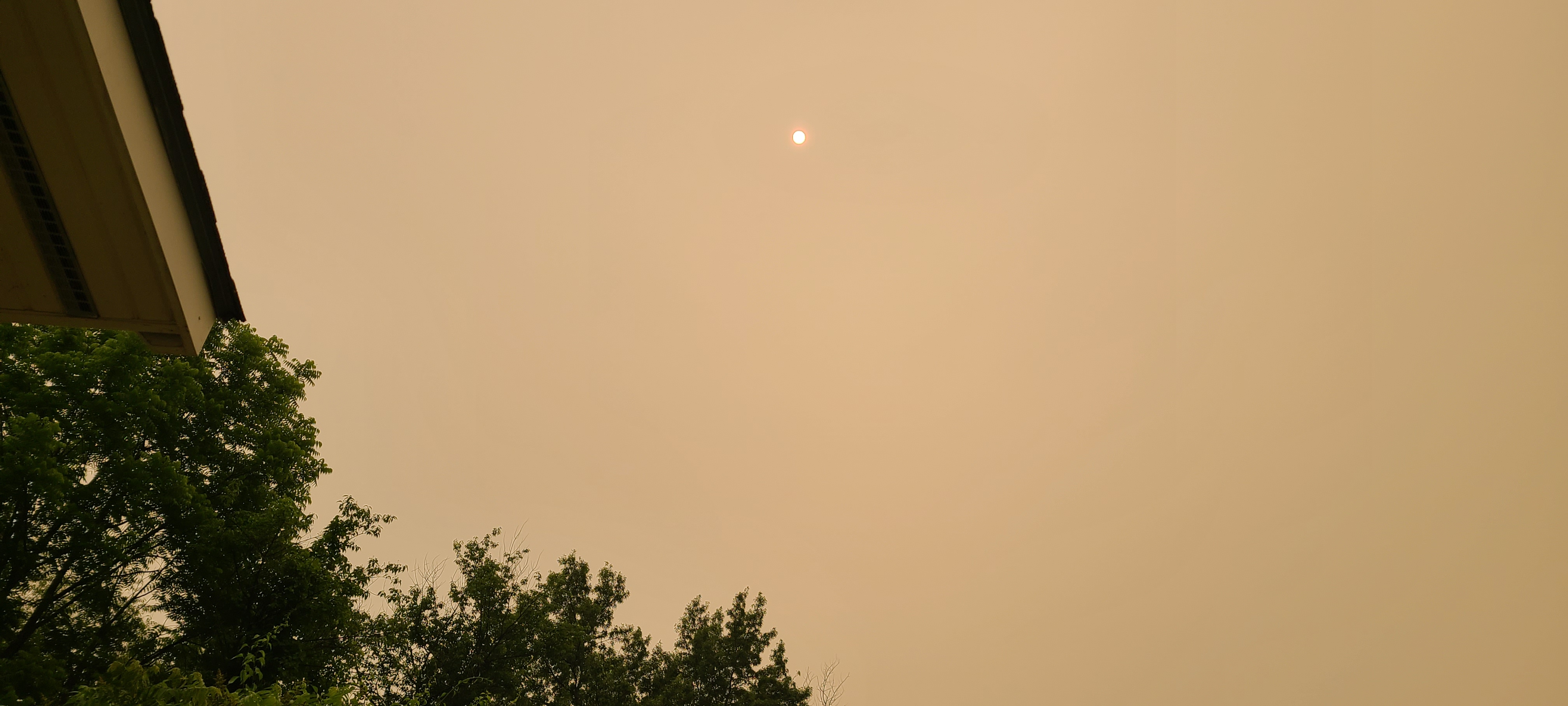
Picture I took this morning of the thick skies in upstate New York

Yesterday, Mayor Adams walked out of Gracie Mansion, smelled the air, looked at the sky, and asked, “What the hell is this?” This, Mr. Mayor, is climate change.

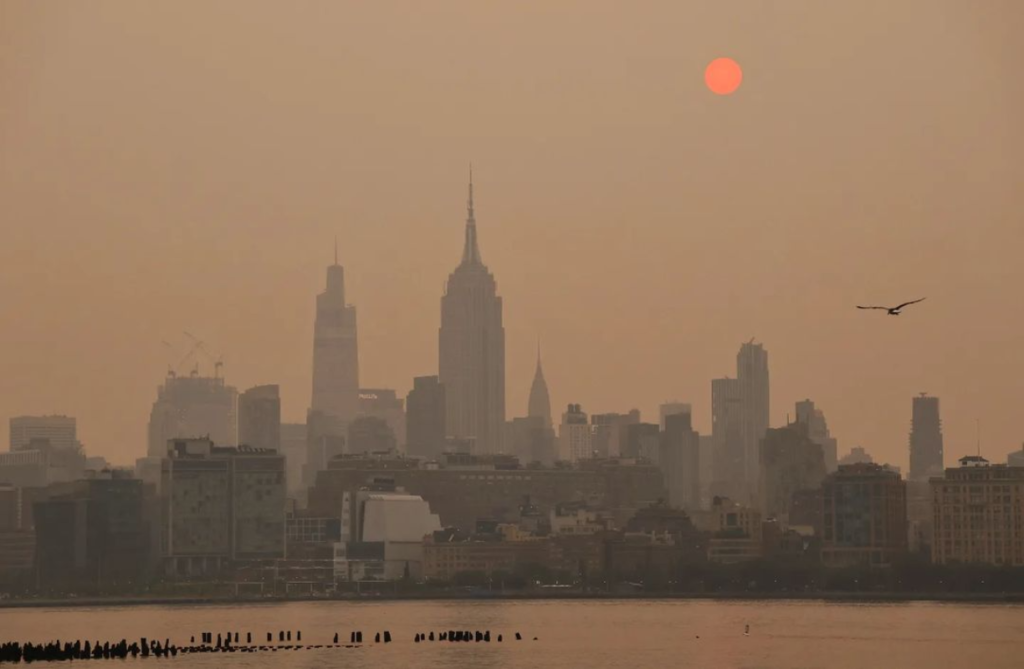
A truly stunning series of events is unfolding in New York. For the first time in recorded history, the AQI (air quality index) was over 200. 218 to be exact—a purple warning, the highest level of the AQI. Right now, it is the second worst air quality in the world. Canadian wildfires are mixing with ground level ozone to create a thick smoky gravy in the skies. 

It’s forcing New Yorkers indoors to protect their health. The city has asked that if they must go outdoors, they should dig out and wear those KN95 masks they thought were in their COVID-19 rearview mirrors. They are being encouraged to work from home is possible, and many events are being cancelled across the city, including after-school activities. 

To my knowledge, the 33-minute press conference that Mayor Adams and his collaborators and staff held this morning on the situation is the first time a New York Mayor has held such an event specifically because of climate change, with that being the dominant message at the event. It won’t be the last. The climate emergency is here, it’s impacting daily life, and it will get worse. 

During the War of 1812, Master Commandant Oliver Perry wrote to Major General William Henry Harrison, “We have met the enemy, and they are ours.” He could easily write the same line today with respect to climate change. We are the problem, and we are also the solution.

Synchronistically, I am in upstate New York taking a break as I wait for my new Brooklyn apartment to be ready and I am working my way through the climate segment of my Masters degree in Sustainability Leadership at University of Cambridge. For the record, I don’t like to be away from my city when there’s a crisis. As a proud and committed New Yorker, I feel responsible for my home, my neighbors, and our collective future, particularly when it comes to environmental sustainability. 

Some environmental facts about New York City may surprise you. New York has more trees than any other U.S. city has people, with 39.2% tree cover, the highest of any city in the world. New York City’s greenhouse gas emissions are 7.1 metric tons per person compared with the national average of 24.5. New Yorkers are collectively responsible for just 1% of the nation’s total greenhouse gas emissions though we comprise 2.7% of the nation’s population. We are the only city in the U.S. where well over half of households do not own a car, and most people regularly take public transit — the highest percentage to do so in the nation. 78% of New Yorkers are personally convinced climate change is happening, slightly higher than the 71% national average

Still, inequality in environmental impacts and health outcomes, often linked to environmental causes, is rampant in New York. It has the third highest cancer instance in the country, the old housing stock and lead paint are ongoing concerns, and pests are so rampant that we have a rat czar (her actual title), Kathleen Corradi, on the city payroll. Though the average New Yorker creates less trash than the national average, we are the largest city by population and collectively generate 14 million tons of trash every year, which is all shipped out of the city for processing.

The inequality in New York is also causing a disparity in impact with this latest air quality warning. I feel for the elderly, those with health challenges intensely impacted by this situation, those in neighborhoods who are already disproportionately impacted by climate change and health challenges, and essential workers such as sanitation workers who again are being asked to show up in our city for our sake. 

I also feel for the animals and natural landscapes who did nothing to precipitate this situation, and now have no protection from the fallout. New York is home to over 7,000 species of plants and animals, and we are in one of the 36 global biodiversity hotspots. We need this biodiversity in flora and fauna, and they need us to change our ways, now more than ever. 

My biggest goal in my life is to make New York the healthiest and most sustainable city on the planet. We have much to do, and a long way to go. This latest air quality warning proves we must go together. 

creativity

Canadian wildfires impacting New York City air quality

Imagine on Secret NYC by Gary Hershorn

Canadian wildfires are having a massive impact on NYC air quality today. Limit time outdoors and limit energy use when possible. The air quality is so poor that people will begin to feel health impacts from it. It is in place at least until midnight tonight.

This will be common throughout the summer as global warming and climate change have triggered an earlier and more intense start to wildfire season. More details, links, and information about this alert here: https://secretnyc.co/air-quality-health-advisory-nyc/

Stay up-to-date on this warning and other environmental notifications by following the New York State Department of Environmental Conservation twitter account at https://twitter.com/NYSDEC

creativity

Climate change will impact everything everywhere all at once 

The new NASA global data set combines historical measurements with data from climate simulations using the best available computer models to provide forecasts of how global temperature (shown here) and precipitation might change up to the year 2100 under different greenhouse gas emissions scenarios. Credits: NASA

Over the weekend, I read a disturbing article that quoted a potential presidential candidate who wrote, “We will keep fighting until we put a stop to ESG once and for all!” 

ESG stands for Environmental, Social, and Governance and is a set of investment standards for a company’s behaviors. In other words, it’s a set of standards that takes more than profit into account. It was coined by the United Nations in 2005. Originially, the acronym was GES because they believed Governance was the most important of the three. They weren’t wrong then. They aren’t wrong now. They just didn’t know at the time the dire state of our environment in 2023. 

The quote above is so incredibly dangerous because if the United States completely gives up on the environment now, catastrophe is certain. Even if we went to net zero today, there’s still no way to keep global warming below 2 degrees Celsius. Above 2 degrees, we will see more intensified storms, extreme heatwaves, dangerous flooding, drought, and fire conditions, crop failures, sea level rise, deathly disease increases, and massive loss of biodiversity in flora and fauna. 

To be fair, many parts of the world are already seeing impacts. Whole towns such as Newtok, Alaska moved to avoid climate impacts. Tuvalu, the Pacific island country of 12,000 people halfway between Hawaii and Australia, announced at COP27 its plans to become the world’s first digital country in hopes to preserve its history and heritage. 40% of its capital district is underwater during high tide. Eventually, it will be completely lost to rising seas. The Colorado River, Lake Mead, the Great Salt Lake, and the Mississippi River are rapidly shrinking. 

But, climate has always changed. It’s changed many times before in the history of the planet. So why does this chapter of climate change matter? The last time CO2 was as high as it is now was 3 million years ago. Modern humans didn’t exist then. The rapid rate change of CO2 we’ve seen in the last 100 years because of human activity, particularly the burning of fossil fuels, has never happened before in the history of the planet. And it’s that rate that is the key point. 

Yes, the planet can adjust to changes. But it can’t adjust this much this quickly. If you lost $1 a month in income, you could adjust and manage for a certain amount of time. If you lost $100 a month, that would require a much bigger adjustment in your budget. If you lost $1000 a month, that would require an enormous adjustment and you may find yourself in serious trouble with basic needs because of that rate of change. The planet is under this same type of pressure. 

So why bother doing anything? If we’re on the deck of the climate Titanic, should we just play on? No. Not by a long shot. For every fraction of a degree we can curtail warming, we will see impacts lessened, human lives saved, and species protected from extinction. It’s going to be a difficult ride toward a fully sustainable world, and if we commit to protecting each other, we will eventually get there. It will be painful, expensive, and massively inconvenient to say the least, but not impossible for humans to survive. But life will look different, very different, for centuries. 

None of us will be here to see a fully sustainable world, but we all have a responsibility to future generations. Consider how much better off we’d be today if 100 years ago strong governance cared about the environment as much as they cared about money during the Industrial Revolution. Our world would be healthier, cleaner, happier, and more peaceful. It could be that way for future generations if we, and our governments, do the difficult work now of restoring and regenerating the health of our planet. That could be our legacy. We could be known as the generation who saved human life, and the lives of the species with whom we share this planet. Imagine that. That’s our collective goal. 

No matter on which side of the aisle you sit, can we all agree that health and happiness are what we all want? Don’t we want clean air, water, and soil? Plentiful healthy food and fresh water? Can we start to talk about ESG not as this divisive, political policy as framed in the quote above but as a means of kindness, care, and concern for all? If that’s woke, then please let’s not allow ourselves to turn a blind eye and go back to sleep. Our survival depends upon our eyes and hearts being wide open. 

creativity

What will the world be like if we take no climate action now?

We hear a lot about climate change and how devastating the impacts will be if we do nothing. To save the planet is the reason I decided to go back to graduate school at University of Cambridge in Sustainability Leadership and pivot my career to focus on this cause. But what does a lack of climate action mean specifically, decade by decade? What happens to the planet, and to us, if we stay on our current trajectory? And just as importantly, where do we go if we have an idea for climate action?

The World Economic Forum (WEF) has a 2-minute video outlining some of the specific impacts of continued climate change on our current path starting in the year 2030 and going through 2100. The impacts are sobering, backed up by scientific research referenced in the video, and outlined in the list below.

But all isn’t lost. We do have a short period of time right now to make massive changes to save the planet, the species with whom we share it, and create 395 million jobs with the transition to a nature-positive economy. Said another way, biomimicry and creating our built environment, products, and services based on nature’s design principles is the answer—we must transition to a nature-positive economy and society.

And if have an idea for climate action, WEF wants you to share that idea and get involved through their free online community portal called UpLink where you’ll find hope, information, data, and updates on climate action projects that are underway right now.

What does the world look like in the coming decades if we don’t take climate action. Here’s a sampling of that future:

The 2030s:

  • Ice caps and crucial ice sheets continue to melt, swelling sea levels by 20 centimeters [7.87 inches]
  • 90% of coral reefs threatened by human activity, while 60% are highly endangered
  • Dwindling crop yields push more than 100 million more people into extreme poverty
  • Climate change-related illnesses kill an additional 250,000 people each year

The 2040s:

  • The world has shot past its 1.5-degree Celsius [2.7-degree Fahrenheit] Paris Agreement temperature rise limit
  • Bangladesh, Vietnam, and Thailand are threatened by annual floods, sparking mass migration
  • 8% of the global population has seen a severe reduction in water availability
  • The Arctic is now ice-free in summer
  • Sea levels have risen 20 centimeters [2 feet] in the Gulf of Mexico, where hurricanes deliver devastating storm surges

The 2050s:

  • 2 billion people face 60-degree Celsius [140 degrees Fahrenheight] temperatures for more than a month every year
  • In much of the world, masks are needed daily–not for disease prevention, but to protect our lungs from smog
  • The Northeast United States now sees 25 major floods a year, up from 1 in 2020
  • 140 million people are displaced by food and water insecurity or extreme weather events

2100 and beyond:

  • The average global temperature has soared more than 4 degrees Celsius [7.2 degrees Fahrenheit]–and even more in northern latitudes
  • Rising sea levels have rendered coastlines unrecognizable, and Florida has largely disappeared
  • Coral reefs have largely vanished, taking with them 25% of the world’s fish habitats
  • Insects have been consigned to history, causing massive crop failures due to the lack of pollinators
  • Severe drought now affects more than 40% of the planet
  • An area the size of Massachusetts burns in the US every year
  • Southern Spain and Portugal have become a desert, tipping millions into food and water insecurity

This is a terrifying, painful future and it’s only a few years away right now. But again, we know what we need to do—create our built environments, products, and services to mimic those of the natural world. Biomimicry can save us and the natural world. This means we must:

  • exit fossil fuels in favor of renewable energy sources
  • restore, protect, and expand natural habitats and wild areas
  • end the use of single-use plastic and harmful chemical pesticides

None of this will be easy but the choice is truly one of life—ours and all the other species who are counting on us to change our ways and clean up how we live on this planet—or death. Either we choose to make these difficult choices now in our companies and governments, or we are forced to make them later when it may be too late. To learn more and get involved, please visit UpLink: https://uplink.weforum.org/uplink/s/. We have no time to waste and the planet needs all of us to take action.

creativity

JoyProject Podcast: The Joy of Water Skiing with Kate McGormley

Let Kate McGormley describe the rush and unbridled joy she experiences every time she goes water skiing, a sport she’s done every year since she was 6 years old. An advocate for mental health and the power of kindness, she takes us through how she got into the sport, the mechanics of getting up on skis, and how being outside on the water helps her appreciate her body, her health, and the goodness that always exists in the world. Her infectious laugh is something that will brighten your day and may just convince you to give water skiing a try!

At the end of the podcast, I share something that brought me joy this week related to the episode. Given Kate’s focus on the joy of the outdoors, please check out the latest Fix Solutions Lab publication—The Joy Issue. Fix is a storytelling team at Grist, a nonprofit, independent media organization dedicated to telling stories of climate solutions and a just future. Fix was founded on a simple premise: promising solutions to the climate crisis exist — they just haven’t yet gained sufficient momentum to tip the scales.

The Joy Issue has stories about using joy as a tool for climate change activism. It’s the perfect blend of so many things I love that create the foundation for my life and career—top-notching writing and storytelling, joy, curiosity, and protecting our beautiful planet.

Topics discussed in this episode:
– When Kate started water skiing
– How she got started water skiing
– The mechanics of water skiing
– How water skiing make her grateful for so many things

Links to resources:
– Kate on Instagram – @kathryn.mcgormley
– Kate on Facebook – @Kate McGormley
– Kate’s blog – KindnessMatters365
– The Joy Issue by Fix at Grist – The Joy Issue
– Christa on Twitter – @christanyc
– Christa on Instagram – @christarosenyc
– Christa on Facebook – @AuthorChrista 
– Christa on Medium – @christaavampato
– Christa on TikTok – @christanyc
– Christa’s website – ChristaAvampato.com

About Kate:
Kate McGormley is a higher education professional living in Indianapolis with her husband and two sons.  Kate is a champion for mental health advocacy and kindness. She spent 2013 doing a kindness act each day with her young sons and blogging about it at KindnessMatters365. She spends most of her time with family and friends, but also loves serving on the board of her local Habitat for Humanity and occasionally pounding some nails.  Her greatest obsession in life is her English Bulldog, Mack!

creativity

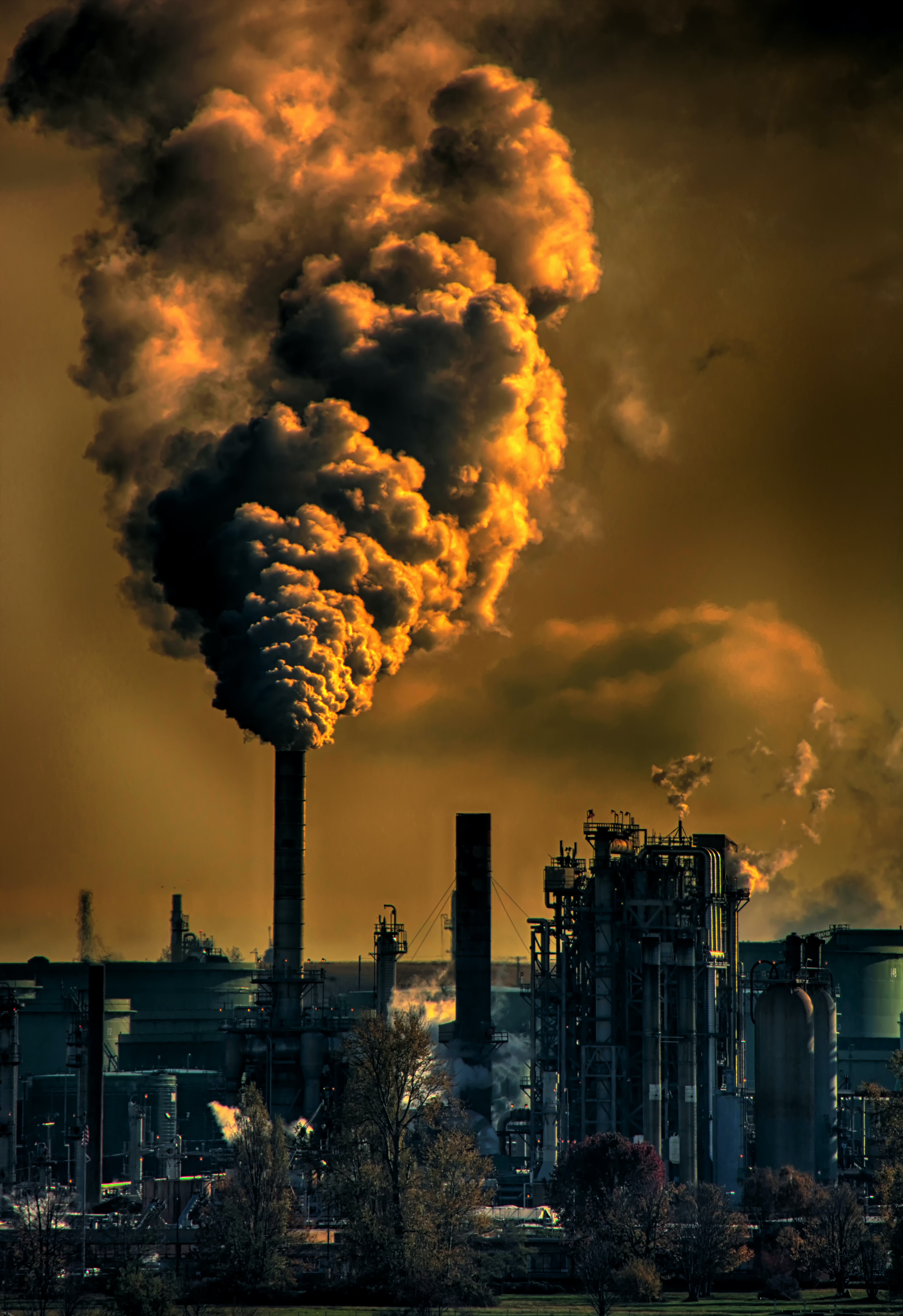
How being a writer will help me get my dream job working with fossil fuel companies

In September, I’m starting a Master’s program at University of Cambridge in Sustainability Leadership. It’s my intention to use that degree as a springboard to work with fossil fuel companies — and convince them that it’s in their best and most profitable interest to stop producing fossil fuel and invest everything they’ve got in clean renewable energy. 

I’ve talked to a few people about this dream. Most laugh at me. Some think I’m wasting my time and talents on this dream. Some think I’ll never be able to do it. 

Here’s why it’s worth trying: 89% of CO2 emissions come from fossil fuels and industry

We could do everything else right when it comes to slowing down or, dare we imagine, to reversing climate change and it won’t matter if we don’t quickly and massively reduce and eventually eliminate fossil fuel production.

What Chief Justice John G. Roberts Jr. got wrong about the SCOTUS majority opinion on the EPA
The SCOTUS majority ruling in West Virginia v. EPA removed the ability of the EPA to limit emissions by power plants. The majority opinion is a travesty for many reasons. It also happens to be false, or at least incomplete. “There is little reason to think Congress assigned such decisions to the Agency,” Roberts wrote. “A decision of such magnitude and consequence rests with Congress itself.”

That last bit about Congress isn’t entirely true. The energy industry could make the choice to limit, or eliminate, its emissions.

I know some of you are laughing at that idea. You know what’s even more laughable? Imagining that Congress will get its act together to make it happen.

I understand why people hate on and rail against capitalism. However, it’s the economic paradigm that powers the world. We barely have time to get for-profit businesses to change their behaviors before the planet faces irreversible damage that will compromise life on this planet. We absolutely don’t have time to reinvent and adopt a new world economy before that happens.

Yes, capitalism is deeply flawed and yes, I wish humans were neurologically wired to act in the best interests of the greater community rather than themselves. I can’t change either of those facts and neither can you, not in time to protect the planet.

We have to work with what we have right now. We don’t have time to lament over human selfishness. We have to use it to our advantage; that’s exactly how nature would solve climate change and it’s exactly what we need to do. Now. It’s what I plan to do by working with fossil fuel companies. 

What fossil fuel companies care about
Fossil fuel companies don’t produce fossil fuel because they love it. There is precious little to love about dirty fuel that’s poisoning the planet and poisoning us. Fossil fuel companies love two things: money and power. Their long-term profits and power aren’t in fossil fuel. It’s in renewables for one simple reason — they’re cheaper to produce and are, as the name implies, limitless. Imagine the economics of a business built on inexpensive, infinite raw materials that produces a final product that protects the health of every living being? You don’t have to imagine it. It’s here. It’s renewable energy. 

What West Virginia cares about
Why did West Virginia bring this case against the EPA? Jobs. Plain and simple. Money and income. West Virginia and other fossil fuel producing states have no particular attachment to fossil fuel except history and a large number of jobs. 

If they could preserve jobs, or better yet increase the number of them and the income those jobs generate, they’d do it. With renewables, they can retrain people, preserve their beautiful land, water, and wildlife, protect workers, increase tax revenue, and promote the health of all beings. But they can’t do it alone. We have to work with them. We have to support them. 

The power of legacy
Legacy is a powerful motivator. As Hamilton says, “Who lives? Who dies? Who tells your story?” In addition to money and power, fossil fuel companies and those who head them care about legacy and how they will be remembered. In 2019, BP spent millions on an advertising campaign about its low-carbon energy and cleaner natural gas when 96% of its annual expenditure is on oil and gas. This was greenwashing to the extreme, and BP isn’t alone. Greenwashing is a fossil fuel industry problem

Saudi Aramco, Chevron, Drax, Equinor, ExxonMobil, INEOS, RWE, and Shell have all done it. The advertising campaign they all need, rooted in truth, that will send their stock prices soaring, generate priceless innovative partnerships, and cause the best and brightest talent around the world to work for and with them is this: “We will reduce the production of fossil fuel by at least 50% by 2030 and completely replace it with renewable energy by the year 2050.”

I’ve been to Saudi Arabia, met with some of the highest officials in Saudi government, and traveled to the Empty Quarter. Saudi Arabia and its neighbors have the geographic space and wealth to be the largest renewable suppliers in the world. Forget greening the desert there. Create the solar fuel farms we need on land that has very little life to disturb. 

Fossil fuel companies are fiercely competitive. Once one company does this, the rest of them will scramble to do the same. There’s a first mover advantage here. With this kind of decision, they will rewrite the history of this planet and forever be remembered as the company that protected and saved life on Earth in its darkest hour. Now that is a legacy.

Why I’m built for this work
I’ve worked inside a number of large multinational matrix for-profit companies. Many are populated with enormous egos and deep pockets. 

Bureaucracy doesn’t grind me down; it sharpens my resolve. 

I love finding out what makes people tick and what they care about most. Then I show them how my projects help them in their pursuits of what matters to them. I learned this skill as a fundraiser and as a product developer who had to internally lobby for project funding. My mentors were the best of the best at this. They showed me how it’s done, and done well.

Being a writer will help
While building a successful business career working with a variety of startups, nonprofits, and Fortune 500 companies, I also honed my communications and storytelling skills by building a strong portfolio as a writer, author, journalist, editor, interviewer, public speaker, and podcaster. 

This shift from fossil fuels to clean renewables is as much about storytelling as it is about science and business. 

Being a writer means I’m constantly inventing characters with motives. I build worlds with words. Now I will use my words to paint the picture of what a clean, sustainable, and healthy world looks, feels, sounds, smells, and tastes like. 

While the climate change movement has done an excellent job of describing the grim future we’ll face if we don’t shift away from fossil fuels, they haven’t shown us the alternative of a happy, joyful future on this planet. We need to long for that alternative so much that we’re willing to change and endure the transition, which may be painful, expensive, and inconvenient.

My cancer was environmentally-driven
During the COVID-19 pandemic prior to vaccines, I was diagnosed with and treated for early stage breast cancer. My doctors believe my cancer was driven, at least in part, by environmental factors. We can’t prove this definitively, but when we triangulate all the data we know about my case it becomes clear that the environment was at least a major contributor. 

Nothing motivates and activates like nearly dying. My health, your health, and the health of the planet are inextricably linked. And they’re worth fighting for. I’m fighting for all of us, and that means I have to work with fossil fuel companies. 

In the words of the late great Babe Ruth, it’s tough to beat someone who never gives up, and I won’t give up until we get this done. 

Change is an inside job
While change can be driven by outside pressure, I’ve seen change happen quicker and more extensively when pursued on the inside of an organization. Sometimes to get things done, we’ve got to go into the belly of the beast. We have to walk right into the lion’s den armed with the undaunted courage and willful determination to sit with the lion, understand their perspective, and then show them how you can all move forward together for everyone’s benefit. 

I know it’s going to be a steep climb. I know there is a chance it may not work. There is a chance I’ll come home empty-handed with nothing to show for my effort and time. 

There’s also a chance that it could work. There’s a chance that this could be the most meaningful, valuable thing I ever do with my life that will make the world a better place for all beings. And so with that hope and that goal, I’m going to give it my best shot.

Allowing climate change to progress unabated is akin to burning down our own house and wondering why we have no place to live. Nothing survives — not a company, a government, nor a living being — if the planet perishes. With that in mind, there is no work more important than getting fossil fuel companies to stop producing fossil fuel. This work is what matters most.