creativity

Takeaways from Climate Week NYC 2023

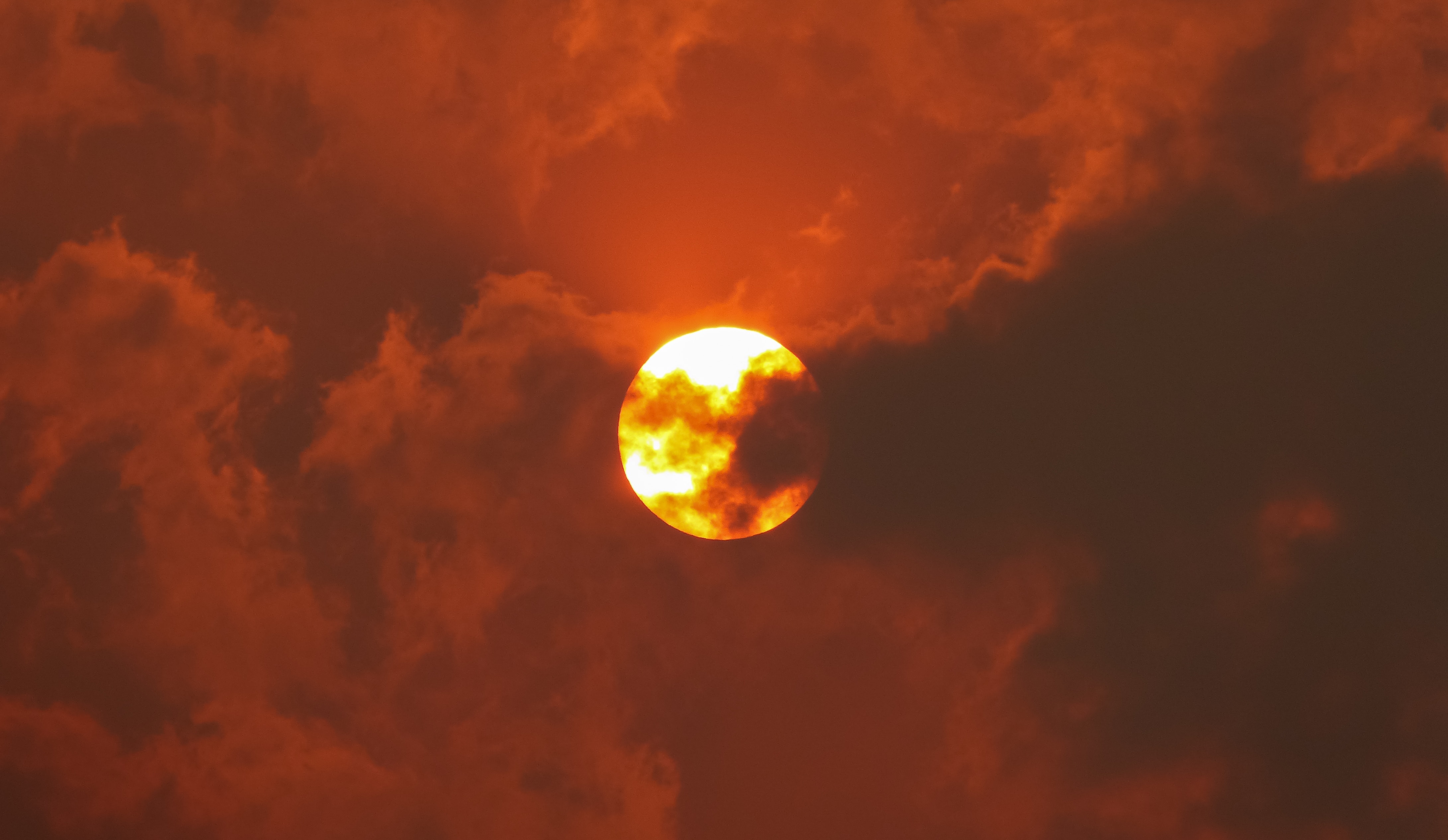
Photo by Willian Justen de Vasconcellos on Unsplash

I spent last week inspired by storytelling, a mechanism of empathy as Neil Gaiman calls it, during Climate Week NYC. I met dozens of family office leaders and their advisors. My dissertation for University of Cambridge focuses on this intersection — how storytelling can galvanize family office investment in nature-based solutions.

A few take-aways:

Language matters
I went to a New York Public Library event with Eliza Reid and Dr. Jenni Haukio, the First Ladies of Iceland and Finland. The discussion was moderated by Neil Gaiman, my favorite author. All three of them emphasized the importance of language and how the words we choose are intimately tied to our culture, geography, and ecology.

When talking about climate change, we can feel overwhelmed by inertia. One way to break that inertia is to go out into nature and listen to the stories she tells. The beauty and wonder of nature, and the inspiration she provides, is worth protecting, saving, and sacrificing for. Stories, in any medium and format, can center nature in powerful ways that emotionally connect us to one another and the natural world.

Art is vital to the climate conversation
Science, governance, and finance matter enormously in climate. Art matters just as much. It is the way in for many people. The expression of climate change’s impact on a personal level sticks with people more than facts and figures. We save things we love, that hold meaning for us, and art is a way to convey love and meaning. I want to create more climate talks and actions that are cross-sector, cross-generational, cross-geography. Let’s tear down the walls that divide us in favor of the bridges that connect us. I didn’t see a single talk at Climate Week that includes scientists, artists, policy makers, and financiers together on one stage. I’d like to make that the norm.

Where there are helpers, there is hope
I went to E2’s session on how New York (City and State) can make the most of the Inflation Reduction Act, the largest climate investment ever made by the U.S. government. I met three entrepreneurs who are doing innovative product development in the energy space. All are career switchers. They sincerely want to help, and that gives me hope.

Passion drives progress
I spoke to some financiers trying to serve family offices. I asked them what they love about what they do. They looked at me wide-eyed and silent. They have no idea what they love about what they do. They’ve never thought about it. They’re working on climate because as they said, “it’s what’s next”. 

I emphatically encouraged them to consider the why as much as the what. If they are just in this for their piece of the pie, that distracts from and hinders the movement. This work is too important, too vital to the well-being of every being to be in this just for the money they think they can make. Passion is the driving force for progress. Money is fuel for the journey. Let’s not get it twisted.

creativity

Stories of climate change teach us that we are each other’s tomorrow

This morning’s joyful find—THIS is the style of academic writing I’m here for! I’m reading through an academic paper about climate change communications that quotes one of my storytelling queens, the great author Ursula Le Guin. I nearly fell out of my chair with happiness!

Paraphrasing, it says we need to lay aside stories of the one hero versus one villain and begin to tell what Ursula Le Guin in “Dancing at the Edge of the World” called “the carrier bag narrative”: collecting stories to construct transformative narratives to help us find the strength to “stay with the trouble” so that we can change and inspire change in others. Stories transform our world by affording us the chance to co-construct our shared future.

We are all in this narrative of climate change, though our personal stories of its impact are not the same. Following Le Guin’s counsel, we need to tell our stories and also listen to the stories of others to construct the narrative system of climate change. There are many voices, many perspectives, and many outcomes, simultaneously being told and lived. They are all valid. They all play a part. It is therefore our responsibility to not just make ourselves heard and understood, but also to make sure others have the opportunity to do the same.

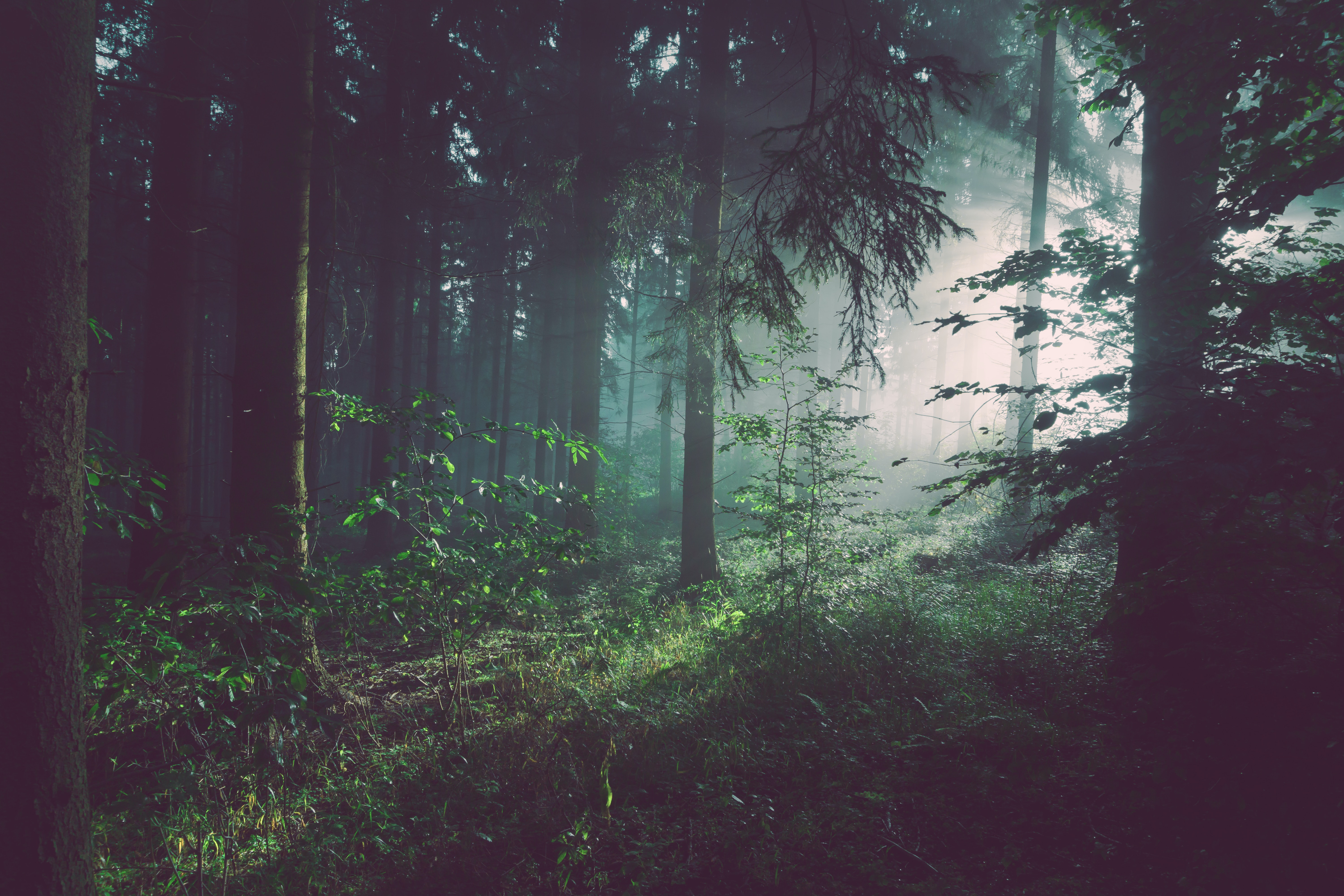
This isn’t about getting and taking what we think is ours. It’s about the idea of being the Mother Tree in the forest, making sure that each individual in the system has what they need to grow and thrive. We are all made better when each of us is well.

creativity

At Brooklyn’s Green-Wood Cemetery, the circle of life continues

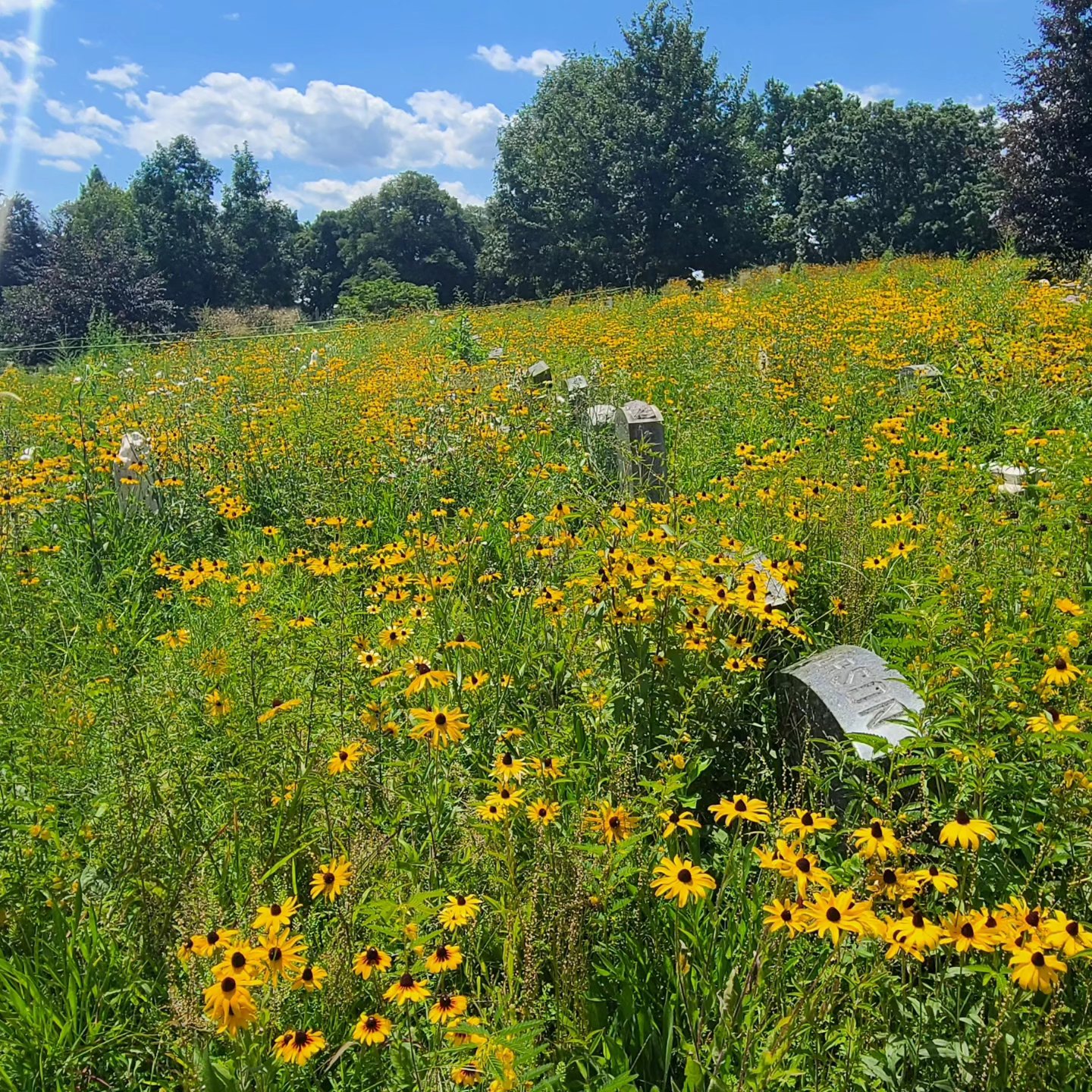
Brooklyn’s Green-Wood Cemetery is much more than a final resting place for over 600,000 people. It’s also an arboretum, wildlife sanctuary, and a community resource to mitigate climate change where life and death exist side-by-side. A 30-minute walk from my apartment, it’s a place I visit often as I get to know my new borough.

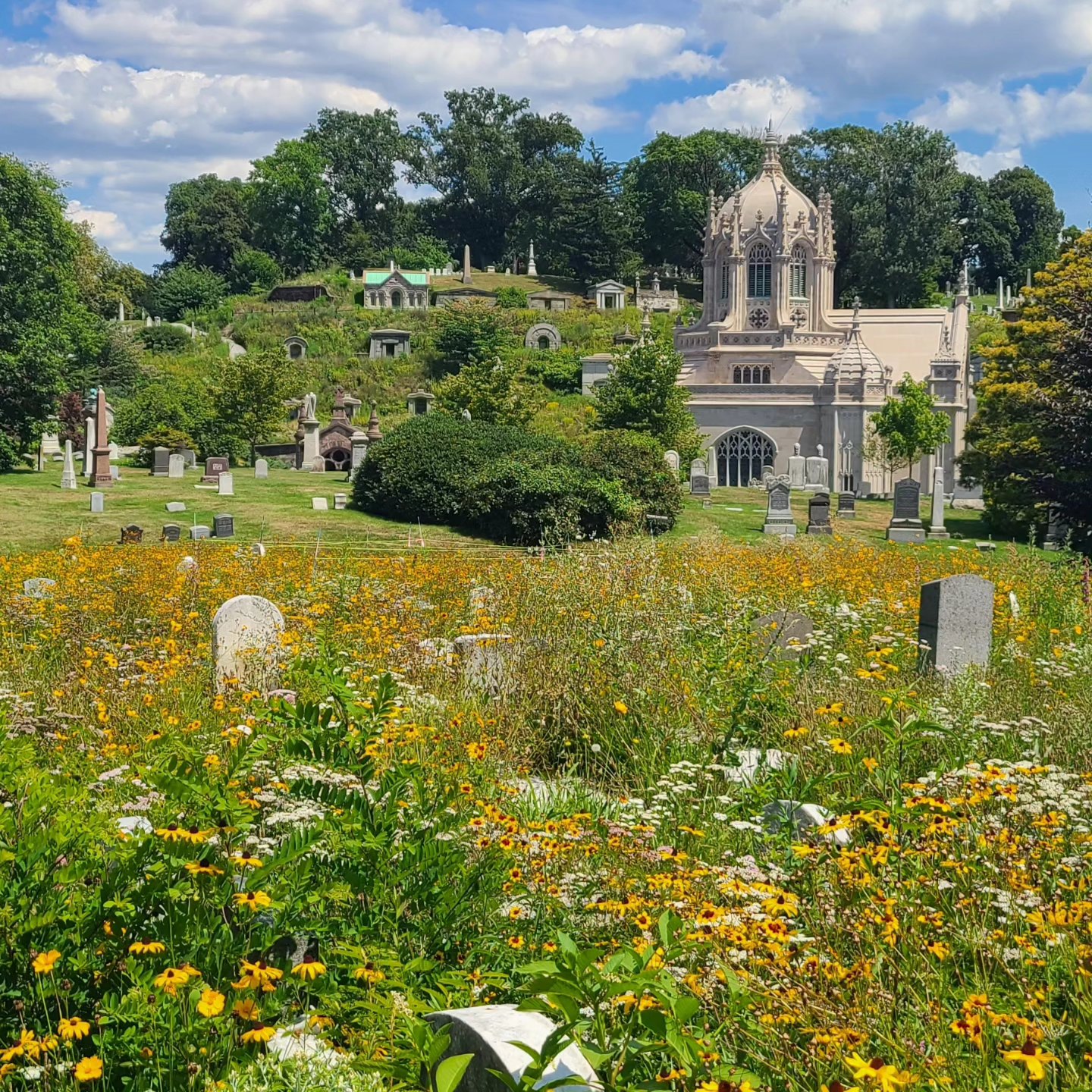
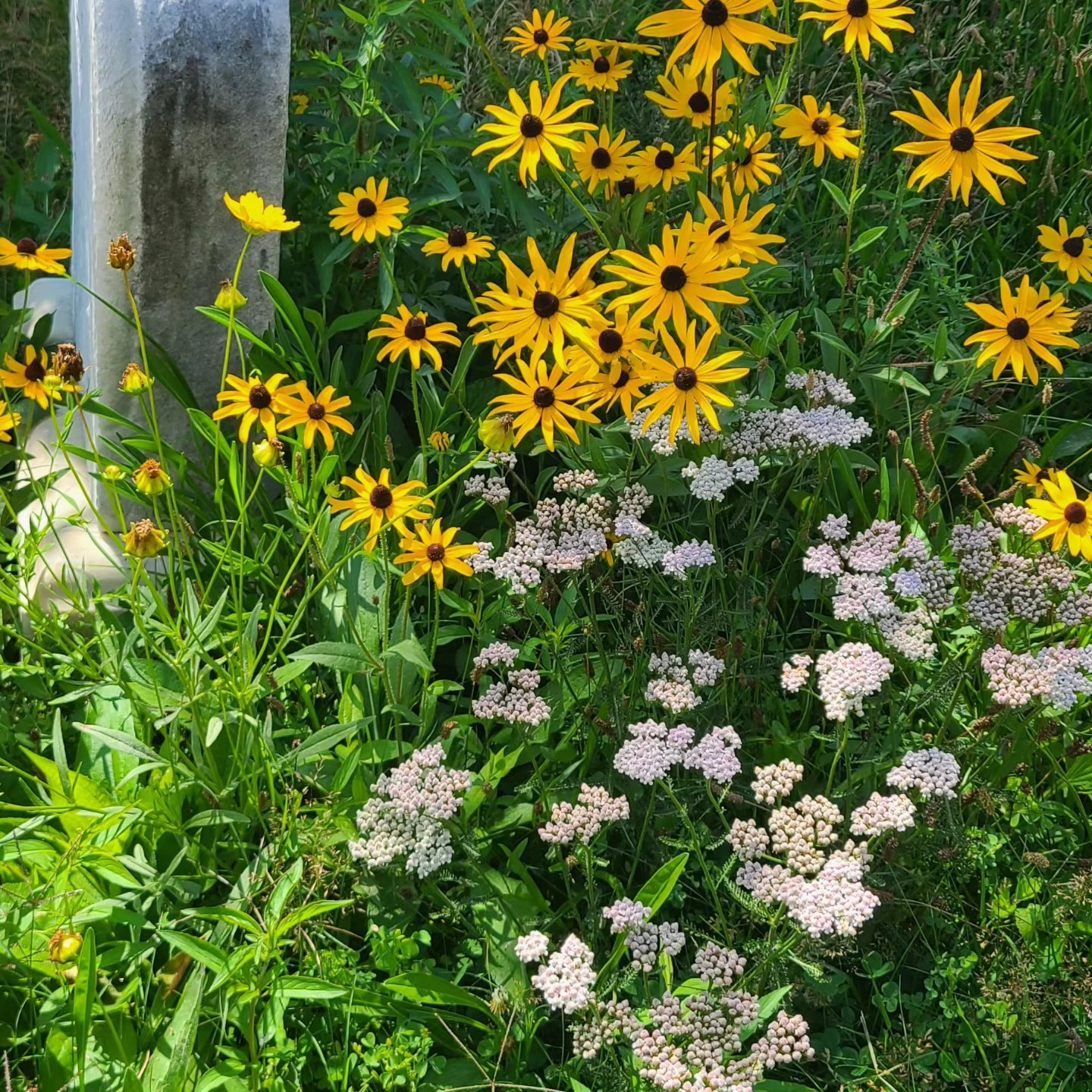
With 478 acres, Green-Wood is home to over 7,000 trees from 690 different species, 216 species of birds (including the Argentinian monk parrots who make their home in the architecture of the entrance gates!), and dozens of species of mammals, fungi, and insects, especially pollinators thanks to their beehives and wildflower meadows. Each new planting is selected for its climate adaptiveness, wildlife value, enhancement of the beauty of the landscape, and resilience. Every year Green-Wood’s living collection is responsible for sequestering 264,000 lbs. of carbon dioxide, removing 12,000 lbs. of pollution from the air we breathe, and mitigating 2,620,000 gallons of stormwater from overwhelming Brooklyn’s sewage system.

Founded in 1838, Green-Wood was Brooklyn’s first public park during a period of rapid urbanization. It became so popular, that it inspired the competition to build both Central Park in Manhattan and nearby Prospect Park in Brooklyn. Olmsted and Vaux won both competitions and designed both parks. After designing Central Park, they said that “Prospect Park is everything we wanted Central Park to be.” How very Brooklyn of them!

Green-Wood is also filled with gorgeous art. Inside the chapel, there’s currently a beautiful art installation paying homage to the stories of lesser known souls who are buried on its grounds. I’ve been to classical music concerts inside the crypt, whiskey tastings on its many sprawling lawns, and a Halloween Party that felt like a New Orleans carnival. It is one of the city’s treasures. No wonder it attracts over 500,000 visitors every year.

I love cemeteries and seek them out when I travel. If you find yourself in New York and want to get a sense of our history, ecology, culture, Green-Wood should be high on your list.

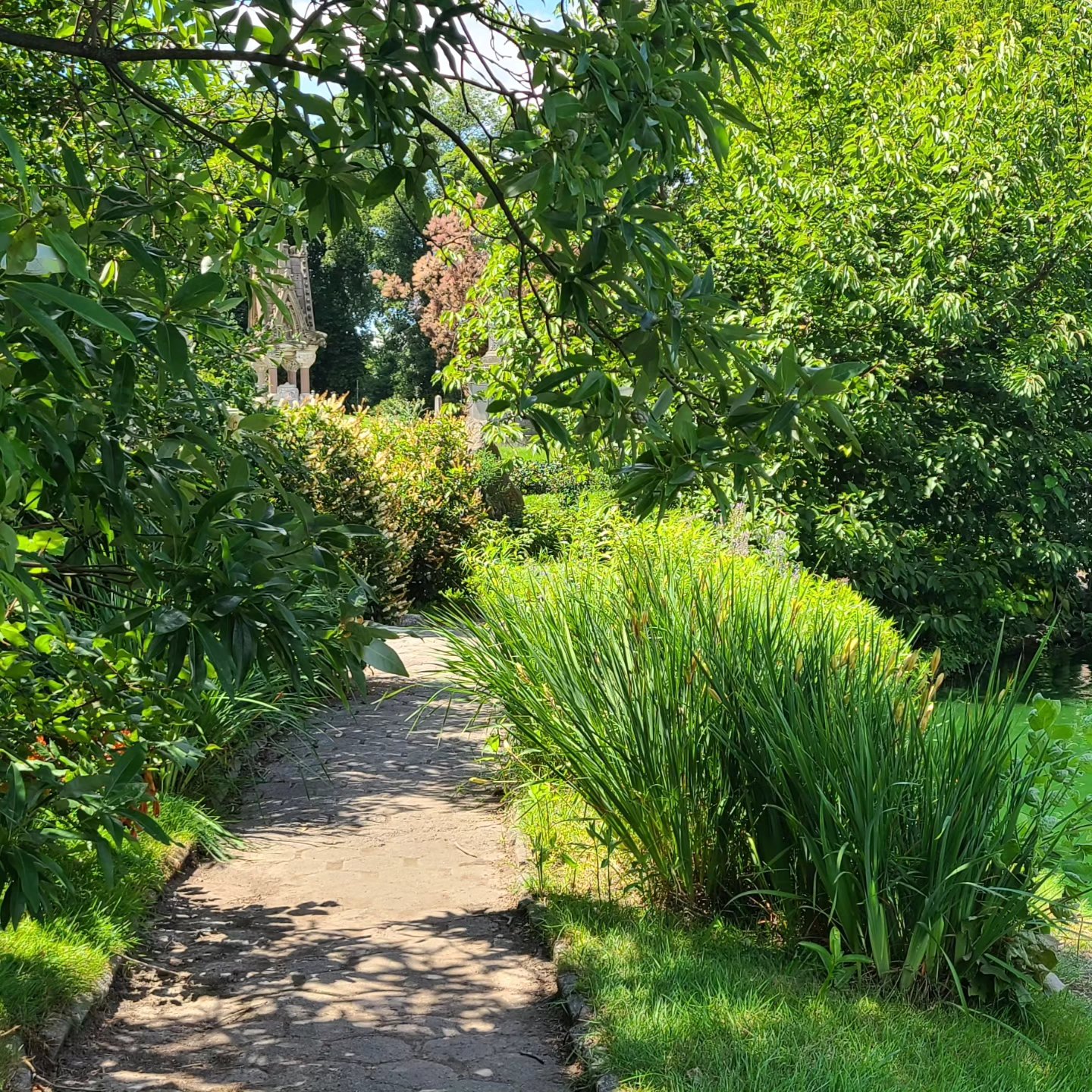
All photos below were taken by me at Green-Wood. You’re welcome to use them as long as they are attributed to me. Thank you.

creativity

Mitigation and adaptation: How to prepare and protect our natural world in the age of climate change

Photo by Mike Newbry on Unsplash

My eyes started to fill up watching the footage from Maui, Hawaii. I’ve struggled to put my emotions into words as I poured over the coverage. Nearly 14 years to the day, I lost almost everything, including my life, to an apartment building fire on the Upper West Side of New York City. I know the fear of running for my life, away from flames and into the emptiness of the aftermath. The smell of that noxious smoke is still in my nose and memory. I think it always will be.

I wish I could be in Maui to help. Whether using my logistics and operations experience to get survivors supplies and basic needs, or just being there to comfort people knowing exactly how they feel to have lost everything, I can’t help but think that my life and career could be of use in the midst of this horrible tragedy.

Already Maui’s fires are prompting conversations in the sustainability community. When we talk about sustainability solutions, we look at mitigation (halting and reversing climate change and its impacts) and adaptation (preparing ourselves for the impacts of a warming world on our lives). Now in my second year at University of Cambridge studying sustainability, I’m beginning to formulate my career plans for what comes next. I’m using this mitigation and adaptation split as a frame for my future work:

  • What can I do to preserve the natural world we have now and rewild, restore, renew, and regenerate what’s been lost?
  • What can I do to prevent the devastation that will continue, and worsen, because of climate change so we protect lives and natural areas?
  • Can I do both, or do I have to choose where I think I can be the most value?

My Cambridge dissertation involves securing funding from the wealthiest people in the world to fill the climate finance gap. One thing I’ll test is which of these strategic objectives, mitigation or adaptation, resonates most with these funders. Maybe they’ll also see the value in both. I suspect this research will help me figure out where I fit into the puzzle, and how my skills can best be utilized as we begin the fight for and battle of our lives. I’m ready to take the journey, wherever it leads.

creativity

How climate change is impacting theater in Italy and around the globe

Here is a fascinating, and incredibly sad, fallout from climate change that I had not previously considered. I manage the streaming movie channel for a world-class arts organization based in New York. We curate the finest concerts, dance, opera, and music-based documentaries from around the globe, and provide them to subscribers in 63 countries. 

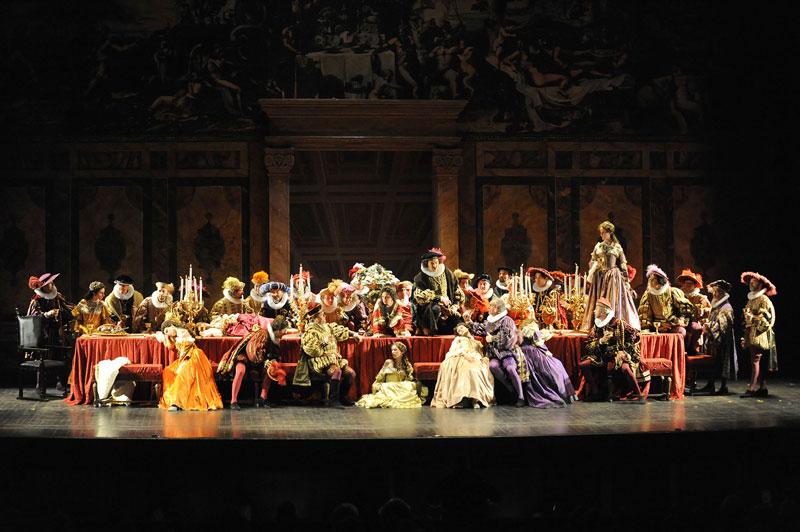
Recently, we had to pull a performance of Rigoletto from our future lineup because the performance we were planning to record this summer cannot be staged in Italy. Climate change has made it too hot, and it would be unsafe health-wise for the performers, technicians, and audience. Further proof that climate change is having broad reaching impacts on every industry, everywhere. 

Over time, this will only grow unless we halt emissions. Even the art we love and look forward to experiencing, and the economic and cultural benefit the arts bring to so many communities around the world, is at risk of disappearing.

creativity

Games and Climate Action at the UN’s inaugural Games and SDG Summit

United Nations HQ in NYC – Games for Change

I spent my first year at University of Cambridge researching and writing about the role of video games to encourage climate action. I was fortunate to collaborate with the incredible team at ustwo Games on this work, especially Jennifer Estaris who is a shining star in the games for good space. They are a group of passionate, talented, and deeply committed people. Through our work, I realized that video games can and will play a part in building a healthier, more joyful, safer, and more sustainable world.

Games are for everyone. They unify people across cultures, continents, and every demographic designation. Their stories are timely and timeless. They allow us to reconcile with our past, make sense of our present, and simulate our future with a high degree of accuracy and an abundance of empathy. They help us not only to imagine a better and brighter future, but also create the roadmap to get there. Games can do what so many other tools can’t: they can transcend politics, cross the chasm of experience, and help establish common ground. They are a map, a compass, and a guidebook to the very highest calling of humanity—to be humane to all beings.

Today I’m at the United Nations for the inaugural Games and SDG (Sustainable Development Goals) Summit at the UN Headquarters, the kick-off to the 20th Games for Change Festival. I’m honored to be invited with industry professionals, government officials, and sustainable development experts, and look forward to all of the incredible conversations, ideas, and ambitions that will flow through each and every person in the room. Together, we’re building the path to higher ground, and I can’t wait to see what we find. 

creativity

I’m starting my sustainability dissertation at University of Cambridge

My dissertation proposal has been accepted by University of Cambridge and I have a fantastic supervisor who is based at The London School of Economics and Political Science, Grantham Research Institute on Climate Change and the Environment.

I’ll spend the next year developing a framework for climate change storytelling to connect sustainability advocates with family offices investigating sustainable investments and business decisions. I’m passionate about creating win-win-win opportunities for these families, the planet, and all beings who share this home.

The capital shortfall is a massive challenge for the shift to a sustainable society, and my hope is that my dissertation can help contribute a piece of the solution. Here we go!

creativity

I’ll be at Games for Change 2023 as press

I’ll be attending this year’s Games for Change festival in New York City in July with press credentials. I’m a freelancer so I’m looking forward to submitting pieces to a number of publications. If you’re interested in having me write for your publication, please get in touch at christa.avampato@gmail.com.

I spoke at the festival a decade ago for the 10th anniversary when I was with Sesame Workshop managing the National STEM Video Game Challenge. At this year’s 20th anniversary, I’m looking forward to meeting and learning from all of the attendees, and being inspired by how games are helping to build a better world for all beings. I’m particularly interested in games and developers focused on climate issues and the environment.

If you’ll be there, let me know. I’d love to meet you, and hear about what you’re doing. You can reach out to me at christa.avampato@gmail.com.

creativity

Myth-busting: Canada is not to blame for wildfires impacting NYC, and these fires aren’t “natural”

Photo by Kym MacKinnon on Unsplash

The U.S. loves a good blame game. I’ve seen some journalists and talking heads blame Canada for New York City’s hideous air quality that is now migrating south, and others call these fires “natural”. Let’s debunk both these myths.

Don’t blame Canada
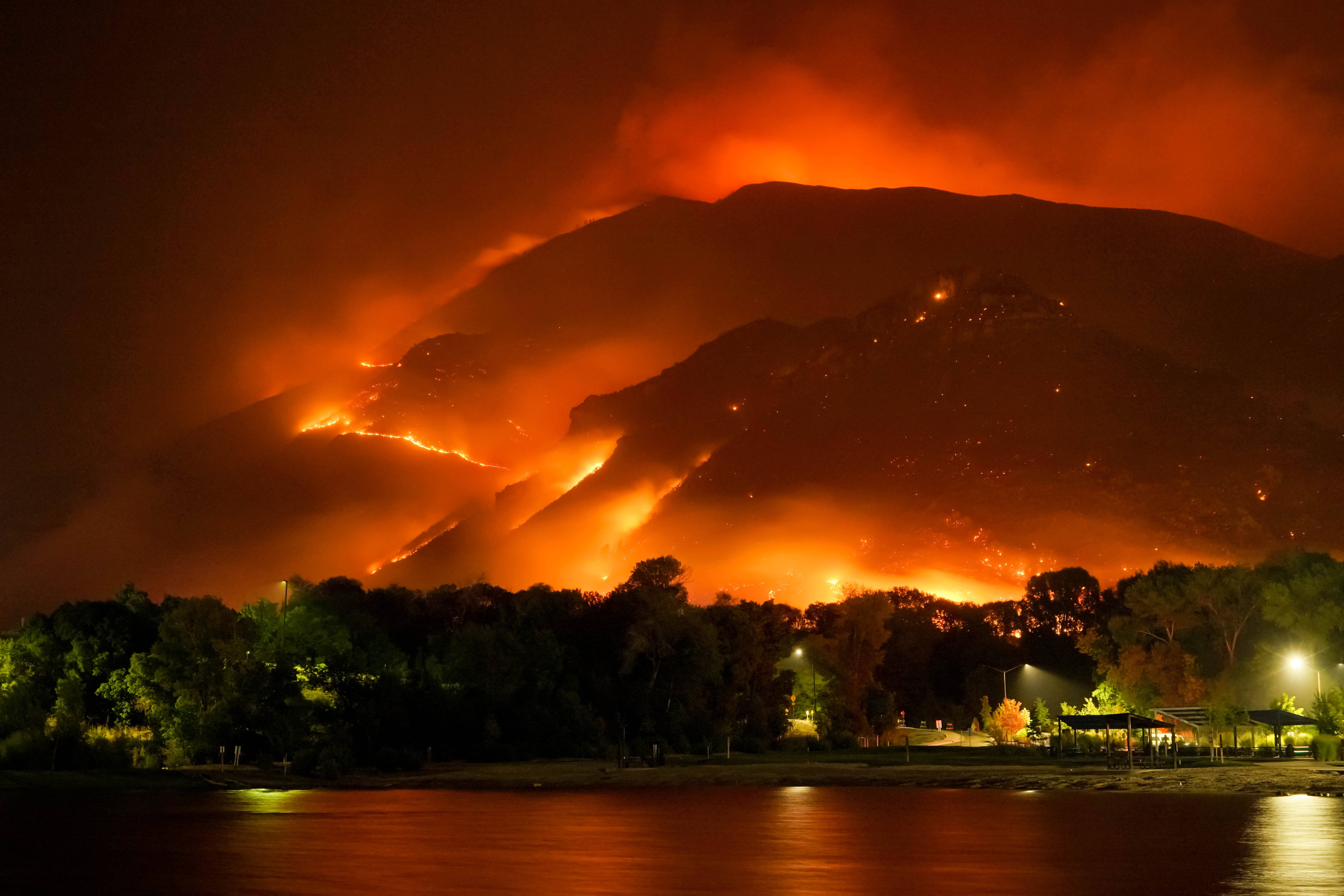
Canada is not the enemy, just the stage for this latest environmental tragedy. The wildfires were caused by years of extreme temperatures and drought, driven by climate change, drying out forests and making them hotter. This is a great recipe for kindling. Canada’s millions of acres of forest are tinderboxes. 

Dry, hot weather also creates more lightning. Lightning starts 50% of Canada’s wildfires that generate 85% of wildfire destruction. The other half of Canada’s wildfires are caused by human activity. Changing our collective behaviour to mitigate the impacts of humanity-driven climate change needs to be our collaborative focus. 

These Canadian wildfires are not “natural”
Climate deniers love to throw around the word “natural”. There is nothing natural about the fires except for the fact that they are impacting nature in profound ways that will, if left unchecked, leave this planet and us in jeopardy. There’s nothing natural about massive consumption far beyond our needs, our outrageous generation of trash and pollution, and the intense love affair we have with fossil fuel use. This wildfire season has started earlier, is already more fierce than any in history, and will last longer. All of these circumstances are driven by an accelerated rate of climate change, rate being the opportune word. 

Yes, climate changes over time, and so does weather. Another myth to debunk—climate and weather are not the same. Climate is a pattern over time; weather is an acute event. They are linked, but they are not the same. We expect weather to change. We expect, and need, climate to be stable.

For the past 12,000 years, the Earth’s climate has been stable with very little change. In the past 150 years, the change to our climate has been substantial, occurred at a rate at which nature cannot adjust and adapt to maintain quality of life, and is due to human activity. This is anything but natural. 

We still have time to fix this
As treacherous as this situation is now, all is not lost, yet. We can change our behaviours. We can change how we live on and with this planet, and all the species who call it home. We can eat more plants and fewer animal products. We can use less energy, and create more of it from sustainable sources. We can have honest conversations, and take more responsibility as individuals, communities, governments, and businesses. We can be alarmed, maintain hope, and use tragedy as fuel to turn pain and peril into power through our actions.

What we can’t do is lie, bury our heads in the sand, prey off of people’s fears, and be complacent. It’s time to rise together to protect the planet. Our own lives and livelihoods hang in the balance. 

creativity

New York wakes up to climate change

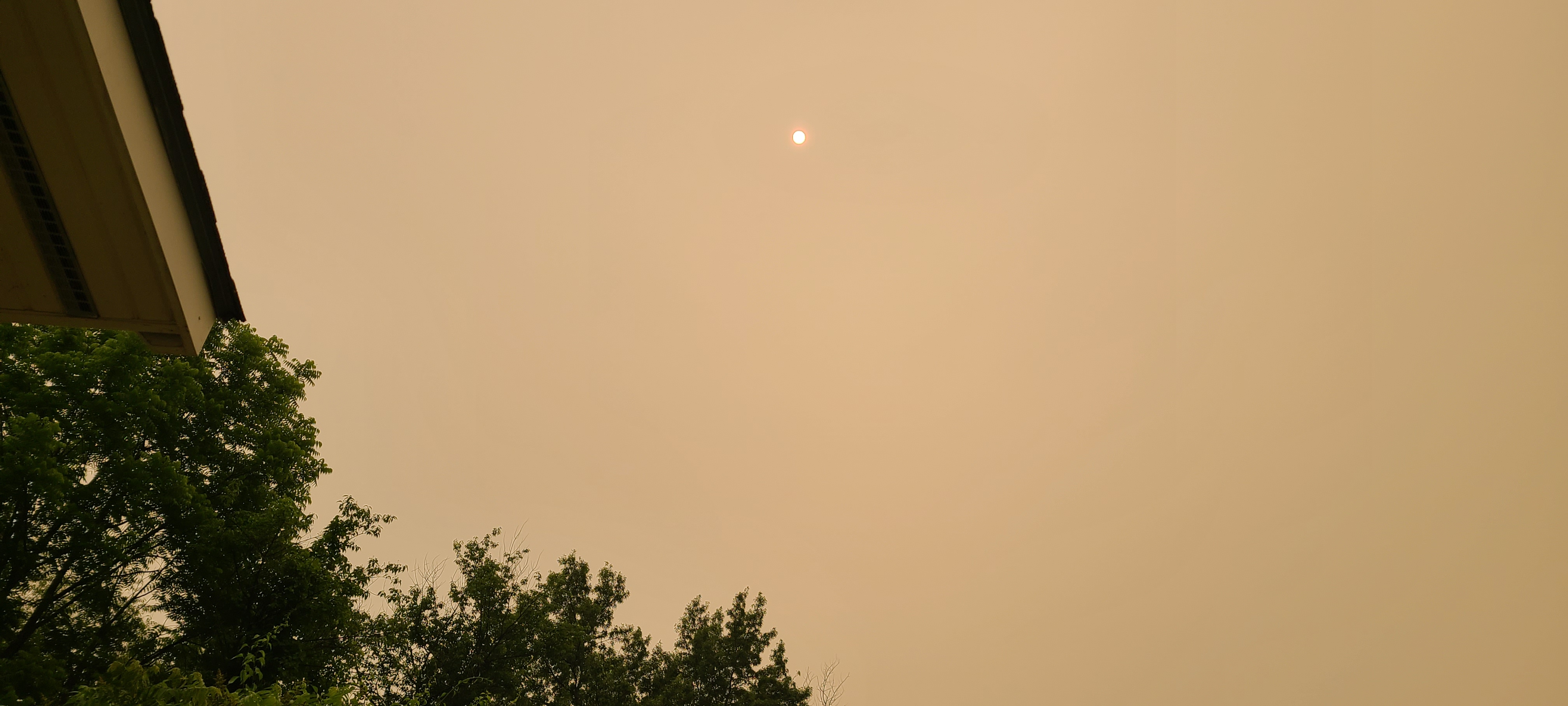
Picture I took this morning of the thick skies in upstate New York

Yesterday, Mayor Adams walked out of Gracie Mansion, smelled the air, looked at the sky, and asked, “What the hell is this?” This, Mr. Mayor, is climate change.

A truly stunning series of events is unfolding in New York. For the first time in recorded history, the AQI (air quality index) was over 200. 218 to be exact—a purple warning, the highest level of the AQI. Right now, it is the second worst air quality in the world. Canadian wildfires are mixing with ground level ozone to create a thick smoky gravy in the skies. 

It’s forcing New Yorkers indoors to protect their health. The city has asked that if they must go outdoors, they should dig out and wear those KN95 masks they thought were in their COVID-19 rearview mirrors. They are being encouraged to work from home is possible, and many events are being cancelled across the city, including after-school activities. 

To my knowledge, the 33-minute press conference that Mayor Adams and his collaborators and staff held this morning on the situation is the first time a New York Mayor has held such an event specifically because of climate change, with that being the dominant message at the event. It won’t be the last. The climate emergency is here, it’s impacting daily life, and it will get worse. 

During the War of 1812, Master Commandant Oliver Perry wrote to Major General William Henry Harrison, “We have met the enemy, and they are ours.” He could easily write the same line today with respect to climate change. We are the problem, and we are also the solution.

Synchronistically, I am in upstate New York taking a break as I wait for my new Brooklyn apartment to be ready and I am working my way through the climate segment of my Masters degree in Sustainability Leadership at University of Cambridge. For the record, I don’t like to be away from my city when there’s a crisis. As a proud and committed New Yorker, I feel responsible for my home, my neighbors, and our collective future, particularly when it comes to environmental sustainability. 

Some environmental facts about New York City may surprise you. New York has more trees than any other U.S. city has people, with 39.2% tree cover, the highest of any city in the world. New York City’s greenhouse gas emissions are 7.1 metric tons per person compared with the national average of 24.5. New Yorkers are collectively responsible for just 1% of the nation’s total greenhouse gas emissions though we comprise 2.7% of the nation’s population. We are the only city in the U.S. where well over half of households do not own a car, and most people regularly take public transit — the highest percentage to do so in the nation. 78% of New Yorkers are personally convinced climate change is happening, slightly higher than the 71% national average

Still, inequality in environmental impacts and health outcomes, often linked to environmental causes, is rampant in New York. It has the third highest cancer instance in the country, the old housing stock and lead paint are ongoing concerns, and pests are so rampant that we have a rat czar (her actual title), Kathleen Corradi, on the city payroll. Though the average New Yorker creates less trash than the national average, we are the largest city by population and collectively generate 14 million tons of trash every year, which is all shipped out of the city for processing.

The inequality in New York is also causing a disparity in impact with this latest air quality warning. I feel for the elderly, those with health challenges intensely impacted by this situation, those in neighborhoods who are already disproportionately impacted by climate change and health challenges, and essential workers such as sanitation workers who again are being asked to show up in our city for our sake. 

I also feel for the animals and natural landscapes who did nothing to precipitate this situation, and now have no protection from the fallout. New York is home to over 7,000 species of plants and animals, and we are in one of the 36 global biodiversity hotspots. We need this biodiversity in flora and fauna, and they need us to change our ways, now more than ever. 

My biggest goal in my life is to make New York the healthiest and most sustainable city on the planet. We have much to do, and a long way to go. This latest air quality warning proves we must go together.