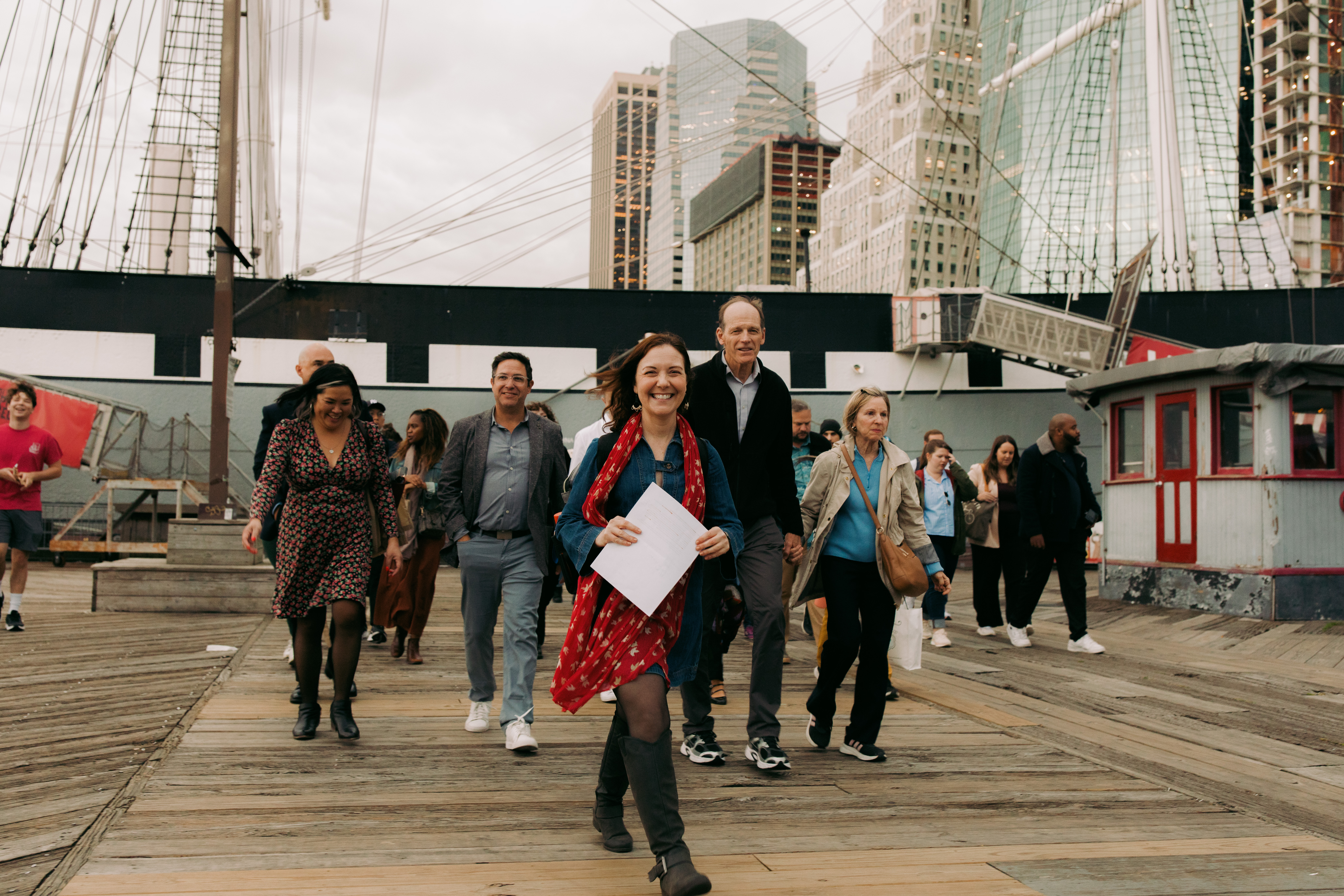
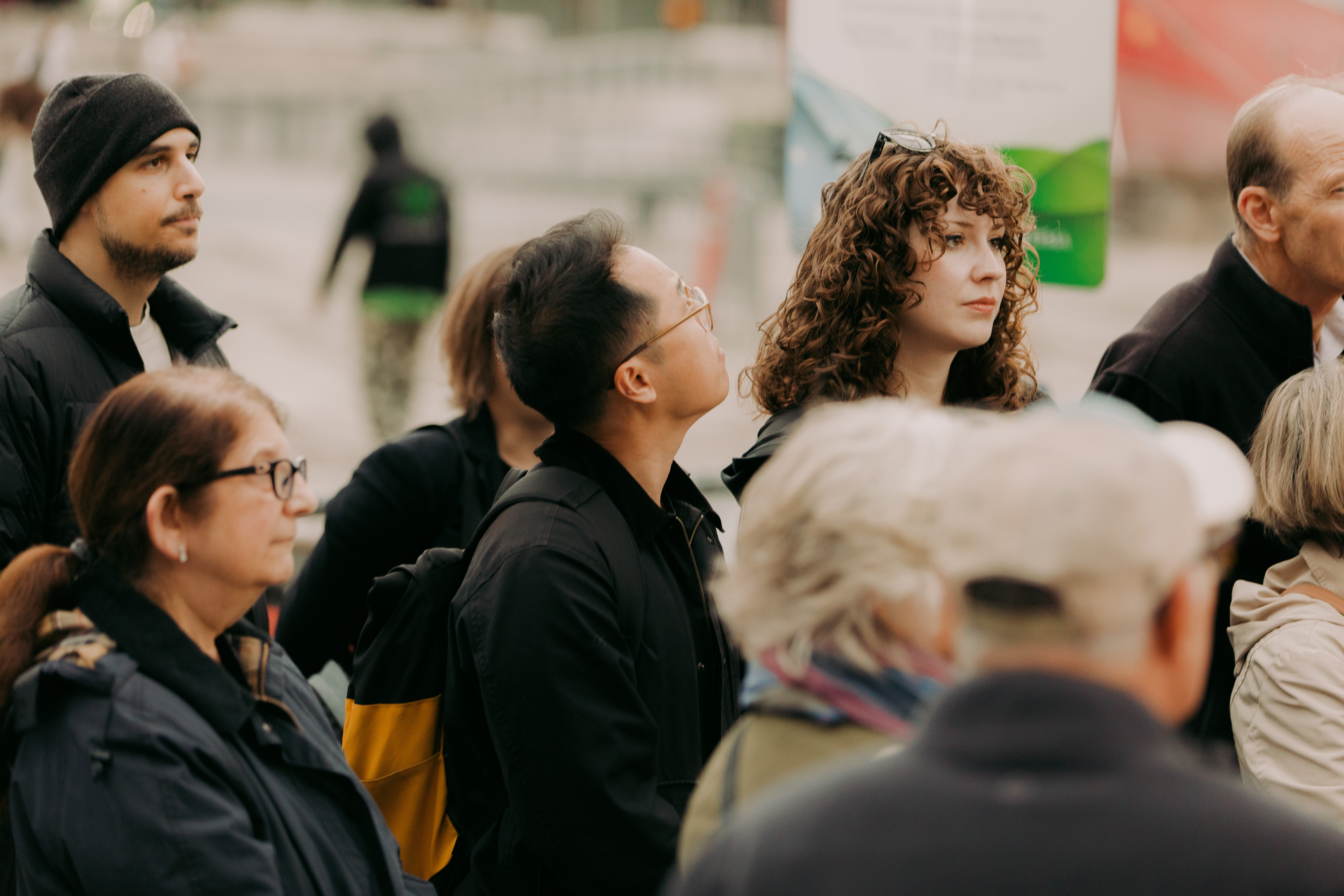
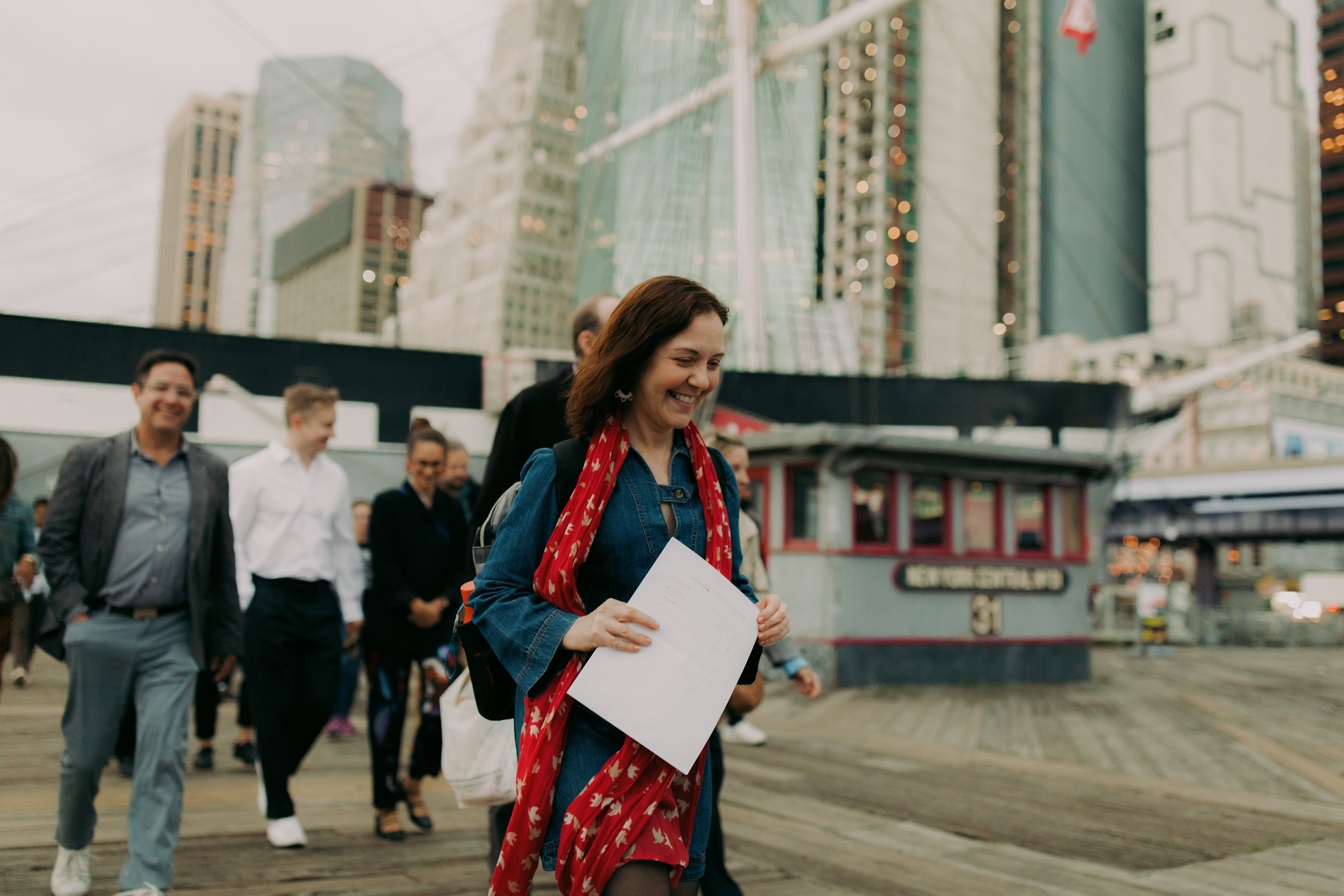
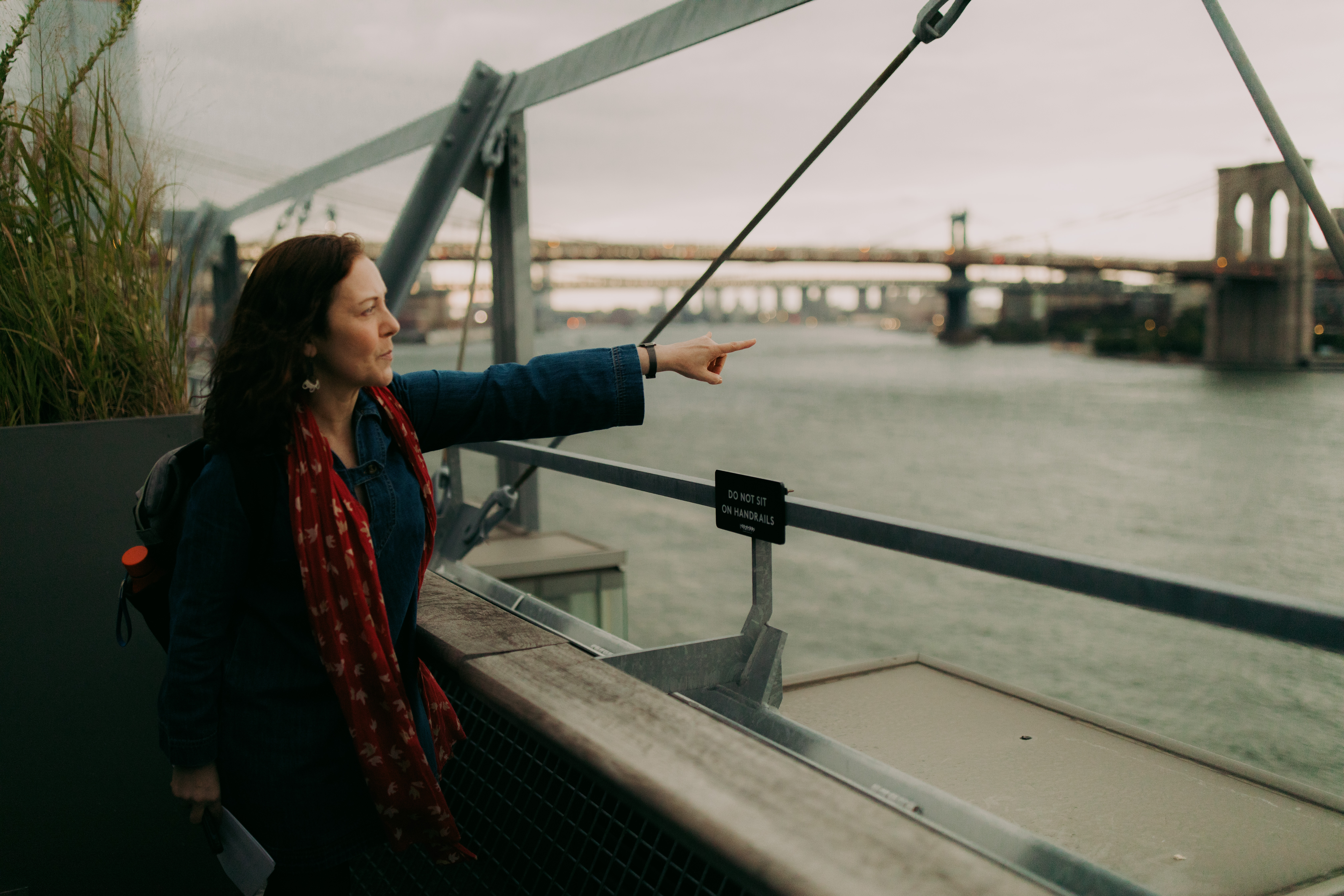
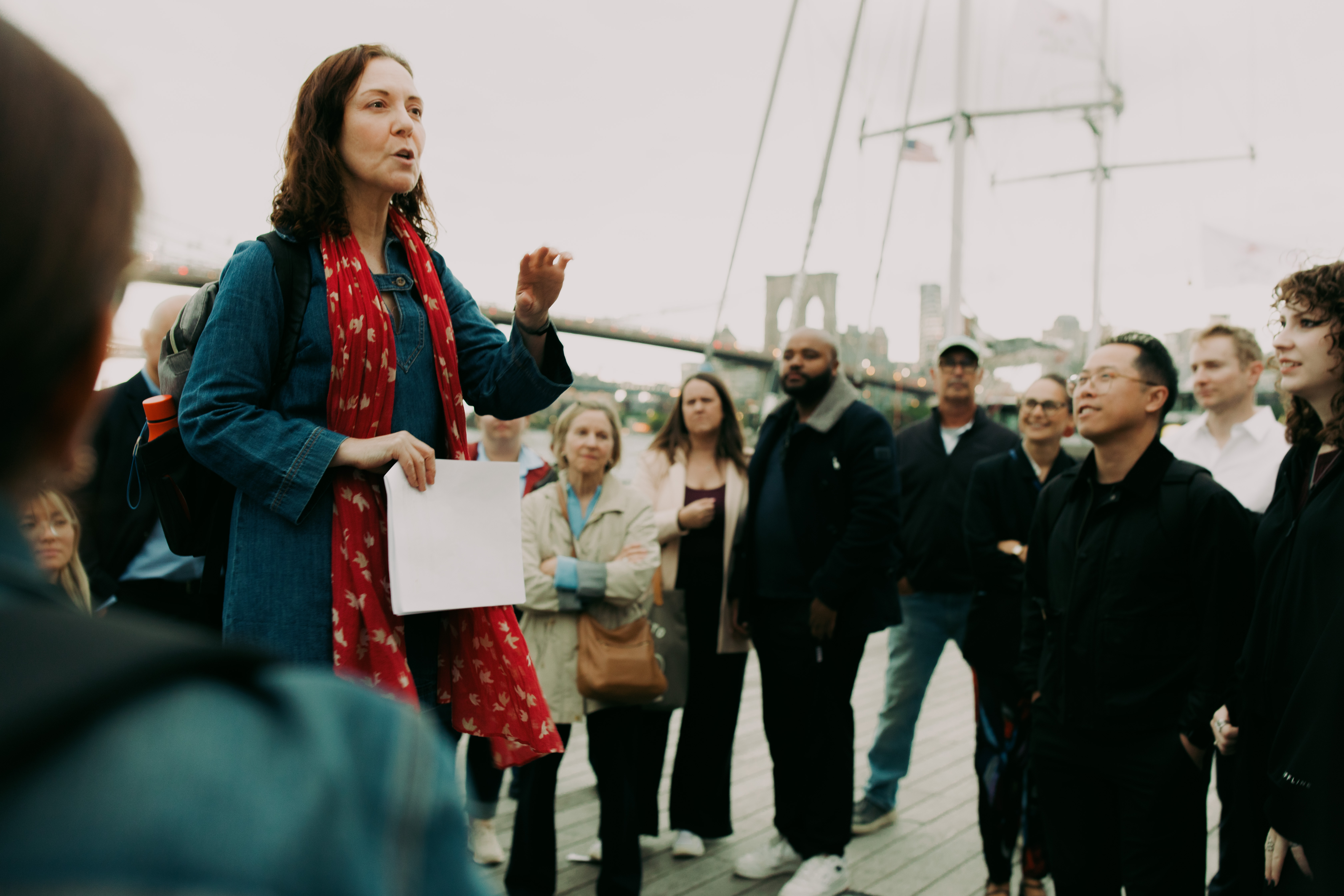
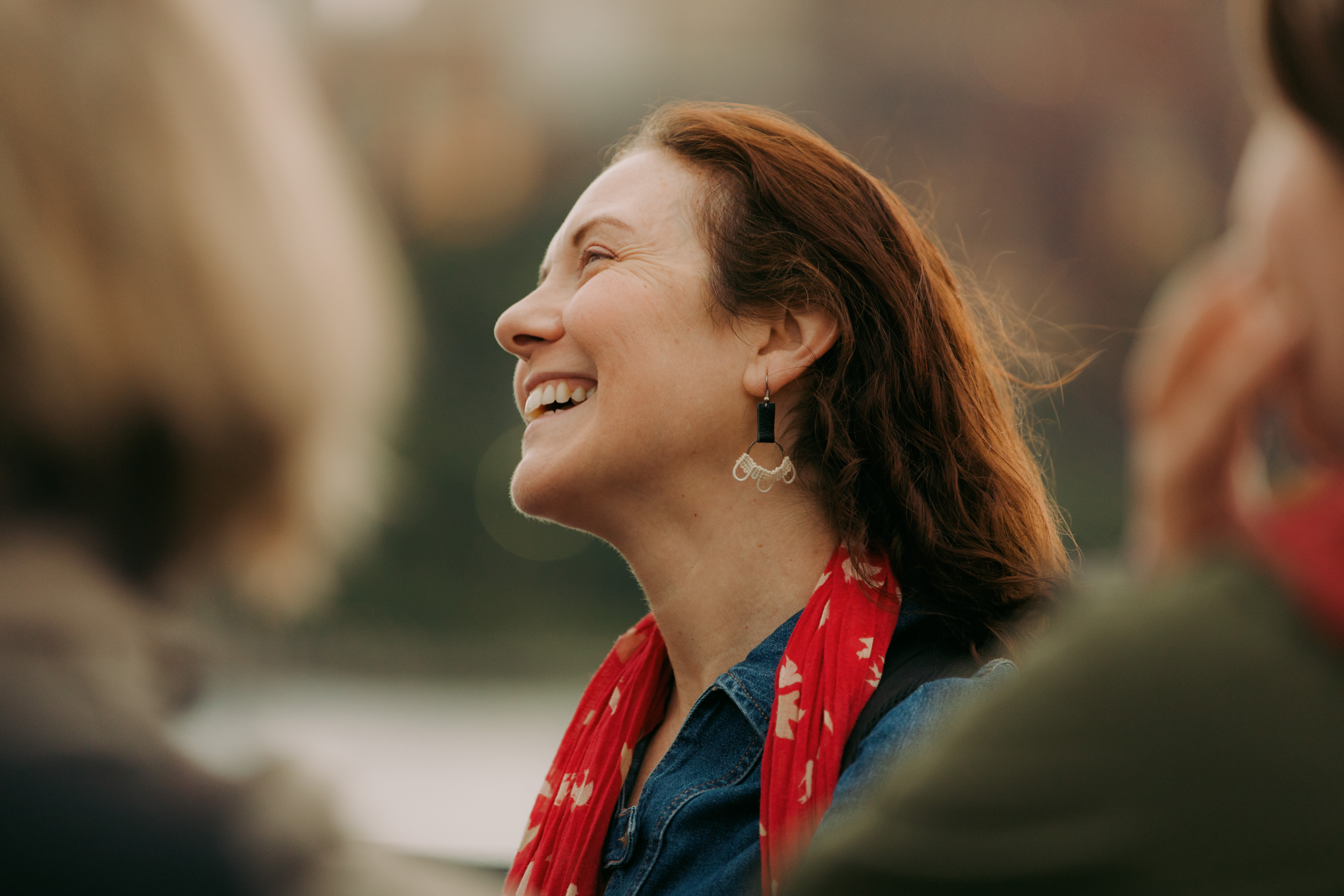
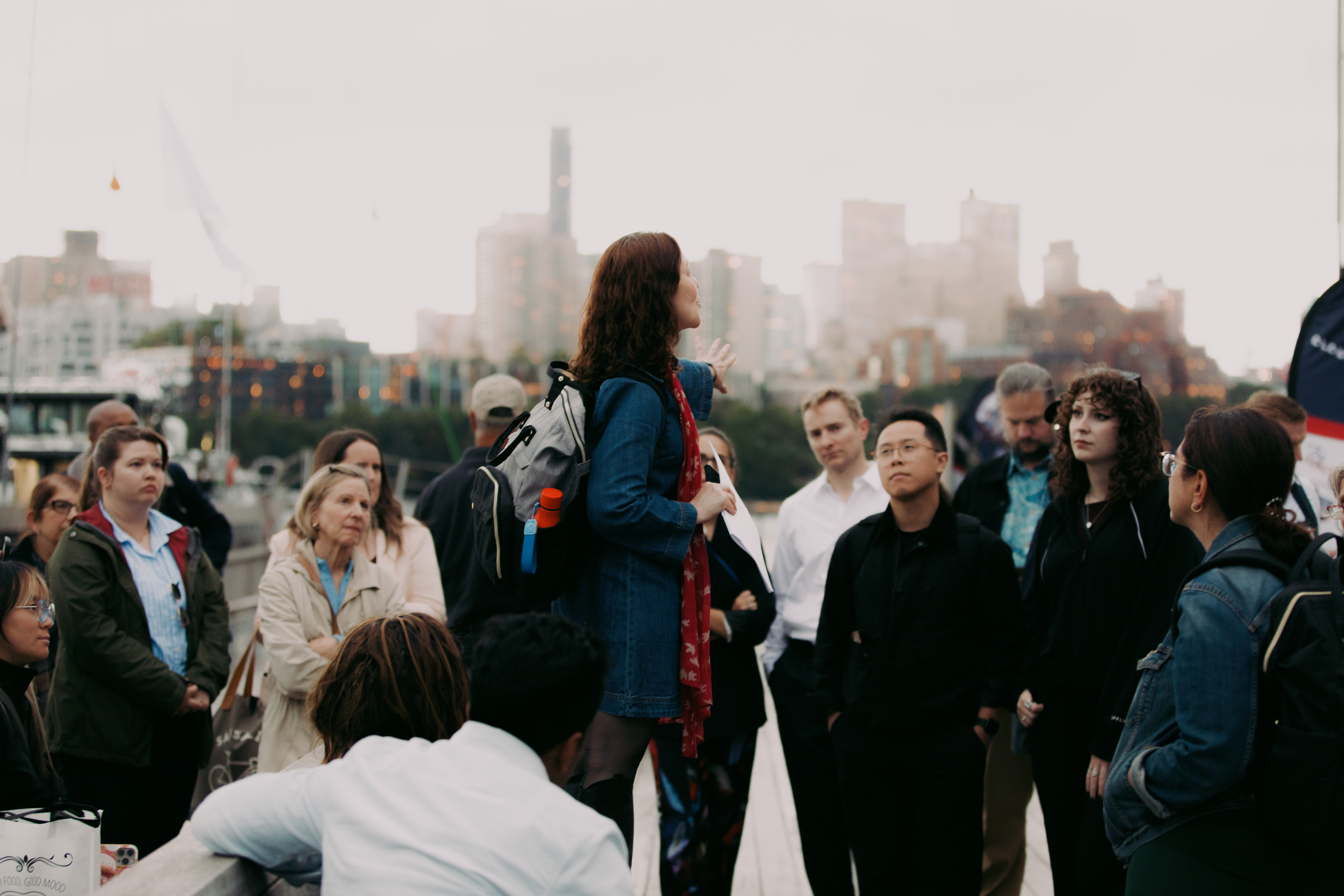
Me leading our tour group. Photo by Shannon Carroll.
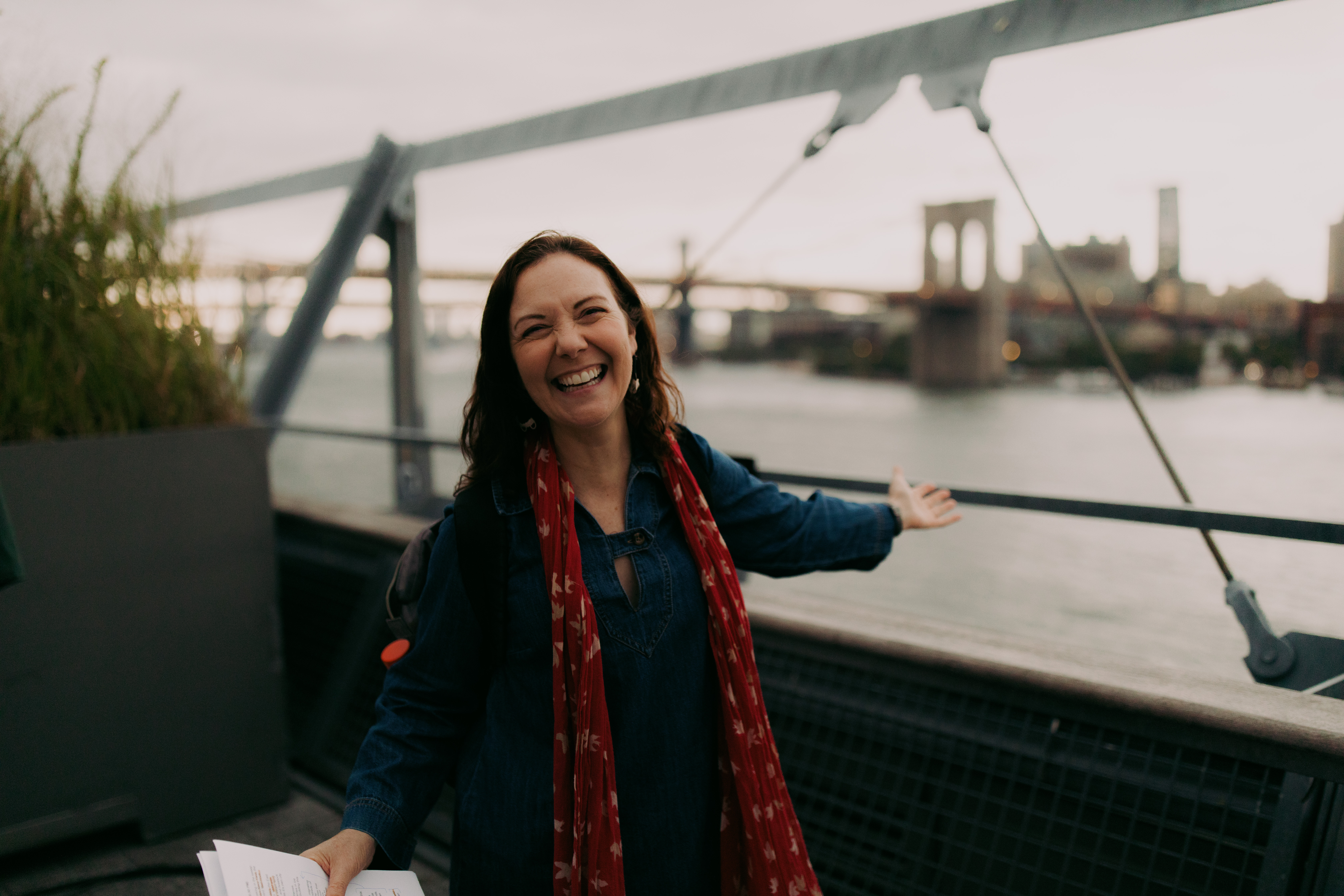
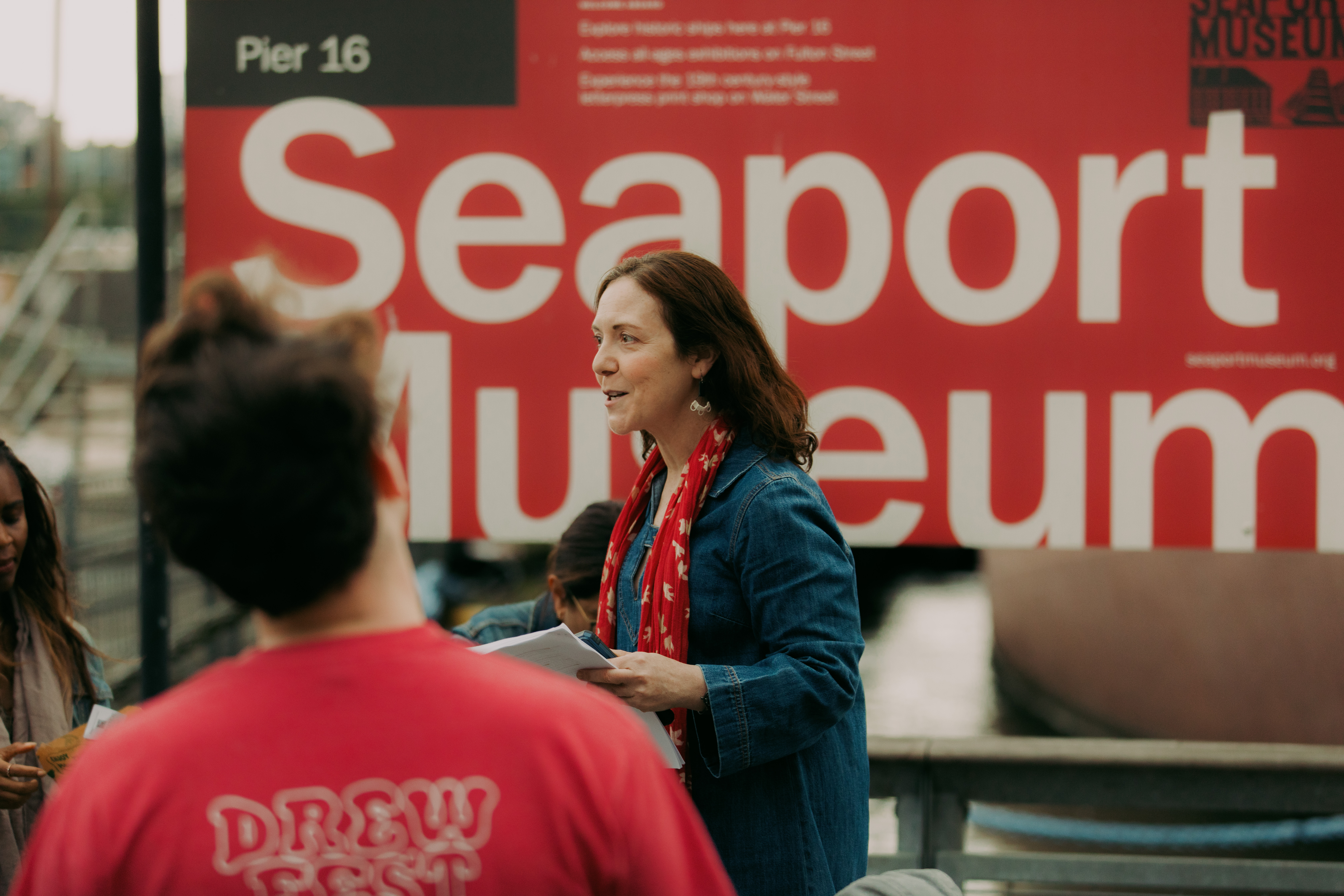
This is me in my happy place: sharing stories about New York City’s secret past, weaving together narratives about food, nature, and people. My second official Climate Week NYC event was a huge success!
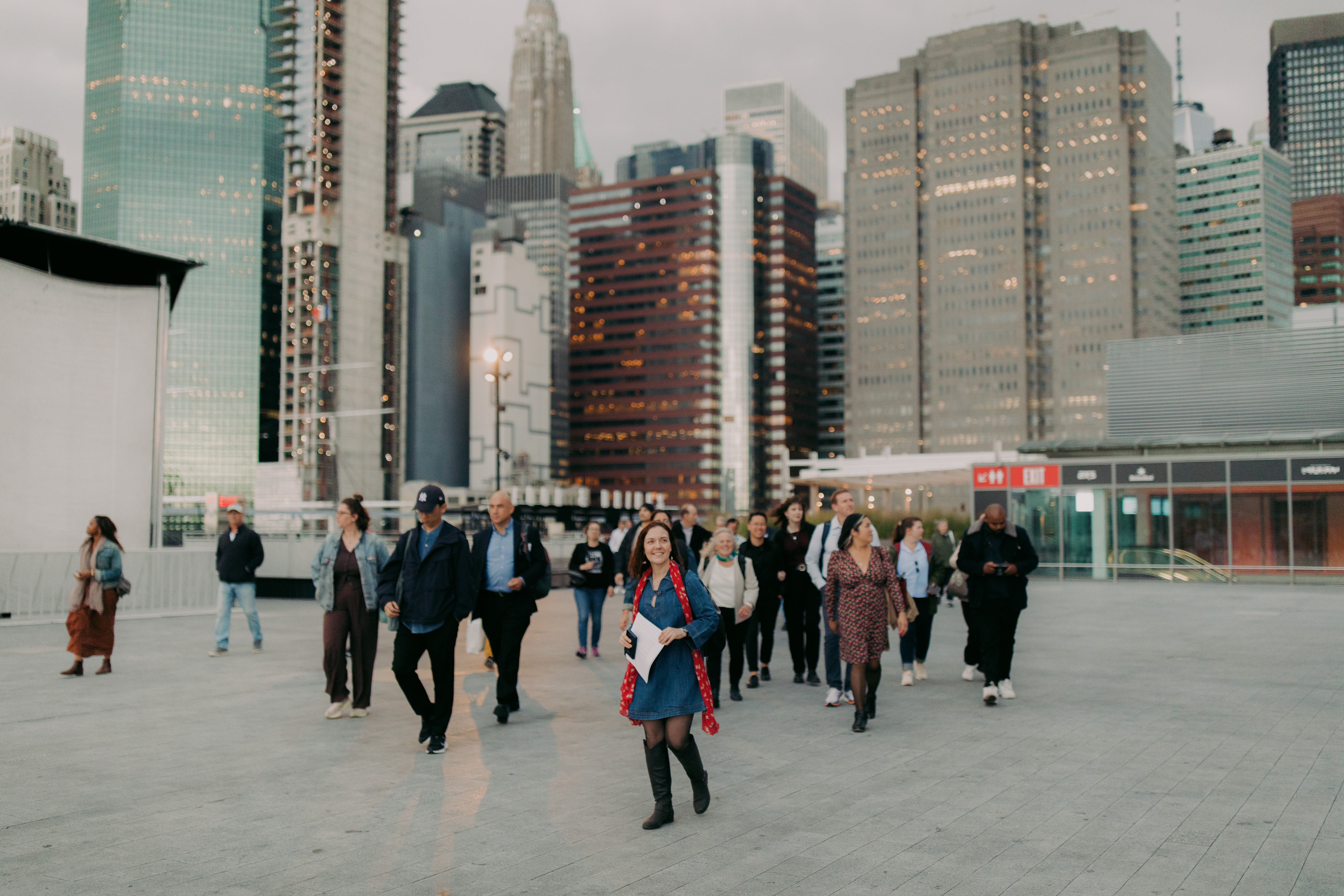
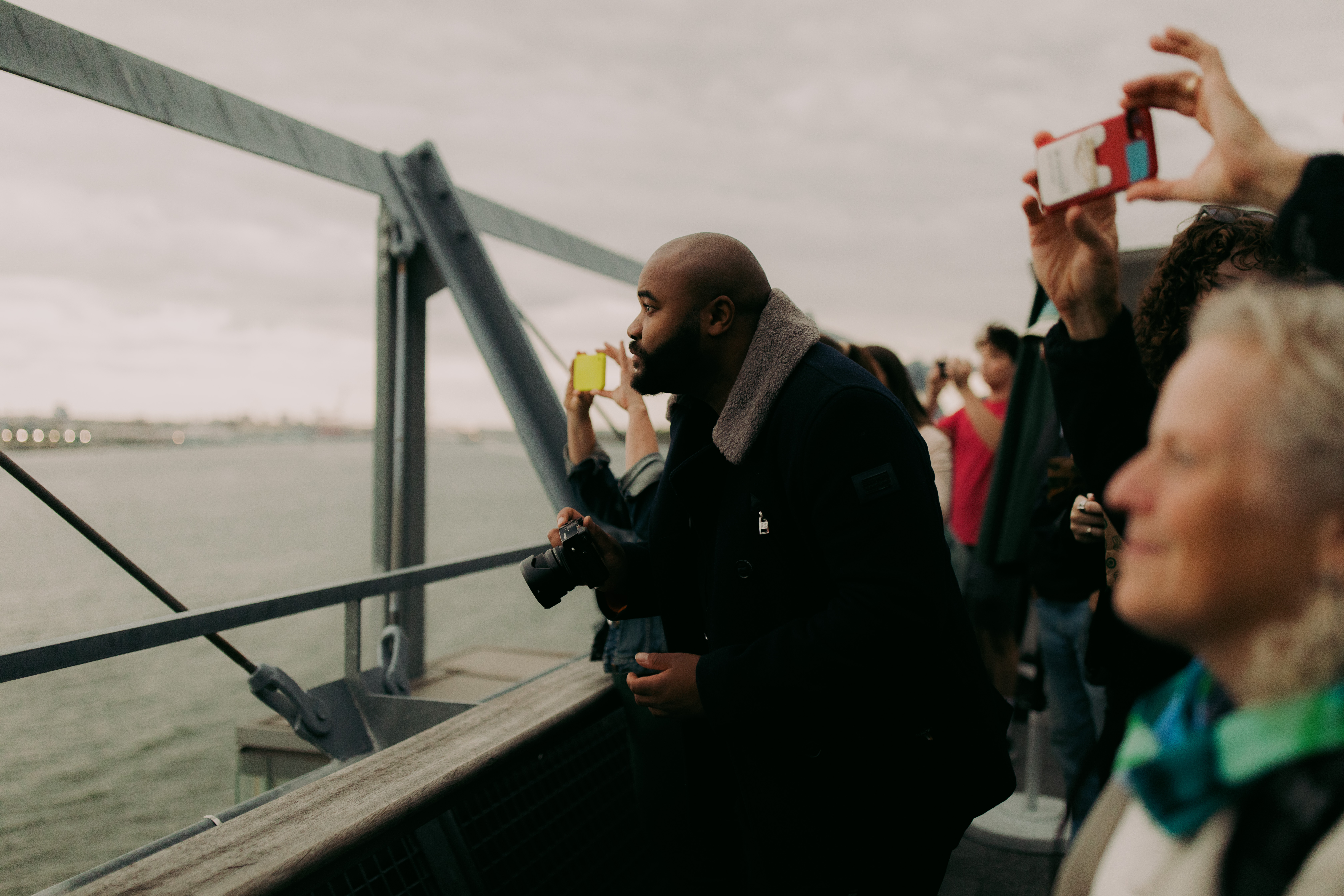
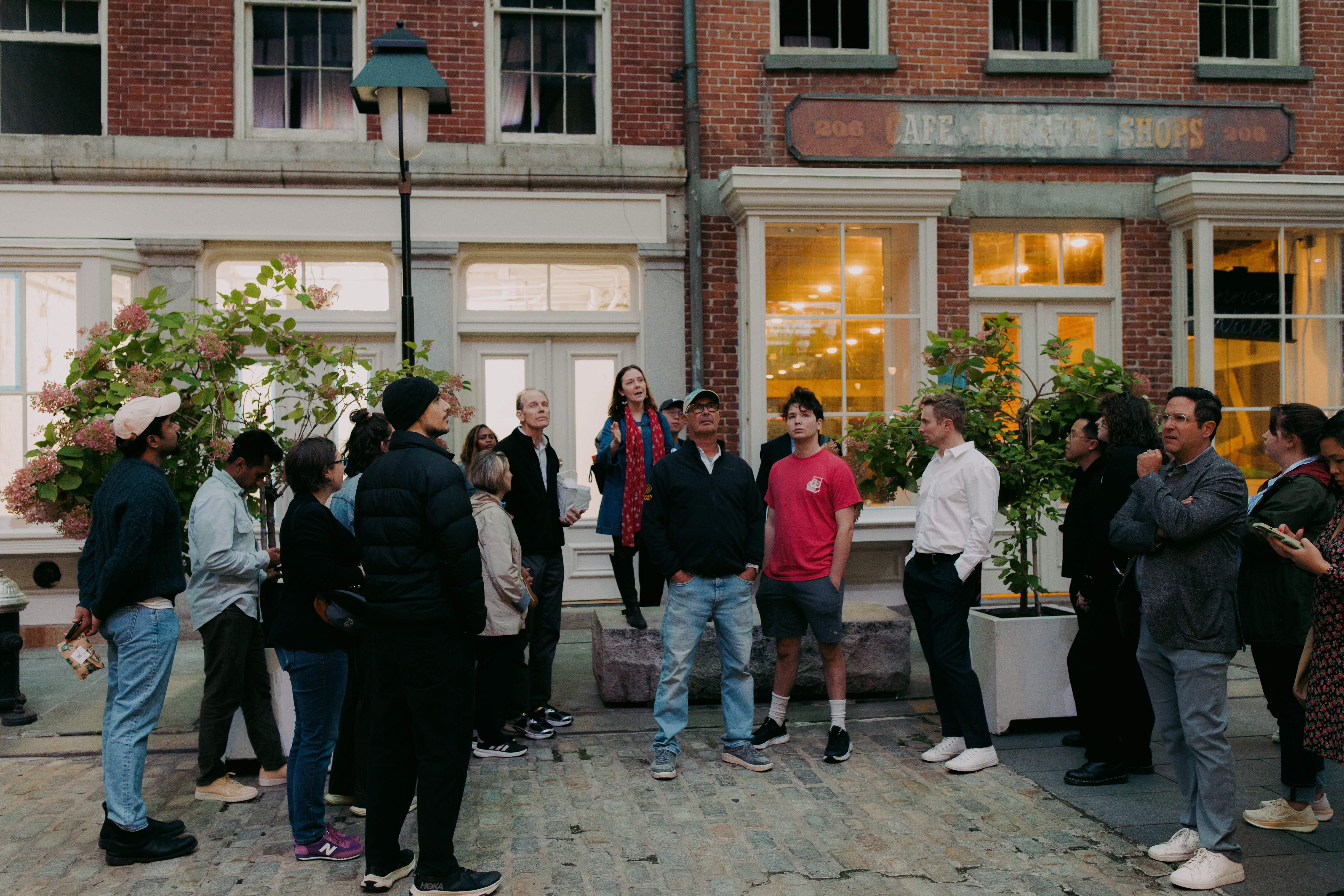
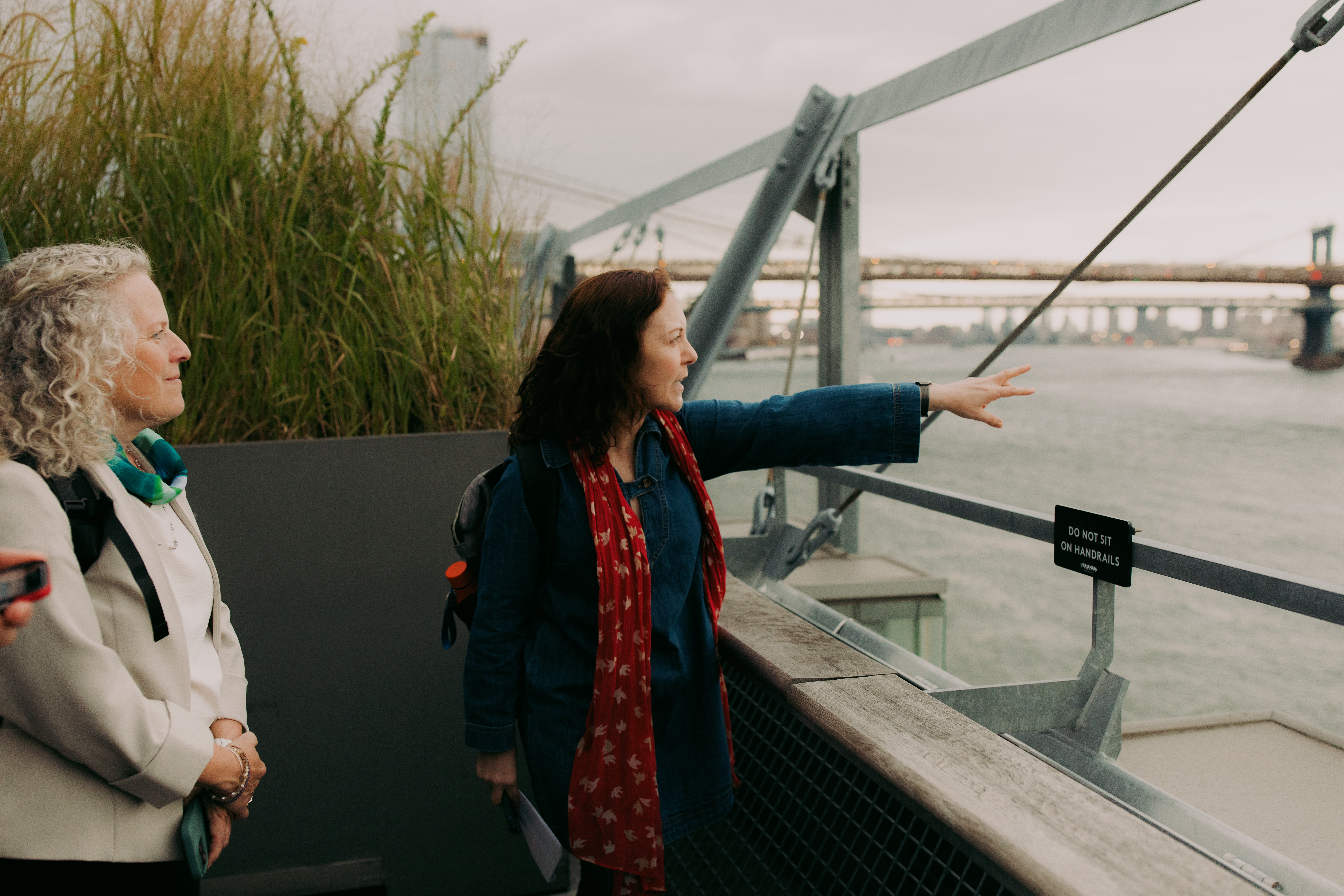
On Tuesday evening, we gathered at South Street Seaport for the NYC’s Secrets & Lies walking tour, Sunken Suppers & Coastal Secrets, as part of Climate Week NYC. Together, we walked through centuries of changing coastlines—from ancient oyster reefs that once buffered this harbor against storm surges to colonial wharves, historic street markets, and the nature-based solutions along the water that are reimagining and rebuilding coastal resilience today.
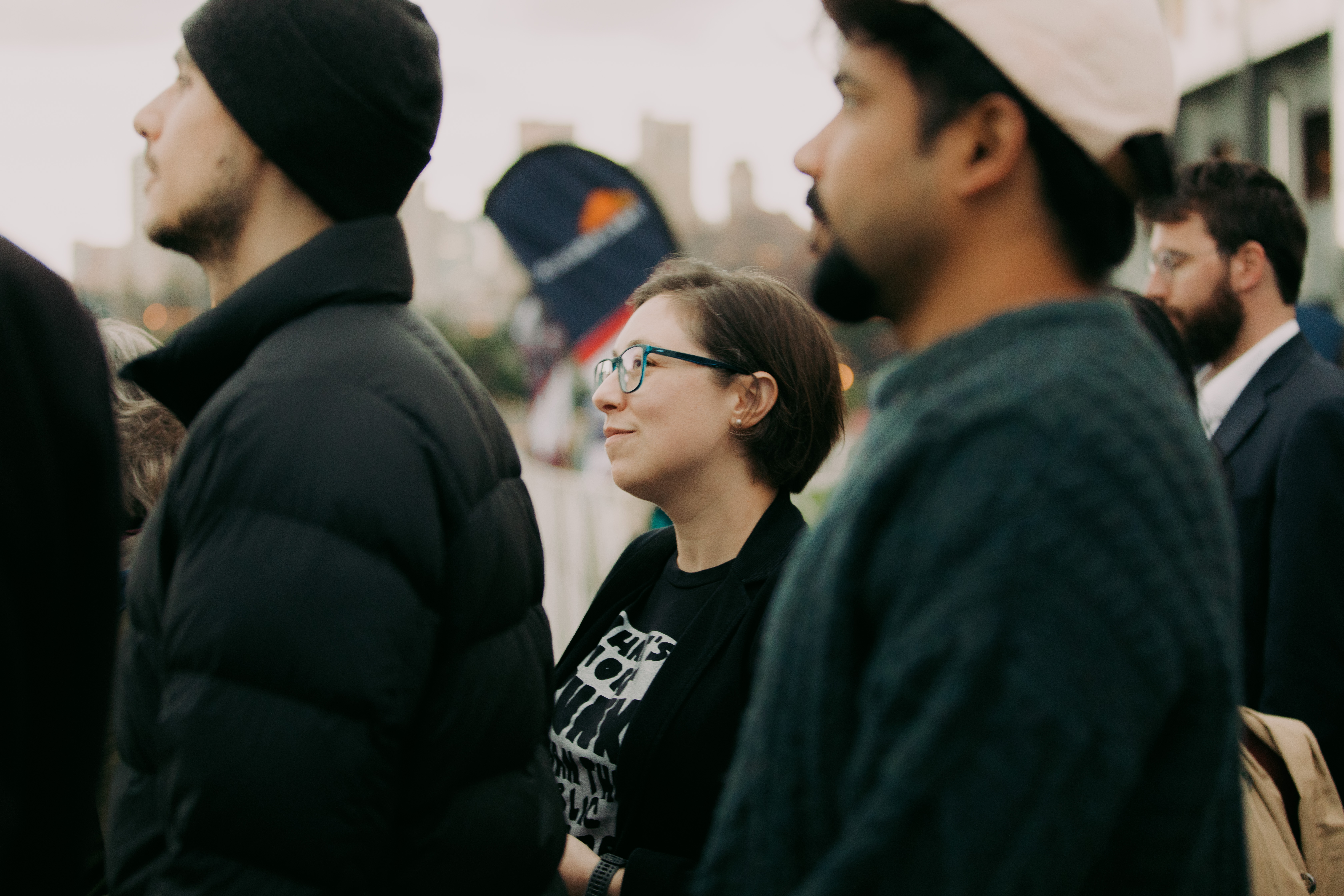
A huge thank you to the 44 people who bought tickets. You are all stars with insightful questions, boundless curiosity, and great energy for the entire evening.
Tremendous gratitude to photographer Shannon Carroll for capturing the spirit of our group so brilliantly throughout the evening, and to Climate Group for sending Shannon to photograph our event, all the support you gave to us, and an incredible week. 🙏
Where should we take our secret history stories next? 🌊🦪
All photos by Shannon Carroll for Climate Week NYC
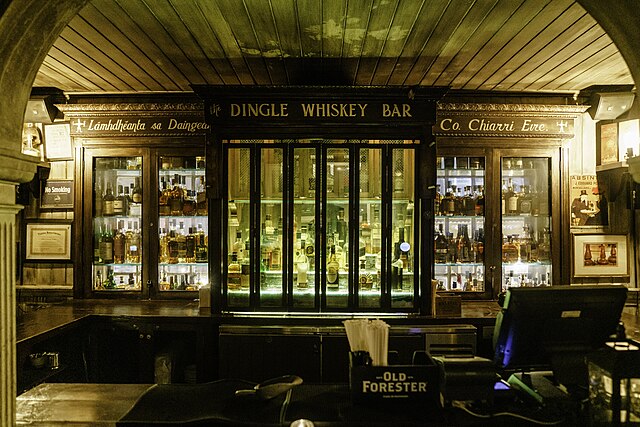
Fraunces Tavern in NYC. Photo by Christa Avampato.
When global leaders, researchers, climate advocates, scientists, and business managers gather across New York City for Climate Week NYC 2026 next week, the conversations will often hover at 30,000 feet. We will hear about carbon offsets, macroeconomic shifts, and international energy policy, as well as companies talking (often in broad strokes) about their actions and programs.
Those high-level summits matter. Yet climate resilience does not start in a boardroom—it lives under our feet, in the streets we navigate daily, and along the shorelines that shape our city.
Long before seawalls and modern bulkheads defined Lower Manhattan, this shoreline functioned as a dynamic, edible ecosystem. Oysters the size of dinner plates stabilized storm surges, tidal wetlands cushioned the coast, and maritime markets fed a growing metropolis straight from local waters and busy sidewalks. The street names we walk every day—Water Street, Pearl Street, Front Street—trace the literal history of how New Yorkers continually pushed soil into the harbor, reshaping the edges of New York’s islands while distancing ourselves from the natural systems that sustained us to make us the city we are today.
Looking at climate adaptation through the lens of history changes how we view resilience:
Rediscovering Living Infrastructure: Oysters and salt marshes were never just food sources; they were natural breakwaters. Rebuilding living shorelines today is not a new invention—it is a return to an ecological equilibrium that protected these New York islands for centuries.
Understanding What Lies Beneath: When we walk Lower Manhattan, we are standing on layers of ballast stones, discarded oyster shells, historic timber, and sunken treasure. Knowing how past generations transformed the coast helps us understand why these same neighborhoods flood today during severe storms.
Reconnecting Food to Place: A resilient city requires a resilient food web. Examining how New York historically fed itself from surrounding estuaries reveals the urgent need to protect regional waterways, support local fisheries and food-based businesses, and eliminate pollution in our waters, as well as our air and soil.
Join the Walk
We already have a great crowd who’s bought tickets, but a handful of spots remain for those who want to step out of the conference rooms and experience Climate Week NYC from the street level with me.
We will walk the historic paths of Lower Manhattan around the South Street Seaport, examine how colonial maritime trade shaped our physical geography, and discuss how community-driven ecological repair can protect our coastal neighborhoods like this one from rising tides and storms.
Whether you join in person or follow along from afar, reconnecting with the historical geography of your own neighborhood is one of the most powerful ways to ground climate action in reality.
The Togetherhood Takeaway
You don’t need to attend an international summit to build a climate mindset. You can start by observing how your own neighborhood interacts with the living world.
Find What Existed Before Modern Infrastructure: Look up historical topographic maps of your neighborhood (such as the Welikia Project for NYC) or check out exhibits at your local museums. Notice where streams, marshes, and natural shorelines once flowed beneath modern pavement. That historical geography often predicts where water pools during heavy downpours today and opens up our imaginations to what we may be able to restore so that all living beings thrive.
Support Nature Restoration: Back grassroots organizations working directly in your neighborhood. In NYC, we have quite a few including the Billion Oyster Project, local riverkeeper groups, and Natural Areas Conservancy. Restoring native habitats builds long-term natural buffers against storm damage and climate resiliency.
Walk with Curiosity: Take an hour this week to walk your neighborhood with fresh eyes. Notice where rainwater drains, how trees and vegetation exist alongside human-made infrastructure, and your wildlife neighbors.
Next week, I will be sharing a full recap from my walking tour, along with dispatches, field notes, and ideas gathered from events across Climate Week NYC that I’ve attended.
Me and Ashley at the Merchant’s House Museum and the Tredwell family photos and bios
Last night I had a blast taking a ghost tour of the Merchant’s House Museum on the Lower East Side of Manhattan led by one of best and dearest friends, Ashley Semrick. She was, as always, incredible. A fellow tour guide who is responsible for me taking the NYC tour guide exam (which is a grueling 4 hours long!), we always nerd out about the incredible history of our city. Her dedication to the museum, a vital piece of NYC history, is a gift to all of us.
Built in 1832, the house in the only building in NYC that is landmarked on the federal, state, and city level, inside and out. When you enter, you are literally stepping back in time into the 19th century. The house is perfectly preserved with the original furniture and furnishings, personal belongings, books, artwork, dishes, kitchenware, piano, and even their clothes!
The house was occupied by the Tredwells, a wealthy merchant family, and their four Irish servants from1835-1865, when the mercantile seaport of New York City emerged as a growing metropolis and the commercial emporium of America. In 1865, just as the Civil War was drawing to a close, the patriarch of the family passed away in the house. Gertrude, the youngest of the 8 children, passed away in the house, in the same bed where she was born, in 1909 at the age 93. And that’s when things really got interesting from a paranormal perspective.
There have been 100s, perhaps 1000s, of reports of supernatural activity in the house. It is the only museum in the country with a full-time all-volunteer paranormal team that employs impressive technology to capture activity. Though I didn’t see any ghosts on the tour, the house does have an energy to it that has to be experienced. Whether you believe in ghosts or not, a visit is a-must do activity in NYC.
And the museum needs our help. For 10 years, they’ve been fighting an intense legal battle with a developer who wants to build an 8-story hotel right next to the museum. Engineering experts have said that if that happens, the museum will be rendered unsafe for anyone to enter. To lose this museum and this piece of NYC history would be tragic. With an all-volunteer staff, every dollar you donate and spend on tickets to tours and events goes directly to preserve this stunning space.
Self-guided and guided tours operate on Thursday, Friday, Saturday, and Sunday. The staff is entirely volunteers and they offer numerous events year-round, both in-person and online. Though most aren’t ghost-related and focus on the history of the home, the family, and our city, they all give you an opportunity to walk in the literal footsteps of the Tredwells.
The holiday season is particularly special as the house is decked out in 19-century Victorian style, just as the Tredwells did for their famous celebrations and parties. There are musical events, readings, and performances. Go to https://merchantshouse.org/visit/ to learn more.
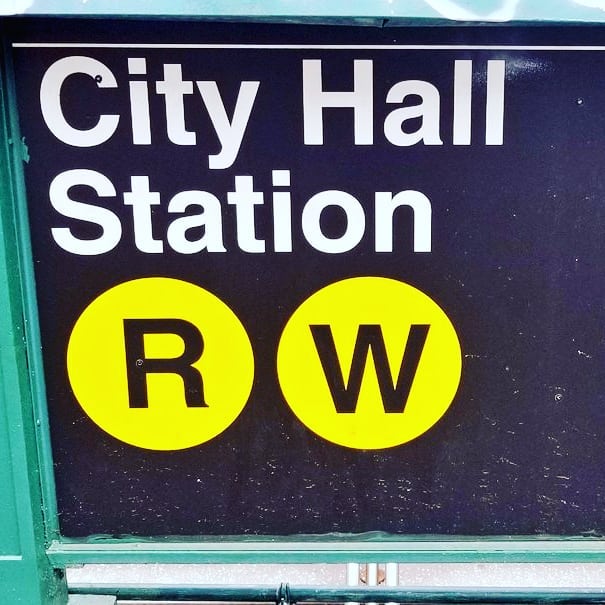
Spent the day at the birthplace of our NYC subway system. Had such a spectacular time learning secrets of the NYC subway on an Untapped Cities tour! Justin’s an AMAZING tour guide & I’m so excited he’s teaching me to give this tour. There are so many secrets that we pass by every single day. Once you know them, they’ll change your view of our city forever. I can’t wait to show them to you! MTA New York City Transit is a treasure trove, time capsule, museum, and living archive all rolled into one. The stories are endless.
You’re looking at New York City’s newest licensed tour guide! I took my exam and got a 138 out of 150. I was so happy that I hugged Barbara, the proctor at the Department of Consumer Affairs. Huge thanks to my adventure posse, fellow guides, and fabulous friends Erin Hunkemoeller & Ashley Semrick for all their study advice and resources, and to Michelle Young Pasquet & the Untapped Cities crew for encouraging me to take this step. I can’t wait to create cool tour experiences in our shining city with all of you! If you’d like to know more about my tours, please get in touch at christa.avampato@gmail.com.
This is me at the very site of New Amsterdam where the difficult, complicated history of our modern day city began in 1626. In the background is the Statue of Liberty and Ellis Island where my ancestors arrived from Italy 100 years ago.


 Spent the day at the birthplace of our NYC subway system. Had such a spectacular time learning secrets of the NYC subway on an

