
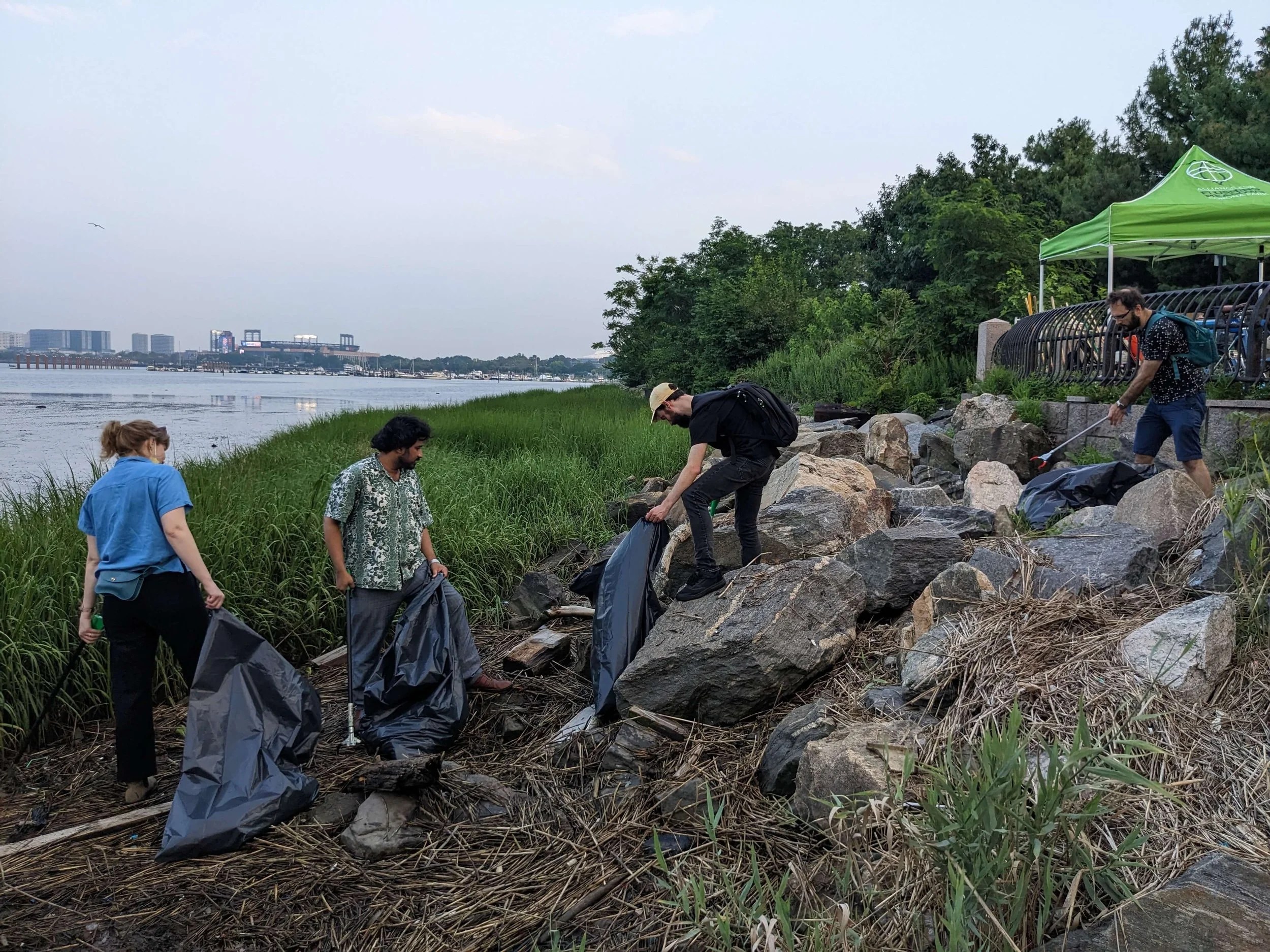
For decades, the waters edging northern Queens, a borough in New York City where I’ve lived several times throughout my long history as a proud New Yorker, carried the forgotten weight of industrial disregard. Abandoned boats, half-sunken barges, rotting docks, and tangled metal debris choked Flushing Bay and Flushing Creek, turning a vital tidal waterway into an urban blight.
These vessels did far more than ruin the view. The boats leach motor oil, toxic antifouling paints, microplastics from decaying fiberglass, and heavy metals directly into the mud and water. They trap plastic waste, smother native marsh grasses, and block natural water flow, creating stagnant, low-oxygen conditions that choke out fish and marine life. For surrounding communities—largely working-class, immigrant-rich neighborhoods that have historically borne the brunt of environmental neglect—the shoreline became an obstacle as well as a health hazard.
Now, a major cleanup and removal effort spearheaded by local advocates and supported by federal funding led by Representative Alexandria Ocasio-Cortez is finally clearing this neglected waterway from the bottom up.
Removing the Ghosts of Industry
Hauling decades-old derelict vessels out of shallow tidal water is meticulous, physical work. It requires specialized cranes, marine salvagers, environmental containment booms, and coordinated stewardship across federal, state, and local agencies. This web of cooperation is difficult to assemble and even harder to manage, and it is through the incredible efforts of organizations such as the Guardians of Flushing Bay, Riverkeeper, and the DEC, along with elected officials and the residents, that this is happening. The physical salvage work on the ground is being run directly by NYC Parks through their newly launched Office of Marine Debris Disposal and Vessel Surrendering, funded in partnership with NOAA and bolstered by Representative Ocasio-Cortez.
Each extracted hull delivers an immediate win for the local ecosystem:
- Unlocking the Natural Tidal Circulation: Removing massive obstructions allows natural currents and tides to flush sediment and oxygenate the water, reversing chronic stagnation and literally bringing the waters back to life.
- Stopping Chemical Leaks: Lifting out old fuel tanks and the vessels that have peeling lead paint along with chemically treated lumber removes continuous sources of toxicity that are poisoning this waterway and those who live there.
- Restoring Shoreline Habitats: Clear mudflats and shorelines give native plants, sea life, and foraging shorebirds space to return and anchor natural coastal resilience.
- Restoring Community Access: Clearing navigational hazards opens the water safely to human-powered boats, youth rowing programs, community science projects, and vital environmental research.
Ecological Health is Community Justice
A waterfront cleanup is never just about aesthetics. In a city where water surrounds us every day, access to clean, thriving shorelines is a core issue of equity and public health. A healthy waterfront also provides joy, curiosity, wonder, and positive experiences with nature.
When we leave waterways in working-class neighborhoods clogged with industrial trash, we send a subtle message about whose neighborhood deserves beauty and care. Reclaiming Flushing Creek and Flushing Bay proves that urban ecological repair and community dignity walk hand-in-hand. When dedicated neighbors, grassroots advocates, and elected leaders refuse to accept neglect, even our most damaged waterways can breathe again.
The Togetherhood Takeaway
Restoring our shared natural spaces begins with noticing the neglected corners of our neighborhoods and demanding better for the ecosystems that sustain us.
- Support Local Waterway Advocates: Follow and support grassroots groups on the frontlines of NYC waters, such as Guardians of Flushing Bay, Newtown Creek Alliance, and Bronx River Alliance. Their tireless monitoring and organizing drive large-scale cleanup efforts.
- Join a Shoreline Cleanup: Hands-on community cleanup days give you a direct, intimate look at the health of your local waterfront while keeping plastics and debris out of marine food webs.
- Advocate for Equal Waterfront Access: Speak up at community board meetings and civic forums, or write op-eds and letters to the editor, to demand that waterfront revitalization projects prioritize public park space, natural shorelines, and water access for frontline communities over private luxury development.
Our urban waters are not dumping grounds—they are the living network of our city. When we clean up the debris of the past, we make room for life to flourish.


