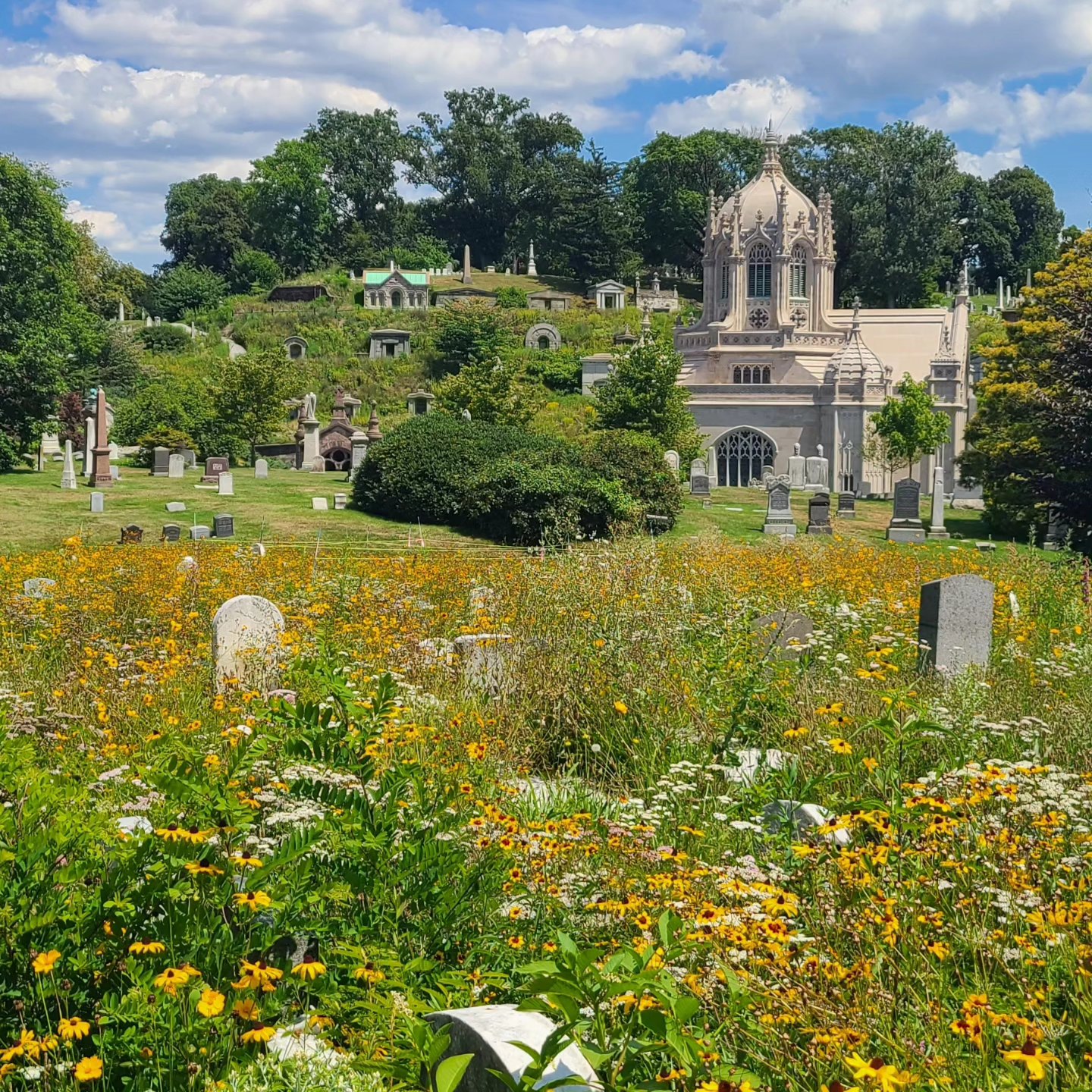
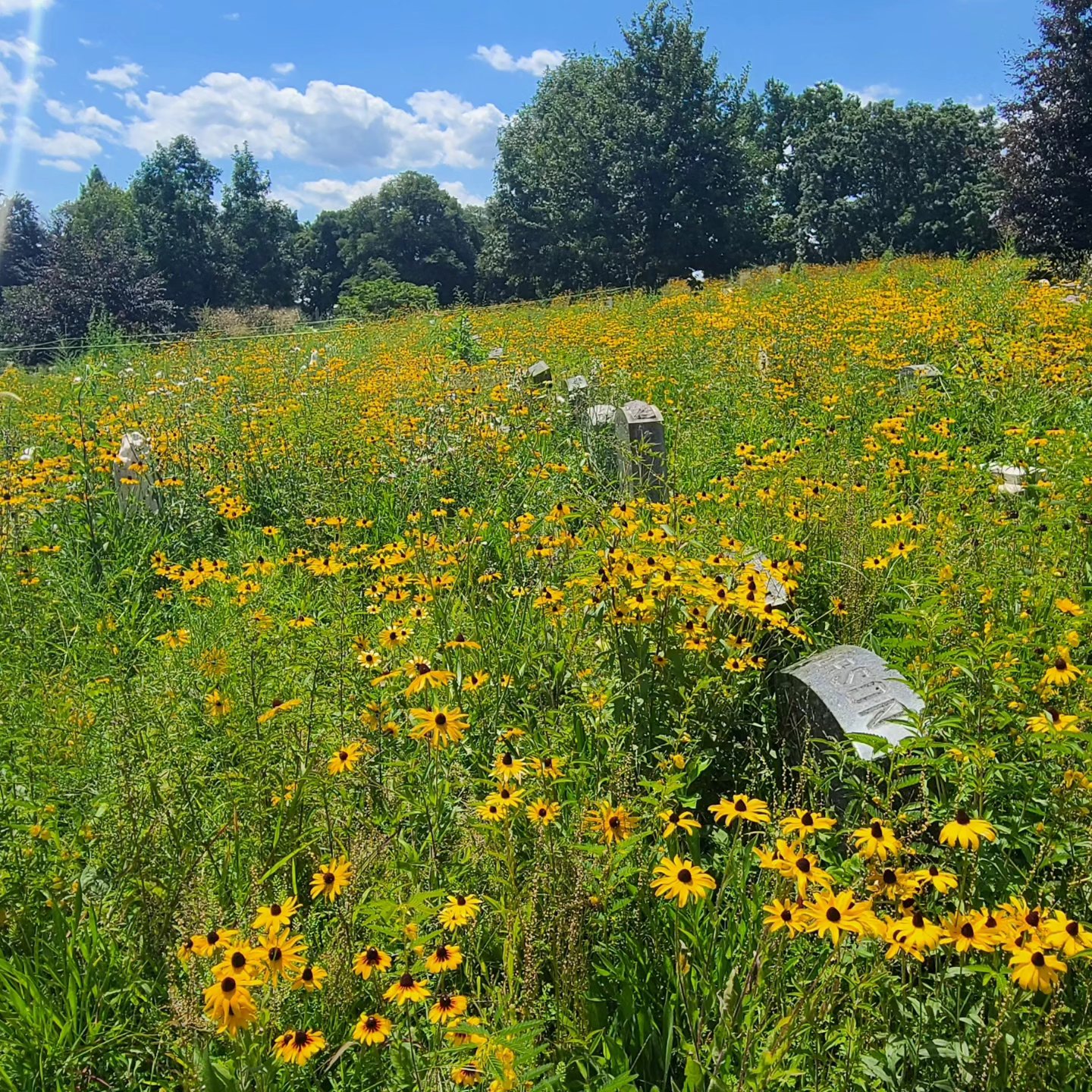
Brooklyn’s Green-Wood Cemetery is much more than a final resting place for over 600,000 people. It’s also an arboretum, wildlife sanctuary, and a community resource to mitigate climate change where life and death exist side-by-side. A 30-minute walk from my apartment, it’s a place I visit often as I get to know my new borough.
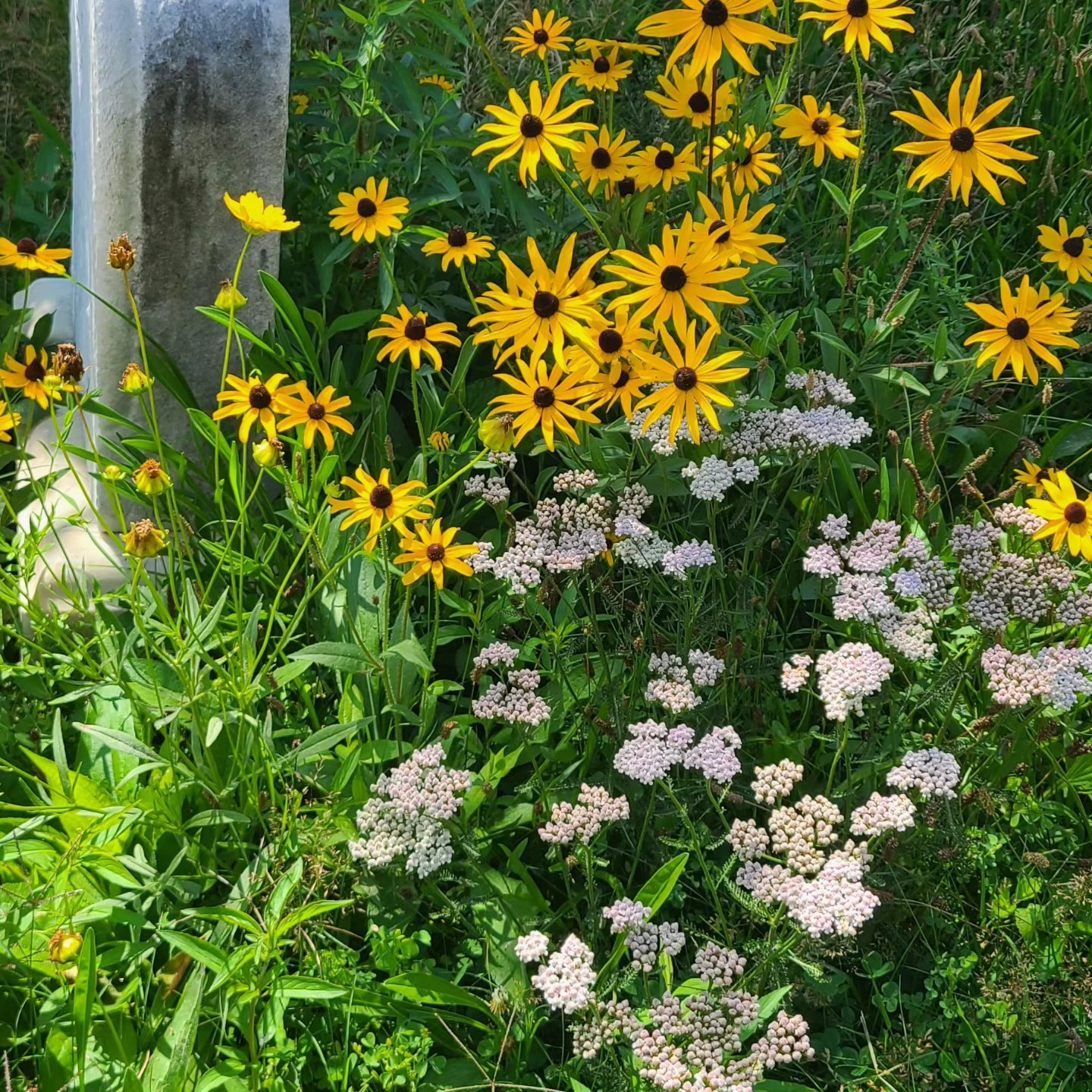
With 478 acres, Green-Wood is home to over 7,000 trees from 690 different species, 216 species of birds (including the Argentinian monk parrots who make their home in the architecture of the entrance gates!), and dozens of species of mammals, fungi, and insects, especially pollinators thanks to their beehives and wildflower meadows. Each new planting is selected for its climate adaptiveness, wildlife value, enhancement of the beauty of the landscape, and resilience. Every year Green-Wood’s living collection is responsible for sequestering 264,000 lbs. of carbon dioxide, removing 12,000 lbs. of pollution from the air we breathe, and mitigating 2,620,000 gallons of stormwater from overwhelming Brooklyn’s sewage system.
Founded in 1838, Green-Wood was Brooklyn’s first public park during a period of rapid urbanization. It became so popular, that it inspired the competition to build both Central Park in Manhattan and nearby Prospect Park in Brooklyn. Olmsted and Vaux won both competitions and designed both parks. After designing Central Park, they said that “Prospect Park is everything we wanted Central Park to be.” How very Brooklyn of them!
Green-Wood is also filled with gorgeous art. Inside the chapel, there’s currently a beautiful art installation paying homage to the stories of lesser known souls who are buried on its grounds. I’ve been to classical music concerts inside the crypt, whiskey tastings on its many sprawling lawns, and a Halloween Party that felt like a New Orleans carnival. It is one of the city’s treasures. No wonder it attracts over 500,000 visitors every year.
I love cemeteries and seek them out when I travel. If you find yourself in New York and want to get a sense of our history, ecology, culture, Green-Wood should be high on your list.
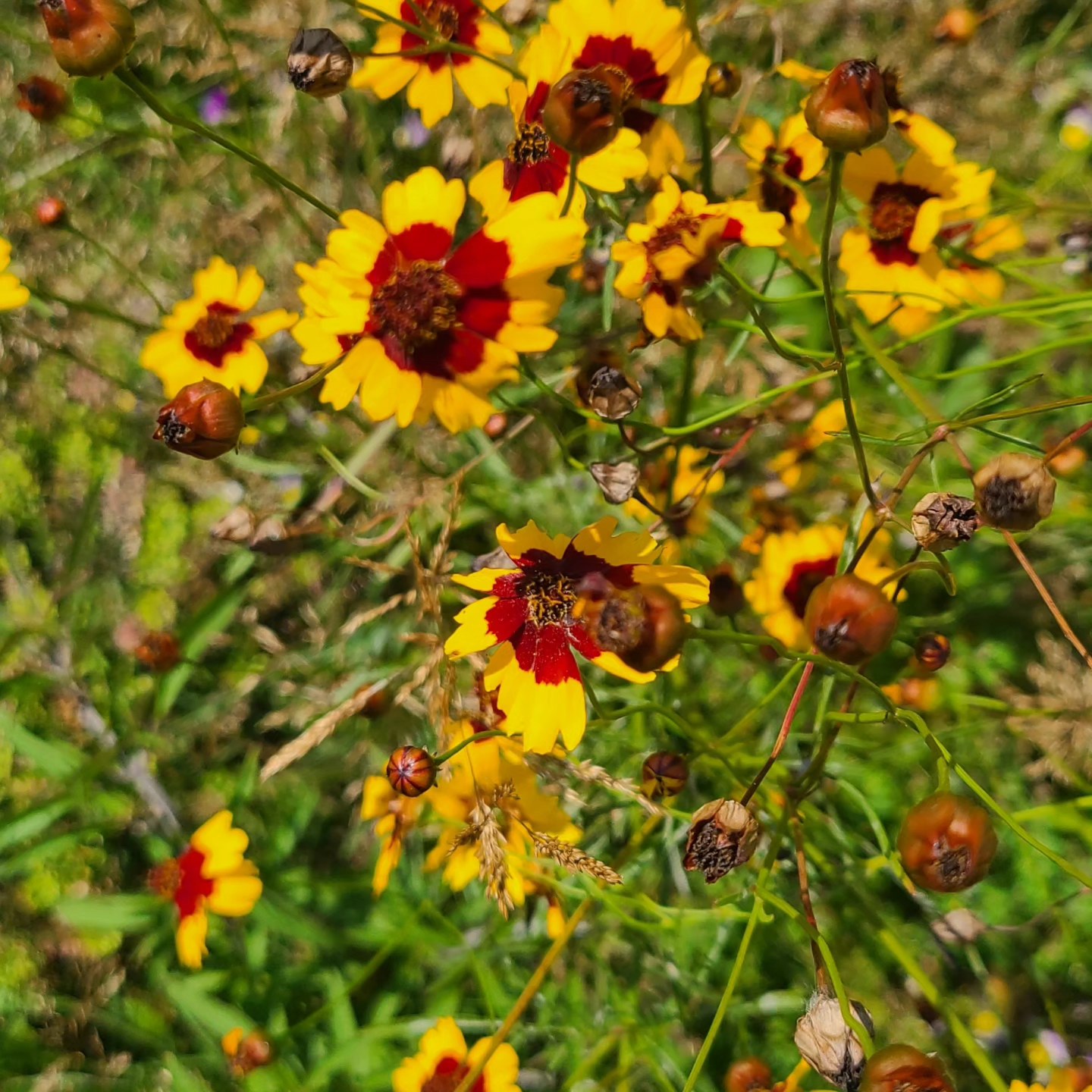
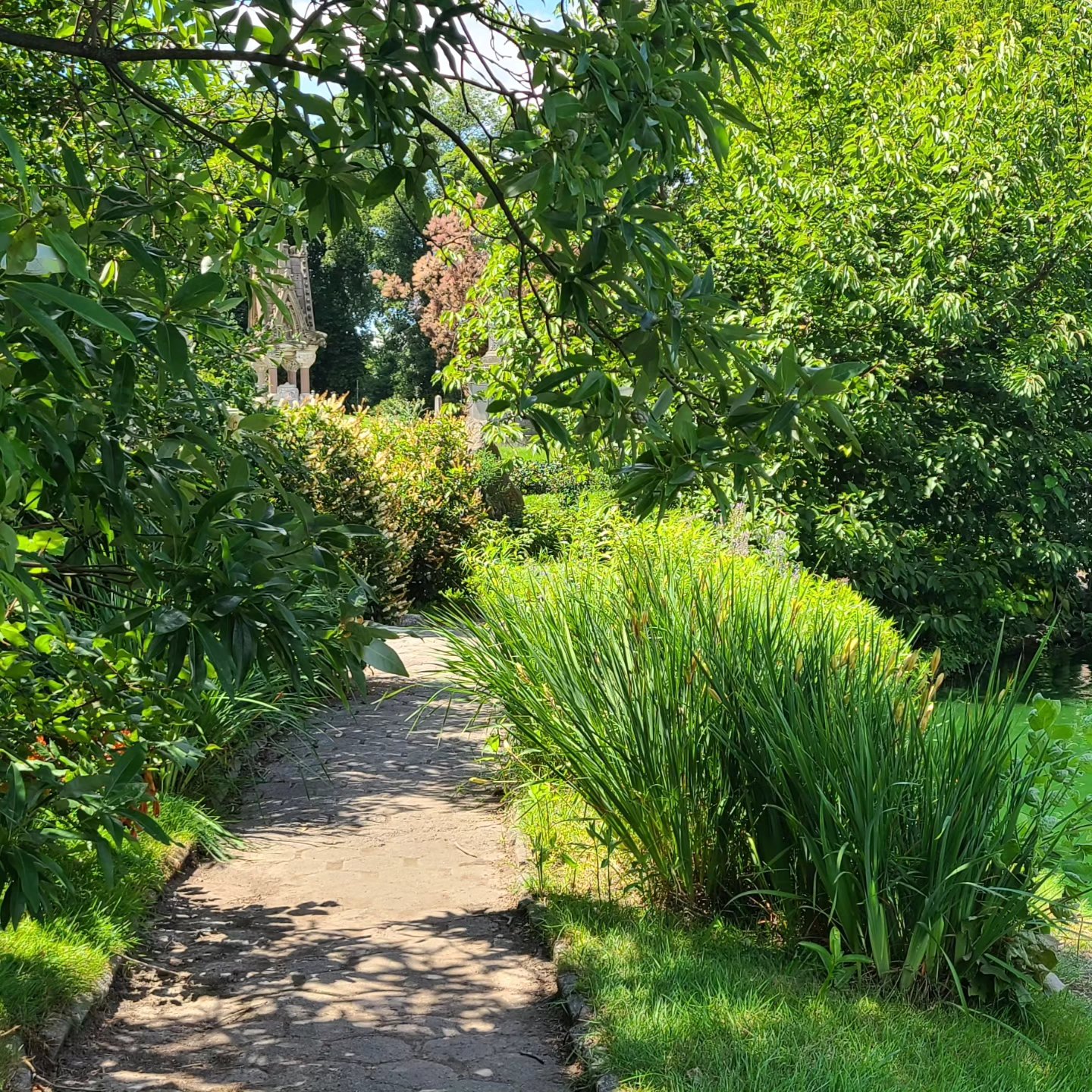
All photos below were taken by me at Green-Wood. You’re welcome to use them as long as they are attributed to me. Thank you.
My eyes started to fill up watching the footage from Maui, Hawaii. I’ve struggled to put my emotions into words as I poured over the coverage. Nearly 14 years to the day, I lost almost everything, including my life, to an apartment building fire on the Upper West Side of New York City. I know the fear of running for my life, away from flames and into the emptiness of the aftermath. The smell of that noxious smoke is still in my nose and memory. I think it always will be.
I wish I could be in Maui to help. Whether using my logistics and operations experience to get survivors supplies and basic needs, or just being there to comfort people knowing exactly how they feel to have lost everything, I can’t help but think that my life and career could be of use in the midst of this horrible tragedy.
Already Maui’s fires are prompting conversations in the sustainability community. When we talk about sustainability solutions, we look at mitigation (halting and reversing climate change and its impacts) and adaptation (preparing ourselves for the impacts of a warming world on our lives). Now in my second year at University of Cambridge studying sustainability, I’m beginning to formulate my career plans for what comes next. I’m using this mitigation and adaptation split as a frame for my future work:
What can I do to preserve the natural world we have now and rewild, restore, renew, and regenerate what’s been lost?
What can I do to prevent the devastation that will continue, and worsen, because of climate change so we protect lives and natural areas?
Can I do both, or do I have to choose where I think I can be the most value?
My Cambridge dissertation involves securing funding from the wealthiest people in the world to fill the climate finance gap. One thing I’ll test is which of these strategic objectives, mitigation or adaptation, resonates most with these funders. Maybe they’ll also see the value in both. I suspect this research will help me figure out where I fit into the puzzle, and how my skills can best be utilized as we begin the fight for and battle of our lives. I’m ready to take the journey, wherever it leads.
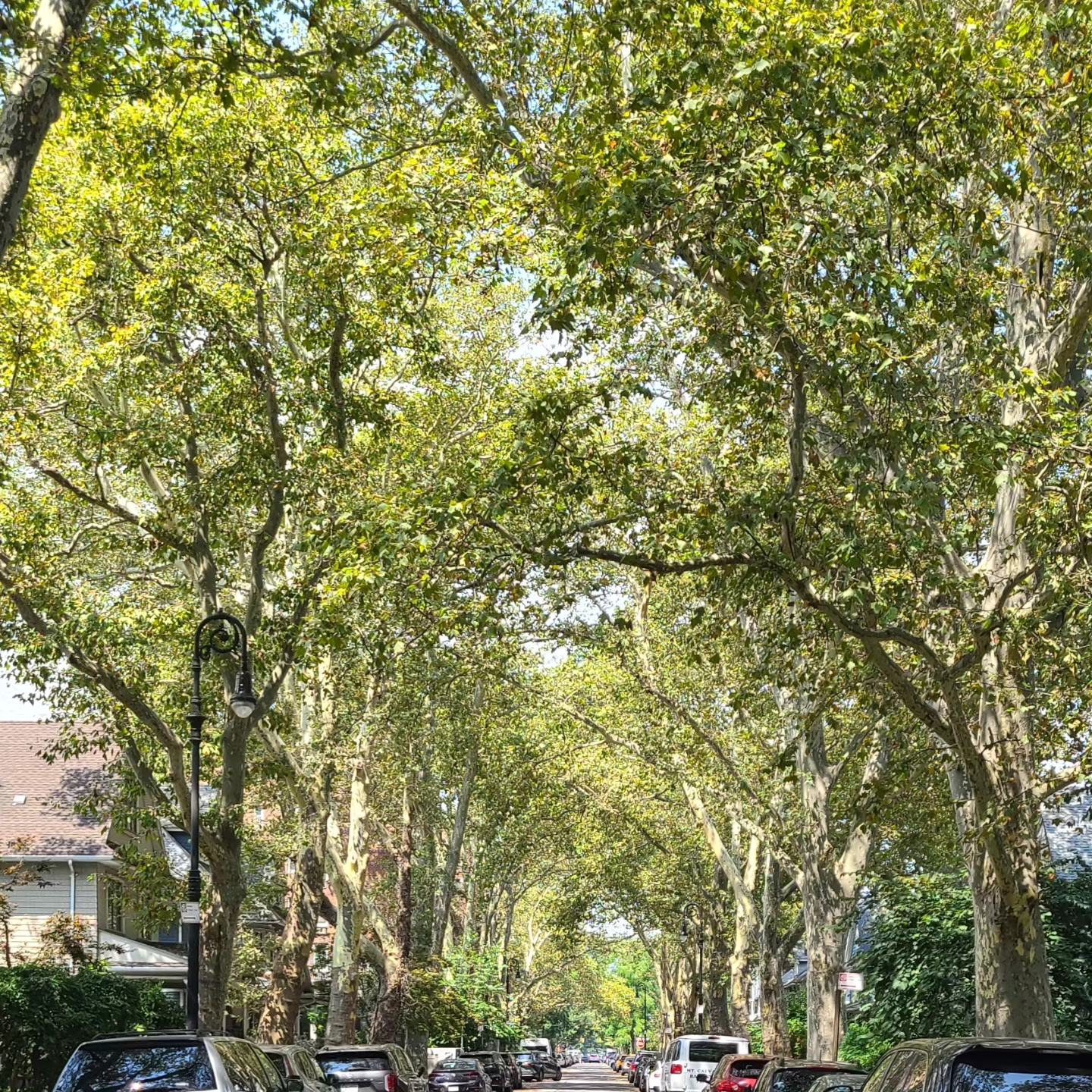
I was worried about my trees. My block in Brooklyn, my whole neighborhood of Ditmas Park, is covered with gorgeous 100+-year-old, 100+-foot-tall London Plane trees. They’re a cross between oriental plane tree and the American sycamore, and so named because they were hardy enough to withstand London’s air pollution during the Industrial Revolution. Its leaf is the NYC Parks Department logo because Robert Moses loved these trees. The comprise 10% of NYC’s 592,130 street trees.
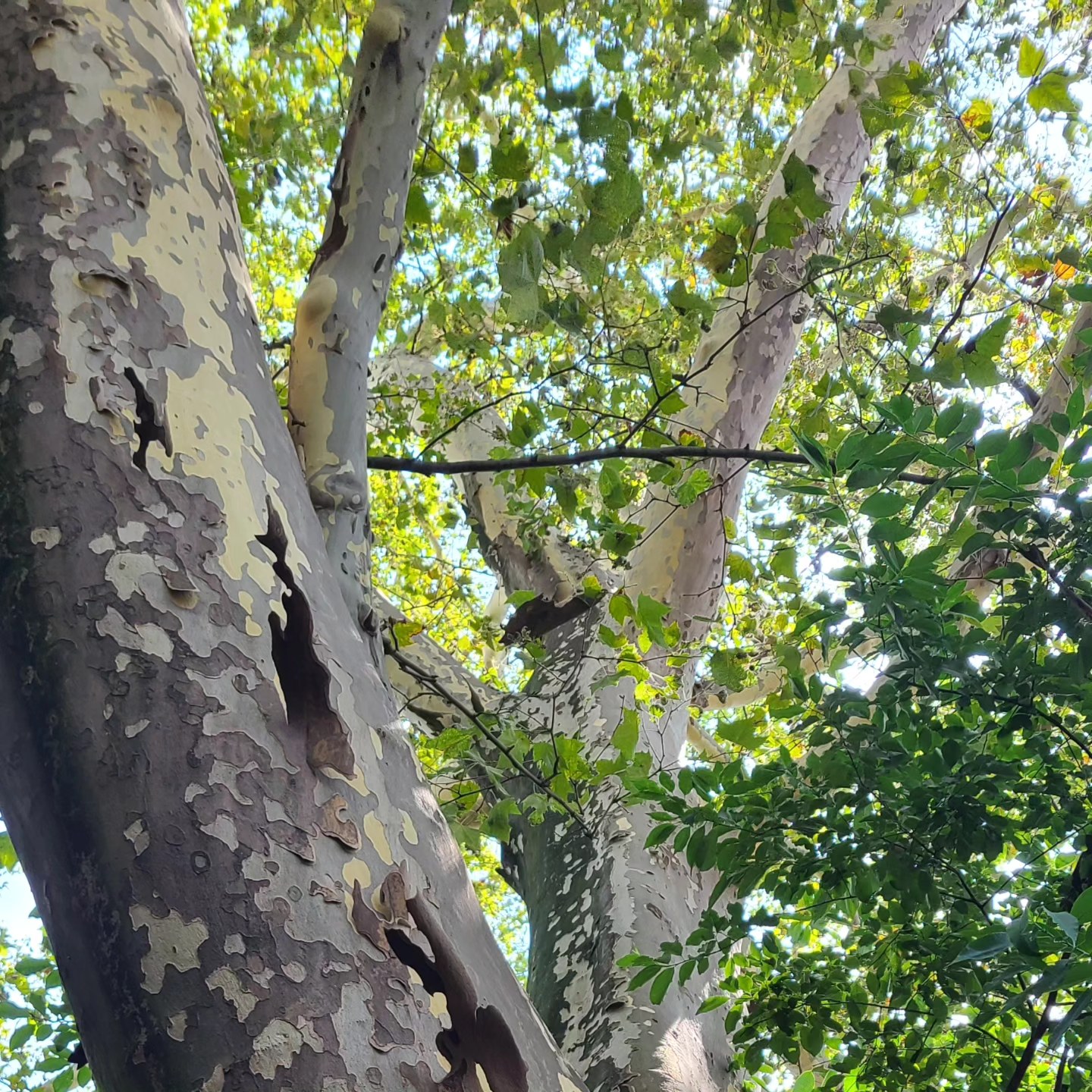
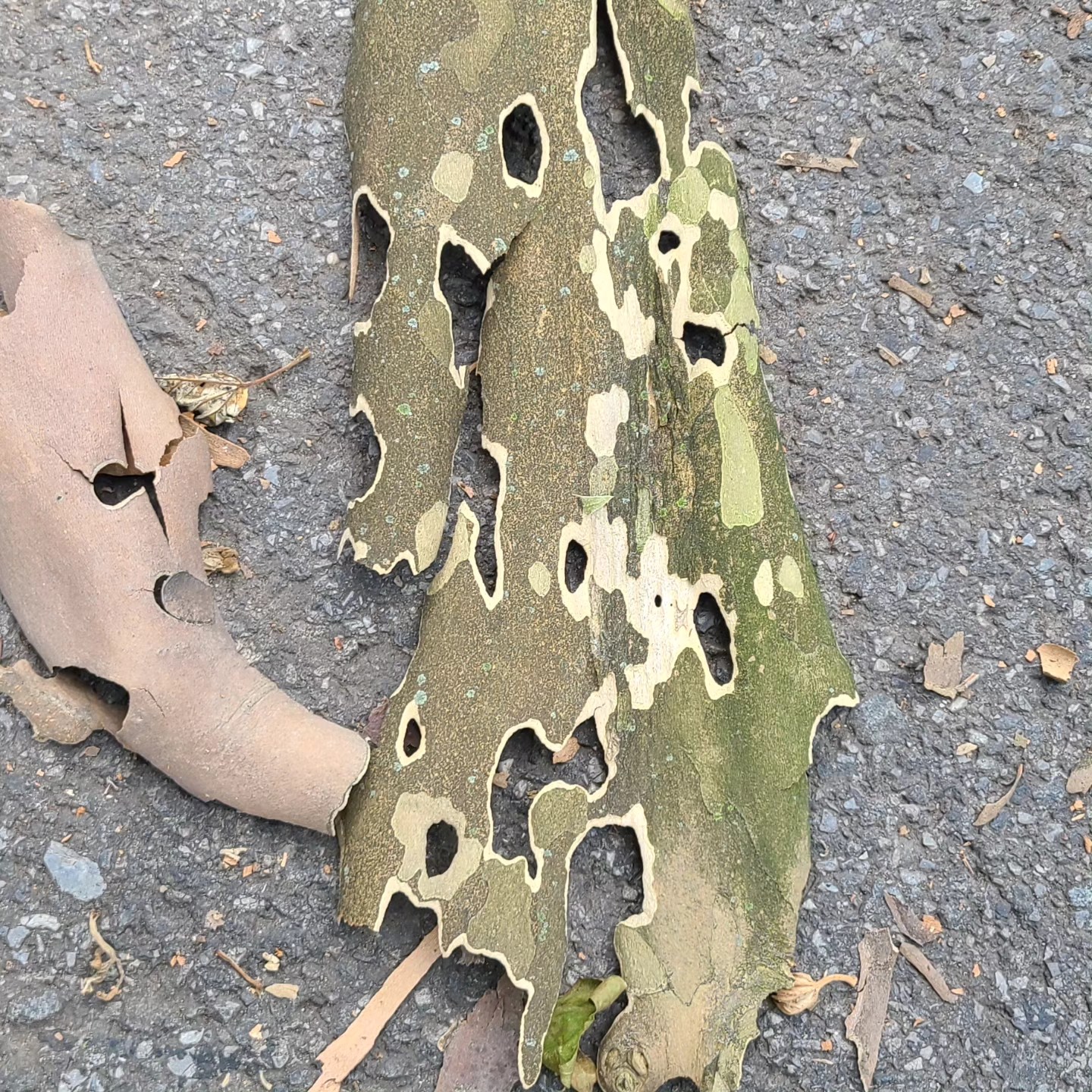
A few weeks ago, during an intense heatwave, they started shedding their bark. And I don’t mean a bit of peeling here and there. It was raining bark, with swaths so big that my dog, Phin, and I had to dodge them on our neighborhood walks. Was the heat, caused by climate change, killing my trees? Were they resilient enough to survive the Industrial Revolution only to be destroyed by the fallout of today’s emissions?
Mercifully, it appears not, for now at least. Thanks to the wonderful team at Madison Square Park I learned this adaptation of bark shedding was developed by London Planes to protect themselves and help them thrive. It happens when they detect some type of enemy invasion, for example by an insect or fungus, or when they are growing, similar to how a snake sheds their skin in order to grow.
Maybe there is something in your life that needs shedding, that is no longer serving you. Like the London Plane, let it go so you can grow and thrive. These trees are our elders, mentors, and guides. We have so much to learn from them about how to live through turbulent times.
I took the photos below of the London Plane trees on my Brooklyn block.
The new NASA global data set combines historical measurements with data from climate simulations using the best available computer models to provide forecasts of how global temperature (shown here) and precipitation might change up to the year 2100 under different greenhouse gas emissions scenarios. Credits: NASA
Over the weekend, I read a disturbing article that quoted a potential presidential candidate who wrote, “We will keep fighting until we put a stop to ESG once and for all!”
ESG stands for Environmental, Social, and Governance and is a set of investment standards for a company’s behaviors. In other words, it’s a set of standards that takes more than profit into account. It was coined by the United Nations in 2005. Originially, the acronym was GES because they believed Governance was the most important of the three. They weren’t wrong then. They aren’t wrong now. They just didn’t know at the time the dire state of our environment in 2023.
The quote above is so incredibly dangerous because if the United States completely gives up on the environment now, catastrophe is certain. Even if we went to net zero today, there’s still no way to keep global warming below 2 degrees Celsius. Above 2 degrees, we will see more intensified storms, extreme heatwaves, dangerous flooding, drought, and fire conditions, crop failures, sea level rise, deathly disease increases, and massive loss of biodiversity in flora and fauna.
To be fair, many parts of the world are already seeing impacts. Whole towns such as Newtok, Alaska moved to avoid climate impacts. Tuvalu, the Pacific island country of 12,000 people halfway between Hawaii and Australia, announced at COP27 its plans to become the world’s first digital country in hopes to preserve its history and heritage. 40% of its capital district is underwater during high tide. Eventually, it will be completely lost to rising seas. The Colorado River, Lake Mead, the Great Salt Lake, and the Mississippi River are rapidly shrinking.
But, climate has always changed. It’s changed many times before in the history of the planet. So why does this chapter of climate change matter? The last time CO2 was as high as it is now was 3 million years ago. Modern humans didn’t exist then. The rapid rate change of CO2 we’ve seen in the last 100 years because of human activity, particularly the burning of fossil fuels, has never happened before in the history of the planet. And it’s that rate that is the key point.
Yes, the planet can adjust to changes. But it can’t adjust this much this quickly. If you lost $1 a month in income, you could adjust and manage for a certain amount of time. If you lost $100 a month, that would require a much bigger adjustment in your budget. If you lost $1000 a month, that would require an enormous adjustment and you may find yourself in serious trouble with basic needs because of that rate of change. The planet is under this same type of pressure.
So why bother doing anything? If we’re on the deck of the climate Titanic, should we just play on? No. Not by a long shot. For every fraction of a degree we can curtail warming, we will see impacts lessened, human lives saved, and species protected from extinction. It’s going to be a difficult ride toward a fully sustainable world, and if we commit to protecting each other, we will eventually get there. It will be painful, expensive, and massively inconvenient to say the least, but not impossible for humans to survive. But life will look different, very different, for centuries.
None of us will be here to see a fully sustainable world, but we all have a responsibility to future generations. Consider how much better off we’d be today if 100 years ago strong governance cared about the environment as much as they cared about money during the Industrial Revolution. Our world would be healthier, cleaner, happier, and more peaceful. It could be that way for future generations if we, and our governments, do the difficult work now of restoring and regenerating the health of our planet. That could be our legacy. We could be known as the generation who saved human life, and the lives of the species with whom we share this planet. Imagine that. That’s our collective goal.
No matter on which side of the aisle you sit, can we all agree that health and happiness are what we all want? Don’t we want clean air, water, and soil? Plentiful healthy food and fresh water? Can we start to talk about ESG not as this divisive, political policy as framed in the quote above but as a means of kindness, care, and concern for all? If that’s woke, then please let’s not allow ourselves to turn a blind eye and go back to sleep. Our survival depends upon our eyes and hearts being wide open.
You stand in your kitchen, turn on the sink’s tap, and nothing happens. You have no water in your home despite the fact that you live on the banks of the Colorado River, one of the most valuable natural entities in the U.S. It’s not that there’s no water to be had. It’s that an investment banker in New York City sold your water to someone in Los Angeles who was able to pay more money than you.
Think that’s fiction? Think again.
Water profiteers of Wall Street Meet Water Asset Management, a New York investment firm located at 509 Madison Avenue between 52nd and 53rd Streets in midtown Manhattan. Founded by Matthew Diserio and Disque Deane, the company has purchased 2,500 acres of farmland in Colorado for $20 million over the last five years. The founders have no connection or love for Colorado. It’s just a financial transaction like any other except it’s certain to be highly lucrative due to climate change.
Mr. Diserio is quoted as saying water investment is “the biggest emerging market on earth” and “a trillion-dollar market opportunity.” He and his partners at Water Asset Management say their goal is to make water use more efficient. The truth: they intend to harness the water in the Colorado River and other areas like it, and sell it to the highest bidder — namely farmers and municipalities. Water Asset Management and other water profiteers like them are cashing in on climate change.
The situation in the West is so dire that the federal government pays land owners to leave their fields fallow and not use water. That’s a tragic loss for our food system. It’s an easy request and easy money for investment firms like Water Asset Management who have no interest in farming the land.
Solutions to water profiteering: renewable energy, drought-resilient crops, and legislation Though this current situation is both dystopian and predatory, it isn’t hopeless. Decarbonizing the grid and speeding the transition to renewable energy will help tremendously by reducing the incredible amount of water needed to refine oil. Shifting away from thirsty agricultural crops that toward those that require far less water to thrive would also help. Additionally, regenerative agriculture could be part of the solution to lowering water consumption. Food & Water Watch Research Director Amanda Starbuck has publicly spoken about this issue of the privatization of water, the need to stop it, and solutions to this crisis.
Given water’s vital role in all of our lives, Representative Ro Khanna (D-Calif.) and Senator Elizabeth Warren (D-Mass.) introduced The Future of Water Act in March 2022. “Water is a basic human right that must be managed and protected as a public trust resource,” it says. “Water should be affordable, easily accessible, and guarded from markets prone to manipulation and speculation.” In April 2022, it was referred to the Subcommittee on Commodity Exchanges, Energy, and Credit by the House Committee on Agriculture. Further action is pending. If passed, it would outlaw Wall Street’s speculation on water precisely because life requires water.
The fight for water, and the life it supports, is in its nascent days. As climate change progresses, the fight will get more aggressive if we don’t safeguard water rights now. To learn more, take action, and get involved to protect our natural world, visit Food & Water Watch, The Nature Conservancy, and the U.S. EPA.
How forest bathing reduces cancer risk In her talk and her book she advocates for 15 minutes of month forest bathing, particularly near evergreen trees, as a way to reduce cancer risk. As a cancer survivor, I do everything I can to prevent recurrence. Sadly, there’s a lot of nonsense out there and plenty of products that claim to prevent cancer. Most of it is just slick marketing taking advantage of people through scare tactics. But does this recommendation from Dr. Beresford-Kroeger have scientific research to back up the claim? Can 15 minutes a month with trees really help us reduce the risk of cancer? It does and it can.
Numerous scientific studies (here, here, and here to call out just a few) have found that the biochemicals in our immune systems (collectively referred to as Natural Killer (NK) cells such as lymphocytes) are strengthened with even brief 15- to 20-minute visits to wooded areas and the effects can last more than 30 days. These research findings support Dr. Beresford-Kroeger’s recommendation and the ancient wisdom she’s studied and accumulated her entire life.
Combining indigenous knowledge with modern medicine for optimal health Now, does this mean we can substitute forest visits for regular checkups and exams with our doctors or forgo medical treatments if we are diagnosed with cancer? No, I would not recommend that course of action. Modern medicine found and treated my cancer, and I’m forever grateful for the care I received at NYU. But did I also benefit from good nutrition, exercise, my time in nature, and my determination to find joy every day to keep up my spirits during the darkest days of my life? Yes, I did.
Preventing and fighting cancer requires a multi-pronged approach. We can benefit from ancient wisdom and modern technology. I used both to keep myself healthy before, during, and after treatment. I’ll use both for the rest of my life that I’m so fortunate to have.
Why I still got cancer even though I live a healthy lifestyle Now, you might be thinking, “Well, Christa, you go to Central Park every day and you still got cancer. So how do you explain that?”
Yes, that’s true. I did get cancer even though I have no genetic predisposition to any kind of cancer, I eat a healthy plant-based diet, I exercise regularly, I’m a healthy weight, I control my stress levels, I spend a lot of time outside in nature, and I see my doctors regularly. Cancer is a sneaky set of diseases. It wears a lot of costumes and disguises in its attempts to thwart our immune system. Even in the best of circumstances, a cell can get past our immune system, not because we’re weak but because cancer is such a deft and relentless shape-shifter. All it takes is one microscopic cell.
The Hudson Valley is a cancer hotspot We also live in an increasingly toxic world, which can wear us down without our awareness. I grew up on an apple orchard in the Hudson Valley of New York State in the 1980s and 1990s. Sounds bucolic, right? In many ways it was.
But what you may not know is during that time the rampant use of chemical pesticides was practiced all over that area. I have vivid memories of bright red tankers full of pesticides being sprayed in the air on neighboring orchards for months on end to keep the apples pest-free. Those farmers didn’t realize their sprays were poisoning our food, air, soil, and water.
At the same time, General Electric (GE) dumped 1.3 million pounds of polychlorinated biphenyls (PCBs) into the Hudson River from its capacitor manufacturing plants in Hudson Falls and Fort Edward, New York. Though they ended that practice in the last 1970s, the PCBs remain in the river sediment to this day. PCBs are known carcinogens (meaning they cause cancer).
These practices of farmers and GE have partially caused the Hudson Valley to become a cancer hotspot. My family had well water. The toxic chemicals from the pesticides and GE’s practices seeped into the water table, not to mention were directly linked to our food and air. The truth is we can do everything right as individuals but collectively, the practices of others can harm us and we are powerless to avoid the impacts once they’ve happened.
So, yes, I live a healthy lifestyle and yes, I still got cancer. But as my doctors always point out, because I was so healthy when I was diagnosed, I was able to withstand intense surgeries and treatments, and emerge on the other side healthier than ever. The combination of my good health, modern medicine, and indigenous knowledge saved me.
Fighting climate change is another way to fight cancer Preserving and expanding natural areas and mitigating the impacts of climate change is another important piece of the puzzle to maintain our health. Said another way, our best defense is a good offense. We need to have nature on our side to maintain our environments, and that means we must care for natural and wild areas.
This is why I advocate for the planting, maintenance, enhanced access, and expansion of forested areas, particularly in cities like New York where I now live and where trees are necessary for our health and wellbeing. Trees save and enhance our lives in so many ways by cleaning our air and water, lowering our stress levels, and enhancing our immune systems.
My forest bathing practice in Central Park I’m fortunate to live near one of New York’s City’s green gems, Central Park. Forest bathing doesn’t mean you need to retreat to the far corners of the wilderness (though if you can, I recommend that kind of trip as well). Urban forest bathing once a month (or more) is highly effective, easy to do, and accessible.
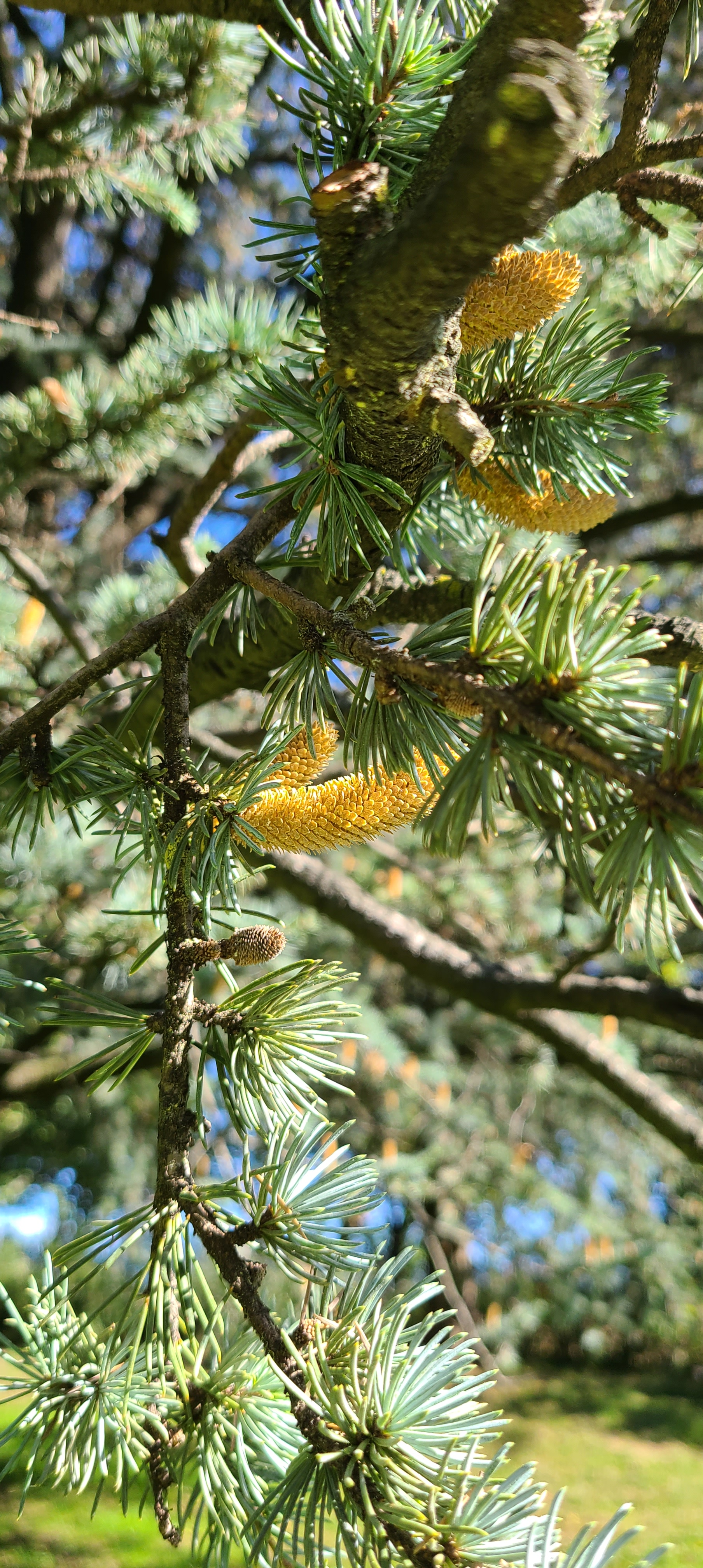
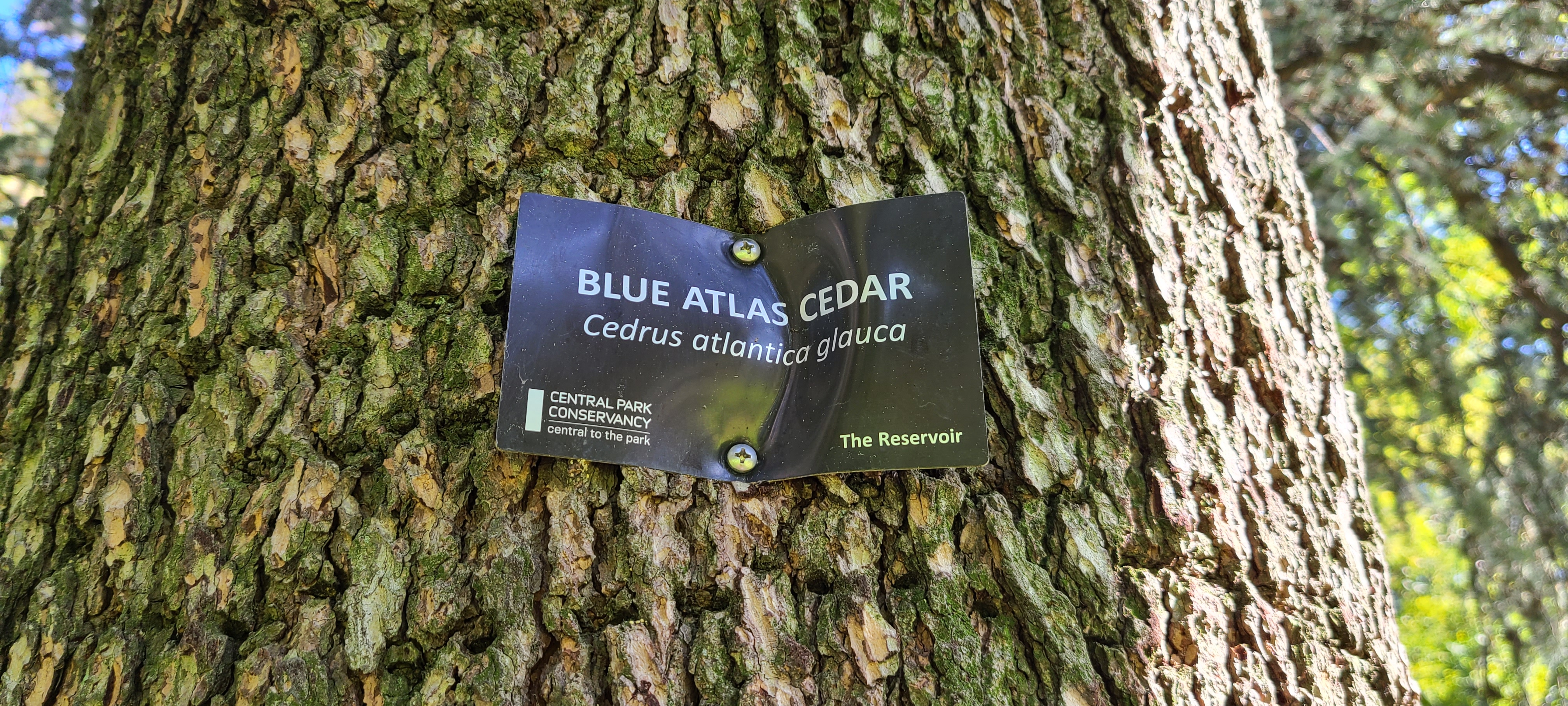
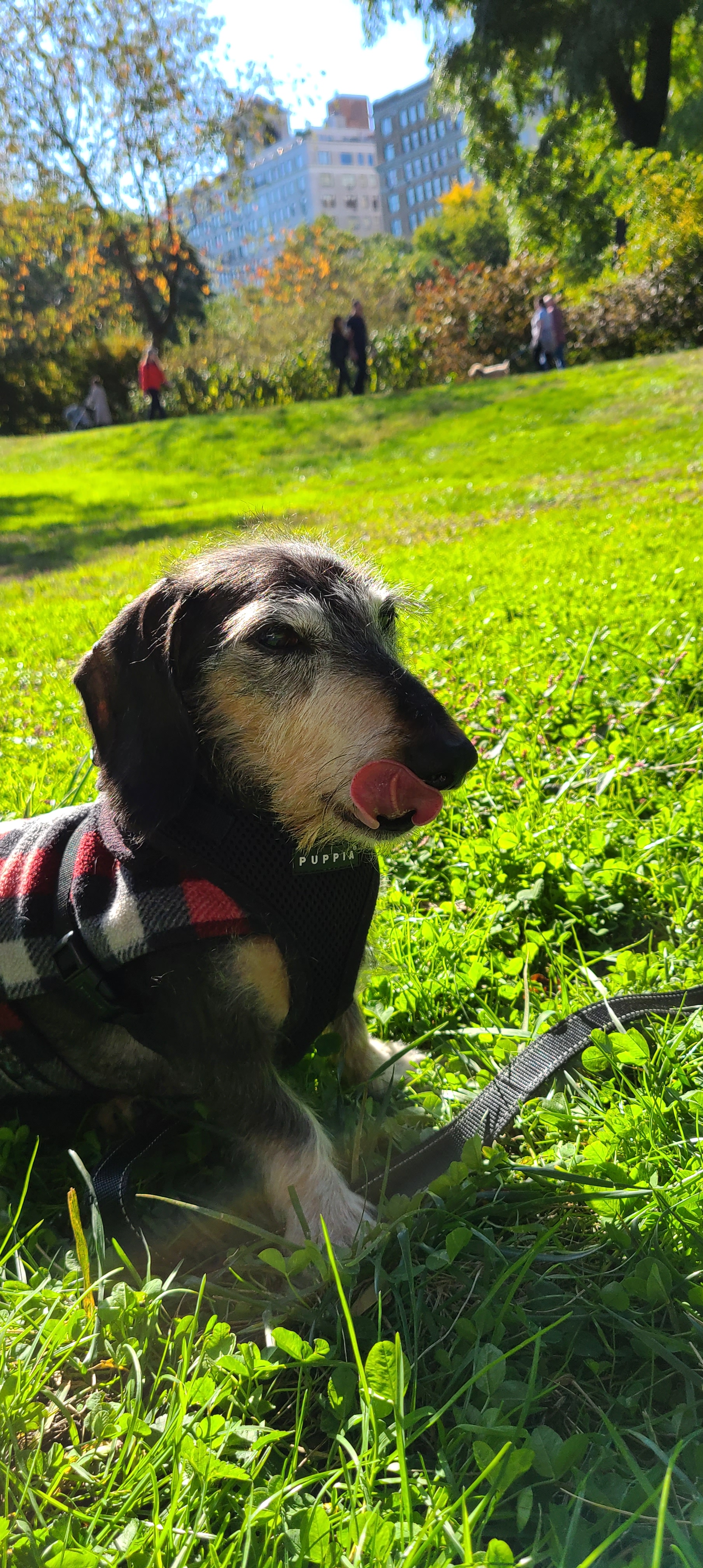
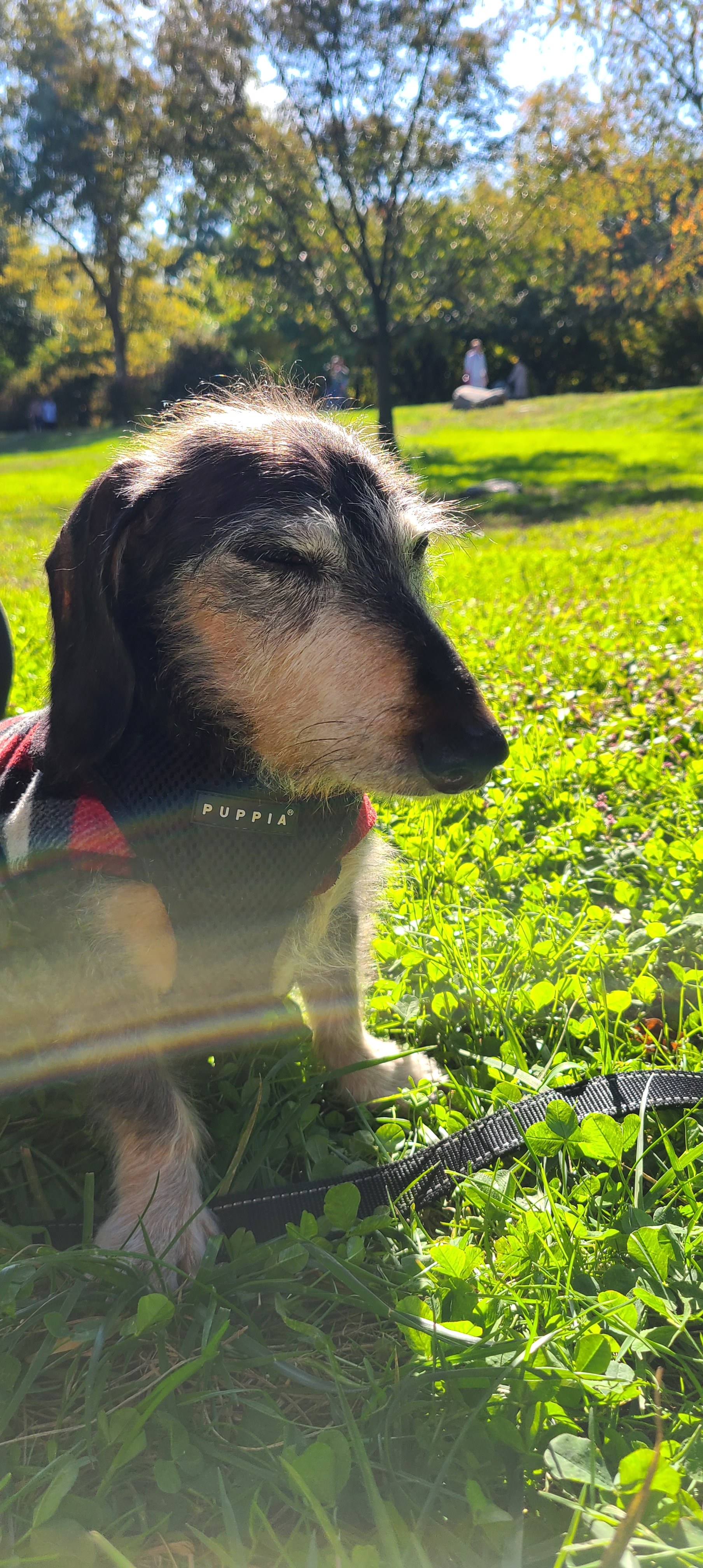
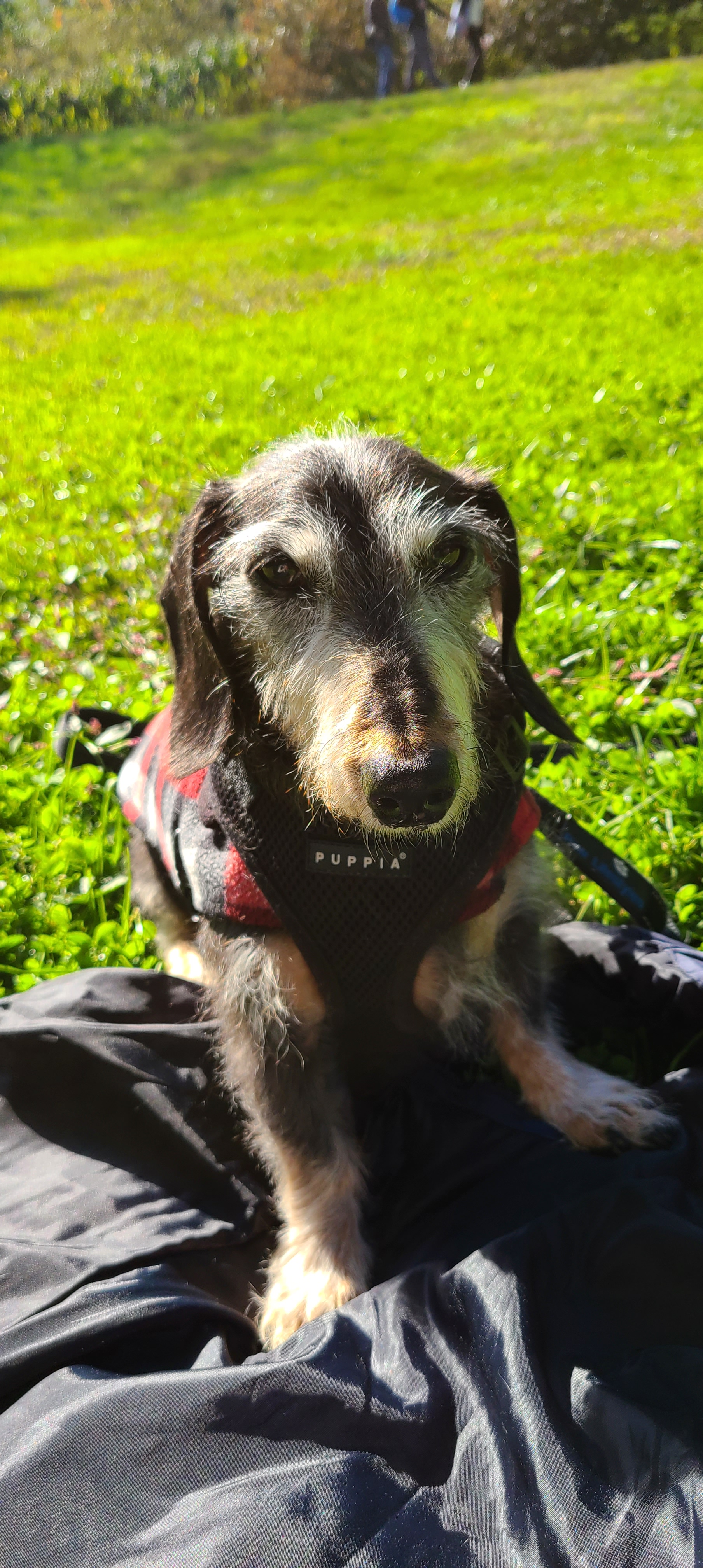
On a sunny Saturday, I went to Central Park with my dog, Phineas. For 15 minutes, we sat near a majestic Blue Atlas Cedar (Cedrus atlantica glauca) that stands near the Reservoir. The effects for both of us were palpable. Phin closed his eyes and went to sleep as I soaked up the sun and clean air, all the time quietly expressing my gratitude to this tree.
When we got up to go home, I bowed to the tree in reverence for what this beautiful being had freely given me. “I’ll see you again soon,” I whispered.
I left with my heart and lungs full with all good things, thankful for what nature offers us if only we will take the time to accept her gifts and wisdom. When we take care of nature, nature can then take care of us. Go sit near a tree for 15 minutes once a month. You’ll be better for it.
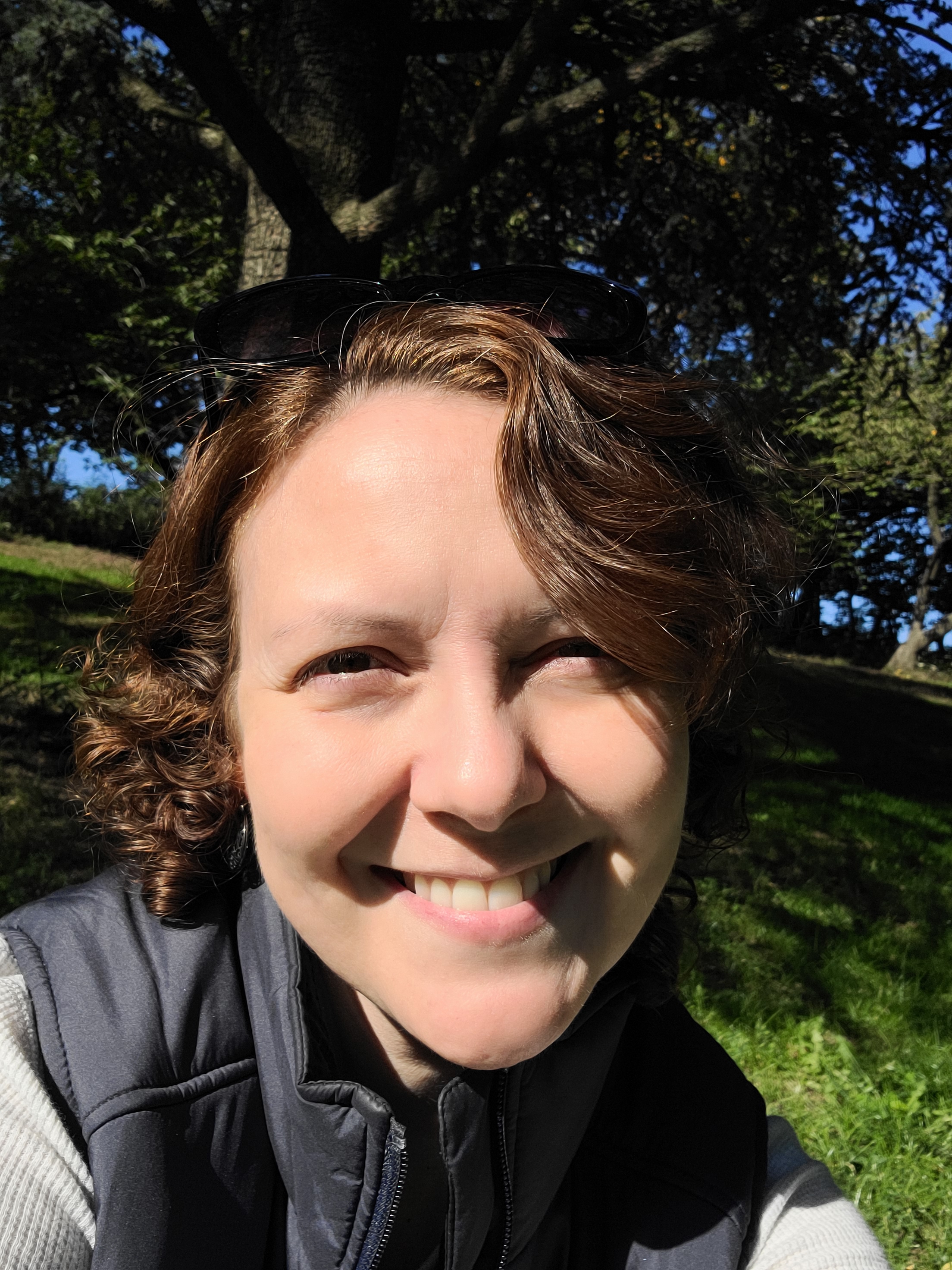
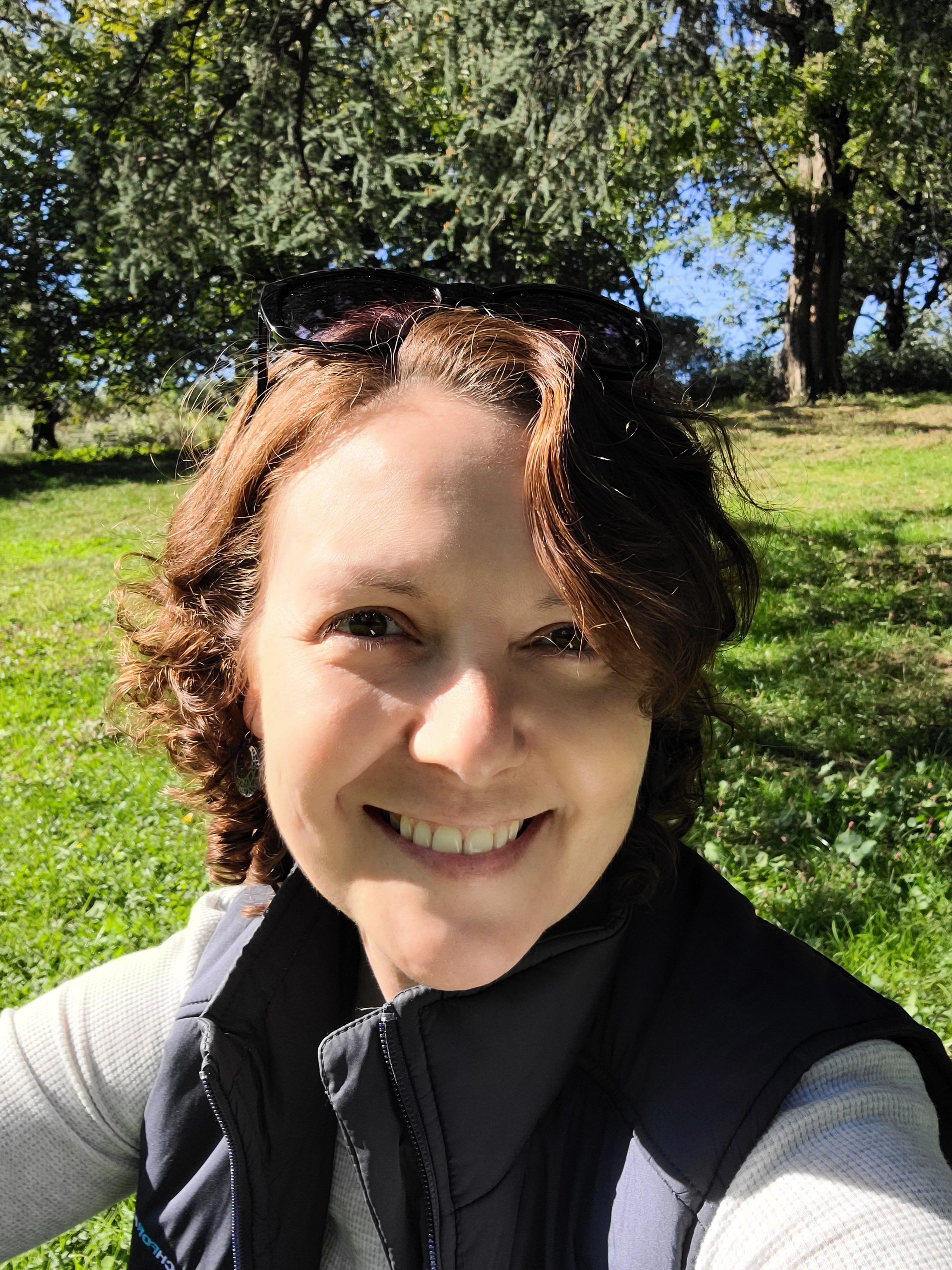
(Below are a few photos of me and my dog, Phineas, on our most recent forest bathing trip to Central Park).
We hear a lot about climate change and how devastating the impacts will be if we do nothing. To save the planet is the reason I decided to go back to graduate school at University of Cambridge in Sustainability Leadership and pivot my career to focus on this cause. But what does a lack of climate action mean specifically, decade by decade? What happens to the planet, and to us, if we stay on our current trajectory? And just as importantly, where do we go if we have an idea for climate action?
The World Economic Forum (WEF) has a 2-minute video outlining some of the specific impacts of continued climate change on our current path starting in the year 2030 and going through 2100. The impacts are sobering, backed up by scientific research referenced in the video, and outlined in the list below.
But all isn’t lost. We do have a short period of time right now to make massive changes to save the planet, the species with whom we share it, and create 395 million jobs with the transition to a nature-positive economy. Said another way, biomimicry and creating our built environment, products, and services based on nature’s design principles is the answer—we must transition to a nature-positive economy and society.
And if have an idea for climate action, WEF wants you to share that idea and get involved through their free online community portal called UpLink where you’ll find hope, information, data, and updates on climate action projects that are underway right now.
What does the world look like in the coming decades if we don’t take climate action. Here’s a sampling of that future:
The 2030s:
Ice caps and crucial ice sheets continue to melt, swelling sea levels by 20 centimeters [7.87 inches]
90% of coral reefs threatened by human activity, while 60% are highly endangered
Dwindling crop yields push more than 100 million more people into extreme poverty
Climate change-related illnesses kill an additional 250,000 people each year
The 2040s:
The world has shot past its 1.5-degree Celsius [2.7-degree Fahrenheit] Paris Agreement temperature rise limit
Bangladesh, Vietnam, and Thailand are threatened by annual floods, sparking mass migration
8% of the global population has seen a severe reduction in water availability
The Arctic is now ice-free in summer
Sea levels have risen 20 centimeters [2 feet] in the Gulf of Mexico, where hurricanes deliver devastating storm surges
The 2050s:
2 billion people face 60-degree Celsius [140 degrees Fahrenheight] temperatures for more than a month every year
In much of the world, masks are needed daily–not for disease prevention, but to protect our lungs from smog
The Northeast United States now sees 25 major floods a year, up from 1 in 2020
140 million people are displaced by food and water insecurity or extreme weather events
2100 and beyond:
The average global temperature has soared more than 4 degrees Celsius [7.2 degrees Fahrenheit]–and even more in northern latitudes
Rising sea levels have rendered coastlines unrecognizable, and Florida has largely disappeared
Coral reefs have largely vanished, taking with them 25% of the world’s fish habitats
Insects have been consigned to history, causing massive crop failures due to the lack of pollinators
Severe drought now affects more than 40% of the planet
An area the size of Massachusetts burns in the US every year
Southern Spain and Portugal have become a desert, tipping millions into food and water insecurity
This is a terrifying, painful future and it’s only a few years away right now. But again, we know what we need to do—create our built environments, products, and services to mimic those of the natural world. Biomimicry can save us and the natural world. This means we must:
exit fossil fuels in favor of renewable energy sources
restore, protect, and expand natural habitats and wild areas
end the use of single-use plastic and harmful chemical pesticides
None of this will be easy but the choice is truly one of life—ours and all the other species who are counting on us to change our ways and clean up how we live on this planet—or death. Either we choose to make these difficult choices now in our companies and governments, or we are forced to make them later when it may be too late. To learn more and get involved, please visit UpLink: https://uplink.weforum.org/uplink/s/. We have no time to waste and the planet needs all of us to take action.
On Sunday night, I sat down to work on my novel-in-progress. All I could think about was the devastation in Yellowstone that could take years to restore and cost billions of dollars. You’ve got to write what’s in your heart and on your mind. This is what poured out of me:
Many of us are watching the recent flooding in Yellowstone National Park with horror, and rightly so. To see whole structures carried away as if they were weightless is terrifying. What struck me is how quickly the devastation came and went from the top headlines. Did any of us change anything about the way we live after seeing the footage? Very few, if any. The reason, unfortunately, is science.
Though scientists across the globe have largely rallied around data that supports the impacts of climate change on our planet and the rapidly closing window of time left to truly stave off the worst consequences, scientists have also been reluctant to draw direct connections between catastrophic events like Yellowstone’s flooding and climate change. Their reluctance is so common that media articles and reports often reference it in environmental coverage.
For example, in a recent New York Times article, the reporters say this in the opening: “It is difficult to directly connect the damage in Yellowstone to a rapidly warming climate — rivers have flooded for millenniums …”
With sweeping statements like that, the well-intentioned reporters have given climate deniers all the fuel they need to shrug their shoulders and go about their day exactly as they have every other day. Or worse—this is a simple explanation they use to convince others that scientists have no idea what they’re talking about and that everything is just fine. This behavior is destroying the planet and will ultimately destroy us.
Our hand-wringing about “direct connections” is going to cost us our lives and livelihoods. It’s time for us to get off the sidelines and stop taking the role of being our own worst enemies. Climate scientists can look to other areas of science to see how to inspire action, namely medicine.
Very little in the field of medicine is certain. A lot of medicine is educated guessing. Standards of care often read something akin to “given your situation and what we have observed with those who we believe are similar to you, we believe this course of treatment may help.” I know this first-hand because I’m currently taking a medication after beating early-stage breast cancer that is still experimental with some studies showing that it has a possible chance of reducing the risk of recurrence for someone like me.
There are caveats all over that statement, but you know what? If it can’t hurt, might help, and my insurance covers it, I’m taking it. I want to live a long, healthy life. Most of us do. For that singular reason we exercise, eat healthy food, try to manage our stress level, don’t smoke, limit (or eliminate) alcohol, go to the doctor for check-ups and exams, and take medications that could help us. Is any of that advice perfect? No. Are we guaranteed a specific outcome if we do all those things? No. But why not give ourselves every possible advantage we can, right?
Climate scientists could model their approach on medicine. Even if they can’t make a perfect case for cause and effect between climate change and a single catastrophe like Yellowstone flooding, does it seem likely that the two are related? Yes. Could an increase in wildfires, droughts, and more severe storms be related to a warming planet? Yes. Could an acceleration of species extinction be driven by deforestation and the pollution of our air, oceans, and water ways? Yes. Could the continuous and increasing supply of greenhouse gases being pumped into the air be destabilizing our atmosphere? Yes. Then why not do everything possible to mitigate the impacts that could have such dire consequences on the life of every living being on the planet?
We want to live long, healthy lives so we do everything we can to try to make that possible. Why not do the same for the planet that we all need? Even if you and I do everything right when it comes to the health of our bodies and minds, if the health of the planet as a whole suffers, what we do for our own individual health will be for naught.
The planet needs a standard of care—limit or eliminate pollution in all its forms; reduce, reuse, and recycle; replace fossil fuel consumption with clean, renewable sources of energy; stop food waste; stop deforestation and replenish the forests we’ve lost.
None of these changes will be simple nor pain-free. We have to reinvent how we live and the systems that make our lives and economies function. The transition will be difficult, expensive, and, for a while, inconvenient. But you know what’s more difficult, expensive, and inconvenient? Having a planet that’s in such poor health that it can no longer sustain life—ours or anyone else’s. Why take that risk when there is another way? Why not give ourselves and all those who (hopefully) come after us the best chance to live and live well?
We don’t need certainty and one-to-one causations for climate action. If a high probability and correlation is good enough for the science we use to sustain our bodies, then it’s good enough for the science to sustain our planet. By the time we have inarguable certainty, it will be too late for all of us. That’s a risk none of us should willingly take.
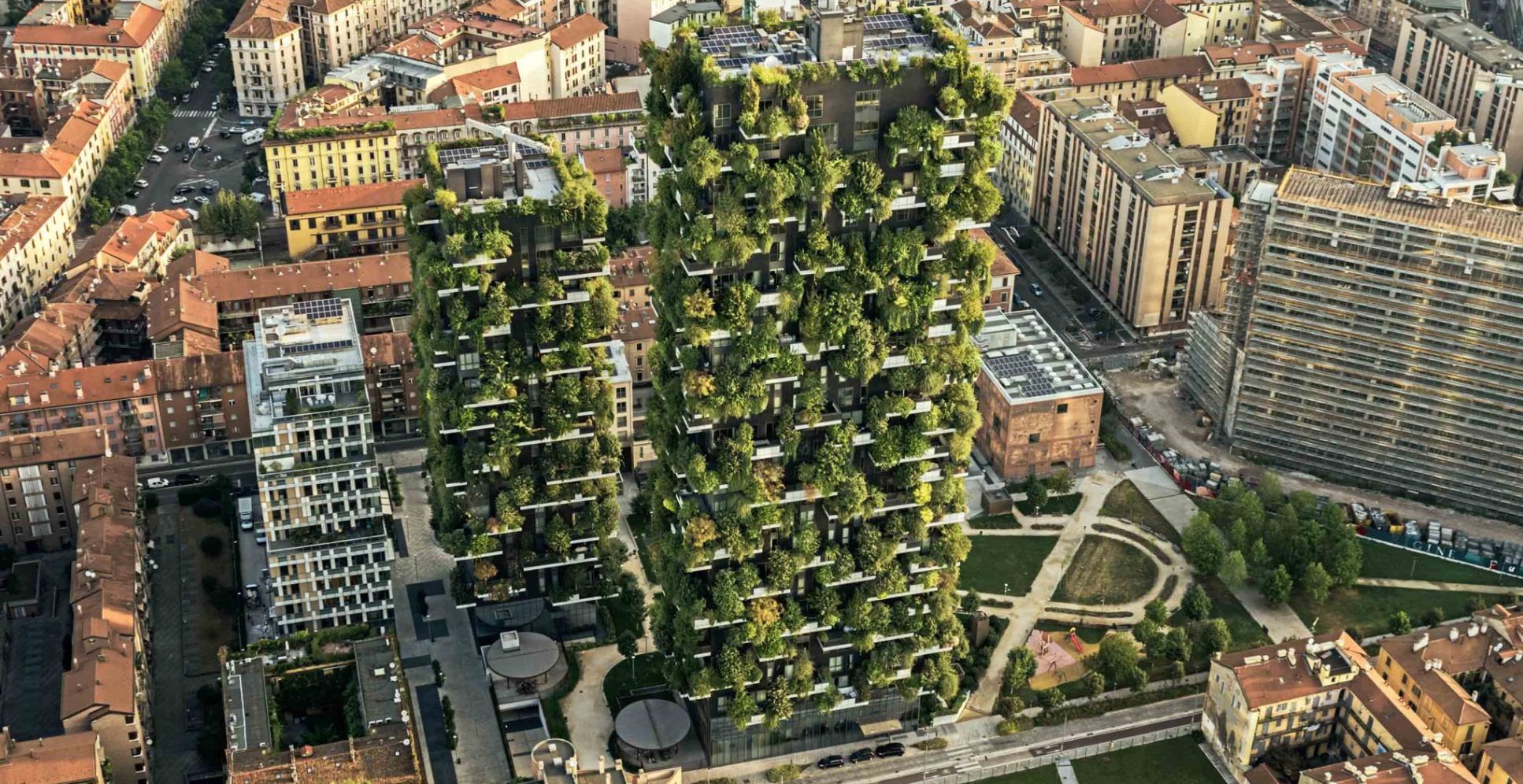
The Vertical Forest in the Porta Nuova area of Milan is an understated marvel and an innovative prototype for how modern cities with deep historical roots can help humans, animals, and plants cohabitate for everyone’s benefit.
The two residential buildings create space for 800 trees, 15,000 plants, and 5,000 shrubs. This is the same number of plants you’d find on ~90,000 square feet of woodland on just ~9,000 square meters of urban space. The Vertical Forest reduces heat when it’s warm, regulates humidity, provides insulation when it’s cold, and cleans the air. And by the way, plants help humans by lowering our stress and anxiety. This greenery has provided a home for 1,600 species of butterflies and birds. An added bonus—if we building our cities vertically, we prevent them from sprawling horizontally which saves more land and the species that call that land home.
This kind of living architecture is a financial and health win for people and nature, and one we cannot afford to ignore. Cities across the world can adopt the ethos of the Vertical Forest and we will all benefit.
A lot of my writing life revolves around science, environmental sustainability, and biomimicry. This Fall, I’m starting a graduate program in Sustainability Leadership at University of Cambridge. As I prepare for that program, I’m researching different programs around the world that are restoring land and protecting species from the effects of climate change.
I recently learned about a project called the Great Green Wall. From their website:
Growing a World Wonder The Great Green Wall is an African-led movement with an epic ambition to grow an 8,000km natural wonder of the world across the entire width of Africa. Once complete, the Great Green Wall will be the largest living structure on the planet, 3 times the size of the Great Barrier Reef.
A decade in and roughly 15% underway, the initiative is already bringing life back to Africa’s degraded landscapes at an unprecedented scale, providing food security, jobs and a reason to stay for the millions who live along its path.
The Wall promises to be a compelling solution to the many urgent threats not only facing the African Continent, but the global community as a whole–notably climate change, drought, famine, conflict, and migration.
Improving Millions of Lives The Great Green Wall is taking root in Africa’s Sahel region, at the southern edge of the Sahara desert – one of the poorest places on the planet.
More than anywhere else on Earth, the Sahel is on the frontline of climate change and millions of locals are already facing its devastating impact. Persistent droughts, lack of food, conflicts over dwindling natural resources, and mass migration to Europe are just some of the many consequences.
Yet, communities from Senegal in the West to Djibouti in the East are fighting back.
Since the birth of the initiative in 2007, life has started coming back to the land, bringing improved food security, jobs and stability to people’s lives.
A Global Symbol The Great Green Wall isn’t just for the Sahel. It is a global symbol for humanity overcoming its biggest threat – our rapidly degrading environment.
It shows that if we can work with nature, even in challenging places like the Sahel, we can overcome adversity, and build a better world for generations to come.
Growing More Than Trees More than just growing trees and plants, the Great Green Wall is transforming the lives of millions of people in the Sahel region.
The Great Green Wall makes a vital contribution to the UN Sustainable Development Goals (known as the SDGs)—a global agenda which aims to achieve a more equitable and sustainable world by 2030. It’s rare to find a project that impacts all of the SDGs and the Great Green Wall does just that.

















 Christa Avampato