creativity

๐ŸŽ40,000 Pounds of Produce in 1 Morning. This is How We Fight Food Waste AND Food Insecurity in NYC

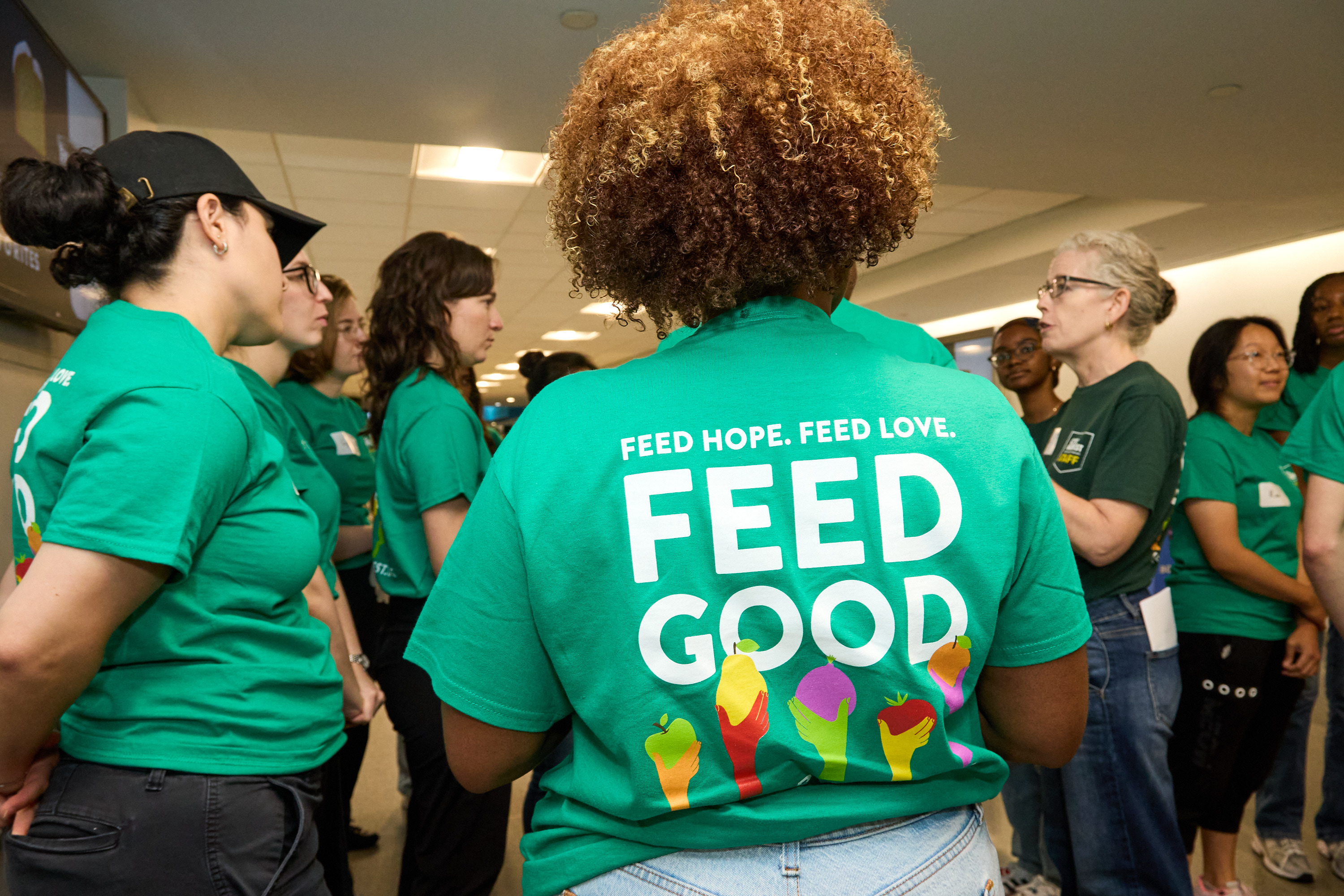
Our team of volunteers at last week’s City Harvest repack event

The Repack: What Happens When a Community Shows Up

Last week, I was deeply moved by the incredible generosity and hard work of the volunteers at City Harvest. We were there because of the enormous, urgent need created by current economic pressures and the fallout of the government shutdown, which is impacting vital food assistance programs for New Yorkers.

Together, we accomplished something phenomenal:

  • We helped repack 40,000 pounds of bulk fresh produce into 7,710 household-sized bagsโ€”the second-highest number of bags ever packed at the City Harvest Food Rescue Center since 2022!
  • This food is critical right now as City Harvest ramps up to serve neighborhoods with the highest populations of SNAP recipients. They expect to distribute over 1 million more pounds of food this November than they did last November.

We showed up and showed out, and it was a joy to be part of this community effort, even though I wish it wasn’t necessary.


The NYC Food Insecurity Crisis is Real

The need for this emergency support is stark, especially as the government shutdown has delayed or complicated critical aid. Our fellow workers, friends, and neighbors are struggling to put food on the table.

  • In New York City, approximately 1.73 million residents receive SNAP benefits. That’s 1 in 5 New Yorkers.
  • In Brooklyn alone (where I live and where City Harvest has its headquarters), that number is over 700,000. That’s 1 in 4 Brooklyn residents.

This work with City Harvest is personal to me because I grew up food insecure and my family received government-backed public assistance including WIC funding and at my school I was part of the free lunch program. As an adult who climbed out of that situation though education, hard work, and the generosity of these supportive government programs, giving back means a lot to me.


Why City Harvest is a Game-Changer (A Two-Part Solution)

City Harvest doesn’t just feed people; it’s a massive champion for the environment, tackling the staggering problem of food waste head-on.

From City Harvest

How You Can Be Part of the Solution

The work we did last week is ongoing. Join the City Harvest family!

This work isn’t just about charity; it’s about Togetherhood. Let’s continue to show up for our community and ensure that healthy, quality food goes to tables, not landfills.

Click to volunteer, donate, and advocate. I hope to see you at a future City Harvest event!

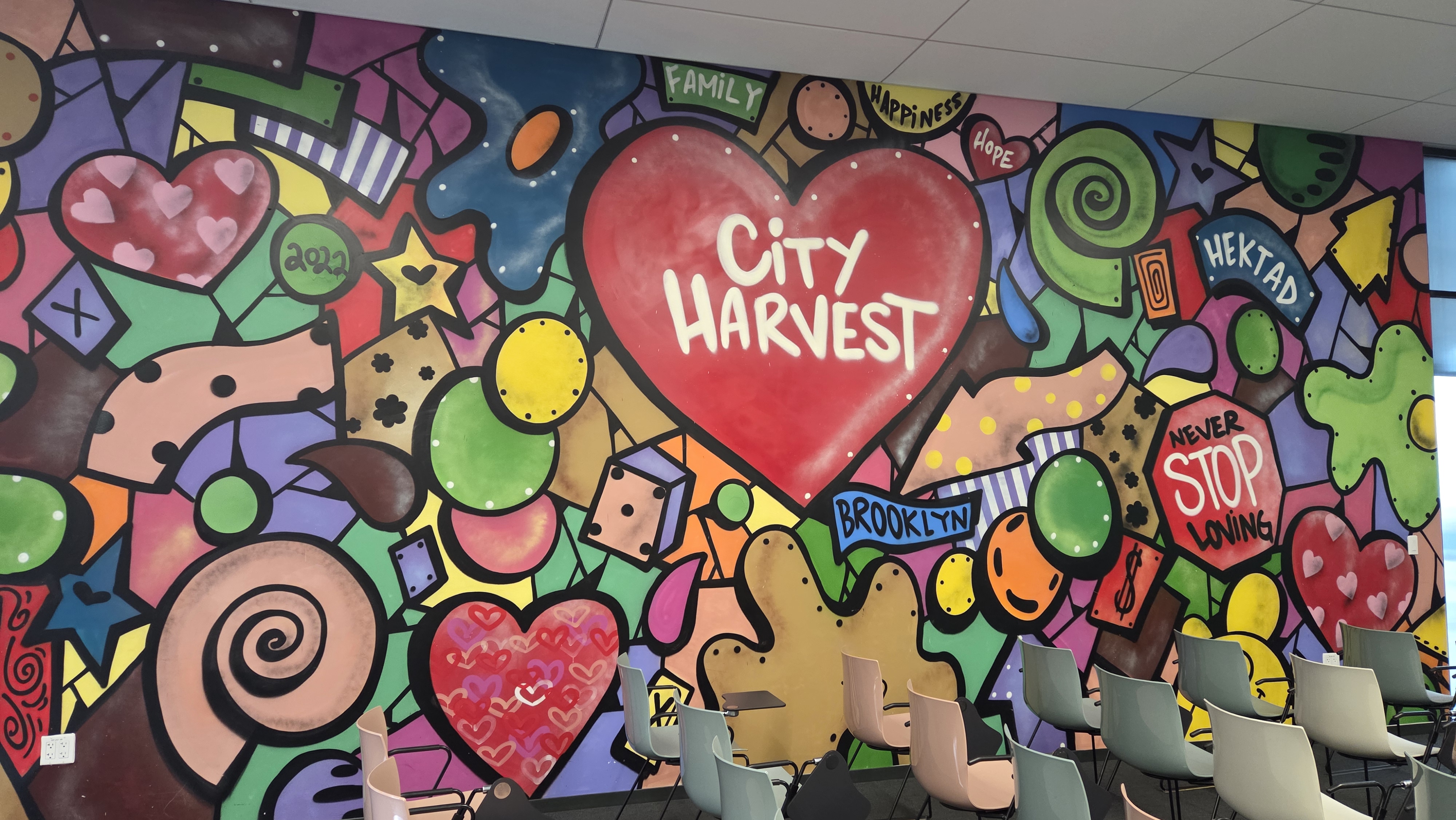
Mural at the City Harvest HQ in Brooklyn, NYC
creativity

Fighting hunger in NYC with City Harvest

Me outside the Javits Center on Tuesday to volunteer with City Harvest

Iโ€™m smiling because this week I completed my first volunteer shift with City Harvest. With a group of 200 volunteers and staff, we rescued over 75,500 pounds of food after the close of the Fancy Food Show on Tuesday evening at the Javits Center. This food will be distributed to food pantries, soup kitchens, and community organizations all over the city to people who need our support. This work is deeply personal to me. I grew up with food insecurity (meaning we worried about where our next meal would come from) and I was a free lunch kid. 

The hunger issue in NYC is dire. 50% of working-age households in NYC are struggling to make ends meet. 1.4 million New Yorkers are food insecure. Thatโ€™s nearly 1:6 New Yorkers, including 1:4 children.ย 

This work is also personal to me because of my passion to protect our natural world. On Tuesday, we also saved all of this food and packaging from ending up in the trash. 30%โ€Šโ€”โ€Š40% of the food in the U.S. (108 billion pounds!) is wasted every year, to say nothing of all the resources it took to create that food and packaging. This costs Americans $473 billion every year. Nearly 1/4 of all landfill waste in the U.S. is food, and it is one of the largest producers of methane gas, which is causing climate change, weather-related disasters, and hunger.

Given the scale of this challenge, Iโ€™m excited about doing more work with City Harvest and helping more New Yorkers. I hope youโ€™ll join meโ€Šโ€”โ€Šthere are so many ways to be a volunteer! Visit https://www.cityharvest.org/volunteer/ to learn more.

Below are some pictures from the Tuesday event! All photos by City Harvest.

creativity

My dual goals to end food insecurity and food waste

Photo by Ella Olsson on Unsplash

Today I started a new research project on food waste with the hope of starting an entrepreneurial venture in this space. In the U.S., 16 billion pounds of food from food retailers alone end up in landfills every year while 47.4 million Americans (13.5% of households) face food insecurity every day. 1/3 of waste in U.S. landfills is food and food waste causes 6% – 8% of global greenhouse gas emissions driving climate change. We have plenty of food to feed everyone. It’s not in the right places at the right time so the waste is a logistics and operations issue.

Utilizing the methodology from my University of Cambridge / Cambridge Institute for Sustainability Leadership (CISL) dissertation, I’m conducting interviews with food retailers, rescue organizations, distribution organizations, institutional food providers, and policy makers to find an unmet need in the market that would help prevent food waste. Today I had my first interview with the largest food rescue organization in NYC. It went very well. I’m excited to continue these conversations and work on this idea.

Solving this dual challenge of food waste and food insecurity is important to me personally as well as from an environmental and business perspective. I grew up in a home that was food insecure and we often didn’t have enough food to eat. We were lucky to have the free lunch program at school. So many are not fortunate enough to have that kind of safety net. My goal with this business is to serve them and protect the planet. If you know someone or an organization I can talk to, I’d love any referrals.

creativity

Can clean electricity for everyone everywhere end poverty?

Photo by Kendall Ruth on Unsplash

700 million people have no electricity. 3.1 billion people donโ€™t have enough.ย Could changing that change everything?

Rajiv J. Shah, President of the Rockefeller Foundation and author of โ€œBig Bets: How Large-Scale Change Really Happensโ€, published a New York Times opinion essay this week that makes the case for clean electrification as THE driver to end poverty, reduce violence, and drastically improve well-being including health, nutrition, jobs, and education, not to mention how it would provide us with cleaner water, air, soil, and crops.

I appreciate the holistic nature of the 17 Strategic Development Goals (SDGs). I also agree with Shah that we have to rethink how weโ€™re approaching them by solving the few (or perhaps the one, as Shah suggests) underlying challenge(s) common across all the SDGs. The bureaucracy and complexity of 17 sets of solutions to meet 17 goals is enough to make anyoneโ€™s head spin, and it could very well be slowing our progress toward achieving any of them by 2030. These 17 goals may define symptoms, with the underlying disease being lack of clean electricity. 

If Shah is right, and clean electrification is the root challenge of all these goals, how might that change financial investment and policy? How might our climate actions and climate storytelling shift if our one united goal was to provide every person with clean electricity by 2030? What would it take to get there?