creativity

Feeling the Heat? How Cities Worldwide Are Cooling Down!

A worker who is part of the Cool LA initiative applying a pavement cooling coating. https://streetsla.lacity.org/marquerite-street-cool-pavement

Ever stepped out of an air-conditioned building into a city street and felt like you’d walked into an oven? That’s exactly how I felt last week in New York City. This is known as the urban heat island (UHI) effect. It makes cities significantly warmer than their surrounding rural landscapes, particularly at night. Why does this happen, and what are cities doing about it?

The Science Behind the Sizzle:

The UHI effect is largely a byproduct of how we build our cities. Here’s a quick breakdown of the culprits:

  • Dark Surfaces & Materials: Concrete, asphalt, and dark rooftops absorb and store vast amounts of solar radiation during the day. Unlike natural landscapes (think forests or water bodies) that reflect more sunlight and release moisture, these urban materials slowly re-emit that stored heat into the surrounding air, keeping temperatures elevated long after sunset.
  • Lack of Vegetation: Trees and plants provide natural cooling through shade and a process called evapotranspiration (where they release water vapor, like sweating). Cities, with their limited green spaces, miss out on these vital cooling benefits. The apartment building where I live straddles a city block. On one side, it’s a tree-lined street that’s almost completely shaded. On the other side of the building, there aren’t any trees at all. The temperature difference between the two entrances is often 10 degrees or more.
  • Urban Geometry: Tall buildings and narrow streets can create “urban canyons” that trap heat and block wind flow, preventing cooler air from circulating and dissipating trapped warmth.
  • Waste Heat: All the human activity in a city – cars, factories, air conditioning units – generates a significant amount of waste heat, further contributing to the overall temperature rise.

The consequences of the UHI effect are serious: increased energy consumption (more AC means more power plants working overtime), elevated air pollution and greenhouse gas emissions, and significant health risks, especially for vulnerable populations, including heat-related illnesses and even fatalities. In the United States, heat is indeed the deadliest weather-related hazard, claiming more lives annually than other extreme weather events like hurricanes, floods, or tornadoes

Cities Taking Innovative Action:

The good news is that cities around the world are recognizing this challenge and implementing clever, innovative solutions to cool down from cool pavement surfaces to using plants as part of walls, roofs, corridors, and increased green spaces. Here are a few inspiring examples:

  • Singapore: The “Garden City” Goes Further Singapore is a leader in green infrastructure. Beyond its lush parks, the city-state is integrating vegetation into buildings with impressive “green walls” and “sky gardens.” They’re also exploring district-level cooling systems, which are more energy-efficient than individual air conditioning units, and prioritizing science-based policies to reduce urban heat risks. Their commitment to planting millions of trees and creating numerous parks is paying off in tangible temperature reductions.
  • Los Angeles, USA: Paving the Way with Cool Pavements Known for its expansive roadways, Los Angeles has been actively experimenting with “cool pavements.” These lighter-colored surfaces reflect more sunlight and absorb less heat than traditional asphalt, significantly reducing surface temperatures. The city has already coated over a million square feet of pavement with these innovative materials. It is also experimenting with applying this coating to rooftops as well.
  • Rotterdam, Netherlands: Embracing Green Rooftops Rotterdam is literally building a cooler future from the top down. The city is actively promoting and implementing green rooftops on a massive scale, aiming to green over 900,000 square meters of rooftops. These vegetated roofs not only reduce ambient temperatures by acting as insulation and through evapotranspiration but also help with stormwater management.
  • Medellín, Colombia: Cultivating Green Corridors Medellín has transformed its urban landscape by creating a network of 30 “green corridors.” These shaded routes, lined with thousands of native trees, palms, and other plants, offer cooler pathways for people to travel and gather, directly combating heatwaves and improving air quality.
  • Paris, France: Creating “Cool Islands” Paris is tackling its urban heat with a strategic approach to “cool island” spaces. The city has identified and is creating 800 such spaces, including parks, water fountains, and public buildings like swimming pools and museums, which are significantly cooler than surrounding streets. They also have ambitious plans to plant 170,000 trees by 2026.
  • Seville, Spain: A “Policy of Shade” In a city accustomed to scorching summers, Seville has adopted a “policy of shade.” This includes installing more awnings, planting 5,000 trees annually, switching to heat-reflective construction materials, and installing more public fountains – all aimed at providing respite from the intense heat.

These examples demonstrate that while the urban heat island effect is a significant challenge, it’s not insurmountable. By embracing a combination of green infrastructure, cool materials, and thoughtful urban design, cities worldwide are proving that a cooler, more livable urban future is within reach.

What can you do?

Even as individuals, we can contribute to mitigating the UHI effect. Consider:

  • Support local initiatives for tree planting and green spaces.
  • Call your reps and offer these examples as something your city could try.
  • Choose lighter-colored materials for your own property if applicable.
  • Advocate for sustainable urban planning in your community.

Let’s work together to make our cities cooler, healthier, and more sustainable for everyone!

animals, creativity

Building Nature’s Highways: Why Wildlife Corridors Matter, Especially in a City Like New York

Photo by Maurice Gort on Unsplash

In the urban symphony of honking taxis and bustling sidewalks, it’s easy to forget that New York City is also home to a surprising array of wildlife. From the familiar pigeons and squirrels to more elusive species like coyotes, egrets, and even occasional seals in the harbor, nature finds a way to persist amidst the concrete jungle. However, these urban dwellers face significant challenges, primarily the fragmentation of their habitats. Parks, green spaces, and natural areas exist as isolated islands in a sea of development, making it difficult for animals to move, find food and mates, and maintain healthy populations.

This is where wildlife corridors, also known as green corridors or ecological corridors, become vital. More than just 2 patches of green, these linear stretches of habitat act as nature’s highways, providing safe passage for animals to travel across urban landscapes and limit interactions with humans (which keeps wildlife and humans safe.)

Why are wildlife corridors so important?

The benefits of establishing and maintaining wildlife corridors extend far beyond simply allowing animals to move:

  • Combating Habitat Fragmentation: Urban sprawl carves up natural landscapes, isolating animal populations. Corridors reconnect these fragmented habitats, allowing for greater movement and reducing the risks of inbreeding and localized extinctions.
  • Promoting Biodiversity: By facilitating the flow of individuals between different areas, corridors help maintain genetic diversity within species and support a wider variety of plant and animal life.
  • Supporting Migration and Dispersal: Many species need to move seasonally or disperse to new areas to find resources or establish new territories. Corridors make these crucial movements possible.
  • Enhancing Ecosystem Health: The movement of wildlife aids in essential ecological processes like pollination and seed dispersal, contributing to the overall health and resilience of urban ecosystems.
  • Increasing Climate Resilience: Green corridors can provide areas that may offer refuge as the climate changes, allowing species to shift their ranges. They also contribute to urban cooling and stormwater management by providing more green space – a win for all species, including humans.
  • Providing Educational and Recreational Opportunities: Urban green spaces, including corridors, offer residents opportunities to connect with nature, observe wildlife, and engage in outdoor activities. (However, please don’t touch wildlife or attempt to corner them to get a photo – give them space and let them be.)

Building Nature into the Urban Fabric of New York City

Integrating wildlife corridors into a dense, established metropolis like New York City presents unique challenges, but it is possible. It requires creative thinking, strategic planning, and a commitment to green infrastructure. Here are some ways we can build nature’s highways into our city:

  • Leveraging Existing Green Spaces: Connecting existing parks, community gardens, cemeteries, and natural areas through planted streetscapes, greenways along industrial areas or waterways, and even strategically placed planter boxes can create a network of connected habitats.
  • Creating Green Roofs and Walls: These vertical and horizontal green spaces on buildings can act as steppingstones or even continuous pathways for birds, insects, and small mammals, particularly in areas with limited ground-level space.
  • Utilizing Waterfronts: New York City’s extensive coastline and rivers offer significant opportunities to establish riparian corridors with native vegetation, providing crucial habitat and movement pathways for a variety of species. The Manhattan Waterfront Greenway, while primarily for human use, also offers ecological benefits and could be further enhanced for wildlife.
  • Designing Wildlife Crossings: While more challenging in a dense urban environment, innovative solutions like vegetated overpasses or underpasses could be explored in areas where major roads or highways sever existing or potential green spaces.
  • Prioritizing Native Plants: Filling these corridors with native trees, shrubs, and flowering plants is crucial as they provide the specific food and shelter that local wildlife need. This also reduces the need for intensive maintenance and pesticides.
  • Rethinking Urban Planning and Development: Integrating ecological connectivity into the very fabric of urban planning is key. This includes implementing regulations that encourage green infrastructure in new developments and protecting existing natural areas.
  • Engaging the Community: Educating residents about the importance of urban wildlife and corridors, and involving them in planting and stewardship efforts, can foster a sense of ownership and ensure the long-term success of these initiatives. Programs reducing pesticide use in private gardens and encouraging bird-friendly glass windows to prevent collisions (we lose an astonishing 90,000 to 230,000 birds to window collisions in New York City every year) also contribute to a healthier urban ecosystem.

New York City has already taken steps in this direction with its extensive park system and efforts to restore natural areas. By intentionally building and enhancing wildlife corridors, the city can become a more resilient, biodiverse, and ultimately, more livable place for both its human and animal inhabitants. It’s an investment in the ecological health of the city and a recognition that even in the heart of the urban jungle, nature deserves a connected path forward.

creativity

Climate communicators must become storymakers, not just storytellers

Photo by Camellia Yang on Unsplash

This piece by World Economic Forum posted by UN Biodiversity gets it right when it comes to climate communications. It starts with the important grim facts of biodiversity loss — human activity is destroying biodiversity faster than in the last 10 million years, over 1 million species face extinction, 80% of threatened species are impacted by our activity, and we’ve degraded 40% of the land. Then it pivots to 5 solutions that improve our lives, save nature, create 117 million jobs, and generate $3.015 trillion dollars by 2030:

1)Higher-density urban development to free up land for agriculture and nature — $665 billion; 3 million jobs

2)Architecture with nature, not just humans, at the core of the design to benefit us and other species — $935 billion; 38 million jobs

3)Utilities that effectively manage air, water, and solid waste pollution in cities — $670 billion; 42 million jobs

4)Nature-based solutions for infrastructure like wetlands, forests, and floodplains to manage the impacts of rain, wind, and storms — $160 billion; 4 million jobs

5)Incorporating nature such as wildlife corridors into infrastructure — $585 billion; 29 million jobs

Total: $3.105 trillion; 117 million jobs

Tell me another set of policies that produces that much revenue and that many jobs. There isn’t one. Line up the investors for this unicorn deal. Which politicians are turning down this set of policies with these societal benefits? Those who won’t be elected. This is the power of effective climate storytelling about solutions and their benefits. These are stories that change the world. Tell them. Make them.

As climate communicators, we can’t drop audiences off at the abyss and leave them there. We can’t just be storytellers; we must be storymakers and solutioneers if we want to be part of the web of humanity that weaves a healthier, more joyful, peaceful, and sustainable world into existence. This is a lot to ask of my inspiring and beloved climate communications colleagues who are already doing so much. But I’m asking us to do more because the world needs us now more than ever.

You wanted to be a writer, journalist, filmmaker, or video game creator. You hadn’t planned on becoming a product developer, systems designer, policy maker, and community organizer. That wasn’t the deal. I know. The deal changed. The world changed. We have to change.

There’s a Hopi proverb that says, “Those who tell the stories rule the world.” As the CEO of Pixar Animation Studios, Steve Jobs said “The most powerful person in the world is the storyteller. They set the vision, values, and agenda of an entire generation.”

This is the mantle we have to take up. We have to tell stories about solutions that clearly communicate their benefits. Then we lead our audiences into the trenches to collectively roll up our sleeves and get the work done using the empathy and compassion in our hands, hearts, minds, and spirits to build a better world for all beings.

creativity

In the pause: Gun violence on my block in D.C.

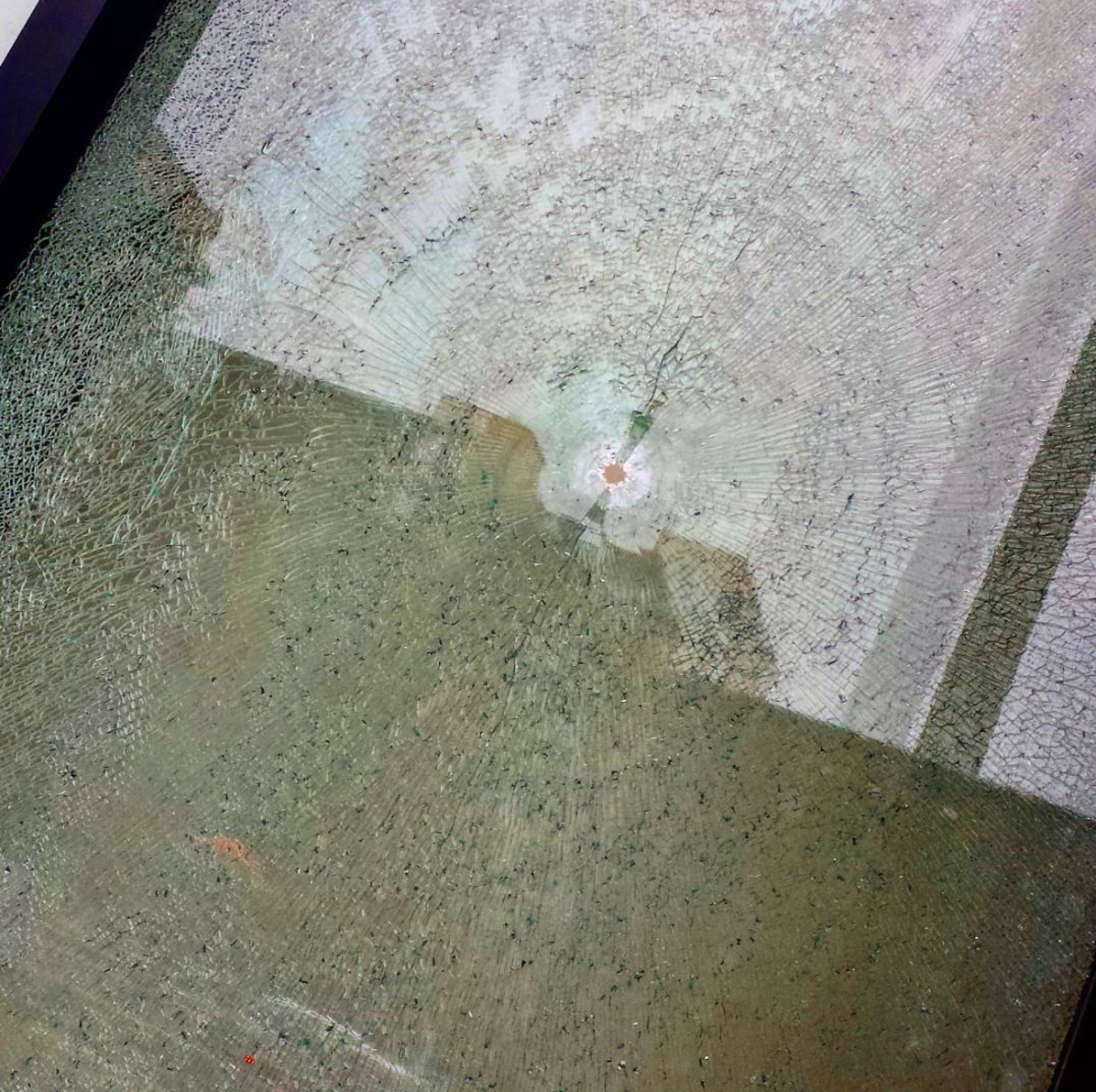
Screen Shot 2017-03-07 at 10.00.41 AMThat’s a bullet hole in the middle of a shattered window in my apartment building lobby. According to the DC Police Department, it was caused by an assault rifle, a military-grade weapon. By law, these weapons cannot be owned in D.C. by any civilian for any reason, meaning the weapon was stolen or sold illegally. The reflection in the window is the building across the street, one of the largest public housing complexes in the city, and the stage for that gun fight. The irony is not lost of me. I live in a glass house, with a clear view of the Capitol a mile away, where the divide between rich and poor across North Capitol Street is a chasm that just keeps getting wider.

Though I grew up in a rural area (there is a tractor-crossing sign across the street from the home where I grew up), I’ve lived in large cities, often in developing neighborhoods, for the majority of my life. I’m not blind to the level of crime and violence that exists in our cities. I have been robbed at knife point in a Philadelphia subway station and aggressively harassed, sometimes pushed and physically threatened, on the streets of New York and D.C. But this incident of a bullet into my apartment building is crime on a whole new level for me. It has already begun to change the patterns of my life and how I navigate my neighborhood. Constant vigilance now has a whole new meaning for me.

And here is the saddest part—I’m luckier than anyone who lives in the building reflected in my shattered widow. I can move when my lease is up. Most of the people who live in that building, many of them children, are good people. They are stuck, and their situation is about to made worse with cuts in healthcare and education. These are the very people who need to be protected and as a society, we aren’t protecting them. I’ve made a point to get to know them because I understand their situation on a personal level. My family had no money when I was growing up. I know what it means to be afraid, to struggle, to feel hopeless. It’s hard to see or find a way out, and certainly even harder when you live in a building where violence is often just a breath away.

As someone who has been down into the depths of PTSD, incidents like this cause to re-evaluate just about everything in my life. I understand the preciousness of our time. I understand it’s fleeting. I understand that it goes by too quickly. I understand that we spend too many days waiting and not enough days living up to our full potential. I don’t know where this new sense of urgency and reflection is taking me. I promise to let you know where I’m heading and what I intend to do to make this world a better, safer place for all people. I can also promise you that I will not waste this learning or be dragged down by it. I will make it my fuel.

creativity

In the pause: Pursuing an interest in historic preservation

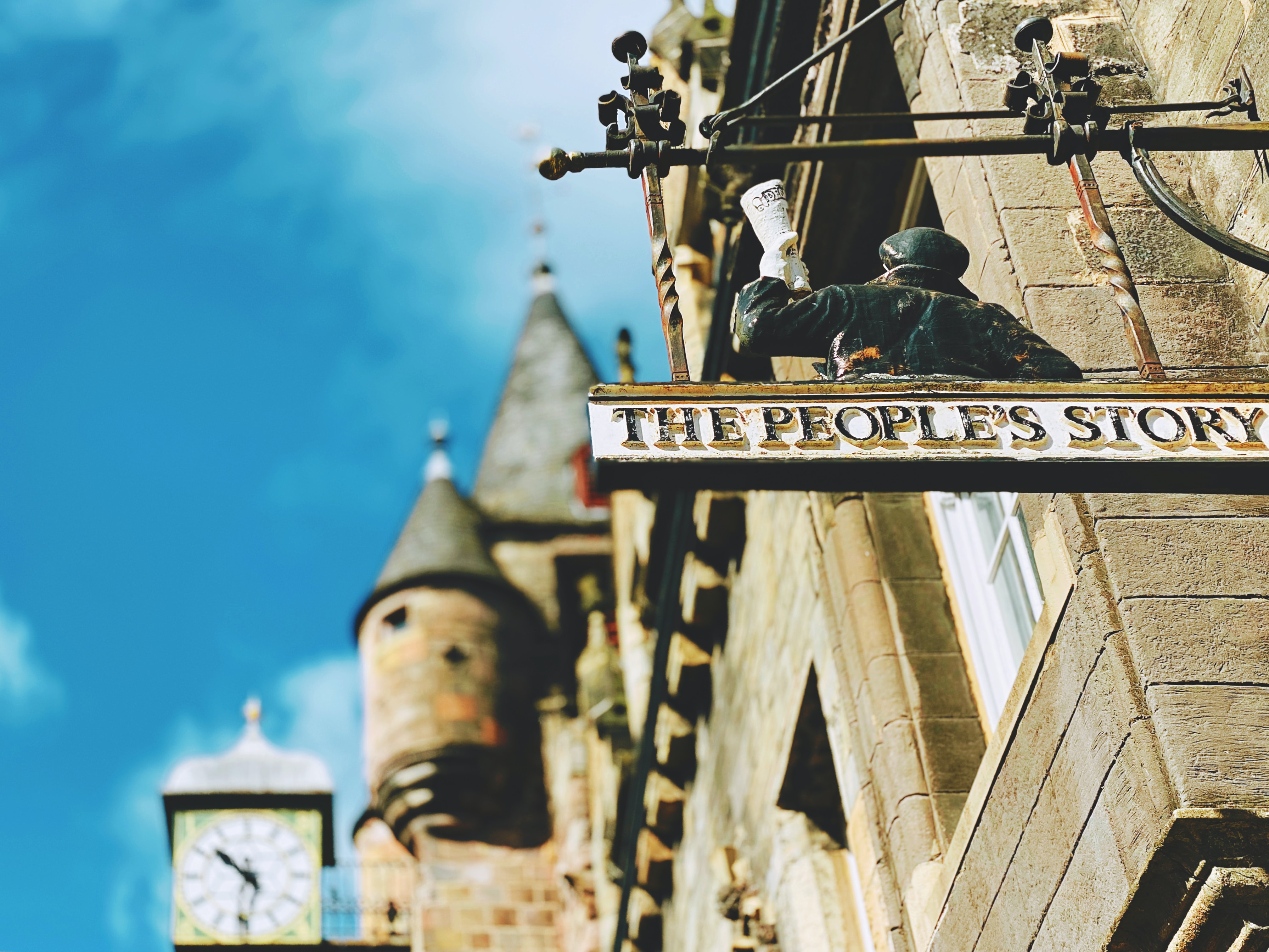
In my early 20s while I was working in theater management, I had the great privilege to travel all over the U.S. and Canada with different tours. I was always amazed by the beauty, history, and culture of the restored spaces where we played, and those experiences began my interest in historic preservation. Now whenever I travel to a new city (or even around cities I know well), you can find me looking up and building facades and examining the internal architecture that makes buildings so unique. It’s one of the things I love so much about New York City; the variation in architecture there is endless!

I decided to get a little bit more serious about this interest and enrolled in an online class called The Architectural Imagination. It’s being offered on the edX platform by four professors of architecture at Harvard and it’s free. If architecture and historic preservation is something you’re interested in, too, sign up and we can go through it together!

More info on the class here: https://www.edx.org/course/architectural-imagination-harvardx-gsd1x#!