Redwoods in California show new shoots after a forest fire. Photo by Melissa Enright – US Forest Service
“Sometimes I think heaven is just a new pair of glasses…if I put on the better pair of glasses, I really notice what’s still working [well in this world].” ~Anne Lamott
As I look around at our world plagued by war, the climate crisis, and a seemingly endless stream of difficulties, I’ve been thinking a lot about Anne Lamott’s quote about putting on a better pair of glasses and operating from that lens. It doesn’t mean I’m ignoring the challenges and their scale; I’m seeing them alongside the progress, joy, and good news that’s alive in the world. A sampling of good news if you need a boost:
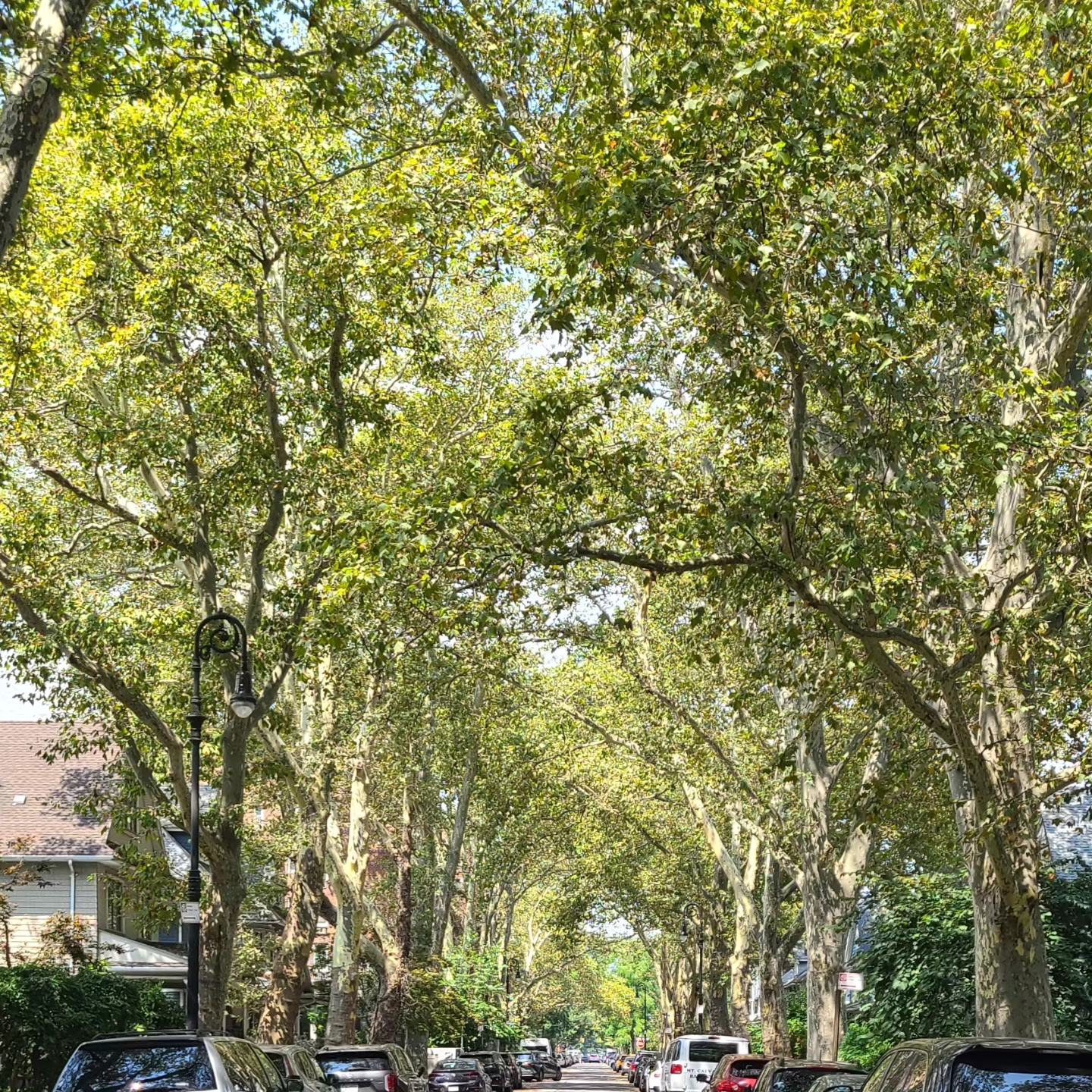
I was worried about my trees. My block in Brooklyn, my whole neighborhood of Ditmas Park, is covered with gorgeous 100+-year-old, 100+-foot-tall London Plane trees. They’re a cross between oriental plane tree and the American sycamore, and so named because they were hardy enough to withstand London’s air pollution during the Industrial Revolution. Its leaf is the NYC Parks Department logo because Robert Moses loved these trees. The comprise 10% of NYC’s 592,130 street trees.
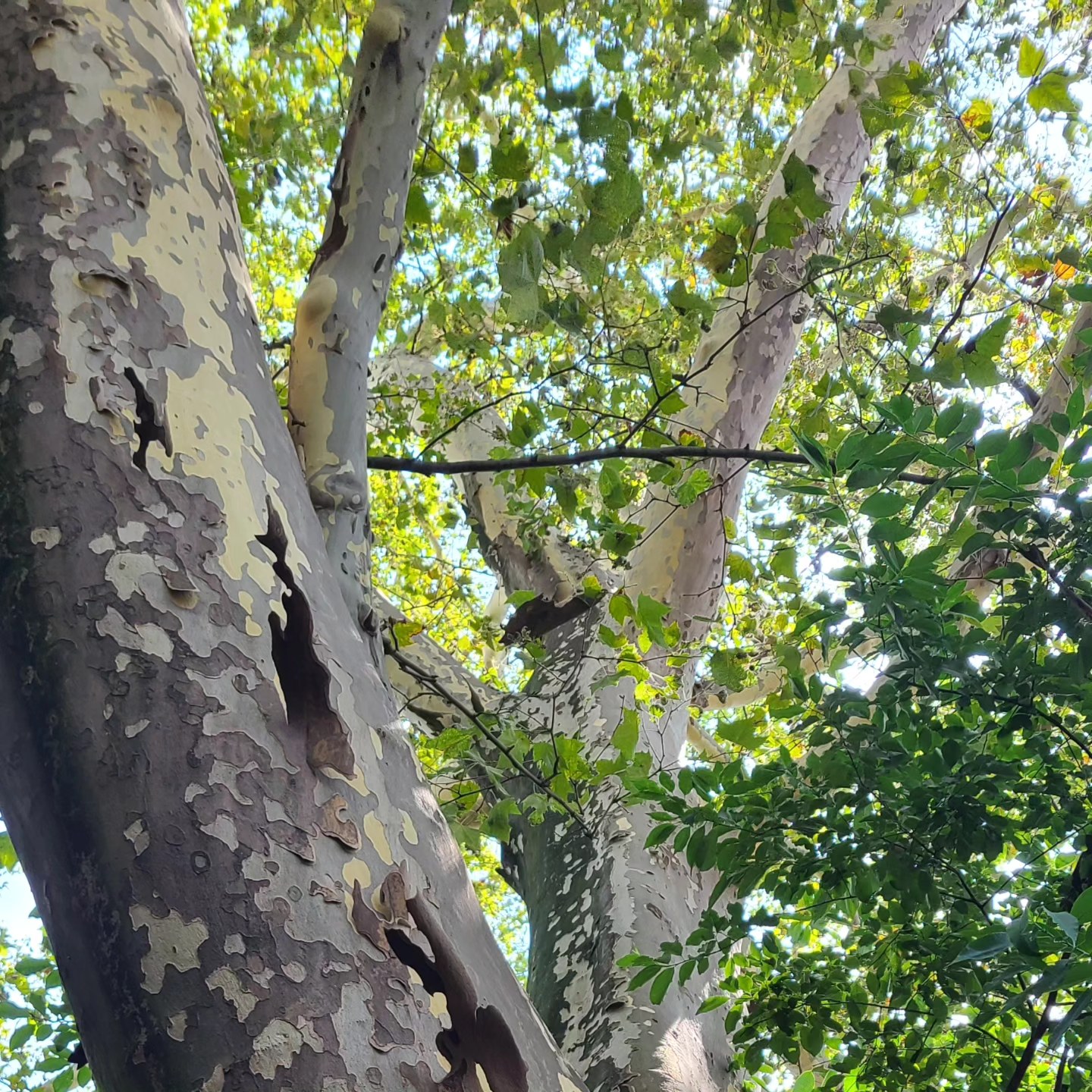
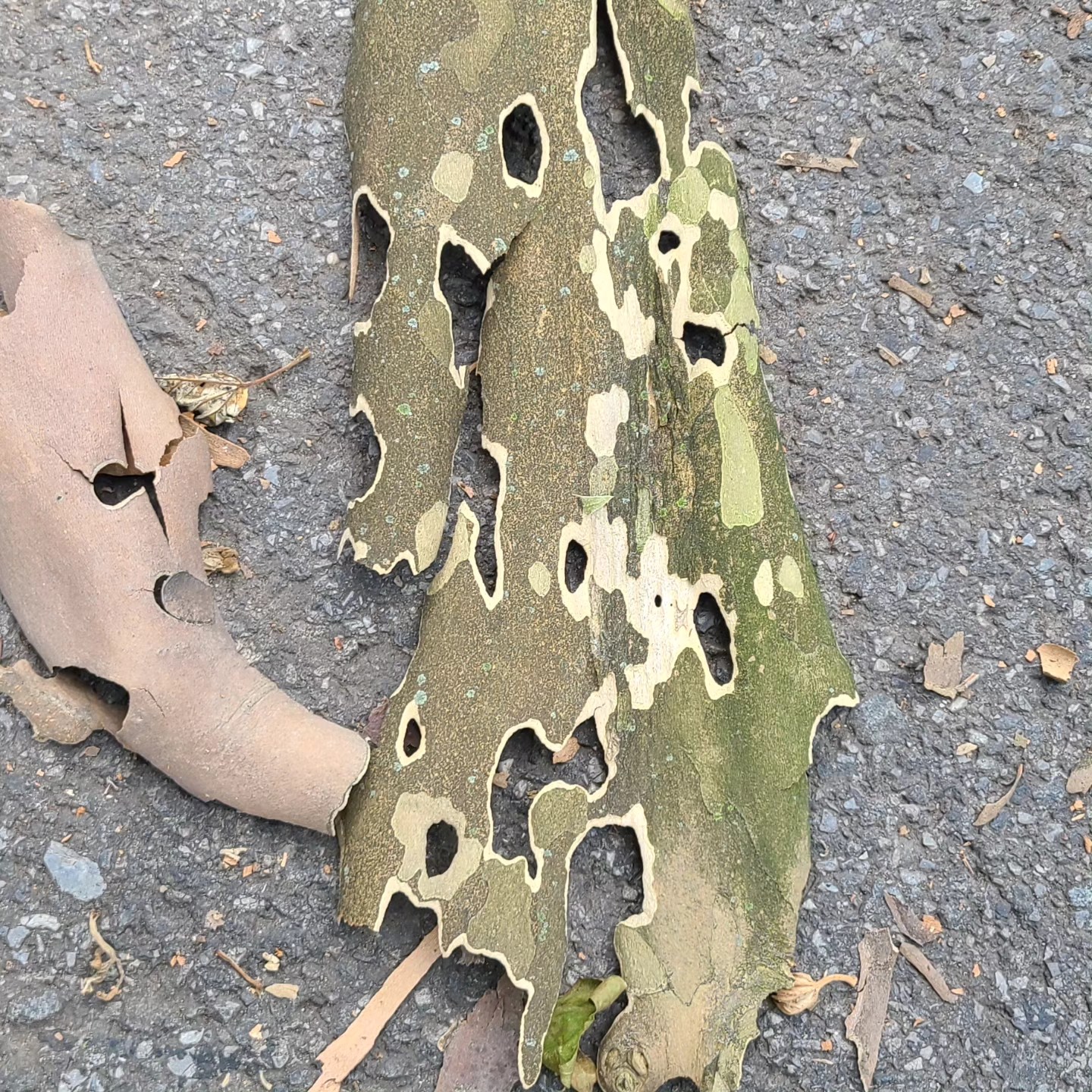
A few weeks ago, during an intense heatwave, they started shedding their bark. And I don’t mean a bit of peeling here and there. It was raining bark, with swaths so big that my dog, Phin, and I had to dodge them on our neighborhood walks. Was the heat, caused by climate change, killing my trees? Were they resilient enough to survive the Industrial Revolution only to be destroyed by the fallout of today’s emissions?
Mercifully, it appears not, for now at least. Thanks to the wonderful team at Madison Square Park I learned this adaptation of bark shedding was developed by London Planes to protect themselves and help them thrive. It happens when they detect some type of enemy invasion, for example by an insect or fungus, or when they are growing, similar to how a snake sheds their skin in order to grow.
Maybe there is something in your life that needs shedding, that is no longer serving you. Like the London Plane, let it go so you can grow and thrive. These trees are our elders, mentors, and guides. We have so much to learn from them about how to live through turbulent times.
I took the photos below of the London Plane trees on my Brooklyn block.
How forest bathing reduces cancer risk In her talk and her book she advocates for 15 minutes of month forest bathing, particularly near evergreen trees, as a way to reduce cancer risk. As a cancer survivor, I do everything I can to prevent recurrence. Sadly, there’s a lot of nonsense out there and plenty of products that claim to prevent cancer. Most of it is just slick marketing taking advantage of people through scare tactics. But does this recommendation from Dr. Beresford-Kroeger have scientific research to back up the claim? Can 15 minutes a month with trees really help us reduce the risk of cancer? It does and it can.
Numerous scientific studies (here, here, and here to call out just a few) have found that the biochemicals in our immune systems (collectively referred to as Natural Killer (NK) cells such as lymphocytes) are strengthened with even brief 15- to 20-minute visits to wooded areas and the effects can last more than 30 days. These research findings support Dr. Beresford-Kroeger’s recommendation and the ancient wisdom she’s studied and accumulated her entire life.
Combining indigenous knowledge with modern medicine for optimal health Now, does this mean we can substitute forest visits for regular checkups and exams with our doctors or forgo medical treatments if we are diagnosed with cancer? No, I would not recommend that course of action. Modern medicine found and treated my cancer, and I’m forever grateful for the care I received at NYU. But did I also benefit from good nutrition, exercise, my time in nature, and my determination to find joy every day to keep up my spirits during the darkest days of my life? Yes, I did.
Preventing and fighting cancer requires a multi-pronged approach. We can benefit from ancient wisdom and modern technology. I used both to keep myself healthy before, during, and after treatment. I’ll use both for the rest of my life that I’m so fortunate to have.
Why I still got cancer even though I live a healthy lifestyle Now, you might be thinking, “Well, Christa, you go to Central Park every day and you still got cancer. So how do you explain that?”
Yes, that’s true. I did get cancer even though I have no genetic predisposition to any kind of cancer, I eat a healthy plant-based diet, I exercise regularly, I’m a healthy weight, I control my stress levels, I spend a lot of time outside in nature, and I see my doctors regularly. Cancer is a sneaky set of diseases. It wears a lot of costumes and disguises in its attempts to thwart our immune system. Even in the best of circumstances, a cell can get past our immune system, not because we’re weak but because cancer is such a deft and relentless shape-shifter. All it takes is one microscopic cell.
The Hudson Valley is a cancer hotspot We also live in an increasingly toxic world, which can wear us down without our awareness. I grew up on an apple orchard in the Hudson Valley of New York State in the 1980s and 1990s. Sounds bucolic, right? In many ways it was.
But what you may not know is during that time the rampant use of chemical pesticides was practiced all over that area. I have vivid memories of bright red tankers full of pesticides being sprayed in the air on neighboring orchards for months on end to keep the apples pest-free. Those farmers didn’t realize their sprays were poisoning our food, air, soil, and water.
At the same time, General Electric (GE) dumped 1.3 million pounds of polychlorinated biphenyls (PCBs) into the Hudson River from its capacitor manufacturing plants in Hudson Falls and Fort Edward, New York. Though they ended that practice in the last 1970s, the PCBs remain in the river sediment to this day. PCBs are known carcinogens (meaning they cause cancer).
These practices of farmers and GE have partially caused the Hudson Valley to become a cancer hotspot. My family had well water. The toxic chemicals from the pesticides and GE’s practices seeped into the water table, not to mention were directly linked to our food and air. The truth is we can do everything right as individuals but collectively, the practices of others can harm us and we are powerless to avoid the impacts once they’ve happened.
So, yes, I live a healthy lifestyle and yes, I still got cancer. But as my doctors always point out, because I was so healthy when I was diagnosed, I was able to withstand intense surgeries and treatments, and emerge on the other side healthier than ever. The combination of my good health, modern medicine, and indigenous knowledge saved me.
Fighting climate change is another way to fight cancer Preserving and expanding natural areas and mitigating the impacts of climate change is another important piece of the puzzle to maintain our health. Said another way, our best defense is a good offense. We need to have nature on our side to maintain our environments, and that means we must care for natural and wild areas.
This is why I advocate for the planting, maintenance, enhanced access, and expansion of forested areas, particularly in cities like New York where I now live and where trees are necessary for our health and wellbeing. Trees save and enhance our lives in so many ways by cleaning our air and water, lowering our stress levels, and enhancing our immune systems.
My forest bathing practice in Central Park I’m fortunate to live near one of New York’s City’s green gems, Central Park. Forest bathing doesn’t mean you need to retreat to the far corners of the wilderness (though if you can, I recommend that kind of trip as well). Urban forest bathing once a month (or more) is highly effective, easy to do, and accessible.
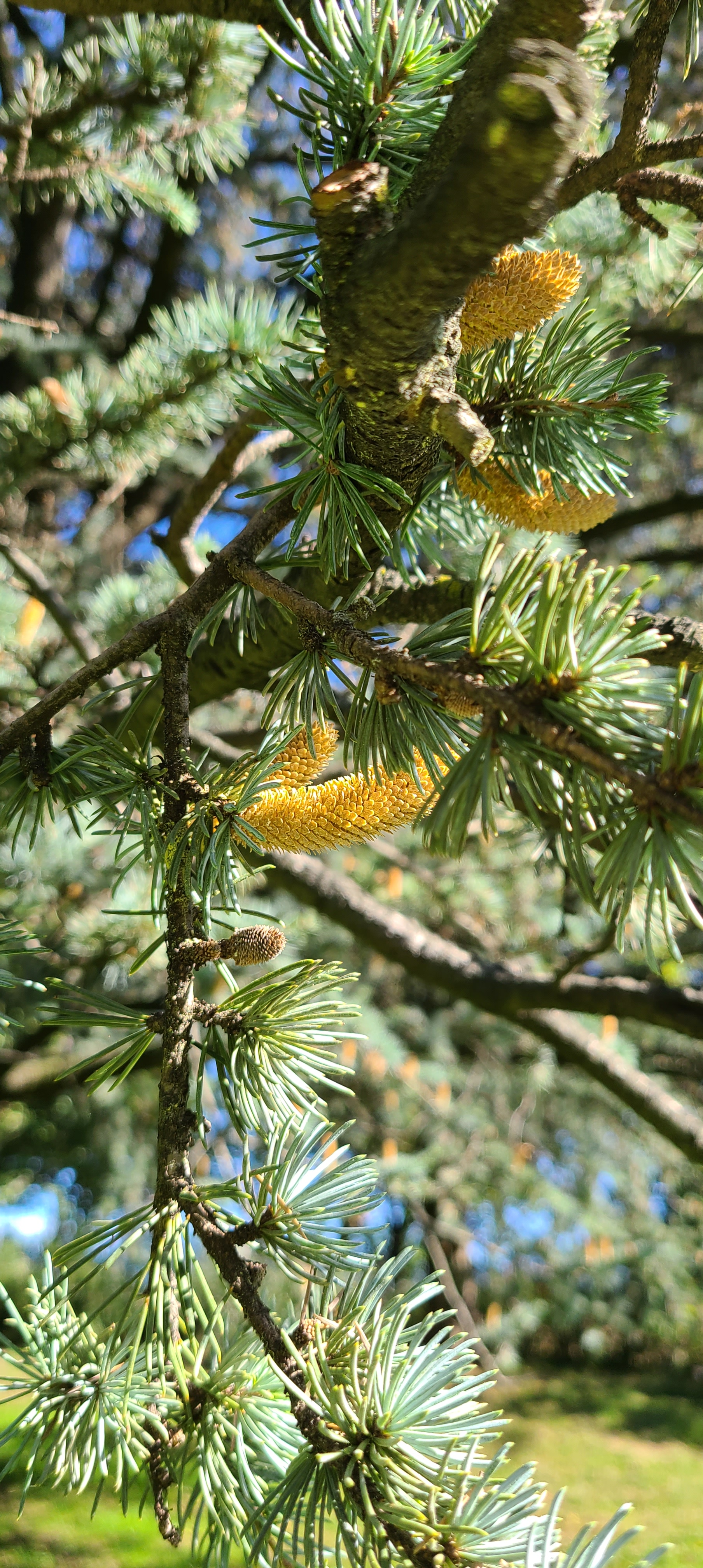
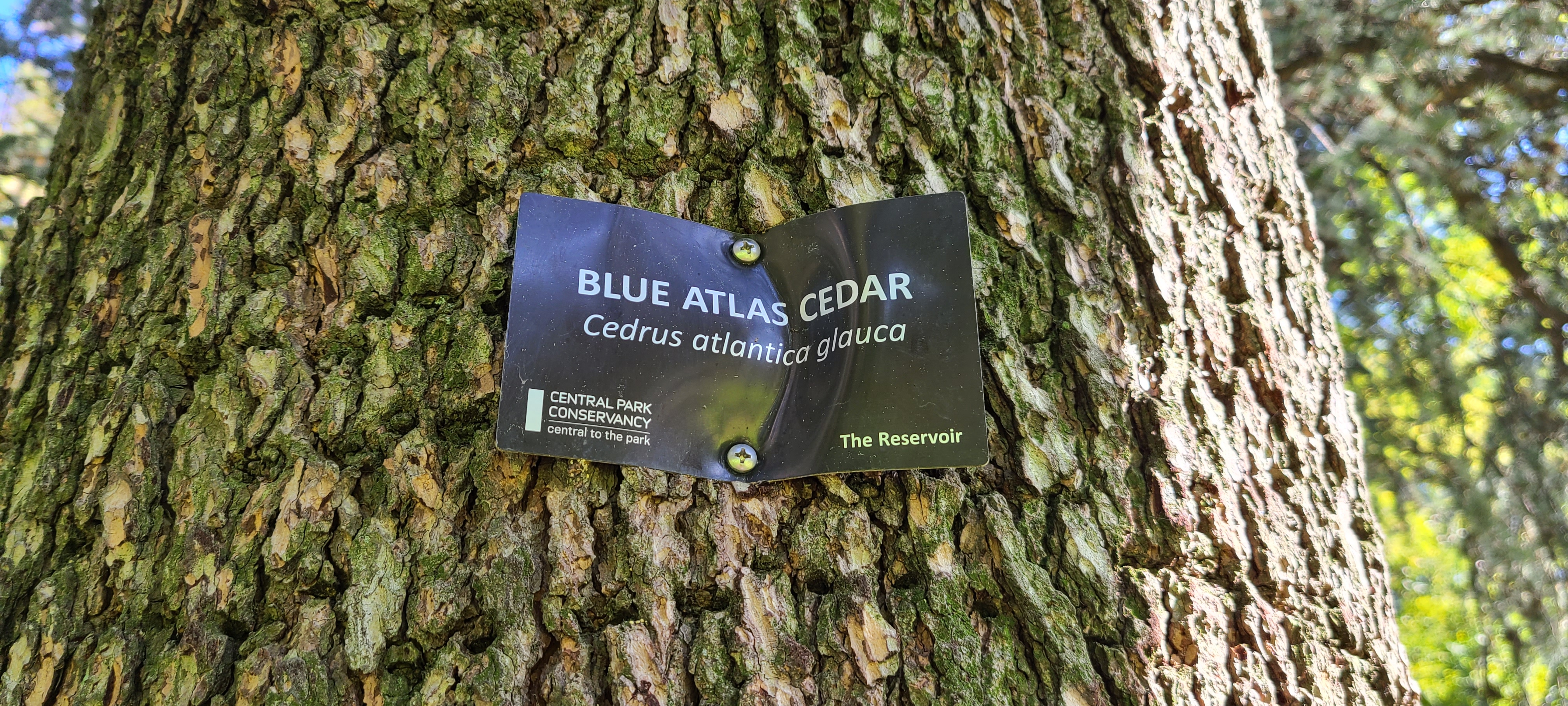
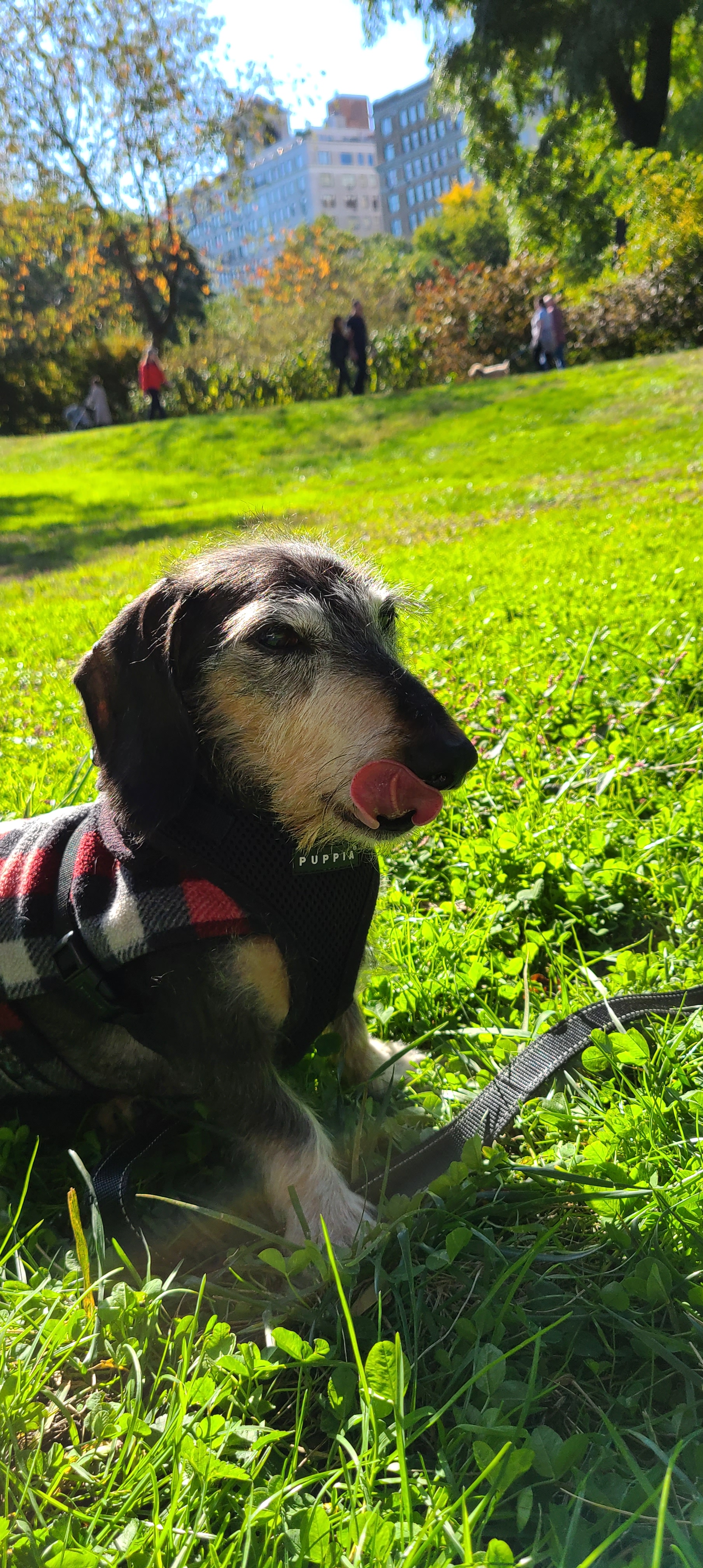
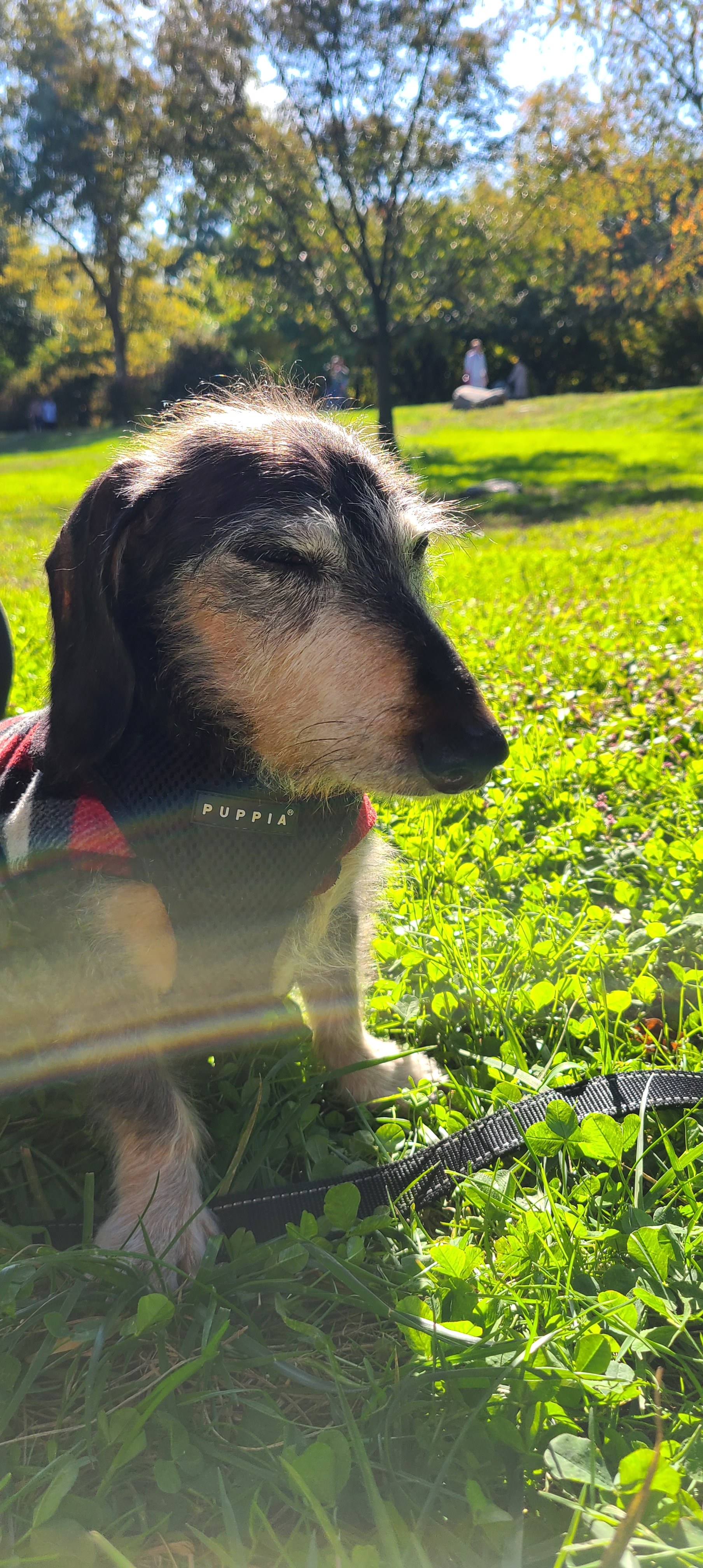
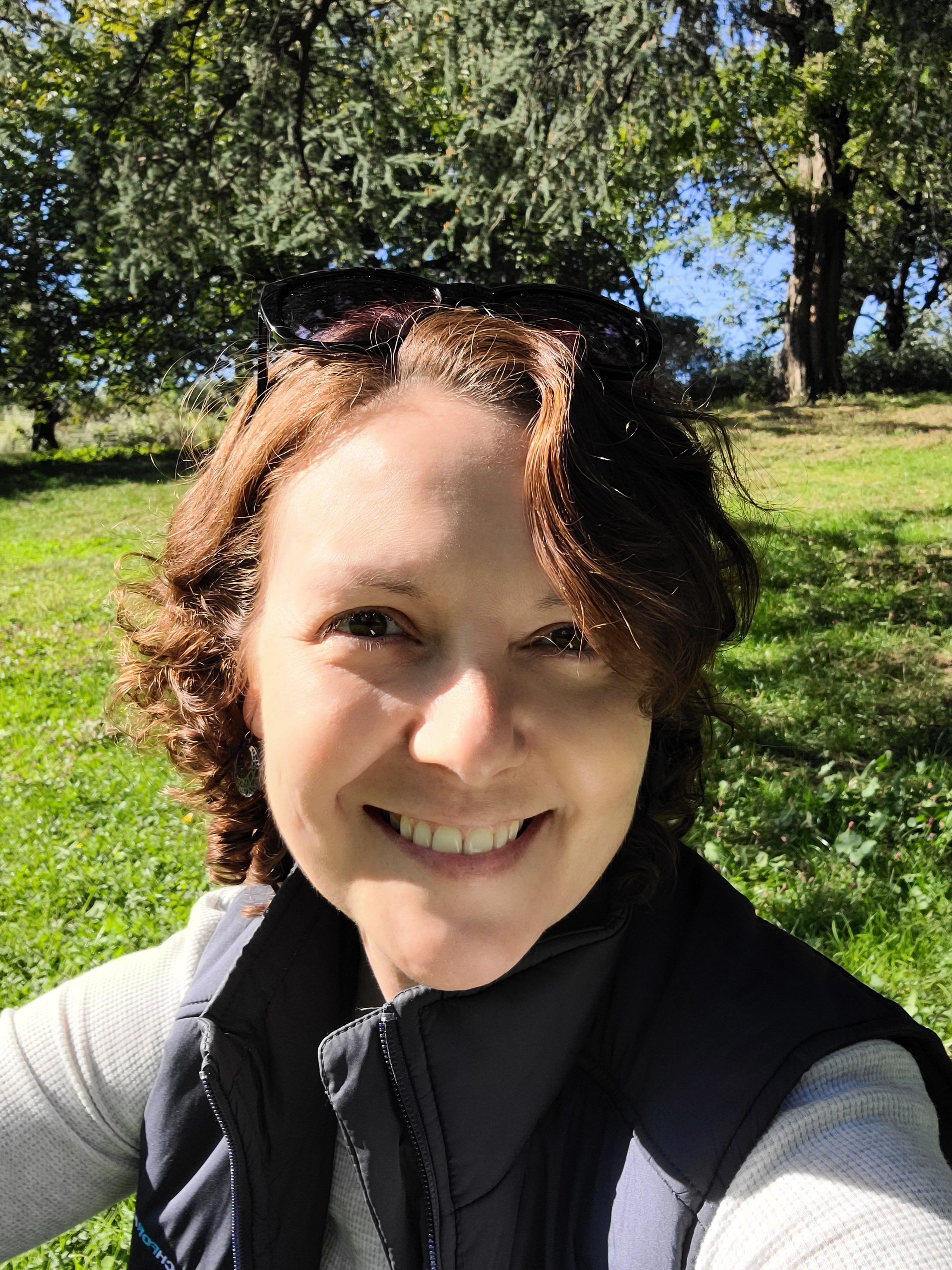
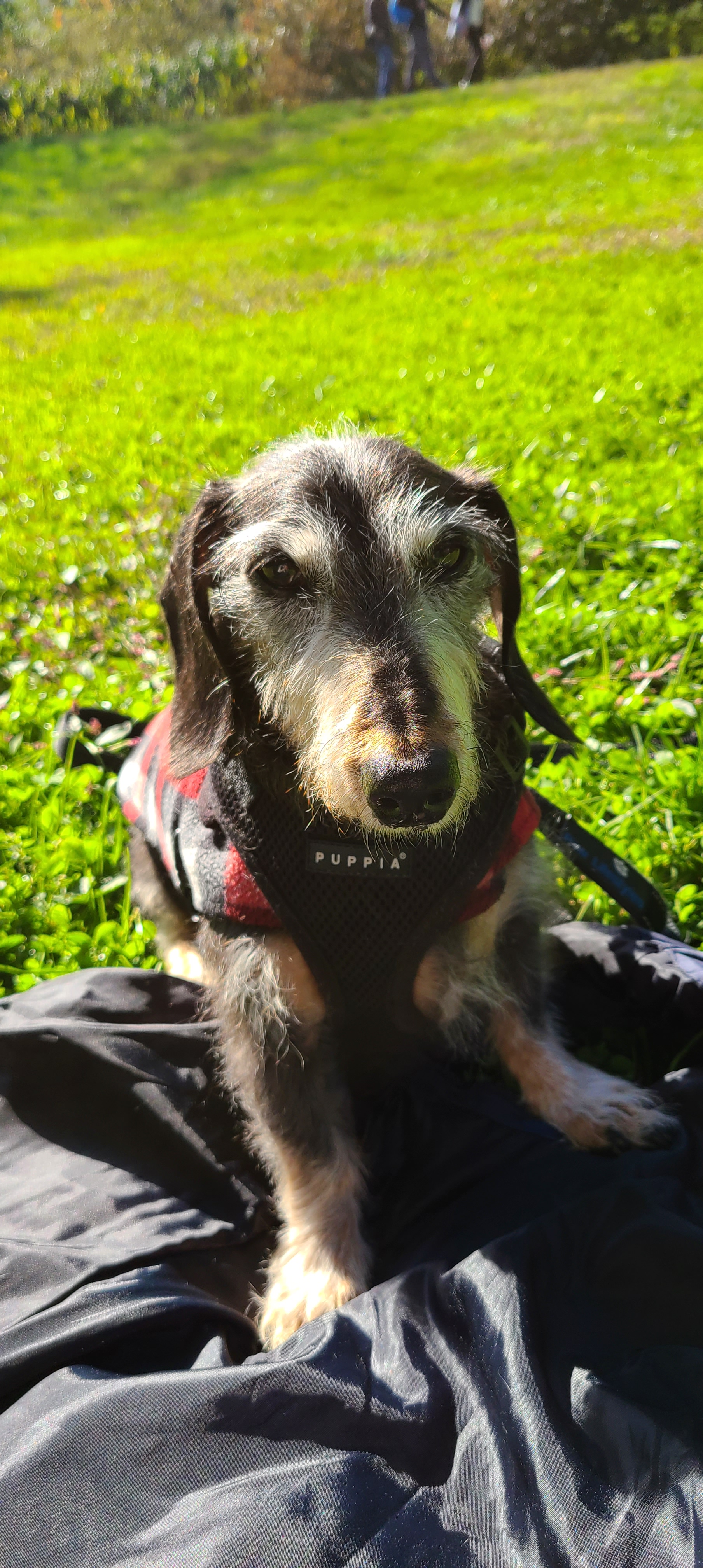
On a sunny Saturday, I went to Central Park with my dog, Phineas. For 15 minutes, we sat near a majestic Blue Atlas Cedar (Cedrus atlantica glauca) that stands near the Reservoir. The effects for both of us were palpable. Phin closed his eyes and went to sleep as I soaked up the sun and clean air, all the time quietly expressing my gratitude to this tree.
When we got up to go home, I bowed to the tree in reverence for what this beautiful being had freely given me. “I’ll see you again soon,” I whispered.
I left with my heart and lungs full with all good things, thankful for what nature offers us if only we will take the time to accept her gifts and wisdom. When we take care of nature, nature can then take care of us. Go sit near a tree for 15 minutes once a month. You’ll be better for it.
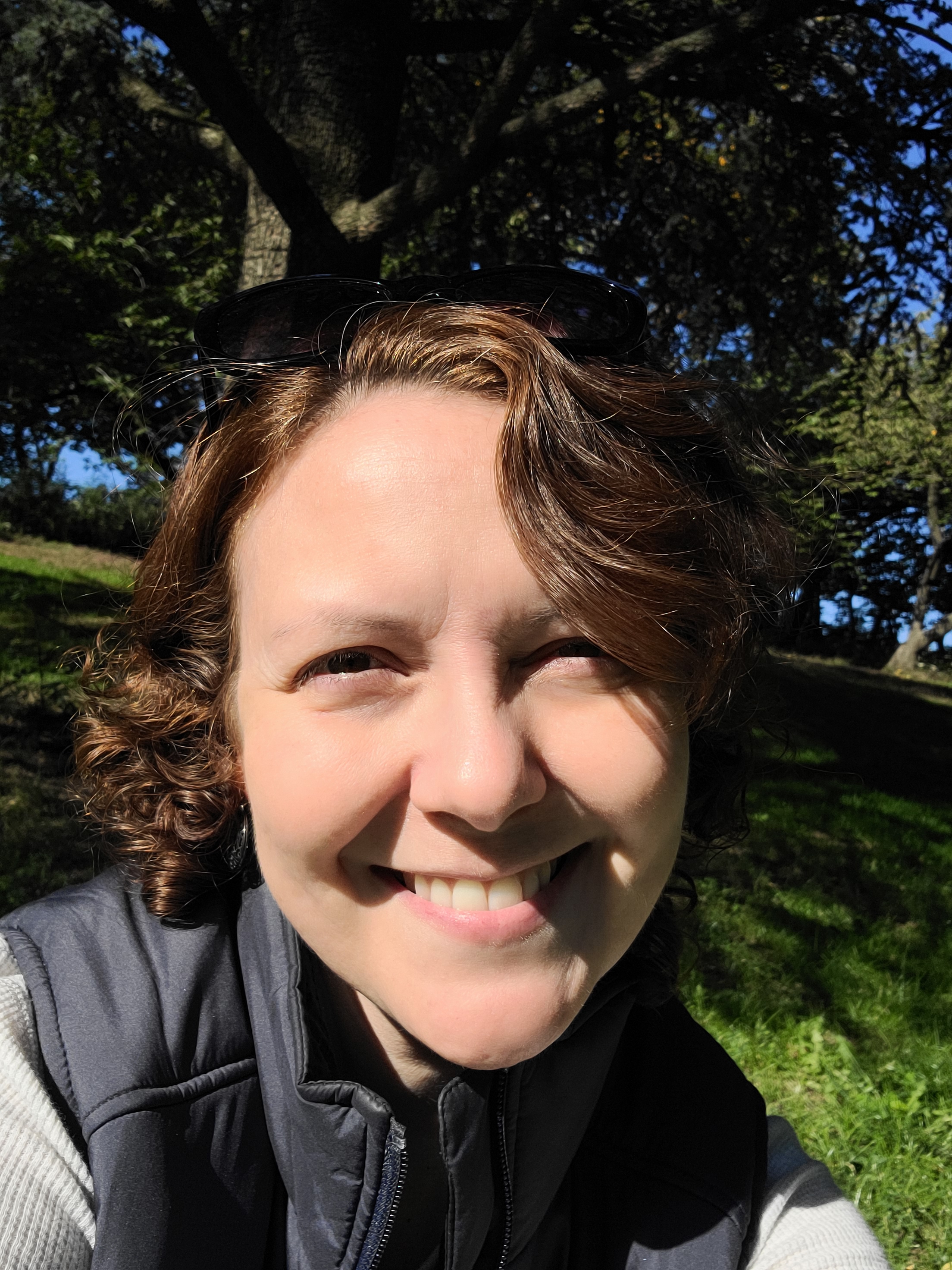
(Below are a few photos of me and my dog, Phineas, on our most recent forest bathing trip to Central Park).





 Christa Avampato