“Dough will tell you what it needs.” ~ Chef Denise at Sur La Table New York
When my friend asked me to make pie for Thanksgiving, I responded with my signature “Sure!” and then abruptly panicked. I’ve only ever made a pie once in my life. Many years ago, I tried to make a pumpkin pie and it was an absolute disaster. It was so terrible that I wrote a post about it on this blog titled “I Don’t Bake”. And that was it for me. I swore I’d never again try to bake a pie.
As often happens, with time, we think that maybe we could give something another try. If I was going to make pie for Thanksgiving (the pressure!), then I was going to become a student of pie. I lost count of how many hours of pie making videos I’ve watched. America’s Test Kitchen, King Arthur, New York Times Cooking, even replays of The Great British Baking Show pie challenges. I still wasn’t confident in my ability to pull this off for Thanksgiving so I signed up for a take and bake salted caramel apple pie class at Sur La Table. If all else failed at home, then at least I would have a good shot at one decent pie to bring, put together under the guidance of a professional pastry chef.
In addition to my curiosity and desire to deliver a great pie for my Friendsgiving dinner, something else was happening. I was finding myself more excited than worried about making pie. I woke up on the day of pie class like it was Christmas morning. Today, I was (hopefully) going to make an edible pie and learn as many tips and tricks as possible. So off I went.
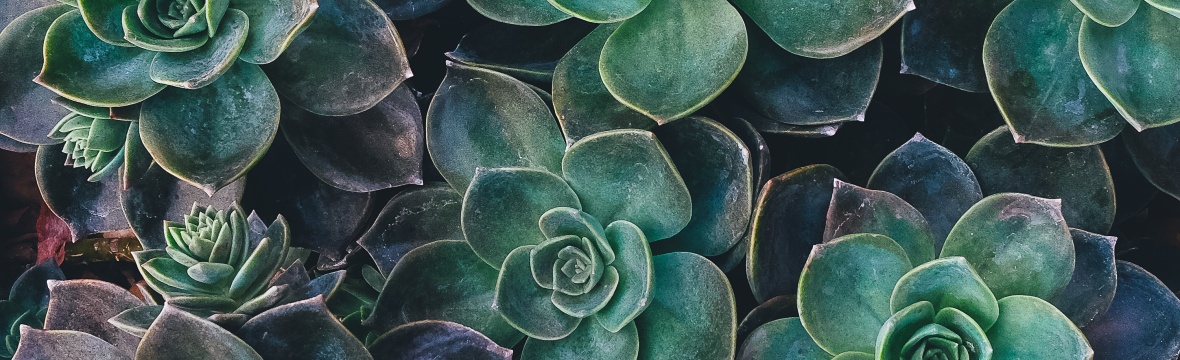
Prior to class, I had to stop to get my foster dog, Blondie, some food at Union Square. I emerged from the subway into the festive farmer’s market. It was loaded with smiles, delicious bakes, stunning flowers, and gorgeous vegetables that looked more like sculptural art than produce. The colors and shapes sent me winding my way through the tents full of wonder. The joy of vegetables! I took one more spin around the tents, grabbed some photos, and checked my watch. Pie class was fast approaching.
Back into the subway, I made my way uptown and into Sur La Table. 15 of us were gathered around work benches, armed with rolling pins and bench flour, and rolling out dough for massive pie plates to fill with cooked apples flecked with cinnamon and drizzled with homemade salted caramel. I asked Chef Denise how we know how much ice water to add to the pie dough. Her advice: the dough will tell you what it needs. Go slowly, a tablespoon at a time. Mix gently and carefully to not overwork it. Watch. Repeat if it’s too dry. Stop just as it comes together.
Then, the grand finale – a lattice top. I never quite knew how to make one. The basketweave always looked like a thing of magic to me. Turns out the technique is quite simple. I just needed someone to show me. I had a wonderful time with my bench mates and to top it off I had a good looking raw pie. I left with a very heavy bag to egg wash it and bake at home, hoping a soggy bottom wouldn’t do me in.
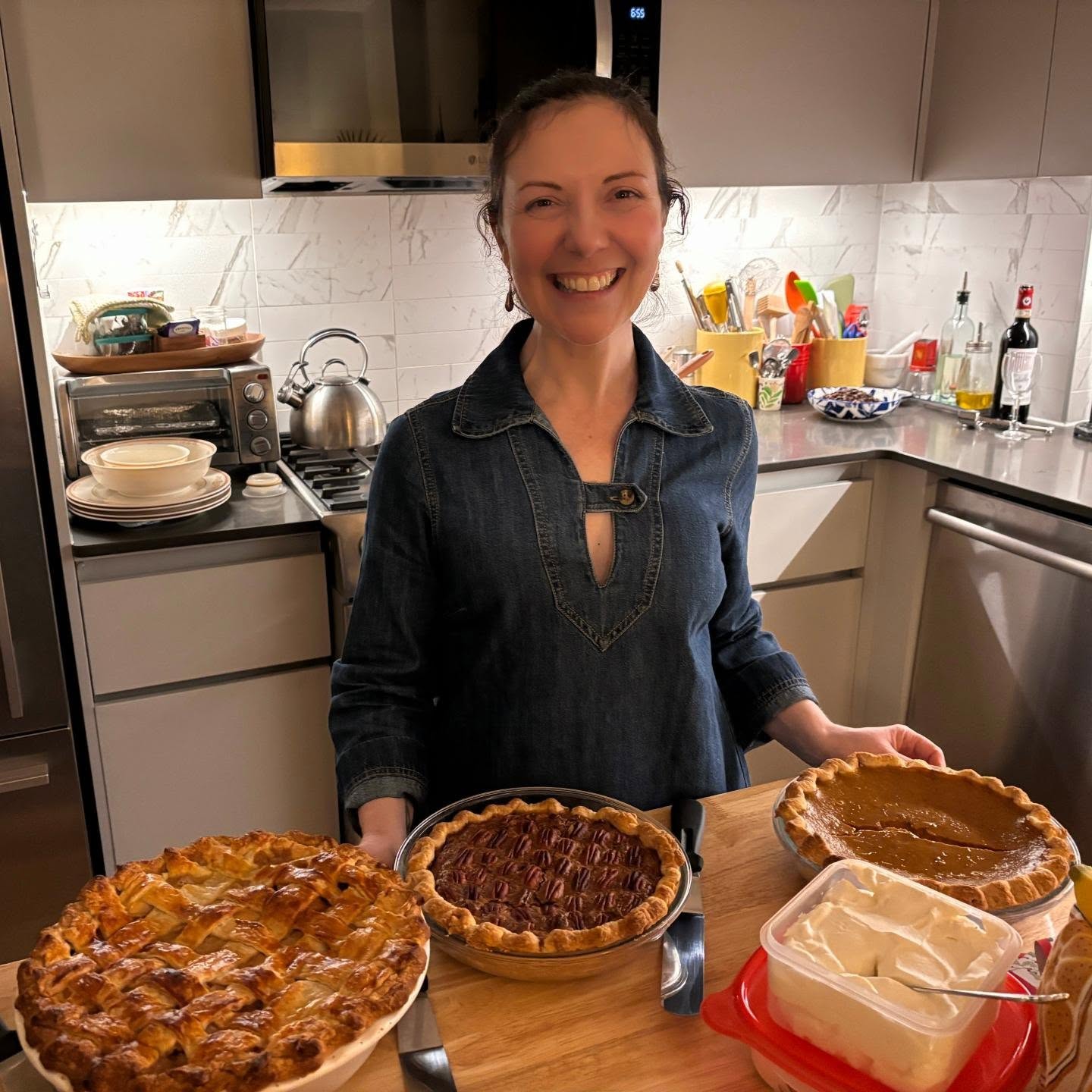
Now confident in my ability to at least assemble a pie, I decided to crack on and make pecan and pumpkin pies as well. I also made homemade slightly sweetened whipped cream to go along with it. It’s much easier to make than I realized and tastes so much better than store-bought. Go big or stay home, so I went big. I used the same all-butter pie crust recipe that I learned at Sur La Table and I used fillings from King Arthur recipes. I’ve never even tasted pecan pie before. I never saw the appeal. This one didn’t have corn syrup, which I was quite happy about. One sniff of that custard and it was clear I’ve been missing out for a long time.
From America’s Test Kitchen, I learned that pies are done when they reach a specific temperature and when they exhibit specific physical characteristics. Apple pie needs to have a filling that bubbles, a golden top crust, and a temp of 185 – 195 degrees depending upon whether the apples were precooked. Pecan pie and pumpkin pie both need a set outer ring and a slightly wobbly center. Pecan needs a filling temp of 185 – 190 degrees while pumpkin needs 175. Both will dome when fully baked and settle as they cool, but if you bake them too long, they’ll crack. I left mine a minute or two too long for fear of a soggy bottom, and they did crack, but the flavor was still spot on. Next time, I’ll parbake the bottom crust even though the recipes say that’s not necessary to see if that quells my fear to pull them too soon.
Dinner was lovely and pie time arrived. My stomach sank and my heart started to race. Would these be a triumph or inedible? As a novice pie maker, I had no idea. They looked good but how would they taste? The fruit of the apple pie was the star. It was fresh and bright with just the right level of sweetness. The pecan pie was gooey with a caramel texture, exactly as it should be. The pumpkin pie was spicy and rich. And no soggy bottoms!
As I went home, I thought back on my terrible attempt at pumpkin pie many years ago. Yann Martel’s novel Life of Pi is about facing down something intimidating, learning the rules of an unfamiliar environment, and making it out the other side changed. My journey back to being a home baker by studying technique, ingredients, and tools to then deliver a delicious Thanksgiving pie buffet feels like a full circle trek. I’m proud of myself for trying again. With some patience and guidance, I learned to bake pie people love. And now I might just become a pie baking fiend.
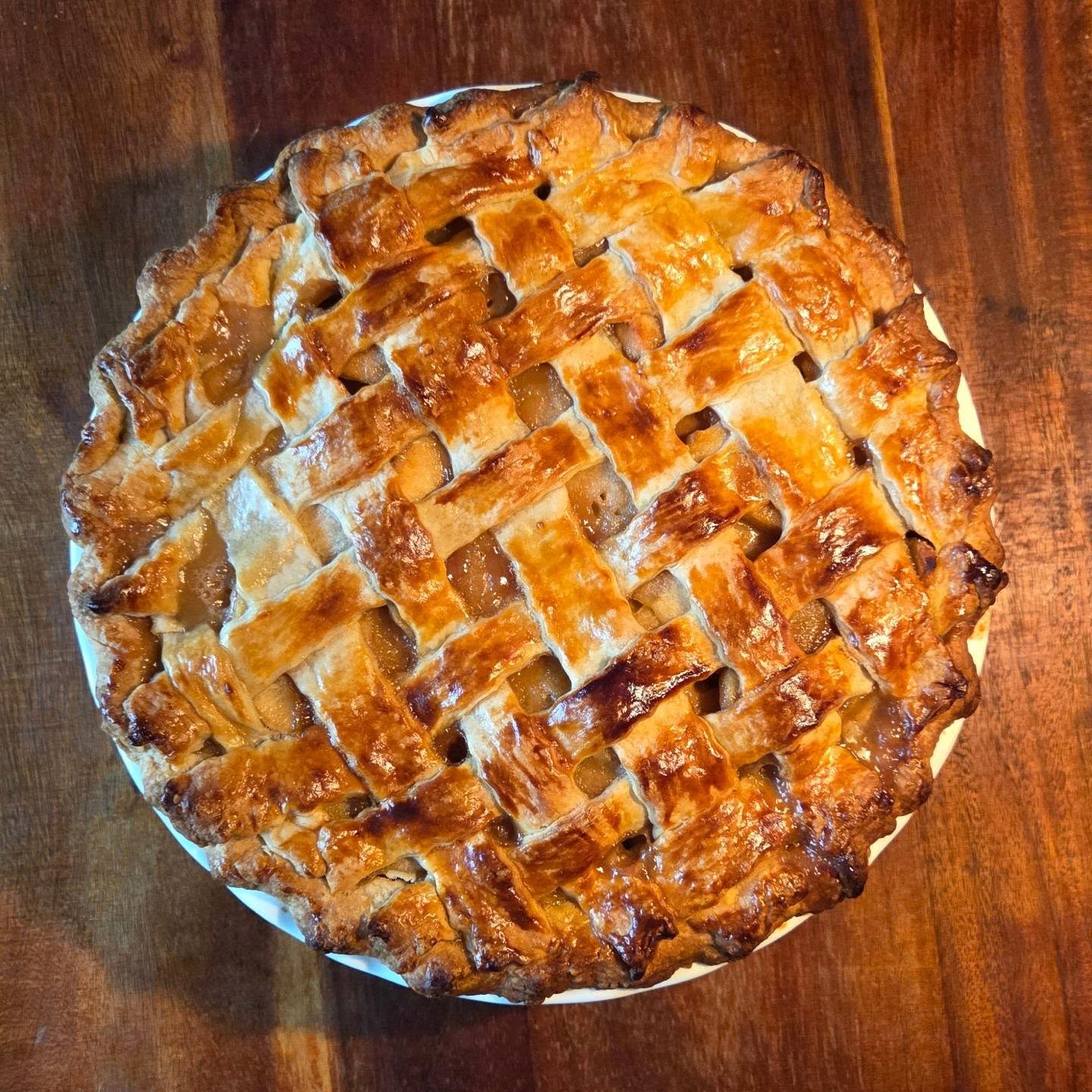
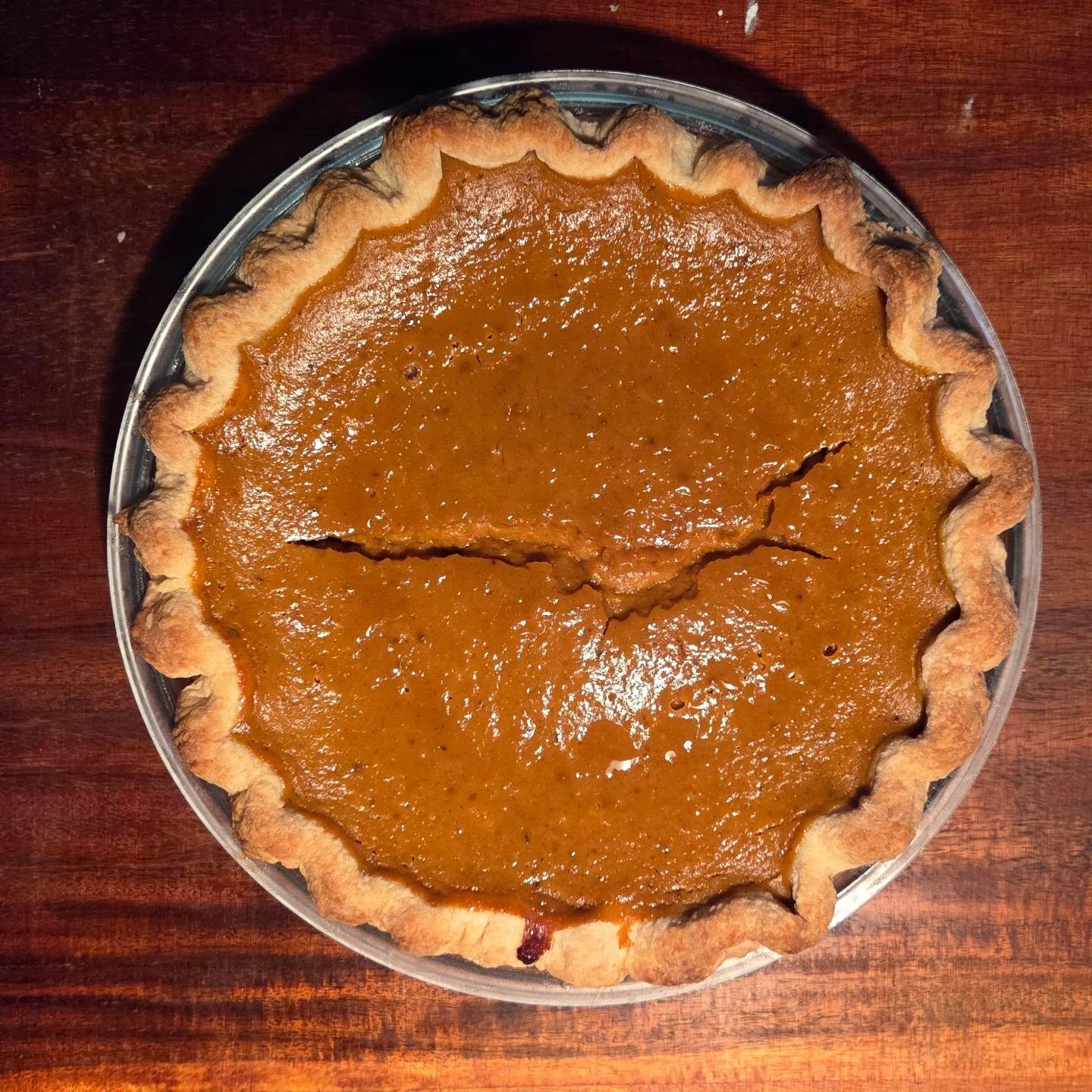
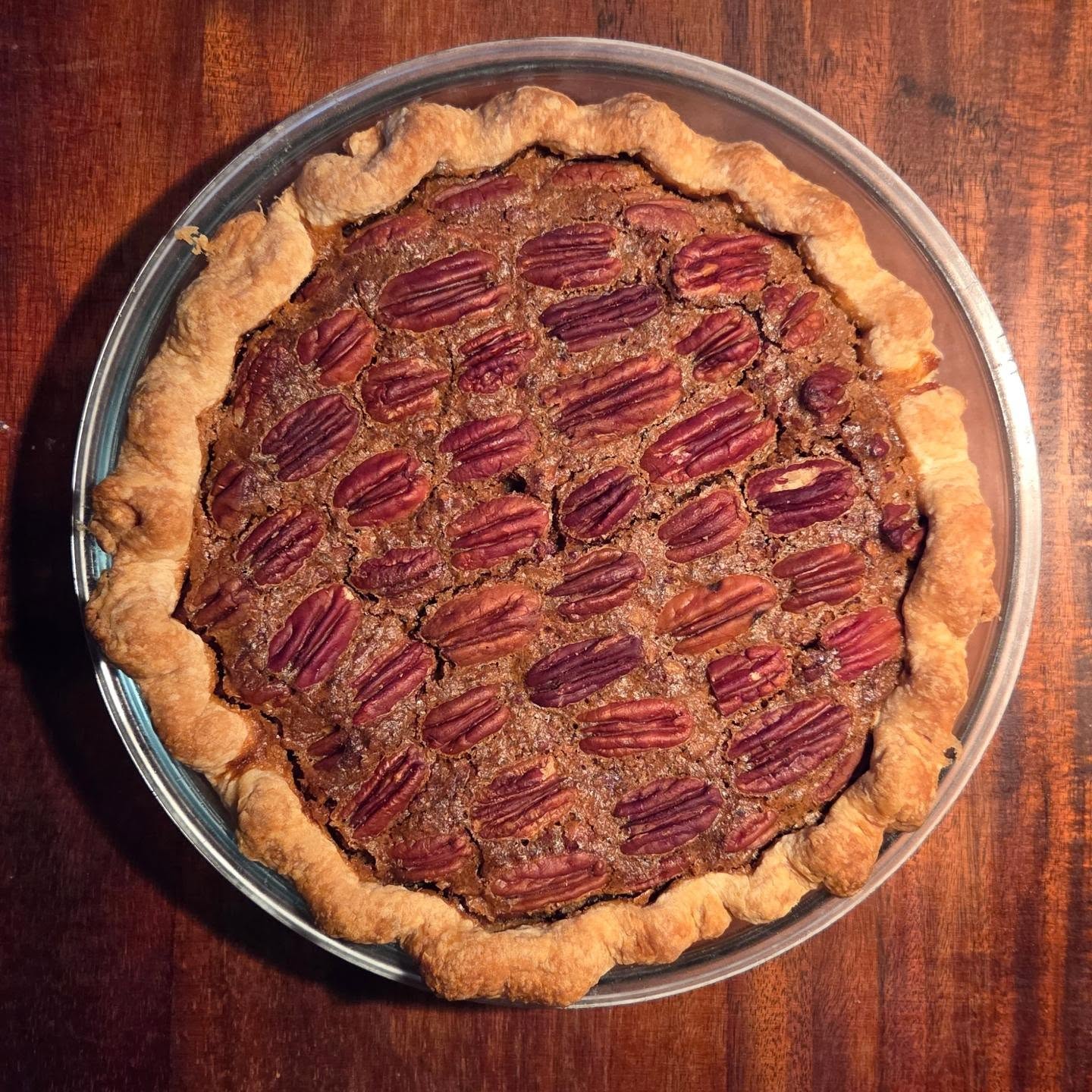
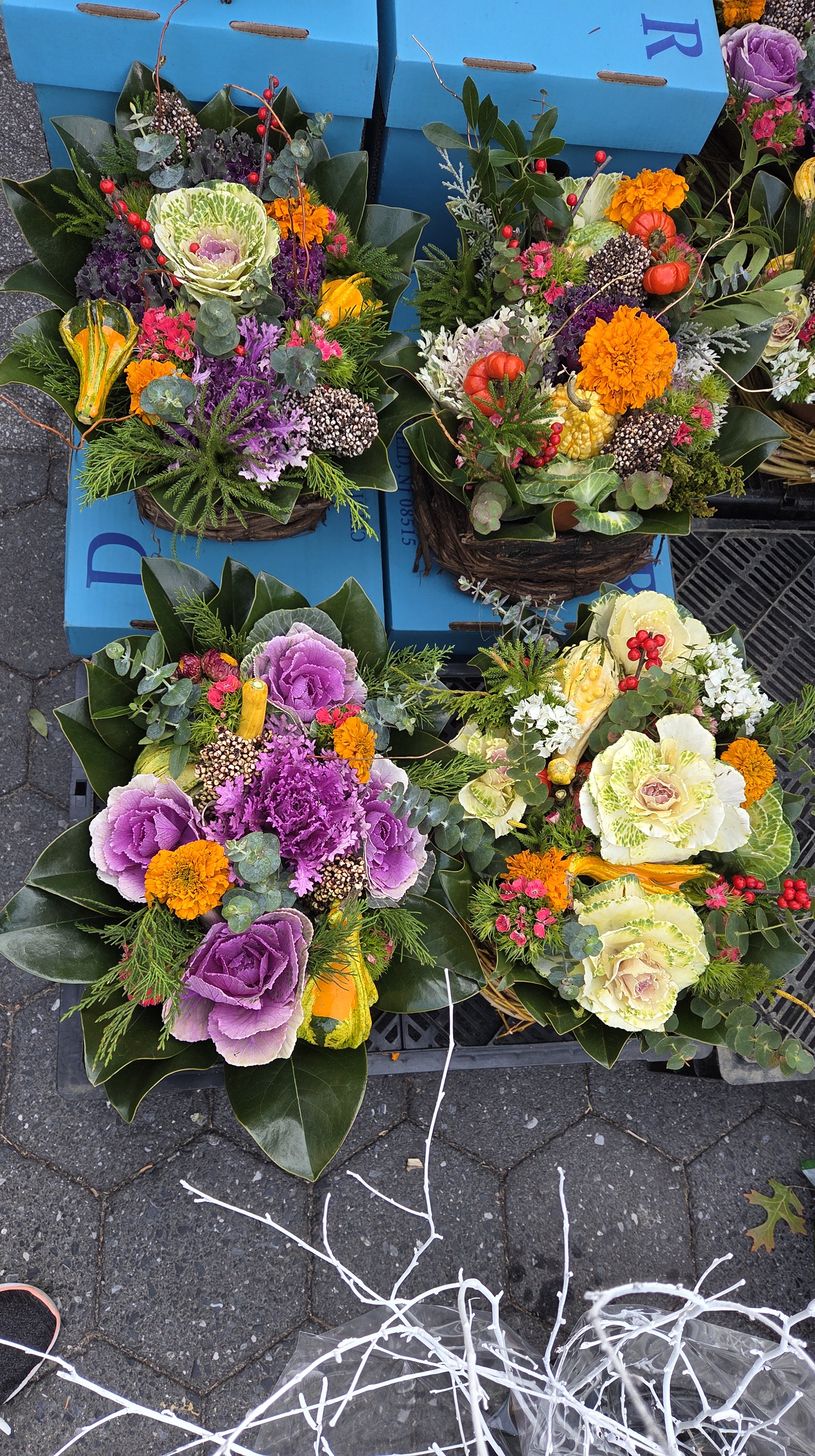
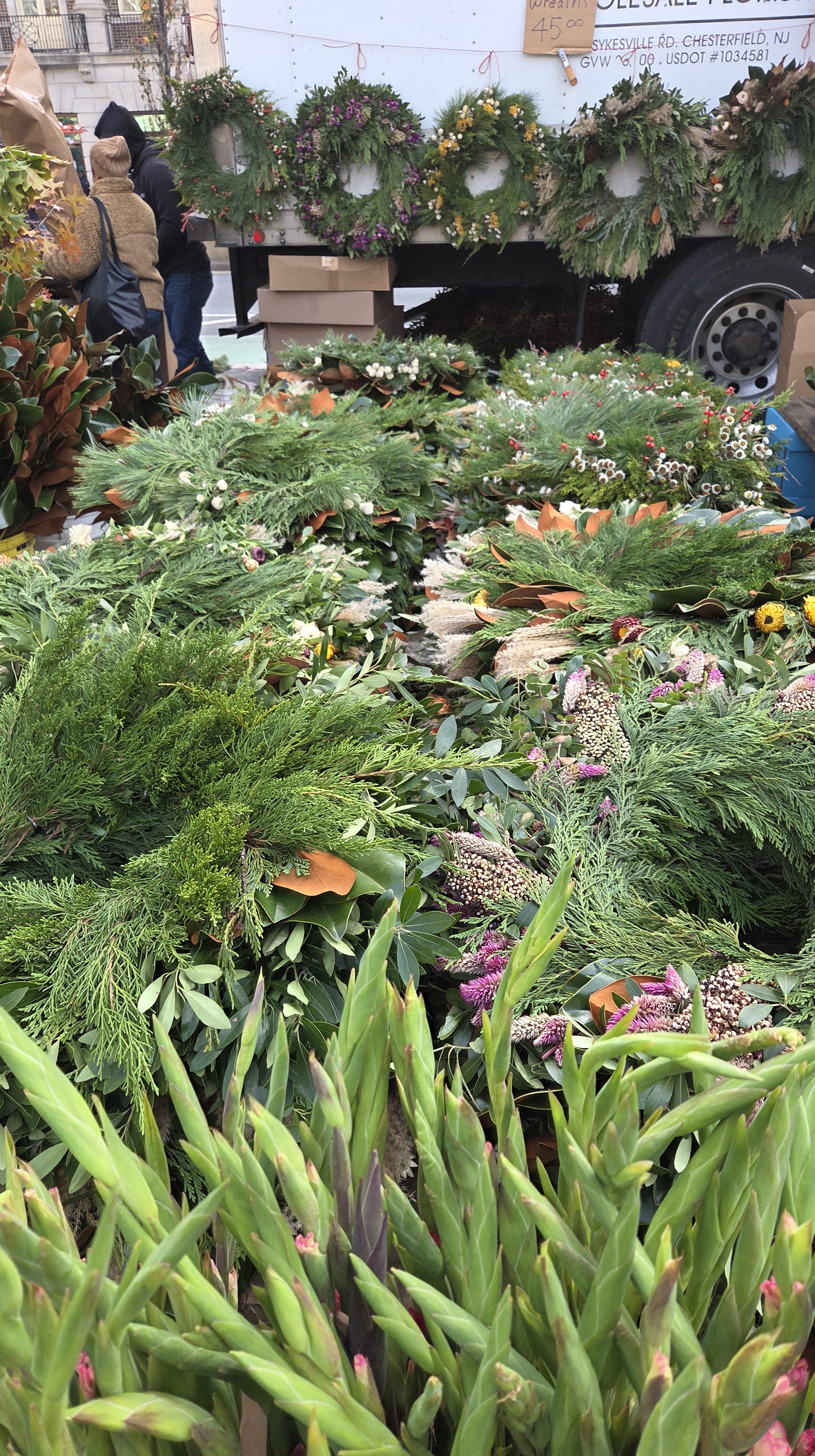
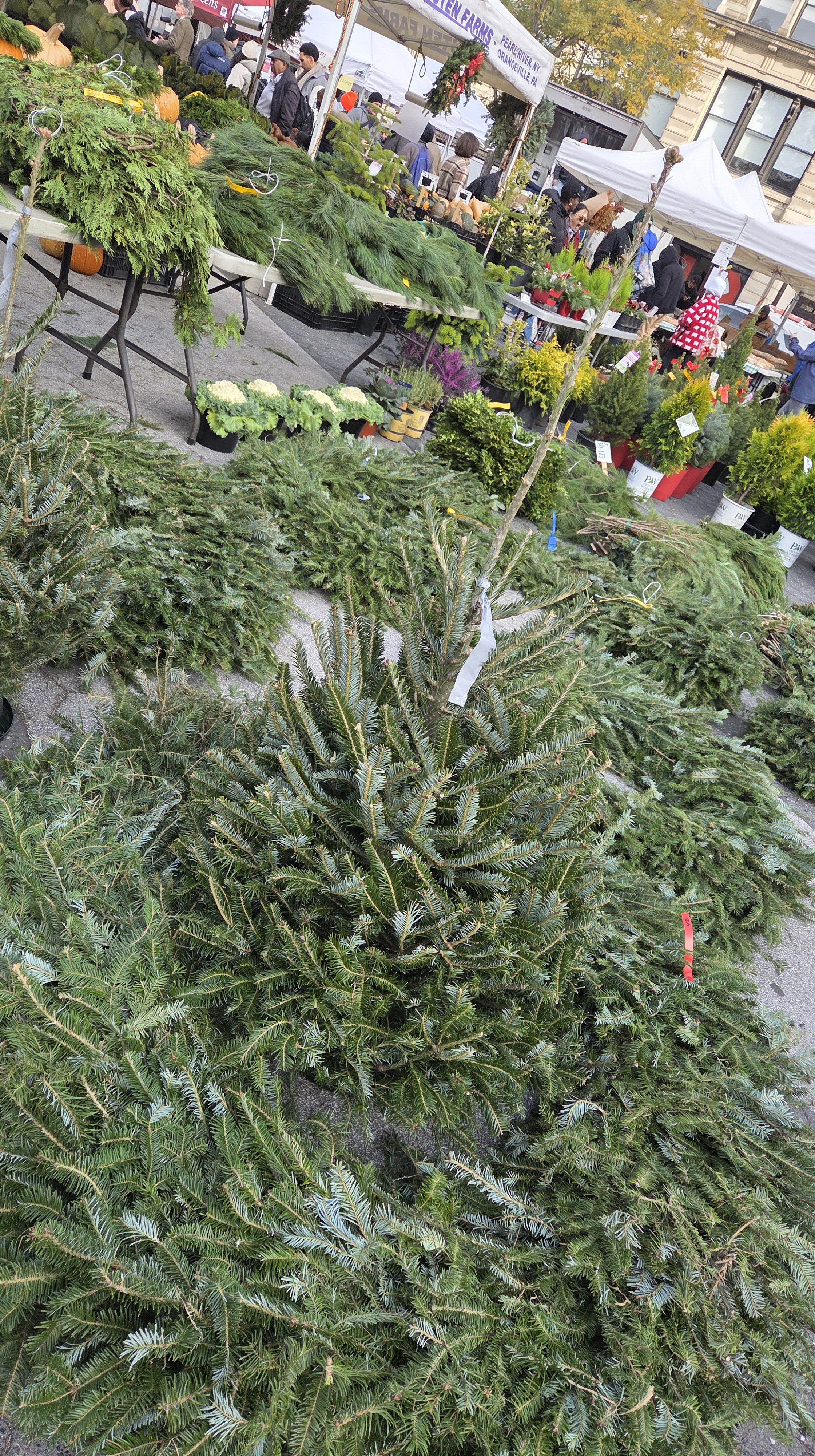
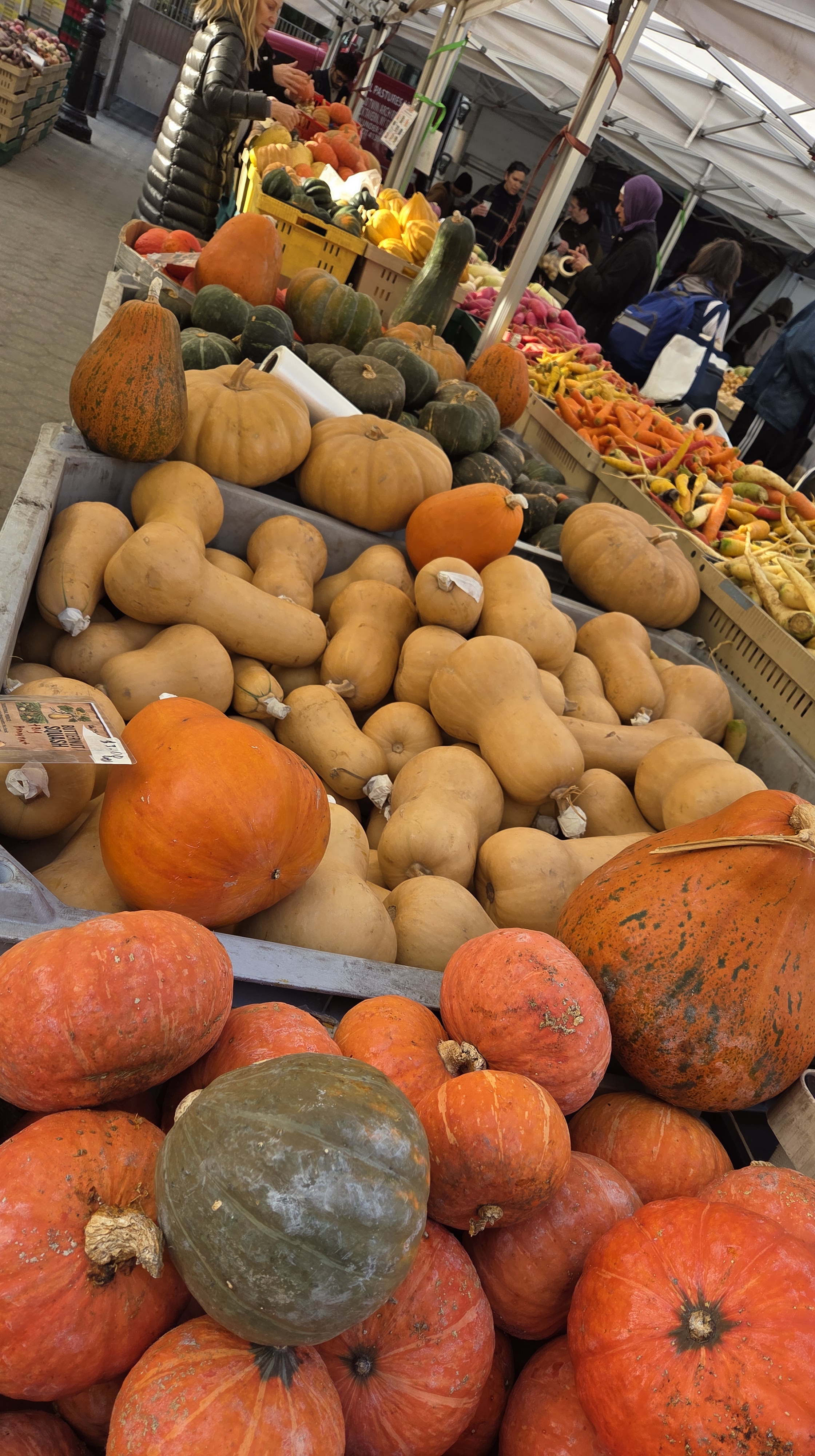
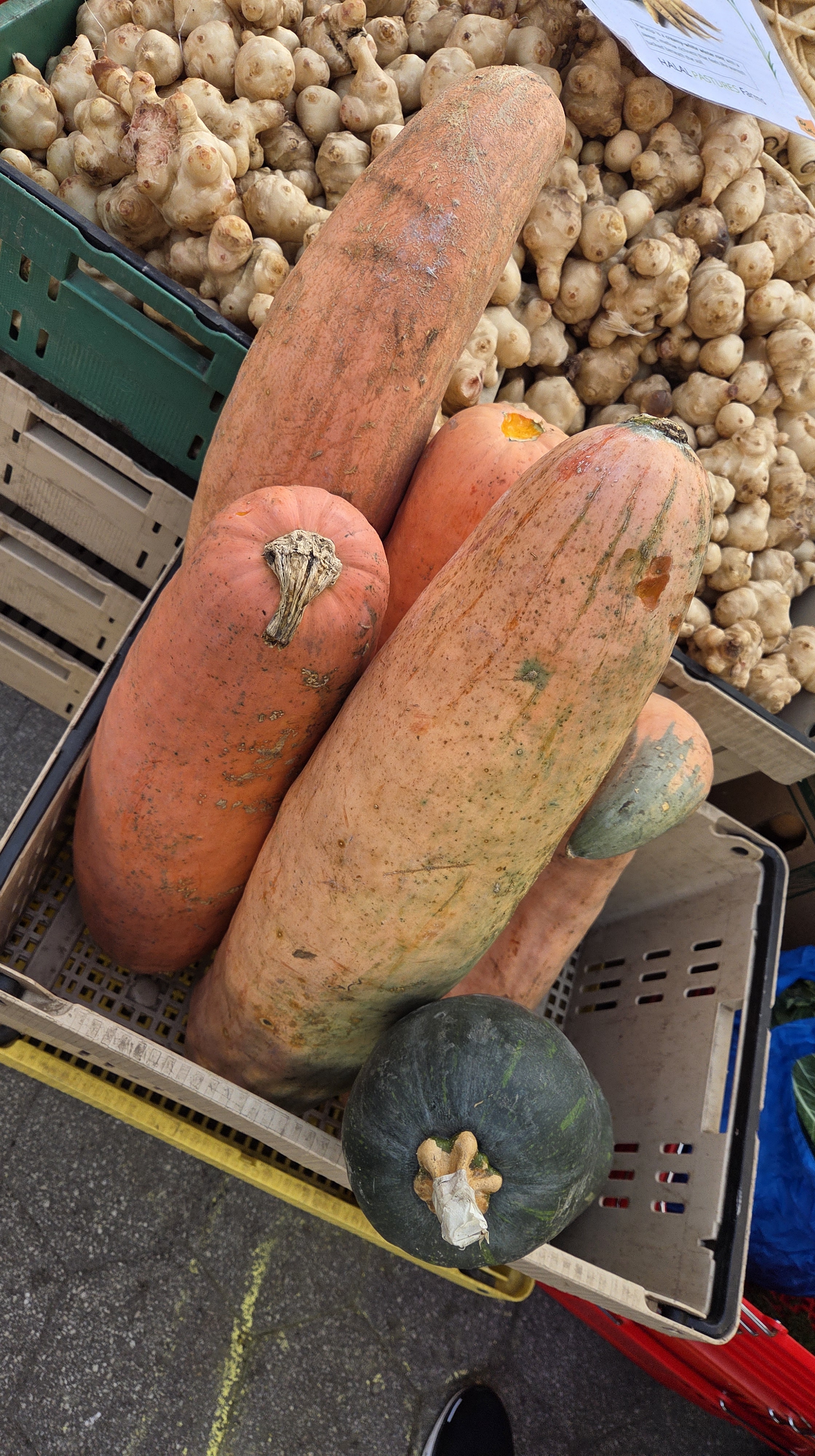
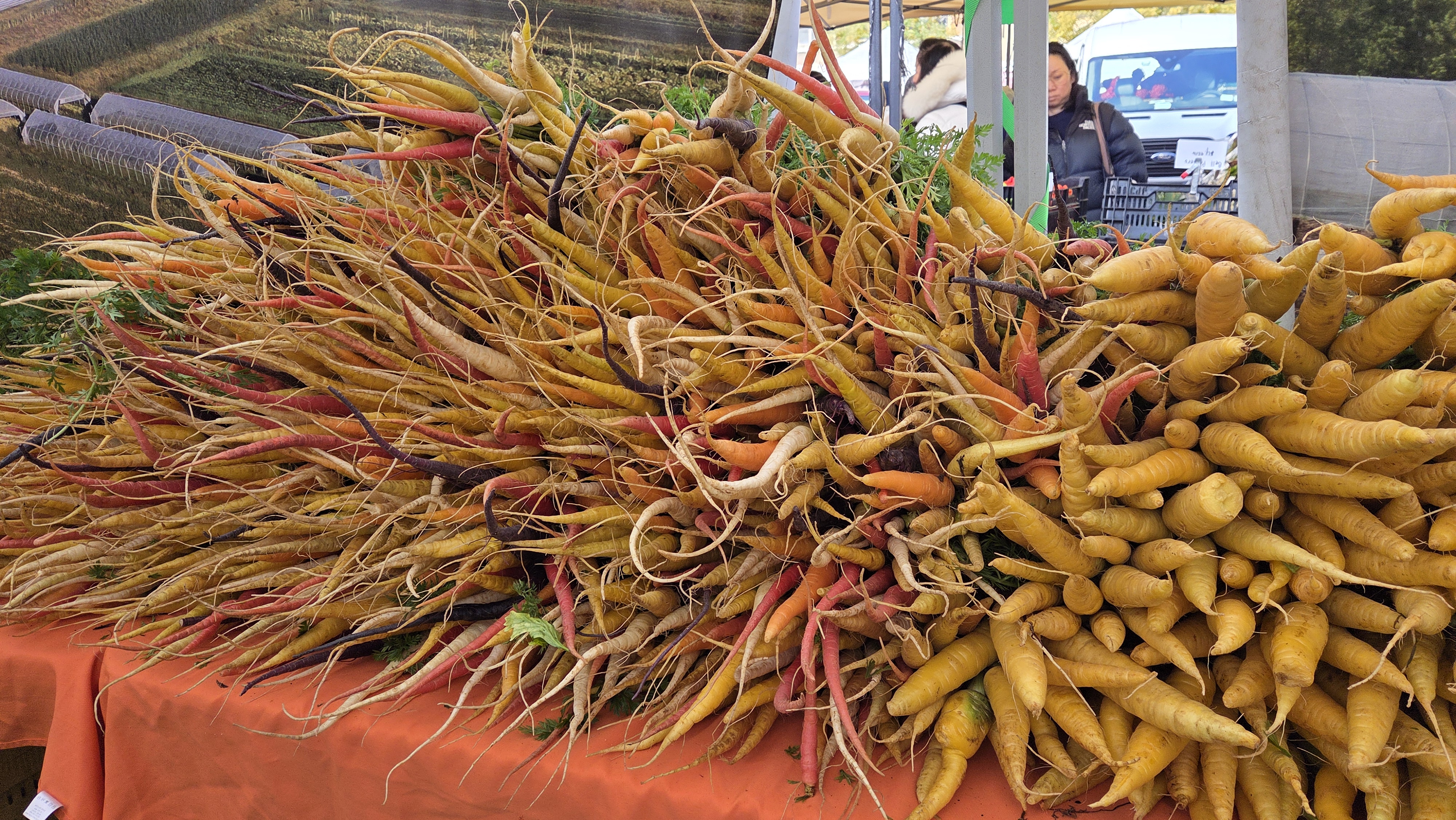
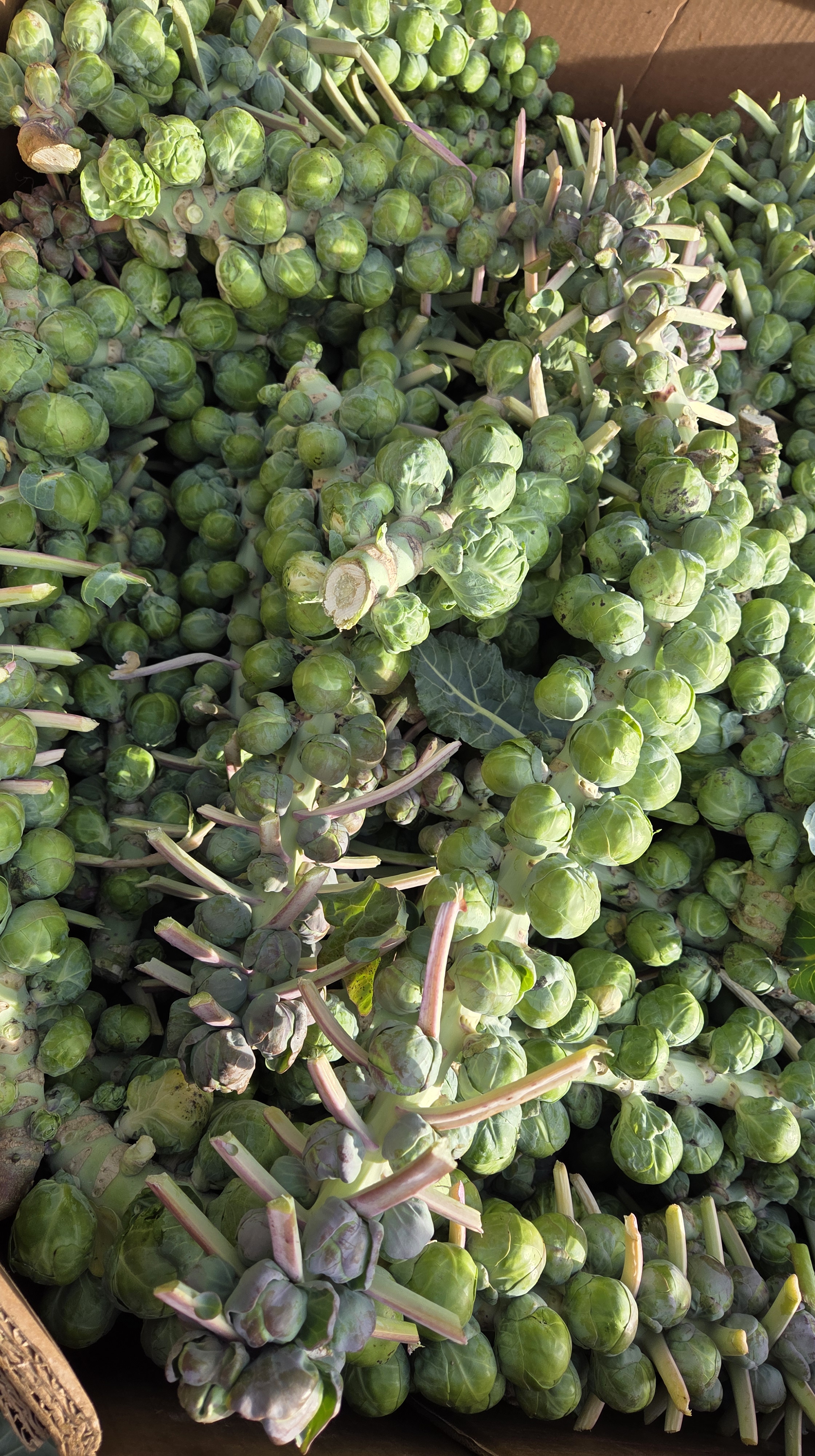
The pies I made and scenes from the Union Square Farmers Market in Manhattan. Photos by Christa Avampato.

