
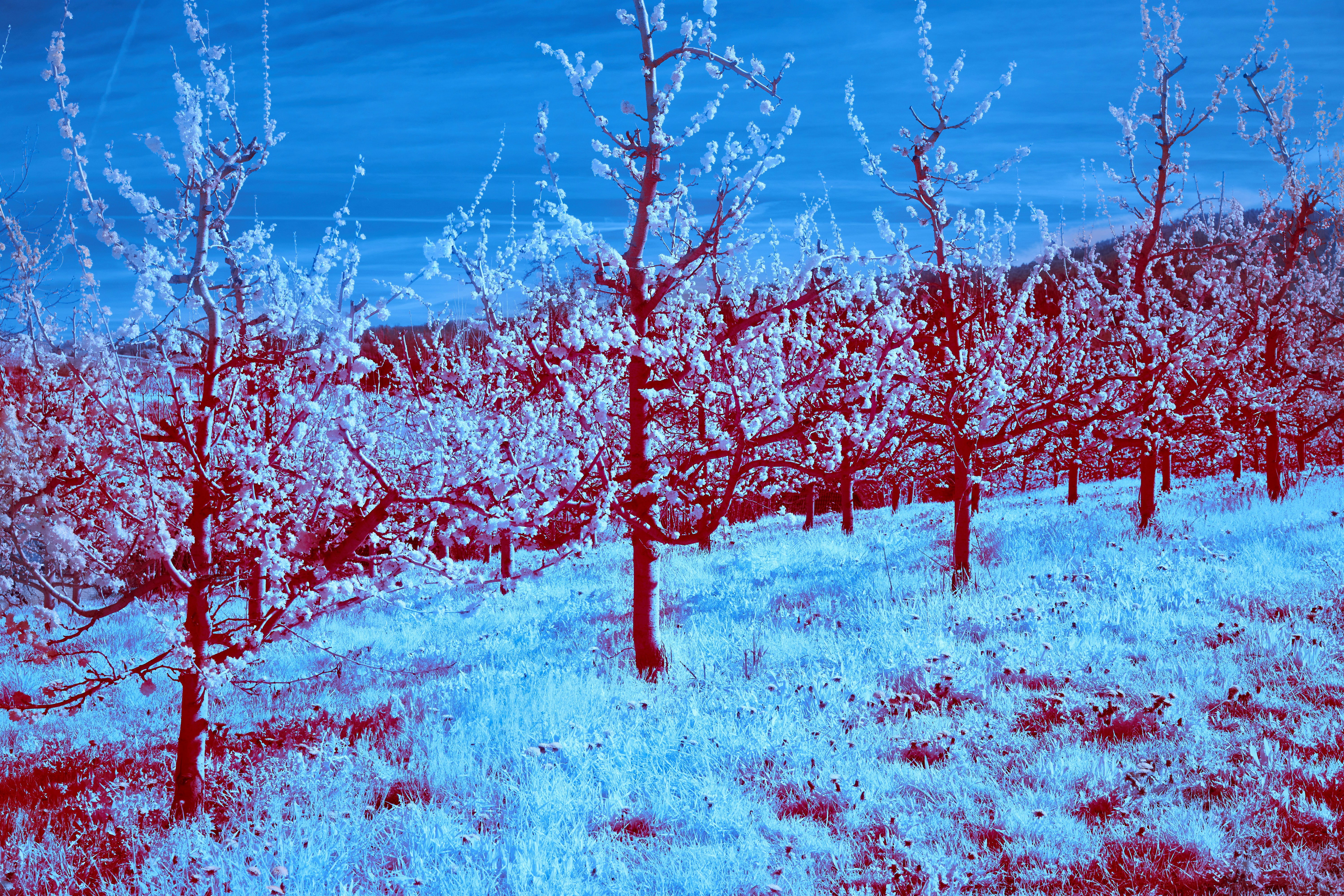
We feel guilty for being tired in January. But for apple trees, squirrels, and bears doing nothing is the most productive thing they do all year.
I grew up on an apple farm in New York State’s Hudson Valley.
Because of that, my relationship with winter is a little different than most. To the casual observer, an apple orchard in January looks unproductive. The branches are bare, the ground is frozen, and it appears that nothing is happening.
But if you ask a farmer, they’ll tell you January is one of the most critical months of the year. It’s the month that decides the harvest.
We have a tendency in our culture to treat rest as a sign of weakness—or at best, a reward you get only after you’ve burned out. But nature has a different rulebook. She doesn’t ask herself to earn her rest. In the wild, winter isn’t a pause button; it’s an active biological process of repair.
If you’re feeling slow, foggy, or tired this week, I have good news: there’s nothing wrong with you. In fact, you’re doing everything right according to nature. You are just wintering.
Here are three examples of how nature uses the cold to build the future—and how we can adopt a few pages of her playbook.
1. The Apple Tree: Counting the Cold
On the farm, nature and farmers alike live by a concept called “Chill Hours.”
We tend to think trees just “shut off” when the temperature drops. In reality, they’re actively counting. Apple trees have a strict biological requirement to endure a specific number of hours (usually 800 to 1,000) between 32° and 45°F (0° and 7°C.)
If they don’t get those hours—if the winter is too warm or too short—the hormone that suppresses blooming won’t break down. They literally cannot produce fruit in the spring unless they have rested enough in the winter.
The lesson? The productivity of the harvest is biologically impossible without the stillness of the winter. You aren’t losing time by resting; you’re banking your Chill Hours for when the light and warmth of spring return.
2. The Arctic Ground Squirrel: Renovating the Brain
If you’ve felt a bit of “brain fog” lately, you’re in good company.
When the Arctic Ground Squirrel hibernates, their body temperature drops below freezing, and they essentially disconnects their neural pathways. Their brain synapses wither and retract—like pruning a tree—to save energy.
This sounds destructive, but it’s actually a renovation. Research shows that when they wake up, their brains undergo a massive “regrowth” phase. They regenerate those connections stronger and more efficient than before, similar to how muscle fibers when broken down by exercise knit themselves back together when we rest to become stronger.
The brain fog isn’t a failure; it’s a remodel. Sometimes the brain needs to disconnect to clear the clutter and build new pathways for the year ahead.
3. The Black Bear: The Miracle Healers
Finally, there’s the bear. We know they enter a deep sleep in the winter, but what happens while they sleep is the real miracle.
Research from the University of Minnesota found a stunning capability in hibernating black bears: they are super-healers. If a bear goes into hibernation with a wound, the bear will heal faster and with less scarring during their dormant state than they would during the active summer months.
Even with a metabolism running at a fraction of normal speed, their immune system shifts into a specialized repair mode.
It’s a powerful reminder: We heal best when we rest.
A Permission Slip for January
If nature—in all her wisdom and efficiency—requires a season of dormancy to prepare for fruit, rewire the brain, and heal wounds, why do we think we are exempt? Why do we insist on pushing through when what we really need is the sleep and rest that will help us be better versions of ourselves in the long-run? Sleep and rest are powerful tools. Use them. Appreciate them. Luxuriate in them. Your future self will thank you.
So, if you’re struggling to get into high gear this winter, stop. Take a nap. Read a book. Laugh with friends. Eat nourishing food. Breathe. Let the ground freeze knowing you’re giving yourself your necessary Chill Hours. Spring will be here soon enough. Don’t rush it. Rest.
 Christa Avampato