I was planning a little vacation this year, but I’ve decided against it. With the global health and economic situation so dire (and very likely to get much worse in the coming months), it doesn’t feel like the best idea to go on vacation now. And that’s okay. I love my life in NYC, even in these strange times. I’m grateful that I built a life and career that I don’t feel I need a vacation from. There will be years for vacations and travel, and I absolutely do think we have better and brighter days ahead. In 2020, I’m just grateful to be well in every way and I’m dedicated to making every day the best it can be for myself and for others from right where I am in New York.
I also want to note that the New York Department of Health is seeing an uptick in COVID-19 cases in New York because of travel. If you are traveling to, from, or within New York, whether you’re a resident or a visitor, please, please, please respect our quarantine laws and get tested. I would go a step beyond these laws and say if you have gone anywhere away from your home city in New York, please get tested and quarantine until you have results when you come back to New York. Tests are free and available throughout the state. I don’t want to relive spring 2020 in New York City. Once was enough, thank you. We can protect each other from this virus but we all need to do our part. More information here: https://coronavirus.health.ny.gov/covid-19-travel-advisory?fbclid=IwAR0x2N828eg_gd3onwxrx8EkhQ1YryxSHiVnoRJSQOWdYK1V8wLp44hf2fI
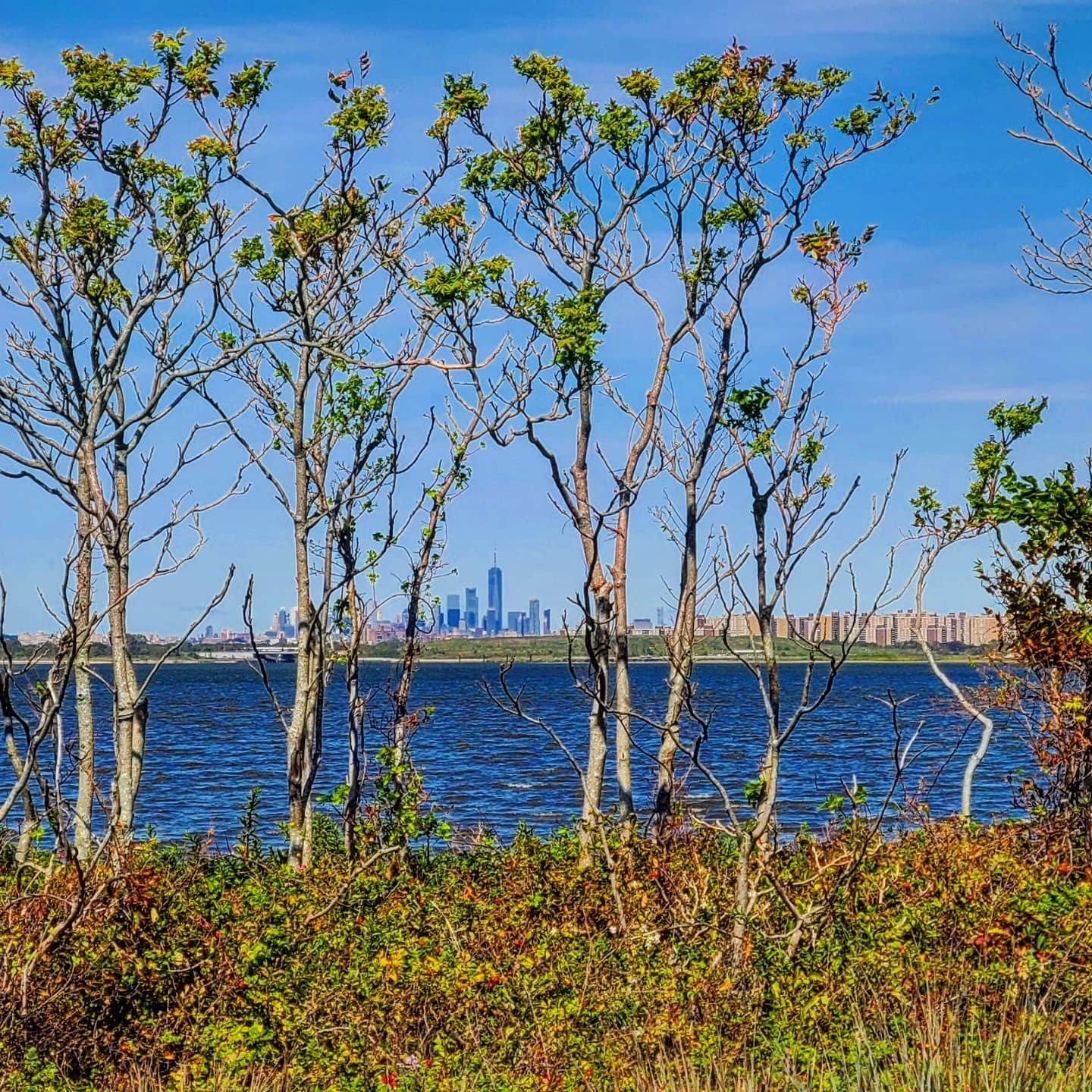
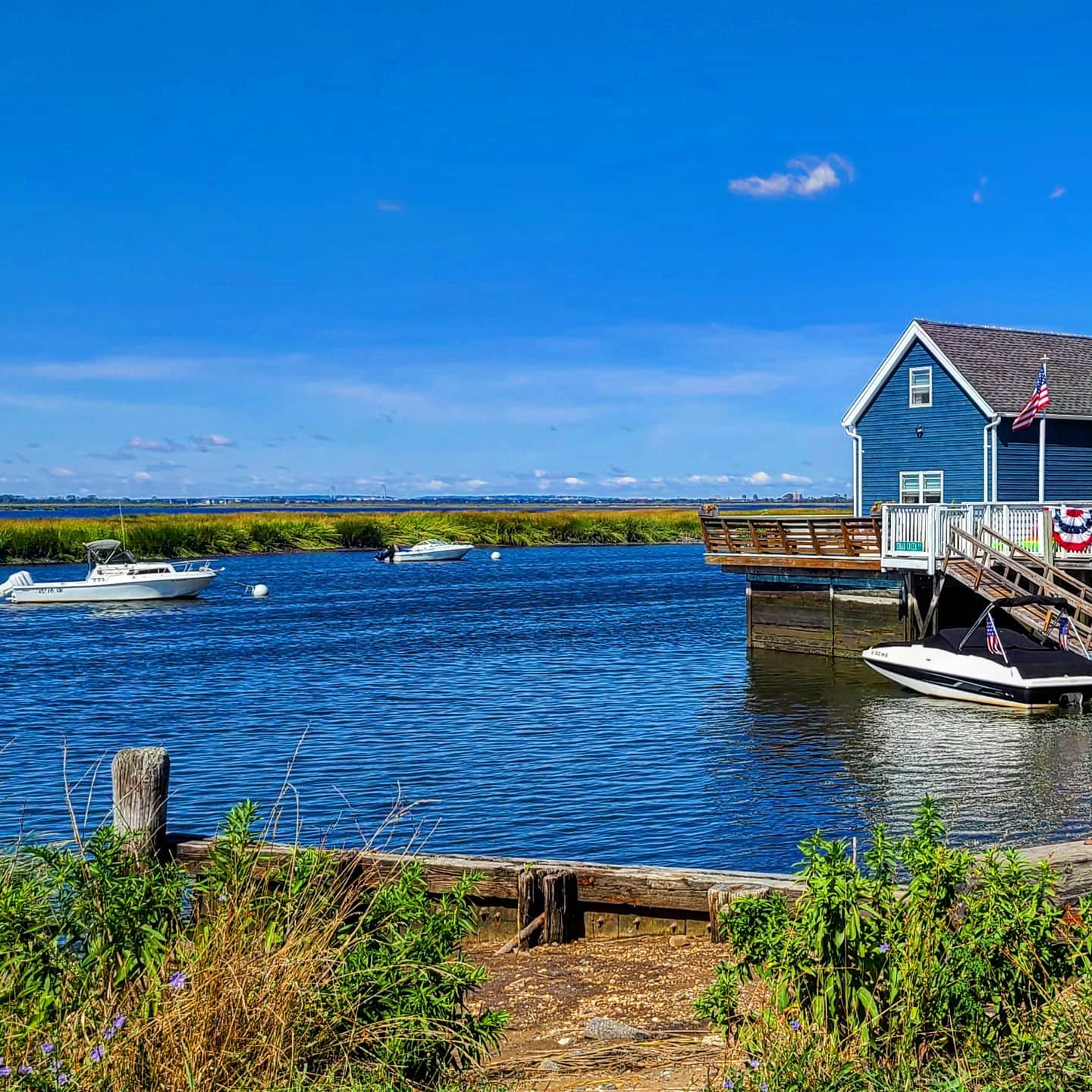
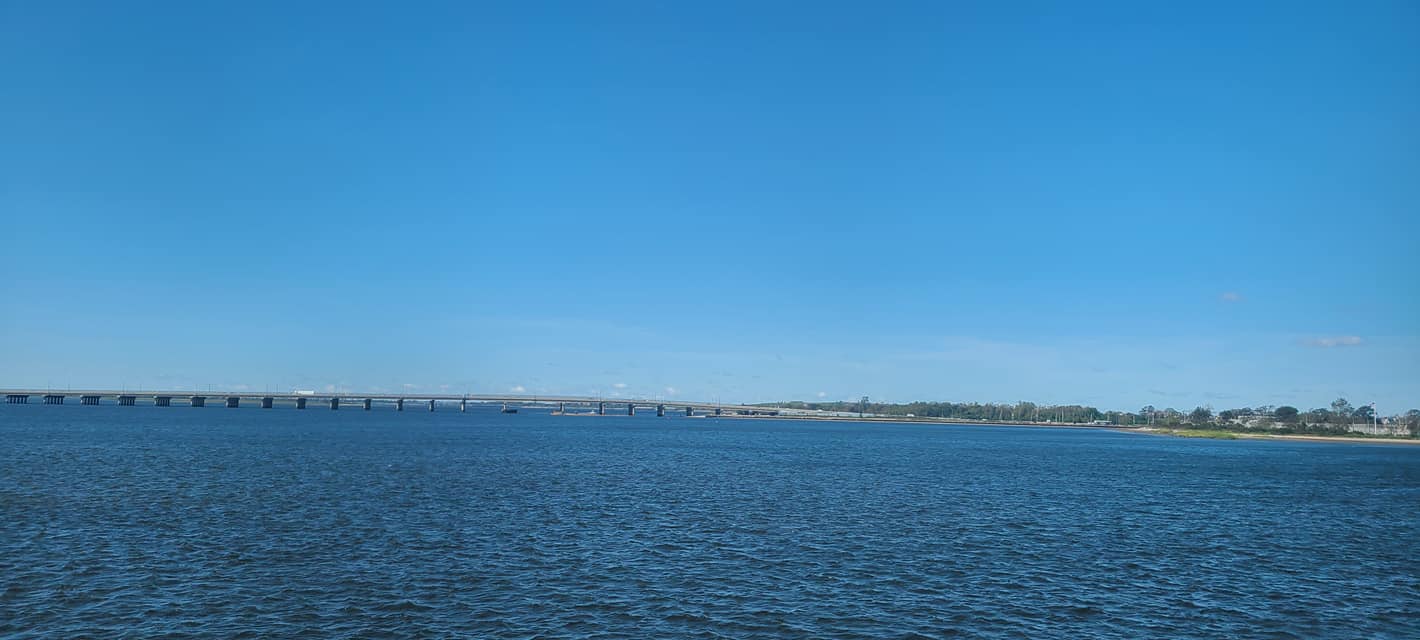
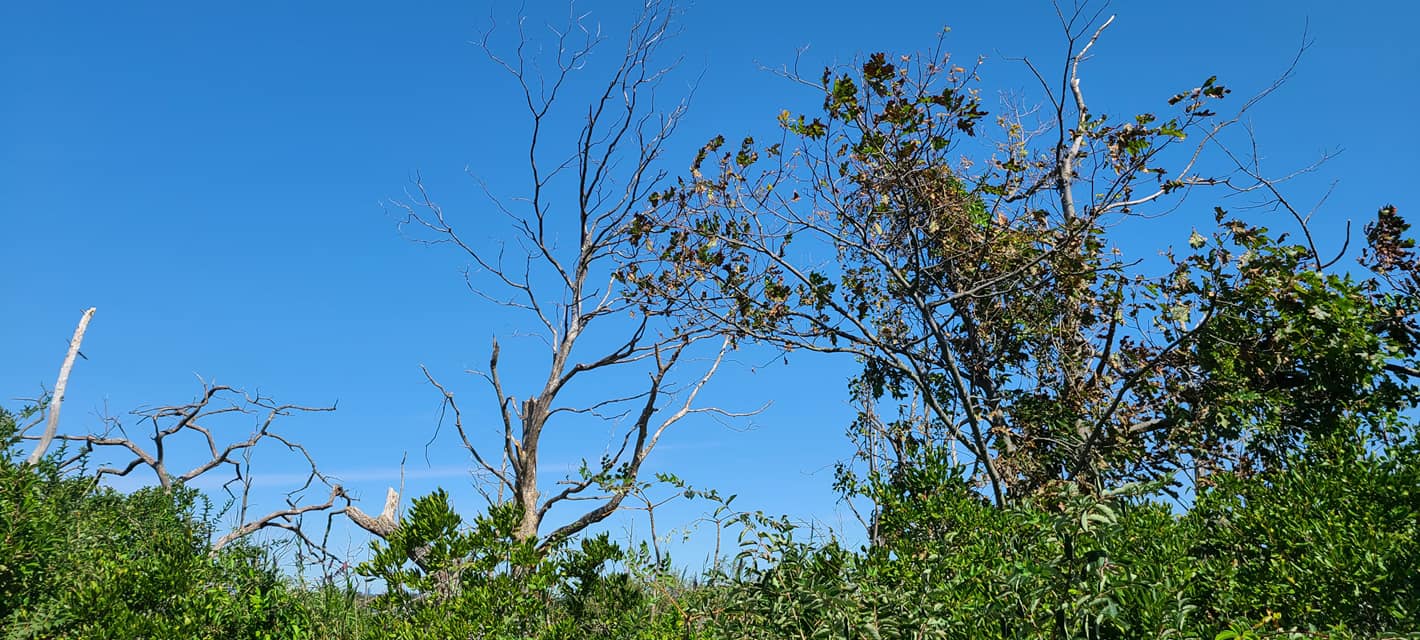
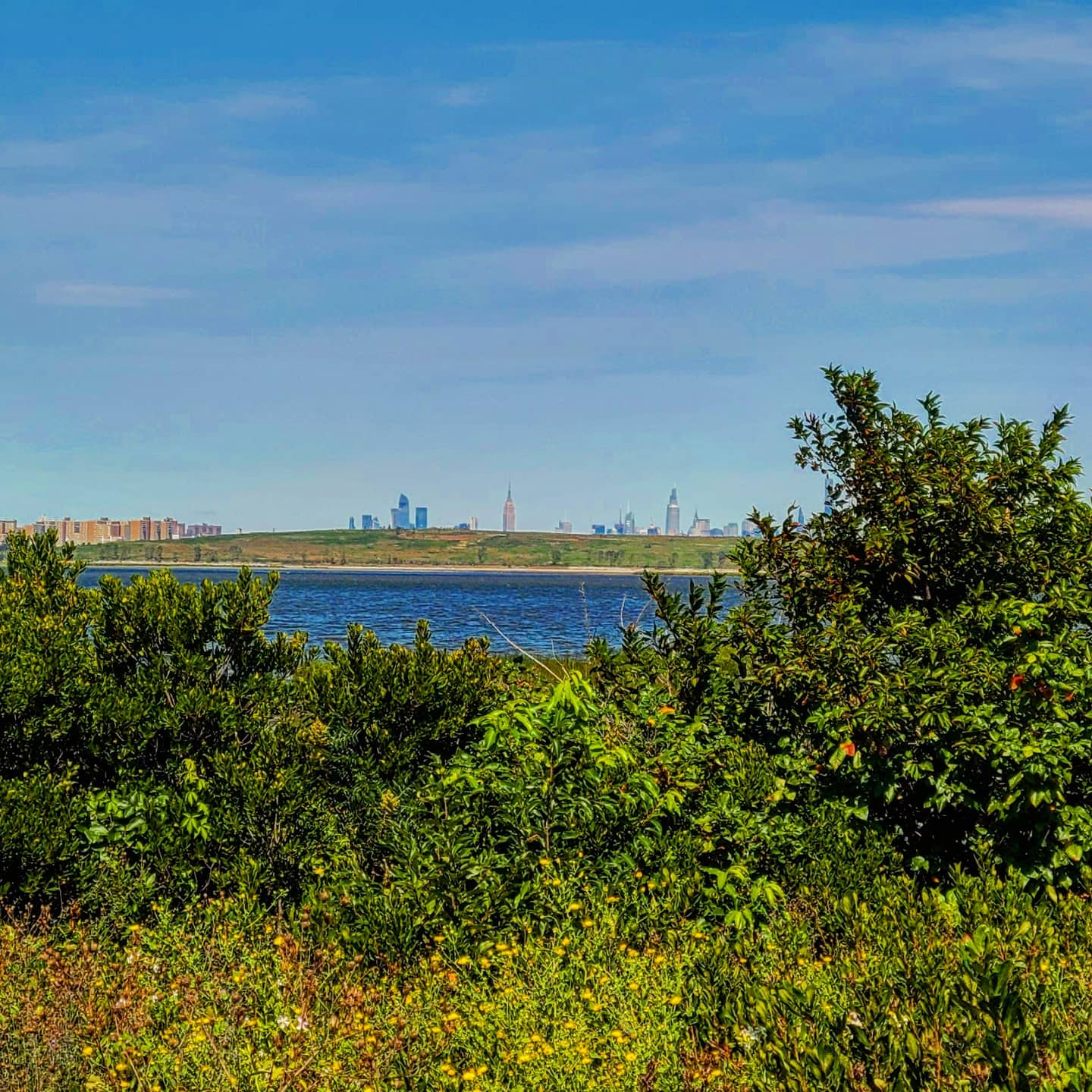
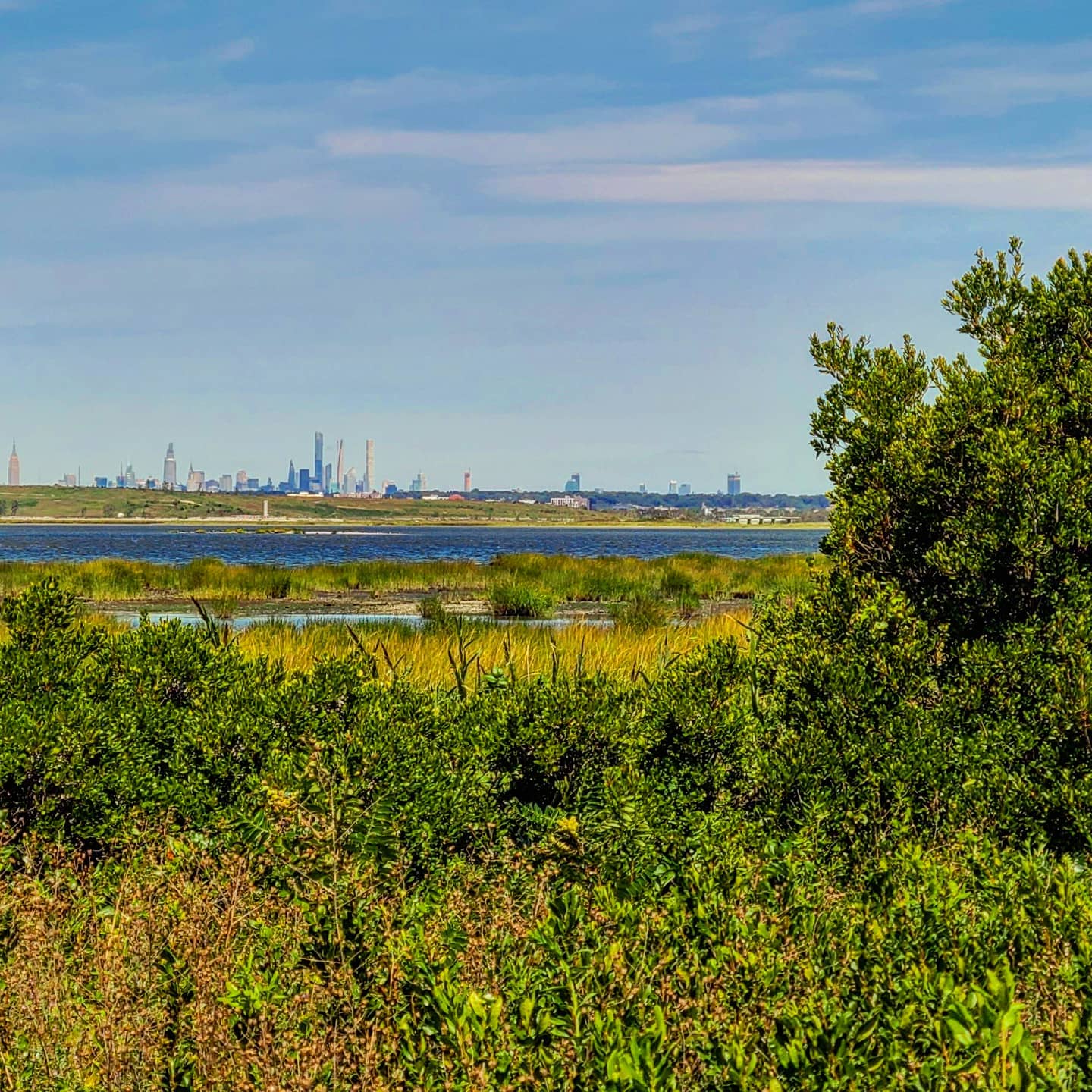
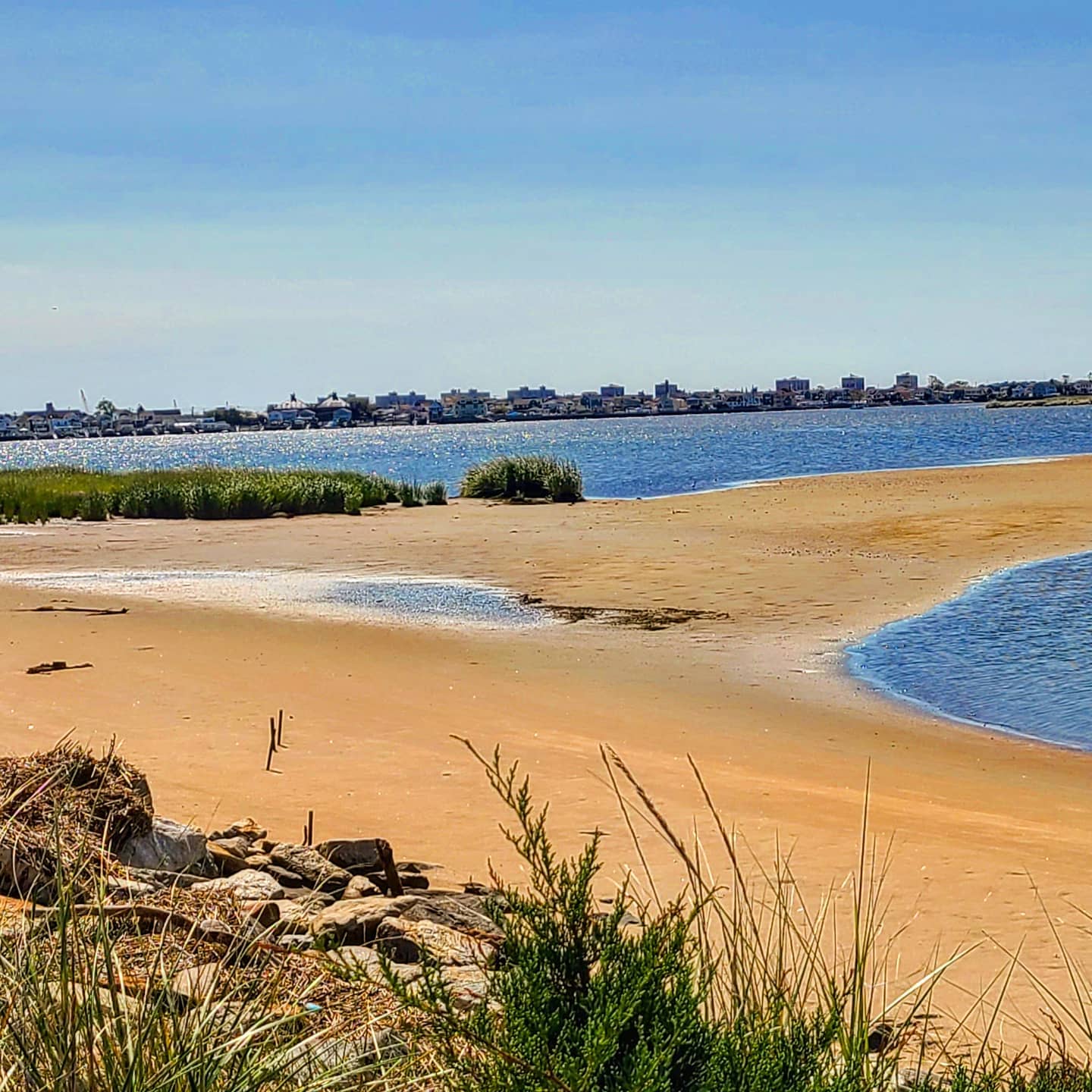
Last week the National Park Service turned 104 years old. To celebrate, I went to one of NYC’s least-visited natural wonders— Jamaica Bay Wildlife Refuge
I was so happy to let the salty air fill my lungs and give my eyes a rest from screens by focusing on the vistas of salt marshes with the skyline of Manhattan in the distance. The open water, green space, and animals did my mind, body, and soul a world of good. After just a few hours, I felt as energized as I feel after a week of vacation. . I love thinking about how wild and full of biodiversity all of New York City once was, and how so many efforts are being made to keep parts of it wild. My hope is that these terrible pandemics of health, racism, and an unstable economy will be the massive push we need to make our cities greener for all who live in them. . The area around the Refuge reminded me of beachy towns like you’d find in Cape Cod but it’s accessible by public transit for $5.50 round trip and free to enterq! Just take a Far Rockaway-bound A train to Broad Channel. From there it’s a 15-minute walk or short bus ride.
The Wildlife Refuge was created in the 1950s by NYC Parks Commissioner Robert Moses. It became part of the National Park Service in 1972 when Gateway National Recreation Area was established.
It includes over 12,600 acres of water, salt marshes, freshwater and brackish water ponds, upland fields and woods, and open bay and islands. It is one of the largest bird habitats in the northeastern United States and is a great place to observe the seasonal bird migration as well as resident species. 332 different bird species have been recorded there!
I highly recommend a trip to see this beautiful, peaceful, and truly wild place. May we create many more of them in our city.
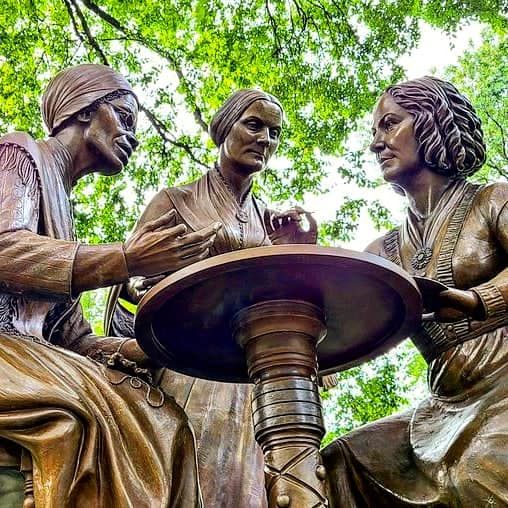
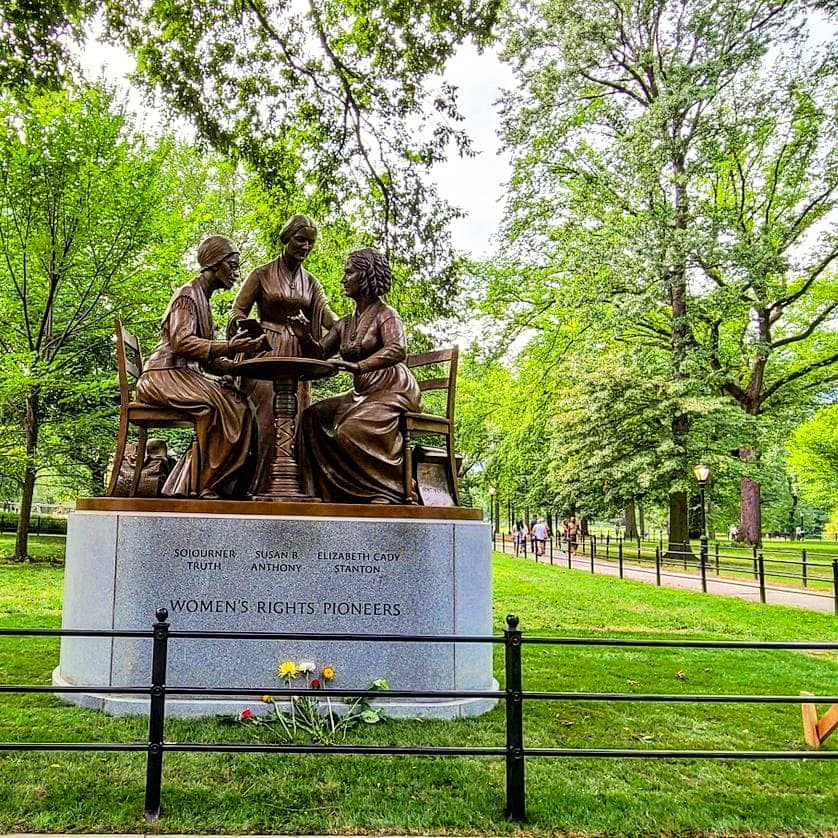
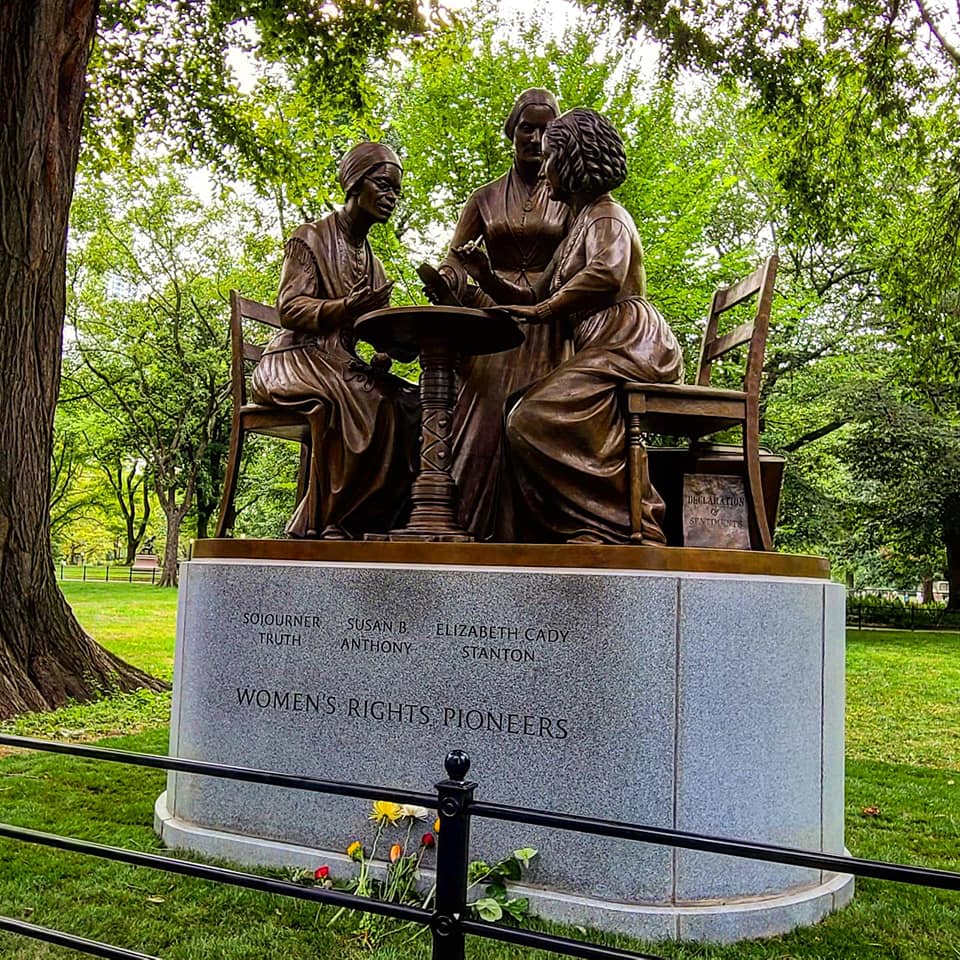
This week, 100 years after the 19th Amendment granted the right to vote to women, this gorgeous statue of Sojourner Truth, Susan B. Anthony, and Elizabeth Cady Stanton was unveiled. It’s the first of real women from history in Central Park, and it’s long overdue. The fight continues, and we will not rest until all adults in this country can exercise their right to vote with ease.
This statue was created by artist, Meredith Bergmann. It’s so moving to see in-person that I teared up. These heroines are still very much with us. Another statue of Sojourner Truth was unveiled last week in my hometown of Highland, New York, in the Hudson Valley. I haven’t seen in yet but I look forward to seeing it soon.
On today’s anniversary of the March on Washington, I’m thinking of Congressman John Lewis and the millions of people who fought and continue to fight for justice. We have come a long way in 57 years since that day and we still have such a long way to go. I’m dedicated to being on that path for equality with all of you for as long as it takes to ensure all people everywhere are free.
Congressman Lewis’s books have been such a light for me, especially in the difficult days of 2020. If you’re looking for someone to raise you up, to talk to you about courage, bravery, the power of love to change hearts and minds, freedom, and being a light in so much darkness, these books will do that. When I read them, I can hear his voice and I feel like he’s in conversation with me. He’s still in conversation with all of us, still supporting, encouraging, and inspiring us to be better, to do better, and to make Good Trouble.
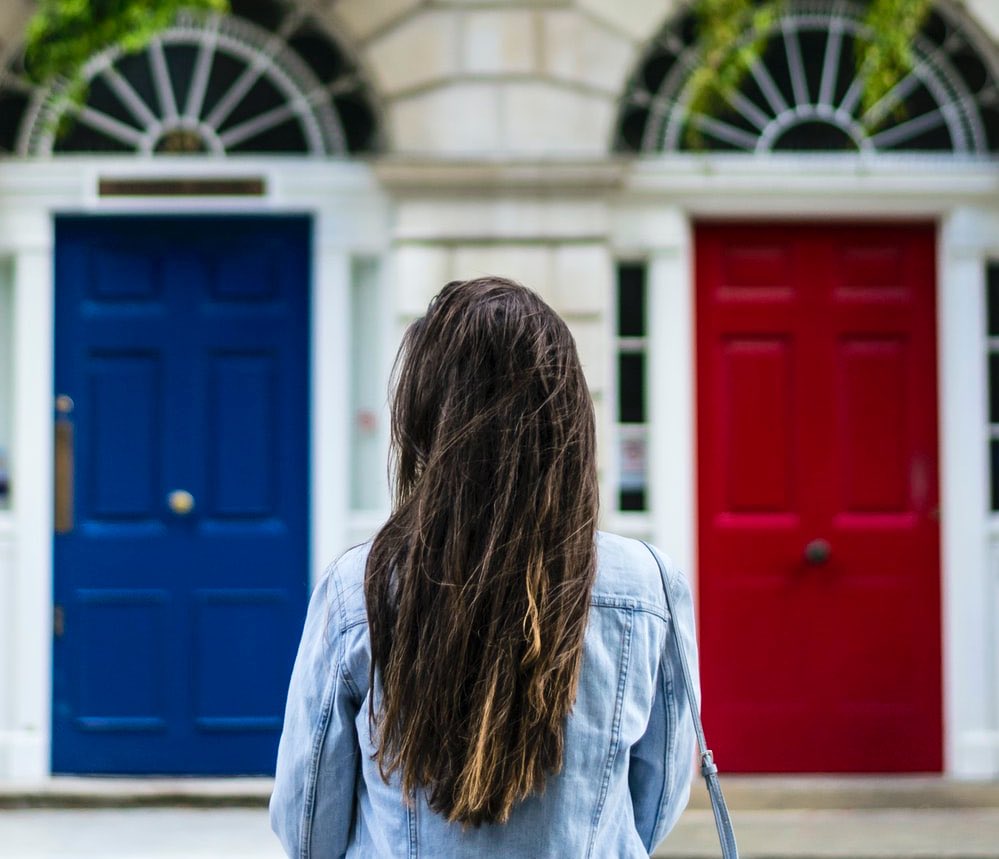
Sometimes the monsters surprise you. Earlier this week I had nightmares about doors—ones I couldn’t close, couldn’t open, that kept me contained, and forced me onto paths I didn’t want to take. All week I’ve been thinking about how life is just door after door and we have to keep going. It’s not easy. It’s not comfortable. And it’s absolutely necessary.
One of the causes I’m most passionate about is protecting our wild spaces from development. The news about the potential to sell off drilling rights in the Arctic National Wildlife Refuge this week was very upsetting to me. Thankfully these actions can be stopped through litigation and legislation. That’s why I wrote to my representatives via the National Resources Defense Council (NRDC) and also made a donation to their Action Fund that will file these lawsuits to stop the destruction of this beautiful wild space. NRDC will send these letters on your behalf to your representatives and it only takes 30 seconds to fill out the form online to make that happen: https://act.nrdc.org/letter/af-arctic-refuge-170925?source=TWOARCPETTKAF
We lose 1 billion birds per year due to collisions with glass windows of buildings. This Fall migration season I’m volunteering with New York City Audubon’s Project Safe Flight to help injured birds get the help they need at Wild Bird Fund.
This week I attended a training with @ColorOfChange to help get out the vote this Fall. I’m excited to be a part of the team. I love their mission to center Black empowerment & joy. I hope you’ll join me to be a part of this important work: https://www.mobilize.us/colorofchangepac/event/300304/
From now until the election, I’m going to listen to Michelle Obama’s speech at last night’s Democratic National Convention. Vote, volunteer, donate, stand up, and speak out. We have to win the presidency, the House, & the Senate in historic numbers. This November, vote like your life and the life of the planet depends on it because it does.
Michelle Obama speech at Democratic National Committee
Kevin*, a New York City high school teacher, sits in front of his laptop in August doing the work of two teachers for one 9-month salary.
“You can’t just take your in-person lesson plan and hop on Zoom,” he said. “To do remote learning right, you have to completely reimagine the lesson plans. So that’s what I’m doing.”
Kevin has to build an in-person and remote teaching plan because he will have to do both in the 2020–2021 school year. I (virtually) sat down with him to find out what a day will look like in his school this year.
The before times In a normal school day, Kevin and his colleagues saw five groups of students with 30–32 students each. Teachers got to their school early because they had to clean up the mouse droppings on their desks and in their classrooms. Then they checked the sticky traps the custodial staff gave them to dispose of any mice before the students arrived. Despite filing complaints of rodents to the principal, chancellor, and even 311, all they ever got were more sticky traps.
Kevin’s school was always short on supplies. They did not have enough desks and chairs for all the students so some had to sit in beanbags. (He made a point of thoroughly checking the beanbags for droppings and mice as part of his morning routine.) The bathrooms were routinely without toilet paper, soap, and paper towels. The ventilation was (and remains) inadequate or non-existent, especially for Kevin’s classroom because he had an interior space with no windows and a failing HVAC system.
Like many schools in New York, Kevin’s building houses multiple schools on different floors. This can cause intense rivalries and fights between the students so safety was always an issue.
COVID compounds existing school problems On top of safety and cleanliness issues, supply shortages, and poor ventilation, Kevin and his colleagues have additional challenges now that will begin before the students even get to their school. To avoid crowding when students first arrive, the school will only perform random temperature checks. The school is asking families to check a student’s temperature before they go to school but it has no way of making sure that was done or verifying the results.
“There’s no question that we’ll have people with COVID showing up at school,” said Kevin. “A fever is only one symptom out of many possible ones, and some people never show any symptoms at all. Temperature checks might make some people feel better, but I think they’re a false security especially if they’re random.”
The vast majority of New York City students, teachers, and staff commute to work via public transportation. In the case of Kevin’s school, many of the students commute more than two hours one-way. In the process, they are exposed to many people in a contained space. While the New York City subways and buses have never been cleaner than they are today, they will be under an increased amount of pressure at the start of the school year with ridership numbers higher than they have ever been since the start of this pandemic. Can they maintain these protocols with higher ridership and a shortfall in funding? That remains to be seen.
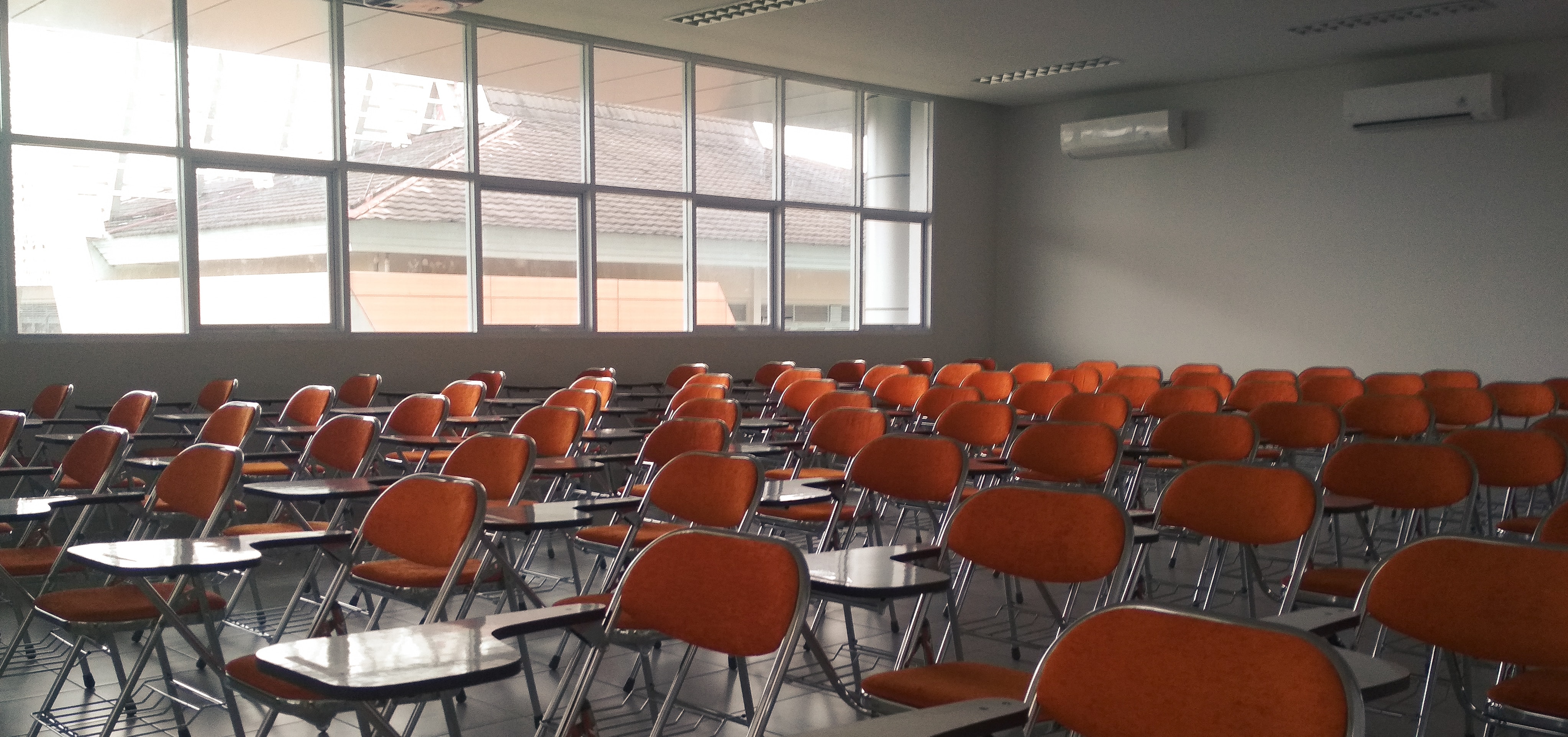
How the hybrid model shapes the school day The school day now is not going to be anything like the school day before COVID. With the hybrid model, students come to the physical school in groups to maintain social distance. For example, Group A goes to the physical school Tuesday, Thursday, and every other Monday. Group B goes on Wednesday, Friday, and every other Monday opposite of Group A. The other days, they are at home for remote learning.
Kevin’s school has decided to make every classroom a bubble to provide maximum safety for students and teachers. He will have 10–12 students in his classroom every day with desks and chairs spaced six feet apart in all directions. They will be in his classroom all day except for bathroom breaks. There will be no group work and everyone has to wear masks at all times except for lunch which they will eat in his classroom at their desks.
In high school, teachers teach one specific subject. When physically at school, Kevin will teach his 10–12 students his one subject in-person. For the rest of their classes, his students will be on their laptops with headphones taking classes from their other teachers just like they did in the spring when everyone was remote. When he is not teaching his one in-person class per day, Kevin will be at his desk on his laptop with his headphones on teaching his other students remotely.
The learning value of the hybrid model in Kevin’s school is a fallacy. The learning is still mostly remote; it is just done at the school rather than at home for half the week. But if a school makes the decision to have the students move to a new classroom for each subject like they did before COVID, the risk of the virus spreading increases dramatically. We have seen this scenario play out in school districts across the country that opened and then quickly closed again because of outbreaks.
Mental health during this pandemic has been a serious topic. One of the reasons many people are pushing for students to return to the classroom is for socialization. This is also a fallacy with the hybrid model. Without group work, extra-curricular activities, lunch in the cafeteria, gym, the library, and special events, students will still feel lonely and isolated even though they will be near other students and a teacher in a physical school on some days.
Students are already struggling mentally and emotionally. They are not engaged nor learning. They miss their friends and activities. In Kevin’s school, students may see some of their friends if they are in the same classroom but socializing from six feet away when everyone is on their laptops wearing masks will be nearly impossible. It may also be dangerous for students, teachers, and staff. A student could easily snap at any moment due to stress, depression, frustration, and any number of other emotions brought on by these circumstances.
Constant mask wearing is going to be a challenge to enforce. At Kevin’s school, the principal said students will be sent home if they don’t comply with wearing masks. However, this requires contacting the parent or guardian first to approve the dismissal.
“For most of our students that means sending them out onto the streets and missing a day of learning,” said Kevin. “It’s going to be a bad situation for everyone.”
Of course classroom behavior challenges is not limited to mask wearing. One of the most effective ways to manage any disruptive behavior is teacher proximity. If a student is acting up, a teacher’s go-to tool is to stand next to the student. It stops the behavior and keeps it from escalating. Now, teachers cannot use that tool because everyone needs to be six feet apart at all times.
“Honestly, I’m afraid of what’s going to happen,” said Kevin. “Behavior problems, fights, no one learning, everyone being frustrated. We could see a lot of teachers, staff, and students just quit or drop out. Not to mention that we [teachers] could get sick, watch our students and their family members get sick, or worse. I don’t know what I’ll do if someone dies because we reopened our school.”
A community in crisis A school is much more than a place where students take classes and socialize. It is a community unto itself and it underpins the livelihood of the larger community and the city as a whole. Teachers and staff are now frontline workers. And yet, teachers feel as if no one is cheering for them the way we cheered on our healthcare and essential workers with the 7pm celebrations that used to happen across the city. If anything, there is vitriol from every corner thrown in their direction.
Call it fatigue. Call it frustration. It is indicative of a lack of leadership, responsibility, and collaboration between all stakeholders: government officials, administrative staff, teachers and their union, parents, students, and community members. There has never been a sense in New York City that reopening schools was a joint effort with all of these parties committed to and involved with reimagining and creating new student-centered solutions.
One possible solution If this pandemic prevents schools from being able to open safely and stay open safely, what other options do we have? The big roadblocks in all of this are the physical condition of our school buildings and overcrowding. What if we completely relocate school? We transformed the Javits Center and a patch of Central Park lawn into hospitals. Hotels have become shelters and halfway houses for the homeless. Homes and apartments are now offices. Why not renovate spaces for schools?
Look at all of the empty space in our city created by a lack of tourism and an exponential increase in work-from-home arrangements. We have cultural institutions, hotels, office buildings, libraries, stores, and restaurants that are currently placeholders. Why not hold school in empty spaces that do have proper ventilation, high-quality cleaning protocols, and no rodent infestations? Why does school have to be conducted only in a school or at home? Why can’t we create the most important third place our city has ever needed?
The truth is we can. It takes creative vision and leadership to make that happen. It takes a team of leaders who can rally all of the stakeholders together to collaborate and imagine a new and better way forward in public education. And this is just one suggested solution. There could be a dozen others but we will not discover them unless we create them together.
There is still time to make it happen as long as we unite in our commitment to do what is best for our young people. We owe it to them to put aside our differences and our egos, and get to work on their behalf. Do we have the will to do that for them? Time will tell.
*The name of the teacher interviewed has been changed to protect their identity.











 Christa Avampato