
From a historic treaty to a policy change for “messy” farms, here are the big and small wins for nature this week.
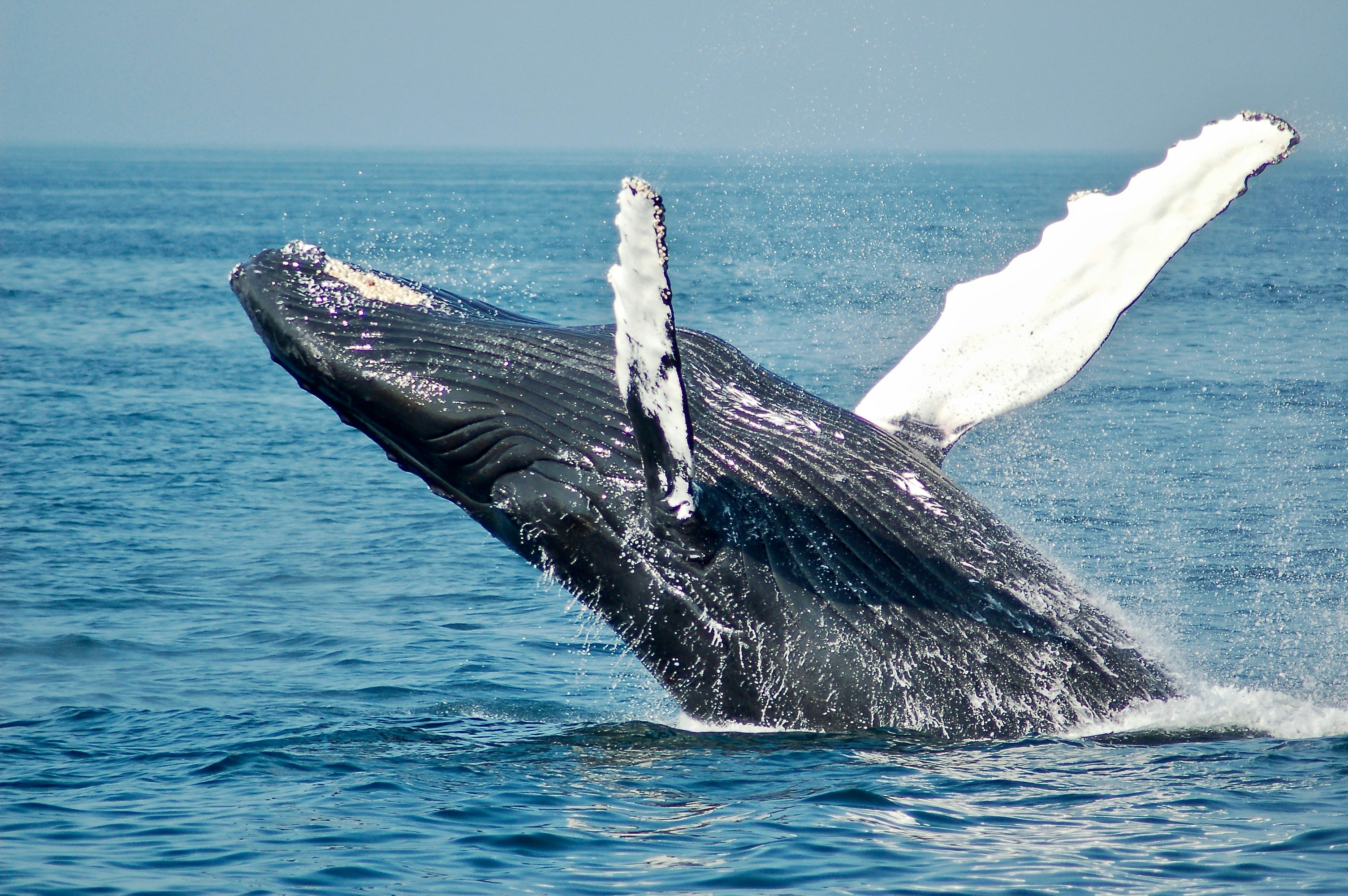
The biggest conservation win of the year is happening this Saturday. 🌊
But the story I can’t stop thinking about this week comes from a farm in Northern Ireland.
Nature is already racking up big and small wins in January 2026:
- The High Seas Treaty goes live this weekend (finally!).
- A new rule in Northern Ireland stops punishing farmers for having “messy” land.
- And 7,000 tiny snails pull off the greatest comeback in history.
Sometimes the best news is found in the weeds. 👇
—
Last week, we looked at the major dates on the horizon for nature in 2026. This week, the first one is already knocking on the door.
This Saturday, January 17, the High Seas Treaty officially becomes international law. It is a massive moment for global conservation—perhaps the biggest of the decade. But while the world focuses on the giant blue expanse of the ocean, there was another win this week for the tiny, messy corners of the Earth that deserves just as much attention.
Here are the wins—big and small—that are making me smile this week.
1. The Global Win: The High Seas Treaty Goes Live
Mark your calendars for this Saturday, January 17.
That is the day the High Seas Treaty finally enters into force. It transforms the “Wild West” of the open ocean into a managed, protected space.
This treaty provides the legal power to create marine sanctuaries in international waters for the first time. It has been a decades-long fight involving complex negotiations and 60+ country ratifications, but this weekend, it finally crosses the finish line. As of Saturday, the legal mechanism to protect half the planet is officially “on.”
2. The “Messy” Win: Scrub is No Longer a Crime
We often think of conservation as planting trees or saving whales, but sometimes it is just about updating a spreadsheet.
This month, a quiet but revolutionary policy shift kicked in for farmers in Northern Ireland. For years, farmers there faced financial penalties if their land had too much “scrub”—things like bracken, bog, or wild corners that weren’t “productive” for crops. The old rules literally incentivized them to clear-cut nature just to keep their funding.
As of January 1, that rule is gone. Under the new Farm Sustainability Payment scheme, “soft features” like scrub and naturally regenerating land are no longer treated as a liability. They are now recognized for what they are: vital homes for biodiversity. It is a small policy tweak that sends a huge message: Nature doesn’t have to be neat to be valuable.
3. The Comeback Win: 7,000 Snails Go Home
Finally, a story about resilience that proves it is never too late to go home.
In a historic milestone, 7,000 Partula snails were recently flown back to their ancestral home in French Polynesia. These tiny snails were wiped out by invasive species in the 90s, but zoos around the world (from London to St. Louis) kept a backup population alive in specialized terrariums.
Now, after decades of careful breeding, they are back in the forests of Tahiti and Moorea. Why does this story about snails matter? It is the largest reintroduction of a species officially declared “extinct in the wild” in history. It’s a slow, steady victory brought about by a group of people passionate about saving wildlife—and a reminder for all of us that we can fix what we’ve broken.
A Thought for the Week
Whether it is a treaty covering half the planet or a patch of scrub on a farm in Ireland, the goal is the same: making space for life to thrive.

 Christa Avampato