
I started Togetherhood, my weekly nature newsletter, exactly one year ago, and I am so grateful to every one of you who has subscribed, read, shared, and commented on my nature stories along the way.
To mark this one-year anniversary—and the arrival of 2026—I wanted today’s post to focus on the wins nature secured in 2025. Yes, there were heartbreaking losses that felt like a gut punch. But there were also moments of joy and triumph that received far too little coverage. While we must be clear-eyed about the darkness, we must also give the light her due.
Yesterday, CBS Sunday Morning aired a segment with David Pogue on the good news of 2025. It was a perfect reminder that innovation and compassion are still alive and well. Here are two of the standout nature stories from that segment, plus a few other big wins from around the globe that we should celebrate.
The End of “Forever” Plastic? David Pogue highlighted a game-changer happening right now in Massachusetts. A company called Black Earth Compost is proving that single-use doesn’t have to mean forever. They are utilizing a new kind of “plastic” made entirely from sugar cane. Unlike the “biodegradable” labels of the past that didn’t really work, this stuff actually breaks down alongside household food scraps, turning into nutrient-rich compost rather than microplastics in our soil. It’s a closed-loop win we desperately need.
Farmers & Birds: A Surprise Alliance In California, a program is flipping the script on the usual farmer-vs-environmentalist narrative. Pogue spoke with Katie Riley from The Nature Conservancy about the “BirdReturns” program. In this initiative, farmers (like the Zuckerman family in Lodi, CA) are paid to flood their fields during specific times of the year. These pop-up wetlands create crucial rest stops and feeding grounds for migratory birds like Sandhill Cranes. The result? Farmers get a new revenue stream, and bird populations that were struggling are getting a massive lifeline.
Renewables Finally Beat Coal: This isn’t just a projection anymore; it’s a fact. In October, energy think tank Ember confirmed that for the first time in history, renewables generated more electricity globally than coal (34.3% vs 33.1%) in the first half of the year. Solar alone is doing the heavy lifting, meeting 83% of the increase in global power demand.
The High Seas Are Officially Protected: On September 19, we hit a massive milestone: The High Seas Treaty secured its 60th ratification (thanks to Morocco!), which is the magic number needed to make it international law. This triggers the treaty’s entry into force in January 2026, finally allowing us to create marine sanctuaries in the “Wild West” of the open ocean.
Species Bouncing Back:
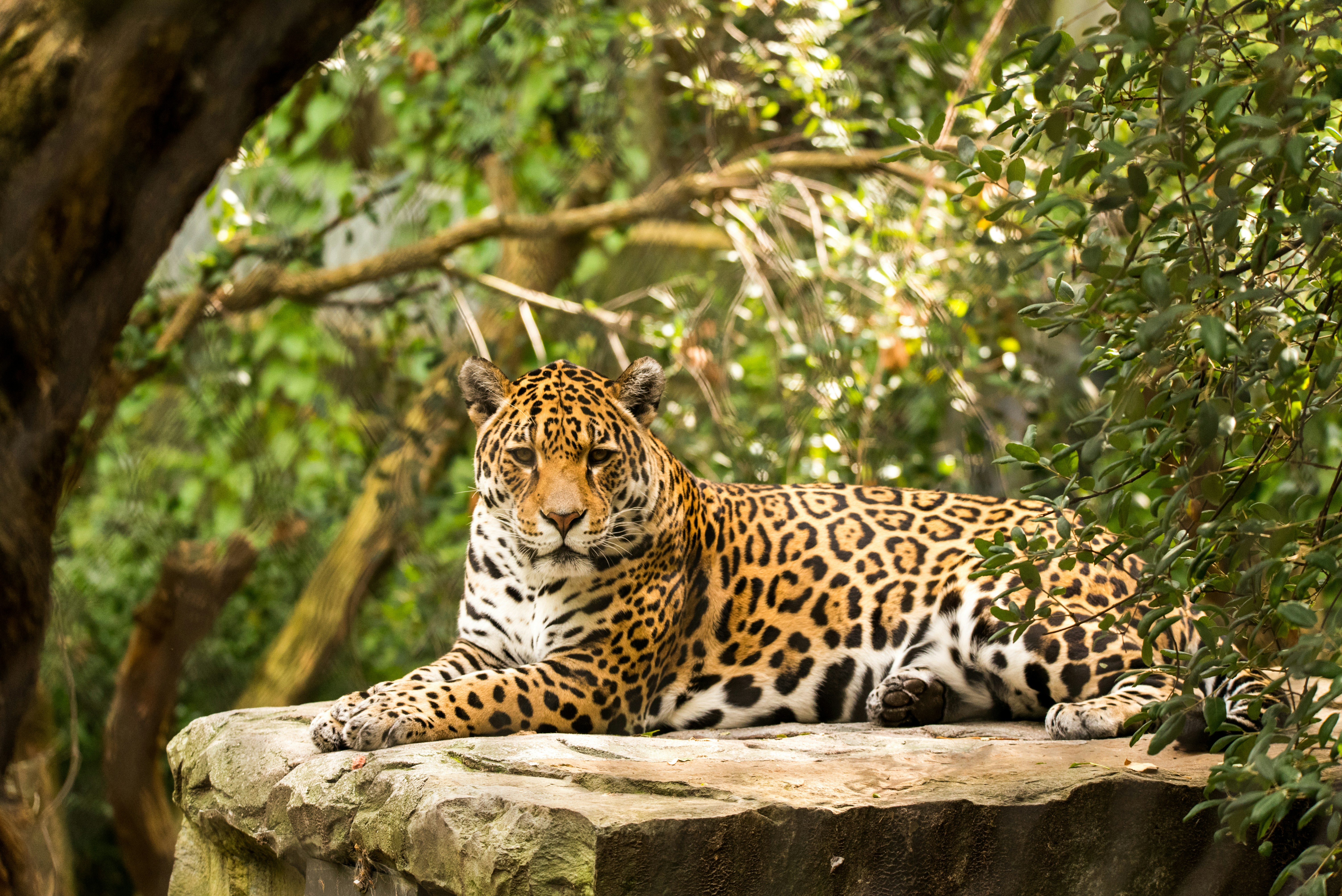
- Jaguars in Arizona: Just this month, officials confirmed a new male jaguar—dubbed “Jaguar #5”—was spotted on trail cams in Southern Arizona in late November. He is the fifth wild jaguar documented in the state since 2011, proving that despite border walls, these cats are finding a way to return home.
- Salmon in the Klamath: One year after the largest dam removal in history, Chinook Salmon were spotted in Oregon’s Chiloquin Basin and the Williamson River this fall for the first time in over 100 years. As the California Department of Fish and Wildlife put it: “There are salmon everywhere.”
- Green Sea Turtles: In a historic win, the IUCN officially reclassified Green Sea Turtles from “Endangered” to “Least Concern” in October. Global populations have risen 28% since the 70s, and right here in Florida, we saw a record-breaking 4,636 nests this year—a 600% increase in two decades.
It’s going to be a tough year ahead, but these stories prove that when we give nature half a chance—or when we get smart about solutions—it has an incredible ability to heal.
See you in 2026! We’ve got work to do, and we’ll work together with nature to make this a better world for all beings.

 Christa Avampato